










29 Things People Are Relieved to Let Go Of When They Downsize
A strip of painter’s tape shows where the table fits, while the empty space beside it makes daily life easier.
By David Ruiz, Home Editor
Updated · 18 min read
- Written by our home editor
- Cited 10 sources
- How we review

Read to the end: #1 is the one unpacking rule that keeps old clutter out, and almost nobody sets it first.
The third casserole dish is wedged behind a roasting pan. You pull it free and notice the chipped handle. Now packing tape covers the counter, and the new kitchen has one cabinet for baking pans. You set the dish down instead of wrapping it. There’s room to make a choice.
Downsizing sounds like losing space, so you brace for losing things you love. Then you notice how much work was tied to things you never chose again: shelves to dust, mystery cords to identify, a guest room to keep ready. The smaller home makes that work visible before you carry it inside.
Here are 29 things worth reconsidering before moving day.
29The third casserole dish behind the pans

That extra dish has been making every pan harder to reach.
When you pull one pan from a crowded cabinet, the stack shifts. The dish you never choose still claims the easiest shelf. Each time you cook, the cabinet asks you to move it again.
Keep the pan that fits your oven and the dish you reach for first. You free a shelf without changing what you like to make. That’s one less stack to steady.
This week, lay every baking dish on the counter and return only the ones you use. Tell a friend, “The good one is staying; the spare is ready for you.”
Then look at what’s taking up room in the closets.
28The guest towels saved for holidays
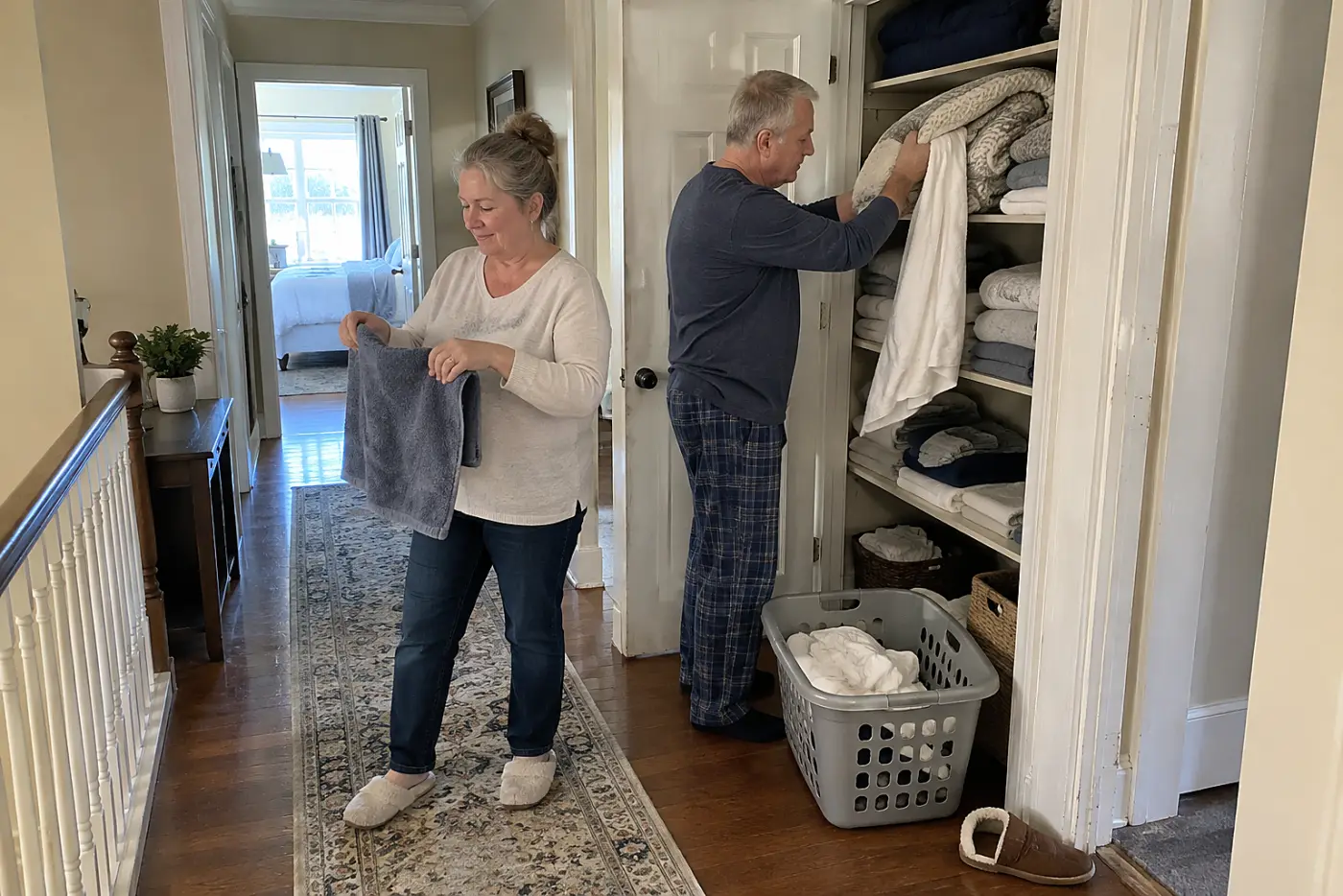
Your best towels shouldn’t wait for guests who rarely stay.
A separate stack needs a shelf, washing, and a place to land after laundry. In a smaller linen closet, it crowds the towels you use every day.
The nicest ones sit untouched while you dry off with the worn set. Clean everyday towels serve guests too, and you get the soft ones on an ordinary Tuesday.
This week, count what fits your new shelf without leaning against the door. Put your favorites into daily use and offer the extras to someone who wants them. Say, “Take the blue ones if they’ll work at your house.”
Once the linen shelf closes easily, the larger storage spaces deserve a look.
27The holiday boxes nobody wants opened

A full holiday bin creates a job before decorating starts.
First you haul it out. Then you unwrap everything to find the few pieces you still display. The rest sits on a table until you pack it away again.
That routine claims shelf space all year and time during the holiday itself. Keeping the pieces you enjoy putting up leaves less to carry upstairs.
This week, open one bin and set aside what you used last season. Check the rest piece by piece before the lid goes back on. Ask your family, “Does anyone want this before I pass it on?”
The next storage habit takes up even more space.
26The furniture stored for a future house
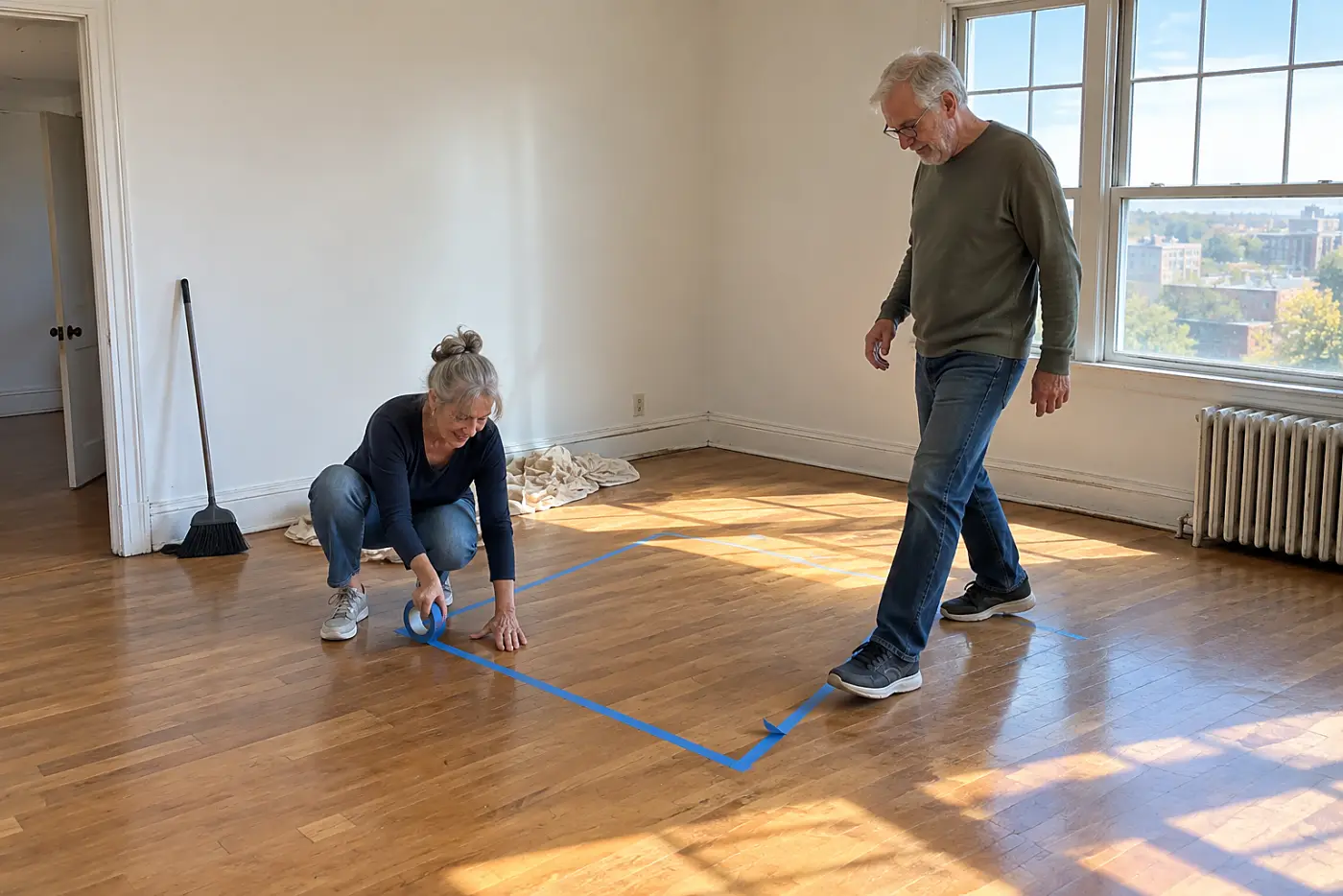
Stored furniture waits for a floor plan that doesn’t exist.
A spare table leaves your daily rooms, then sits in a basement or storage unit. Moving day puts it back on the truck list, even when the next home has no spot for it. Storage made the decision easy to postpone.
A mover still has to carry that table. Allow about 3 feet of clear space for a main walkway when you mark its footprint with painter’s tape on the new floor. Include the space chairs need when pulled out. If the outline blocks the walkway, you have your answer before paying to move it.
This week, draw the new room and mark each piece you intend to bring. Ask the mover for a quote that lists the furniture you’re taking. Tell someone eyeing the table, “You’re welcome to it before moving day, but I need an answer this week.”
Furniture is only one kind of future plan you’ve been storing.
See more: 23 Reasons Staying Put Costs More Than People Admit →
25The hobby supplies from another season

Unfinished projects ask for space long after your interest moves on.
Paint dries, yarn gets buried, and the sewing machine waits behind other boxes. Each time you open the closet, those supplies put an old decision back in front of you.
Keep the materials for a project you want to do now. The rest need a new home, not another promise. Your interests have changed before; you’re allowed to notice.
This week, put one current project where you can work on it. Gather the supplies you won’t use and check whether a fellow hobbyist wants them. Say, “I’m keeping this project, but would you use these extras?”
Next, check the things kept for a repair you haven’t made.
24The broken things waiting for repair
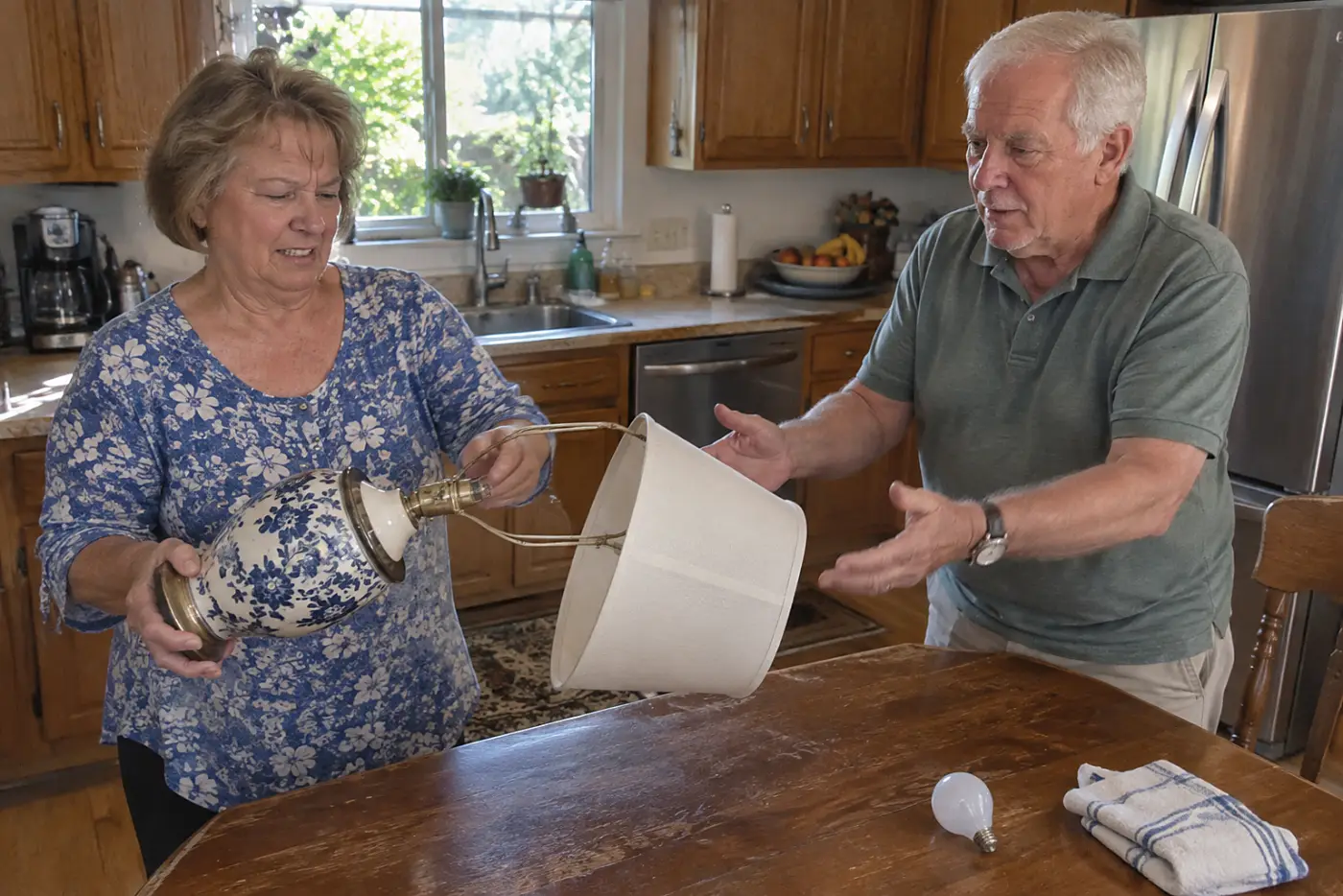
A repair pile grows when every decision gets postponed.
The lamp needs a new socket. A chair has a loose joint. Neither takes up less room because you intend to fix it. Before packing, each object needs a repair plan and a place in the next home.
For an older appliance, search Consumer Product Safety Commission recalls before spending money on repairs. Don’t put a recalled item in a donation box.
This week, choose one broken item you still want and call a repair shop for a written estimate. Set a decision date for when the estimate arrives. Tell the shop, “I need the total before I bring it in.”
A repair decision clears the floor; a cord drawer is harder to read.
23The mystery cords in the kitchen drawer
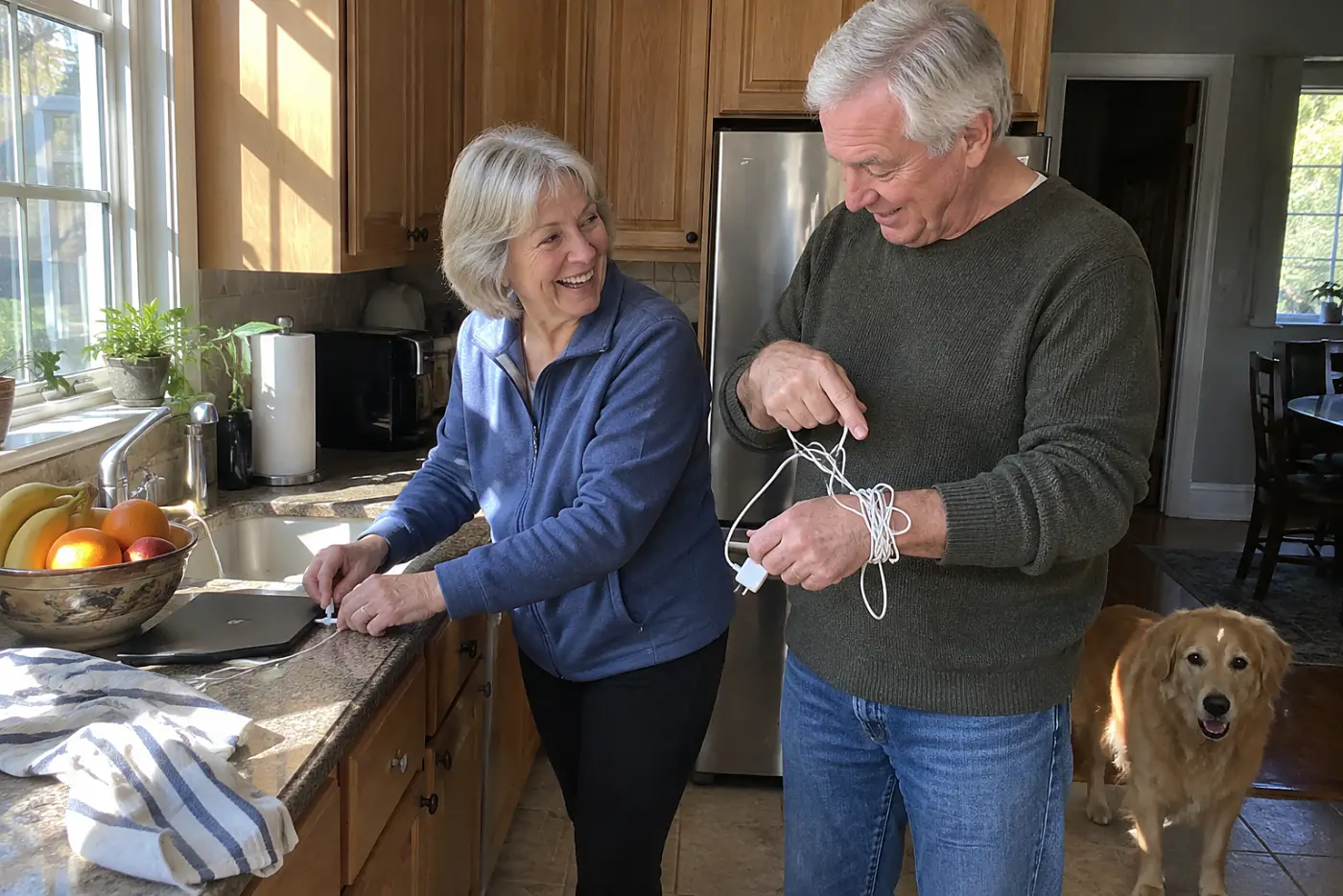
Unknown cords travel because nobody wants to discard the wrong plug.
A drawer of adapters looks important until you match each one to a device. Once a device leaves, its cord loses its job. Photograph a connector before you part with anything you can’t identify at a glance.
Without that check, you move a drawer full of guesses. You also lose space for the cords that belong to equipment coming with you.
This week, lay the cords beside the devices you’re keeping. Plug in each matched cord and label it before packing. Say, “If we can’t match this to anything here, it isn’t coming in the moving box.”
Some drawers hold paper that needs a different test.
22The manuals for appliances you no longer own
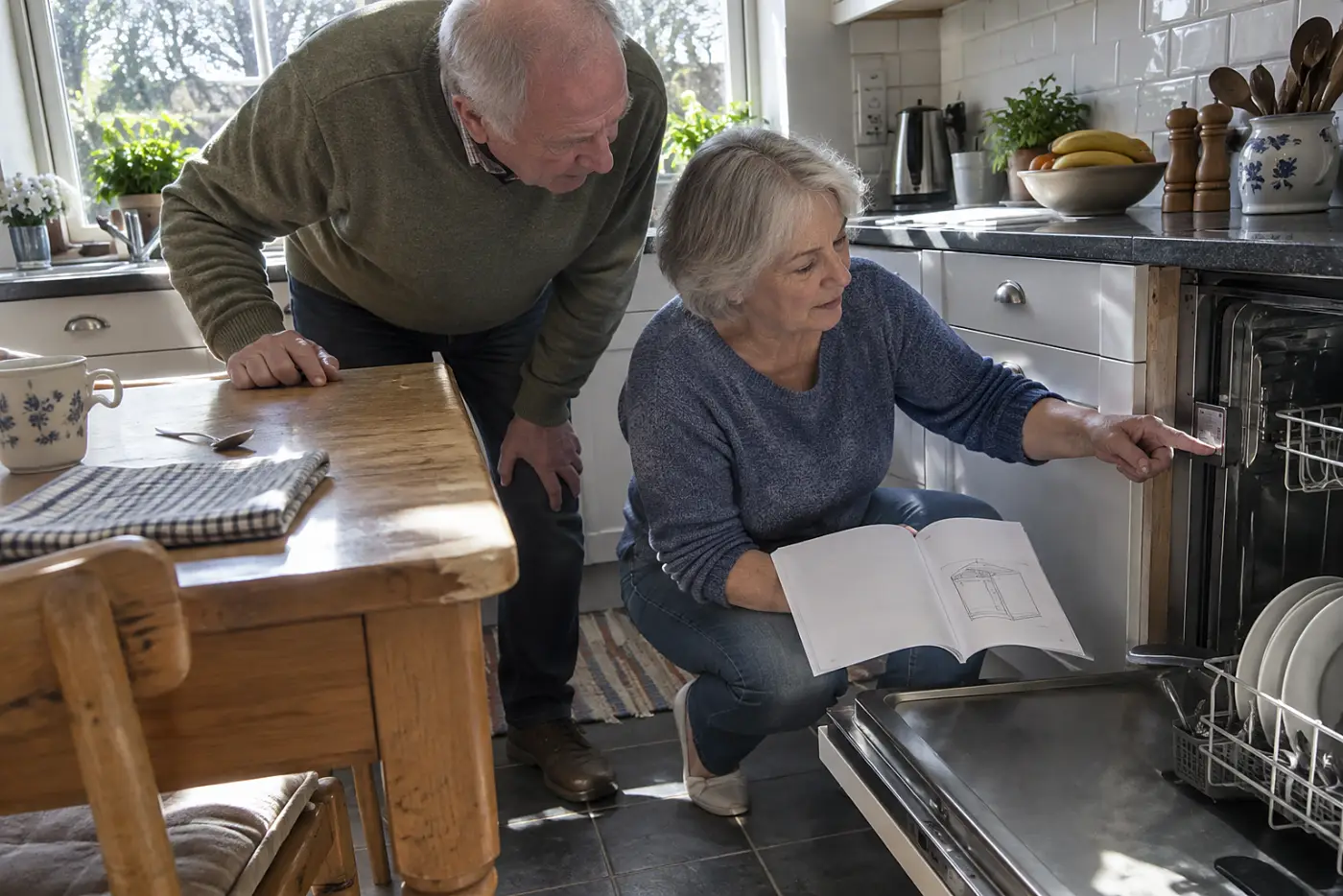
Old manuals give a paper stack an undeserved air of importance.
Open one and check its model number. If the appliance is gone, the booklet has no job left. For a machine you’re keeping, find its model number on the machine itself.
A useful receipt or warranty record deserves its own place. Don’t lose one inside a stack of dishwasher directions you no longer need.
This week, spread the manuals on a table and match them to appliances going with you. Recycle the unmatched booklets and file the records separately. Tell anyone helping, “Check the model number before this goes back in the file.”
The next pile looks official too, but its papers need closer attention.
21The tax papers kept in every room

Tax records need a plan, not three overstuffed drawers.
Start by grouping papers by purpose. The IRS generally gives itself 3 years to assess additional tax after you file a return, but some records need to stay longer. Before you shred anything, check the IRS recordkeeping guidance for the claim each document supports. A property purchase record has a different job from an old restaurant receipt.
Throwing out needed records creates trouble later. Keeping every scrap leaves you unable to find the one paper you came for.
This week, gather tax papers into one place and sort them by year and purpose. Check IRS guidance before choosing what to shred. Tell a helper, “Please sort these by year; I’ll decide what leaves.”
Once the paper is together, consider what else lives only on paper.
20The photo albums stacked in the hall

Heavy albums deserve more than a rushed packing decision.
Pull one from the stack and look inside. Some pages hold names and dates you know; others contain people nobody has identified. Scanning preserves an image, but a file named with a camera number loses the story on the back of the print.
That story matters when you want to share the photo later. For help protecting the originals, look at the Library of Congress preservation guidance. Even without a scanner, a separate note records names before they slip away.
This week, choose one album to keep intact and one small batch of loose prints to identify. Work at a table where you can stop without losing your place. Tell a relative, “Before I move these, help me name the people you recognize.”
Photos lead to the keepsakes set aside with no labels at all.
See more: 23 Things You Feel the Day You Sell the House You Raised Your Kids In →
19The inherited china packed away for years

A family dish doesn’t need to become your dinner service.
China left in its packing takes up a cabinet or a moving box. If you love one platter, bring that platter into the kitchen. Offer the rest to relatives who want to use it.
An assumed family obligation keeps a heavy set moving from house to house. Don’t make someone else store it without asking.
This week, photograph the set and send the pictures to family with a reply date. Keep the piece you chose where you can reach it. Say, “I’m keeping the platter. Tell me which pieces you’ll take before Friday.”
That question gets trickier when the object takes two people to lift.
See more: 23 Signs the Clutter Is Really Grief →
18The piano nobody has room to play

A piano turns affection into a moving-day problem.
Before anyone books a truck, measure the instrument and every doorway on its route. Stairs, turns, and the destination room matter too. Moving an upright piano locally can cost roughly $200 to $600; stairs and difficult access raise the quote. A piano mover needs the route details to price the job and plan the lift.
Don’t make a relative the default recipient because they once took lessons. The piano needs a willing home and a safe route there. Until both are confirmed, it remains on your moving list.
This week, ask a piano mover for a quote using the route measurements. Ask the person you’re considering, “Do you want this piano in your home, and do you have a place for it?”
An oversized keepsake is visible; smaller ones hide in drawers.
See more: 23 Things People Wish They'd Measured Before Moving Day →
17The silverware saved for a special dinner

The special set has missed plenty of ordinary dinners.
Silver needs storage and, when it tarnishes, attention before you set the table. If you enjoy using it, give it a reachable drawer. If dinner feels easier without it, notice that too.
An appraisal answers a value question before you sell or give away a piece. How long it’s been in the family doesn’t answer that question.
This week, set a meal with the pieces you’d keep. Separate any pieces whose value you want checked before making another decision. Say, “I’m using these now, and I’ll decide what to do with the rest.”
There’s another collection you can test without setting a table.
16The books you keep meaning to reread

Books earn shelf space when you still want to open them.
Take down one volume and ask when you last reached for it. A favorite with notes in the margin feels different from a paperback you’ve packed twice without reading. The shelf doesn’t need to prove how much you know.
Your local public library gives you a way to borrow titles again. Before donating, check whether your library accepts used books; some take donations through a separate friends group.
This week, fill one shelf with books you want nearby. Put the rest in a box marked for a recipient outside your home. Tell a friend, “You can look through these before I donate them.”
A bookshelf shows its contents; the next collection hides behind doors.
15The mugs crowded above the coffee maker

Your favorite mug is trapped behind the ones you avoid.
Each extra mug makes the cabinet harder to use. When guests visit, you still reach for clean cups that fit your hands. The chipped promotional mugs don’t become useful because they have handles.
A crowded upper cabinet also sends you climbing for things you use each morning. Give the regular mugs a shelf at a comfortable height.
This week, put your mugs on the counter and choose the ones you reach for first. Set those in the cabinet without stacking them. Say, “Take any of these extras that you’d enjoy using.”
The same daily test works where you spend longer choosing.
14The clothes kept for another version of you

A crowded closet makes getting dressed take longer.
Clothes from another job, size, or climate sit between the pieces you reach for. Pulling out a hanger becomes a search.
The new closet gives you a plain measurement: what fits on its rod without bunching. Keep what fits the life you’re living now. Stained and torn items need a different route from clothes someone else can wear. Check the EPA’s reuse guidance if you’re sorting both.
This week, pack a bag of wearable clothes you haven’t chosen. Check a local organization’s donation rules before dropping it off. Tell a friend, “These fit my old workday, but I don’t need them in this closet.”
A closet choice feels personal; the next pile asks whether a part belongs to anything.
13The spare parts saved after replacements

A bag of spare parts looks useful until nothing matches.
Extra screws, brackets, and shelves linger after furniture leaves. Without the piece they came with, their purpose is hard to recover.
The next owner of that furniture needs its parts more than your drawer does. Keep known hardware with the object while it’s still yours. Loose, unknown parts don’t deserve a moving box.
This week, tape known hardware to its furniture or put it in a labeled bag. Check each remaining piece against what you’re keeping. Say, “These screws go with the bookcase; please take them together.”
Once those little bags are sorted, check what’s taking up space outside.
12The lawn equipment for a yard you’re leaving

A smaller home changes the work waiting outside your door.
A mower, trimmer, hoses, and half-used yard supplies served the property you have now. Check the outdoor space at the new place before choosing tools to move. If someone else handles yard care there, the mower’s job ends on moving day.
Leftover pesticides and fuel need more thought than the rake. Check local hazardous-waste collection rules before moving or disposing of them; the EPA’s household hazardous waste page helps you identify what needs that check. Don’t put chemicals in a donation box or pour them down a drain.
This week, make one pile of tools with a job at the new place. Check your local waste department’s instructions for the rest. Tell a neighbor, “The rake is yours if you pick it up before I move.”
Outdoor storage cleared, there’s still the work that comes through the mail.
11The catalogs arriving for old purchases

Catalogs keep filling a home after your habits change.
A mailing list doesn’t know you moved on from a store. The next catalog lands on the counter, then joins a pile you didn’t mean to start. Stopping it at the source beats finding another spot for it.
DMAchoice handles requests concerning many marketing mailings. For a specific catalog, contact the company using the details printed inside it.
This week, take one catalog you don’t want and request removal. Put any new copies straight into recycling while the request takes effect. Say, “Please take my address off your catalog mailing list.”
Mail is easy to spot; a subscription can disappear into your bills.
10The storage unit holding undecided boxes
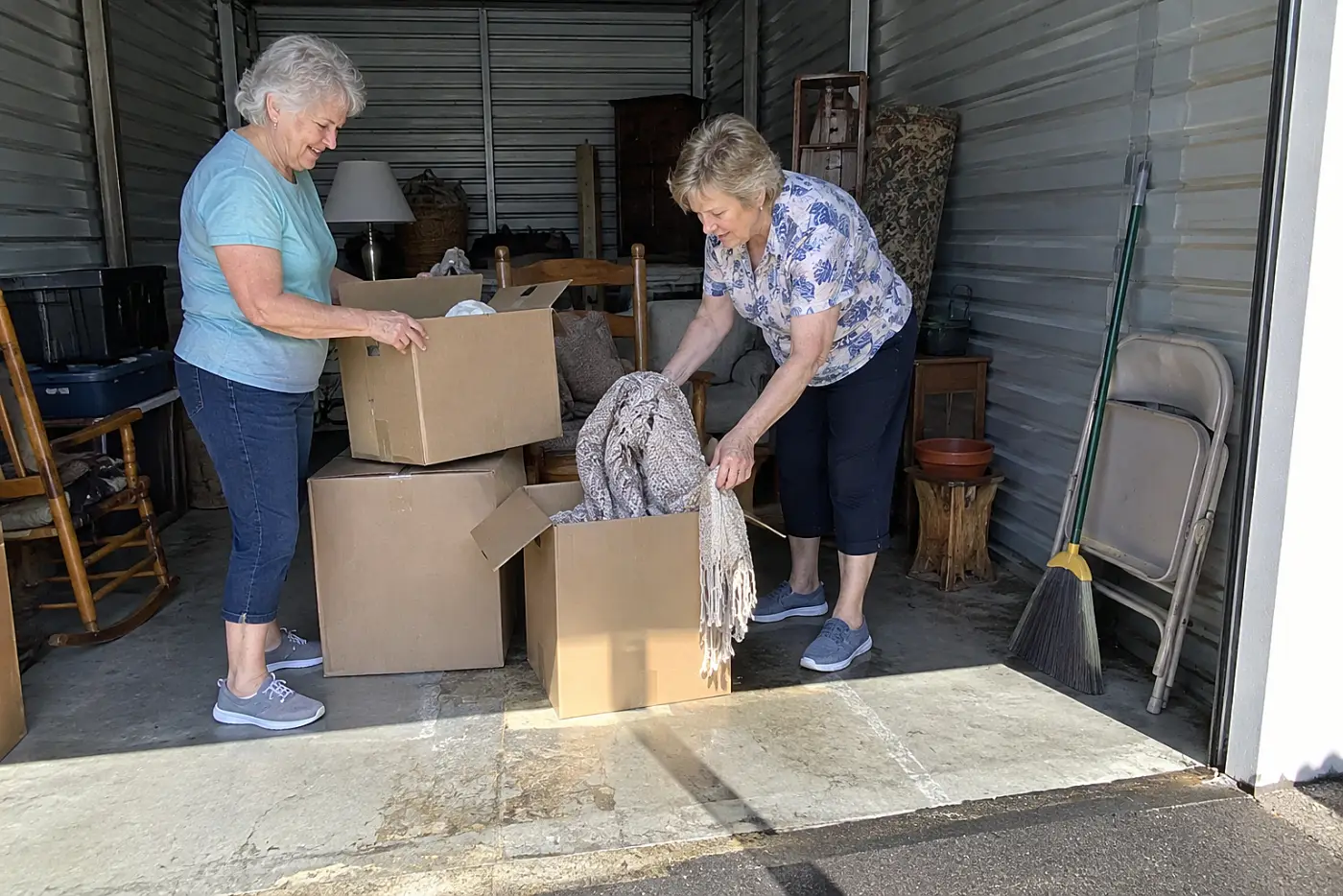
A storage unit puts a monthly charge on postponed choices.
Its door closes, and the boxes leave your daily sight. The contract and payment keep going. Check the next billing date and the rental agreement before you set a move-out day.
Write down the charge from your statement instead of guessing what the unit costs. The Federal Trade Commission recommends checking bills and statements for charges you no longer want. A storage payment deserves that same look.
This week, visit the unit with your new floor plan and sort one row. Check the agreement, then ask the facility, “What steps end my rental, and when does billing stop?” Get its answer in writing.
Empty boxes also claim space before you fill them.
9The packing supplies saved from every delivery
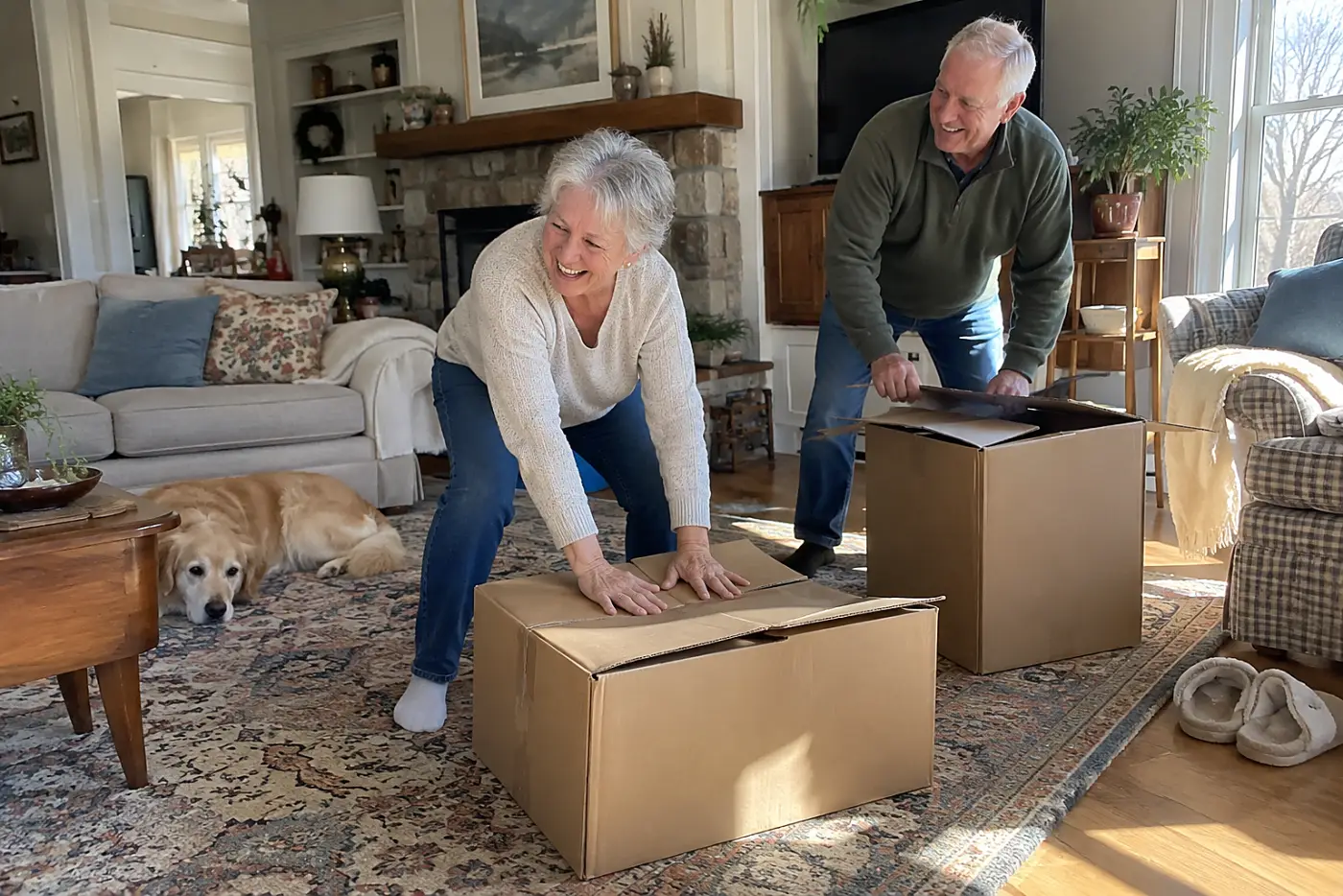
Empty boxes can crowd a room before packing begins.
A box that held a small appliance won’t necessarily fit your books or dishes. As deliveries arrive, packaging piles up because it seems useful. Give each box a packing job before you save it.
Cardboard and foam follow different local recycling rules. Check your collection program’s instructions before putting either at the curb; the EPA’s recycling page points you toward local information.
This week, flatten boxes you won’t use and keep only those assigned to a room. Move the extras out of your packing path. Say, “I’ve got enough boxes for this room.”
The hardest boxes contain things you haven’t opened in years.
8The spare bedding for beds you no longer have
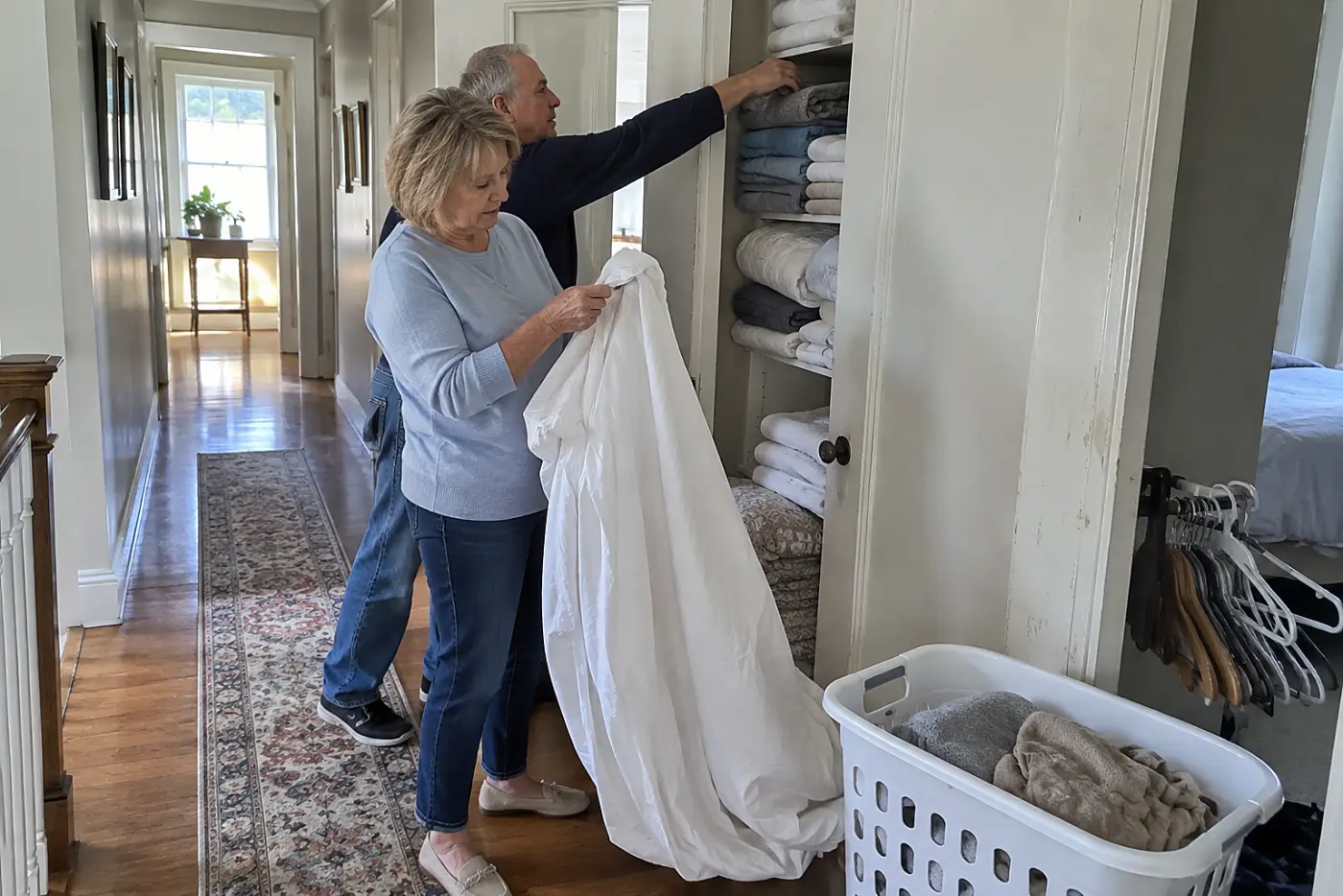
A sheet set without a bed still takes up a shelf.
Check the tag on each fitted sheet. Match the size to a bed coming with you, and keep pillowcases with their matching set so you don't solve the same puzzle twice after the move.
Skip that check and you'll fold linens that will never fit anything in the new home. A smaller linen closet makes that extra work harder to ignore.
This week, make a pile for each bed you'll actually use in the new place. Offer the clean, usable extras before you pack the closet. Say, "These fit the bed we're leaving. Would you use them?"
Once the shelves have room, look at what still claims space near the door.
7The exercise machine behind the bedroom door

The machine has become a rack for clean laundry.
A treadmill or exercise bike needs more than a spot on the floor. You need room to get on, move, and step off without squeezing past a wall. If it hasn't served that purpose where it stands now, measure before assigning it space in the next home.
Moving it means paying for a heavy object you haven't chosen to use. The chair or clear walkway you want there loses that space instead.
This week, clear the clothes off the machine and check its model name and moving instructions. Mark its footprint on the new floor plan, including space to use it.
If you're letting it go, arrange a pickup with someone prepared to move it. Say, "You'll need help carrying it; I can't move it to the curb."
That open patch of floor makes the next crowded spot easier to see.
6The plant pots stacked beside the patio

Empty pots keep promising a garden you haven't planned.
Check the light at your new place before choosing what to grow. Match a pot to each plant you're taking. Soil left inside makes every pot heavier to carry.
Packing the whole stack fills a balcony or windowsill before you've put a plant there. Empty containers still need a place to sit.
This week, choose the pots you'll use, then empty and clean them for the trip. Offer sound extras to a neighbor. Say, “Would you use these pots?”
The next thing to measure takes up space even when it's empty.
5The extra suitcase under the bed

An empty suitcase still takes a full suitcase's space.
Pull every case out and check its wheels, handle, and zipper. Then pack what you'd take on an ordinary trip into the case you prefer carrying. The one with a broken handle doesn't earn a ride to the new home because it held clothes during your last move.
Cases nested inside one another look tidy but still claim a closet corner. You don't have to store luggage for trips you haven't planned.
This week, choose the bags you'll use and check where they'll fit in the new home. Empty every pocket before offering a usable extra. Tell a friend, “This case is in good shape if you need one.”
There's another piece of stored gear that needs a closer look before it goes.
4The old paint cans in the garage
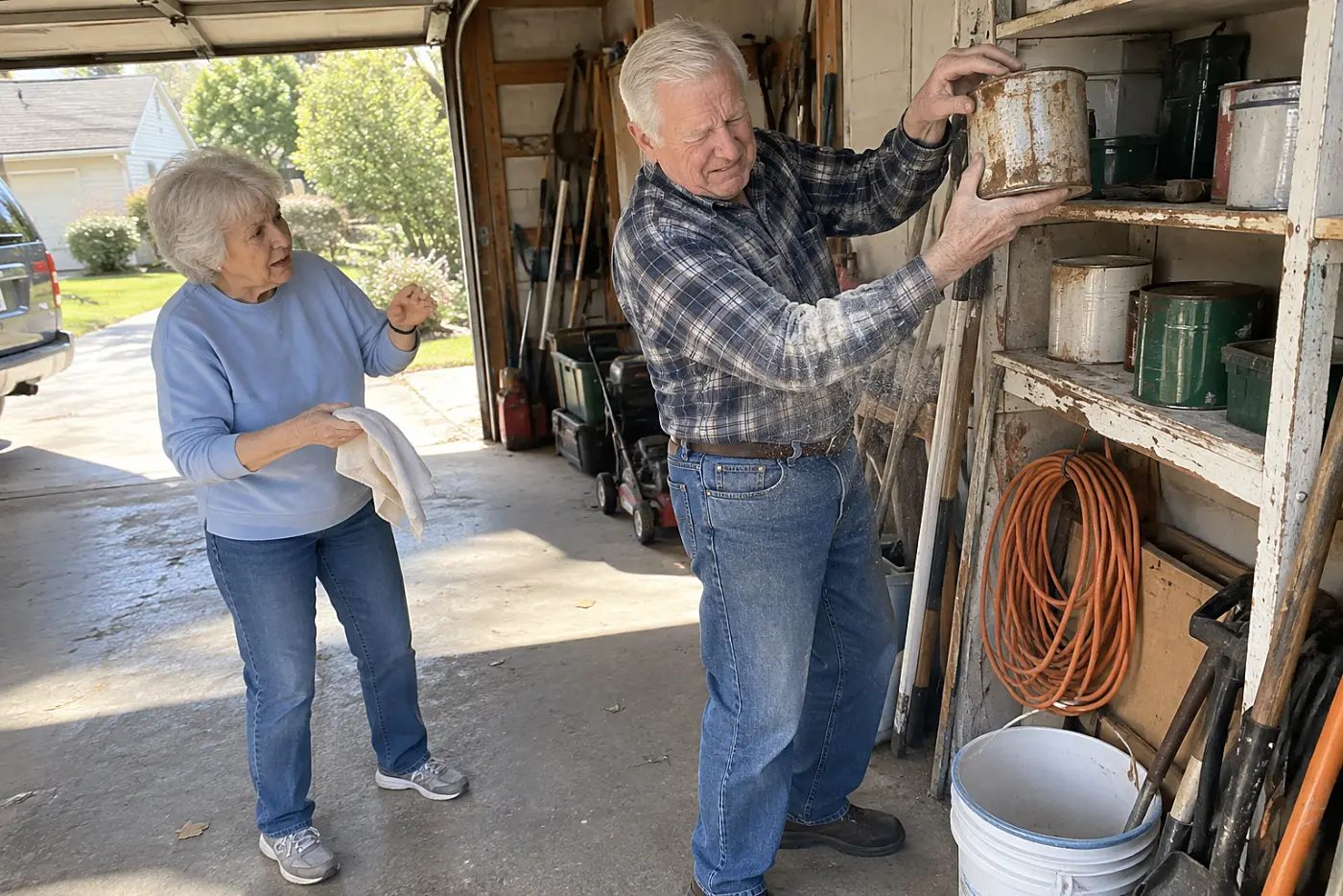
A paint label remembers a room you're leaving.
Read each can before you move it. The color name alone isn't enough. Check which room it served and whether that room belongs to the home you're leaving. A dried can won't touch up any wall. Set aside paint you'll use for a touch-up before the sale, and keep it accessible until that job is done.
Look at the lid, too. A rusted rim or a loose lid makes a can a poor choice for the moving truck. Don't open one over a floor you need to keep clean. Put down cardboard first, then check what's inside without tipping the can.
Liquid paint needs the disposal route your local waste department specifies. Latex and oil-based paint don't always follow the same instructions. Ask about each type before you put a can in the trash or load it for the move. The label helps you tell them what you're holding.
This week, sort the cans by room and set the usable touch-up paint apart. Ask your local waste department how to handle the leftovers. Tell someone helping, “Leave the paint here until I check where it goes.”
Once the garage floor opens up, the gear above it gets a clearer test.
3The roof rack for the car you sold
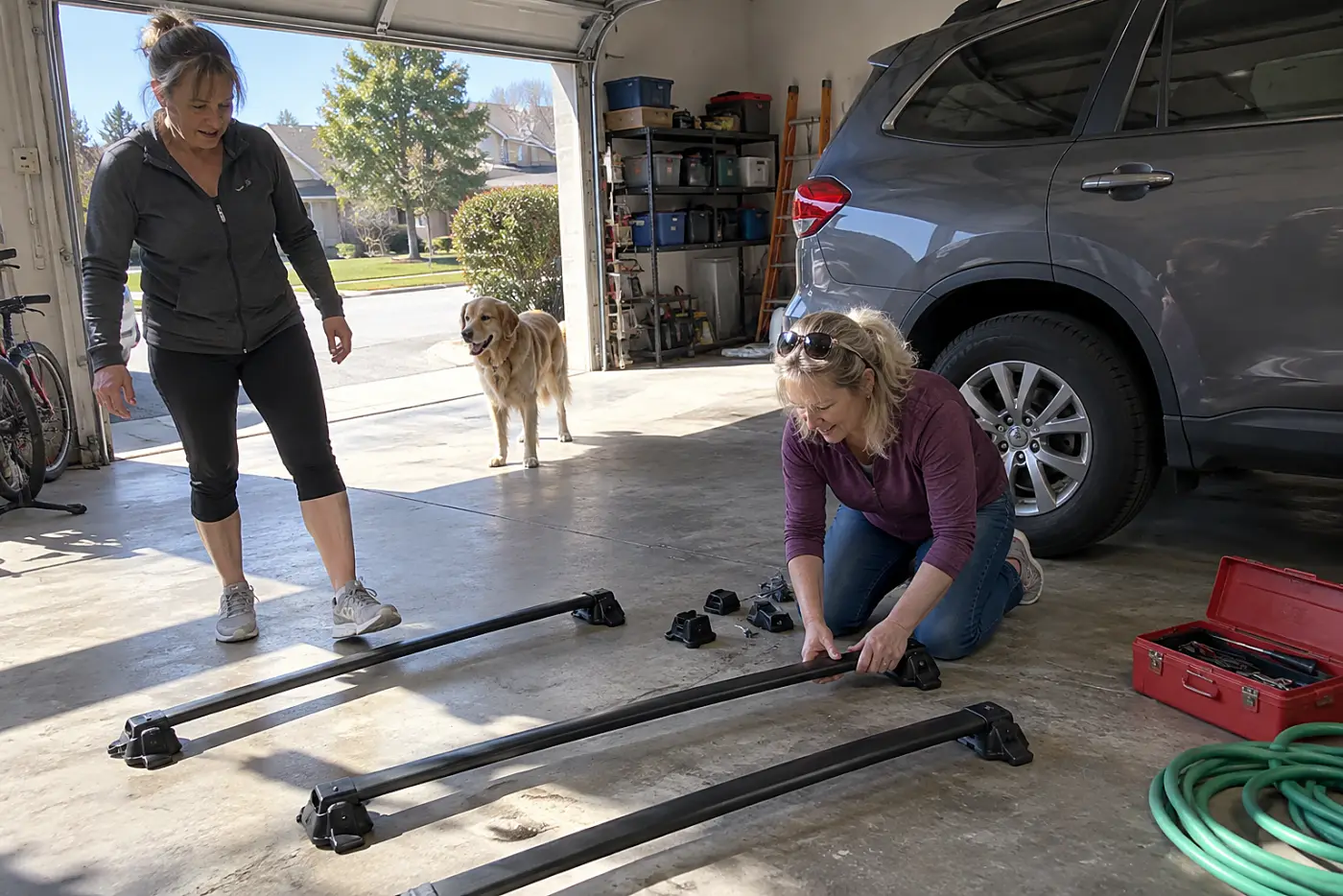
A roof rack loses its job when the car leaves.
Find the vehicle and rack model information before offering it to anyone. Mounting parts differ. A rack that looks complete on a shelf still needs the right hardware for its next vehicle. Keep its parts together while you check.
Without that match, the rack becomes a long, awkward object in your new closet. A buyer or recipient shouldn't have to guess whether it's safe to attach.
This week, lay out the rack and all its mounting pieces, then check the maker's fit information. Offer it with its model details if it belongs to a car you no longer have. Say, “Please check that it fits your car before you take it.”
The shelf is clearer now, but moving day still asks what deserves the trip.
2The unopened boxes from your last move
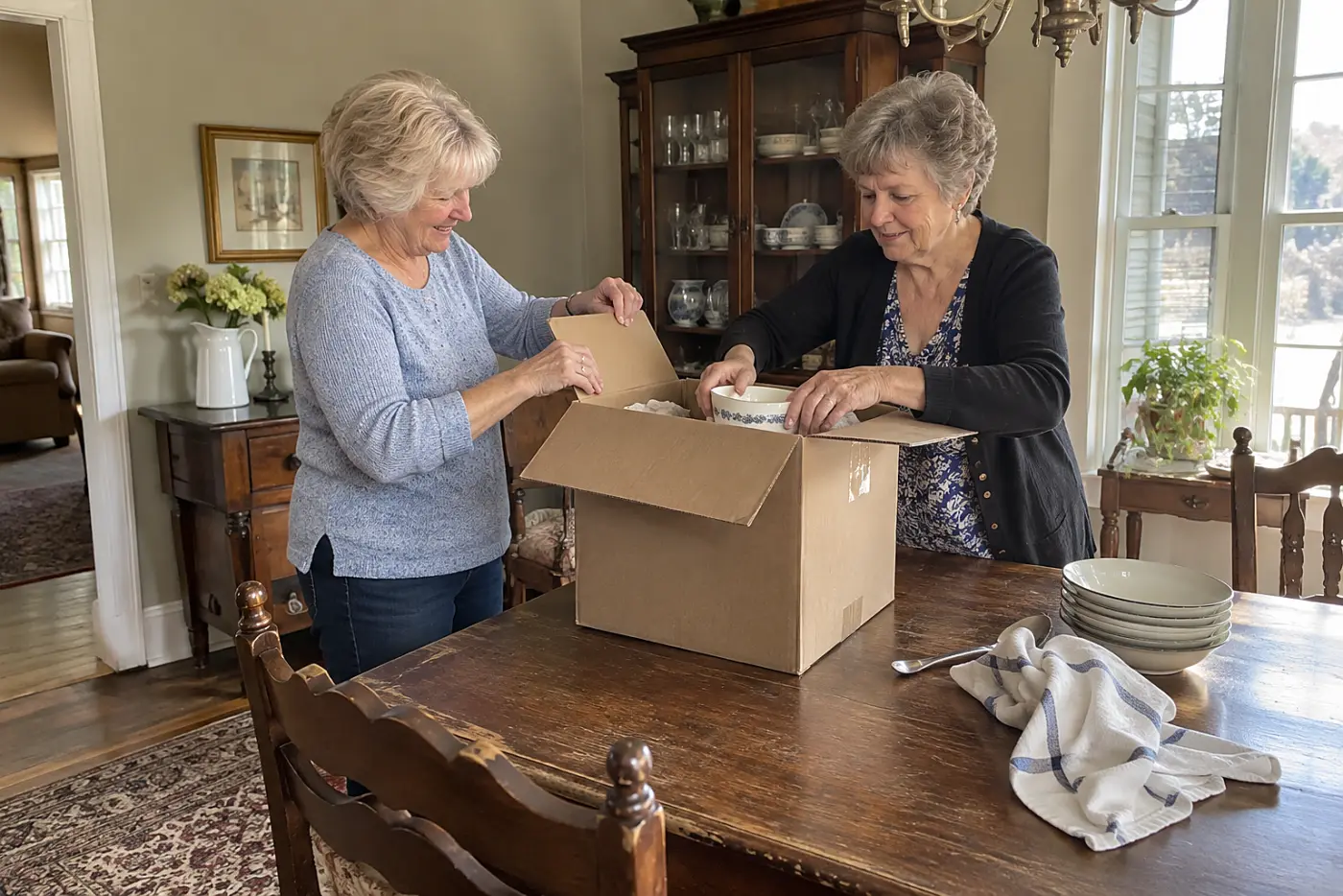
An unopened box already tells you something about its contents.
You lived without reaching inside it. Open it anyway: a needed record or a loved keepsake could be mixed in. Check each object before deciding whether the old box deserves another trip.
Taping it shut passes the same mystery to your next home. If you want help with a large backlog, the National Association of Productivity & Organizing Professionals has a directory. A helper should follow your decisions, not make them for you.
This week, open one old box at a table with space to sort. Separate what stays, what you’ll offer, and what needs disposal. Tell your helper, “Please hand me each item; I want to decide.”
You’re close to the door now, but one decision waits on the other side.
1The promise to unpack every moving box

Unpacking everything gives old clutter a new address.
A box arrives, and putting its contents away feels like progress. Once an object reaches a drawer, deciding whether it belongs becomes harder. The box is open, but the decision you postponed has slipped out of sight again. That’s how a smaller home acquires a crowded cabinet before you’ve settled in.
Set up what you need to sleep, wash, dress, and cook first. Give each remaining room a job before opening its boxes. Then place one box beside the shelf or drawer its contents would occupy. If that space is full, choose between what’s there and what came in the box. Nothing earns a place solely because you paid to move it.
The first days matter. One crowded cabinet turns into two when every box gets emptied on schedule. Keep the clear floor while you decide; no form or fee will do it for you.
This week, write the rule on a card and put it with your moving supplies. Bring the card to the new kitchen before you open the spare boxes. Say, “Nothing gets a shelf just because it came in a box.”
That rule needs a place to land once you reach the new front door.
The bottom line
Storage turns old decisions into work you keep doing.
You’ve measured the new rooms, chosen what earns space, and given the rest a destination before moving day. When you unpack, you get to make that choice again.
Which of these has already happened in your family?
Up next
25 Things People Regret Giving Away When They Downsize
A cleared shelf looks like progress until you need the shoebox holding the only copy of a handwritten recipe.
Read the list →

Reader quiz
Did you catch the details?
5 questions from this article. Finish them all to unlock the editor's bonus tip.
What should you get from a repair shop before deciding whether to move a broken item?
Did any of these feel familiar?
Know someone who needs this?
Sources cited in this article
This article links to 10 outside sources, listed here so you can read them yourself.
- Consumer Product Safety Commission recalls www.cpsc.gov
- IRS recordkeeping guidance www.irs.gov/businesses/small-businesses-self-employed/how-long-should-i-keep…
- Library of Congress preservation guidance www.loc.gov/preservation
- Local public library www.usa.gov/libraries
- EPA’s reuse guidance www.epa.gov/recycle/reducing-waste-what-you-can-do
- EPA’s household hazardous waste page www.epa.gov/hw/household-hazardous-waste-hhw
- DMAchoice dmachoice.org
- Federal Trade Commission consumer.ftc.gov
- EPA’s recycling page www.epa.gov/recycle
- National Association of Productivity & Organizing Professionals www.napo.net
David Ruiz
Home Editor
David writes about the house you have and the one you might move to: staying put, downsizing, repairs, and the small changes that stop a fall.
More from David Ruiz