








25 Ways a House Changes When You Stop Hosting the Holidays
The folding chairs leave first, but the harder change comes when nobody needs the dining room cleared by Thursday.
By David Ruiz, Home Editor
Updated · 14 min read
- Written by our home editor
- Cited 8 sources
- How we review

Read to the end: #1 is the handoff conversation that gets your traditions into the new kitchen, and almost nobody has it.
The table leaf is still behind the hall closet door. You can reach it without moving a thing, though it hasn't been fitted into the table since your daughter started hosting. There's a nick along one edge from the year someone dropped a serving spoon.
The obvious job seems to be deciding what stays. That misses the harder question: which things should keep being used, and who gets to decide where they go next?
Here are 25 changes worth looking at before another holiday comes around.
25The folding chairs behind the hall door

The chairs stay long after the guests stop coming.
They once solved a particular problem: more people than seats. Now they occupy the closet where you reach for boots or the vacuum. Keeping every chair preserves a seating plan nobody uses.
Pull them out this week and test each hinge before offering any away. Ask the person with the big table, “Would four matching chairs help, or would they crowd your room?”
Keep a pair if you still use them. There's another piece of that old seating plan tucked farther back.
24The table leaf you lift alone
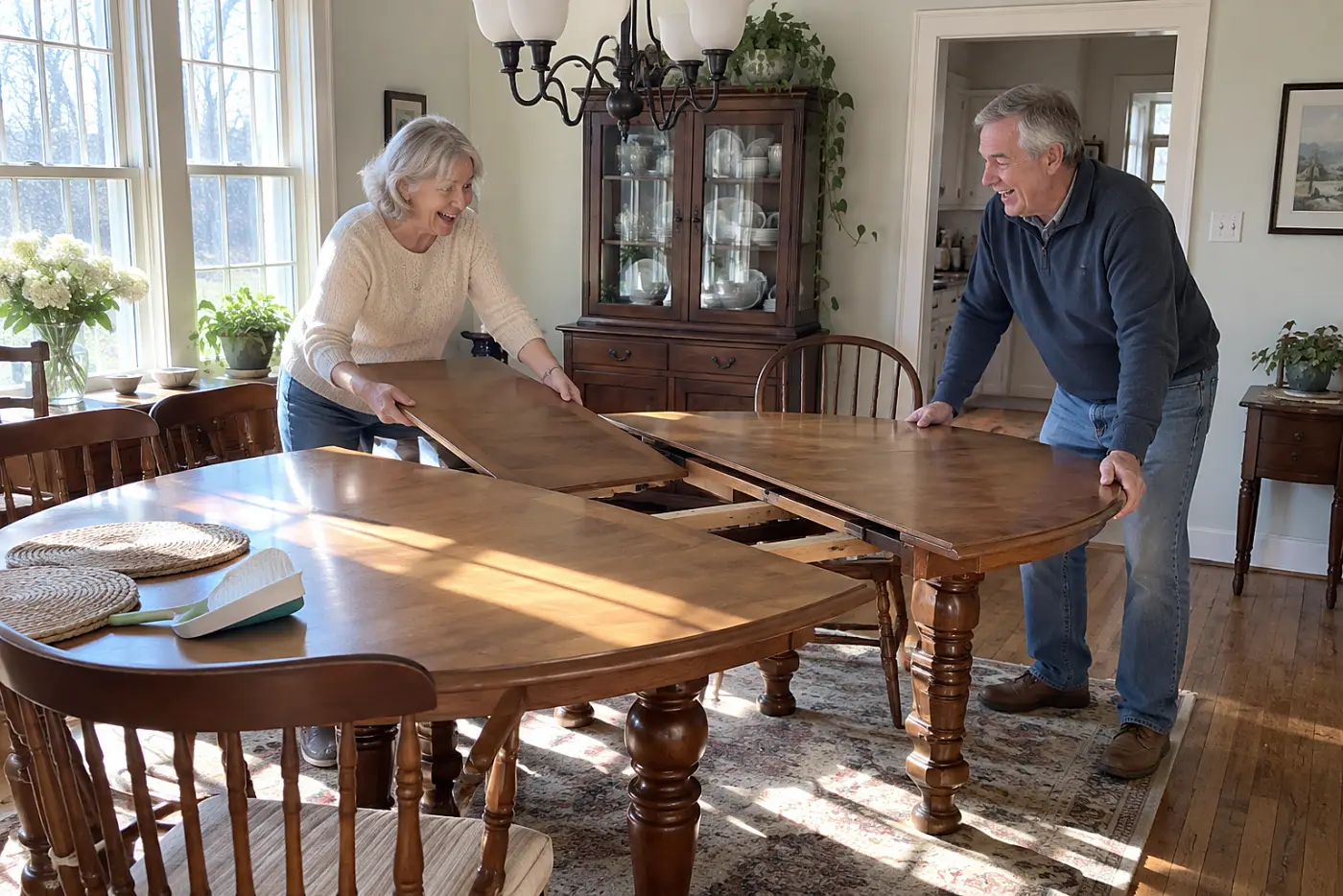
The leaf was built for a bigger roomful of people.
Once dinner moves elsewhere, the table stays closed and the leaf goes years without daylight. Stored flat and supported, it stays easier to fit; leaned against a damp wall, it faces a different sort of holiday damage.
Check the manufacturer's instructions before changing how you store it. Wood reacts to changes in indoor humidity, as the US Forest Products Laboratory explains in its wood handbook. A dry spot away from a heat vent beats the garage floor.
This week, fit the leaf once and photograph its underside hardware. Tell the next host, “I have the leaf if you ever need more table space.”
If the table remains small, look at what used to sit in its center.
23The serving platter above the refrigerator
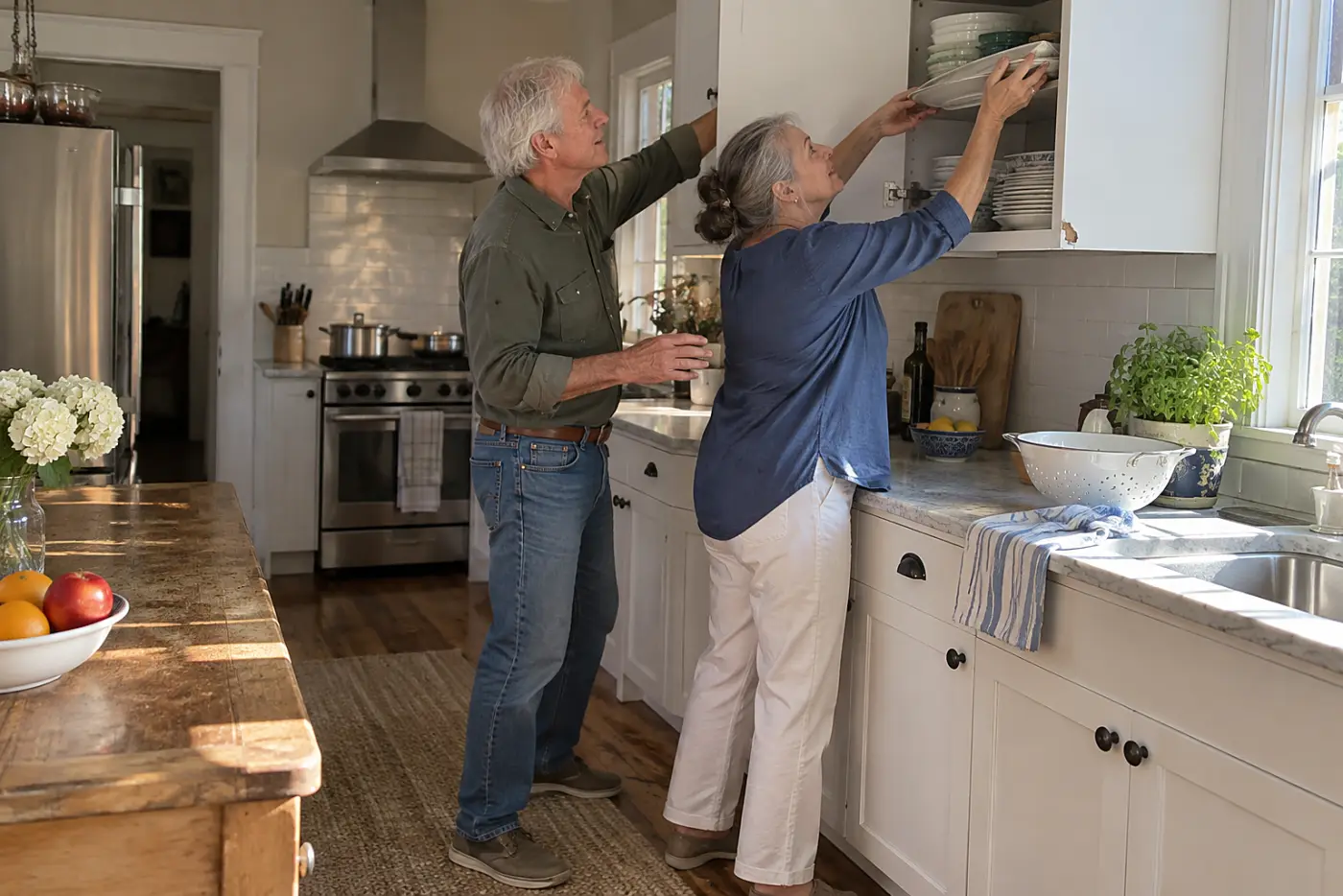
A heavy platter earns its place when it gets passed around.
Without that meal, it becomes a two-handed lift from a high cabinet. Chips and worn glaze also matter if an old decorative piece returns to food service.
Take it down this week and check the maker's mark and condition. For older or damaged ceramics, read the FDA's guidance on lead in ceramicware before putting food on them. You can say, “This was our turkey platter; would you use it?”
The platter has a match, though it lives in a different cupboard.
22The twelve plates kept for one meal

Your everyday stack never needed twelve dinner plates.
Holiday dishes spread across cupboards because a complete set once mattered. After the gathering moves, those plates push daily mugs and bowls toward the back.
Count the pieces before splitting a set. If someone wants it, photograph the pattern and pack plates on edge with padding between them. The Smithsonian Museum Conservation Institute advises care with storage materials for objects you want to preserve; kitchen paper and a damp basement aren't a long-term plan.
This week, set out the plates you actually like eating from. Say, “I'd rather see these on somebody's table than keep them wrapped here.”
Once the plates have an answer, the smaller place settings demand one too.
21The silverware box under the bed
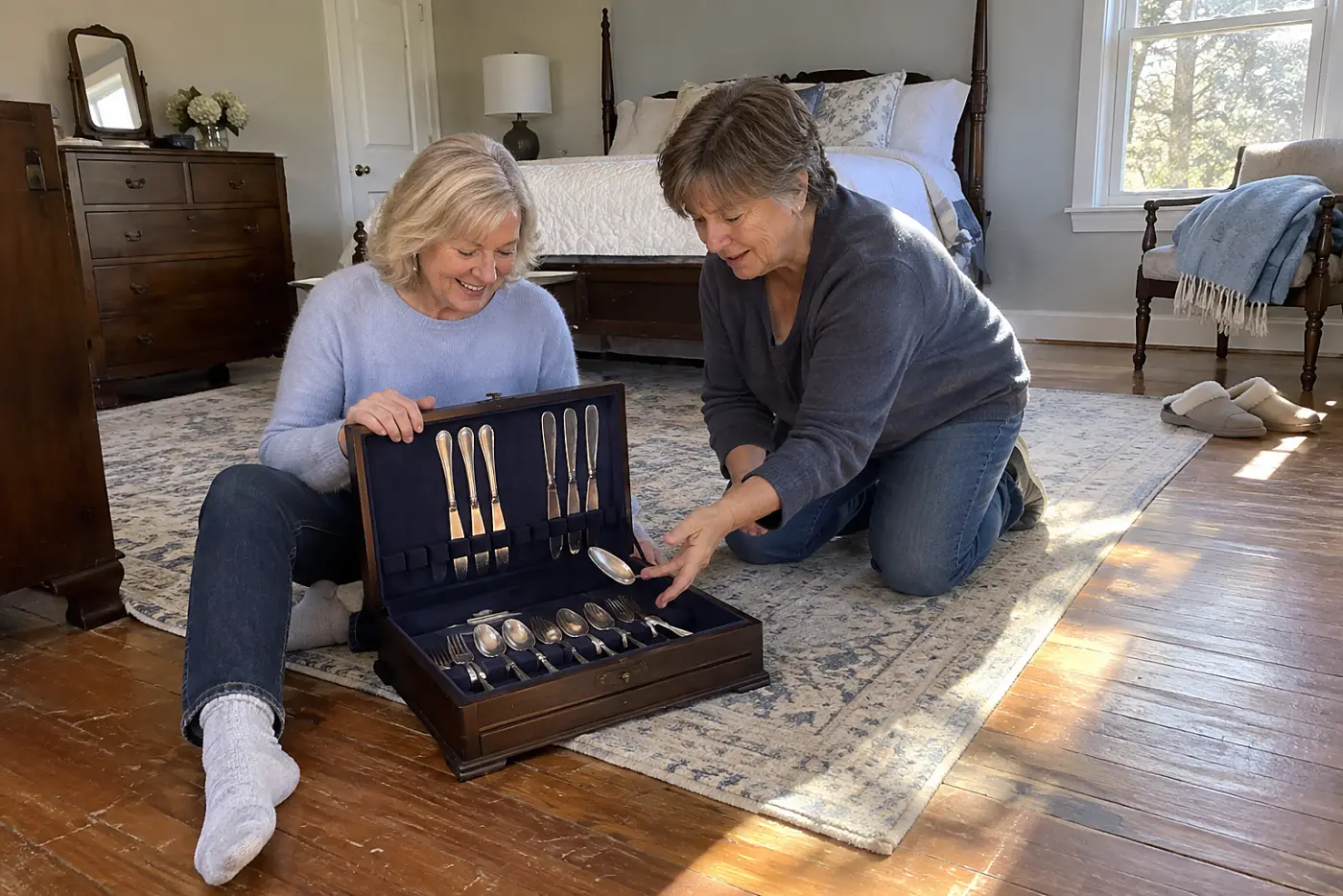
Silverware disappears from memory inside a closed wooden box.
The set belonged to the annual place setting, so it stayed together. Now the box takes space while forks you enjoy sit unused. A missing serving spoon matters to someone planning a full table, even if it never mattered while you kept the box closed.
Open it this week and count what is there, including serving pieces. Don't promise a complete set until you know what is missing. Tell a relative, “Pick the pieces you'd put on your table, not the ones you think you should take.”
The same rule matters even more for the linens folded nearby.
20The stained tablecloth in the linen drawer
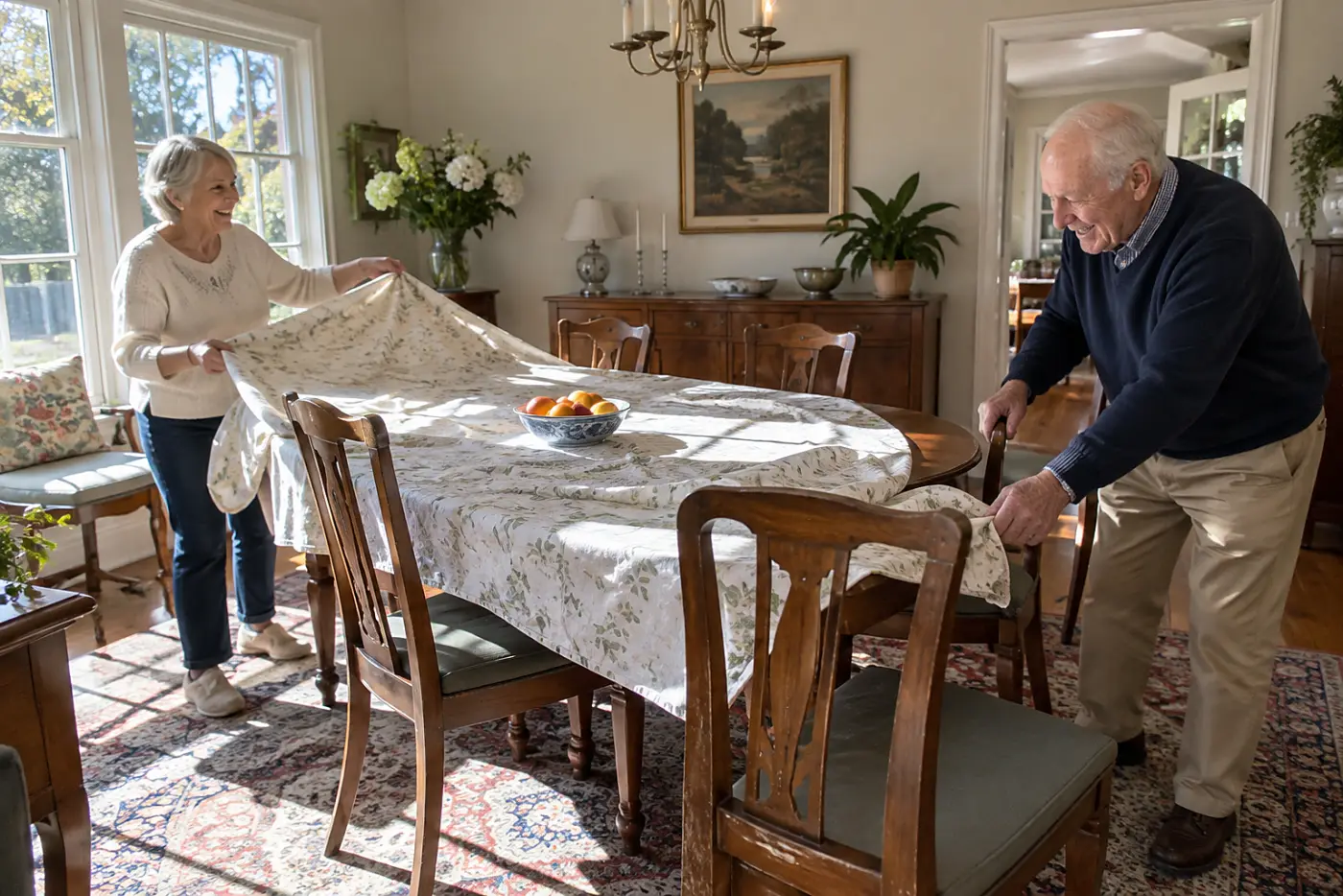
That mark has a story, but it still needs washing.
Old spills set deeper when a cloth gets packed away between holidays. A linen drawer also hides fabric damage until the next person unfolds it over a table.
Read the care label before washing or treating a stain. If the cloth is fragile or has embroidery, the Smithsonian Museum Conservation Institute has textile care guidance; harsh scrubbing turns a small problem into a hole. Don't guess at a bleach treatment because the cloth looks white.
Unfold it fully this week and decide whether it's for meals or memories. Say, “I'll give you the cloth after I show you the stain.” If you'll use it again, check the label and measure the table before deciding whether to pass it on: a tablecloth needs about 6 to 12 inches of overhang on each side for a seated meal.
After the table is bare, the kitchen drawers start telling on themselves.
19The roasting pan blocking the oven drawer

A roasting pan doesn't shrink when dinner moves.
It still claims the wide cabinet or oven drawer designed around a big bird. If you rarely lift it now, the pan blocks the trays you use every week. That awkward reach is a poor trade for equipment another cook needs on the day you bring dessert instead.
This week, measure the pan and the next host's oven before offering it. Include the handles in that measurement. Ask, “Do you have room for this pan, or should I pass it along?”
Then check the appliance that helped you finish everything on time.
18The slow cooker with its missing lid
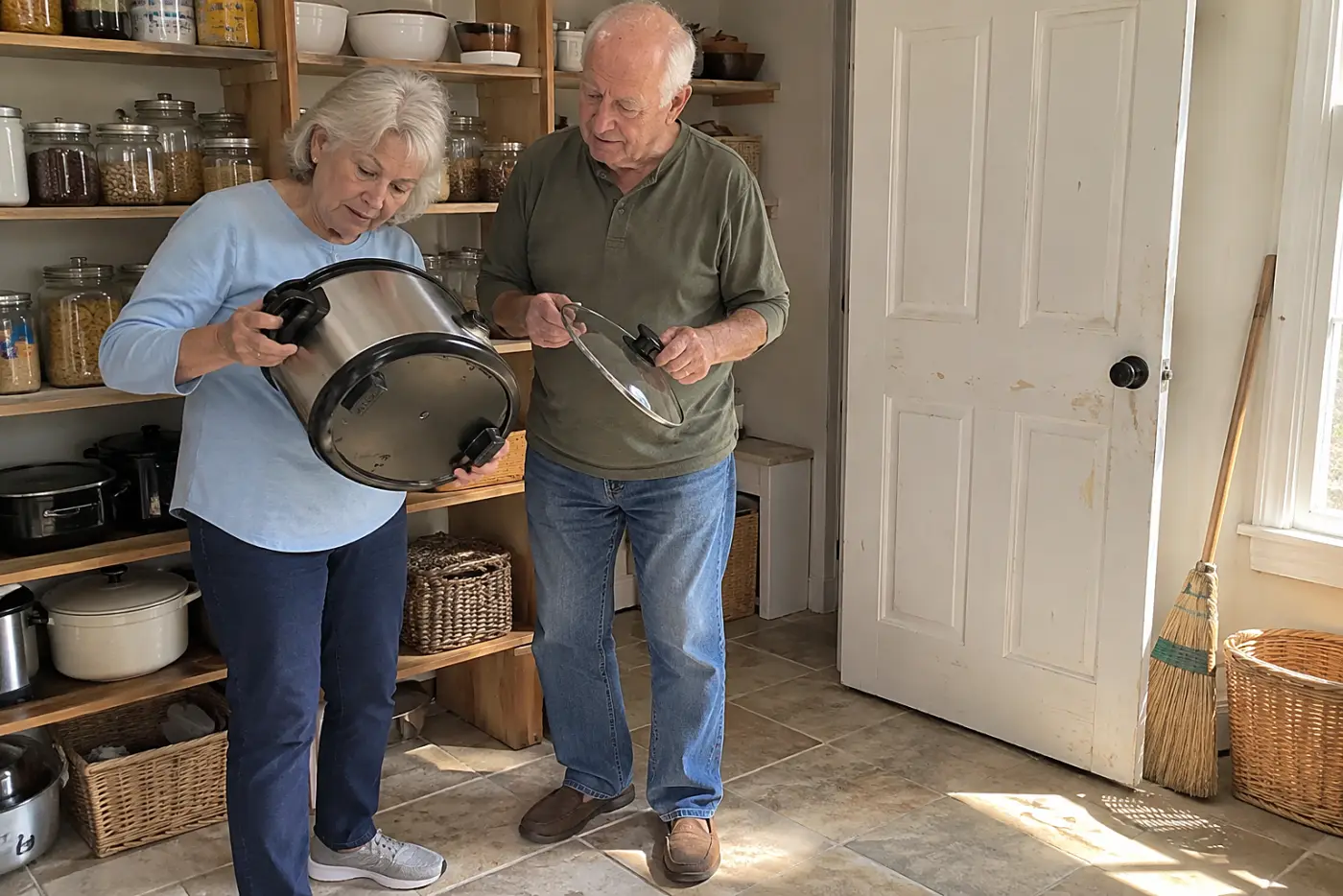
Extra cooking equipment has a way of staying plugged into memory.
A slow cooker used for one holiday side dish might spend the rest of the year on a pantry shelf. A missing or ill-fitting lid changes how well it heats and holds moisture.
Inspect the cord, plug, stoneware, and lid this week. Check the model number on CPSC's recalls page before giving it away. Use the sticker underneath when you search; its model number tells you more than the cooker's age.
If the lid is gone, don't hand off the cooker as a complete working appliance. Tell the next cook, “I'll check the model before I bring it over.”
Equipment is easy to count; the ingredients bought for it are less visible.
17The spice jars bought for one recipe

A cabinet remembers meals you no longer cook.
The cardamom and whole cloves stayed because the recipes stayed. Ground spices lose their punch over time, even when the jar still looks full. For flavor, ground spices generally keep about 2 to 3 years; whole spices keep about 3 to 4 years.
Open each jar this week and smell it. Replace what you'll cook with; discard what has no job. Check the USDA FoodKeeper for storage advice before you use an ingredient that's been sitting beside those spices. Tell the new host, “I have the recipe, but buy fresh spice for it.”
That recipe has probably been sitting in a less obvious place.
16The recipe card behind the flour tin
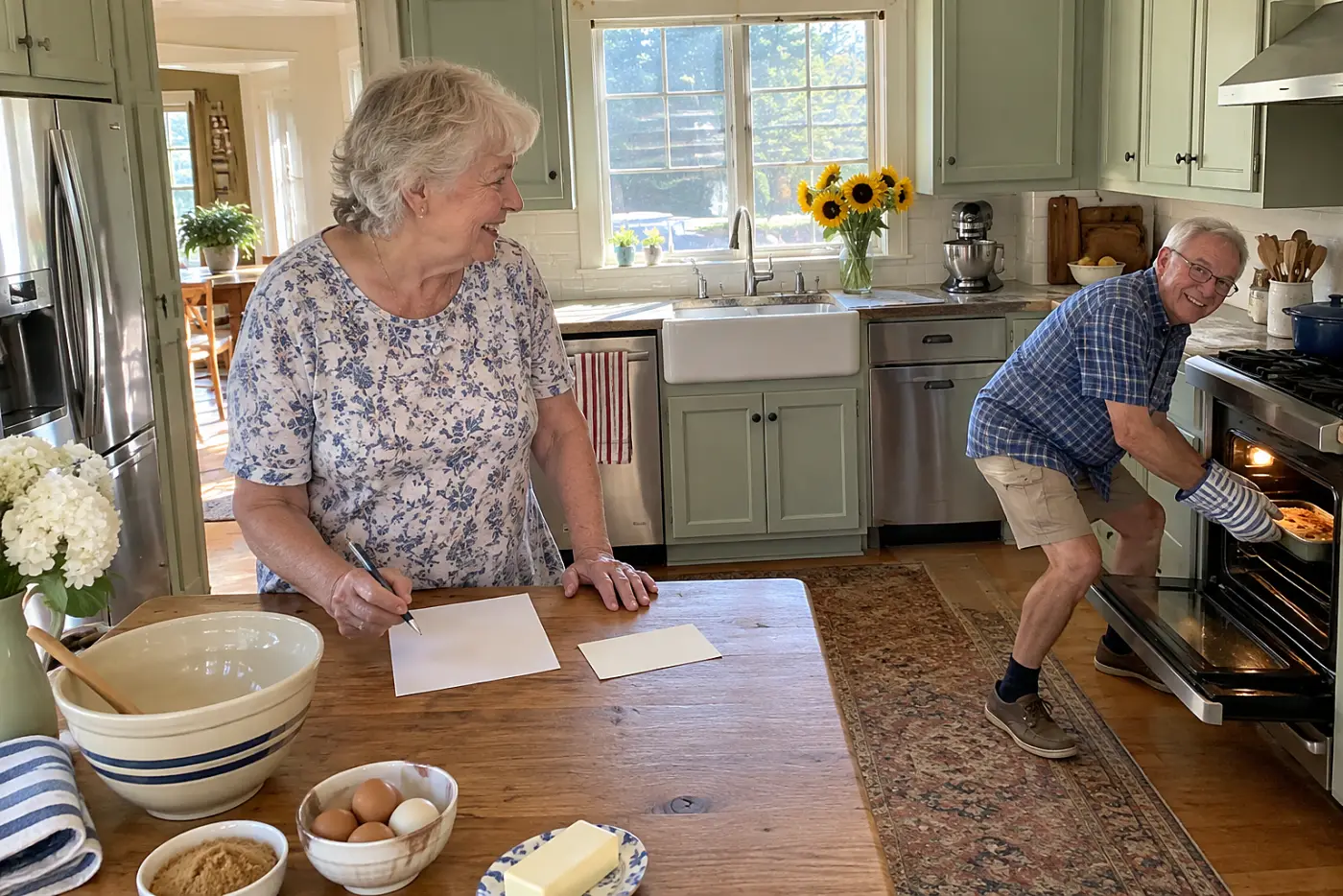
A familiar dish is easy to lose in handwriting.
The card says “bake until done” because you knew what done looked like. Someone cooking in another kitchen doesn't have your pan, your oven, or that remembered color.
Make the dish on an ordinary week and write down the pan size, oven setting, and visual cue. USDA Food Safety and Inspection Service has safe cooking temperatures for meat and poultry; use a thermometer rather than inheriting an old guess.
Photograph both sides of the card this week. Say, “Here's what I meant by 'until done,' and here's the pan I used.”
The handwriting travels well, but the sound of the room doesn't.
15The holiday music playlist on your phone

A playlist doesn't follow the family unless you send it.
Those songs once started when you pressed play in your kitchen. At another house, nobody knows which version came first or which track marked dessert. If the list stays on your phone, the new host has to build that part of the day from scratch.
Open the playlist this week and check that it still plays. Send the link with a plain note: “These are the songs I used while we cooked.” If it lives on discs, photograph the cases before you pack them away.
Then think about the decorations that gave those songs a room.
14The ornament box with no labels
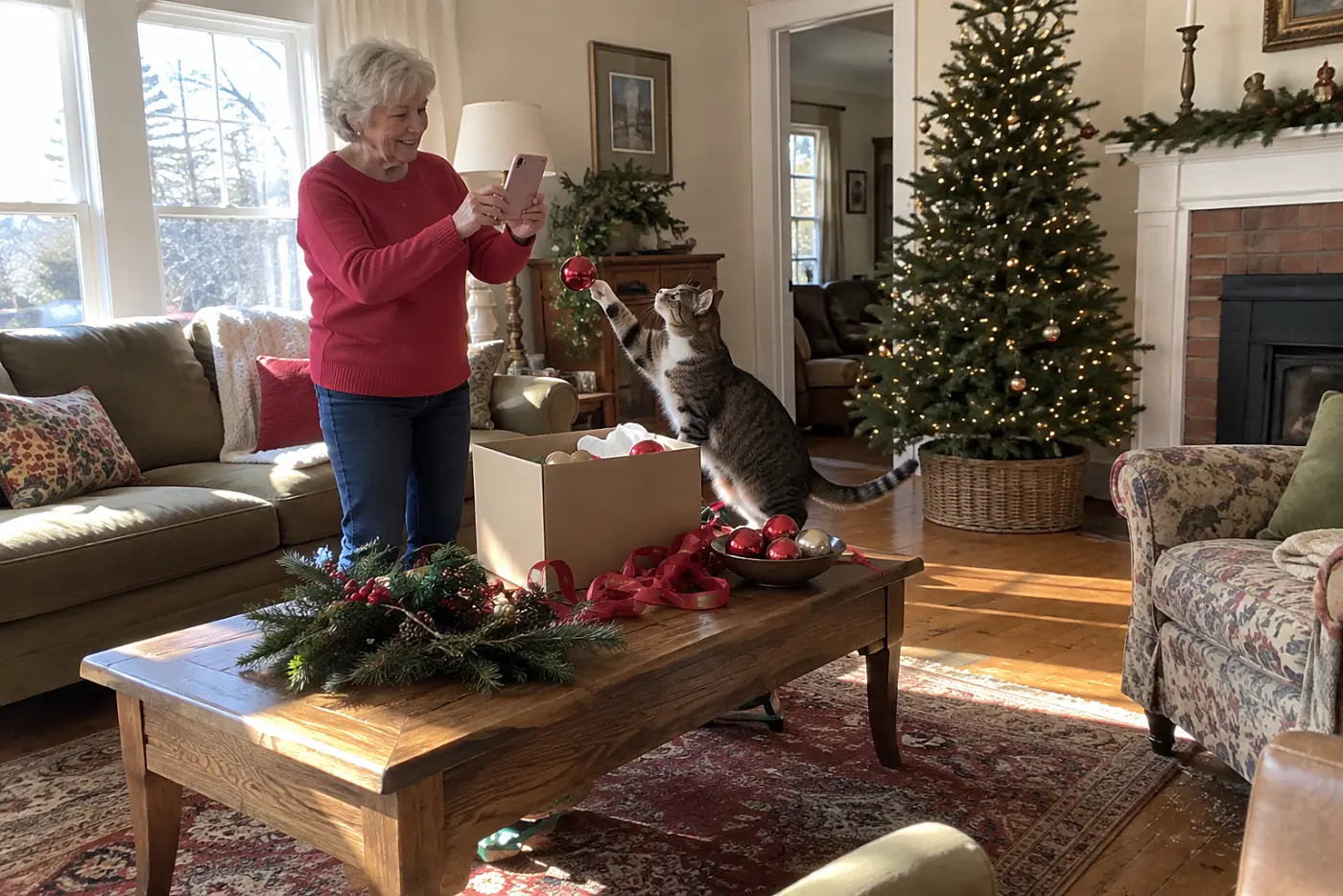
Unmarked boxes make every ornament an annual discovery.
That was fine when you did the unpacking. In someone else's hands, a fragile glass piece and a child's paper star look like objects without instructions.
Photograph a few pieces with their stories this week. Label containers by contents, not by a person's name, until you've asked what anyone wants. For fragile items you plan to keep, Smithsonian Museum Conservation Institute guidance on storage favors stable conditions and suitable packing materials.
Don't write an heir's name on the box as a surprise. Say, “Would you enjoy putting these up, or would you rather I keep them?”
The tree has its own storage problem after the ornaments come down.
See more: 29 Signs the Clutter Is Really Grief →
13The artificial tree in the attic
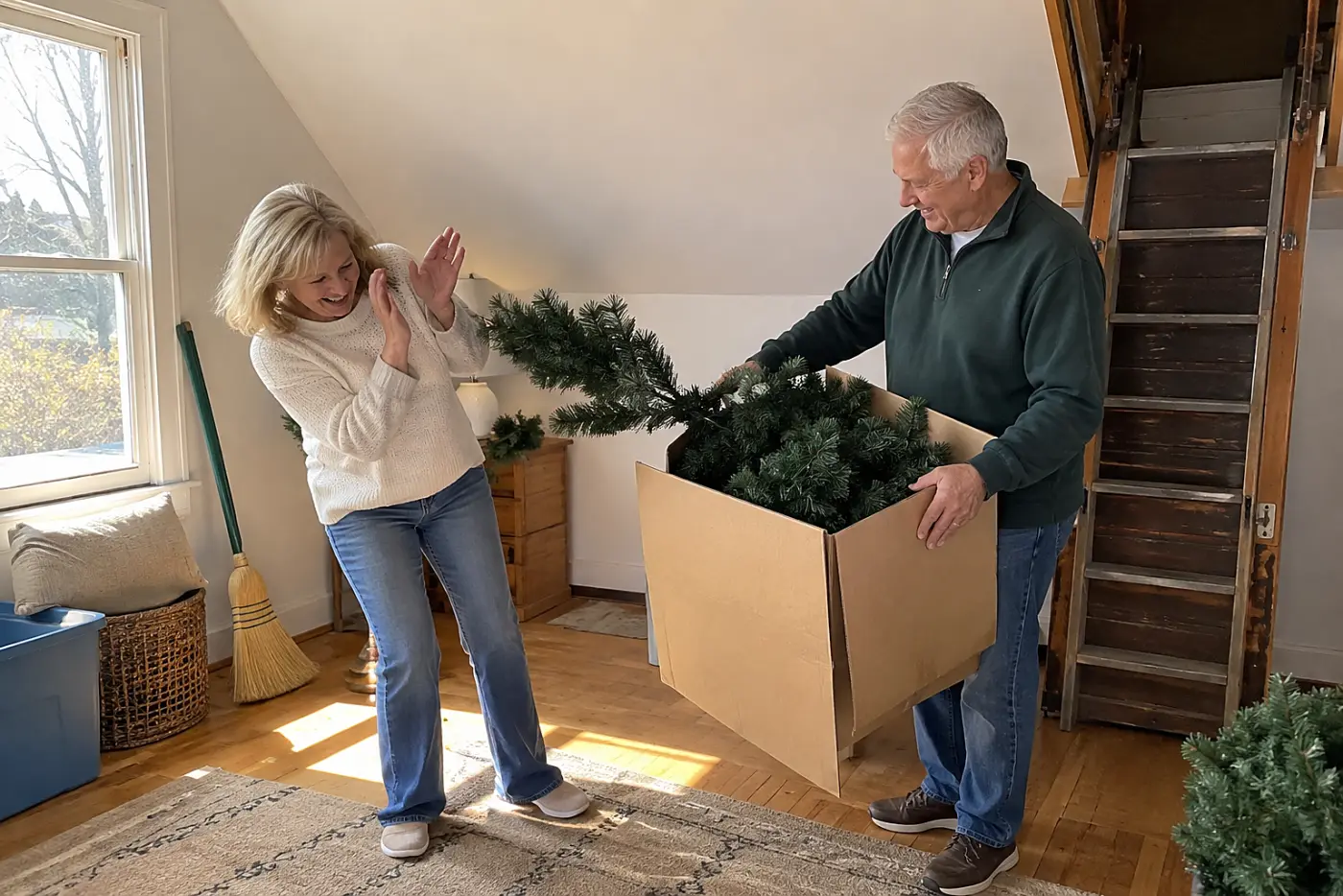
A tree in the attic still needs someone to carry it.
The annual climb once had a purpose. Now the box takes space above your head, while putting it up might mean asking someone to lift it twice.
Bring the box down with help this week; don't balance it on a ladder yourself. Inspect the lights and check their model on CPSC's recalls page. Say, “Do you want this tree for your house, or shall I find it another home?”
Outside, another decoration is still waiting for its old audience.
See more: 28 Steps on the Downsizing Checklist for Seniors, in Order →
12The porch lights left on the hooks

Outdoor lights don't become permanent just because they stay up.
Sun and weather work on cords while the hooks hide what needs checking. A strand used for one season can look ready next year until you inspect the wire.
Unplug the lights before handling them. Check each cord for damage and follow the Electrical Safety Foundation International advice for outdoor-rated lights and extension cords. Don't run a cord through a door that pinches it shut.
Take one strand down this week and decide whether you'll light the porch for yourself. You can say, “I'm keeping the porch lights, but I don't need the whole roof done.”
The front of the house still carries another holiday habit.
11The guest towels in the bathroom cabinet
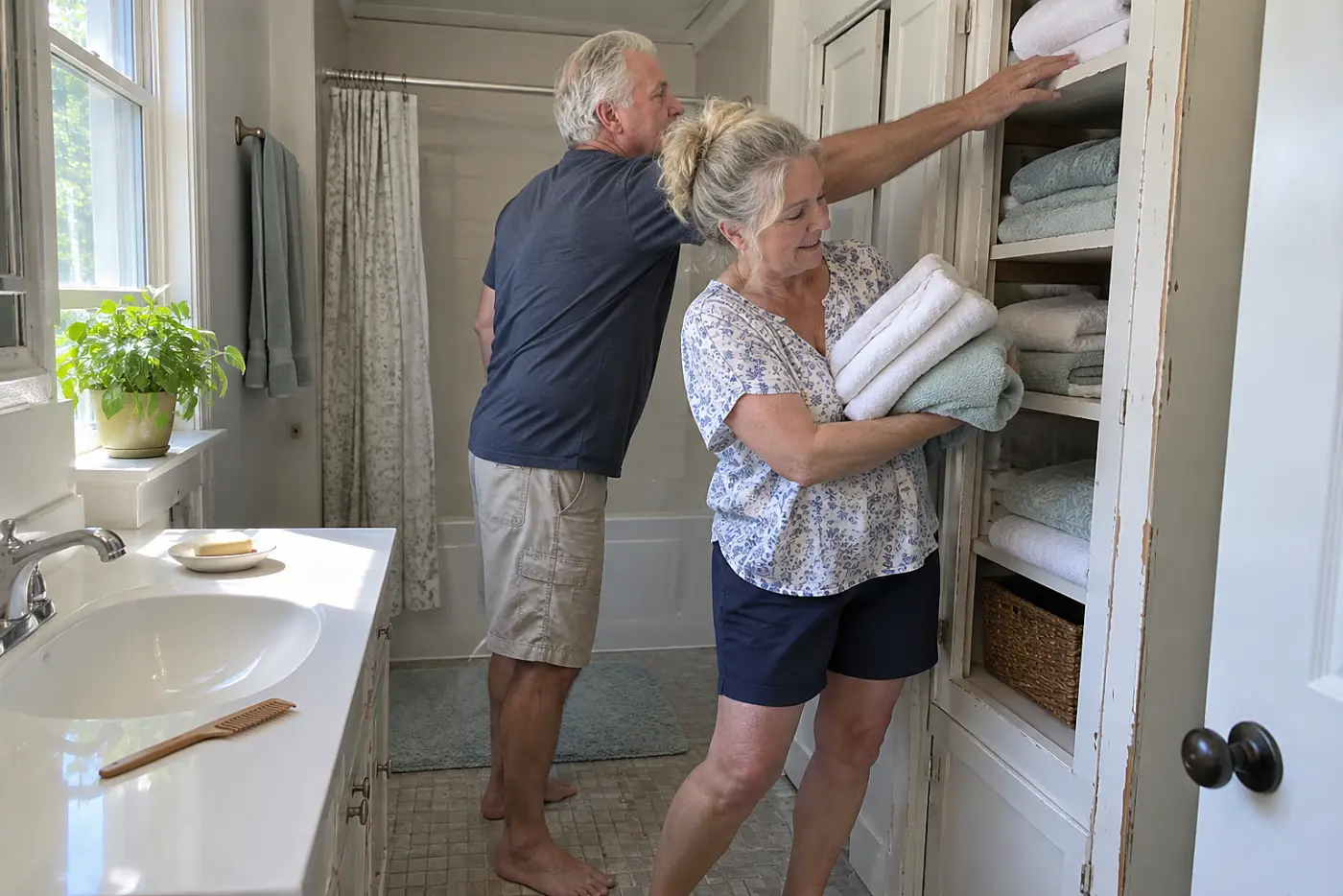
Guest towels take the best shelf without being used.
They were ready for a full house. Now they crowd the towels you reach for, while the cabinet keeps its old job description and the good linens sit stiff from disuse.
Wash one set this week and put it into regular use. If the fabric feels scratchy after years folded flat, retire it from face-towel duty and keep it for cleaning rags instead. Tell yourself plainly, “I bought these for guests, and I live here too.”
A bathroom shelf changes quickly; the spare bedroom asks for more thought.
10The guest bed made up all year
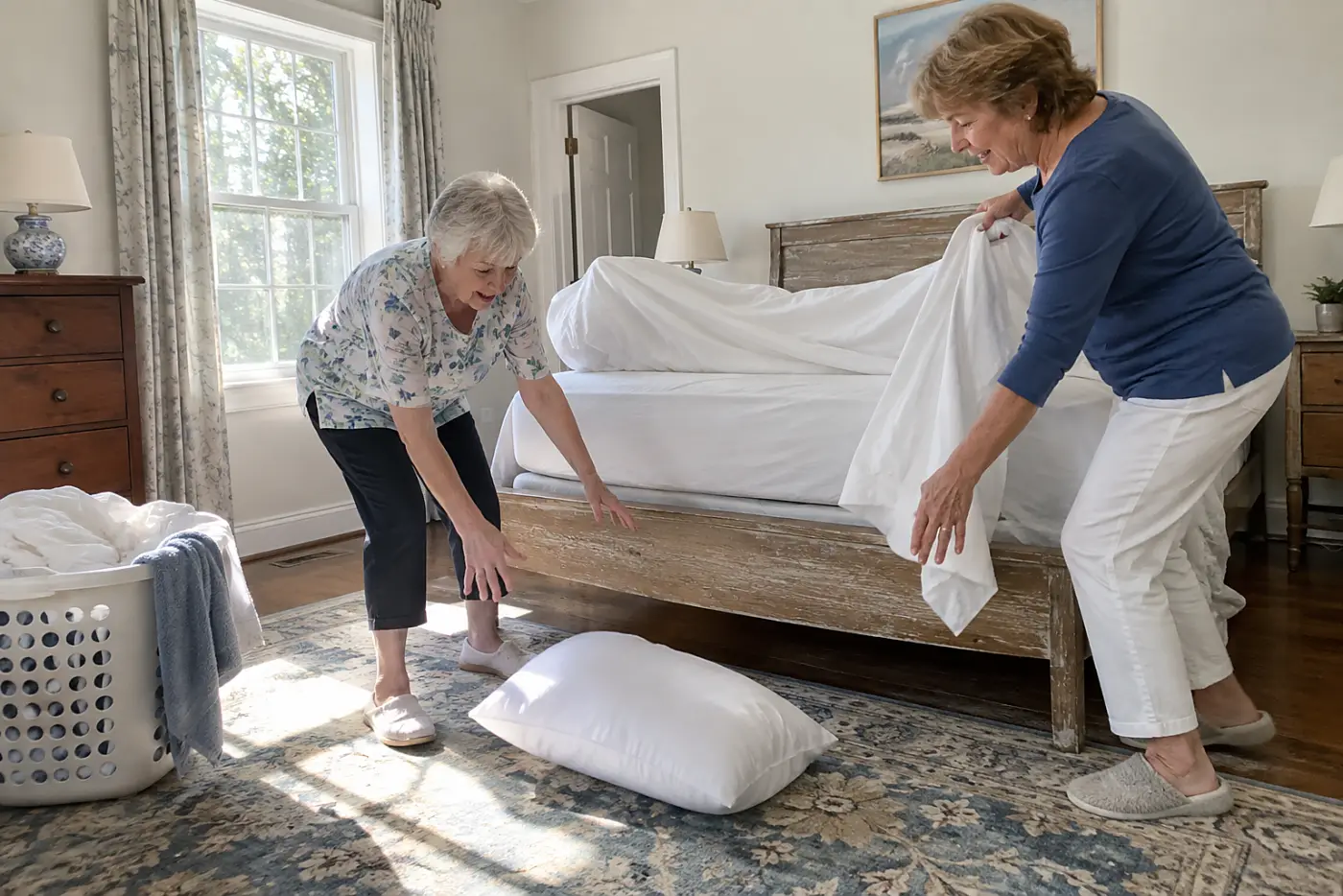
An untouched bed still takes a whole room.
When people slept over, leaving it made up saved work. With dinners elsewhere, the room remains reserved for visits that needn't decide every other use of the space.
Strip the bed this week and see what the room holds without the extra blankets and pillows. Store clean bedding in a dry place, then give yourself a month before moving heavy furniture. A desk, sewing machine, or clear floor needs actual room, not a corner left over.
Ask the people who visit what they need before buying a sofa bed. Say, “If you stay here, tell me what makes the room comfortable.” There's no need to surrender the room to an imaginary guest.
The next claim on the house is smaller, and it arrives by mail.
See more: 24 Signs Your House Has Become Too Much, Before Your Children Say It →
9The holiday cards stacked on the mantel

Cards keep arriving at the address people remember.
A long-standing mailing list doesn't update itself when the gathering moves. Stacks collect because each card asks for a reply you haven't decided to write. If an invitation still names your house, answering it promptly saves someone else from planning the wrong drive.
Set aside the ones you want to answer this week. Send your new plans or address directly to people who need them; don't assume the next host will do that work. Say, “We're going to dinner at their house this year, and I'd still love your card.”
One address in that stack deserves a closer look.
8The delivery address saved at checkout
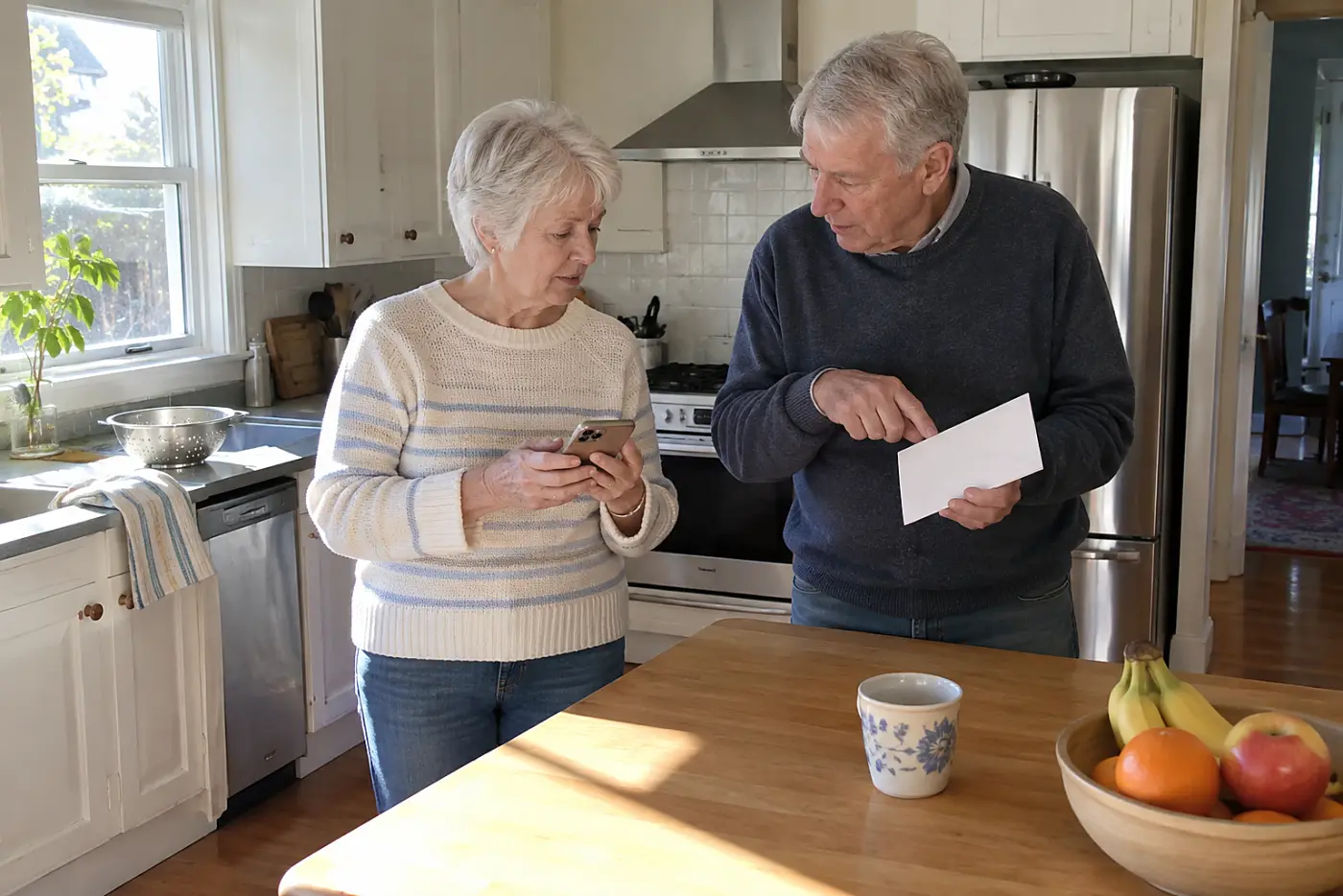
Last year's shipping address can send gifts to the wrong porch.
Online stores remember the last destination you chose. A gift meant for the new host can land at your house while you wait for a package that looks overdue.
Before buying anything this week, check the shipping address, billing address, and gift message on the final checkout screen. USPS offers tracking tools, but tracking a package to an old address doesn't put it on the right doorstep. Save the new address under a name you'll recognize.
Text the recipient before ordering a large item. Say, “Is your porch a good place for a delivery that week?”
Packages are only one part of arriving at a different house.
7The casserole dish meant for the drive
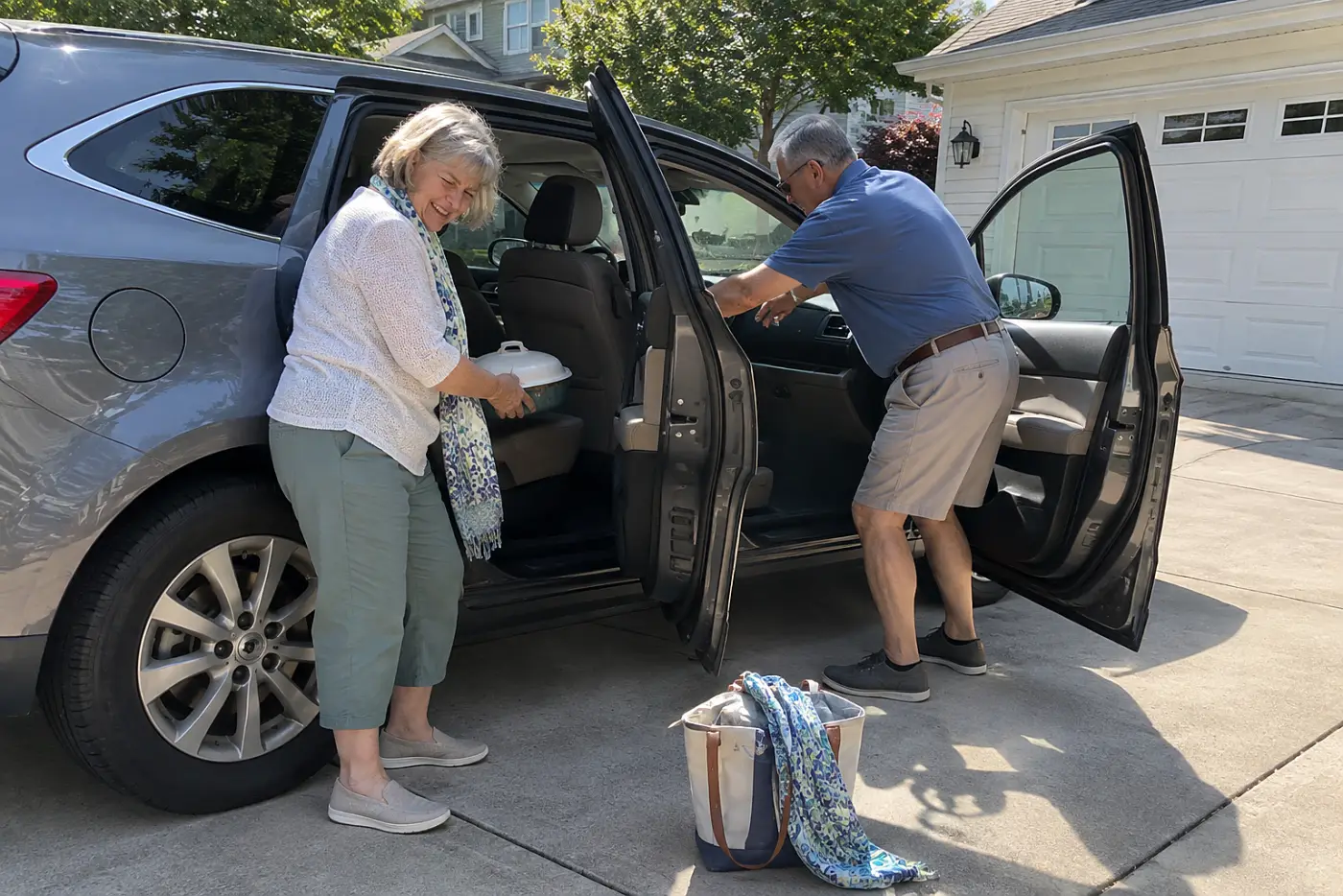
A hot dish behaves differently in the back seat.
At home, it moved from oven to table. Now travel and waiting time stand between cooking and eating. The host's oven might already be full when you arrive, so reheating isn't a plan until you've asked.
Check the route and serving time before choosing the dish. USDA Food Safety and Inspection Service says perishable food shouldn't sit in the danger zone for more than two hours, or one hour above 90°F. This week, ask, “Will you have oven space, or should I bring something cold?”
Then look at what else you're carrying in.
6The bag of gifts by the door

A gift bag can become luggage nobody asked for.
When you hosted, presents arrived and stayed in your house until they were opened. At someone else's place, every bag needs a ride in and a ride out.
This week, ask the host how gifts will work before wrapping bulky things. If shipping makes more sense, check the recipient's address rather than sending everything to the party. Keep receipts where the giver, not the host, can find them.
You don't need a grand announcement. Say, “Would smaller gifts make the day easier at your house?”
Once the bags are sorted, think about where you'll sit.
5The chair you choose at their table

Your old seat doesn't move with your table.
In your dining room, you knew where everyone sat and who needed elbow room near the kitchen door. At the new table, the host has a plan you haven't seen, and guessing at it can put you in her way.
Before dinner, ask for what helps you enjoy the meal without assigning anyone else's seat. Say, “Could I sit where I can hear the conversation?” That gives the host something specific to work with instead of a vague preference.
After the meal, there's still a familiar job to resist claiming.
4The holiday grocery order saved in your account

Last year’s grocery order still assumes you’re feeding everyone.
Your supermarket account keeps a reorder button beside the holiday cart. Tap it without checking, and a crowd-sized order lands in your cart for a meal someone else is cooking. Pantry staples and fresh food sit together on that list, so the total alone won’t tell you what to remove. The store’s help page tells you how to edit a saved order before checkout, if you’ve forgotten where that button is.
This week, open the saved order and remove the holiday cart from your favorites. Before deleting it, ask the new host, “Would the quantities help you plan, or would you rather start fresh?”
The list is yours to clear, but the new kitchen still needs its own plan.
3The borrowed pie dish you never returned
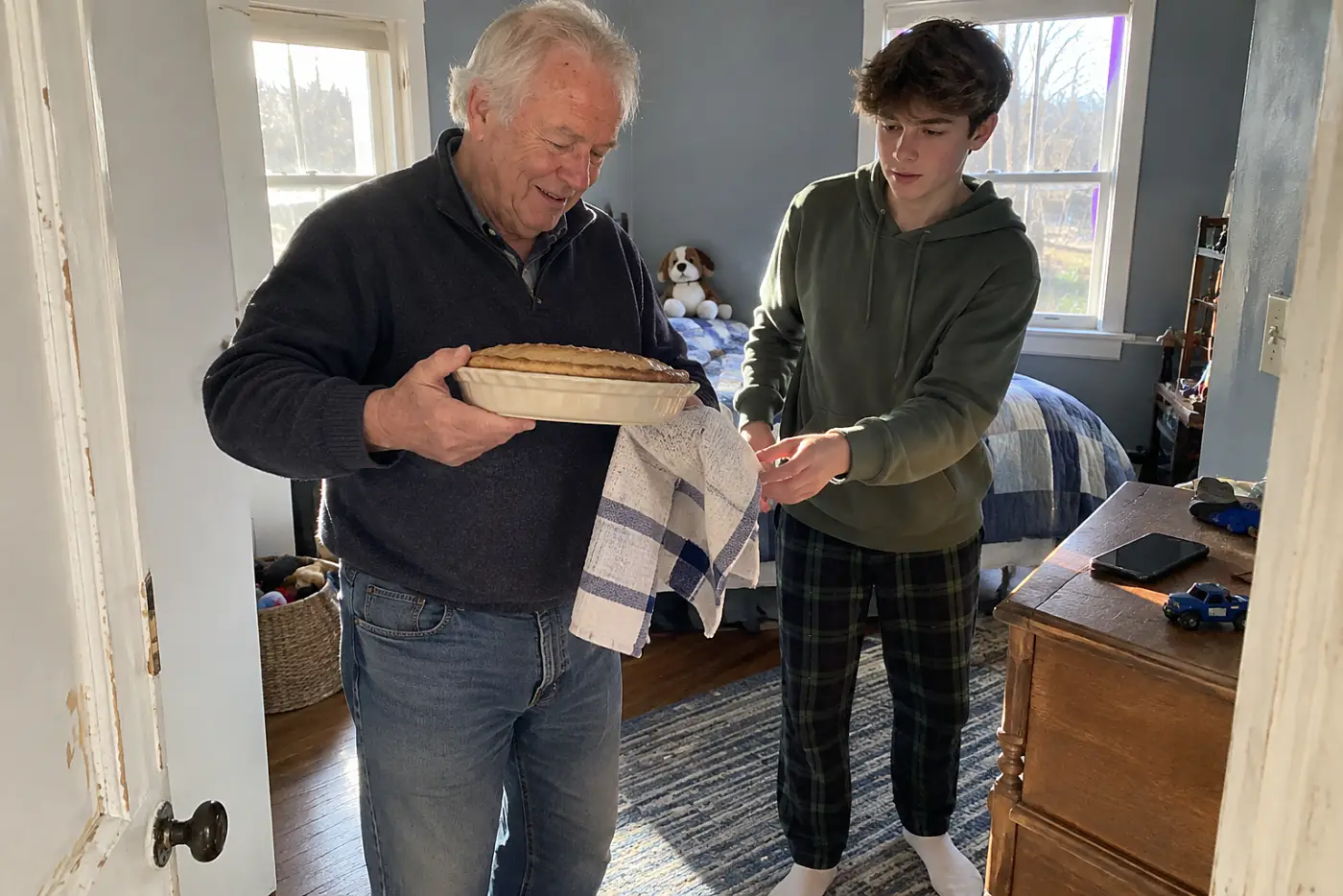
Someone else’s pie dish is still on your shelf.
It came home after a holiday meal with leftovers inside. You washed it and put it beside your own bakeware. Once dinners moved elsewhere, there was no return trip to bring it back. Looking at the glaze won’t settle who owns it; two relatives might have the same dish.
An unreturned dish leaves its owner short a pan for the next meal. Asking before your next visit gives you time to carry it over without making the host track it down on a busy day.
This week, check dishes you don’t remember buying for names, initials, or tape underneath. Then call the person who brought the pie, rather than sending a group message that makes everyone guess. Say, “I found a pie dish from our last dinner here. Is it yours? I’ll bring it when I visit.”
That return trip raises a question about what you’ll take home next time.
See more: 23 Things in Your Attic Worth More Than You Think, and the Ones Worth Nothing →
2The dish towel in your hand
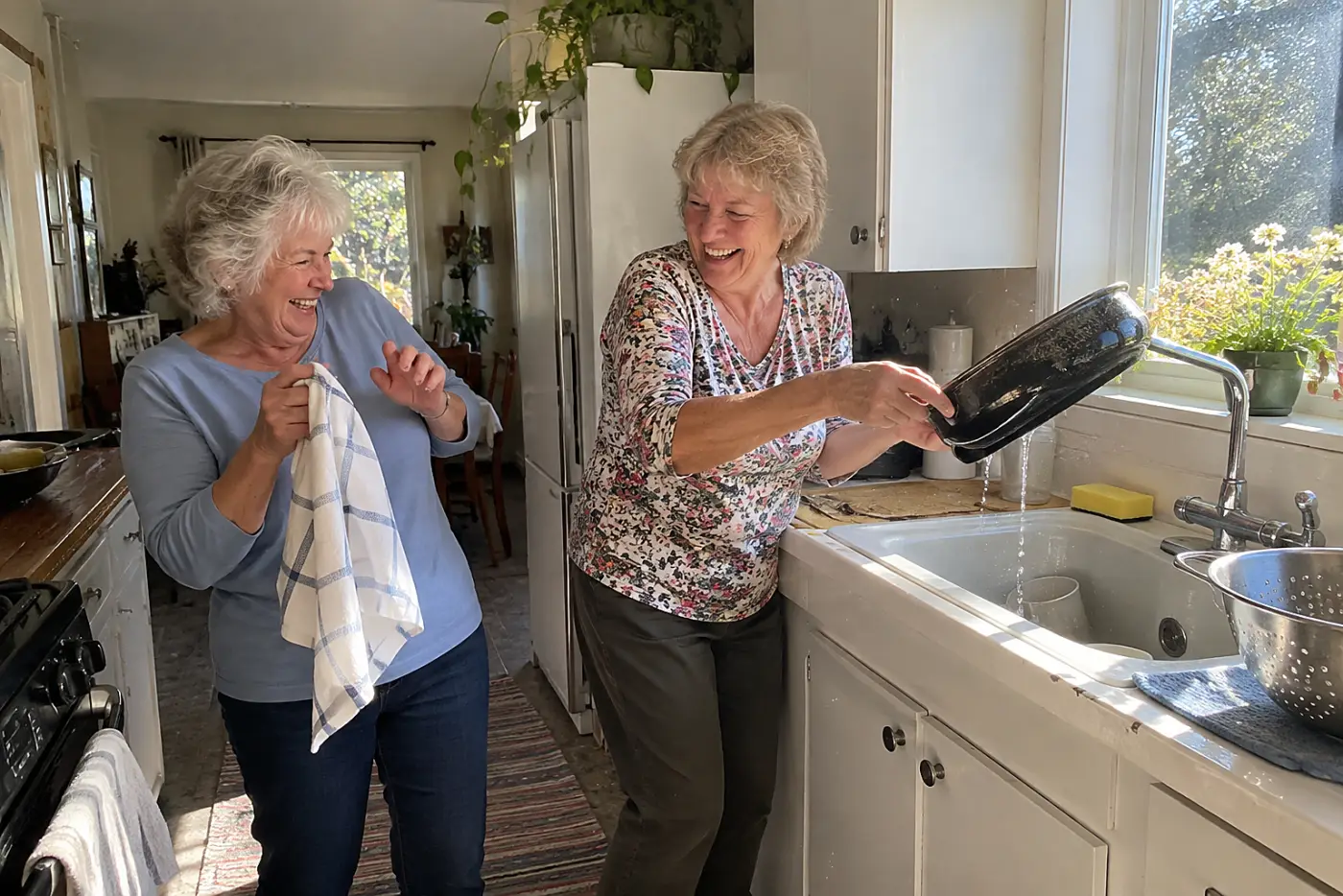
Your hands know the cleanup routine before anyone asks.
At home, you directed dishes toward the sink, leftovers toward containers, and guests toward the door. In another kitchen, opening cupboards or packing food can interrupt a system you don't know.
Pause before starting this week. Ask the host for one job instead of taking over three: “Would you like me to dry, pack leftovers, or stay out of the kitchen?” Accept the answer, including the last one.
If you want to take food home, wait for an offer. The USDA FoodKeeper is there when you're sorting storage later, but the host decides what leaves their refrigerator tonight.
The bigger handoff can't happen while the sink is running.
1The handoff conversation before anyone starts cooking

Silence leaves the new host to guess what matters.
She knows she has the table. She doesn't know whether you care about the old menu, the toast before dinner, or the platter nobody has offered to carry over. A handoff gives her information without handing her orders.
Call this week, well before grocery lists are set. Ask for a time to talk when neither of you is cooking or driving. Start with this: “Which parts of our old holiday would you like to keep, and which would you rather change?”
Then listen through the answer. Offer one recipe, one object, or one job you can handle, and let the host choose whether it fits. If a tradition matters deeply, say why in a sentence rather than making it a test of love.
Write down what she chose before you offer anything else.
The bottom line
A house built around hosting keeps its old assignments until you decide which ones still belong there.
You've checked the cupboards and asked before passing things along. You've told the new host what matters without giving her a script.
Which of these has already happened in your family?
Up next
29 Things People Are Relieved to Let Go Of When They Downsize
A strip of painter’s tape shows where the table fits, while the empty space beside it makes daily life easier.
Read the list →


Reader quiz
Did you catch the details?
5 questions from this article. Finish them all to unlock the editor's bonus tip.
What should you check before changing how you store the table leaf?
Did any of these feel familiar?
Know someone who needs this?
Sources cited in this article
This article links to 8 outside sources, listed here so you can read them yourself.
- US Forest Products Laboratory www.fpl.fs.usda.gov
- FDA's guidance on lead in ceramicware www.fda.gov/food/environmental-contaminants-food/lead-food-and-foodwares
- Smithsonian Museum Conservation Institute mci.si.edu
- CPSC's recalls page www.cpsc.gov/Recalls
- USDA FoodKeeper www.foodsafety.gov/keep-food-safe/foodkeeper-app
- USDA Food Safety and Inspection Service www.fsis.usda.gov
- Electrical Safety Foundation International www.esfi.org
- USPS www.usps.com
David Ruiz
Home Editor
David writes about the house you have and the one you might move to: staying put, downsizing, repairs, and the small changes that stop a fall.
More from David Ruiz