23 Watering Mistakes That Kill Your Pots in August
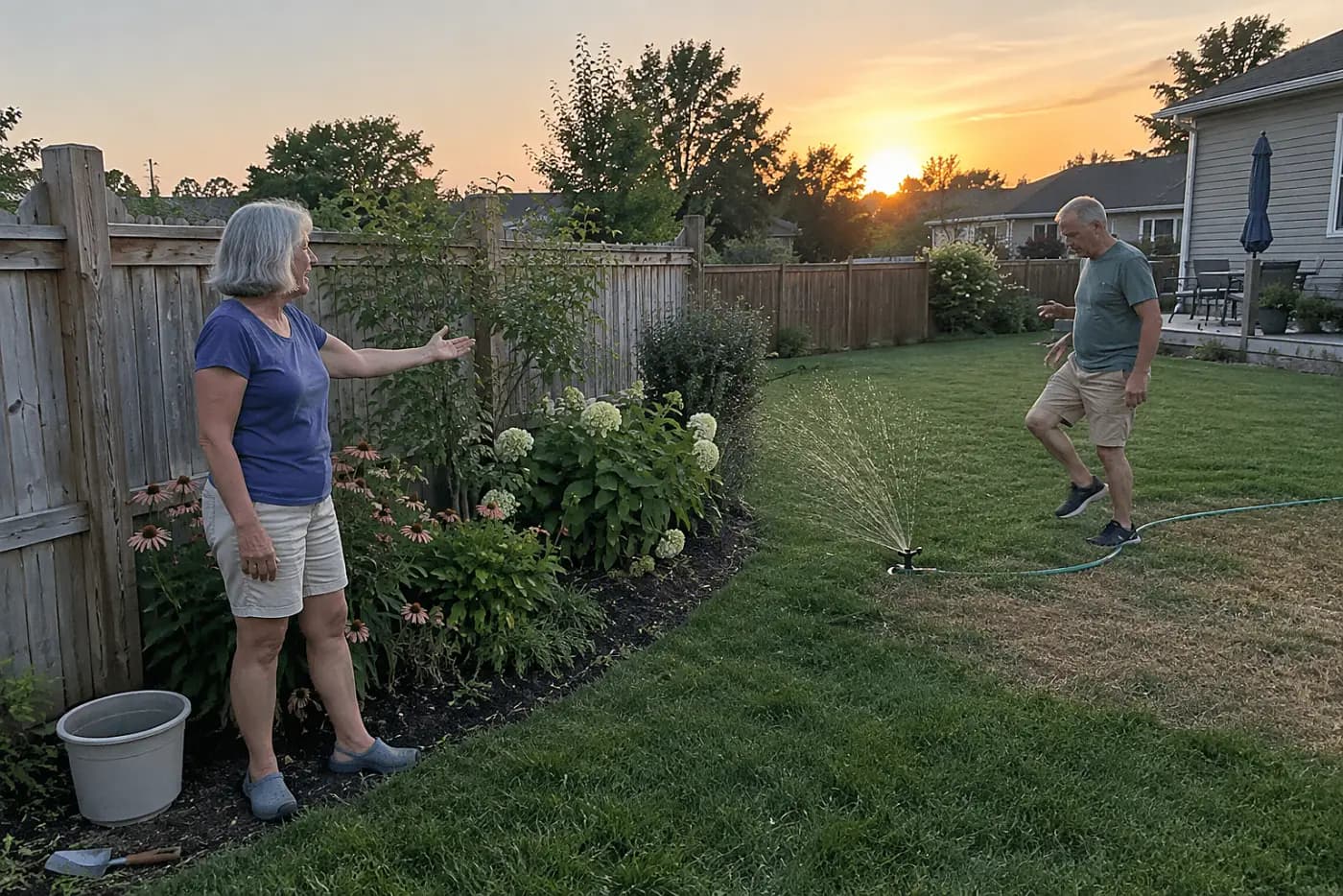
A dry-looking surface hides soaked roots, while water poured onto baked potting mix runs down the sides without reaching them.
By David Ruiz, Tech & Home Writer
Updated · 17 min read
- Written by our tech & home writer
- How we review
Read to the end: #1 is the chopstick test that ends daily guesswork, and almost nobody does it before watering.
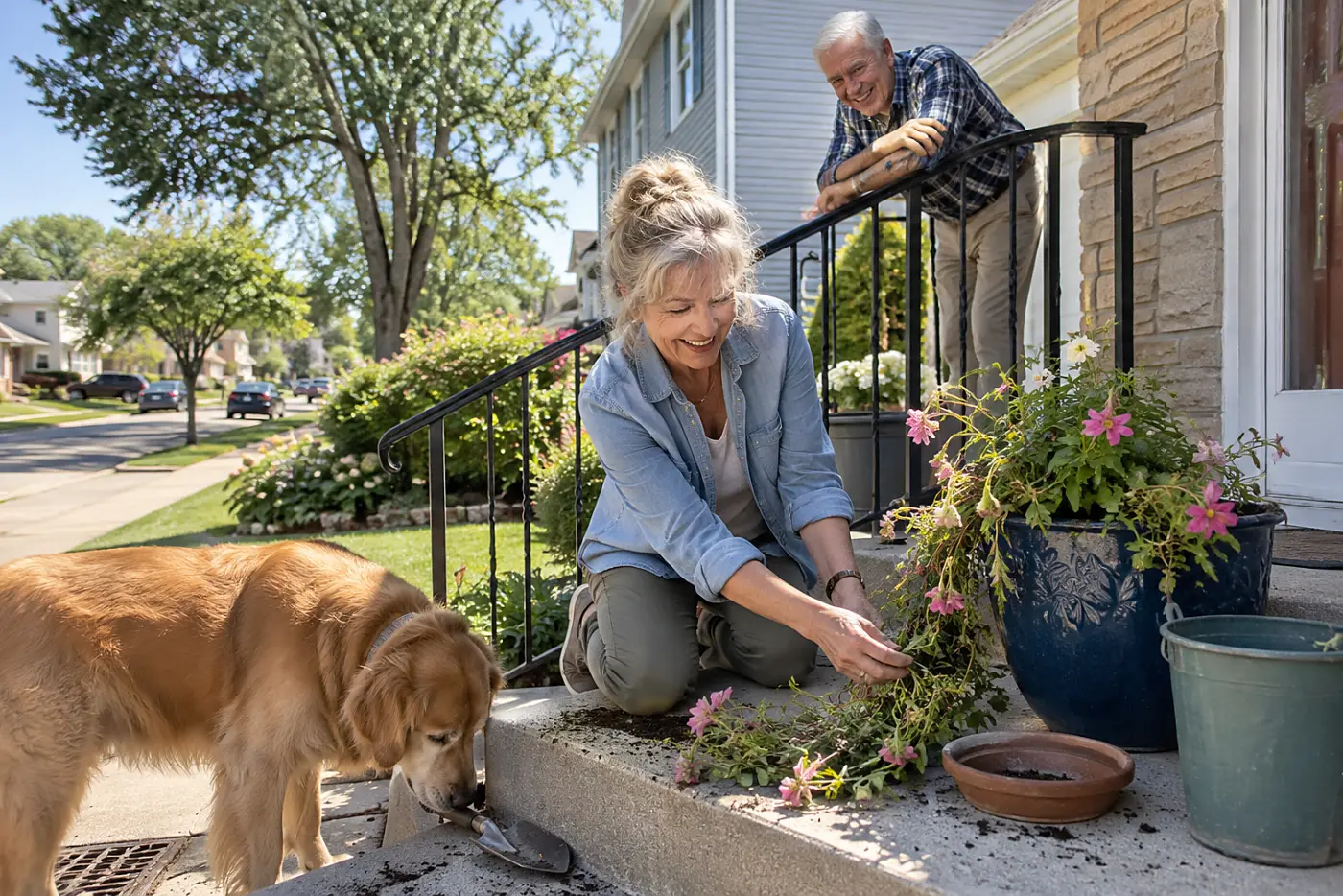
The petunias droop beside the front steps, though the watering can went over them at breakfast. By supper, the saucer holds water and the leaves look worse.
A daily drink sounds like the answer when August heat hits. But water escapes past dry mix or stays trapped around roots that need air.
These 23 checks show where your water went.
23Watering only the pot nearest the door
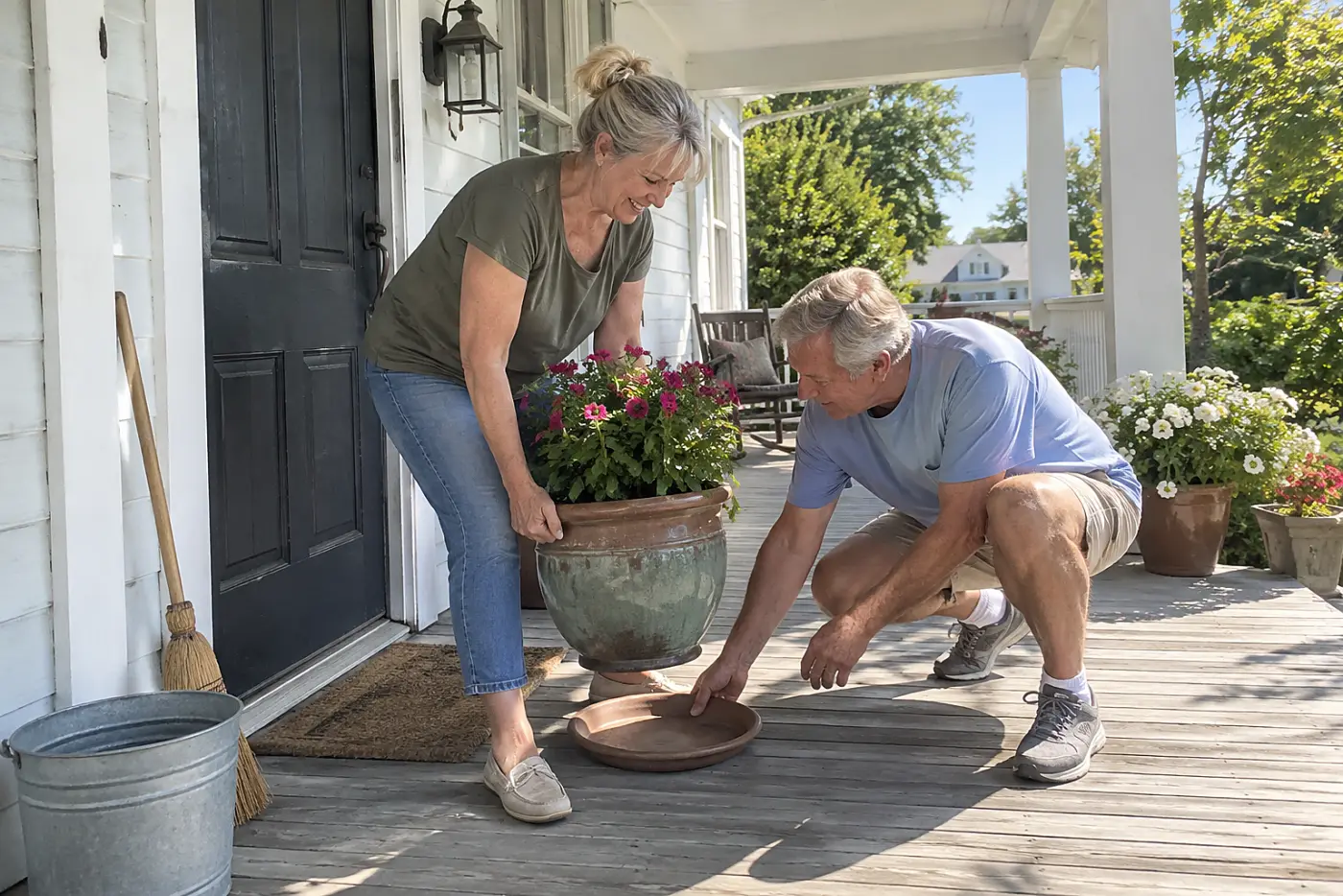
The easiest pot to reach gets the most water.
Two identical containers dry at different speeds when one sits against a hot wall and the other rests in afternoon shade. A shared watering schedule ignores where the heat lands.
The overlooked pot stays dry while its neighbor gets another drink. You end up watering by walking distance instead of checking each pot's conditions.
This week, walk past every container before carrying the watering can outside. Lift the smaller ones and note which feel lighter than they did after watering. For large pots, look for a dry surface and a gap around the rim. “This one needs attention before the pot by the door.”
Where you aim matters as much as which pot you visit.
22Sprinkling leaves instead of soaking potting mix
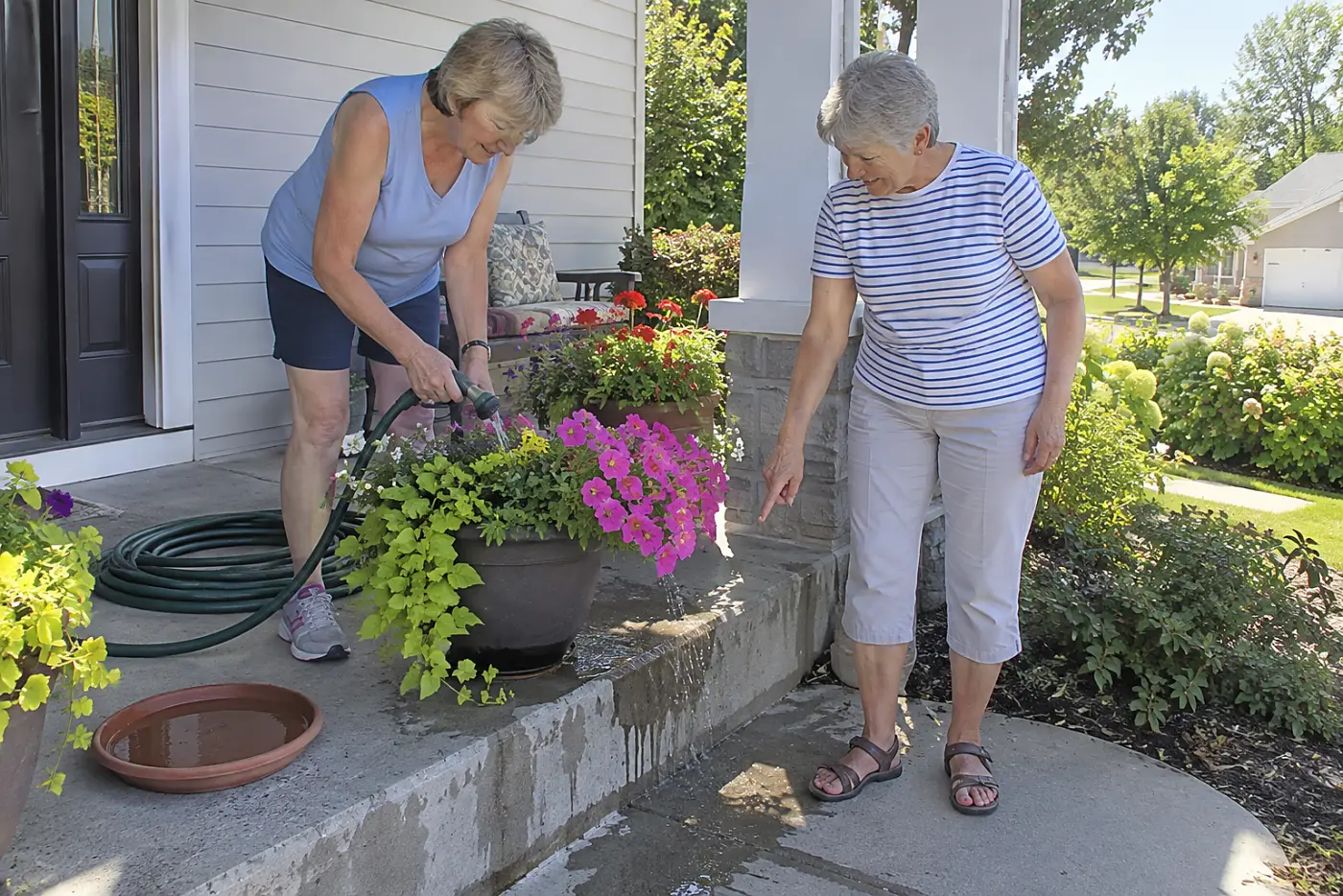
Wet leaves don't mean wet roots.
A quick pass with a hose coats foliage while much of the water falls outside the container. Dense leaves on a hanging basket make this harder to see: the spray hits the flowers, runs off their edges, and misses the small opening beneath them. The University of Minnesota Extension recommends watering container soil rather than treating wet foliage as the goal.
By late afternoon, those leaves lose water to the heat. Their roots still sit in dry mix, so the plant droops despite your morning visit. If the mix has pulled away from the pot wall, water that does enter has an easy route straight down the gap.
Put the hose nozzle close to the soil this week. Water slowly across the surface, pause, then check that the mix takes up water rather than shedding it. “I’m watering under the leaves, not giving the flowers a shower.”
A thorough drink matters only if the container has somewhere to let the extra go.
21Leaving a decorative pot without drainage
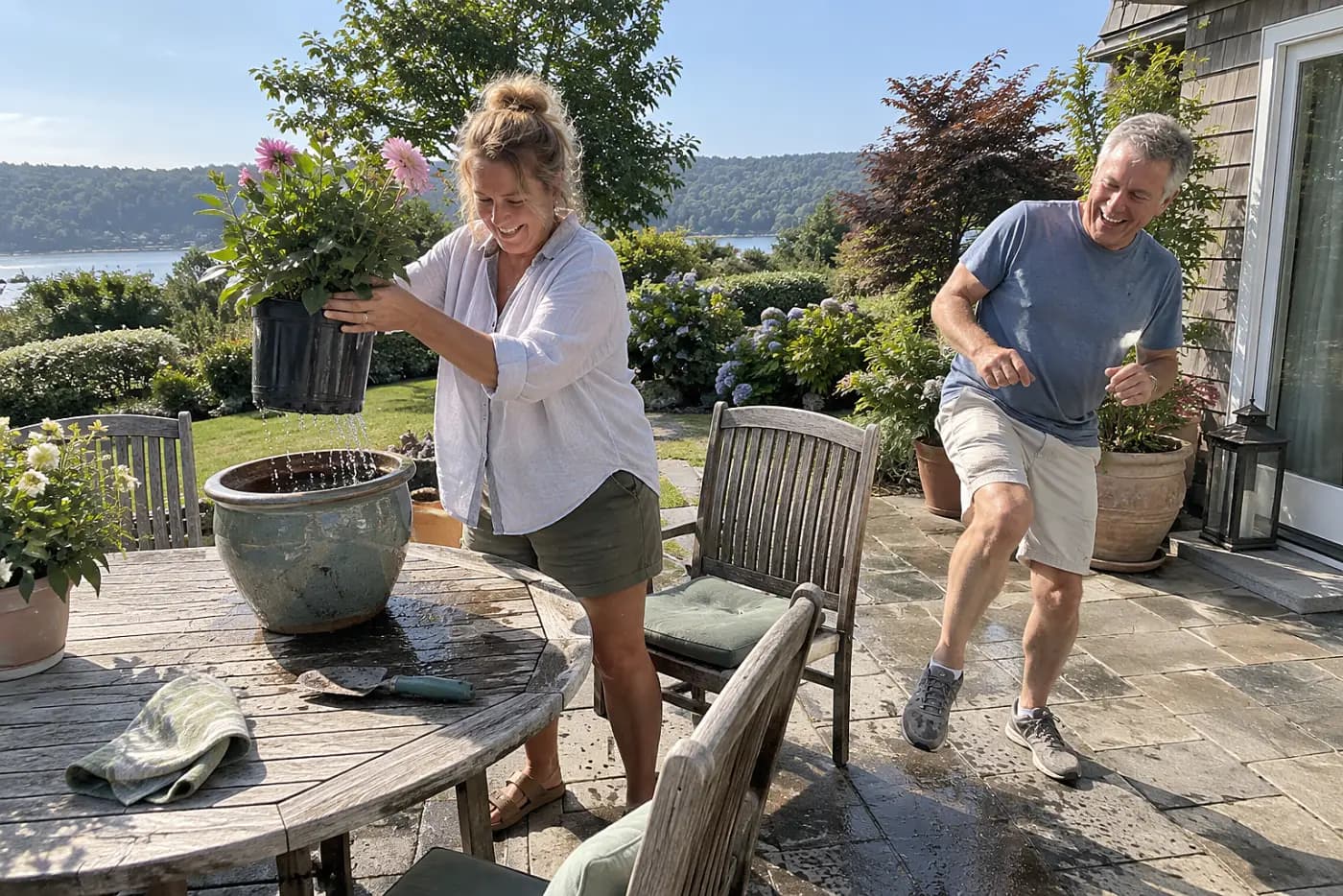
A sealed pot holds every extra cup.
Water fills gaps between particles in the potting mix. Without a hole below, excess water stays around the roots and pushes out the air they need. Clemson Cooperative Extension puts drainage holes among the basics for healthy container plants.
Your plant wilts, which looks like a request for more water. Another pour makes the same problem worse. The outer pot hides the puddle, so you don't see the water left from yesterday.
This week, lift the nursery pot from its decorative outer pot and empty any standing water. Check whether the inner pot has a clear drainage hole before putting it back. “I’ll check the bottom before I add more.”
The same trap appears when a working drain gets blocked.
20Blocking the hole with a flat patio
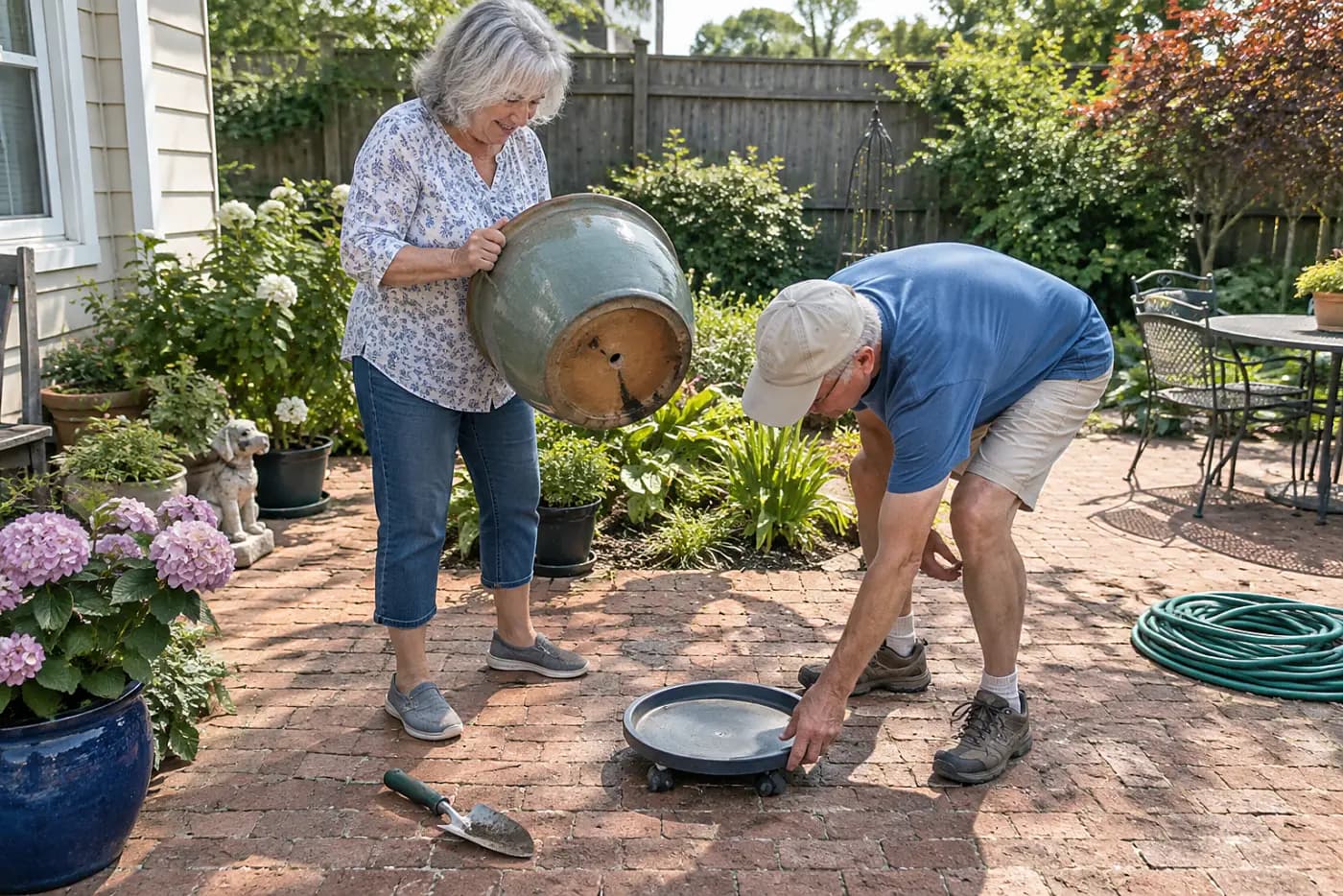
A drainage hole needs room beneath it.
Set a pot flat on packed soil or an uneven patio, and its base seals against the surface. Water gathers in the lower mix even when the container has a perfectly good hole.
A pebble or soil clump lodged inside the opening creates the same backup.
Check after a slow watering rather than judging by the label on the pot. If water stands on top and nothing exits below, the opening deserves a look. That backup keeps your roots wet longer than the dry-looking surface suggests.
This week, tip each heavy container enough to see its underside. Clear the opening, then set the pot on feet or narrow supports that leave the hole exposed. “The hole is there, but is anything getting through it?”
Once water escapes, check where it collects next.
19Letting saucers stay full overnight
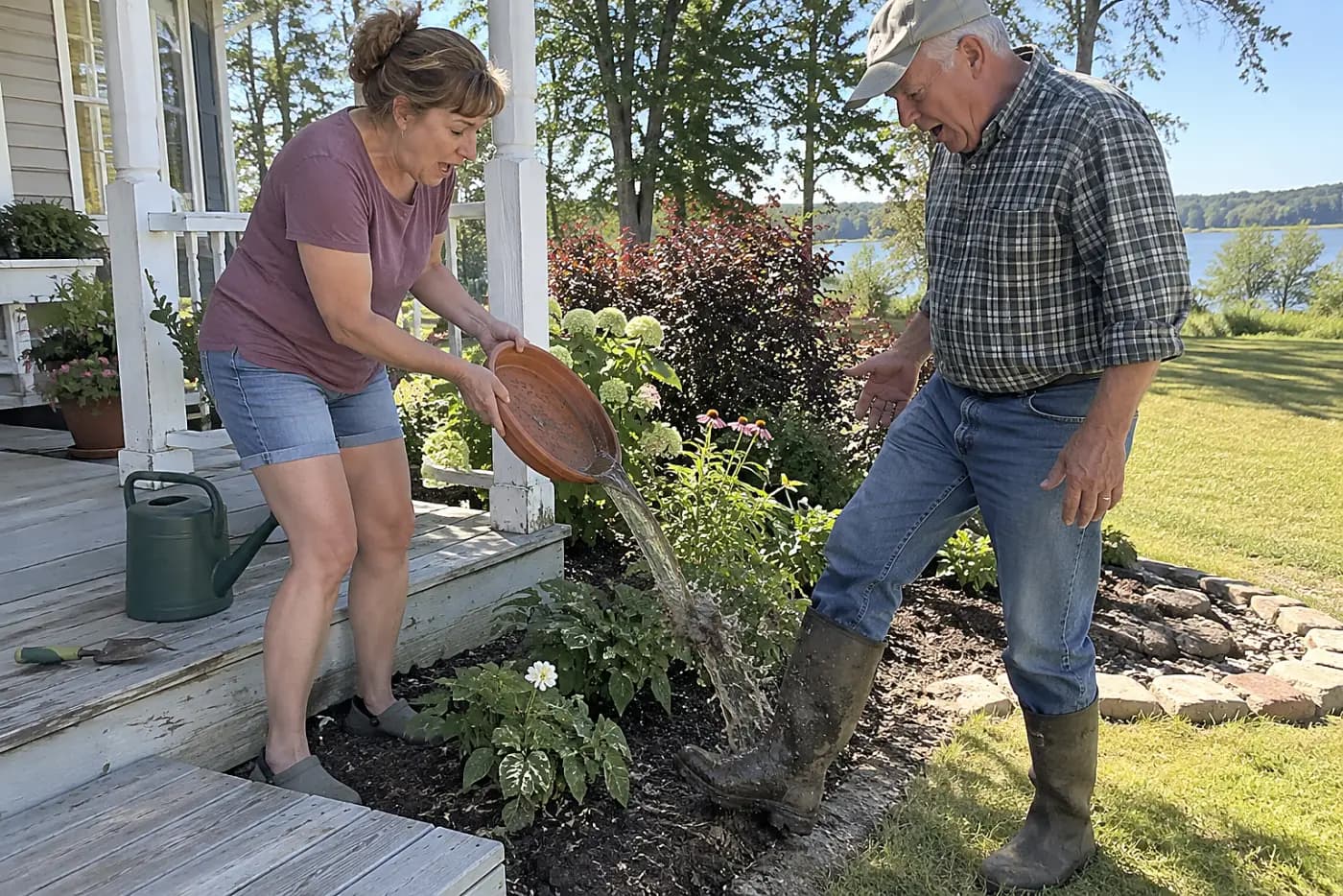
A full saucer keeps feeding the pot.
Water leaving the drain hole collects below. When your pot sits in that pool, the lower mix stays wet long after the surface dries. The University of Maryland Extension advises against leaving containers in standing water.
Roots in that lower layer get less air. By morning, the leaves look thirsty again, tempting you to repeat yesterday's pour. A saucer beneath dense foliage is easy to overlook during a quick round with the hose.
This week, check each saucer after the pot has finished draining and tip out the excess. Look again after a heavy rain, especially under pots sheltered from your usual view. “I’ll empty the tray before I put the hose away.”
Water also disappears when the mix refuses to absorb it.
18Pouring into soil that has pulled away
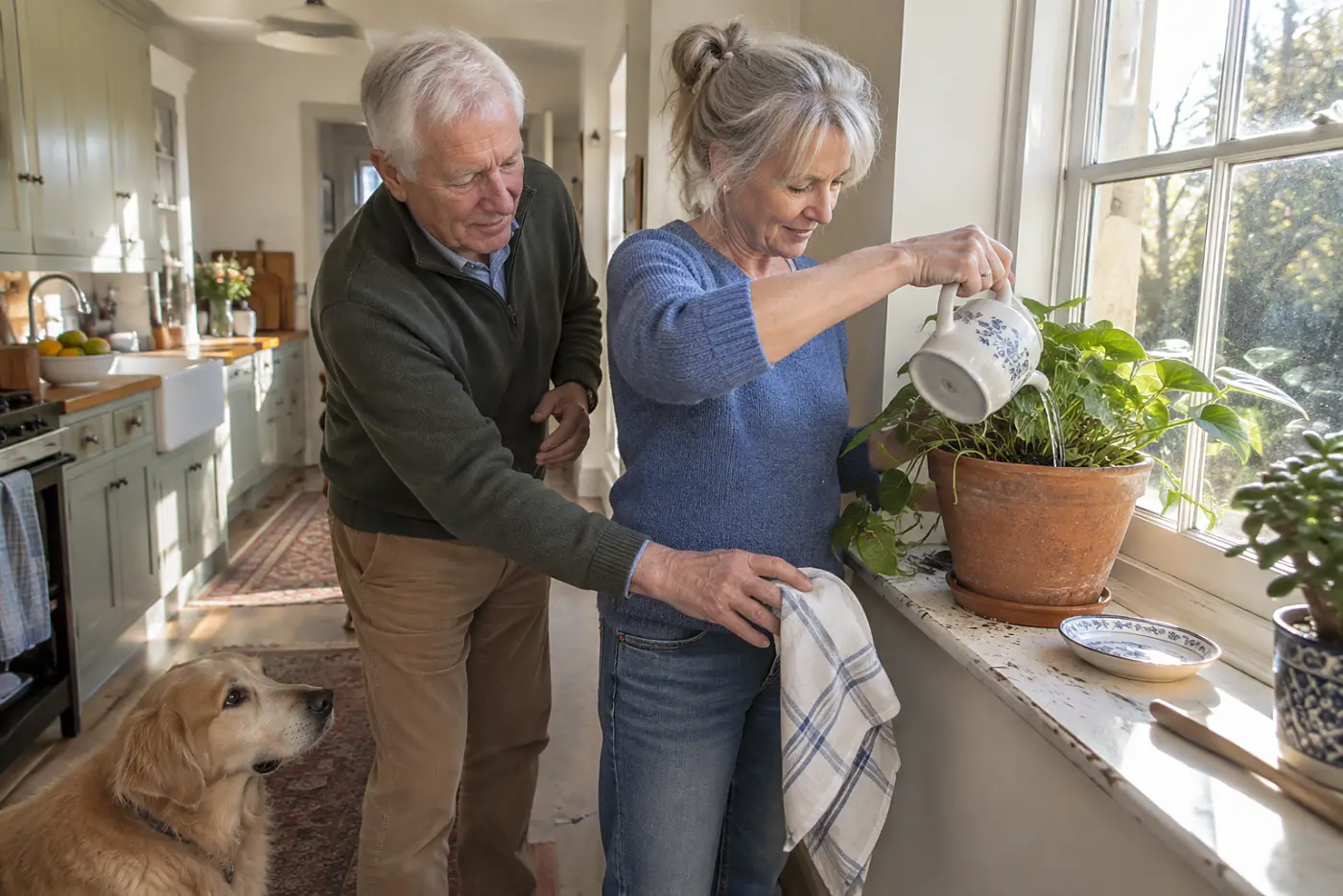
Baked potting mix takes a misleading drink.
When a container dries hard, its mix shrinks from the sides. Water follows that gap and pours out underneath before the center absorbs much. You see runoff and stop, thinking the job is done.
The middle remains dry. A finger pressed into the crust finds moisture near the edge, while the root ball stays light. Another fast pour follows the same route. Oregon State University Extension describes this trouble with dried-out container mix.
This week, add water slowly in passes, allowing time between them for the mix to take it in. For a manageable pot, set it in a shallow basin of water, then lift it out once the mix absorbs moisture. Let it drain before replacing it. “That runoff came too fast; I’m checking the center.”
Even absorbed water fails your plant when you stop too soon.
17Wetting the top inch and stopping
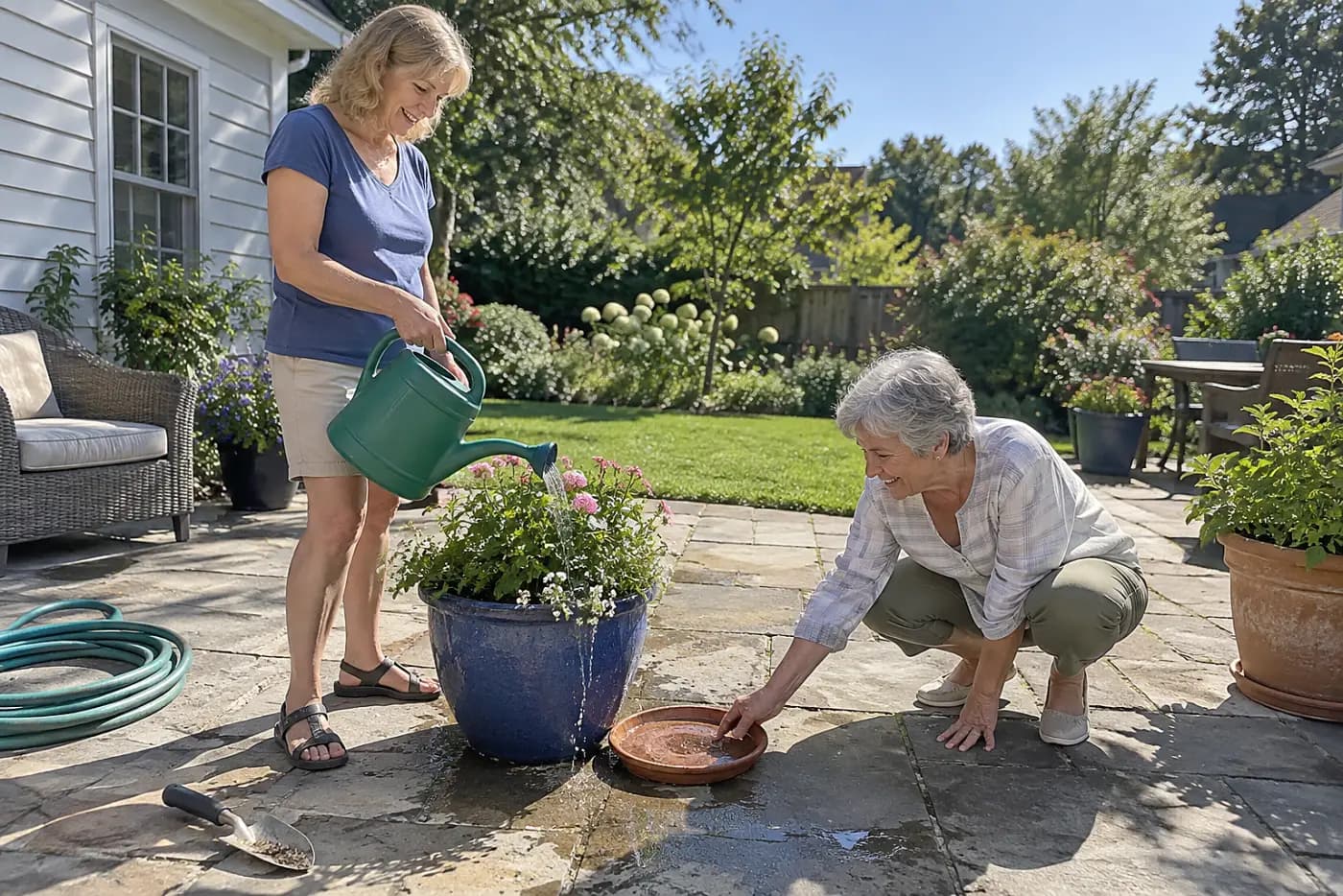
A damp crust covers dry roots.
A small daily splash wets the surface first. Stop there each time, and the deeper mix receives little of that drink. The University of Georgia Cooperative Extension recommends watering containers thoroughly rather than relying on light surface sprinkles.
Your plant spends the hot afternoon drawing from a supply you never refilled. The top looks reassuring, so the same short pour happens again tomorrow. In a deep container, the difference stays hidden from view.
This week, water slowly across the surface until excess begins leaving an open drain hole. Pause if water pools on top, then continue once it soaks in. “I’m giving this pot a full drink, not polishing the crust.”
Depth tells only part of the story when the mix itself holds too much.
16Filling containers with heavy garden soil
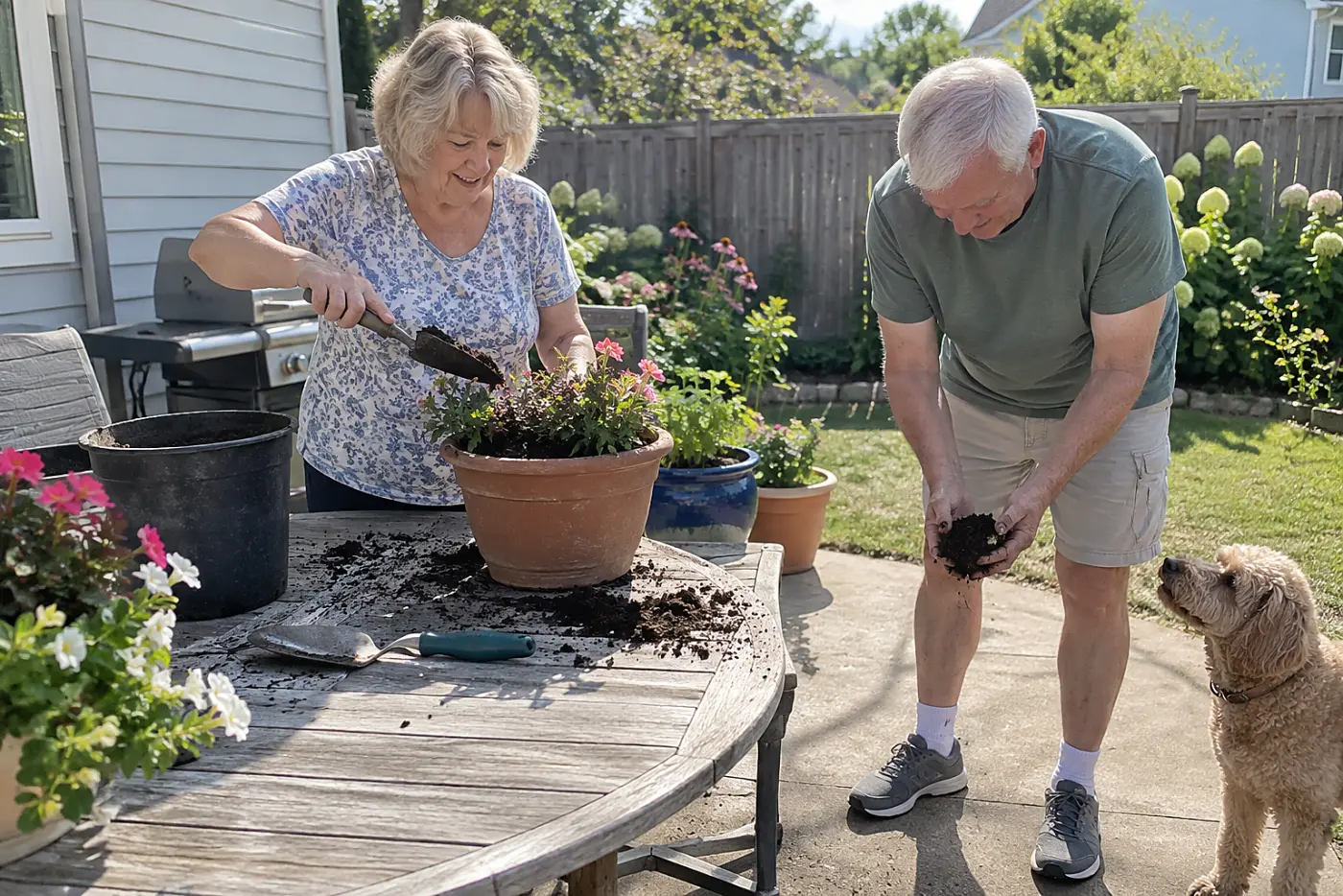
Yard dirt behaves differently inside a pot.
In the ground, water moves into surrounding soil. A container has walls and a bottom, so dense garden soil packs down and holds water in small spaces. The surface hardens while the lower half stays wet. Penn State Extension distinguishes container potting mixes from soil dug out of a yard.
That crust invites another pour. Meanwhile, roots below sit short of air, and water travels through narrow cracks instead of spreading evenly. A drainage hole doesn't fix a mix that has become a heavy lump.
This week, inspect one struggling container after it drains. If the soil remains dense and sticky below the surface, repot into a mix labeled for containers. Leave space below the rim so you can water without sending it over the edge. “This pot needs potting mix, not another splash on yard dirt.”
Fresh mix won't help if something beneath it traps water.
15Adding gravel beneath the potting mix

A gravel layer steals root space.
Water doesn't drain faster just because stones sit at the bottom. It stays in the potting mix above the change in texture until that mix holds enough water to move downward.
The wet portion sits higher in your container, closer to roots. The University of Illinois Extension cautions against gravel layers beneath container mix. Those stones also replace space you could have filled with growing medium.
This week, skip the gravel when you repot and fill the container with potting mix instead. Check that the drain hole stays clear without letting large pieces of mix spill out. “I want the drain hole open and the whole pot available for roots.”
Even a good mix changes when it has nowhere left to hold roots.
14Keeping roots in a crowded nursery pot
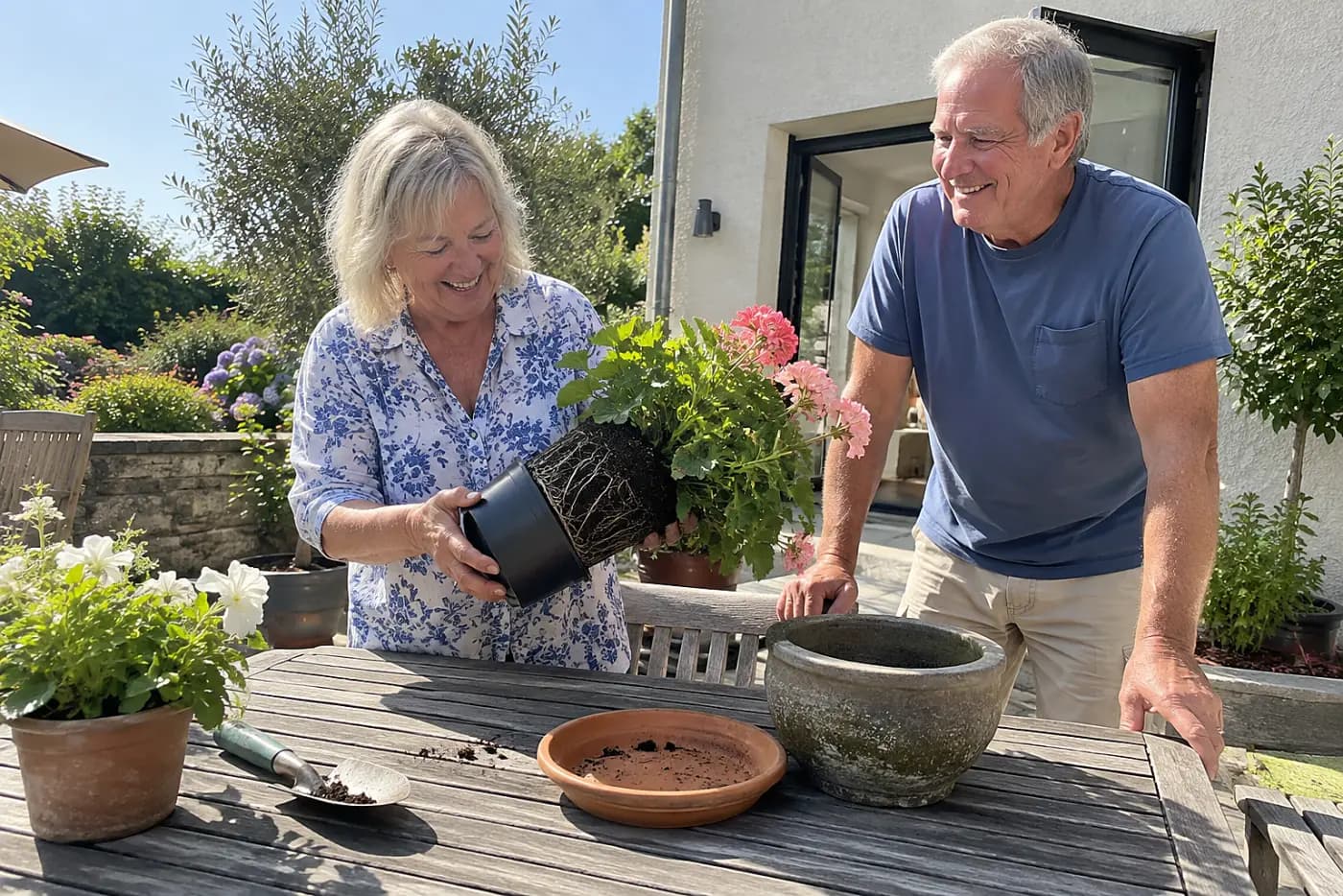
A tight root ball sheds water.
Roots circling the inside wall displace potting mix. The little mix left behind dries quickly, and water runs through channels instead of spreading across the ball. A large plant above a small pot loses water faster than that crowded space supplies it.
The result is the familiar afternoon droop after a morning watering. Check by sliding the plant out when the mix is damp enough to hold together. A thick mat of roots against the pot wall tells you why daily watering isn't lasting. The Royal Horticultural Society calls this condition pot-bound.
This week, move that plant to a container with drainage and room for fresh potting mix around its roots. Water the new mix and the old root ball, then compare how each absorbs water the next day. “The pot is full of roots; I need room for soil, too.”
Size matters, but bigger has its own trap.
13Moving a small plant into a huge pot
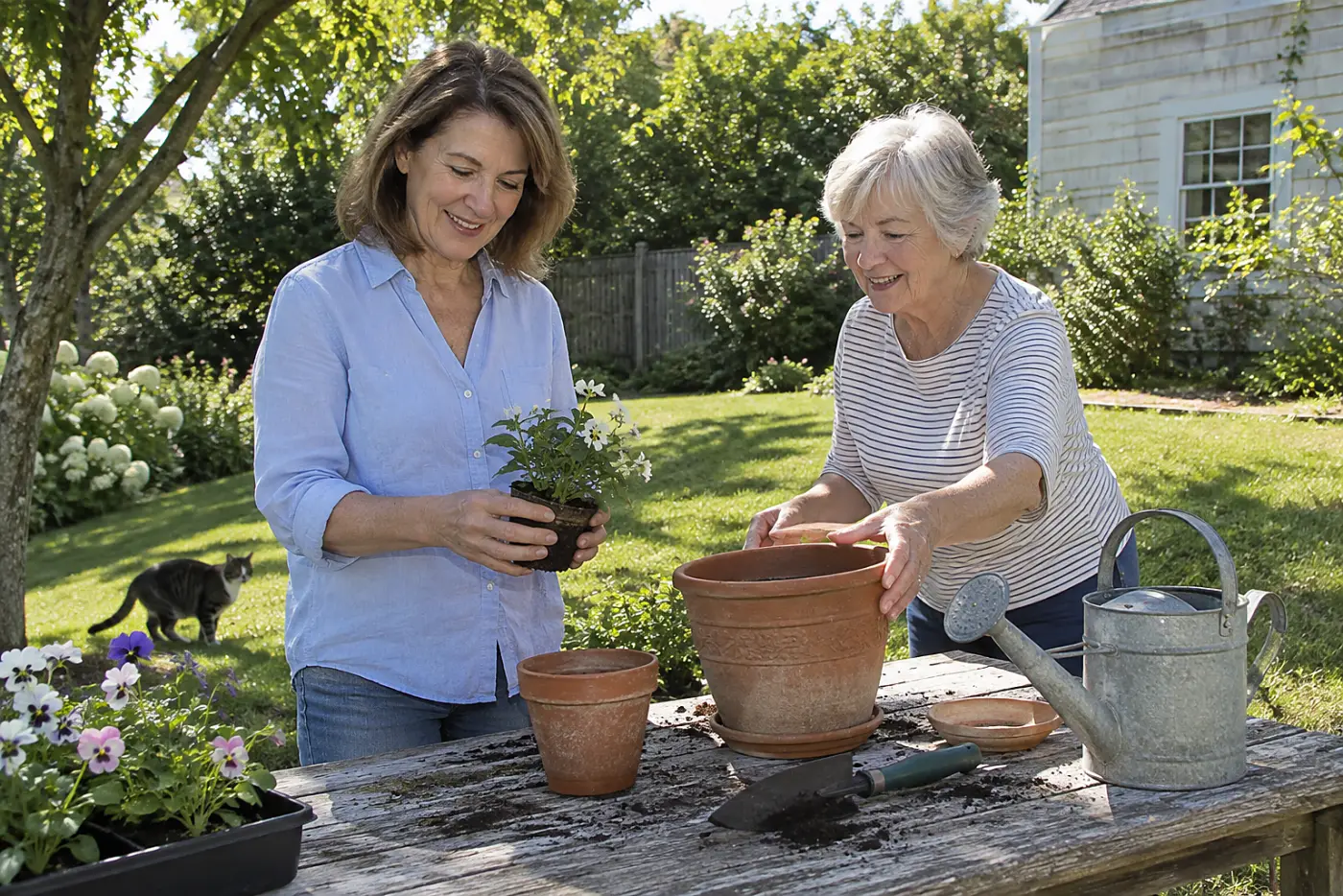
Extra soil holds extra water.
A small root system draws from only part of a large container. Mix far beyond those roots stays wet after the plant has used what it reaches. The top dries first, hiding the wet mix deeper in the oversized pot.
Your next watering soaks that unused soil again. Roots growing into it meet poor air circulation instead of the evenly moist mix you expected. The University of Wisconsin-Madison Extension advises matching container size to the plant rather than jumping to an enormous pot.
This week, set the root ball beside the replacement pot before planting. Choose one with space for fresh mix around the roots, rather than a wide ring of empty soil. “I want room to grow, not a bucket of wet mix.”
The container's material changes the drying pace again.
12Treating clay and plastic pots alike
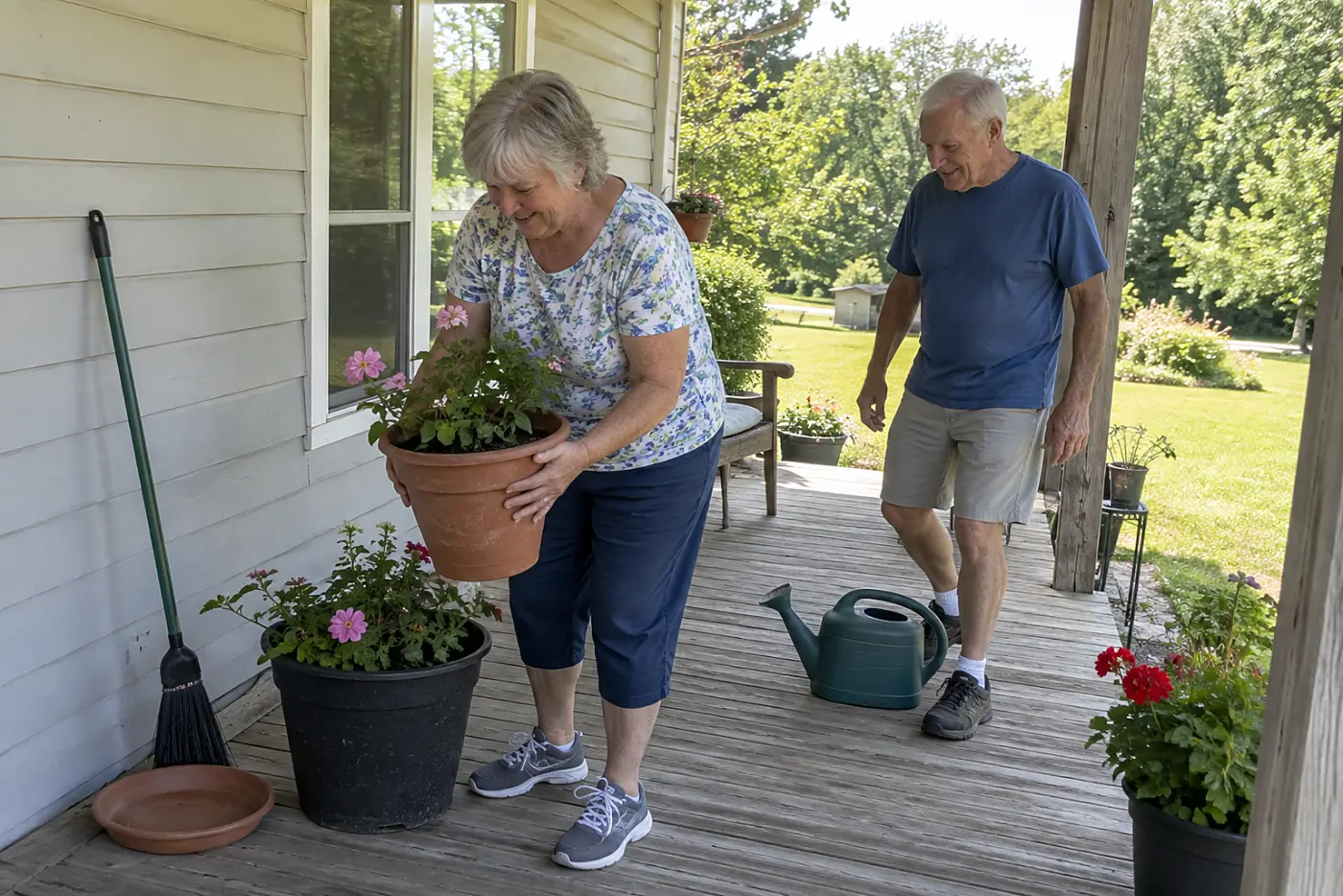
Terracotta loses water through its walls.
Unglazed clay lets moisture leave through its sides as well as the soil surface. Plastic and glazed containers hold it inside until roots use it or it leaves through the drain. Identical plants therefore need separate checks when their pots differ.
A thirsty clay pot beside a damp plastic pot defeats a single daily routine. The plastic one gets another drink because the clay one needed it. Soon one plant wilts from dry roots and the other wilts from wet roots. The Missouri Botanical Garden discusses how container materials affect drying.
This week, group your pots by material while you make your rounds. Lift each one after watering, then feel its weight again before the next drink. “These two look alike, but their pots don't dry alike.”
Color and sun exposure add another difference you can feel.
11Leaving a dark pot against hot brick
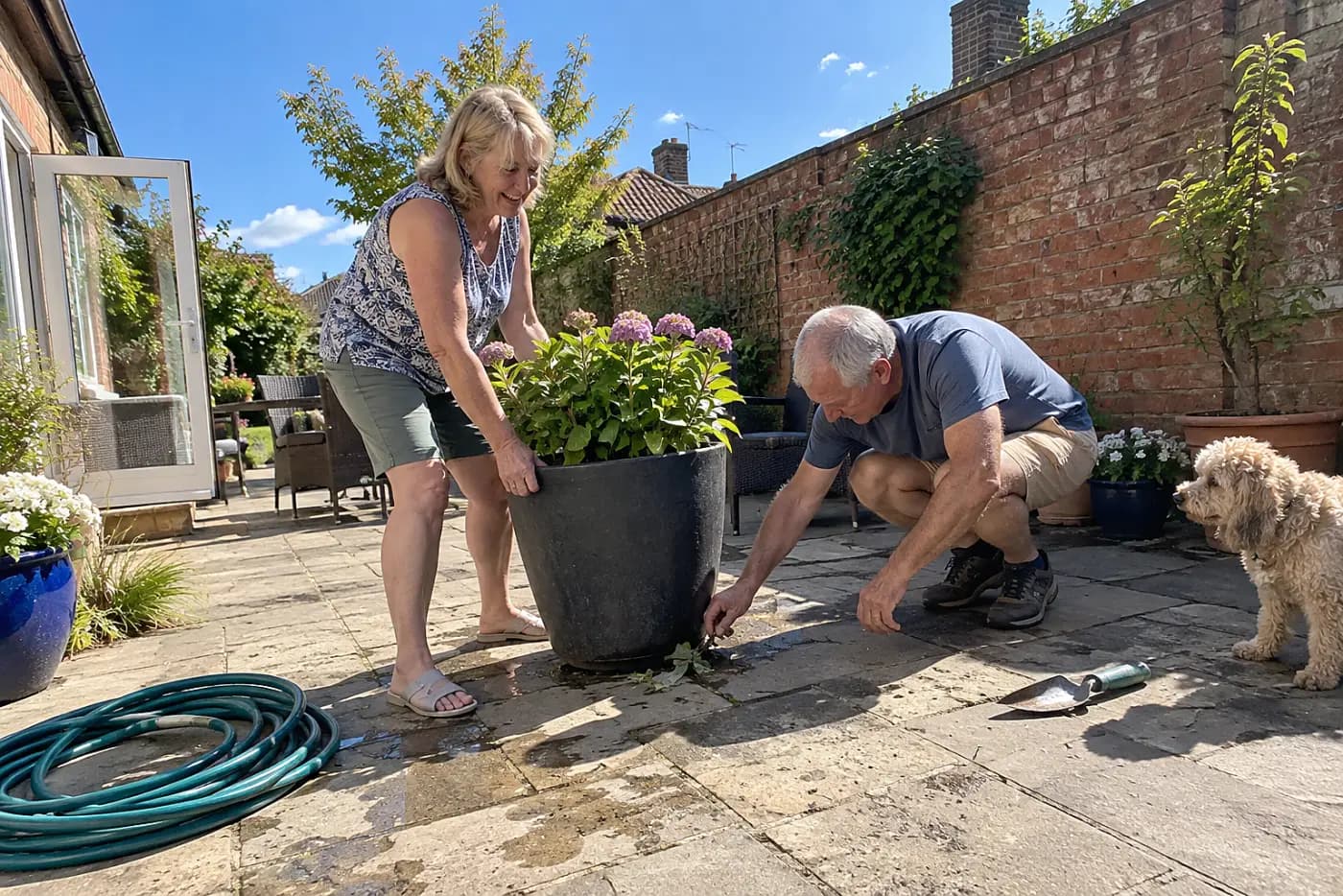
Hot surfaces speed the next dry-out.
A dark container in direct sun absorbs heat. Brick and pavement beside it add more heat around the pot, even after the watering can goes inside. Your hands will feel the difference between its sunny wall and a shaded pot.
The root zone heats while leaves continue losing water. Another morning pour doesn't remove the heat pressing against the container all afternoon. The National Gardening Association offers container-growing guidance that treats sun exposure as part of placement.
This week, move that pot away from the wall or shade the container itself during the hottest part of the day. Check the new spot before leaving the plant there permanently. “I’ll move the pot before I pour more water.”
A cooler spot still needs a look at the hour you water.
10Watering before a windy afternoon
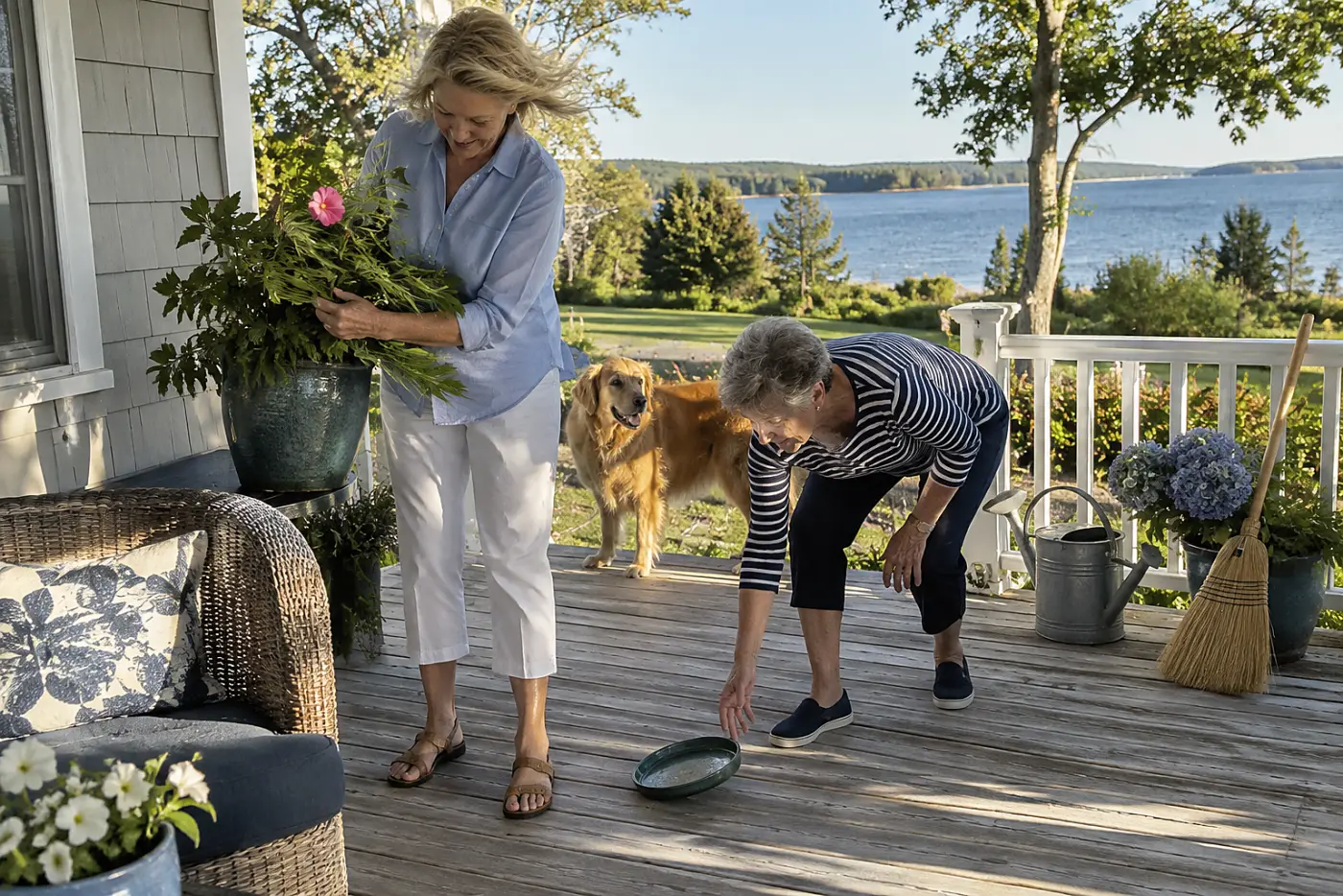
Wind drains a pot without looking dramatic.
Moving air carries moisture away from leaves. The plant draws more water up from its roots, and a small container loses its reserve sooner. A pot on an exposed railing feels that wind differently from one tucked beside the door.
A morning check alone misses what happens after lunch. The soil that felt fine before breakfast is dry by evening, even when no leaf looks scorched. Adding more water at dawn without checking later hides the real pattern.
This week, check exposed pots again in late afternoon on a windy day. Move a light container out of the strongest breeze if it dries repeatedly. “The wind hits this one all afternoon; I’ll check it when I get home.”
Wind matters less when the water never lands in the container.
9Holding the hose above a hanging basket
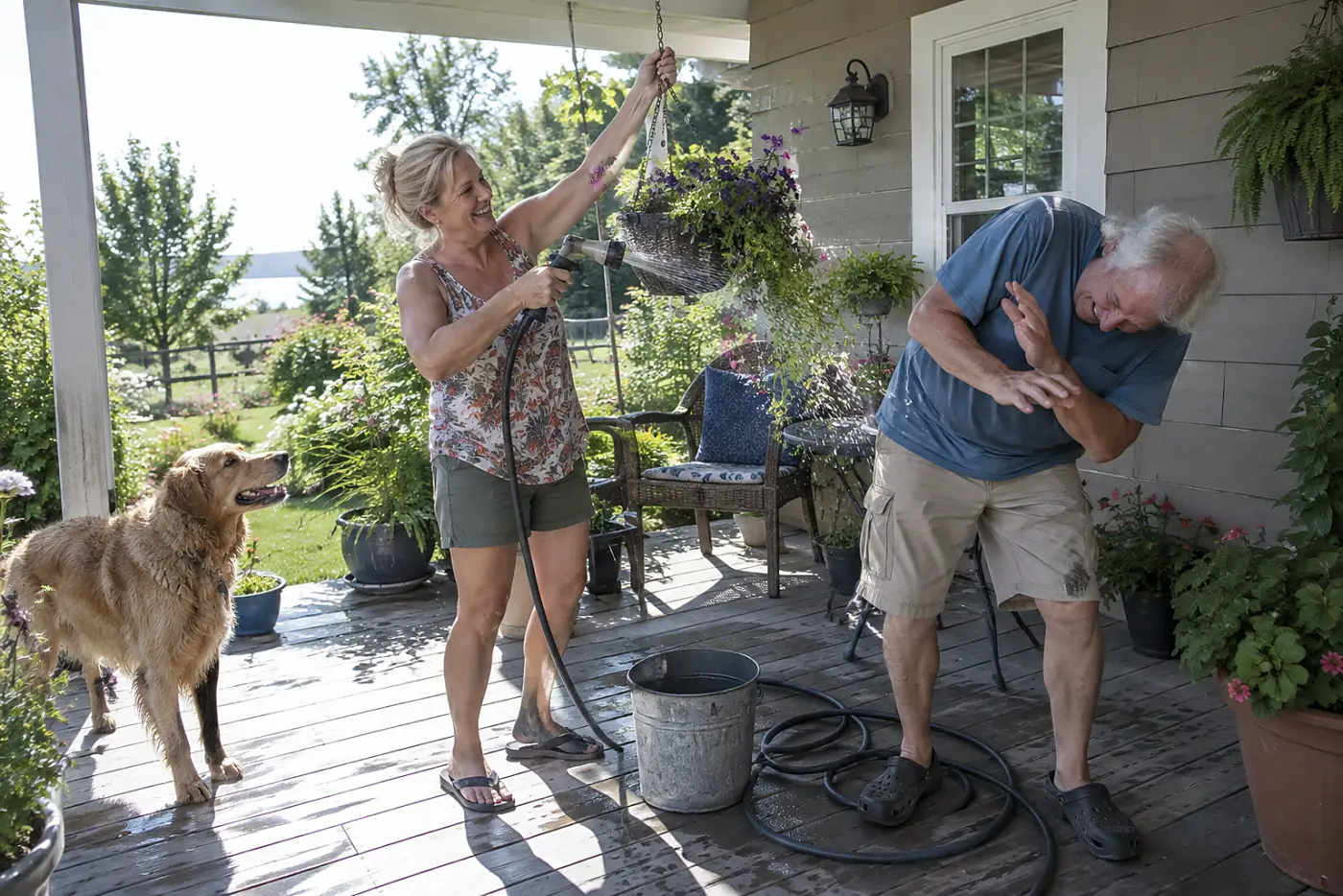
Most of the spray misses its target.
From below, a hanging basket looks wide. From above, foliage covers much of its narrow soil surface, sending a broad spray past the rim. Water on the railing isn't evidence that your basket got a drink.
You water the deck while the root ball stays dry. The basket's height keeps you from seeing the soil, so you repeat the same aim the next morning. Flowers spilling over the edge make the opening look smaller still.
This week, lower the basket where you can see the mix, or bring the nozzle directly beneath the leaves. Pour in several spots rather than aiming once at the center. “I’m checking the soil, not the wet railing.”
The next loss happens after water reaches the basket.
8Letting a hanging basket drip and dry
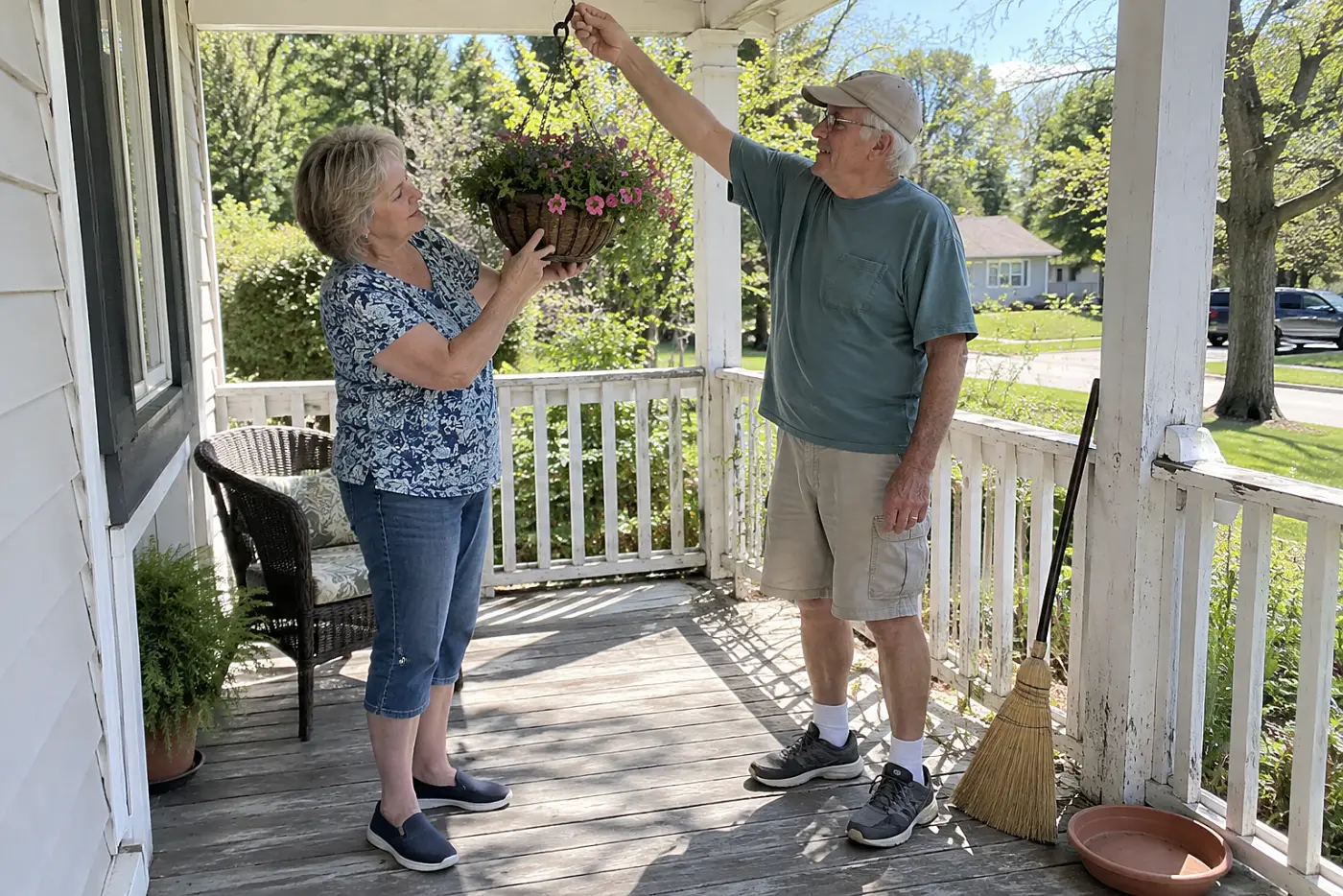
A basket has little room for error.
Its small volume of potting mix holds less water than a large patio container. Air reaches the sides, and roots fill the space quickly. By the time a heavy watering drips below, part of the mix remains dry.
Check more than the dripping. Lift the basket before watering and again after it drains. A basket that stays light despite runoff deserves a closer look at the root ball.
This week, set one struggling basket at eye level. Water slowly across its soil, pause, then feel how its weight changes before rehanging it. “It dripped, but I want to know whether it took a drink.”
A basket isn't the only pot whose shape fools a quick check.
7Watering a tall pot around its rim
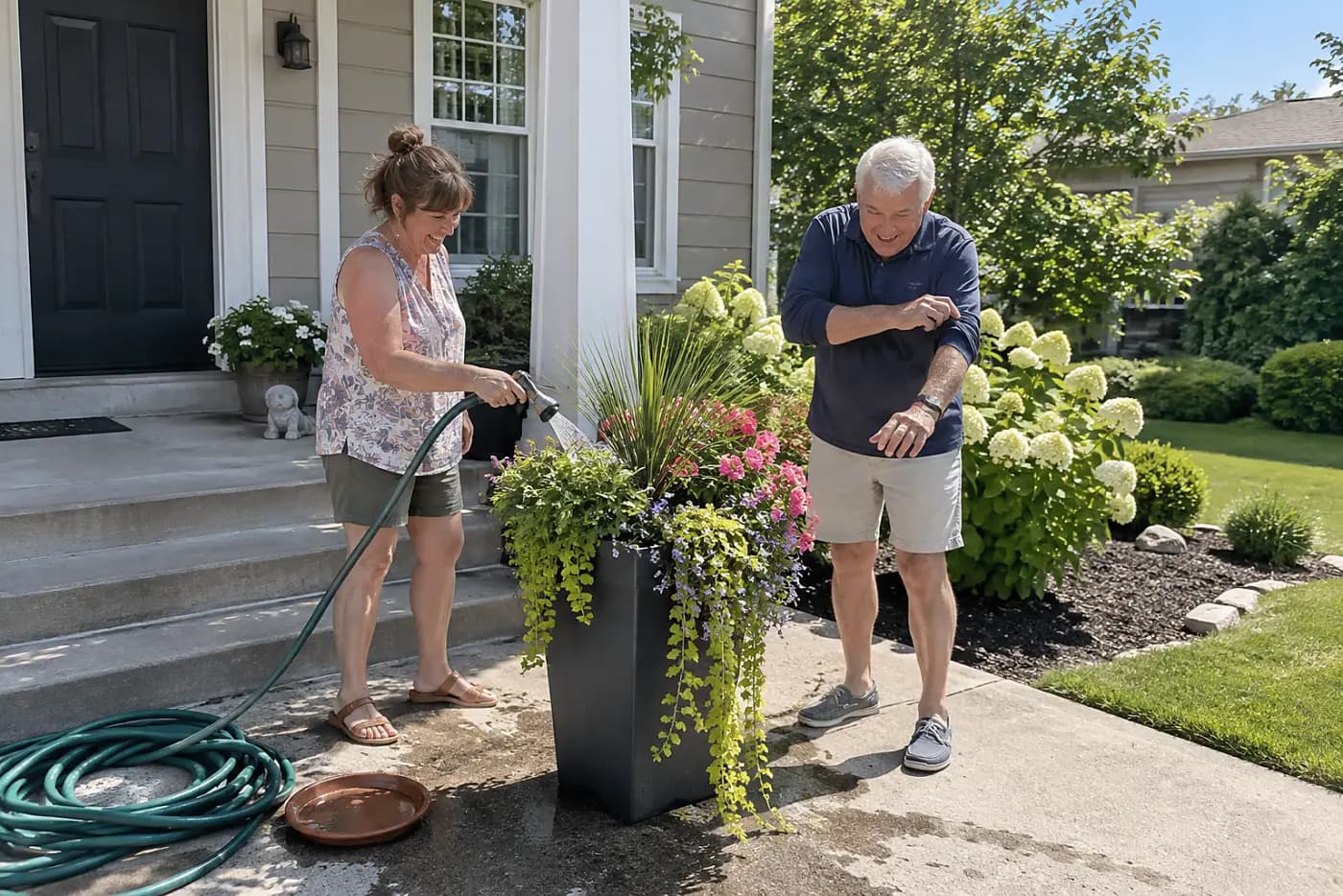
The center stays untouched when every pour hugs the rim.
In a narrow, tall container, water poured only along the edge follows the inside wall. Roots gathered near the center get less of that drink. The drain runs, so your watering looks complete from above.
The plant droops again while water has traveled past its main root ball. A tall pot also hides the path the water took, especially behind a thick collar of leaves.
This week, water slowly around the entire soil surface, including near the stem without blasting soil away. Pause, then cover any dry-looking patch your first pass missed. “I’ll cover the middle before the edge starts dripping.”
Whatever reaches those roots must still survive the next heat wave.
6Using a tiny pot for thirsty plants
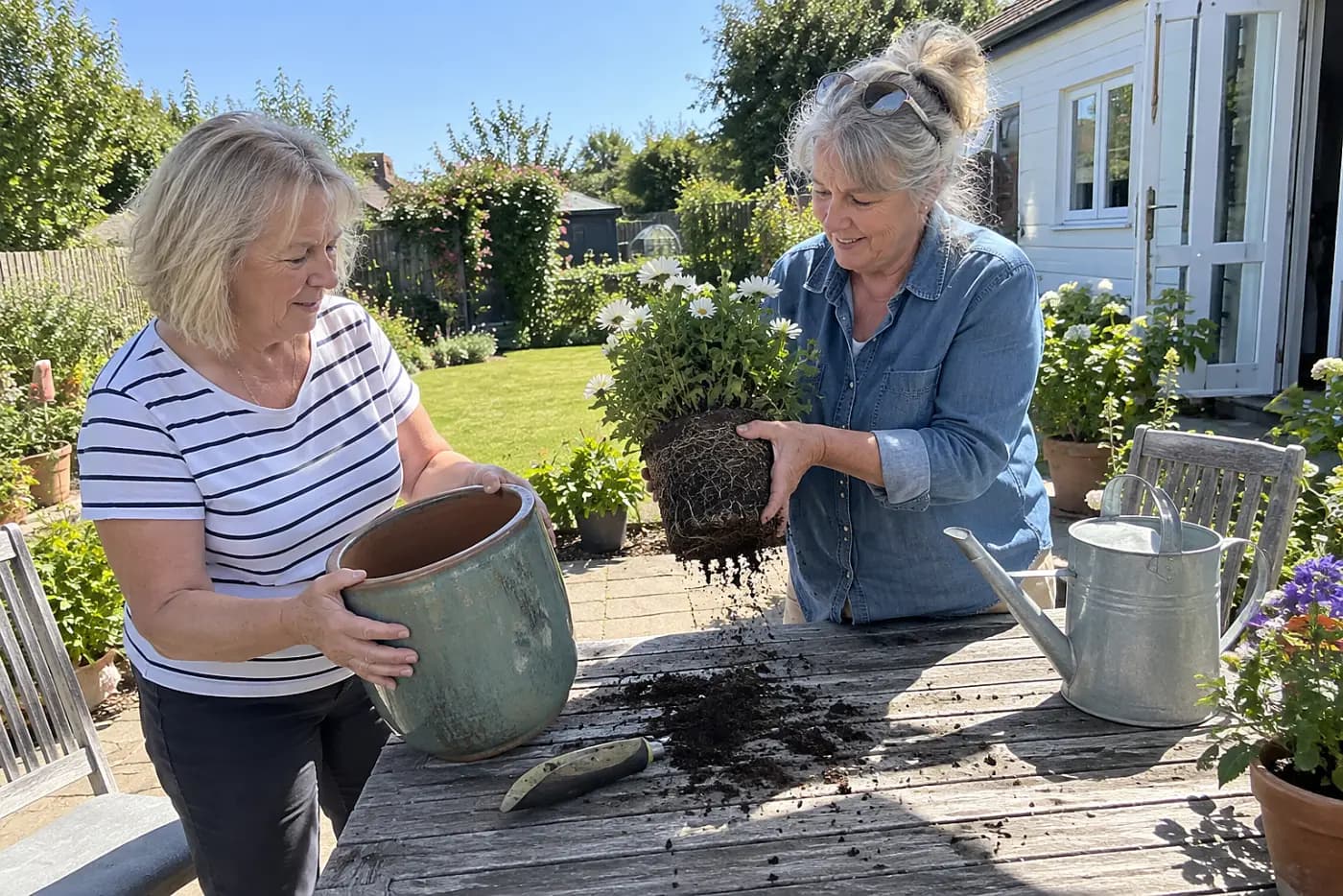
Small pots run out of water first.
A plant with broad leaves loses water through those leaves while August sun warms the container. In a small pot, roots have little mix to draw from between waterings. More frequent pouring doesn't make the container hold a larger reserve.
A plant that wilts every afternoon despite a thorough morning drink has outgrown the setup. Before changing its schedule, check whether roots crowd the pot and whether the mix has room to stay moist. A bigger container won't rescue roots sitting in soggy soil, so inspect before moving anything.
This week, compare the plant's root ball with its pot and choose a roomier draining container if the roots have filled it. “This plant needs more soil around its roots, not another rushed splash.”
The next shortcut makes it harder to see how much water entered.
5Trusting a self-watering reservoir without checking
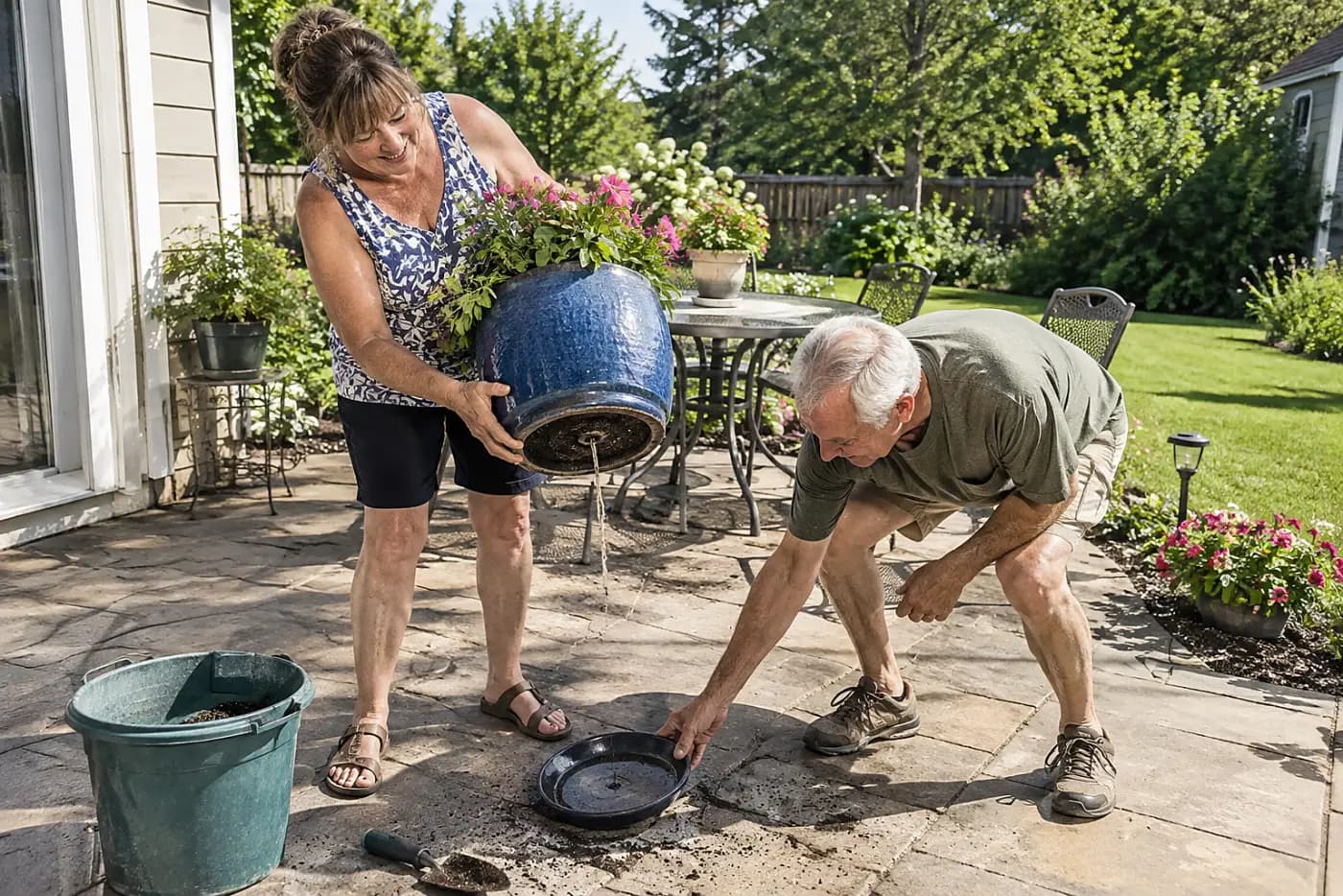
A full reservoir tells only half the story.
Water must move from the reservoir into the potting mix. If the wick loses contact or dry mix pulls away, the tank stays full while your roots dry out. A gauge shows water stored below, not water taken up above.
Your plant droops beside a full indicator, and another refill changes nothing. The wick's path matters more than the amount in the tank. Some planters use a wicking column rather than a cord, so look at the parts in yours.
This week, check the mix directly and make sure its wicking parts touch both water and soil. Follow your planter's instructions when reseating a loose insert. “The tank has water; I’m checking whether the plant does.”
A different device gives a number that deserves the same skepticism.
4Reading a moisture meter without moving it
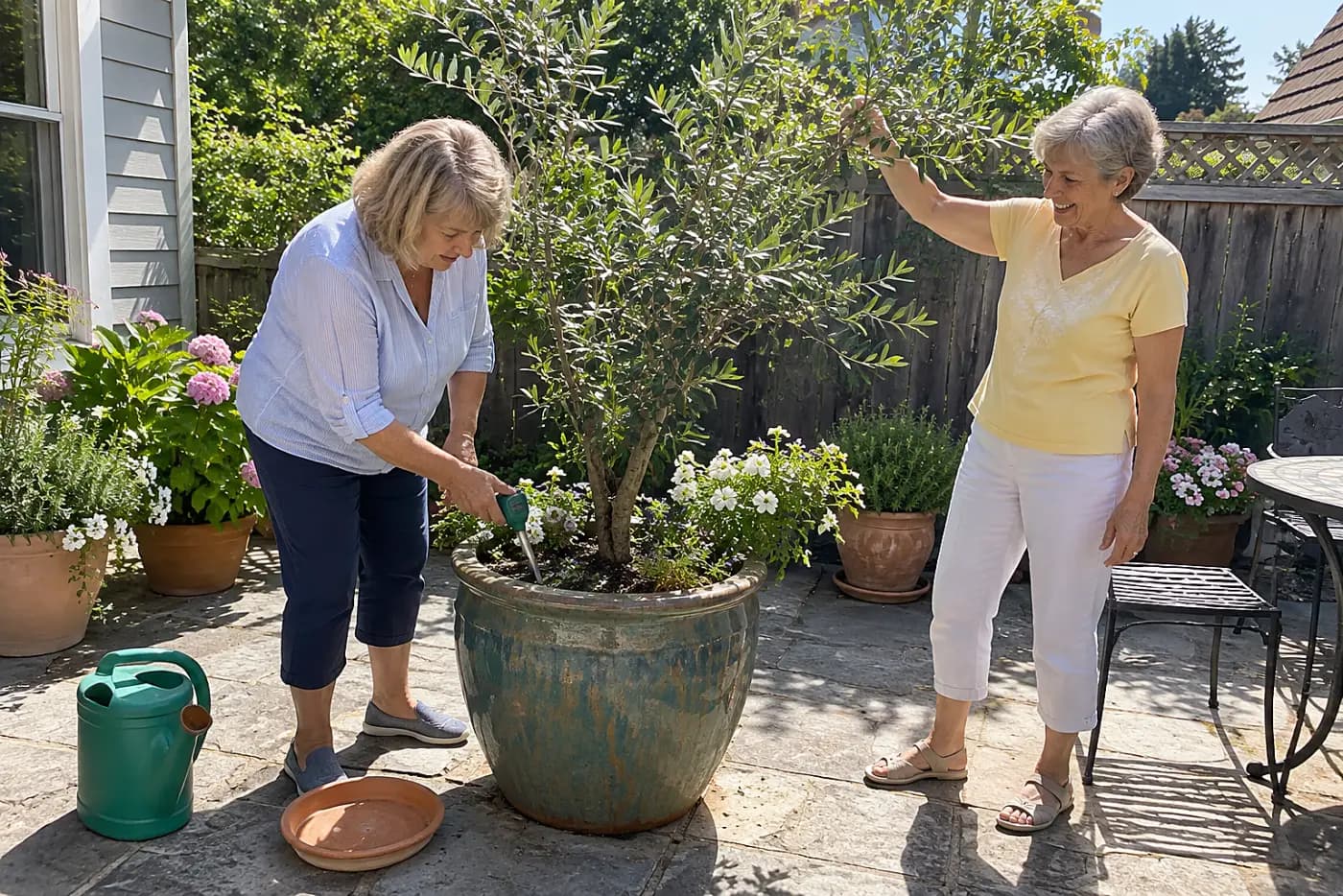
One reading covers one small spot.
A probe beside a damp wall of soil reads wet while the center stays dry. Push the same probe into a pocket of dry mix, and you get the opposite message. Salts in potting mix and poor contact with the probe also distort readings.
That dial looks decisive when your plant droops. Yet an unexplained number sends another watering into already wet roots. Don't let it overrule the weight of the pot or evidence of water standing below.
This week, take readings in several places and depths, then pull the probe out and inspect what clings to it. Wipe it clean before using it in another pot. “The needle moved; now I’m checking where it was sitting.”
Even an accurate reading won't tell you why leaves droop at midday.
3Mistaking midday droop for dry soil
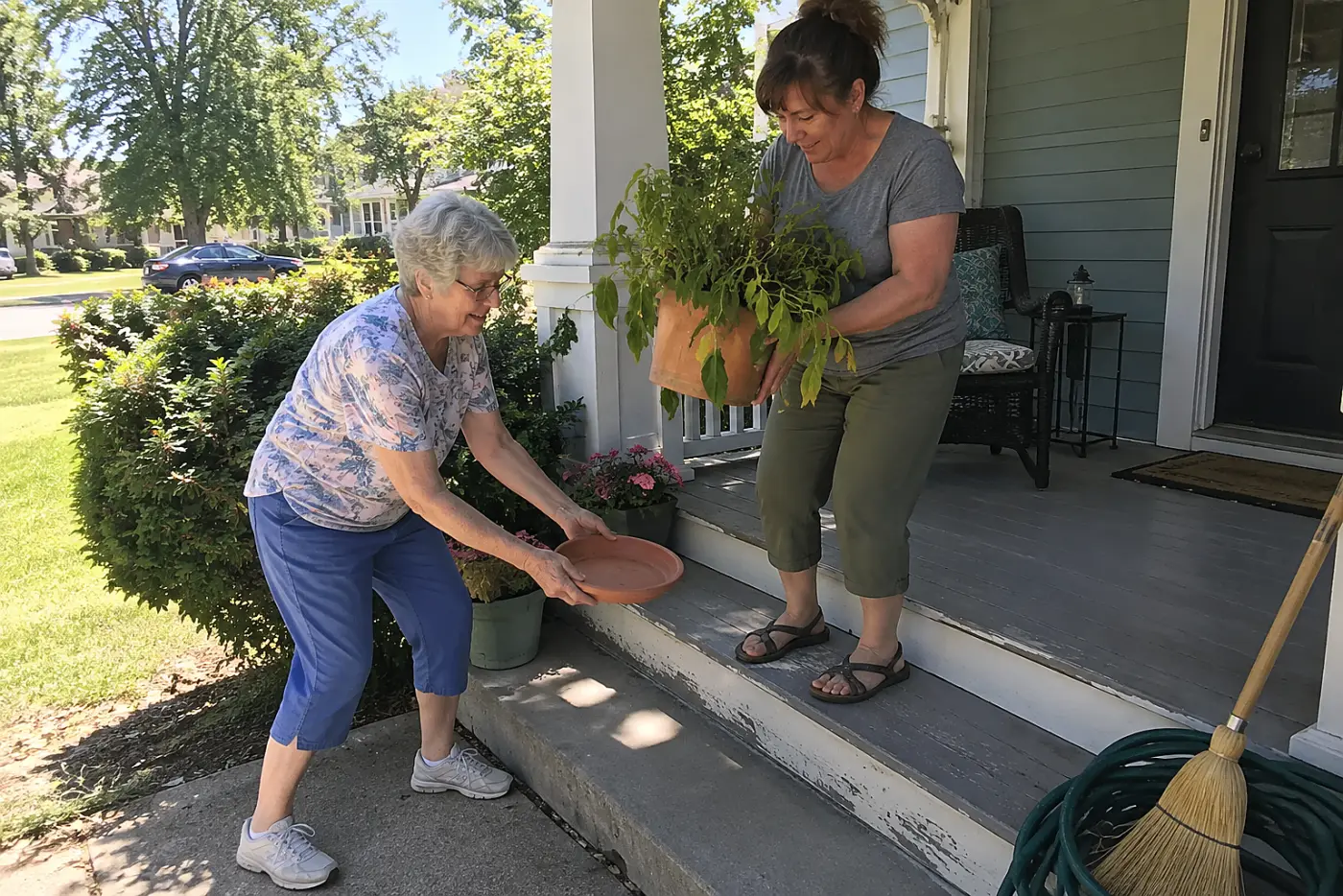
Heat briefly outruns the roots on some afternoons.
On a hot afternoon, leaves lose water faster than roots replace it. They hang down despite moisture in the pot, then recover as temperatures fall. Your watering can won't cool a plant whose roots already have enough water.
Pouring on wet roots adds water when the plant needs less heat. The droop looks urgent, but a plant that stands up again in the evening gave you a different clue. The American Horticultural Society offers guidance on plant care through summer heat.
This week, move a movable pot out of harsh afternoon sun and look again in the evening. Before pouring, use the final test below rather than treating leaf position as a command. “The leaves are down, but I’m waiting for a better clue.”
Leaf color gives another clue, though it doesn't deliver a verdict.
2Using yellow leaves as a watering order
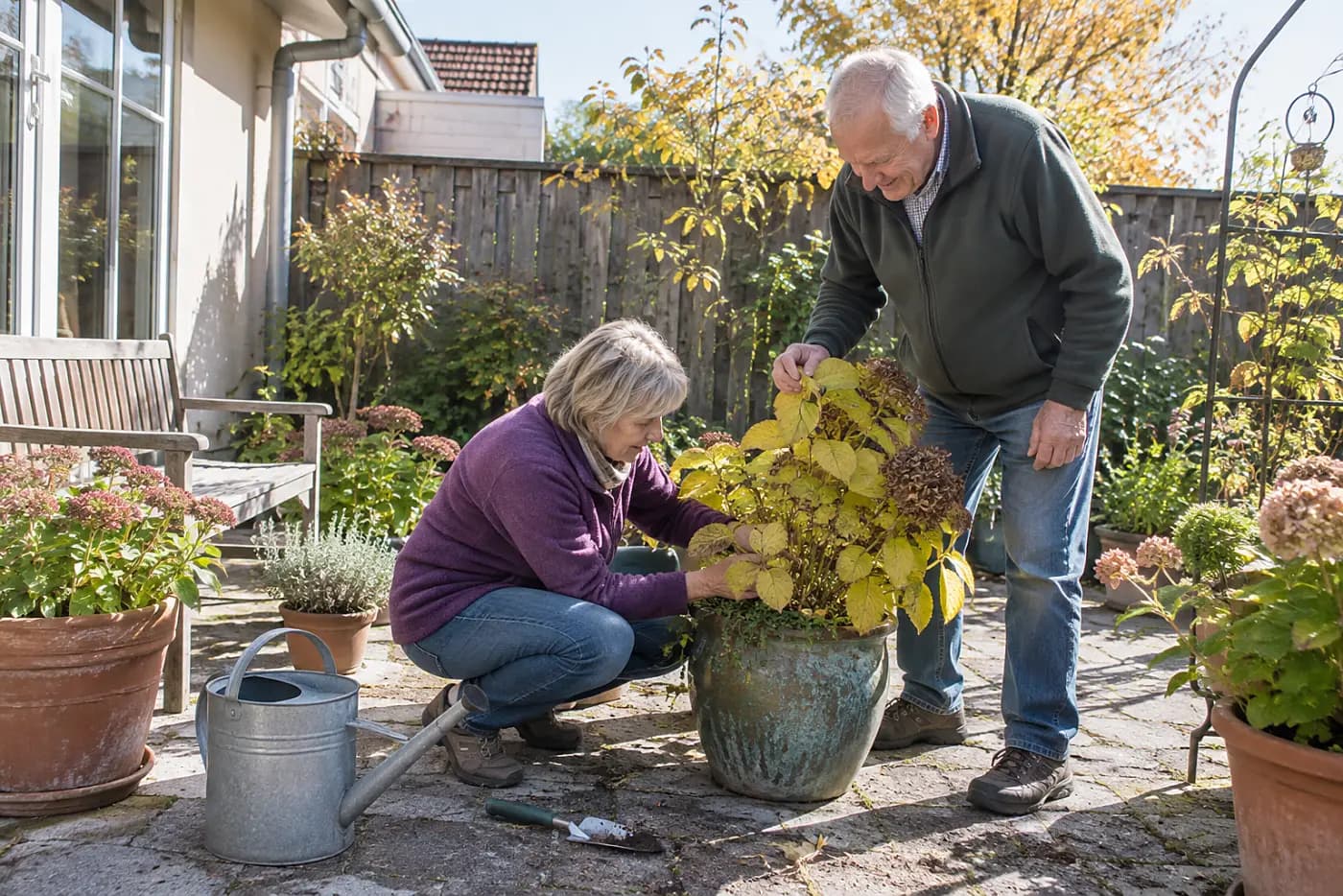
Yellow leaves don't name the cause.
Roots damaged by prolonged wetness struggle to take up water. Your plant looks thirsty because its roots aren't working, while the soil around them remains soaked. Dry roots also lead to yellowing, so color alone settles nothing.
Pull one loose leaf and look at the stem and soil. A foul smell or soft, dark roots points toward a wet-root problem. Dry, brittle mix points elsewhere. Neither clue calls for automatic daily watering.
This week, stop using leaf color as your cue. Empty standing water, inspect the plant's base, and save your next pour until you've tested the mix. “Yellow isn't a watering instruction; I’m checking what happened to this pot.”
The last check turns those clues into a decision.
1Testing potting mix with a wooden chopstick
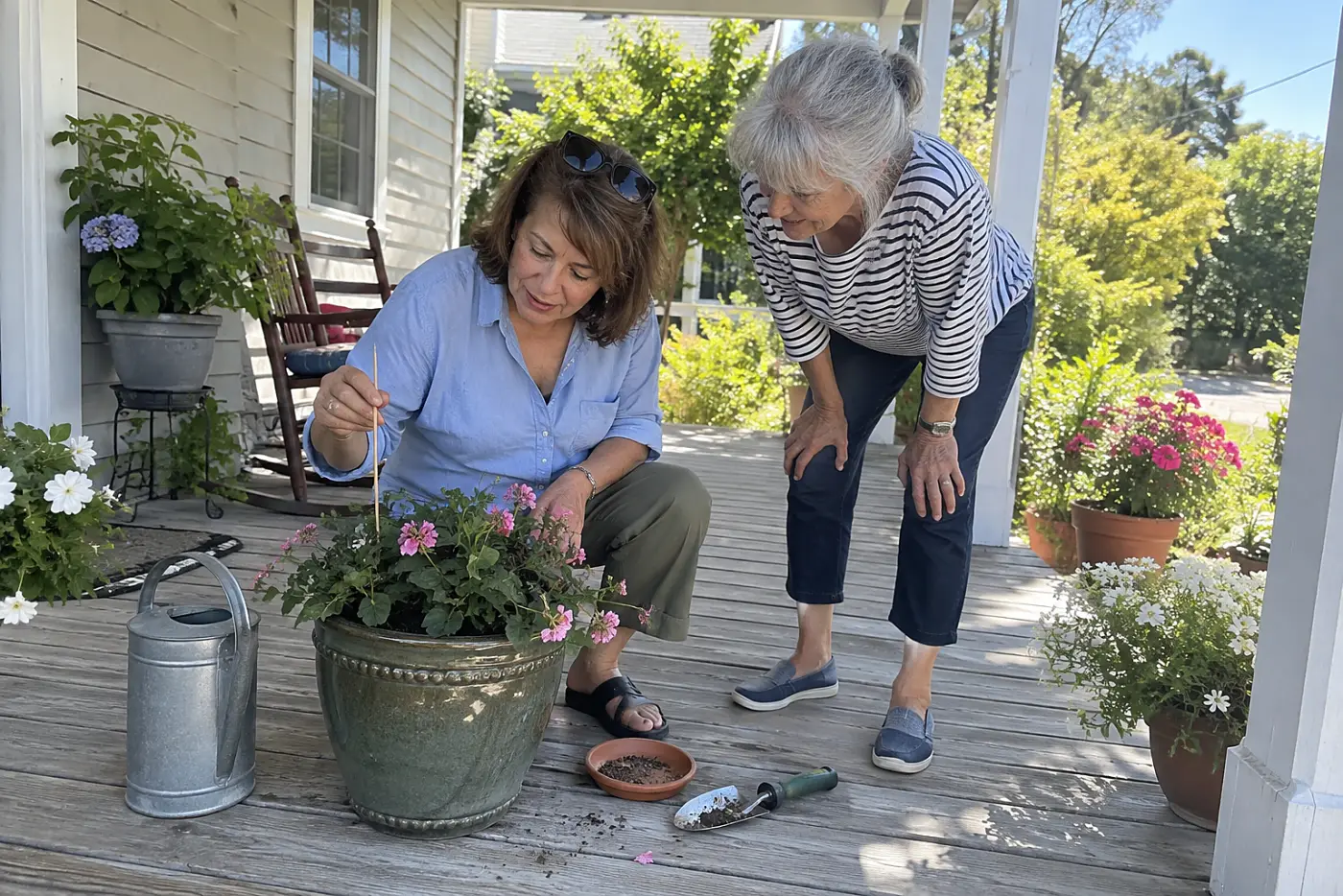
Your watering schedule can't see inside the pot.
Push a clean wooden chopstick into the mix, away from the stem and down through much of the root ball. Leave it briefly, then pull it out. Damp mix clings to the wood; a dry stick comes out clean.
This tests a deeper path than the crust your eye sees. In a large pot, use another spot so one wet pocket doesn't decide the whole watering. If the stick shows damp mix, wait; if it comes out dry, water slowly until excess drains. Roots left wet day after day lose the air they need.
This week, keep a chopstick beside your watering can and use it before each pour. Wash it between pots, especially when a plant looks diseased. “I’ll check the wood before I trust the leaves.”
The hose-side version is waiting just past the bottom line.
The bottom line
Across these 23 mistakes, the pattern holds: a watering schedule misses what happens inside each pot.
You're ahead of the heat once you've tested the mix, cleared the drain holes, and learned which pots dry first.
Which of these has already happened in your garden?
Bonus: The chopstick test before every pour
- Take a clean wooden chopstick to the pot before picking up the hose.
- Push it into the mix away from the stem, then pull it out and look for damp mix.
- Test a second spot in a large pot; if either spot is damp, wait and check again later.
- If both spots are dry, water slowly until the pot drains, then empty its saucer.
- Wash the chopstick before moving to the next pot. Say, “I’m testing the mix, not guessing from the leaves.”
David Ruiz
Tech & Home Writer
David tests gadgets with real readers in their 60s and 70s, because the best tech is the tech you'll actually use.
You might also like