







29 Things to Plant Now So You Have Something to Look Forward To
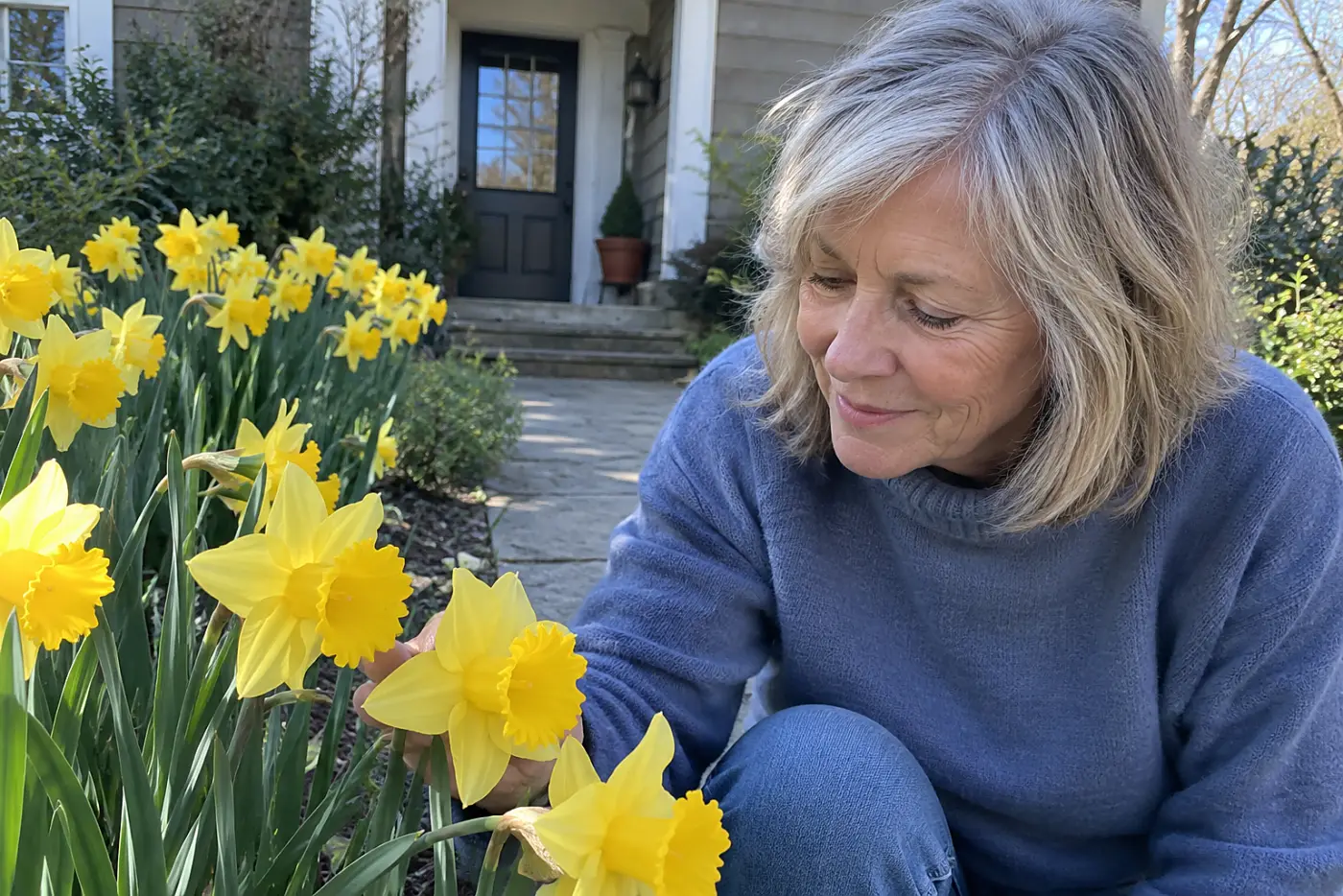
Plant daffodil bulbs this fall, then watch for yellow trumpets beside the walk when the yard still looks asleep.
By June Marlow, Garden Editor
Updated · 11 min read
- Written by our garden editor
- How we review
Read to the end: #1 is the one shrub that flowers before the beds wake up, and almost nobody checks its bloom time.
The garden hose is stiff in your hand, and the sun slips behind the fence before supper. Fall planting asks for a little faith. You tuck something into cold soil, then leave it alone while the days get shorter. That small job gives you a place to look when the light returns.
Here are 29 things worth planting now for the spring ahead.
29Yellow Daffodils by the Walk
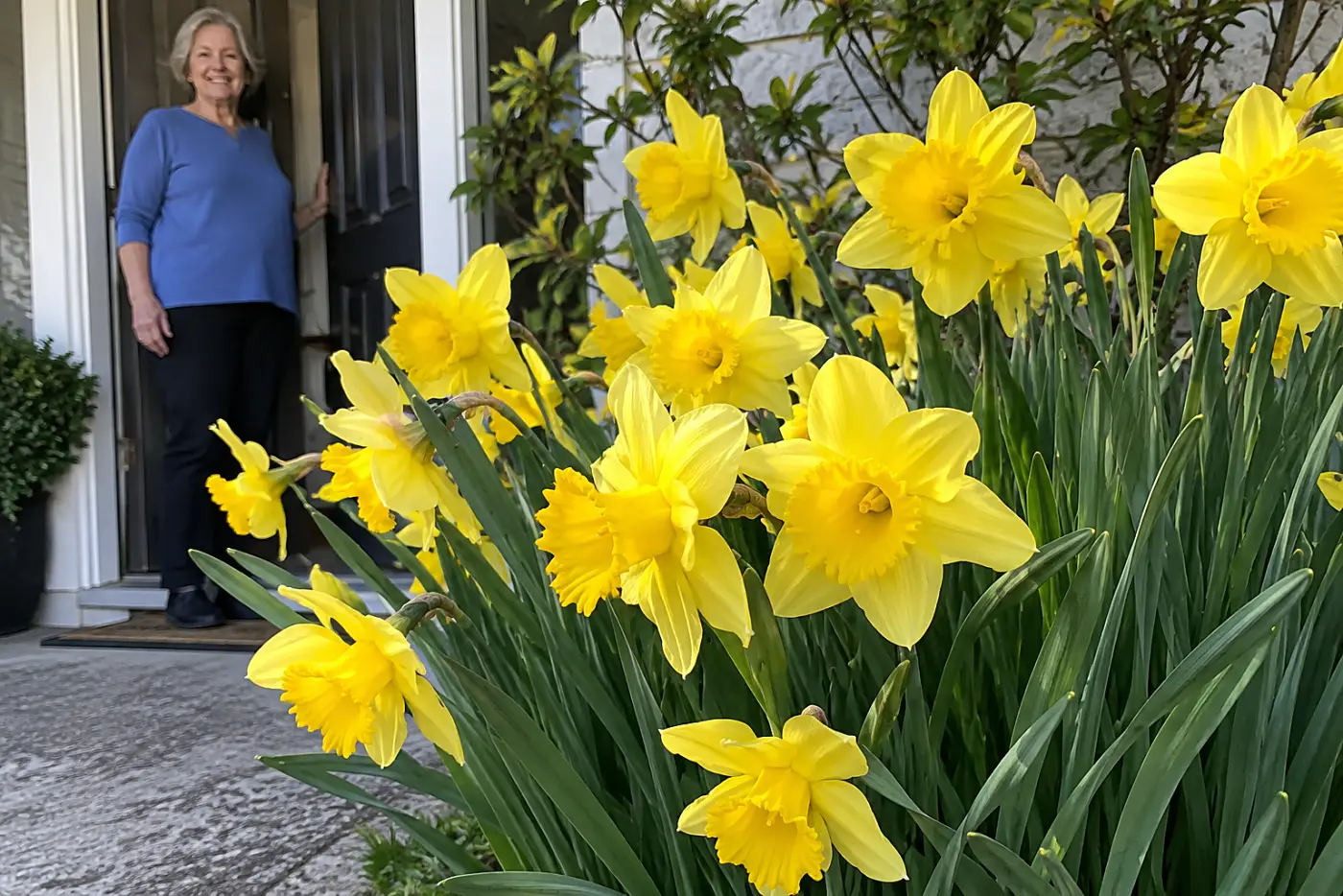
The yellow trumpets show up before the lawn looks alive.
Plant daffodil bulbs in fall, pointed ends up, at roughly three times their height. They return year after year in a spot with good drainage. Along a walk, you’ll pass them even on days you don’t feel like gardening.
Put a handful where you see them from the door.
28Purple Crocuses in the Grass
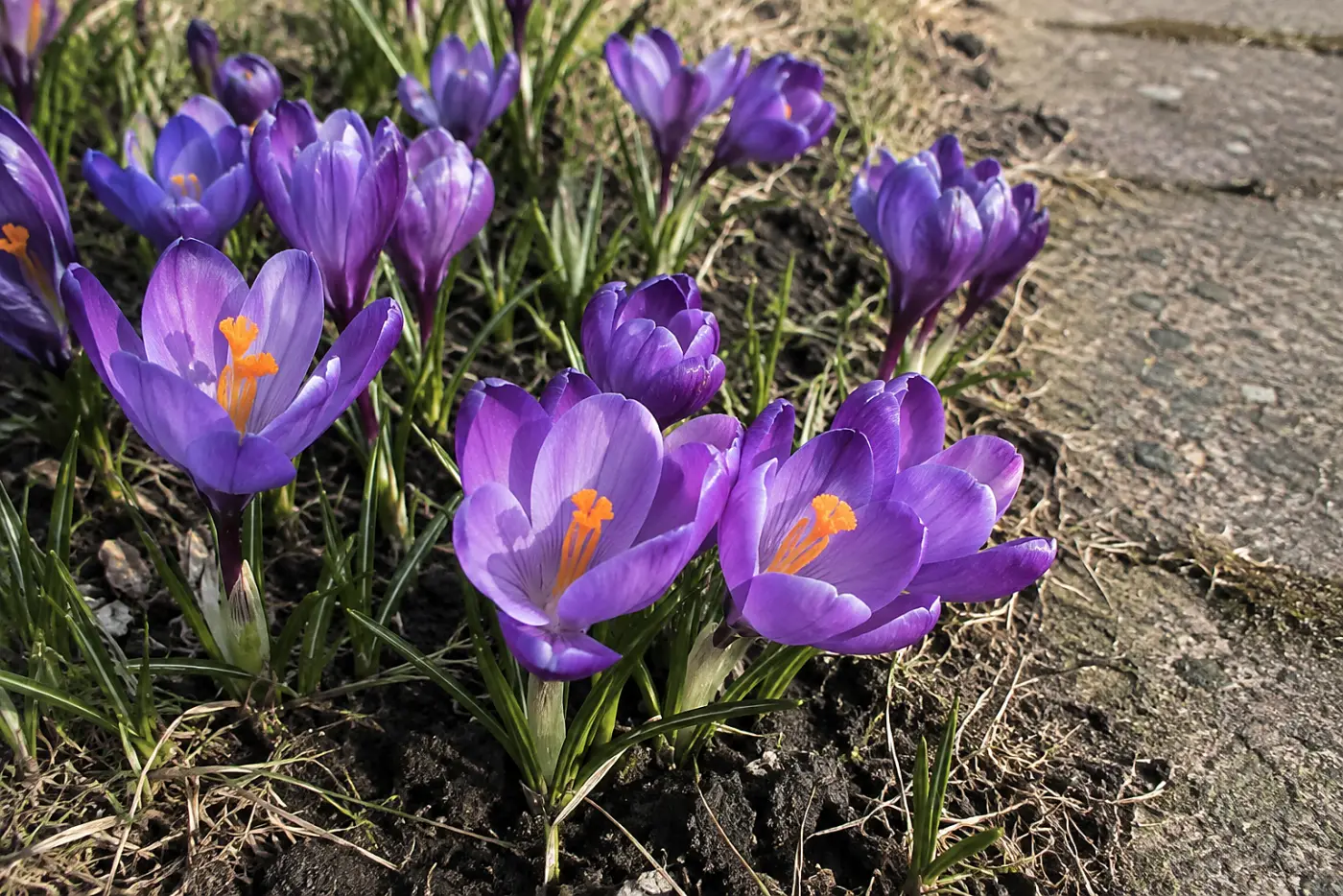
Small purple cups push through grass that still looks brown.
Crocus bulbs need fall planting and a place that gets sunlight before trees leaf out. Their leaves need time to die back after bloom, so this works best where you can leave the mower parked awhile. The flowers are brief. That’s part of why you go looking for them each morning.
Plant a loose cluster near the path, not in the middle of the lawn.
27White Snowdrops Under a Tree
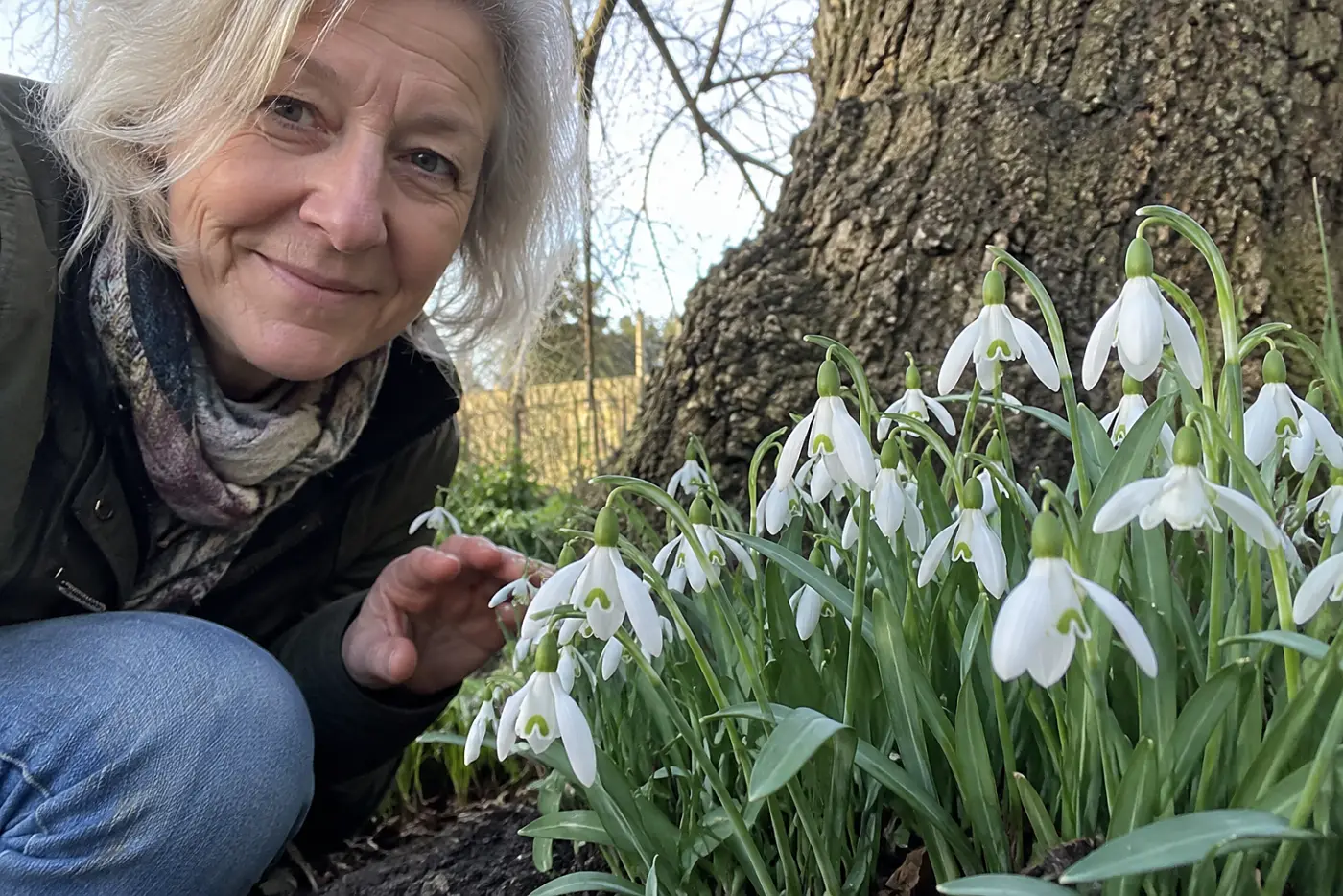
White bells hang from thin stems in the cold.
Snowdrops bloom while much of the garden still looks asleep. Give the bulbs well-drained soil under a deciduous tree, where spring light reaches the ground. Their small flowers reward a close look, not a view from across the yard.
Set them beside a path where you’ll notice them.
26Blue Grape Hyacinths Along a Path
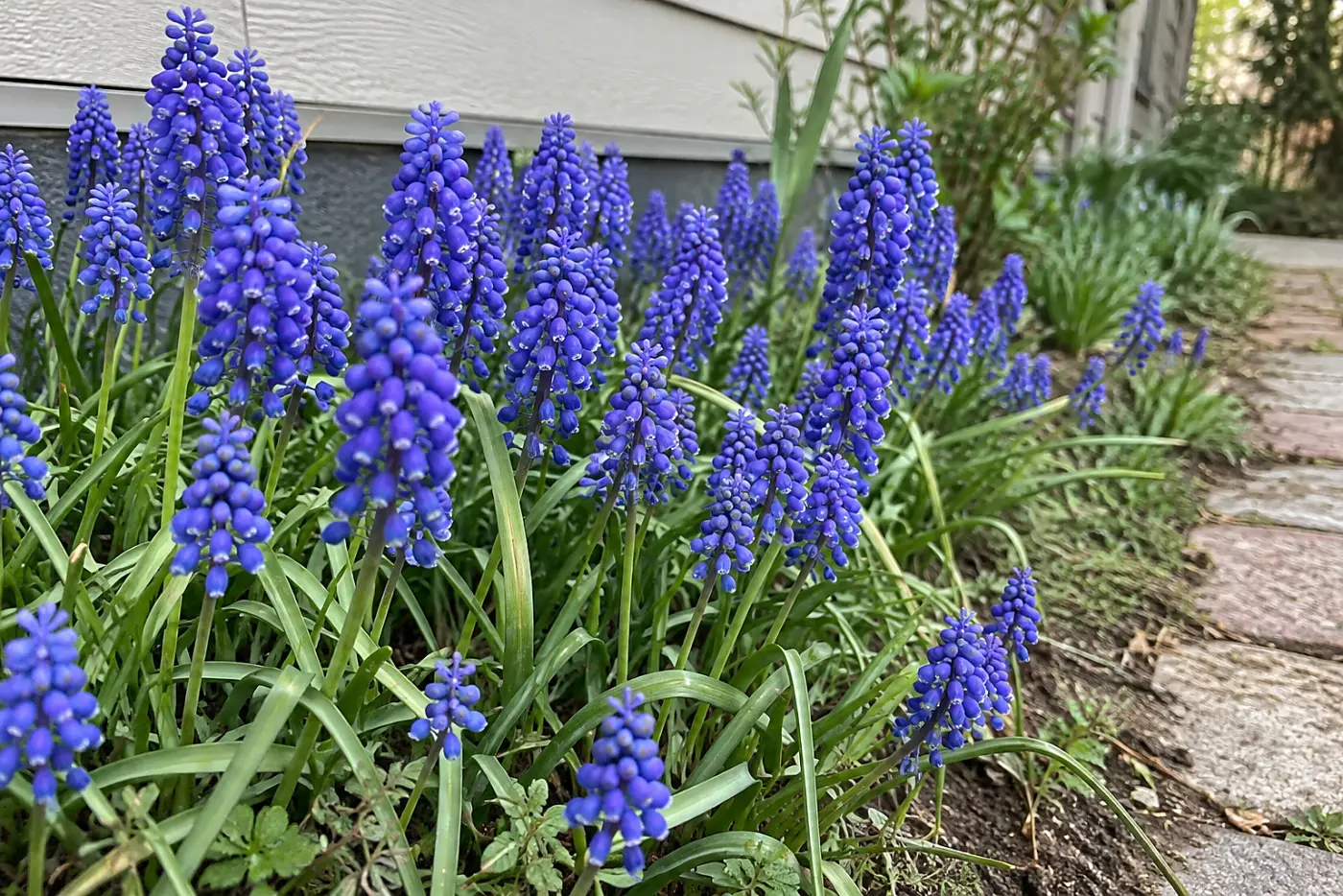
Tight blue flower spikes rise beside the first green shoots.
Grape hyacinths are small bulbs, so one or two disappear in a large bed. A group makes their color easy to spot from the kitchen window. Plant them in fall where water drains away. Their grassy leaves sometimes appear before winter, then the flowers follow in spring. Don’t mistake those early leaves for a planting that got its seasons wrong.
Tuck a cluster along an edge you pass every day.
25Pink Tulips in a Pot
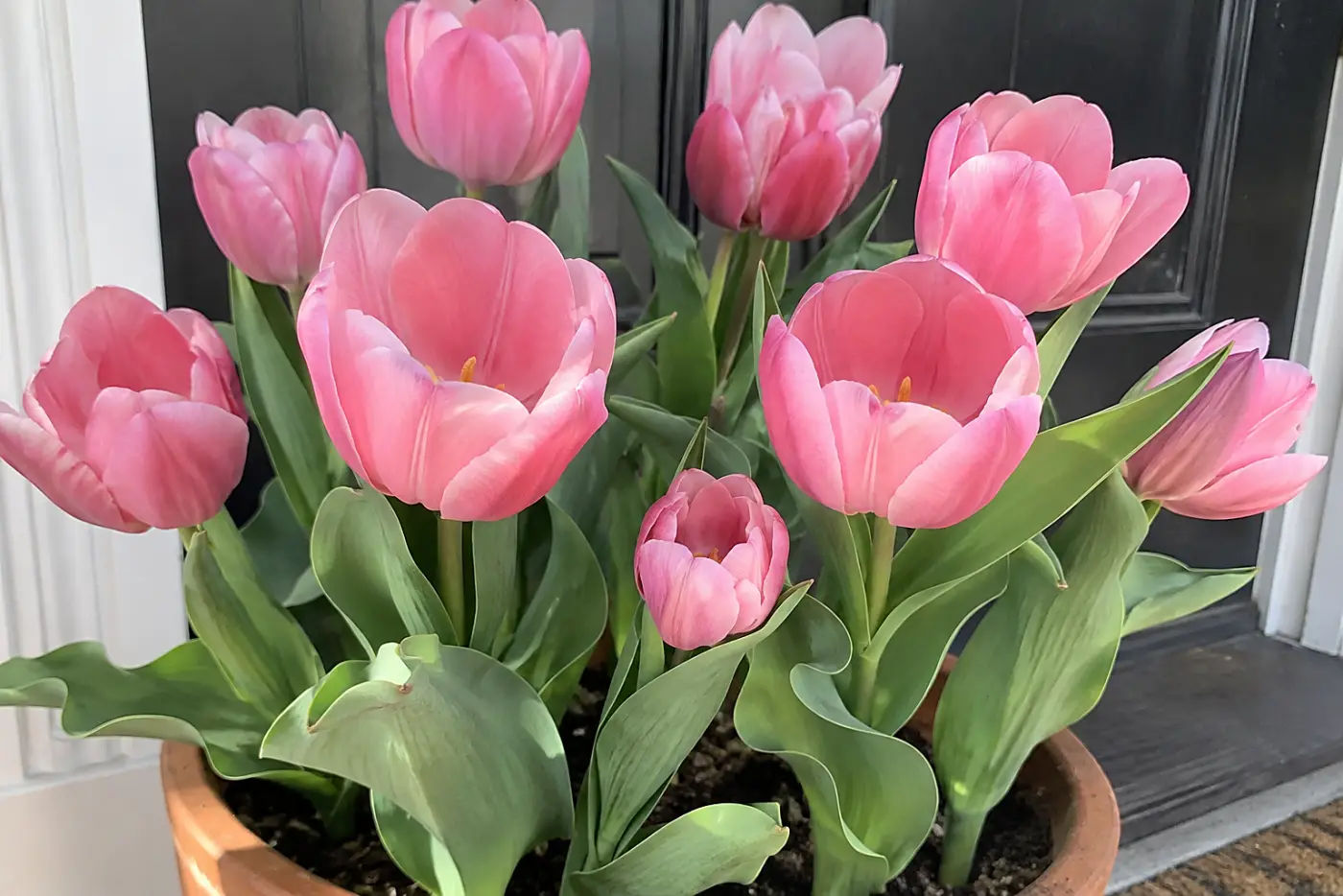
Pink tulips stand straight where yesterday there was bare soil.
A pot puts spring right outside your door, even without a garden bed. Tulips need a winter chill and drainage holes. Their second-year display is less dependable than a daffodil’s, so enjoy this planting for the spring it gives you.
Fill one deep outdoor pot this fall.
24Cream Narcissus Beside the Steps
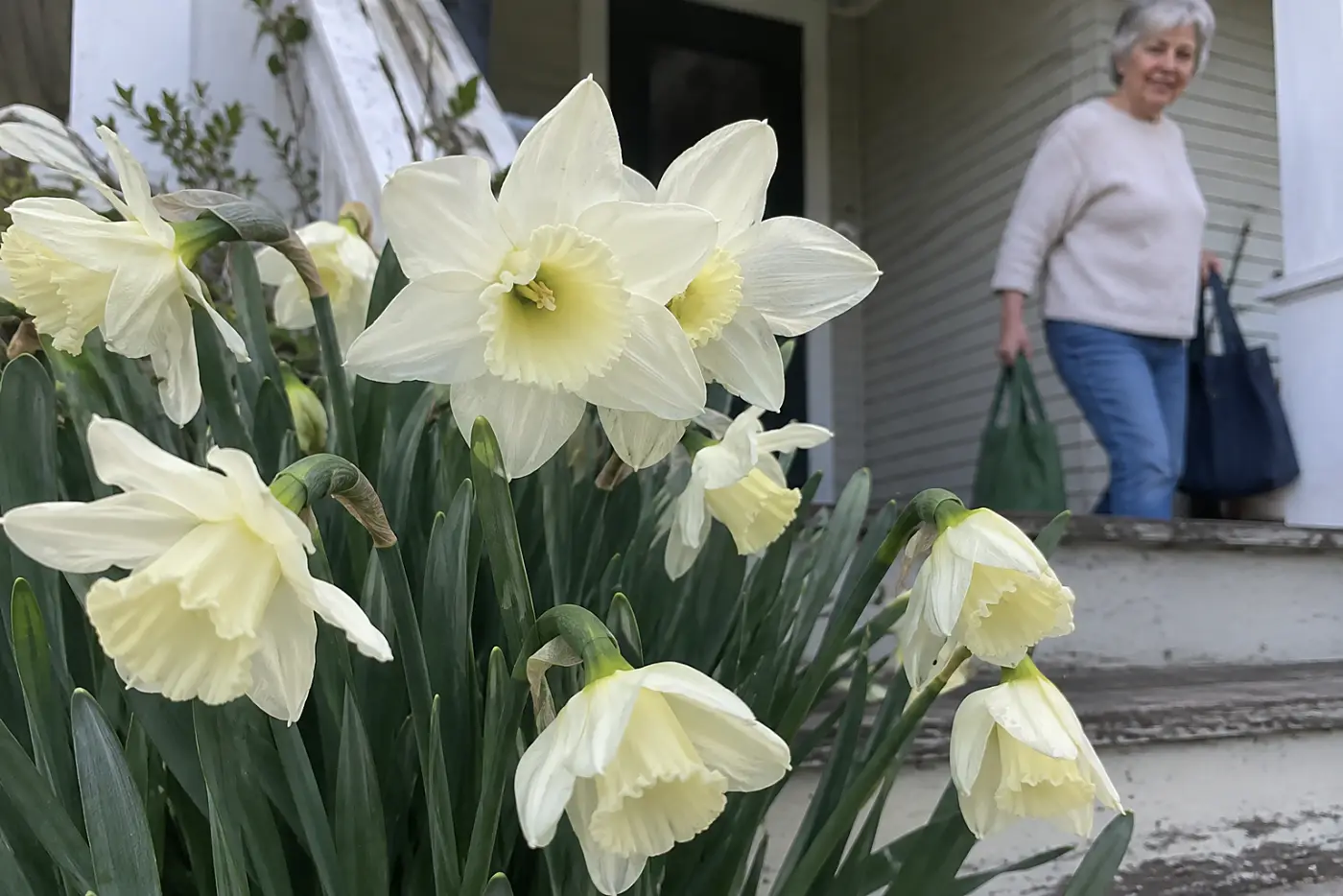
Cream petals and a small yellow cup catch morning light.
Narcissus bulbs go into the ground in fall, just like their larger yellow daffodil relatives. These smaller flowers reward the place where you pause to find your keys or carry in groceries. You don’t need a grand border to make spring feel close. You need one patch you actually see.
Plant several bulbs together beside the steps, where the soil drains.
23Blue Siberian Squill Under Shrubs
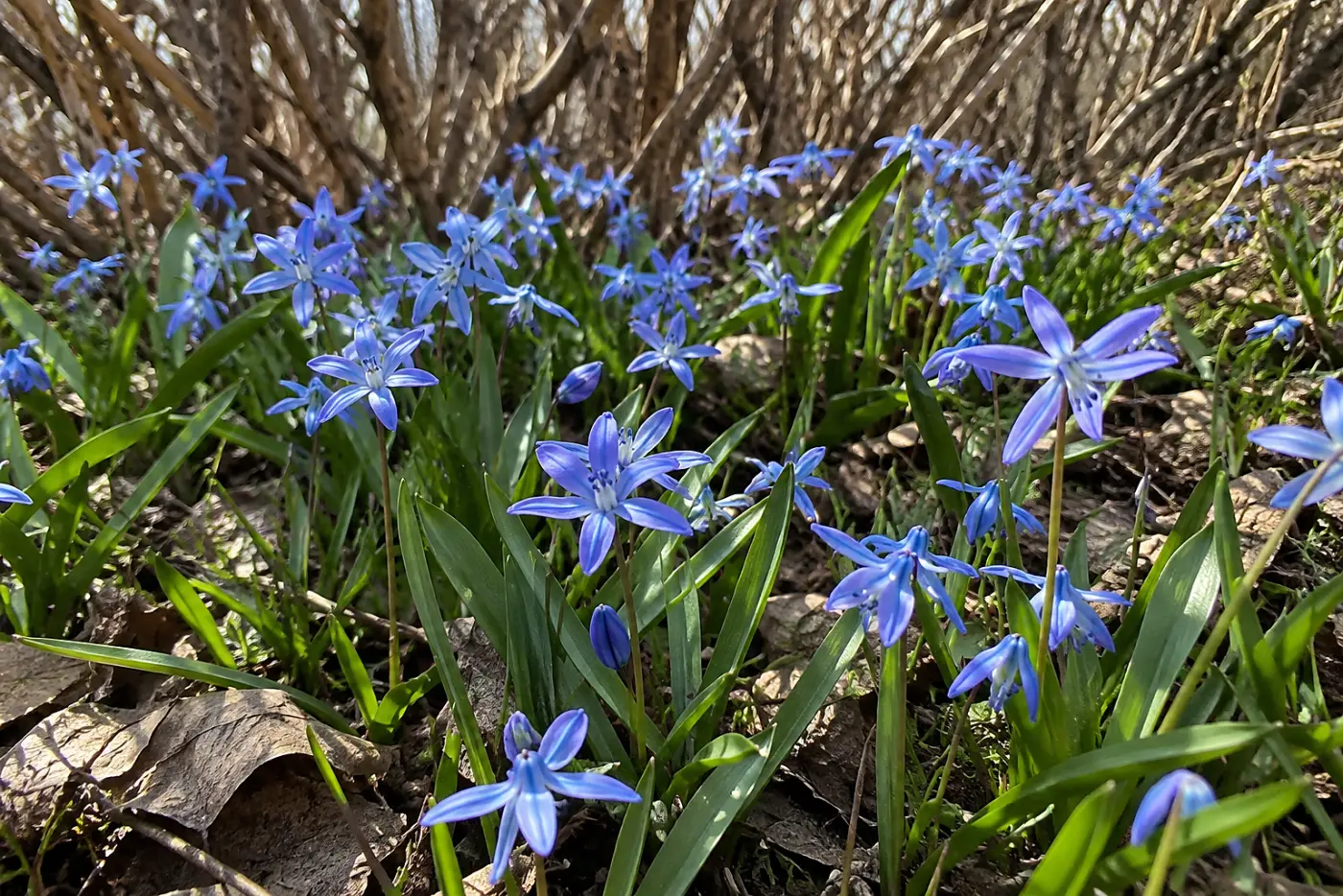
Blue stars appear below branches that still look bare.
Siberian squill blooms early from small fall-planted bulbs. It spreads by seed in favorable ground, so check local invasive-plant guidance before planting it. That matters especially near woods or natural areas. If it’s unsuitable where you live, leave this one out.
Check your local extension guidance before choosing a spot.
22Checkered Fritillaries in Damp Soil
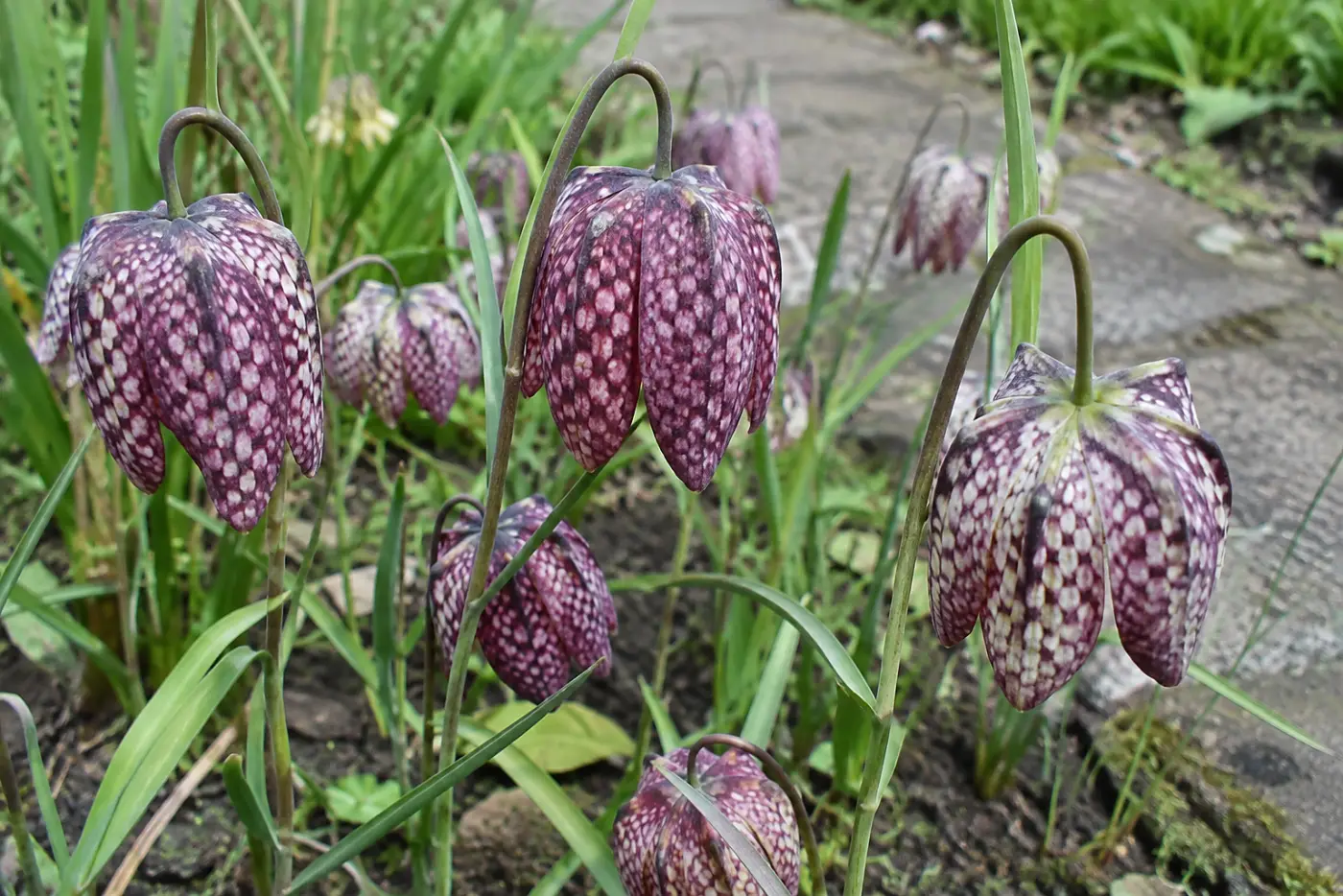
Purple-and-white checked bells nod above narrow leaves.
Snake’s-head fritillary, *Fritillaria meleagris*, likes soil that stays moist in spring without sitting waterlogged. Its pattern looks almost drawn by hand, so put it somewhere you can lean in. The bulbs are small and dry out easily before planting. Buy them when you’re ready to get them into the ground, rather than leaving a bag in the garage.
Plant a group near a spring-damp path.
21Pale Hellebores by the Door
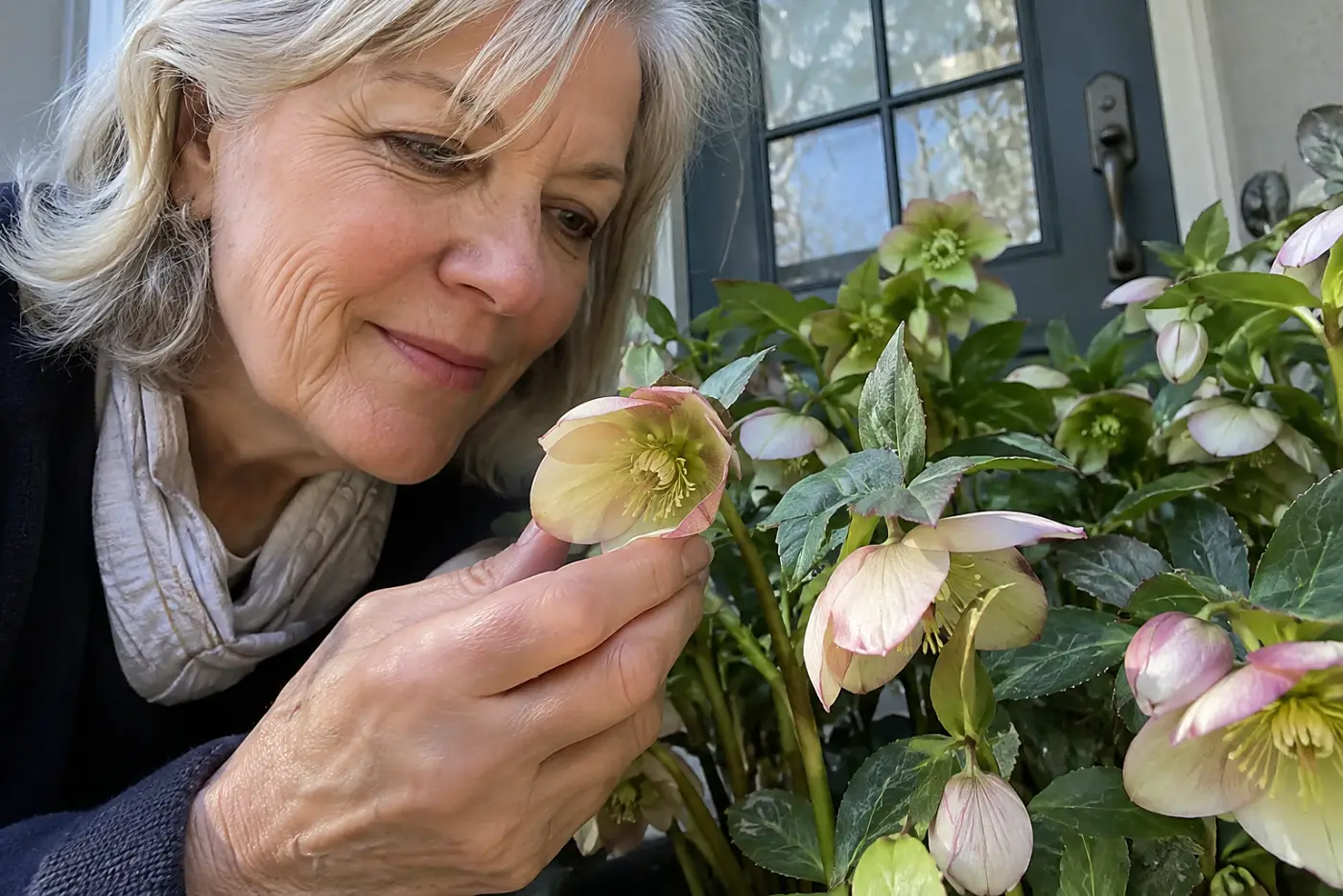
Pale flowers face the ground beneath leathery green leaves.
Hellebores are perennials, not bulbs. Plant one in fall in partial shade and well-drained soil. It will sit there through winter while you forget what you did. Then its flowers will give you a reason to bend down and look closely.
Choose a spot beside the door, within easy reach.
20Redbud Beside the Patio
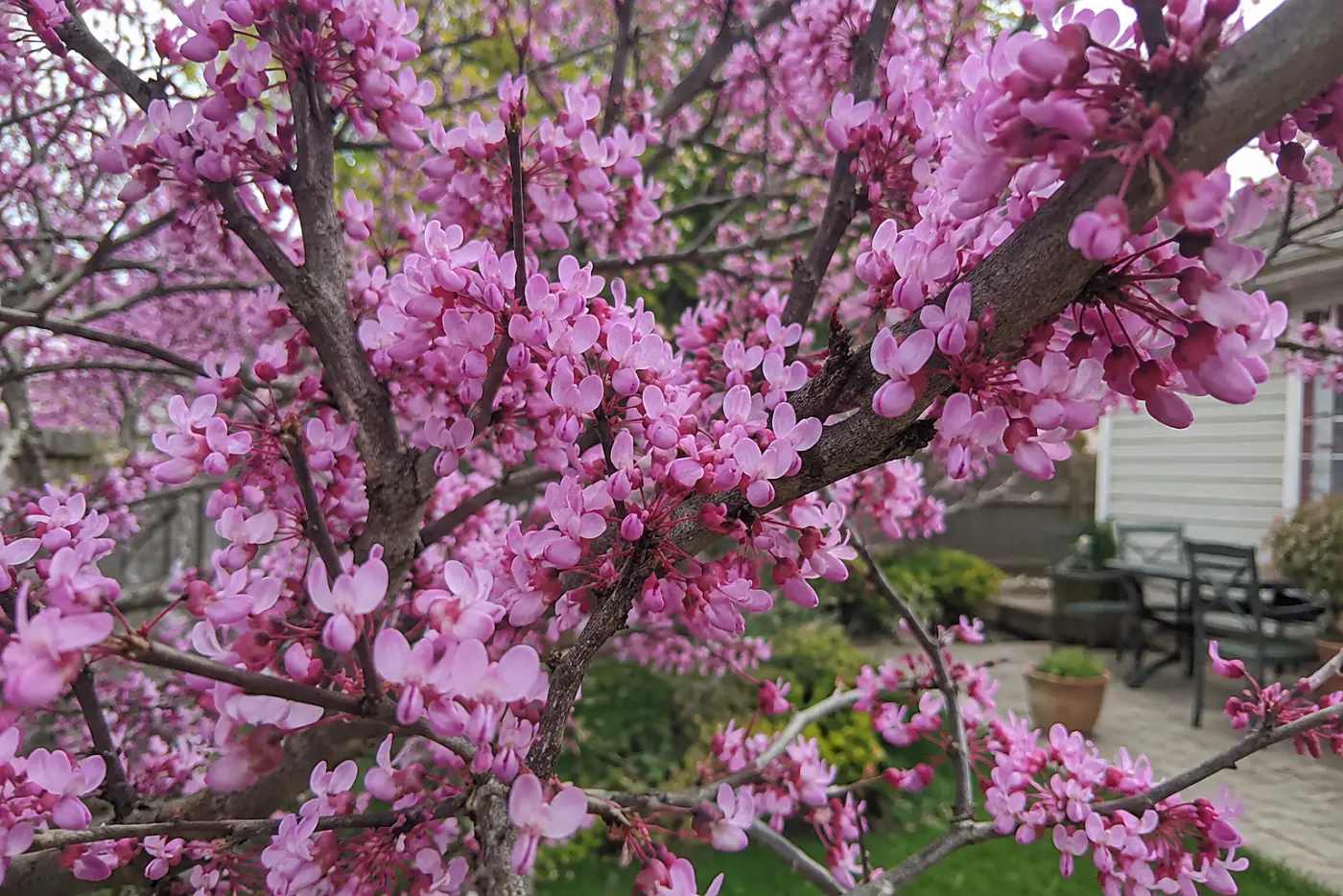
Pink blooms cling to branches before the leaves unfold.
An eastern redbud turns a familiar patch of yard into the place you check first in spring. Fall planting gives its roots time to establish before summer heat. This is a tree, though, not a quick gap-filler. Check its mature size, overhead wires, and the space between the trunk and your patio before digging.
Choose a site that fits the grown tree, not the sapling.
19Lilacs Beyond the Window
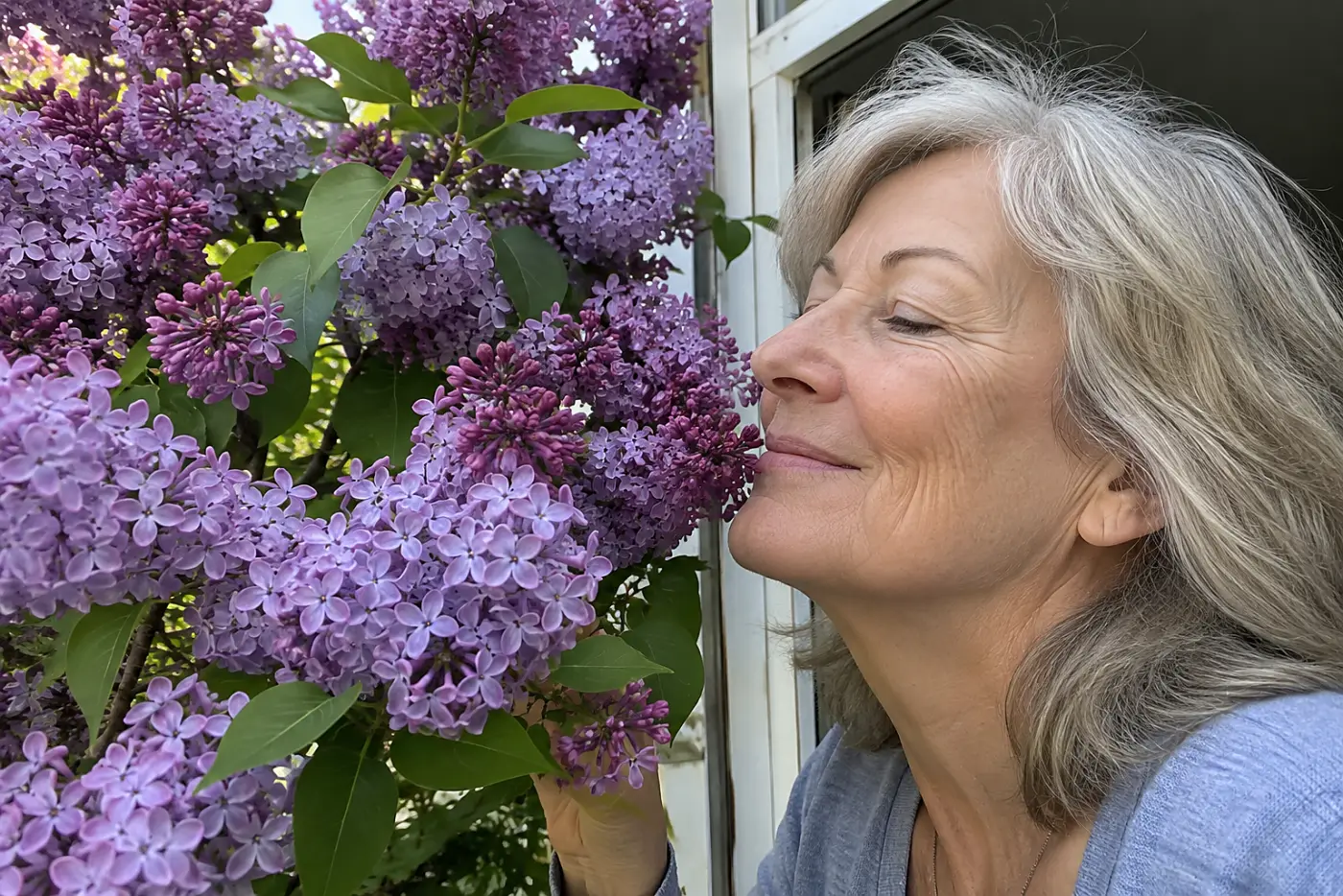
Purple flower clusters sit just outside an open window.
Lilacs need sun and room for air to move through their branches. Their spring scent reaches you before you step outside. They also need a real winter chill, so they’re a poor choice in warm climates. Don’t plant one where heat denies it the season it needs.
Ask a local nursery which lilac blooms reliably in your area.
18Forsythia at the Back Fence
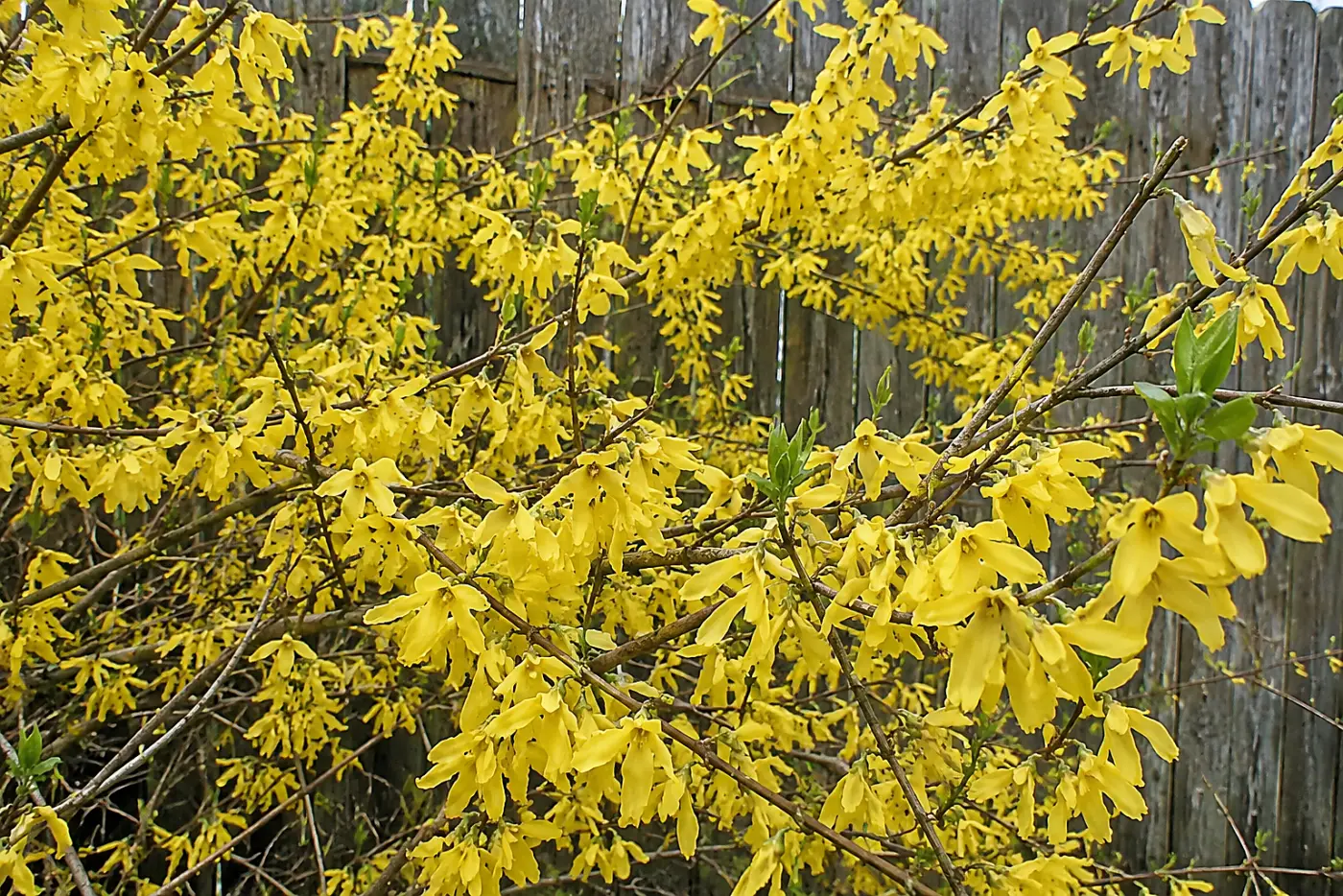
Yellow branches light up a fence before leaves appear.
Forsythia flowers on old wood. Prune it just after bloom, not in late fall, or you’ll cut off the buds you waited for. The shrub grows wide, and its loose shape is the point. Give it space rather than squeezing it between a gate and a walkway.
Plant it where its spring branches have room to spread.
17Peonies Near the Porch
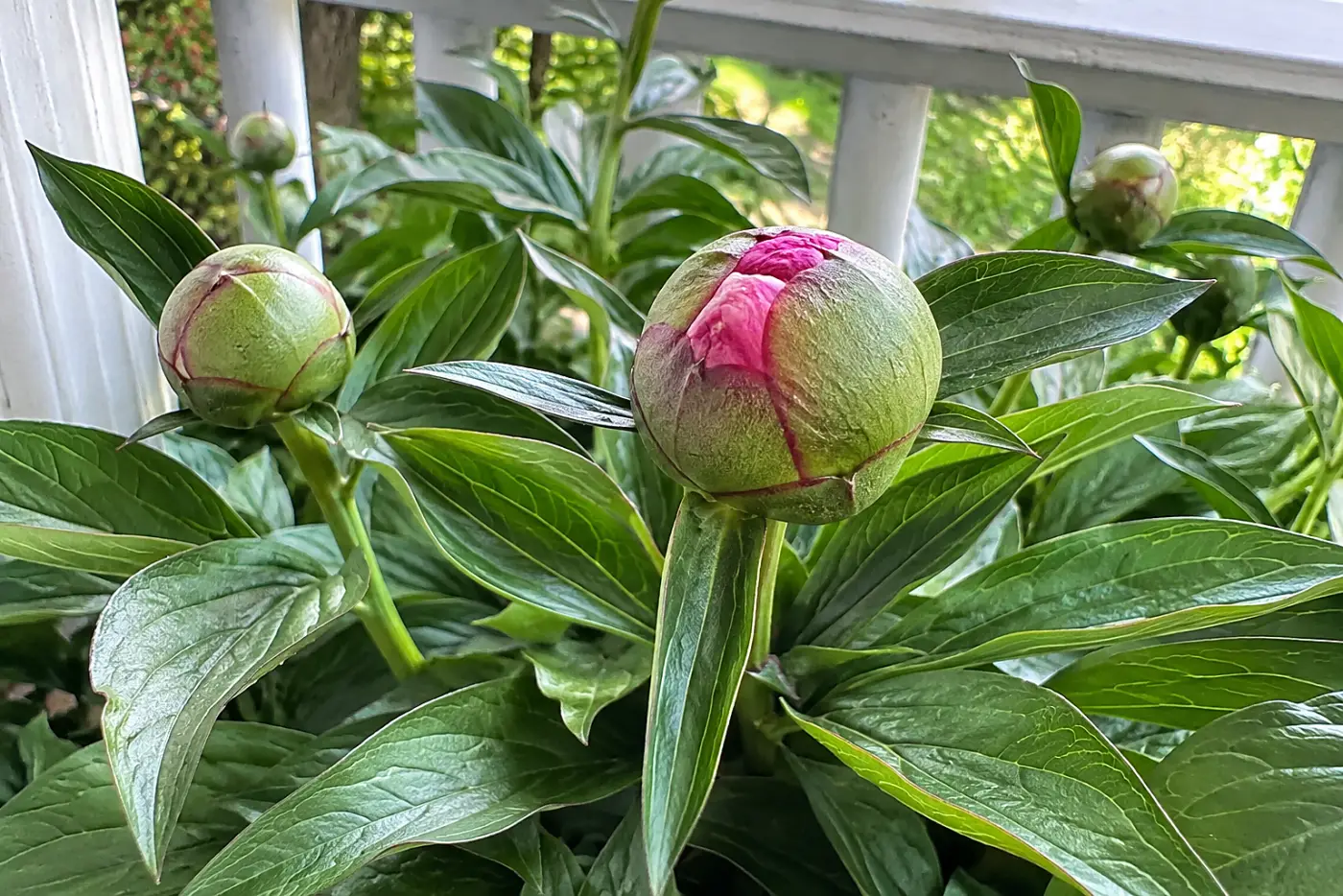
Round buds open into flowers almost too heavy for their stems.
Fall is the time to plant bare-root peonies. Set the eyes near the soil surface; burying them too deep can stop the blooms you’re waiting for. Give them sun and a place you’ll pass when those buds start to swell.
Mark the spot so you don’t dig through it later.
16Bleeding Hearts in Shade
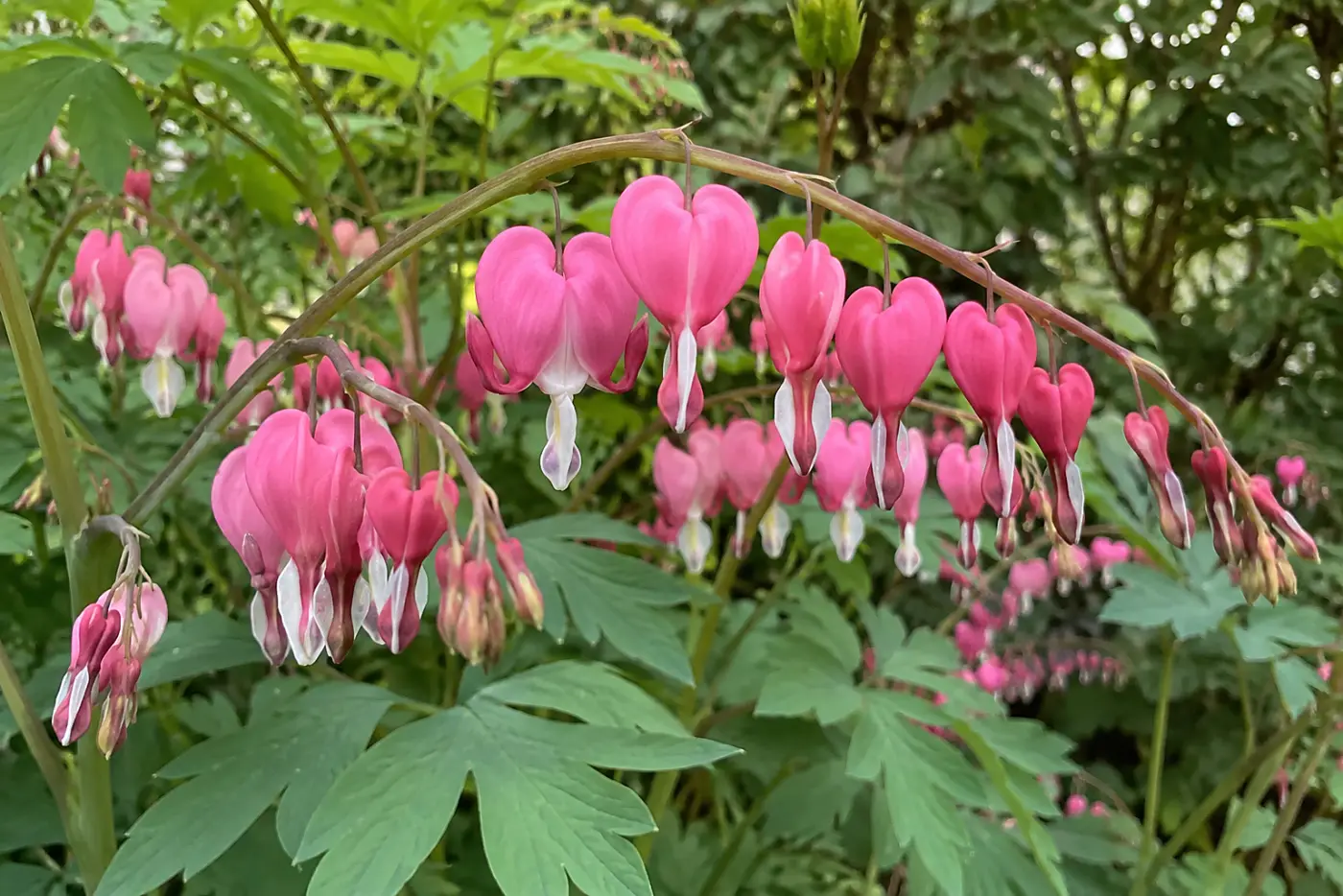
Pink hearts hang in a neat row from arching stems.
Old-fashioned bleeding heart, *Lamprocapnos spectabilis*, grows in part shade and blooms in spring. Its foliage dies back as summer arrives. That empty space isn’t a failure; it’s the plant’s habit. Put it near a hosta or fern that will fill in later, and you’ll have one spring visit to anticipate before the shade garden thickens.
Plant it where you can see the flowers up close.
15Virginia Bluebells Beneath Trees
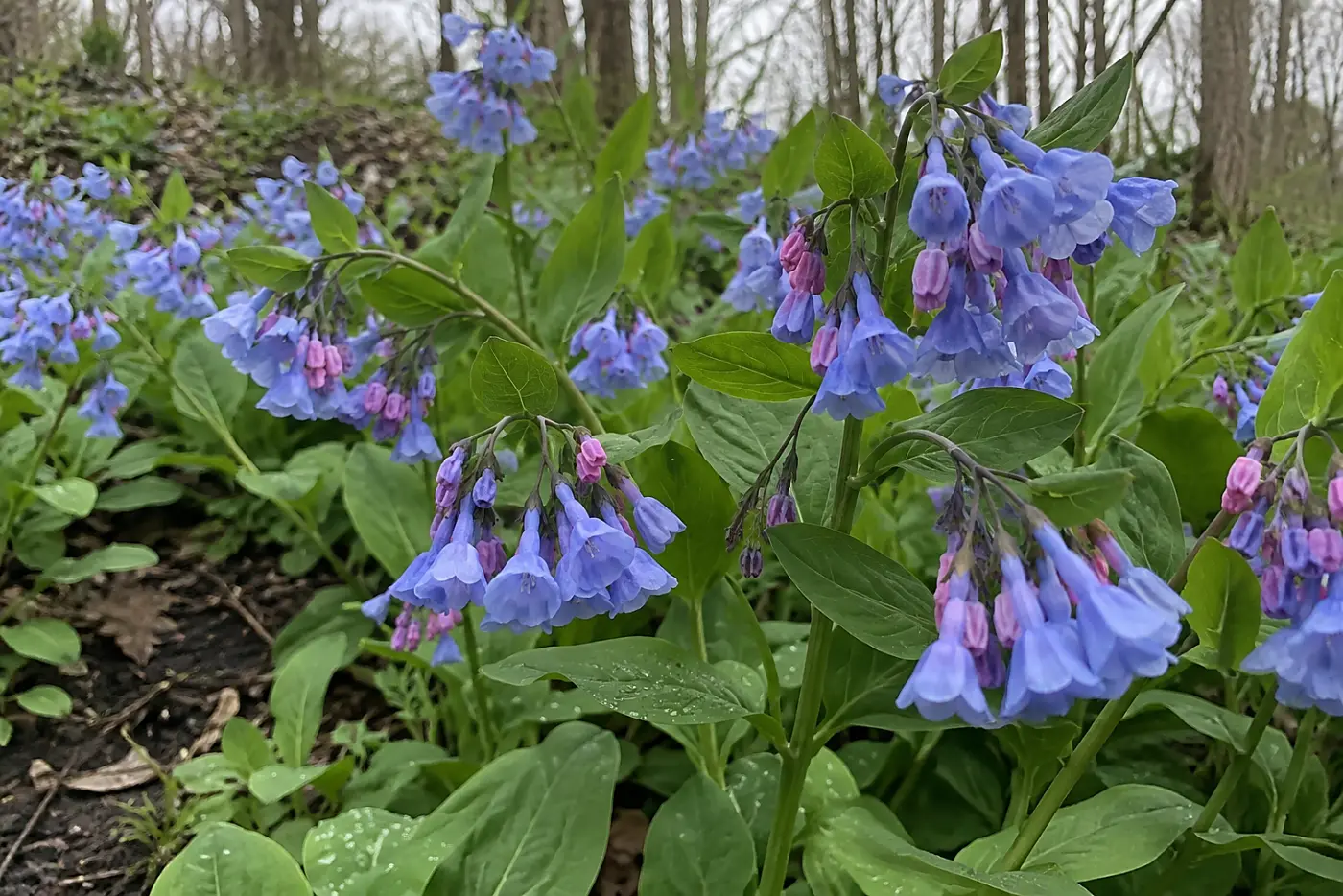
Blue bells rise above broad leaves on a shady slope.
Virginia bluebells bloom before deciduous trees fill in. Then the leaves fade and the plant goes dormant. Give it moist, rich soil and a neighbor that takes over the view later. That brief return is worth remembering when you choose its spot.
Plant it where spring light reaches the ground.
14Blue Columbines Beside a Bench
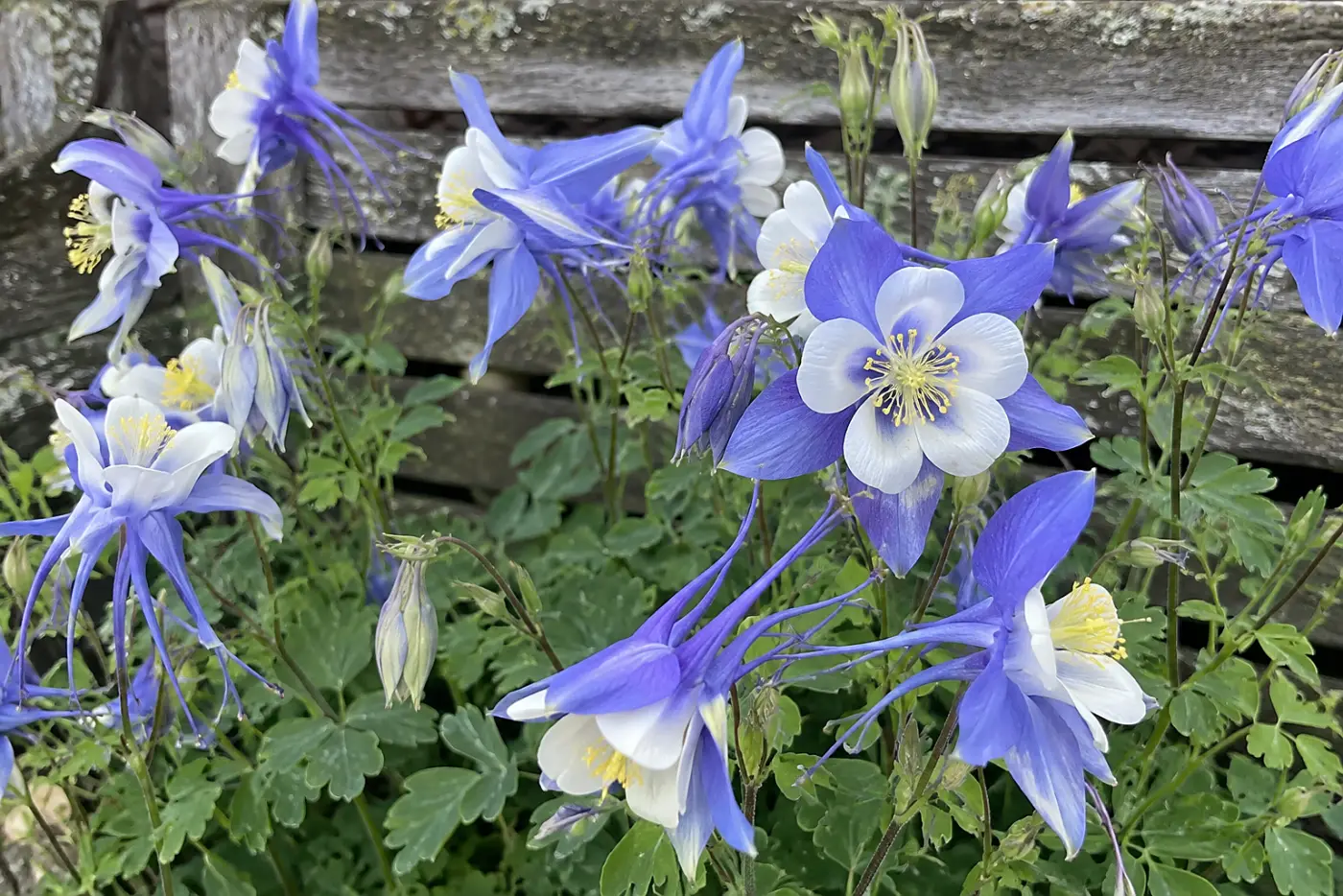
Blue-and-white flowers balance on thin, branching stems.
Eastern red columbine is red and yellow; blue columbines are different species and garden selections. Check the plant name if the color matters to you. Columbines take partial shade, and their flowers draw your eye into the small spaces between shrubs. They also self-seed, giving you new plants to notice in later springs.
Plant one near a bench, then leave room for seedlings.
13Iris Fans by the Gate
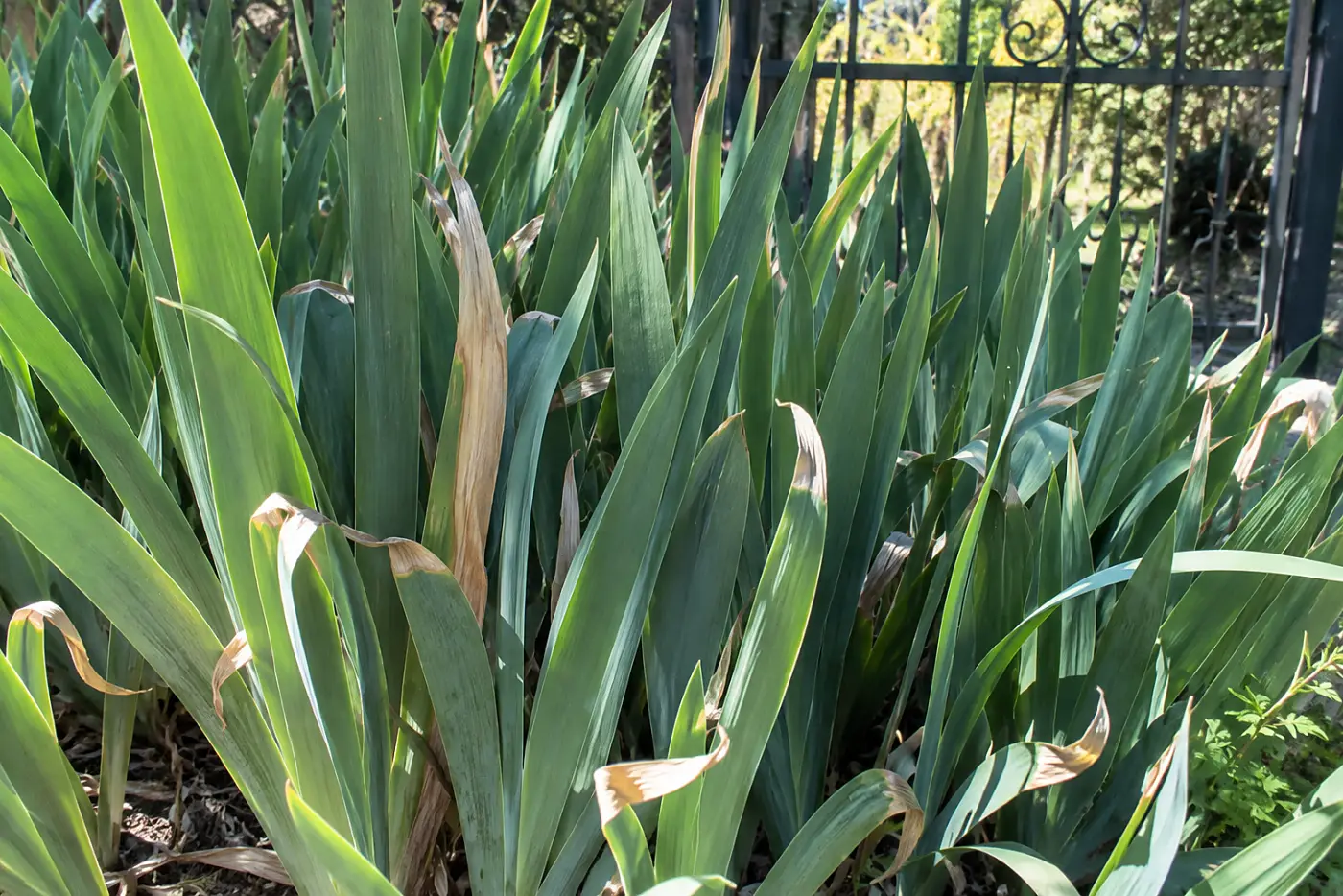
Flat green fans promise tall flowers beside the gate.
Bearded iris rhizomes need sun and excellent drainage. Their tops should remain close to the soil surface, not buried like bulbs. Plant them in late summer or early fall, with enough time to root before hard freezes. You’ll notice the fans all winter.
Set the rhizomes where rainwater won’t stand.
12Pansies in the Front Pots
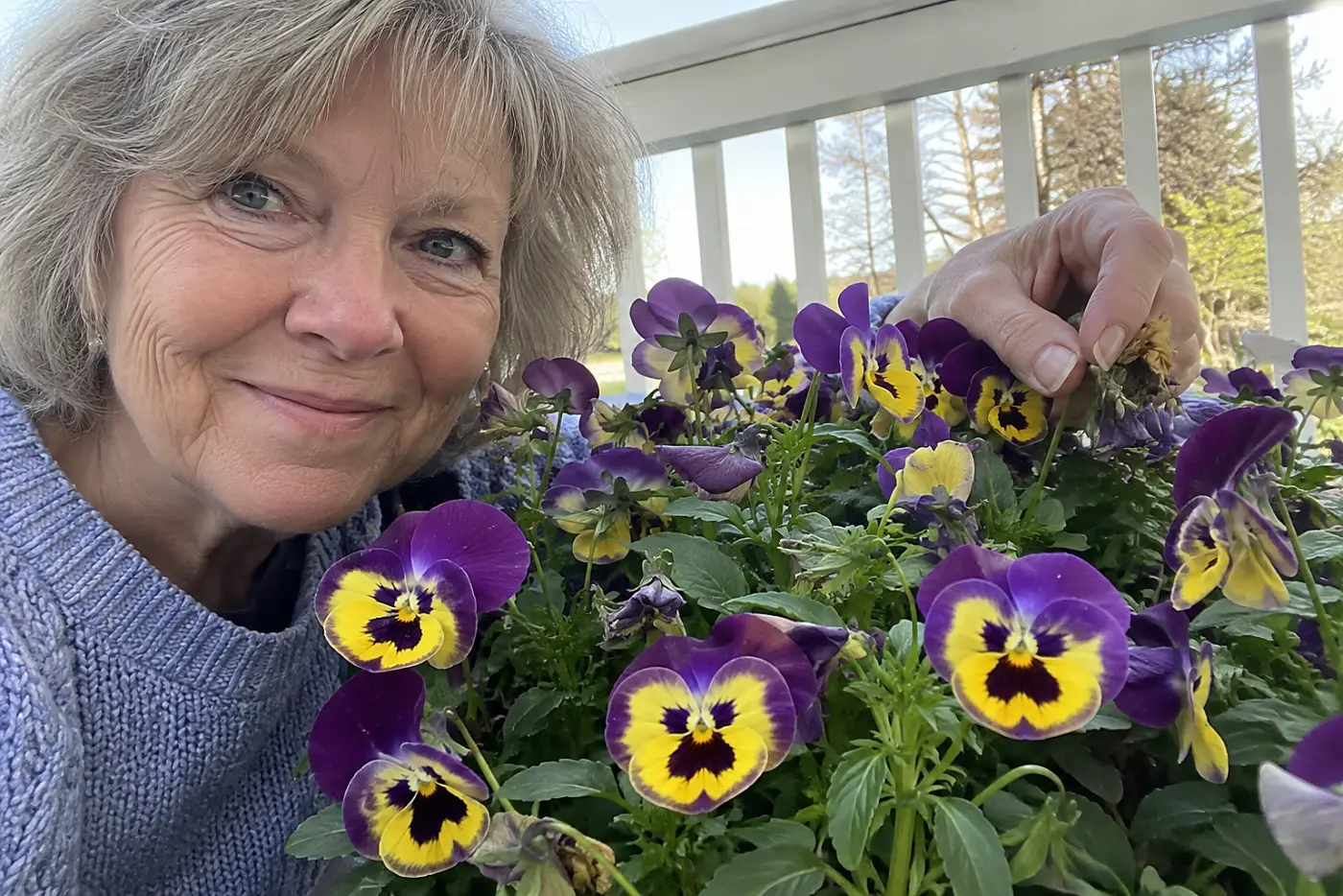
Purple-and-gold faces look back from a cold porch.
In mild-winter areas, fall-planted pansies keep flowering into spring. Where winters freeze hard, their survival depends on local conditions and shelter. Either way, a pot beside the door gives you something living to check before the rest of the yard gets going. Use fresh potting mix and a container with drainage holes; wet roots don’t improve a gray afternoon.
Plant them now where your winter weather allows it.
See more: 27 Ways a Small Garden Beats the Big One You Used to Have →
11Coral Bells Beneath the Window
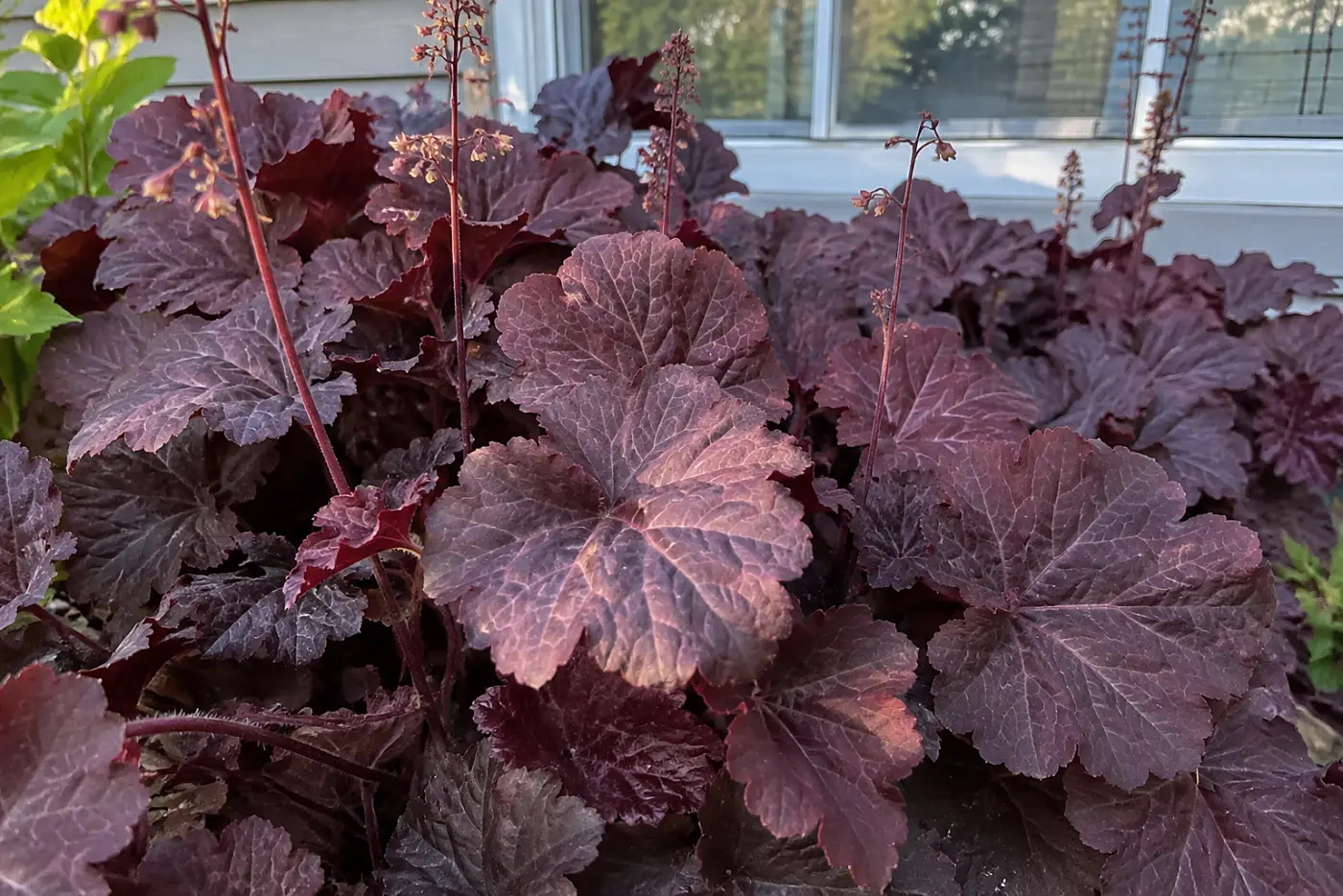
Ruffled burgundy leaves hold their color below the window.
Coral bells, or *Heuchera*, are grown as much for foliage as flowers. Plant them in fall in well-drained soil, with shade during the hottest part of the day. Their leaves give you something to notice while you wait for the taller spring plants.
Set one where you can see it from inside.
10Primroses Beside the Back Step
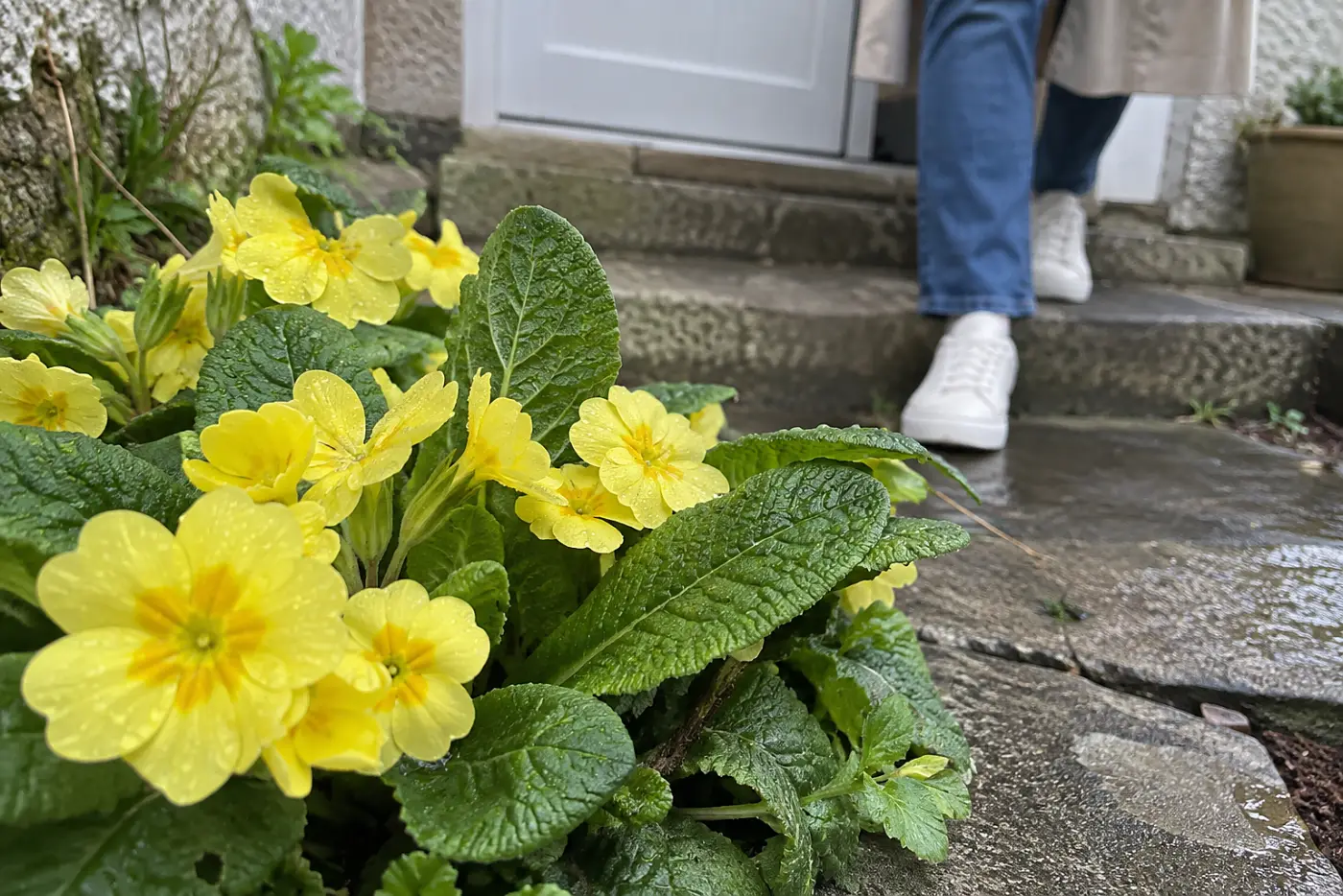
Low yellow flowers sit close to damp spring ground.
Primroses suit a cool, partly shaded spot with soil that doesn’t dry out. Fall planting works where your local nursery sells hardy plants suited to your climate. Keep them away from the hot, exposed edge of a driveway. Their flowers sit low enough that you’ll miss them from across the yard, but not when they’re beside a step you use.
Plant a few where you pause outside.
9Garlic Behind the Flowers
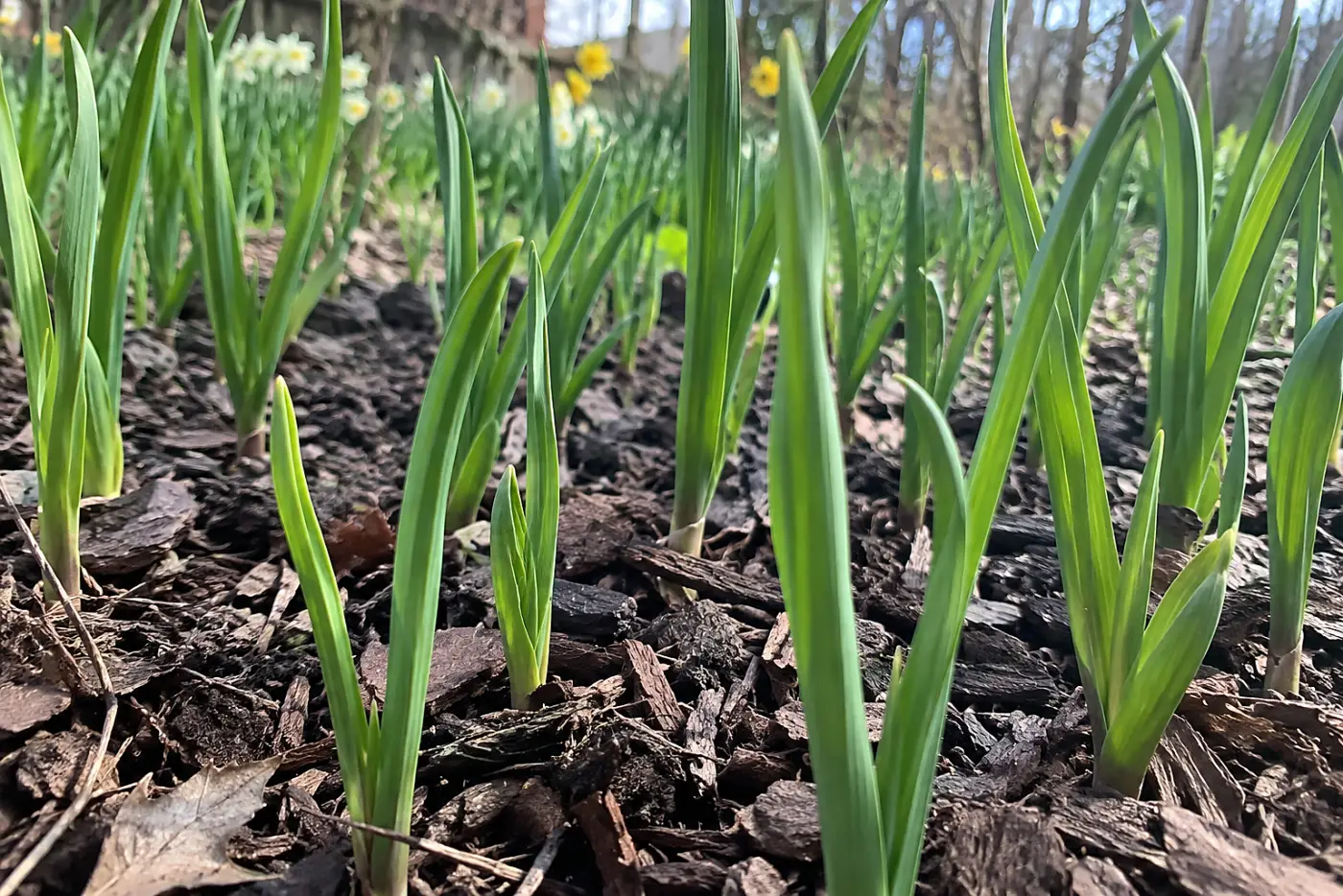
Green garlic shoots break through mulch before spring planting begins.
Plant individual cloves in fall, pointed ends up, in a sunny bed with good drainage. They root before winter and resume growth as days lengthen. The harvest comes later, but those first shoots tell you the ground is moving again.
Save the sunniest back corner of a bed for garlic.
See more: 29 Things Gardeners Over 70 Do Differently, and Why They Still Have Gardens →
8Red Maple Buds Above the Yard
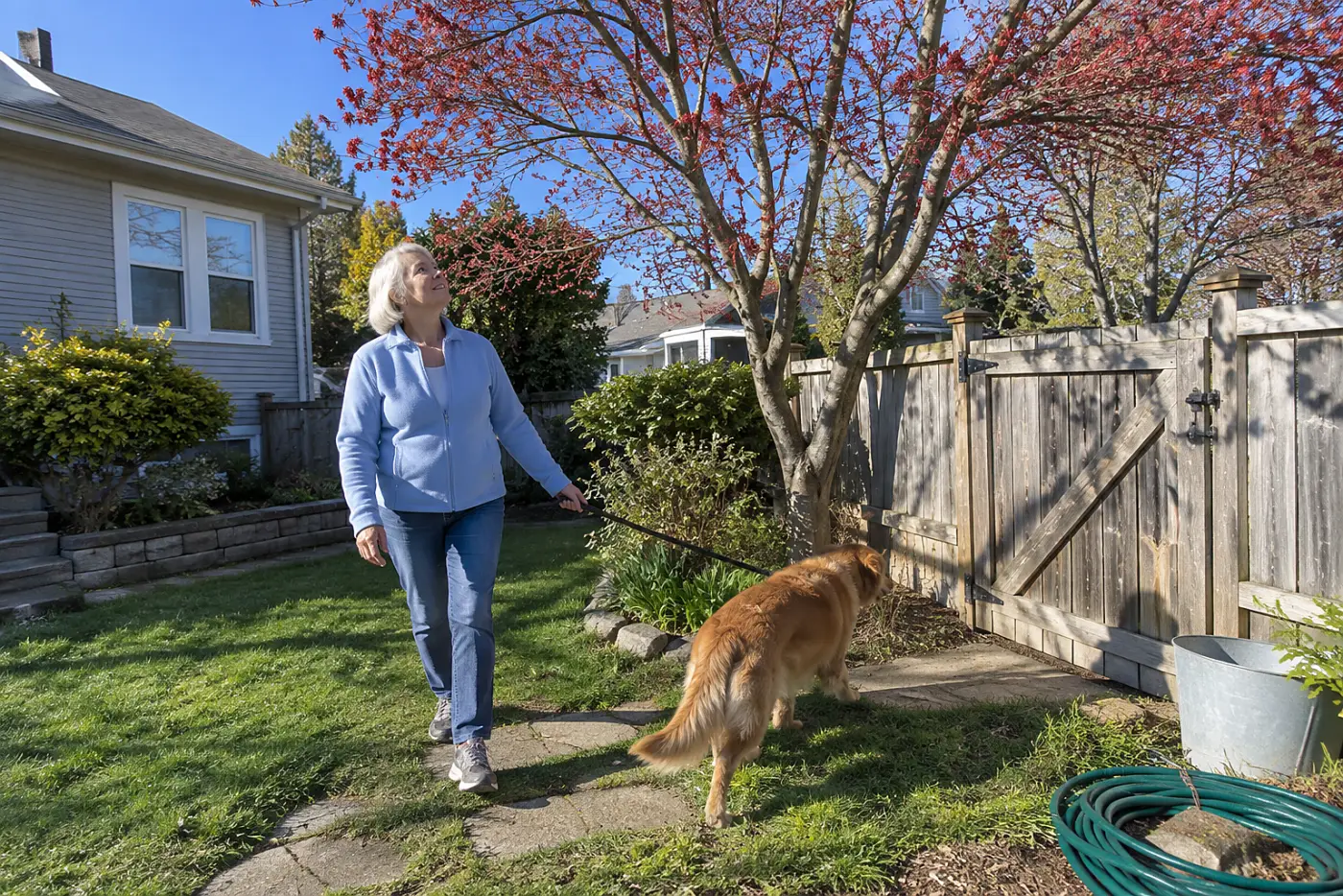
Red buds dot the branches while the yard still looks bare.
A red maple puts spring overhead before you’ve found your gloves. Its flowers appear before the leaves, so the change is easy to spot against a pale sky. Fall is a good planting time where the ground remains workable. Unlike the redbud by the patio, this tree needs a broad stretch of yard. Its roots spread wide, and its mature canopy needs space away from the house. You’re planting for the morning you notice the branches have changed color overnight.
Ask the nursery, “Will a red maple have room to grow in this spot?” Check the mature width before you dig.
After you’ve looked up, there’s another early sign to watch for near the ground.
7Woodland Phlox Along the Shaded Path
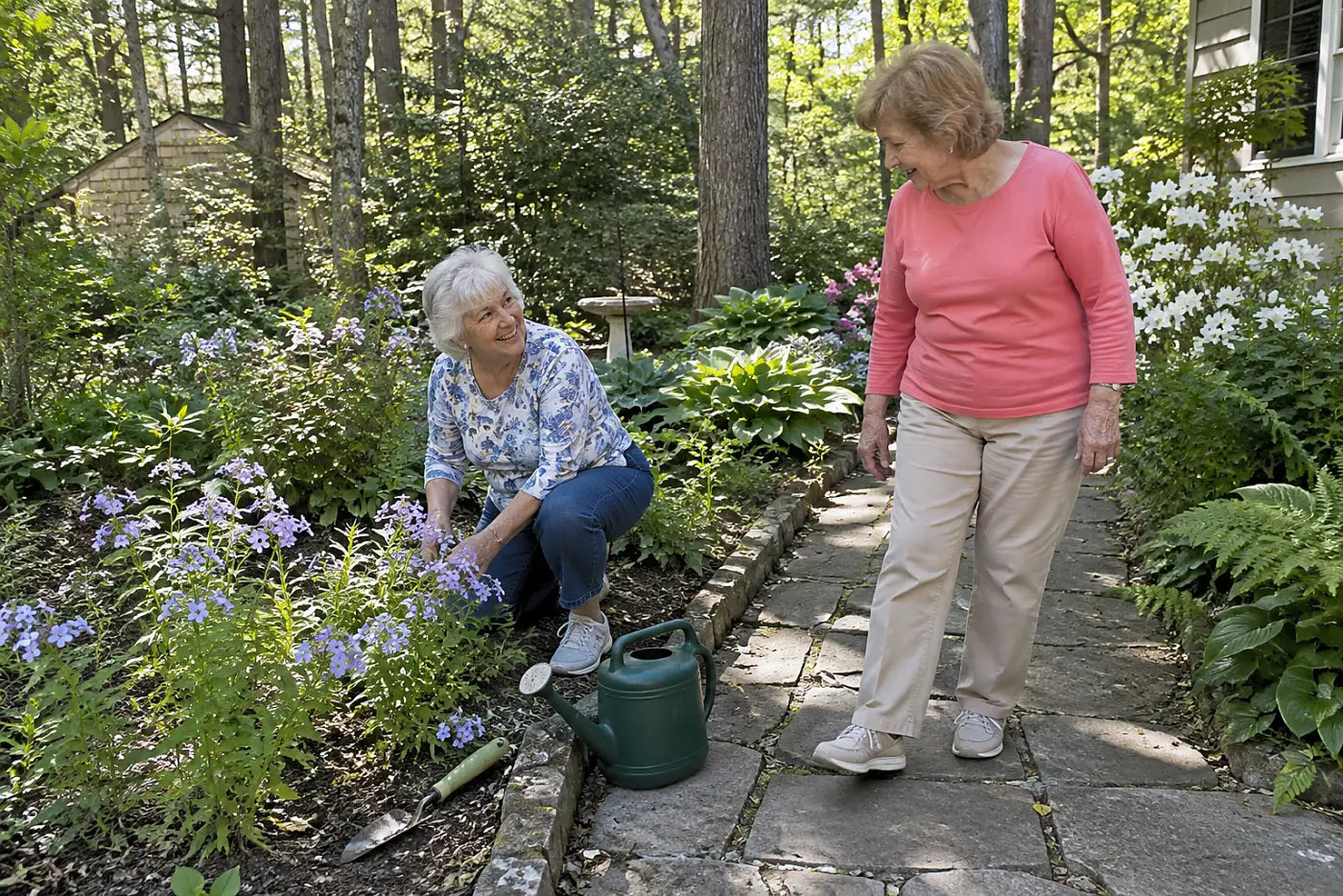
Loose blue flowers gather at the edge of the shaded path.
Woodland phlox, *Phlox divaricata*, flowers in spring beneath trees that haven’t fully leafed out. Unlike tall garden phlox, it stays low and spreads into small patches. Give it part shade and soil that holds some moisture without staying soggy. The first flowers are worth a slow walk outside, even when the rest of the bed is bare.
Ask, “Is this woodland phlox?” Then plant it beside the path you take, not at the back of a border.
A sunny patch offers a different sort of spring wait.
6Flowering Quince Beside the Drive
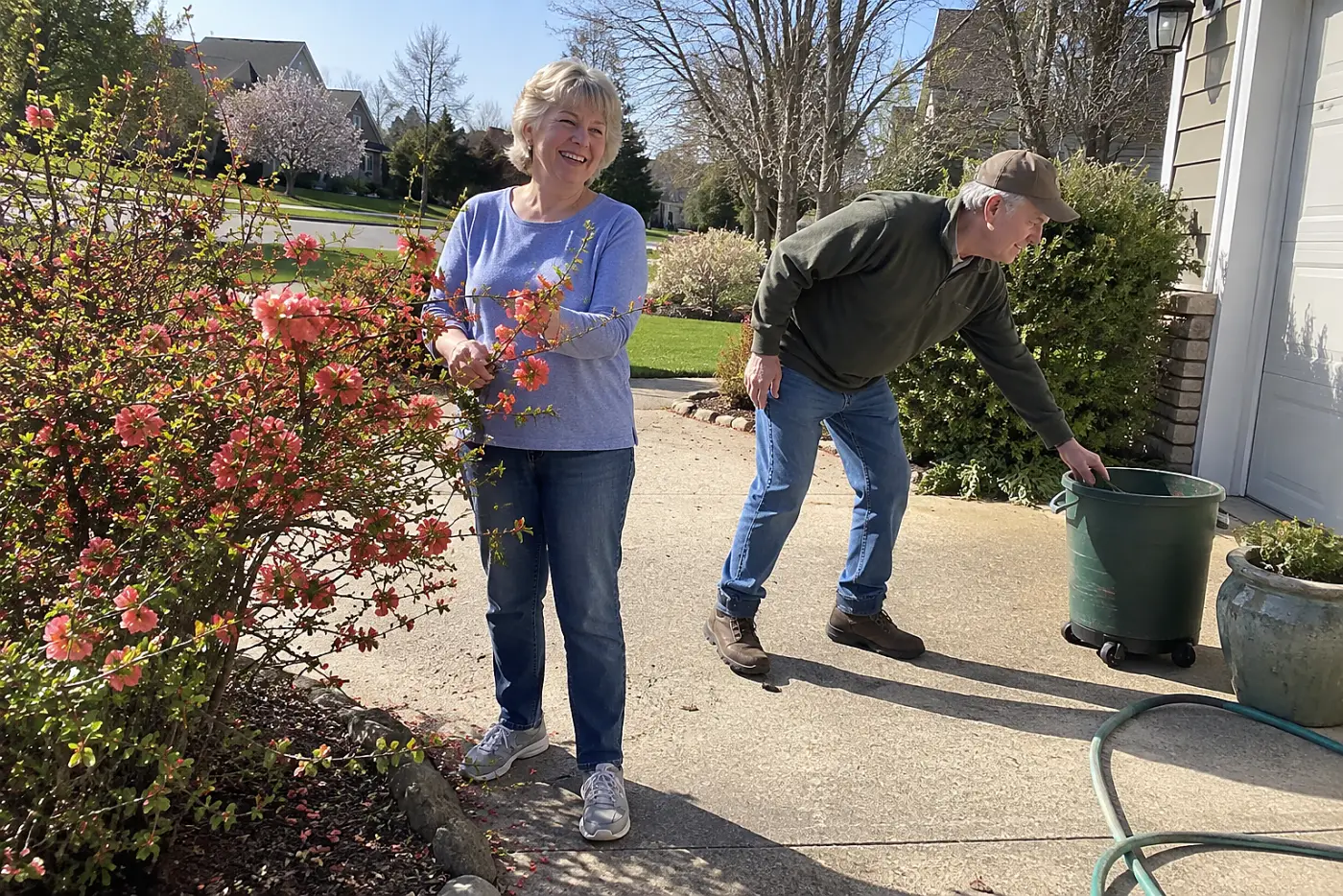
Coral flowers cover thorny branches before the leaves arrive.
Flowering quince gives you coral flowers where forsythia gives you yellow. You’ll see them from the car.
Plant it in fall in a sunny spot with well-drained soil. Give its thorny branches room, especially if you carry bags past the planting site. Some varieties produce small fruit later, but the early flowers are the reason to make space for it now. You’ll have a bright patch to look for each time you come home.
Tell the nursery, “I need a flowering quince that fits beside my drive without reaching the walkway.” Check its mature width.
The next spring marker belongs somewhere your feet won’t brush it.
5Allium Bulbs Between the Perennials
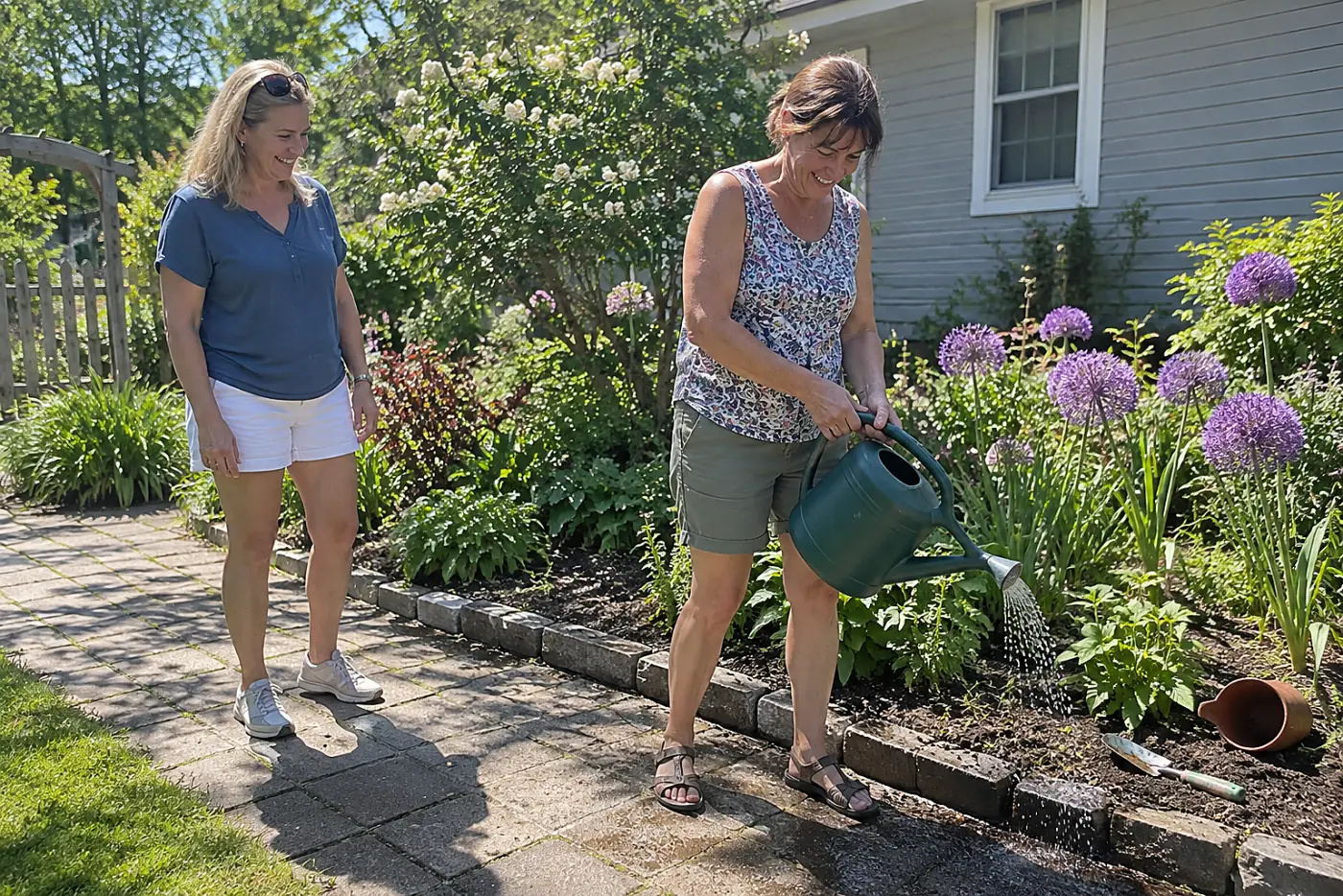
Round purple heads rise above leaves still filling in.
Ornamental alliums grow from bulbs planted in fall. Unlike the low grape hyacinths, their tall stems rise above the bed after the earliest bulbs have flowered. That later arrival gives you another date to watch for. The leaves fade as the flower stems rise, leaving a yellow patch if the bulbs stand alone. Emerging perennials will hide those leaves without hiding the flower heads. From the path, you’ll see the round heads over the new growth.
Ask, “Which allium blooms in late spring, and how tall does it get?” Plant the bulbs between perennials.
That later bloom leaves time to enjoy a smaller flower first.
4Lungwort Leaves Beneath the Shrubs
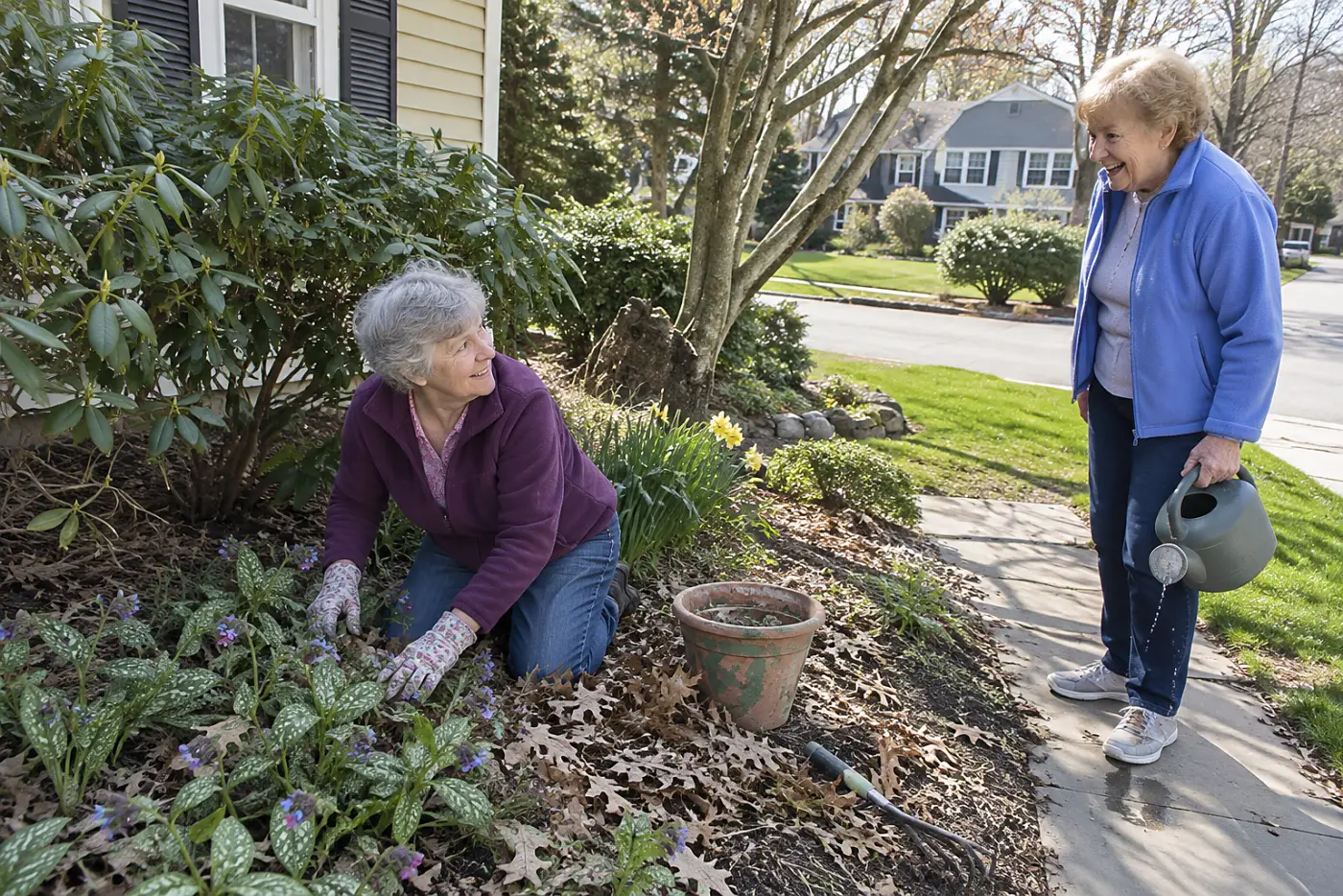
Spotted leaves make the shaded soil look occupied.
Lungwort, or *Pulmonaria*, flowers in early spring, with pink or blue blossoms above its patterned leaves. Full sun scorches the leaves by midsummer, so it needs a spot that stays shaded once the trees fill in. Give it a place near the front of a bed; both the flowers and leaf markings deserve a close look. On a day when nothing else has opened, you’ll know exactly where to check.
Ask, “Which lungwort holds up best through our summers?”
For one last stop, look toward a sunny bed with room for summer growth.
3Asparagus Crowns in a Sunny Bed
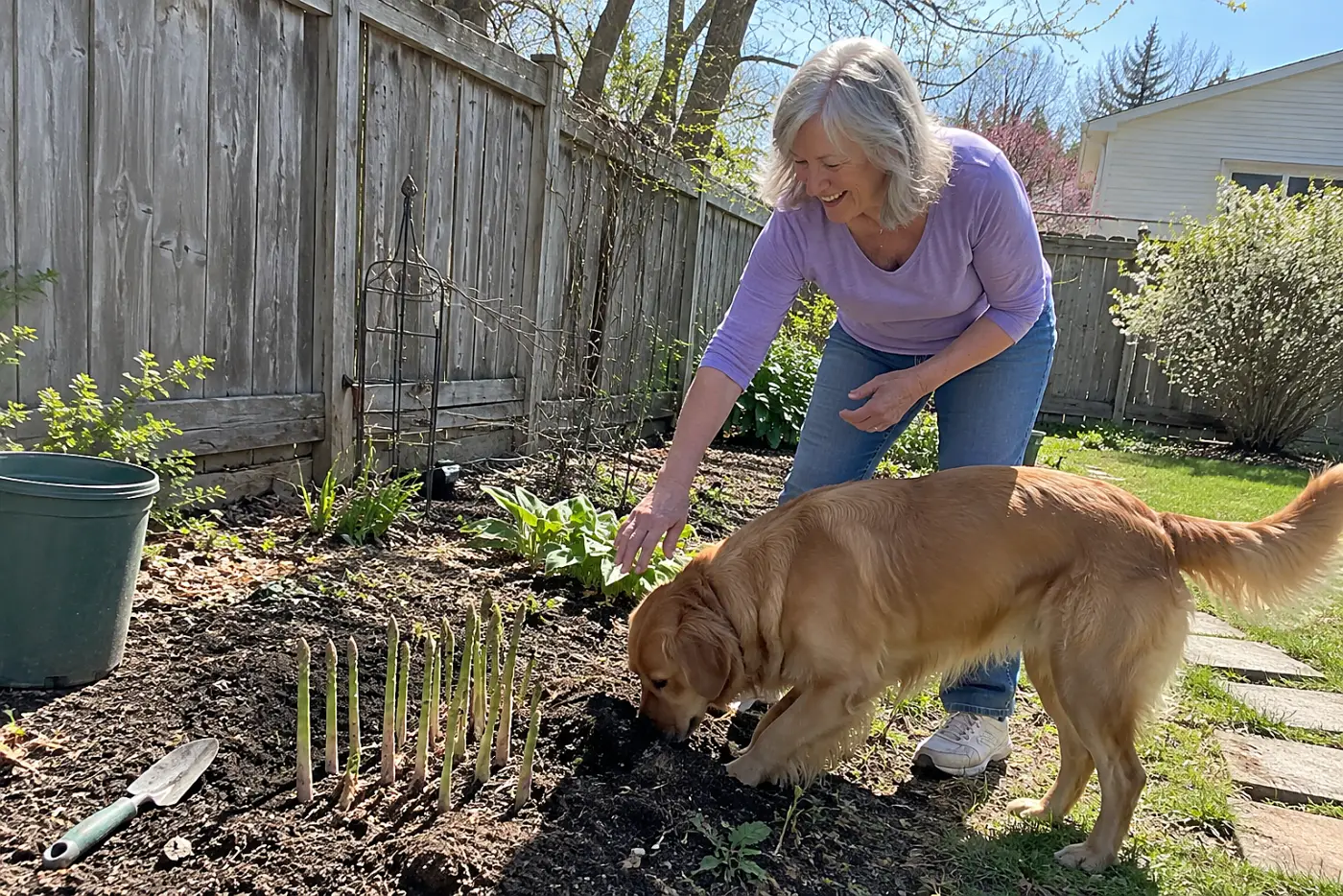
Thick green spears push up through a bed you left undisturbed.
Unlike garlic, asparagus isn’t a crop you replant each fall. A crown stays in its bed and returns in spring, sending up spears before most vegetables get started. Planting season varies by region, so check locally before putting crowns in the ground this fall. Choose a sunny, well-drained bed where the tall, fernlike summer growth won’t crowd a path. Leave new spears uncut while the crowns establish; an early harvest takes strength from the plant you want back next year.
Ask the nursery, “When should I plant asparagus crowns here, and when should I start harvesting?” Keep that bed free of other digging.
Even without supper’s harvest, those first spears give you a reason to step outside.
See more: 24 Old Garden Habits That Turned Out to Be Right All Along →
2Chives Beside the Kitchen Door
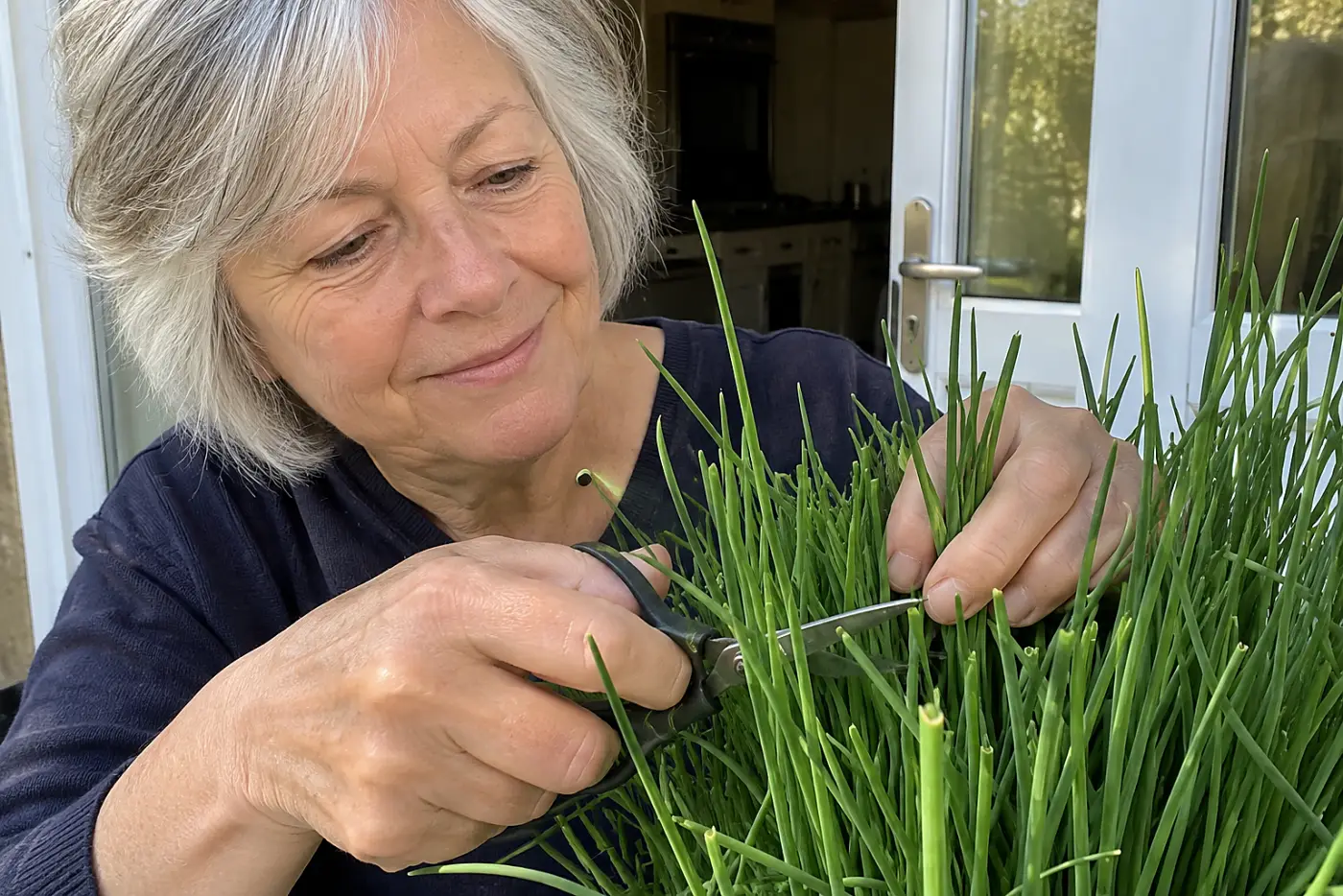
Thin green shoots return where the soil looked empty.
Chives are perennial herbs that come back in spring. Plant a division or nursery plant in fall, in sun and well-drained soil. Later, purple flowers bring another reason to stop at the door. Before that, the first leaves give you something fresh to snip for supper.
Put the clump close enough that you’ll use it.
1Witch Hazel Outside the Window
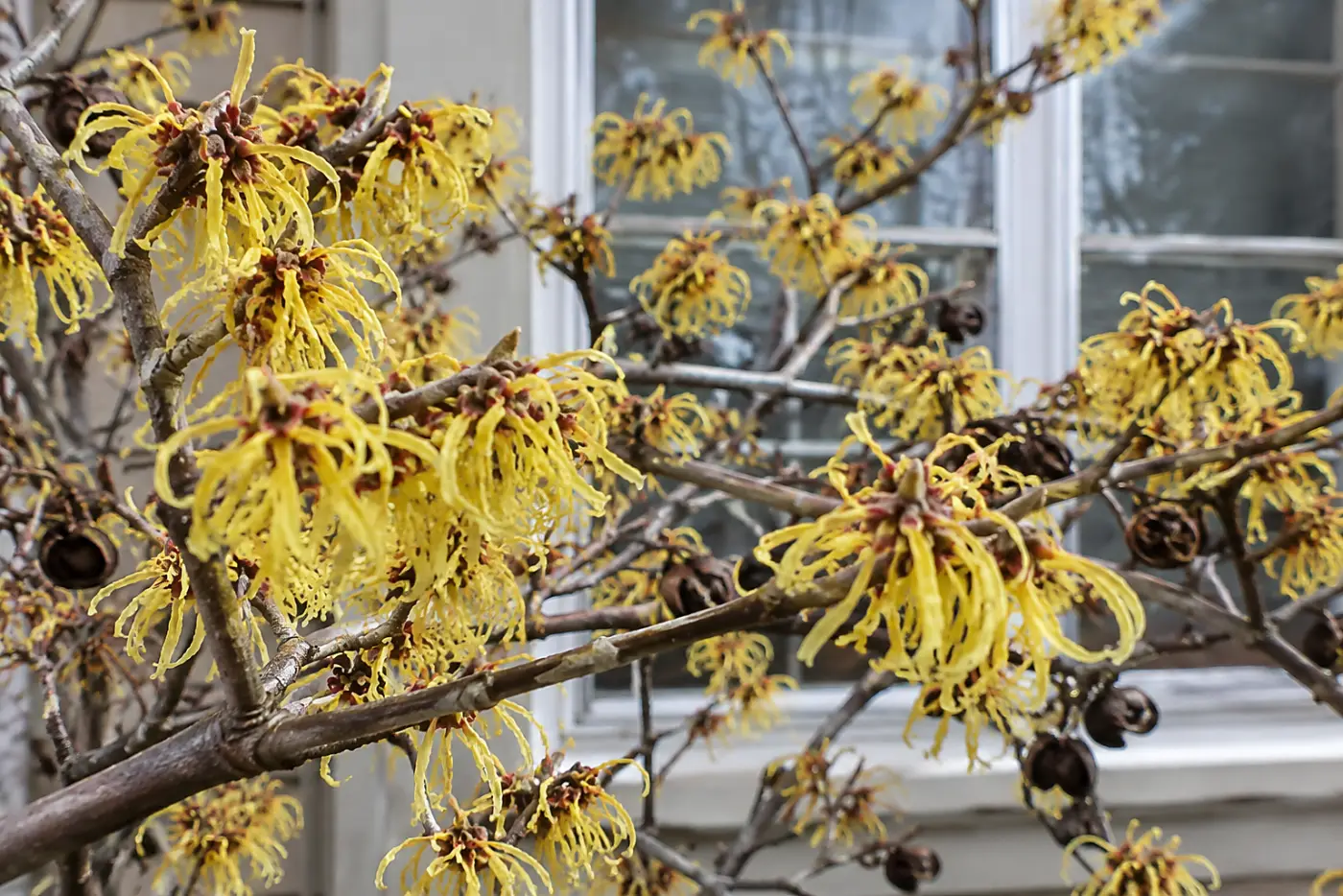
Spidery yellow flowers open on bare branches in winter.
Witch hazel earns a place you can see from indoors. Some species and varieties bloom in late winter, before most spring bulbs. That gives you a first sign while the beds still look asleep.
Fall planting gives the shrub time to settle into moist, well-drained soil. Check the plant tag for bloom time and mature size. Witch hazels differ, and a fall-blooming variety won’t give you this late-winter moment. Set it where you’ll look out on an ordinary morning.
Choose a late-winter-blooming witch hazel, then plant it outside a window you use.
The bottom line
These 29 plantings turn fall work into small, visible reasons to watch for spring.
You already know the best spot isn’t always the biggest bed. It’s the place you see every day. What do you most look forward to seeing return in your garden?
Up next
23 Fall Jobs That Save Your Spring, One Weekend at a Time
Short fall sessions clear drain holes, protect roots, and mark the puddles that would otherwise greet you on spring planting day.
Read the list →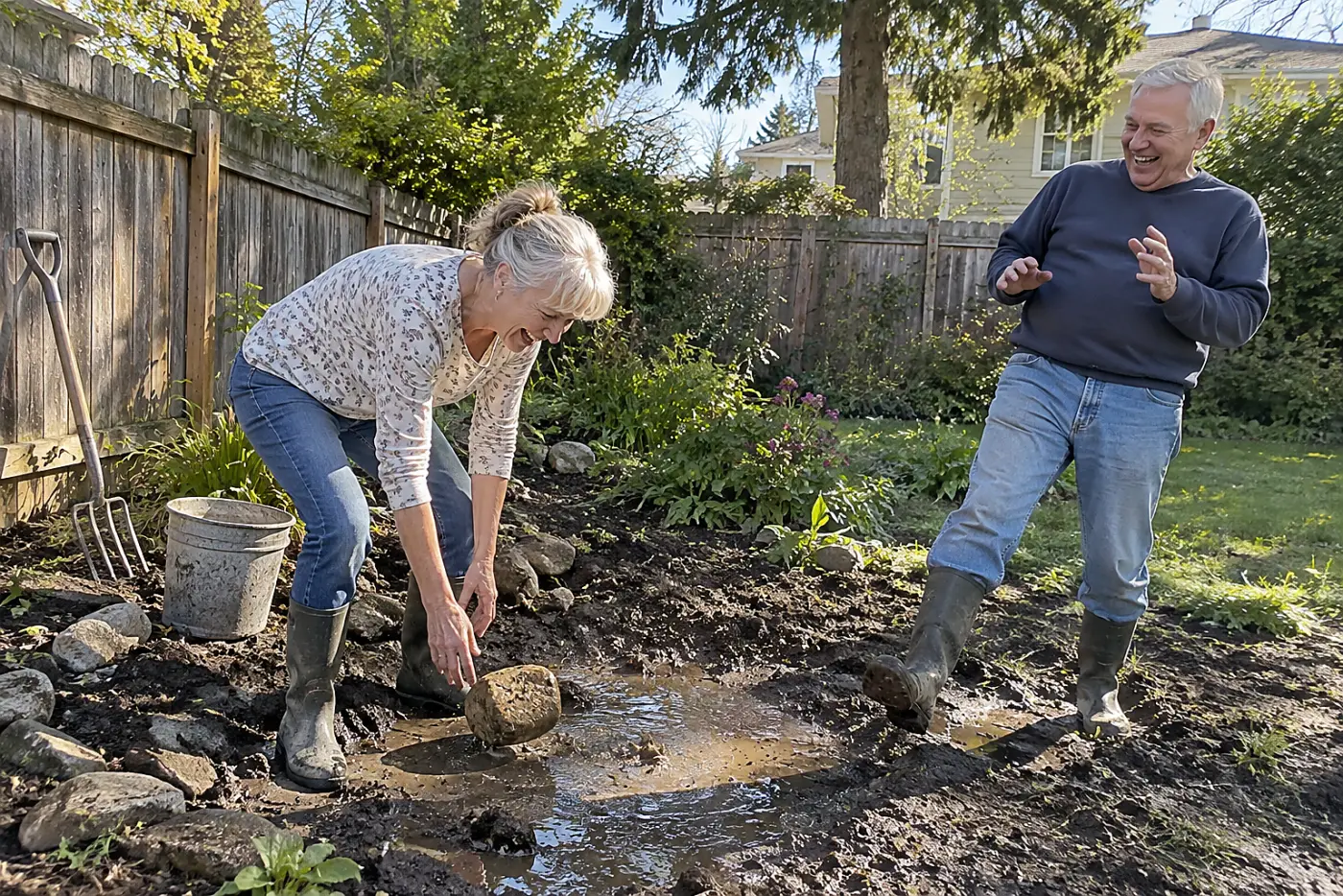
Reader quiz
Did you catch the details?
5 questions from this article. Finish them all to unlock the editor's bonus tip.
When planting the bulbs in Yellow Daffodils by the Walk, which way should their pointed ends face?
Did any of these feel familiar?
Know someone who needs this?
June Marlow
Garden Editor
June writes about gardens you can still manage: what to plant, which jobs matter each season, and the tools that spare your knees and back.
More from June Marlow