






29 Flowers Your Grandmother Grew That Are Hard to Find Now
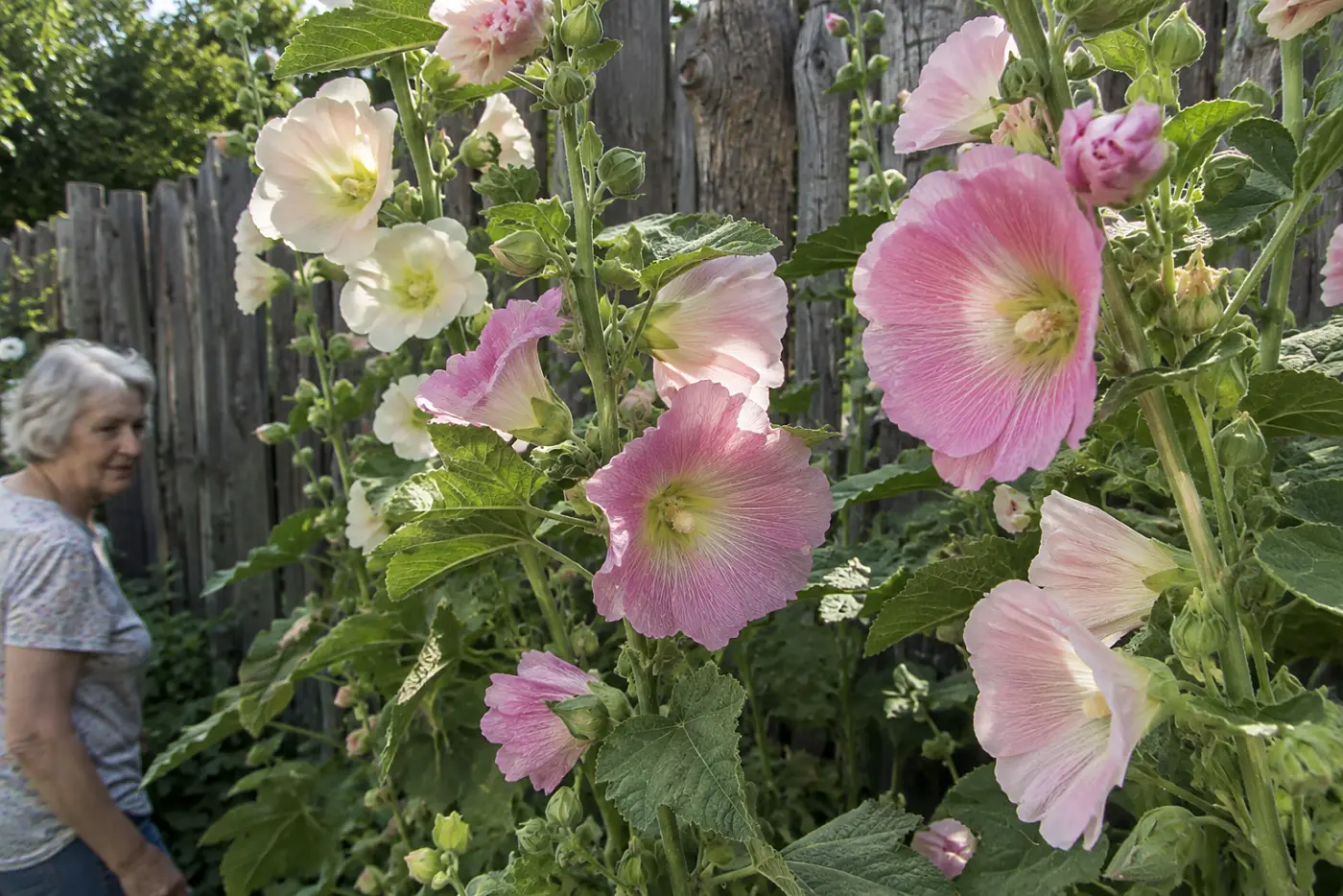
Hollyhocks still belong beside a fence, where their tall stalks make the narrow strip of soil look like a garden.
By June Marlow, Garden Editor
Updated · 13 min read
- Written by our garden editor
- How we review
Read to the end: #1 is the one flower that reseeds beside the fence, and almost nobody keeps its seed.
A hollyhock stalk leaned against the fence wire, its lowest blooms already gone. Behind it, a row of flowers stood where no one had drawn a bed or laid an edge. They were part of the yard, not a weekend project. Someone had left the seedpods standing.
Here are 29 flowers worth looking for again.
29Love-in-a-Mist Seedpods
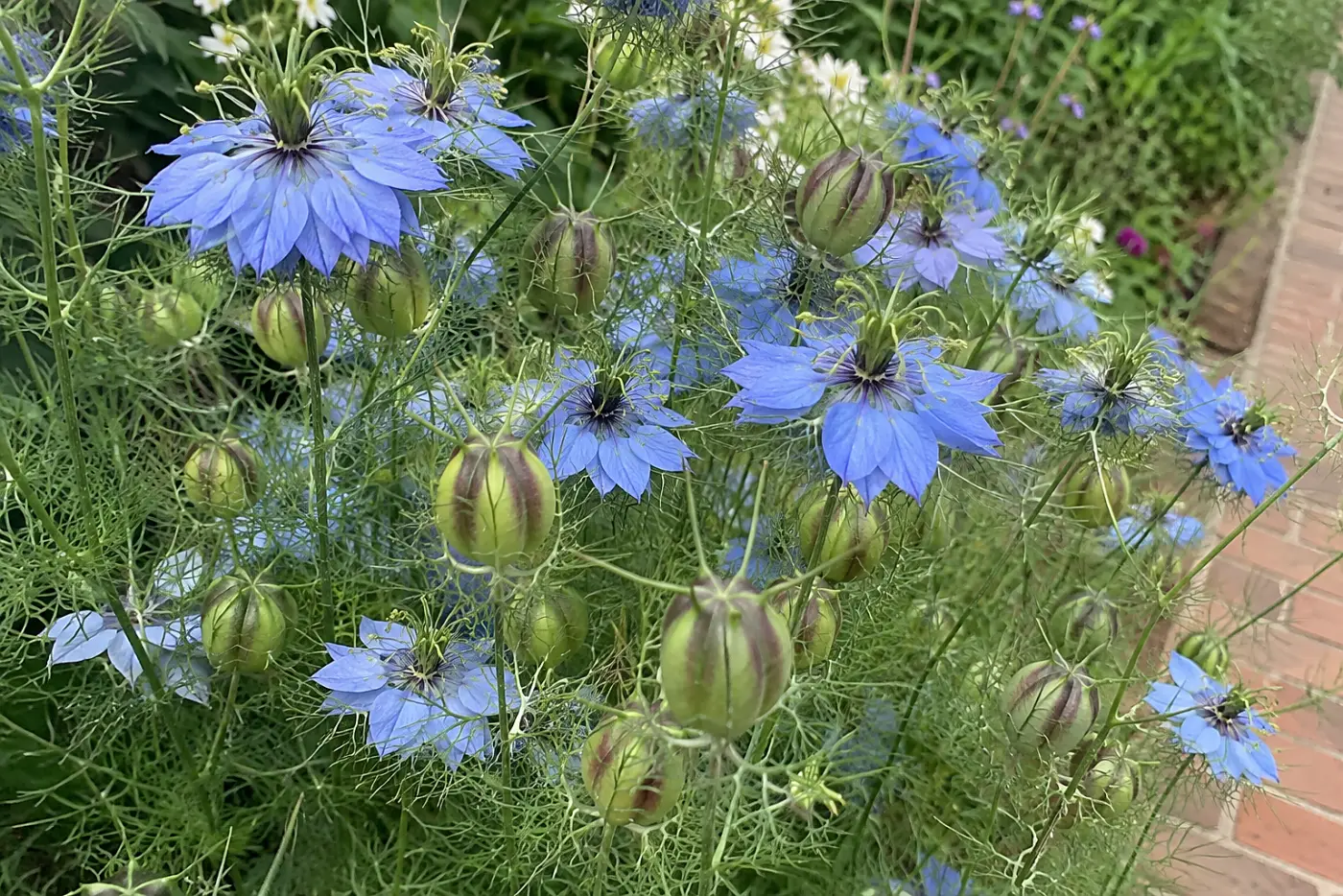
Blue petals surround a fine green tangle of leaves.
Once the flowers fade, striped, balloon-shaped pods take their place. Love-in-a-mist, *Nigella damascena*, made a patch interesting well past bloom time. Its leaves are so fine that you see through them to the soil. Leave a gap beside the path, and the pods become part of what you notice on your way to the gate.
It scatters seed where the soil is open, so a tidy spring cleanup cuts the show short. Leave a few pods standing until they dry, then shake them over bare soil.
28Tall Garden Phlox
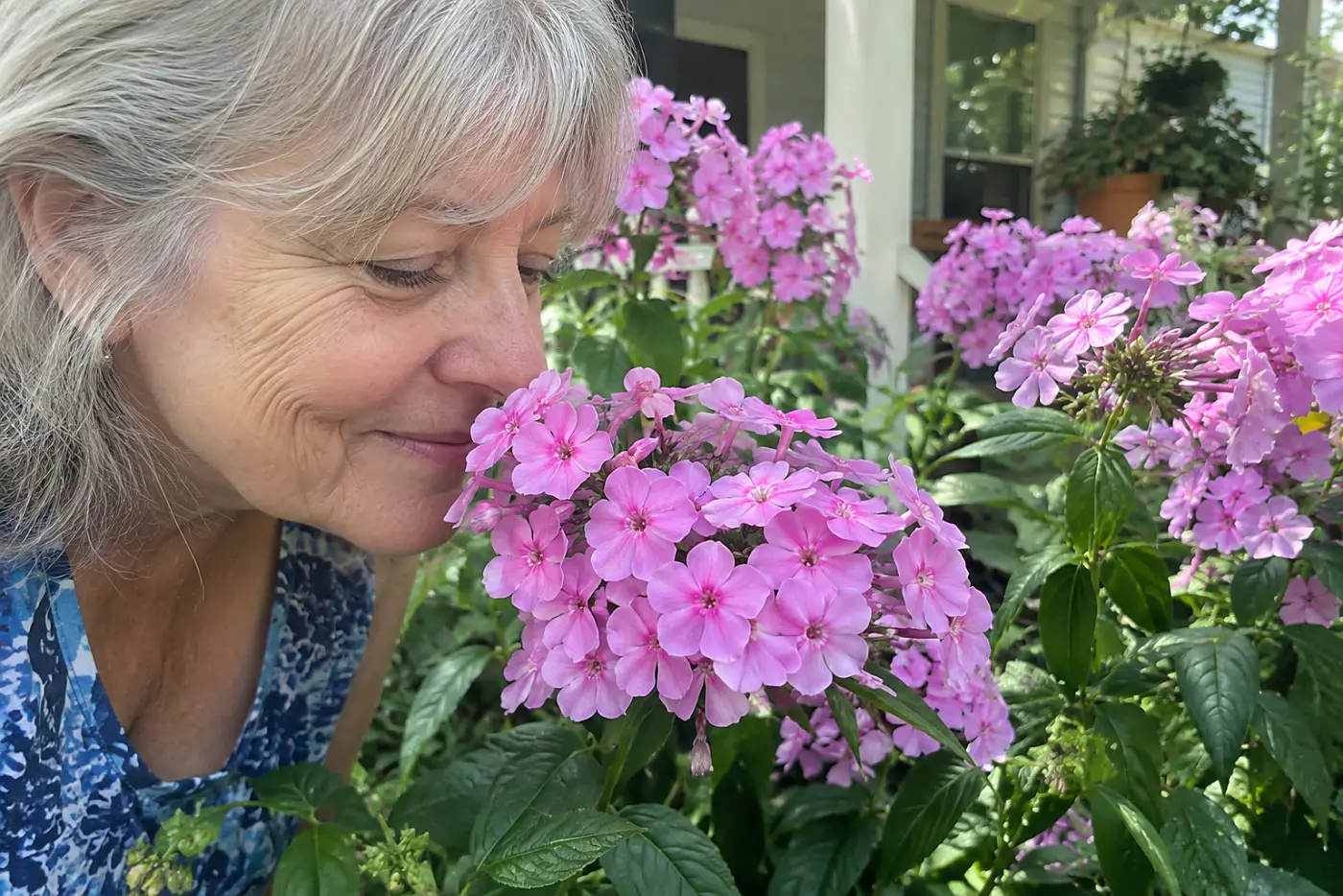
Pink and white clusters rise above a crowded summer border.
This is the upright garden phlox, *Phlox paniculata*, not the low mat sold for rock edges. Its scent reached the path before you reached the flowers. Old clumps filled a gap between shrubs and kept going while the lawn browned.
Powdery mildew shows first on the leaves. Crowded stems give it little room to dry after rain. When you divide an old clump, leave space between the pieces rather than rebuilding the same tight mass.
Ask for tall garden phlox by its botanical name, and give the plants room.
27Sweet William Clusters
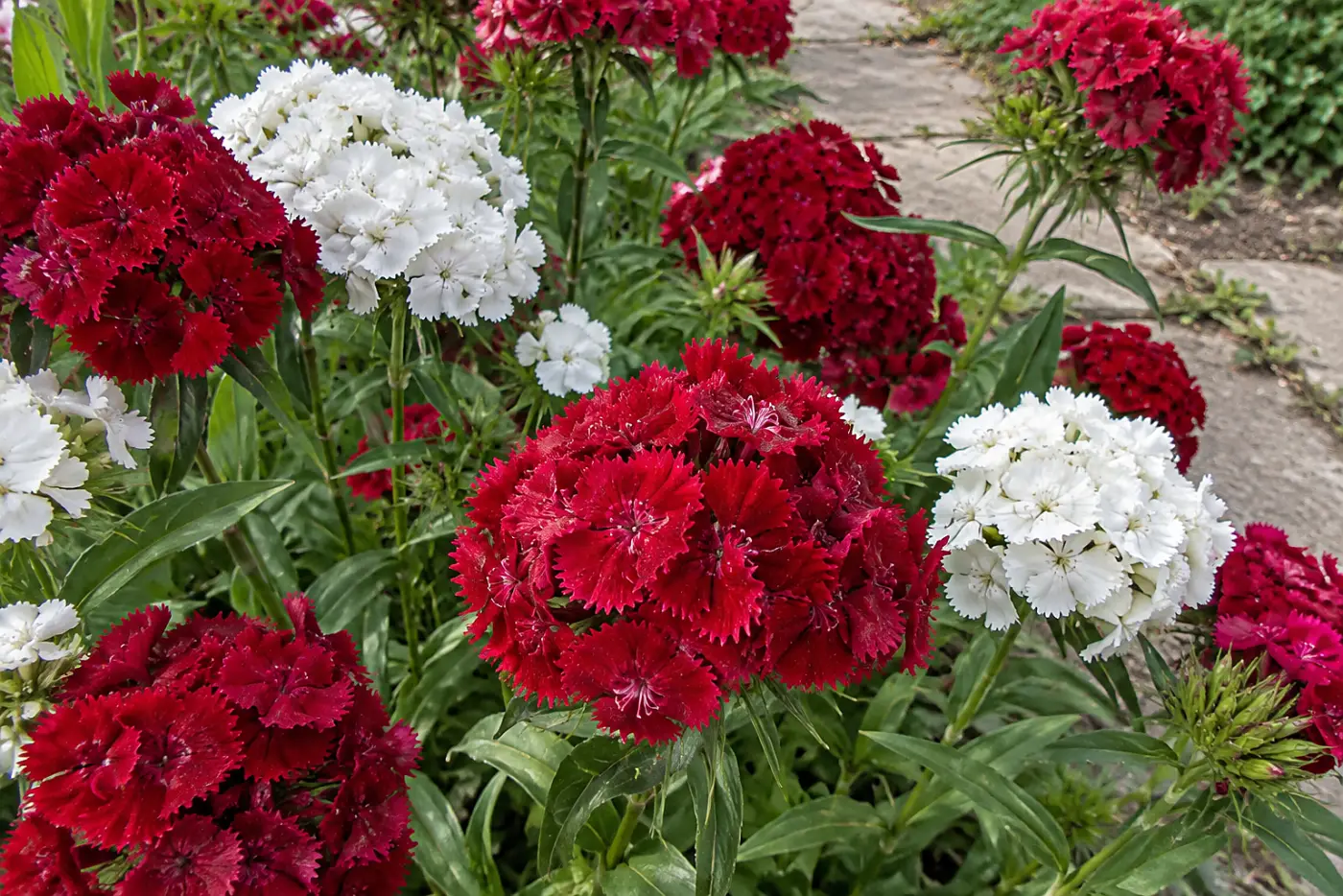
Small red and white flowers crowd into flat, bright heads.
Sweet William, *Dianthus barbatus*, looked at home near the front walk, where you could see its little patterned petals. It grows as a biennial or short-lived perennial. That means the first year's leaves deserve space, even without flowers. They form low rosettes that look easy to dismiss when you're pulling weeds.
Keep a few young plants when you weed, or sow fresh seed.
26Canterbury Bell Cups
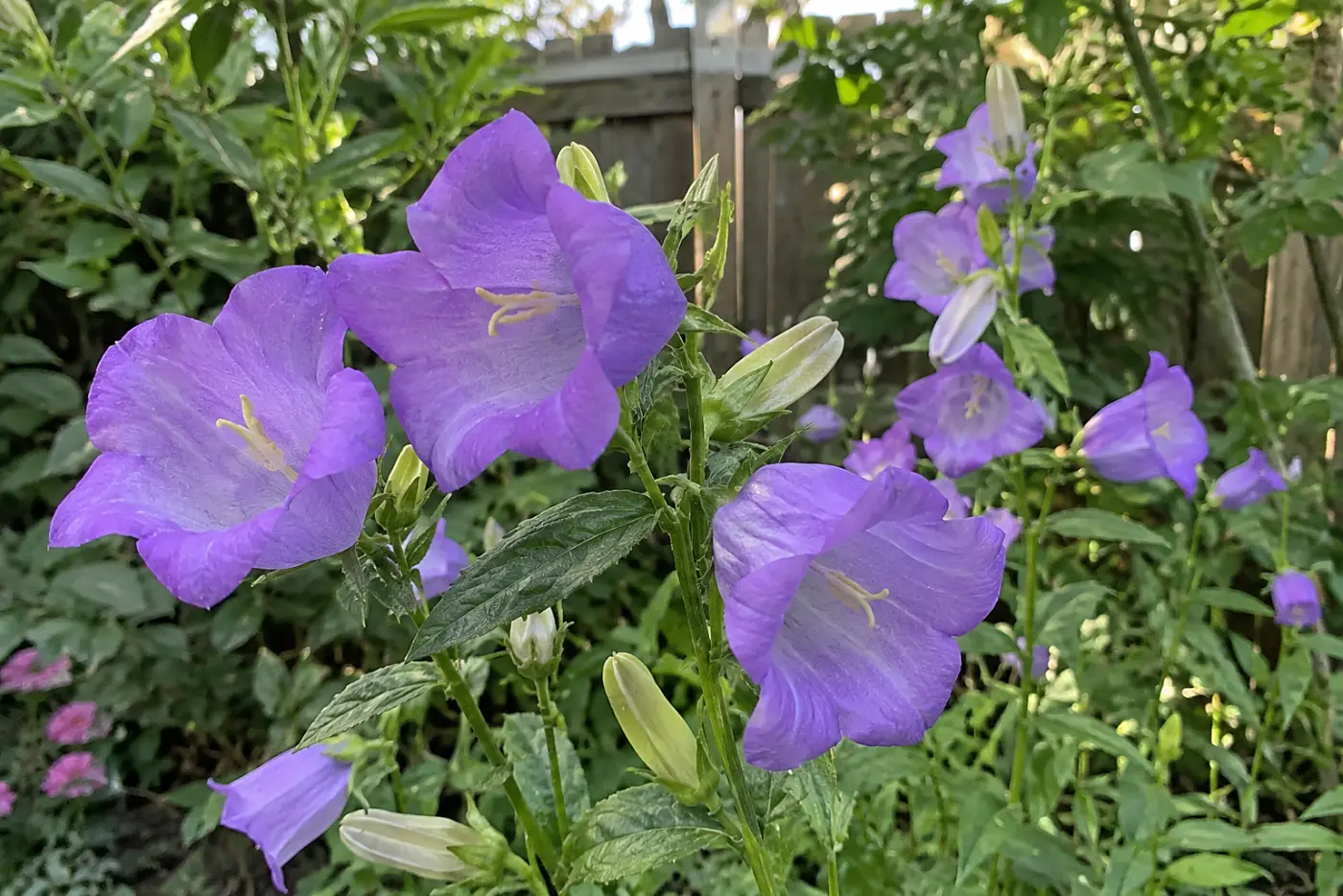
Purple bells hang in tiers along a sturdy stem.
Canterbury bells, *Campanula medium*, had the height of a cut flower without needing a formal cutting garden. Their wide cups look different from the small bells on many campanulas. A stalk beside the kitchen path gave you something to check each morning as new cups opened.
They bloom in their second year, then finish. A plant left to seed keeps that rhythm going, but a cleared bed breaks it. The first year's leafy rosette is the part worth recognizing before anyone mistakes it for a weed.
Sow seed where you want next year's flowers, and mark the young rosettes.
25White Feverfew Daisies
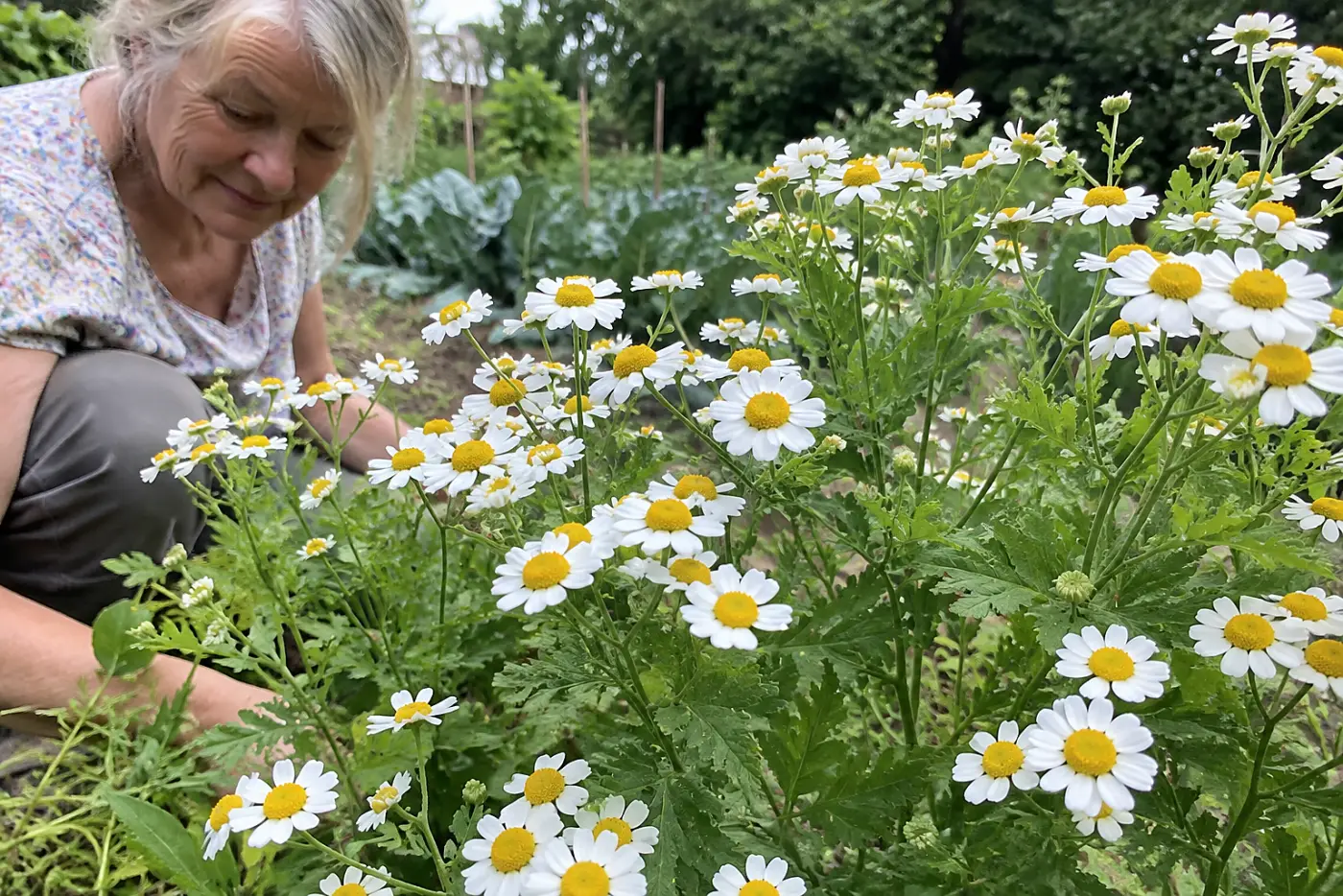
Tiny white daisies gather above sharply cut green leaves.
Feverfew, *Tanacetum parthenium*, slipped into cracks and the edges of vegetable beds. The yellow centers and short petals look cheerful from a distance; up close, the leaves have a strong scent. It seeds freely where spent heads remain. That's how one plant turns into the little white crowd you remember beside the beans.
Keep one plant for seed and pull the extras before they crowd your path.
24Dame’s Rocket Spires
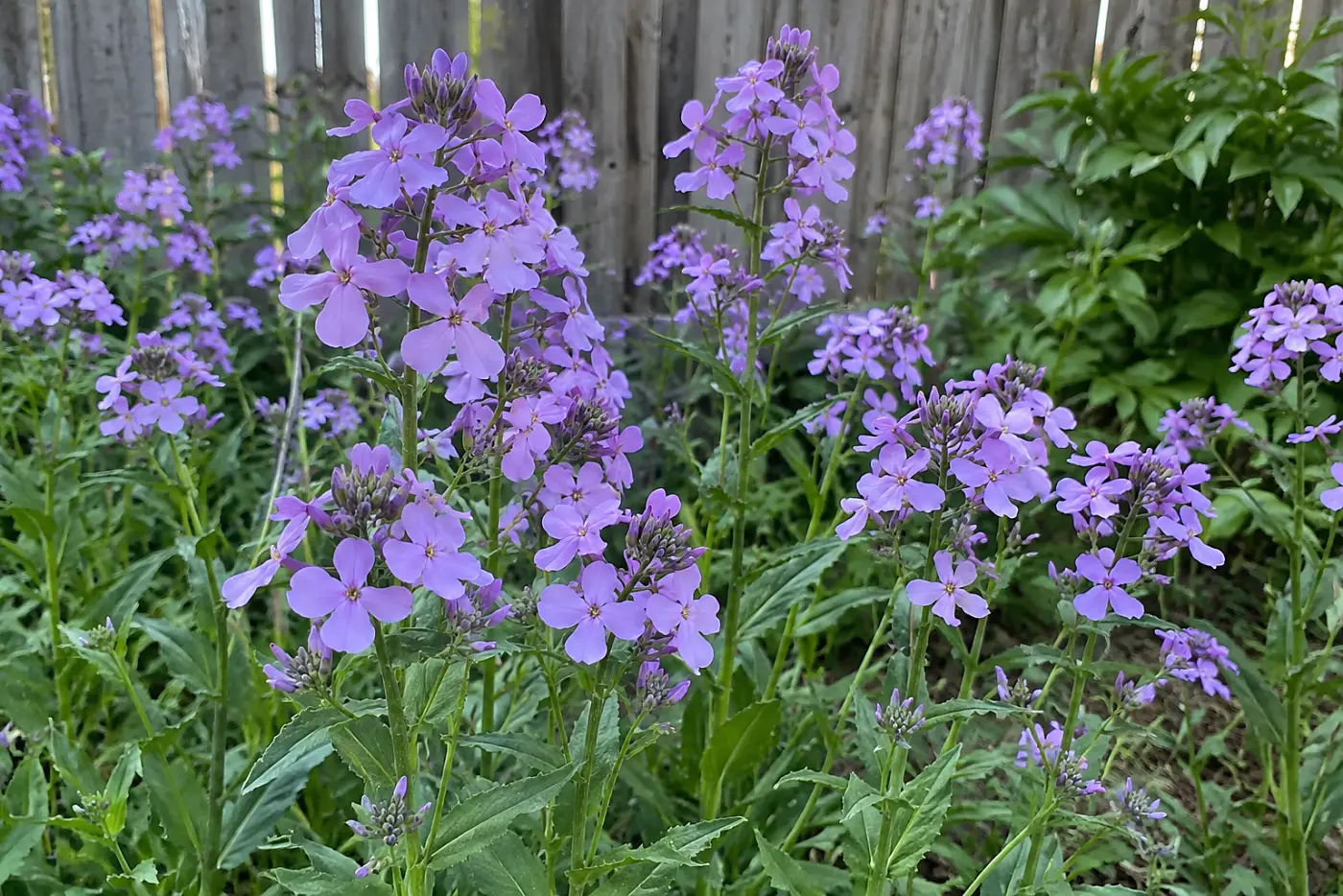
Pale purple flowers rise on loose stalks near the fence.
Dame's rocket, *Hesperis matronalis*, brings a sweet scent in late spring. Its four-petaled flowers resemble phlox until you look closely. A patch behind the shed made sense to the gardener who loved its color. That memory deserves a close look, not an automatic return to the yard.
There's a catch: it spreads aggressively and is considered invasive in some areas. Seed doesn't stop at the property line. A familiar flower isn't a good reason to let it escape into nearby woods.
Check your state's invasive-plant guidance before planting it; choose garden phlox if dame's rocket is listed.
23Red Painted Tongue Flowers
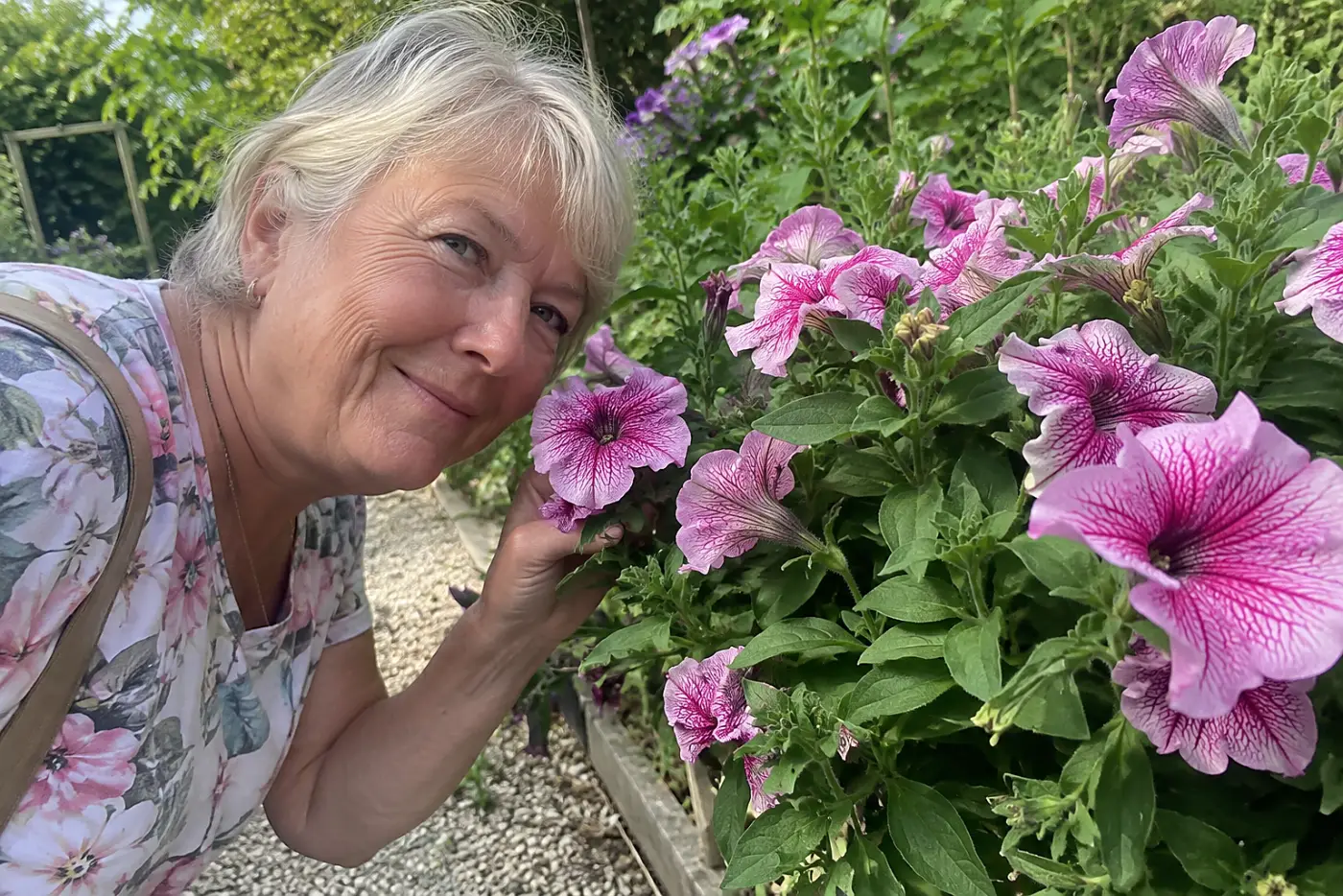
Veined trumpet flowers open above leaves with a sticky feel.
Painted tongue, *Salpiglossis sinuata*, looks hand-drawn in burgundy, gold, and purple. It was an annual you grew for close looking, not for filling a vast bed. Its slender stems fit beside a path where someone would stop. You have to get near enough to see the dark lines inside each flower.
Start it from seed and put it where you pass every day.
22Fragrant Mignonette Spikes
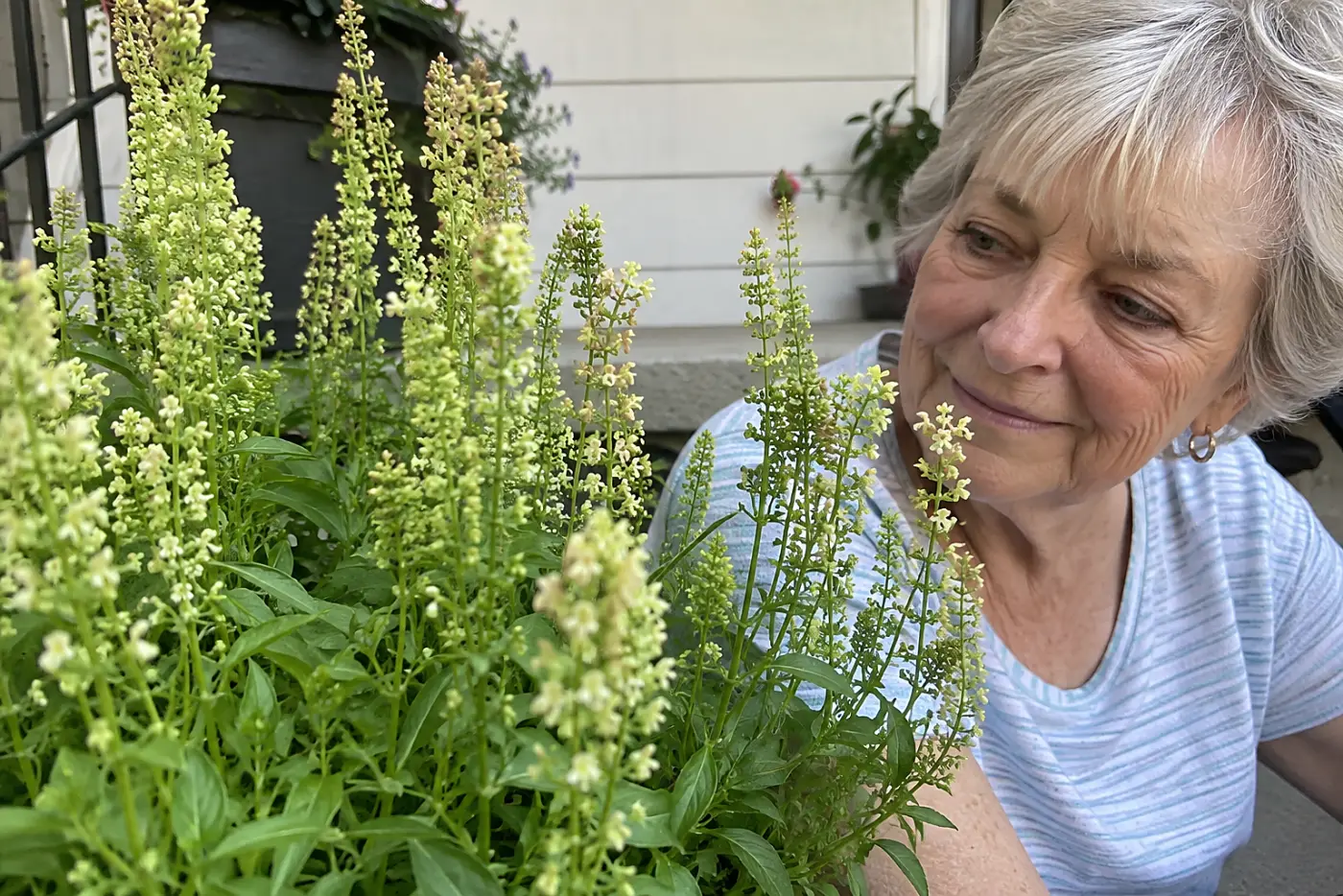
Small greenish flowers sit in narrow, unshowy spikes.
Mignonette, *Reseda odorata*, earns its place by smell. You leaned down expecting little and found a sweet scent that outdid showier neighbors. It belonged by a doorway or a porch step, close enough to notice.
A picture barely explains this one, which is part of why it disappears from flower shopping built around color. Its small flowers won't stop you from across the yard. Put your nose near them, though, and you'll understand why someone saved room for a plant that never put on a big show.
Look for *Reseda odorata* seed, and sow it near a seat.
21Blue Love-in-a-Puff Blooms
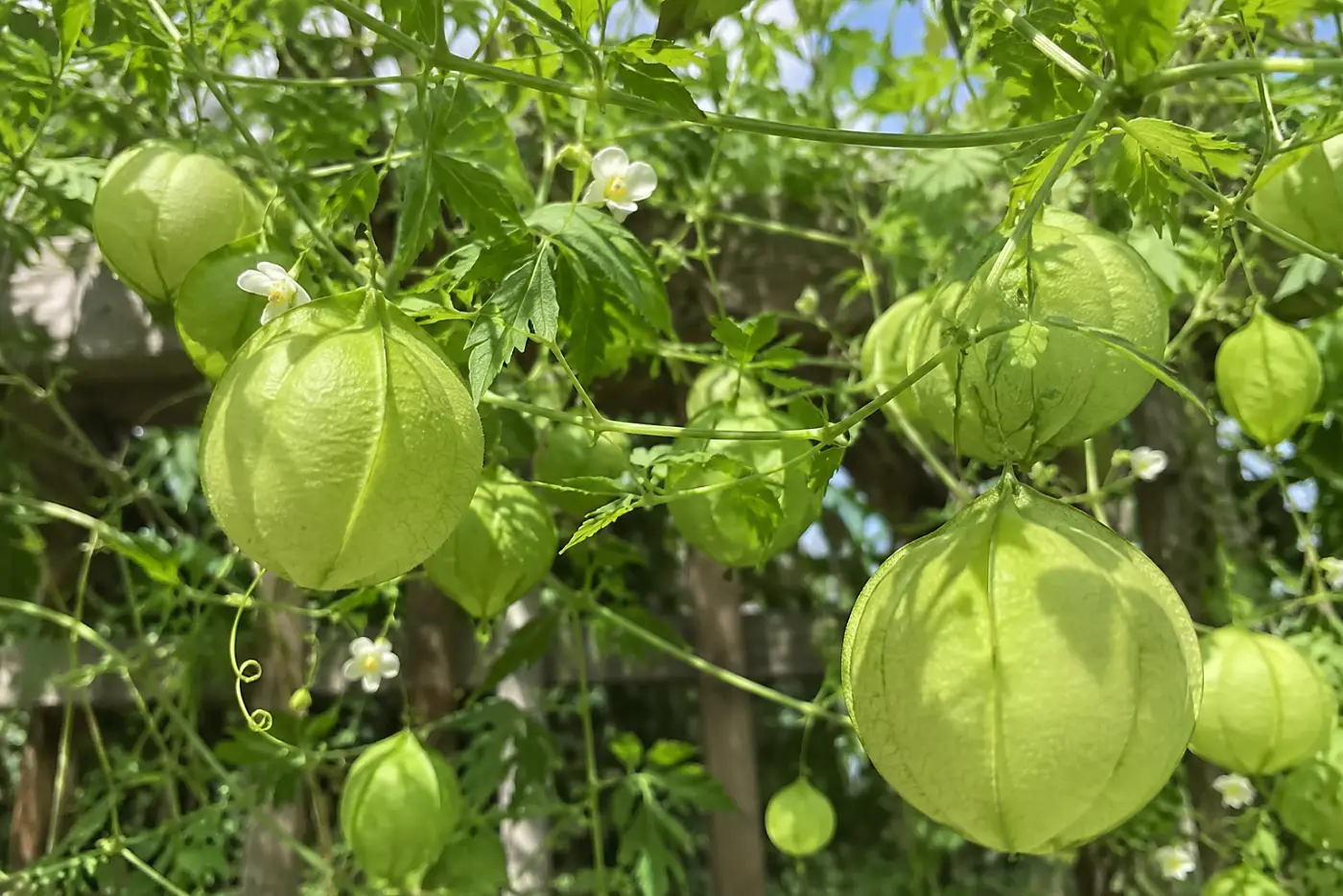
Small white flowers give way to inflated green seed cases.
Love-in-a-puff, *Cardiospermum halicacabum*, climbs with tendrils and leaves papery little balloons hanging from the vine. Children opened those pods for the dark seeds inside. The name is easy to remember once you've held one of the green cases in your hand.
It spreads readily in warm regions, though, so check local guidance before giving it a fence. If it's restricted where you live, grow a climbing nasturtium instead.
20Spiderlike Cleome Flowers
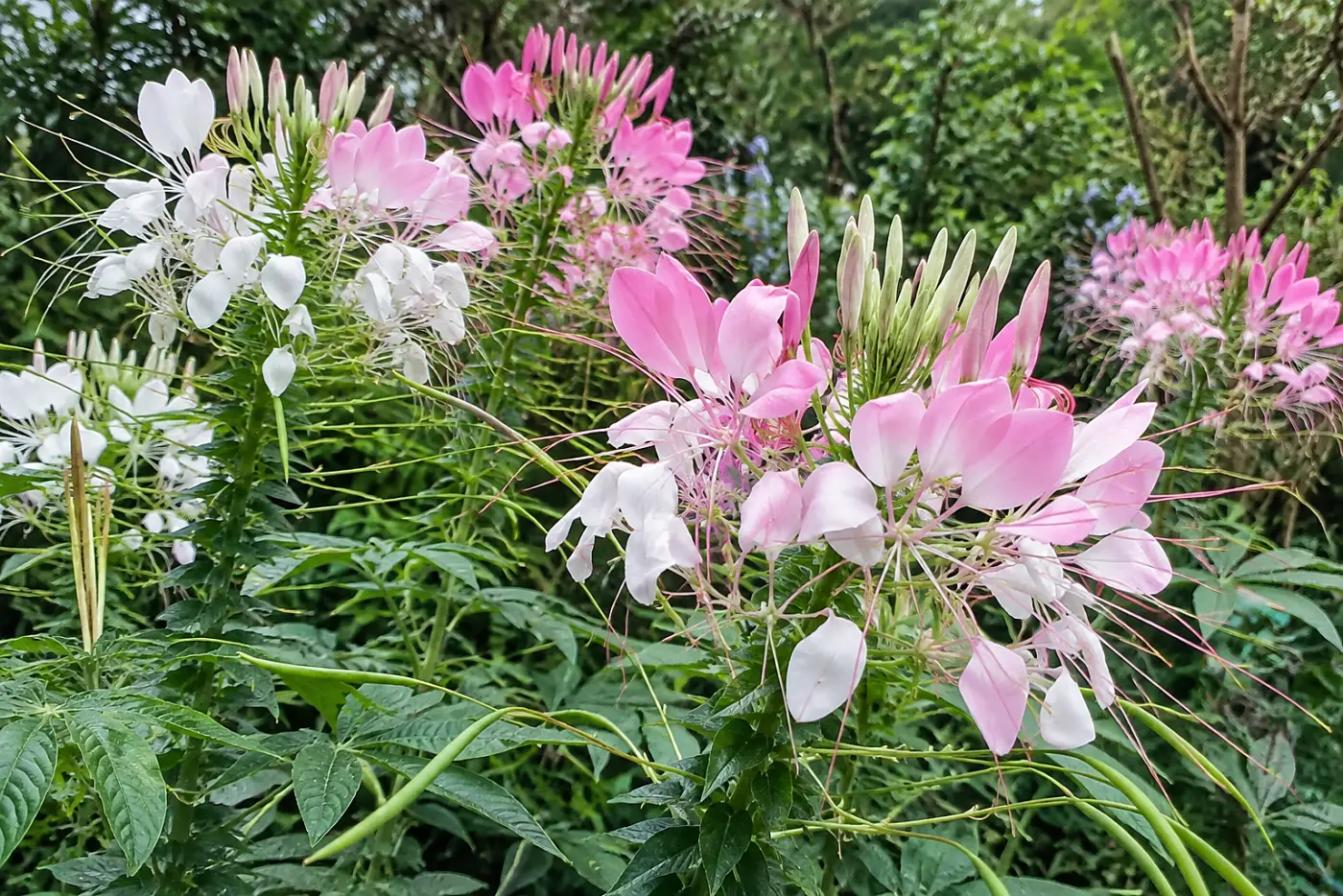
Pink and white blooms stretch long stamens above tall stems.
Cleome, also called spider flower, stood at the back of a bed and held its place through summer heat. Its seedpods lengthen beneath the blooms, easy to miss until they start scattering seed. From the porch, you saw a tall haze of flowers above everything else.
Those stems have prickles, and the leaves have a distinctive scent. Neither detail shows in a pretty overhead photo. Your bare arm will notice the prickles when you reach past them to weed, so give the plant a spot with elbow room.
Sow cleome where its height belongs, away from a narrow walkway.
19Annual Larkspur Stalks
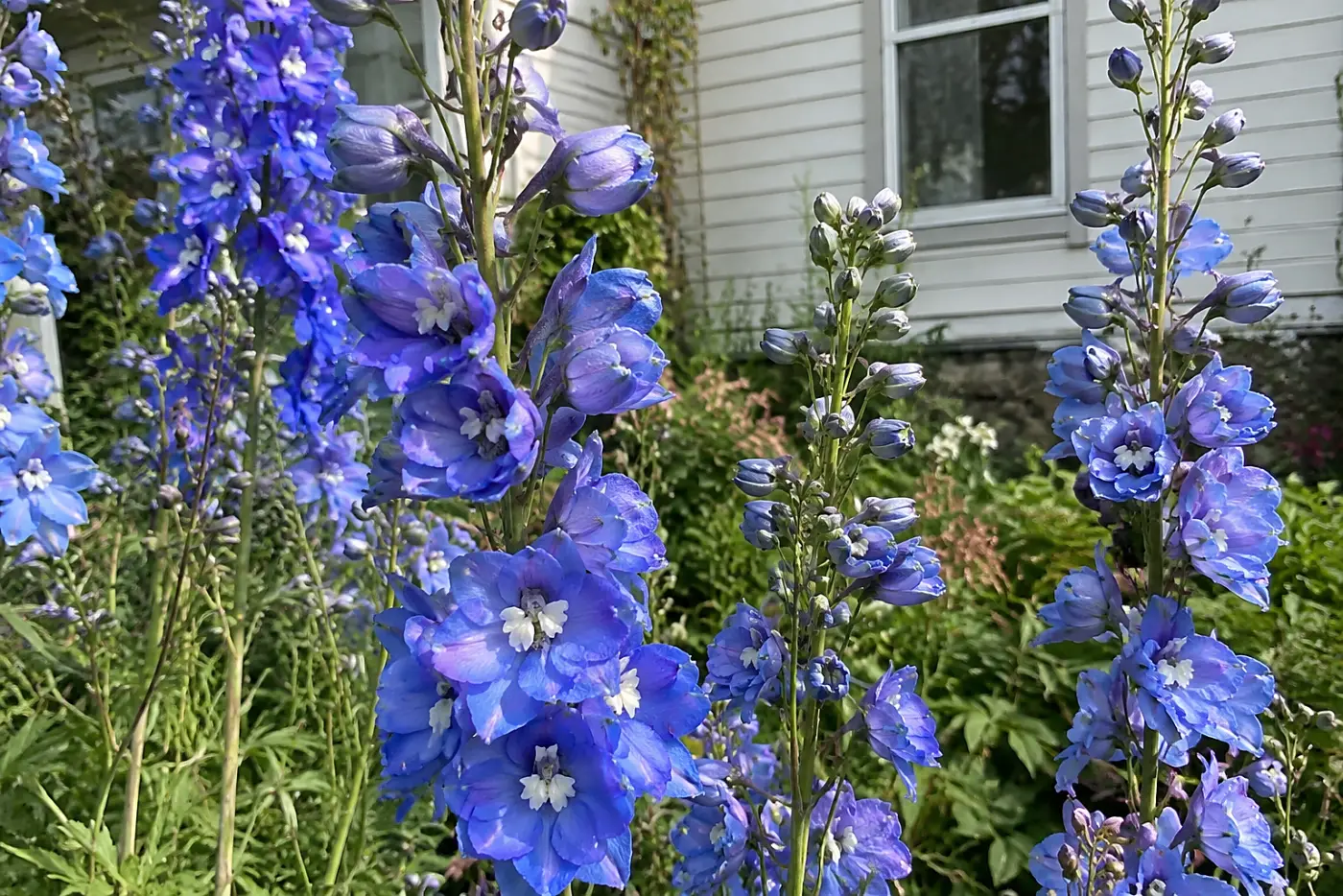
Blue flower spikes stand straight through a loose cottage bed.
Annual larkspur, *Consolida ajacis*, flowers in cool weather and drops seed for the next round. Its tall stems were useful for cutting, even from a narrow strip beside the house. Every part is poisonous if eaten, so take care around children and pets.
Sow it in fall where winters are mild, or in early spring elsewhere.
18Pincushion Scabiosa Blooms
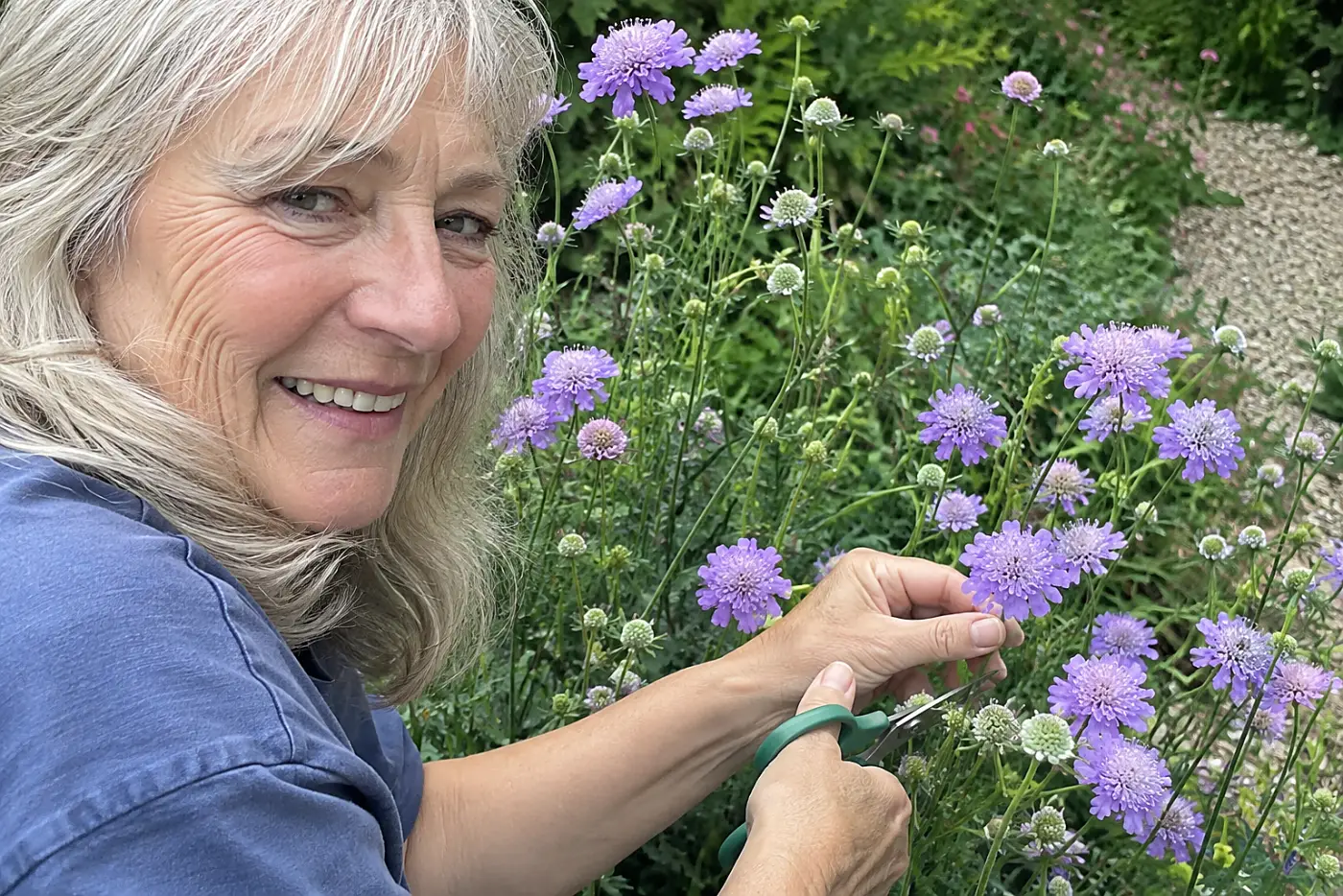
Rounded lavender flowers hold pale pins above thin stems.
Pincushion flower, *Scabiosa atropurpurea*, earned that name from its raised center and protruding florets. The old-fashioned annual form has a light, wandering look, especially among heavier flowers. It fits the kind of bed where each stem seems to have found its own opening.
Cut a stem and the plant sends up more. Leave a few spent heads, though, if you want to collect seed instead of buying another packet. You get to choose between flowers for the table now and seed for next year's patch.
Search for annual scabiosa by its botanical name, not just “pincushion flower.”
17Four O’Clock Trumpets
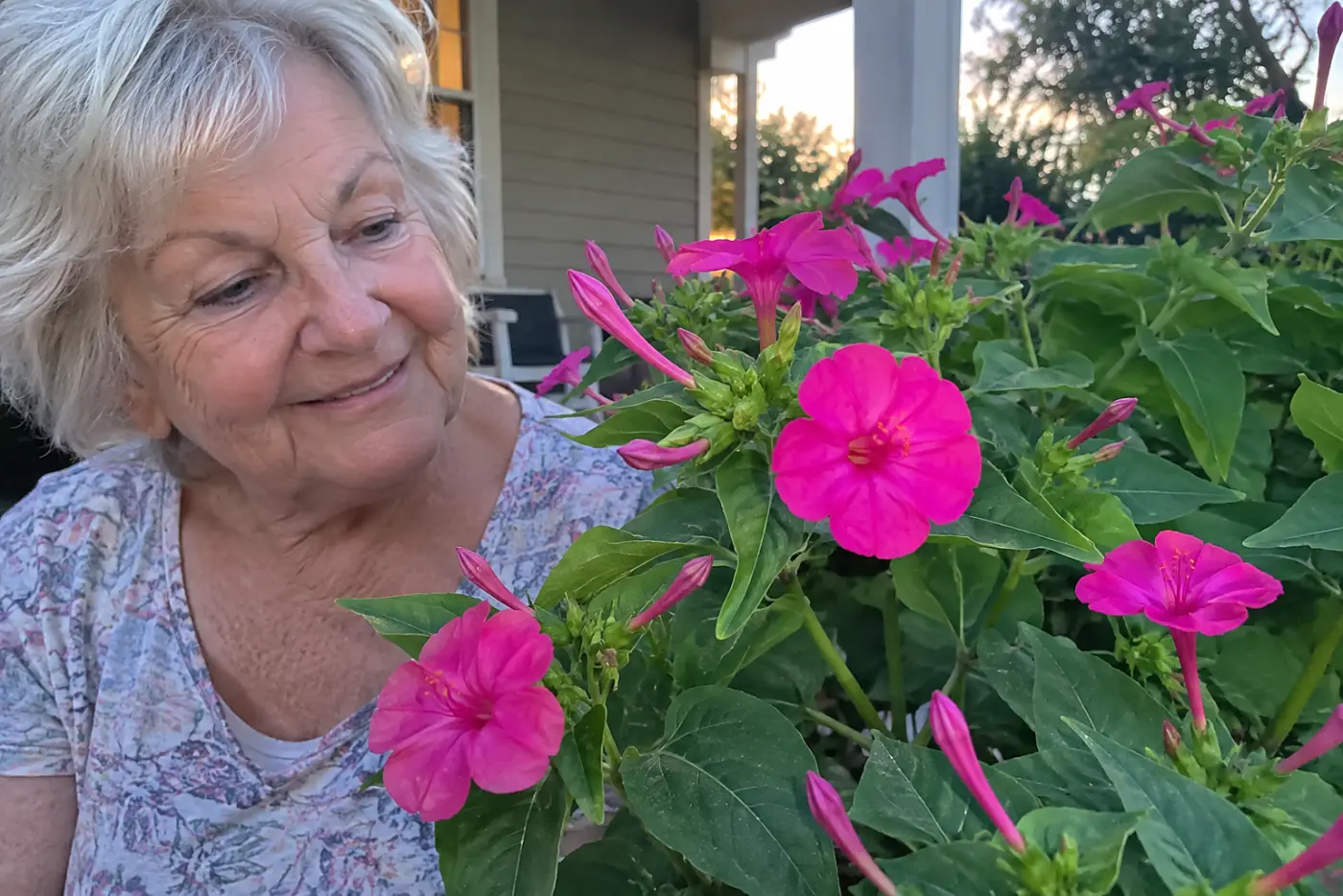
Hot pink trumpets open among broad leaves late in the day.
Four o'clocks, *Mirabilis jalapa*, waited until the porch was worth sitting on. Their scent arrived in the evening, and a single plant spread into a substantial mound. In warm climates, their tuberous roots survive winter; elsewhere, saved seed starts them again.
Plant them near the place where you sit after supper.
16Purple Heliotrope Clusters
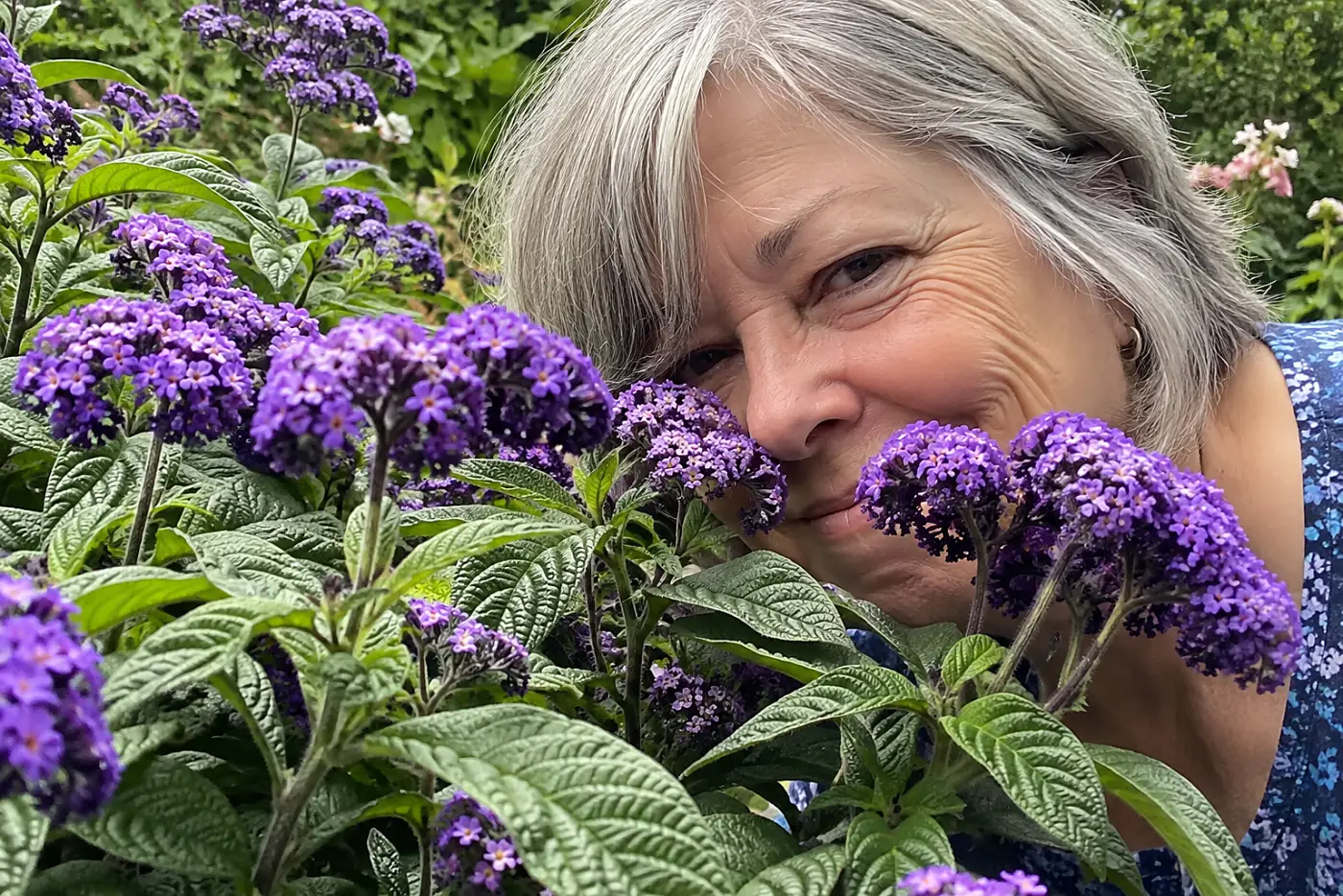
Dense purple flower heads sit above dark, ridged leaves.
Heliotrope drew you closer with a scent compared to vanilla or cherry pie. The old garden favorite, *Heliotropium arborescens*, needs warmth and a sunny spot. It also needs caution: the plant is toxic if eaten.
You remember the smell, but the sensible place for it is beyond the reach of children and pets. Set it where you pass, not where little hands gather fallen flowers from the ground. The dark leaves make the purple clusters easy to pick out from the path.
Ask for heliotrope by name and smell the flowers before bringing a plant home.
15Red Maltese Cross Clusters
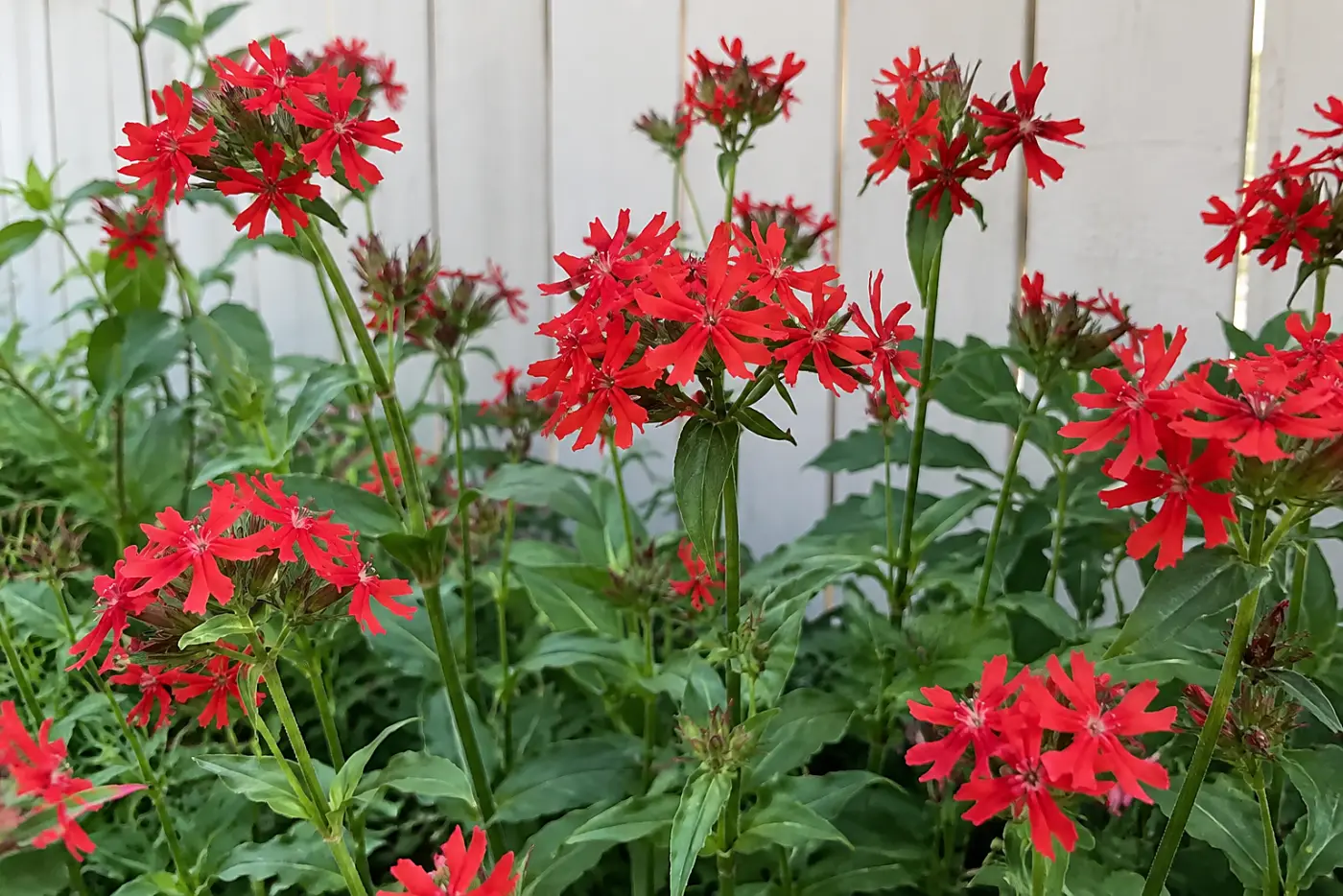
Flat scarlet clusters glow above upright, rough stems.
Maltese cross, *Lychnis chalcedonica*, is hard to mistake once it flowers. Its vivid red stood against green fences and pale clapboards without a planned color scheme. This perennial asks for good drainage, and its stems benefit from neighboring plants for support.
Look for its botanical name if the nursery's perennial bench has no sign of it.
14Rose Campion’s Silver Leaves
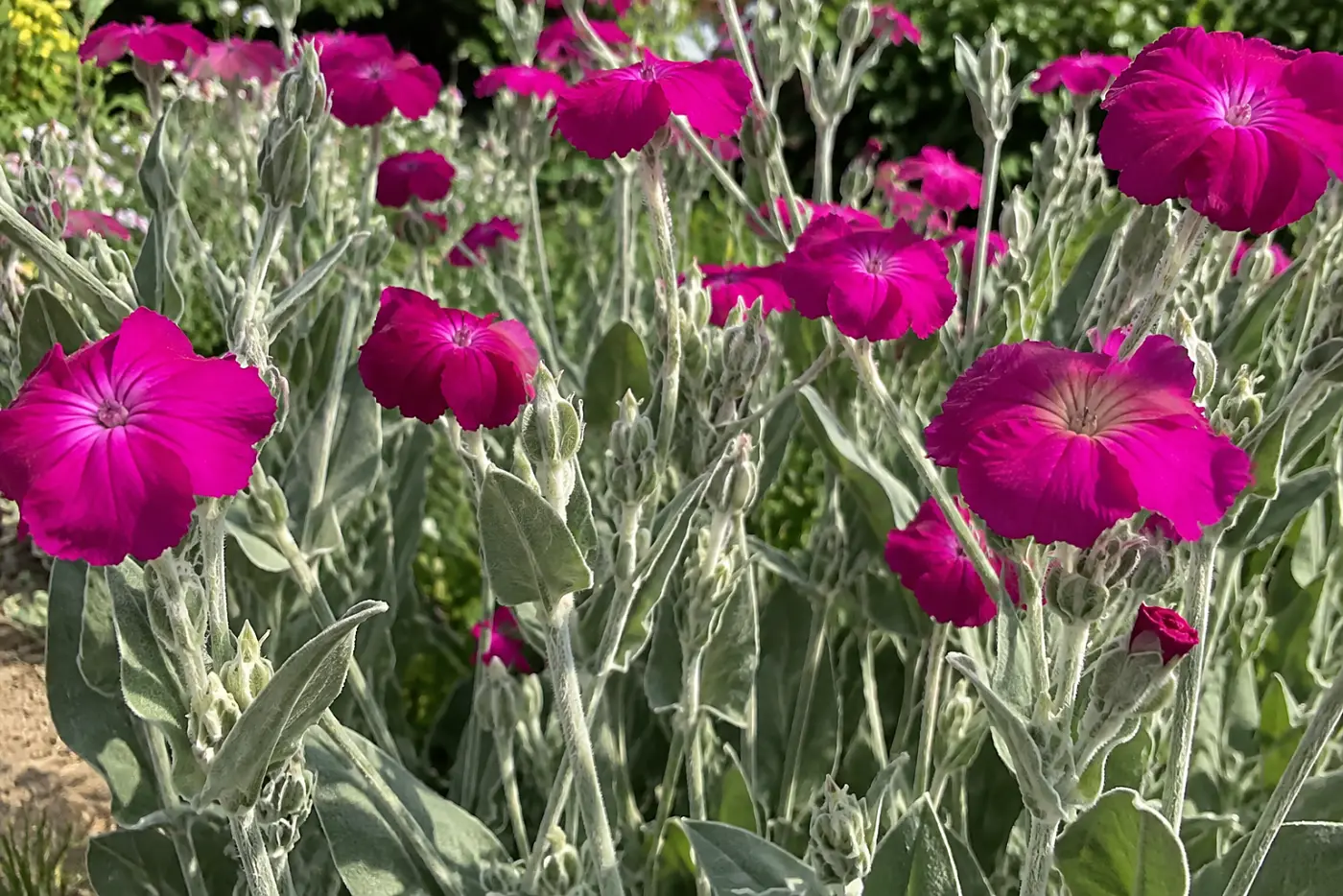
Magenta flowers float above soft, silver-gray foliage.
Rose campion, *Silene coronaria*, is memorable even before it blooms. The leaves feel woolly, the stems look pale, and the flowers land like little bright disks. Against a dark fence, you see the silver leaves before a single bud opens.
It lives briefly but replaces itself from seed where soil shows between plants. Pulling every volunteer turns a returning patch into a single-season purchase. The small seedlings are easier to move than a flowering plant, so decide which ones belong while they're still low.
Let a few seedlings stay along a sunny edge; move the rest while they're small.
13Purple Honesty Flowers
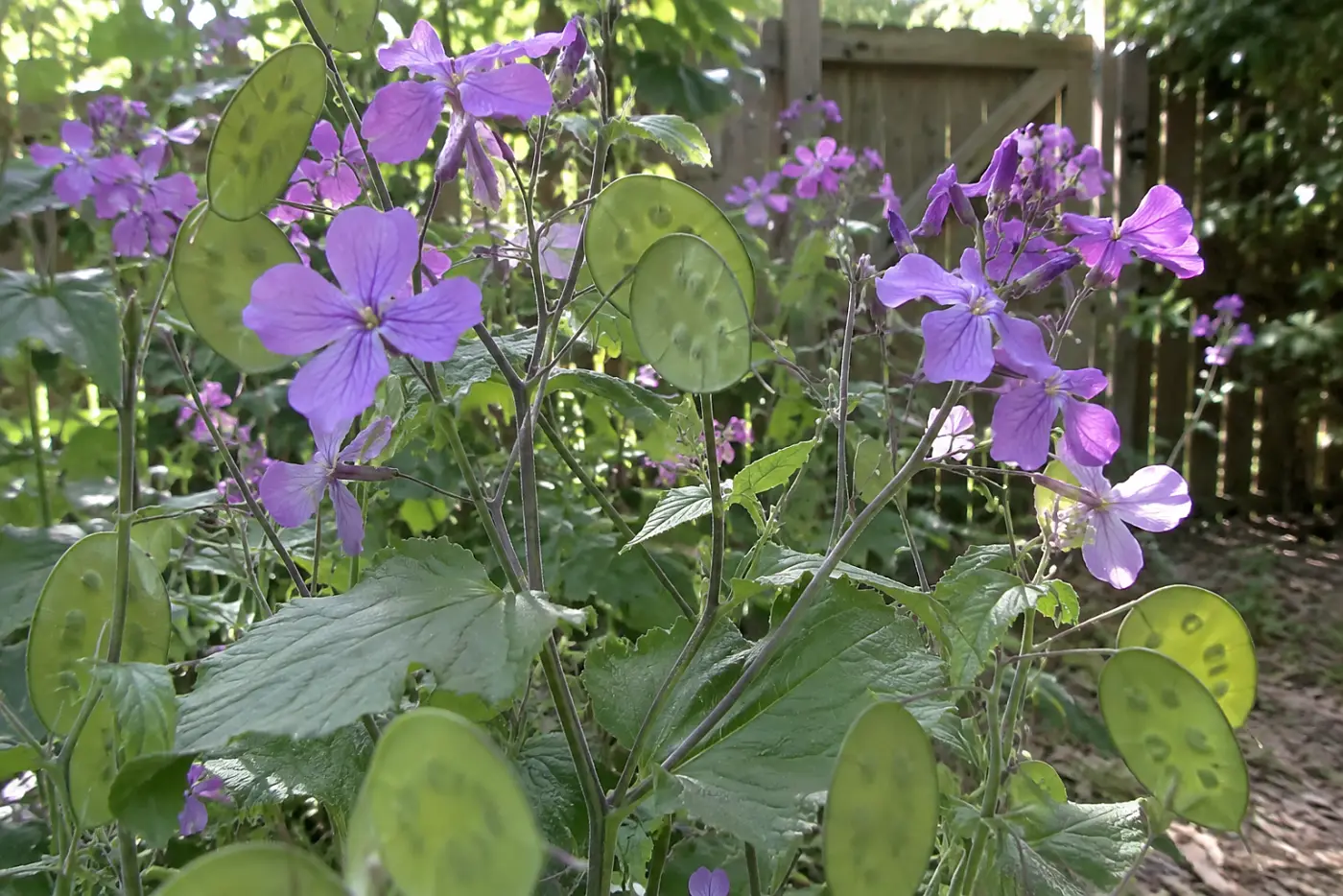
Violet spring blooms stand above heart-shaped, toothed leaves.
Honesty, *Lunaria annua*, is remembered just as much for what comes later. Its flat seedpods dry to translucent silver disks, the sort that stood in a jar all winter. It flowers in its second year, so the leafy first-year plants matter. If you clear that patch in fall, you lose the silver pods you meant to save.
Leave the seedpods standing until they turn brown, then save a few seeds.
12Orange Tithonia Daisies
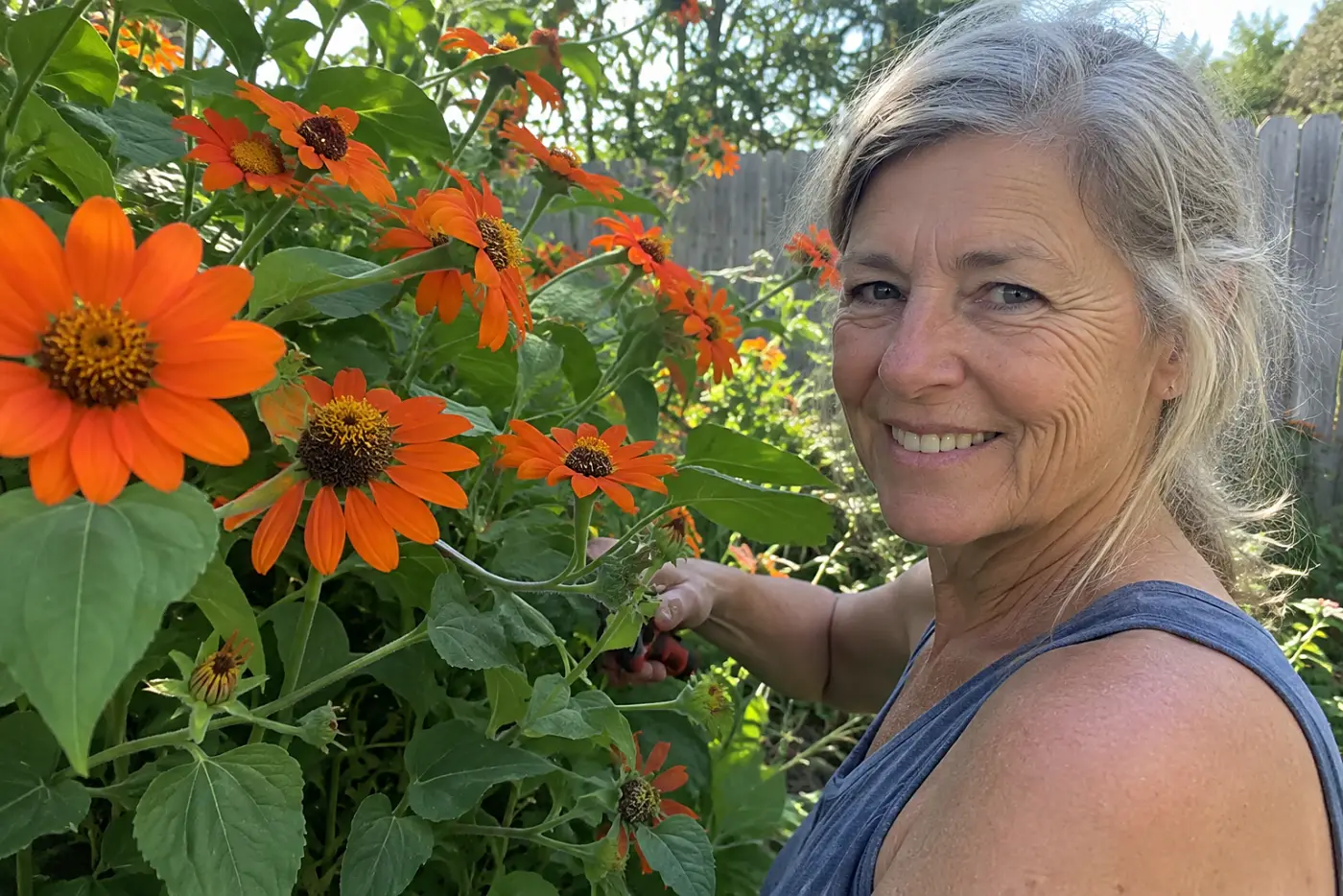
Big orange daisies face outward from tall, branching stems.
Mexican sunflower, *Tithonia rotundifolia*, made a back fence look busy by late summer. The leaves are large and rough, and the plant needs real room. Butterflies visit the flowers, but you'll need to reach around the branches to cut a stem.
It isn't the small sunflower tucked beside a mailbox. Give it the back of a bed where its branches won't swallow the path. From there, you see the orange flowers above the fence line instead of pushing through leaves to get by.
Start seed after frost, then place plants where they won't block your path.
11Blue Balloon Flower Buds
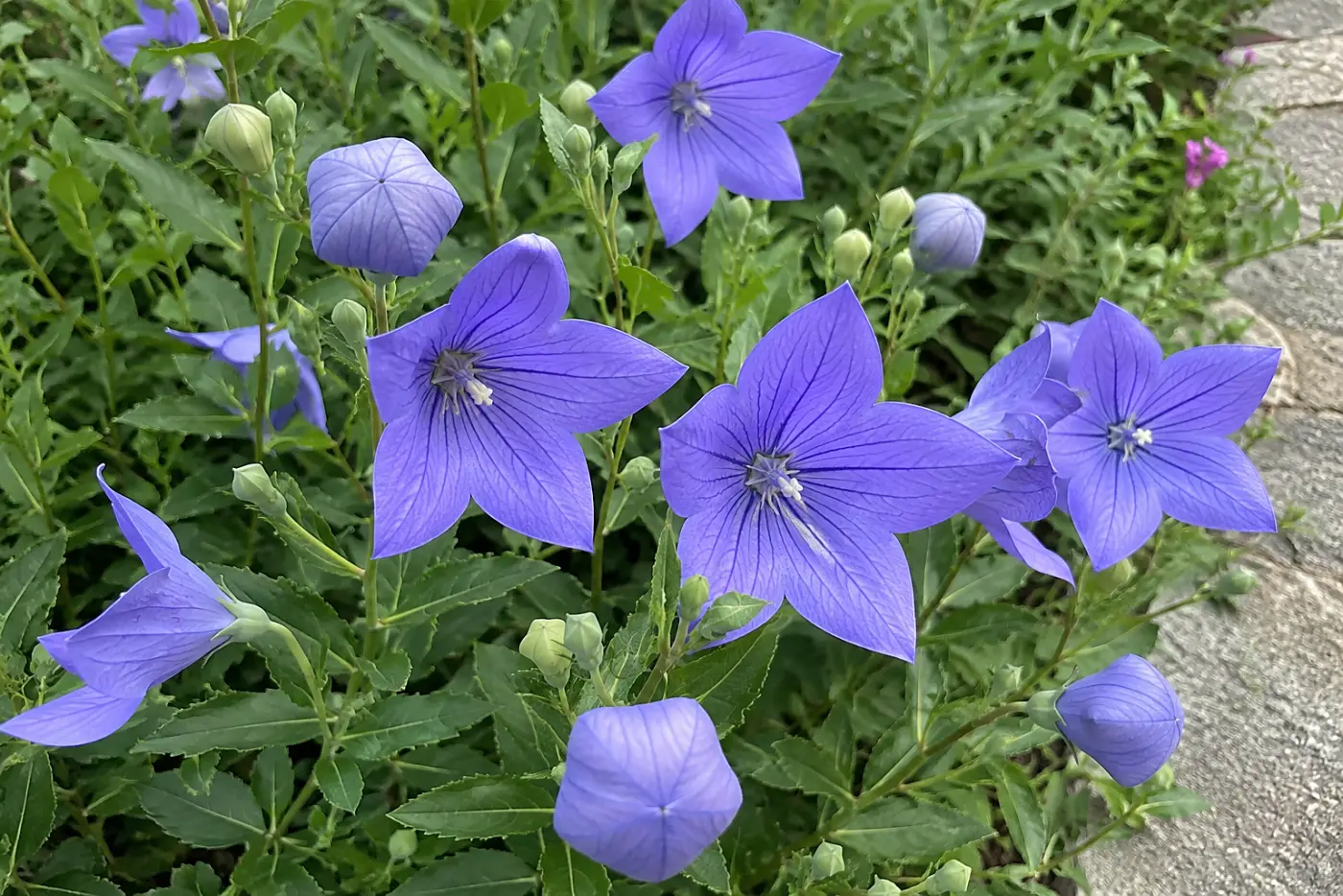
Swollen blue buds open into pointed, star-shaped flowers.
Balloon flower, *Platycodon grandiflorus*, was the one you checked before breakfast to see what had opened. It emerges late in spring, leaving what looks like an empty spot. Digging there too soon destroys an established plant.
Mark its place in fall, and give the new shoots time to appear.
10Pink Balsam Flower Stems
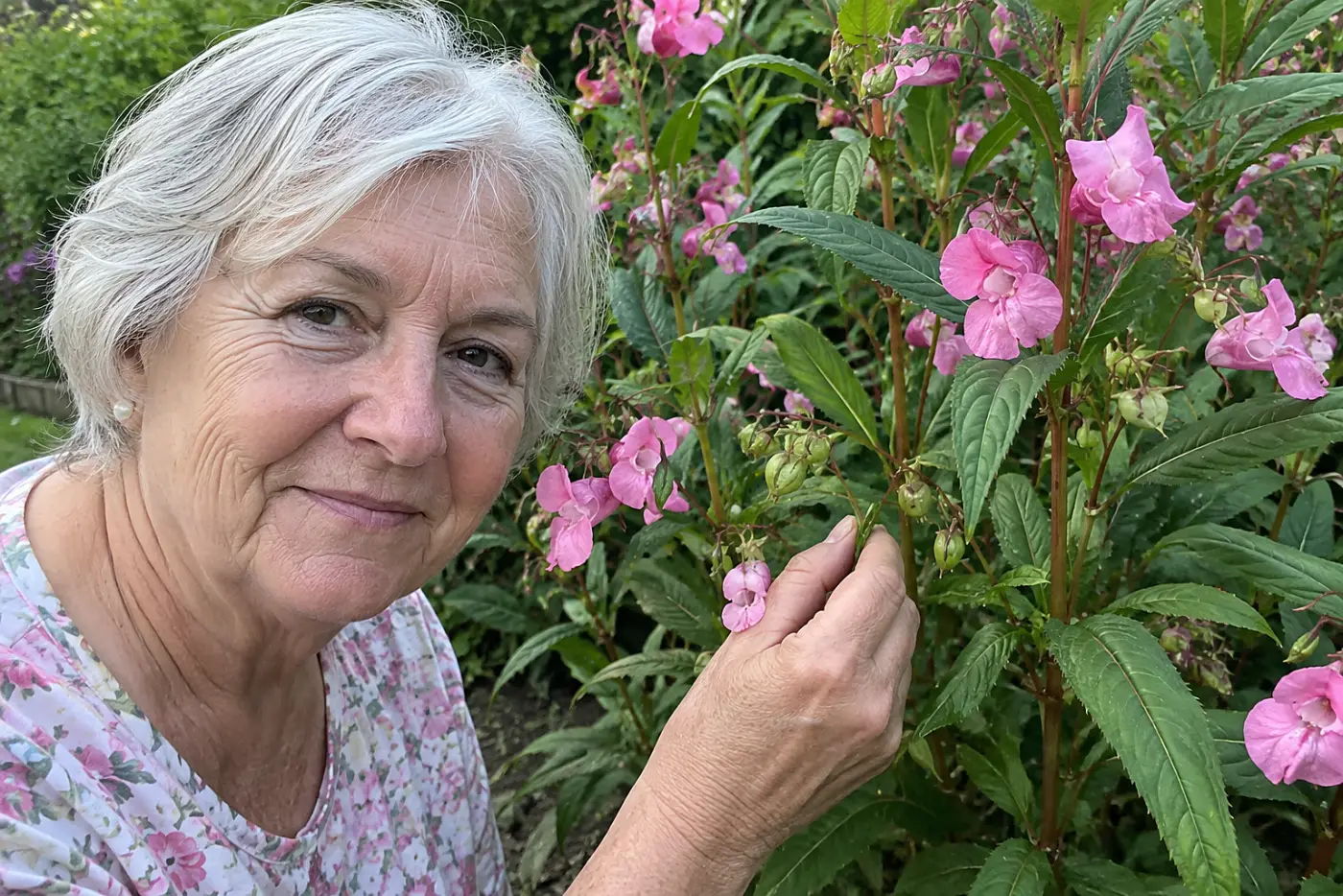
Rose-colored flowers nestle against thick, juicy stalks.
Garden balsam, *Impatiens balsamina*, grew upright where today's bedding impatiens spread low. Its flowers hide close to the stem, and ripe seed capsules burst when touched. That small trick kept children checking the plants long after the first bloom.
Balsam favors warmth and needs regular water while it gets established. Look between the leaves rather than across the top of the plant. The flowers sit where you'd expect bare stalk, and the swollen pods give you another reason to come back tomorrow.
Sow it after frost and stand close enough to see the flowers tucked inside.
9White Nicotiana Trumpets
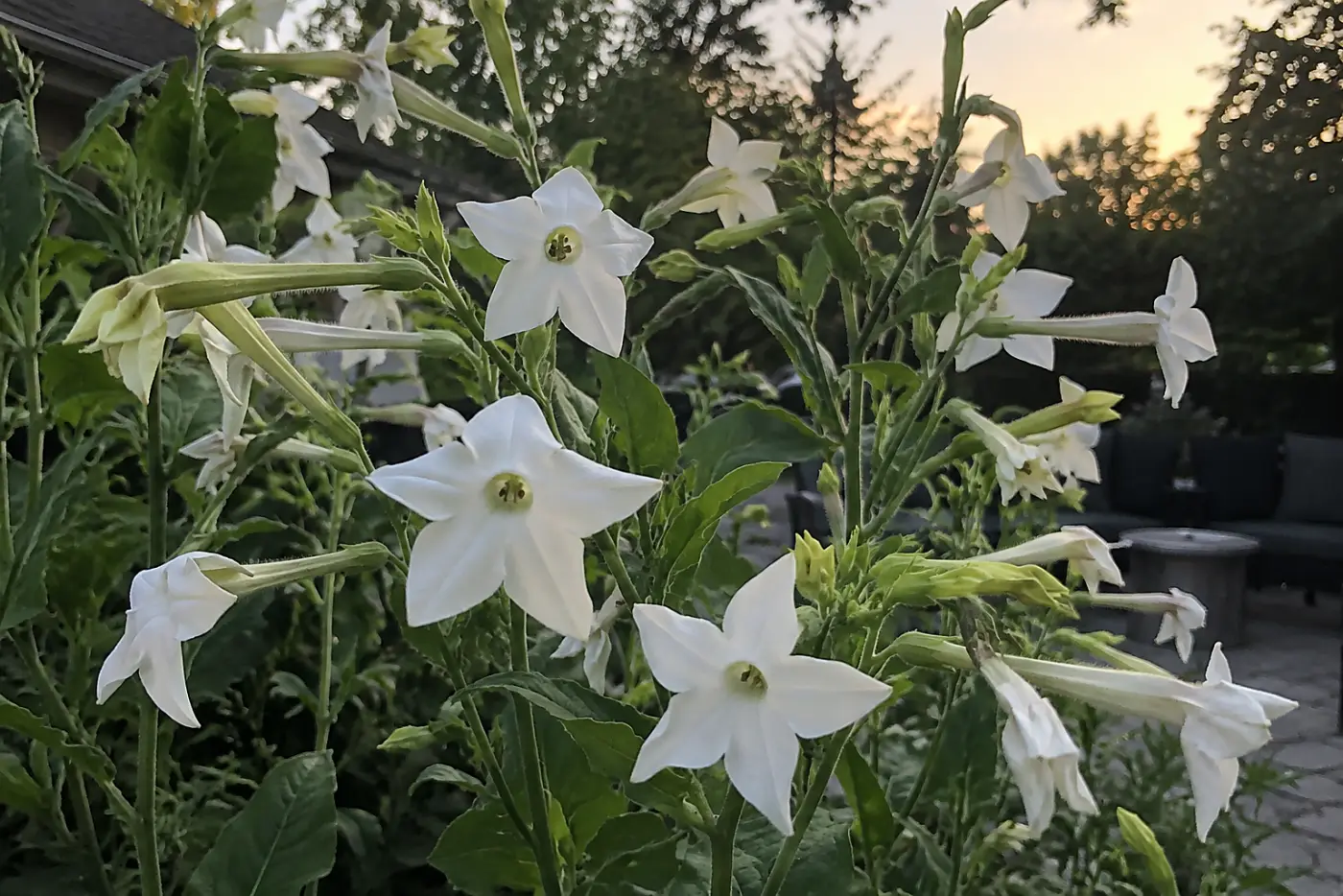
Long white flowers flare open above broad, low leaves.
Flowering tobacco, especially *Nicotiana alata*, sent its scent across the yard after dusk. You didn't need a spotlight or a perfect border to notice it. As a tobacco relative, it is toxic if eaten, so its place matters in a shared garden.
Grow it from seed near an evening seat, away from children and pets.
8The Shell Pink Annual Lavatera Bush
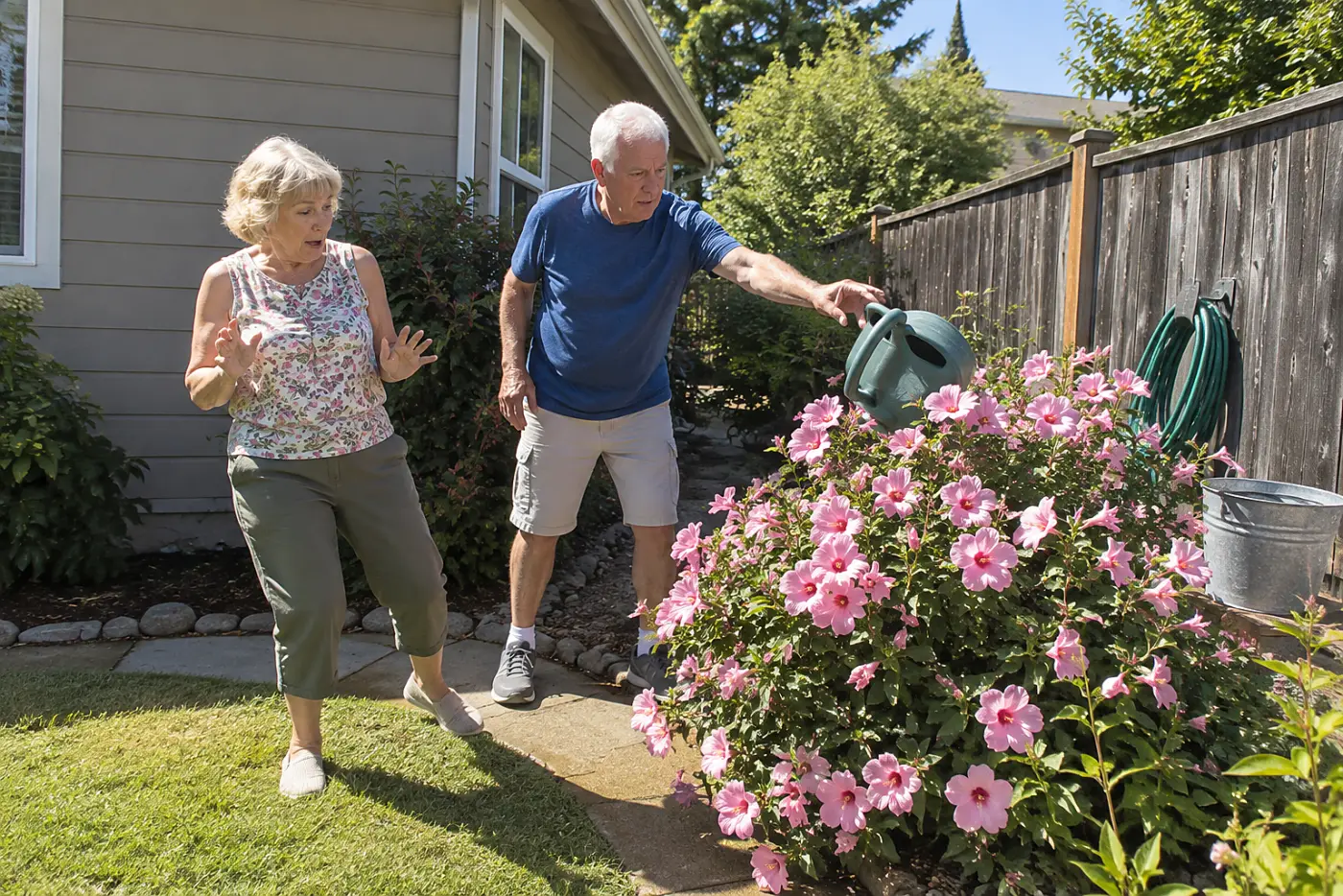
Pink saucers seem to hover above a mound of green leaves.
Annual lavatera, *Lavatera trimestris*, grew tall enough to soften a bare stretch of fence without a trellis. Its open flowers have the plain, wide shape you remember from yards planted by hand. A plant needs space to branch; squeezed between shrubs, its lower stems disappear from view.
Look for seed rather than a small plant ready to bloom. Give it sun. Leave room to see the full bush, from its lowest leaves to its last flowers. Let several seed heads dry before you clear the bed.
Ask at the nursery, “Do you carry annual lavatera seed?” Save a little room for the next familiar flower.
7The Rust Red Pot Marigold Patch
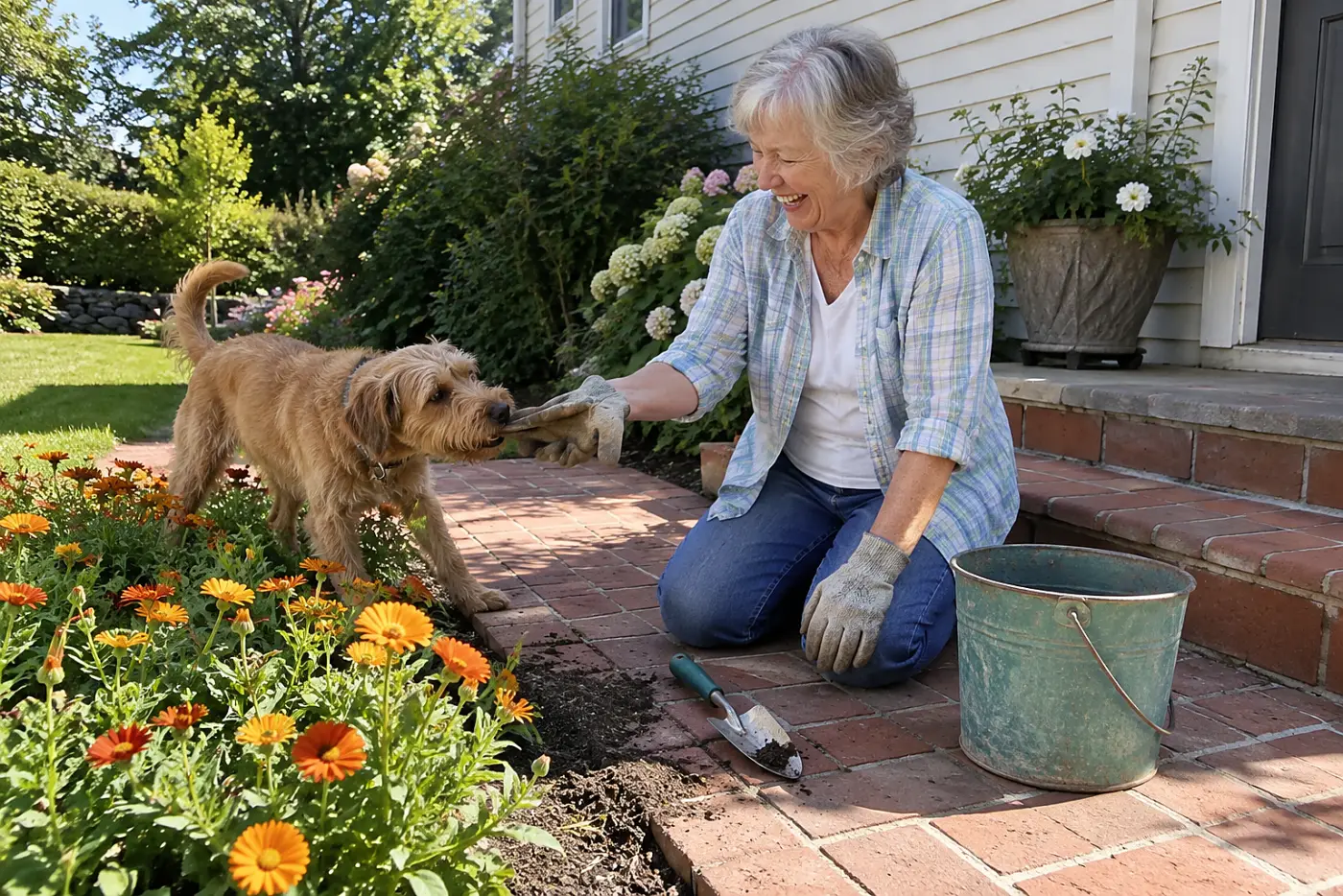
Orange and rust flowers keep opening near the back steps.
Pot marigold, *Calendula officinalis*, isn't the bedding marigold sold in tight flats. Its leaves feel faintly sticky. In a grandmother's yard, a loose patch filled the space between the walk and the vegetables. You noticed it because there was always another flower ready to open.
Calendula grows best in cool weather. Summer heat slows it down, so a spring showing needn't mean the patch has failed when July arrives. Leave a few heads to dry if you want seed for another round.
Say, “I'm looking for calendula, not French marigolds,” when you shop for seed.
Farther along the walk, another old favorite asks you to look up.
See more: 29 Signs a Garden Is Loved, Even When It's a Mess →
6The Yellow and Black Black-Eyed Susan Stand
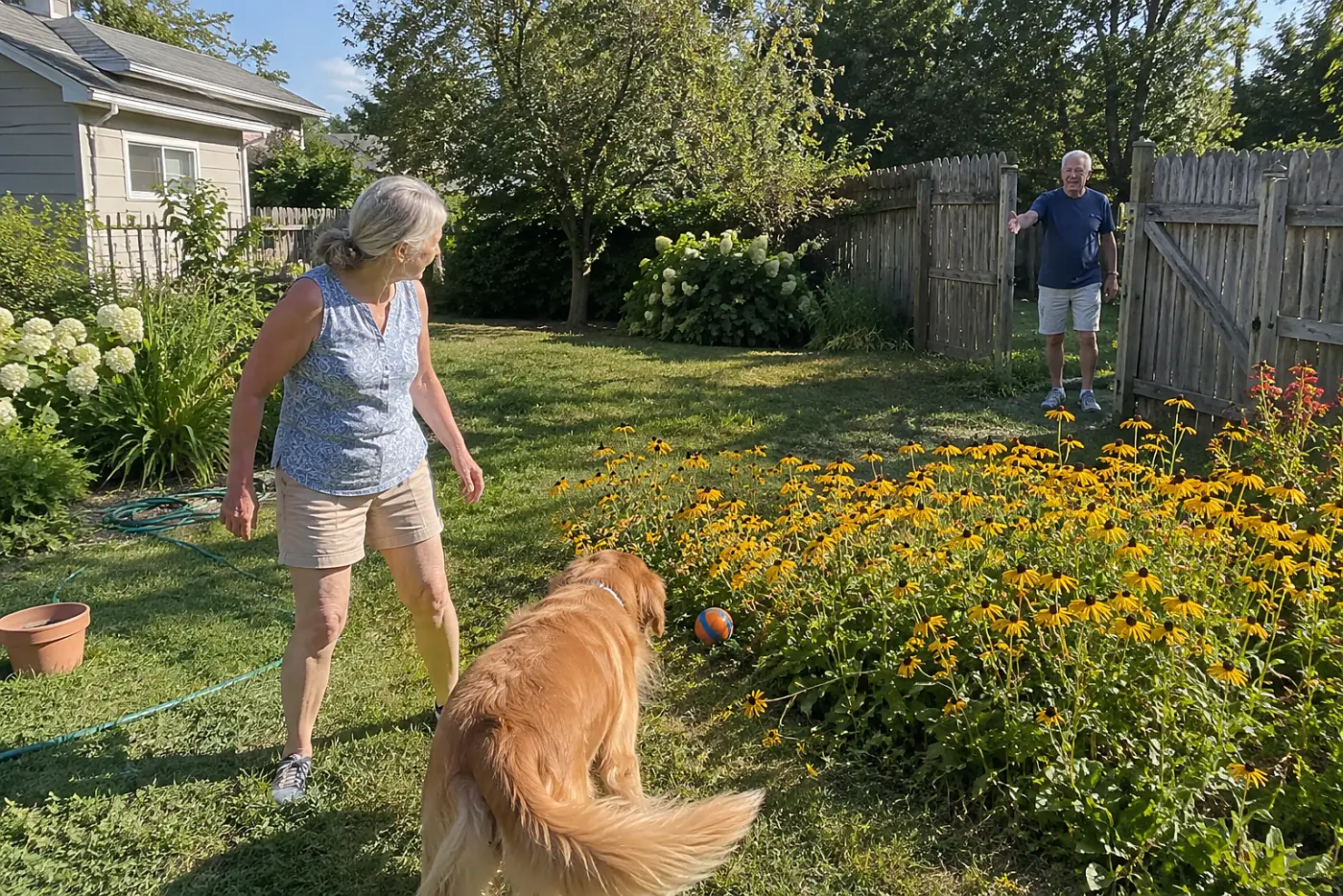
Gold petals ring dark centers above a tangle of stems.
The old garden black-eyed Susan, *Rudbeckia hirta*, stood in rough patches where the lawn gave way to flowers. Its coarse leaves and stiff stems weren't made for a neat little row. From a porch, those dark centers gave you something to pick out across the yard, even on a gray afternoon.
This species is short-lived in many gardens. Seedlings keep a patch going, but clear every spent head and you clear away that next generation too. Leave some standing through fall. Birds visit the seeds, and you get a better chance of new plants in spring.
Say, “I want the old-fashioned *Rudbeckia hirta*, not a compact hybrid,” when you shop for seed. The next flower kept its best detail at eye level.
See more: 23 Fall Jobs That Save Your Spring, One Weekend at a Time →
5The Striped Petals of Old Garden Petunias
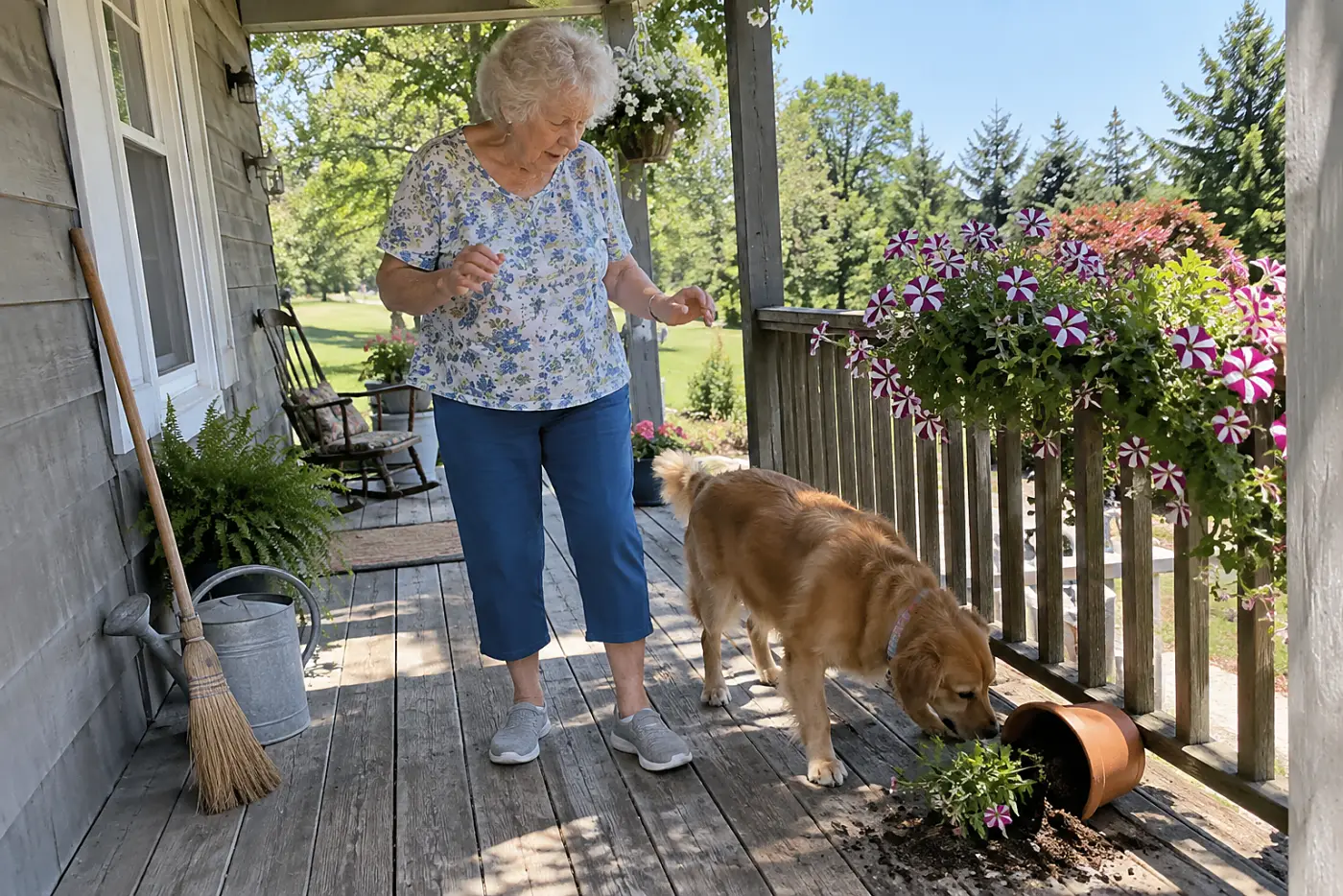
Purple stripes run unevenly across pale, open flowers.
Old garden petunias had a looser habit than the dense bedding plants you see in flats. Stems spilled over a porch edge or wandered through a sunny border. Some had striped flowers, and the pattern changed enough from bloom to bloom that you stopped to check.
Look for seed-grown petunias rather than expecting a packet to reproduce one remembered flower exactly. Seedlings differ, especially when plants have crossed in a garden. That small surprise belonged to the patch: one bloom dark purple, the next mostly white.
Ask, “Do you have seed-grown striped petunias?” Leave room for their stems to spread. Give the porch rail a look each morning; the next bloom won't match the last.
A different porch flower needs a post more than a rail.
4The White Moonflower Vine at Dusk
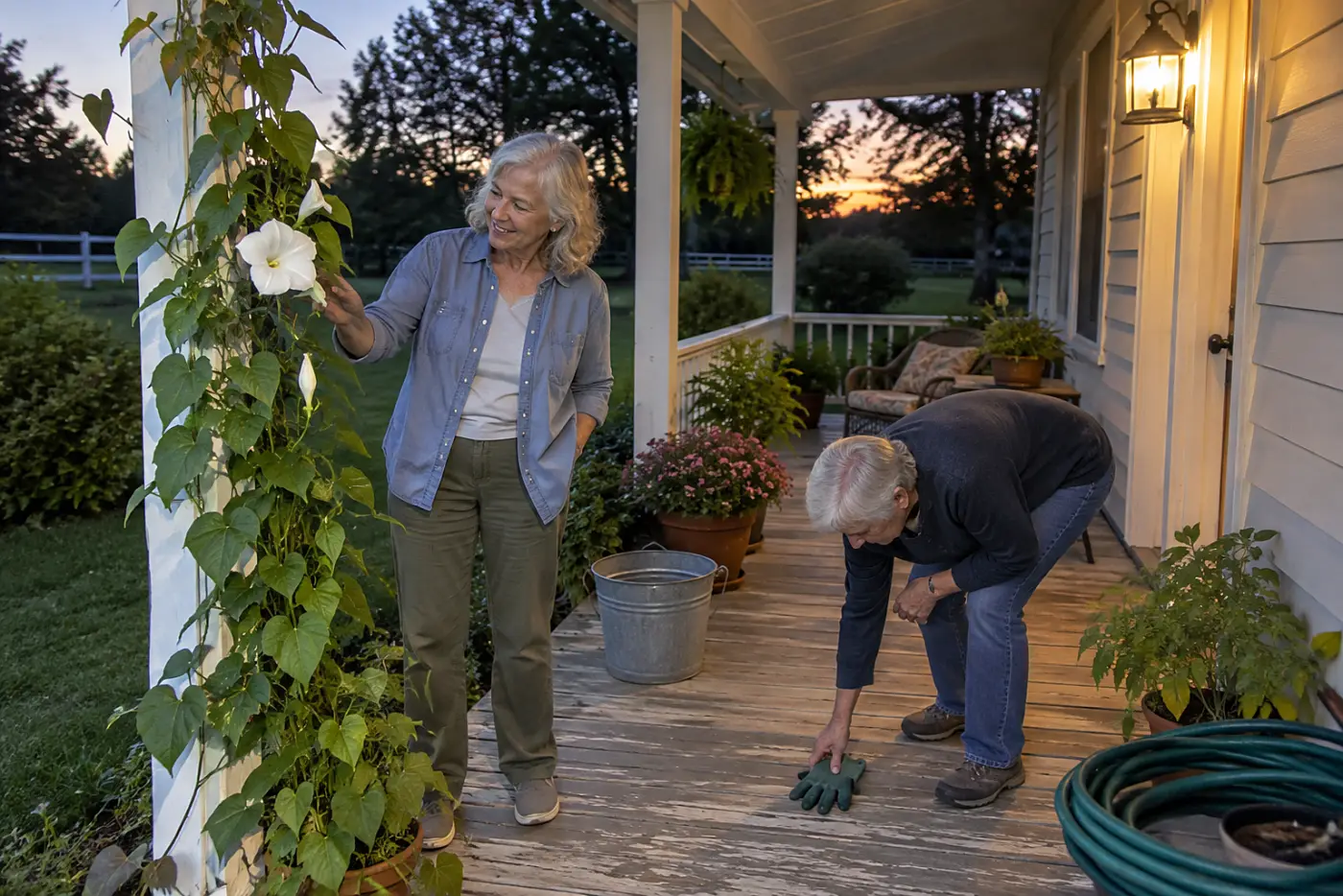
A broad white trumpet stands out against a porch post.
Moonflower vine, *Ipomoea alba*, climbs by winding its stem around a support. A post gives it a way up beside a door; a fence gives it room to travel. This is a vine to watch as it climbs, not a small flower tucked at the foot of the porch.
Its flowers open as daylight fades, then close the next morning. That habit recalls four o'clocks, but the climbing stem is what sets this plant apart. Give it sturdy support and warmth. In cooler places, start it from seed each year. Its seeds are toxic if eaten, so store them beyond the reach of children and pets.
Say, “I want *Ipomoea alba* for a climbing vine,” when you order seed. Place it where you can watch it reach the post.
The next flower announces itself before you reach the gate.
See more: 27 Pruning Mistakes That Cost You Next Year's Flowers →
3The Scented Sweet Pea Trellis
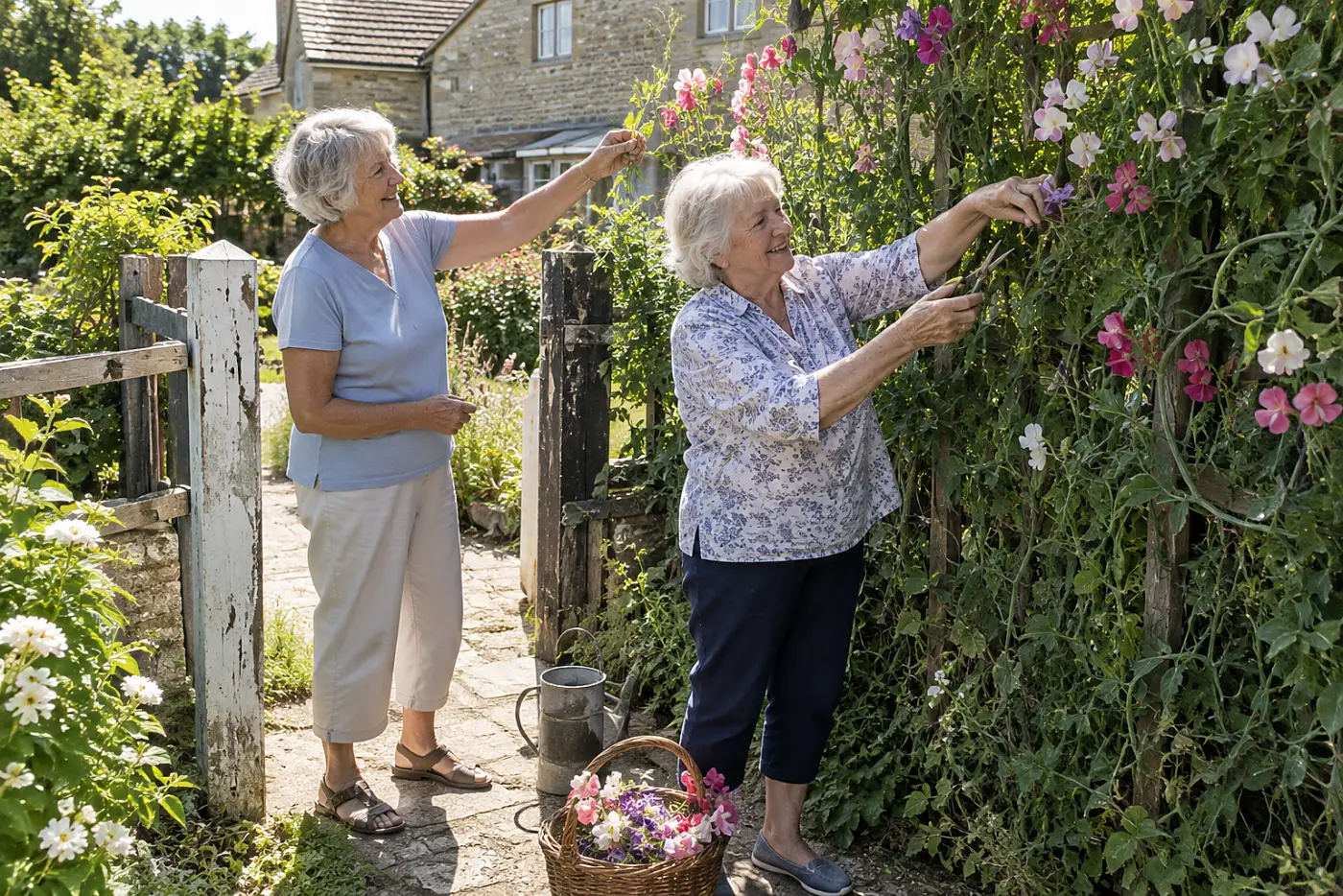
Ruffled flowers hang from thin stems beside a worn gate.
Sweet peas, *Lathyrus odoratus*, grew up string or twiggy supports where you brushed past them. The flowers were worth cutting in small bunches because their scent followed you indoors. They aren't edible garden peas: sweet pea seeds are toxic if eaten.
This annual prefers cool growing weather. In places with hot summers, sowing early gives it time to flower before the heat slows it. Give the tendrils something narrow to grip, then cut blooms regularly while the plants are flowering.
Say, “I want fragrant sweet peas for a trellis,” when you choose seed. Keep the packet away from the vegetable seed you cook.
That brings you to the flowers once carried inside by the handful.
See more: 27 Ways a Small Garden Beats the Big One You Used to Have →
2Peach Stock Flower Spires
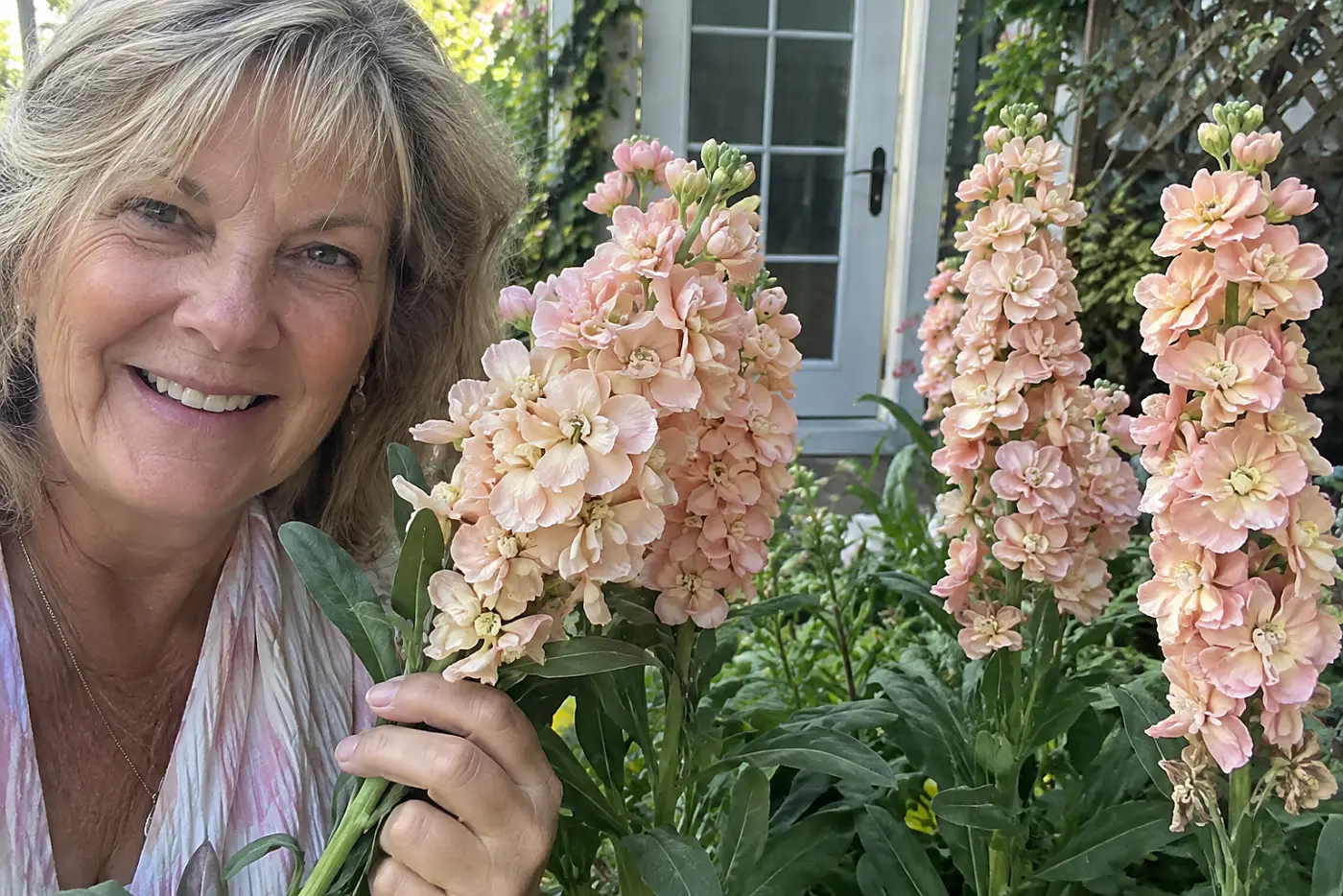
Close-packed peach blossoms cover sturdy, upright flower spikes.
Stock, *Matthiola incana*, smelled like the flowers carried home wrapped in paper. It prefers cool weather, which explains why it fades when a hot summer bed is just getting started. The stems belong near a door, not hidden at the far end of the yard.
Some plants bear single flowers, others double, and both have that familiar scent. If you remember a bunch standing in a kitchen jar, give the plant a spot close enough to cut without crossing the whole yard. The tight flower spikes stand up well in a small bunch.
Look for stock seed or young plants before the summer heat arrives.
1Hollyhocks Along the Fence
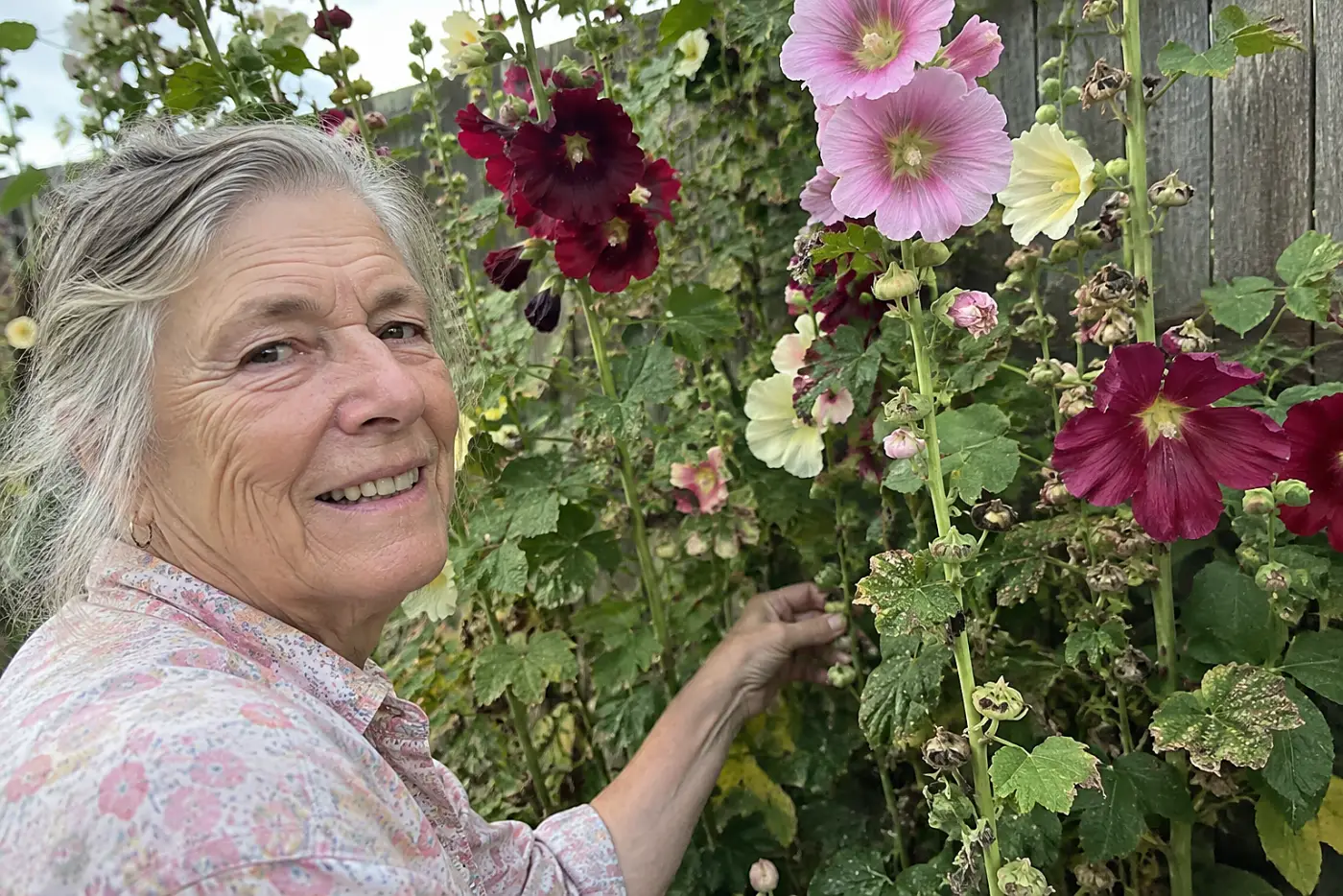
Tall stalks press pink, cream, and deep red flowers against weathered boards.
Hollyhocks, *Alcea rosea*, made use of the thin strip where a mower never quite reached. Many old-fashioned strains bloom in their second year, then leave seed for younger plants. Those new rosettes are easy to pull when you're clearing the fence line.
Rust leaves orange-brown spots on the foliage. Removing badly affected leaves helps keep the patch cleaner. The flowers still look like summer from across the yard, even when the lower leaves look tired.
Keep seed from a healthy stalk after its pods turn dry and brown. That's how you give next year's fence its start.
The bottom line
These 29 flowers stayed in family yards because somebody left room for seedlings and seedpods. You already know what that looks like. You leave the promising rosette and pull the weed beside it.
Which one grew beside your grandmother's fence?
Up next
23 Things Your Mother's Garden Taught You That Nobody Teaches Now
A forkful of soil, a seed packet, and an old frost date explain why she waited when everyone else rushed to plant.
Read the list →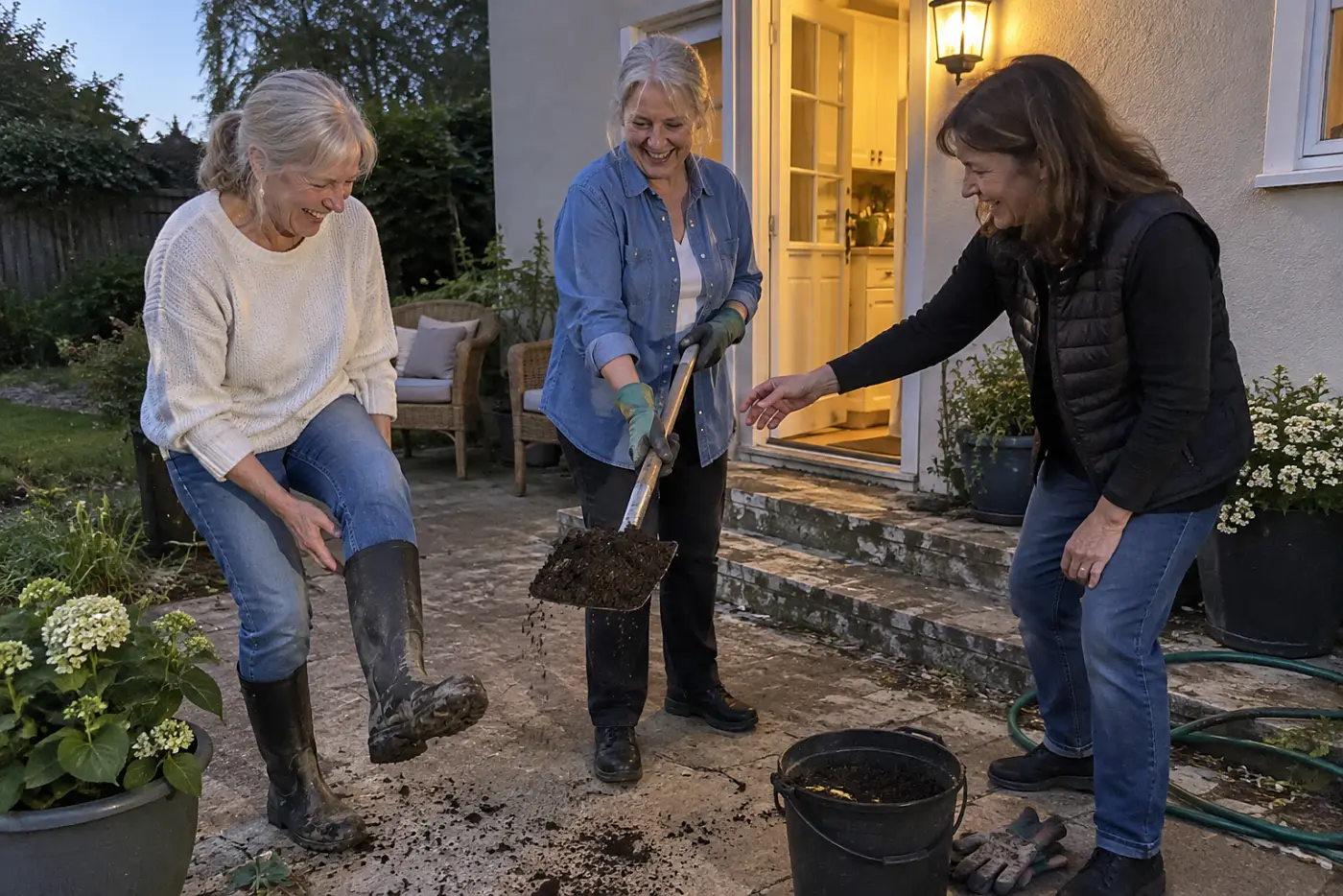
Reader quiz
Did you catch the details?
5 questions from this article. Finish them all to unlock the editor's bonus tip.
What should you do with a few love-in-a-mist pods after they dry?
Did any of these feel familiar?
Know someone who needs this?
June Marlow
Garden Editor
June writes about gardens you can still manage: what to plant, which jobs matter each season, and the tools that spare your knees and back.
More from June Marlow