









29 Signs a Garden Is Loved, Even When It's a Mess
A bent tomato cage tells you where a plant leaned. That detail says more than a weed-free border ever will.
By June Marlow, Garden Editor
Updated · 11 min read
- Written by our garden editor
- How we review
Read to the end: #1 is the one notebook that reveals next season's jobs, and almost nobody keeps it.
The hose lies across the path again. Beside it, a volunteer marigold has rooted in the gravel, and last year's stems still stand behind the bench. You meant to clear that corner. Then the bees arrived, the tomatoes needed tying, and you sat down for a minute.
These 29 signs belong to a garden you actually use.
29A Bent Tomato Cage
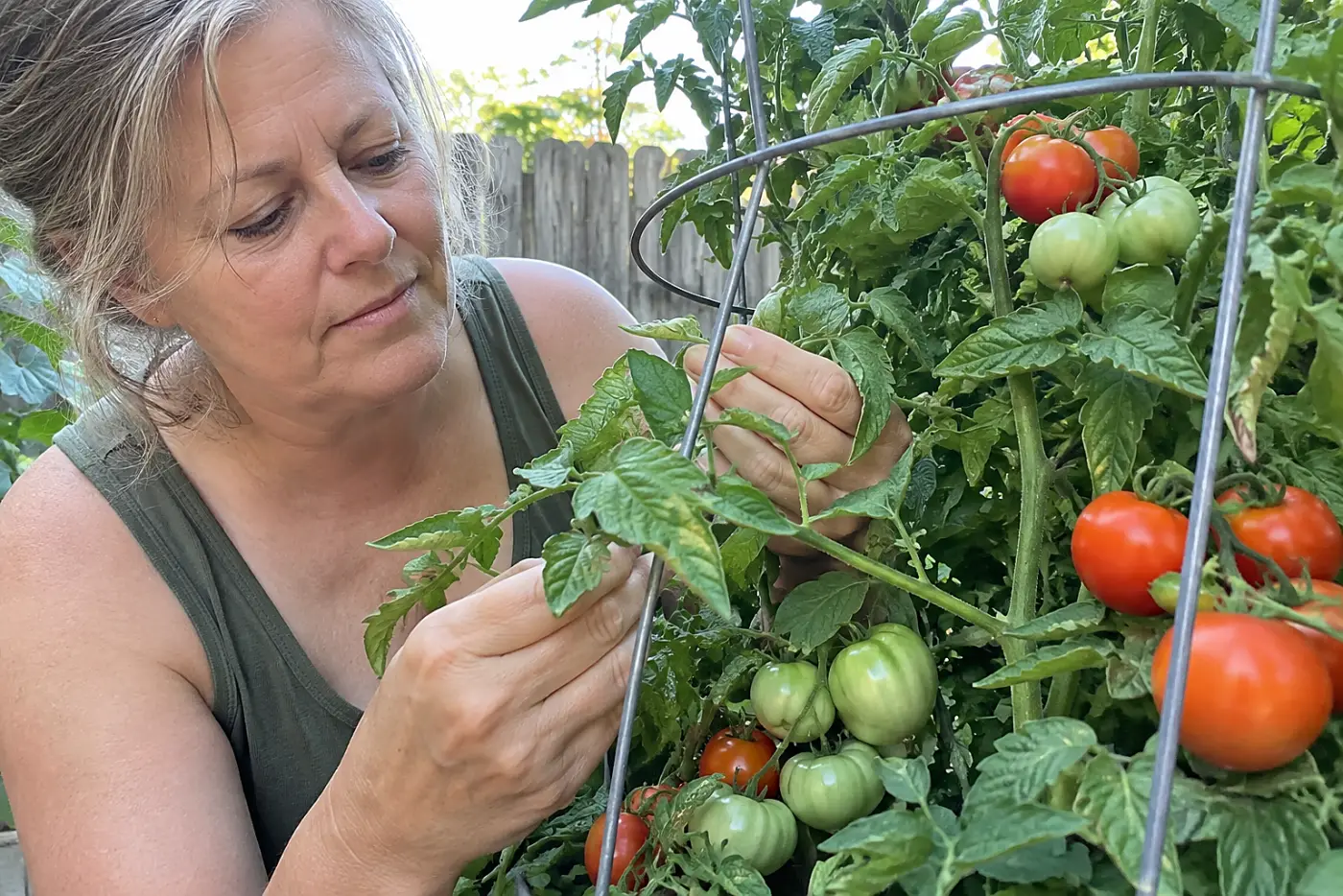
One wire ring leans left, but the tomato stands.
That cage held up through heavy fruit and sudden rain. Its bend shows where the plant leaned hardest. A stack of new cages tells you less.
Straighten the worst bend after harvest, then use the cage again next spring.
28Marigolds in the Gravel

Orange heads have appeared where no flowerbed was planned.
Marigolds drop seed, and the gravel catches it. Now flowers stand beside the path instead of within its edges. That isn't proof the bed got away from you. It's proof a plant found light and room in a place you hadn't chosen for it. Next year, that patch of gravel won't look quite so accidental.
Pull the seedlings that block your feet and leave the rest to flower.
27A Worn Path Through Grass
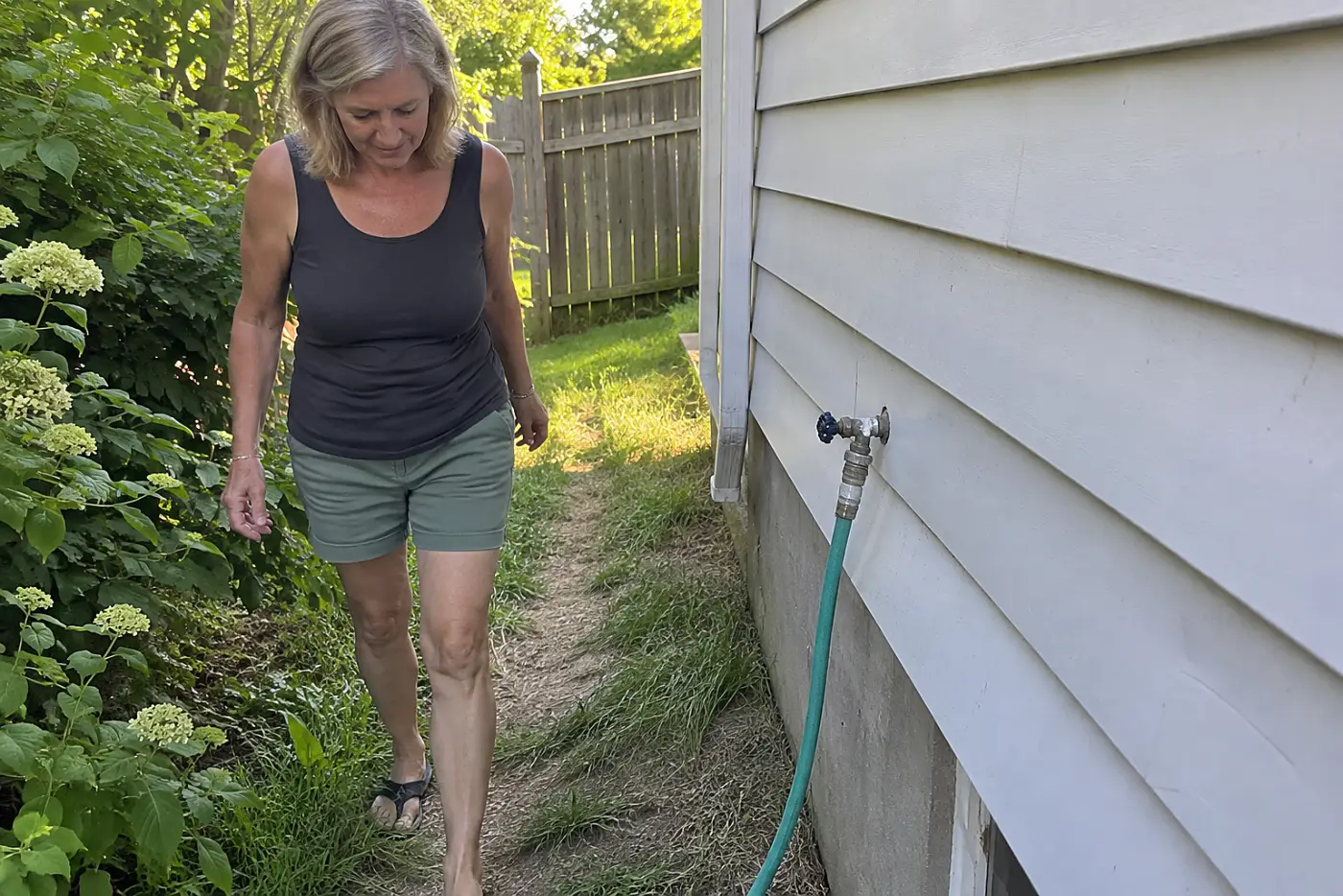
A narrow brown track cuts straight to the hose tap.
Grass wears away under repeated steps. The route shows where you really walk, which isn't always where you imagined a path should go. A neat curve across the lawn wouldn't help you reach the tap any faster.
Put stepping stones along that track instead of fighting it.
26A Chair Among the Pots
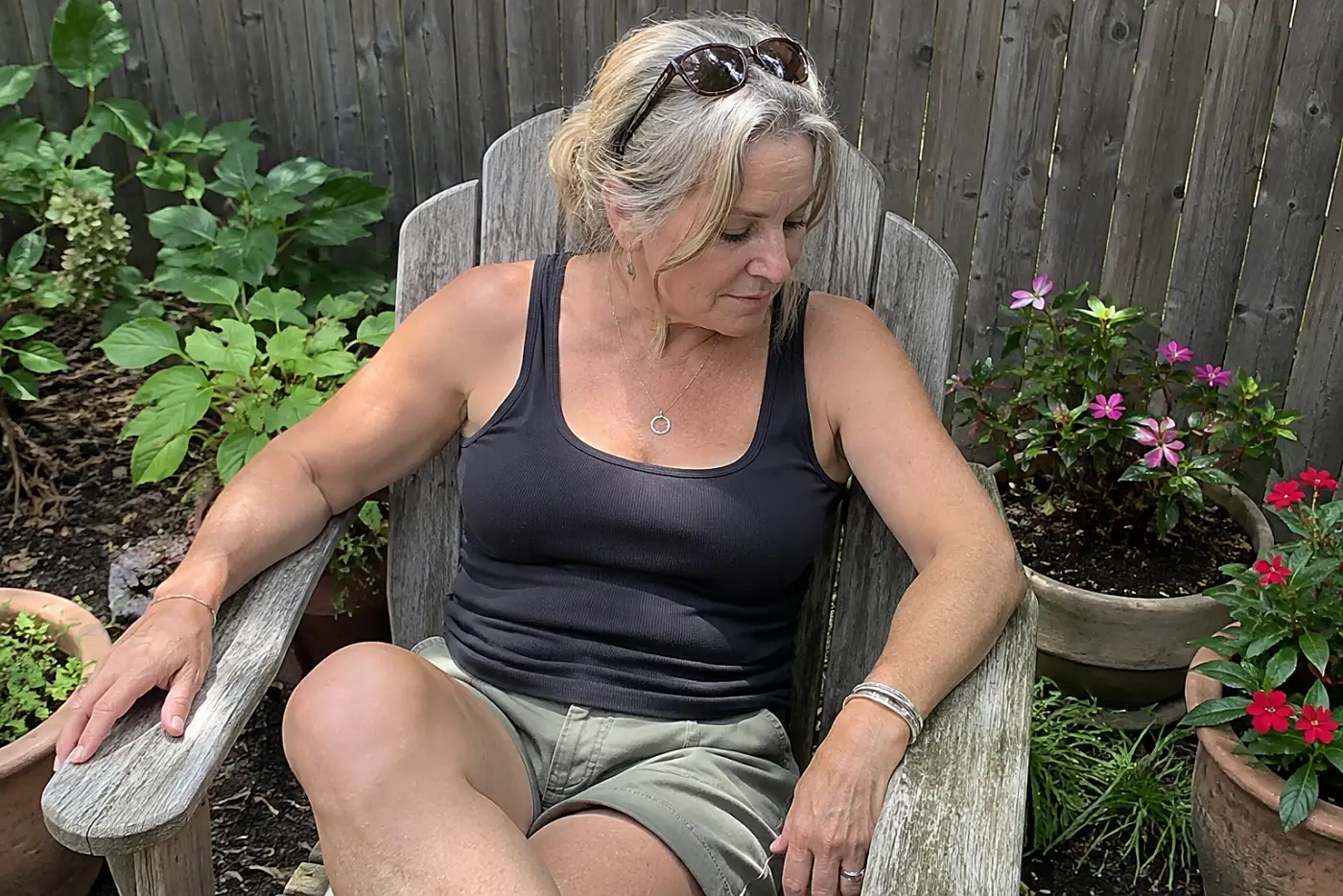
The chair sits crooked, with one leg in the soil.
You brought it out to rest between jobs, then kept coming back. Its spot tells you which corner gets evening sun and which view holds your attention. A garden isn't only a place to pull weeds. The pause belongs here, even if the chair looks stranded from the patio. Those few minutes sitting down are part of using the garden, not time stolen from tending it.
Set its legs on firm ground and leave it where you sit.
25Last Year's Standing Stems
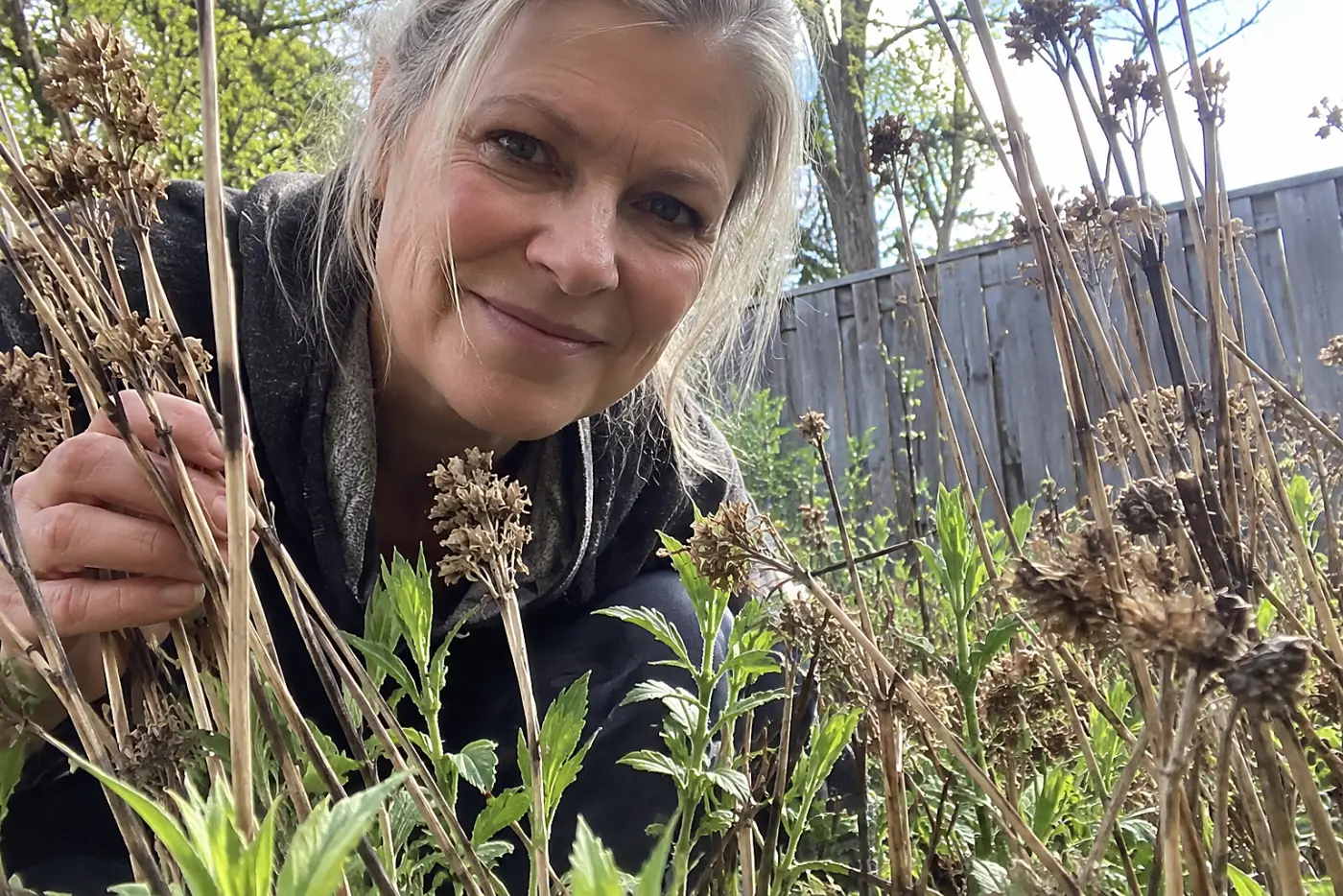
Dry stalks rise behind the new green growth.
They stayed because spring work started somewhere else. Hollow stems and seed heads also give insects places to shelter or feed. You don't need every stalk upright forever, but clearing them on a deadline isn't the only choice.
Cut the stems that catch your sleeve and leave a few tucked behind the plants.
See more: 24 Old Garden Habits That Turned Out to Be Right All Along →
24Foxgloves Beside the Fence

Tall flower spikes rise beyond the fence's uneven boards.
Foxgloves shed seed and turn up where the ground was disturbed. Their flowers bring height to a spot you hadn't drawn on a plan. Every part of a foxglove is poisonous if eaten, so beauty isn't the whole story. The right place is one away from children and pets who chew plants.
Keep a safe patch, and remove seedlings from places where curious mouths reach them.
23A Watering Can With Dents
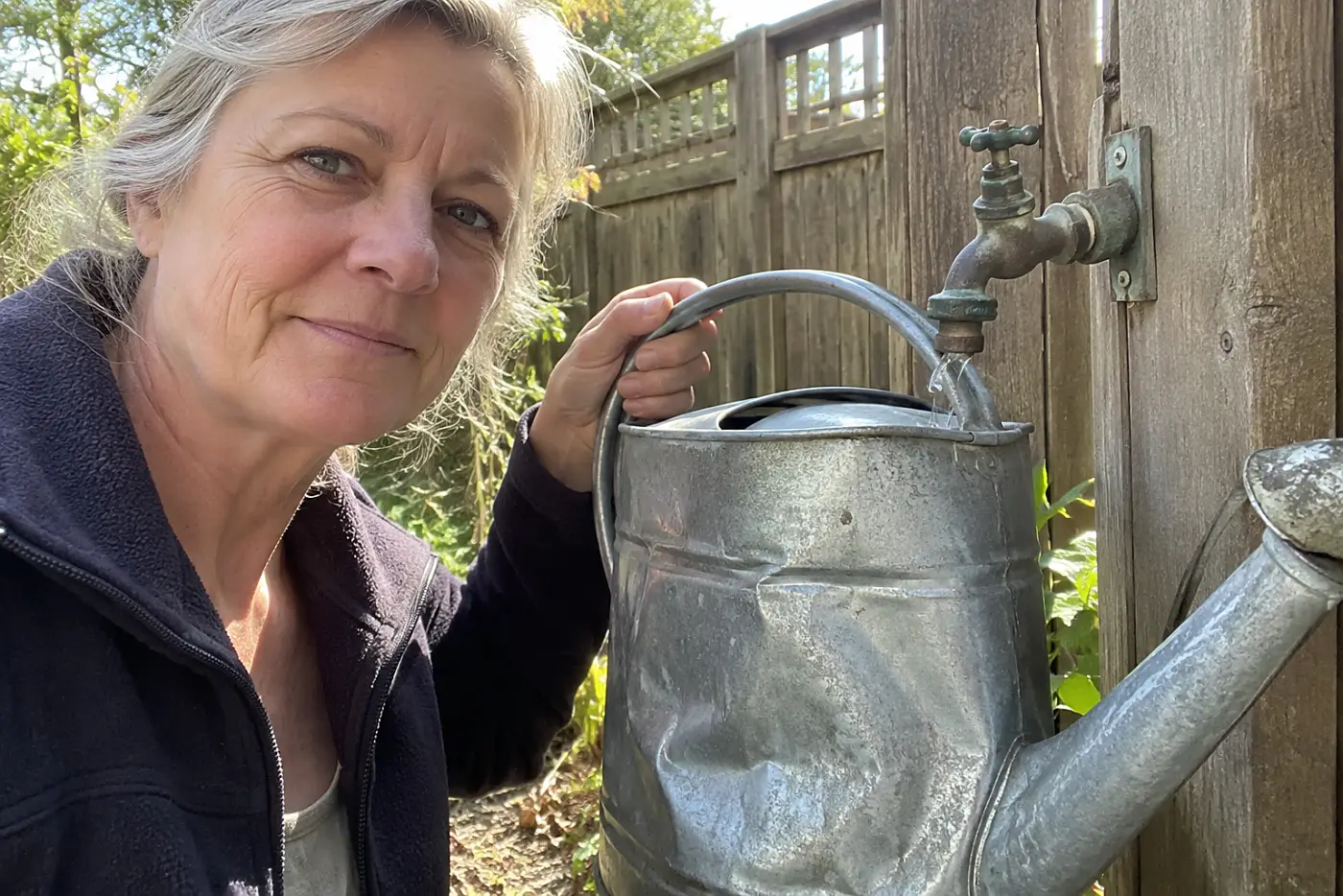
The metal can has a flattened side and a clean spout.
It has met a stone step at least once. If the seam holds water and the rose still pours, the dent changes nothing that matters. You reach for it because it works, not because it matches the pots.
Fill it, check the bottom for leaks, and keep it by the tap.
22Twine Around a Branch
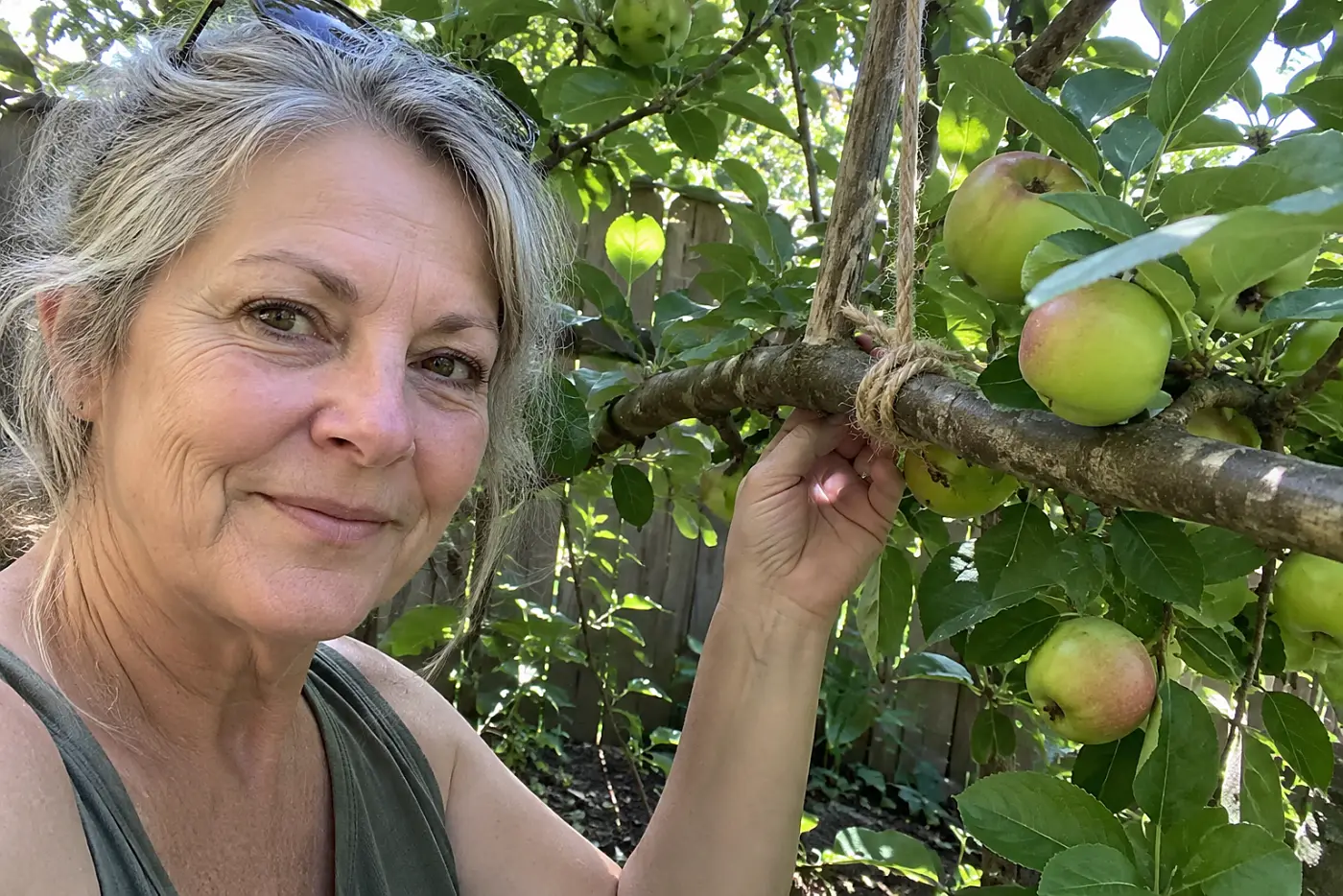
A loop of garden twine holds one heavy branch upright.
You tied it when the fruit began to pull, then moved on to another job. A quick fix belongs in a working garden. But twine left tight around growing wood cuts into bark, and a knot hidden by leaves is easy to forget. Look where the loop meets the branch. If the bark has begun to swell around it, the support needs changing now.
Check the loop today, loosen it if needed, and retie it with room for growth.
21Mint Beyond Its Pot
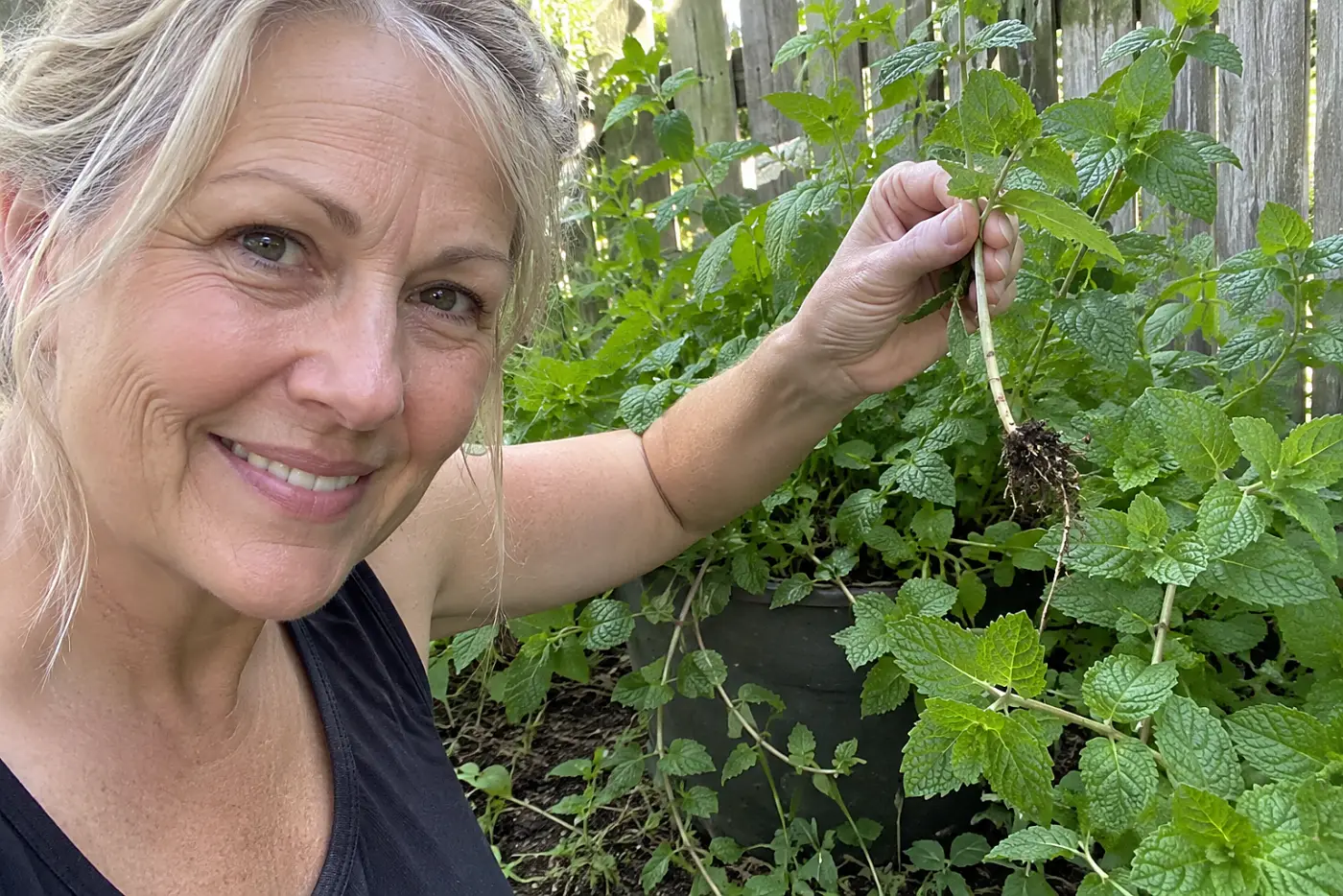
A green runner crosses the gap into the next bed.
Mint takes space when its roots escape. The smell is lovely when your shoe brushes it, but that doesn't mean the whole bed belongs to mint. Loving a plant includes telling it where to stop.
Lift the runner with its roots and put it back inside a sound container.
20Fallen Apples Under a Tree
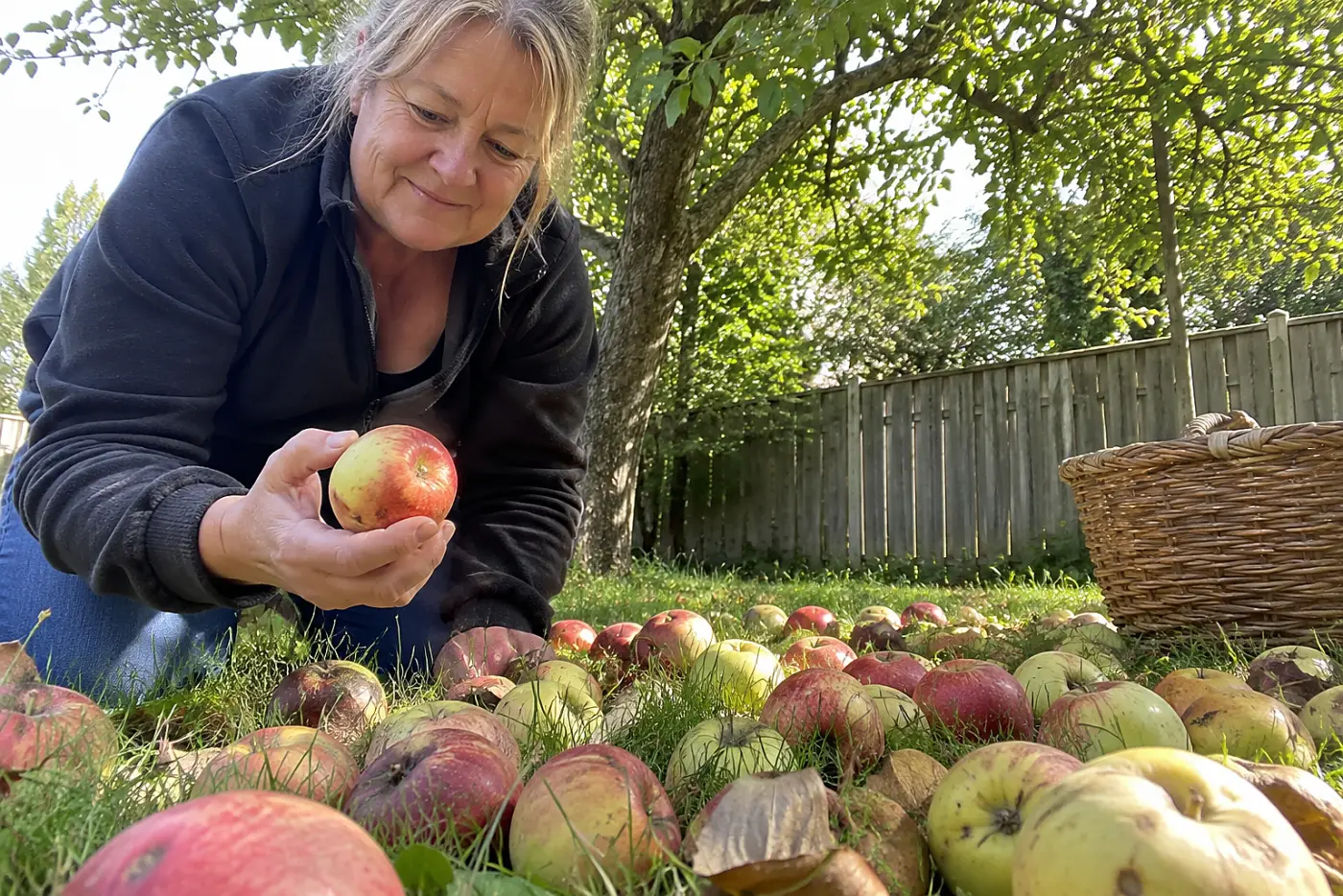
Three apples lie in the grass beneath full branches.
You picked the ones you wanted and missed these. Fallen fruit draws insects and rots on the lawn, so leaving all of it isn't a kindness to the tree or your shoes. Still, the sight says this tree has fed someone. Harvests rarely arrive in tidy batches that suit a household calendar. The fruit on the ground gives you a reason to check the branches again before more drops.
Gather sound fruit now and clear the soft apples before mowing.
19Rosemary Against the Walk
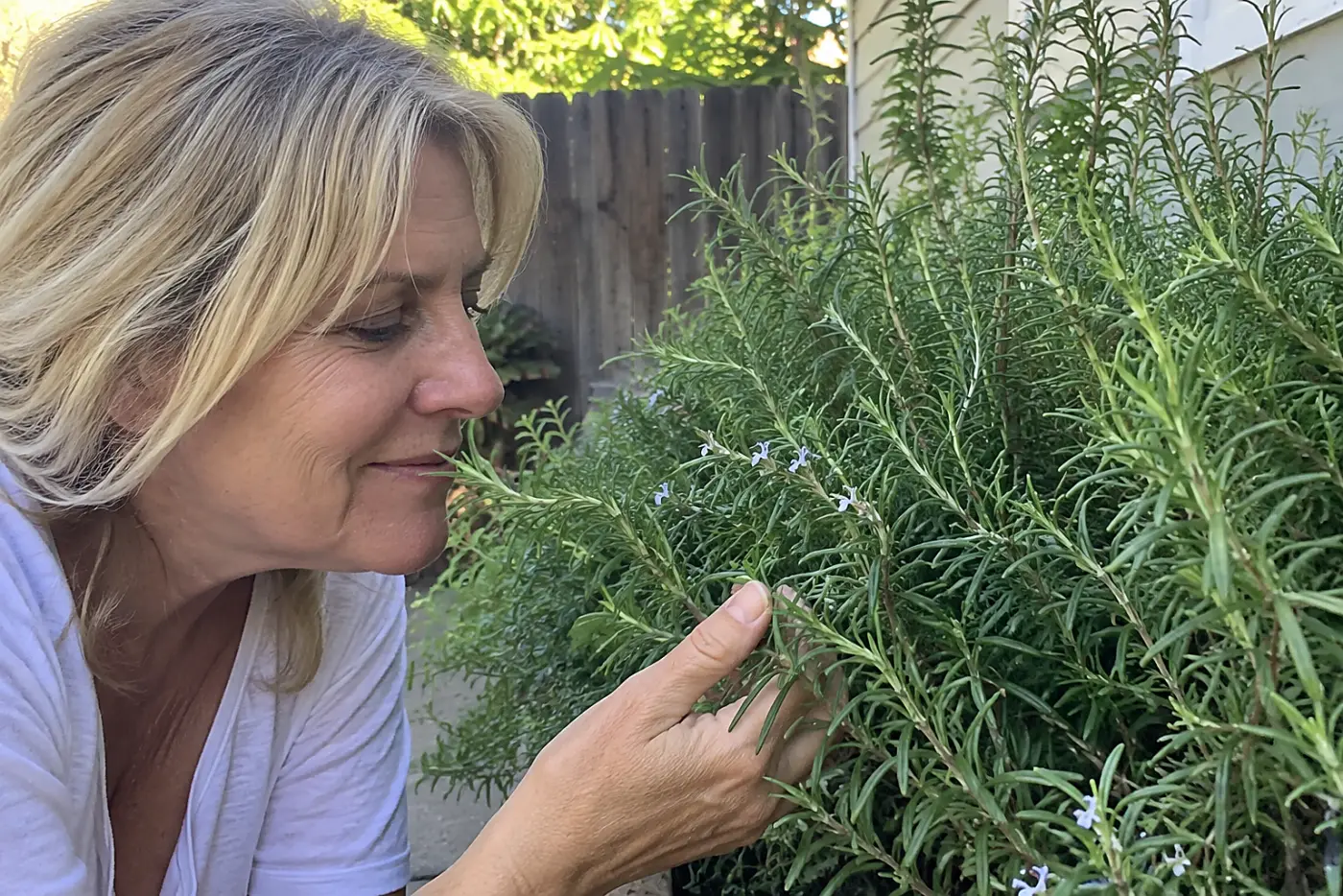
Woody stems lean over the paving where your hand passes.
Rosemary grows outward while you use it. That brush against your leg releases its scent, a small reward on the way to the door. The plant doesn't need a perfect dome. It does need space for people to get by.
Snip stems back to a side shoot and take the cuttings inside.
18A Trowel Beside the Bed
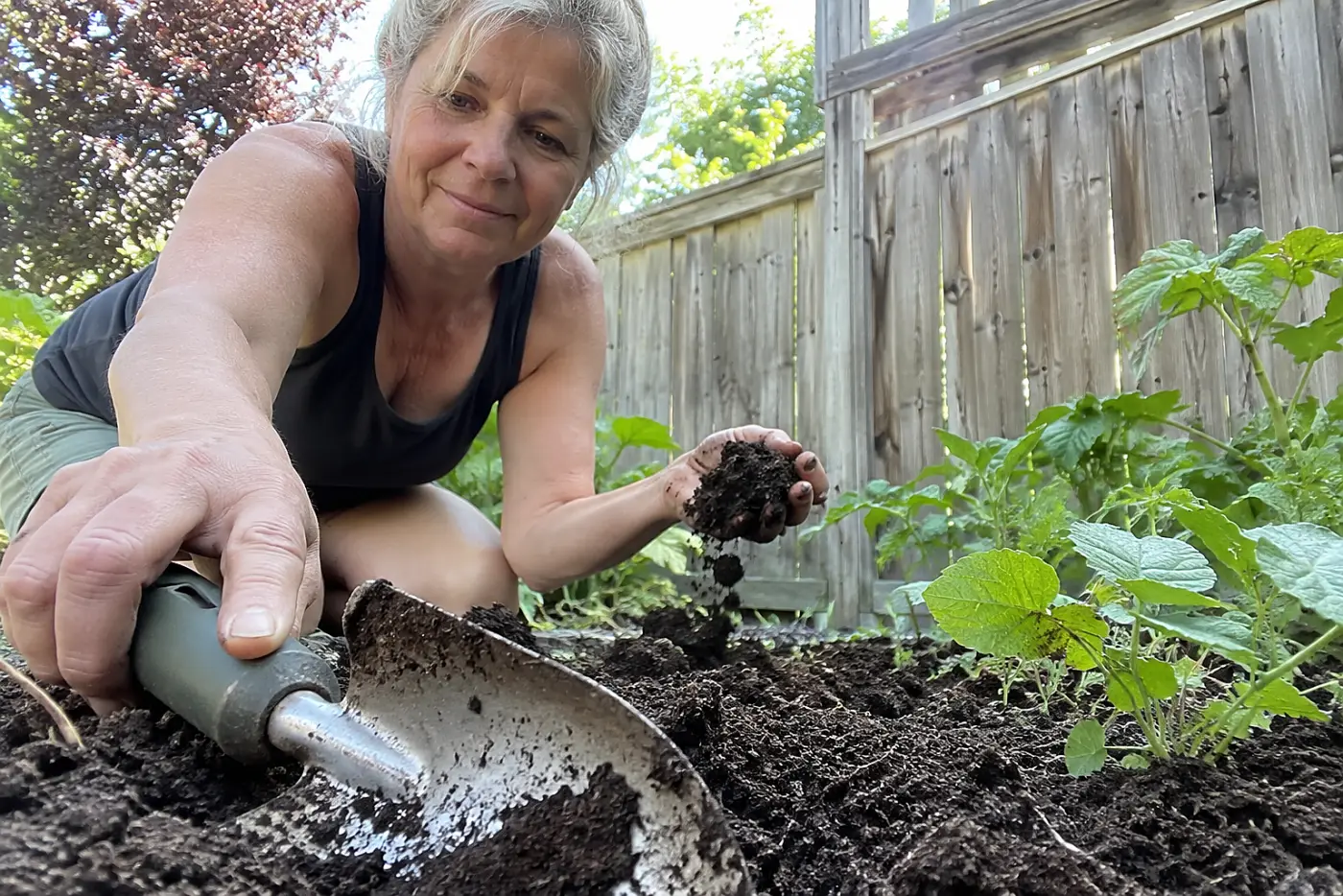
The trowel lies handle-up beside fresh, dark soil.
You put it down to pull one more weed or settle one more plant. That's how a short garden visit becomes an afternoon. Tools left outdoors rust, and a wooden handle suffers in wet ground. The abandoned trowel isn't a failure, though; it's evidence that you stopped while doing something useful.
Brush off the soil and carry it in when you head back to the house.
17Daisies in the Lawn

White heads stand above grass that missed the mower.
A lawn with daisies looks lived beside, not neglected from afar. Their low leaves survive a cut, and the flowers return between mowing days. You still get a place to walk or spread a blanket.
Mow the walking area when it needs it and spare a flowering patch.
16Pots Waiting for Plants
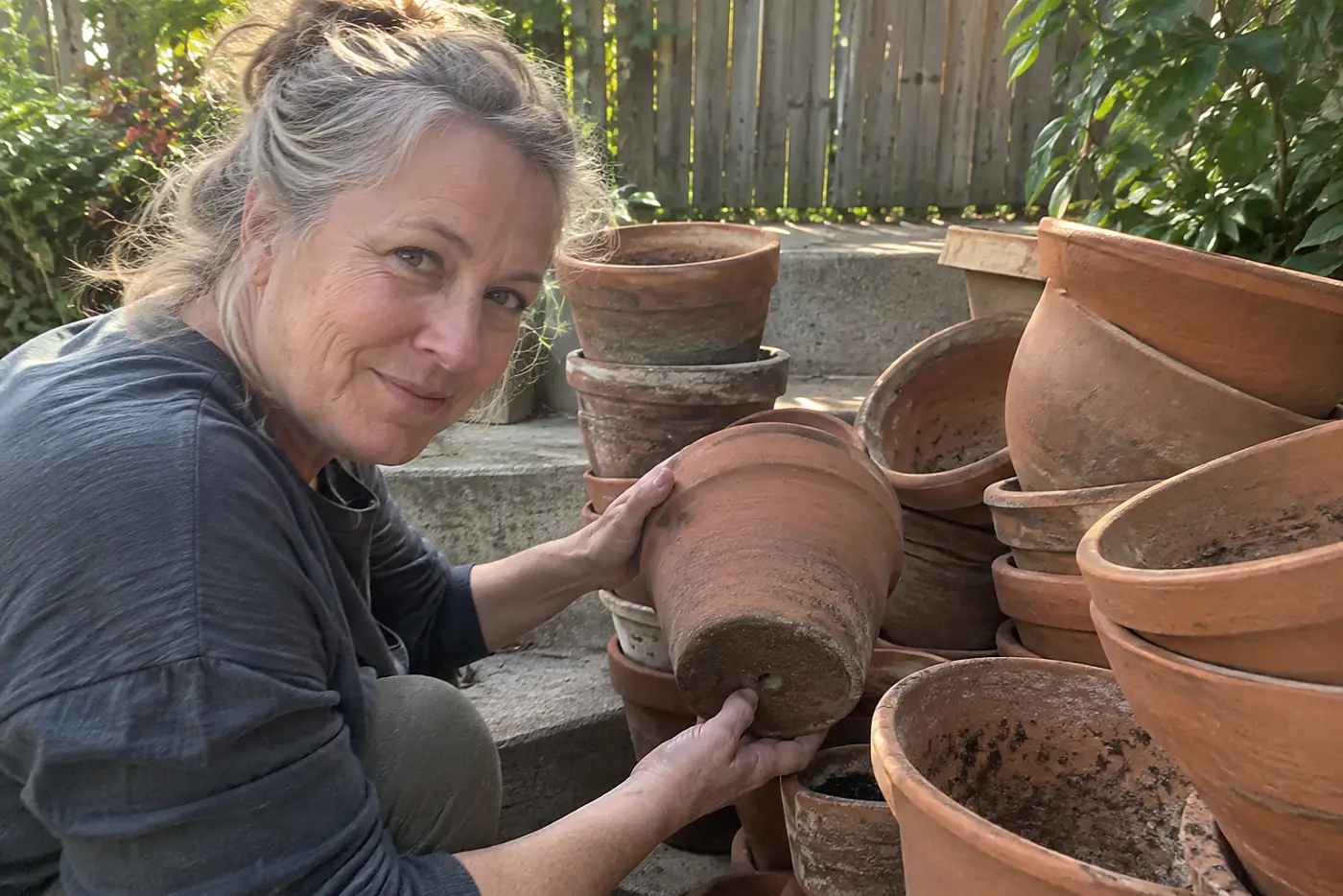
Empty terracotta pots sit in a loose stack by the steps.
Some held seedlings that moved into beds. Others wait because you haven't decided what to grow next. Terracotta chips and dries fast, but a sound pot earns its place again. The stack is useful only if you can lift it without breaking the rims. Check each pot's drainage hole, too; old soil and roots lodge there after a season of watering. A clear hole gives the next plant a better start.
Sort out cracked pots and keep the sound ones where you'll plant.
See more: 27 Ways a Small Garden Beats the Big One You Used to Have →
15A Hose Across the Path
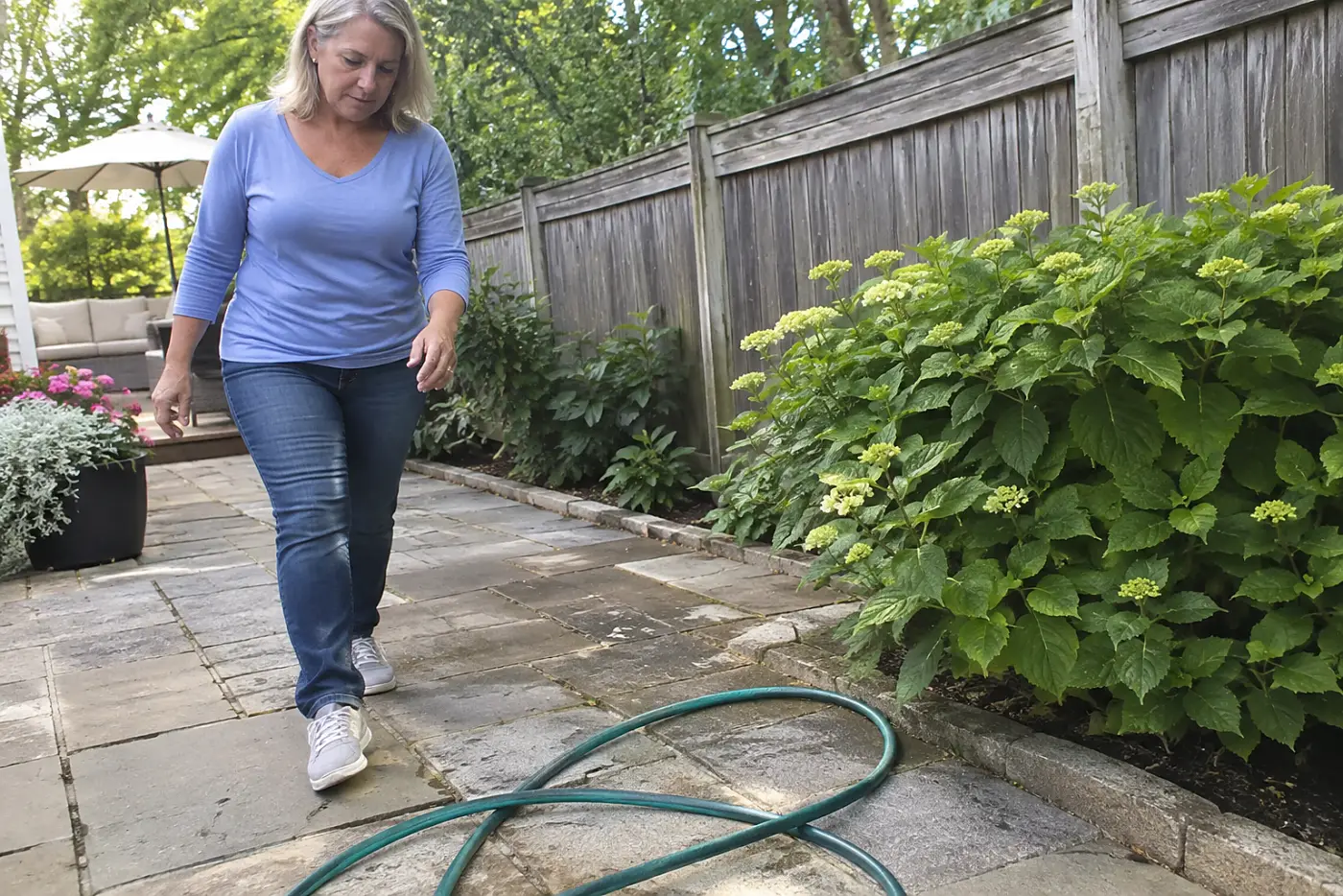
The green hose crosses the paving in a loose coil.
It landed there after the last watering, right where you'll need it again. That makes sense until someone catches a foot in the loop. A garden gets used; it also needs a clear route through it.
Coil the hose beside the tap before you go inside.
14Nasturtiums Over the Edge
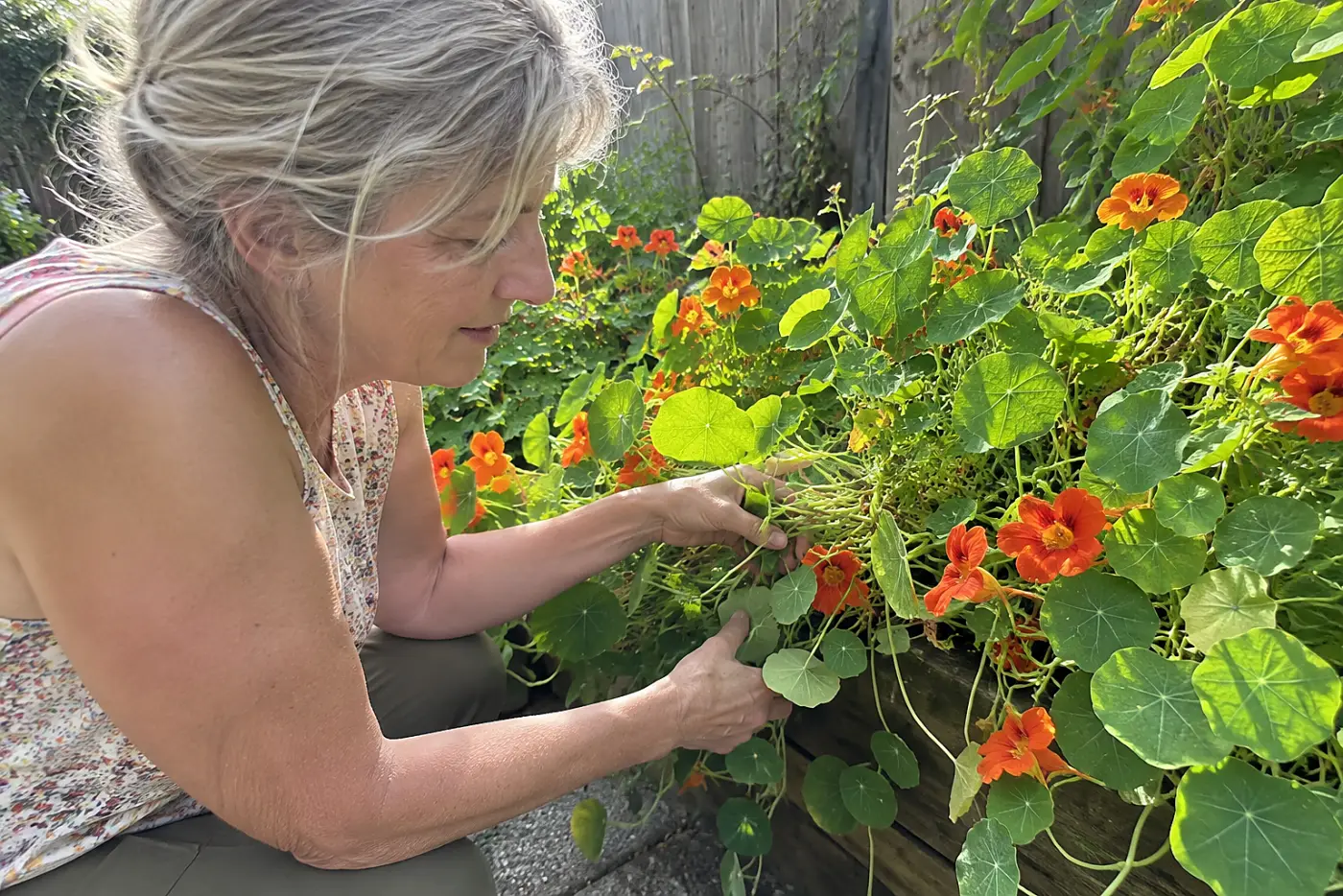
Round leaves and orange flowers spill across the path.
Nasturtiums are generous with space once they get going. Their stems turn a hard bed edge into a soft, tangled line. You don't have to keep every vine just because the flowers are cheerful. A path still needs enough width for a basket, a wheelbarrow, or your feet on a wet morning.
Lift the stems onto the soil and trim those that keep reaching across.
13Seed Heads Above the Border

Brown cones stand above the shorter autumn flowers.
The petals have gone, but the shapes still give the border height. Seed-eating birds visit some spent flowers, including coneflowers. You get a different picture after bloom, one with rough edges and movement instead of a fresh flush of color. Watch the heads from the window before deciding they're finished; a bird working the seeds changes the view. Firm stalks also stand above fallen leaves when the shorter plants disappear.
Leave the heads that stand firm and cut the ones that have collapsed.
12A Birdbath With Leaves
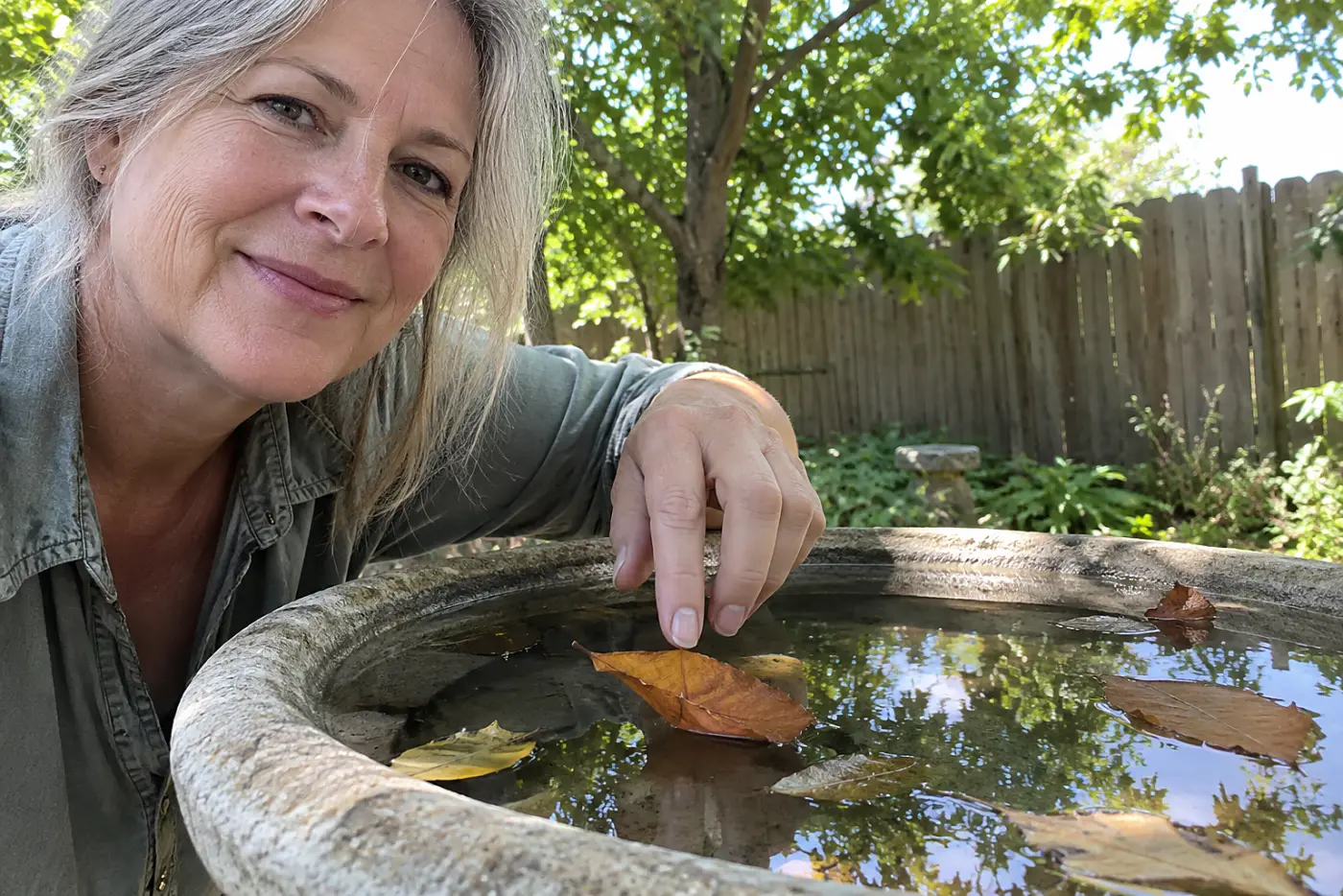
Two yellow leaves float in the shallow stone bowl.
The bath sits under a tree, so keeping it leaf-free all day isn't realistic. Birds need clean water, though, not a bowl left to turn green. The leaves tell you to look, not to give up on having water there.
Tip it out, scrub the bowl, and refill it with fresh water.
11Strawberry Runners Between Rows
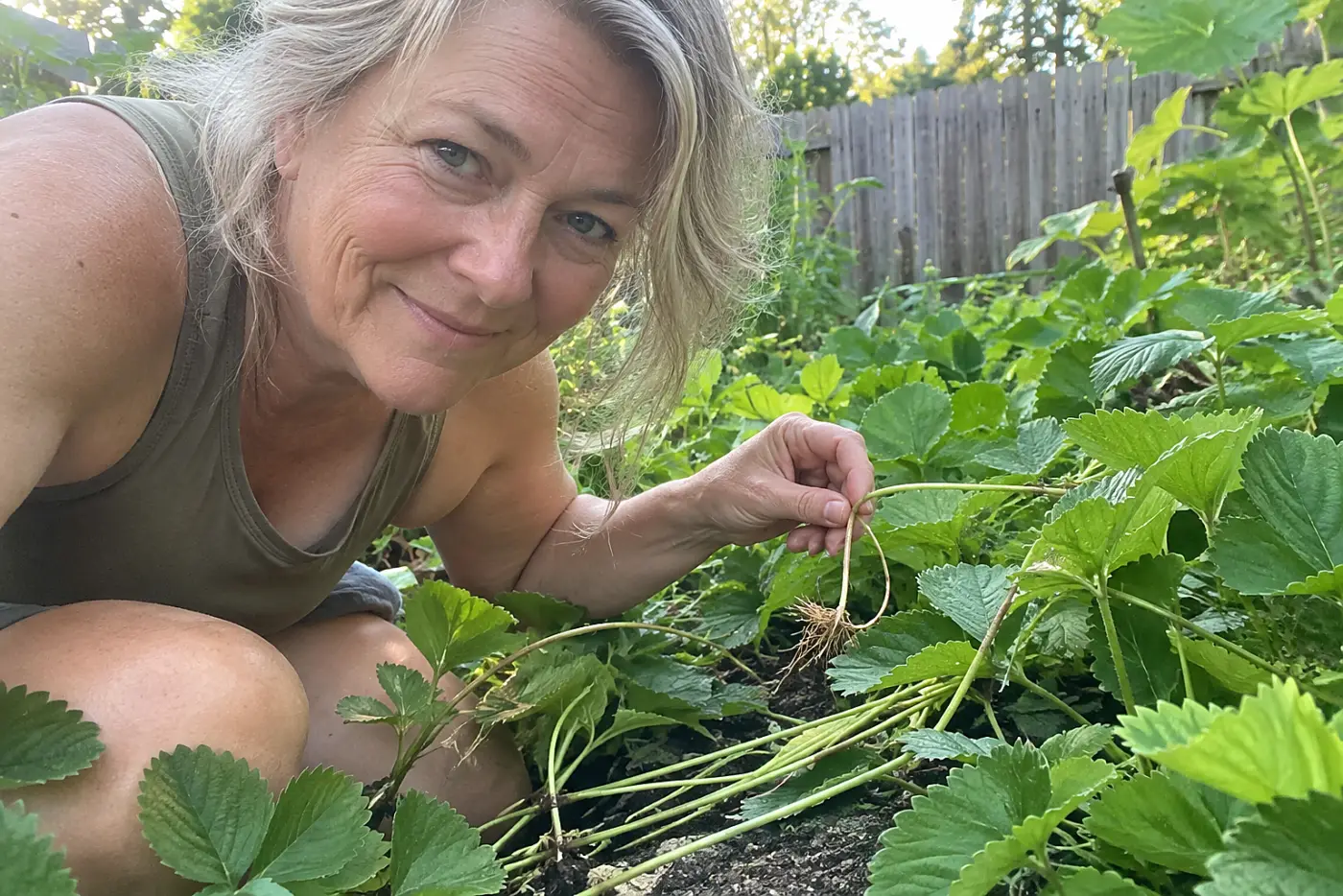
Thin stems reach from the strawberry bed into the path.
Those runners are new plants looking for soil. Left alone, they turn a row into a mat, which makes fruit harder to find. A few are worth keeping if you want to fill a gap. The rest are taking up walking room. Follow each stem back to its parent plant before you cut; the small leaves at its tip mark the new crown. Leave space around that crown so you can spot berries next season.
Pin the strongest runner into an open spot and snip off the extras.
10A Compost Heap With Layers
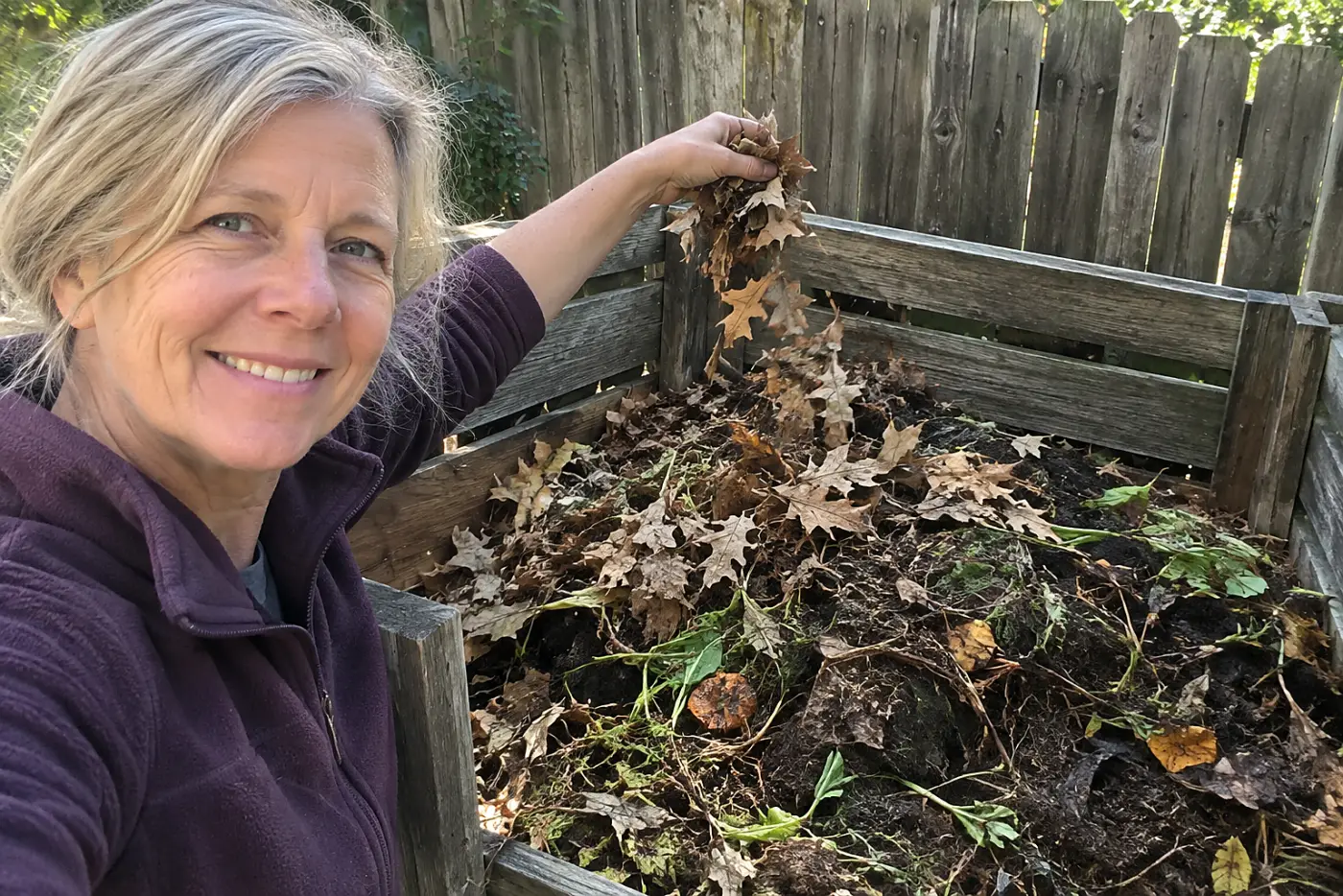
Brown leaves and vegetable scraps show along the open side.
A compost heap isn't meant to resemble a finished bed. It holds the parts of gardening and cooking that still have use left in them. Too many wet scraps make a soggy pile; dry leaves or torn plain cardboard add air pockets. The heap works best when you can reach it without crossing half the yard.
Add a layer of dry material over fresh scraps and turn the pile when it packs down.
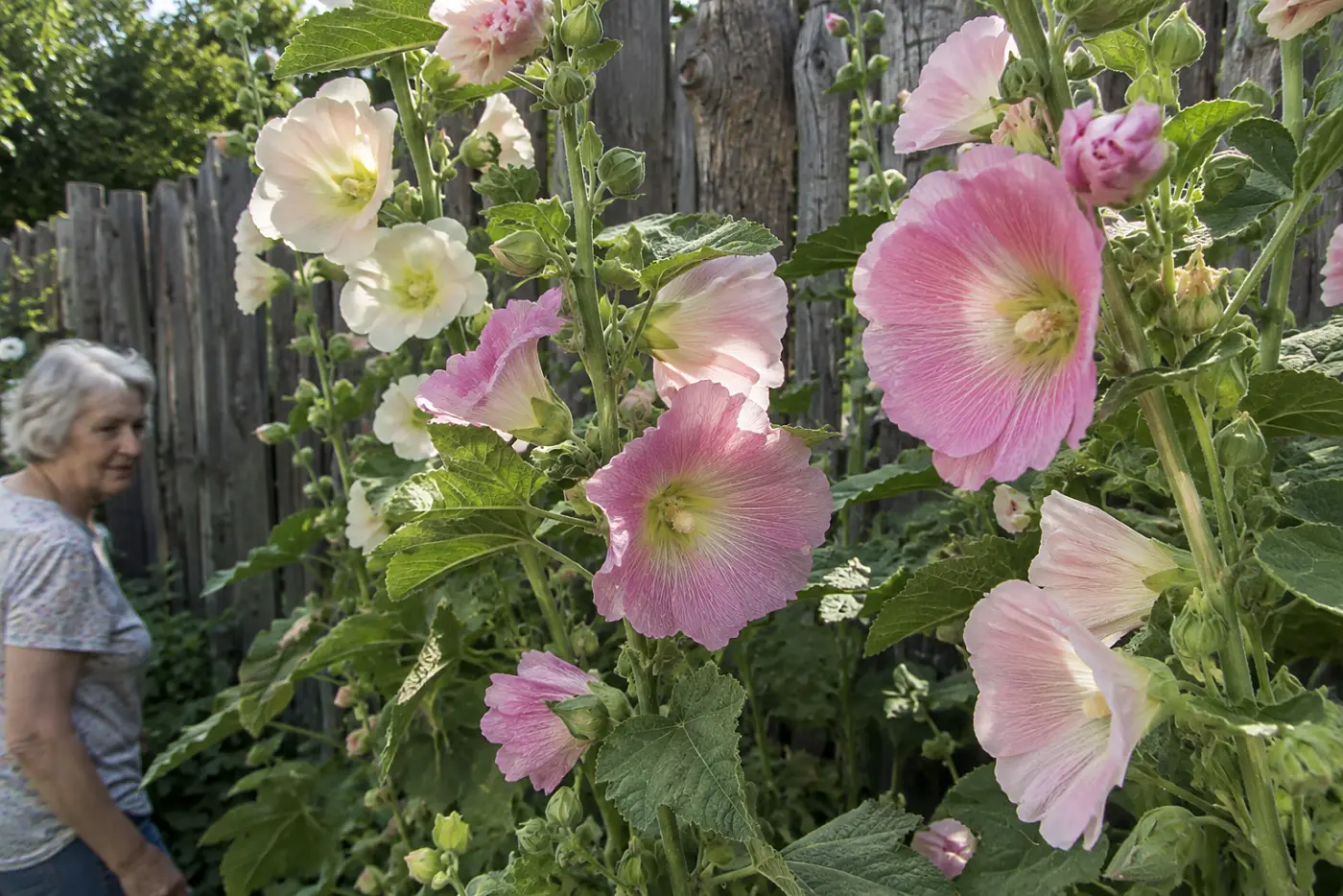
9Hollyhocks Along the Fence
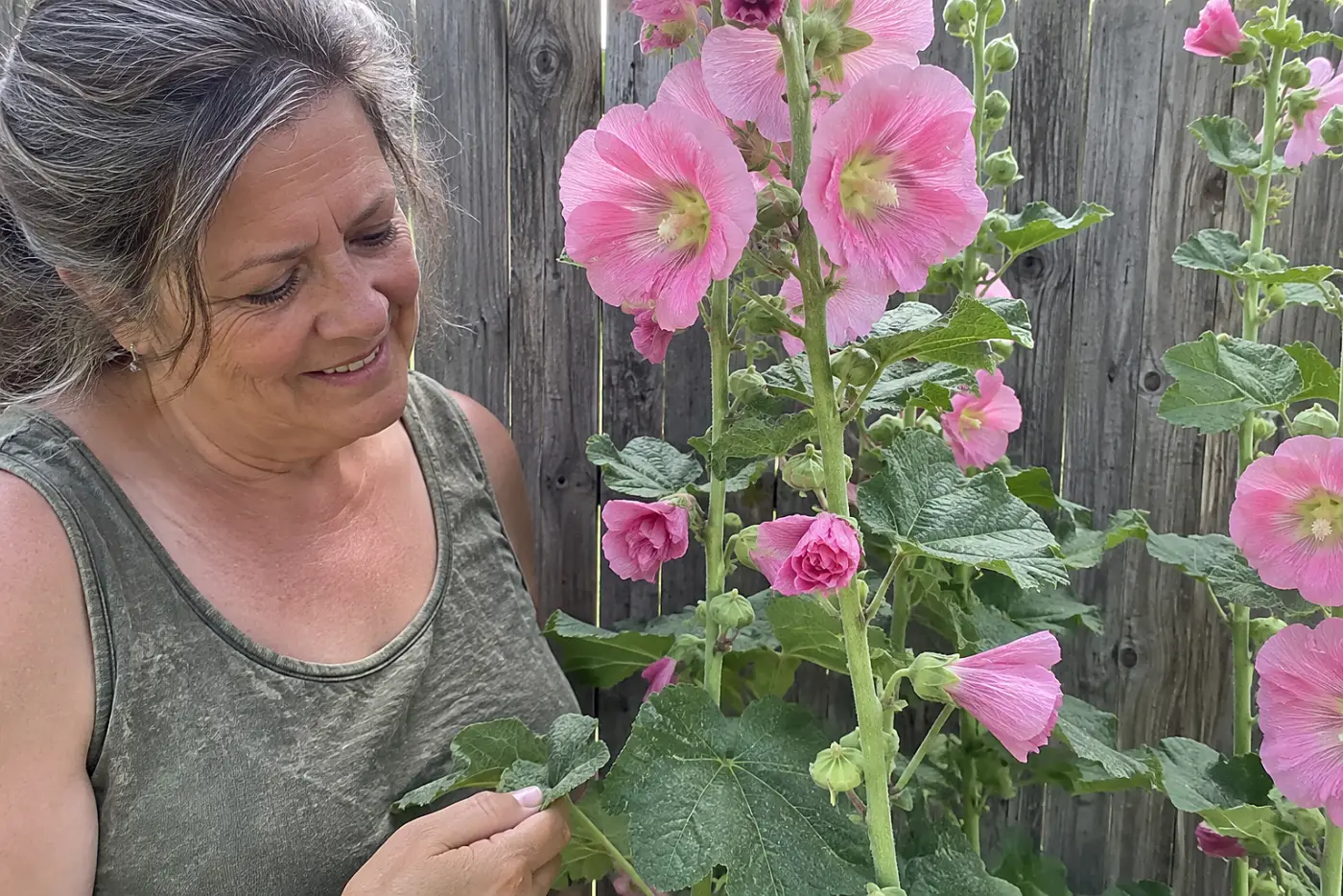
Tall hollyhocks stand unevenly against weathered fence boards.
Their lowest leaves look tired long before the flowers finish. Rust leaves spots on hollyhock foliage, and a bare lower stem doesn't cancel the blooms above it. From the path, you still see color at eye level.
Remove badly spotted leaves and keep the flower spikes standing.
8A Pile of Pruned Branches Beside the Shed
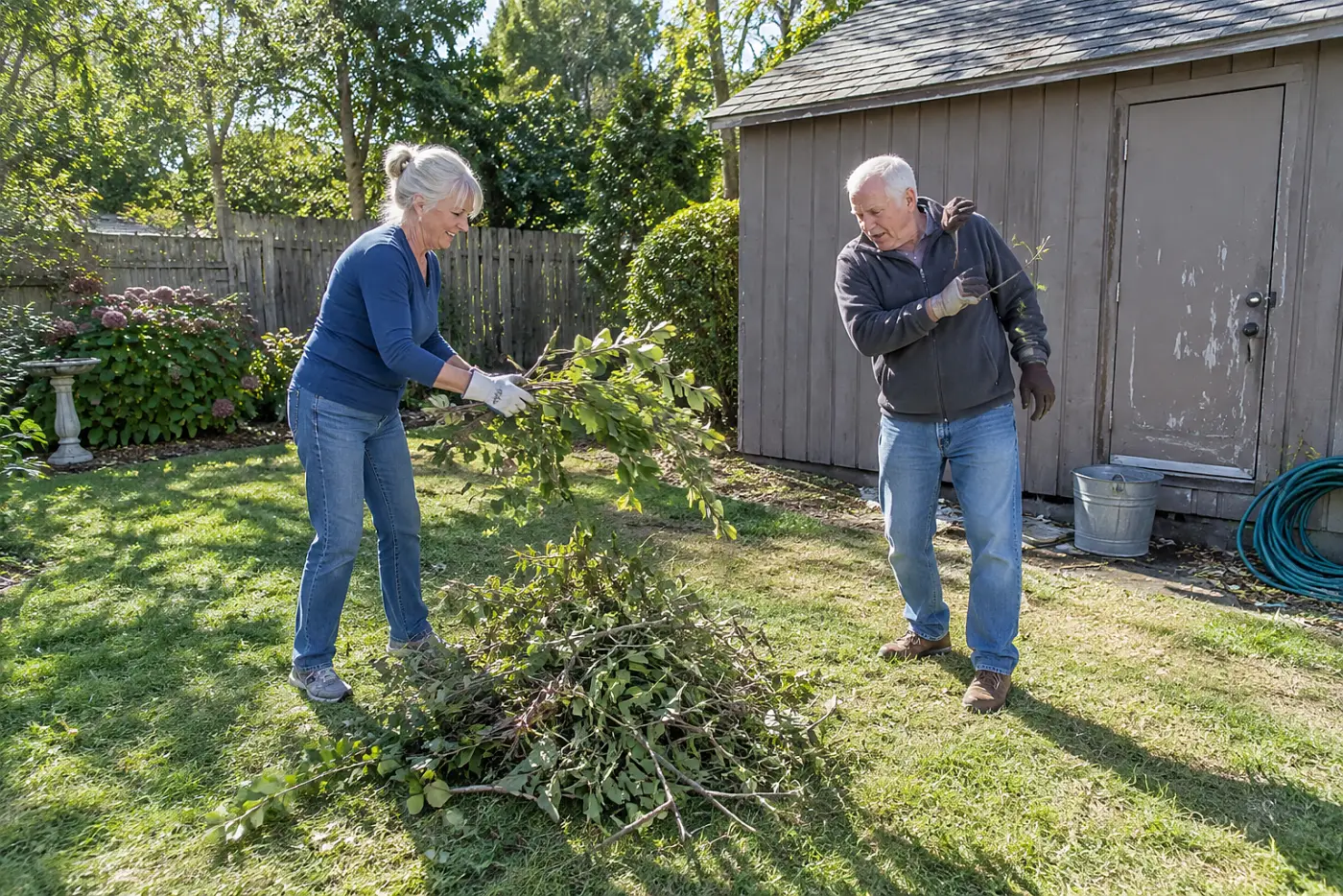
The branch pile has leaves at one end and twigs everywhere.
You finished pruning, then ran out of daylight before hauling everything away. A short-lived pile beside the shed tells a different story from branches left to block a gate.
Those cut stems came from work you did, even if the cleanup waits. As they dry, the pile also gets lighter to carry. Just don't let sharp ends jut into the route you use with a wheelbarrow.
Move the branches back from the path and say, "I'll clear this pile after the next dry day." Then leave yourself room for the next job.
See more: 23 Fall Jobs That Save Your Spring, One Weekend at a Time →
7A Rain Gauge Leaning in the Border
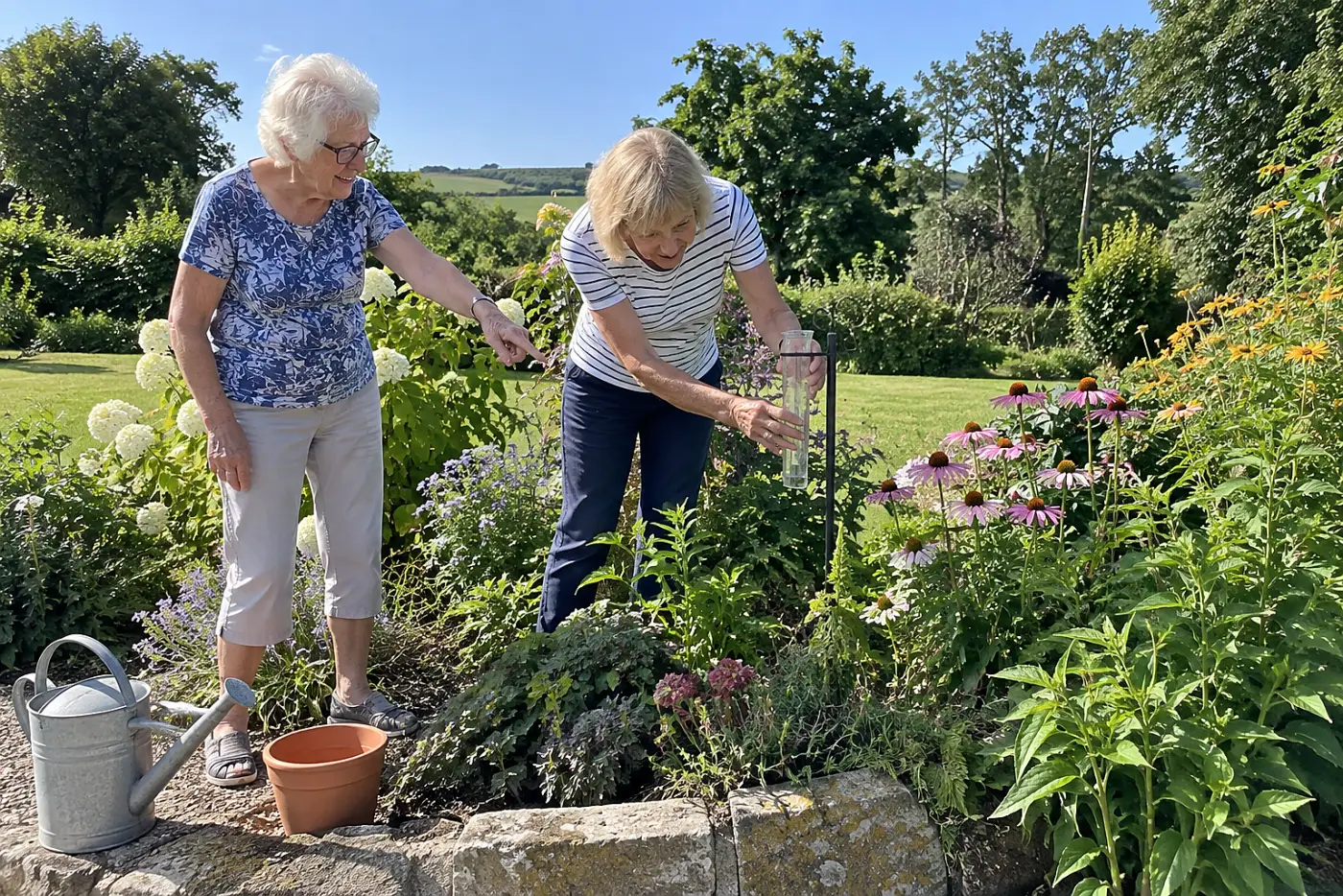
The clear gauge tilts where a tall plant brushed it.
You put it there to find out how much rain reached the beds. Now a leaf presses against the rim, and a splash of soil clouds the markings. That doesn't make the reading useless forever. It means the garden grew around a small tool you still care enough to check. Set it upright away from overhanging leaves so rain falls straight into the opening.
Pull it free, rinse it, and say, “I want to know whether that storm reached the roots.” The answer helps when you next pick up the watering can.
6Tomato Seedlings in a Compost Corner
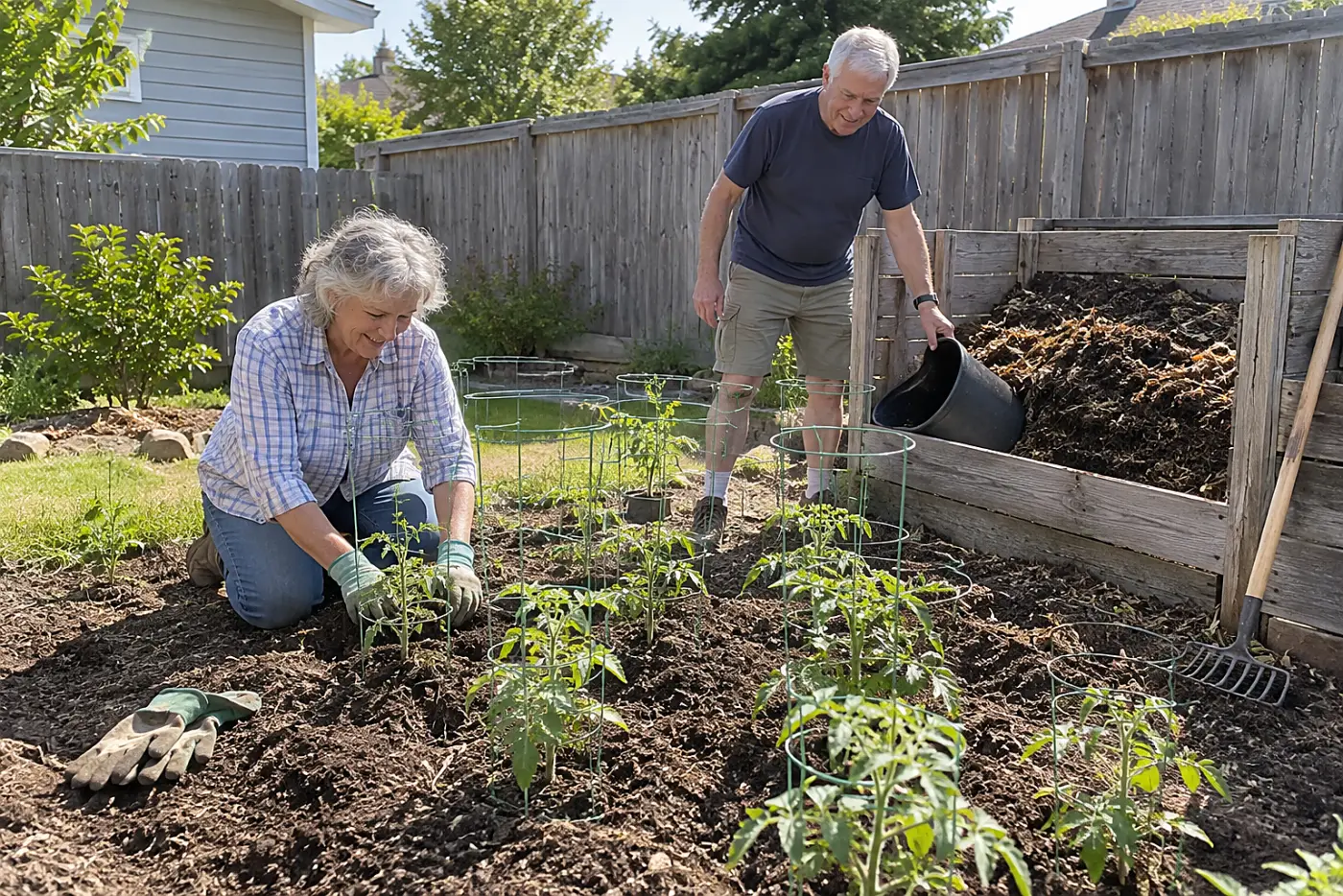
Small tomato leaves rise through the scraps beside the heap.
A dropped tomato left seeds there last season. The compost corner gave them warmth and moisture, though it isn't a place to grow a full plant. You didn't plan these seedlings. You still get to choose whether they stay.
Move one into open soil after frost danger passes and say, “Let's see what you turn into.”
5A Row of Bulb Leaves After Bloom

Long green leaves flop across the bare soil beneath the flowers.
The daffodils have finished, but their leaves still feed the bulbs. Braiding them into tight bundles hides the mess while taking light away from the foliage. Let them stand until they yellow and pull free without force. That untidy stretch is part of having flowers return, not a delay in getting the border under control.
Shift only the leaves that cover smaller plants and say, “The bulbs get to finish first.” Soon the gaps will show you where another plant has room.
4A Crooked Trellis of Pea Vines
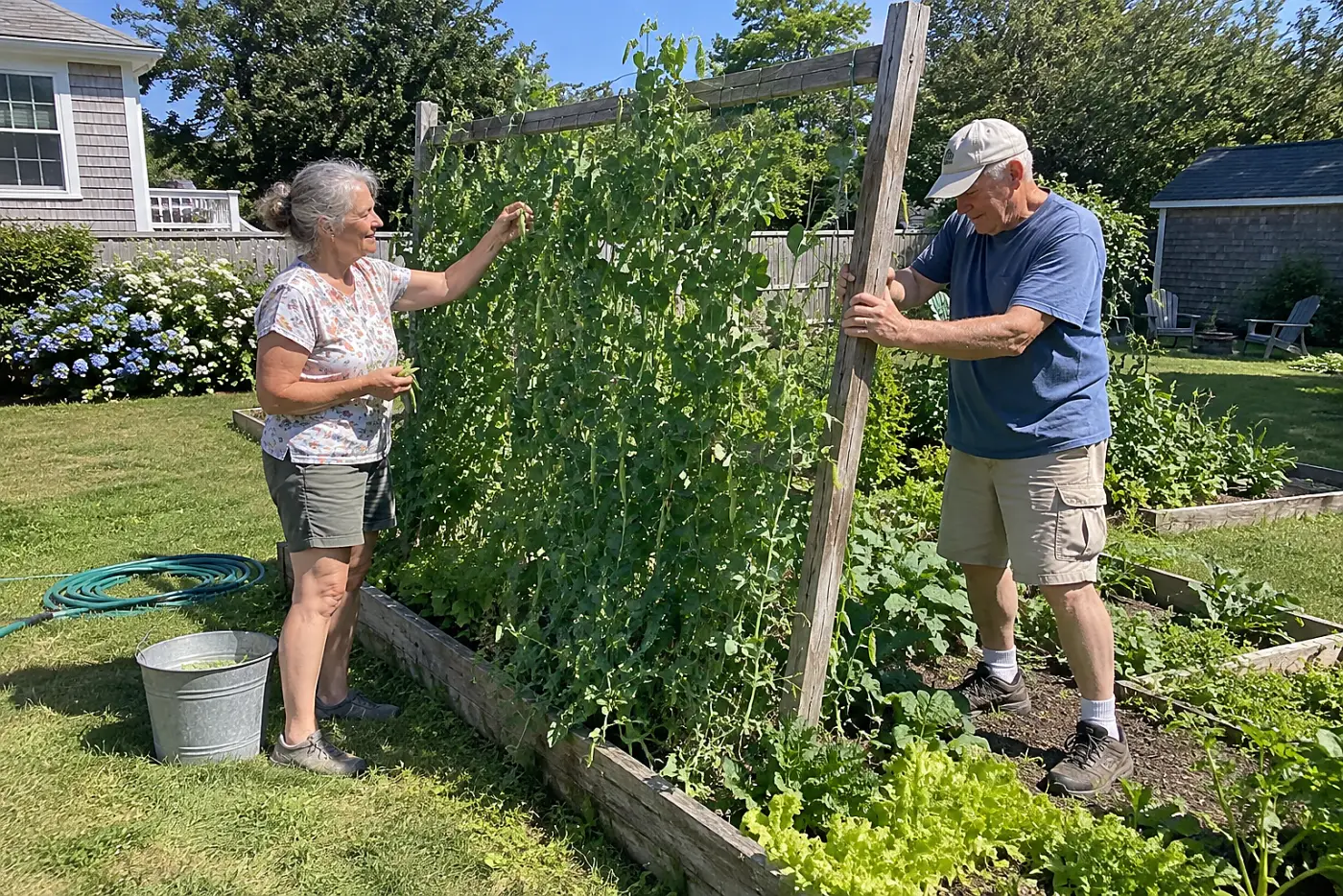
Pea vines pull the trellis sideways near the vegetable bed.
You put up the support when the plants were small. Now their weight has shifted it, and the crowded leaves hide pods along the back. The lean shows how far the peas grew while you were busy elsewhere. It also tells you to check the frame before a gust drops the whole row. Look behind the vines as you pick; pods left there grow tough and slow the next harvest.
Press the trellis posts firmly into the soil, then gather the peas you missed. Say, “I'll give these vines a stronger frame next time.” Keep the crooked one standing until the last pods are picked.
3A Clump of Divided Perennials by the Gate

Several loose clumps wait beside the gate, roots wrapped in damp soil.
You lifted an overcrowded plant and found more of it than one bed needed. Dividing gives those crowded roots space, but the extra clumps won't wait indefinitely in the sun. Their leaves look ragged because they were cut back for the move. That isn't a reason to throw out sound roots. Keep them shaded and damp while you decide where they belong.
Set the clumps somewhere cool and say, “I have divisions if you’d like one.” A neighbor's empty patch could give the extras their next season.
2A Bench Under the Tree

The wooden bench faces the beds, not the house.
Someone chose that view for a reason. From there, you see which plants lean, where shade falls, and who visits the flowers. You also get to sit without turning the garden into another task. Peeling paint on the bench doesn't change the value of that hour outside.
Check the legs for rot, then sit long enough to notice what's changed.
1A Garden Notebook With Muddy Edges
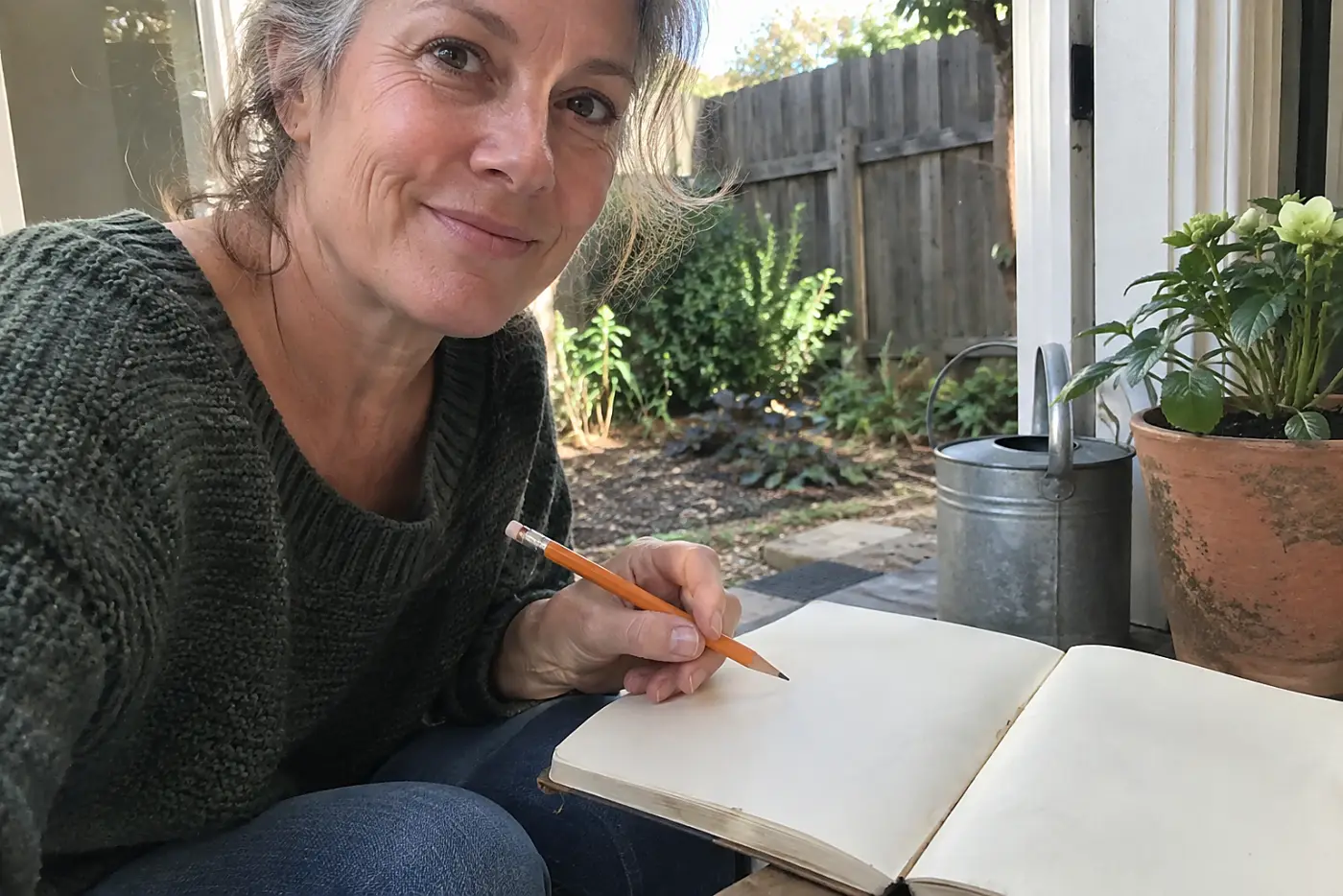
A mud-marked notebook sits open beside the back door.
It holds the details that vanish by next spring: where the shade reached in June, which seeds failed, and when the tomatoes split after rain. A tidy garden photograph won't tell you any of that. You don't need a perfect record or a daily entry.
Notes turn the crooked chair, the escaping mint, and the worn path into information. Write what changed, not what the garden ought to look like. A few plain lines after a walk outside will show you what to move, repeat, or leave alone next year.
Keep the notebook by the door and write down one thing you noticed today.
The bottom line
All 29 signs show a garden shaped by use, growth, and the time you give it.
You know which mess needs fixing. You know which one deserves another season, and which corner is doing what a garden does. Which sign shows up in yours?
Up next
23 Things Your Mother's Garden Taught You That Nobody Teaches Now
A forkful of soil, a seed packet, and an old frost date explain why she waited when everyone else rushed to plant.
Read the list →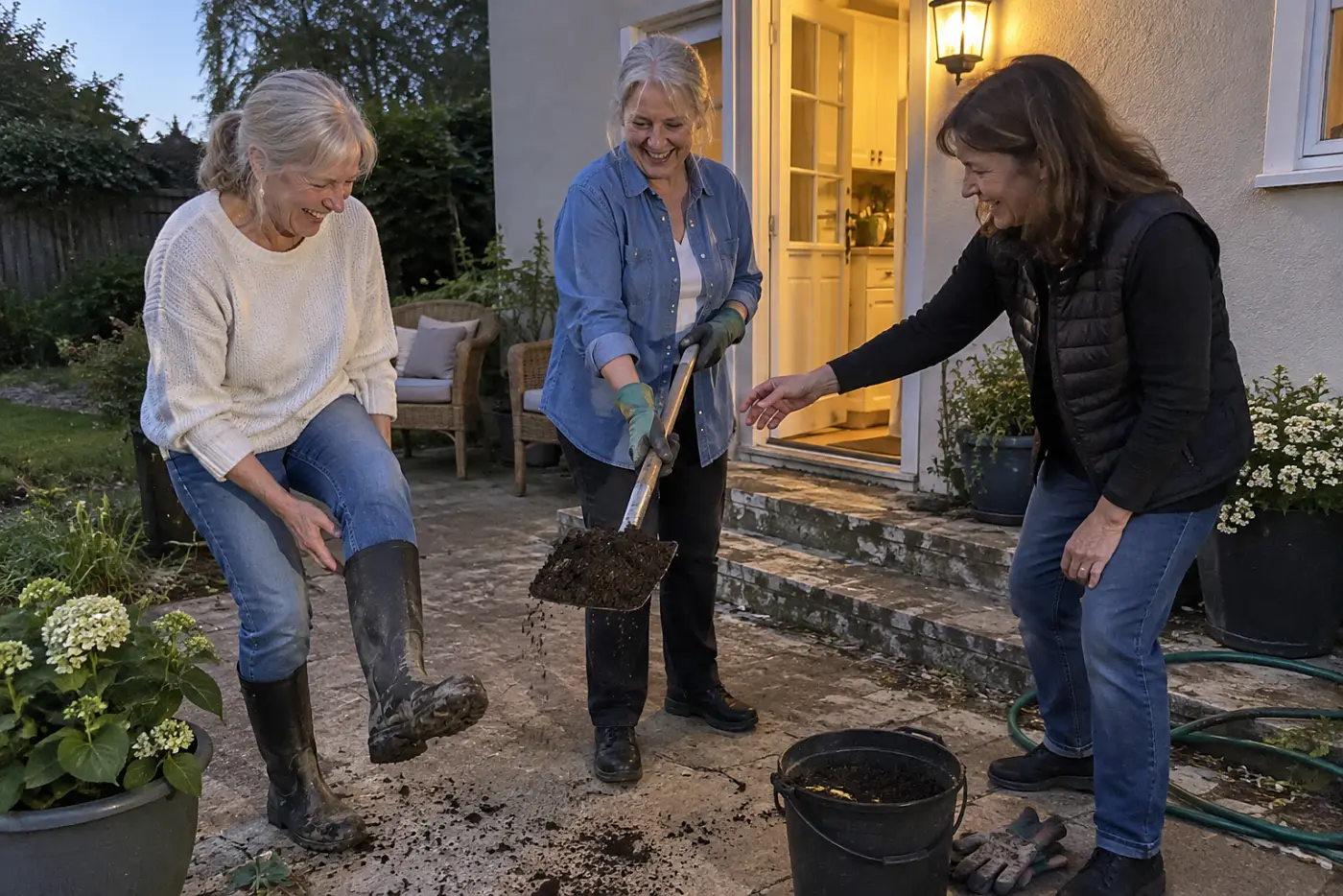
Reader quiz
Did you catch the details?
5 questions from this article. Finish them all to unlock the editor's bonus tip.
What should you do with marigold seedlings growing in the gravel?
Did any of these feel familiar?
Know someone who needs this?
June Marlow
Garden Editor
June writes about gardens you can still manage: what to plant, which jobs matter each season, and the tools that spare your knees and back.
More from June Marlow