









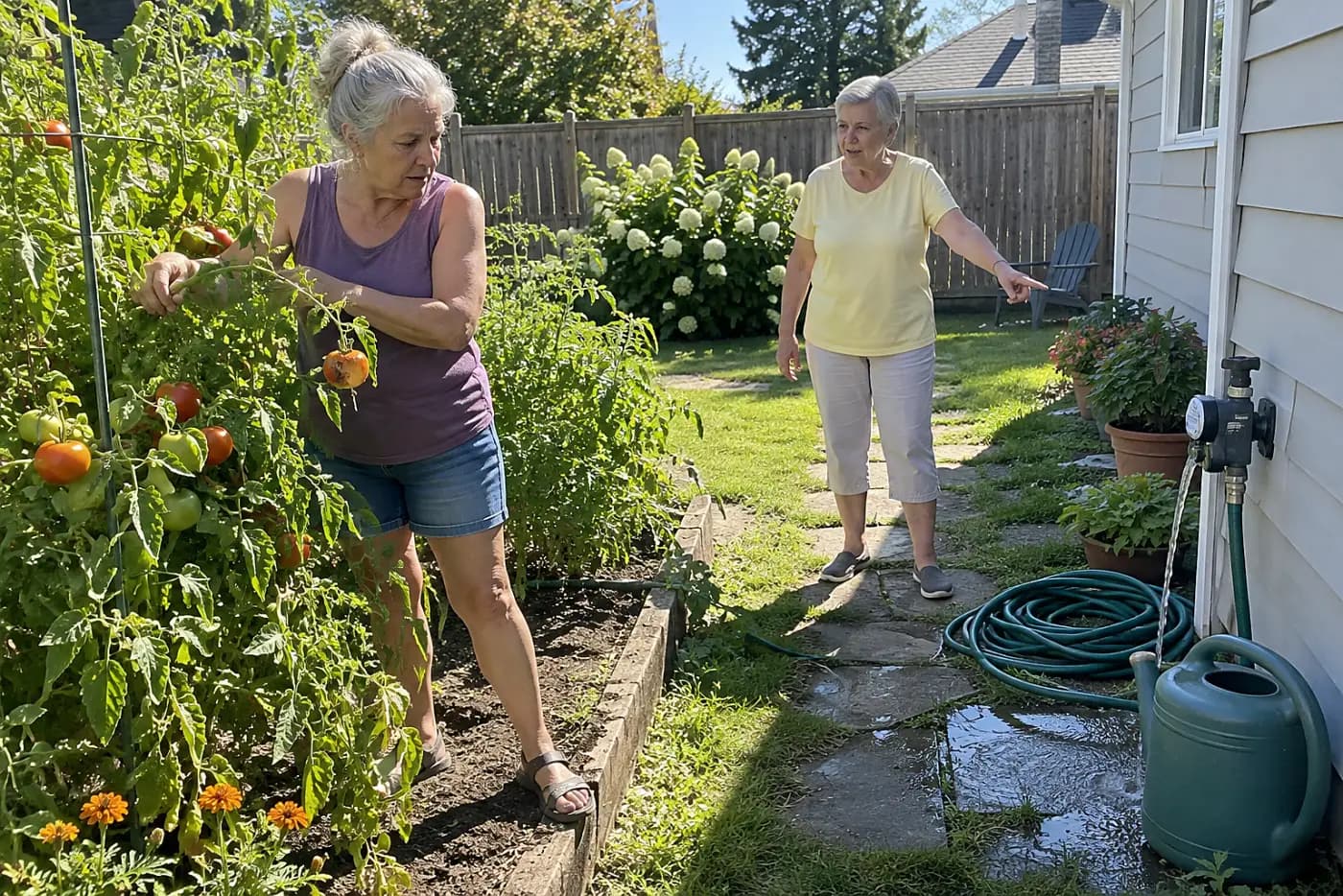
27 Plants That Forgive You When You Forget Them
A snake plant will wait through a missed watering. The pot it lives in matters as much as the leaves.
By June Marlow, Garden Editor
Updated · 12 min read
- Written by our garden editor
- How we review
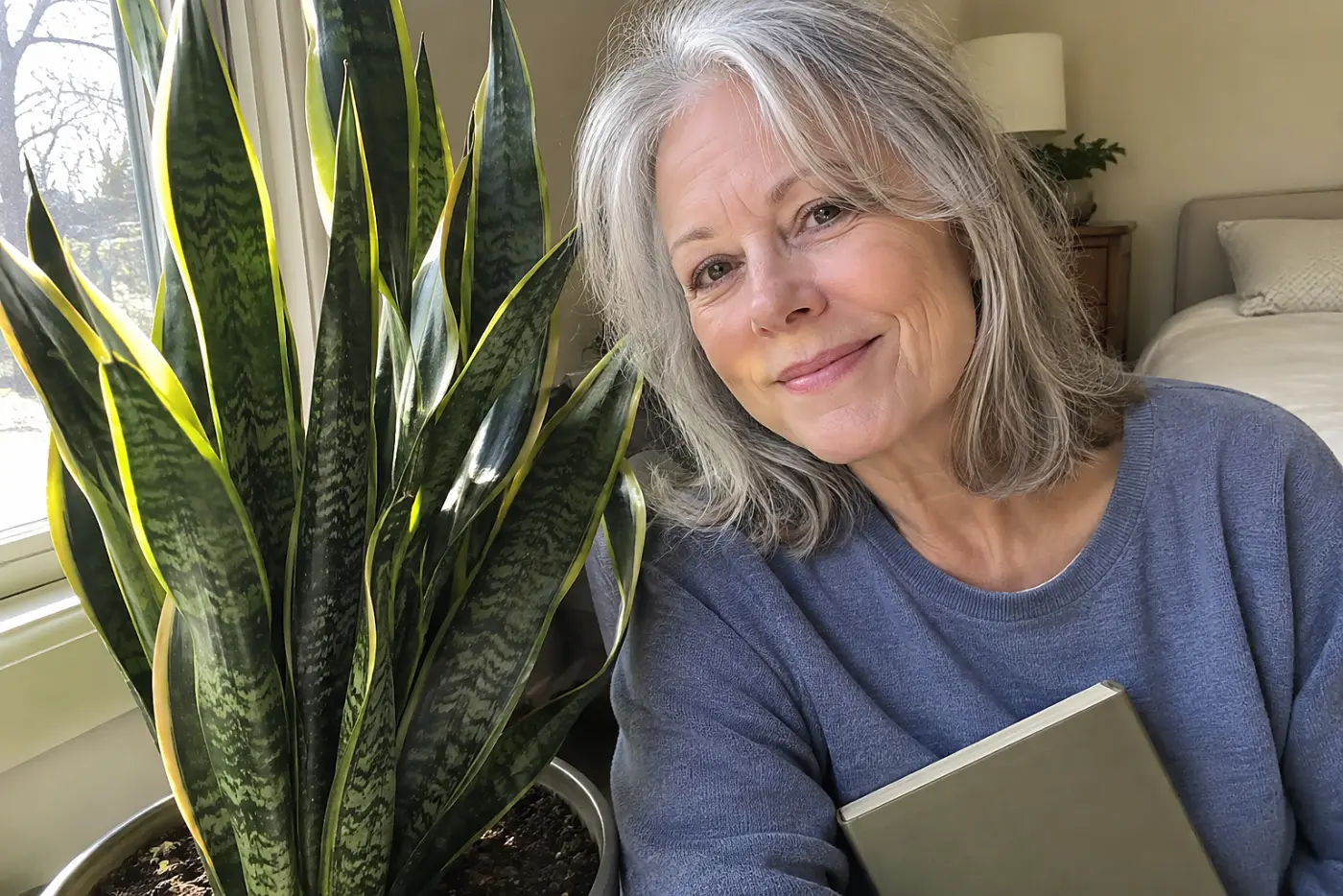
Read to the end: #1 is the one plant that gives you more plants without buying another, and almost nobody divides it.
A dry watering can sits behind the back door, where you left it before a busy week became three. You still want something green. You just don't want another chore that announces itself every morning. That isn't a failure of character; it's a fair way to choose what grows beside you.
Here are 27 plants with room for a missed watering.
27Hens and Chicks in a Bowl
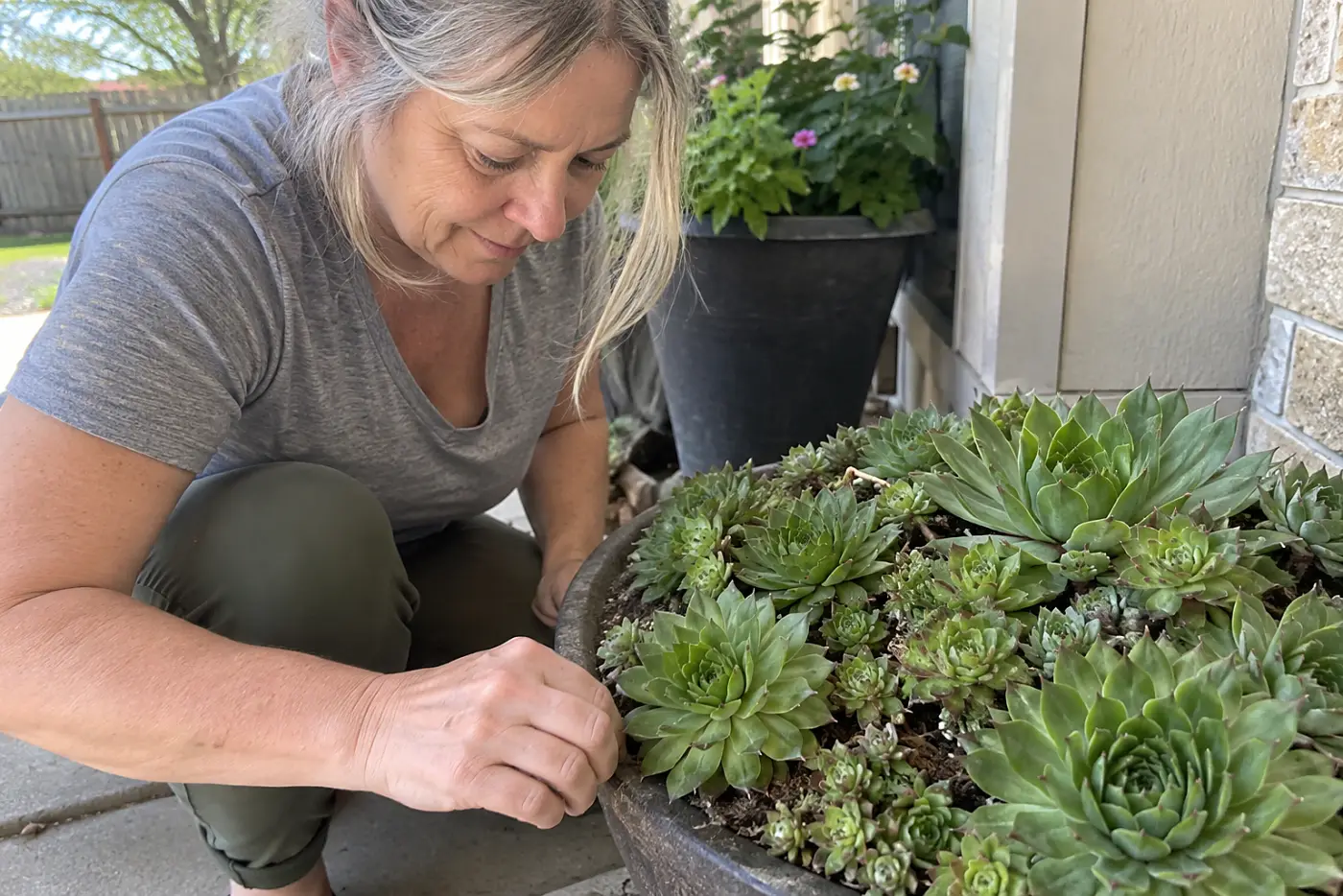
The little green rosettes crowd together like buttons in a dish.
Sempervivum grows in tight clusters and stores water in its thick leaves. It belongs outdoors, where strong light keeps the rosettes compact. The parent rosette dies after flowering, but its smaller offsets remain. Don't mistake that normal change for losing the whole planting.
A bowl without drainage holds rain against the roots. That's the part to watch, not the calendar.
Set the bowl where rain escapes freely. Leave the rosettes alone until you want to share them.
See more: 27 Ways a Small Garden Beats the Big One You Used to Have →
26A Zebra Haworthia on the Sill
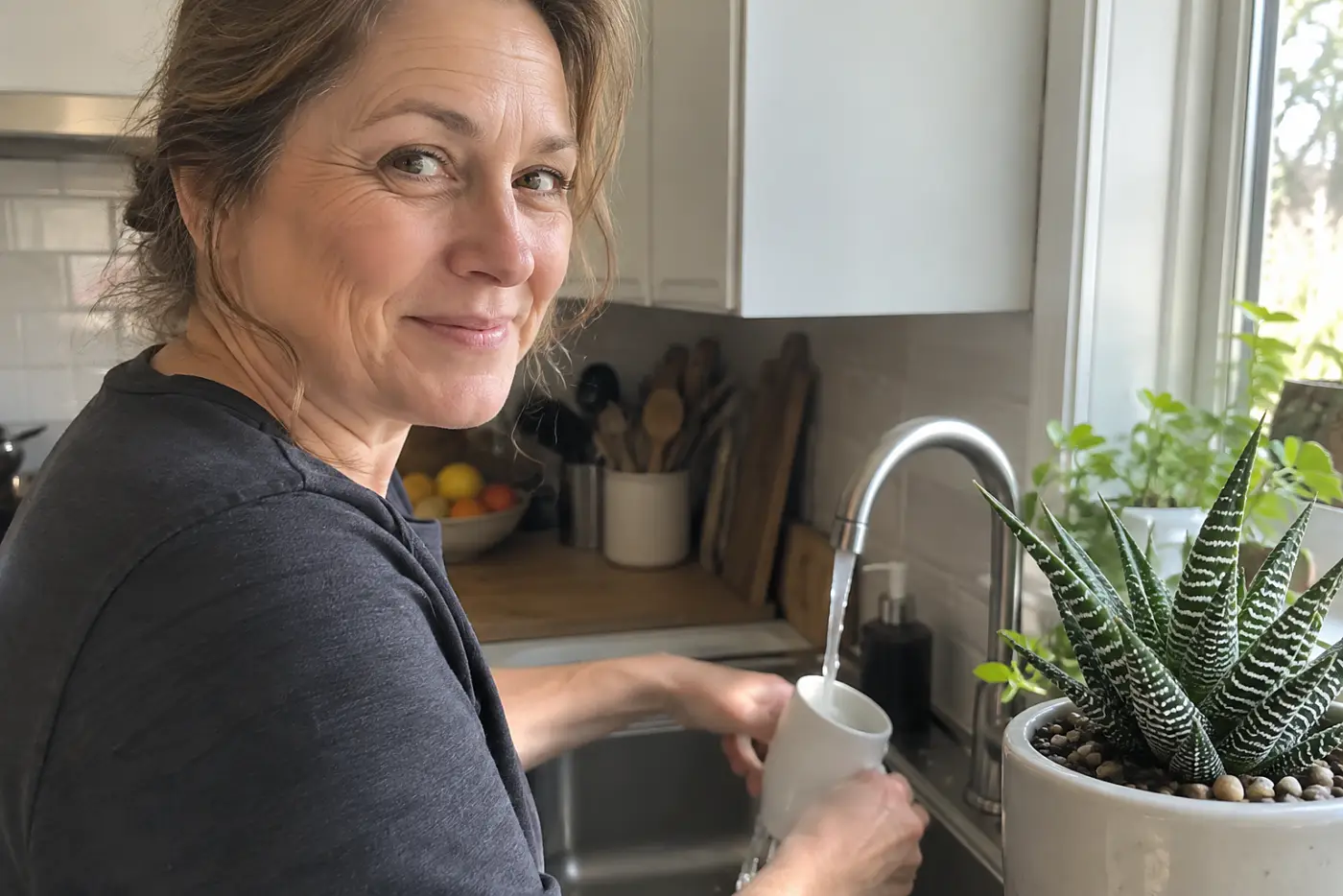
White stripes cross its dark leaves like raised stitches.
Haworthiopsis attenuata stays small, which helps when the only open space is a windowsill. Its thick leaves hold water between drinks. Give it bright light without harsh afternoon sun.
A deep pot full of wet soil creates trouble faster than a missed Tuesday watering. If you aren't sure, lift the pot. Dry mix feels lighter.
Let the soil dry through before watering, then empty the saucer.
25Purple Coneflowers by the Steps
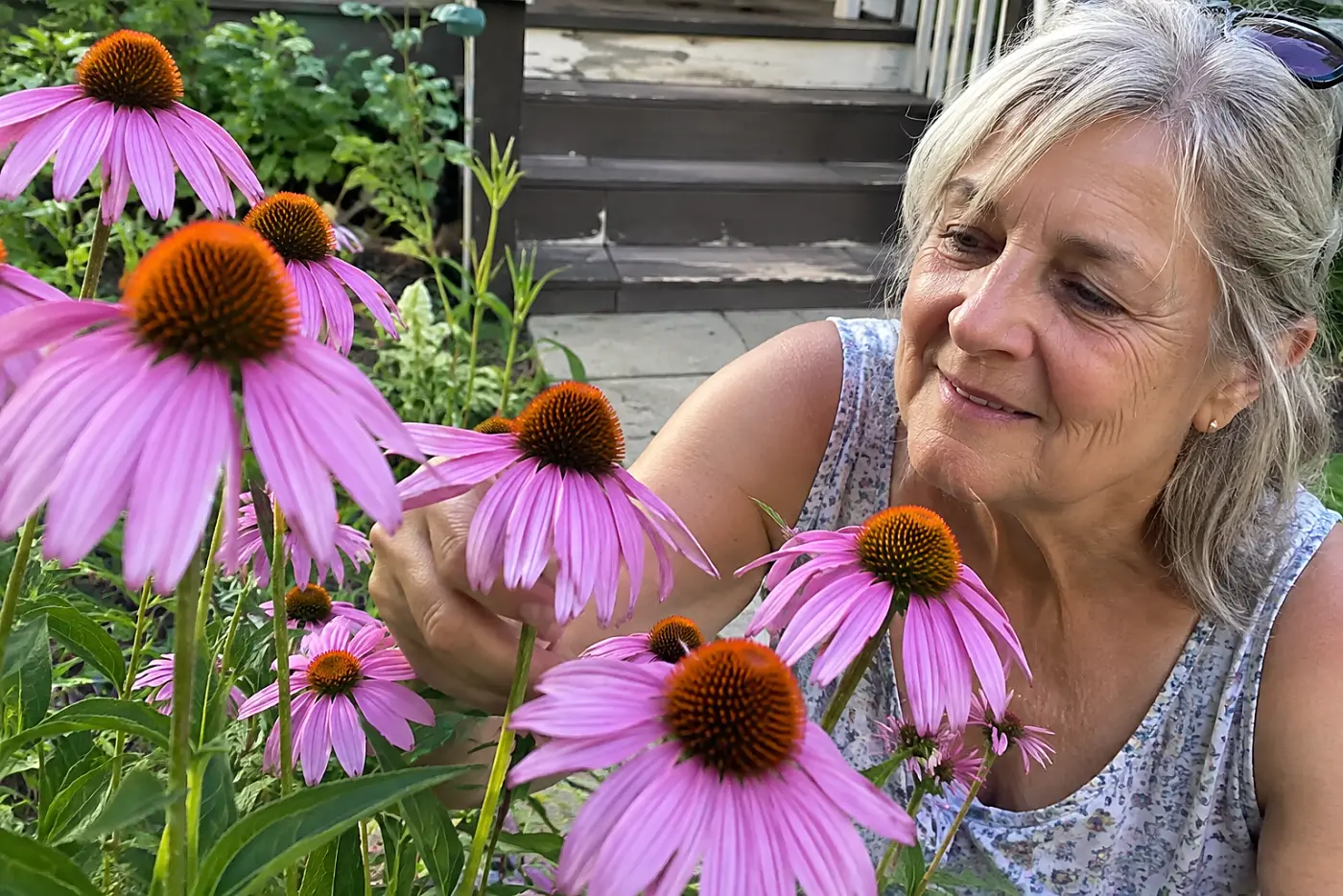
Their dark centers stand above petals that lean back.
Echinacea purpurea is a prairie perennial with deep roots once established. That first growing season still counts: young plants need water while their roots spread. Afterward, a dry spell doesn't demand an immediate rescue trip outside. Leave the seed heads standing if you like watching birds work through them.
Plant coneflowers in sun. Water new ones until they settle in, then check the soil, not the calendar.
24A Golden Barrel Cactus
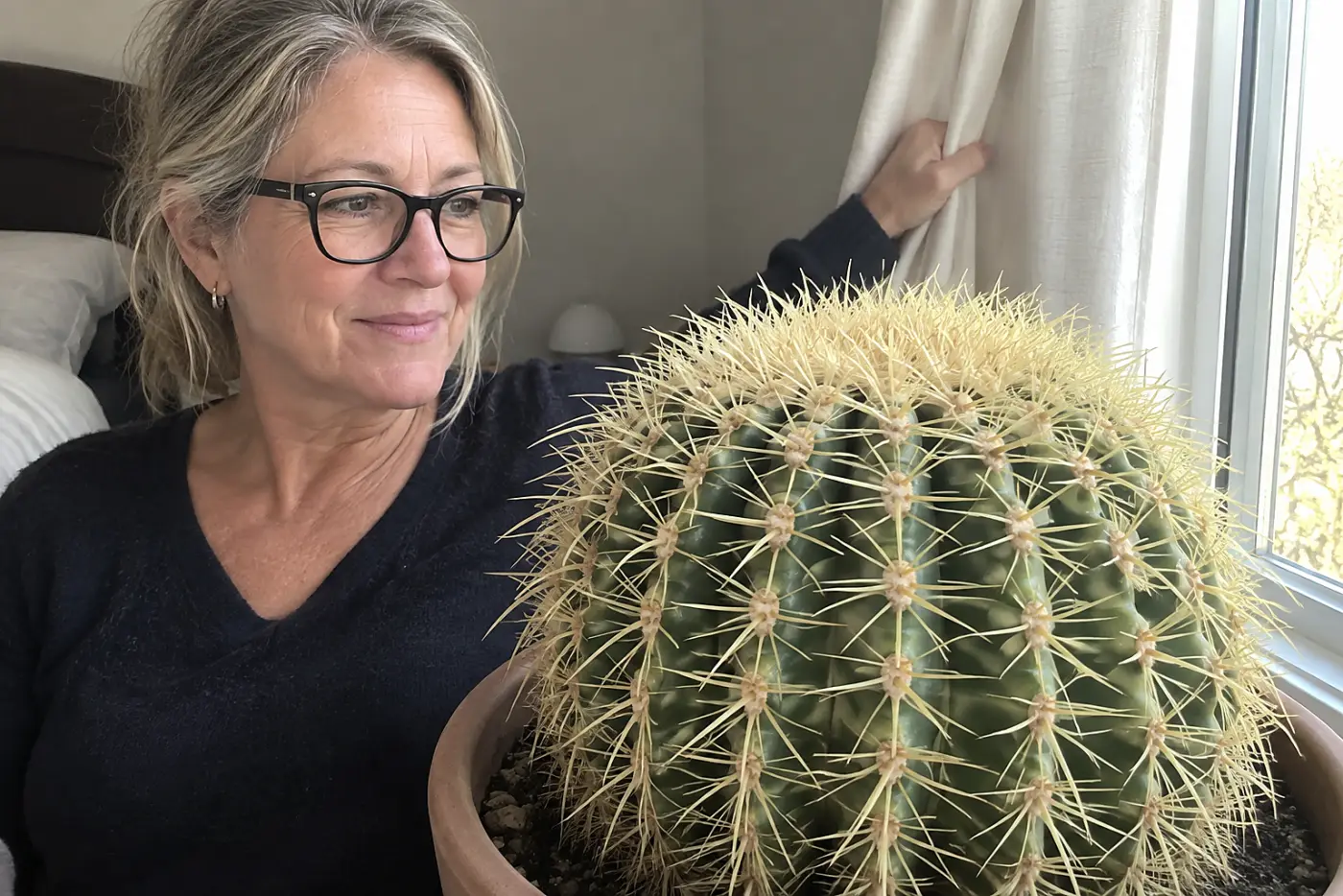
Ribs and yellow spines turn one round cactus into a small sculpture.
A golden barrel cactus stores water in its stem. Indoors, weak light stretches new growth out of shape, while wet soil rots roots. The spines also catch sleeves. This isn't a plant for a narrow hallway.
Put it where you can see it without brushing past. A sunny window gives it light without adding another daily job. Keep the pot where you won't have to shift it each time you clean.
Choose a draining pot; water only after the soil dries completely.
23Lavender Along the Walk
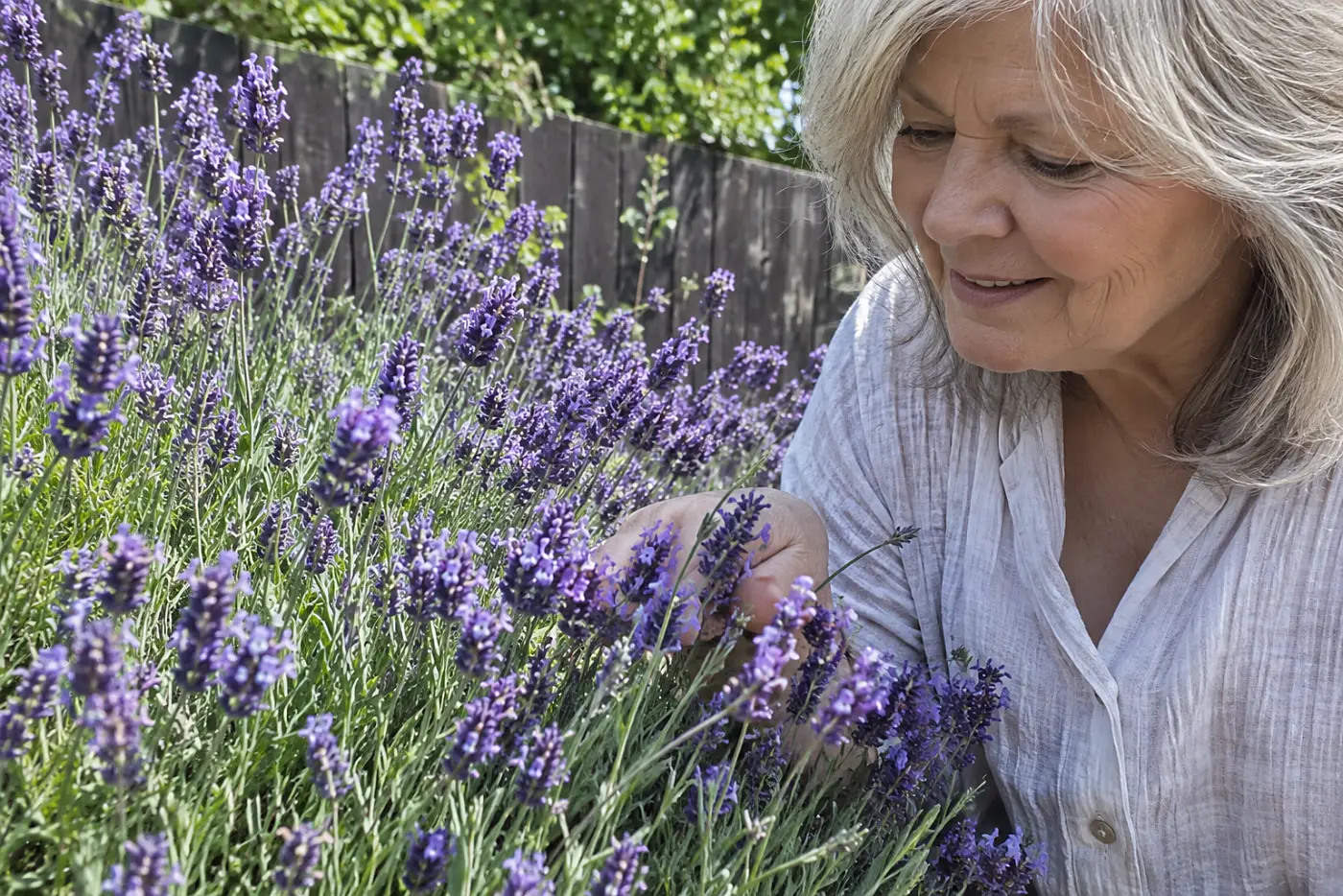
Gray leaves brush your ankle before the purple stems catch your eye.
Lavender rewards a sunny, dry place, not a damp corner beside thirsty flowers. Good drainage is the dividing line: wet roots and humid, crowded growth undo its tolerance for missed watering.
Cold winters and heavy clay also test it. If your soil stays soggy after rain, a raised bed gives the roots a better chance than another reminder on your phone.
Plant lavender in full sun with room for air between stems. Skip the extra drink when the ground is wet.
See more: 24 Old Garden Habits That Turned Out to Be Right All Along →
22A Ponytail Palm by the Window
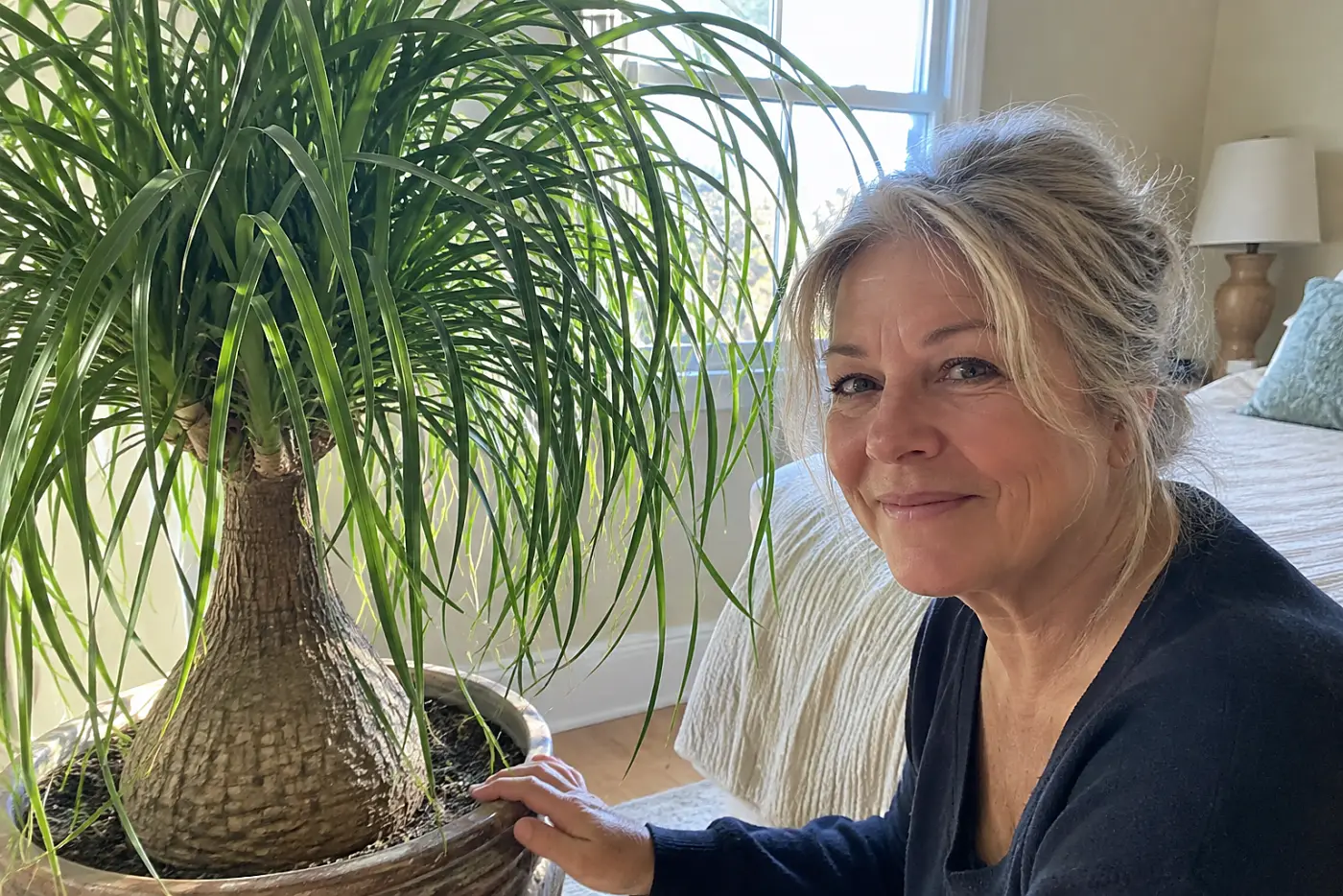
Its swollen base sits below a fountain of narrow leaves.
Despite its name, ponytail palm isn't a palm. Beaucarnea recurvata stores water in that broad trunk base, so a missed watering isn't a crisis. Slow growth means it won't demand a larger pot every spring.
Dim rooms aren't its friend; give those leaves real daylight. Don't judge it by a weekly watering routine. Check the soil instead.
Place it at a bright window and wait for dry soil before watering.
21Sedum Autumn Joy by the Path
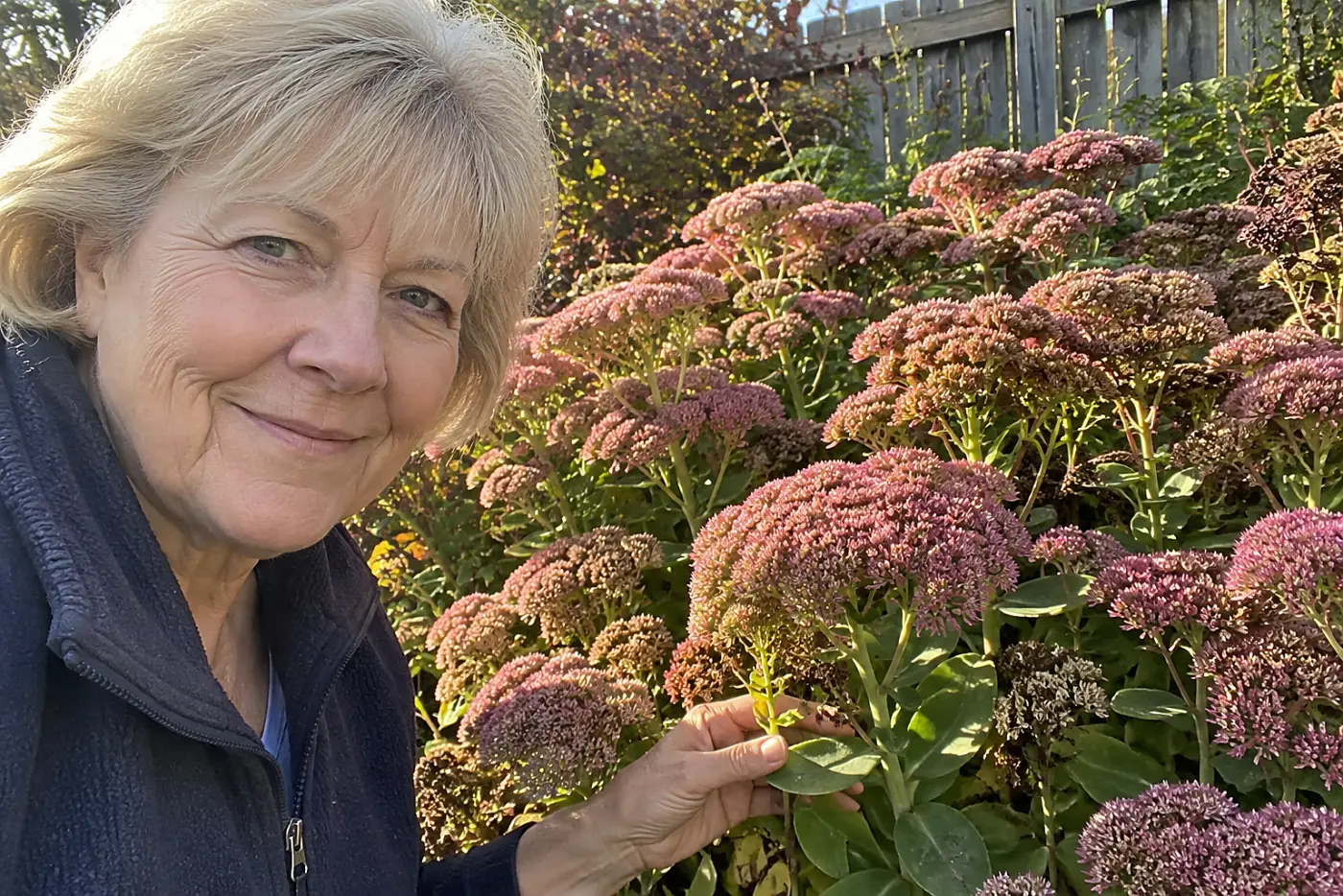
Pink flower heads deepen toward rust as the days shorten.
The plant sold as 'Autumn Joy' sedum has fleshy stems and leaves that hold moisture. It stands through late summer when softer flowers collapse. In rich soil or shade, those heavy heads flop; lean soil and sun suit it better.
The dried heads give you something to look at in winter, even after you stop tending the bed. You don't need to clear every stem when the flowers fade. Let frost change their shape.
Give it a sunny, well-drained spot, and leave the old stems standing until spring if you like their shape.
20A Jade Plant in a Clay Pot
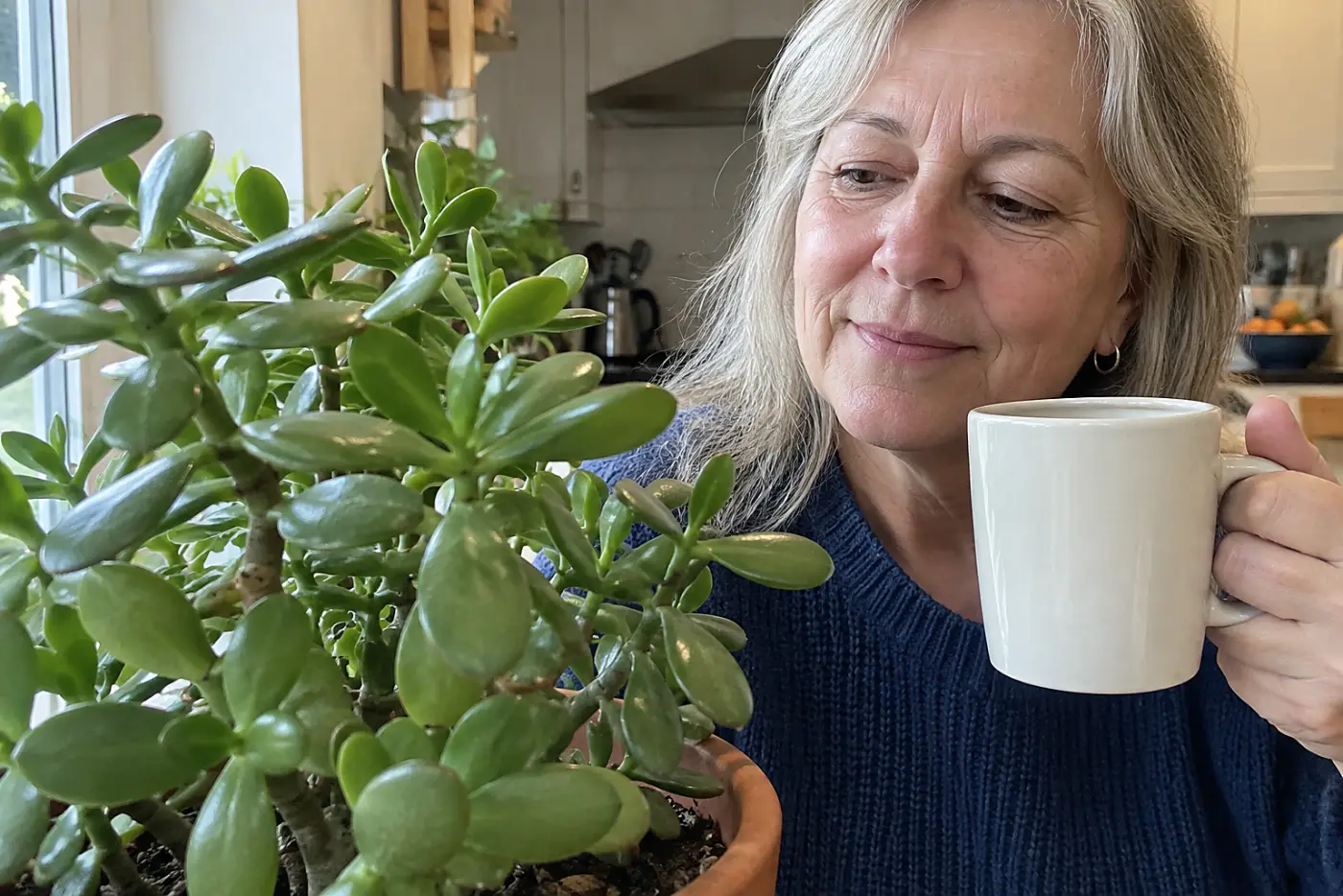
Thick oval leaves sit on branches that look almost woody.
Crassula ovata holds water in its leaves and stems. A heavy drink followed by dry soil suits it better than frequent sips. Indoors, it needs bright light to stay sturdy. Those fallen leaves aren't always a disaster, but wet, soft stems are a warning.
Keep the pot near a bright window, and lift it before watering; dry soil makes it noticeably lighter.
19Russian Sage Behind the Mailbox
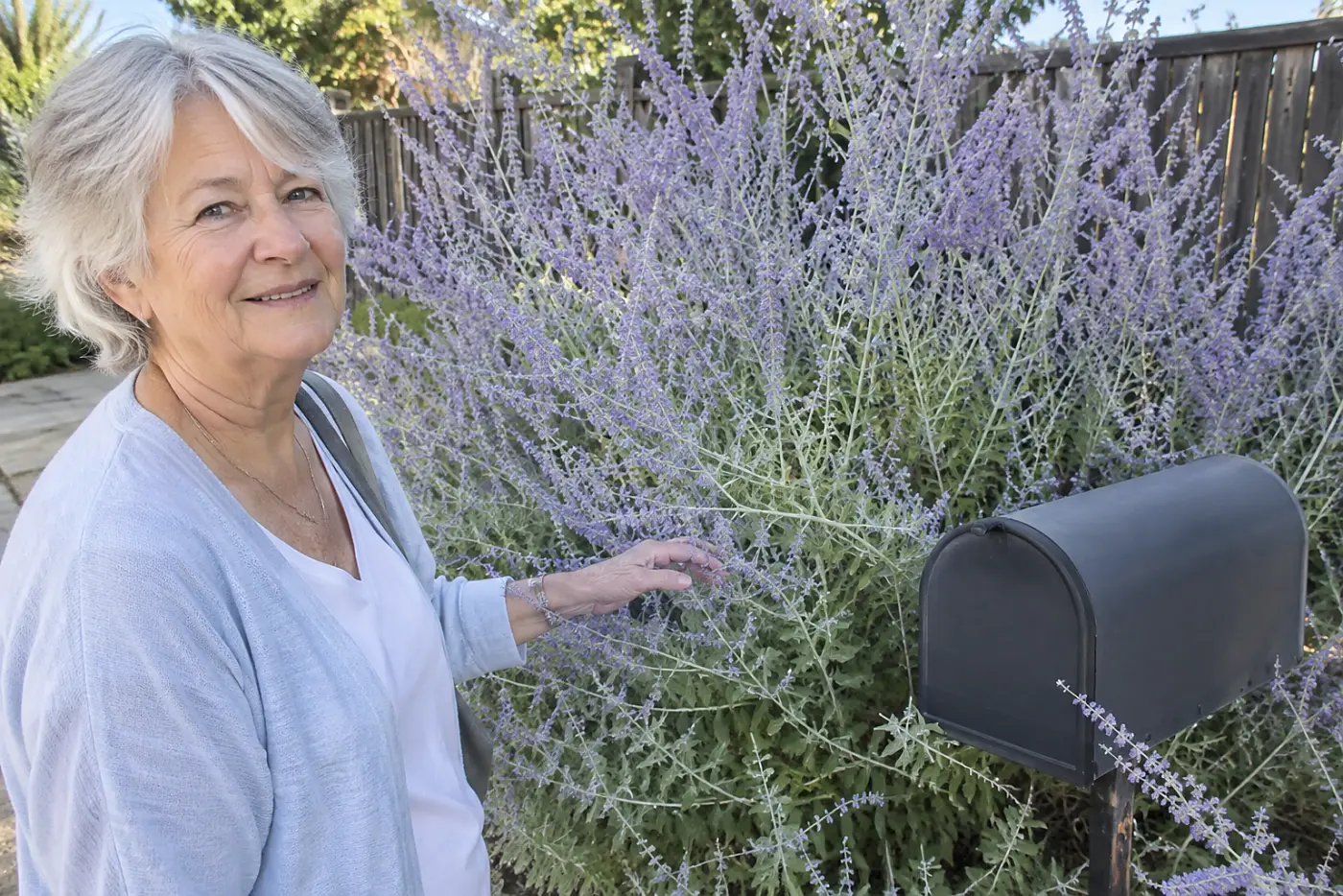
Pale stems and violet flowers make a loose, airy mound.
Salvia yangii handles heat and dry spells once its roots are established. Its loose shape is the point; trying to keep it clipped into a ball makes work for you. In wet soil, the crown suffers. This one also needs elbow room, since mature stems spill over their neighbors and the edge of a path.
Give Russian sage full sun and well-drained ground. Keep it clear of the path you use for the trash cans.
18A ZZ Plant Beside the Chair
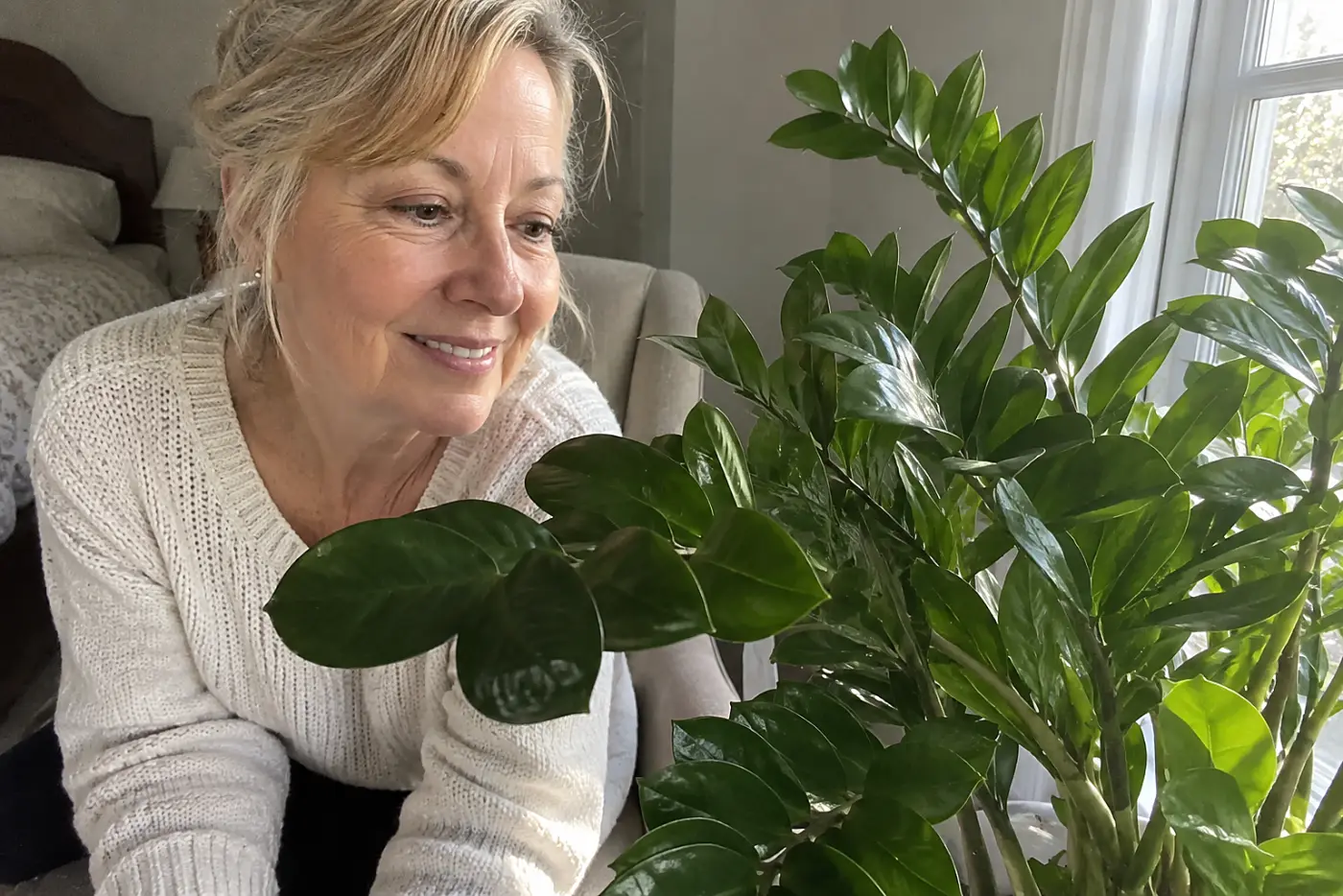
Glossy leaflets line up along stems that arch over the pot.
The ZZ plant, Zamioculcas zamiifolia, stores water in thick underground rhizomes. That reserve buys time when watering slips your mind. Low light slows its growth, but direct hot sun scorches the leaves.
The danger is compensating for neglect with a flood every few days. A damp pot needs time, not another drink. You don't owe this plant a rigid schedule.
Feel down into the soil before watering, and leave it alone if the mix is still damp.
See more: 25 Ways to Keep Gardening With Bad Knees and a Bad Back →
17Black-Eyed Susans at the Fence
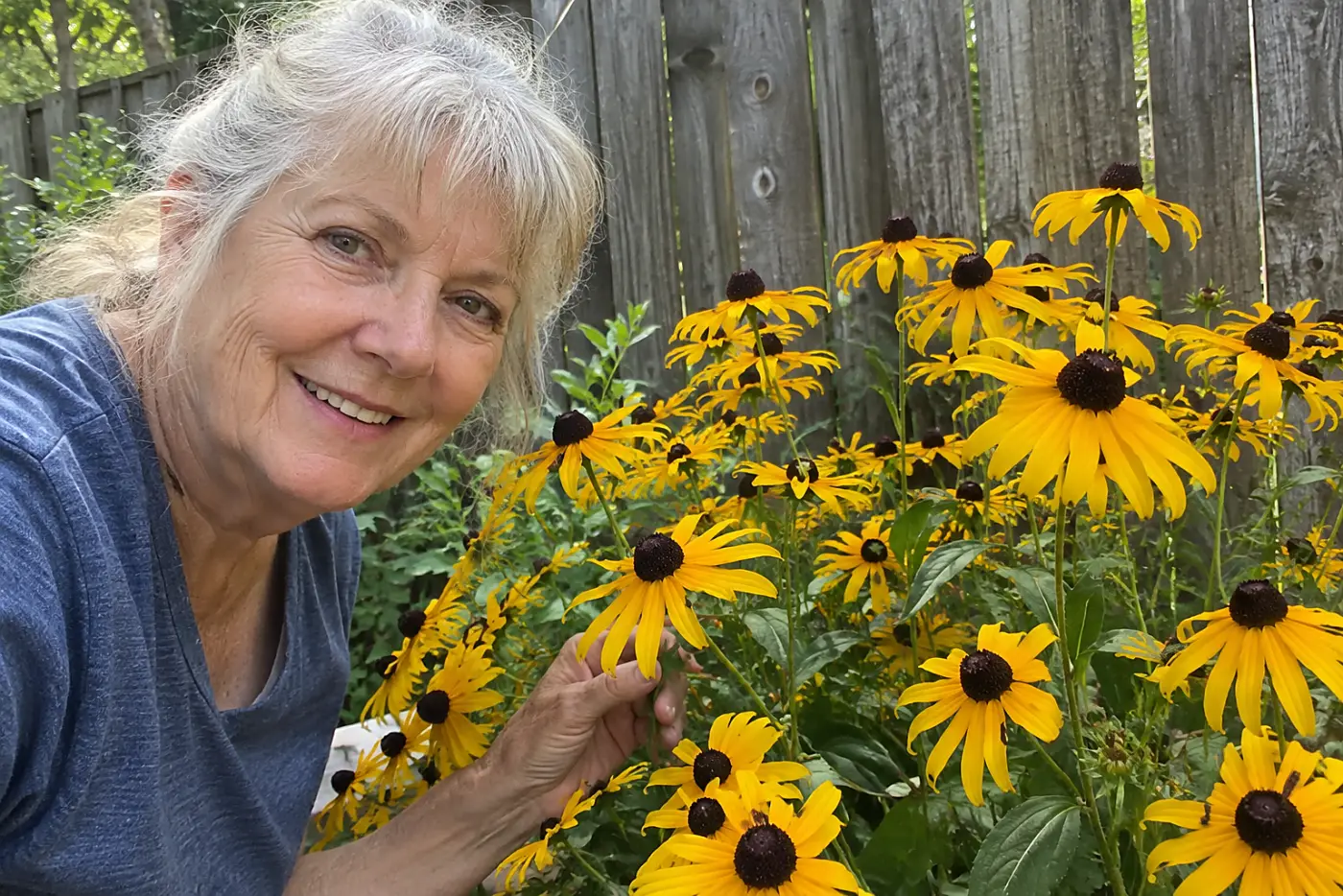
Gold petals ring dark centers in a bright, untidy patch.
Rudbeckia hirta grows in sun and tolerates dry periods after establishment. It is a short-lived perennial or biennial in many gardens, yet it readily self-seeds where conditions suit it. That means the patch shifts rather than holding a perfect border.
Pull seedlings where you don't want them, and let the others fill gaps without a planting plan. The bed needn't look the same each year.
Start with a sunny spot and water young plants while they take hold. Leave some spent flowers if you want a repeat.
16A Cast Iron Plant in the Hall
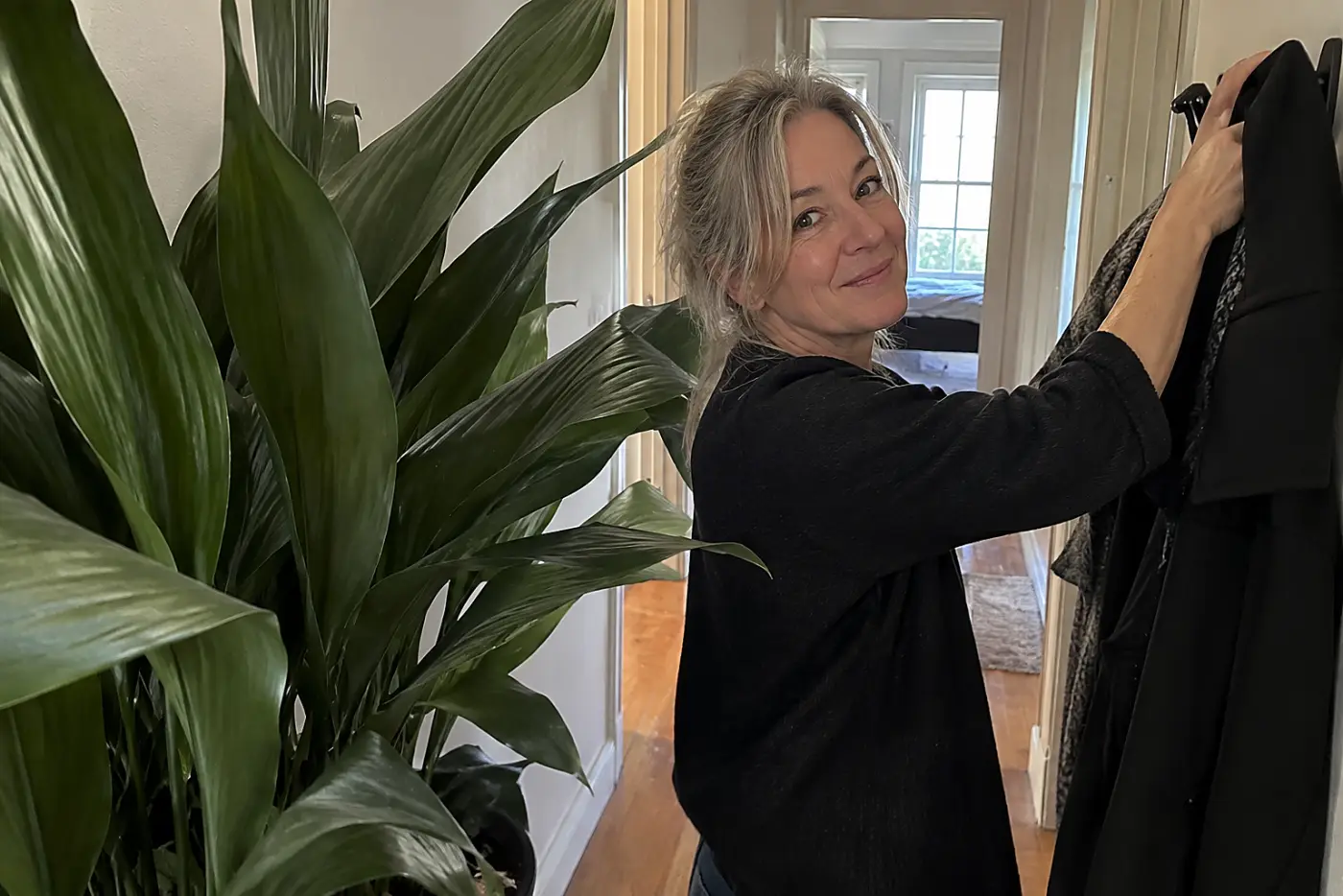
Long green leaves rise straight from a pot near the doorway.
Aspidistra elatior earned its common name by putting up with low light and uneven care. It grows slowly, so you won't spend weekends cutting it back. Low light doesn't mean no light, and damp soil still harms the roots. A hall with a nearby window beats a windowless closet.
Set it where daylight reaches the leaves and let the top soil dry before another drink.
15Yarrow Beside the Gravel Path
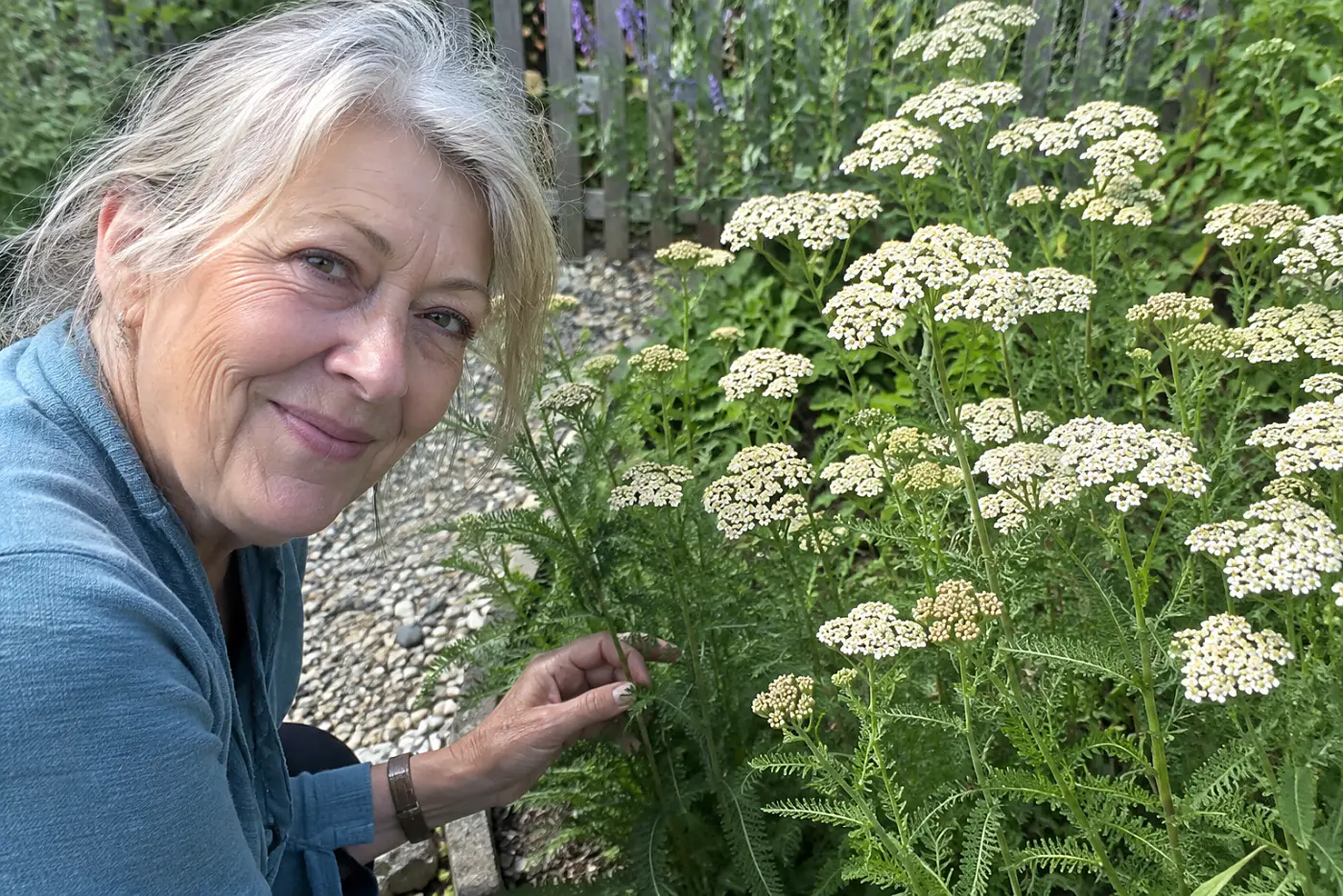
Flat flower clusters hover over finely cut, fernlike leaves.
Common yarrow, Achillea millefolium, grows in sunny, lean ground and tolerates dry spells after establishment. Its spreading habit is useful when an empty stretch needs filling, less useful beside a plant you want left alone.
Flower colors vary by cultivar; the familiar wild type has white blooms. You don't need to deadhead every stem for the plant to survive. Leave some heads standing and watch the patch change through the season. Keep an eye on the edges.
Plant yarrow where spreading is welcome. Divide or pull unwanted clumps rather than fussing over each stem.
14A Burro's Tail Over the Shelf
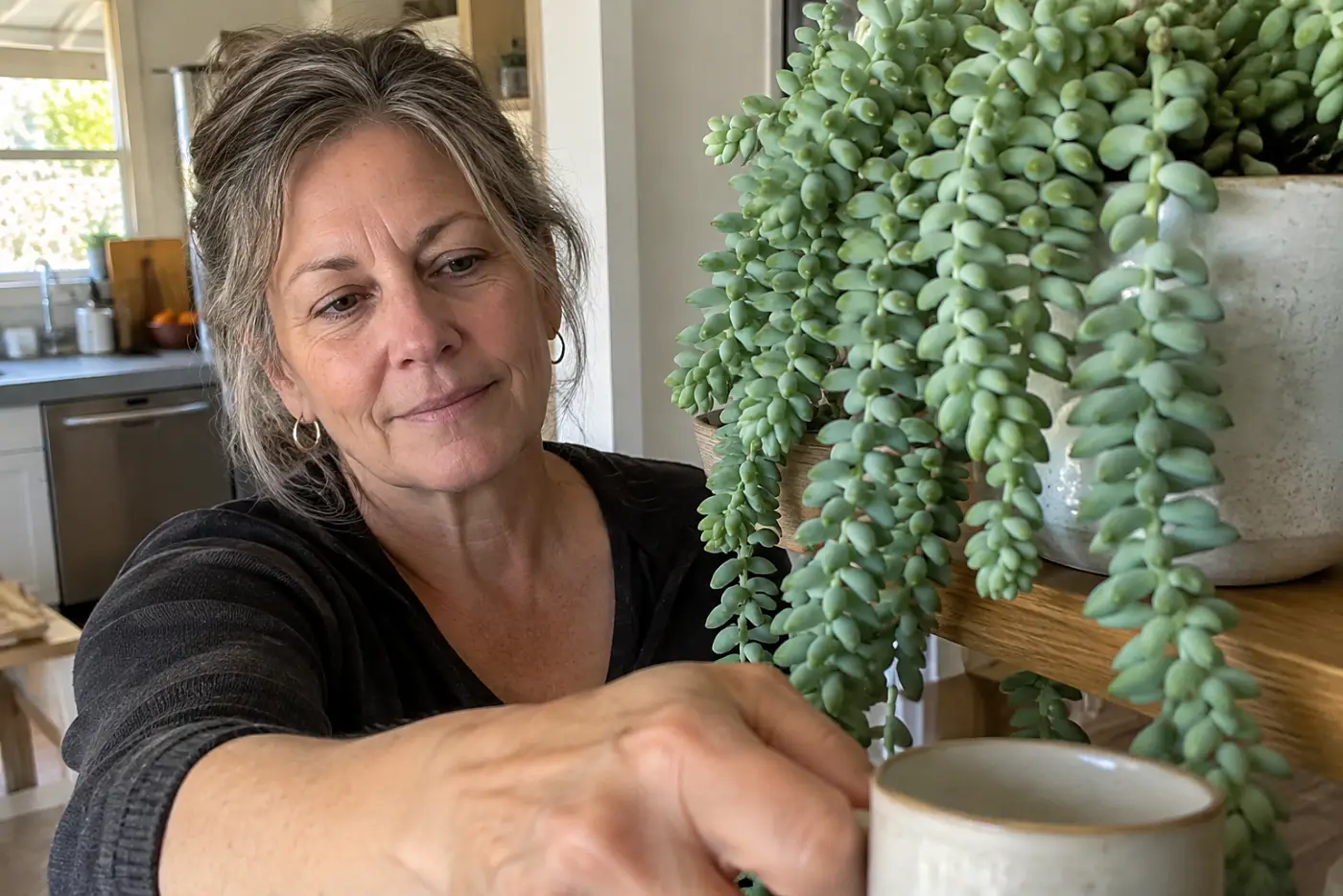
Beaded stems spill over the rim and break if bumped.
Sedum morganianum holds water in its plump leaves, but those leaves detach at a touch. That makes the right location part of the care plan. Give it bright light and a place where no one reaches across it for the remote. Fallen pieces root in soil if you want extras.
Hang or set the pot out of traffic, and wait for dry soil before watering.
13Switchgrass Along the Back Fence
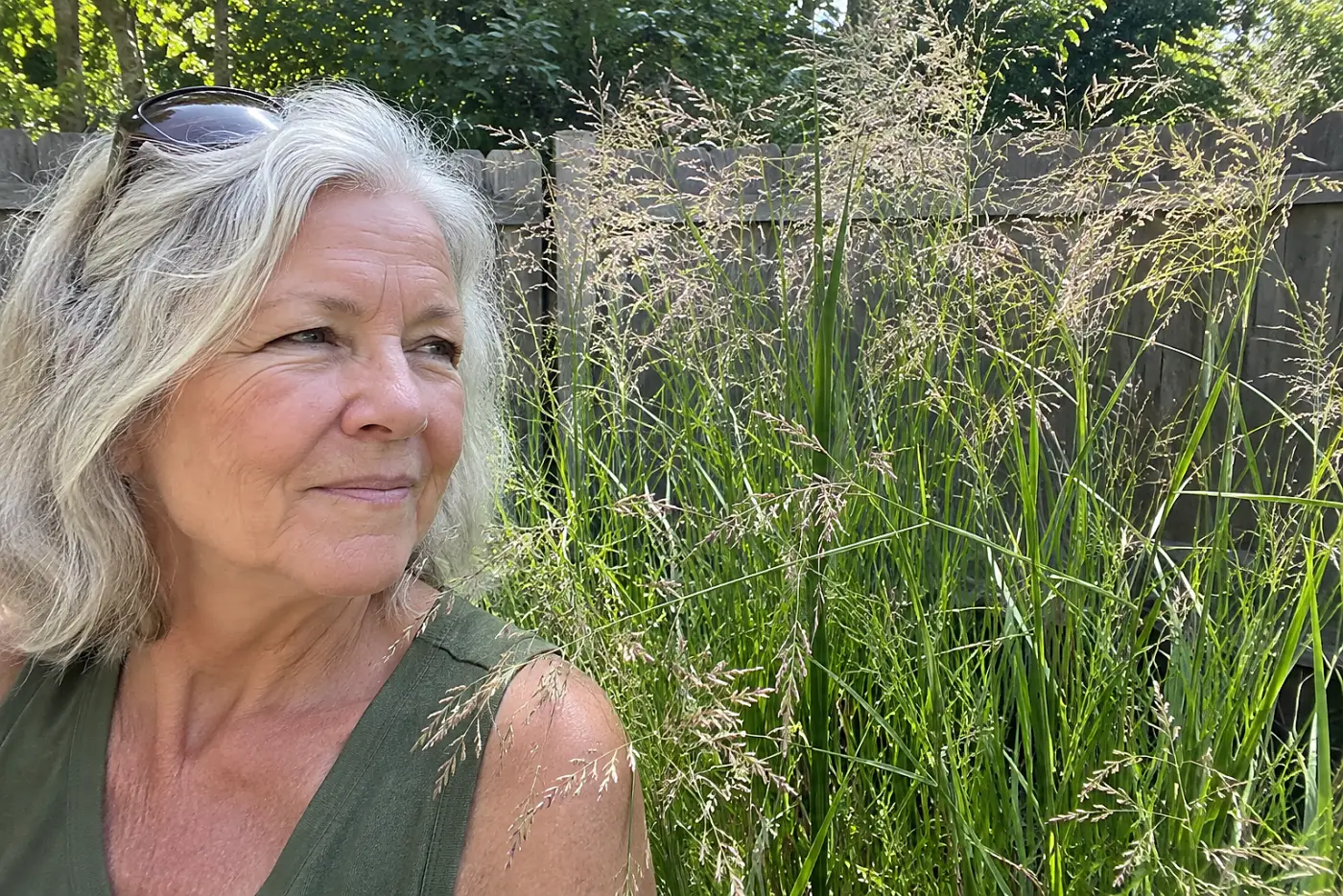
Upright blades turn gold, then stand through frost.
Panicum virgatum is a native North American grass with deep roots once established. It asks for less fuss than a hedge that needs clipping into shape. Some cultivars stay fairly upright; others open into a wider fountain.
Choose the mature size for the space, not the size of the nursery pot. Old blades can stand through winter, giving the fence a little cover when everything else looks bare. That means one less fall cleanup job.
Plant it in sun and cut last year's growth back before new shoots rise in spring.
12A Christmas Cactus on the Table
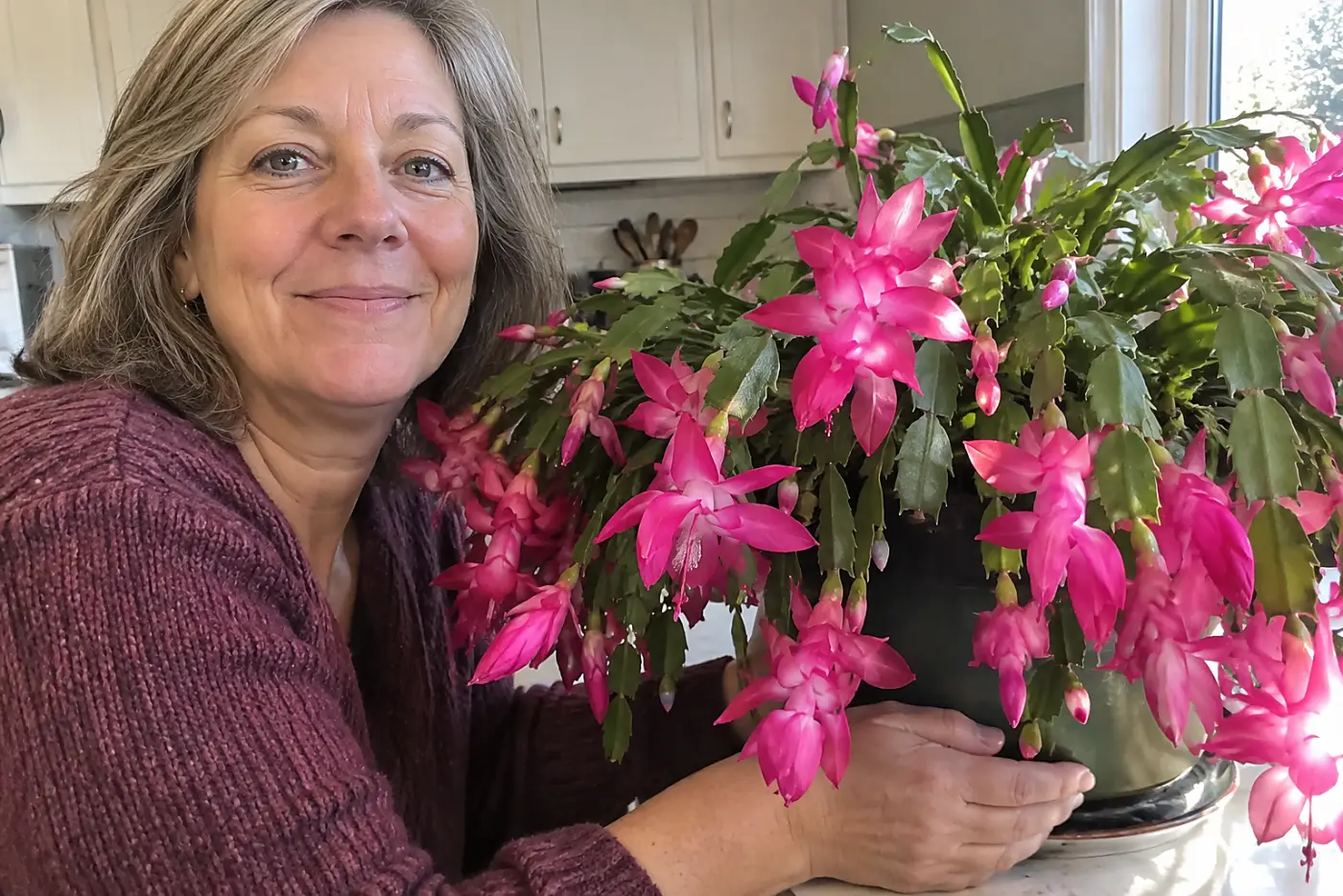
Flat green segments end in flowers that arrive indoors.
Schlumbergera isn't a desert cactus. It comes from humid forest habitats, so it needs more regular water than a barrel cactus. Still, its segmented stems don't wilt because you missed one day.
Bright, indirect light suits it, and a pot left standing in water doesn't. Keep this one apart from the succulents in your mind. They don't share the same watering needs.
Water when the upper soil dries, then let the extra water drain away.
11Blanket Flowers in the Sunny Bed
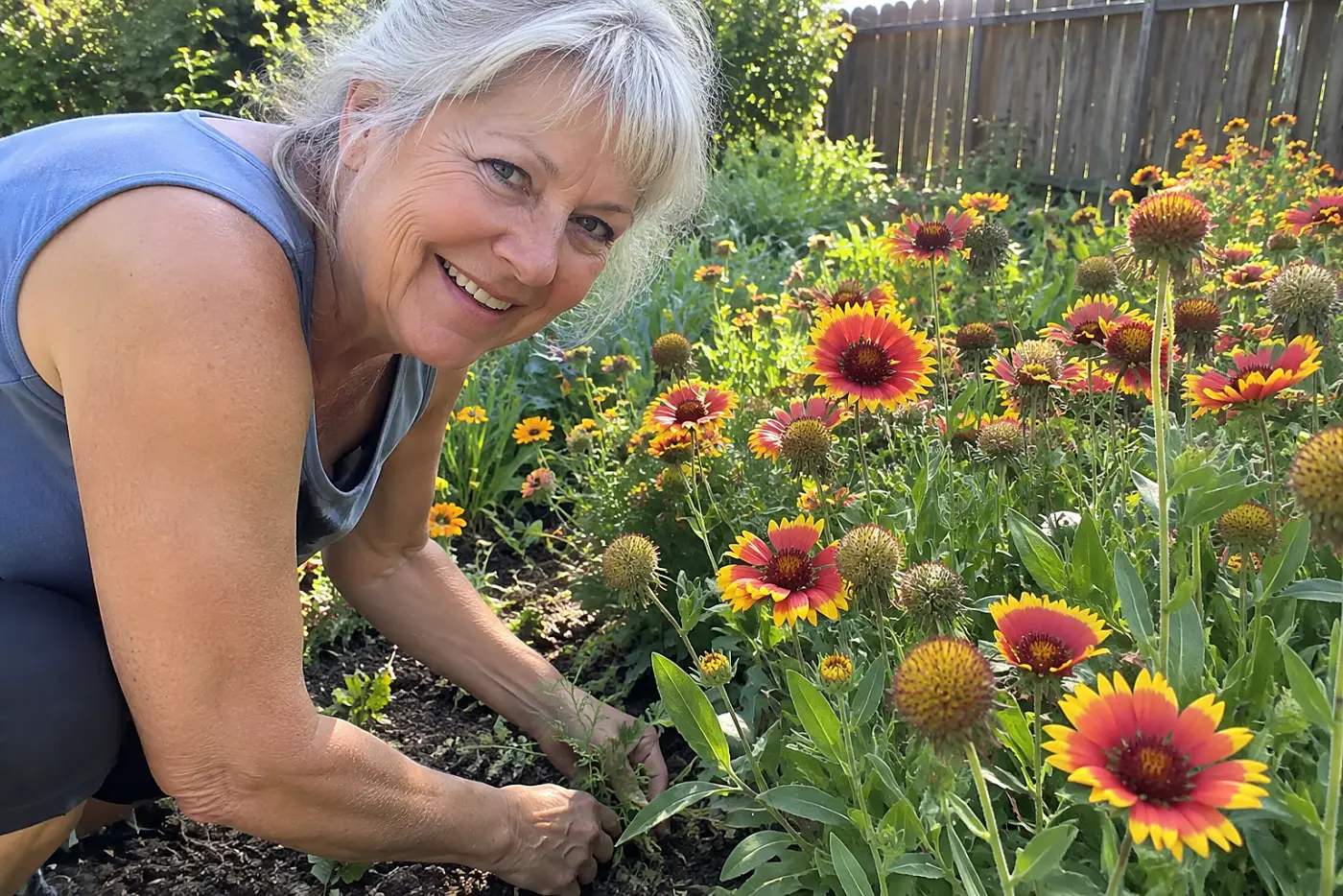
Red and yellow petals look painted around each dark center.
Gaillardia thrives in sun and well-drained soil, where it handles dry stretches after settling in. Wet winter ground is harder on it than a forgotten summer watering. Individual plants don't live forever, but some seed themselves into open ground.
That shifting, slightly scruffy patch saves you from maintaining a perfect row. If you prefer a neat edge, this isn't the flower to press against the sidewalk.
Put blanket flowers where their stems can lean. Water new plants until roots reach past the planting hole.
See more: 29 Signs a Garden Is Loved, Even When It's a Mess →
10A String of Pearls Basket
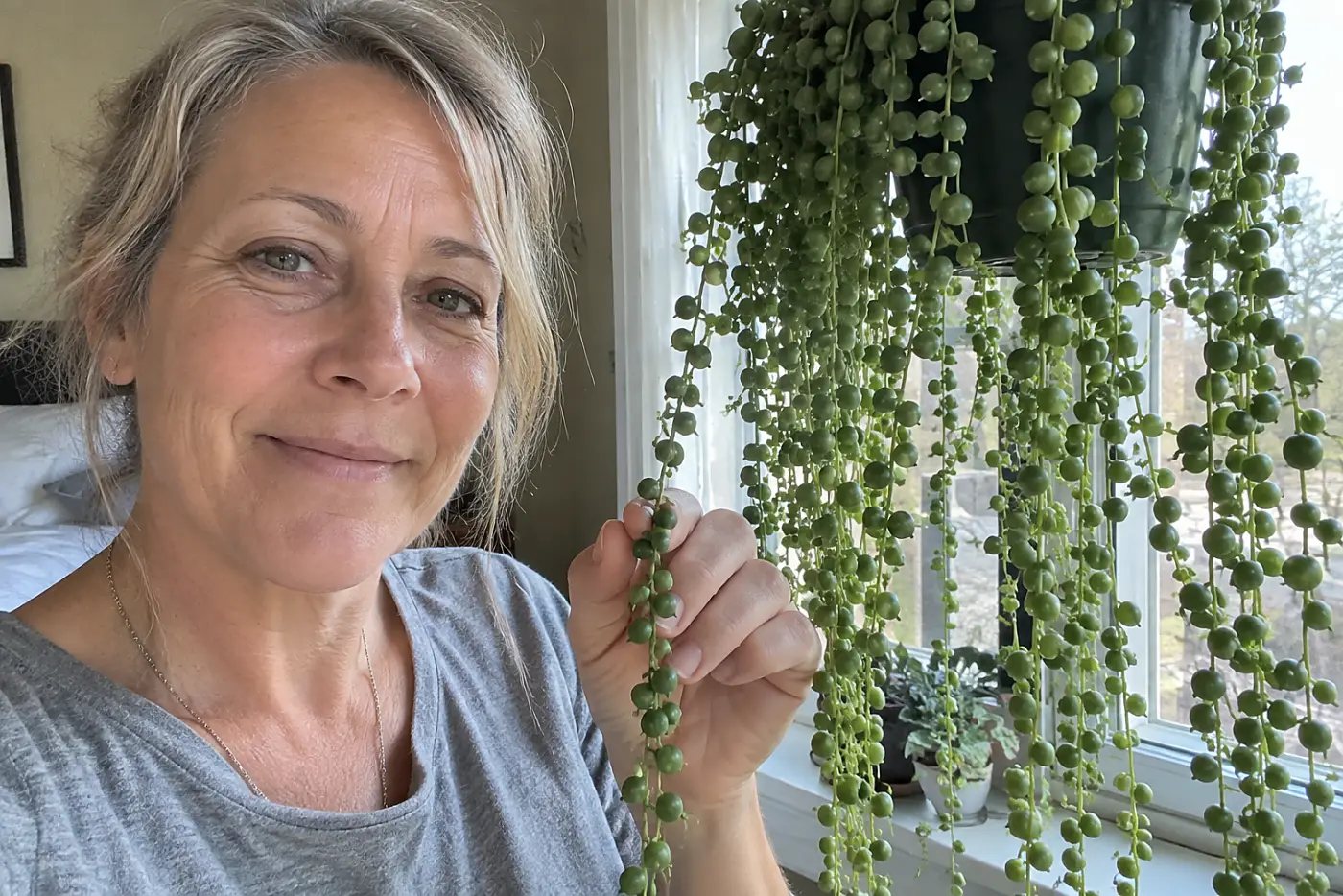
Round green beads hang from thin stems above the windowsill.
Curio rowleyanus stores water in those beadlike leaves. It also needs bright light and fast-draining soil; a dark bathroom won't keep it happy. The delicate stems break if you move the pot constantly. Keep it away from pets that chew plants, since ingestion causes problems.
Give the basket one bright, undisturbed place, and water when the mix dries.
9Blue Fescue by the Stones
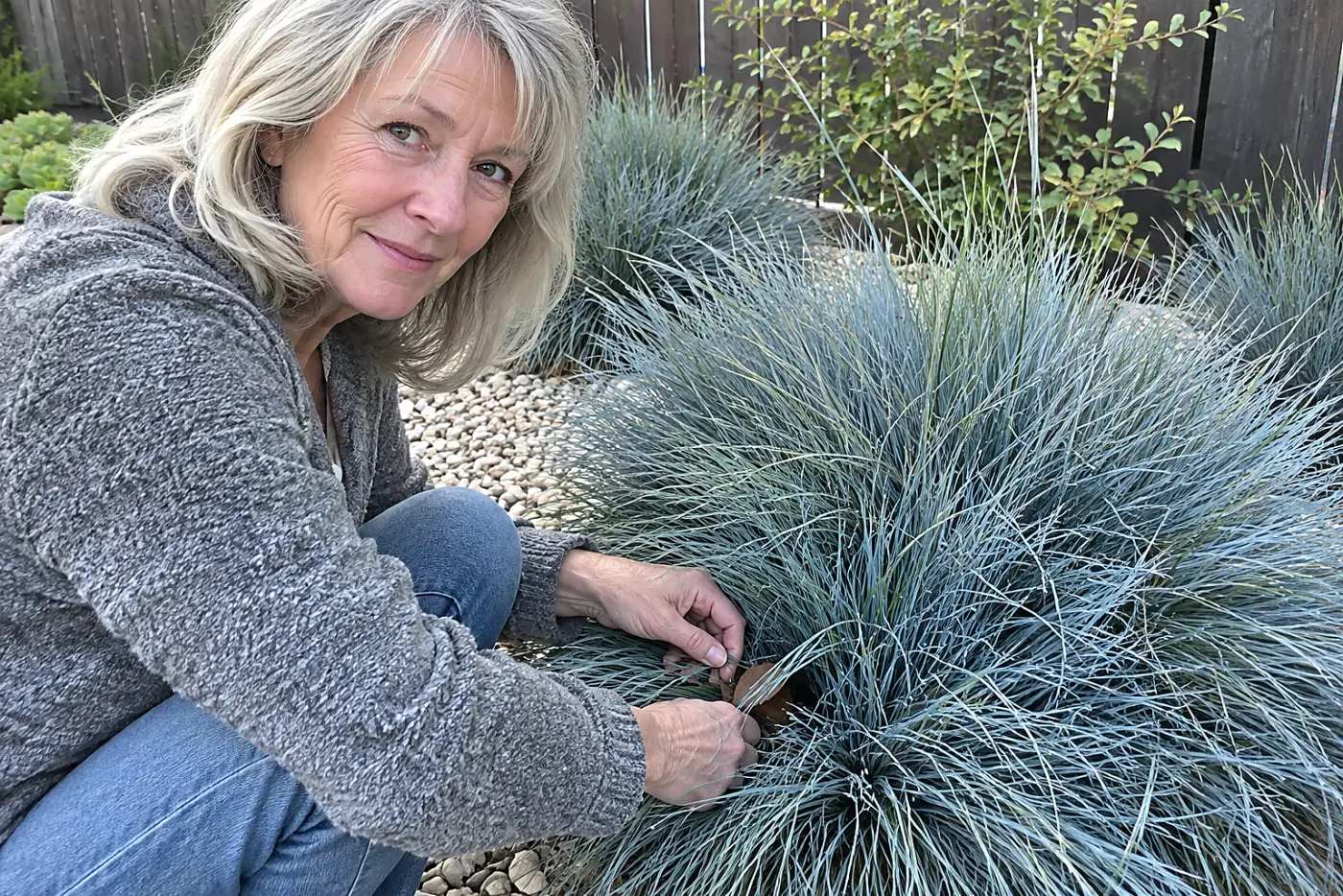
A tight mound of blue-gray blades sits between pale rocks.
Festuca glauca is a small ornamental grass for sun and well-drained ground. It needs less shaping than a boxwood ball, though it won't stay perfect forever. Older clumps can develop a bare center. Humid heat also wears on the plant.
Think of it as a modest patch of color, not a permanent piece of garden furniture. That takes pressure off when the center thins and a fresh clump looks better.
Plant several with space between them, and replace a tired clump instead of picking dead blades for hours.
8Rosemary Beside the Kitchen Door
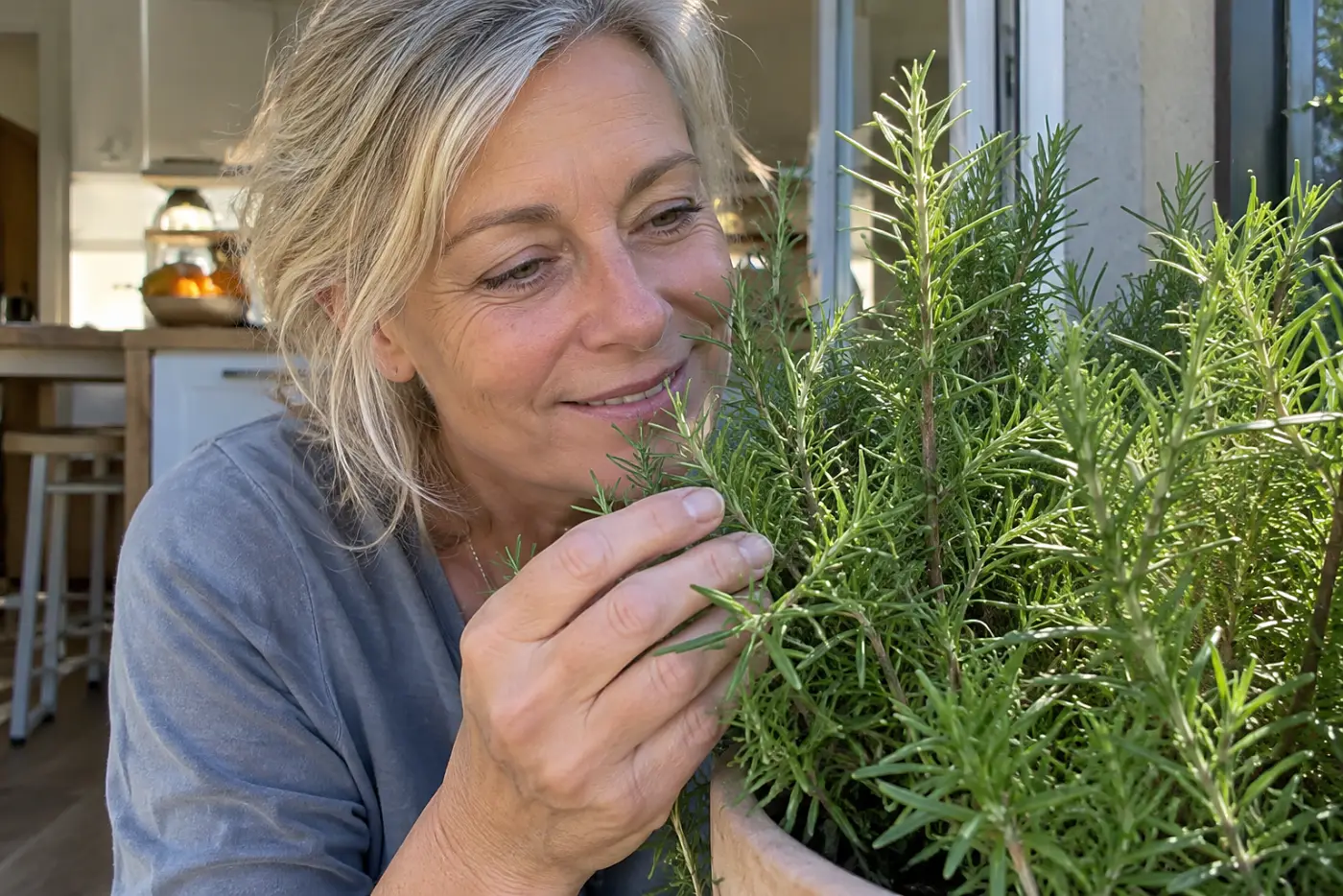
Needlelike leaves release their sharp scent when you brush past.
Rosemary, now classified as Salvia rosmarinus, prefers sun and draining soil. In a suitable climate, an established plant tolerates dry spells. Cold, wet ground kills it faster than forgetting the watering can.
A container lets you move it when winter threatens, though that pot dries faster in summer. Set it where checking the soil takes no extra trip across the yard. The door is enough of a reminder.
Grow rosemary where the sun reaches it, and check your winter conditions before leaving a pot outdoors.
7A Spider Plant Above the Sink
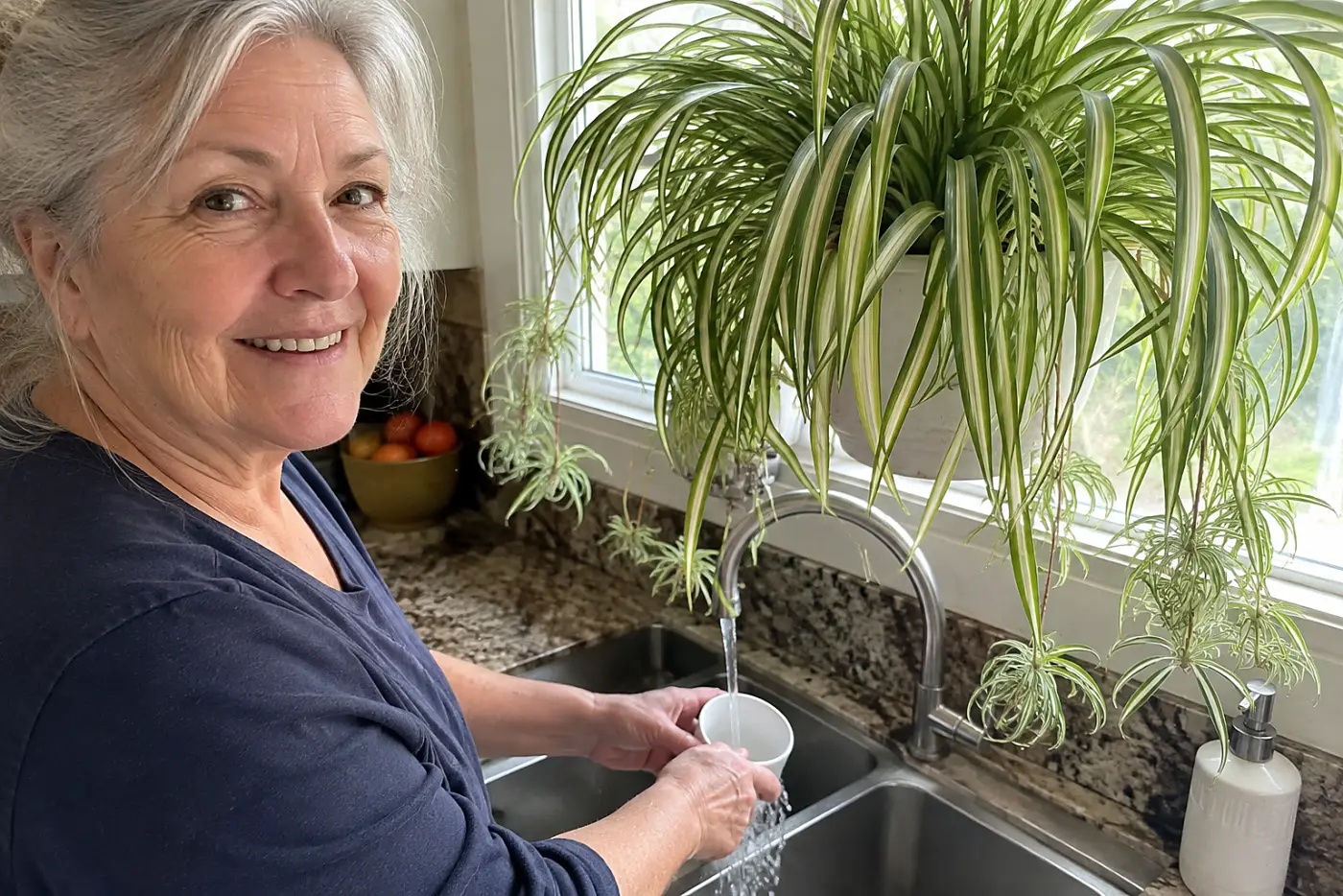
Striped leaves arch out, with baby plants dangling below.
Chlorophytum comosum has thick roots that hold some water. The leaf tips brown for several reasons, including dry soil and mineral buildup; a brown tip isn't an order to start watering daily.
Those dangling plantlets are ready-made starters. Put one against damp potting mix while it's still attached, and it will root without much ceremony. You don't need to disturb the parent to make another pot.
Keep the parent in bright, indirect light, water when the upper soil dries, and snip off a rooted baby for another room.
6Thyme Between the Stepping Stones
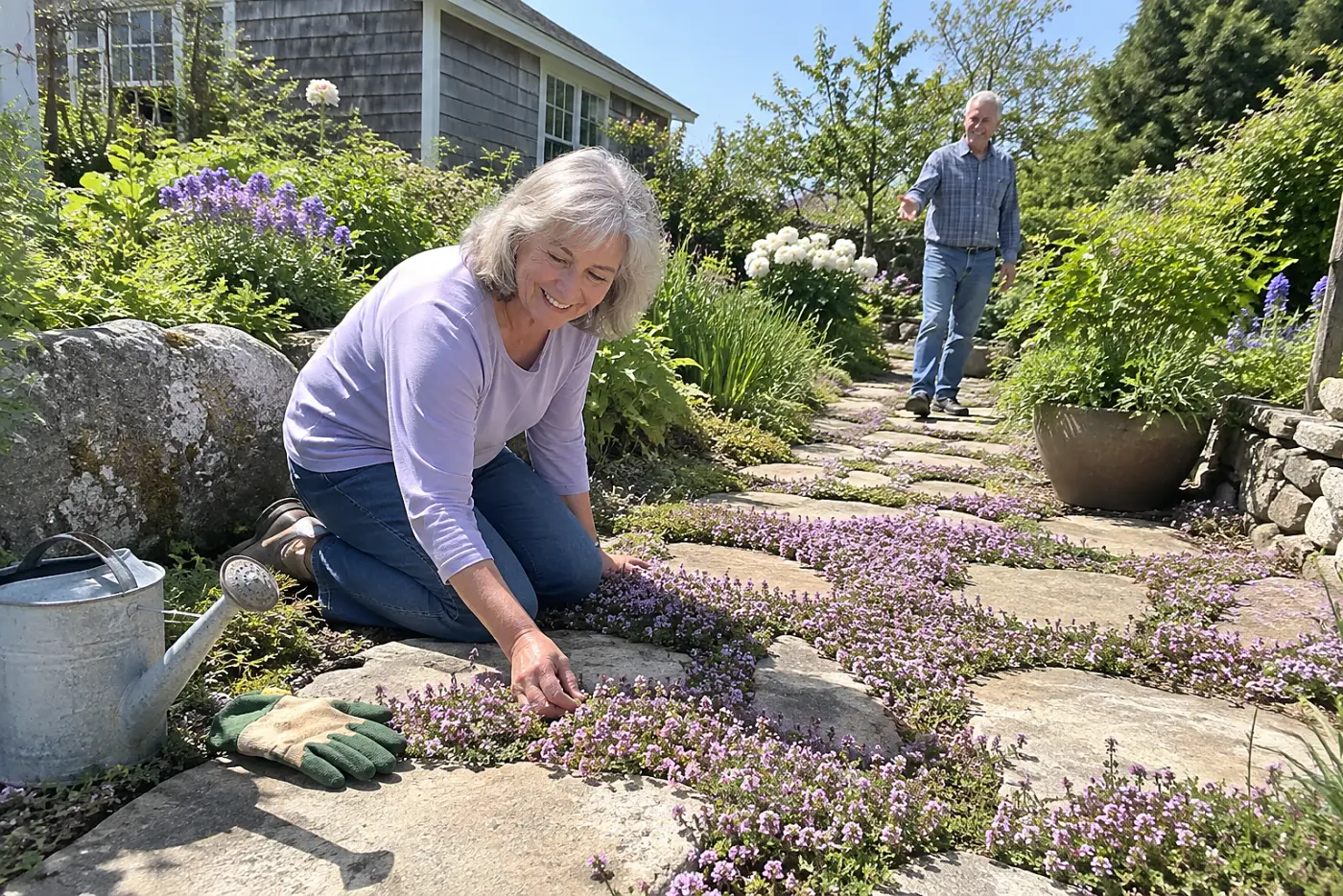
Tiny leaves fill the gaps where the path meets the soil.
Creeping thyme stays low and handles dry spells after its roots settle in. Sun keeps the stems dense. Shade leaves gaps for weeds. Unlike a lawn, this strip asks for no mowing. That matters when a clear afternoon is worth more than another yard job.
Foot traffic has limits, though. A path used every day still needs stones beneath your feet. Let the thyme occupy the edges rather than the center of each step.
Plant creeping thyme in sunny, well-drained gaps. At the nursery, say, “I need a low thyme for between stepping stones.”
5A Hoya Vine by the Window
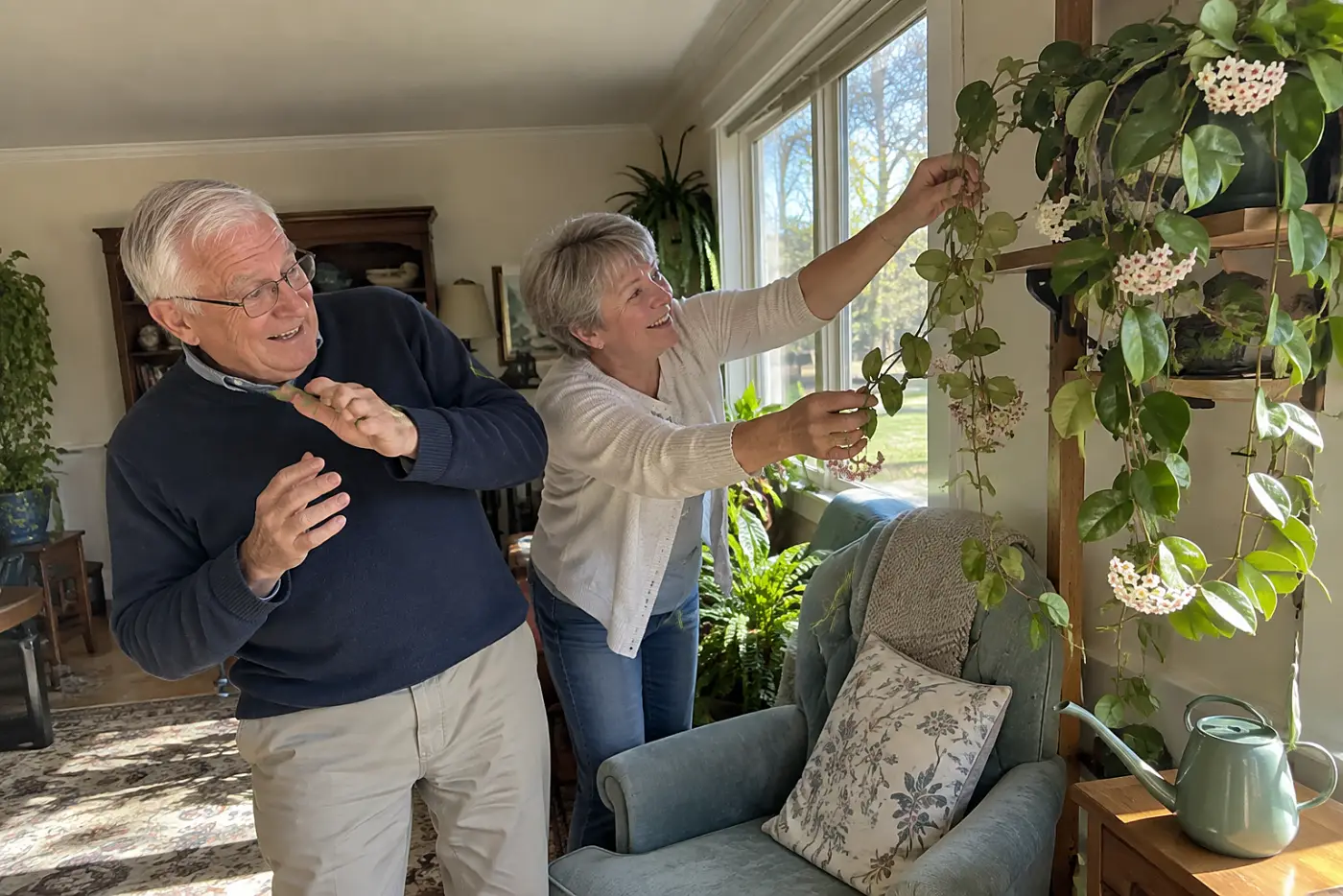
Firm, glossy leaves frame clusters of small, star-shaped flowers.
Hoya carnosa holds moisture in its thick leaves. Give it bright, indirect light and a draining pot, then let the mix dry before watering again. It grows slowly enough that a missed week doesn't leave you with a tangle to sort out.
The flowers are the reason to give this vine its own place. Their clusters form on short spurs that bloom again. Cutting those spurs after the flowers fade costs you the next display. You can leave them alone. Keep the pot away from a working fireplace, too; a mantel isn't worth the heat. Give the vine a shelf near a bright window where the stems have room to hang without catching on a sleeve. Don't move it just to dust every corner of the shelf.
Keep the flower spurs when the blooms drop, and say, “I’m looking for Hoya carnosa, the one with thick leaves.”
4Lambs Ears Along the Border
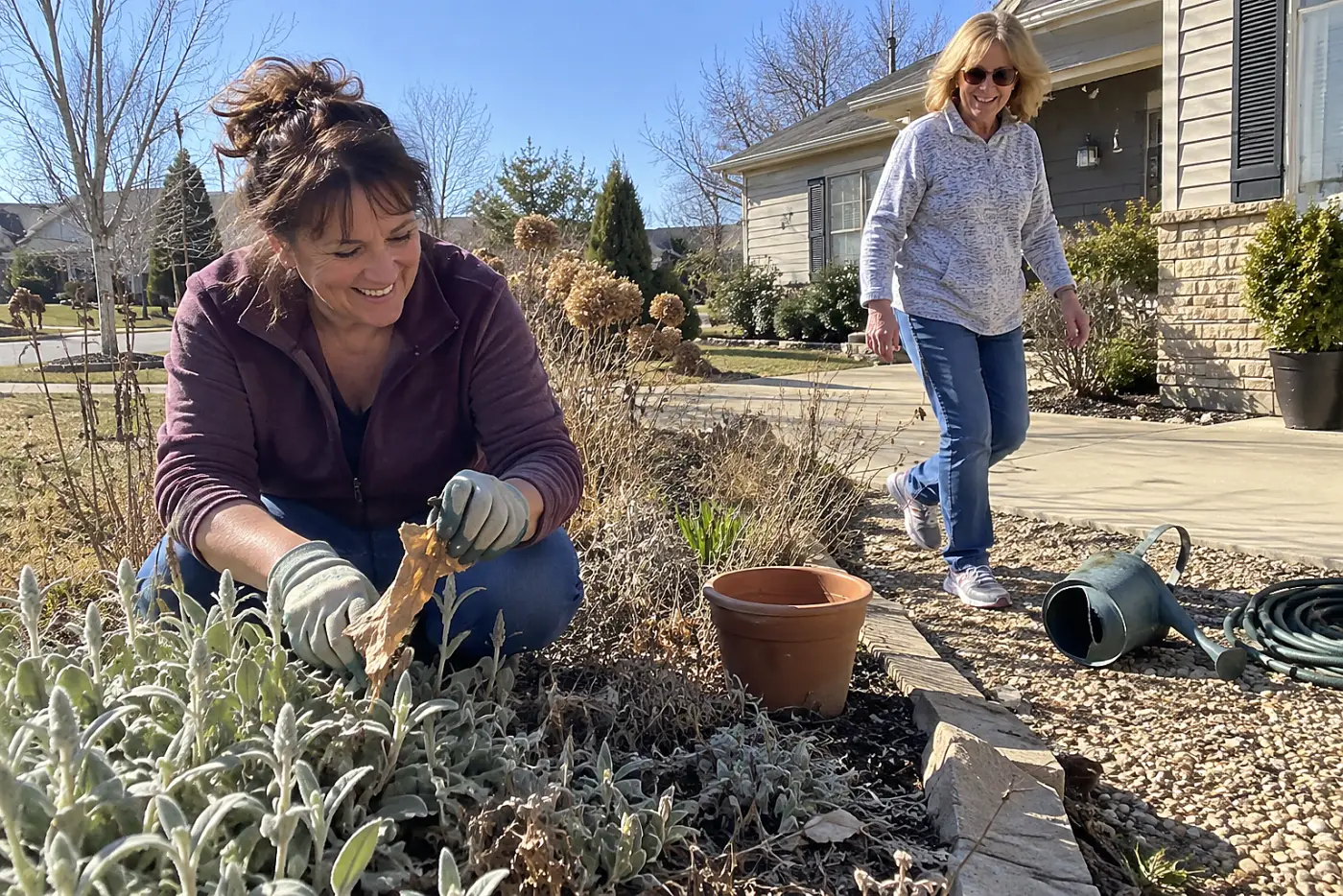
Silver, fuzzy leaves make a pale edge you can spot from indoors.
Lamb's ear, Stachys byzantina, has woolly leaves that help it endure sunny, dry conditions. It spreads into a low patch, covering ground you would otherwise weed. A rainy spell changes the bargain: crowded leaves stay wet and turn ragged.
Give it room instead of packing it beside thirsty flowers. If the center thins, pull out the tired growth and let healthy shoots fill in. You don't need to groom every leaf. That kind of permission belongs in a garden, especially on weeks when you have less to give it.
Plant it in sun and well-drained soil, and say, “I want lamb's ear for a dry border, not a damp bed.” Next comes a plant whose thick leaves belong indoors.
3A Peperomia Obtusifolia on the Dresser
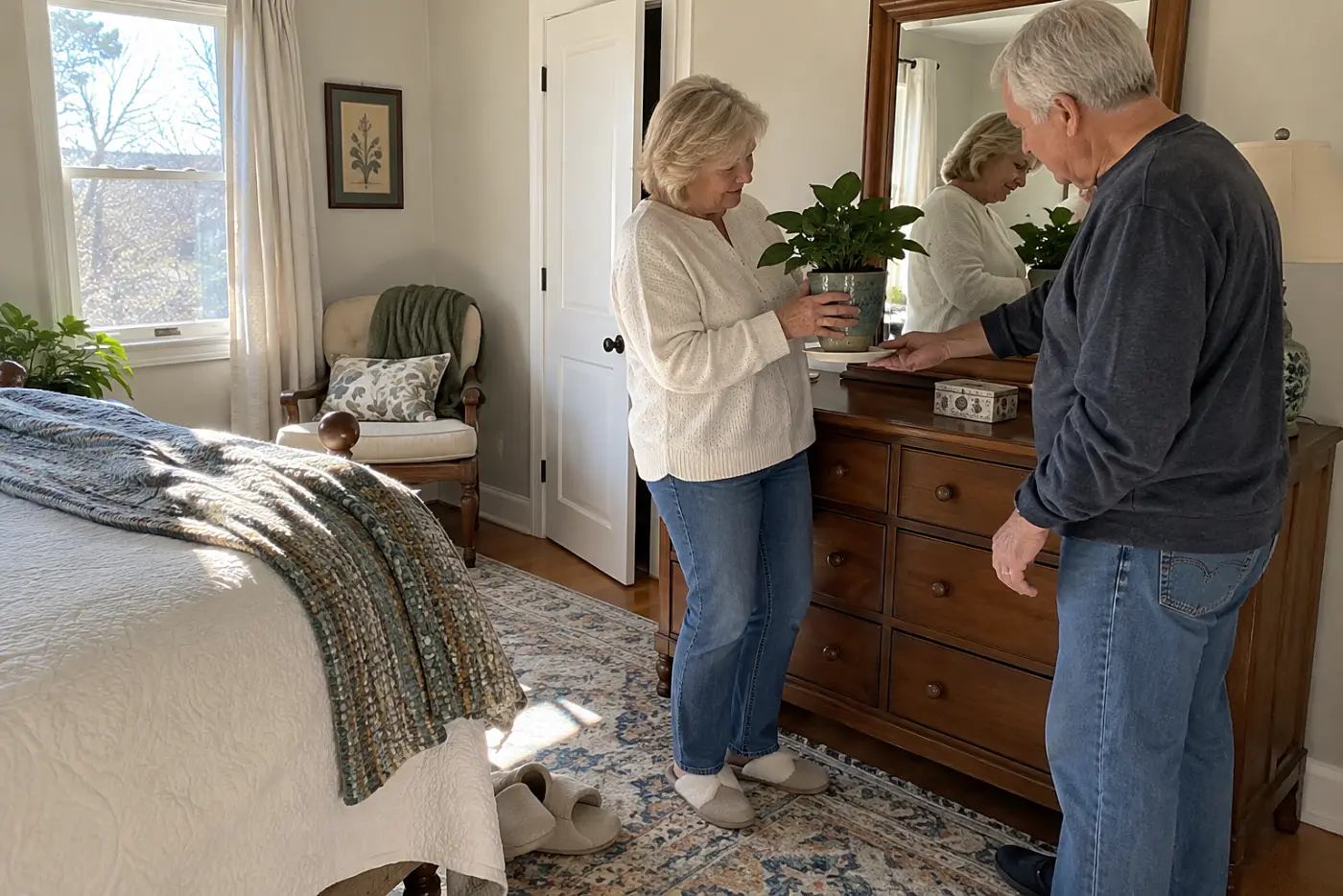
Rounded green leaves sit close together above a small pot.
Peperomia obtusifolia has thick leaves and stems that hold moisture between waterings. It stays compact, so you aren't clearing a wider space for it each month. Bright, indirect light suits it; direct afternoon sun scorches the leaves.
The pot tells you more than a reminder on your phone. Wet soil feels heavy, and this plant doesn't need another drink while the mix is damp. If you have only a minute, that's enough time to check. You don't need to make plant care the day's project.
Set it near a bright window, touch the soil before watering, and say at the nursery, “I'm looking for Peperomia obtusifolia.” Next is a plant for a sunny spot outside.
2Aloe Vera on the Sunny Sill
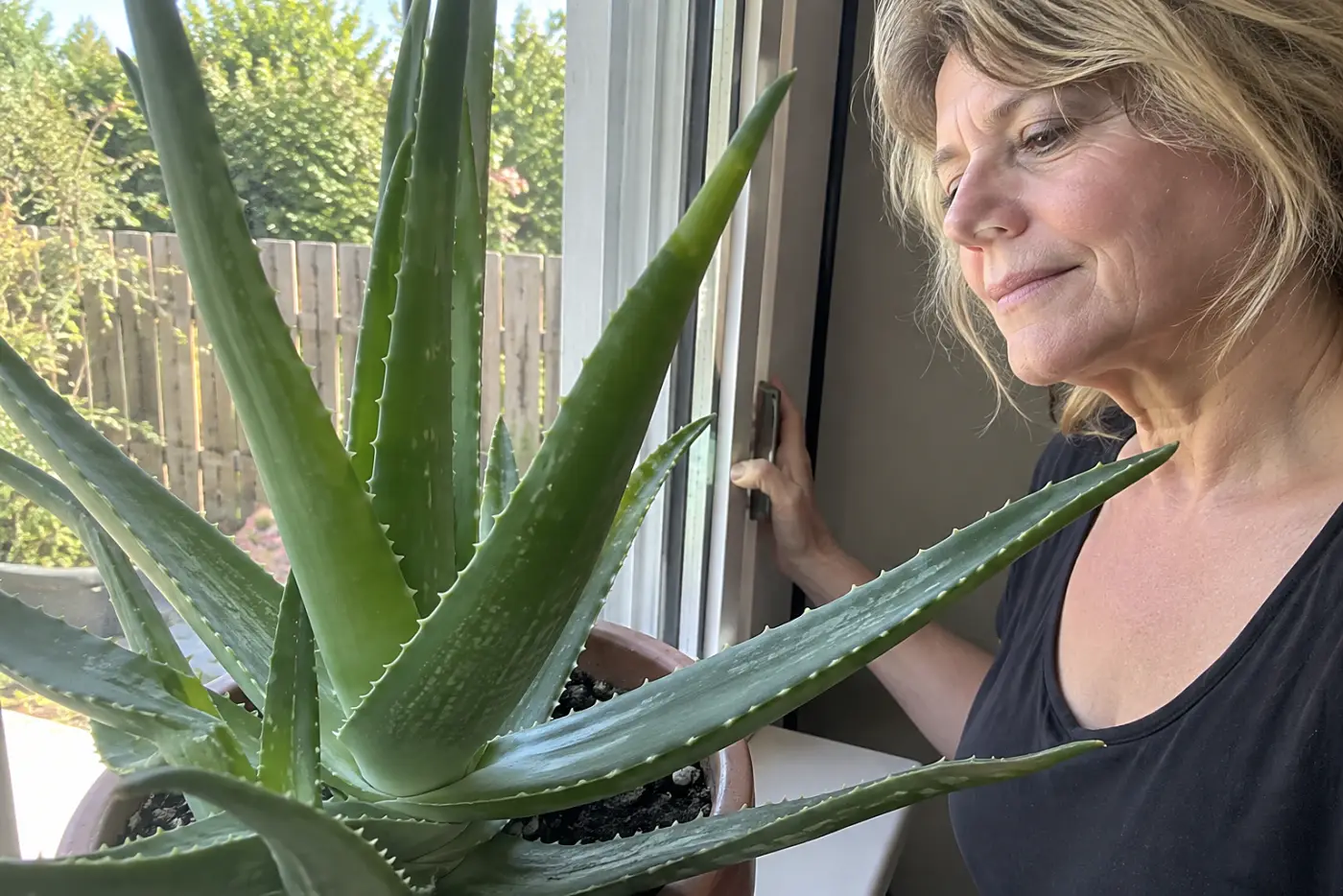
Fleshy pointed leaves rise from a low green rosette.
Aloe vera stores water in its leaves, so a skipped watering isn't urgent. It needs strong light and a pot that drains. In a dim room, leaves stretch and lean; in constantly wet soil, roots rot.
Skip the urge to use it as a cure-all: the easy part here is keeping the plant, not treating yourself with it. If the leaves lean, look at the light before you reach for the watering can. Water won't fix a dark corner.
Turn the pot if it leans toward the window, and water only after the soil dries.
1A Snake Plant in a Pot
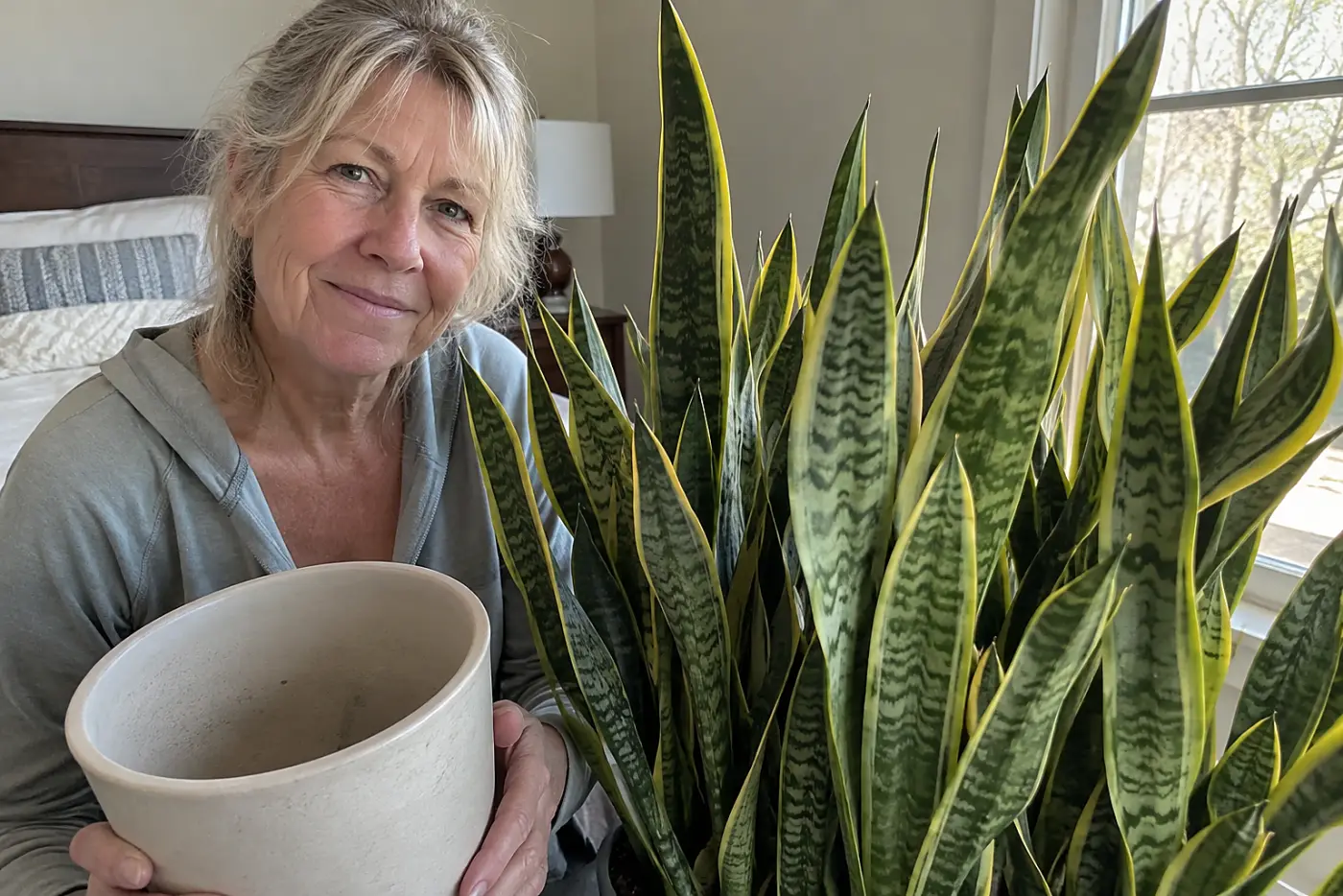
Tall striped leaves rise like upright paddles from the soil.
Snake plant, Dracaena trifasciata, keeps water in its thick leaves and underground rhizomes. It tolerates a missed watering and grows in a range of indoor light. Brighter indirect light supports stronger growth.
You don't have to buy a replacement when the pot gets crowded. Separate fans of leaves grow from rhizomes you can divide. A pot without a drainage hole traps water around the roots, so check that first.
Keep it in a draining pot, and divide a crowded clump when you want another plant.
The bottom line
These 27 plants forgive a missed task because they store water, reach deep, or accept a slower pace.
You already know to check the soil before the calendar and give new roots time to settle. Which one has stayed with you the longest?
Up next
29 Things Gardeners Over 70 Do Differently, and Why They Still Have Gardens
A hose timer cuts trips across the yard, while a lighter watering can and a written help plan keep the garden in your hands.
Read the list →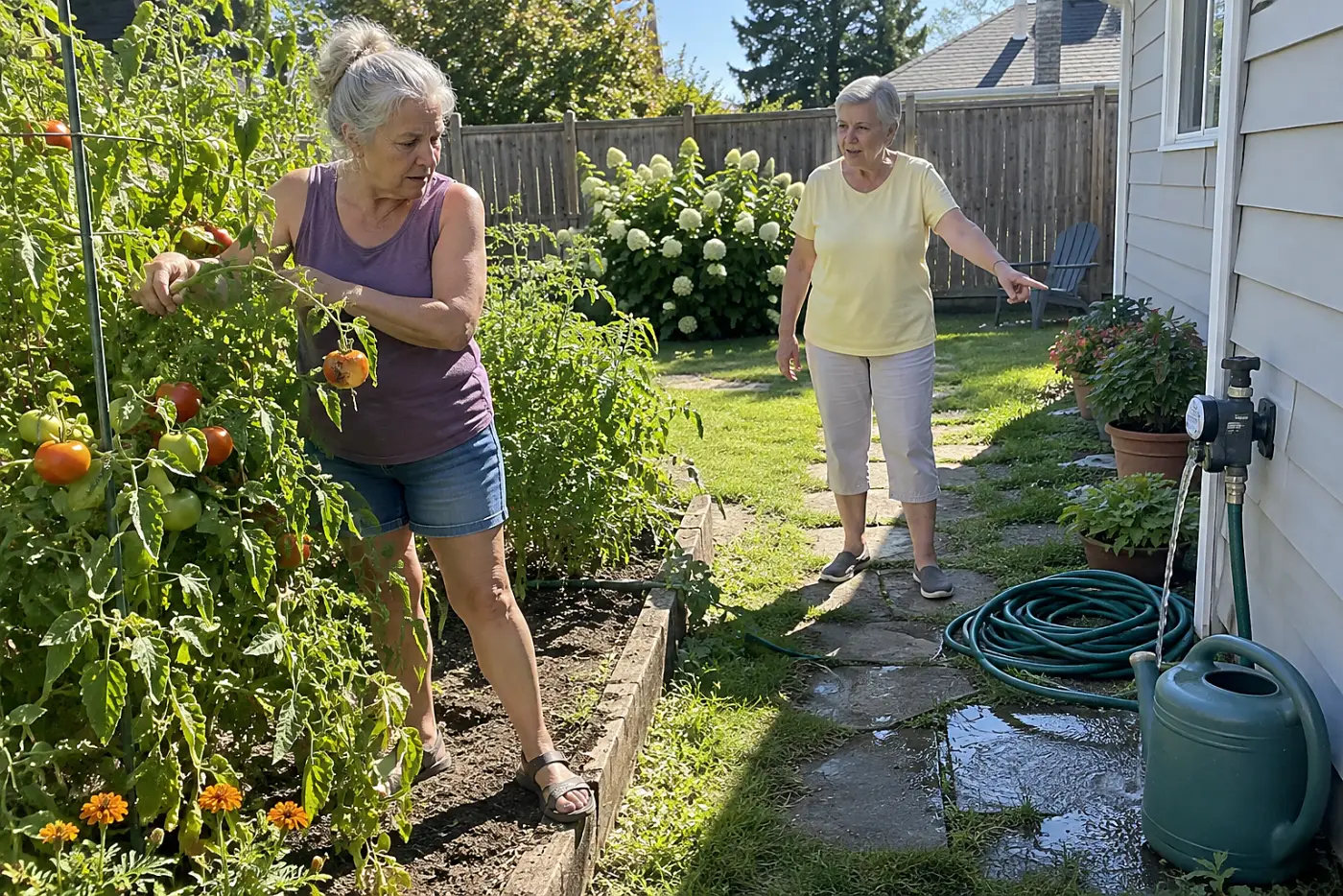
Reader quiz
Did you catch the details?
5 questions from this article. Finish them all to unlock the editor's bonus tip.
What should you do after watering a zebra haworthia?
Did any of these feel familiar?
Know someone who needs this?
June Marlow
Garden Editor
June writes about gardens you can still manage: what to plant, which jobs matter each season, and the tools that spare your knees and back.
More from June Marlow