


27 Memories Women Wish They'd Spoken Aloud to Their Dog Before the End
The empty leash hook by the door holds words you still want to say, and gives you a place to begin.
By Ruth Ellison, Family Editor
Updated · 12 min read
- Written by our family editor
- Cited 1 source
- How we review
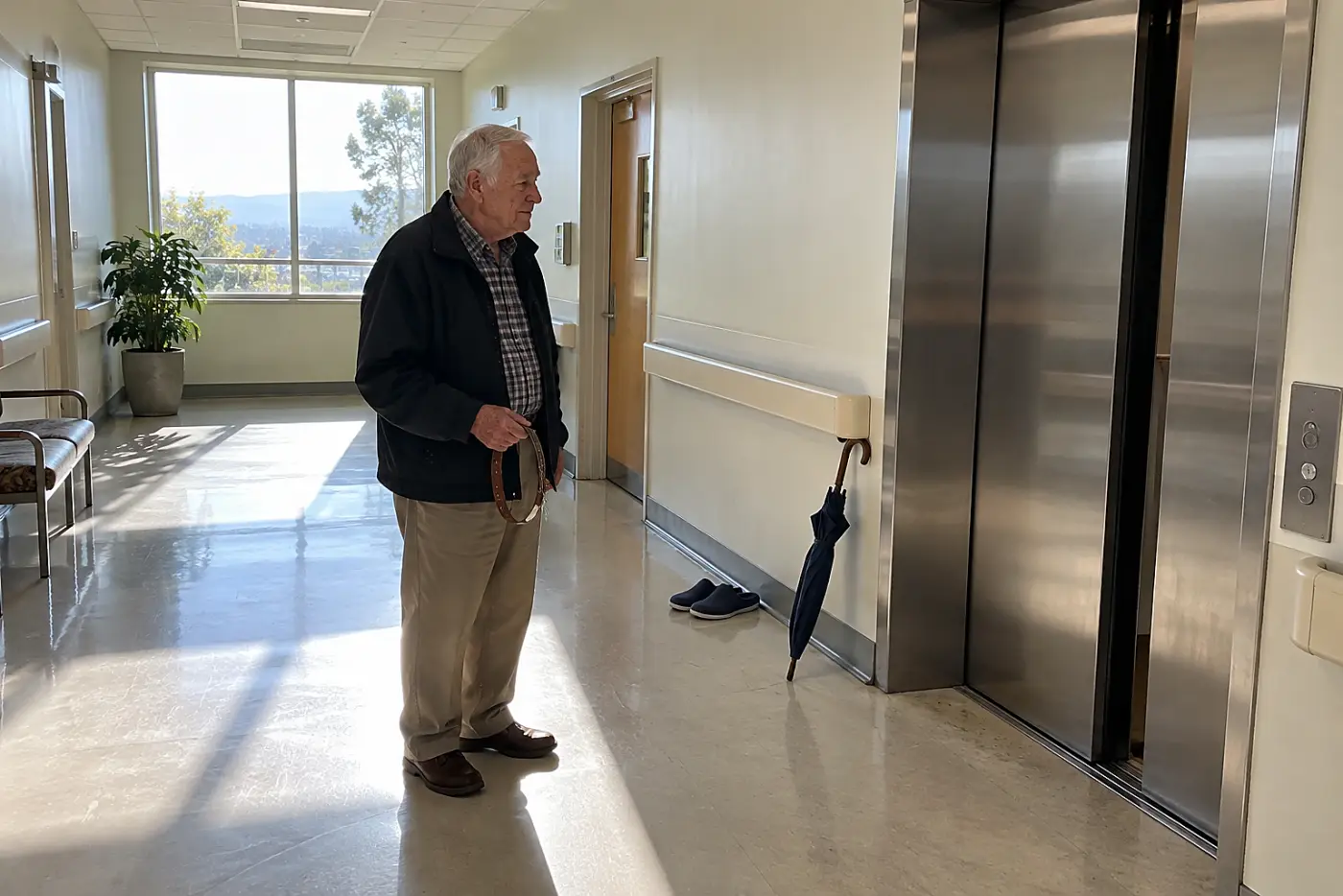
The leash is still on its hook. Down the hall, you catch yourself listening for claws on the floor. Then comes the thought that hurts in its own way: I never told her.
Perhaps you were busy carrying her, calling the vet, or trying to keep your voice steady. A dog’s last day asks too much of anyone. The words you meant to say are still yours, though. They don't have to stay inside your head.
27The shoes left by the door
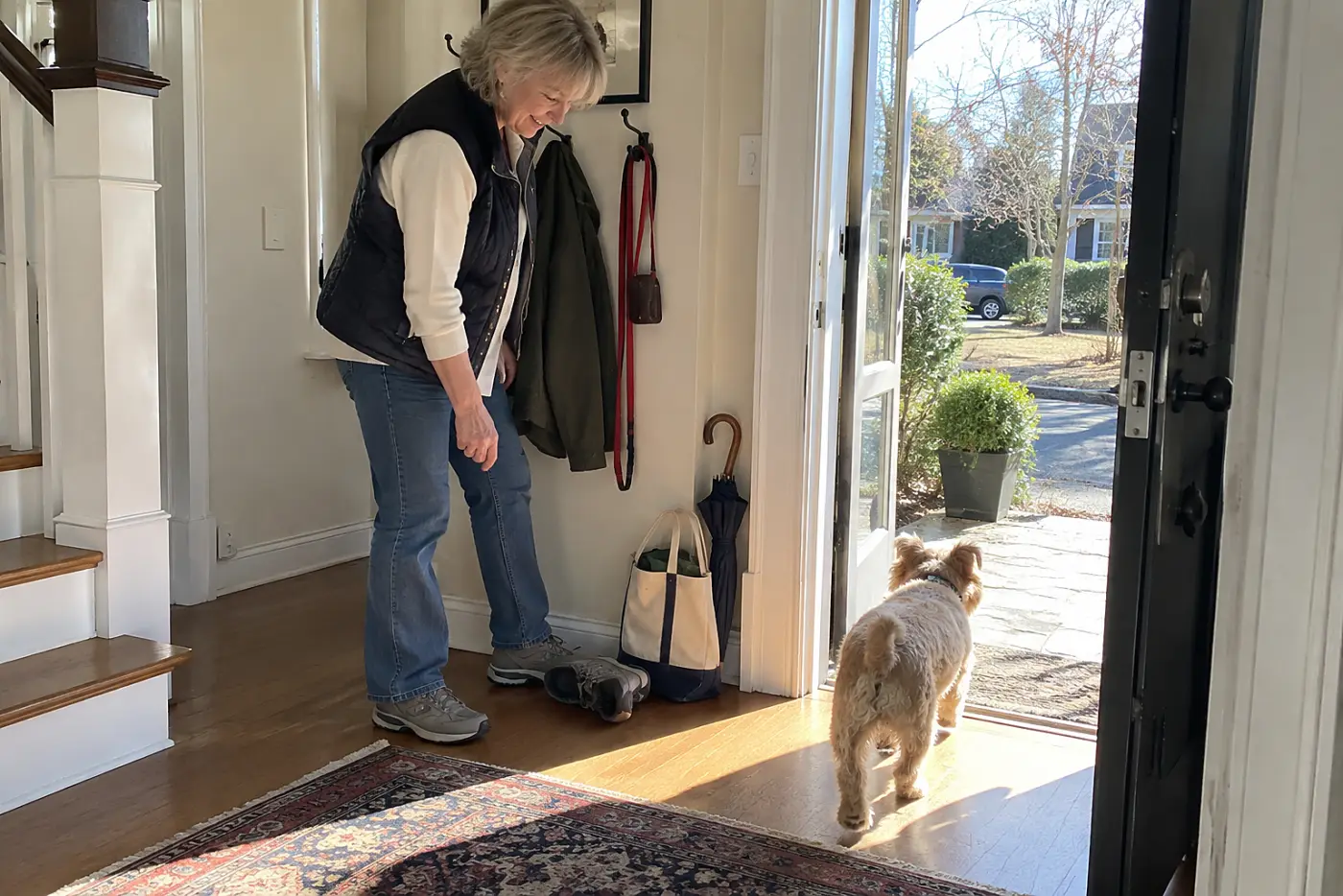
She waited for you, even when you came home tired.
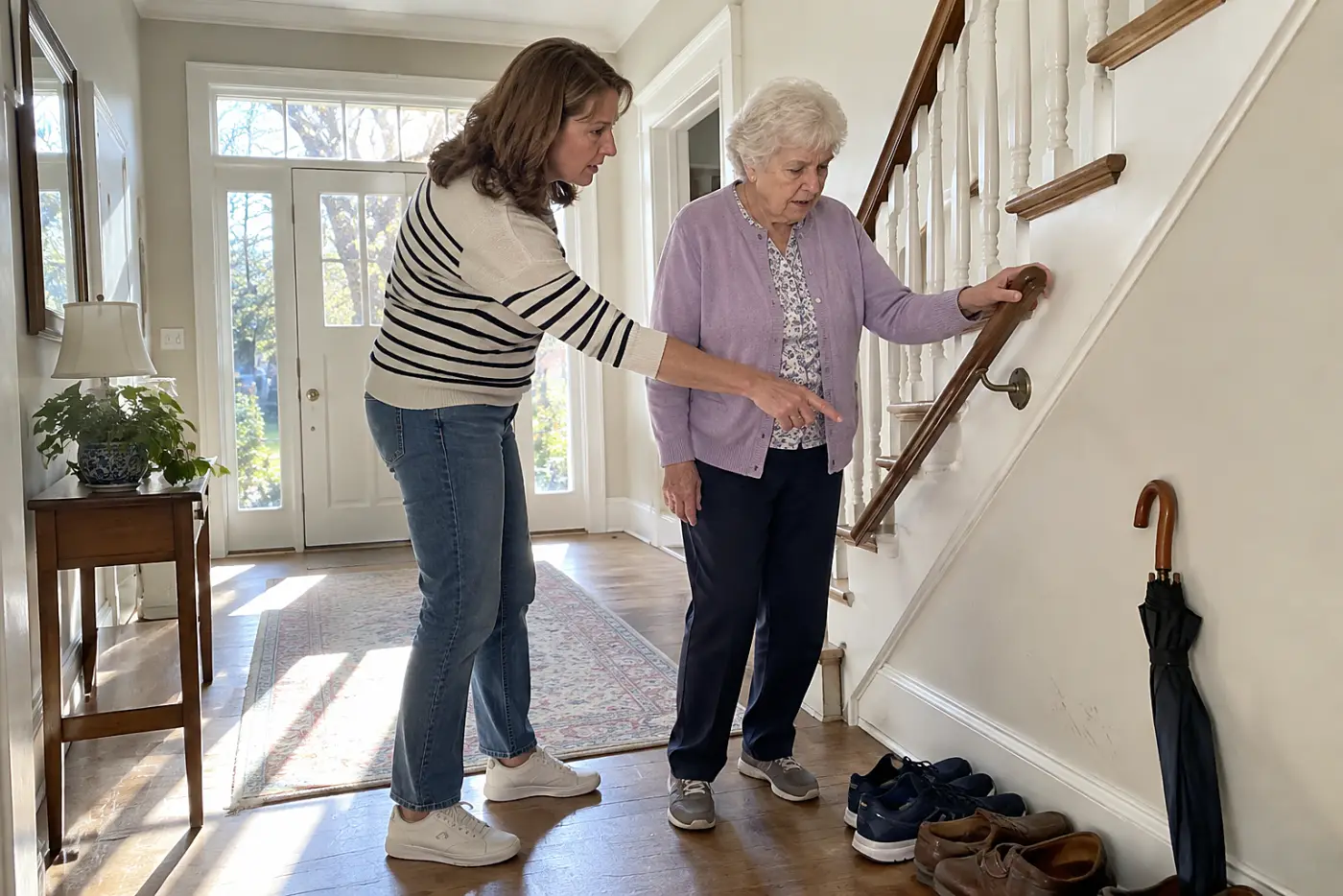
Those shoes came off, and she knew the pause before you reached for the leash. She got up anyway. Think of the ordinary evenings when neither of you needed a special destination. Going together was enough, even if you only walked around the block before dinner.
The shoes were a promise she understood. When you see them by the door now, remember how readily she believed you'd take her along.
26The bowl scraped across the floor
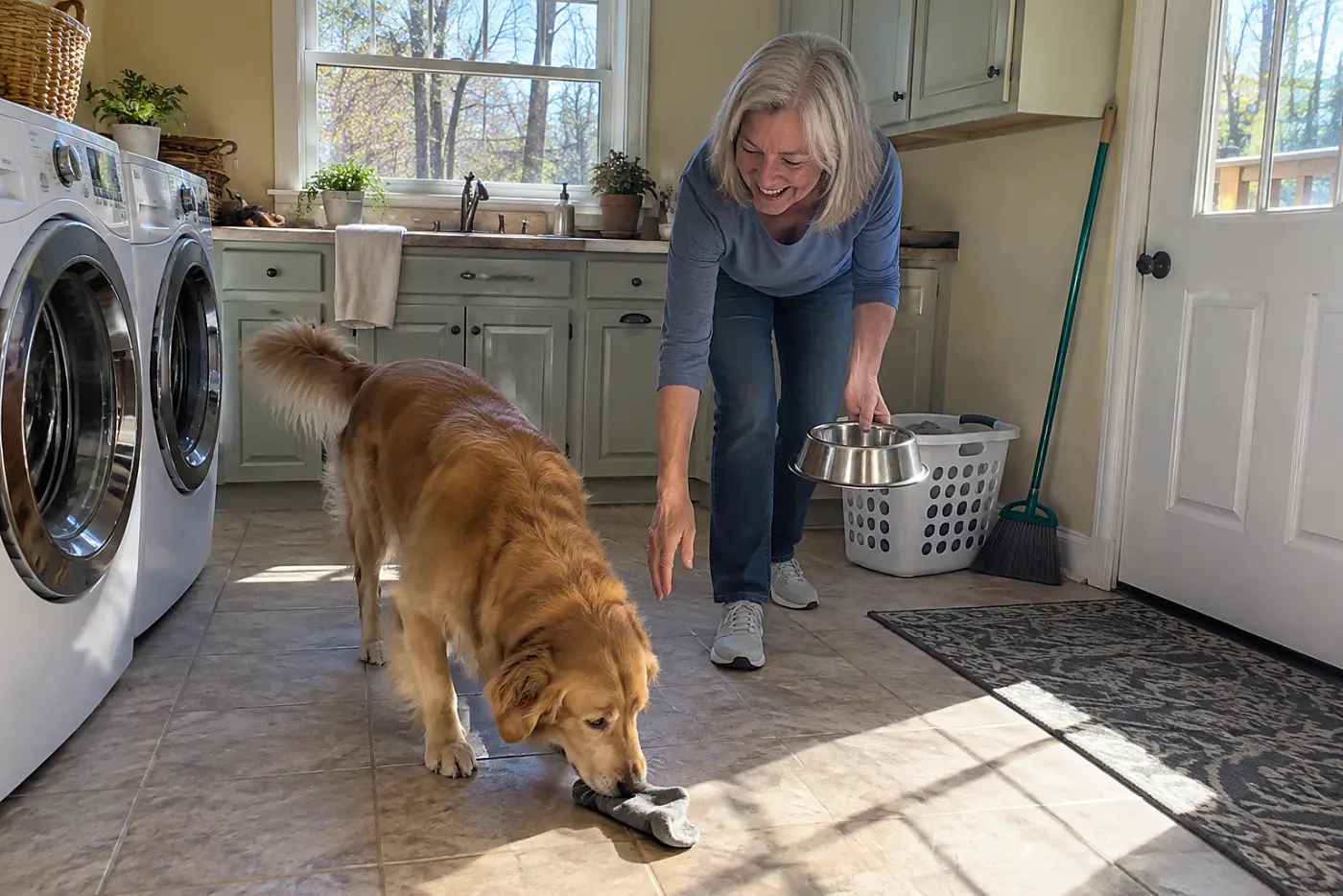
The skipped meal near the end stays sharper than all the meals she ate, because you watched it so closely.
Before that bowl frightened you, its scrape meant she was coming. She heard it touch the floor and appeared from another room. You learned exactly where to set it so she wouldn't push it against the wall.
If you still have the bowl, you needn't decide today what to do with it. For now, remember the sound it made when she was hungry and well.
25The name you called her at home
Her proper name was only the beginning.
The ridiculous one arrived later. It changed with the years, and so did the voice you used when you called her. You said it across the yard or from the bedroom, sure she would come padding in.
Say the silly name aloud if you want to hear how it sounds in your mouth. No one else has to understand it. That name belonged to the life you shared at home.
24The hours you worked late
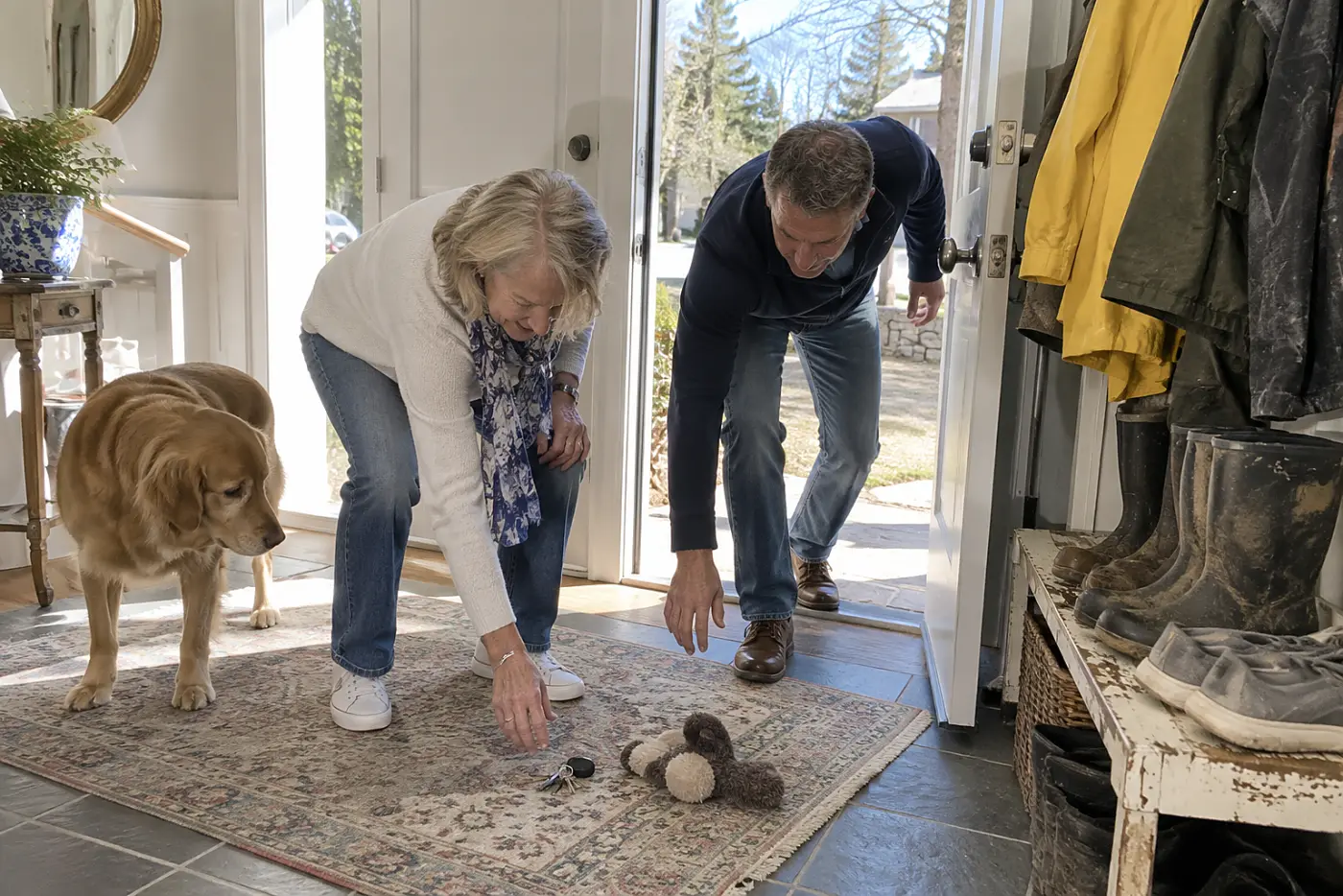
“I’m sorry I came home tired.” You want to tell her that because you remember the evenings when she brought a toy and you set it down.
You also came home. You found her waiting, and you spoke to her while you put your keys away. The distracted evenings belong to her life alongside the afternoons when you stayed outside until she was ready to go in.
When guilt chooses one night, set another beside it. Picture what happened after you hung up your coat.
23The warm spot beside your legs
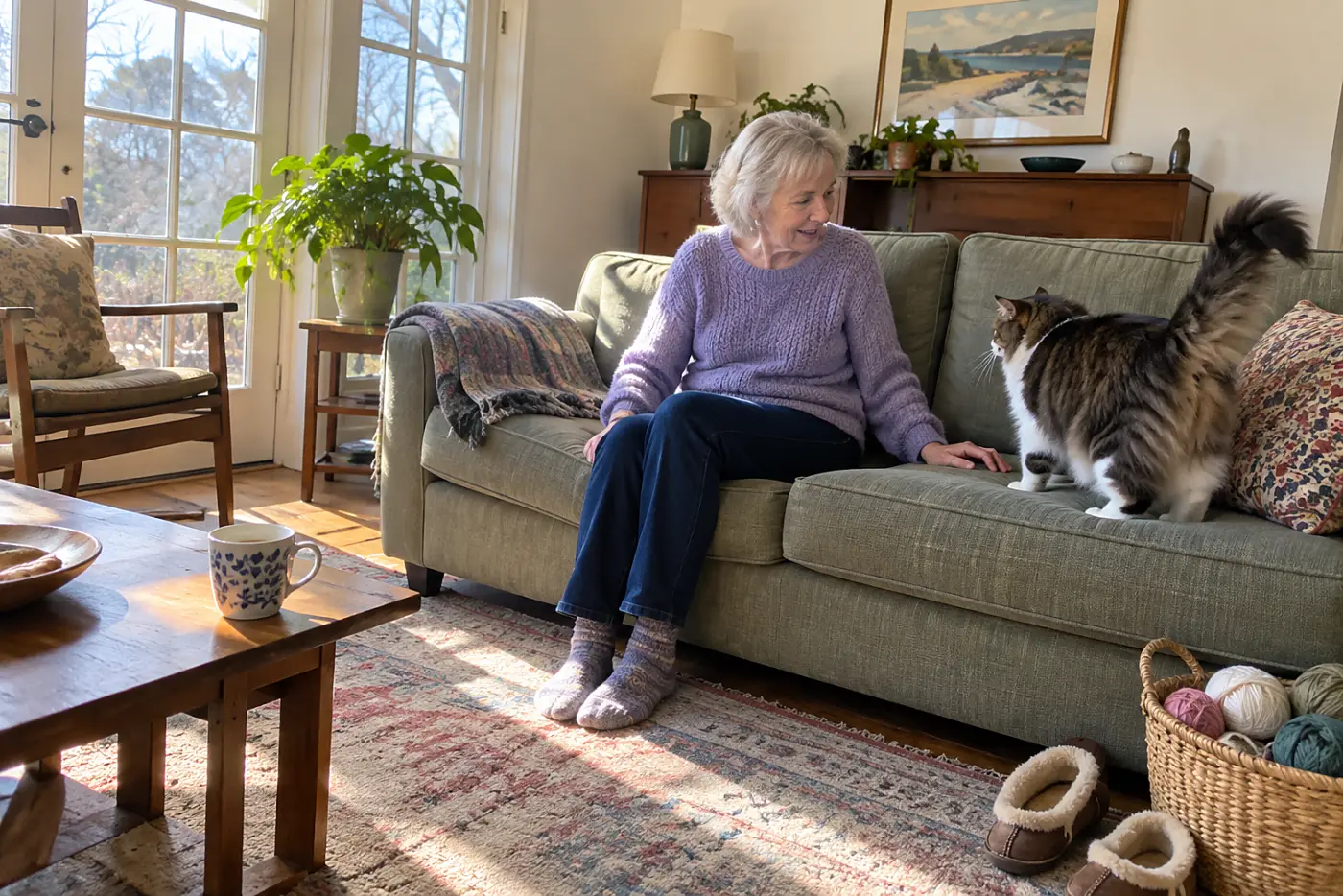
Her weight found the same place on the bed or sofa. After she died, your body still left room.
That spot did something for you. On nights when sleep took its time, she settled against your legs, and you knew where she was without turning on the light. You didn't have to talk or make the day sound better than it had been.
“You made it easier to rest.” It's a plain sentence. You don't have to find a grander one to make it true.
22The muddy paw prints indoors
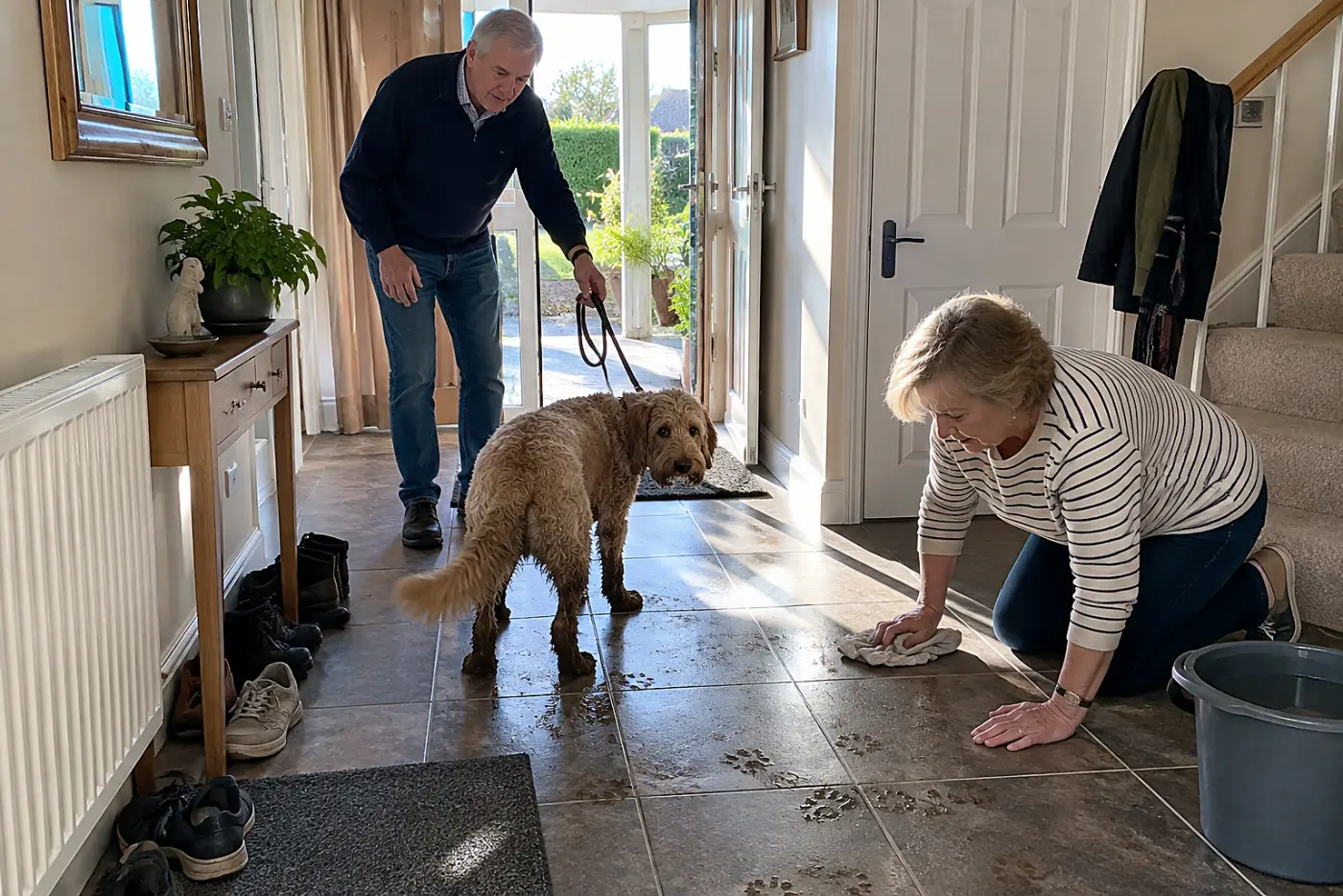
Were you too cross about the mud?
You were cleaning a floor. She was a dog who had been outside. Both things were true on those wet afternoons, even when you wished she'd waited on the mat.
If one sharp word keeps replaying, put it beside what happened next. You found the towel, bent down, and wiped her paws. Then she came farther into the house, where she belonged. That whole afternoon is yours to remember, not only the moment you lost patience.
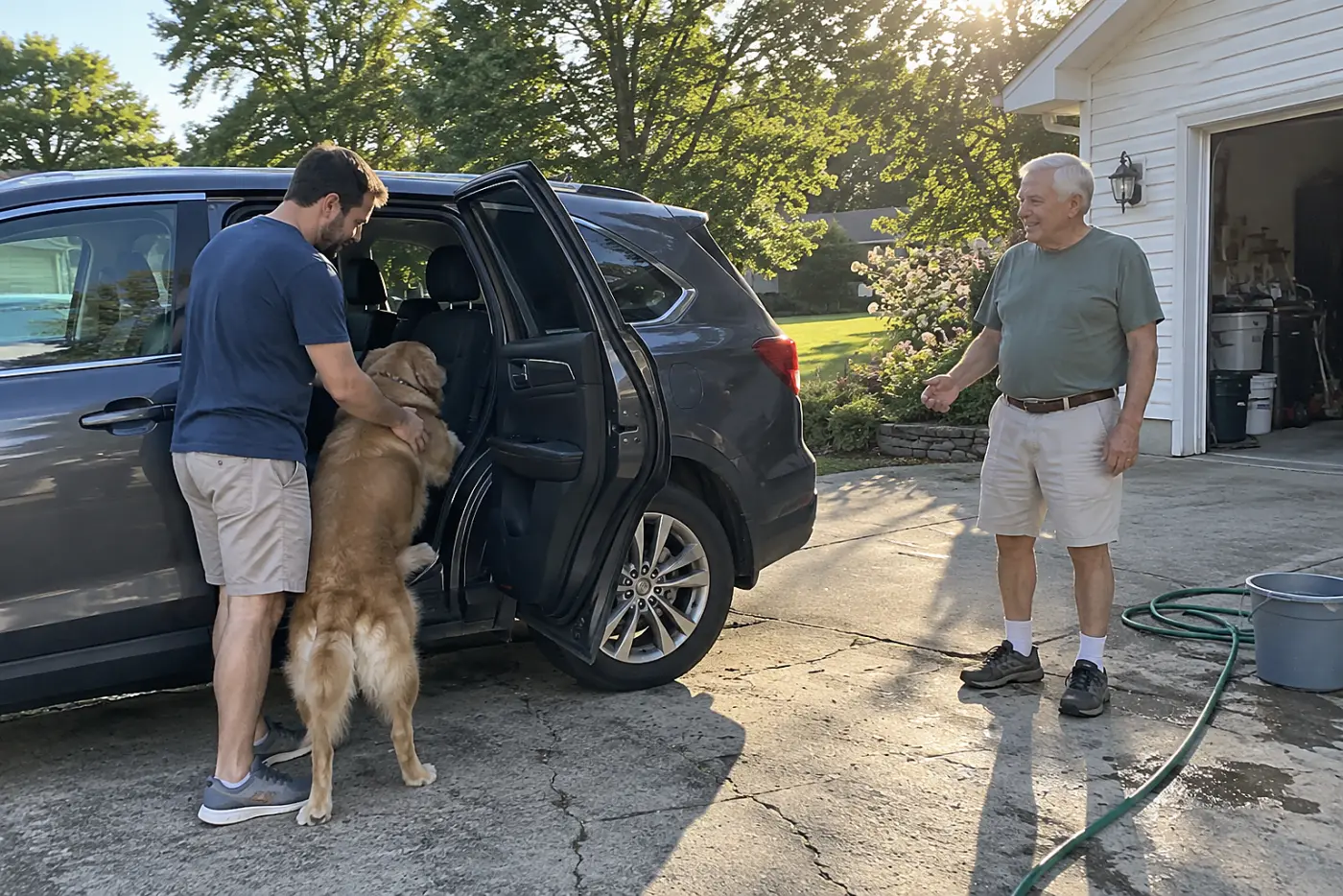
21The car rides she recognized
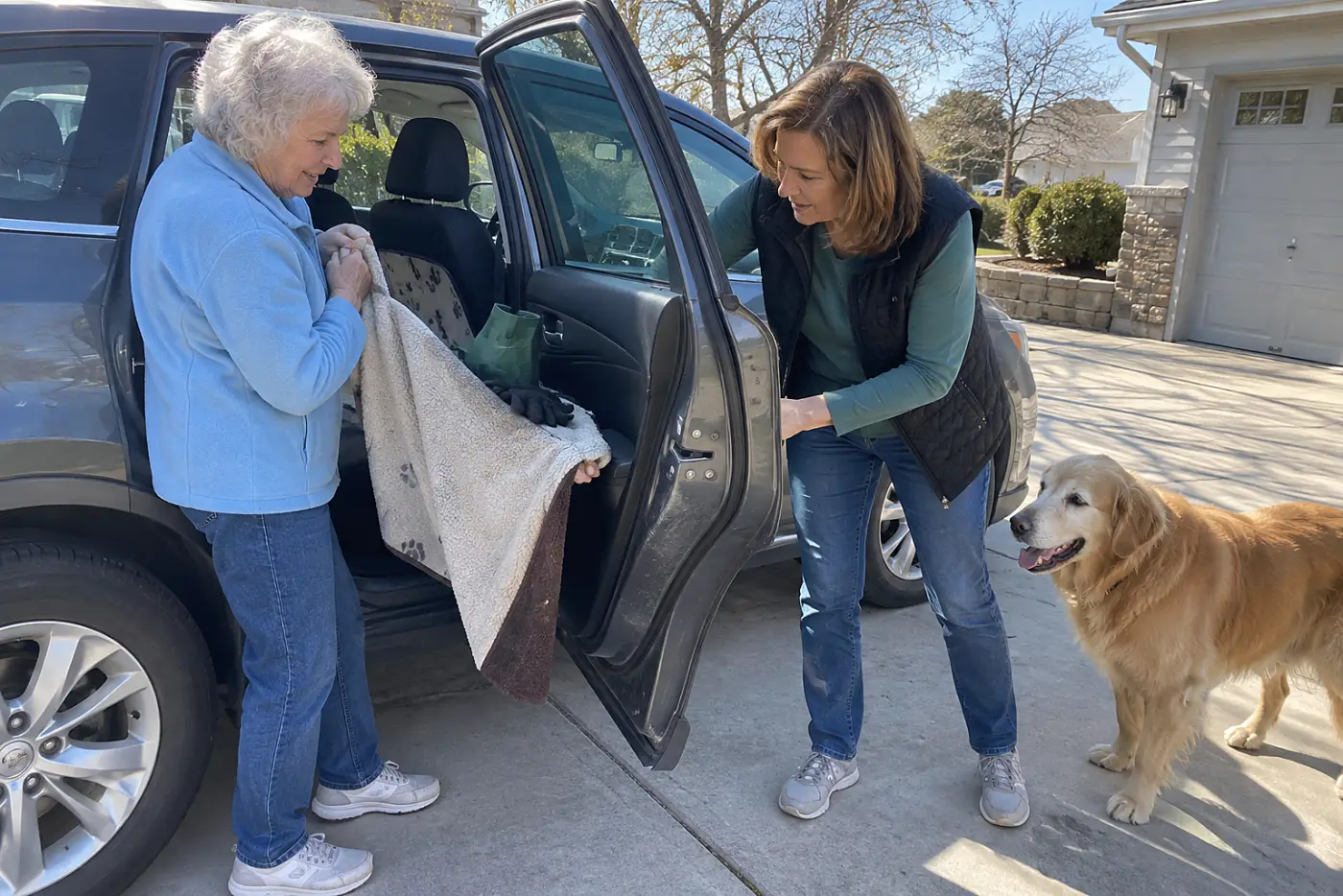
She knew the turn toward the park. Later, she learned the turn toward the vet’s office. You saw her notice the difference, and you hated asking her to go.
You kept taking her because something hurt and you were looking for help. On the drive home, she still knew the person in the front seat. The road hadn't changed that.
If the last ride crowds out the others, recall a trip when she watched the passing trees. Where were you headed together that day?
20The space she claimed on trips
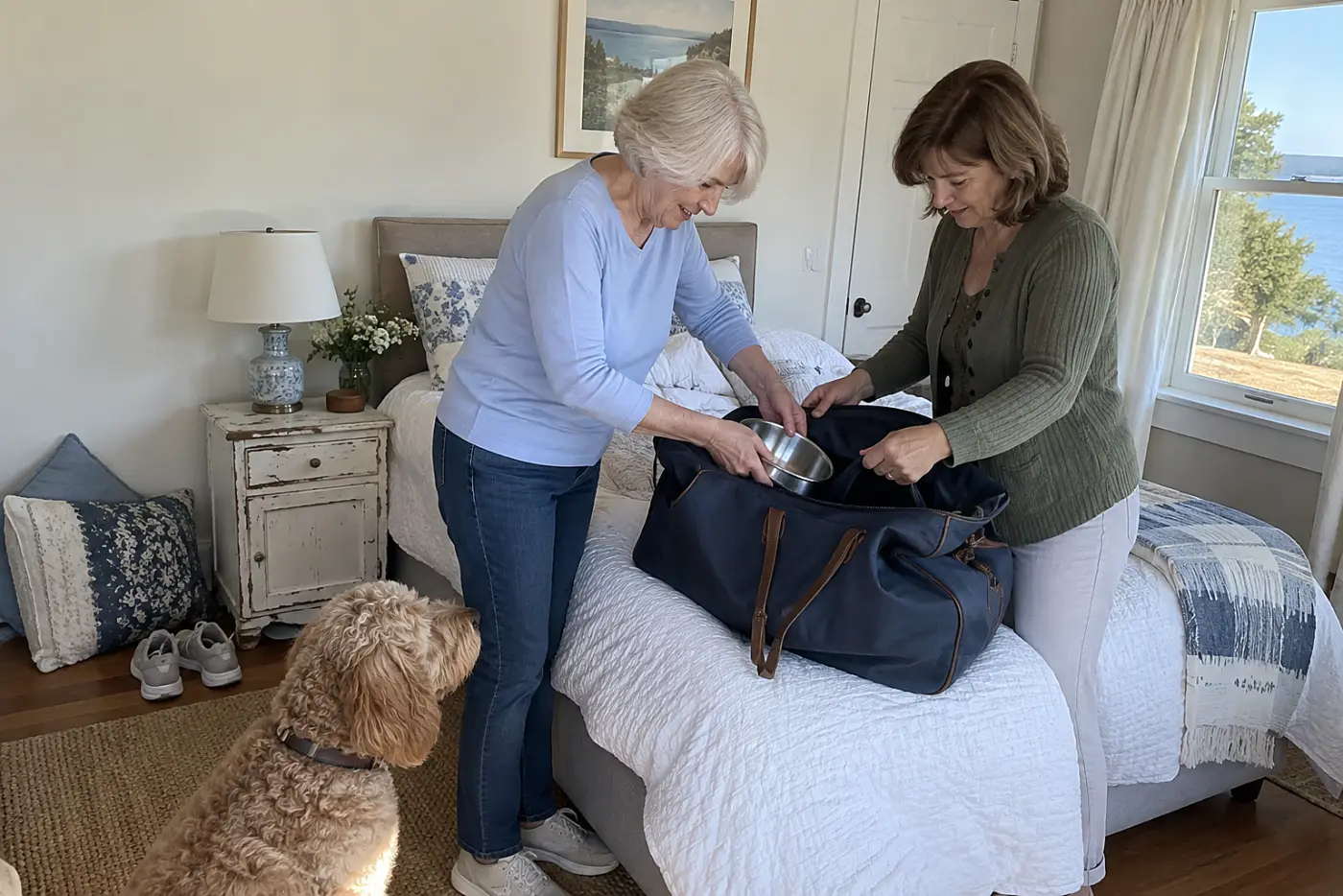
A strange room became familiar as soon as she found a place to lie down.
You had packed her bowl, blanket, and food. At a relative's house or a roadside stop, she inspected the corners while you carried the bags inside. Then she settled where she could watch you move about.
An overnight visit counts. So does the trip you cut short because she was restless. She was part of what home meant when home changed places, and you made room for her there.
19The morning walks you hurried
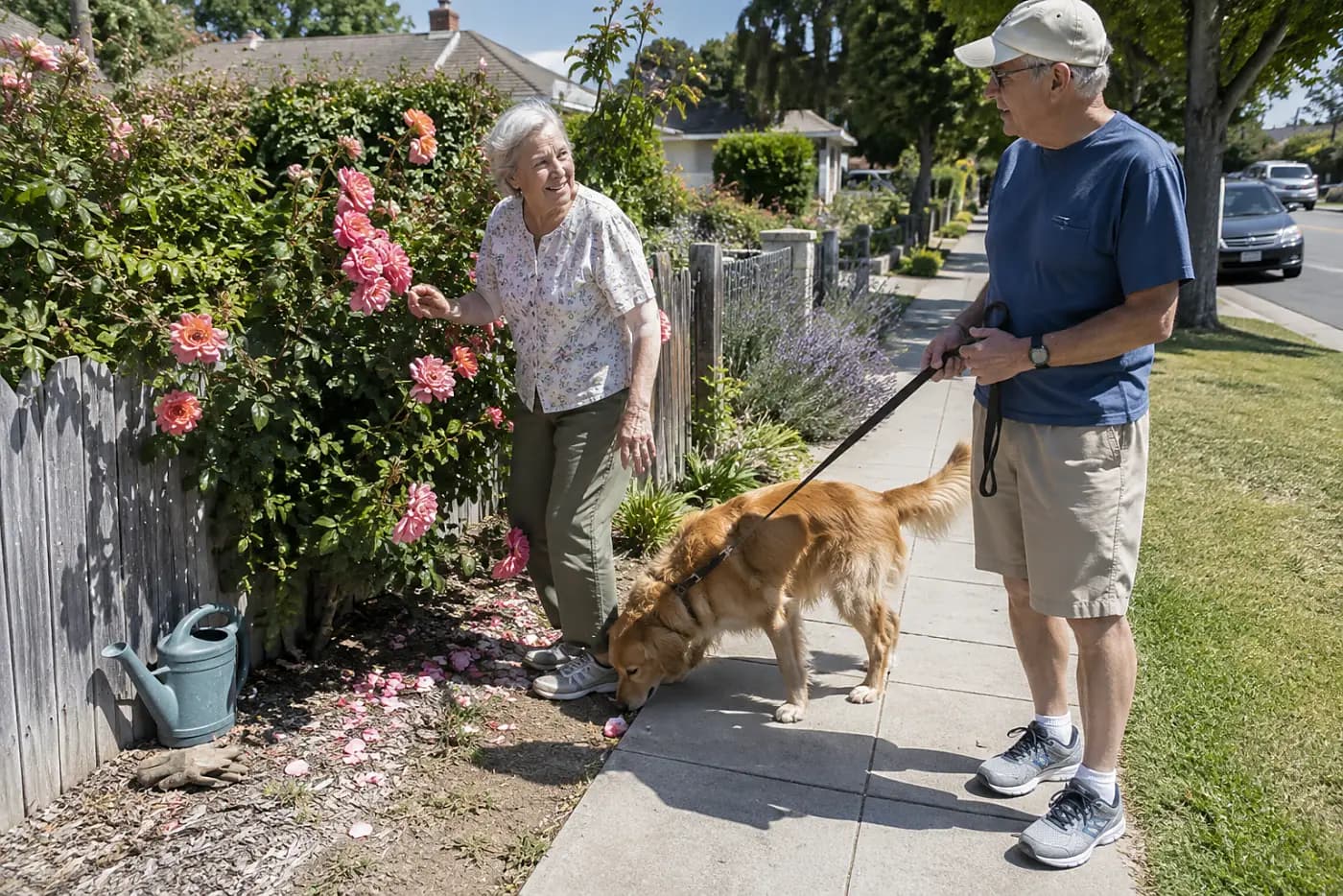
What would she have found if you'd waited at the fence post?
Some walks were short because you had somewhere to be. Now the minutes spent tugging her onward feel larger than they were. She had other mornings, too, when she chose the route and you followed.
Choose one of those mornings to remember in full. Was the grass wet? Were the neighbor's roses out? Did another dog appear across the street? She gave you a reason to notice what was there.
18The people she helped you meet
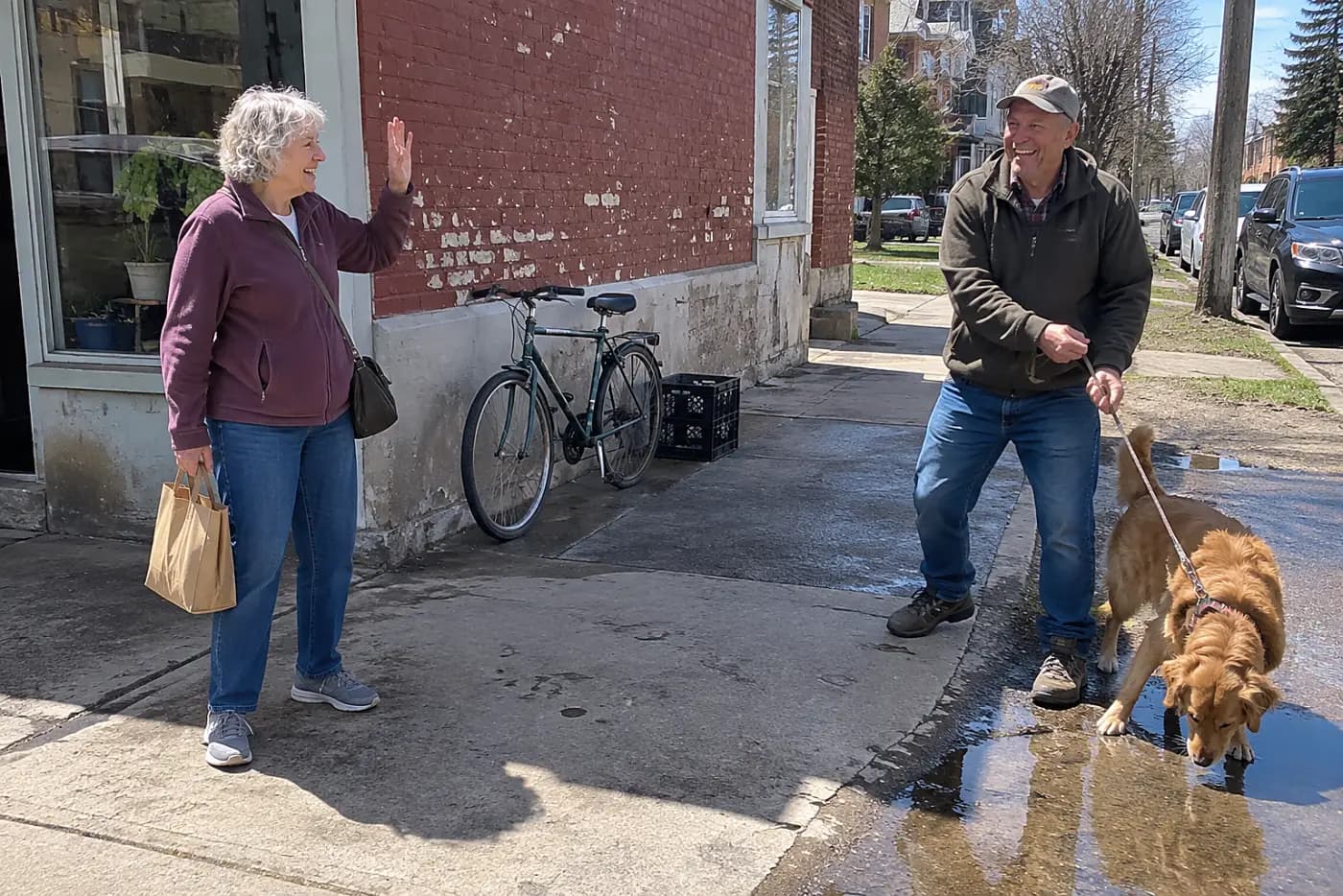
A stranger asked her name, and you answered.
Soon you were talking to people you'd passed for years. You learned which neighbor took an early walk and which one stopped to ask after her. She waited while you talked, ready to move again when you were.
That was part of her life, too. The next time you see one of those neighbors, ask what they remember about her. You might hear a story from a walk you thought you'd forgotten.
17The towel after the rain
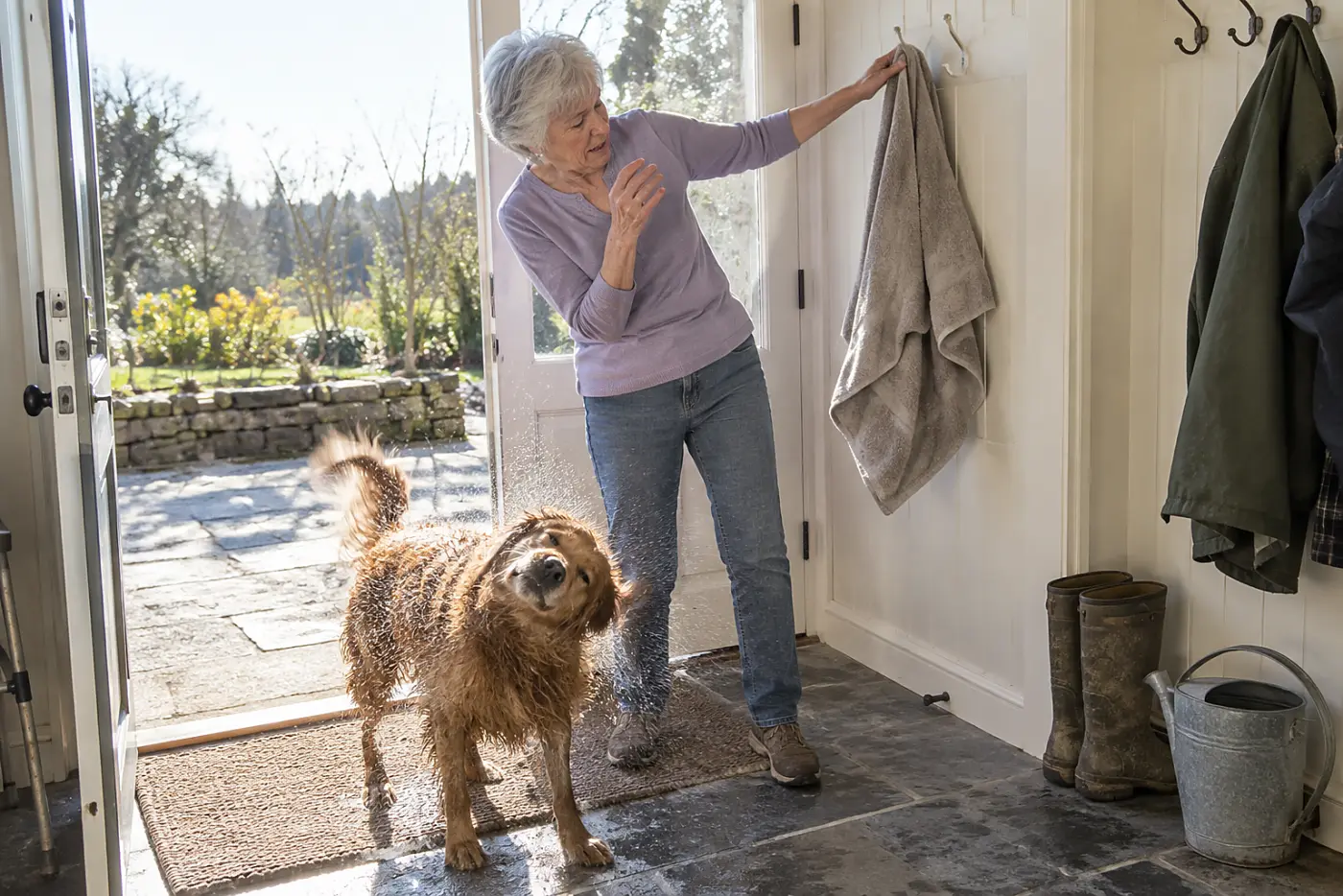
She came in soaked and shook before you got the door closed. You protested. Then you rubbed her dry.
That towel held an entire routine: your hands working around her ears, her attempt to pull away, the damp smell that filled the hall. If you kept the towel, hold it. If you didn’t, the routine still happened.
The wet floor was a nuisance. It was also where she stood and trusted you to finish the job.
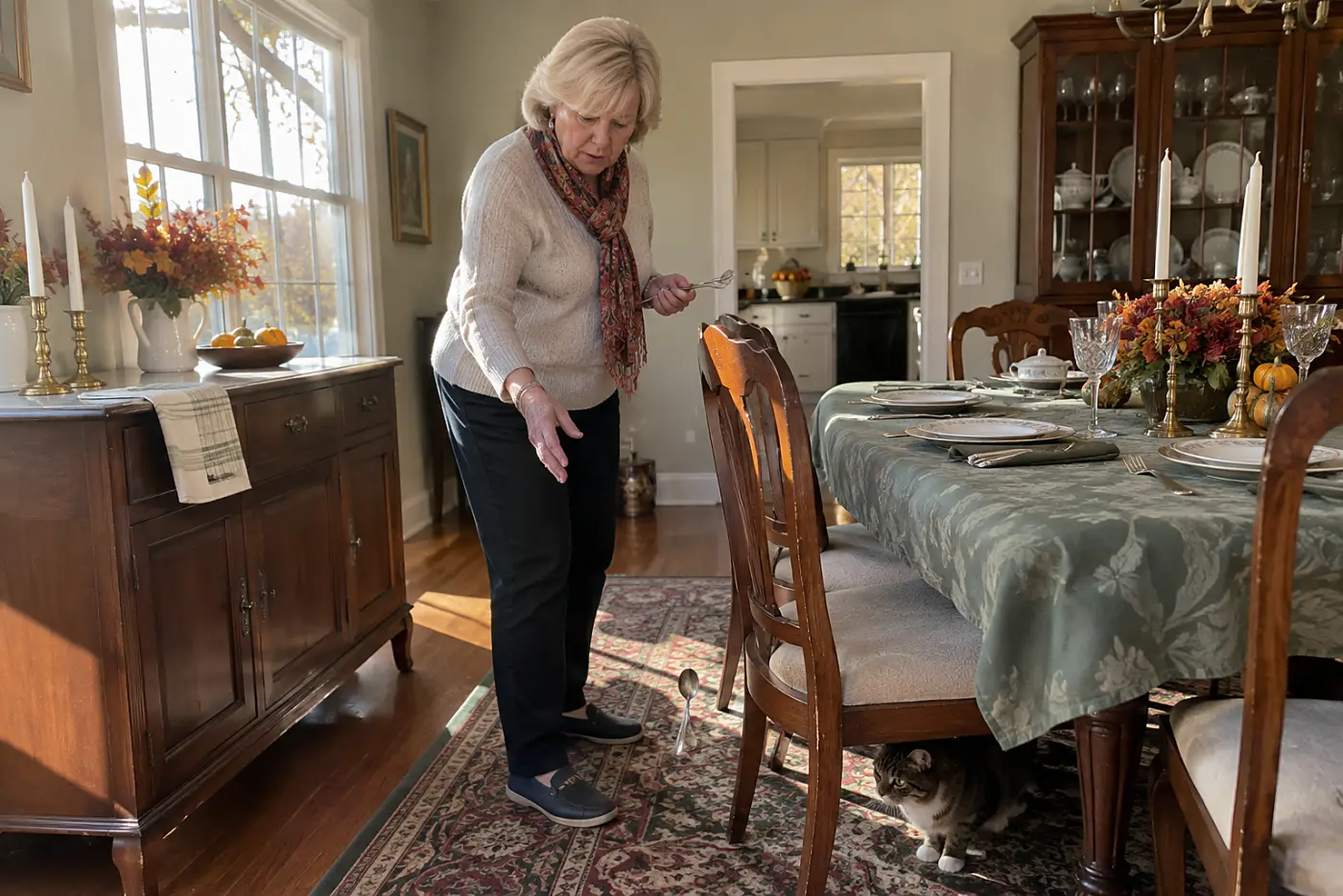
16The crumbs beneath the dining chairs
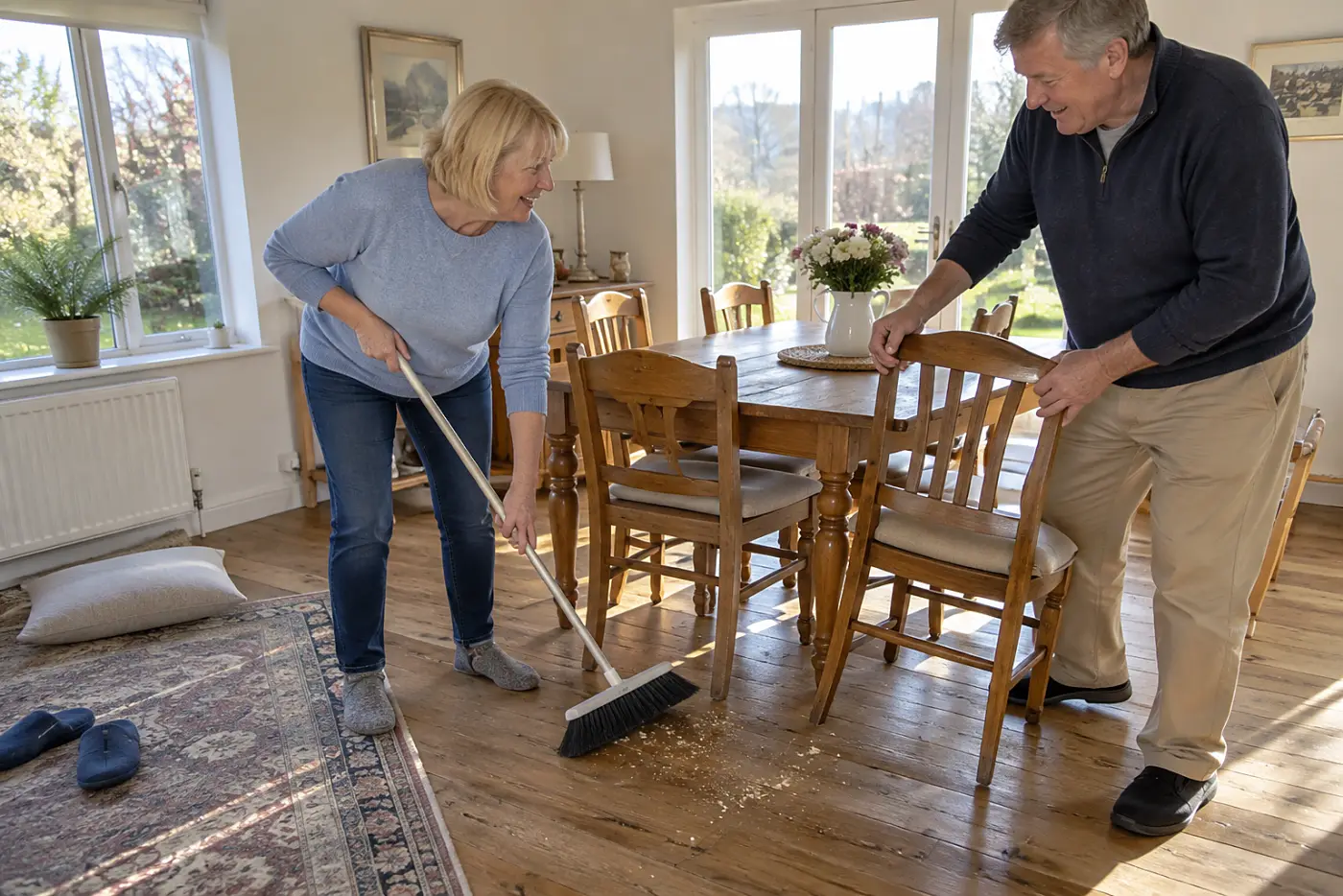
At dinner, she knew exactly where crumbs landed. Guests learned to watch their feet when they pushed back a chair.
You knew her hopeful face was coming before anyone dropped a bite. Perhaps you asked people not to feed her, then caught yourself saving a harmless scrap. The little negotiation happened so regularly that nobody thought to mention it.
Now a crumb stays where it falls. That's one way to notice how closely she followed the life of your household.
15The old games she stopped playing
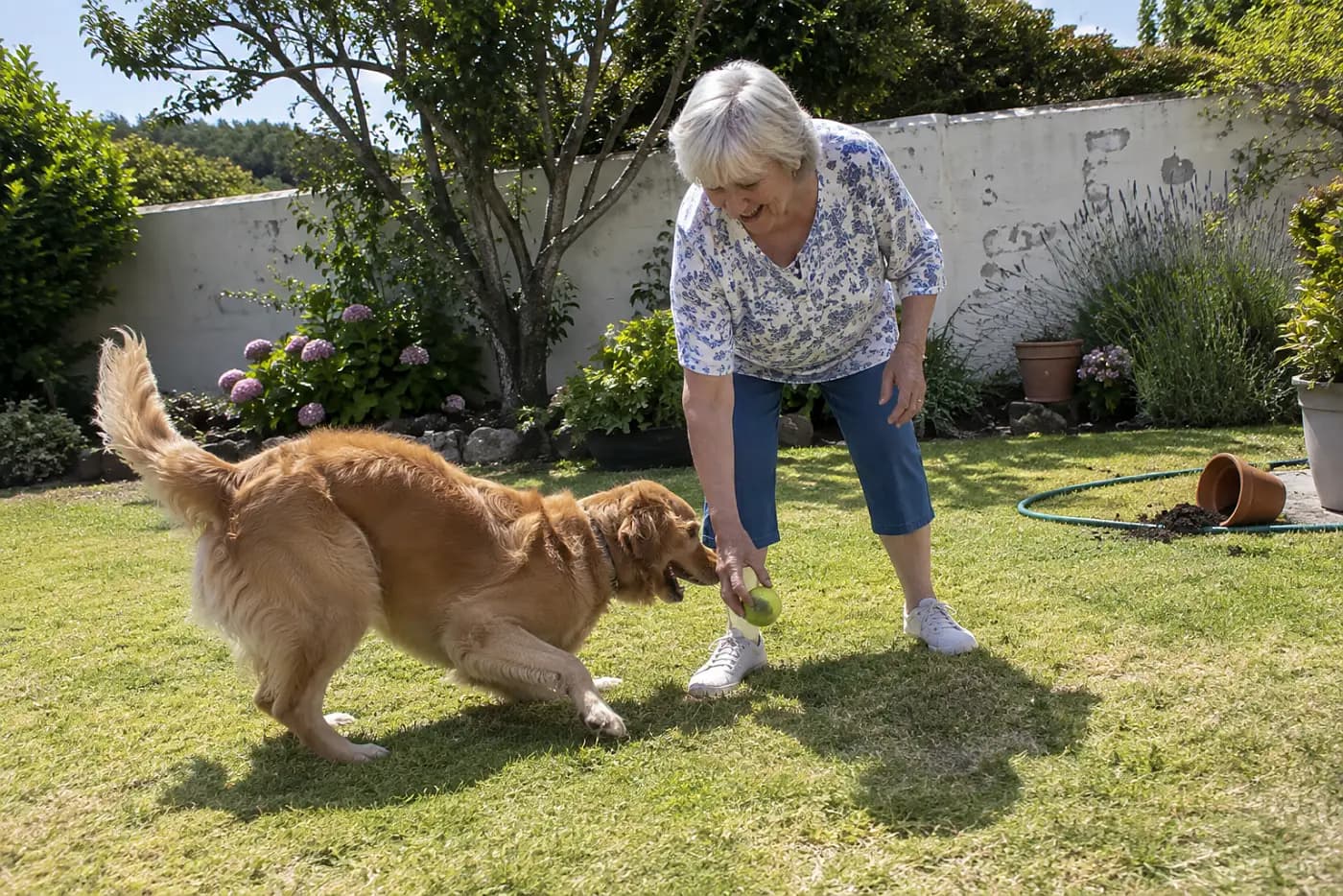
She used to bring the ball back. Then she carried it halfway. Later, she watched it roll and stayed where she was.
You adjusted, though it hurt to see the change. You sat with her instead and let the ball rest beside you. If you kept it, hold it for a moment and remember the games she still wanted to play, not only the last one she couldn't finish.
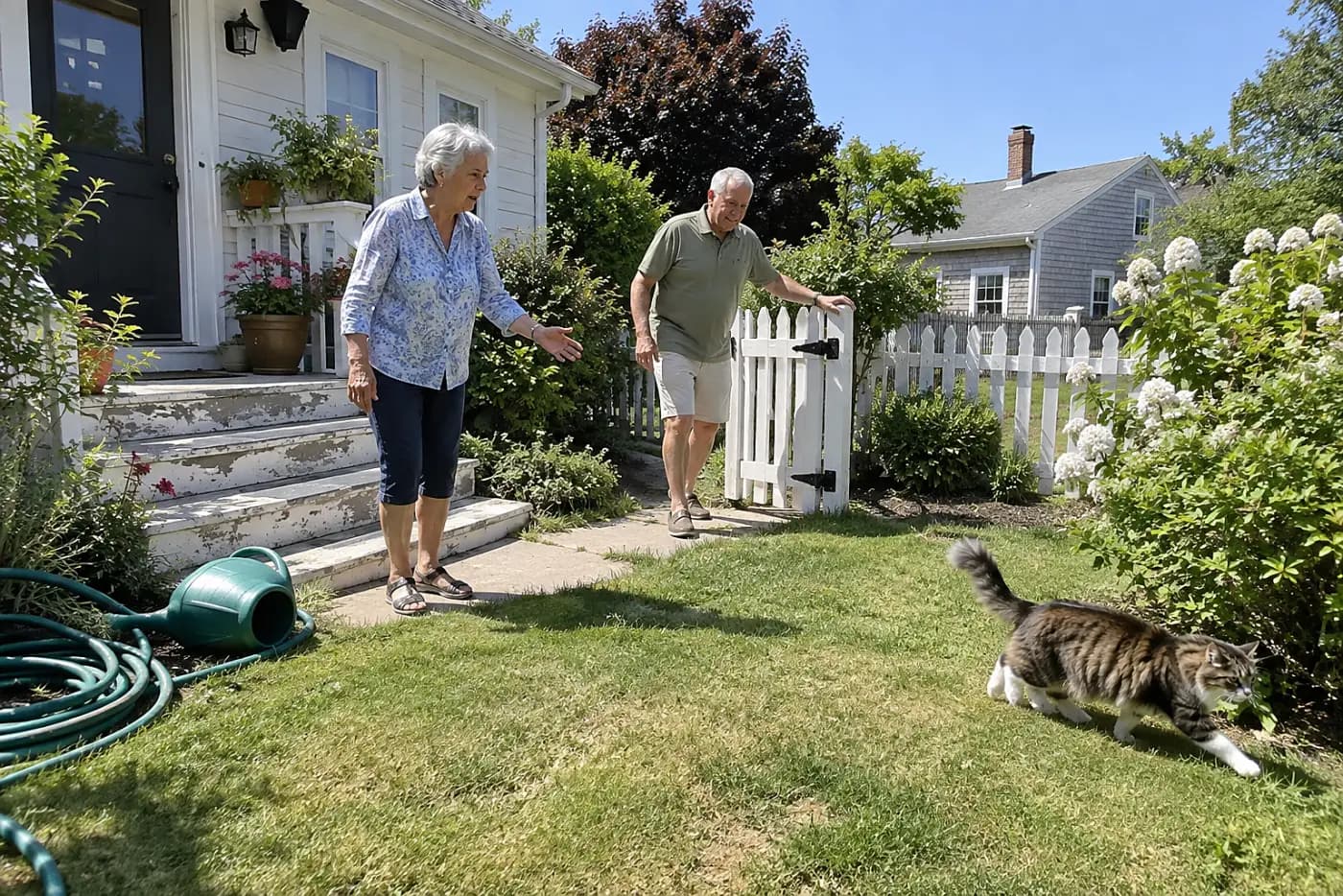
14The gate you checked twice

Your hand went to the latch before bed, even when she was already inside.
You checked it twice because you knew she was curious. A gap beneath a gate looked different from her height than it did from yours. So you went back, tested the latch, and checked the yard before calling her in.
She never had to understand that routine. You did it because the next morning mattered: another breakfast, another look around the garden, another call from the back door.
13The gray hairs around her muzzle
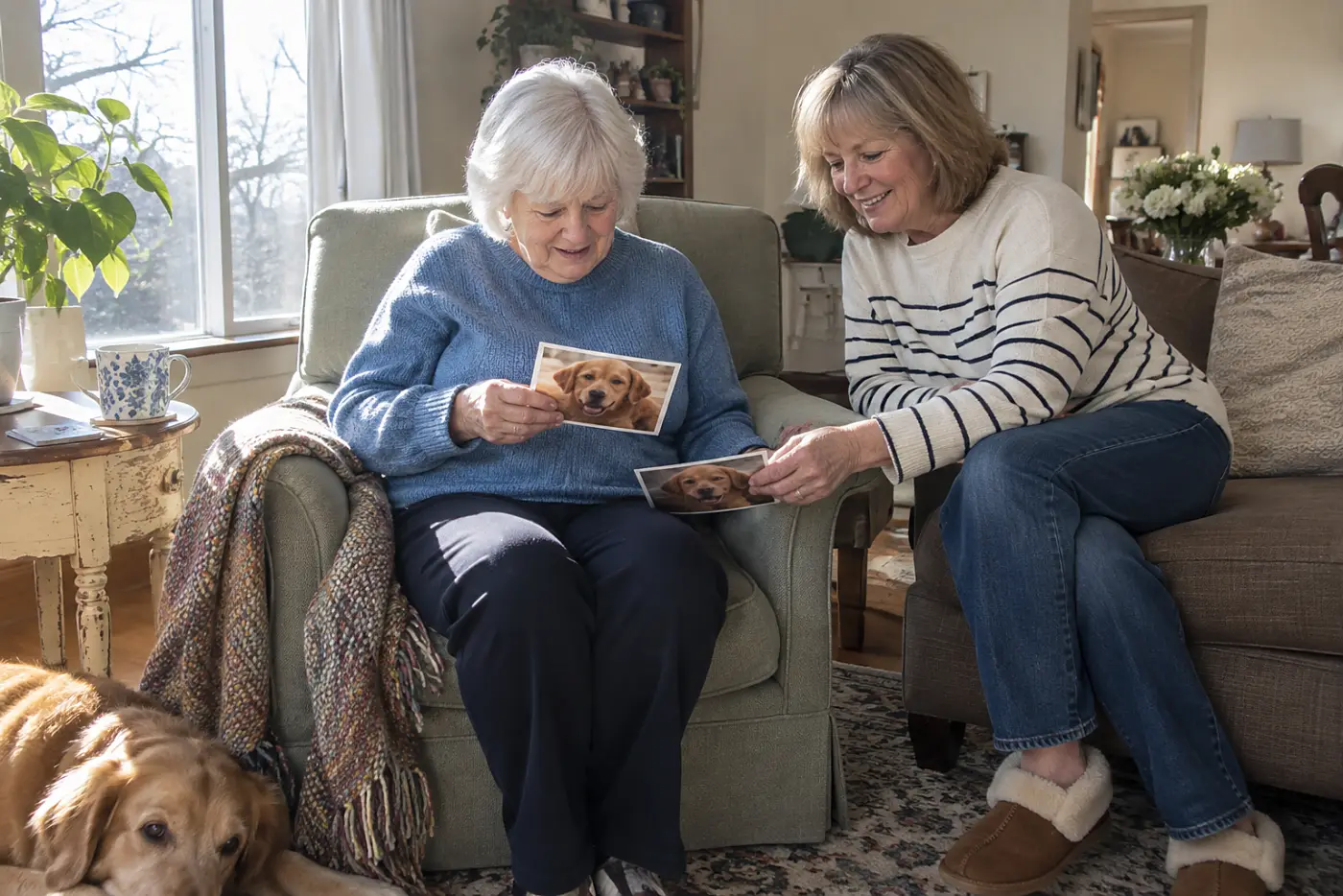
You noticed the first few. Then one day the whole face looked different from the one in the puppy picture.
There isn't one age at which every dog's muzzle turns gray. The face in front of you changed on its own schedule, while you kept learning its expressions.
Find 2 photos from different years and put them side by side. Look past the gray for the way she held her ears when she noticed you. “I saw you getting older. I still saw you.”
See more: 26 Signs Your Senior Cat Is Rearranging Her Life Around You →
12The favorite person she chose
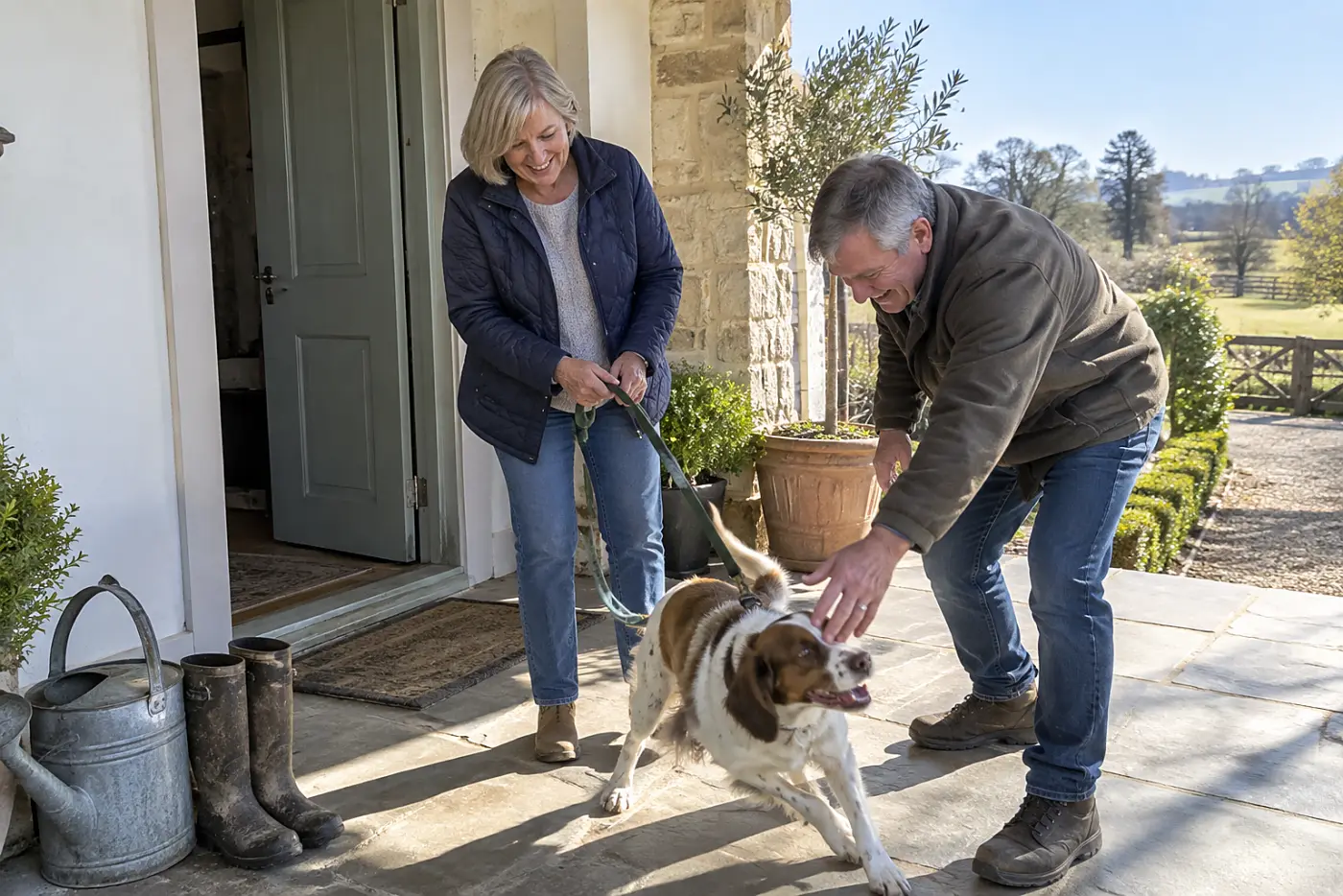
Did it sting when she greeted someone else first? Of course it did. Dogs have their own attachments, and you knew who she ran toward.
You also saw what that person meant to her. Perhaps she waited for their car or followed them down the hall. You weren't outside that bond; you were there to watch her be loved by someone else.
If that person is still in your life, ask for their favorite memory of her. Let it be different from yours.
11The hand on her chest
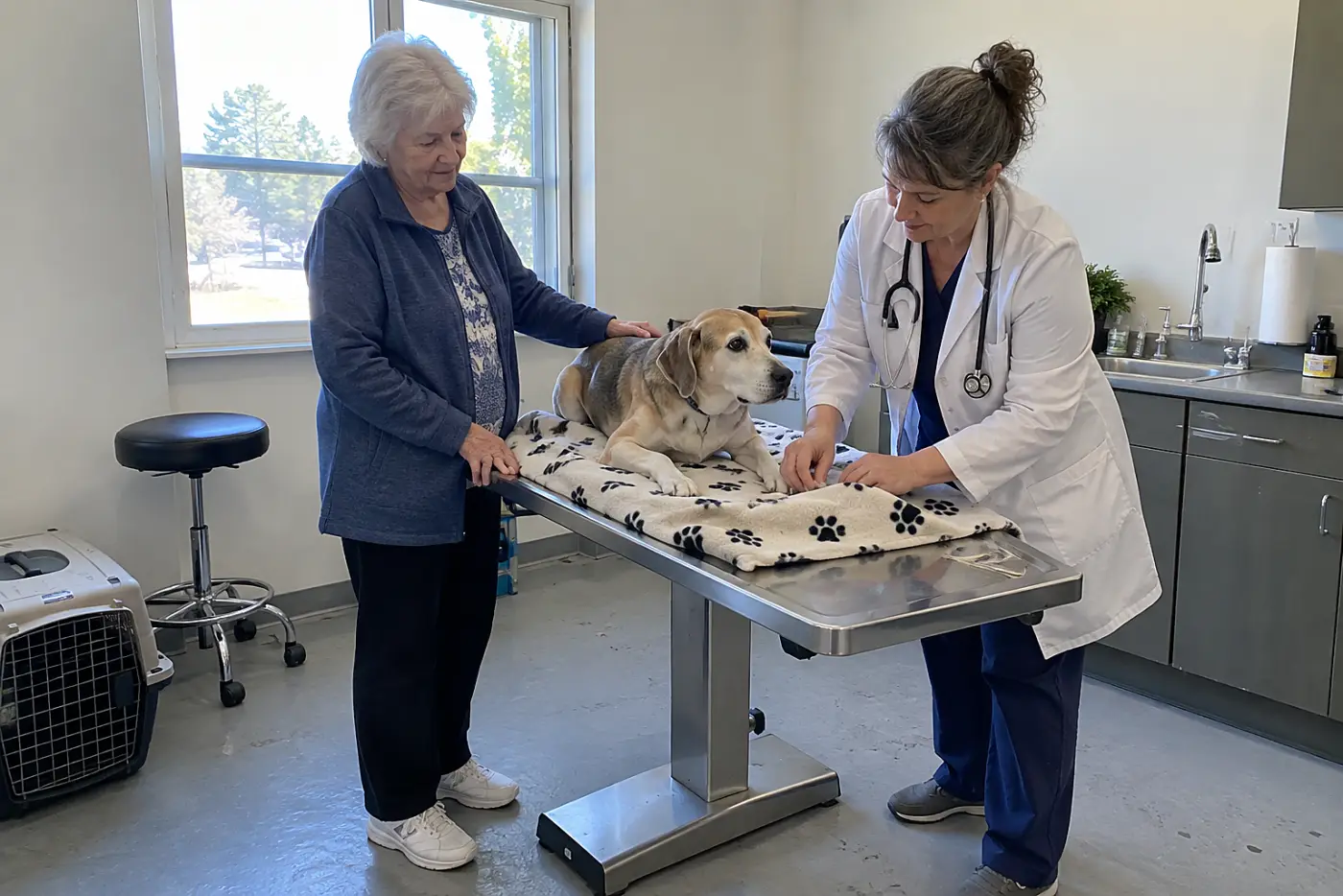
At the end, you watched her breathe. Your hand rested where you could feel each rise and fall. You were frightened, and you were trying to be there.
You’ve since replayed what you said, or failed to say. Remember your hand as well. She knew its touch from ordinary days, long before that last room.
The words mattered to you. So did staying close when you wanted more time and had no way to get it.
10The sound of her collar
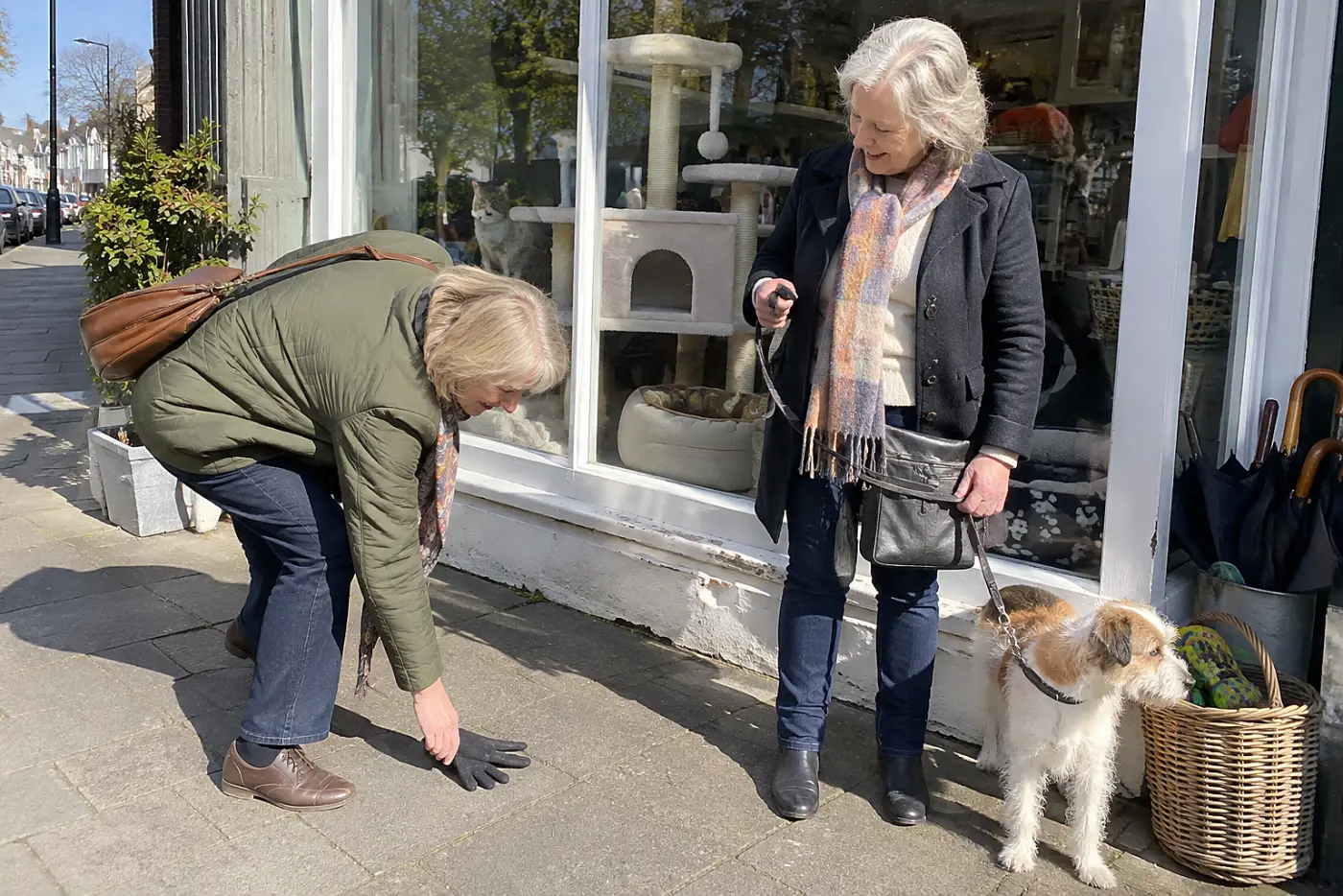
The tags clicked against the bowl and tapped the floor when she shook. You stopped hearing it while she was alive because it belonged there.
Now a similar sound in a store makes you turn. For a second, your body expects her before you remember why she isn't behind you.
“I still listen for you.” You don't need to say it every time the sound catches you. Just notice what you heard, and where it took you.
9The path back to your door
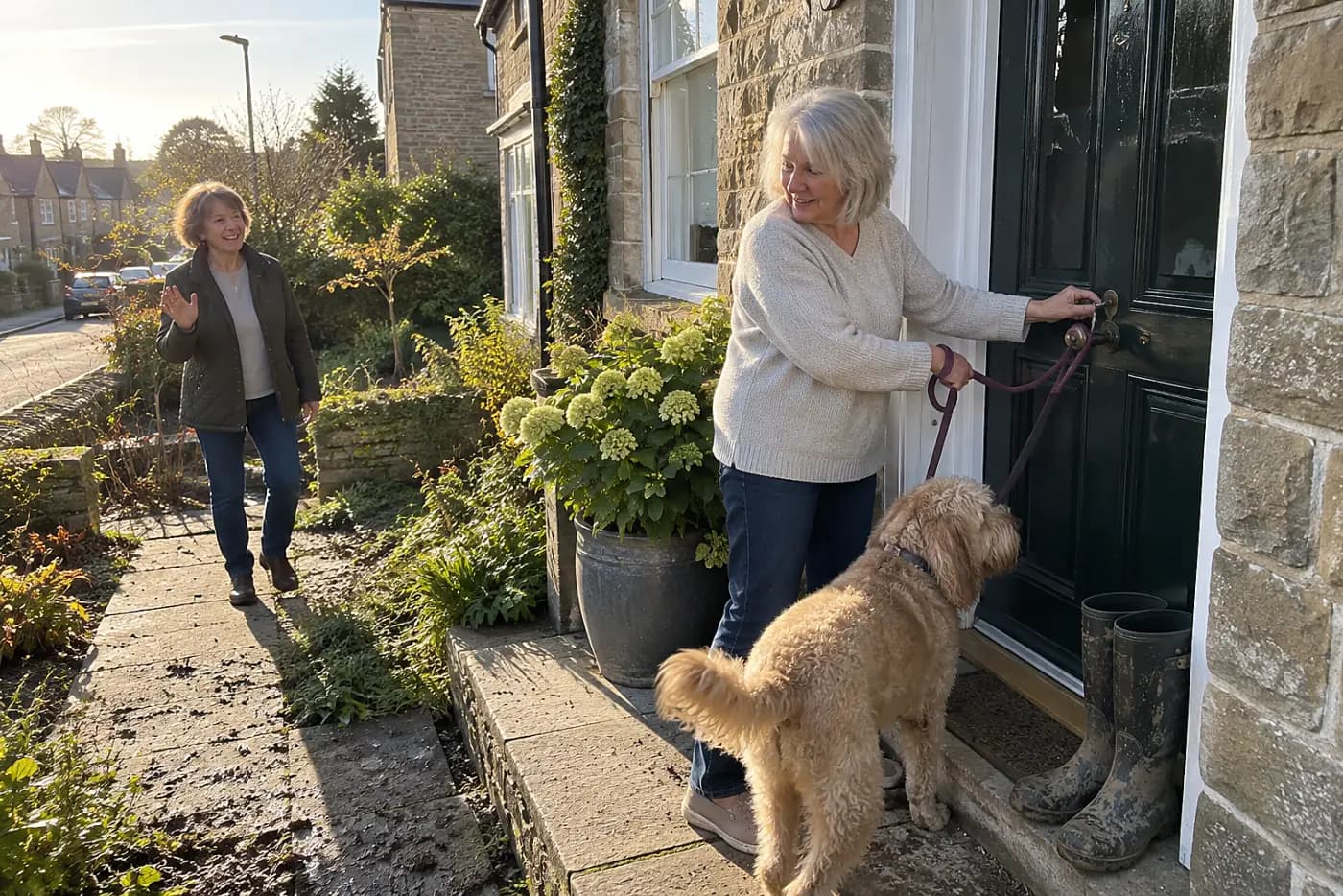
A walk ended with her pulling toward home. At the step, she waited while you found the key. Then she went in ahead of you.
That small order held for years, through different weather and different versions of your life. Some days, nobody else was inside. She crossed the threshold, looked around, and made arriving feel like an event.
The next time you come home from that route, pause at the step. You knew the way together.
8The children who grew beside her
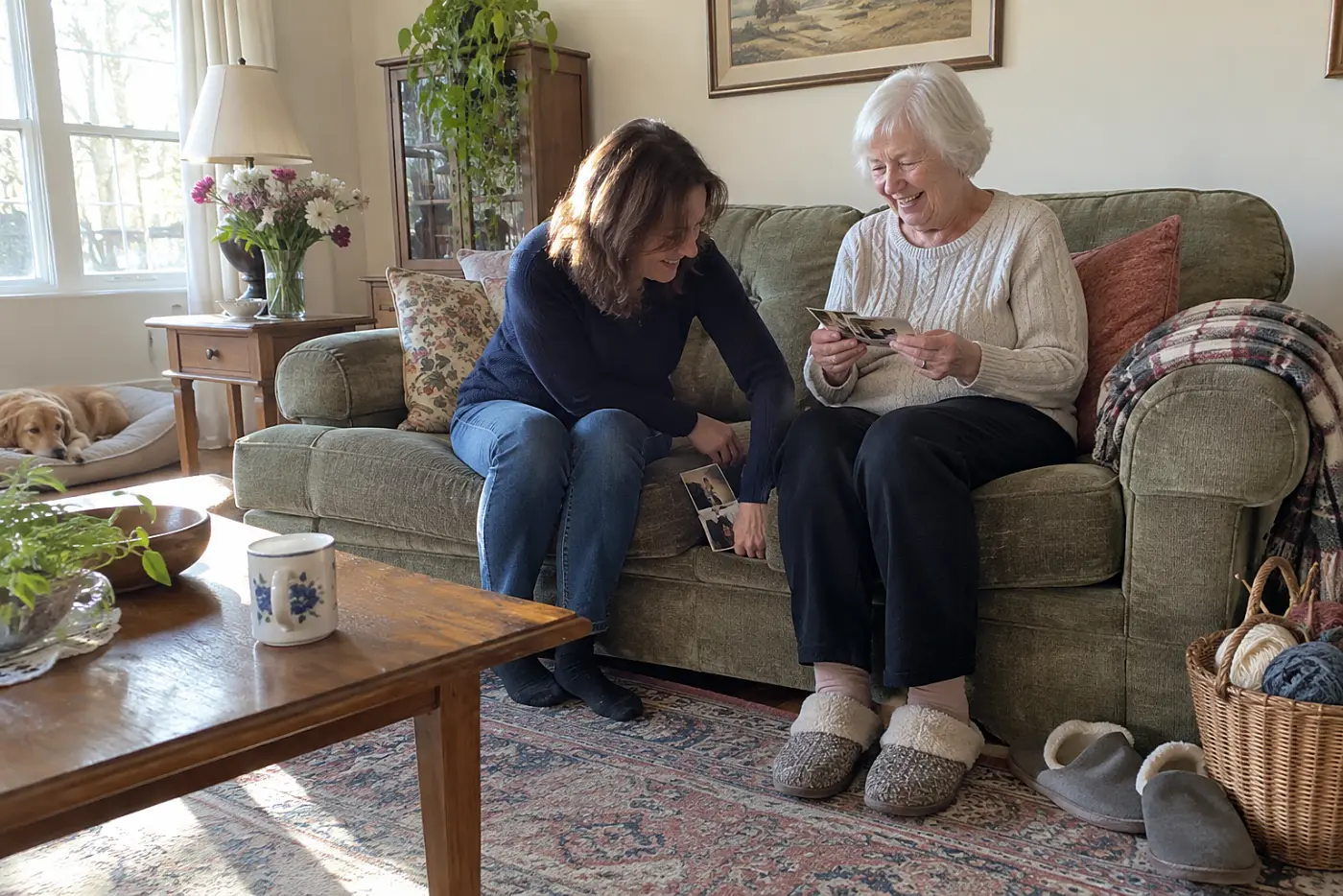
She knew them at different heights. Their voices changed. So did the games they played with her.
She was there after school and nearby during hard evenings, though no one stopped to record every time a child reached for her. If those children are grown now, ask what they remember. You'll hear about moments you missed while you were making dinner or getting everyone out the door.
Let their stories add to yours. Her life in that house was bigger than any one person saw.
7The little rules she understood
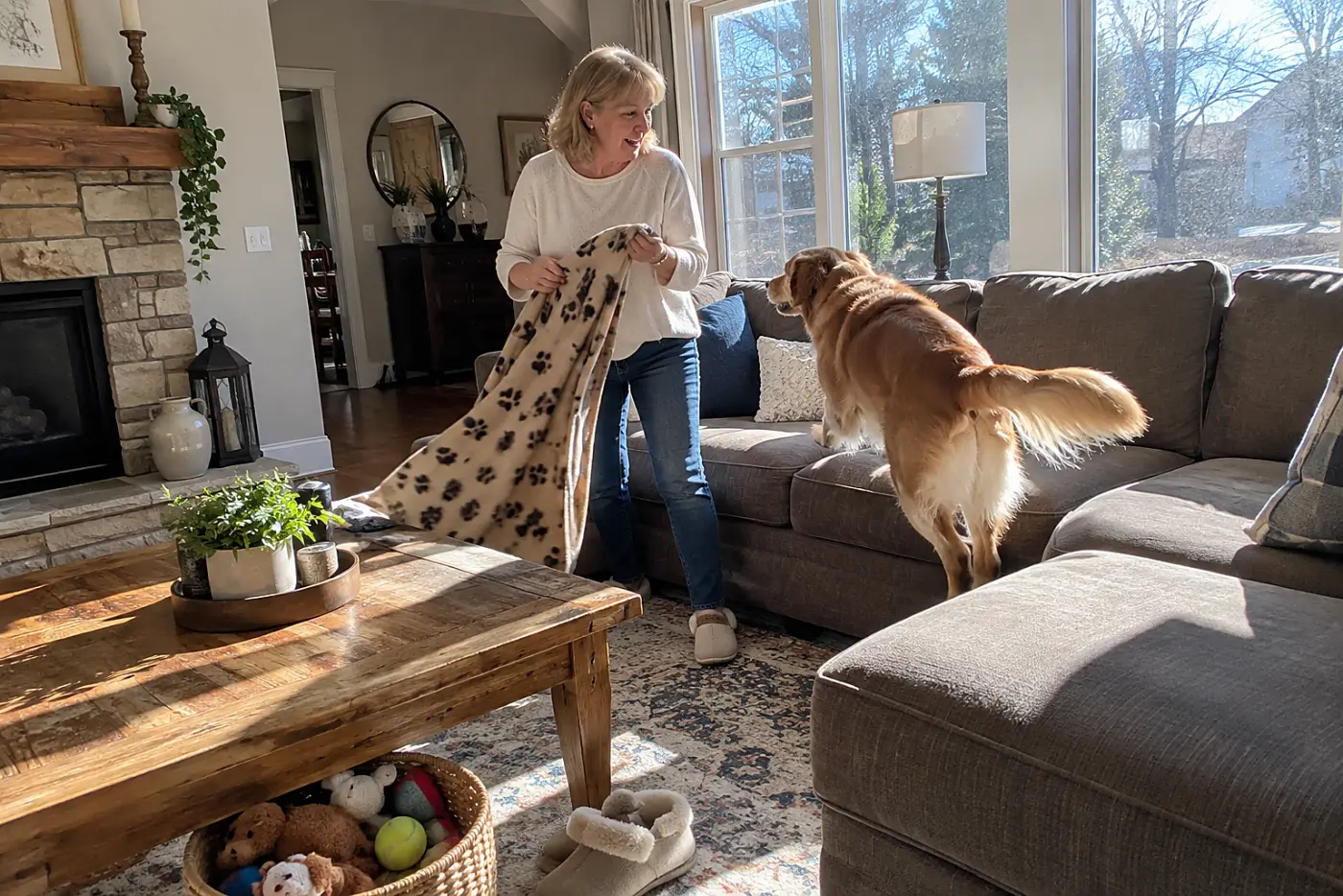
She knew which door led outside and where she wasn’t meant to sleep. She also knew when a rule had slipped.
“You paid attention to us.” Say it without turning her into a perfect dog. She learned the shape of your home, including the people willing to share the couch when no one was watching.
Which rule did she test until someone laughed? That's a memory worth keeping alongside the times she did exactly what you asked.
6The decision at the vet
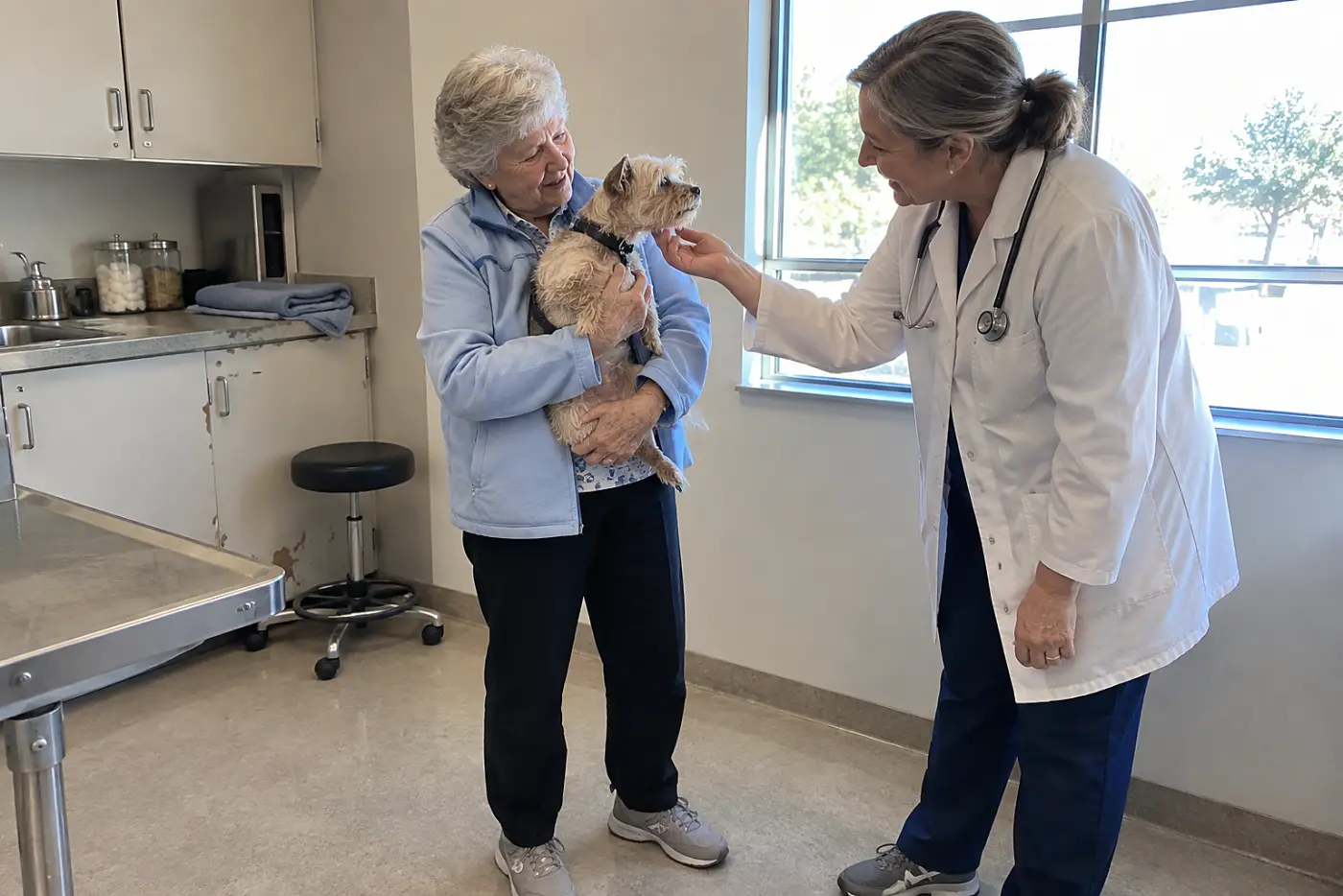
You wanted someone to tell you the right hour. Instead, you faced a choice while looking at the dog you loved.
If your veterinarian recommended euthanasia, you decided with the information you had then. You didn't know how the next day would have gone. “I wanted to spare you pain” says what you meant, even if you still question when you said yes.
For a later conversation, the American Veterinary Medical Association's pet euthanasia page is a place to begin. You deserve an explanation of what happened, including the parts you were too overwhelmed to ask about then.
See more: 29 Conversations Families Keep Putting Off Until It's Too Late →
5The way she watched your face
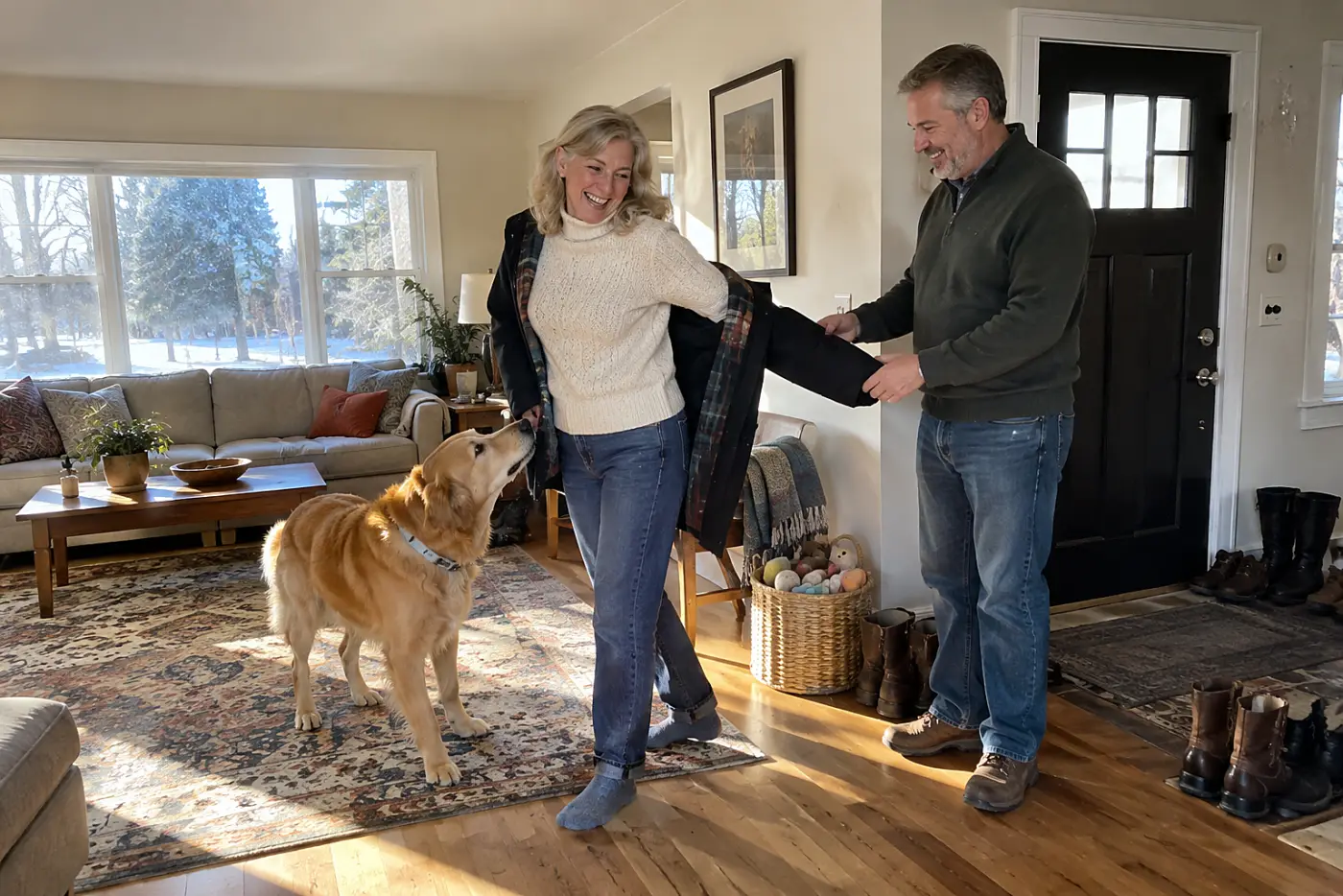
She looked up before you took off your coat. On a difficult day, that look met you before you had explained anything.
You remember her staying close while the room grew dark. Perhaps she followed you from room to room, or settled when you finally sat down. You didn't need to be cheerful for her to stay nearby.
When you try to describe her company, start there. “You stayed with me” holds more than a long account of the day.
4The bed you moved downstairs
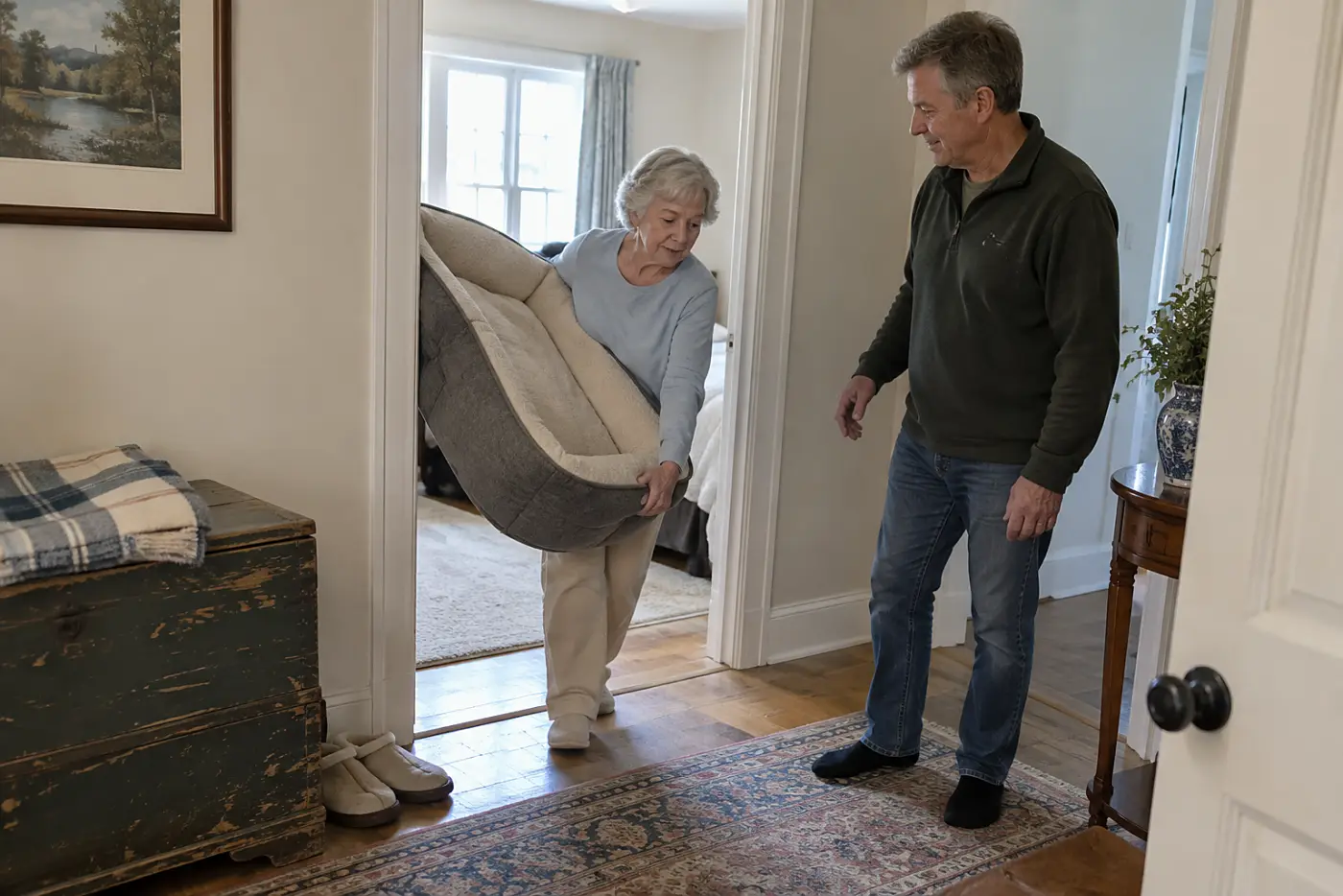
When the stairs became difficult, you moved her bed. Perhaps you brought her water closer and changed where you sat so she wouldn’t have to follow.
Those changes were small jobs in the middle of a sad time. They also show how closely you watched what had become hard for her. You changed the house before she had to ask.
If you still question whether you did enough, remember one adjustment you made and why. It won't answer every question. It tells the truth about that day.
3The things you kept afterward
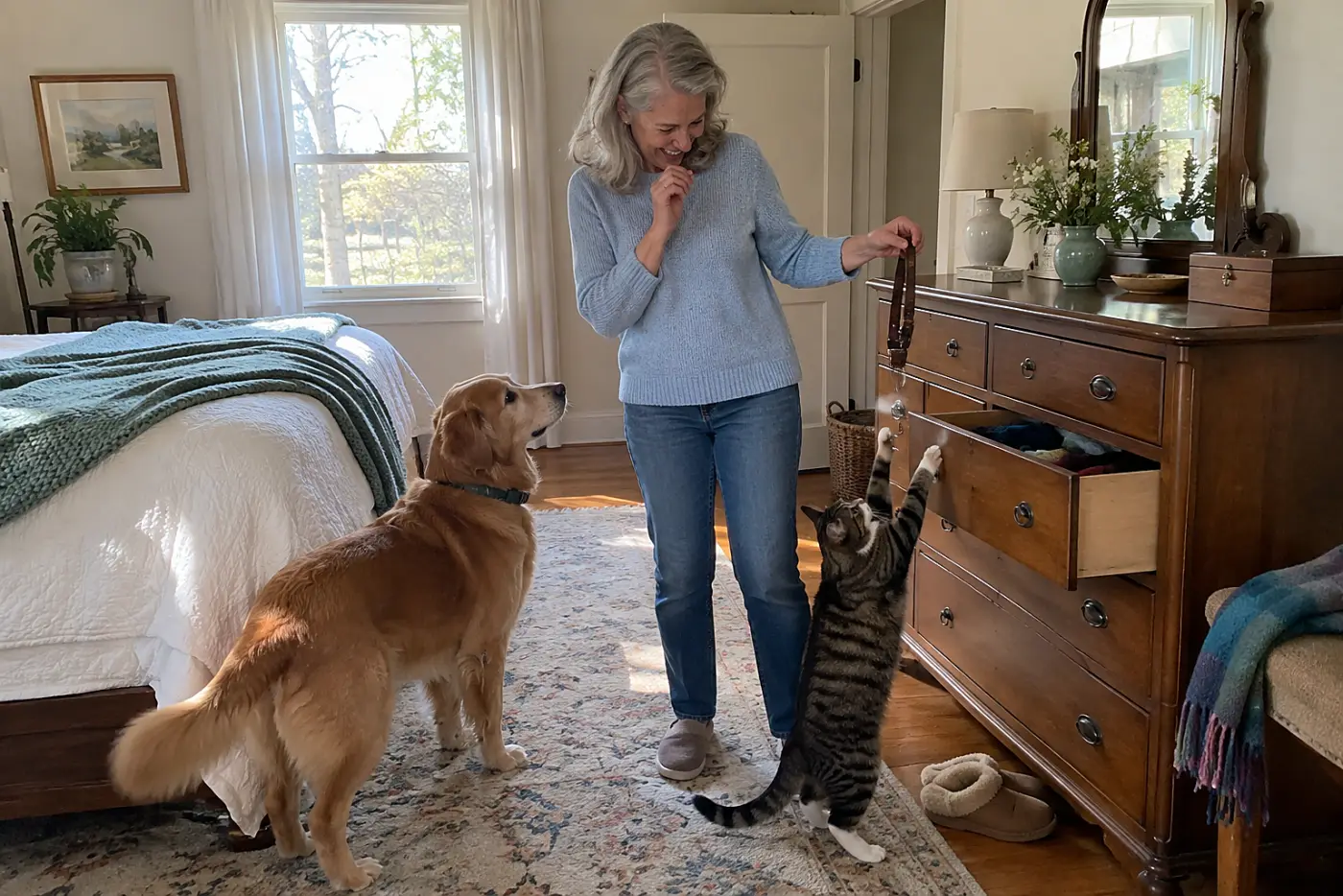
Her collar is in a drawer. The blanket still smells faintly like her, or perhaps that scent is gone and you check anyway.
There’s no test you have to pass by keeping everything or giving it all away. Choose 1 thing to hold today. Why did this one stay when other things went?
You don't owe anyone a reason for the drawer. You also don't owe the drawer its contents forever. Let the decision wait until it feels like yours.
See more: 29 Signs the Clutter Is Really Grief →
2The days you laughed at her
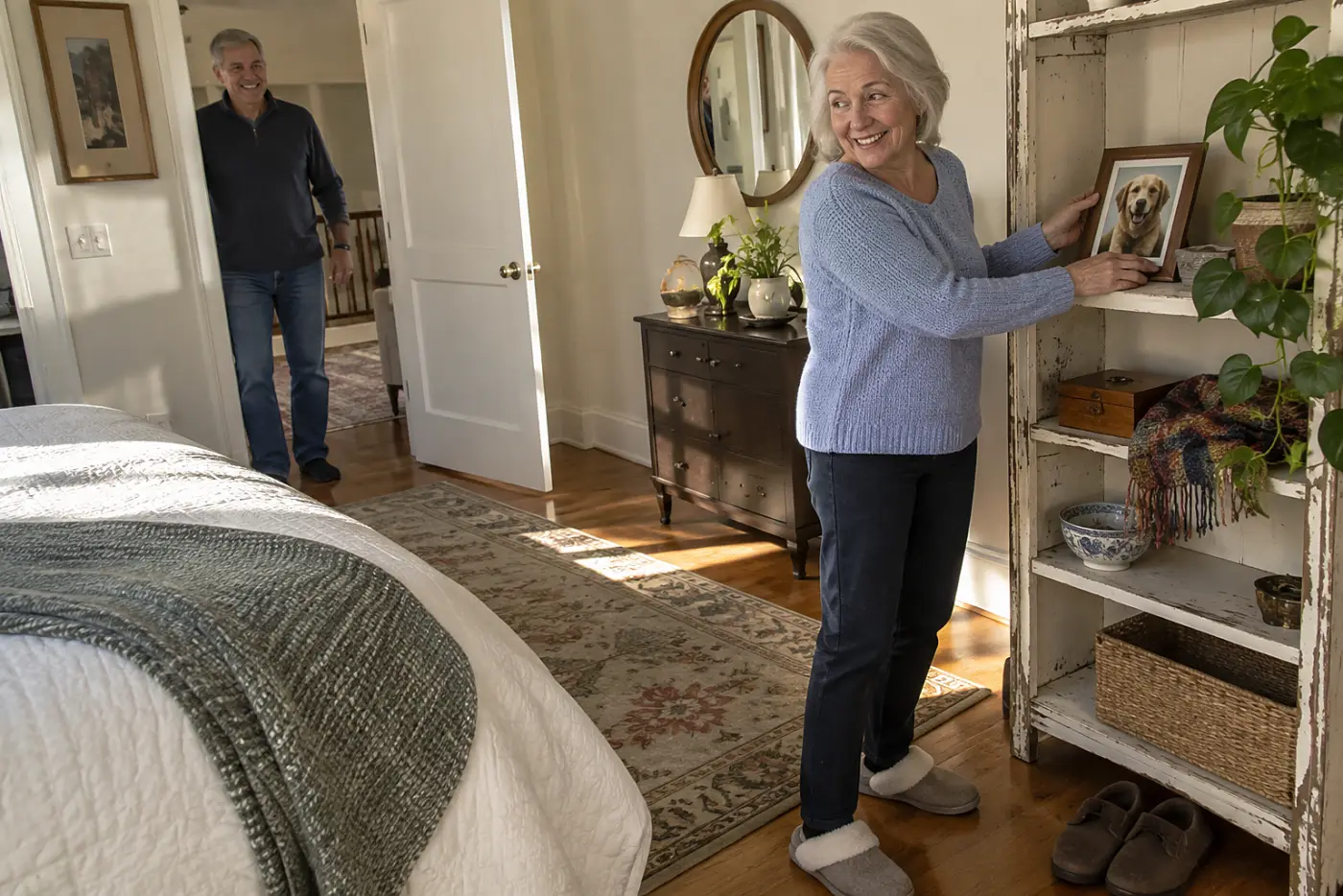
She ran in her sleep. She stole your seat the moment you stood up. She looked offended by a bath.
You want her to know she brought joy into days that had little of it. Pick one story and tell it to someone who remembers her, using the embarrassing voice you used at the time.
Grief has made enough room for the hard memories. The story where she was ridiculous belongs there as well, even if you laugh and cry before you reach the end.
1The letter you write to her
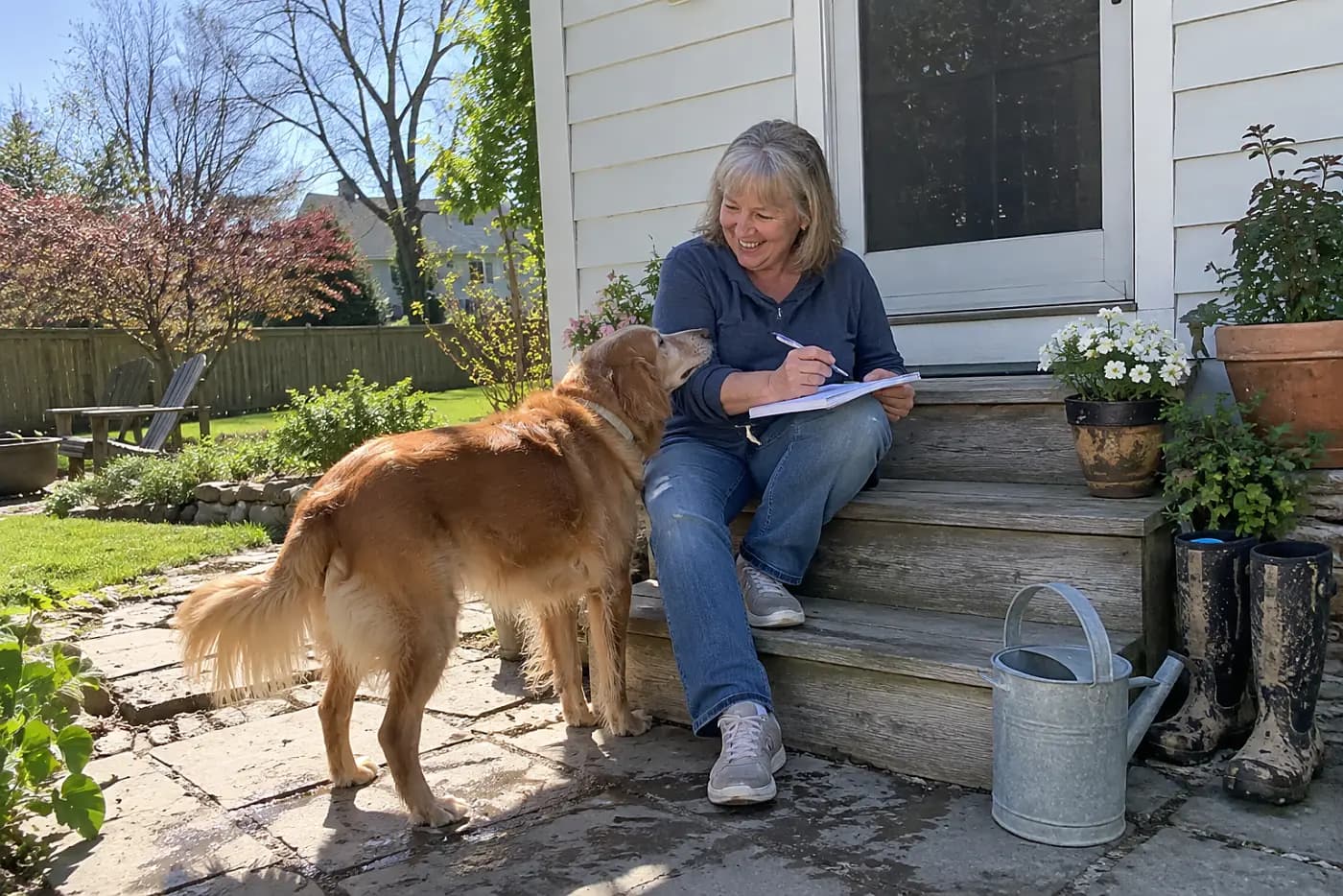
You didn't say it before the end. Perhaps you were holding her and thought you had another minute. Perhaps she died while you were away. You cannot go back and give her a different last day.
Set aside 10 minutes and write her a letter. Put down the apology, the thanks, the ridiculous nickname, and the detail nobody else noticed. Don't stop to make it beautiful. Write what you wish she had heard from you.
Fold the page when you're done. Keep it in a drawer, read it aloud, or take it on the walk you shared. You don't need to believe she'll read it. The words have somewhere to go now, and you get to choose what happens to them next.
The bottom line
The things left unsaid come from ordinary life: a bowl on the floor, a walk you hurried, a laugh you didn't know you'd miss. You remember them because you shared so much of it.
The well-prepared version of you has already done the loving. She fed the dog, opened the door, and made room for her to grow old. What do you wish you'd told yours?
Up next
24 Gentle Things an Old Dog Does in Her Last Good Year That Families Only Understand Later
The hallway rug, the porch step, and the sound of a key give you places to notice her while she’s here.
Read the list →
Reader quiz
Did you catch the details?
5 questions from this article.
When guilt brings back one distracted evening, what does this section suggest you do?
Did any of these feel familiar?
Know someone who needs this?
Sources cited in this article
This article links to one outside source, listed here so you can read it yourself.
- Pet euthanasia page www.avma.org/resources-tools/pet-owners/petcare/pet-euthanasia
Ruth Ellison
Family Editor
Ruth writes about grown children, grandchildren, ageing parents, and the conversations families put off, in the words of the people involved.
More from Ruth Ellison