23 Reasons People Say Their Best Trips Came After 60
A station bench and an open afternoon give you something after 60 that a packed itinerary can't: time to notice where you are.
By Margaret Hale, Travel & Lifestyle Editor
Updated · 16 min read
- Written by our travel & lifestyle editor
- How we review

Read to the end: #1 is a passport check that protects your trip before you pay, and few people do it first.
The station clock says 11:17, and there’s still coffee in your paper cup. Your train leaves at noon. For once, nobody is asking whether you’ve packed the snacks, found the platform, or planned what everyone will eat tonight.
The old assumption says the best trips belong to the years when you could cover the most ground. That leaves out a better measure: how much of a place you get to notice, and how much say you have over the day.
Here are 23 reasons to take another look.
23A museum ticket with no exit deadline

Rushing through a gallery turns paintings into a checklist.
When nobody is waiting outside, you stop at the work that holds you. Read the label, sit down, and return for a second look. Admission at the Smithsonian museums in Washington is free, so a short visit needn’t feel like a wasted ticket.
Miss that freedom, and an afternoon becomes a race through rooms you barely remember. This week, choose one museum and look up its opening hours and admission rules. Say to your travel partner, “I’d like an hour here without watching the clock.”
A slower afternoon changes what you expect from dinner, too.
22A dinner table booked for one
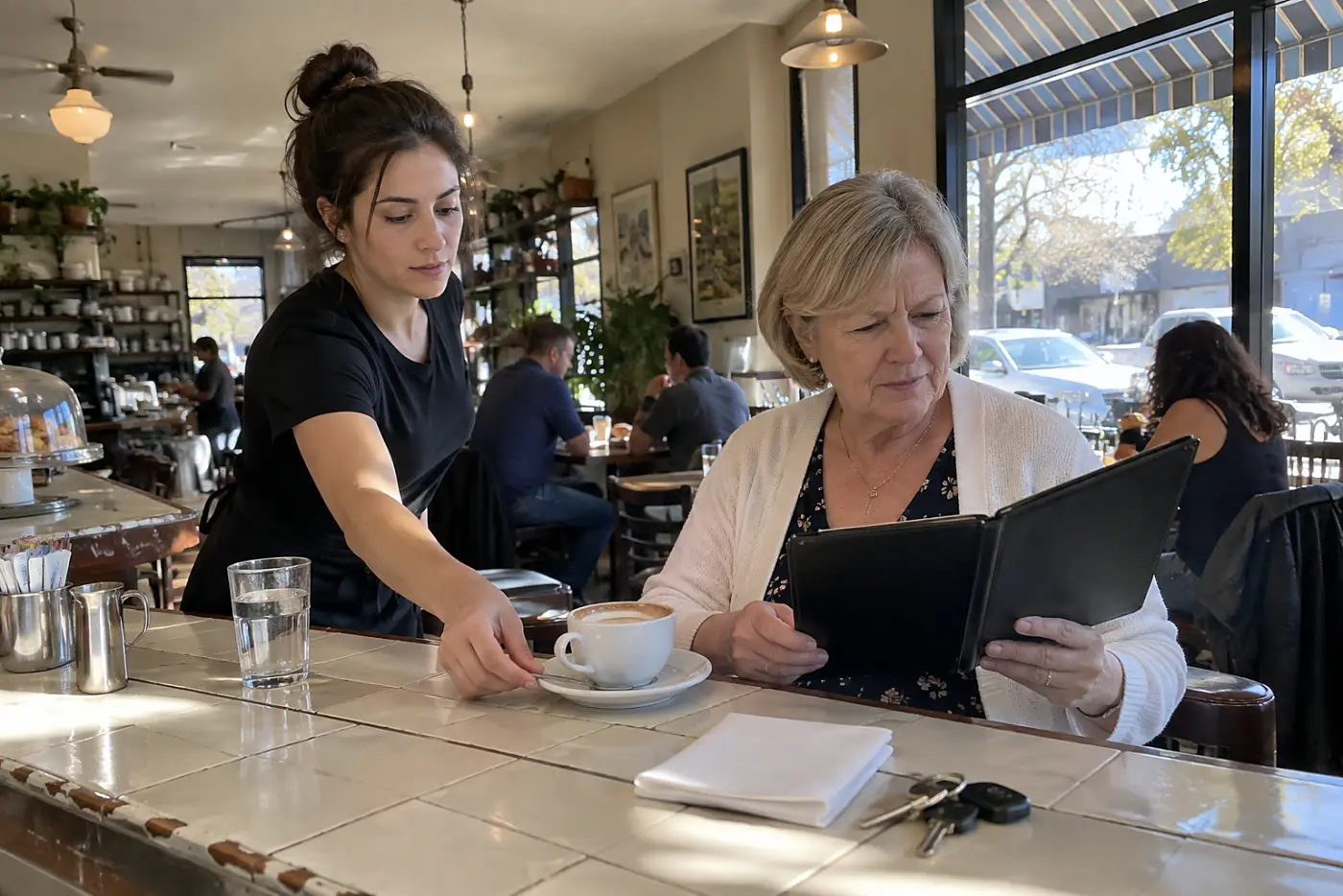
Eating alone doesn’t require a sad table by the kitchen.
A reservation for one lets you choose the hour, the room, and the length of dinner. At a counter, you get a view of the kitchen; at a small table, you get space for a book. Neither choice asks you to perform confidence for anyone else.
Skip dinner because nobody’s free, and the trip shrinks to daylight hours. The first evening in a new place deserves better than crackers in a hotel room, unless crackers are exactly what you want.
This week, find a restaurant near somewhere you plan to stay and check its menu. Book a table at an hour when you like eating, rather than when a tour ends. If the host asks about seating, say, “A table where I can take my time would be lovely.”
Once dinner belongs to you, breakfast starts to look different.
21A bakery stop before the tour bus
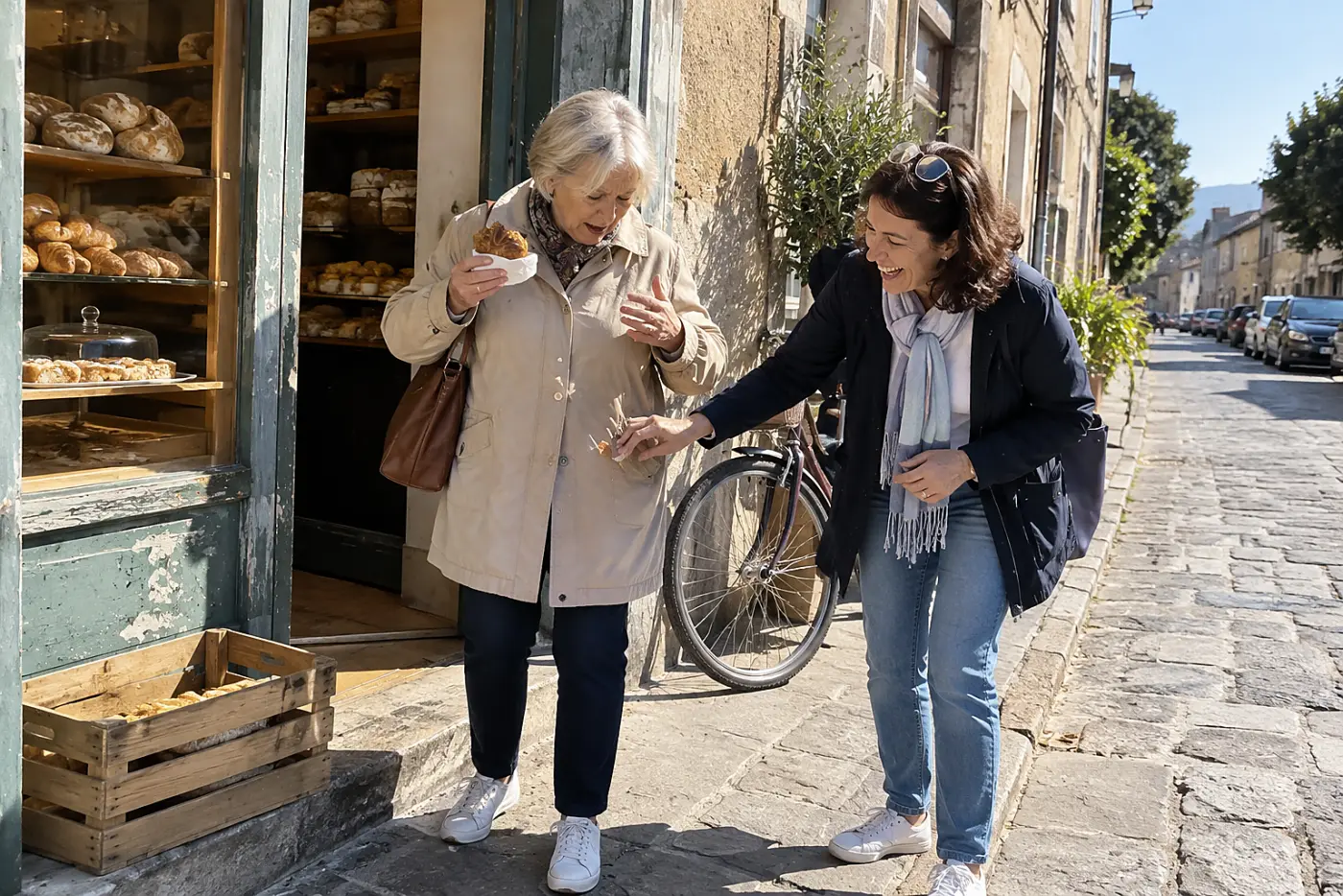
A scheduled breakfast steals the best hour for wandering.
Walk out when the shutters rise and choose a bakery by its window. Sit with coffee long enough to watch the street start work. You’ve seen something no packed itinerary could put on a ticket.
Miss that hour, and you meet the place only after it has dressed for visitors. The bakery you remember might be the one where the owner sets out chairs while you eat, before the first tour group arrives.
This week, mark one bakery near your lodging and check its opening hours. Tell your companion, “I’m going out early; I’ll meet you at the museum.”
The next question is where you’ll spend the night.
20A hotel room near the station

A cheap room far away spends your energy twice.
First comes the ride in with a suitcase. Then comes every trip back after dinner, when a short walk would have felt like a gift. A central room buys time as well as location.
Before you book, put the hotel and station into a map. Check the walking route, not the straight-line distance. A river crossing or a long hill changes the answer. Look at recent guest photos of the entrance, too. You’re choosing the doorway you’ll find after dark.
The wrong room turns each outing into a small negotiation with fatigue. This week, compare two places by the full route from arrival point to front desk. Say to the hotel, “Is there an elevator from the entrance to the rooms?”
Where you sleep sets the stage for how lightly you travel.
19A suitcase you can lift yourself

A heavy bag makes every staircase someone else’s problem.
Pack it, close it, and lift it onto a shelf at home. That simple test tells you more than the luggage tag does. A smaller bag also makes it easier to change trains without searching for help.
Arrive with a case you can’t handle, and an ordinary transfer takes over the day. Check the Amtrak baggage rules or your airline’s baggage page before choosing a bag; the allowance won’t lift it for you.
This week, do the shelf test before you buy anything new. Tell your companion, “I’m packing for the bag I can carry, not every possible weather forecast.”
That leaves more room for a route with room to breathe.
18An afternoon left blank on purpose
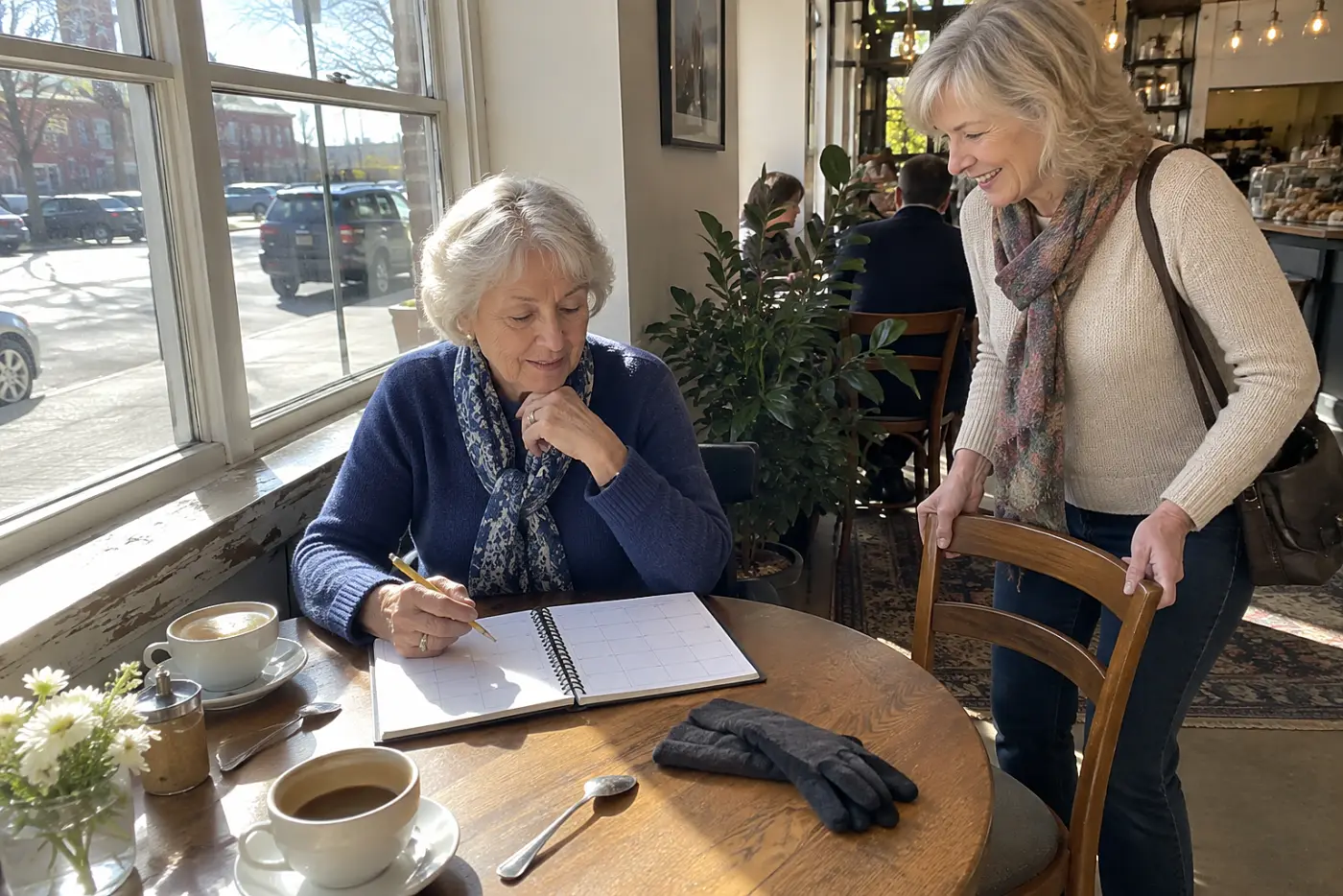
A full itinerary leaves nowhere for the unexpected good bit.
The town square looks inviting, but the group has a timed entry across town. A café fills with conversation, yet your next reservation starts in twenty minutes. Open time lets you stay where you’re glad you came.
Put the fixed things on a calendar first: trains, tickets, and dinner reservations. Then leave one afternoon without a paid booking. That blank space isn’t an absence of planning. It’s a decision you made before tired feet and tempting streets began arguing with your schedule.
Without it, every surprise asks you to give something up. This week, remove one optional stop from a trip plan and leave the space empty. Tell anyone traveling with you, “I want one afternoon we haven’t already assigned.”
That gap becomes especially valuable when plans change.
17A train ticket with time to change

A tight connection makes the whole ride feel late.
One delayed train sends you running toward a platform you haven’t found. A longer transfer gives you time for the signs, the restroom, and a sandwich. The point of the train was to see the country, not sprint through it.
Miss a separately booked connection, and the next ticket becomes your problem. Before buying, read the rail operator’s connection terms; Amtrak and overseas operators sell different kinds of itineraries.
This week, look at transfer times before choosing a fare. Ask the rail operator, “If the first train runs late, what happens to this connection?” Write down the answer beside the fare you’re considering, while the two choices are still easy to compare.
The answer matters even more when you leave the ground.
16A flight booked on one reservation

Two bargain tickets can hide a costly gap between them.
When flights sit on separate reservations, the second airline sees your late arrival as a missed flight, not a delayed connection on its booking. A single reservation puts both flights in the same booking record. Check that detail before celebrating the fare.
Look at baggage rules, too. A change of airline doesn’t tell you whether your checked bag goes through or whether you must collect it. Ask the airline selling the itinerary before you leave the payment screen. If you have to collect and recheck it, you need time for that process.
A missed onward flight takes the day you meant to spend somewhere new. This week, compare the full itinerary with two separate tickets. Ask the airline, “Are both flights on one reservation, and where do I collect my bag?”
Arrival has its own small decisions waiting.
15An airport pickup arranged before landing

Landing tired is a poor time to compare rides.
Find the airport’s official ground-transport page before departure. It tells you where licensed taxis, buses, or rail services leave from, so you aren’t making sense of signs while people crowd around you.
Get this wrong, and your first hour goes to a problem you could have settled at home. This week, save the arrival instructions where you can read them without airport Wi-Fi. Tell your companion, “Meet me at the official pickup point, not outside any door.”
Once you’re in town, the street rewards a closer look.
14A neighborhood walk before the landmarks

A famous square tells you little about daily life.
Turn one block away and notice where people buy bread, wait for buses, and walk their dogs. You’ll learn which streets feel good at your pace. Later, a landmark has somewhere real to sit in your memory.
Pick a short loop near your lodging before the trip. Use a map to mark the route home, then check it in daylight after you arrive. There’s no prize for getting lost. There is pleasure in knowing the corner shop without needing directions.
Go only from attraction to attraction, and every place starts to resemble its postcard. This week, find a grocery store and a park within walking distance of a future hotel. Say to your travel partner, “Let’s walk the neighborhood before we head across town.”
A familiar street changes how you use the rest of the day.
13A park bench after the first mile

Walking farther doesn’t prove you saw more.
A bench gives your eyes time to catch up with your feet. Sit beside a fountain or a busy path. Watch what happens when you stop trying to reach the next pin on your map.
Push past the point where the walk is pleasant, and you lose the afternoon to recovery. This week, put one park on your map before filling the day with stops. Tell your companion, “I’m sitting here for a while; go ahead if you want.”
That freedom gets easier when you stop matching someone else’s pace.
12Two separate plans for one afternoon
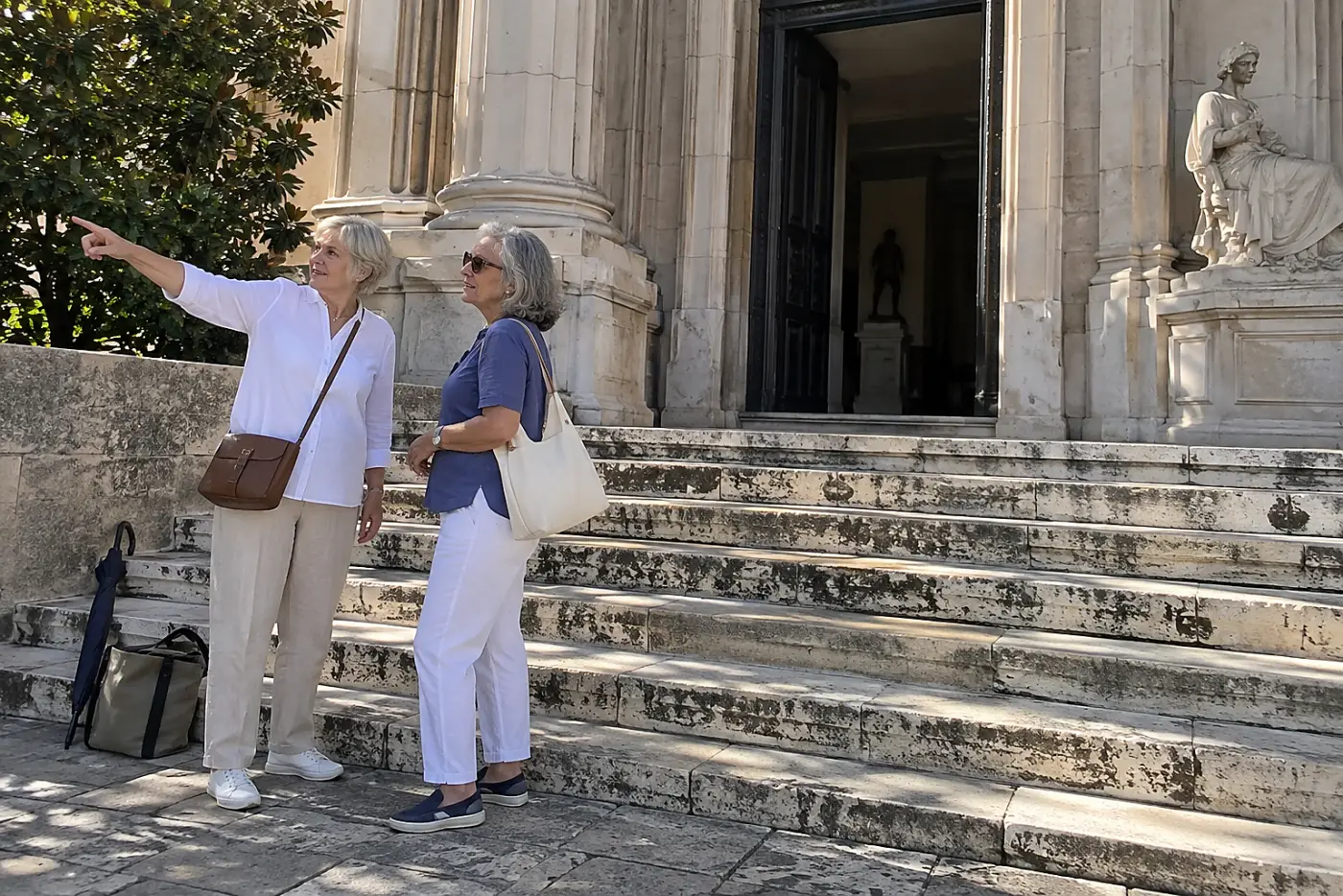
Travel partners don’t need identical interests to travel well.
One of you wants the market; the other wants the art museum. Set a meeting place and time, then go. You return with different stories instead of one shared account of a compromise neither of you loved.
Agree on the details before parting. Pick the exact entrance, decide what to do if a phone dies, and settle which person holds the room key. Put a paper hotel card in each bag, too.
Stay joined at every stop, and resentment starts deciding the itinerary. This week, each of you pick one solo outing for a trip you’re discussing. Say, “Let’s meet at the café by the museum entrance at four.”
The company you choose deserves that same honesty.
11A friend invited for three days

A whole-trip invitation is hard to take back.
Invite a friend for one part of the journey instead. You get shared meals and someone to laugh with, then days that answer only to you. The boundary makes the invitation easier to mean.
Without it, small differences about mornings and money follow you from city to city. This week, decide which part you’d enjoy sharing before you ask anyone along. Say, “I’d love your company for the first three days; after that, I’m traveling on my own.”
Time alone gives you a different kind of company.
10A walking tour you can leave
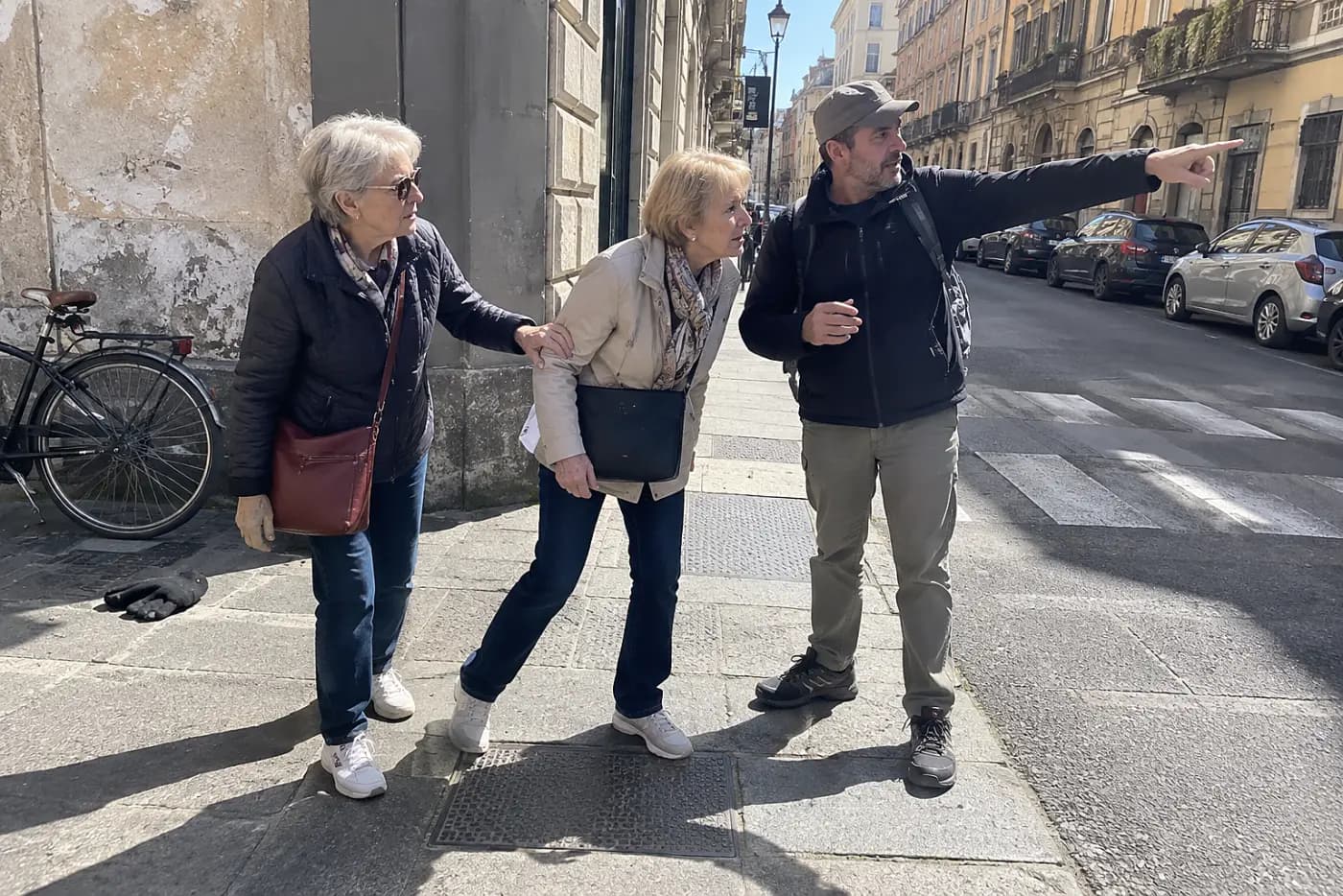
A guide’s story makes unfamiliar streets easier to read.
A walking tour also gives you people to talk with for an hour or two, without asking you to share a room or a week. Before booking, read the route and meeting point. Check the operator’s cancellation terms rather than trusting the word “flexible” on a listing.
The best part comes afterward. Return to one stop on your own, when there’s no group moving ahead. A doorway or courtyard you passed earlier starts to feel like something you found for yourself.
Choose a route you can’t finish comfortably, and you’ll remember the strain instead of the story. This week, ask the operator how far the group walks and whether it stops for a break. Say, “If I leave early, which street brings me back to the starting point?”
Another conversation waits where you already have a reason to linger.
9A market stall with a short conversation
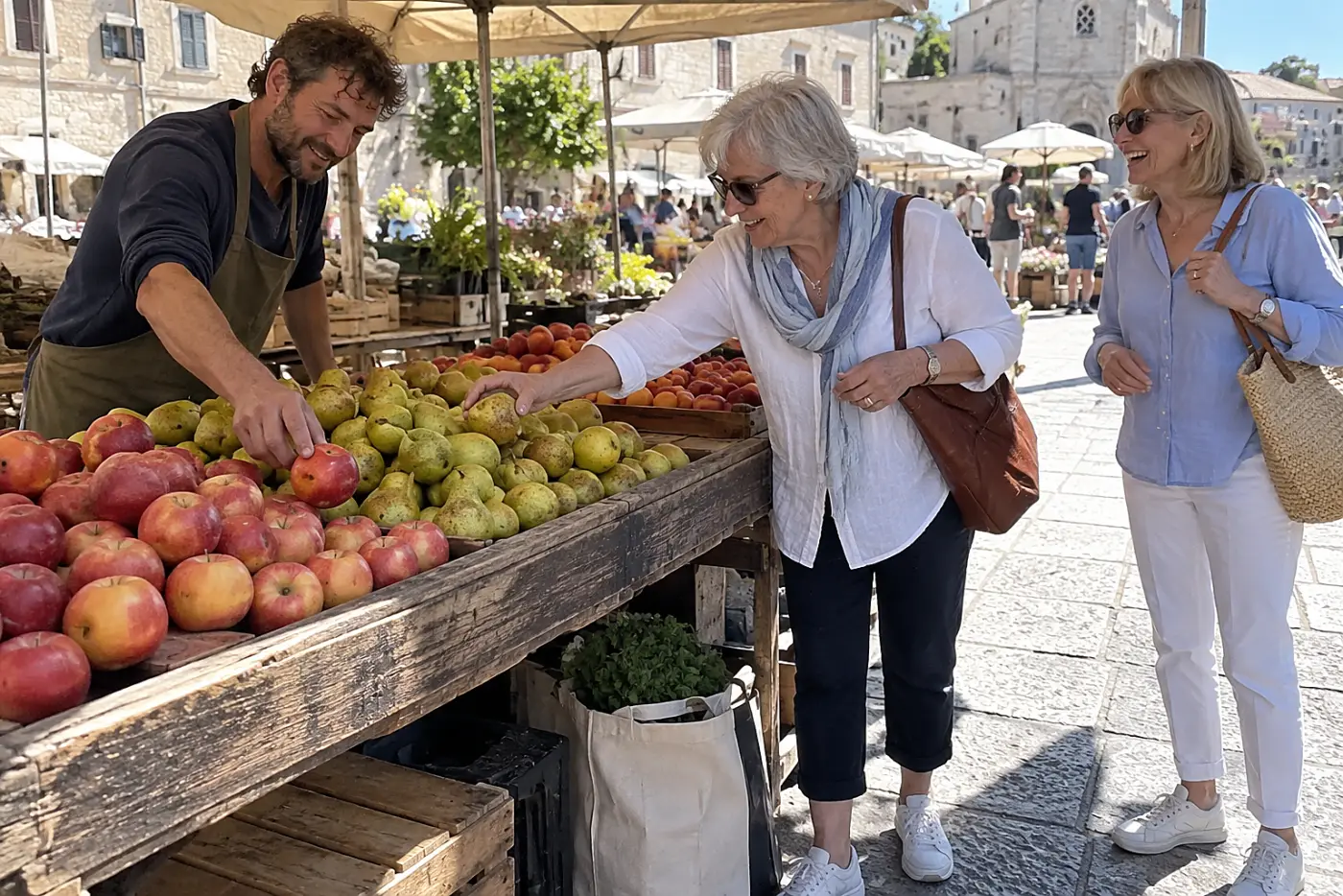
You don’t need fluent speech to ask what’s good.
Point to the fruit, learn a greeting, and let the seller answer. Buying something gives the exchange a purpose. The words you remember afterward belong to a real place and person.
Skip every exchange for fear of getting it wrong, and the trip stays strangely silent. This week, learn how to say hello and thank you in the place you’re visiting. Ask at the stall, “Which of these is ready to eat today?”
The small purchases deserve a place to go.
8A grocery bag for the hotel room

Every meal out turns hunger into a decision.
Buy breakfast fruit, a snack, and a drink you actually like. Then a late museum visit doesn’t end with a search for an open restaurant. A grocery store also shows you what people take home, not what visitors order.
Check whether your room has a refrigerator before buying food that needs one. Look for opening hours near the hotel, especially if you arrive on a Sunday or holiday. Don’t pack an imaginary version of yourself who wants three elaborate dinners after full days out.
Without a few easy supplies, the evening gets decided by whatever is closest. This week, mark one grocery store near your lodging. Say to your travel partner, “Let’s buy tomorrow’s breakfast before we go back.”
The money you don’t spend without thinking has other uses.
7A travel budget with one splurge

Saving on everything makes the trip feel pinched.
Choose the one expense you’re excited to remember: a concert seat, a room with a view, or a long lunch. Build the rest of the budget around it. You’ll know why you passed on another purchase.
Without that choice, little extras use up the money before the good opportunity appears. This week, write down the one experience worth paying for on your next trip. Look up its current price on the venue’s official site before setting the budget. Say, “I’d rather have this than another night in a fancier room.”
Paying for what matters starts with knowing the full price.
6A rental car bill read line by line

The daily rate isn’t the whole rental price.
Before paying, look for taxes, airport fees, fuel terms, and the cost of an additional driver. Read the insurance choices beside the coverage on your own auto policy and credit card. The card’s guide to benefits is more useful than a guess at the counter.
Take photos of the car before leaving the lot and again when you return it. Include the fuel gauge and any marks you see. Keep the return receipt until the charge on your statement matches the agreement.
Miss a charge or a scratch at pickup, and the argument happens after your trip. This week, pull up a rental quote and read its full terms before comparing rates. Ask the company, “What will the total be at the counter, including fees?”
Sometimes the best driving decision is to skip the car.
5A city pass checked against opening hours
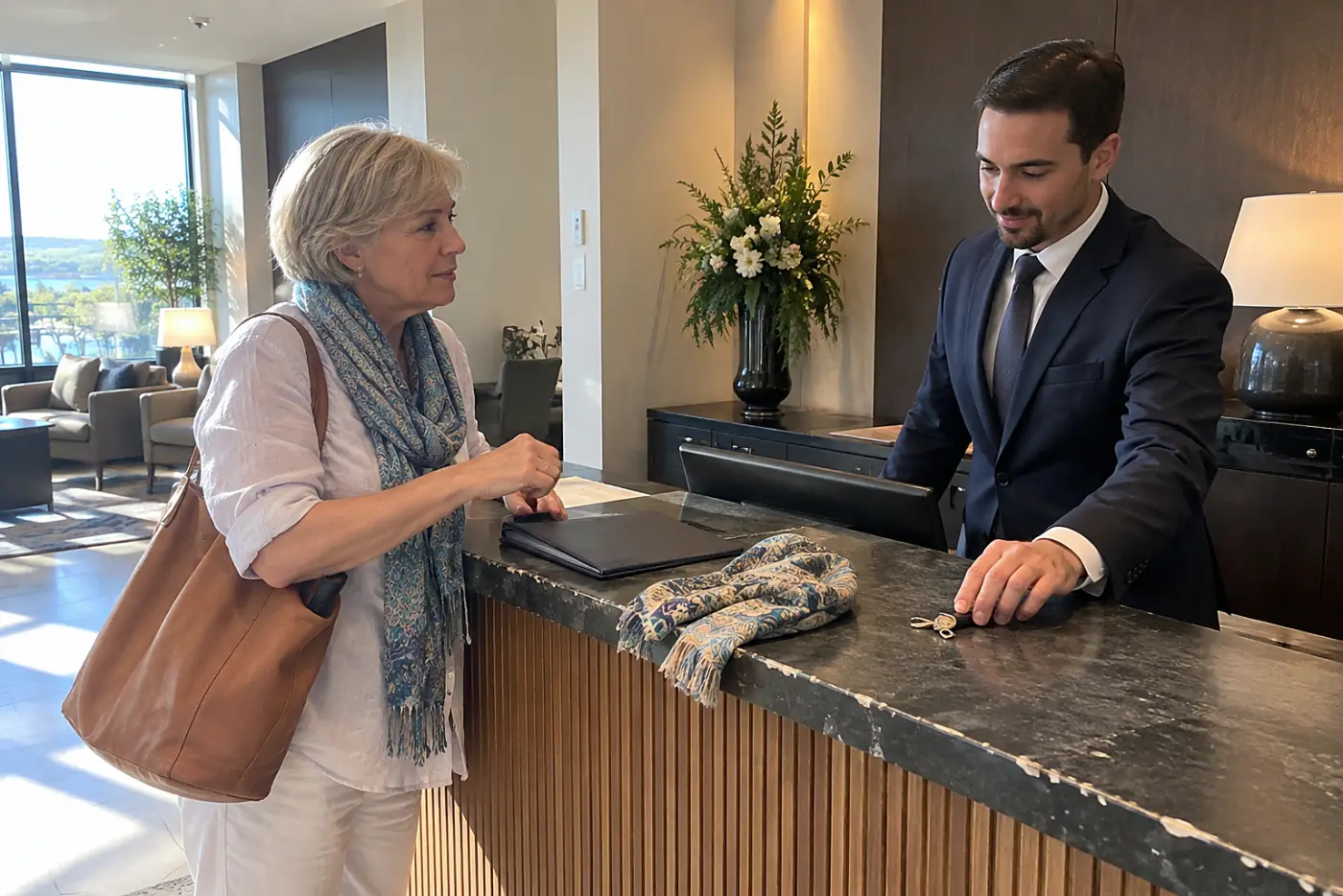
A pass saves nothing when doors are closed.
List the sights you truly want, then check each one’s hours and reservation rules. Compare their individual admission prices with the pass on its official site. A packed promise on a sales page isn’t your itinerary.
Buy without checking, and you spend the day chasing entry instead of enjoying it. This week, price just the places you’d visit without a pass. Tell your companion, “Let’s pay for the stops we want, not a challenge to see everything.”
The most valuable hour still needs no ticket.
4A phone map saved before departure

A signal can disappear just when you need the street.
Save an offline map for your destination in the map app you use. Mark your hotel, arrival station, and the places you’ve booked. Then test the map with your phone in airplane mode while you’re still at home.
Keep the hotel address somewhere else, too. A screenshot works; a paper card in your bag works when the battery doesn’t. Check the spelling of the address before you leave, especially where several hotels share a name.
Lose the connection without a backup, and a simple walk becomes a hunt for Wi-Fi. This week, save one destination map and run the airplane-mode test. Say to your companion, “I’ve got the hotel address offline; have you saved it too?”
Finding the door is only part of feeling free to go.
3A departure date you protect first

A trip without a date stays a wish.
Open your calendar before asking who wants to come. Pick a stretch of time that belongs to the trip, even if the destination isn’t settled. Mark it as you would an appointment you mean to keep.
Next, check commitments already on the calendar and the fare rules before you buy. You aren’t committing to a nonrefundable ticket tonight. You’re giving the idea a place to land.
Wait for every friend and perfect season to line up, and the trip never starts. This week, block the days and tell the people who need to know. Say, “I’m planning to be away then. I’d love your company for part of it, but I’m going.”
Once the dates are yours, there’s another choice to make.
2A destination chosen for your own reason

Someone else’s dream trip looks different at breakfast.
Perhaps you want the town where your mother grew up. Perhaps you’ve wanted to hear an opera in the house where it’s performed. A place becomes easier to choose when you can name what draws you there.
Write that reason down before looking at lists of popular destinations. Then ask whether the season, travel time, and cost serve that reason. If the opera house is closed when you’d go, change the date before you change the dream.
Follow an itinerary because it impresses other people, and you’ll spend precious days elsewhere. This week, name one place and the one thing you want to do there. Say, “This is why I want to go; what would make the trip work?”
Before you pay, one document gets the last word.
1A passport date checked before buying flights
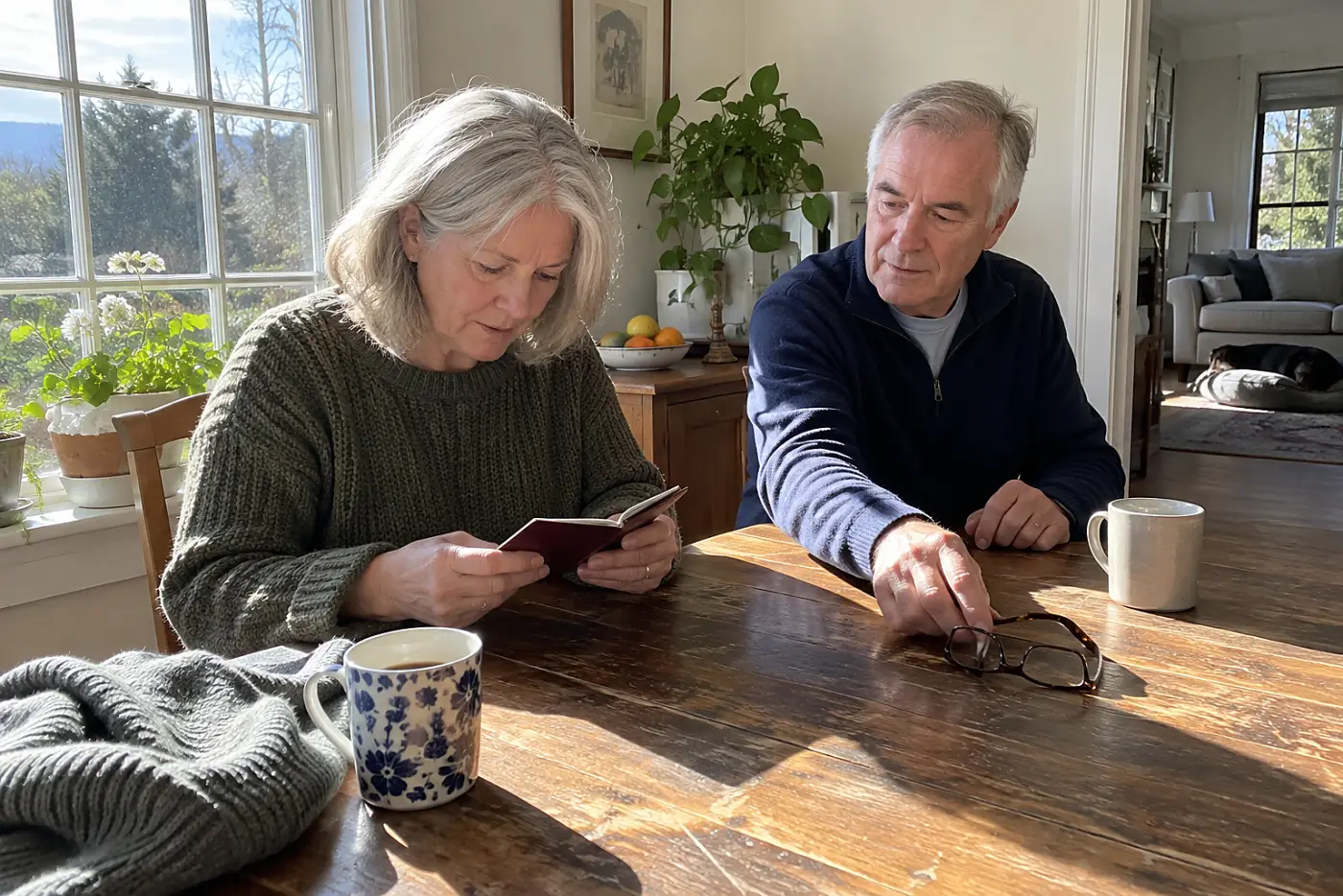
An invalid passport ends the trip at the airport.
Check its expiration date before buying an international ticket. Then read the destination’s entry rules through the U.S. State Department and the destination government. A country’s rule might require your passport to remain valid beyond your planned departure date.
Check the pages again when you’re ready to pay. The U.S. passport renewal page lists the current renewal steps and processing times. If the document needs renewal, deal with that before committing to flights. A booking confirmation won’t fix a passport that fails an entry rule.
Buy first and discover the rule later, and the deadline stops being yours to choose. This week, take your passport from the drawer and check its date against the destination’s rule. Ask anyone joining you, “Will you check yours before we settle on flights?”
There’s still a simple way to make that first check stick.
The bottom line
The best trips after 60 share a pattern: the choices fit the person taking them.
You’ve already checked what matters, left space for what you find, and put your own dates on the calendar.
Which trip felt better than you expected, and what made the difference?
Bonus: The passport check before you pay
- Take out your passport and read the expiration date.
- Check your destination on the U.S. State Department’s travel site.
- Read the destination government’s passport-validity rule and compare the dates.
- If renewal is needed, check the State Department’s current instructions before buying a ticket.
Margaret Hale
Travel & Lifestyle Editor
Margaret has covered travel for 25 years and has ridden every long-distance train route in the U.S. at least once.
You might also like