23 Ways to Say No to the Family Trip Without Starting a War
A reservation deadline and one clear handoff stop the trip from landing back on your kitchen table, even when you want to go.
By Margaret Hale, Travel & Lifestyle Editor
Updated · 17 min read
- Written by our travel & lifestyle editor
- How we review

Read to the end: #1 is the handoff message that stops you from managing the trip again.
A phone buzzes beside your coffee cup. Your sister wants to know which beach house has enough beds. Your son needs the dates before asking for time off. Someone has forwarded a link with no comment, and three people expect you to make sense of it before lunch.
Saying no to the trip sounds like one conversation. But the work has already started, and every answer you give confirms that you’re running it. The first refusal that matters might concern a task, not a ticket.
Here are 23 ways to say no before the work lands.
23Leave the family chat unopened until dinner

The first reply becomes the first assignment.
In a group chat, a quick answer looks like agreement to coordinate. Then each new question finds its way to you. By dinner, everyone has gone back to their day while you’re comparing flights and hunting for beach houses nobody asked you to find.
That costs an evening before anyone has asked whether you want the job. Check the chat later, when you have time to answer only the questions that belong to you.
This week, turn off notifications for the trip chat and choose when you’ll read it. “I’ll catch up tonight, but I’m not coordinating this trip.”
Someone will still try your private messages.
22Move trip requests out of private messages

Side conversations turn one family trip into five separate jobs.
Your daughter sends a hotel link. A cousin asks about the airport. Then your brother calls about meals, and nobody else sees the questions or your answers. You become the switchboard without ever agreeing to the role.
Keeping requests in one place lets everyone see what remains unanswered. It also makes the missing organizer visible. If you solve each private message, the group sees a trip taking shape and has no reason to take over.
This week, send one reply to each private request, then stop researching. “Please put that in the group chat so whoever plans the trip sees it.”
Don’t forward the links yourself. Even that small favor keeps you between the question and the person who should answer it. If the group goes silent, silence tells you something useful: nobody has picked up that task.
Next comes the question nobody wants to claim.
21Ask who is choosing the destination

A destination question is a planning job in disguise.
Once you choose the place, you inherit objections about distance and price. Each objection sends you back to search for another option. Soon you’re presenting destinations as though you work for the family.
Your preference belongs in the conversation, but it doesn’t have to become the final decision. Keep it to one suggestion instead of building a list of alternatives.
Otherwise, every rejected place becomes another search you’re expected to make. The National Park Service has park details for whoever takes that search on.
This week, name any place you’d enjoy, then ask someone else to make the choice. “I’d enjoy Maine, but I’m not choosing the destination for everyone.”
After that, watch who volunteers to choose the dates.
20Hand the date poll to another person

Finding a free weekend looks easier than finding a leader.
You ask when everyone is available. Then someone gives school dates, someone mentions a wedding, and another person answers with “anytime except July.” Turning those replies into a calendar takes work that nobody sees.
A poll doesn’t remove that work. Someone still has to set a deadline, compare answers, and say which date won. If you do those steps, you’re organizing the trip again, even if someone else suggested it.
This week, decline the calendar job before anyone sends you their availability. “I can tell the group which dates work for me once someone else runs the poll.”
Keep your own answer brief when the poll arrives. Give the dates you’re free and leave the rest alone. If two branches of the family can’t attend together, that’s for the person running the poll to settle.
A date, once chosen, brings a different assumption.
19Say no before anyone books your seat
A booked seat turns your answer into a problem.
A relative who buys your ticket first has spent money and expects you to come. Airline tickets are issued in a passenger’s name, and changing plans means dealing with the fare’s rules. That creates pressure you didn’t agree to carry.
You don’t owe someone a trip because they paid without asking. The U.S. Department of Transportation has airline consumer guidance, but it doesn’t make an unwanted booking your decision.
This week, tell the group to leave you out of reservations. “Please don’t buy me a ticket or put down a deposit for me.”
If a reservation already exists, ask the buyer for its confirmation and fare terms. The next boundary is about whose money sits behind the booking.
18Keep your credit card off group reservations
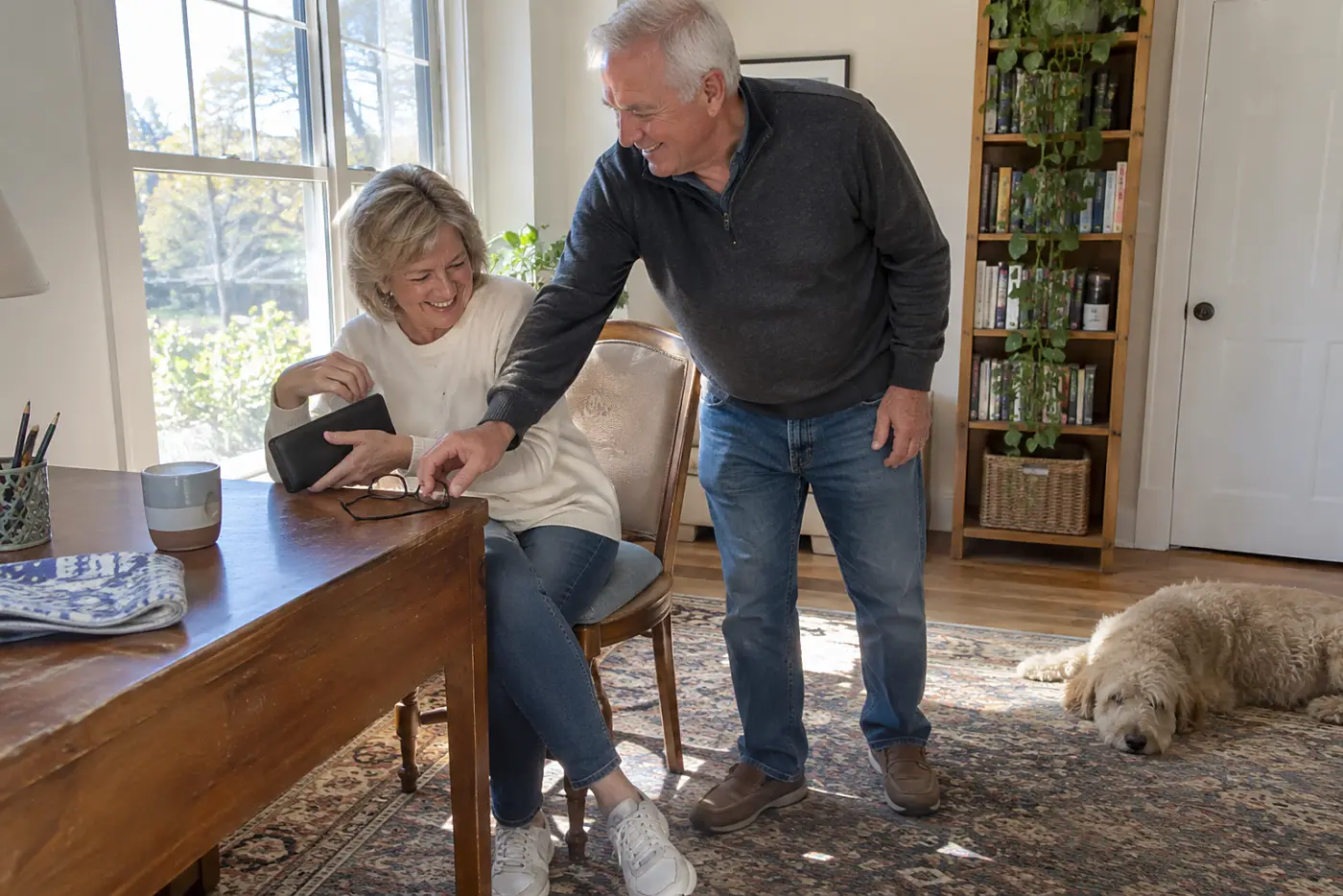
The card on file stays involved after the booking.
A hotel, rental company, or host charges the payment method attached to its reservation. Other travelers promising to repay you later doesn’t change whose card receives the charge. Cancellations and damage claims create more conversations with the cardholder.
Read the payment terms before sharing a number. The FTC’s travel advice also gives you a reason to keep booking details and payment records together, instead of relying on a thread of promises.
This week, refuse to use your card for rooms you aren’t booking for yourself. “I’m paying for my own stay; whoever books the house needs to use their card.”
If you’ve already paid, send each person the exact amount owed and the date you need it. Keep the receipt. Don’t become the collector for a new round of expenses while you’re waiting.
The place to sleep is still a choice, not a family vote.
17Book a room outside the shared house

A shared house gives you no door that stays yours.
Whoever holds the rental reservation sets check-in plans and handles house questions. Staying elsewhere removes you from the kitchen roster and the debate over beds. You still decide when to join everyone, and for how long each visit lasts.
That separate room has its own price, so look at the full stay before agreeing. Check the hotel’s booking page for resort fees, parking charges, and minimum-night rules.
This week, compare a nearby hotel with the cost of your share of the house. “I’m staying nearby and will meet you for dinner.”
Separate lodging leaves meals to sort out.
16Decline the grocery list before arrival

A grocery list turns your vacation into a supply run.
One person remembers coffee. Another asks for oat milk. Soon you’re counting heads, sorting allergies, and finding a store near the rental. When the bill arrives, you’re tracking who ate what as well.
The person who shops also loses the first afternoon to parking lots and checkout lines. If you want to bring something, choose one item and stop there. A bag of oranges doesn’t make you responsible for breakfast all week.
This week, tell the group you won’t make or shop from a shared list. “I’ll bring coffee for myself, but I’m not doing the house groceries.”
If someone asks who will feed everyone, send the question back to the group. Each household can buy its own food, or someone who wants shared meals can take that job. Let them work it out without building the plan for them.
The next request sounds smaller because it involves paper.
15Leave the packing checklist to each household
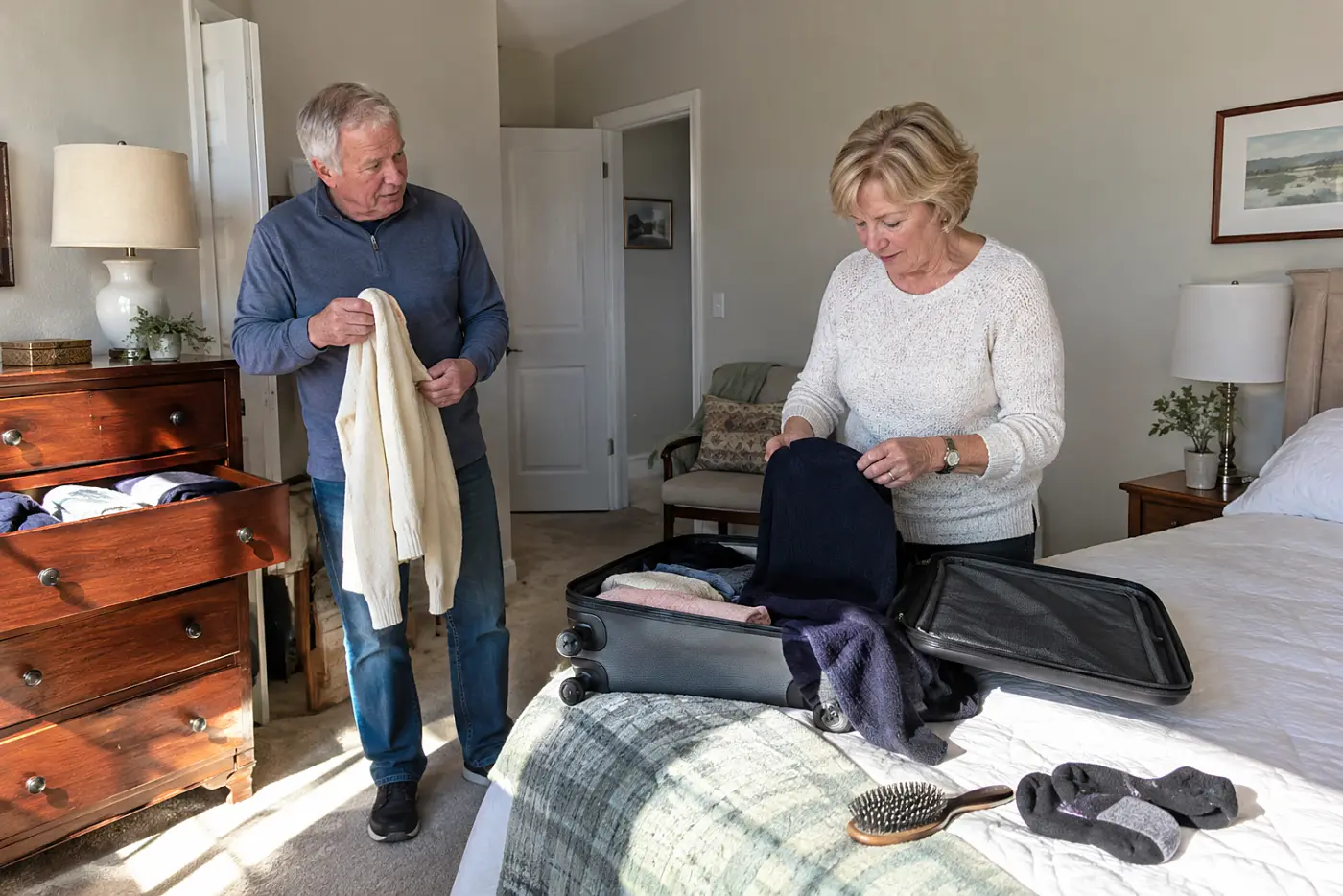
A checklist invites questions long after you send it.
You write “swimsuit,” then field texts about towels, medicine, and rain gear. Adults packing their own bags know their own closets better than you do. Children’s bags belong with the adults bringing them.
If you forget to list something, the blame lands on you. The rental listing has the answer about supplied towels; your checklist shouldn’t become the place everyone looks first.
This week, skip the master list and pack only for yourself. “I’m not making a packing list; each household should check what it needs before we leave.”
Leave unanswered the follow-up question about what everybody else should bring. The car keys bring another request.
14Set a limit on airport pickups

One pickup becomes the family shuttle schedule.
Flight times change. People land at different terminals and need different amounts of time to collect bags. If you offer rides without naming a limit, someone will build an arrival plan around your car.
Check the airport’s official ground transportation page before agreeing to drive. It lists pickup areas and local options, so a relative has another way to reach the house. You don’t need to compare every fare or reserve everyone’s ride.
This week, decide whether you’re offering one pickup, no pickups, or a ride only when times align. “I’m not doing airport runs; please arrange your own ride to the house.”
Say it before tickets are bought. Once a flight is booked, the request arrives wrapped in an arrival time and a passenger waiting at the curb. Someone else’s ticket doesn’t reserve your afternoon.
A car at the destination brings the same problem back.
13Refuse the rental car driver role

A car booking comes with driving and paperwork.
The named renter signs the agreement and answers the rental company’s questions. Additional drivers must meet the company’s terms and be listed on the rental agreement. “We’ll take turns” is no plan until those names are added.
Before saying yes, read the rental company’s driver and insurance terms. Enterprise posts rental policies; use the terms for the location and reservation in front of you.
This week, decide whether you want a car for your own use. “I won’t rent the group car; anyone who needs one should book it.”
Even without keys, you’ll be asked to steer the days.
12Stop making the daily itinerary

A timetable turns every delay into your problem.
You choose a museum, then someone wants a later start. A child needs lunch, a cousin dislikes the restaurant, and rain changes the afternoon. Once you publish a schedule, everyone brings the revisions to you.
The National Park Service trip-planning site has practical details when a park visit is on the table. Let the person proposing that outing check hours, access, and reservations. You don’t need to turn their idea into a full-day route.
This week, choose only the outing you personally want to attend. “I’m going to the museum Thursday morning; please plan the rest of your day however you like.”
You get to leave when you’re ready. Say that before anyone treats your outing as a vote on everyone’s plans.
A free afternoon still attracts a job.
11Put childcare plans with the parents

“Time with the kids” can swallow your whole day.
Watching grandchildren while their parents go out is childcare, even on vacation. A dinner out, a hike, or a late night each asks for a different stretch of your time. Affection doesn’t make those hours open by default.
You lose your own plans when nobody asks first. Saying yes to breakfast with the kids does not put you on duty while their parents spend the afternoon elsewhere.
This week, tell the parents which visit you’d enjoy, if any. “I’d love breakfast with the kids, but I’m not available to babysit that evening.”
Ask when the parents plan to return before agreeing to watch the children. The same limit belongs at the dinner table.
10Decline the shared dinner rota

A dinner rota gives someone a second shift.
Cooking for a group requires a menu, shopping, kitchen time, and cleanup. Assigning each household a night sounds even, but it assumes everyone wants to cook on this trip. You’re allowed to reject your turn before the chart gets filled.
If the group rents a house with a kitchen, that doesn’t make shared dinners compulsory. A sandwich you make for yourself is still dinner. The people who want a group meal need to agree on who will handle it.
This week, respond as soon as the rota appears. “Please leave me off the cooking schedule; I’ll handle my own dinners.”
Don’t replace your night by finding a restaurant for everyone. That’s another booking to make, another head count to chase, and another round of complaints to hear. Point anyone asking about dinner back to the group.
The bill presents its own version of the chore.
9Ask for separate checks before ordering

A shared check turns dinner into an accounting meeting.
Tell the server at the start if you want your own check. Waiting until the end leaves someone splitting appetizers, drinks, and tips at the table. A separate check keeps your meal separate before the bill arrives.
Without that request, you’re back to tracking everyone’s spending. The CFPB’s consumer tools help with your own budget; they don’t appoint you trip treasurer.
This week, tell your family you’ll pay for your own meals. “I’m keeping my dinner on a separate check tonight.”
Ask the server when you sit down, before the orders go in. Next, think about the plans already paid for.
8Read the cancellation terms before answering

A deposit makes “I’m still deciding” expensive.
Hotels, vacation rentals, tours, and airlines set their own terms. A booking page shows when payment is due and what happens if you cancel. Read those terms before anyone enters your name or counts your share of a deposit.
For flights, the U.S. Department of Transportation’s consumer site has information on refunds and airline complaints. Don’t use a general rule from a family text in place of the terms for the booking in front of you.
This week, ask for the booking link, price, payment deadline, and cancellation terms before you answer. “I won’t commit until I’ve read what I’d owe if plans change.”
Save a screenshot of the terms you accepted. If the group changes properties later, read the new terms too. Your first yes doesn’t cover a different reservation.
The hardest cost to name isn’t printed at checkout.
7Count the vacation days you would spend working

A trip costs days you don’t get back.
Look at the calendar, not only the price. Count travel days, group days, and the day you’d need at home afterward. A four-day stay with a travel day on each side takes six calendar days. Then mark any hours you’ve already spent planning.
That calendar tells you what you’re being asked to give. Those days remain yours to spend, whether or not the group finds another organizer.
This week, block out the days you want for yourself before replying. “I’m keeping that week open for a trip I choose.”
Keep the calendar open while you answer, so a requested favor doesn’t claim another day. Someone will call that decision unfair.
6Answer the fairness complaint without defending yourself

A defense opens a debate you didn’t request.
You explain that you planned the last trip. Someone replies that they booked a dinner. Soon the conversation is about who did more, and your answer is still missing. You don’t need a family labor audit to decline this year’s assignment.
Keep the response about the current trip. You’re saying what you will do now, without asking everyone to agree on the past.
This week, write your response before the next call and keep it beside the phone. “I hear that you’re disappointed. I’m not planning or paying for the group trip.”
Then stop. If the conversation circles back, repeat the decision rather than adding another reason. Each new explanation gives someone a new problem to solve on your behalf.
After the call, a smaller offer will sound tempting.
5Offer one visit instead of the whole trip

A shorter visit needs its own boundaries.
You want to see everyone, but not spend a week in the rental house. Choose a day, meal, or afternoon that works for you. Put its start and end on your calendar, along with how you’ll get home.
Without an end time, a visit grows into errands and cleanup. Without your own way home, leaving becomes another group decision.
This week, offer the visit you want and no more. “I can come for Saturday lunch, but I won’t stay for the week.”
Check the trip dates before you offer that lunch, so nobody counts you as an overnight guest. A family tradition doesn’t change that answer.
4Separate this year from the annual tradition

Last year’s yes does not book this year’s room.
A yearly trip gains momentum because people remember what happened before. They remember you found the house and sent reminders, then start talking as if both jobs belong to you again. No one has to be unkind for that pattern to wear you out.
Talk about this year’s trip by name. You don’t need to promise what you’ll do next year. You also don’t need to announce that you’ll never travel together again. Those arguments pull attention away from the decision in front of you.
This week, say which parts you’re declining now. “I’m sitting out this year’s group trip, and I’m not handling the planning.”
If someone asks whether the tradition is over, leave that for another day. Today they need an accurate head count and a person willing to organize, if the trip is going ahead.
Then watch for a booking question that assumes you changed your mind.
3Correct the head count in writing

A wrong head count travels from chat to reservation.
If your name stays on the list, the group books beds, tickets, and tables around you. A spoken no is easy to lose among other messages, especially in a long group thread. One written correction gives everyone the same answer at the same time.
This week, reply in the planning thread before a deposit is due. “Please count me out when you book; I won’t be traveling with the group.”
Check the next booking message for your name before anyone pays. If it’s still there, reply in that thread rather than settling the mistake through one private call.
That still leaves the organizer line blank.
2Make a private list of past trip jobs

Old spreadsheets hide work you’ve already agreed to stop.
Look through the last trip’s messages and note what actually reached you. House searches, payment reminders, and follow-up calls each took time. A private list helps you recognize those jobs when they return under smaller names.
You don’t owe the group a task chart. Sending one would put you back in charge of assigning the work.
This week, write the old jobs on paper and keep the list beside your phone. “I need to check what I’m taking on before I answer.”
When someone asks for the old spreadsheet, leave it closed while you decide. The next answer belongs in one place everyone sees.
1Send one handoff message before planning starts

If you wait for assignments, you’re already answering them.
Send the group one message before dates, rooms, or deposits are discussed. Say whether you’re going, name the planning work you won’t do, and ask for a volunteer. Then let the replies go to that person.
The trip stalls if nobody takes the job. That is information, not an emergency for you to fix. AARP Travel has ideas for whoever volunteers; you don’t need to choose an itinerary first.
This week, send the handoff in the group chat. “I’d like to come, but I’m not organizing this trip. Who wants to handle dates and bookings?”
When a volunteer answers, send future planning questions to them. If nobody answers, leave the question with the group rather than filling the silence yourself.
The bottom line
Across all 23 moments, the work returns whenever your answer becomes the next step in planning.
The best-prepared version of you has given a clear answer and kept her card off group bookings. She has left the organizer’s job with a willing person.
Which of these has already happened in your family?
Bonus: The handoff message that stops the trip from becoming your job
- Open the group chat before anyone books. Say, “I want to settle my part before plans start.”
- Give your answer: “I’d like to come,” or “I’m sitting this trip out.”
- Name the work: “I won’t choose dates, find lodging, collect money, or send reminders.” Keep the list to jobs you’re declining.
- Ask, “Who wants to handle dates and bookings?” Send later planning questions to the person who volunteers.
Margaret Hale
Travel & Lifestyle Editor
Margaret has covered travel for 25 years and has ridden every long-distance train route in the U.S. at least once.
You might also like