27 Reasons the Trip Feels Different Once the Kids Stop Coming
The old room list still has the kids' names on it, even though the next reservation has fewer guests and a different dinner table.
By Margaret Hale, Travel & Lifestyle Editor
Updated · 18 min read
- Written by our travel & lifestyle editor
- How we review
Read to the end: #1 is a booking check that stops an absent child's place from shaping the trip.
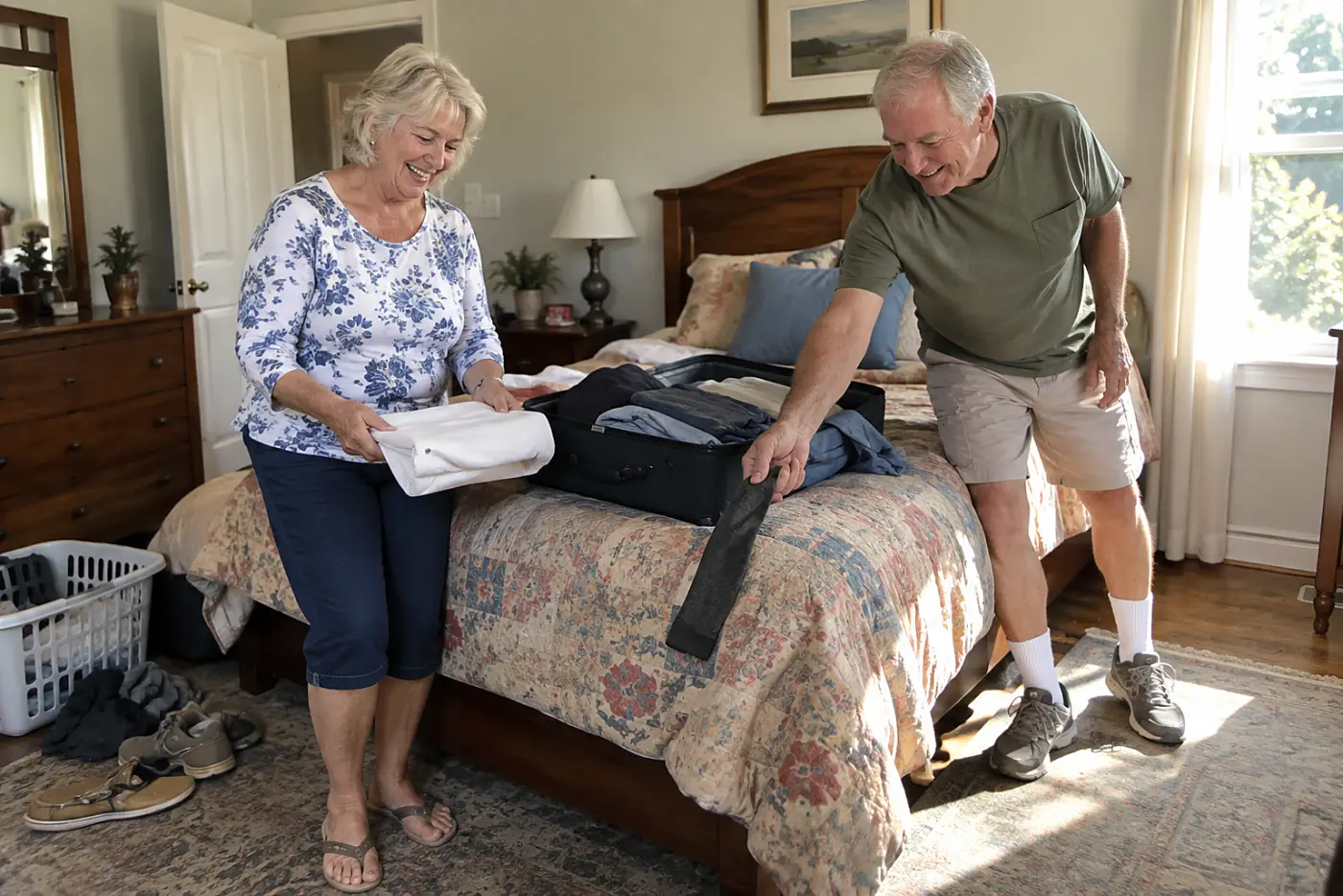
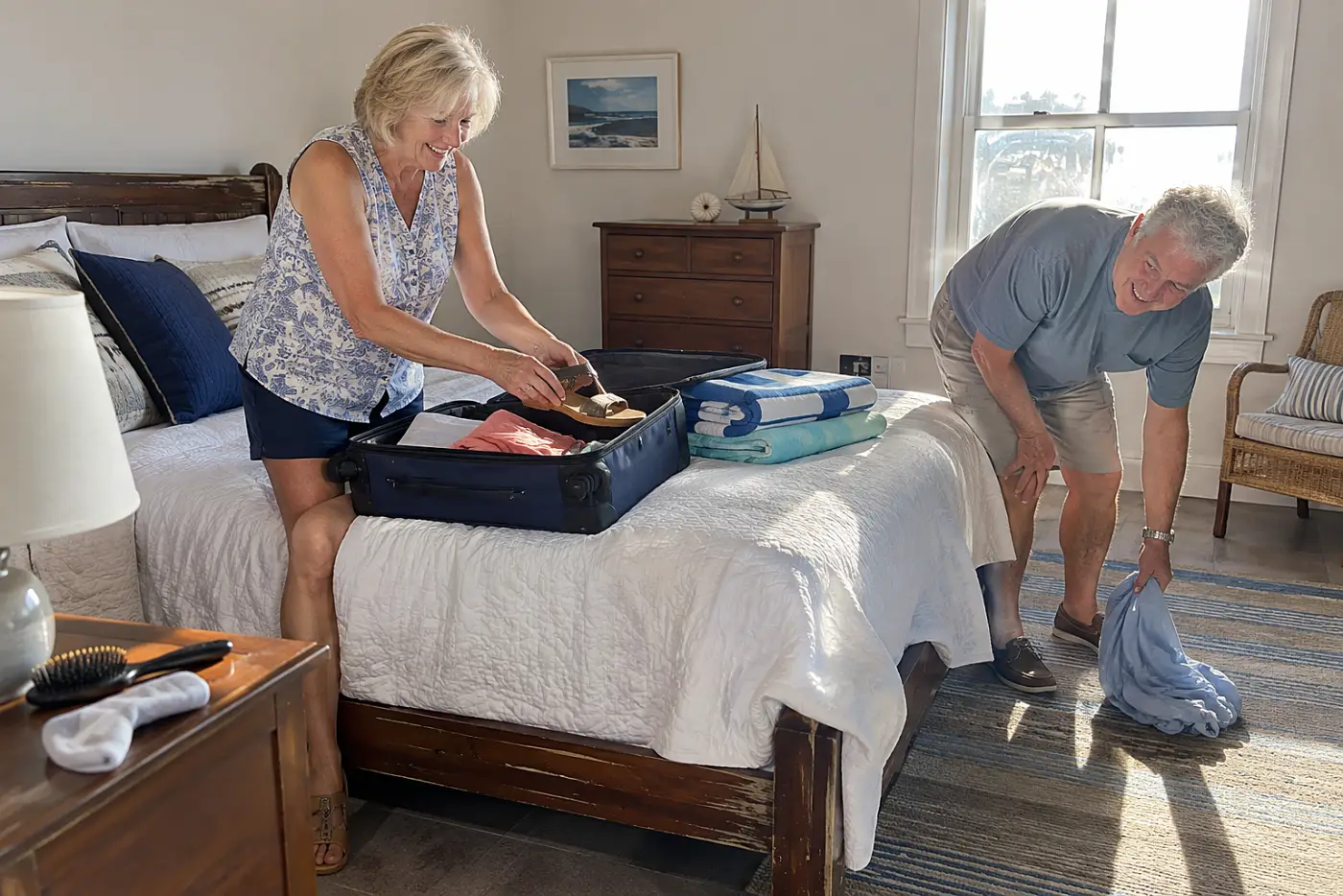
The suitcase sits open on the bed. Beside it are two beach towels you bought years ago, both still marked with the kids' names. This time, neither child has asked what time you're leaving. You fold one towel, then reach for the other.
You expected the next family trip to be smaller. Instead, the old trip keeps making decisions for you, from the extra bedroom to the restaurant near the arcade. Nobody announced that the family vacation had ended, so its routines survived the people they served.
Here are 27 reasons to look again at the trip you're taking.
27The second suitcase by the door

The packing pile has lost its usual second shift.
For years, your list included sunscreen for everyone and the charger somebody forgot. Now each traveler carries a bag and remembers its contents. You still find yourself checking the hallway for the suitcase that belonged to a child.
That habit costs time before you even leave. It also turns the first hour of the trip into a search for missing work.
This week, pack from your own list, then put it away. Say, “I'm bringing what I need; everyone else has their own bag.”
The car keys raise a different question.
26The seats you choose for the drive

The back seat no longer sets the departure time.
No one needs a nap before you leave or a stop for a forgotten stuffed animal. You and your travel partner still follow the route built around those needs. The first stop remains the same gas station, even when you'd rather take the scenic road.
The Federal Highway Administration publishes travel information, but your old family route is a habit, not a requirement. Keeping it without discussion spends the first day on a drive neither of you chose.
This week, put two routes on the table and name the stop you want. Ask, “Do we still want to drive straight through, or would lunch by the river be better?”
Then notice who is waiting at the other end.
25The rental house with empty bedrooms

An empty bedroom still appears on the booking screen.
The familiar house had space for everyone, so you've kept its listing saved. Once the kids stop coming, its extra rooms still shape the location and total price. A smaller place near the water could put you where you spent every day driving.
Check the cancellation terms before replacing a reservation. A host's house rules, cleaning fee, and checkout time belong beside the nightly rate.
This week, compare the full cost of two places, including fees. Say, “I'd rather pay for the location than bedrooms we won't use.”
The room count isn't the only inherited expense.
24The restaurant table booked for six

The old dinner reservation leaves chairs nobody fills.
You once booked early because six people were hard to seat together. Now you still choose a restaurant by its large-table openings and its children's menu. Meanwhile, the little place you wanted to try takes bookings for two.
Reservation rules differ by restaurant. Some require a card and charge for a late cancellation or a no-show. An oversized booking wastes a table and puts your card behind a promise you can't keep.
This week, cancel old reservations you no longer need. Then book for the people who have actually said yes. Tell the host, “Our party is two now; please change the reservation.”
Once you sit down, another old schedule starts making decisions.
23The alarm set for the water park

Your first vacation morning still starts with an alarm.
The water park opened at a set hour, and the kids wanted the first ride. The alarm survived after their trips stopped. You wake early, rush breakfast, and arrive at an attraction neither of you chose.
Tickets with timed entry still require planning. A morning without tickets does not. That distinction gets lost when every day starts with the same alarm.
This week, check which reservations have an arrival window and delete the rest of the alarms. Say, “Let's have breakfast first and decide where to go afterward.”
That open morning creates room for a different kind of stop.
22The museum room you once hurried through

You left the painting before you finished looking.
A child was hungry, bored, or headed for the gift shop. You learned to scan a room and move on. Returning without them doesn't automatically break that pace; your feet still head for the exit.
Museums publish hours, ticket rules, and access details on their own sites. The Smithsonian Institution also lists its museums and visitor information. Check the place itself rather than relying on a schedule saved from an old trip.
This week, choose one exhibit you want to see and leave space around it. Ask your companion, “Would you mind if I stayed in this room a little longer?”
The answer belongs to this trip, not the last one.
21The beach bag full of spare towels

The beach bag still carries equipment for absent people.
You bring extra towels, goggles, and snacks because somebody always needed one. At the shore, you haul the heavy bag while the people it served are elsewhere. The bag has become a record of an old job.
A lighter load leaves your hands free for a swim or a book. Before returning to a familiar shore, check its current access details. The National Park Service posts beach rules for the shores it manages.
This week, empty the bag and put back only what today's travelers use. Say, “I'm taking one towel and my own book.”
That book has to compete with a familiar soundtrack.
20The car playlist nobody has requested

You still skip songs for someone who isn't riding.
Family drives had a soundtrack negotiated from the back seat. You kept the downloaded playlist because it was ready and because everyone knew the words. Now it fills the car before either adult has chosen what to hear.
On long drives, music marks the hours. Leaving the old list on repeat keeps the trip moving to the same cues. It can send your mind back to the crowded car instead of the road ahead.
This week, make a short playlist for the drive you're taking. Include a stretch with no music at all. Ask, “What would you like to hear for the first hour?”
The silence after that question has its own use.
19The photo taken beside the entrance sign

The entrance photo has nobody to organize.
You used to line everyone up before tickets, heat, and hunger pulled them apart. Without the kids, you stand beside the sign out of habit. The picture captures an arrival, but you've missed the chance to photograph what caught your eye.
Some parks restrict drones, tripods, or commercial photography; the National Park Service posts rules by site. An ordinary phone photo still needs your attention.
This week, take one picture of something you want to remember. Ask, “Will you take a photo of me by that old doorway?”
Next comes the question of whom you send it to.
18The group chat waiting for updates

The group chat still expects a vacation report.
When the kids traveled with you, everyone knew where everyone was. Later, the chat became the place for airport photos and dinner snapshots. Now you find yourself describing a trip to people who didn't take it, before you've had time to enjoy it.
A location-sharing setting is a separate choice from sending pictures. On an iPhone, Apple's Find My tools handle location sharing. Android users can check location-sharing controls in Google Maps. Look at what you've enabled instead of assuming the family chat shows your location.
This week, decide who needs your itinerary and who gets photos afterward. Say, “We'll send a picture when we feel like it; we're taking this one for ourselves.”
The next call home can wait until you've put the phone down.
17The souvenir shelf at the airport

You still shop for children who are grown.
A shelf of key chains and stuffed animals pulls you in before departure. You know their current tastes better than a gift rack does, yet you buy something so nobody feels left out. The bag comes home with proof of your trip, addressed to someone else.
Airport purchases also take up carry-on space. The Transportation Security Administration posts the rules for what goes through security, including liquids.
This week, decide before leaving whether you're buying gifts. Say, “I'm bringing home stories this time.”
Without the gift errand, you notice what else the airport asks of you.
16The airport seats booked in one row

The seat map still looks like a family puzzle.
You used to check that the kids sat together, then take whatever seat remained. With fewer travelers, you can choose for your own comfort. The first booking step is still familiar, though, and a poor seat can stay with you for the whole flight.
Airlines set their own seat-selection terms. U.S. Department of Transportation consumer pages explain what to check when buying a ticket and what to do after a problem. Read the fare conditions before paying for a seat or assuming one is included.
This week, open the seat map before checkout and choose what suits you. Ask, “Do you want to sit together, or would we each rather have an aisle?”
Then see whether the flight itself still needs the old connections.
15The connecting flight chosen around school

The school calendar no longer holds your travel dates.
For years, you searched the same vacation week and accepted the flights it offered. Now a different departure day could give you a nonstop flight or more time at your destination. The old search dates stay in place because they feel official.
Airlines change schedules, so compare the trip in front of you. The cheapest ticket still has a return time, a baggage policy, and a cancellation rule.
This week, search dates outside the former school break. Say, “Let's choose the travel day first, then see what the flight costs.”
Other dates open up a choice you used to postpone.
14The town you never put on the list

Your destination list still has a children's column.
The old choices promised beaches, rides, or plenty to do after dinner. The town with the architecture tour never made the list. Neither did the place where you'd spend a whole afternoon in a bookstore.
A destination works best when its opening hours and travel time match what you want to do there. Check the town's official visitor site for current hours, then verify each stop directly. A beautiful photo won't tell you whether the museum opens on the day you arrive.
This week, write down one place you've kept postponing. Find the trip length it deserves. Say, “I'd like to go there even if the main attraction is walking around.”
Once the destination changes, the lodging choice follows.
13The hotel pool you no longer use

The pool kept winning every hotel argument.
It gave the kids something to do between outings, so you filtered for it first. Now the pool stays in your search while the hotel sits far from the things you want. You pay in cab rides or long walks for an amenity you never enter.
A hotel's location is easy to test on a map. Mark the station, the place you want to visit, and your likely dinner spot.
This week, search once with the pool filter off. Say, “Let's stay near the things we'll actually do.”
The shorter walk changes the evening, too.
12The dinner hour set by bedtime

Dinner still happens before anyone is hungry.
An early table worked when the kids needed baths and bed. Now you pass the best part of the afternoon watching the clock. By the time evening arrives, you've eaten and returned to the room.
Restaurants set different hours, and popular places fill up. Check the kitchen's closing time before making a later plan. If you're traveling across time zones, the National Institute of General Medical Sciences explains how your body clock responds to light and sleep. Your own appetite still deserves a vote.
This week, pick one evening without an early reservation. Ask, “Should we walk first and eat when we're ready?”
A later meal also changes what you do with the next morning.
11The breakfast buffet bought by habit

The buffet price still includes imaginary appetites.
A family breakfast once saved you from finding several foods in an unfamiliar town. Now you pay for the routine and take coffee and toast. The café across the street never gets a chance.
Hotel breakfast terms appear in the room rate or at checkout. Read them before booking, especially if breakfast comes as a separate charge.
This week, compare the room with and without breakfast. Say, “Let's buy breakfast where we actually want to sit.”
Then there's the expense nobody notices until the room is empty.
10The adjoining room nobody sleeps in

The connecting door no longer leads to your family.
You booked adjoining rooms so the kids had space and you could reach them. The arrangement made sense then. Keeping it now means paying for a layout that serves a trip you've stopped taking.
A hotel reservation shows the number of rooms, beds, guests, and nights. Check all four fields before payment. If another adult has not committed to the trip, don't reserve a second room out of habit. Cancellation terms matter too, since a room held “just in case” still comes with rules and deadlines.
This week, pull up your next reservation and read every room line. Call the hotel directly if the layout is unclear. Say, “Please confirm how many rooms I have reserved and the total charge.”
An empty room is easier to spot than an old promise.
9The invitation sent without an answer

The family invitation has turned into a daily chore.
You asked the kids to come, and they said they'd check work. Since then, you've sent a second message, suggested another weekend, and watched the chat for a reply. The trip has started to feel like another event you're expected to organize for everyone.
Each follow-up asks you to manage a calendar that isn't yours. Meanwhile, no one has answered the question you actually asked: whether they want to spend this time together.
This week, stop proposing alternate dates and let the invitation stand. Say, “I'd love to see you on this trip; let me know what you decide.”
Their answer still leaves another calendar to examine.
8The vacation days your children control

A grown child's calendar has replaced the school calendar.
Now work shifts, partners, and their own travel plans compete for the same dates. You ask when everyone is free, then hold your trip open while they answer. Soon the destination and season belong to the hardest schedule in the group.
For an overseas trip, check passport validity before agreeing on dates. The U.S. Department of State posts destination requirements and passport guidance. A relative's available week is no help if the documents don't work for the trip.
This week, choose your own travel window before asking anyone to join. Say, “We're going in October; tell us if those dates work for you.”
The answer tells you who is coming, not whether you go.
7The deposit charged to your card

Your card pays while everyone else discusses the rental.
A group house requires someone to pay at checkout, and you've always handled it. The listing shows a payment schedule, but the family chat holds only rough promises about splitting costs. You become the bookkeeper before anyone has packed.
The card issuer bills you for the charge, regardless of what relatives said in a chat. Check the rental's cancellation terms and save the payment screen before entering your card.
This week, write down what you're willing to put on that card. Say, “I don't want to cover a group rental myself; let's each pay our own costs.”
The bill isn't the only thing you've carried forward.
6The itinerary you made for everyone

The family schedule still lives in your notes app.
You once tracked tickets, meals, and rest stops so the days held together. The kids stopped coming, but you're still building each hour as though someone needs an activity. Your own wish to sit in a café gets squeezed between entries.
Some tickets require advance booking; your whole afternoon doesn't. Separate fixed times from optional ideas in the notes app. For national parks, the National Park Service posts reservation requirements on each park's site. Put confirmed entry times on the calendar and leave the rest open.
This week, remove one activity from each day of your next trip. Say, “I want an afternoon with nothing booked.”
The empty space exposes a choice you've long made for someone else.
5The activity you always skipped

Your preferred outing kept losing the family vote.
Maybe it was a house tour, a long hike, or a concert after dinner. You stopped proposing it because the children wanted something else. This time, you still cross it off before anyone objects.
An outing has its own hours, ticket rules, and physical demands. Check those details on the operator's site, then decide for yourself. If the route is a trail on federal land, Recreation.gov lists many federal recreation sites and reservations.
This week, put one of your old rejected ideas on the itinerary. Say, “I'm going to the concert; you're welcome to come.”
The words feel different when joining you is a choice.
4The separate afternoon on the map

You don't have to want the same afternoon.
Family trips trained you to keep the group together and settle every choice by compromise. With two adults, that rule still sneaks in. One person goes to the market while the other wishes for the harbor, and both pretend the plan suits them.
Before splitting up, agree on a meeting place and time. Keep a hotel address saved on each phone, including the street address for a cab driver. Google Maps lets you save a place; a screenshot works when the signal fails.
This week, each choose one stop without negotiating it away. Say, “Let's meet back at the hotel at four and tell each other what we found.”
Meeting again gives the day a new story to tell.
3The family photo you keep recreating

The familiar pose has people missing from it.
At the same overlook, you remember where each child stood. You arrange yourselves as close to the old picture as you can. The result asks this trip to prove the last one still exists.
Keep the old photo where you can find it. That picture holds everyone who stood there then. A new one has a different job: showing who came this time and what caught your eye.
This week, take a picture from another spot. Say, “We went back to the overlook and tried a different path.”
That path leads toward a harder question than the camera can answer.
2The holiday week left open for them
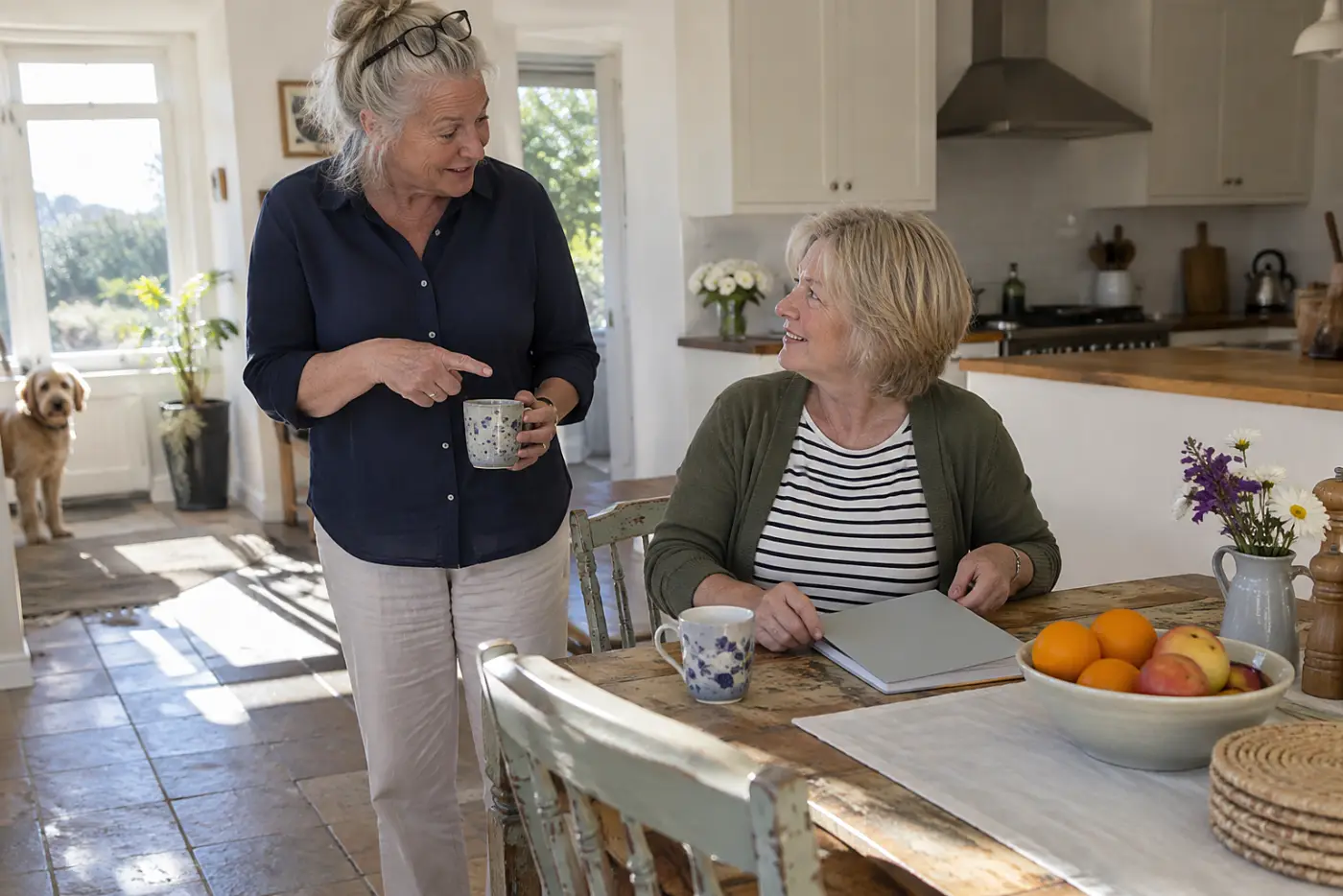
An empty week becomes a standing invitation.
You hold the same holiday dates because the kids joined you then for years. Nobody has proposed a trip, yet you avoid making other plans. Their lives move forward while your calendar remains blank except for the expectation.
That empty week has a cost even before travel enters it. A neighbor's invitation passes, or the concert you wanted sells out, because you're protecting dates nobody asked you to protect.
This week, put one plan you want on that calendar. Tell the family, “We're spending the holiday week away this year; I'd love to hear your plans.”
A date on the calendar still isn't a ticket in hand.
1The booking made for confirmed travelers

Stop holding a place for someone who hasn't said yes.
An invitation opens a conversation. A booking spends money and fixes dates. When those steps blur, an absent child still determines the room size and ticket search. The old family vacation gets one more turn at choosing for you.
A blank guest name isn't a reservation you owe anyone. Before checkout, match the guest count, rooms, and tickets to the people who have actually agreed to travel. Read the change and cancellation terms for each purchase; they won't be identical.
This week, set a reply date and make that checkout check before you pay. Say, “We'd love to travel together, but we're booking for ourselves on Friday.”
The last question is what to do when a reply arrives later.
The bottom line
The old family trip survives in the reservations, schedules, and habits you keep making for people who aren't coming.
You've prepared for this trip when you've chosen its dates, counted its travelers, and checked the booking before paying.
Which of these has already happened in your family?
Bonus: The confirmed-traveler booking check
- Write down who has said yes, rather than who received an invitation.
- Tell anyone undecided, “We're booking Friday; please answer before then.”
- Search rooms and transport for the confirmed travelers only.
- Match every guest count and ticket to that list before paying.
- Read the change terms, then send the dates to anyone who asks later.
Margaret Hale
Travel & Lifestyle Editor
Margaret has covered travel for 25 years and has ridden every long-distance train route in the U.S. at least once.
You might also like