23 Things That Happen When Your Mother Can No Longer Live Alone
A hospital discharge, a missing house key, and an unsigned authorization can turn one family decision into a dozen urgent calls.
By Margaret Hale, Travel & Lifestyle Editor
Updated · 18 min read
- Written by our travel & lifestyle editor
- How we review

Read to the end: #1 is the phone-call script that records your mother’s wishes before a crisis, and almost nobody prepares it.
The refrigerator holds three cartons of milk, each opened. Your mother insists she bought one. On the counter sits a reminder for an appointment she missed, written in her own careful handwriting. You pick up the phone, then realize you don’t know whom to call first.
The obvious move is to find somewhere for her to live. But a new address won’t settle who speaks for her, what she wants, or which bill lands in whose mailbox.
Here are 23 things to handle as your turn begins.
23The unopened milk cartons in the refrigerator

The fridge tells a story your mother hasn’t told you.
Spoiled food, duplicate purchases, and an empty freezer point to different problems. Check the dates before drawing a conclusion. One missed grocery trip tells you little; a repeated pattern gives her doctor something to examine.
Without dates, the visit turns into an argument about whether she’s “fine.” The National Institute on Aging advises describing changes in memory and daily tasks, rather than arriving with a label.
This week, photograph what concerns you and note when you saw it. Look at the food she actually eats, too. Tell her, “I want to understand what’s making meals harder.”
Food is only one part of the day you haven’t seen.
22The pill organizer with yesterday still full

A full compartment doesn’t tell you why a dose was missed.
Start with the prescription bottles, the organizer, and the pharmacy printout. Compare names and directions before anyone fills next week’s compartments. An old bottle and a new dose can sit side by side, looking equally current.
A missed dose belongs on the clinician’s list, especially after a fall or a new spell of confusion. Sudden confusion needs prompt medical attention. Don’t wait for a routine appointment to raise it.
This week, bring every bottle, vitamin, and over-the-counter product to a medication review. Ask the pharmacist, “Can we check what she’s taking against what the prescribers ordered?” Write down any question the pharmacist sends back to a prescriber.
Your mother’s account matters more than the neatness of the box.
21The staircase she grips with both hands

A familiar staircase changes when balance or strength changes.
Watch the full trip, from her chair to the bathroom and back. Notice where she stops, reaches for furniture, or turns without room for her feet. Ask what happens when she carries laundry. The answer shows you a different trip from the one she demonstrates empty-handed.
A fall followed by a broken hip changes the housing conversation at once. The CDC’s STEADI program gives clinicians tools for checking fall risk. Describe the change you saw, rather than asking someone to judge whether the house is safe.
This week, ask her clinician for a fall-risk assessment. Say, “She holds both rails now, and I want that change checked.” Bring your notes about where she stopped and what she carried.
Then look at the room she has to reach after dark.
20The bathroom door that blocks a walker

A walker is no help if it stops at the doorway.
Measure the clear opening with the door fully open. Check the turn into the bathroom, the space beside the toilet, and how she stands from the seat. A towel bar isn’t a grab bar. Watch where her hand goes.
A contractor’s estimate means little until you know which obstacle needs changing. The Administration for Community Living points families toward local aging services, but no directory measures your mother’s doorway. An expensive change to the wrong spot leaves the nighttime route unchanged.
This week, take a tape measure through the route she uses after dark. Ask her, “Show me how you get in here when you’re tired.” Write down the first place she has to turn sideways.
One workable bathroom doesn’t prove the rest of the house works.
19The car keys beside the front door

The car keys become a family fight before they become a plan.
A new scrape, a lost route, or trouble reaching the pedals deserves a closer look. Write down what happened and when. A driving assessment gives you more to work with than a verdict delivered over dinner.
Taking the keys without arranging rides leaves your mother stuck at home. State reporting rules differ. Before making a report, check your state motor vehicle agency’s instructions so you know what happens next.
This week, list the driving changes you witnessed and identify rides for groceries and appointments. Tell her, “I want us to check what’s changed behind the wheel.”
That ride plan needs to cover more than doctor visits.
18The calendar with three crossed-out appointments

A ride offered once doesn’t make a dependable schedule.
Appointments involve booking, travel, check-in, and getting home after a long wait. Ask who has handled each step until now. Your mother has a system you haven’t needed to see, including how she gets a new time when the office cancels.
Missed follow-up visits leave test results and treatment plans hanging. With her agreement, ask the office how to list you as a scheduling contact. That alone doesn’t give you access to her medical record, so settle that question separately.
This week, copy upcoming appointments into a shared calendar only with her permission. Say, “Which visits do you want me to help get you to?” Add the return ride before anyone calls the entry complete.
A calendar also shows the hours nobody has agreed to cover.
17The overnight hours missing from the care schedule

Daytime help leaves a long stretch unaccounted for.
Map a full day, including meals, medicine, toileting, and getting out of bed. Put a name beside each task instead of writing “family” across an empty box. If a sibling promises Fridays, specify the hours, the job, and the backup. A promise to “check in” tells nobody who answers a call.
When a shift falls through, your mother feels the gap before anyone settles the argument. An unanswered overnight call is a different problem from a missed grocery trip. The Eldercare Locator lists local services if the people on your sheet cannot cover the hours you’ve marked.
This week, make the schedule with actual names and hours. Ask your family, “Who is answering the phone tonight?” Put the answer in writing, along with who takes over if that person is unavailable.
Names on paper lead to a question about paid help.
16The home aide contract on the kitchen table

An aide’s first visit starts with a job description.
Write down the tasks your mother wants help with, then ask the agency which ones its workers perform. Check arrival procedures, cancellations, backup staffing, and who to call when nobody arrives. Include the tasks your mother doesn’t want a stranger doing. She has to live with the arrangement after you leave.
An hourly rate tells you little without a minimum visit length and cancellation terms. Get the current rate sheet and agreement in writing before you book. Read what happens if a worker leaves early or your mother refuses a visit.
This week, compare two written proposals against the same task list. Ask, “Who comes if the scheduled aide calls out?” Write the agency’s answer beside its phone number, where anyone covering for you can find it.
Once a stranger enters the house, everyday access needs its own rules.
15The spare key under the flowerpot

A spare key works until too many people know where it is.
List everyone with a key, garage code, or alarm code. Decide with your mother how workers enter and how she’ll know who is expected that day. Include the neighbor who has held a key for years; that arrangement matters even if nobody wrote it down.
An untracked key is hard to recover after a service ends. A locked key box still needs a plan for changing its code. If the aide schedule changes, someone has to update the access list as well.
This week, collect old keys and write down current entry instructions. Tell her, “Let’s decide together who gets in when you aren’t at the door.” Keep the list somewhere safer than the flowerpot.
The same question follows her belongings when she leaves home.
14The shoebox of bills beneath the desk

The bills reveal which parts of her routine still work.
Sort unopened mail by due date, then separate recurring payments from anything new. Look for the bank account paying utilities before changing an automatic withdrawal. Your mother knows which envelopes she handles online and which she still pays by check; ask before treating a missing paper bill as an unpaid one.
Late notices cost money, but an unauthorized change creates another problem. The Consumer Financial Protection Bureau has guidance for people managing someone else’s money. Its central rule is worth keeping on the desk: her money stays separate from yours.
This week, sit with your mother and list bills and payment dates. Ask, “Which ones do you want me to help track?” Mark what she will keep doing herself, so help doesn’t become a takeover.
Opening the envelopes does not give you permission to move the money.
13The bank form nobody has signed
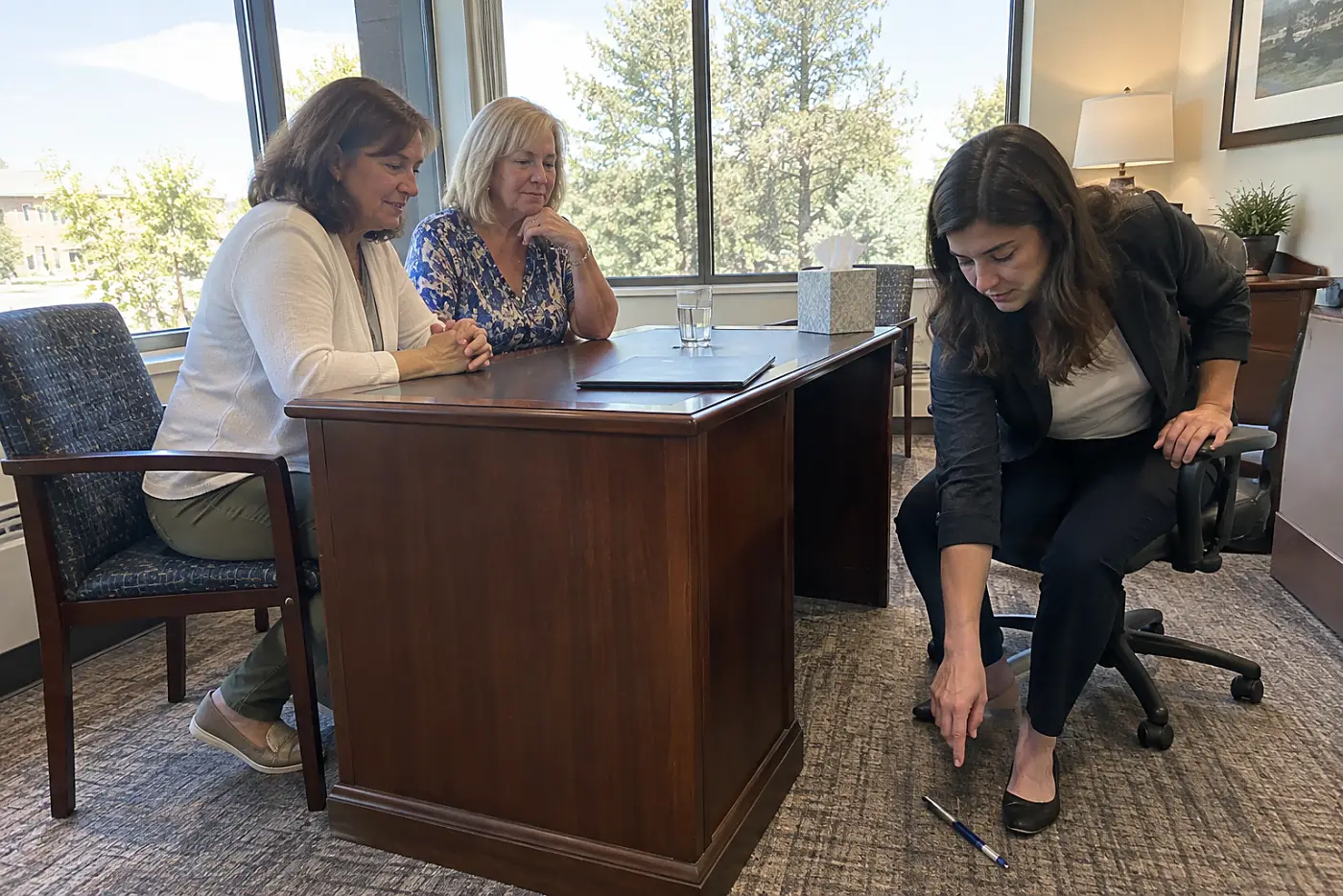
Being her daughter doesn’t make you a signer.
Ask the bank what it requires for the task your mother wants help with. Paying a bill, viewing an account, and owning an account are different things. Joint ownership changes more than who writes checks. Start with the job, not the form a teller happens to put on the counter.
Adding your name to an account raises ownership questions later. It isn’t a substitute for understanding the authority your mother has chosen. A bank also needs to review a power of attorney before relying on it, so don’t leave that conversation for the day a bill is due.
This week, call or visit with your mother and describe the task before requesting forms. Say, “She wants help paying bills; what arrangements does this bank accept?” Take the paperwork home for her to read.
The next document has to match the authority she actually chose.
12The power of attorney in the filing cabinet

A signed document helps only when you know its terms.
Find the original, read when it takes effect, and check whom your mother named. Look at whether it covers the financial task she wants handled. Banks review documents before accepting instructions, so an unread copy discovered during a crisis slows the payment she expected you to make.
Power-of-attorney requirements vary by state. A document that doesn’t meet the requirements where she lives leaves you arguing over paperwork when she needs help. The National Academy of Elder Law Attorneys has a directory if your mother wants an attorney to review what she signed.
This week, ask where she keeps the document and offer to read it with her. Say, “I want to know what you’ve already decided, not decide it for you.” Write down questions for an attorney rather than guessing at a clause.
Medical decisions require a separate look at her paperwork.
11The health care directive in the wrong drawer

The hospital won’t search your mother’s filing cabinet.
Find her advance directive and check whom she named to speak for her. Make sure that person has a copy and understands the choices she recorded. Ask your mother whether her doctors have a copy, too. A document no one can find during an emergency leaves the room waiting for answers.
A financial power of attorney doesn’t give you medical decision-making authority. States use different health care forms; the National Institute on Aging’s advance care planning guidance helps you frame the conversation. Check the form she actually signed instead of relying on its title.
This week, ask your mother to show you her paperwork. Tell her, “I’d rather hear your wishes from you.” Let her choose who gets a copy.
That conversation matters most when a hospital asks for an answer quickly.
10The hospital discharge sheet with a blank ride

Discharge planning starts before anyone is ready to leave.
Ask the hospital team where your mother is expected to go and what help she’ll need there. Get the medication list, follow-up instructions, equipment orders, and the number to call with questions. Check whether someone has arranged the ride and whether the destination has what the discharge sheet assumes will be waiting.
A hospital stay alone doesn’t guarantee Medicare payment for a skilled nursing facility afterward. Medicare has conditions for that benefit. Confirm her hospital status and the proposed next step with the discharge team before departure, rather than learning the answer after arrival.
This week, keep one folder for hospital papers and write questions inside the front cover. Ask, “What must be in place before she leaves?” Put the name of the person who answered beside each response.
The destination on that sheet still has to be ready for her.
9The bed waiting at the wrong address

An available bed isn’t proof the place fits.
Tour the route from bedroom to dining room and ask who helps with bathing, medicine, and nighttime calls. Watch how residents reach staff from their rooms. Then read the admission agreement before giving anyone a deposit. The tour shows you the hallway; the agreement tells you what the place promises to do.
An advertised price leaves out details until you request the full fee schedule. Ask which services bring an extra charge and what changes when your mother needs more help. A bed that fits today’s needs is little comfort if the next level of care requires another move.
This week, tour with her if she wants to go. Ask, “Which services are included in this written rate?” Mark any answer you cannot find in the paperwork.
The answer belongs beside the promises made during the tour.
8The monthly rate without the care charges

The headline price is only one line of the bill.
Ask what triggers a higher care charge and who decides her needs have changed. Find out how the facility gives notice. Compare the complete written charges with her income and savings, including what happens when the introductory rate ends.
Medicare doesn’t pay for long-term help with daily tasks in a residence. That expense draws on her resources unless another payer applies. Medicaid rules vary by state; get an eligibility answer from your state Medicaid agency before treating a facility’s estimate as a promise.
This week, request the current private-pay rate and every additional charge in writing. Say, “Please show me what this bill looks like if she needs more help dressing.”
Once the numbers are visible, the household needs another conversation.
7The family group chat full of votes

A group chat can’t appoint a decision-maker.
Ask your mother whom she wants included while she speaks for herself. Then check her signed documents before treating a sibling’s confidence as authority. Keep logistics in the chat, but don’t mistake a string of thumbs-up replies for her consent to a move.
A housing disagreement stalls decisions when everyone assumes the loudest voice wins. If her ability to make a particular decision is in question, get medical and legal guidance instead of holding a family vote. The distinction matters when someone else starts signing papers.
This week, keep one written record of her decisions and the documents she wants used. Tell the group, “Let’s start with what Mom says and what she signed.”
Her wishes also apply to the things she’s lived with for years.
6The piano nobody asked her about

The piano is furniture to a mover and history to her.
Ask which things she wants nearby, which she wants stored, and which she wants to give away. Work through one room at a time instead of turning her home into a weekend sorting project. Let her point to the things that matter before anyone starts measuring boxes.
Giving away something without asking costs more than the space it frees. Once it’s gone, an apology won’t bring it back.
This week, photograph the pieces she names and write her instructions beside each image. Ask, “What do you want to happen to the piano?”
Before moving anything else, find out which records travel with her.
5The folder that stays in the old house
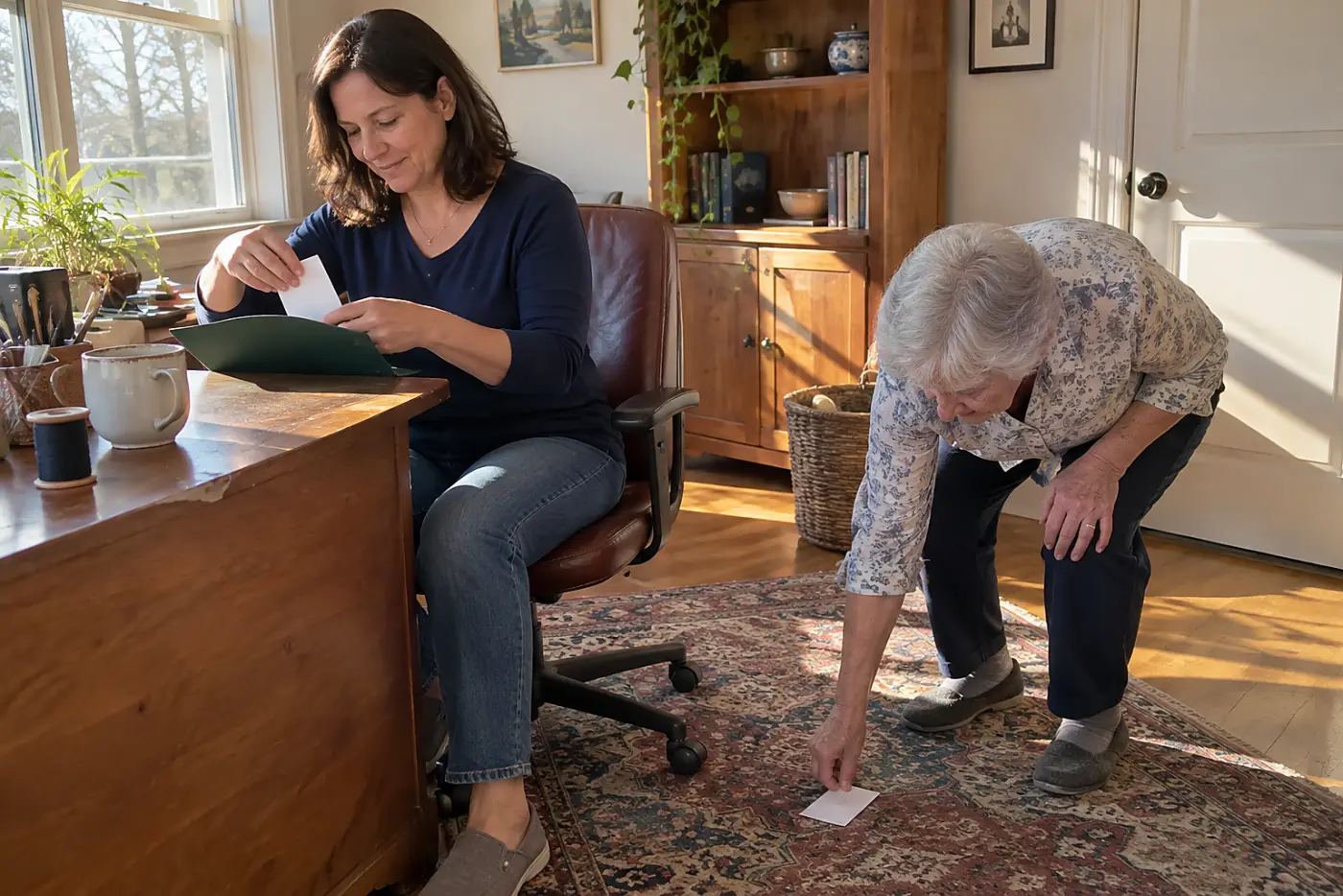
The first urgent call rarely comes from the room with the files.
Gather identification, insurance cards, medication details, doctors’ numbers, and copies of documents she wants available. Keep originals where your mother chooses. Tell the people she names where to find them, rather than assuming everyone remembers the drawer with the buttons in it.
A missing card delays a pharmacy pickup; a missing number delays an answer. The Social Security Administration and Medicare keep separate records, so changing an address with one won’t change it with the other. Check each account involved in her move.
This week, build a portable folder with your mother rather than emptying her desk alone. Say, “Which papers would you want with you if we left today?”
Paper follows a person; calls follow a phone number.
4The phone calls she stops answering

A missed call has several possible explanations.
Check whether she hears the phone, recognizes the number, and knows how to return a message. Look at the charging cable and call log before deciding she’s ignoring anyone. Try a call from another room while she uses the phone as she normally does.
If every check-in depends on one device, a dead battery breaks the plan. Write down a second way to reach her that she accepts. It needs to work for the person making the call, too.
This week, test a call together and practice finding the missed-call screen. Ask, “Who do you want us to contact if you don’t pick up?”
There’s still a difference between checking on her and speaking over her.
3The appointment where everyone talks over her

The room changes when someone answers for your mother.
Let her describe what happened before you add what you’ve observed. Bring written examples, then ask the clinician to address questions to her directly. If she pauses, wait. You’re there to add dates and details, not to replace her account.
A diagnosis or treatment plan starts with information from the person being examined. If you need access to medical information afterward, ask the office about its authorization process. Being present at one appointment doesn’t grant blanket access to records or future calls.
This week, agree with your mother on what you’ll raise at the appointment. Say, “I’ll add the dates after you’ve told the doctor what you think.”
The question left unanswered in that room deserves its own time.
2The notebook with no dated observations

A worried description is hard for a doctor to use.
Write down what you saw, when it happened, and what was different from her routine. Keep observations separate from guesses: “missed Tuesday’s appointment” gives a clinician more to examine than “she’s failing.” Ask your mother what she recalls and add her account beside yours.
Without a dated record, a new problem blurs into an old one. That matters when the clinician asks whether a change began suddenly or built over time. Your notebook won’t diagnose anything; it will help you answer the question accurately.
This week, start a page with dates, events, and her response. Ask, “What did that day feel like to you?” Leave room to add what the clinician tells her to watch for next.
One question still needs an answer before anyone fills the next page.
1The call that records what your mother wants

Don’t let the first crisis make the plan.
Call your mother while there’s time to hear her answer without a hospital clock running. Ask what feels unsafe at home, what help she would accept, and where she would want to go if staying became impossible. Let silence do some work. She doesn’t have to settle every detail for you to learn what matters.
Write down her words, the date, and who was present. The note isn’t a legal document or consent to a move. It gives you an accurate starting point when relatives remember the conversation differently, and it shows which questions remain hers to answer.
This week, set aside a call for this question alone, without trying to settle the house. Say, “If living here stops working, what matters most to you about where you go next?” Ask what she wants you to do first if that day comes.
Read your notes back and ask what you got wrong.
The bottom line
All 23 things follow one change: your mother’s address stops matching the life she has built around it.
The best-prepared version of you has heard her wishes, found the papers, and put names beside the work.
Which of these has already happened in your family?
Bonus: The phone-call script that records her wishes before a crisis
- Choose a time when your mother isn’t rushed. Say, “I’m calling to hear what you want, not to announce a plan.”
- Ask, “What feels hardest about being at home right now?” Let her finish before you describe what you’ve noticed.
- Ask, “If you needed to live somewhere else, what would you want nearby?” Write down her answer in her own words.
- Read it back: “I wrote that you want to stay near your church. Did I get that right?” Add the date and keep the note where you can find it.
Margaret Hale
Travel & Lifestyle Editor
Margaret has covered travel for 25 years and has ridden every long-distance train route in the U.S. at least once.
You might also like