
26 Things to Do With Your Pet's Things When You Cannot Throw Them Away
A strip of painter's tape, a clean pillowcase and a camera roll give you ways to decide what stays without rushing the bowl by the door.
By Ruth Ellison, Family Editor
Updated · 13 min read
- Written by our family editor
- Cited 7 sources
- How we review
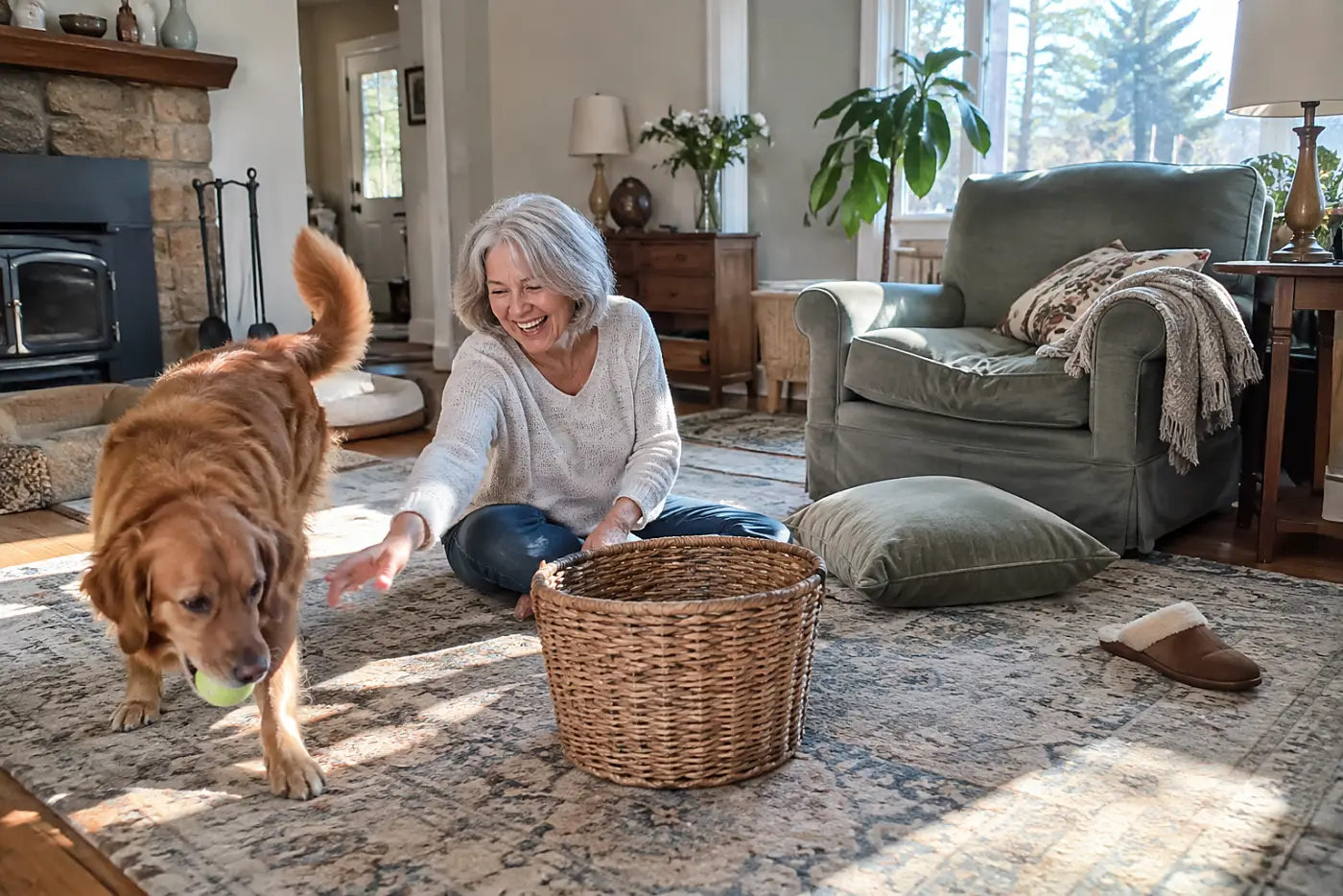
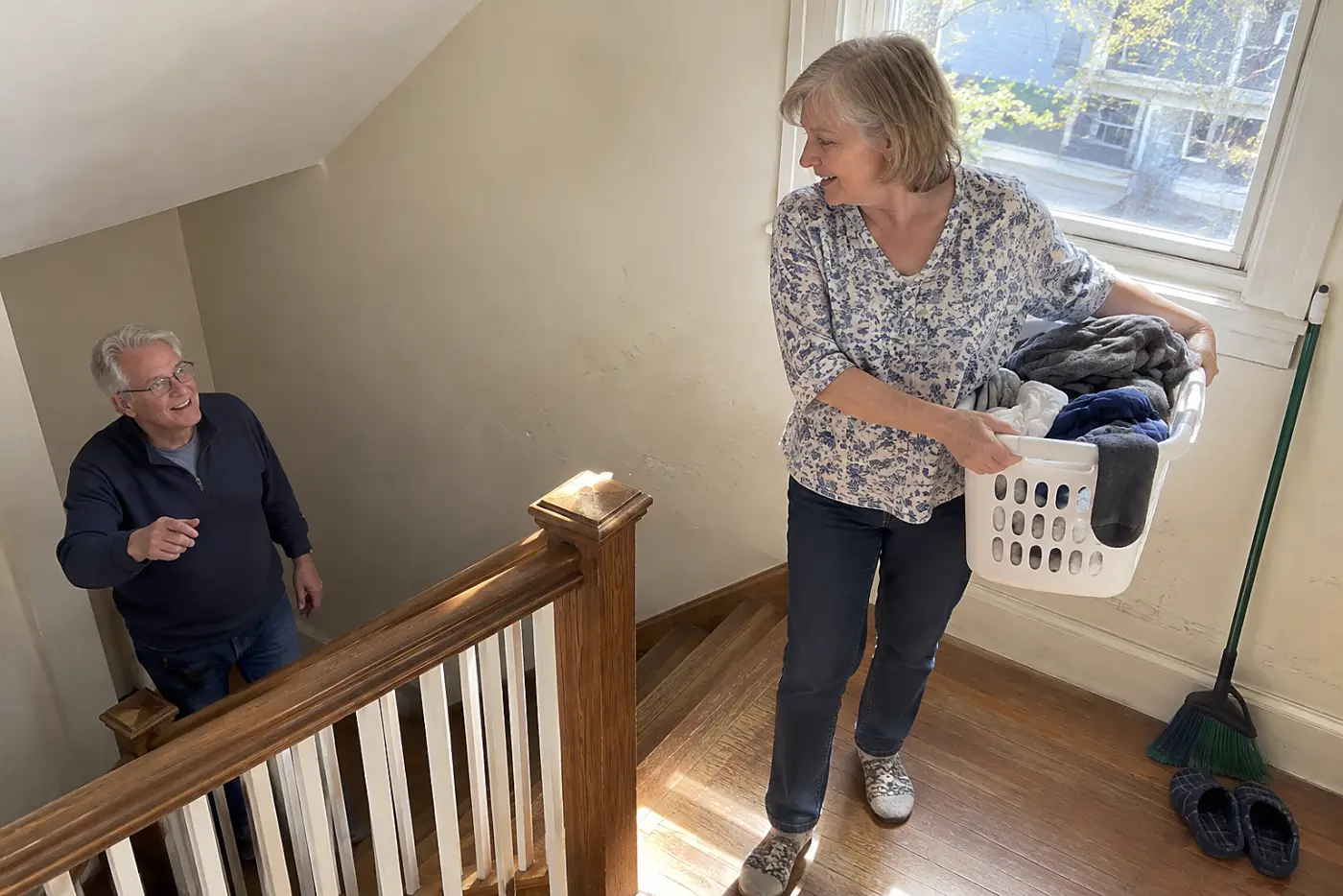
The bowl is still by the door. You step around it with the laundry basket, and your hand goes to the water pitcher before you remember. Moving it feels harder than washing it. Washing it feels harder than leaving it alone.
There is no household deadline for this. Still, the bed takes up floor space, and the collar keeps turning up in your hand. You don't have to make one decision about all of it. Start with the object you can bear to touch.
26The sentence for an eager helper
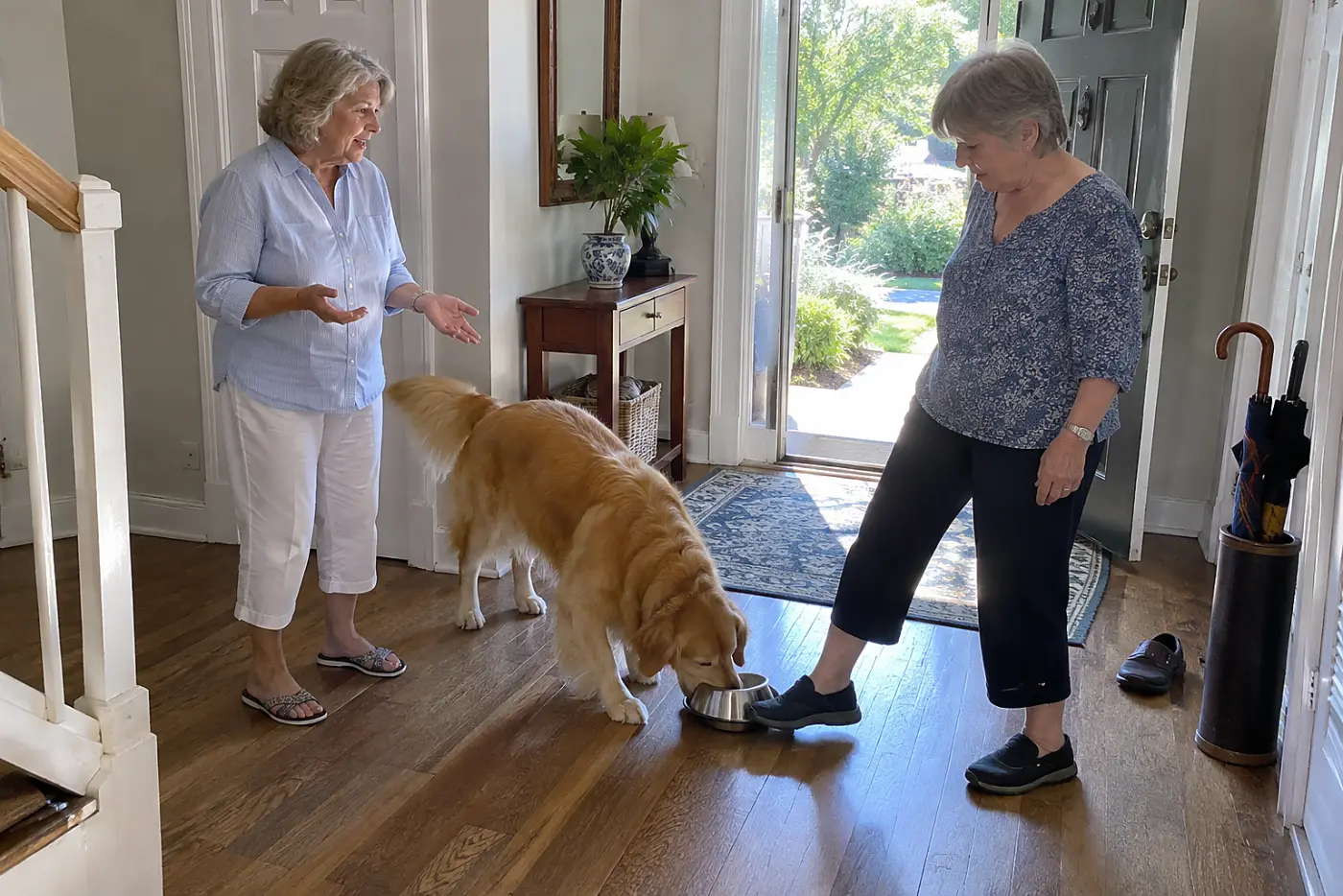
Someone reaches for the bowl because they want to spare you the sight of it. Stop them before it disappears into a cupboard: “Please leave the pet things where they are. I’ll tell you when I’m ready to move them.”
That gives a helpful person a clear job. Your sister can still take out the trash or carry groceries. The bowl stays yours to decide about.
If someone else has a key, tell them, too. A note on the fridge works when you aren't there to intercept a well-meant cleanup. Name the things to leave alone rather than asking everyone to guess.
25The water left by the door
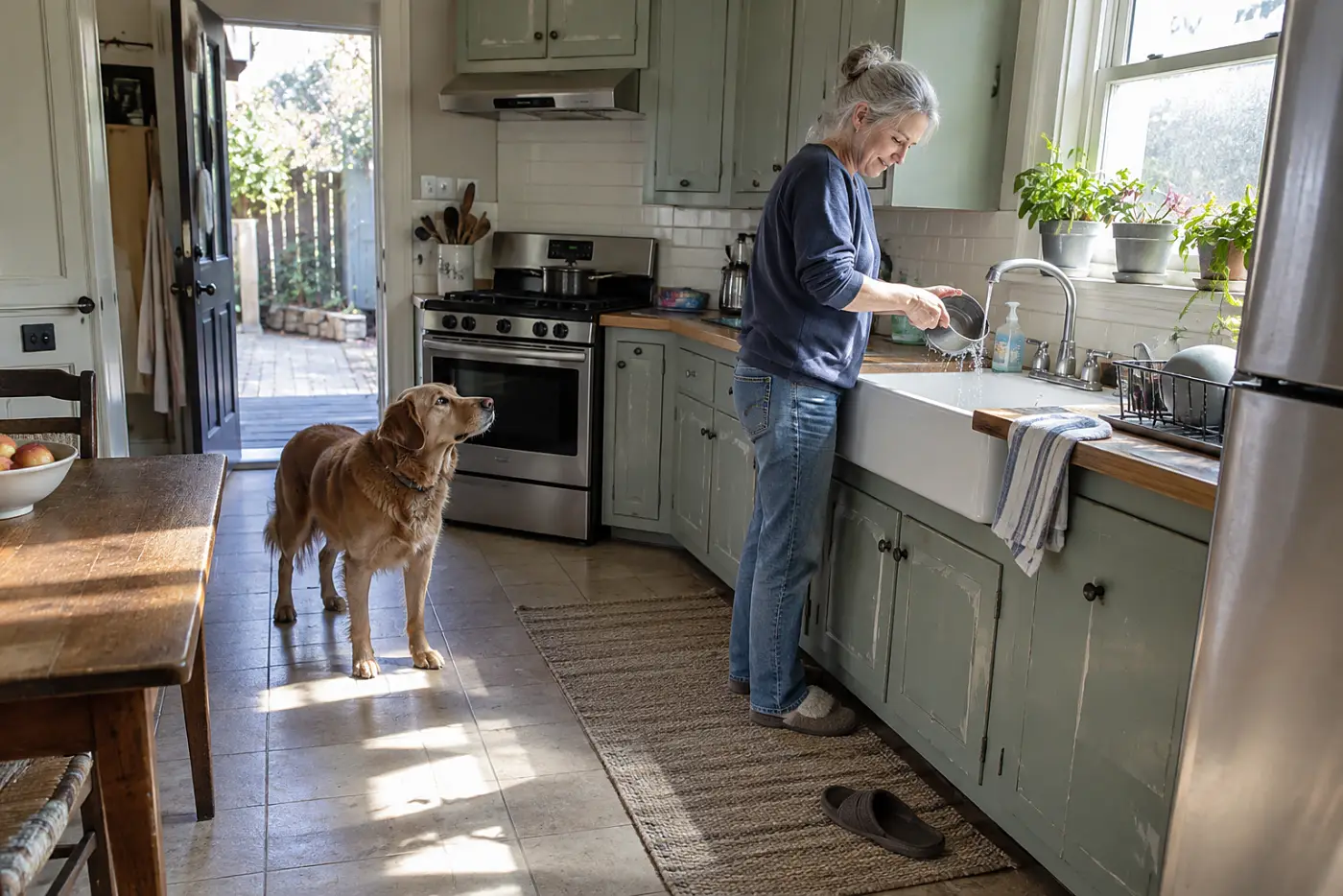
Pour out the old water. Wash the dish with soap and let it dry. Then return it to the same spot, if that's where you want it.
You haven't agreed to put it away. You've removed a spill waiting to happen without changing what you see when you come home. That matters when even a small change in the hallway feels too large.
24The collar buckle in your hand
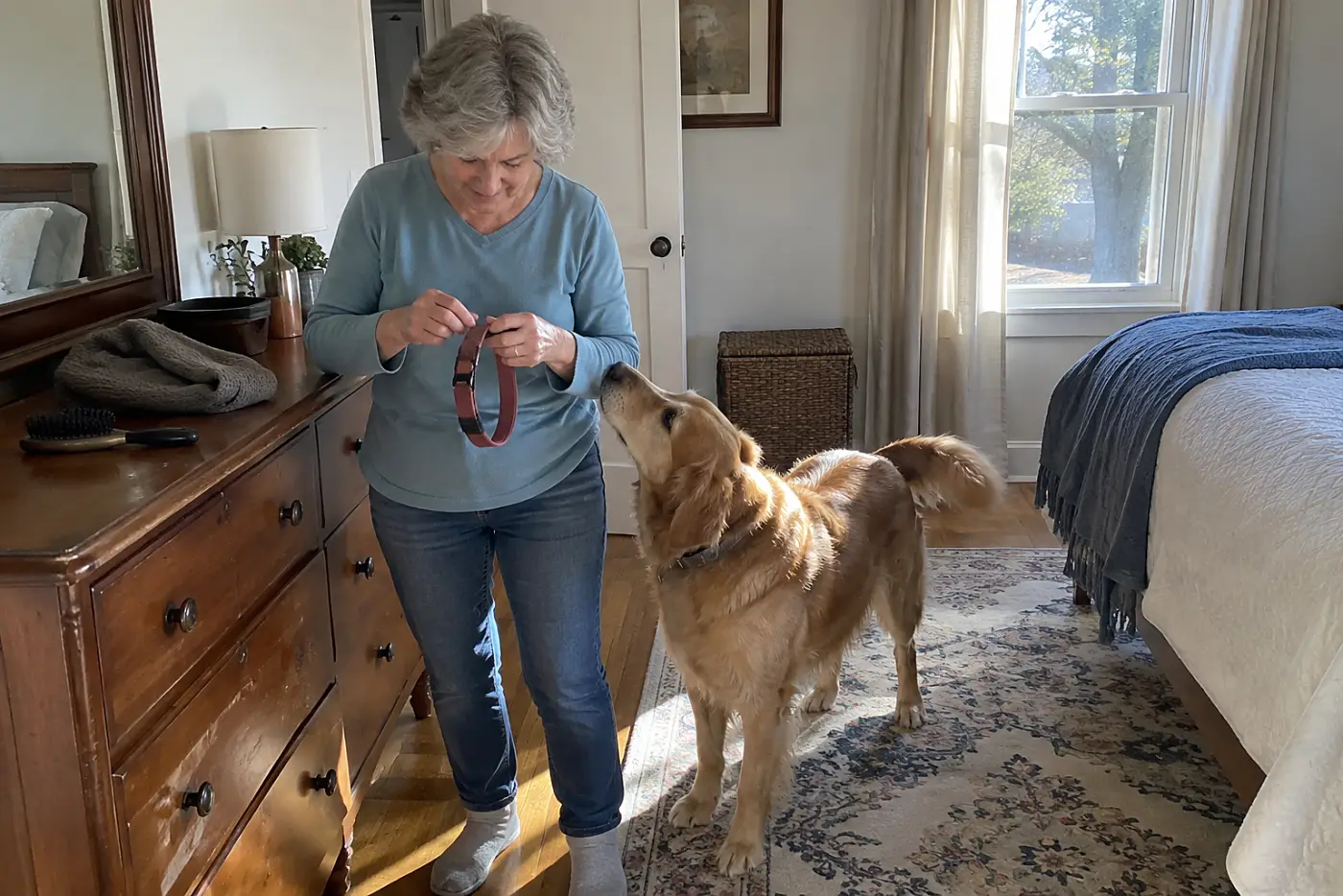
Before you fasten the collar around anything permanent, check the buckle. Open and close it, then tug lightly where the strap meets the hardware. Years of daily wear leave weak spots that a display hook will catch.
Does the strap crack when you bend it? Lay the collar flat instead of hanging it. Slip a piece of plain paper beneath the metal so its edge doesn't snag the lining of a drawer.
Keep the worn edges. They're part of what your hands knew.
23The bed you keep stepping around
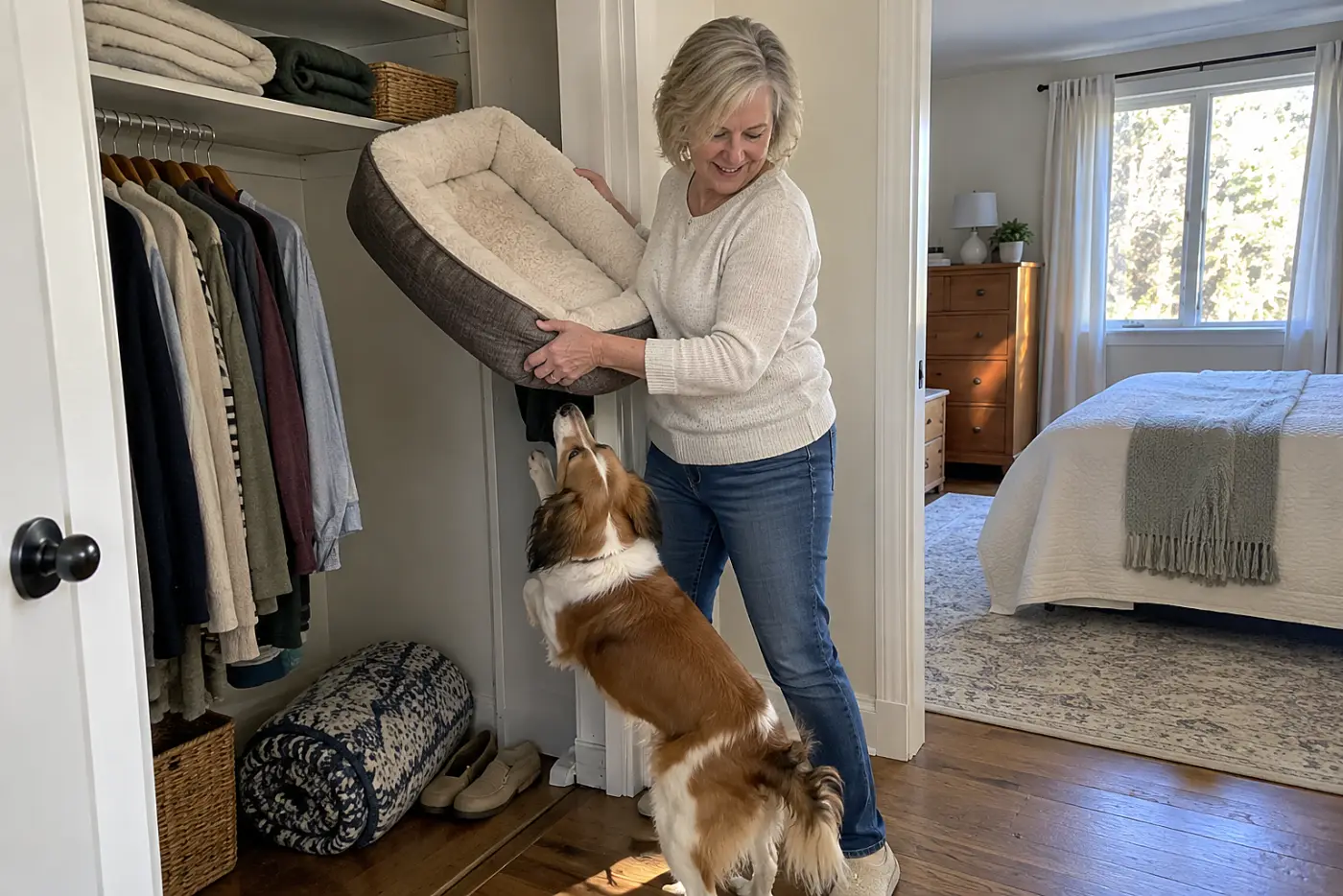
Does the bed need to stay on the floor for you to keep it? No. If crossing the room has become awkward, lift it onto a closet shelf for now. A clean pillowcase keeps dust off without making the bed look sealed away.
First check that the shelf holds its weight and leaves room for the door to close. You should be able to take the bed down without pulling a stack of boxes with it.
You can bring it down again. You can also leave the floor clear and still know exactly where it is.
See more: 29 Signs the Clutter Is Really Grief →
22The washable cover and the old smell
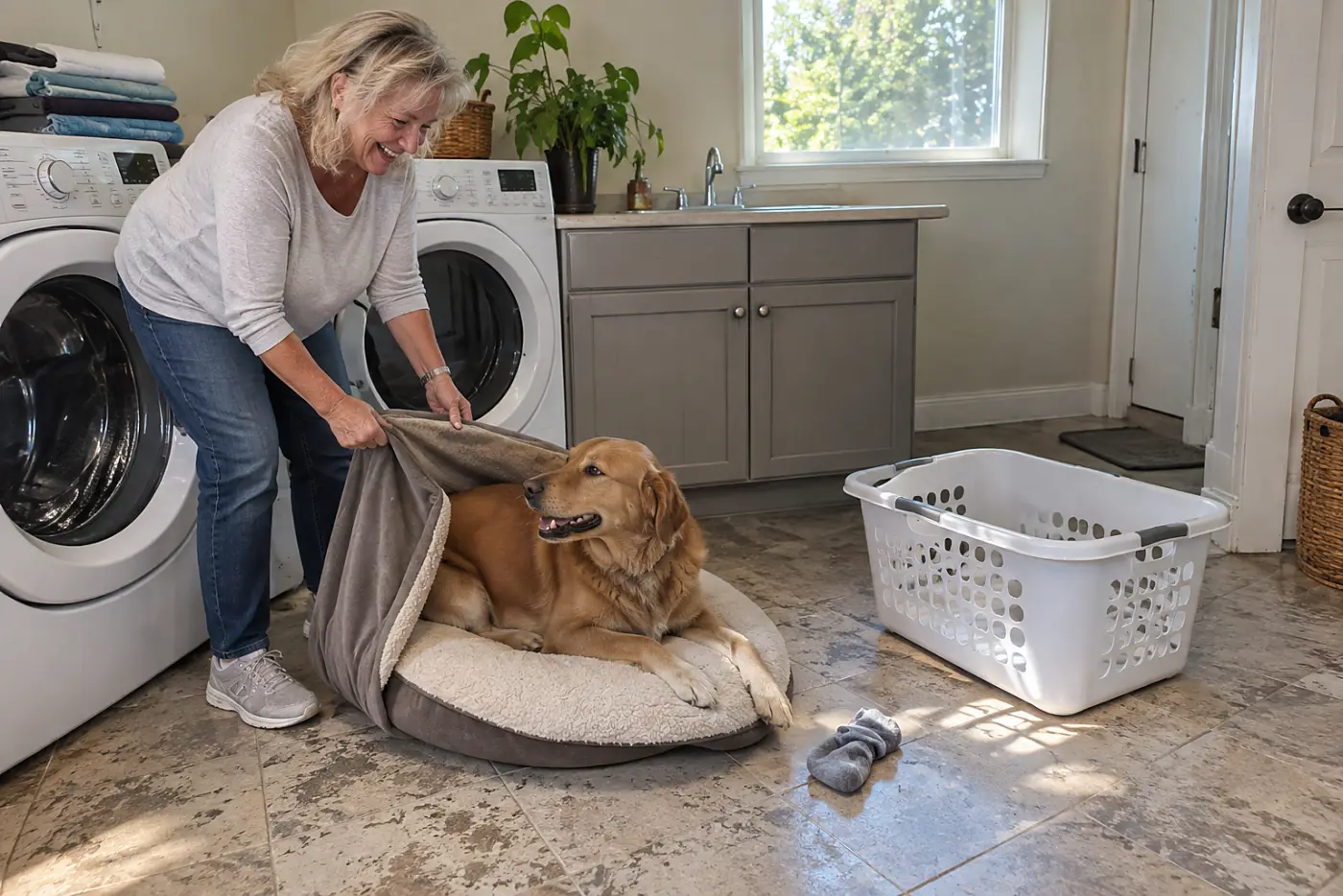
That smell is one reason the bed is hard to touch. Washing the cover is a choice, not a duty.
If you want to keep its scent, set aside a small fabric piece before laundering anything else. Wrap it in clean paper and put it in a drawer where another animal won't chew it.
Check the care tag before washing a removable cover. Give it a full drying cycle or hang it until every seam feels dry. Leave the inner cushion alone today. Laundry doesn't have to become a decision about every part of the bed.
21The jingle on the hallway hook
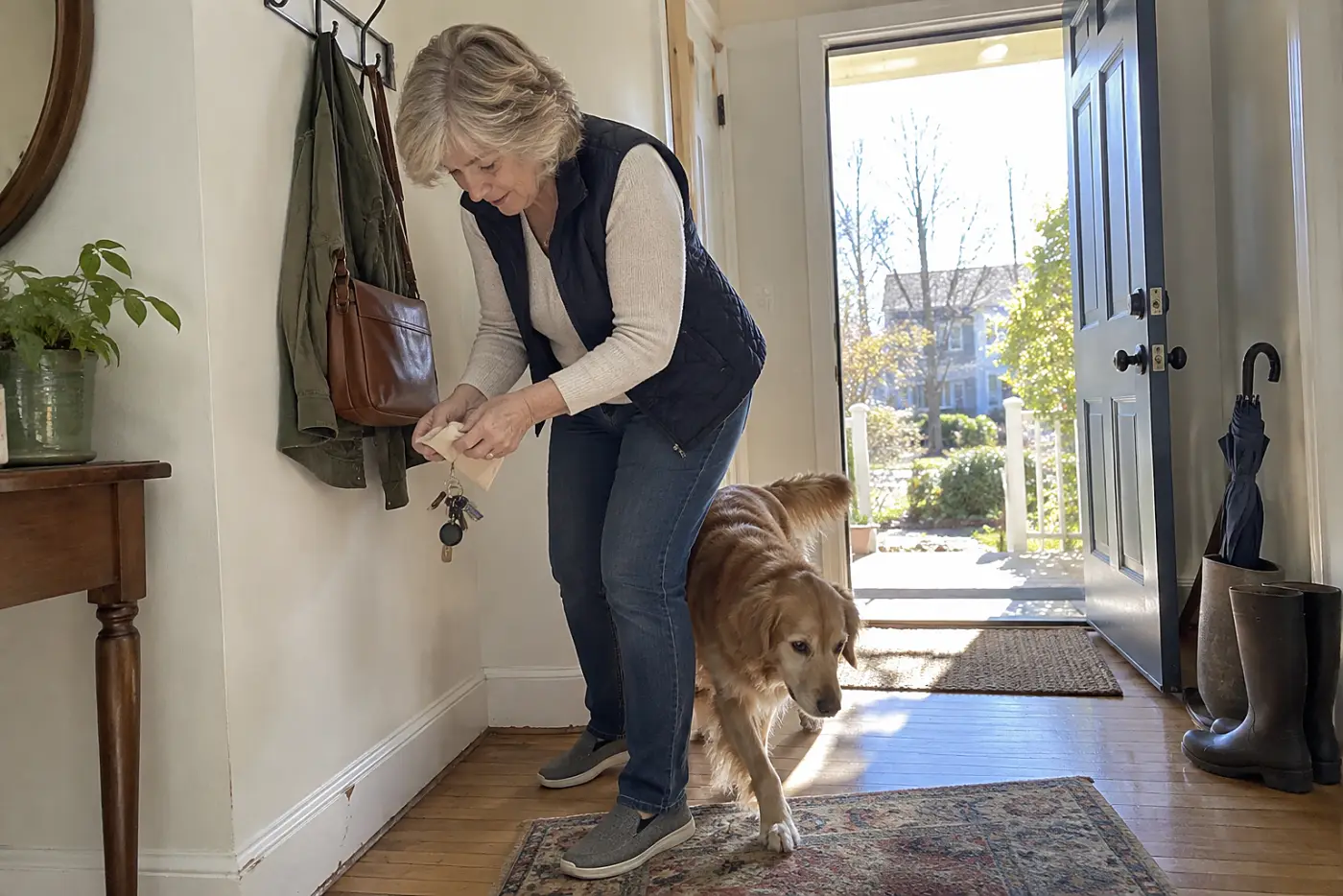
The tags sound when the collar brushes the wall. You hear the start of a walk before you see what's hanging there.
Try listening once on purpose. If the sound hurts when it catches you off guard, wrap the tags in a scrap of cloth while the collar stays on its hook. Unwrap them when you want to hear that jingle again.
For now, you choose when the hallway makes noise.
20The toy under the sofa
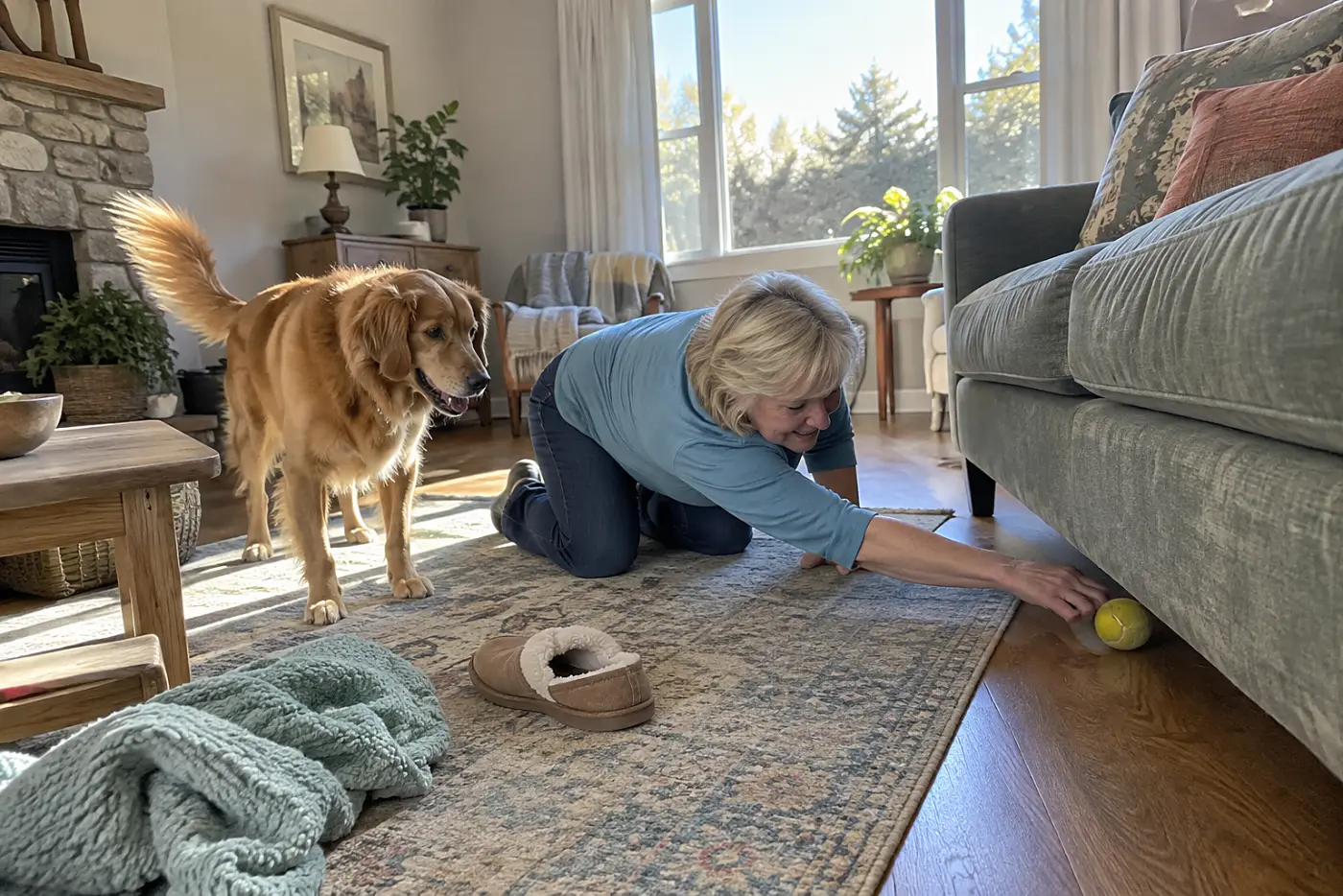
A ball rolls out during sweeping, and suddenly you're sitting on the floor. Before it goes back under the sofa, give it a place you chose: a small box, a shelf or the basket with the other toys.
Put the found toy apart from anything still in use by another pet. That stops it from vanishing into the basket before you've decided what to do. You don't need to sort every chewed edge while the vacuum waits.
Keep this one within reach.
19The medication above the sink
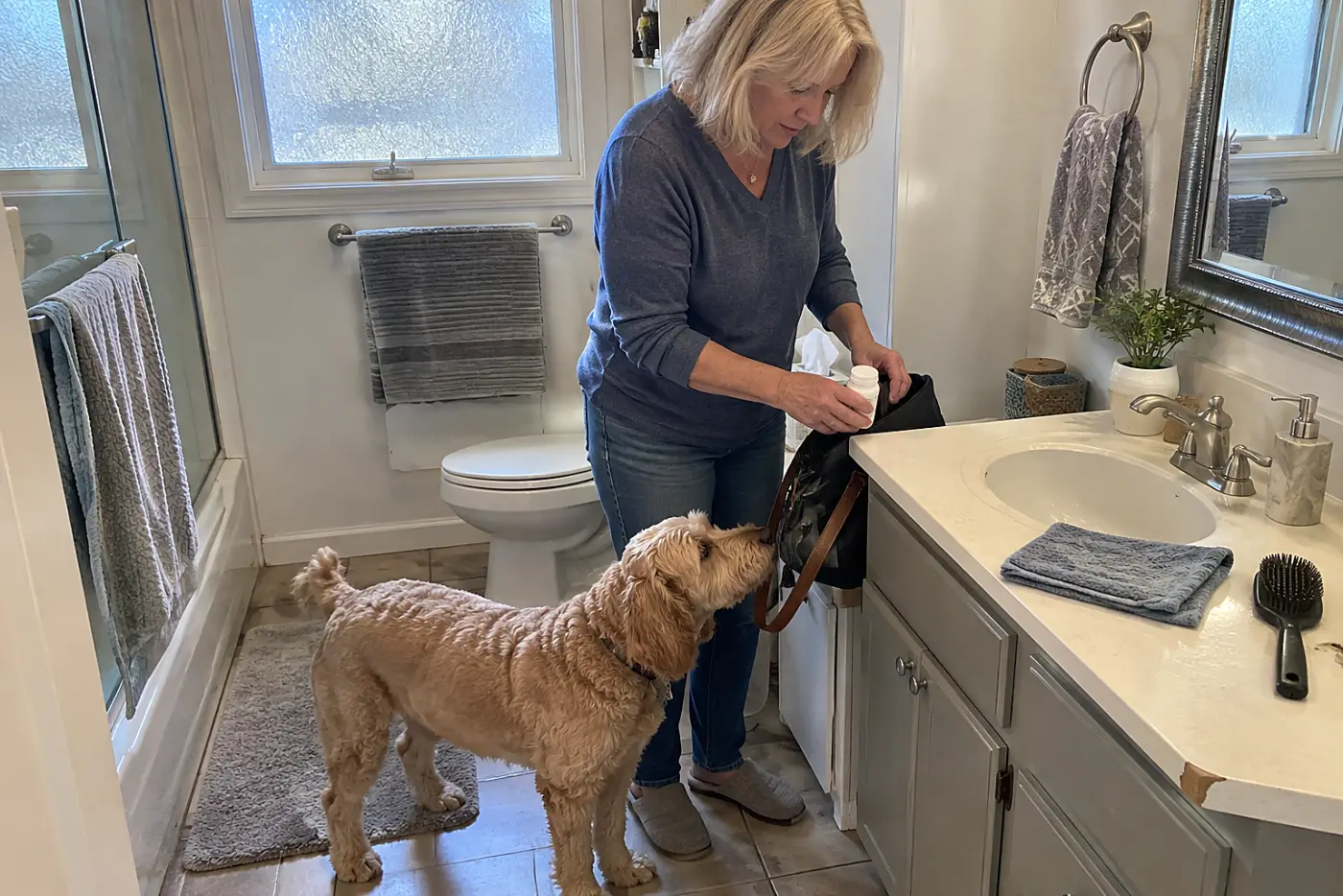
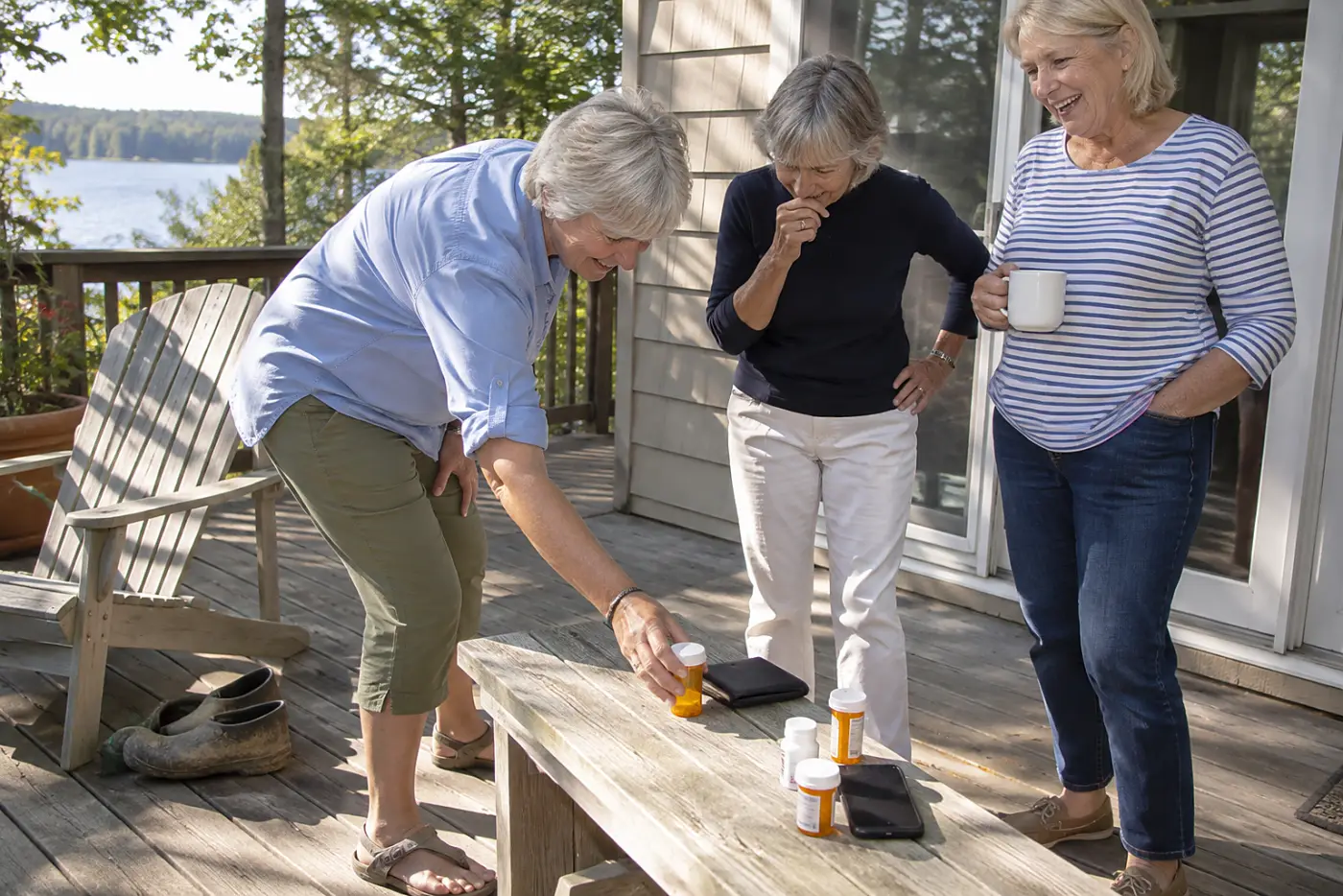
Read the label before you set that bottle beside the keepsakes. Pet medicine belongs away from people and animals, even after the pet who took it is gone.
Find a collection site through the DEA's National Prescription Drug Take Back Day page. For a medicine you can't take in, check the FDA's disposal guidance before putting anything in the trash.
If the label records a dose you want to remember, photograph it first. Keep the bottle out of the memory box until the medicine is gone. There is no reason to make a keepsake dangerous.
18The unused food in the cupboard
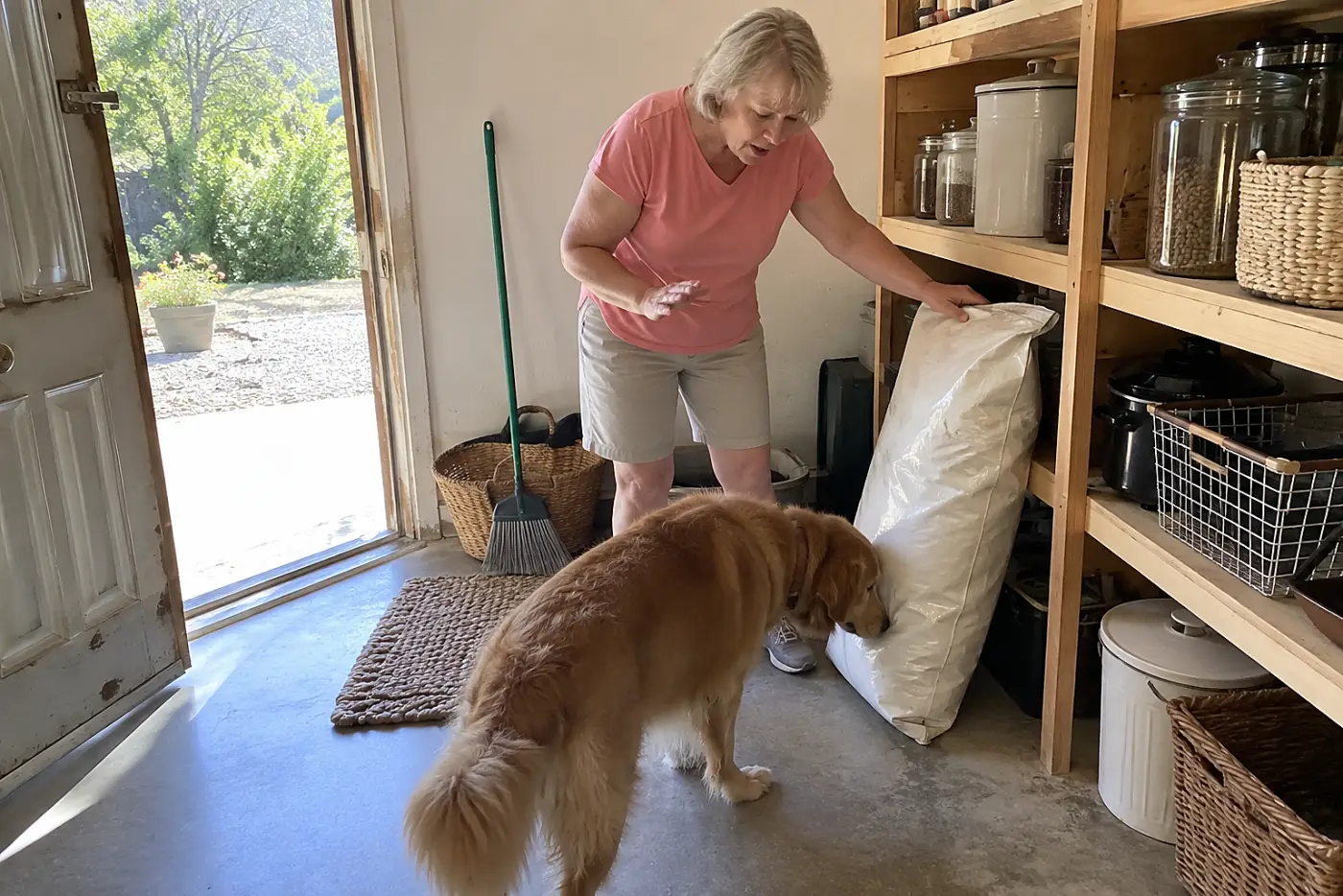
Check the seal before offering food to a shelter. An unopened bag is different from one you've scooped from, and the receiving shelter sets its own rules. Ask what it takes before loading the car.
Look at the date printed on the package, too. If the bag must be discarded, that decision has nothing to do with how much your pet mattered. The food has reached the end of its job.
Leave the scoop in place until you've decided whether it belongs with the other things.
17The question for the shelter
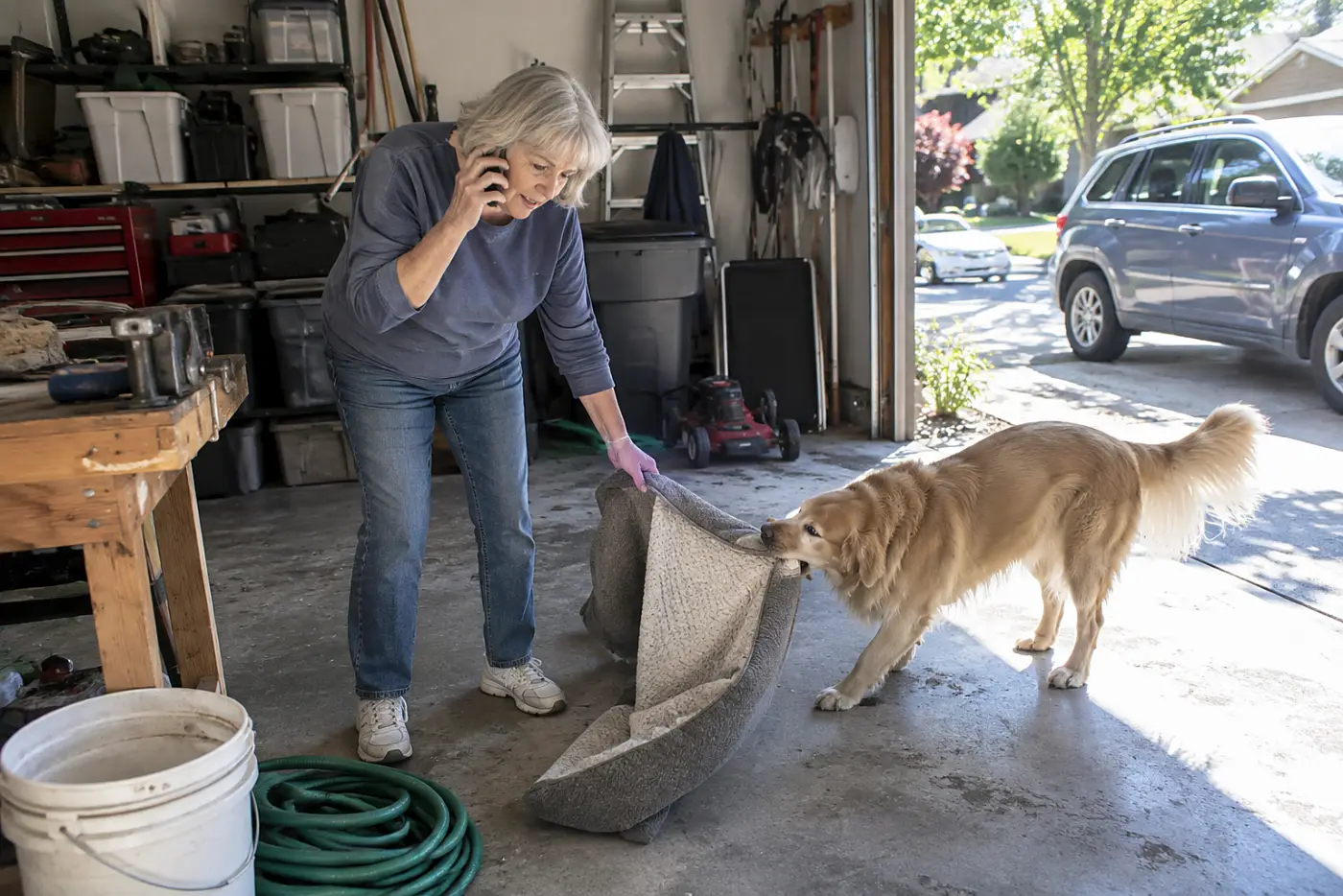
“I have a clean pet bed and unopened food. What do you accept, and when should I bring it?”
Say the condition of each item before asking about a drop-off. A phone call saves you from carrying a bulky bed through a door only to bring it home again.
Ask your local humane society about blankets, toys and bowls separately. The ASPCA lists animal shelters if you need somewhere to begin looking. The place taking the donation makes the final call. You still get to decide which things you're ready to offer.
See more: 27 Questions People Most Want to Ask a Pet Who Has Gone →
16The leash beside your shoes
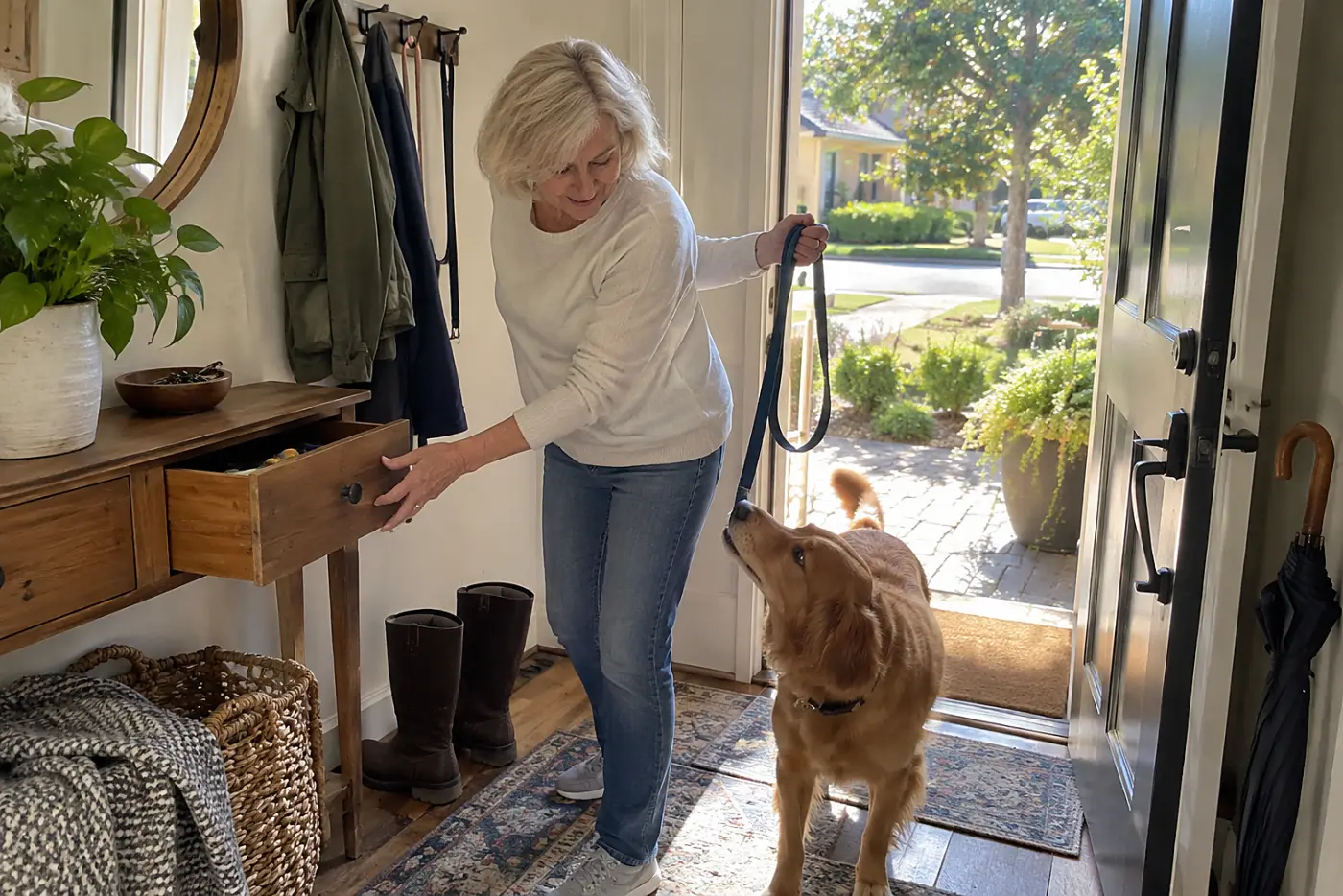
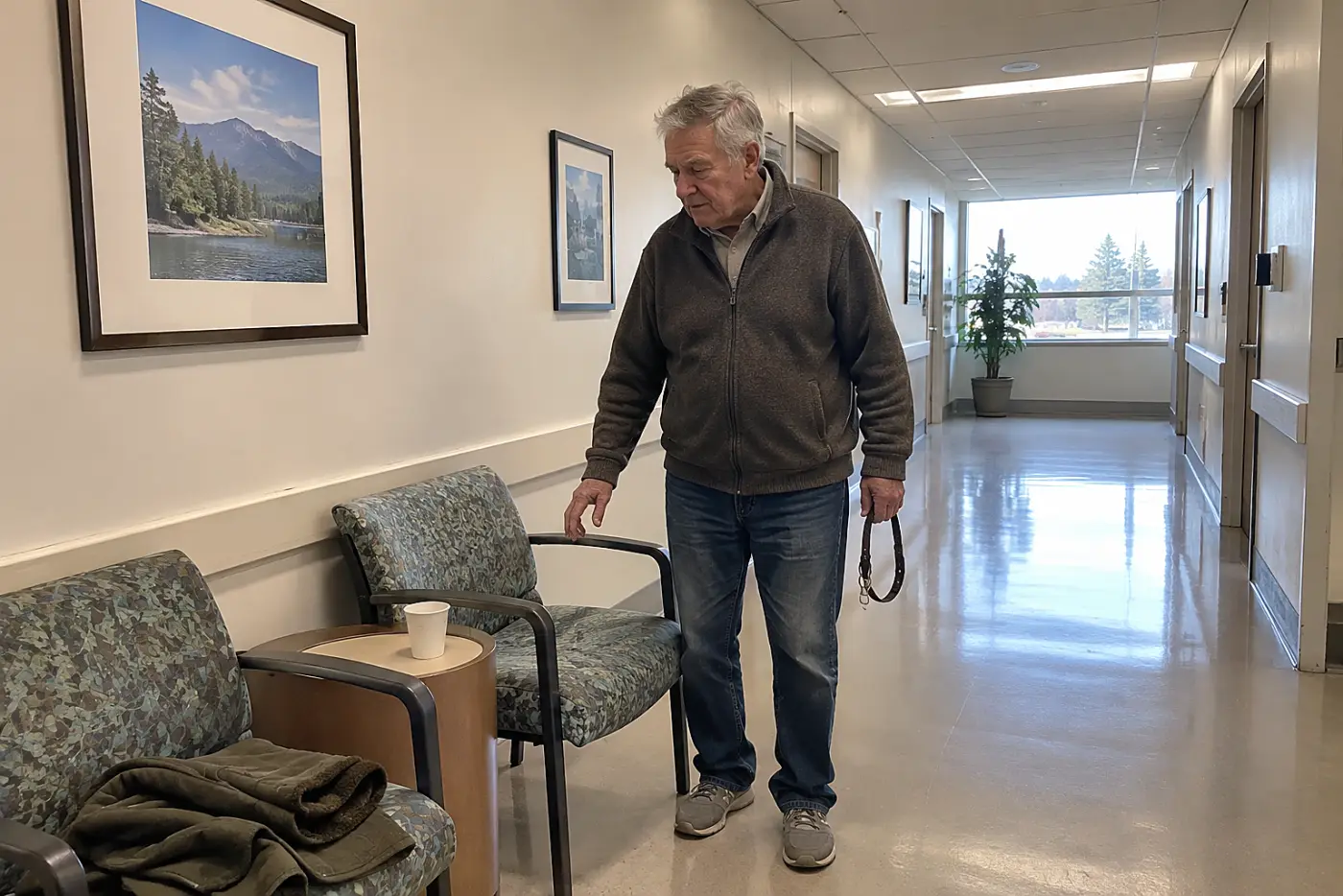
For now, the leash stays where your hand expects it. Later, you notice that passing the hook makes leaving the house harder.
Try putting it in a drawer for one outing. When you come home, notice whether you look toward the hook. Put the leash back if that's where you want it.
You aren't promising to keep the drawer as its new home. This small trial tells you more than a rule about what you should be ready for.
15The writing worn thin on the tag
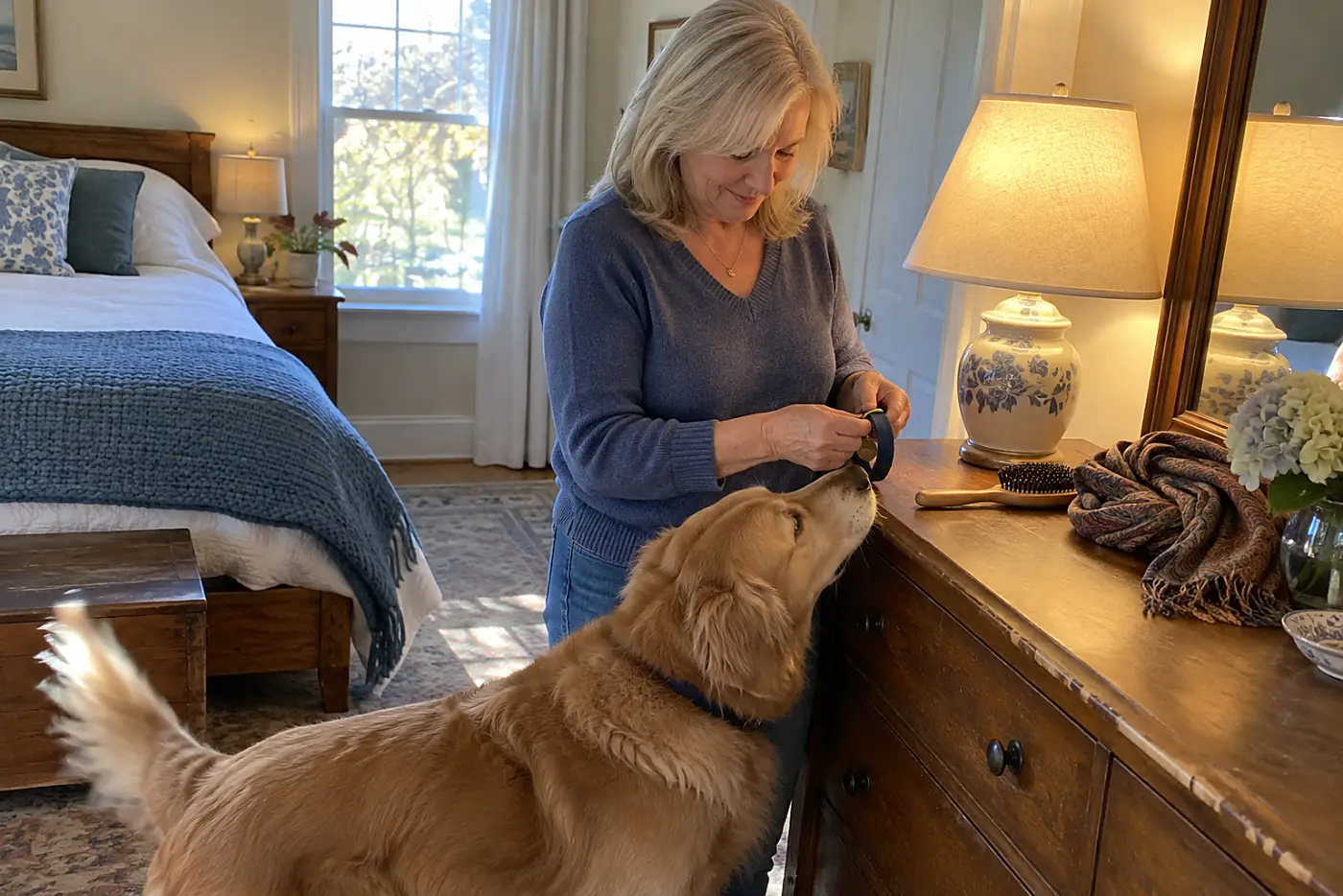
Under a bright lamp, turn the tag slowly. Engraving wears down where metal rubs against metal. Read both sides, then write down any words you still recognize.
Don't rely on memory for the old phone number or the spelling of a nickname. Put the note beside the tag, not loose in a drawer where the pieces will separate.
Before showing the tag to anyone, check for your address. A name deserves to be seen; your contact details don't need to travel with it.
14The camera view of the doorway
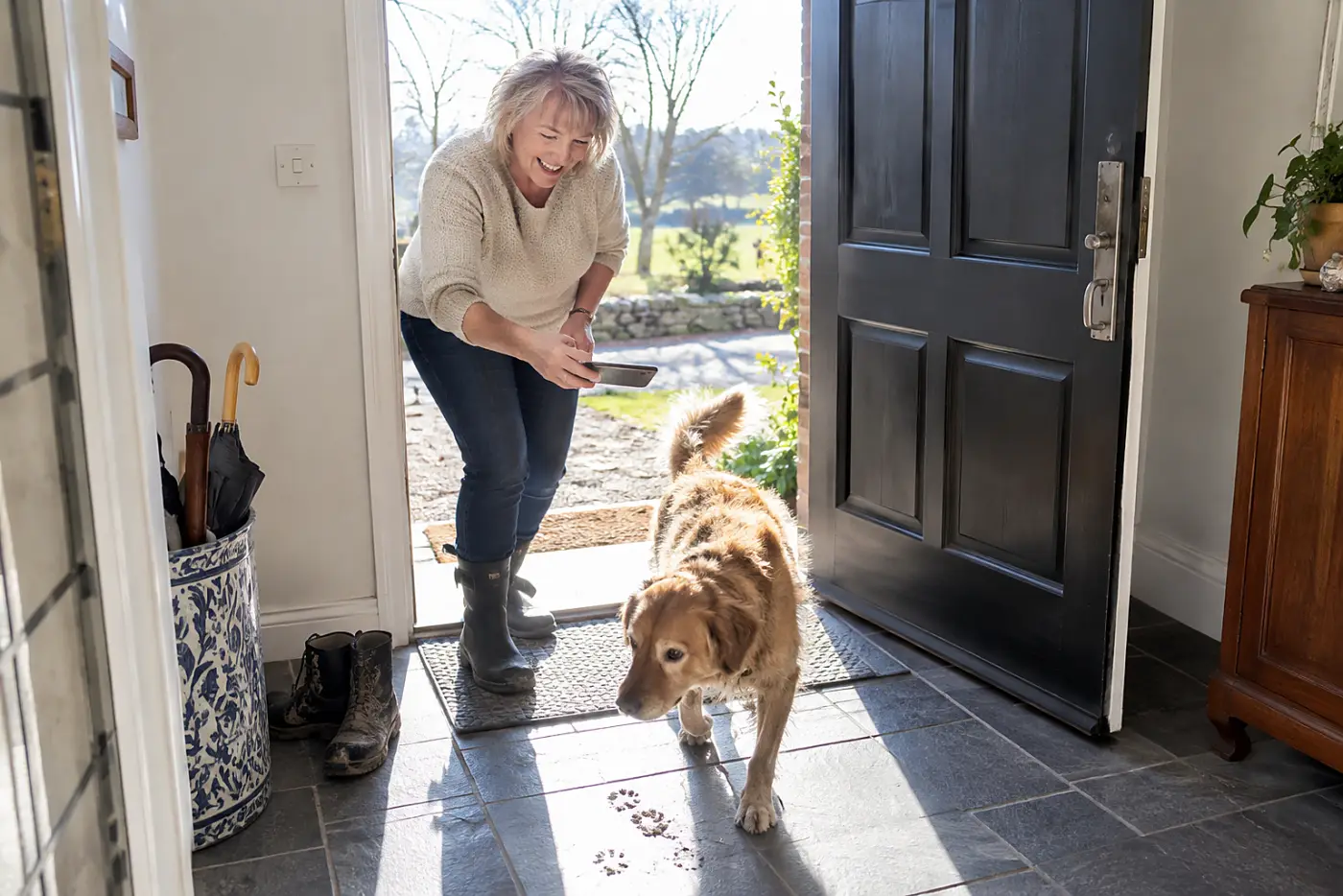
Stand where you normally pause when you come in. Photograph the doorway as it looks today, with the worn patch of floor and the space around the dishes.
Then step closer for the detail you want to remember. The two pictures answer different questions: where everything stood and what your eye went to first.
You don't have to choose between keeping a photograph and keeping the objects. The pictures give you a record before the room changes, whenever that happens.
13The memorial shelf in the hallway
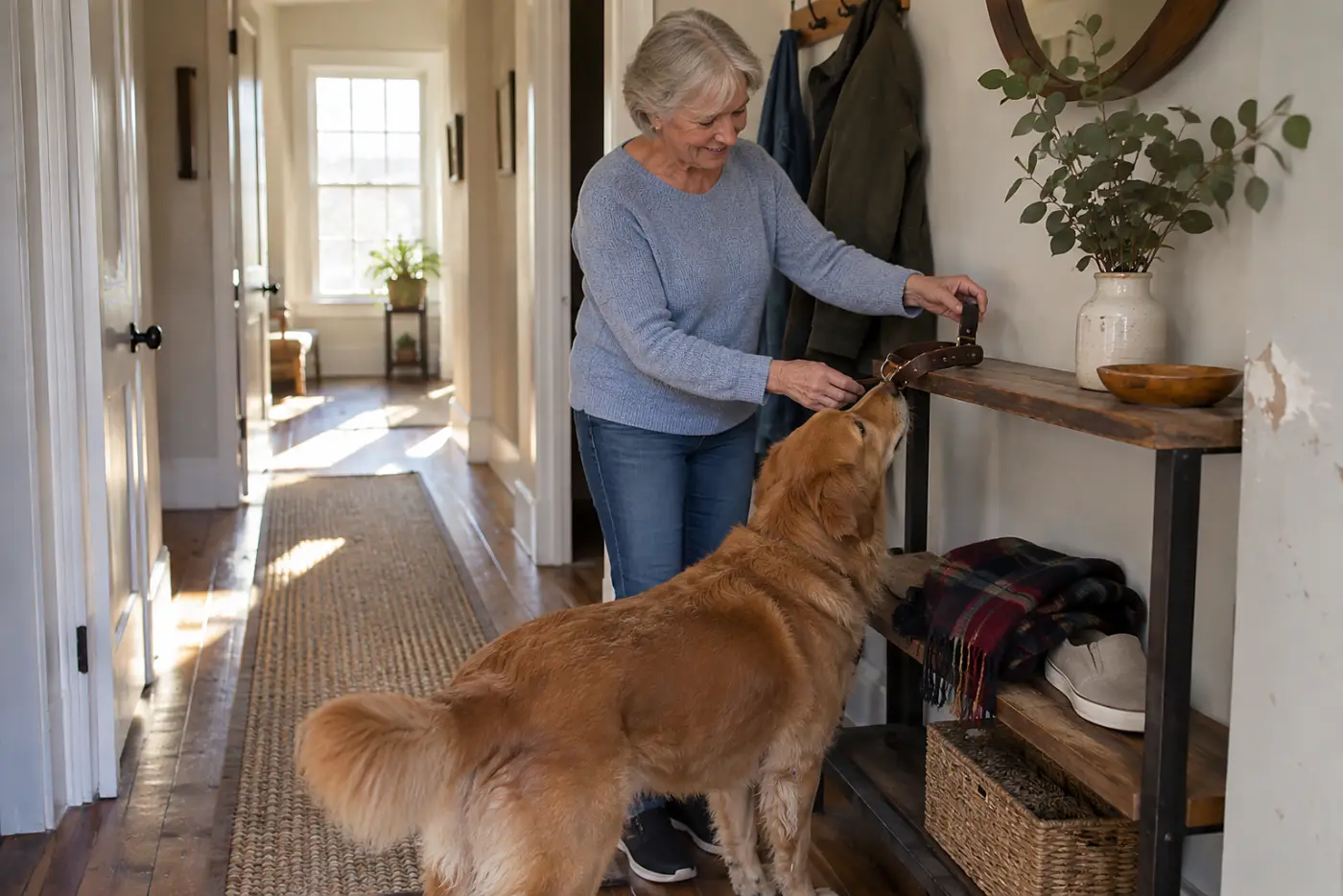
Choose a shelf you already pass. Set one object there first, perhaps the collar. Live with it before adding a framed photograph. A display that grows one piece at a time is easier to change than a whole corner assembled in an afternoon.
Keep breakable things away from the edge. If another pet lives with you, remove loose strings and small pieces from its reach. For a swallowed object or suspected poison, save the ASPCA Animal Poison Control Center page where you'll find it.
Step back from the shelf at the hour you usually walk through the hall. See what you actually notice.
See more: 24 Gentle Things an Old Dog Does in Her Last Good Year That Families Only Understand Later →
12The blanket with the worn corner
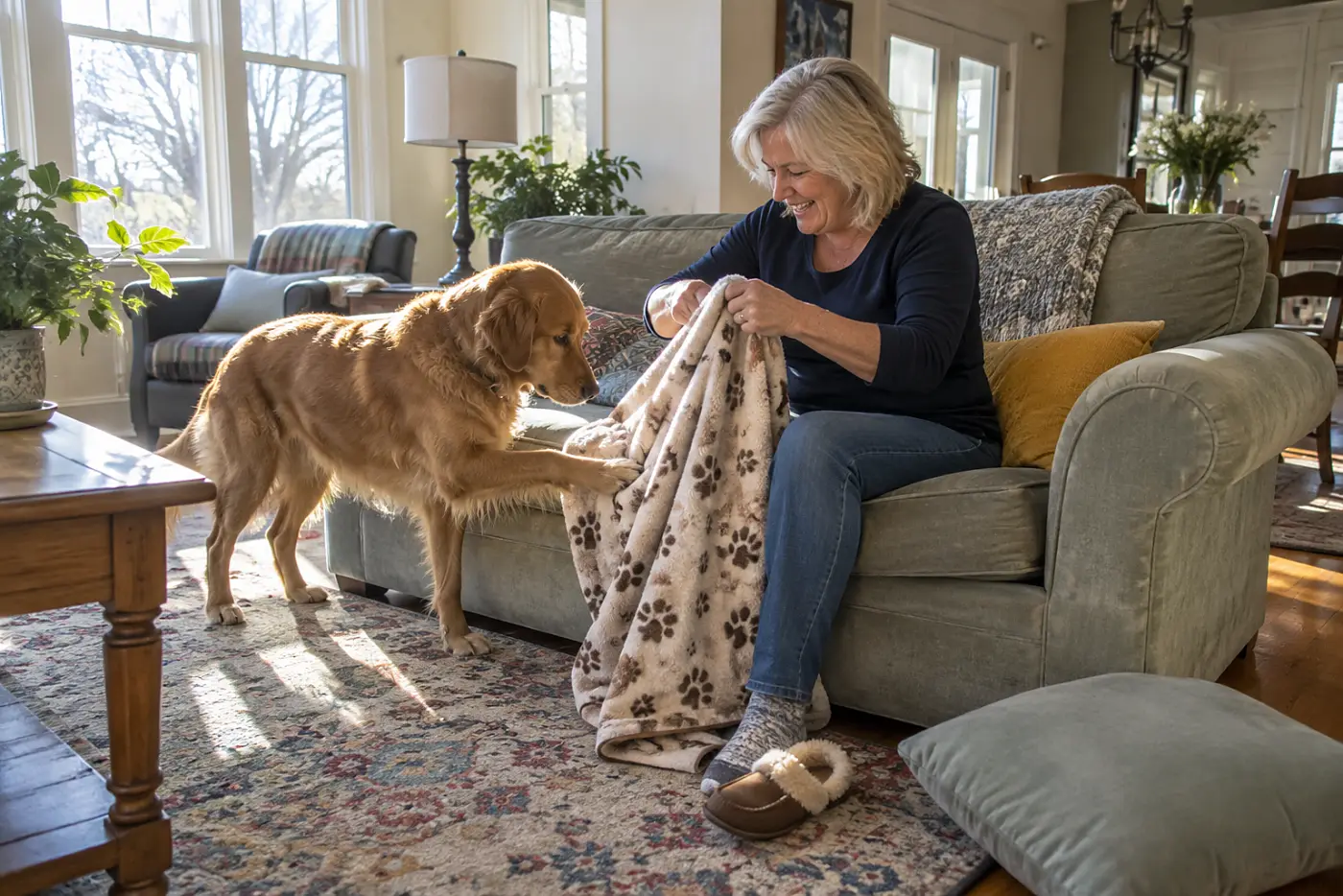
You know which corner got pawed into place. Fold the blanket with that corner showing and put it where you can touch it. It doesn't need a frame or a project.
If another animal uses the blanket, watch how that feels before you decide what it means. The blanket was made to be warm. You still get to choose whether it stays with you or goes back into use.
For now, fold it the way you remember it lying.
11The framed photograph near the bed
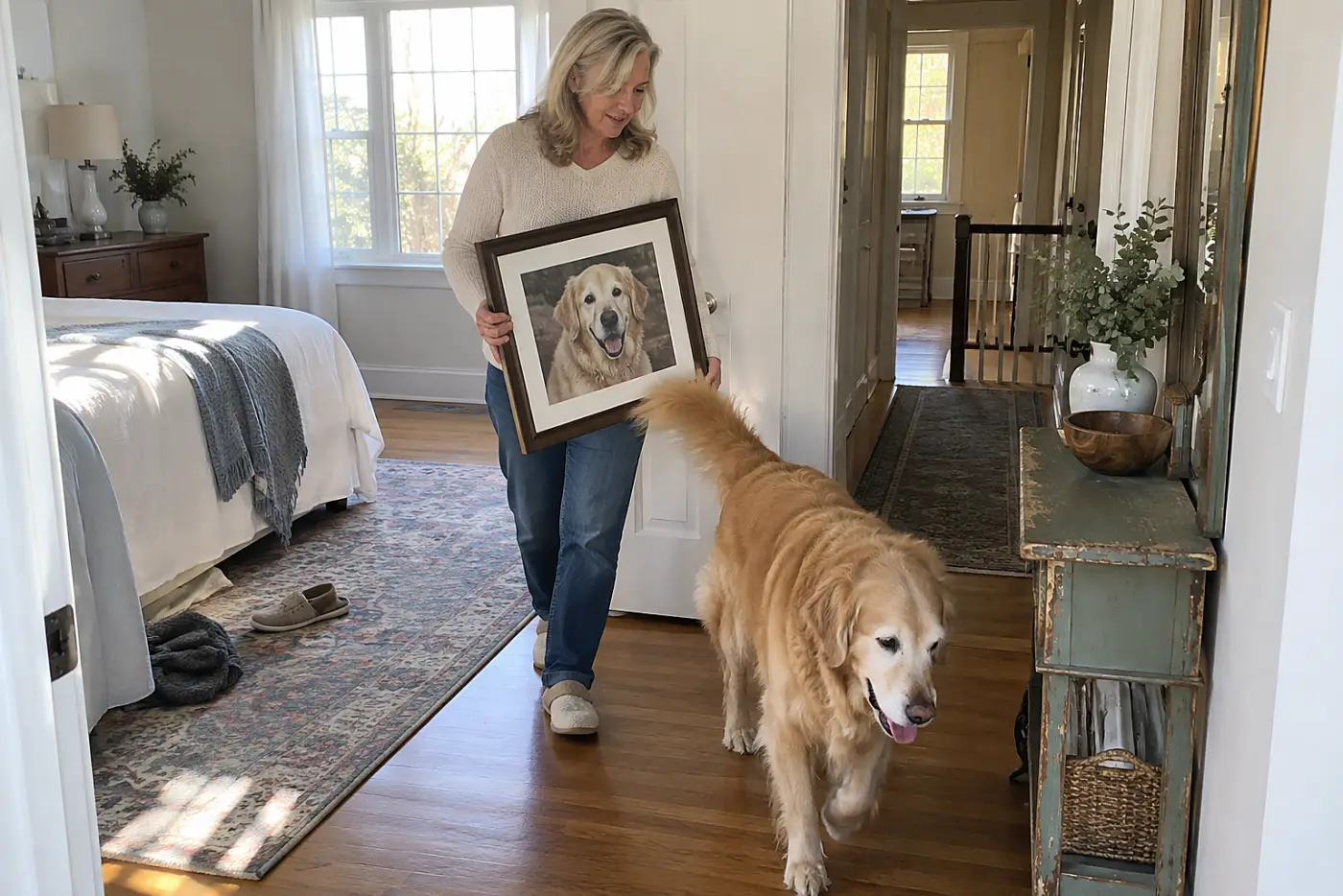
The first picture you frame doesn't need to be the clearest one. It can be the blurry shot of your pet waiting outside the bathroom, if that's the face you miss when you wake up.
Try the frame in one spot for a few days. If it makes bedtime harder, move it to the hall. You aren't hiding the photograph. You're finding a place where seeing it brings back more than the last difficult day.
Choose a frame you can open without damaging the picture. You haven't chosen its final place.
10The clay paw print in its box
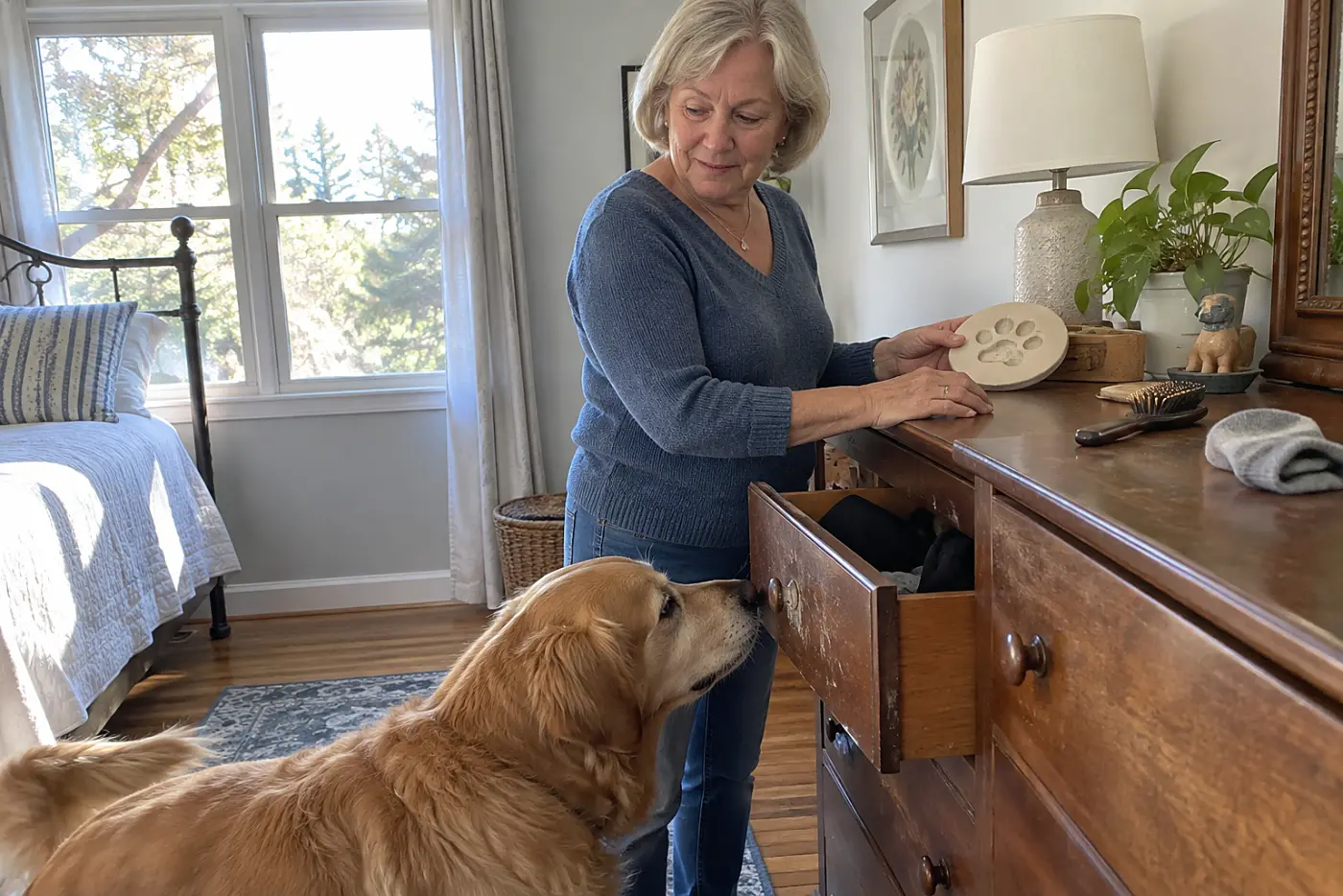
Clay chips. Ink fades in direct sun. Before putting a paw print on display, check how it feels in your hands and whether its box still supports it.
Set it on a steady surface away from a window. Handle the edges rather than pressing the print itself. If a small piece has come loose, keep that piece in the box instead of trying to repair it today.
Write your pet's name on the box or an envelope, not across the print. Years from now, you should know whose paw made it without disturbing the surface.
9The dog bed's foam insert
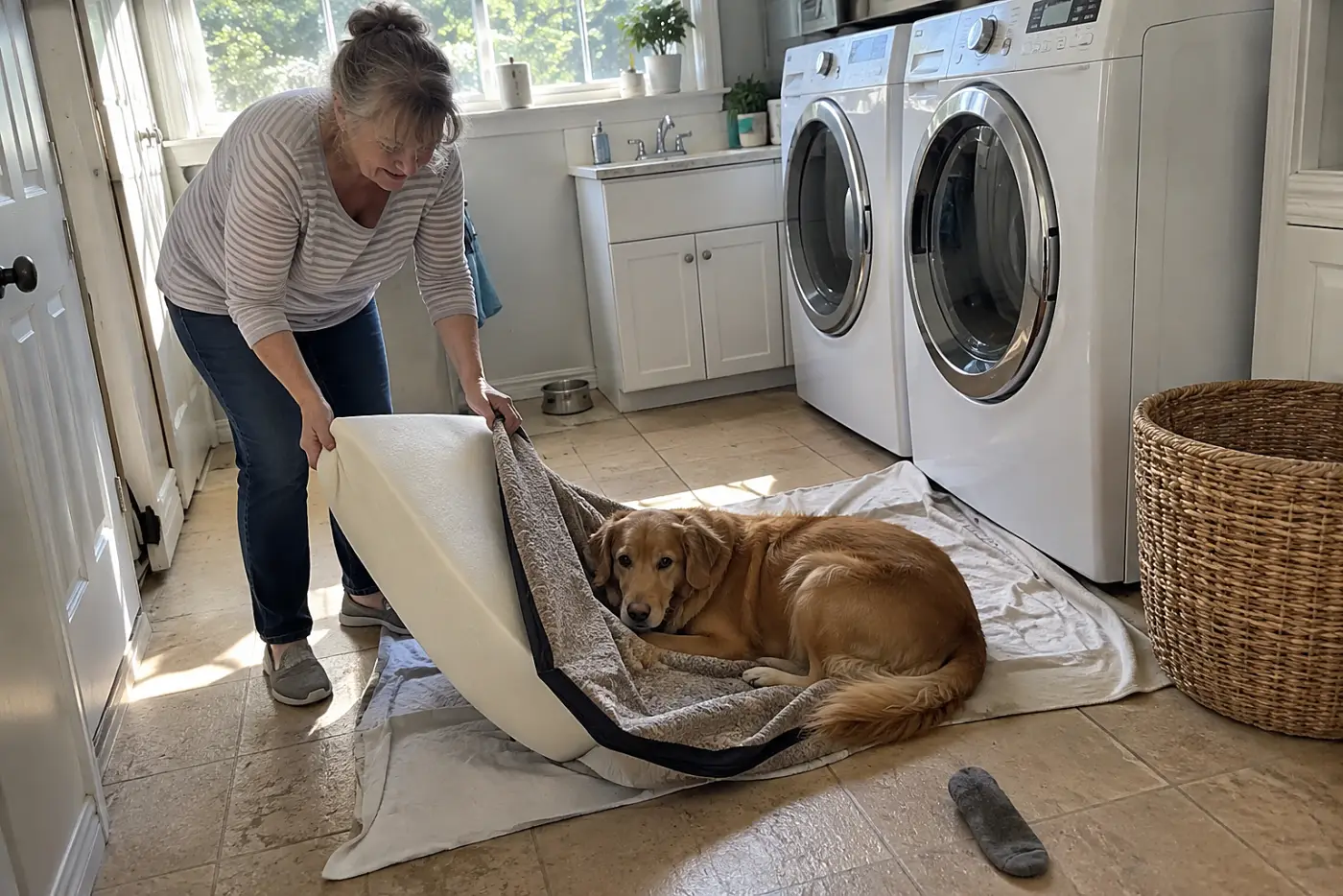
Press a corner of the foam and let go. Does it feel damp, smell musty or shed crumbs? Don't seal it in plastic. Trapped moisture sits against everything stored beside it.
Separate the insert from its cover over an old sheet so loose pieces don't scatter. The EPA's mold guidance says wet materials need to be dried promptly. If the foam stays damp inside, don't store it beside clean fabric.
You can keep the dry cover without keeping the insert. Fold it into a pillowcase once you've checked the seams. Your dog rested against that fabric, even if the stuffing has reached the end of its use.
8The invitation to choose a toy
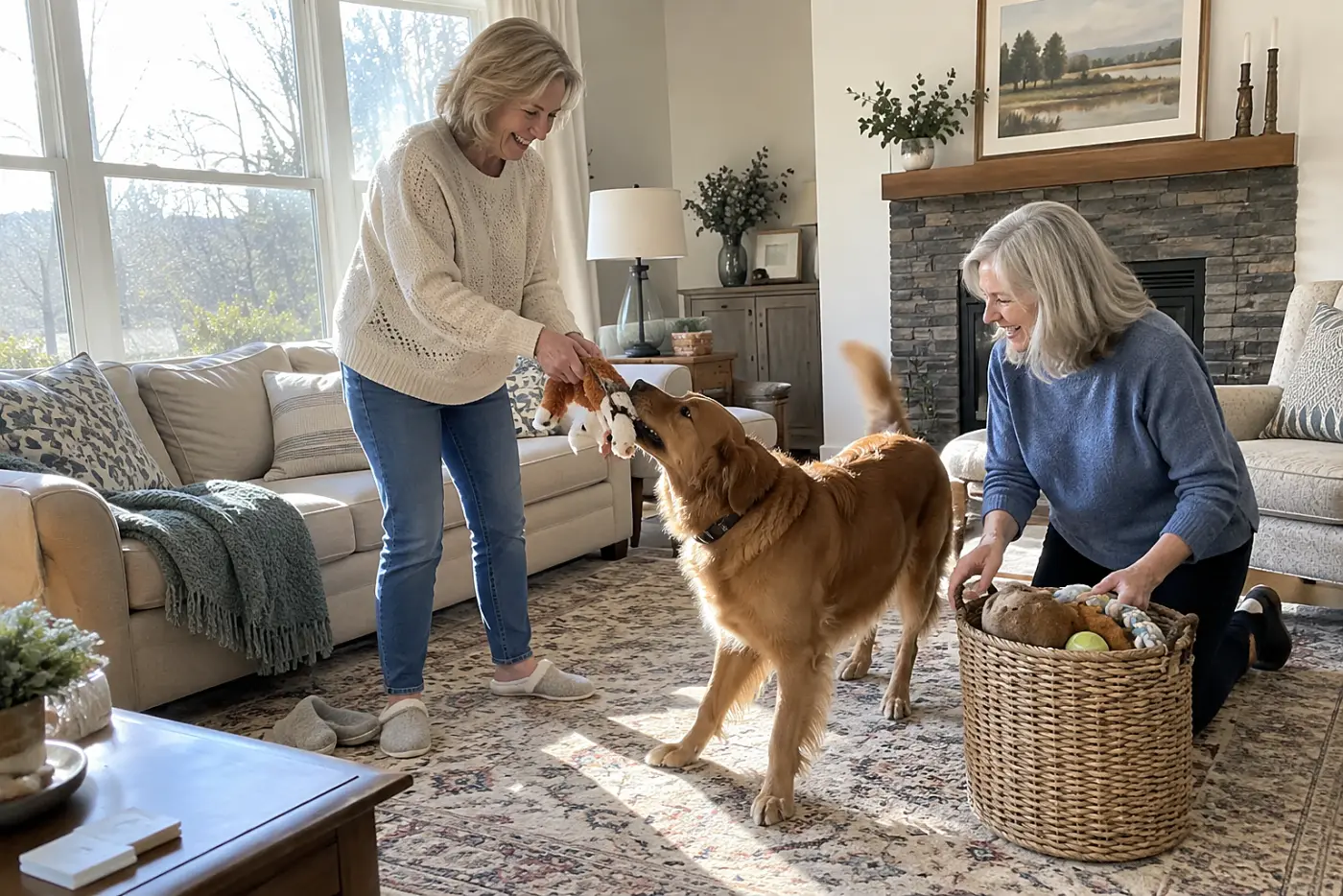
If someone else loved your pet, offer a choice without handing over the whole basket: “Would you like to keep one of these toys? I want the blue ball to stay here.”
Name what isn't available before they begin looking. That saves both of you an awkward moment.
Leave a few things out for them to see, rather than opening every cupboard together. They get something they recognize, and you don't have to give up the object you reach for first. If they decline, put the toys back. An invitation isn't another deadline.
7The window spot behind the chair
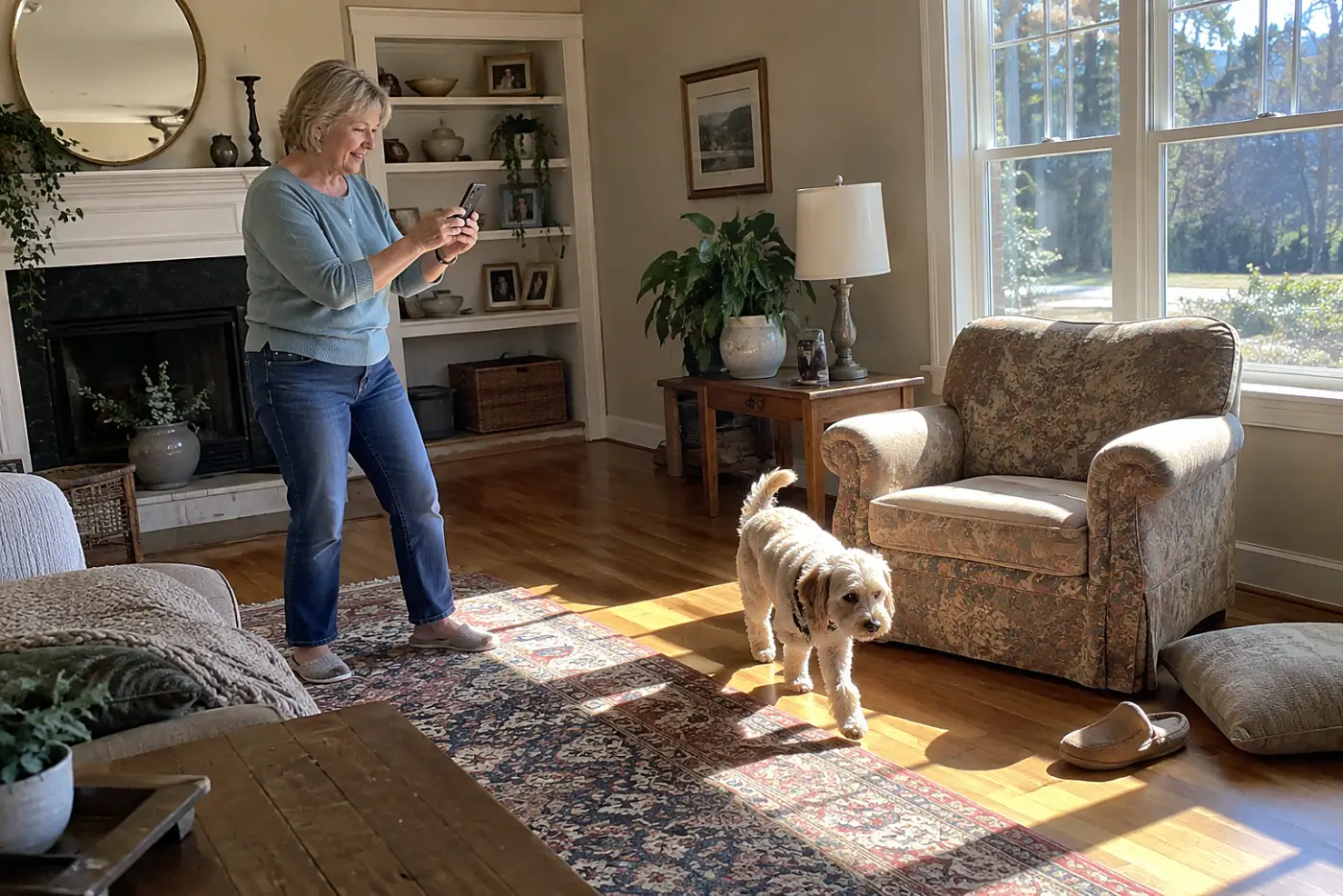
You move the chair to vacuum, and the square of sun appears on the floor. That spot held your pet for years, though there is nothing there to put in a box.
Take a picture at the time of day they sat there. Or leave the chair pulled back for a while. You don't need to turn every memory into an object. This one lives in the way the light reaches the floor.
On another day, you might move the chair back without thinking. Today, you know why that patch catches your eye.
See more: 23 Small Comforts an Aging Dog Wants Most From the Person He Chose →
6The loose ring from the collar
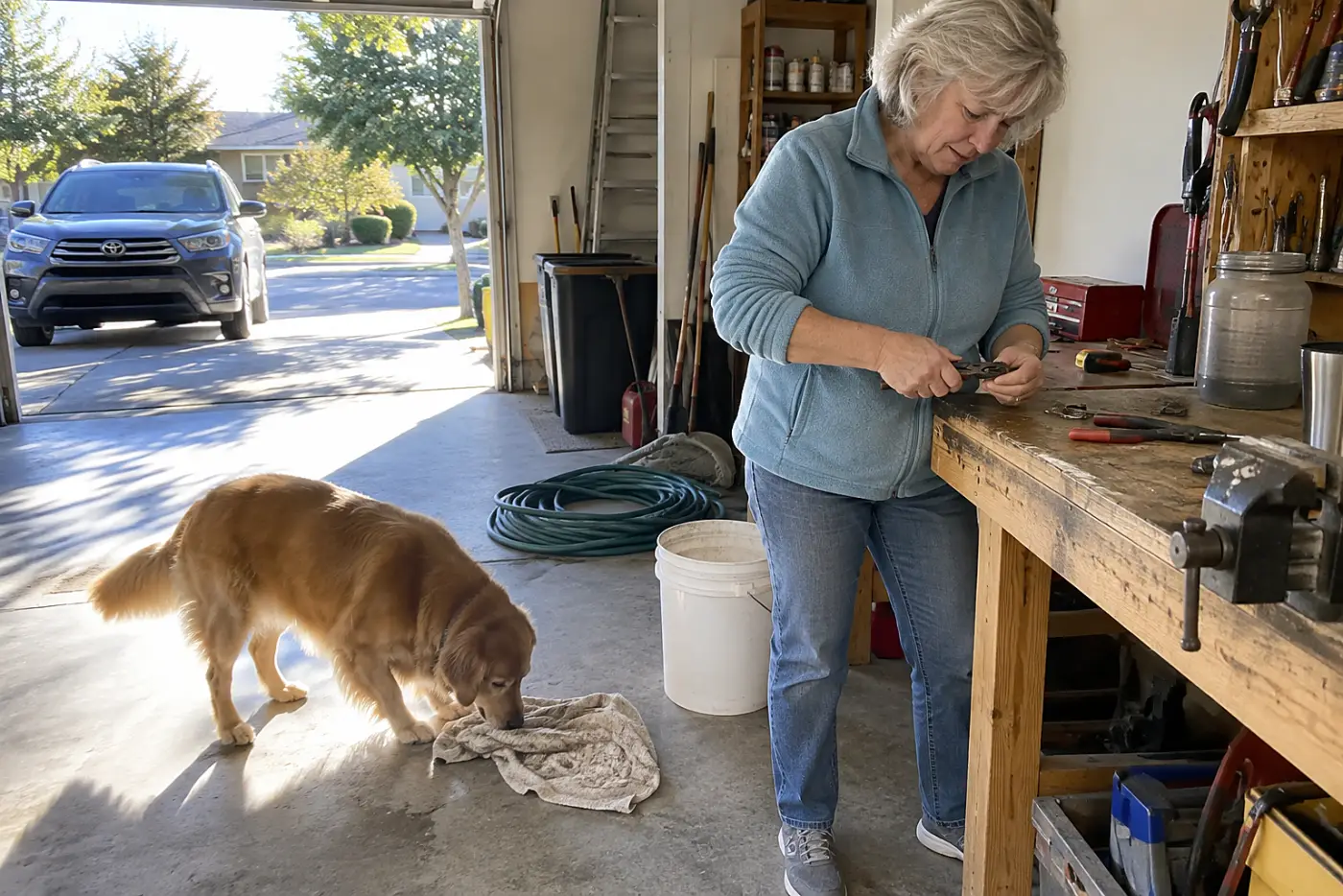
The little metal ring catches on your fingers every time you pick up the collar. If you want the tag apart from the strap, hold the ring with pliers and turn it until the gap opens.
Set a towel underneath so the tag doesn't bounce across the floor. Then put the ring and tag in a small dish while you decide whether they belong together.
There is no need to attach the tag to your keys. It can stay home, apart from the collar, without getting lost.
5The box for the vet records
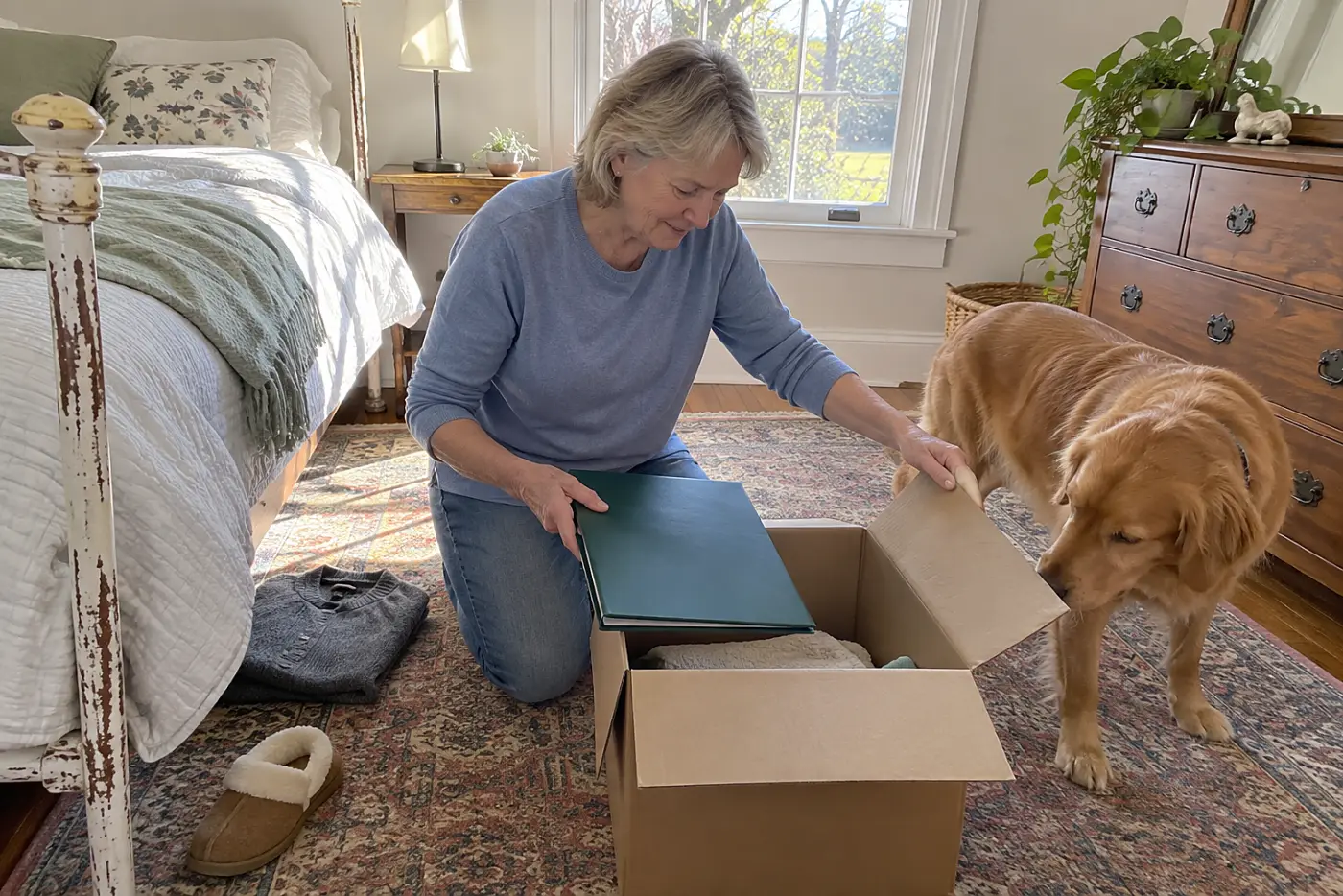
The folder from the veterinarian holds vaccination dates, invoices, test results and perhaps a last receipt you can't bear to read. Put the papers together before deciding what to discard.
If you want records you don't have, ask the clinic how to request a copy. For questions about a visit or a bill, call the clinic rather than searching the American Veterinary Medical Association site for an answer only your clinic has.
Keep documents needed for a current insurance claim. The National Association of Insurance Commissioners has consumer information on pet insurance, but your policy and insurer tell you what to submit. For the rest, close the box. You don't have to read each page today.
4The empty carrier in the closet
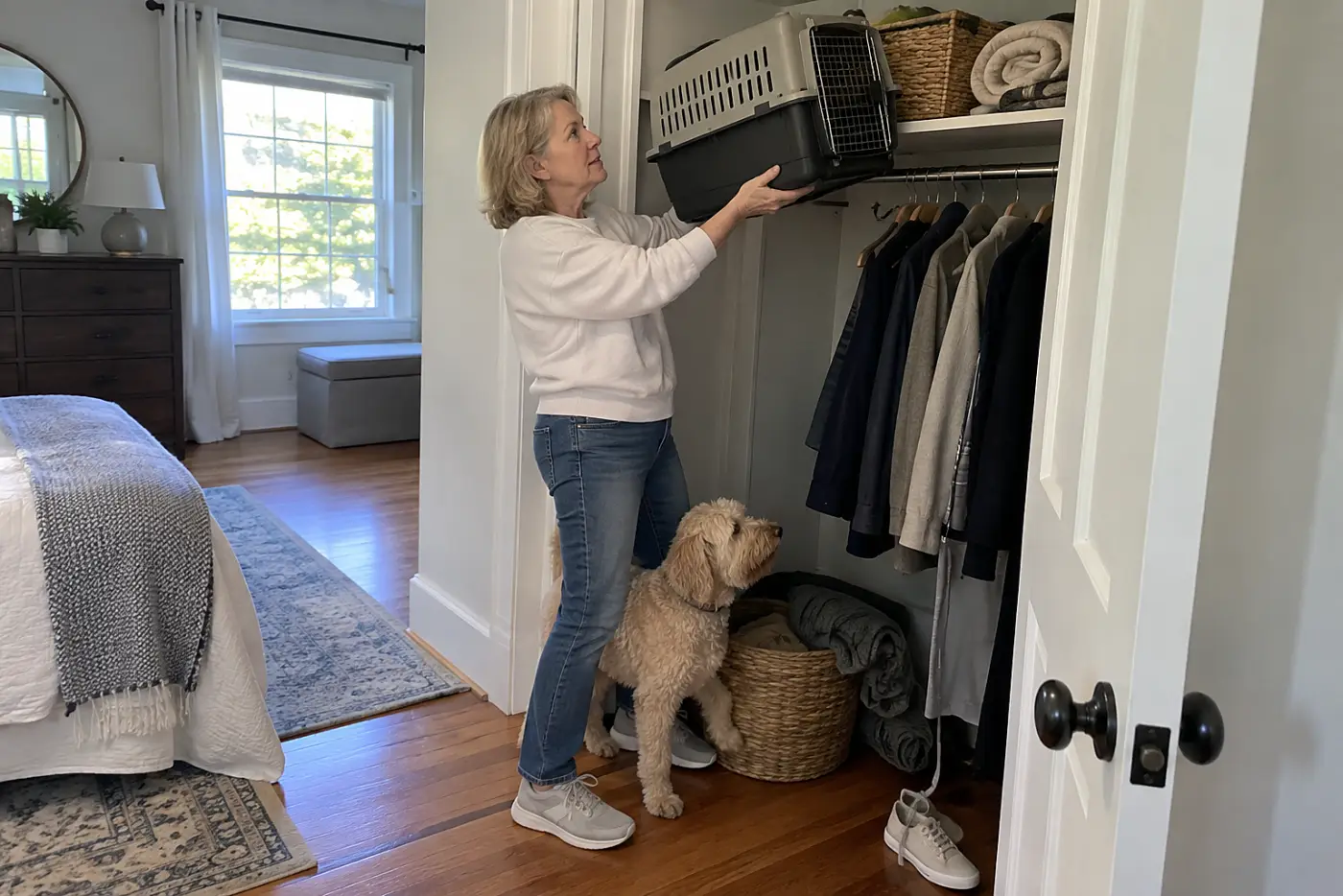
The carrier takes up room, but opening it brings back a hard trip. Move it without opening it today. Put it on a shelf or in another closet, then stop.
When you're ready to decide, check its latches and lining. Close the door and lift the carrier by its handle while it's empty. A broken latch makes it a poor donation.
For an intact carrier, ask a rescue group whether it accepts used ones. You don't have to offer it because it still works. Practical value and readiness are separate questions, and the carrier can stay in the closet until you've answered both.
3The porch flowers in a dish
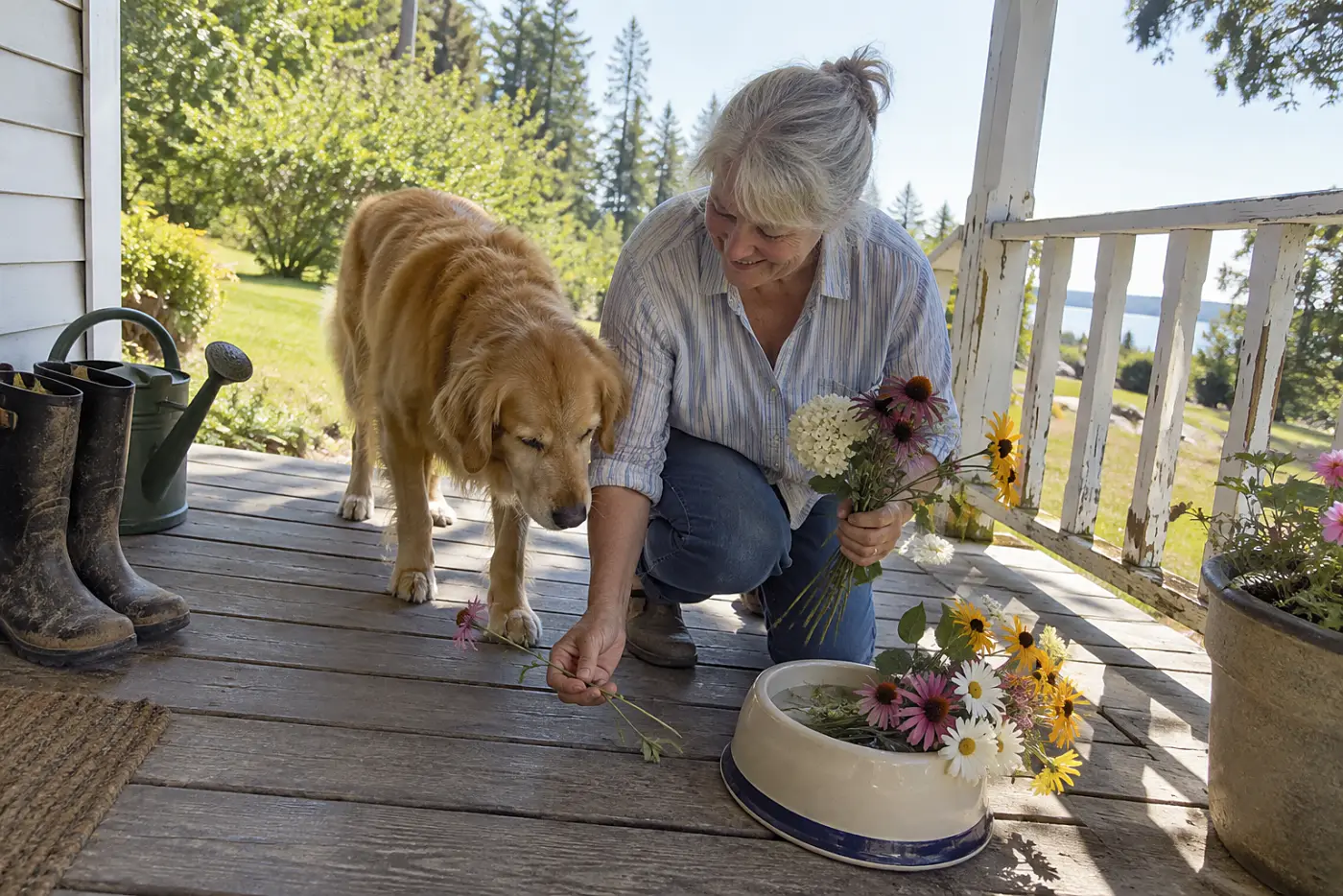
A clean dish can hold cut flowers on a porch or windowsill. Put a small jar inside if you don't want water sitting against an old label or painted surface.
Try it for one bunch. From the doorway, look at whether the flowers draw your eye or whether you see only the dish. Either answer is useful.
If using it for something else feels wrong, empty the jar and return the dish to its old place. No one else needs to see the experiment. You learned what you needed without giving it away.
2The bed offered to another dog
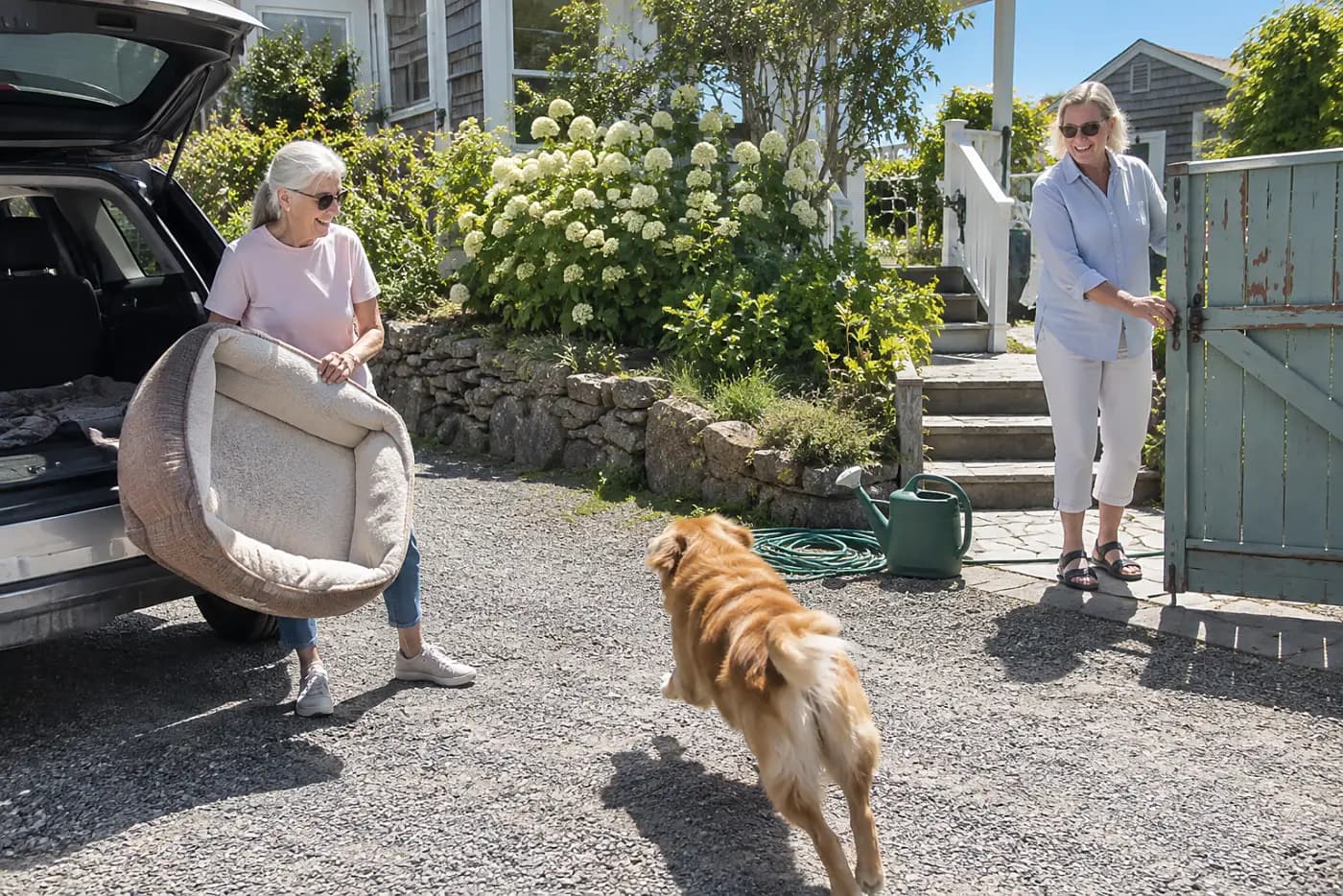
You've washed the cover, carried the bed to the car and stopped there. Before you drive, ask the intended owner whether its size and condition work for their dog. A bed that fit yours isn't automatically right for another animal.
If they want it, you can hand it over and tell them its story, or say nothing beyond “I hope your dog enjoys it.” If you aren't ready at the curb, bring it home. The car trip still told you something about the choice.
You can also ask the owner to collect it later. That leaves the next move with you rather than with a bed waiting in the back seat.
1The painter's tape on the floor
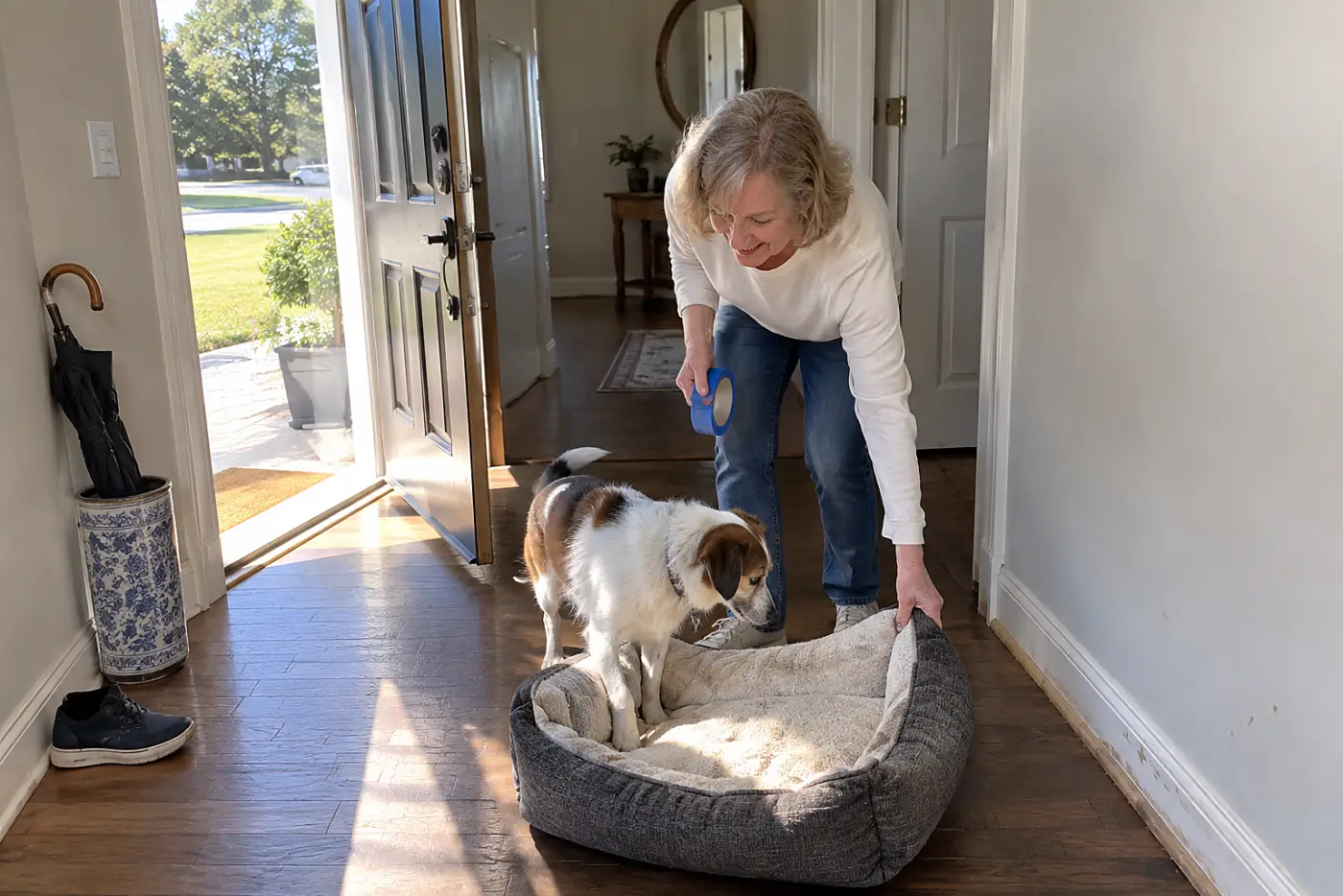
The room needs a clear path, but the place your pet occupied feels harder to give up than the object itself. Mark the outer edge of that place with a short strip of painter's tape.
Lift the object, clean and dry the floor, then put it nearby for one day. The tape shows where it stood without asking you to decide what belongs there next.
Tomorrow, try walking through the room. If you want the object back in its old place, use the mark. If you prefer the open floor, leave it where you put it overnight.
Peel up the tape when it stops helping. Nothing about this test requires a donation, a display or a final decision.
The bottom line
These objects don't all ask the same thing of you. Some need washing, some need a safer place, and some need to stay exactly where they are today.
The well-prepared version of you has made room to walk, set unsafe things aside and told helpful people what to leave alone. She hasn't set a date for being finished.
Which object do you still reach for, and where is it now?
Up next
23 Moments Pet Grief Ambushes You, and What Helps
A leash by the front door, a sudden sound from another room, an empty spot on the couch: here’s what those moments do and what helps you get through them.
Read the list →
Reader quiz
Did you catch the details?
5 questions from this article.
What should you ask an eager helper to do with your pet's things?
Did any of these feel familiar?
Know someone who needs this?
Sources cited in this article
This article links to 7 outside sources, listed here so you can read them yourself.
- DEA's National Prescription Drug Take Back Day www.dea.gov/takebackday
- FDA's disposal guidance www.fda.gov/drugs/safe-disposal-medicines/disposal-unused-medicines-what-you…
- ASPCA www.aspca.org
- ASPCA Animal Poison Control Center www.aspca.org/pet-care/animal-poison-control
- EPA's mold guidance www.epa.gov/mold
- American Veterinary Medical Association www.avma.org
- National Association of Insurance Commissioners content.naic.org
Ruth Ellison
Family Editor
Ruth writes about grown children, grandchildren, ageing parents, and the conversations families put off, in the words of the people involved.
More from Ruth Ellison