

23 Moments Pet Grief Ambushes You, and What Helps
A leash by the front door, a sudden sound from another room, an empty spot on the couch: here’s what those moments do and what helps you get through them.
By Ruth Ellison, Family Editor
Updated · 12 min read
- Written by our family editor
- Cited 9 sources
- How we review
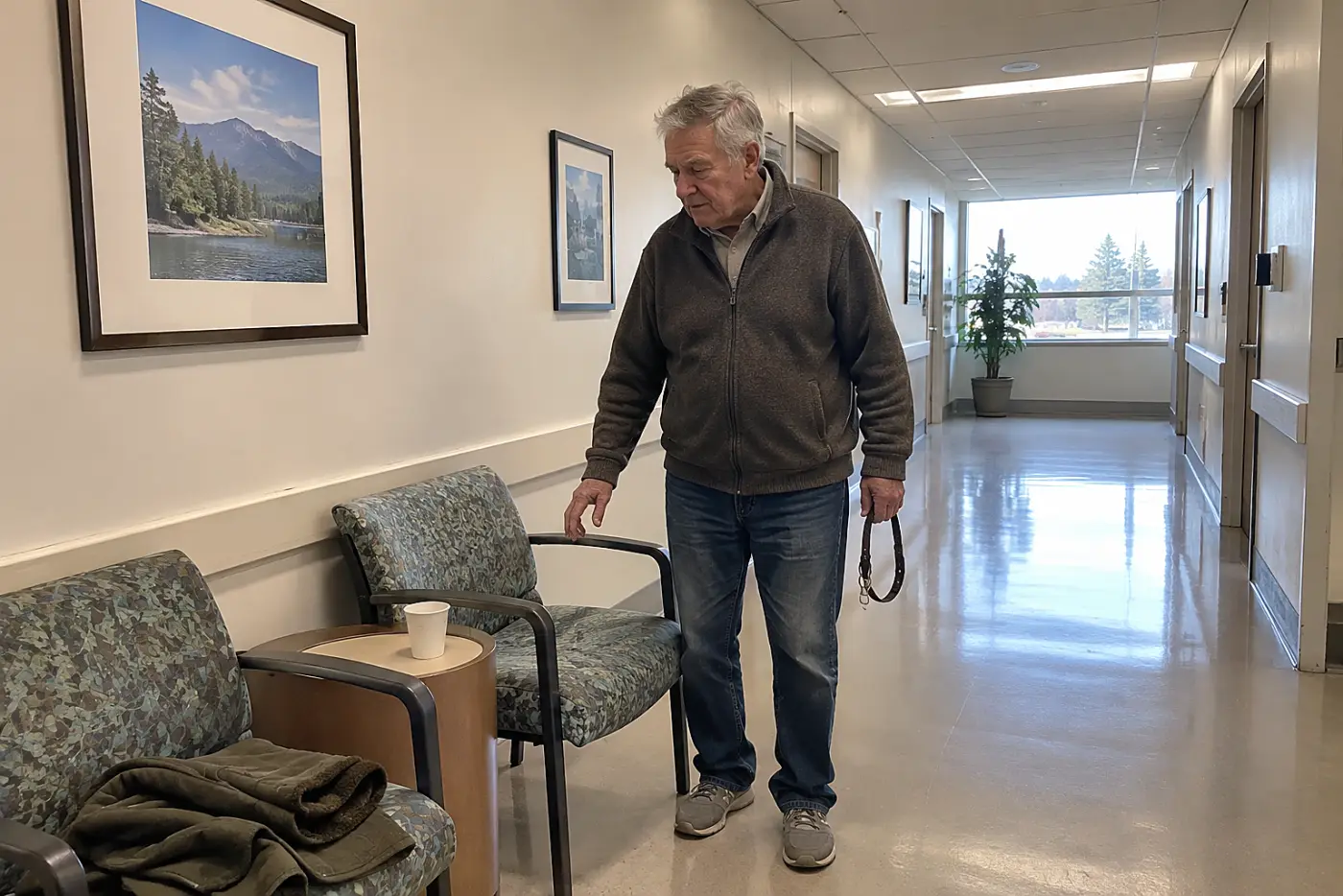
The leash is still hanging by the door. Your hand reaches for it before you remember there’s no walk to take. Then someone says, “It was only a dog,” and you have to decide whether to explain the crying or get through the grocery store without starting again.
That leash held years of ordinary life. So did the food bowl, the muddy towel, the spot you stepped around at night. Losing a pet takes those small routines with it. The house keeps asking you to notice.
23The leash beside the front door
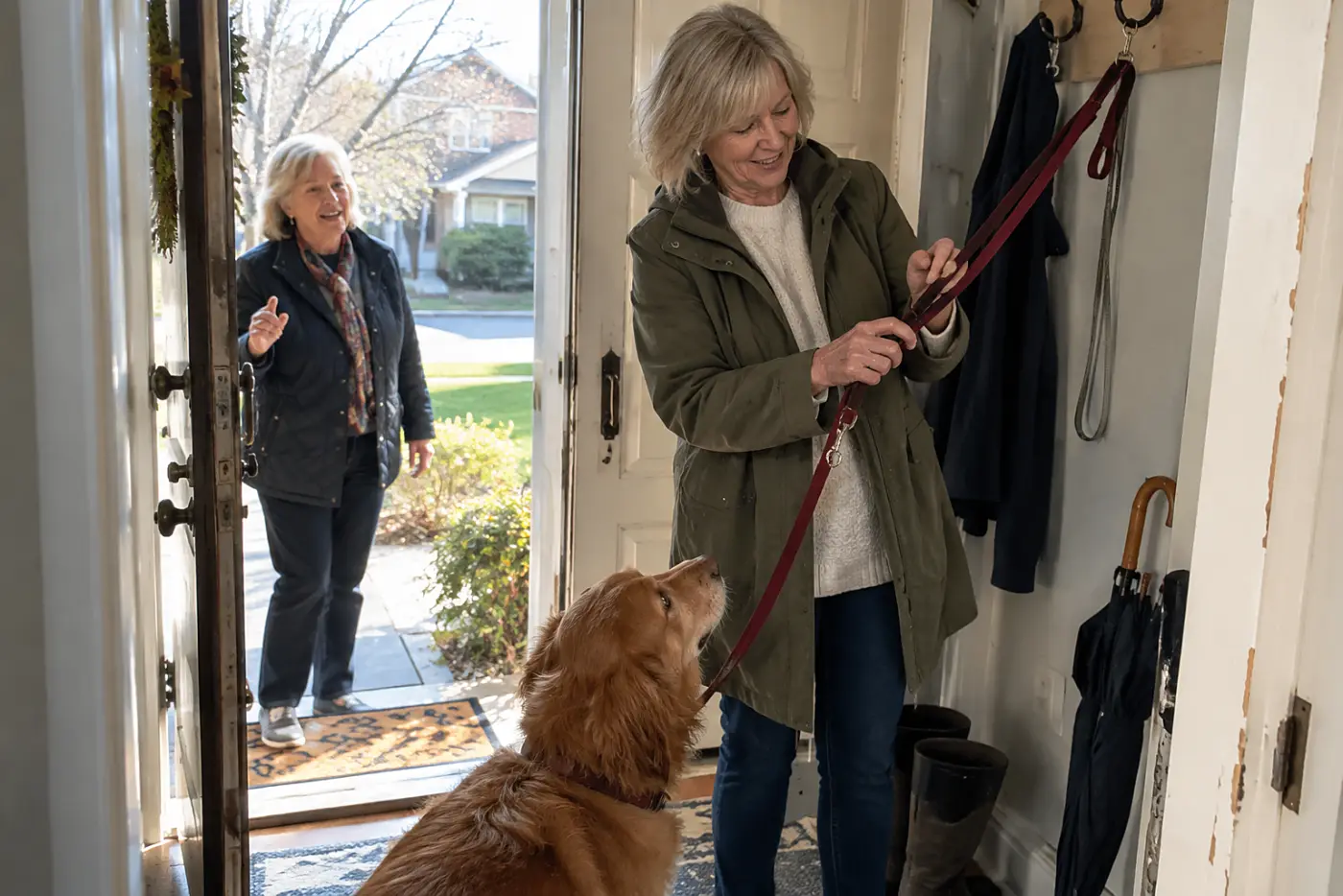
That first reach for the leash happens before thought catches up. Your body learned the walk, the sound of the clip, the turn toward the door. Now the familiar motion ends halfway through.
There’s no deadline for moving the leash. If seeing it hurts each time you leave, put it in a drawer today. If taking it down feels worse, leave it there. You don’t have to make a lasting decision while you’re still reaching for a dog who isn’t there.
22The sound you hear in another room
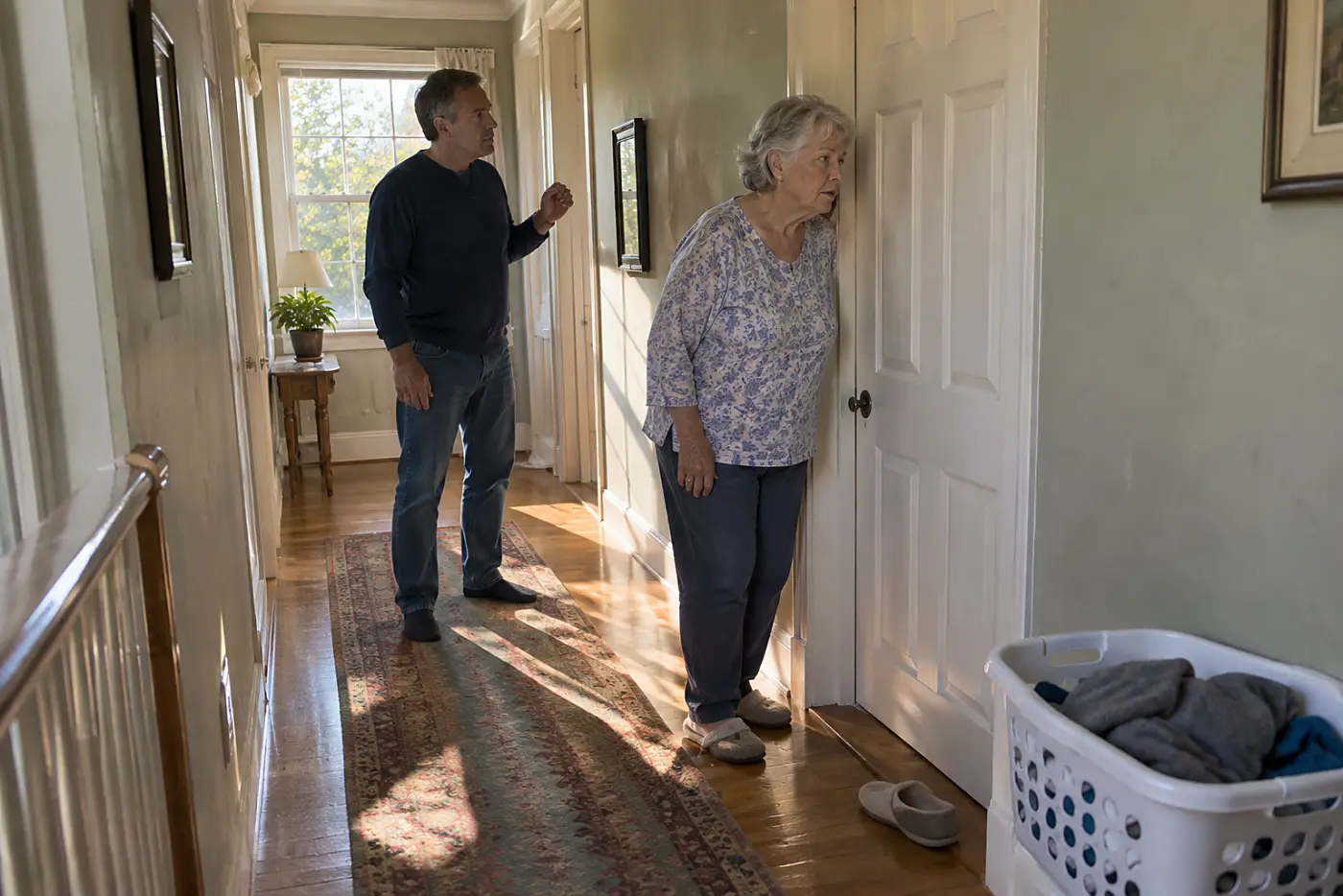
A floorboard clicks. For a second, you expect paws.
Those mistakes feel cruel, but they’re part of living in a place where you listened for another creature every day. Try naming the sound you heard: the heat turning on, a branch at the window, a neighbor’s dog outside. It gives your mind something real to hold while the hope passes.
The next sound might catch you again. That doesn’t mean you’ve forgotten what happened. If the house feels too still, turn on a radio while you make dinner. You’re allowed to change what you hear at home.
21The water bowl you keep stepping around
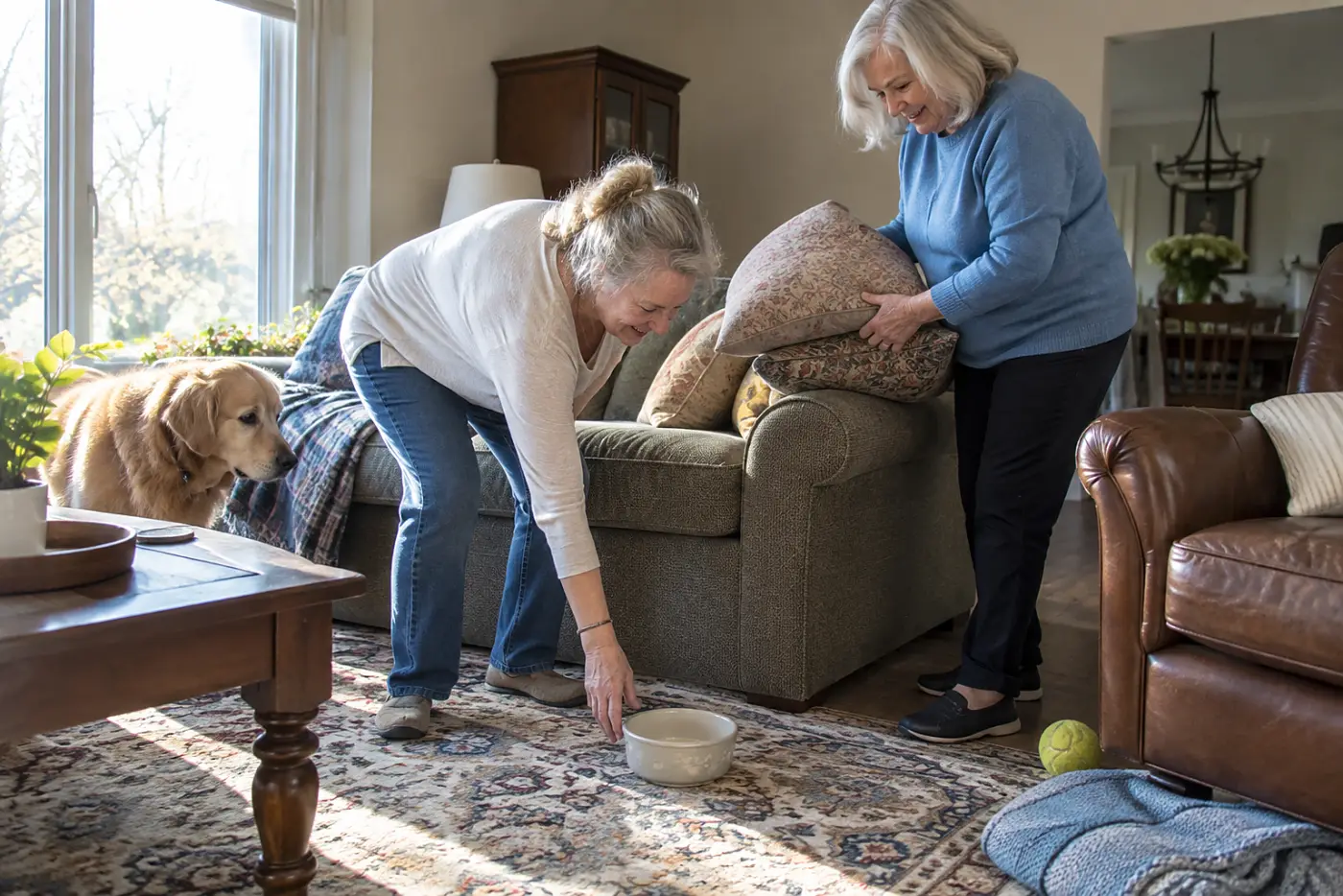
Why does an empty bowl bring on tears when you got through the call to the vet?
Because the call demanded action. The bowl asks nothing of you. It sits in the spot where you filled it, perhaps beside a little dried splash on the floor.
Wash it if you want. Or put it somewhere you won’t step around it by habit. You can keep the bowl without keeping it on the floor. That distinction helps when every object seems to demand a final decision.
20The empty space beside your bed
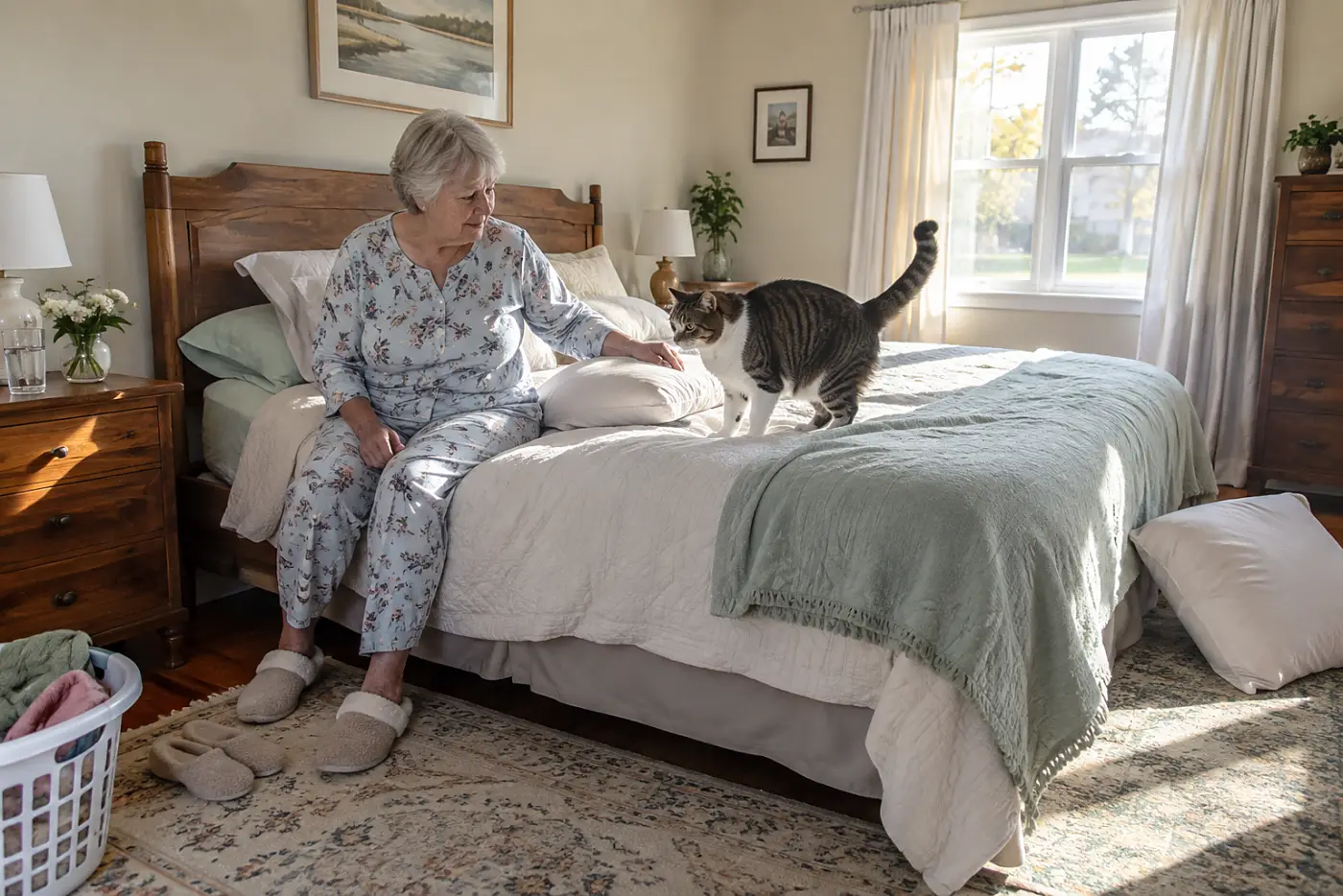
At night, the missing weight becomes impossible to ignore. You reach down where a warm back used to be. Sleep, which once arrived with the sound of breathing nearby, takes longer.
Put a pillow there if the gap keeps pulling your attention. Change the bedding if its smell catches you off guard. Neither choice says how much you loved your pet. It says you need to get through tonight, and tonight is enough to deal with.
19The morning schedule that collapses
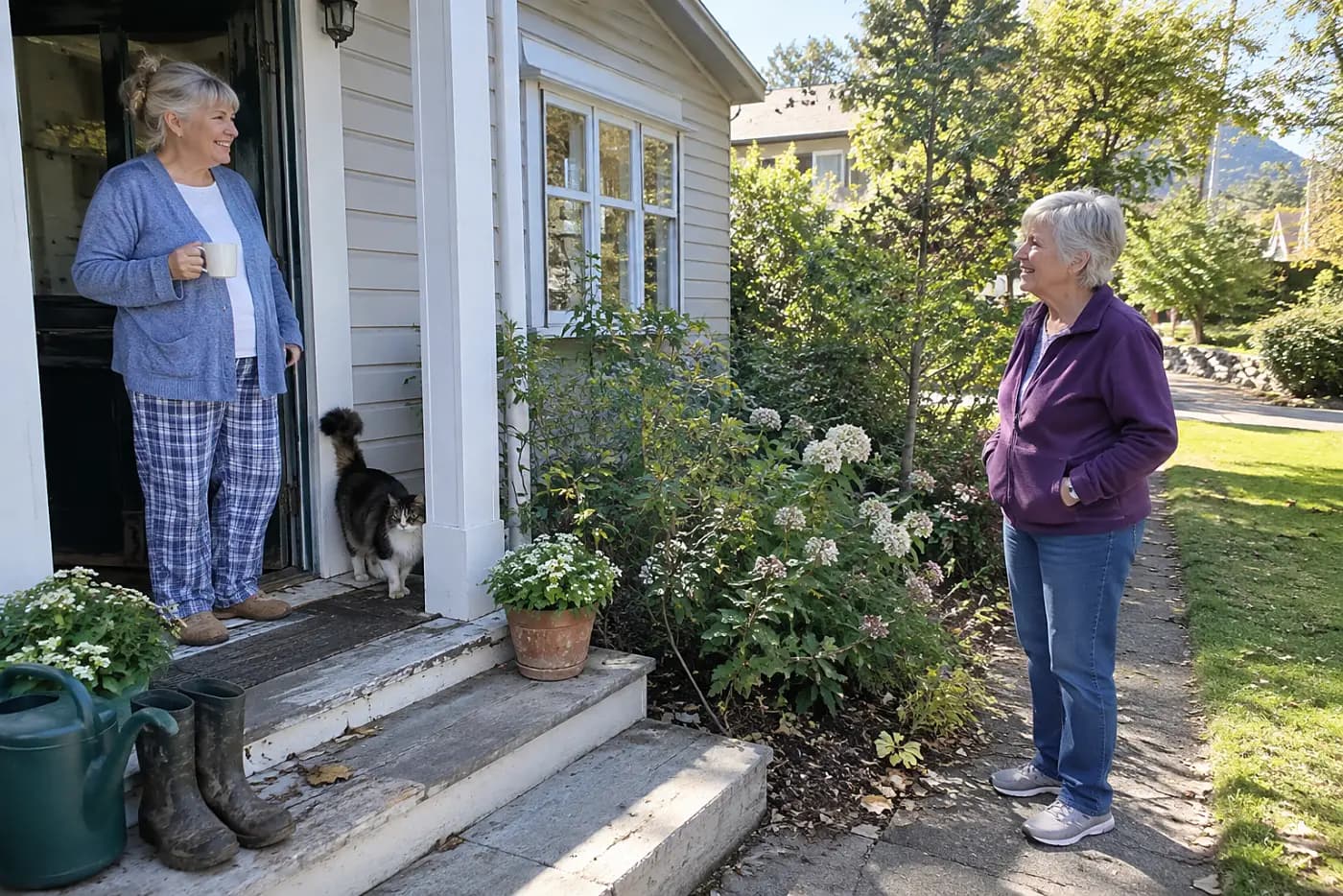
Feeding came before coffee. A walk came before the shower. Medication, if your pet needed it, had its own place in the day. Now the clock reaches those hours and leaves you with nothing to do.
That lost structure can make a whole morning feel wrong. Give one familiar time a new, small task. At the old walk hour, step outside for five minutes. At feeding time, make breakfast for yourself instead of standing in the kitchen.
You aren’t replacing the animal. You’re giving the day a handrail while you learn its new shape.
18The person who says only a dog

You don’t owe anyone a defense of this loss. Still, you need a sentence ready when someone dismisses it.
“Please don’t call him only a dog. I miss him.”
Then stop. You’ve told the truth without handing over your memories for debate. Save the longer story for someone who will hear it.
If that person presses, end the conversation: “I’m going to go now.” You don’t need to prove that your dog mattered before you leave. Later, the American Veterinary Medical Association has pet-loss information you can share with someone who wants to understand. You don’t owe that reading assignment to someone who refuses to listen.
17The grocery aisle with his favorite treats

You went in for milk. Then you saw the treats you bought every Friday, and the errand fell apart.
Leave the aisle. Leave the store, if that’s what you need. The milk can wait. Grief has a way of meeting you in places where you expect to be practical, which makes the tears feel embarrassing. They aren’t.
For the next trip, make a short list and take a route around the pet aisle. Later, when you want to, you can walk through it again. There’s no prize for doing that on the first try.
See more: 23 Small Comforts an Aging Dog Wants Most From the Person He Chose →
16The vet reminder on your phone
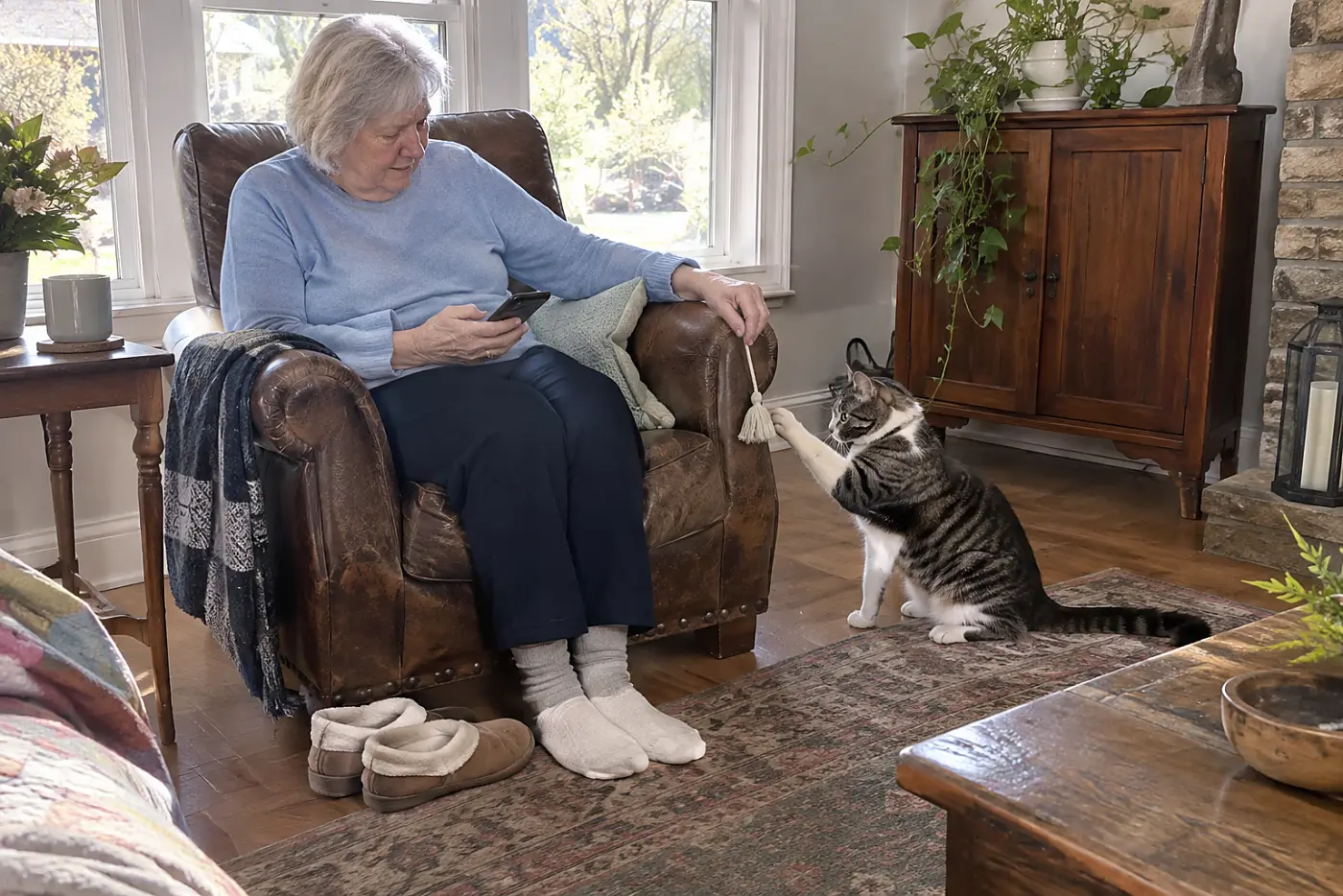
The appointment alert arrives after your pet has died. It’s a small, blunt message from a calendar that doesn’t know what happened.
Delete the reminder and check for repeating alerts, including medicine alarms. If the clinic still sends notices, call and ask them to update your pet’s record and stop routine reminders. You deserve to open your phone without being told it’s time for an appointment you’ll never make.
Check both places the reminder lives: your own calendar and the clinic’s messages. Clearing one won’t clear the other. If the notice came by email, search your inbox for the clinic’s name and check whether more appointments are already on your calendar.
15The walk your legs still expect
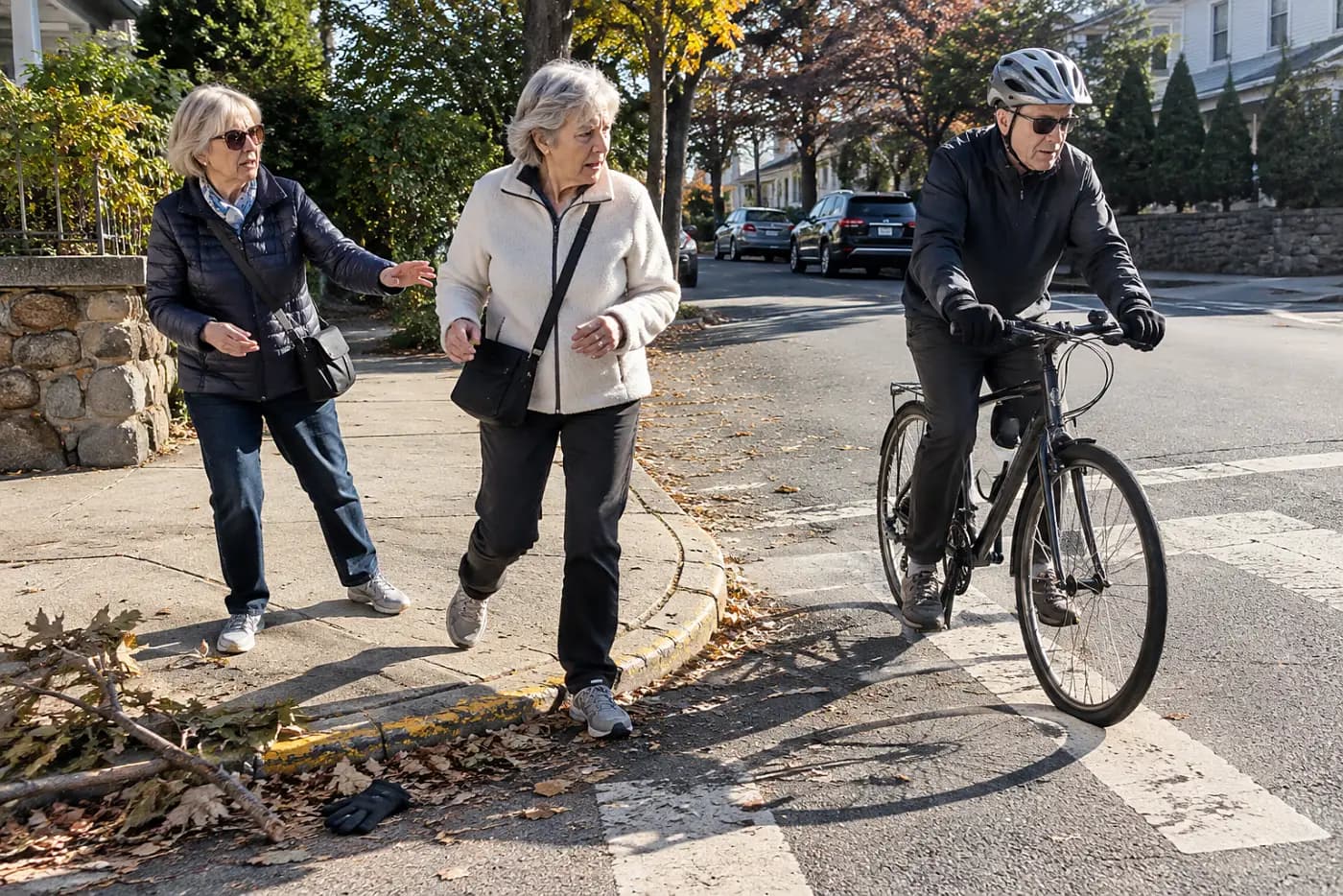
At the hour you used to go out, you feel restless. Shoes by the door catch your eye. You remember which neighbor kept biscuits in a coat pocket and where your dog always stopped to sniff.
Try the route once without forcing yourself to finish it. Walk to the first corner. See how it feels there. Turn back if you want.
Or choose another street for now. The point is to notice what you need outside: air, movement, company, or distance from a house that feels too still. Your old walk did several jobs at once. You get to find those things separately.
14The neighbor who asks where she is
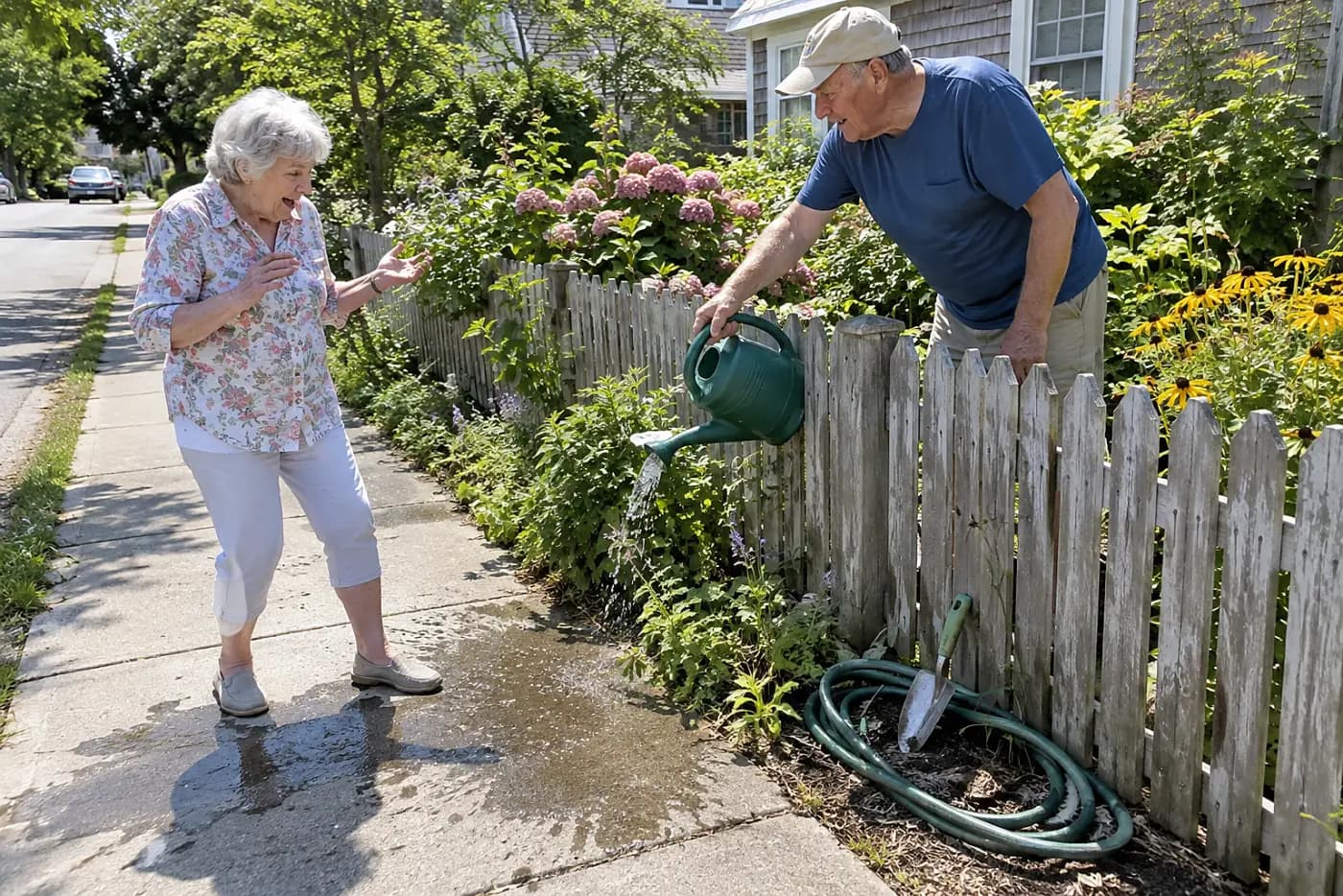
You meet someone on the sidewalk who knew your dog’s name but doesn’t know she died. You have to say it aloud.
Keep the answer short if you need to: “She died last week. I’m having a hard day.” That gives the neighbor enough to respond with care. If they don’t, you can keep walking. The sidewalk isn’t the place where you must tell the whole story.
If facing the same question again feels exhausting, tell a neighbor you trust and ask them to pass the news along. You get to choose how many times you say it.
13The guilt over the last appointment
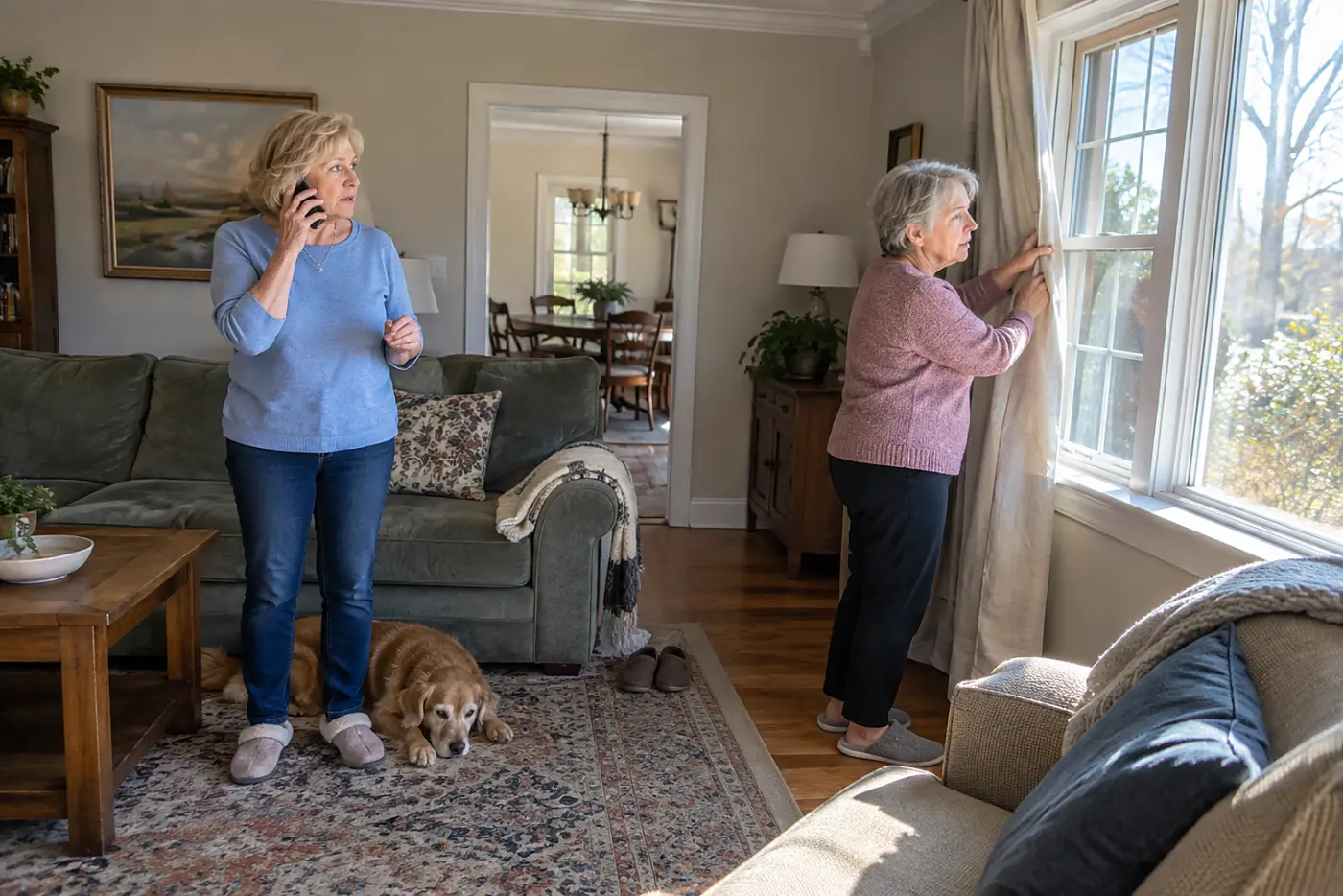
You replay the final visit: the car ride, the exam room, the choice you made with the veterinarian. Grief keeps searching for a different turn in a day that has already happened.
If a medical question won’t leave you alone, ask the clinic to explain what was happening and why they recommended that course of care. Write the question down first, so you can get an answer rather than another hour of guessing.
You made a decision while loving an animal who depended on you. You’re allowed to need help understanding it afterward.
See more: 24 Things to Do Before Your Pet's Hardest Appointment →
12The collar in the junk drawer
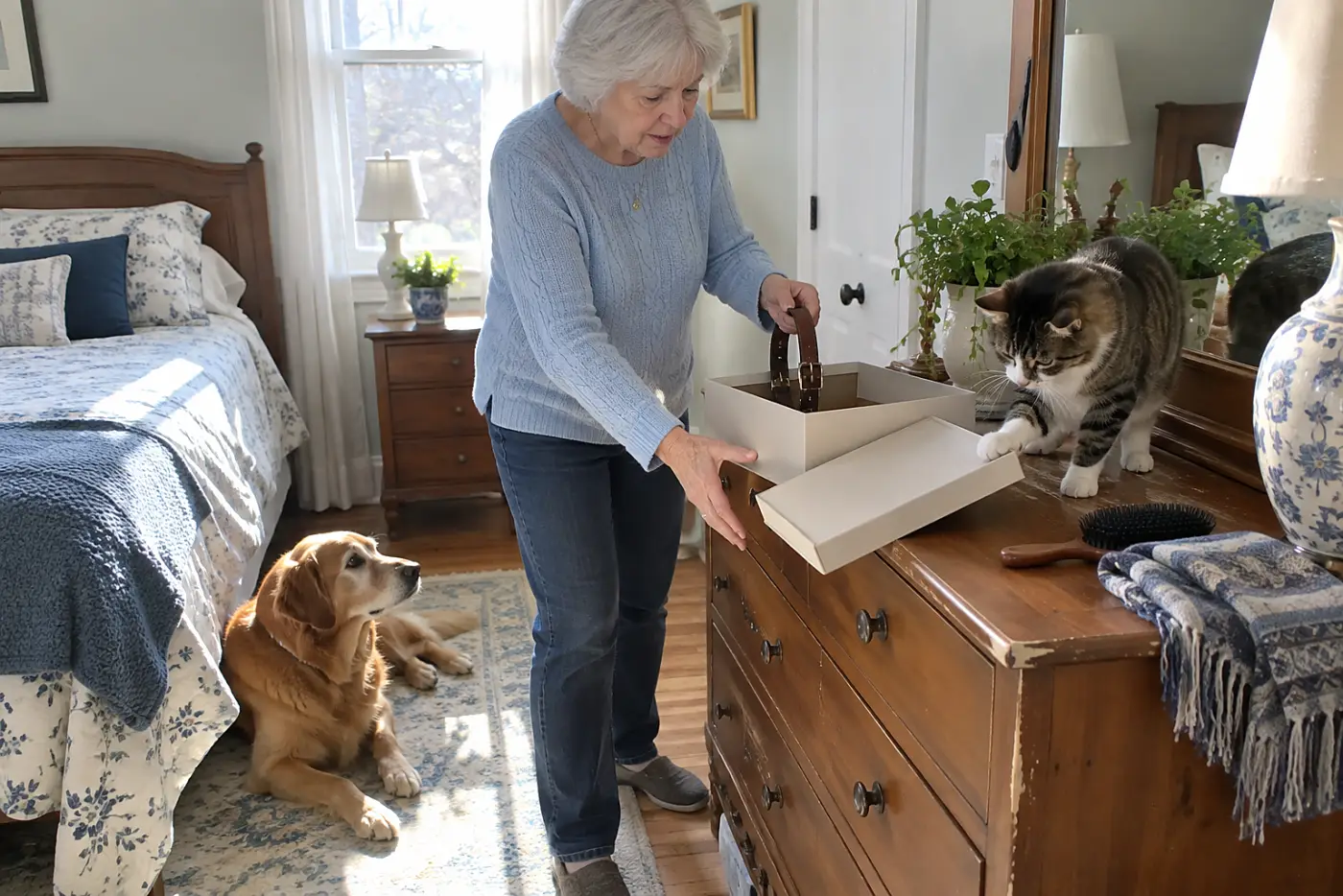
A collar is small enough to disappear beneath spare keys. Then you open the drawer for a battery and hear the tags.
Put the collar somewhere you choose, rather than somewhere it landed during a hard day. A shoebox works. So does a hook in plain sight. You can move it again later. Keeping it is an option; giving it away is an option. Neither has to happen before you’re ready to touch it.
Take a picture of the worn buckle or the tags before you decide anything. You don’t have to show it to anyone. It gives you a way to put the collar out of sight without fearing you’ll forget how it looked.
See more: 29 Signs the Clutter Is Really Grief →
11The cremation question nobody prepared you for
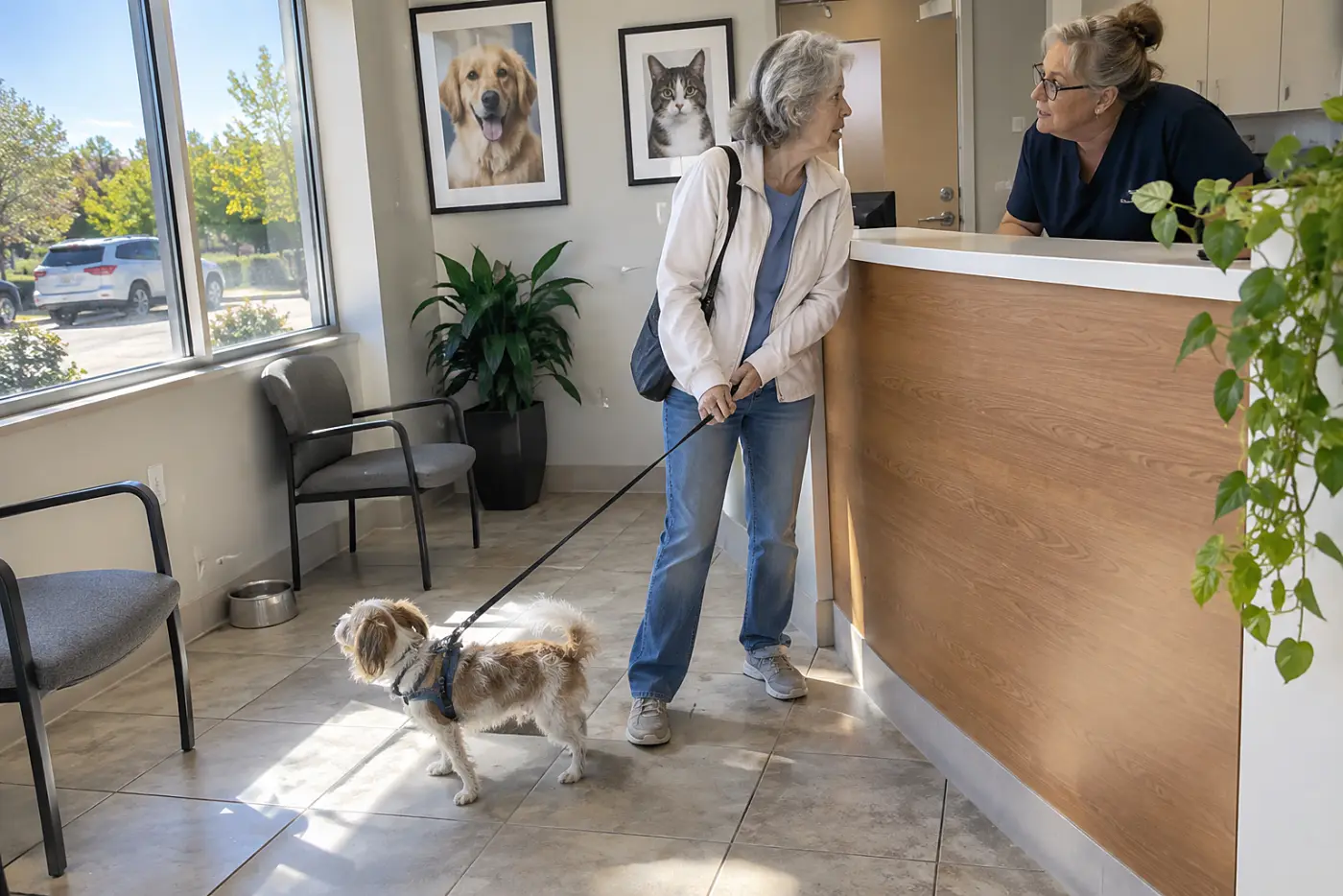
When a pet dies, decisions about their body arrive while you’re exhausted. If the clinic is handling arrangements, ask what will happen next, who will contact you, and whether you need to choose a service.
If you want ashes returned, say that clearly before arrangements are made. Ask which service handles the cremation and what you’ll receive back. If you don’t want ashes, say that too. You’re making a practical choice under strain, not taking a test of devotion.
Ask the clinic when to expect a call, and put the answer in your phone. You can also read the International Association of Pet Cemeteries and Crematories guidance before choosing a provider. Write down the name and phone number of the person who explains the next step.
10The photo that appears without warning
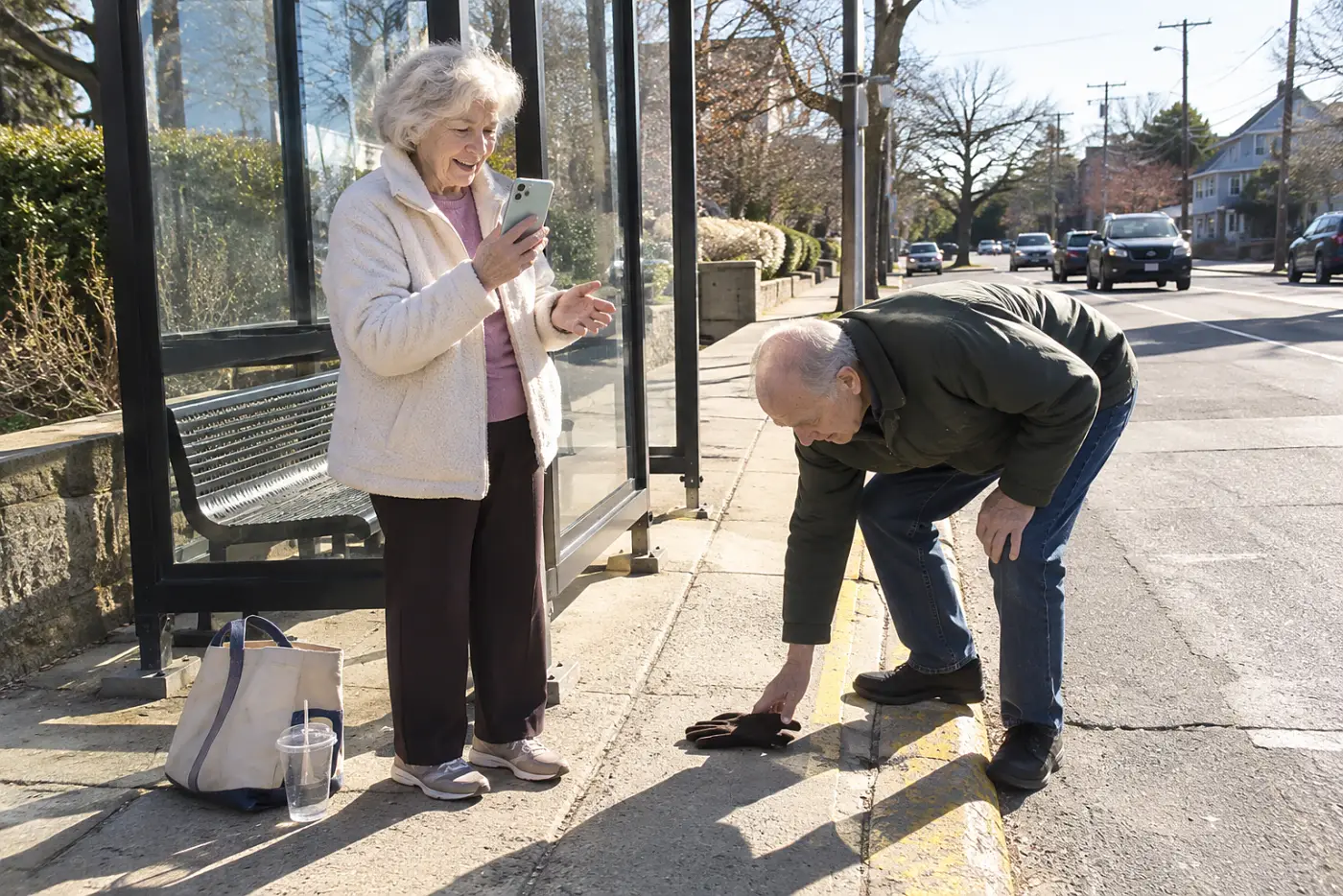
Your phone shows you a picture from an ordinary Tuesday. There’s your pet, asleep in a patch of sun, while you were thinking about something else entirely.
You can turn off photo-memory notifications for now without deleting a single picture. Later, you can choose when to look. Grief hits differently when you open an album on purpose than when a face appears while you’re checking the weather.
9The family member who grieves differently
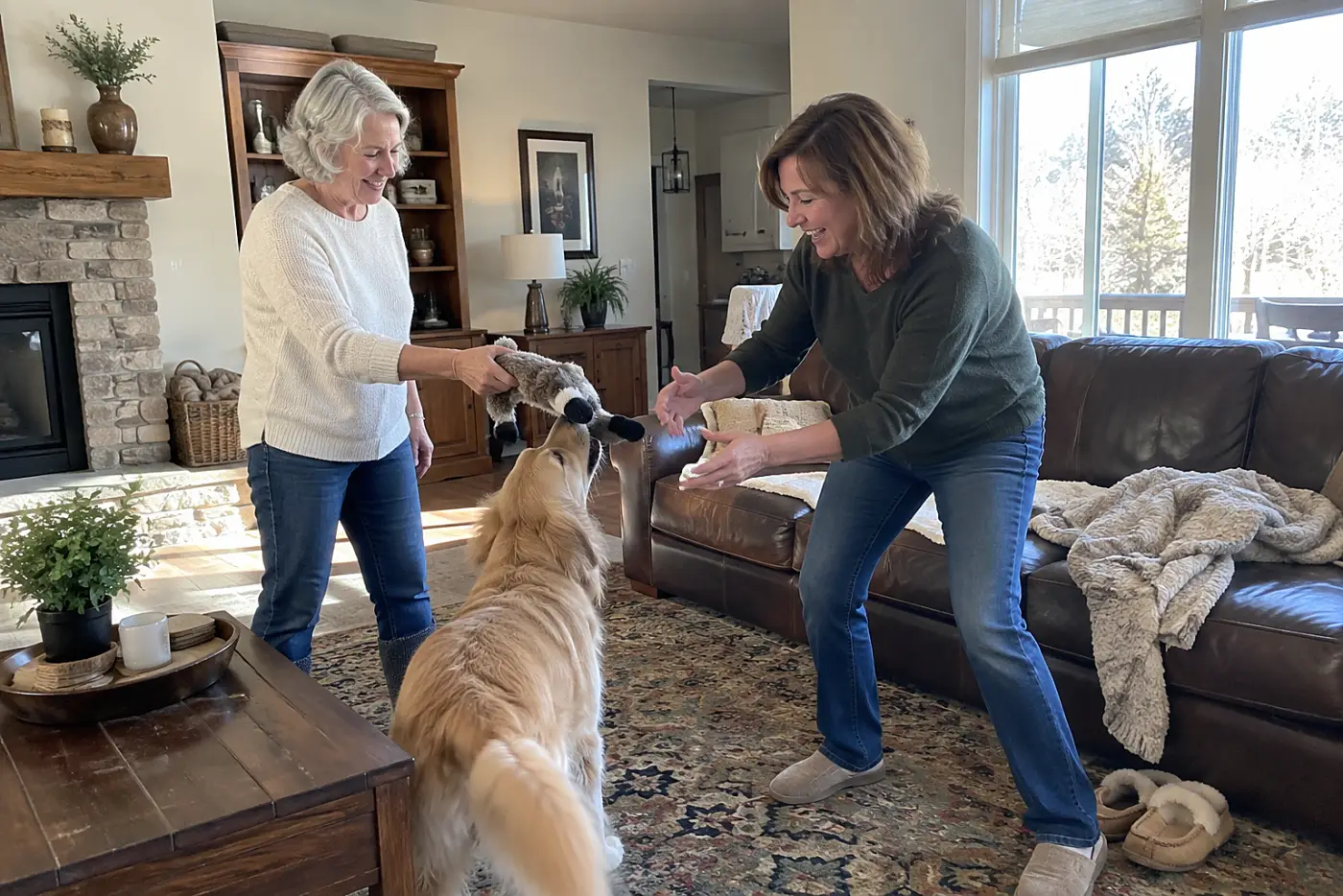
One person wants the toys gone. Another wants the bed left untouched. Both loved the same animal, and neither can bear the other person’s choice.
Before changing a shared space, ask: “Do you want any of these things before I move them?” A box in a closet gives everyone room to wait.
Don’t measure love by who cries, who cleans, or who wants another pet someday. Those arguments start easily when everybody is hurting. Pick a time to talk about the rest, and make sure each person gets to keep something that matters. The objects can wait.
8The meal you forget to make
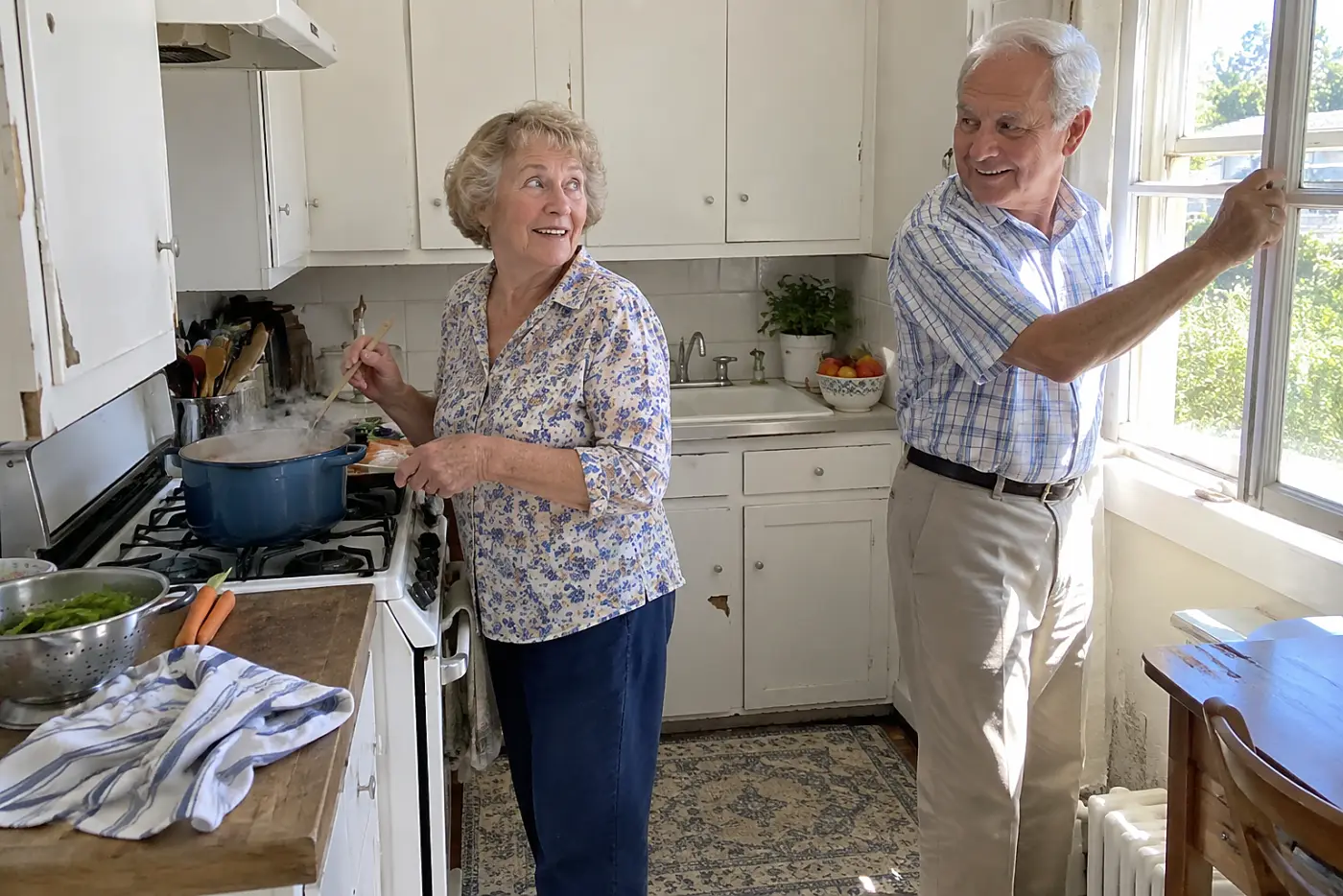
Your pet ate on a schedule. You served the food, washed the dish, and checked the water. With that work gone, you reach evening and realize you’ve barely eaten.
Put an easy meal where you’ll see it: soup in the cupboard, bread in the freezer, fruit on the counter. Then eat at the old feeding hour if that helps. Taking care of yourself will feel unfamiliar for a bit, especially when care used to point toward someone else.
For a few days, set an alarm for lunch if the hours keep slipping past. It’s a prompt to eat, not another chore to do perfectly.
7The other pet waiting at the door
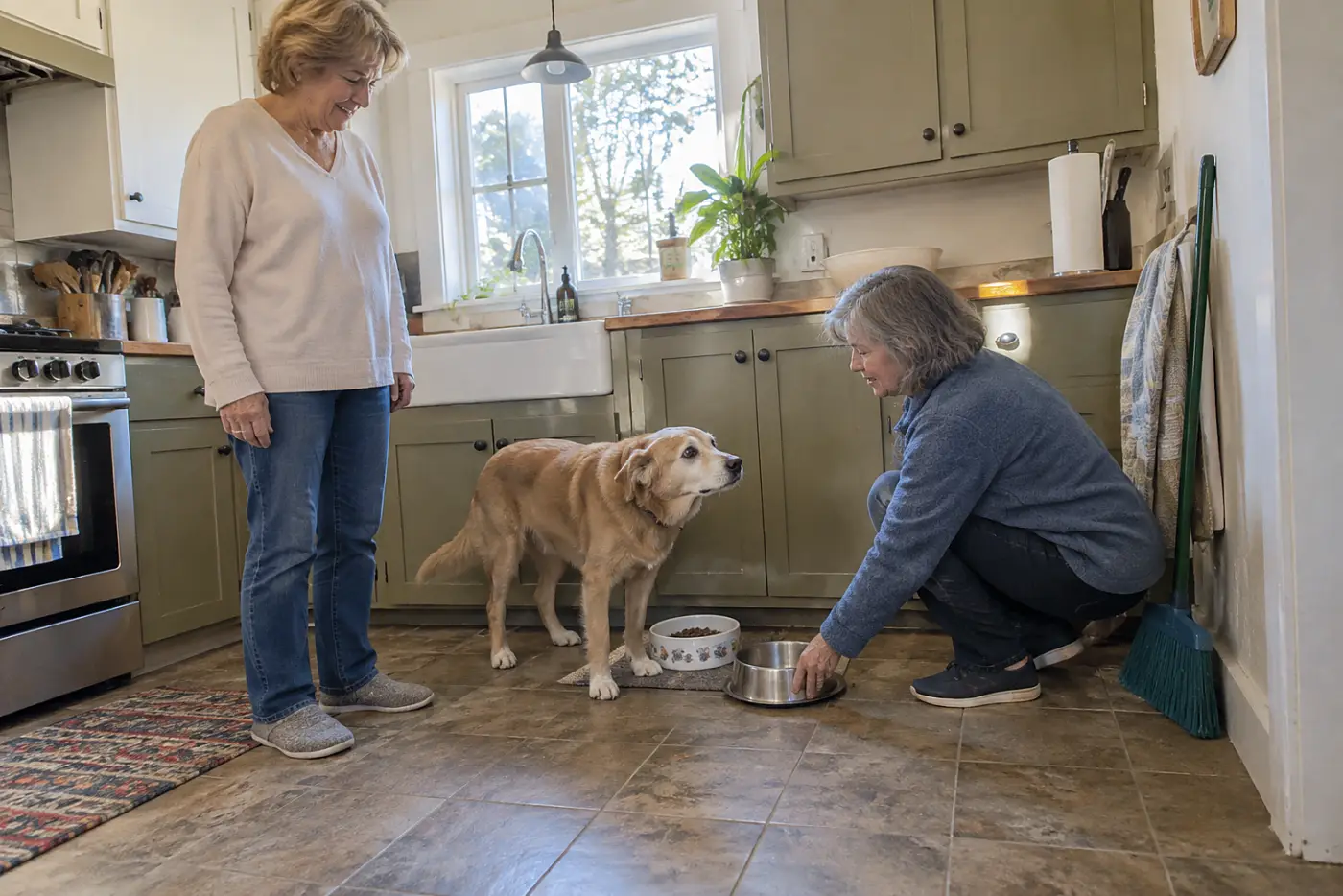
If another animal shared your home, watching her now feels like one more job when you’re exhausted. She paces near the door at the old walk time. You look toward the empty corner where the other pet slept.
Watch what’s concrete: eating, drinking, sleep, bathroom habits, and interest in play. Keep familiar meal and walk times where you can, even when you’re dragging yourself through them.
A pet who stops eating, seems ill, or changes behavior sharply needs a call to the veterinarian. Tell the clinic what changed and when you first noticed it. Don’t assume every change is grief. The ASPCA also has pet-loss guidance if you want to read about changes after a companion animal dies.
A brief note on your phone helps you describe what you’ve seen. You shouldn’t have to reconstruct the day in the exam room.
6The park bench at dusk
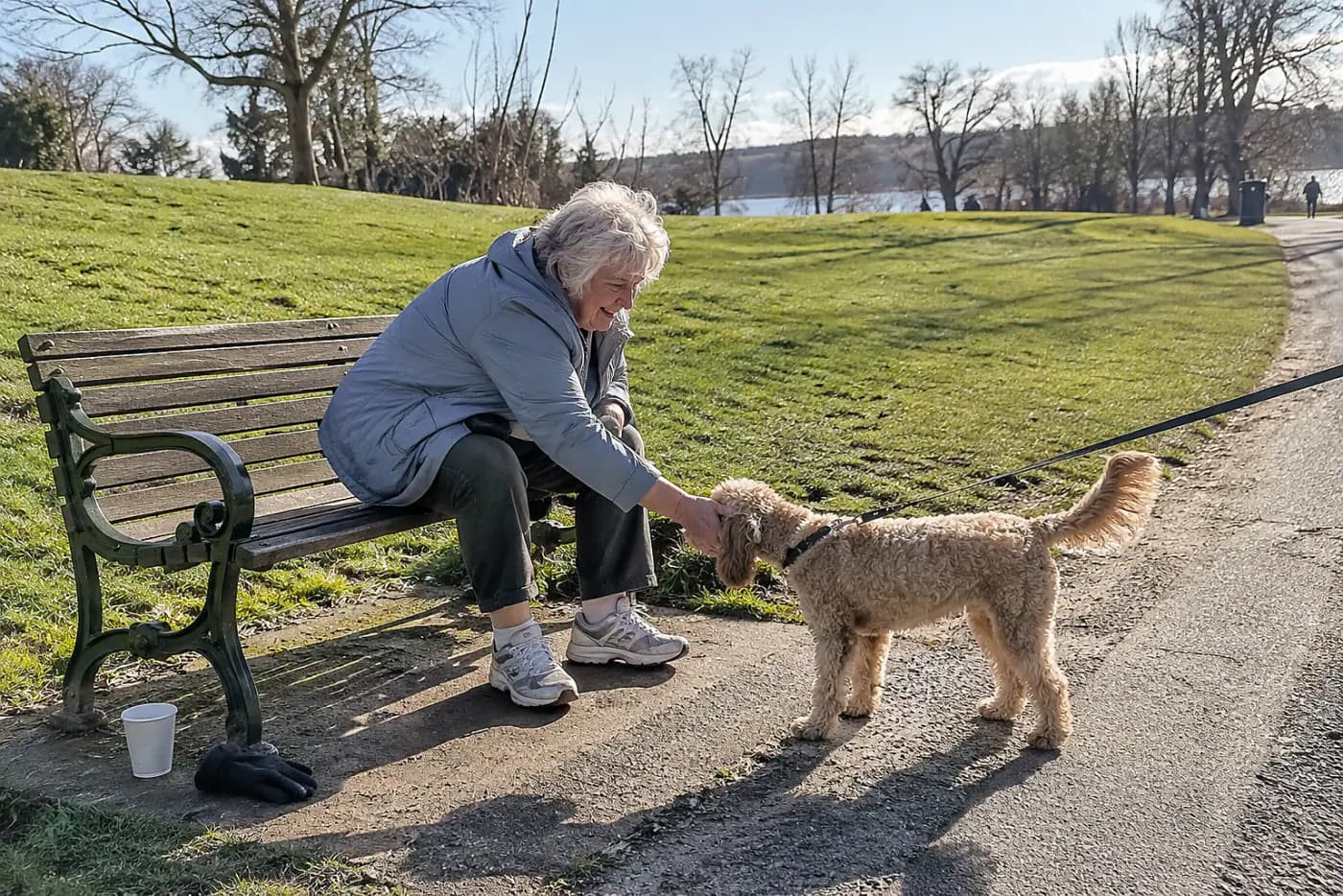
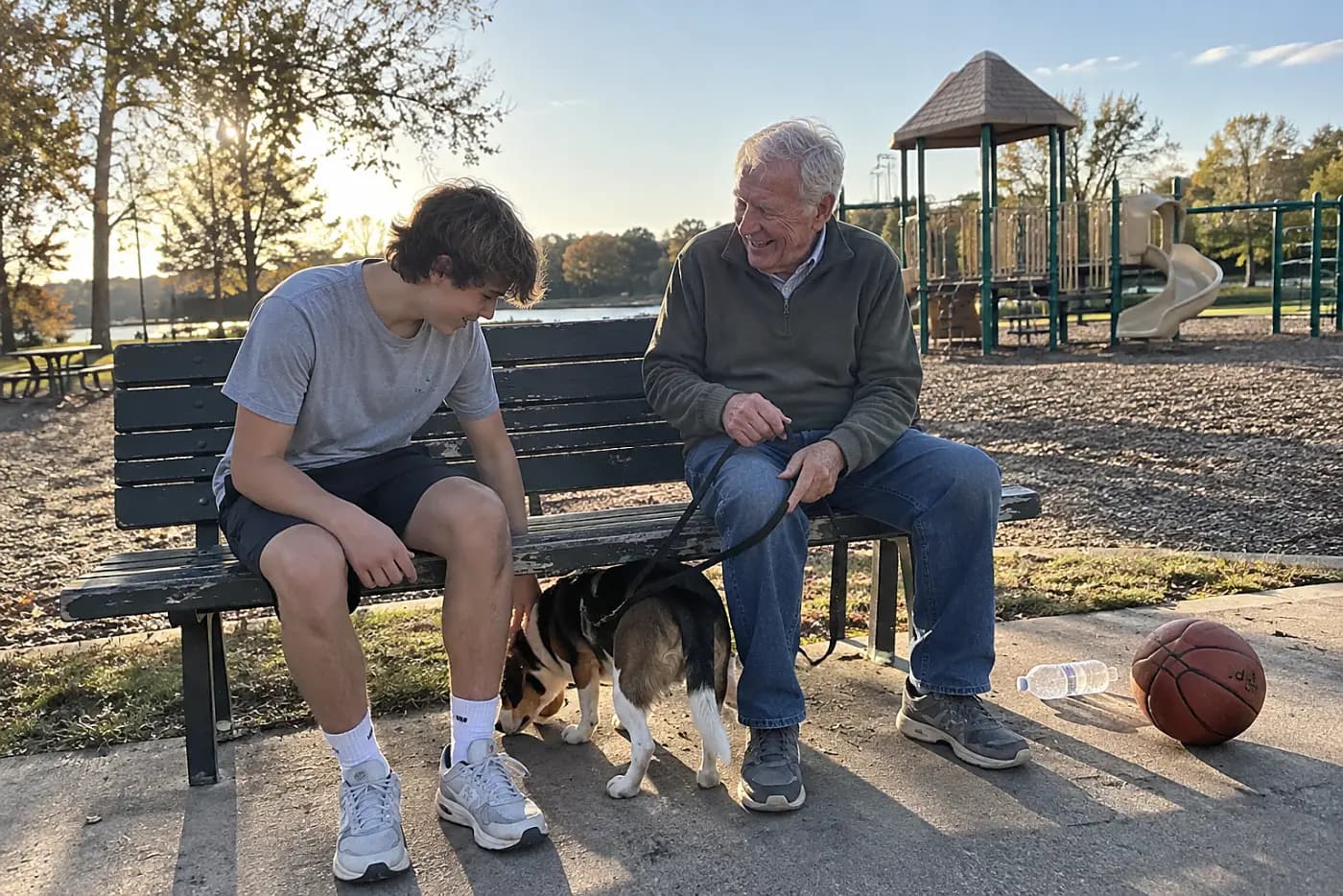
You pass a bench where you used to rest while your dog inspected the grass. Sitting there alone feels unbearable. Walking past feels wrong.
You can choose a different path today. Another day, sit down for a minute and remember what the dog did there. Places hold habits as well as memories. Going back to one is a choice you get to make, not a duty you have to meet.
5The invitation you turn down
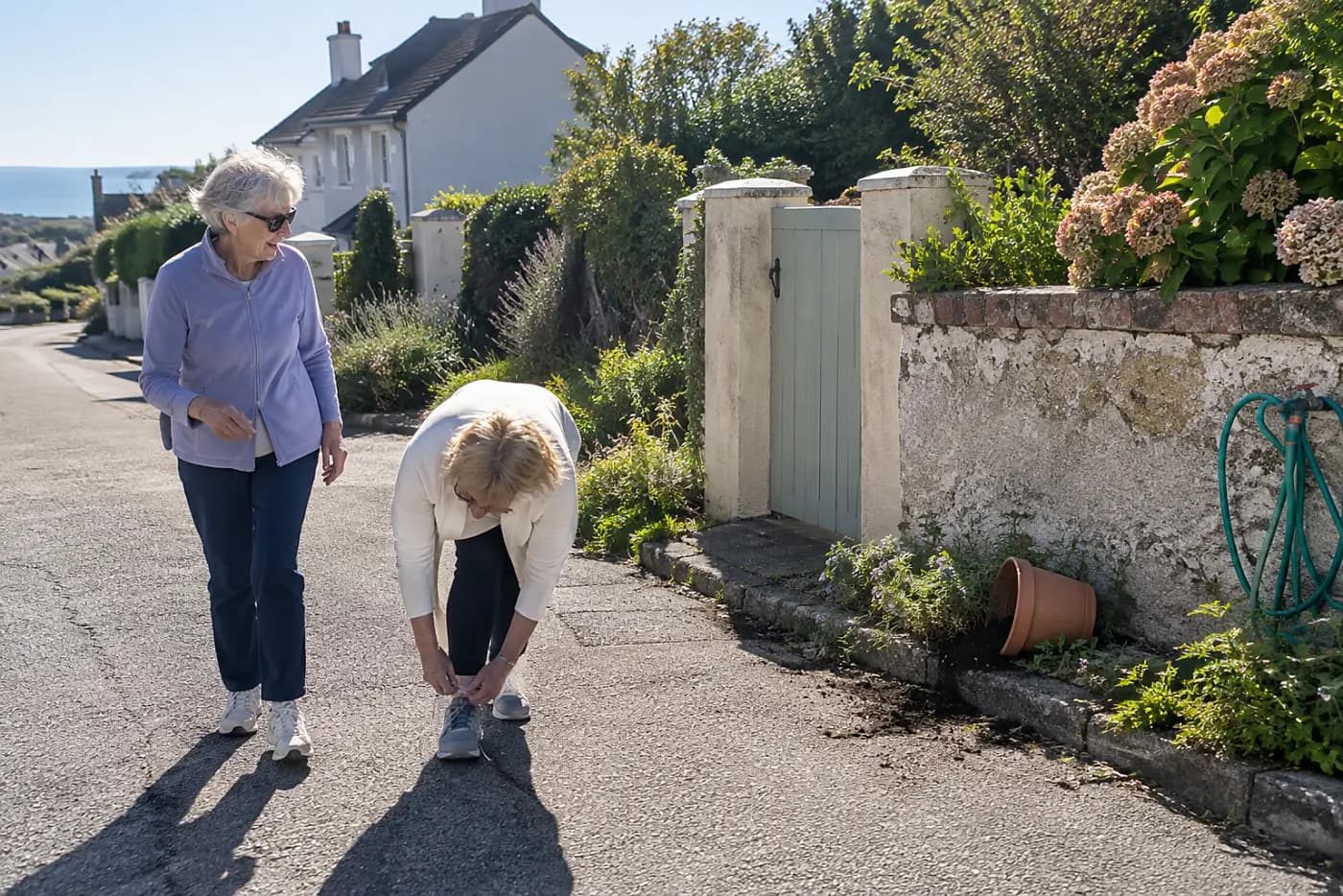
A friend asks you to dinner. You want company, but you don’t want to answer questions about the dog or pretend to enjoy an entire evening.
Try asking for a smaller visit: “Could we take a short walk instead? I’d like to see you, but dinner feels like too much.” A friend has something clear to say yes to. You get a little company and a way home when you’ve had enough.
If you’d rather be alone tonight, say that. Then think of one person you can contact tomorrow. You don’t have to choose between an entire evening out and shutting everyone out.
4The thought of getting another pet
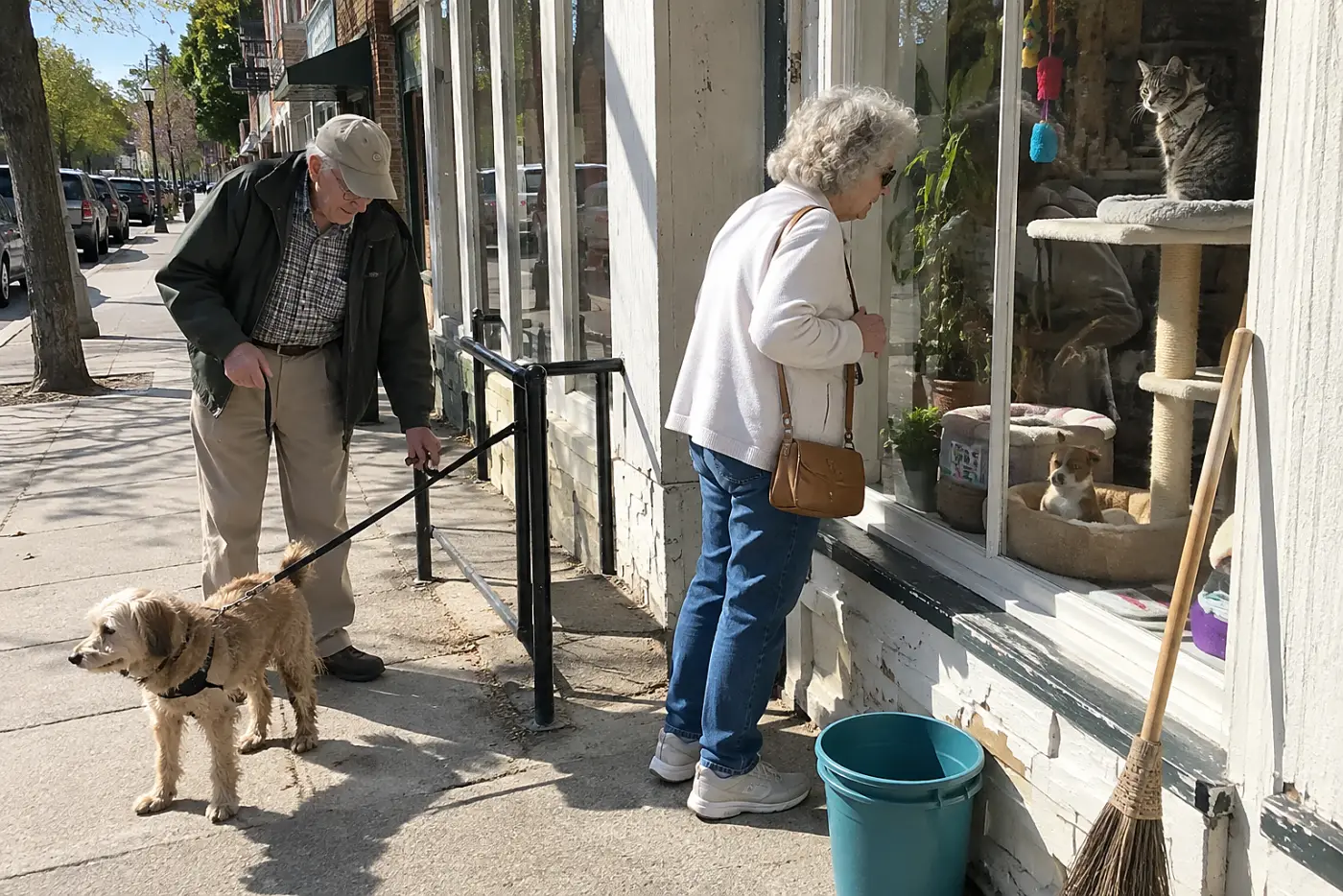
Someone suggests a puppy before you’ve put away the old food. Someone else warns you never to do it again. Neither person lives in your house.
Don’t make the decision to stop the silence. Think instead about the daily work: walks, vet visits, care when you travel, and the kind of animal you’d welcome now. You’re free to want another pet. You’re also free to leave the question open while you miss this one.
If you do start looking, the Humane World for Animals site has information about adopting pets. You don’t need to open it today.
3The grief that keeps you home
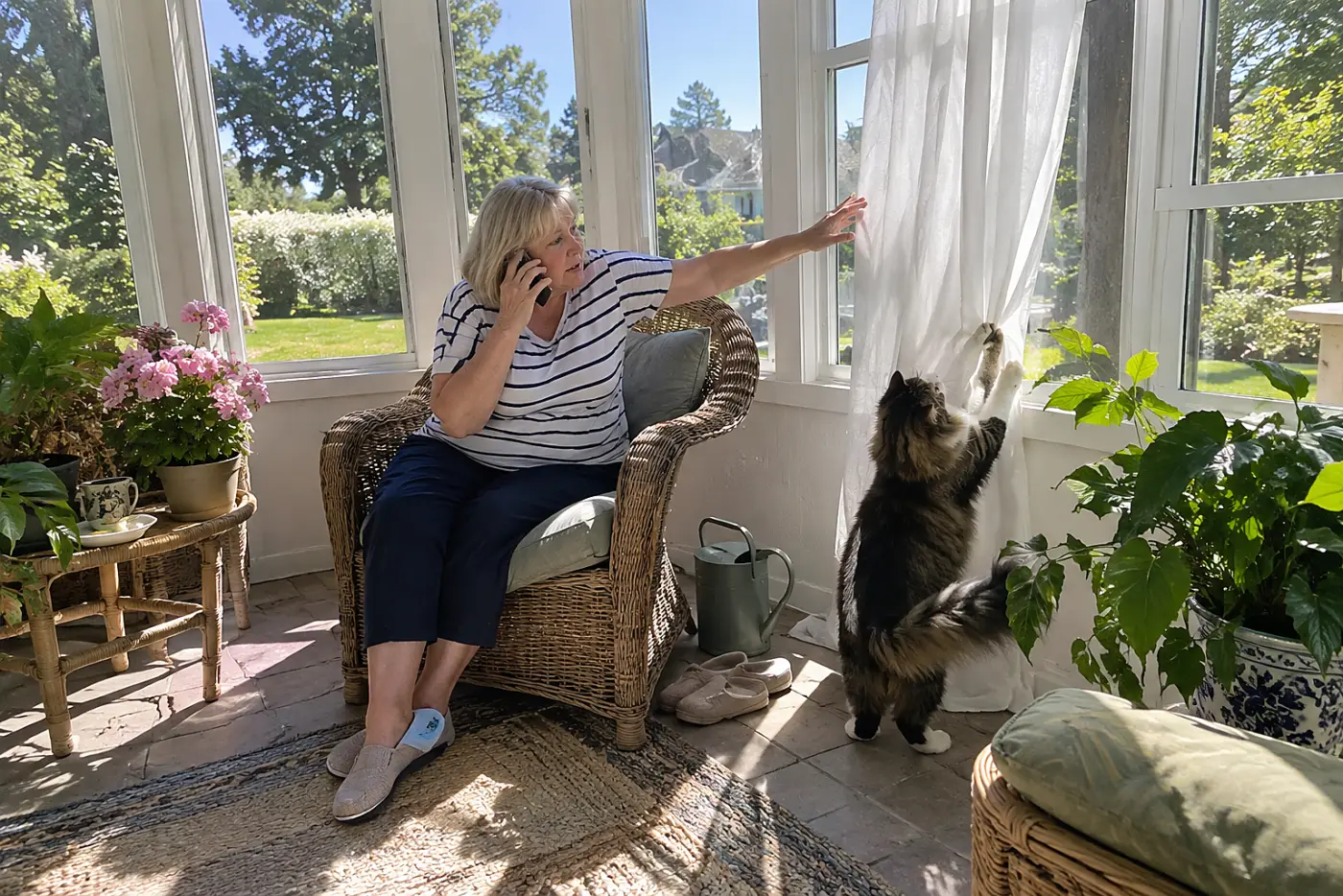
When you stop answering calls, miss meals, or find that daily tasks stay undone, tell someone plainly what’s happening. Start with a person you trust or your primary care clinician. You don’t need to make the loss sound bigger to deserve a conversation.
The 988 Suicide & Crisis Lifeline is available by call or text if you’re in crisis or need immediate emotional support. It’s available 24 hours a day, seven days a week.
For help finding a therapist, the American Psychological Association’s psychologist locator and Psychology Today’s therapist directory let you search by location. The Association for Pet Loss and Bereavement focuses on this particular loss. Find a Helpline lists other support lines.
Pick one contact, not all of them. A single call is enough for today.
2The words you need at work

You’re crying at your desk and have a meeting in ten minutes. You don’t want to give the room a full account of your pet’s death.
Say what the other person needs to know: “My dog died, and I need to step out for a few minutes.” If you need time away, ask your manager what leave or schedule options are available to you. Check your workplace policy rather than assuming it covers pet loss.
A clear request saves your energy for getting through the day.
1The name you can still say
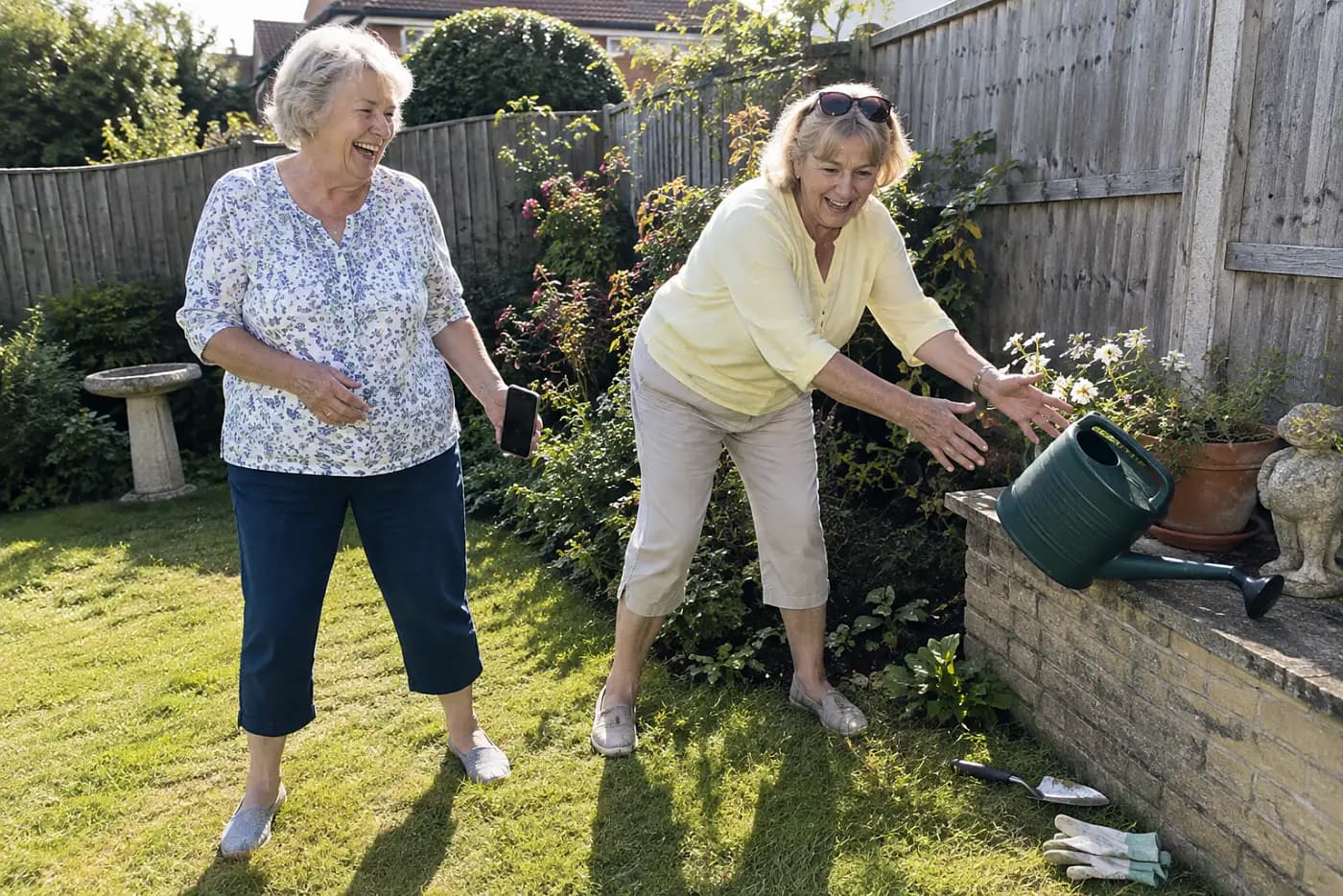
People stop mentioning your pet because they don’t want to upset you. Meanwhile, you’re aching to hear someone say her name.
Tell a friend exactly what would help: “Would you tell me something you remember about Rosie?” Or say the name yourself and share one small story. Tell them about the stolen sandwich, the rain she refused to walk in, the noise she made when the car pulled up.
You don’t need a perfect tribute. You need someone who knew she was here to stay with you in the conversation. Ask for that. If the first person changes the subject, try someone who watched her race to the door or held her leash once. There’s a difference between explaining why you hurt and getting to remember who you lost.
The bottom line
A pet’s death takes more than companionship. It changes the routes you walk, the sounds you listen for, and the things your hands do without asking.
You’ve moved what hurts to see, kept what you want nearby, and found a few words for the people who care. None of that requires you to stop missing your pet.
What small part of your day still catches you reaching for them?
Up next
27 Memories Women Wish They'd Spoken Aloud to Their Dog Before the End
The empty leash hook by the door holds words you still want to say, and gives you a place to begin.
Read the list →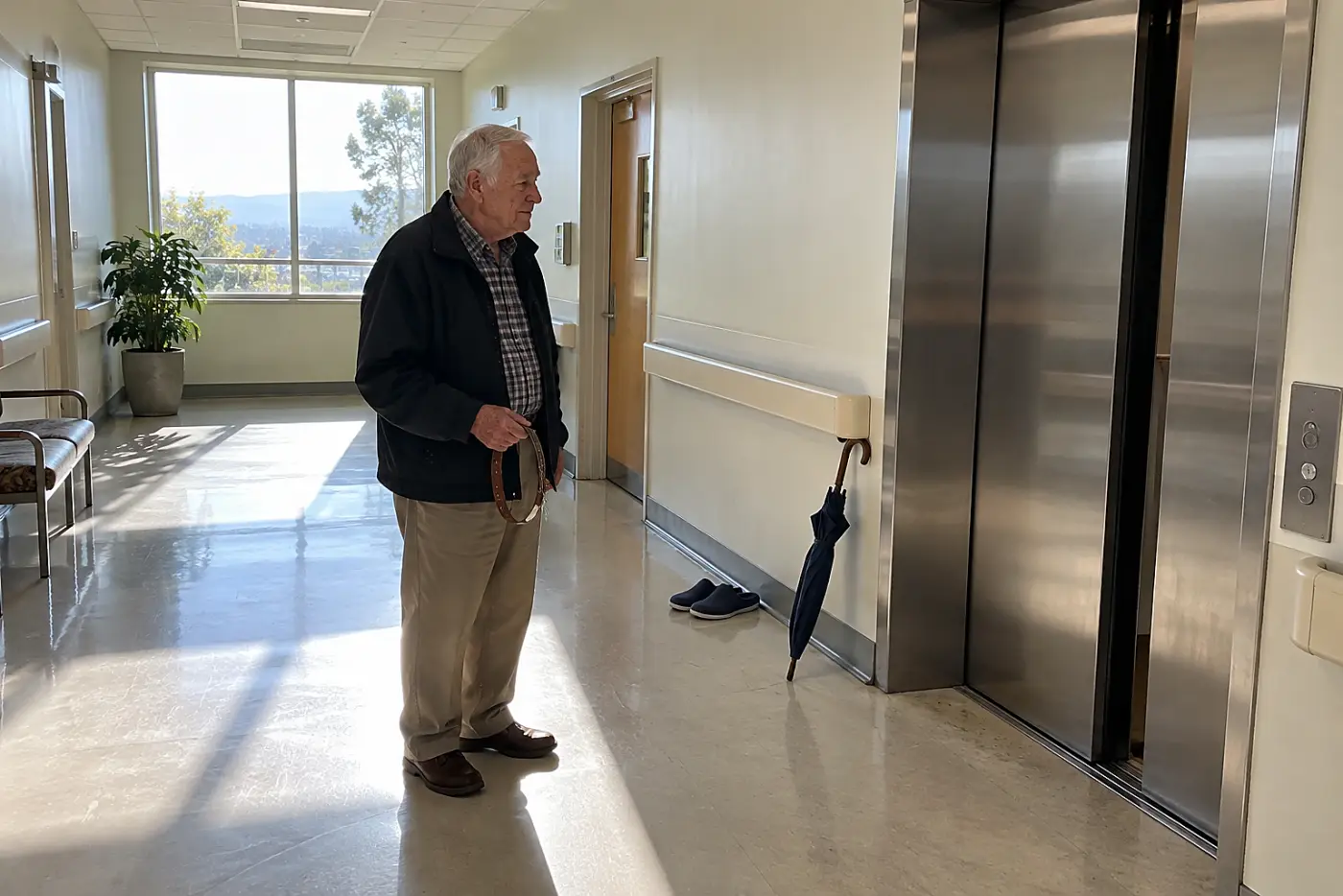
Reader quiz
Did you catch the details?
5 questions from this article.
What does the article suggest if seeing the leash hurts each time you leave?
Did any of these feel familiar?
Know someone who needs this?
Sources cited in this article
This article links to 9 outside sources, listed here so you can read them yourself.
- American Veterinary Medical Association www.avma.org
- International Association of Pet Cemeteries and Crematories www.iaopc.com
- ASPCA www.aspca.org
- Humane World for Animals www.humaneworld.org
- 988 Suicide & Crisis Lifeline 988lifeline.org
- American Psychological Association’s psychologist locator locator.apa.org
- Psychology Today’s therapist directory www.psychologytoday.com/us/therapists
- Association for Pet Loss and Bereavement www.aplb.org
- Find a Helpline findahelpline.com
Ruth Ellison
Family Editor
Ruth writes about grown children, grandchildren, ageing parents, and the conversations families put off, in the words of the people involved.
More from Ruth Ellison