











How to Handle Pet Loss With 26 Things That Actually Help
From a nighttime candle to a sympathy note, these steps give you something concrete to do when the empty dog bed catches you off guard.
By Ruth Ellison, Family Editor
Updated · 19 min read
The short answer: Treat grief after a pet’s death as real. Keep basic routines, make room to talk or write about your pet, and choose a way to remember them. Grief comes in waves and can return on anniversaries. Seek support from a pet-loss chat or counselor when you need it, and professional help if daily life becomes hard. Wait until you’re ready before adopting again.
- Written by our family editor
- Cited 18 sources
- How we review

The leash is still hanging beside the door. You reach for it before remembering there’s no walk to take. Then the house goes still, and you have no idea what to do with the hour that used to belong to your dog.
That missing hour is real. So is the urge to pick up the bowl, leave it untouched, call someone, or avoid the phone altogether. You don’t have to decide what the whole rest of your life looks like tonight. Start with the next ordinary thing in front of you.
26How to Handle Pet Loss as Grief
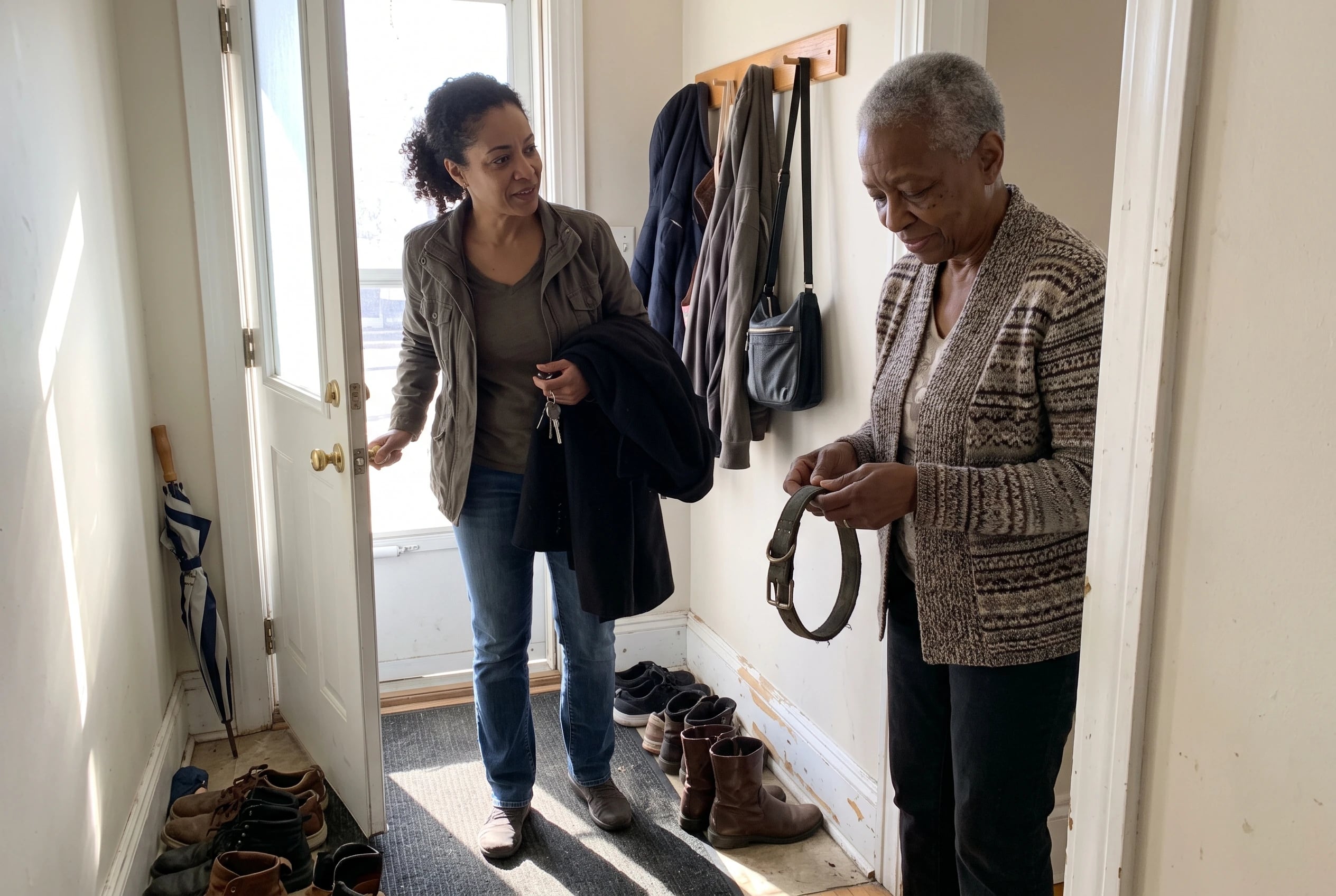
Your dog was part of the household. Their absence changes where you walk, when you get up, and what you expect to hear at the door. If you’re startled by the size of your grief, don’t treat that surprise as evidence you’re doing something wrong.
The American Veterinary Medical Association says grief after a pet’s death is normal and the relationship needs to be mourned. You don’t owe anyone a comparison with another kind of loss.
For now, give the feeling its plain name: “I miss my dog.” Say it to someone who will hear the whole sentence. If nobody comes to mind, write it down. You loved this animal in the ordinary hours of your life. It makes sense that the ordinary hours feel different now.
25Grief Waves When You Get Over Pet Loss
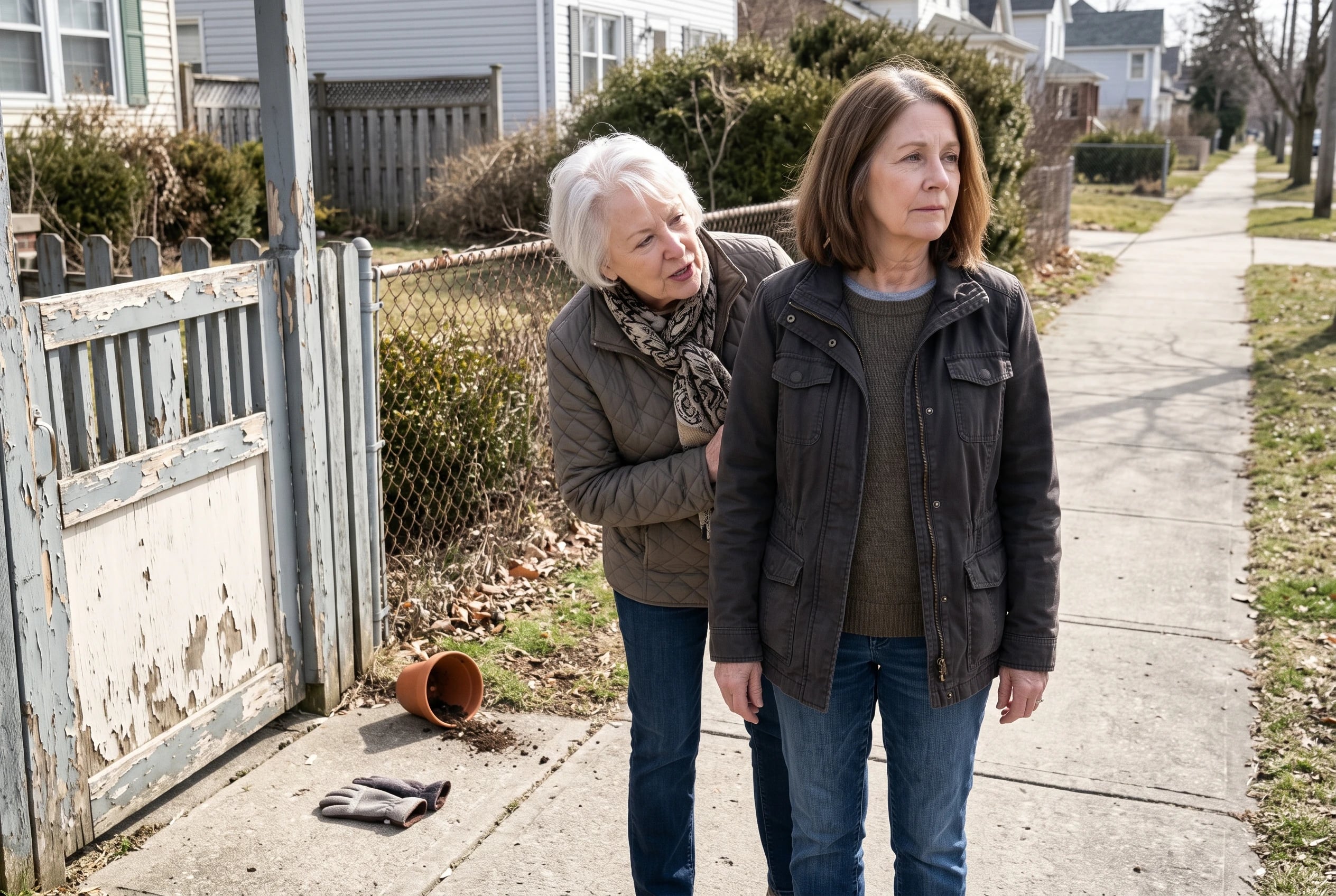
The wave hits while you’re doing something else. You pass the patch of sidewalk where your dog always stopped, and suddenly you’re crying in the middle of an errand. Yesterday you got through breakfast without tears. That doesn’t make today a setback.
The Mayo Clinic News Network describes grief returning around reminders, including holidays and anniversaries. Its intensity tends to lessen over time, though a sharp day still belongs to the process.
Don’t measure progress by a tear-free streak. Notice what set off this particular wave. Was it a place, a sound, or the hour you used to feed them? Knowing the trigger won’t erase it. It gives you a way to say, “That’s why today hurts.”
24A Moment Spent Facing the Pain

Stop before you fill every silence. The AVMA encourages people to move toward the pain of a pet’s death rather than suppress it.
Name one thing you miss: the weight beside your feet, the walk after dinner, the impatient look at breakfast. Stay with the memory long enough to tell someone or jot it on your phone. Then make dinner or take a shower. You’ve given one piece of the loss your attention. Another piece can wait.
23Sleep Times While You Get Through Pet Loss
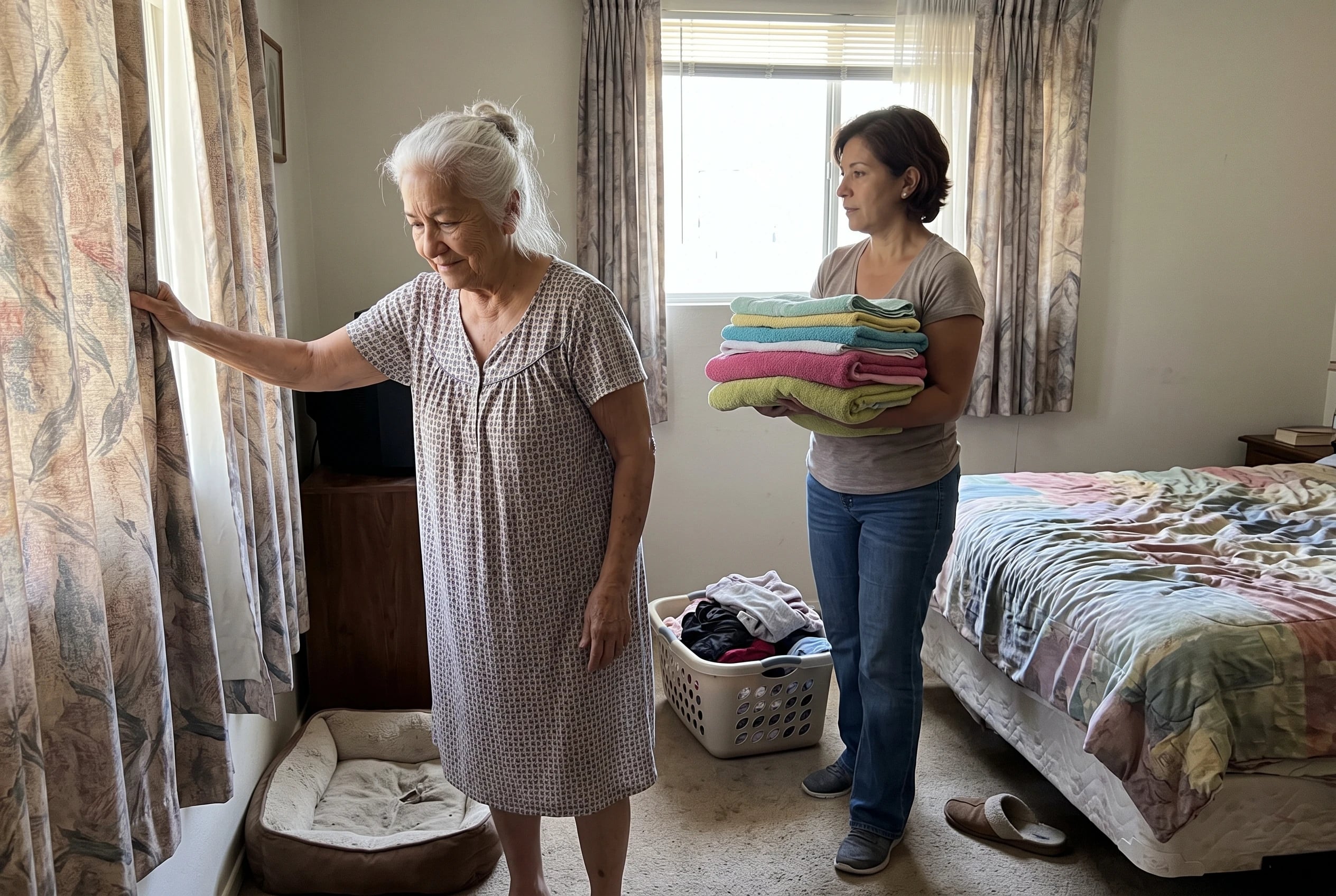
Your old morning schedule had a built-in reason. The dog needed to go out, so you got up. Without that knock against the bedroom door, bedtime and mornings can drift apart.
Choose a wake time you can keep, including on a day with nothing planned.
Then give the last part of the evening a familiar order: wash your face, set out tomorrow’s clothes, and put the phone aside. The CDC’s sleep guidance recommends a consistent schedule and a relaxing wind-down routine.
You’re giving your body a dependable start and finish while the middle of the day feels strange. If the bed itself brings back memories, change one small thing, such as the lamp you use for reading. Keep the time steady; let the room feel a little different.
22A Photo, Ashes, or Ornament Memorial
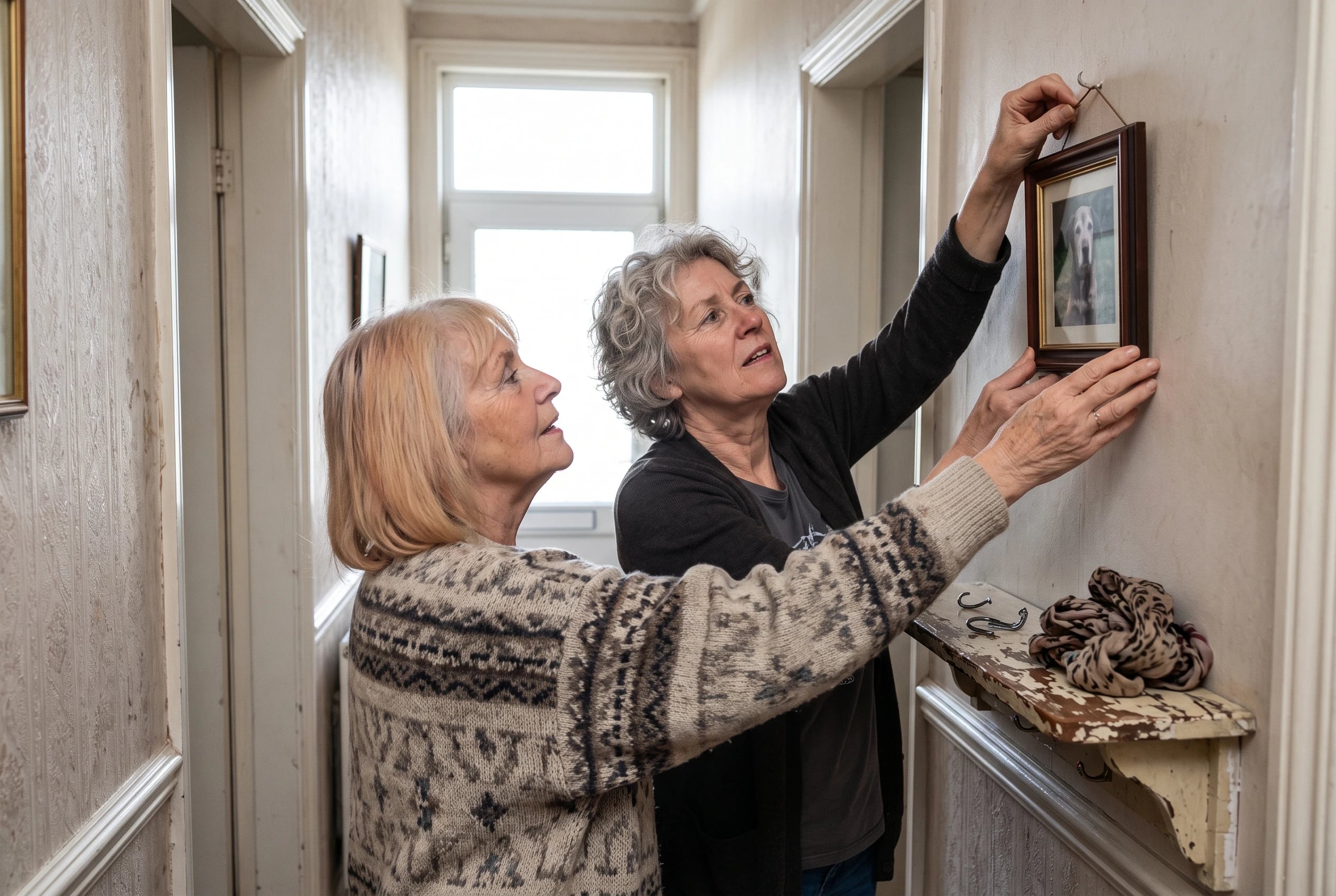
That picture on your phone shows the ears at their most ridiculous angle. Put it where you’ll see it on purpose, rather than waiting for it to appear without warning among grocery photos.
A memorial doesn’t require a ceremony or a purchase. You could frame a photo, hang an ornament, or choose a place for the ashes if you have them.
The American Kennel Club suggests a service or scattering ashes somewhere meaningful. Hallmark also sells pet memorial keepsakes if choosing an object feels easier than making one.
Pick something that reflects the animal you knew. If the best picture is blurry because they never stood still, use the blurry picture. You can change where it goes later.
21The Bed and Bowl Decision

The bowl is still on the floor. Each time you pass it, you face the same decision again. Make the choice smaller: put it in a cupboard today without deciding whether to keep it forever.
Try three piles: keep, decide later, and offer to donate. A collar or toy can go in a box you won’t open by accident. The bed can stay for now. There’s no deadline attached to your hallway.
Before you carry supplies to a shelter, check its wish list or call. Metro Nashville Animal Care & Control lists food and water bowls on its donation wish list.
Save-A-Pet in Illinois says it cannot take used bowls or dog beds. Those different policies are reason enough to ask your local shelter what it accepts.
If you’re unsure about an object, put it in the decide-later pile. You don’t have to solve the whole room in one afternoon. When the floor is clear, notice whether you want the bowl back where it was. That answer is yours, and it can change.
20A Letter Addressed to Your Pet

Start with “You always…” and see what follows. Perhaps it’s the way your dog inspected every visitor’s shoes, or how they waited outside the bathroom as if you’d vanished.
Write directly to your pet. Tell them what the last day was like, what you wish you’d said, or what made you laugh when nobody else was around. The AVMA suggests a tribute or letter as a way to continue the relationship through memories.
Don’t edit it into a polished goodbye. If you stop after a sentence, you still have a sentence. If small annoyances appear alongside the good parts, let them stay. You loved the actual animal, muddy paws and all. Put the letter away when you’re done, or leave it open for another day.
19A Candle and Nighttime Wind-Down
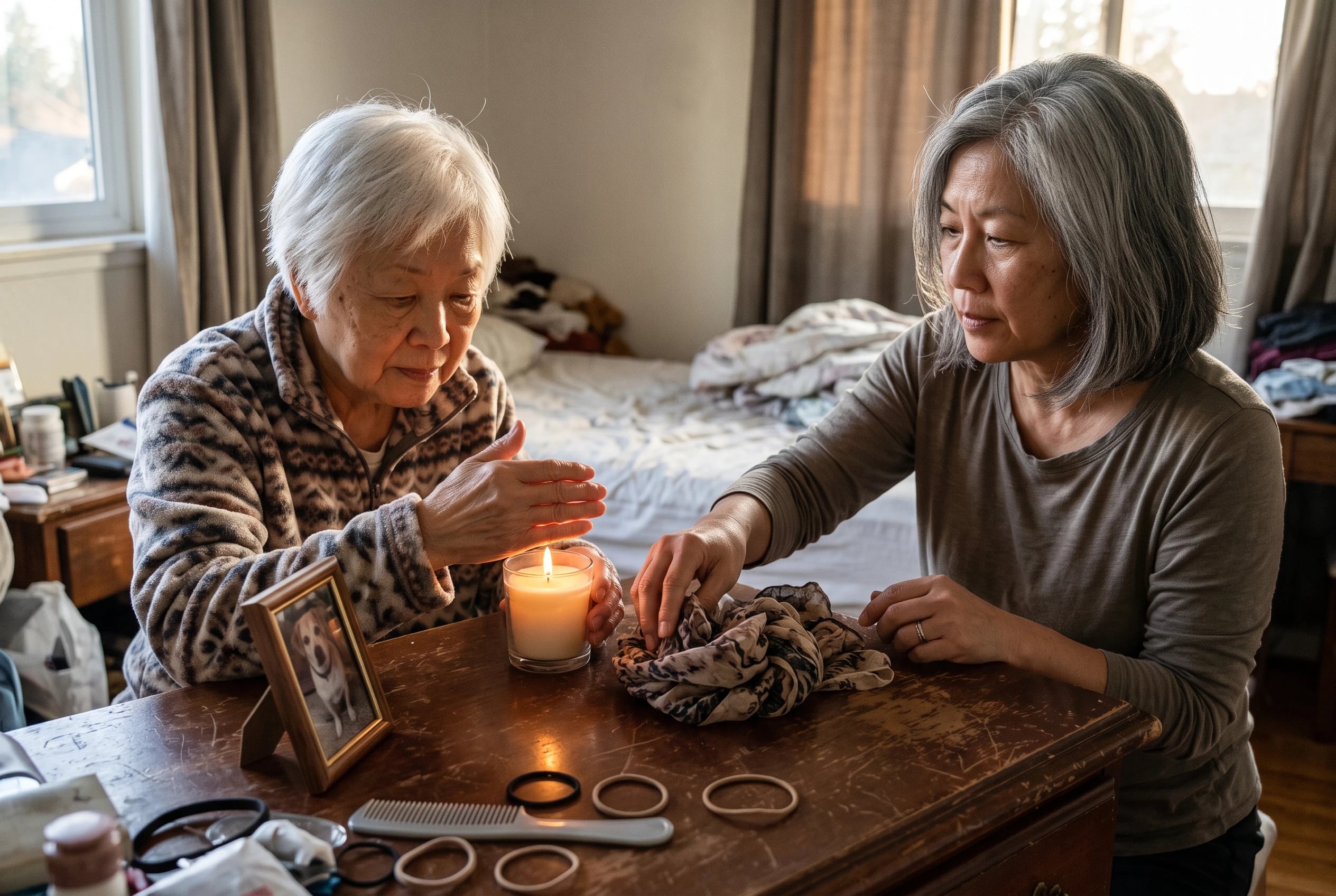
Evenings expose the missing routine. There’s no last trip outside, no sound from the dog bed, and no reason to check whether the water bowl is full. Give that stretch of time a new sequence.
Light a candle while you look at one photo. Say your pet’s name. Blow the candle out, put the phone away, and do the same ordinary bedtime task each night. The ritual belongs to you; it doesn’t have to look solemn.
The CDC recommends switching off devices at least 30 minutes before bedtime and keeping the room cool and quiet. A candle won’t make you sleepy on command. It gives the hour a beginning and an end, when the old ending was a walk with your dog.
18A Holiday Place for Their Memory
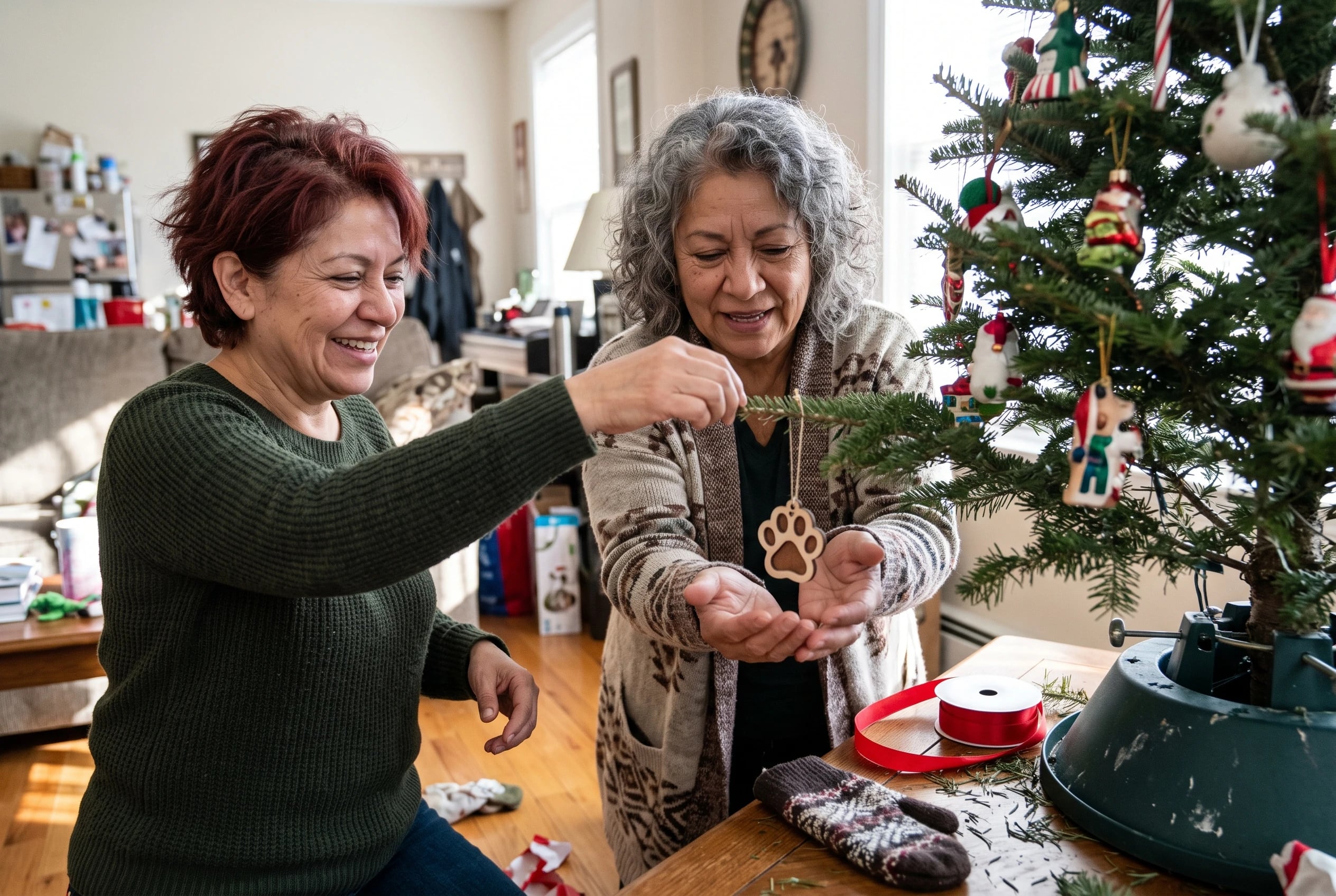
You take out the decorations and find the ornament with a paw print. Before you decide whether it goes on the tree, give yourself a minute. The holiday has changed, even if everyone else is repeating last year’s plans.
Choose what to keep. Hang the ornament, place a photo near the decorations, or take the walk you used to take together. If company is coming, decide in advance whether you want to mention your pet. Tell a trusted guest, “I’d like to say their name today, but I don’t want to make a speech.”
The American Psychological Association recommends planning ahead and finding ways to honor a loved one during the holidays. Set out the ornament if you want it there. Leave the box closed if you don’t.
17A Free Pet Grief Chat or Hotline

It’s late, and the person you’d normally call is asleep. You want to tell someone that your dog died, without explaining why you’re crying.
The Association for Pet Loss and Bereavement runs free, scheduled live chats. If typing feels easier than speaking, check its current calendar for the next session. Cornell University’s Pet Loss Support Hotline offers free peer support by phone; check its posted hours before calling.
You don’t need a prepared account of the death. “I miss my dog and the evenings are hard” is enough to begin. Save the service pages now, before you’re exhausted and searching for them.
16A Grief Counselor or Crisis Line
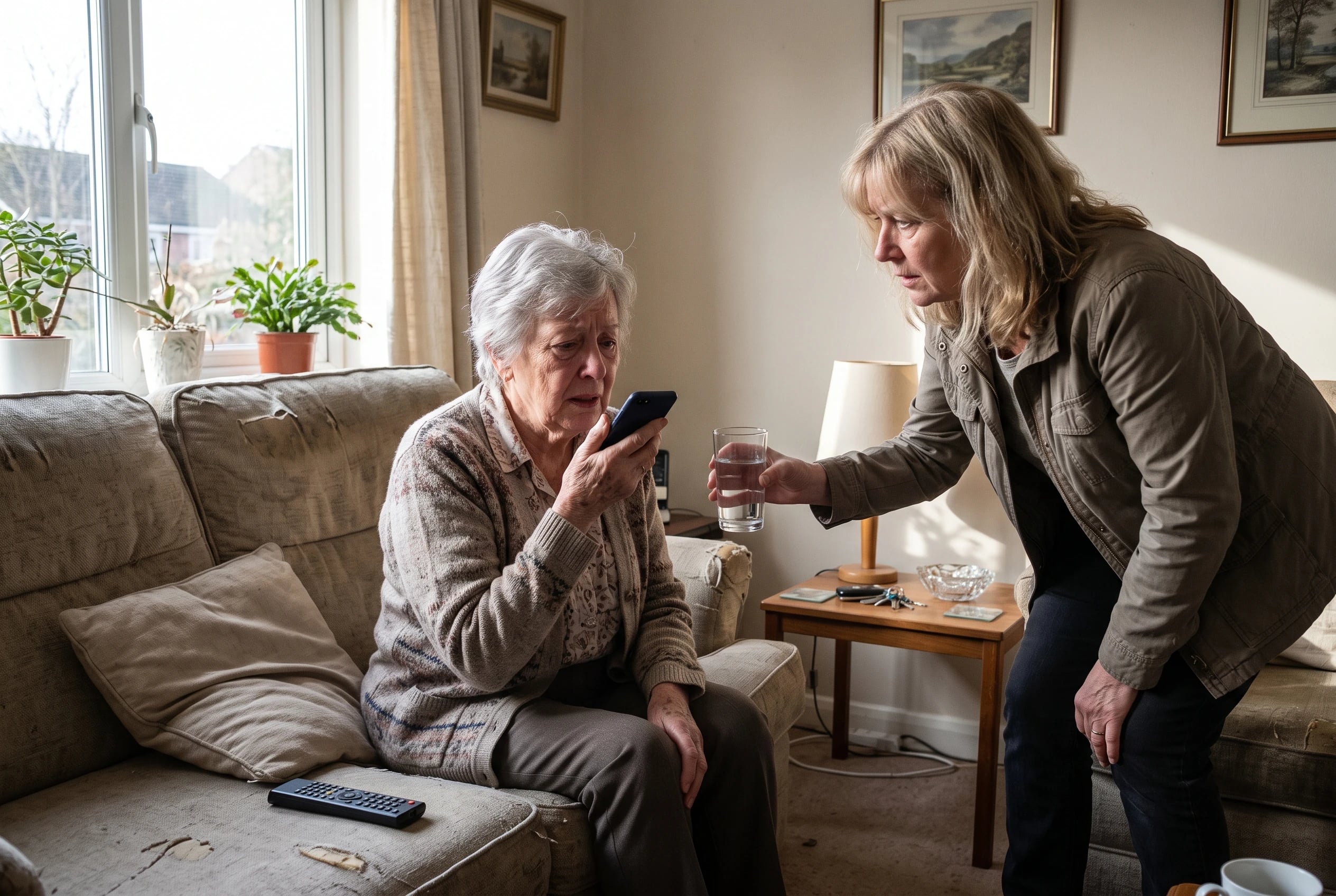
A scheduled chat won’t meet every need. If you want an appointment focused on your loss, Tufts Cummings School offers virtual counseling around pet bereavement. Read its appointment information and ask what the service involves before you book.
If you’re in emotional distress and need someone now, the 988 Suicide & Crisis Lifeline is available by call, text, or chat around the clock. You don’t have to decide whether your grief is severe enough before reaching out.
Choose the kind of contact you can manage today. Speaking aloud feels too much in some moments; typing a first sentence is easier. At other times, hearing a voice is what you need. You can begin with what happened today and tell the rest later.
15The Bond Behind Losing Your Dog
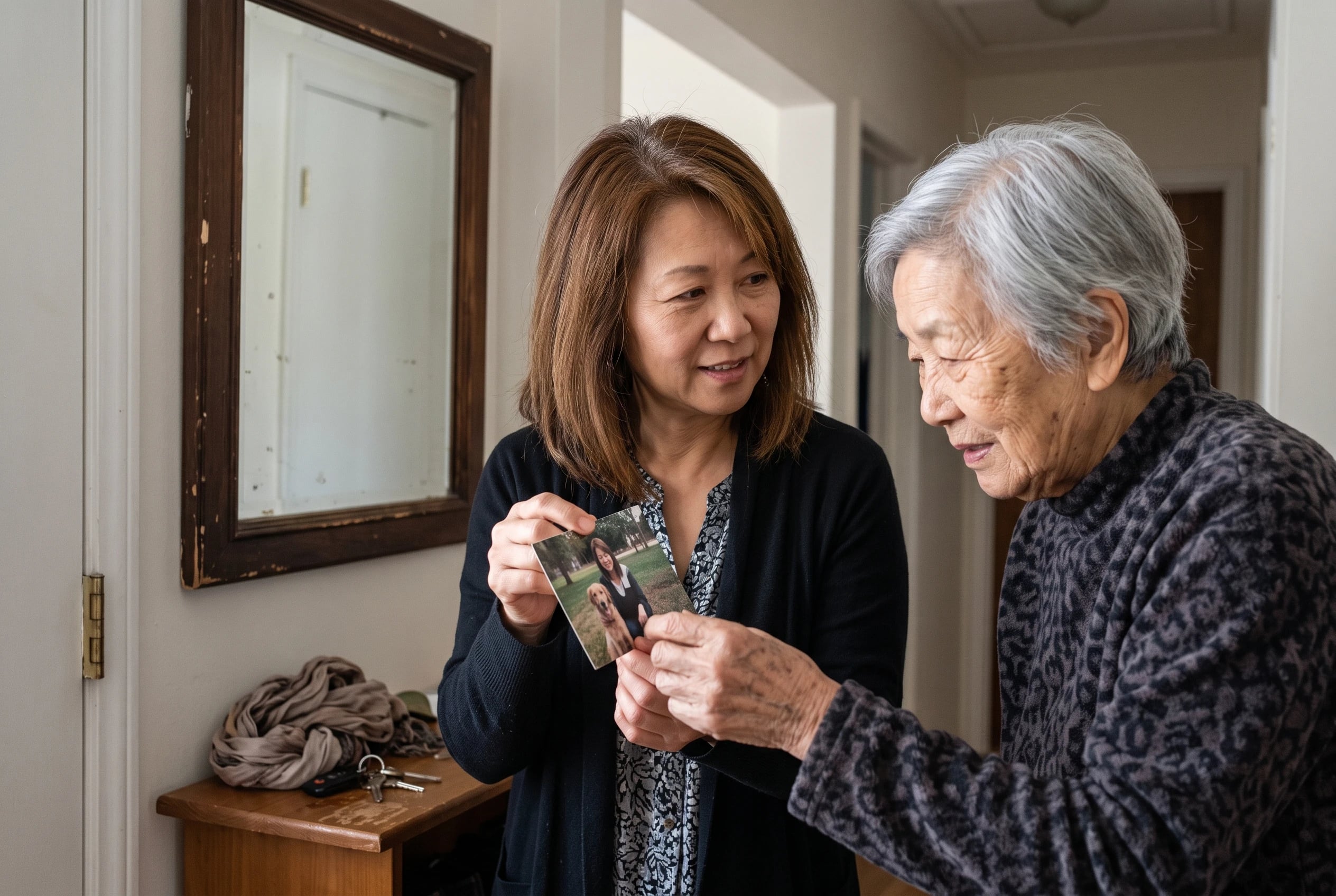
Why does losing your dog hurt this much? Think about how often you looked at each other without saying a word. Your dog watched you reach for the leash. You knew the look that meant a walk, a meal, or a place beside you on the sofa.
In a study indexed by PubMed, eye contact between dogs and humans increased oxytocin in both. That finding offers a glimpse of a bond you already knew through daily life. It doesn’t measure your particular grief.
The physical weight of loss deserves attention, too. Cleveland Clinic includes grief over a beloved pet among triggers for stress cardiomyopathy, known as broken heart syndrome. That isn’t a reason to fear every tear. If a new physical symptom worries you, have it assessed.
14A Name for Dismissed Grief

“I know it was only a dog.” Did you hear yourself say that before anybody else could? You don’t have to make your loss smaller to keep another person comfortable.
Kenneth Doka, credited with the term “disenfranchised grief,” described loss that isn’t openly acknowledged or socially supported. The Hospice Foundation of America includes the concept in its grief education. A label won’t make an insensitive person understand. It helps explain why dismissal hurts on top of the death itself.
Choose your audience. Tell the full story to someone who asks what your dog was like. For the person waiting to tell you to get another, “I don’t want advice about this” is enough.
13The Guilt After Euthanasia
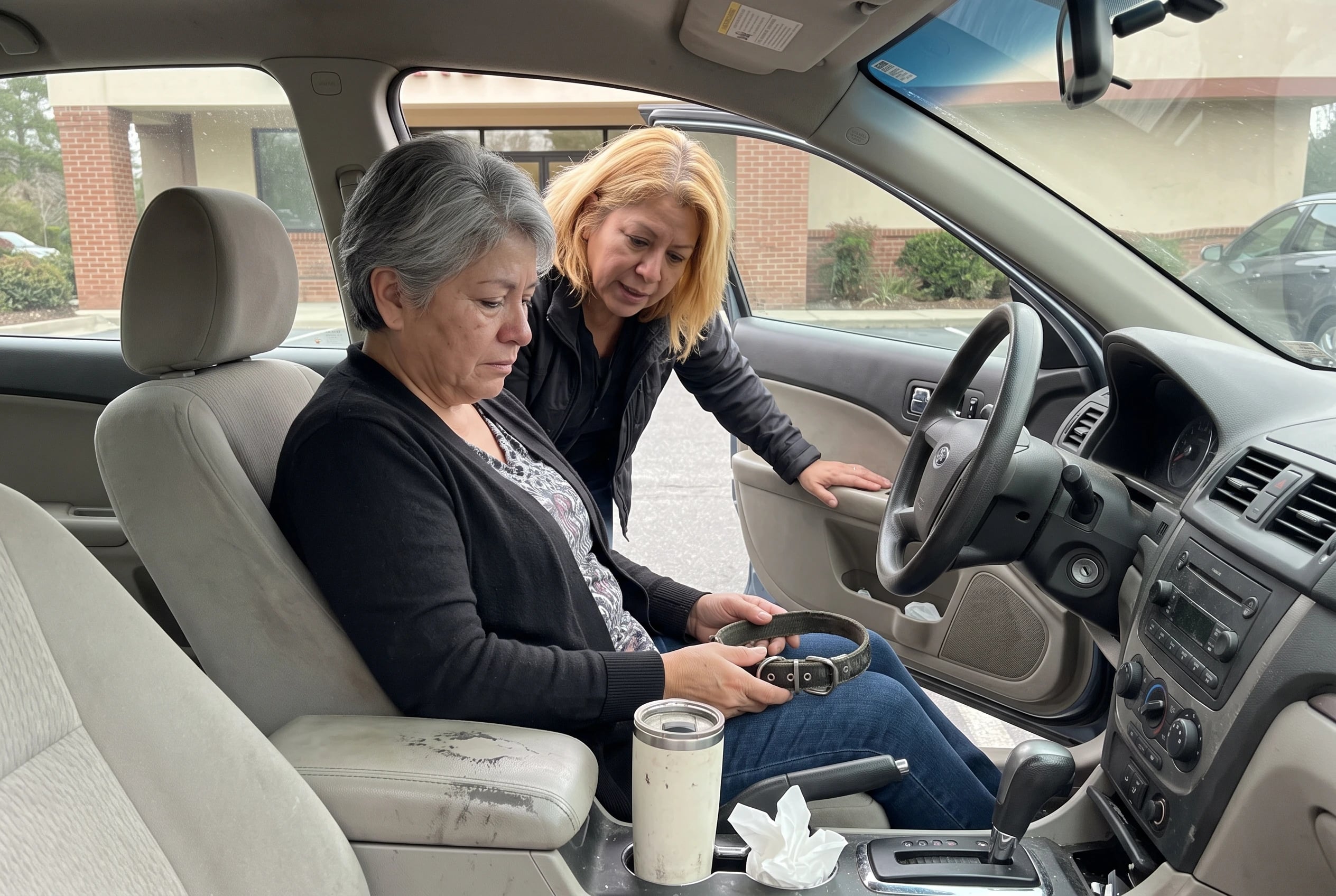
You keep returning to the decision. What if you’d waited? What if you’d acted sooner? Those questions can replay long after the appointment is over.
Write down what you knew when you made the choice: what your pet was experiencing, what the veterinarian told you, and what you were trying to prevent. Don’t add information you learned afterward. You made a decision with the animal in front of you, not with perfect knowledge of every possible outcome.
The American Animal Hospital Association’s end-of-life guidance recognizes both euthanasia and hospice-supported natural death as medically and ethically acceptable paths. It puts open conversation at the center of choosing between them.
If a detail of that day keeps troubling you, ask the veterinary team to walk through what happened. Bring the question you actually have.
12A Planned and Present Farewell
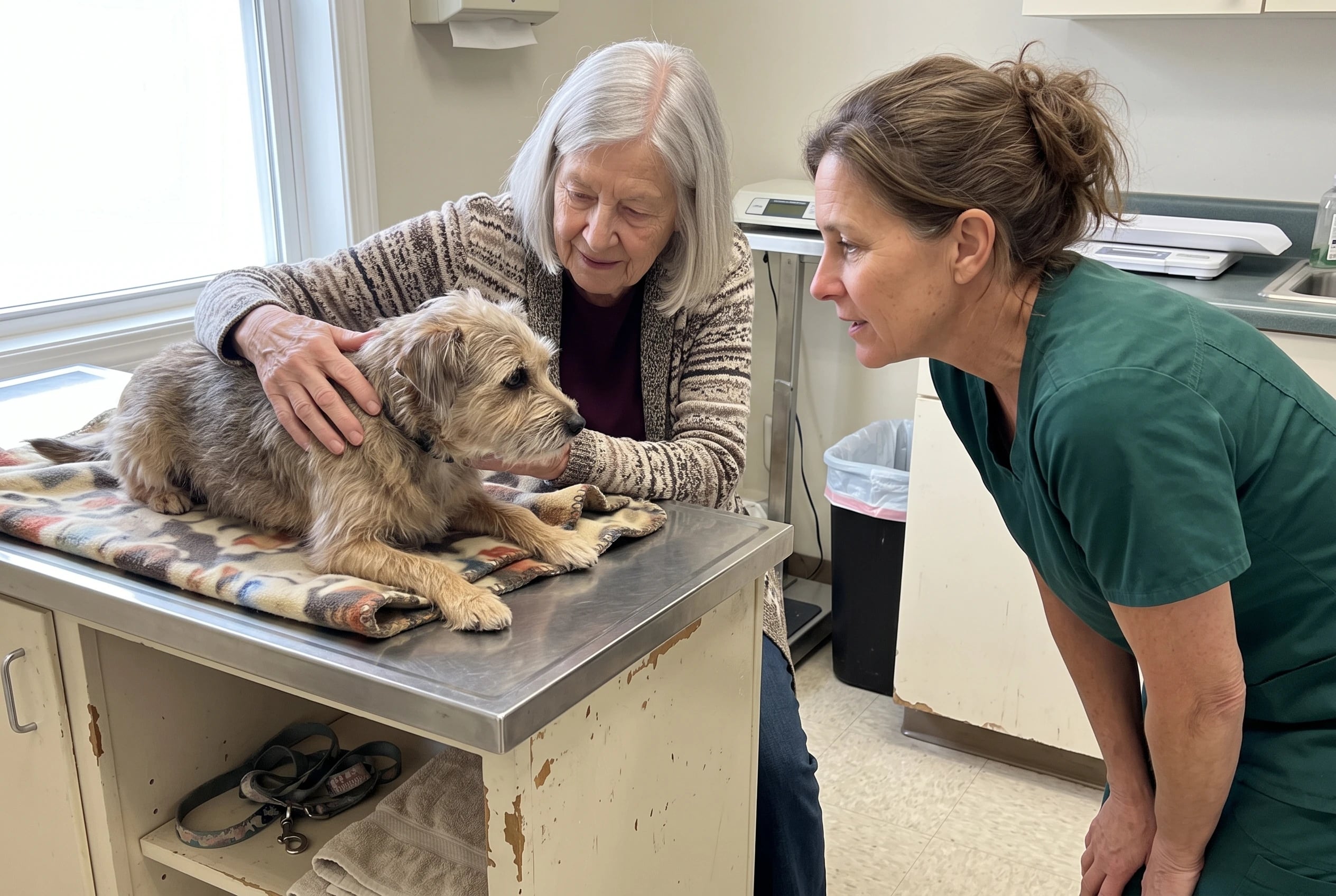
If your pet is nearing the end of life, ask the veterinarian for a conversation before the final day. Begin with quality of life and pain control. Then ask what euthanasia and hospice-supported natural death would each mean for this particular animal.
AAHA’s end-of-life guidelines frame the choice around preventing suffering. If euthanasia is planned and you want to stay, ask the team what will happen and how they prepare pets beforehand. AAHA recommends discussing pre-euthanasia sedation when owners choose to be present.
Decide who you want beside you and what you want to do afterward. You could bring home a collar, take one last photo, or sit without doing anything at all. Planning those details now spares you from making every choice while you’re saying goodbye. None of them determines how much you loved your pet.
11The Routine for a Surviving Pet
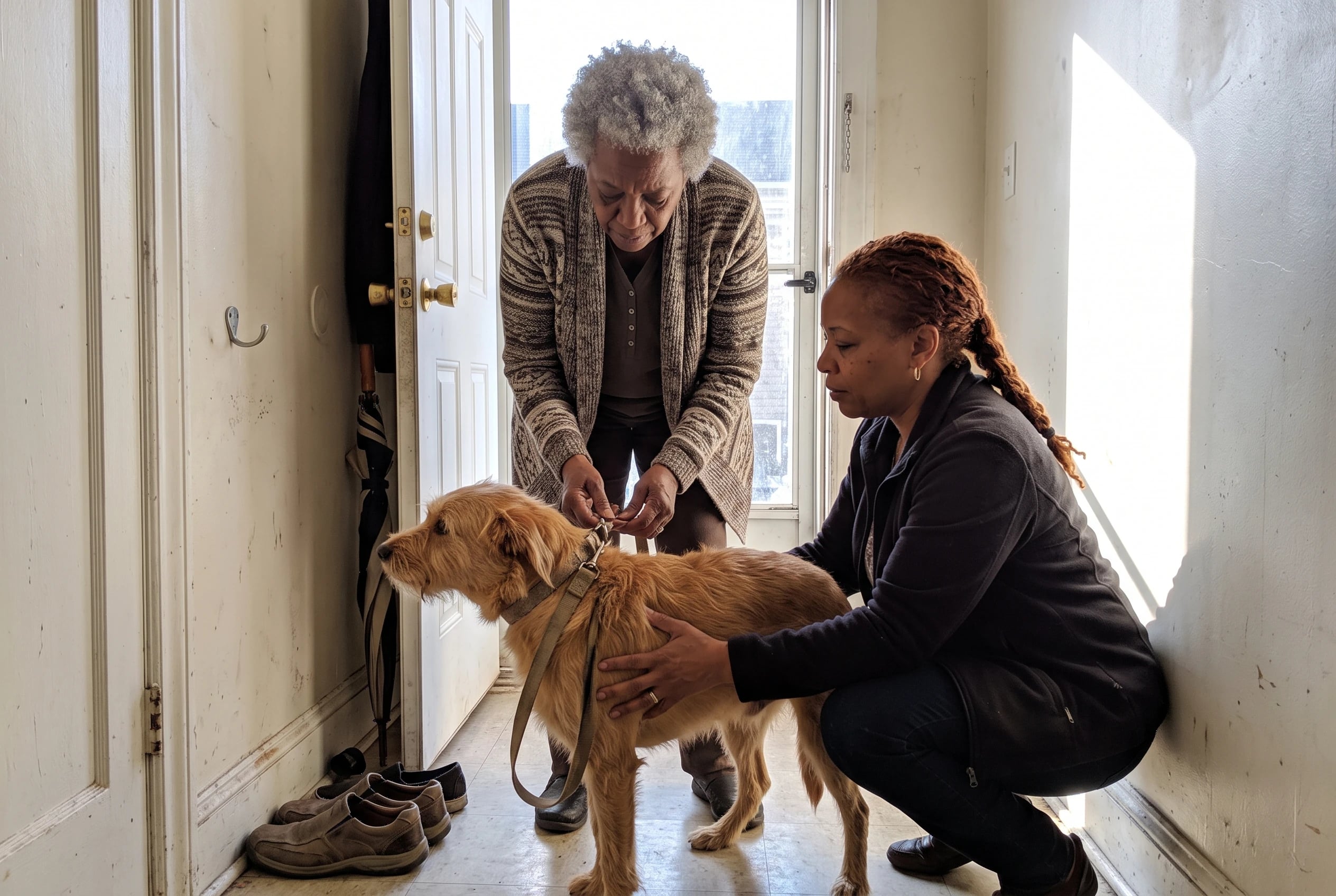
The other dog waits by the door at the old walk time. You’re grieving, and now you’re watching them for changes, too.
Surviving dogs can behave differently after another dog dies, according to the American Kennel Club. Keep meals, walks, and bedtime steady. Give your remaining pet attention without demanding their old behavior right away. VCA Animal Hospitals also advises giving a dog time to adjust while restoring a comfortable household structure.
If the walk was always shared, take the remaining dog on it and let the pace change. At the next old walk time, pick up the leash.
See more: 24 Things That Change When Your Cat Becomes a Senior: How Old Is Considered a Senior Cat? →
10A Child’s Goodbye to the Family Pet

A child asks where the dog went. Answer the question they asked, using plain words that match their age. “Our dog died. That means their body stopped working, and they won’t come home.” Then pause. Let the next question come from them.
The American Academy of Pediatrics’ HealthyChildren.org offers age-specific guidance for these conversations.
If the child wants to draw a picture, tell a story, or put a toy beside a photo, make room for it.
A return to playing after a brief talk doesn’t end the conversation forever.
You’re grieving as well. It’s fine to say you feel sad. If a child’s distress persistently gets in the way of daily life, the American Academy of Child and Adolescent Psychiatry advises seeking a consultation. You don’t have to judge that change alone.
9A Reply to Insensitive Comments
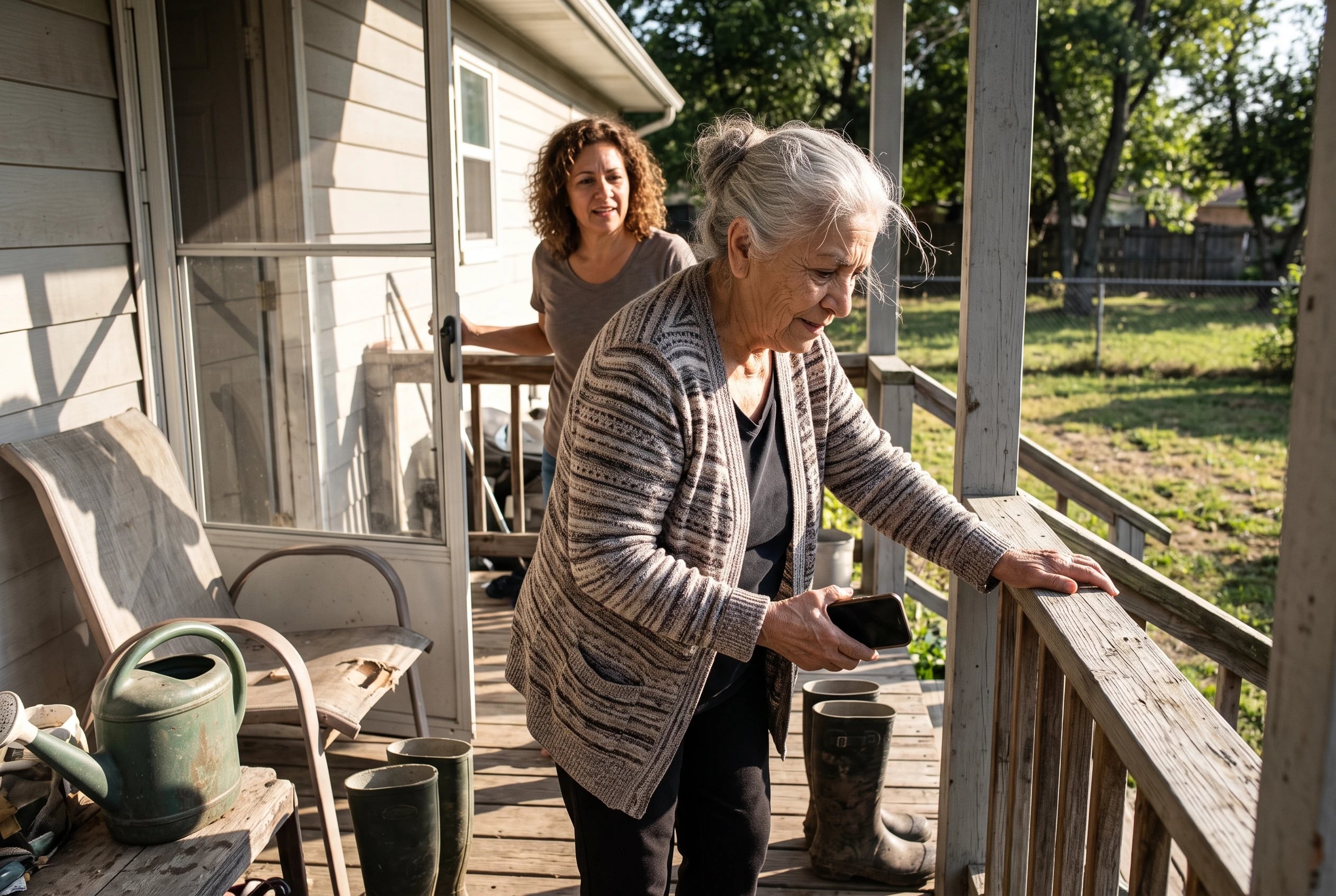
Someone says, “At least you can get another dog.” You don’t have to explain your bond well enough to win them over.
Try a short reply: “I know you mean well, but I miss this dog.” Or: “I’d rather talk about what they were like.” If you have no energy for that, “I’m not ready to discuss it” ends the exchange.
Harvard Health recommends listening and acknowledging a loss instead of leaning on clichés. Save your longer memories for the friend who listens. With everybody else, use the shortest sentence that gets you through the conversation.
8What to Say After Pet Loss
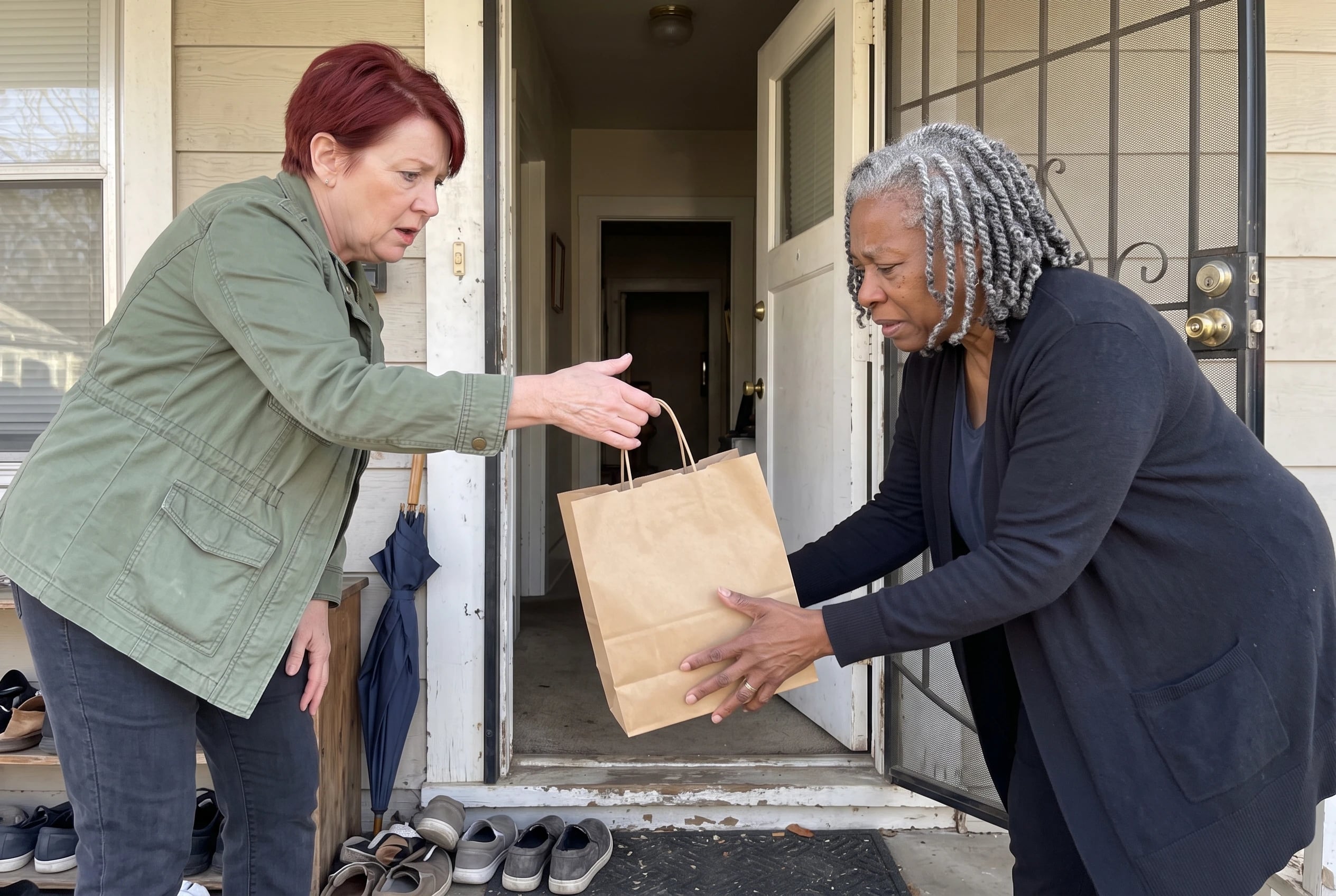
If someone you love has lost a pet, name the animal. “I’m sorry Milo died. I remember how he waited at the window for you.” Then offer something specific: company, an errand, or space.
Don’t hurry toward a bright side. LSU School of Veterinary Medicine’s guidance advises against lines such as “they’re in a better place.” It also warns against suggesting another dog.
Hallmark’s pet sympathy guide favors acknowledging the bond and the difficulty of the loss instead.
You don’t need a perfect sentence. Send the text, then check in again after the first rush of messages has faded. “I was thinking about Milo today” gives your friend room to answer honestly.
See more: 29 Conversations Families Keep Putting Off Until It's Too Late →
7A Sympathy Note for Pet Loss

A blank card can feel harder than a long conversation. Keep the note specific and short:
“I’m so sorry about Rosie. I’ll remember how she greeted everyone at your door. She was loved, and I know you miss her. I’m here if you want to tell me about her.”
Change the name and the memory. If you didn’t know the pet, skip the invented detail: “I know how much you loved Rosie, and I’m sorry she died.” That’s enough.
Hallmark’s pet sympathy guidance recommends personalizing the message and acknowledging the relationship. Don’t make promises about how soon your friend will feel better. Sign the card and send it. Your friend will see that someone remembered their pet.
6Cremation, Burial, and Aquamation Choices

Aftercare questions can arrive while you’re still trying to absorb the death. Ask the veterinary office what arrangements it offers, then write down the answers before choosing. If you want remains returned, say that plainly.
The International Association of Pet Cemeteries and Crematories defines private cremation as one pet in the chamber, with remains returned. In communal cremation, pets are cremated together and remains are not returned. Burial is a separate choice; check local rules and available places before making plans.
Aquamation is a water-based process. The Cremation Association of North America says it uses less fuel and has a lower carbon footprint than flame cremation. Ask a provider which methods it offers, whether remains come back, and what each choice costs there.
5A Readiness Check for a New Pet
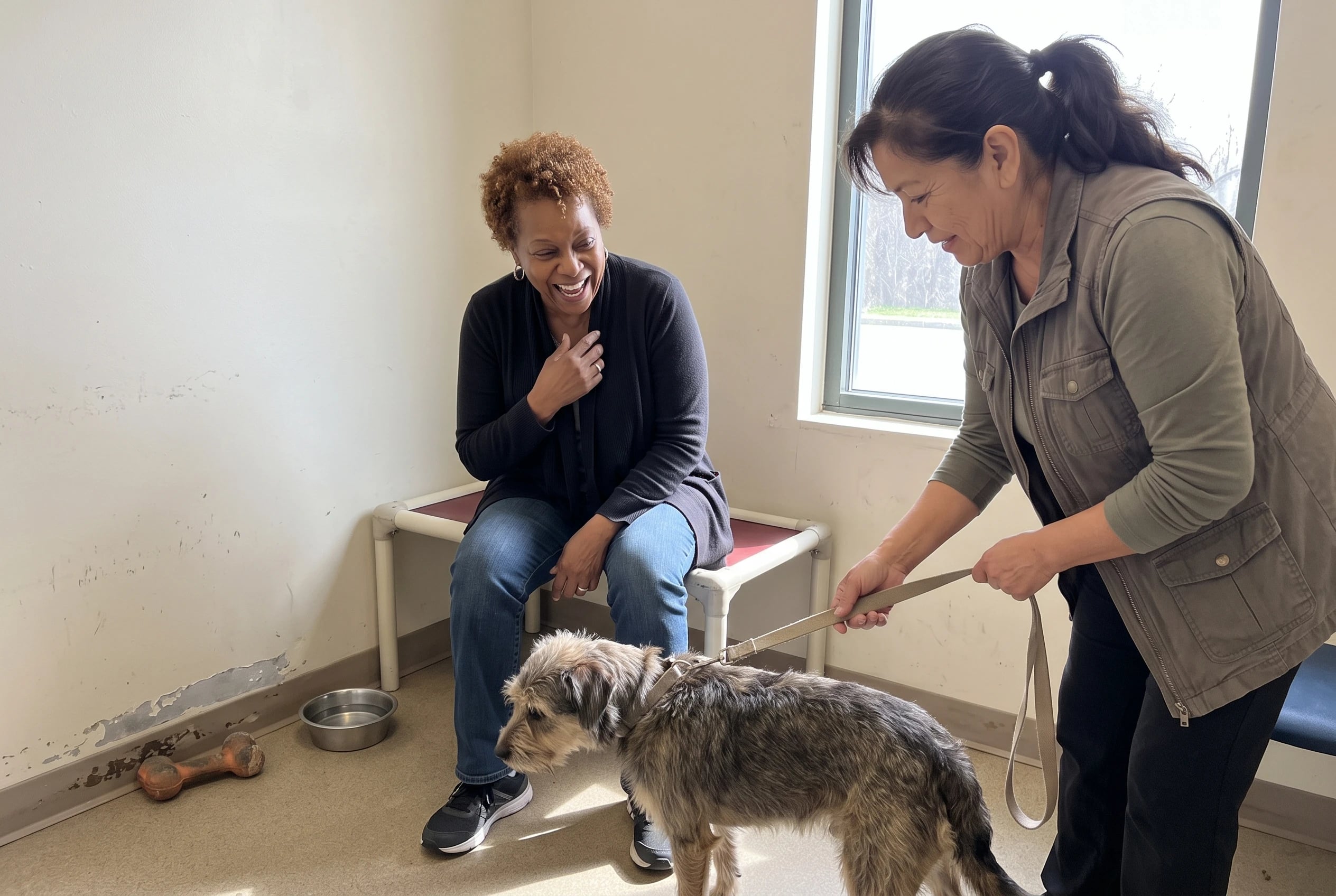
Stand in the doorway where your dog used to greet you. Imagine another animal there, with a different face, different habits, and a name you haven’t chosen. Do you feel curious about meeting that animal? Or do you want the dog you lost back?
There’s no correct date for bringing home a pet. The American Kennel Club says people make that choice on different timelines, from soon after a loss to much later. Washington State University’s Veterinary Teaching Hospital makes the essential distinction: a new companion doesn’t replace the one who died.
You can miss living with an animal and still decide to wait. When the idea of learning someone new feels welcome, look at the practical parts too: the daily care, the space in your home, and the commitment. You’re choosing a relationship, not filling a vacancy.
4A Volunteer Shift or Foster Role
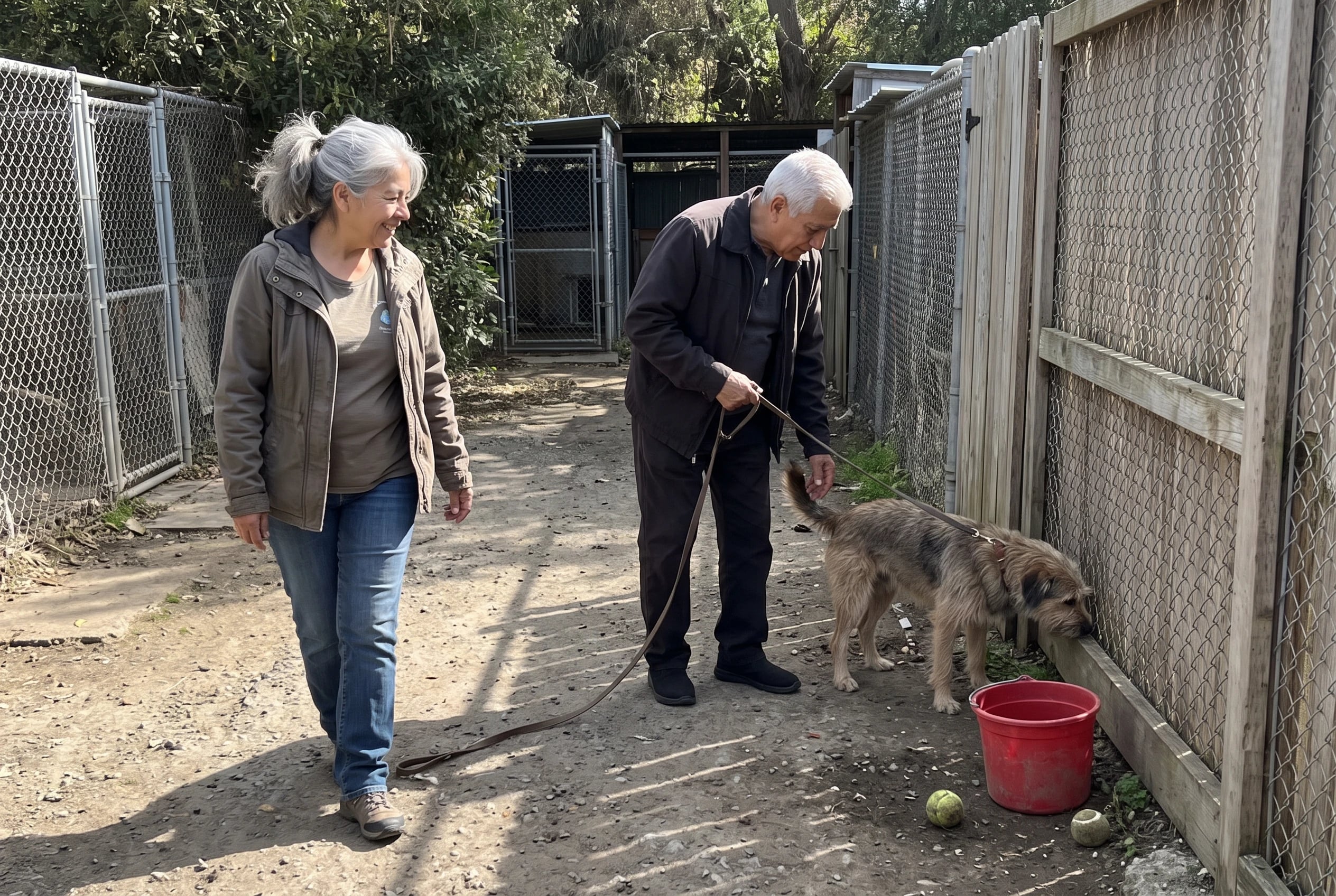
The hour once filled by a walk is still there. You want to be around animals, but you aren’t ready to bring one home. That’s a real middle ground.
Best Friends Animal Society lists volunteer and foster opportunities, including remote roles. Read the role description before signing up.
A volunteer shift has an ending; fostering brings an animal into your home and asks more of your schedule. Choose the commitment you actually want, not the one that sounds like proof you’re healing.
Spend time with an animal and notice how it feels. Enjoying that hour doesn’t cancel how much you miss your dog when you come home.
See more: 26 Daily Activities for Seniors That Give a Day Its Shape →
3An Anniversary Date on Your Calendar
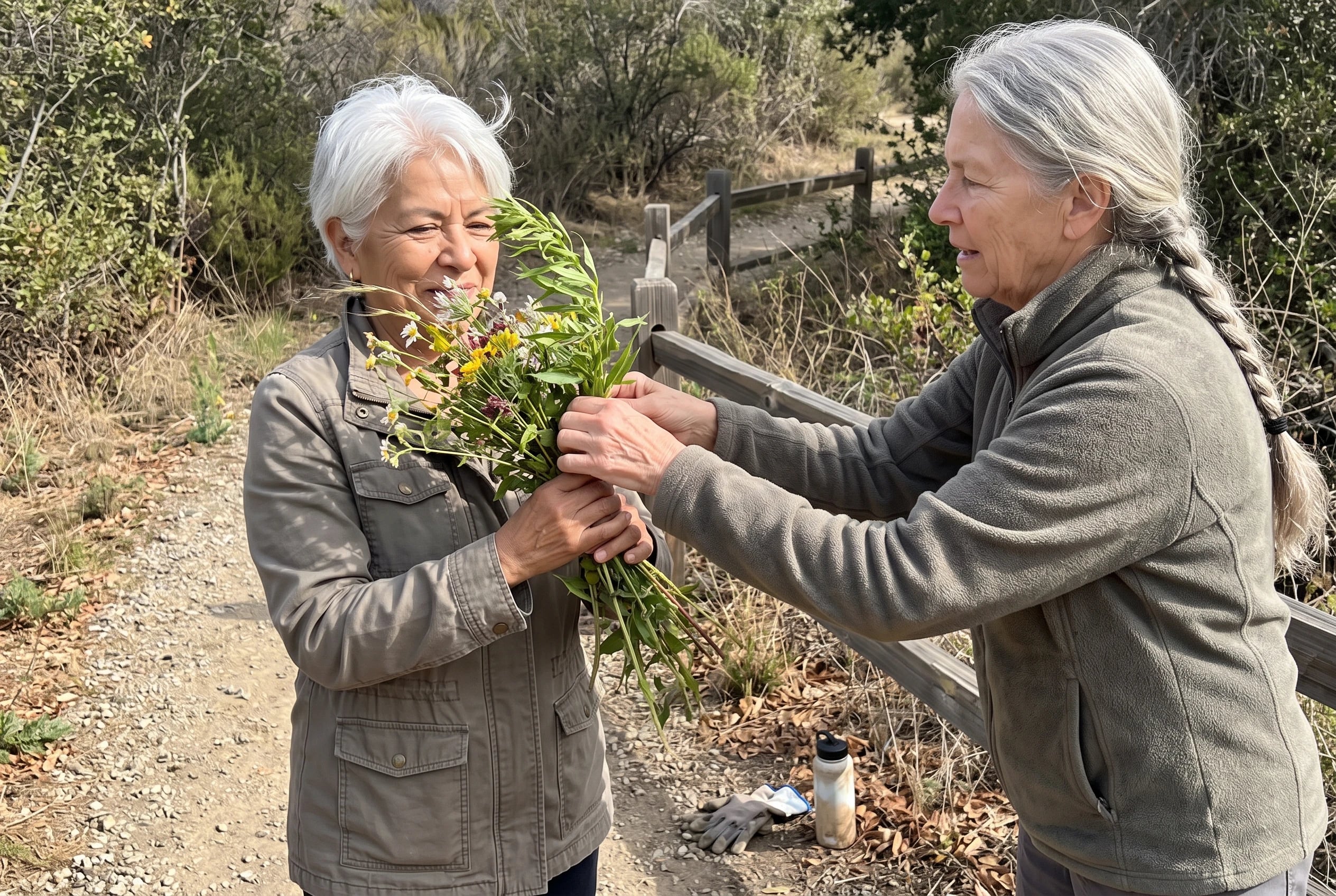
The date catches your eye while you’re making plans. Even if you felt steady yesterday, you remember exactly what happened on this day. An anniversary gives you a choice the first days after a death rarely do: you can decide ahead of time how much room to leave for the memory.
Put the date on your calendar if remembering it helps. If an alert would sting, leave it off. Tell someone who knew your pet, “That date is coming up, and I’d like to talk about them.” You can also ask them to check in without planning an event.
The Mayo Clinic News Network notes that death anniversaries and other reminders can bring grief back sharply. The Hospice Foundation of America encourages deliberate choices about plans and company around difficult dates.
Keep the day ordinary if that suits you, or take the old walking route and meet a friend afterward.
If the date passes easily, you haven’t forgotten your pet. If it hurts more than expected, tell the person you chose.
2Food, Movement, and Warning Signs
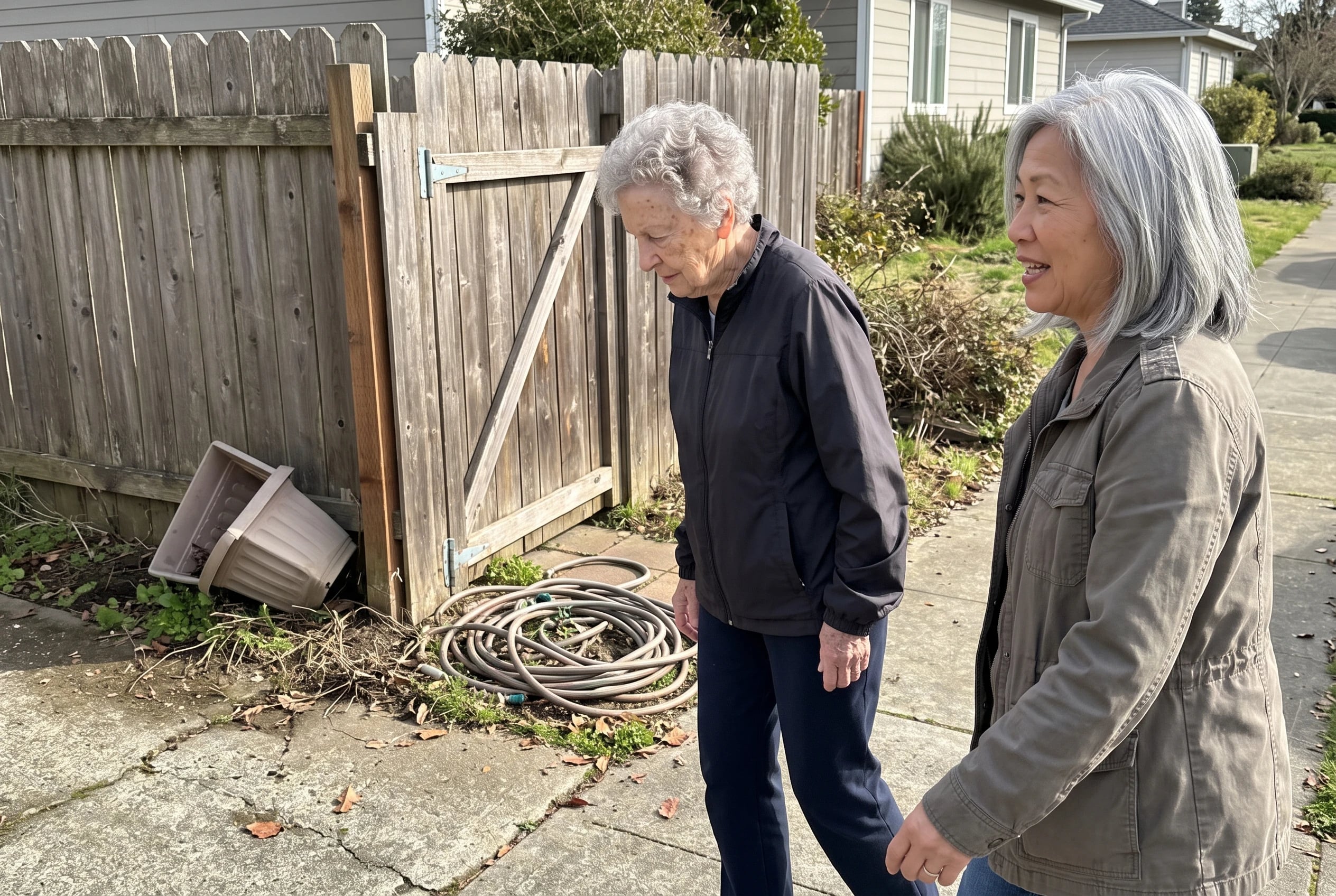
Your dog’s walks once got you outside even when you didn’t feel like going. Without them, look at the day plainly: Have you eaten? Had water? Moved around? You don’t need to turn grief into a fitness project. Start with the care you’d want a friend to take.
The CDC’s guidance for adults 65 and older sets a goal of 150 minutes a week of moderate activity, alongside strength and balance work.
If that guidance fits your age and health, use it as a direction, not a demand for today. A walk around the block still gets you out the door.
One warning deserves its own line. New chest pain or shortness of breath needs prompt medical attention, not an assumption that grief caused it. Cleveland Clinic identifies intense grief as a possible trigger for stress cardiomyopathy. Let a clinician assess a new symptom.
1The Two-Week Depression Check

Grief can knock you off your feet. Still, you don’t have to wait indefinitely to ask whether something more is happening.
Look at the past two weeks. Have symptoms been there most of the day, nearly every day? Are they interfering with daily life?
The National Institute of Mental Health uses that duration and pattern to describe major depression. It recommends professional help when symptoms disrupt daily life. This isn’t a self-diagnosis, and you don’t have to wait two weeks before seeking care.
Tell a health professional what your days look like, rather than trying to choose a label first. If you need support right now, call or text 988, or use its chat. The service is free, confidential, and available at any hour for emotional distress.
The bottom line
The steps that help are small enough to do on a hard day. Keep a wake time. Speak your pet’s name. Ask a direct question, or let someone sit with you.
The prepared version of you has saved a support number, checked the next difficult date, and chosen one person who will listen. None of that requires you to stop missing your pet.
What part of your pet’s old routine do you miss most today?
Up next
22 Reasons Your Old Dog Paces at Night, and What Helps
A look from the water bowl to the bedroom door at what might be keeping your dog awake, plus what to check at 2 a.m.
Read the list →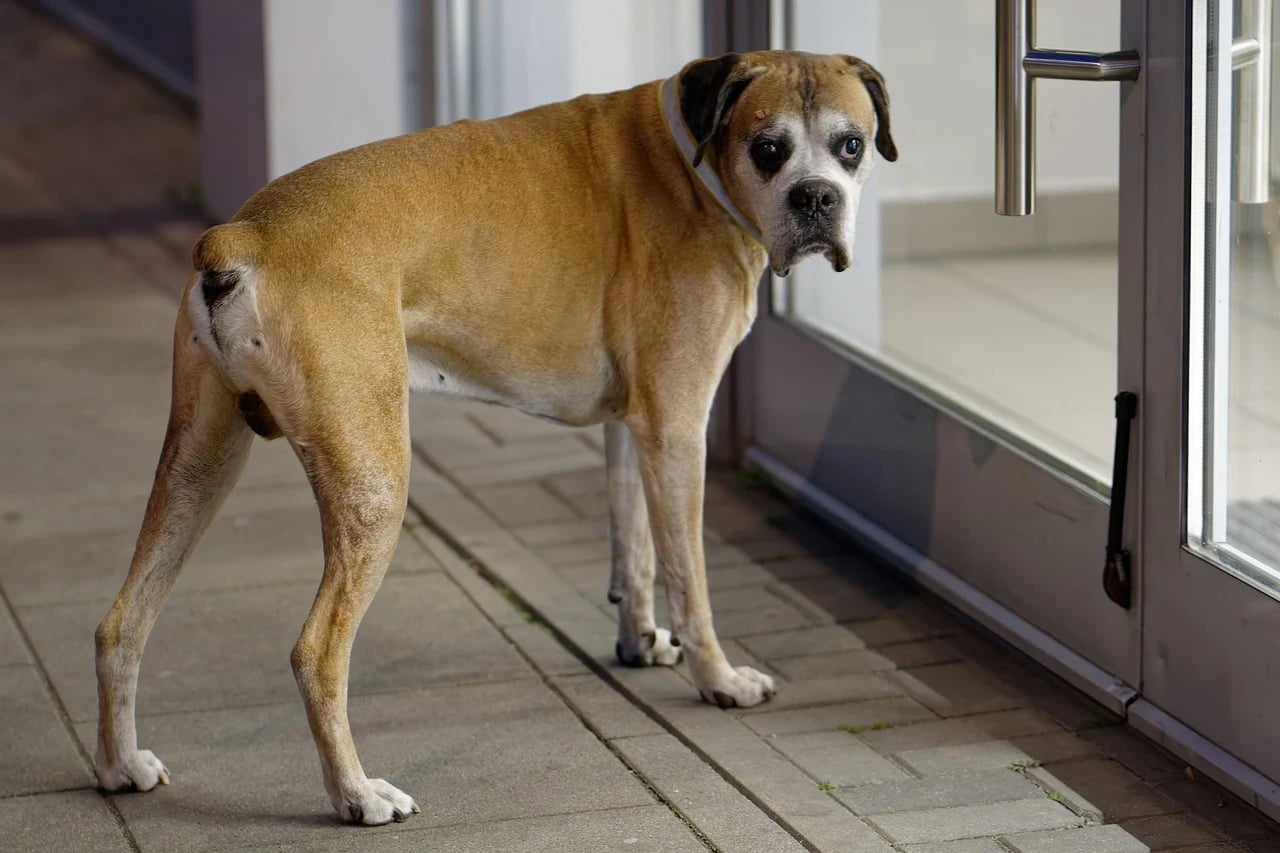
Reader quiz
Did you catch the details?
5 questions from this article.
What schedule does this item suggest keeping, even on a day with nothing planned?
Questions people also ask
What to do for someone who lost a pet?
Name the pet and acknowledge the loss. Offer a specific errand or meal instead of asking the person to think of a task for you. Harvard Health recommends listening rather than using clichés that gloss over grief.
Why is losing a dog so hard?
Your bond was built through daily contact, including the looks you exchanged. A study of human-dog eye contact found increased oxytocin in both species. Cleveland Clinic also recognizes grief over a beloved pet as a possible trigger for stress cardiomyopathy.
How do you say goodbye to your dog?
Ask your veterinarian about quality of life, pain control, and which path best prevents suffering. AAHA recognizes euthanasia and hospice-supported natural death as acceptable options. If you plan to stay for euthanasia, ask the veterinary team about preparation and sedation beforehand.
My dog passed away and I feel empty. Is this normal?
Yes. The AVMA says grief after a pet’s death is normal and deserves mourning. If symptoms are present most of the day for at least two weeks and interfere with daily life, NIMH recommends professional help.
How do I get over losing my dog?
You don’t need to erase the bond to live with the loss. Keep a workable routine, tell someone about your dog, and choose a way to remember them. The American Kennel Club includes memorials among its suggestions for grieving a pet.
What should I say in a pet loss sympathy card?
Use the pet’s name and add a real memory if you have one: “I’m sorry Rosie died. I’ll remember her waiting at your door.” Hallmark recommends acknowledging the bond. LSU School of Veterinary Medicine advises against suggesting another pet or saying the animal is in a better place.
Did any of these feel familiar?
Know someone who needs this?
 Prime Journal · Free printable
The Family Essentials Checklist
- Your wishes written down and shared with the right person.
- Your medicines and emergency contacts ready when needed.
- Your family plans settled before anyone counts on them.

Free printable: The Family Essentials Checklist. Enter your email and it is yours.
Sources cited in this article
This article links to 18 outside sources, listed here so you can read them yourself.
- American Veterinary Medical Association ebusiness.avma.org/files/productdownloads/mcm-client-brochures-pet-loss-grie…
- Mayo Clinic News Network newsnetwork.mayoclinic.org/discussion/grief-coping-with-reminders-after-a-loss
- CDC’s sleep guidance www.cdc.gov/sleep/about/index.html
- American Kennel Club www.akc.org/expert-advice/advice/grieving-a-pet
- American Psychological Association www.apa.org/topics/grief/holiday-season-coping
- Association for Pet Loss and Bereavement www.aplb.org/chat-with-us
- 988 Suicide & Crisis Lifeline 988lifeline.org/about
- Study indexed by PubMed pubmed.ncbi.nlm.nih.gov/25883356
- American Animal Hospital Association’s end-of-life guidance www.aaha.org/resources/2016-aaha-iaahpc-end-of-life-care-guidelines/conversa…
- American Academy of Pediatrics’ HealthyChildren.org www.healthychildren.org/English/healthy-living/emotional-wellness/Building-R…
- LSU School of Veterinary Medicine’s guidance www.lsu.edu/vetmed/veterinary_hospital/say_and_not_say_pet_loss.pdf
- Hallmark’s pet sympathy guidance ideas.hallmark.com/articles/card-ideas/what-to-say-when-someone-loses-a-pet
- Cremation Association of North America www.cremationassociation.org/alkalinehydrolysis.html
- Best Friends Animal Society bestfriends.org/volunteer
- Hospice Foundation of America hospicefoundation.org/three-c-s-for-holiday-grief
- CDC’s guidance for adults 65 and older www.cdc.gov/physical-activity-basics/guidelines/older-adults.html
- Cleveland Clinic my.clevelandclinic.org/health/diseases/17857-broken-heart-syndrome
- National Institute of Mental Health www.nimh.nih.gov/health/publications/depression
Ruth Ellison
Family Editor
Ruth writes about grown children, grandchildren, ageing parents, and the conversations families put off, in the words of the people involved.
More from Ruth Ellison