











15 Harmful Habits to Let Go of for a Happier Life After 60
A firmer phone script, a cleared drawer, and a walk after lunch give you small ways to make the week feel lighter.
By Ruth Ellison, Family Editor
Updated · 8 min read
- Written by our family editor
- Cited 9 sources
- How we review

The phone lights up while you’re carrying a warm laundry basket down the hall. Someone needs a ride. The basket lands on the floor; you start working out which errand to move. By evening, the laundry is still there, and the day feels oddly borrowed.
Old habits rarely announce themselves. They look like being helpful, staying informed, keeping the peace. Then they take the hour you meant to spend in the garden. You don’t have to rebuild your life to get that hour back. Start with the habit that took it.
15Saying yes before checking your calendar

A request arrives while you’re standing in the doorway, keys in hand. Answering on the spot feels polite. It also leaves you sorting out the cost later.
Try this line: “Let me check my week and get back to you tomorrow.” Then look at the calendar, including the time you’ve set aside for yourself. A blank square isn’t a promise to anyone else.
If the answer is no, give it without a long defense: “I can’t do Thursday.” You’ve answered the question.
14Keeping the news on all afternoon

The television is on for company, but its next alert pulls you back to the couch. Turn it off between the times you choose to catch up.
The Associated Press and Reuters give you places to check a story directly. Pick one time tomorrow to read the news. Then leave the remote where you won’t reach for it without thinking.
13Waiting until you feel like walking

Motivation is a poor thing to wait for by the front door. Put on your shoes and walk to the end of the block. On a rainy day, take a lap through the house instead. Starting counts, even when the outing stays short.
The CDC sets a target of at least 150 minutes of moderate activity a week, plus muscle-strengthening activity on 2 days. You needn’t settle the whole week today. Notice how you feel after a short walk, then choose the next one.
See more: 26 Five-Minute Exercises for Seniors →
12Answering every family text at once
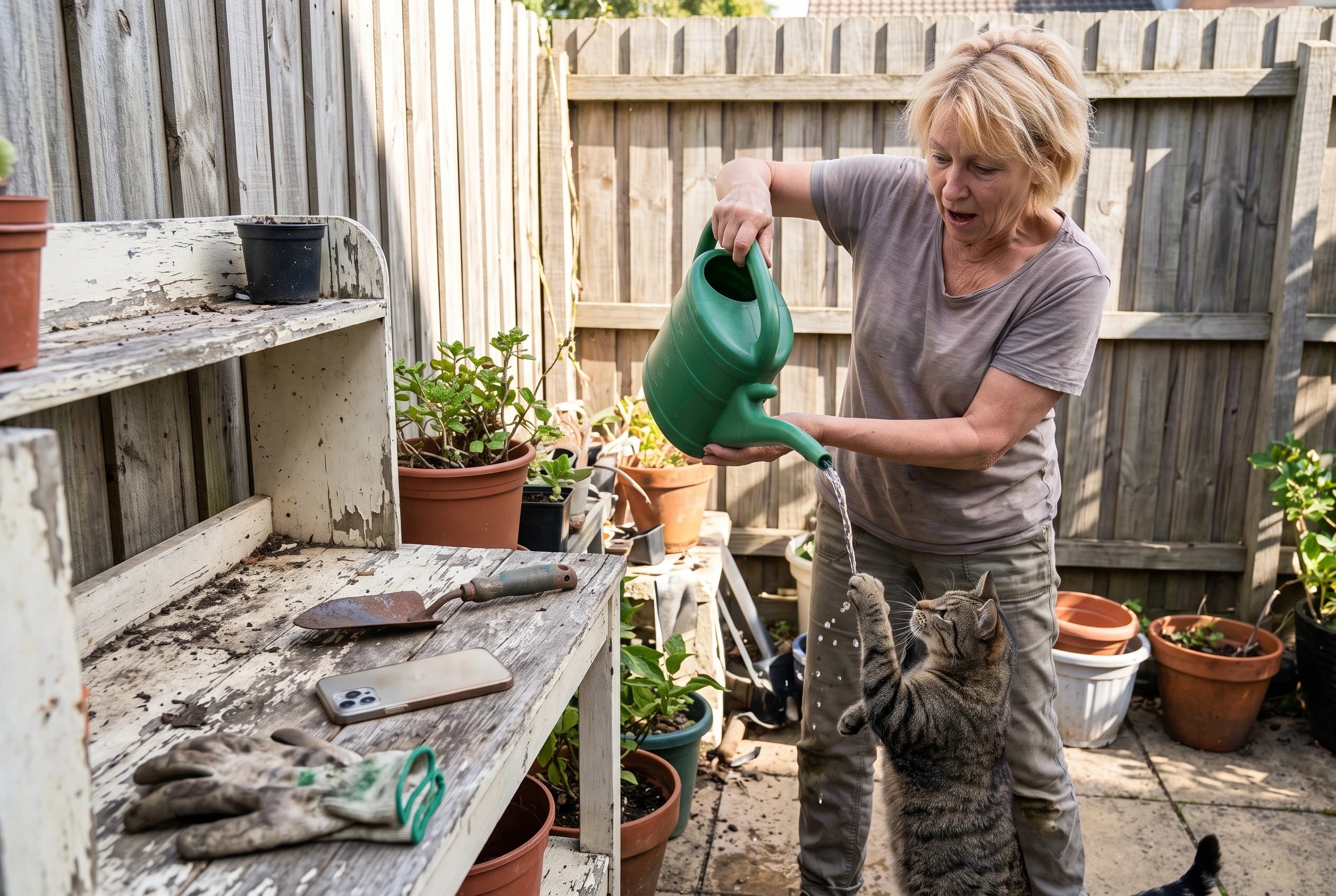
Your phone buzzes while you’re watering the plants. The message isn’t urgent, yet your hand is already reaching into your pocket.
Set a time to answer ordinary texts, such as after lunch. For an urgent need, tell family to call. A delayed reply to a photograph or dinner question doesn’t leave anyone stranded.
Try it this week with one conversation. The plants get watered, and the reply still gets sent.
11Replaying a conversation after it ends

Did that remark sound sharp? Should you have explained yourself? By the time you’re brushing your teeth, you’ve held the conversation again several times.
Give the question a job. If there’s something to repair, say so the next time you speak: “I was abrupt earlier. I’m sorry.” If there’s nothing to repair, name what you’re doing: “I’m replaying it.” Then put your attention on the task in front of you.
When worry keeps interrupting daily life, tell a clinician how it shows up in your day. The National Institute of Mental Health has information on when worry deserves more attention.
10Saving every useful-looking household object

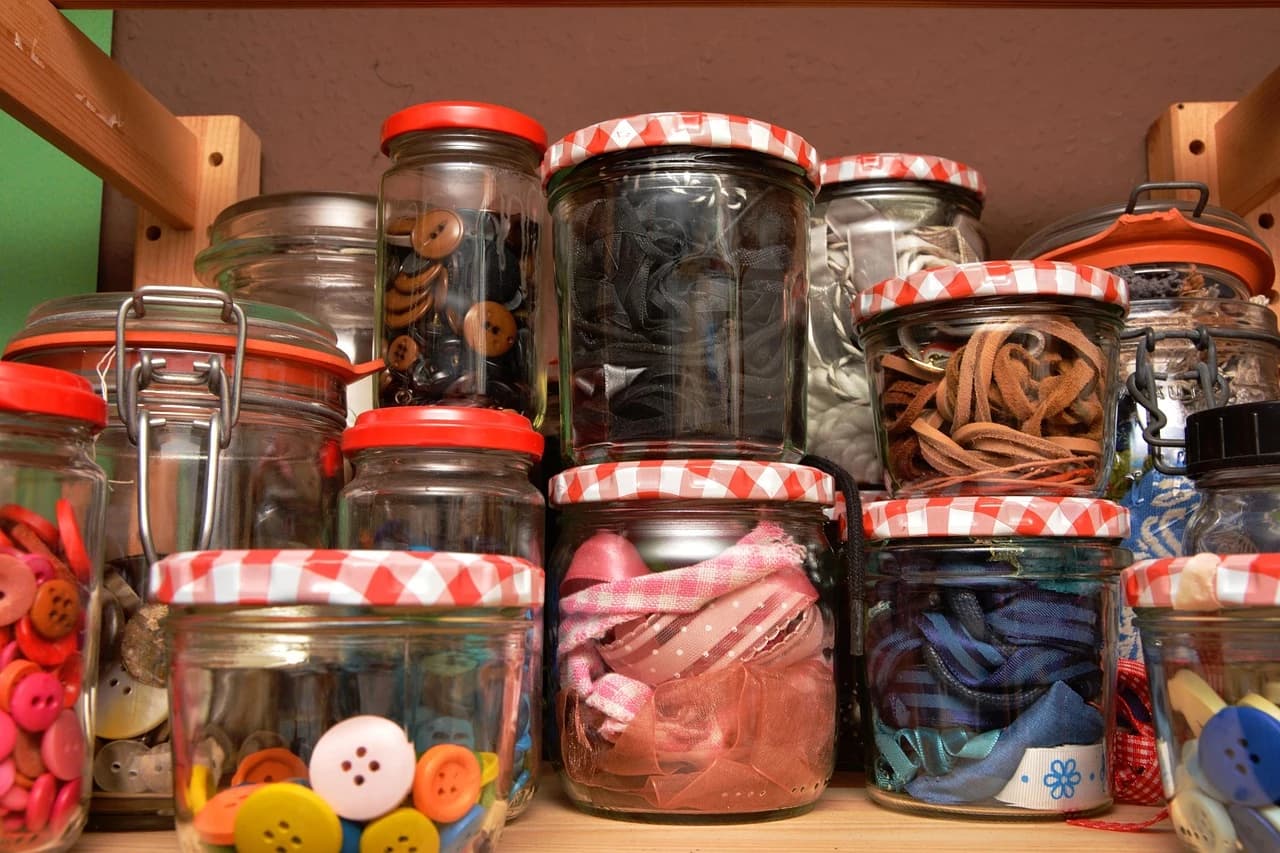
The drawer has takeout menus, spare buttons, and cords you no longer recognize. Sorting the whole room sounds miserable, so sort the drawer.
Choose one small space this week. Keep what you use and what you want. Put the rest in a donation bag or the trash, as appropriate. Label an unknown cord before deciding to toss it.
The point is to open that drawer next time without digging.
9Eating every evening in front of the television

Dinner on the sofa is easy. After a while, though, the evening slips from plate to screen without a moment you chose.
Set a place somewhere else once this week, even if dinner is leftovers. Want company? Invite a friend for soup or arrange a call after you eat. The National Institute on Aging covers social connection and healthy aging, but you don’t need a packed calendar to change an evening.
If you like the sofa dinner, keep it. Give yourself another kind of evening to choose from, too.
8Letting phone alerts set the pace

A sale alert interrupts a call. A game alert interrupts a book. Neither app knows what you were doing.
Open your phone’s notification settings and turn off alerts from one app you don’t need to hear from today. Leave calls and any alerts you rely on in place.
If an alert claims there’s trouble with your bank account, don’t use its link. Open your bank’s app directly or call the number on your card. The FTC has more on spotting scam messages.
7Apologizing for taking up time

“Sorry to bother you” comes out before you’ve asked the pharmacist a question. You’re there for a reason.
Try the question without the apology: “I have a question about these instructions.” Bring the bottle or its label so you’re both looking at the same thing. If the label still doesn’t make sense, ask the pharmacist to walk through it line by line. That’s why you stopped at the counter.
The FDA has drug information to check when you get home. Save “I’m sorry” for something you regret doing. You don’t need it to begin a conversation.
6Postponing the errand that gets you outside

The return has sat by the door all week. Tomorrow, take it along when you go out for something you already need.
Make the errand small: the return and a stop for fresh air. Check the return deadline before you leave, then put the bag beside your shoes so it goes with you. If the store trip falls through, step outside anyway.
A change of scenery doesn’t need to earn its place on the day’s list. You’re allowed to go out without getting everything done.
See more: 24 Things to Do With an Empty Nest →
5Bringing tomorrow’s worries to bed

The lights go out. Your mind starts listing calls, repairs, and things nobody has decided yet.
Before bed, put a pen beside the lamp and write down the task you’ll handle tomorrow. If the same thought returns, remind yourself where you left it. The National Institute on Aging says older adults need about 7 to 9 hours of sleep each night. Tell a clinician if sleep trouble keeps returning.
A list won’t settle every worry. It does give tomorrow’s phone call somewhere to wait besides your pillow.
4Skipping appointments because nothing seems wrong

It’s easy to put off a visit when there’s no new complaint. Meanwhile, the question you meant to ask at the last appointment remains unanswered.
This week, check when you last saw your primary care clinician and book the visit you’ve been postponing. Bring your medication list and the question you keep remembering on the drive home.
Screening schedules differ. On the U.S. Preventive Services Task Force site, colorectal cancer screening includes a stool test every year as one option. A colonoscopy every 10 years is another. Ask which tests fit your history and when you’re due.
Say, “I’d like to go over what I’m due for and talk about this question.” That’s enough to start.
See more: 20 Tai Chi Exercises for Women Over 50 →
3Comparing your Tuesday with someone’s vacation

A friend posts seaside photos. You’re looking at a sink full of dishes. Both scenes are real, but they aren’t the same kind of day.
When a feed leaves you dissatisfied, close it and do something you’d enjoy in your actual afternoon. Phone the friend. Sit outside. Finish the chapter beside your chair. You can be glad she went away without making your Tuesday answer for itself.
2Doing a grown child’s task for them

Your daughter mentions a problem. Before she finishes, you’re finding numbers and working out her next move. Years of being needed make that leap feel automatic.
Ask first: “Do you want ideas, or do you want me to listen?” If she wants ideas, share them. If she wants an ear, let her finish. The American Psychological Association has resources on communication and family relationships, but this question needs no special training.
You remain available to her. You also get to decide whether the problem belongs on your to-do list.
1Waiting for a free day to do what you love

The garden path is there, but you keep saving the walk for a day without errands, calls, or laundry. That day rarely appears on the calendar by itself.
Choose one thing you miss doing. Give it a place this week before the space fills: a walk after lunch, an hour at the piano, a visit to the library. Write it down as plainly as you’d write an appointment. When another request comes in, check that space before giving it away.
Start small enough that you’ll go. If you already know what you love, begin there. What would you put on the calendar first?
The bottom line
These habits have something in common: each takes a little of your time before you’ve decided to give it. Notice where that happens this week.
With a little preparation, you’ve checked the calendar before answering, left your shoes by the door, and chosen a place for something you enjoy. The next request still needs an answer.
Which habit has been borrowing the most from your days?
Up next
23 Habits of the Happiest Retirees
From a walking route to a written money plan, the 9 habits of happy retirees offer a starting point for making an ordinary week feel good.
Read the list →

Reader quiz
Did you catch the details?
5 questions from this article.
What should you check before agreeing to a request?
Did any of these feel familiar?
Know someone who needs this?
Sources cited in this article
This article links to 9 outside sources, listed here so you can read them yourself.
- Associated Press apnews.com
- Reuters www.reuters.com
- Cdc.gov www.cdc.gov/physical-activity-basics
- National Institute of Mental Health www.nimh.nih.gov/health
- National Institute on Aging www.nia.nih.gov
- Fda.gov www.fda.gov/drugs
- National Institute on Aging www.nia.nih.gov/health/sleep
- U.S. Preventive Services Task Force www.uspreventiveservicestaskforce.org
- American Psychological Association www.apa.org
Ruth Ellison
Family Editor
Ruth writes about grown children, grandchildren, ageing parents, and the conversations families put off, in the words of the people involved.
More from Ruth Ellison