







27 Things That Get Better After 60 That Nobody Mentions
Your years of practice make familiar tasks easier to judge, while a chair test or screening result gives you something concrete to discuss.
By Dr. Alan Pierce, PT, DPT, Health Reviewer
Updated · 14 min read
- Written by our health reviewer
- Cited 9 sources
- How we review

Read to the end: #1 is a balance test that makes a hidden fall risk visible, and almost nobody asks for it.
A grocery bag sits on the floor while you fish for your keys. You lift it, turn toward the door, and keep walking without giving the bag a second thought. That small act uses strength, balance, and judgment together.
The usual story says each birthday takes something away. Bodies do change, but years of practice count too, and several health decisions get clearer once you know which test or question to use.
Here are 27 places to look for good news.
27A steadier route around your kitchen
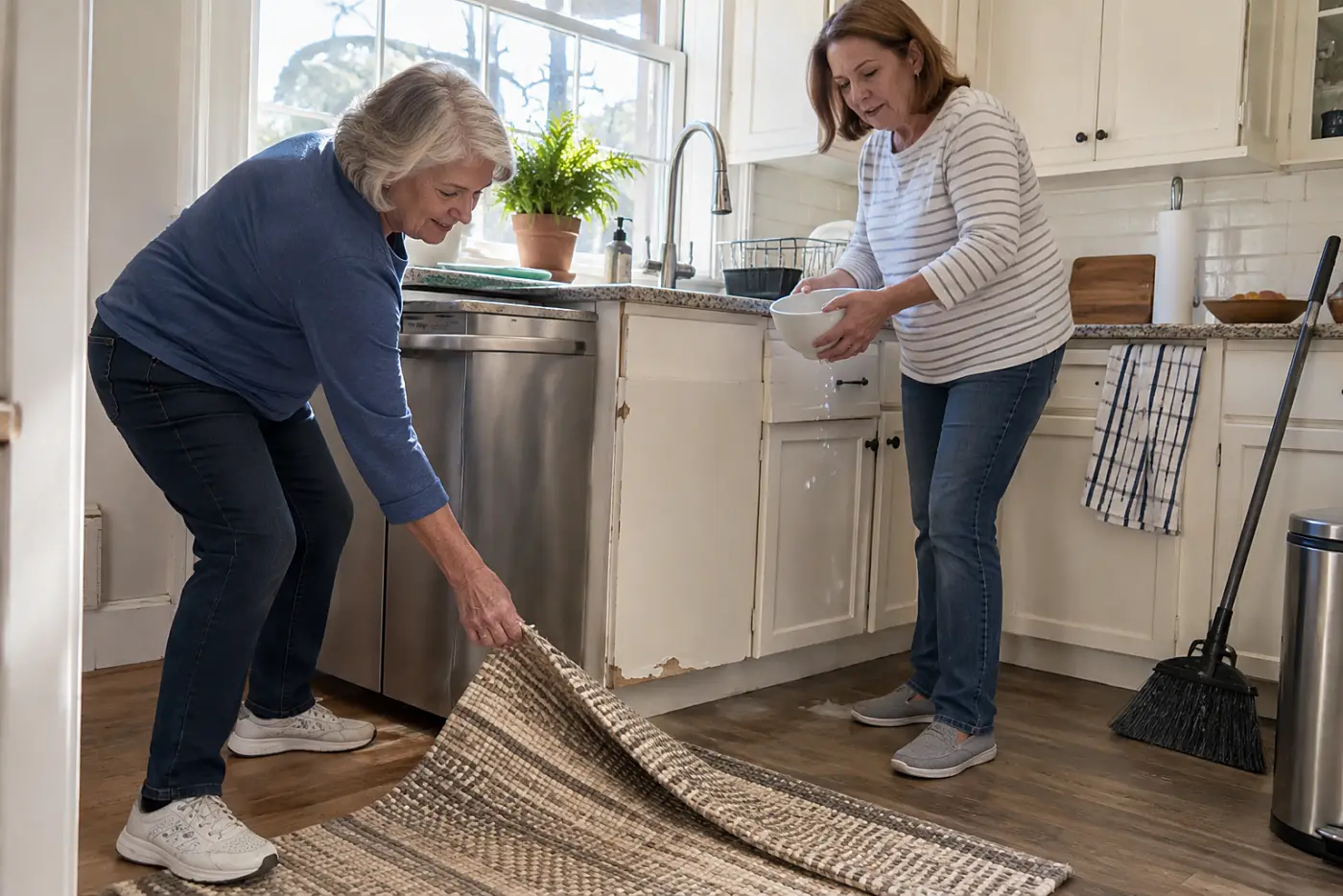
Familiar rooms teach your feet where to land.
Repeated trips around a familiar space give you practice stepping, turning, and reaching. That practice matters when you carry dishes or move past an open cabinet. The good news is practical: you already have a place to practice safely.
A familiar route can hide a loose rug, though. One snag at the sink can undo a confident morning.
Walk your usual route this week with the lights on. Move one thing that catches your foot, then walk it again. Notice whether the path feels different underfoot.
Once the path is clear, notice what happens when you turn.
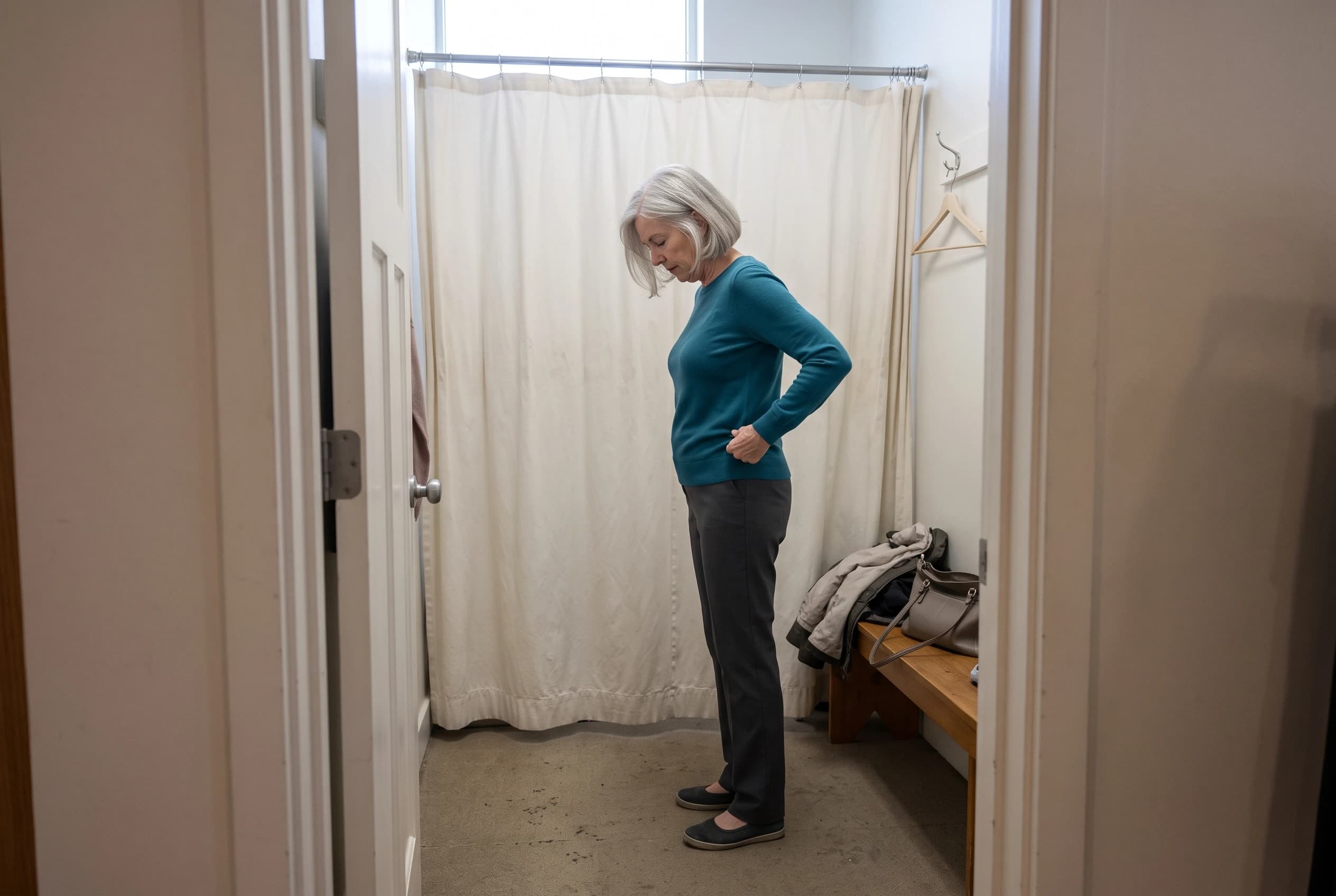
26A chair rise you can measure
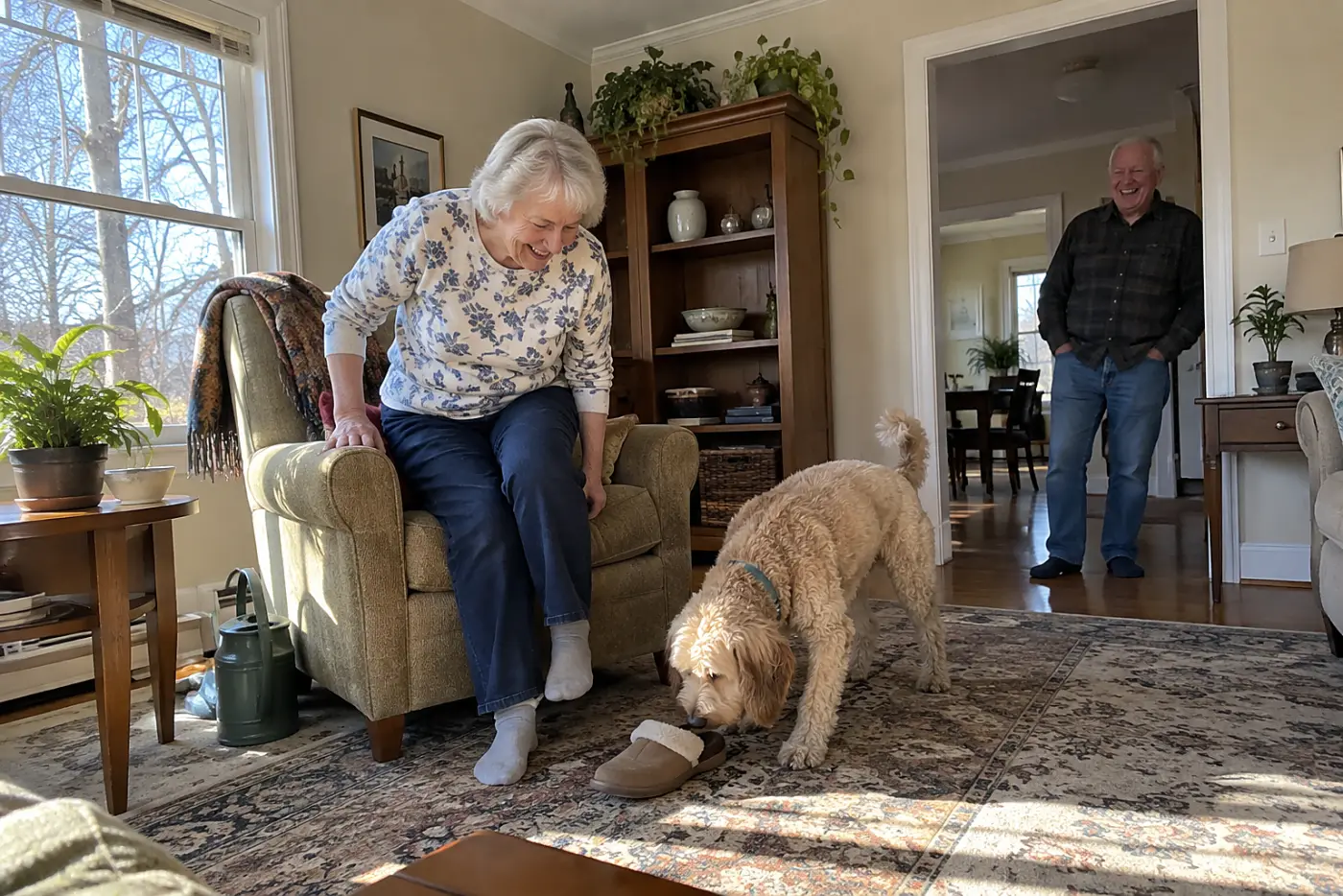
Getting out of a chair tells you plenty.
Your legs do the lifting; your trunk keeps you upright. Because the chair stays the same, the movement gives you a repeatable way to notice change. Each stand also practices a task you use throughout the day.
If standing takes a hard push from both hands, stairs and low seats demand extra work. That observation gives a physical therapist something clearer than “I feel weak.”
Choose a sturdy chair against a wall this week. Sit, cross your arms if safe, and stand once without rushing. Tell your clinician, “I want to get up from this chair more easily. What should I work on first?”
A stronger stand changes what happens after the first step.
See more: 20 Tai Chi Exercises for Women Over 50 →
25Your daily walk with a destination
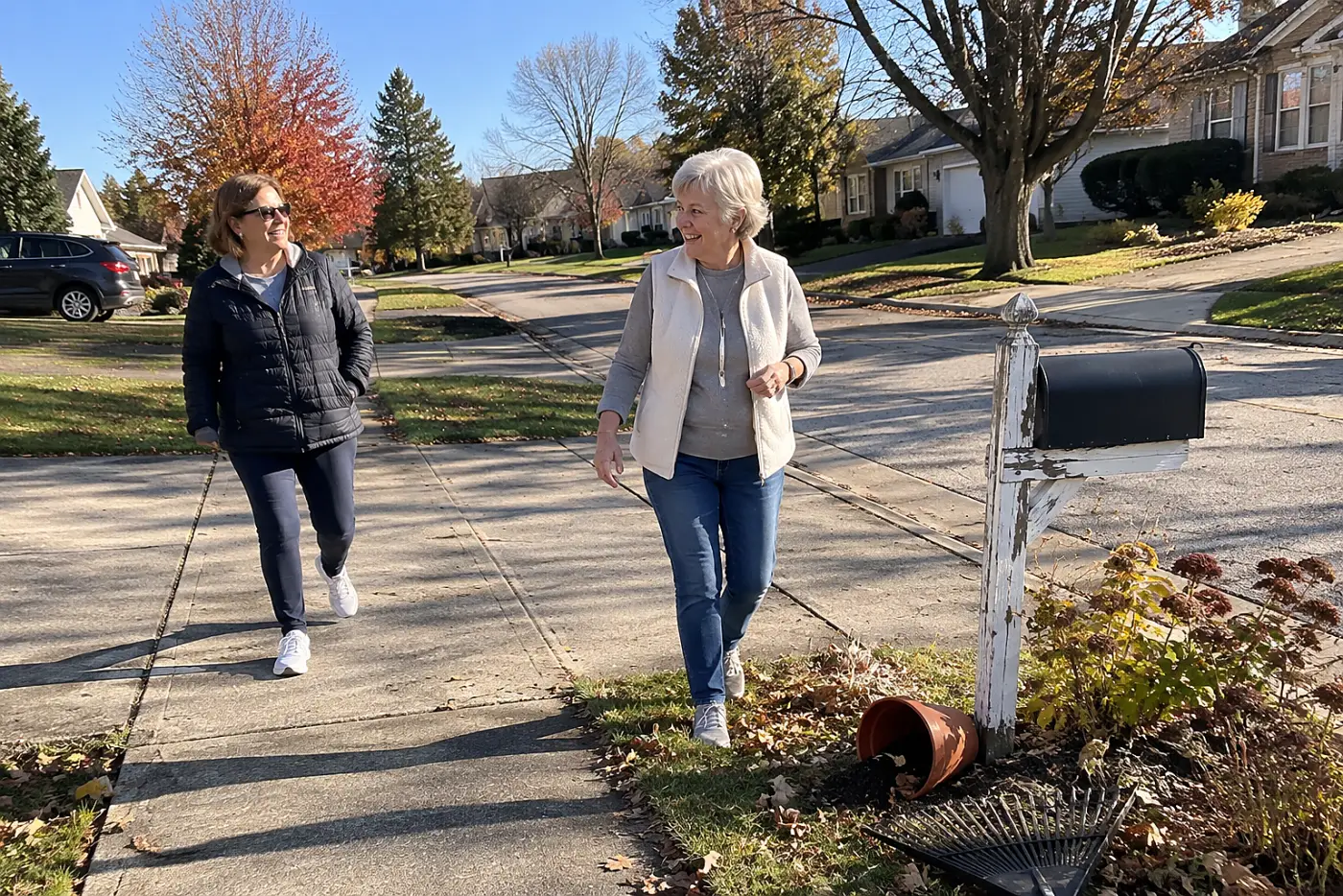
A walk works better when it goes somewhere.
Walking to the mailbox gives the trip a beginning and an end. Add the next driveway when the first route feels easy. You don’t need one long workout: Move Your Way lets you add up activity across the week. The adult goal is at least 150 minutes of moderate activity per week, and shorter walks count toward it.
Waiting for a perfect workout keeps a walk off the calendar. A destination makes it easier to notice when the same distance starts feeling shorter. A moderate pace still lets you talk, but not sing; use that check rather than guessing from the distance.
Pick a destination you can reach and return from this week. Tell a friend, “I’m walking to the corner and back before lunch.” Keep the route familiar while you learn how it feels.
The route itself has another useful clue.
24The curb you now step over
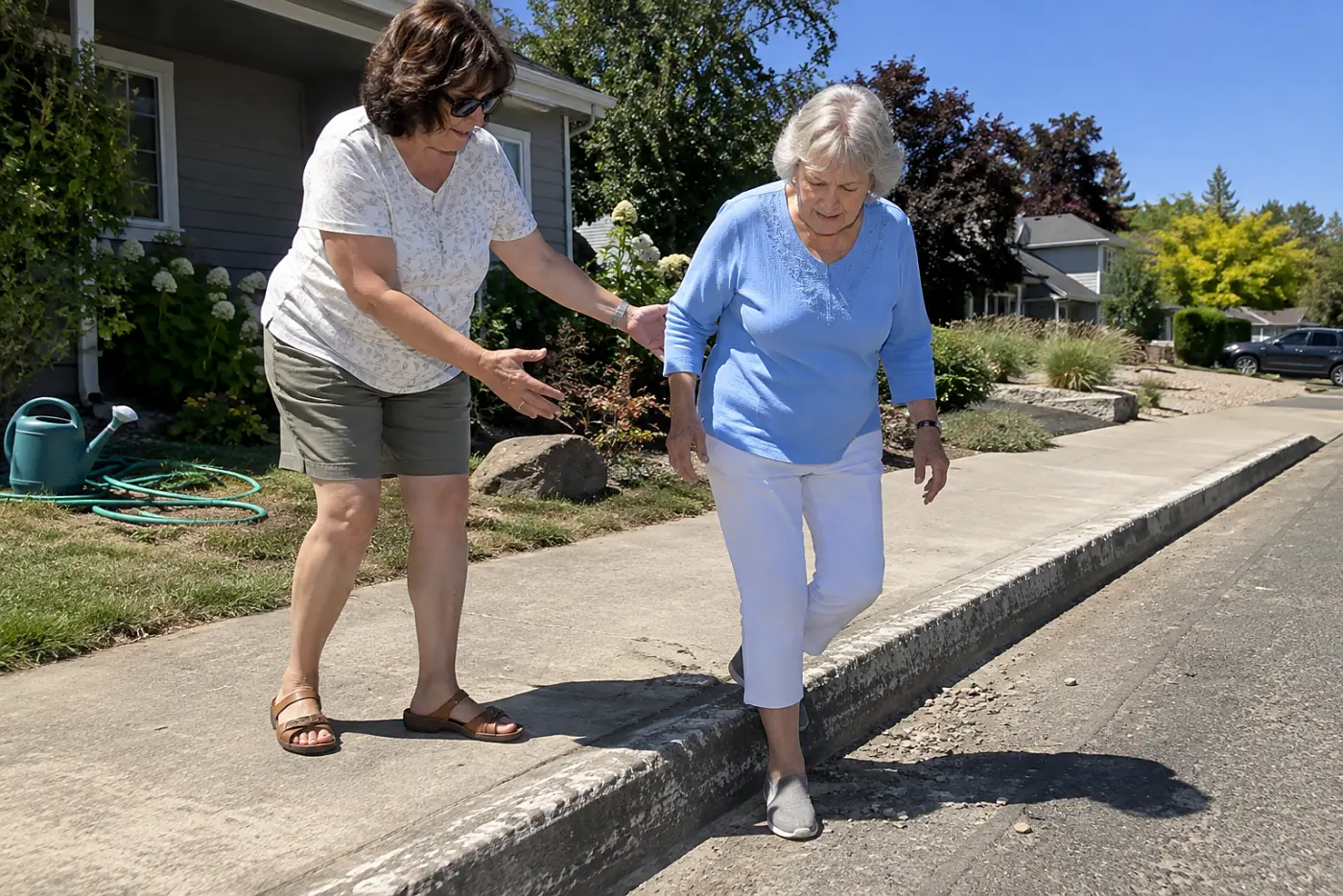
A curb turns an ordinary walk into a balance check.
Stepping up asks one leg to lift your weight while the other leaves the ground. Stepping down asks you to control the landing. Those are skills, and skills respond to practice. A handrail or nearby wall lets you practice without turning the sidewalk into a dare.
A missed curb can mean a fall. The CDC’s STEADI initiative gives clinicians tools to check fall risk and decide what to address before another misstep.
This week, notice whether you hesitate at one familiar curb. If you do, mention it at your next visit: “I pause before stepping down. Will you check my balance and leg strength?”
The same attention helps when the ground looks flat.
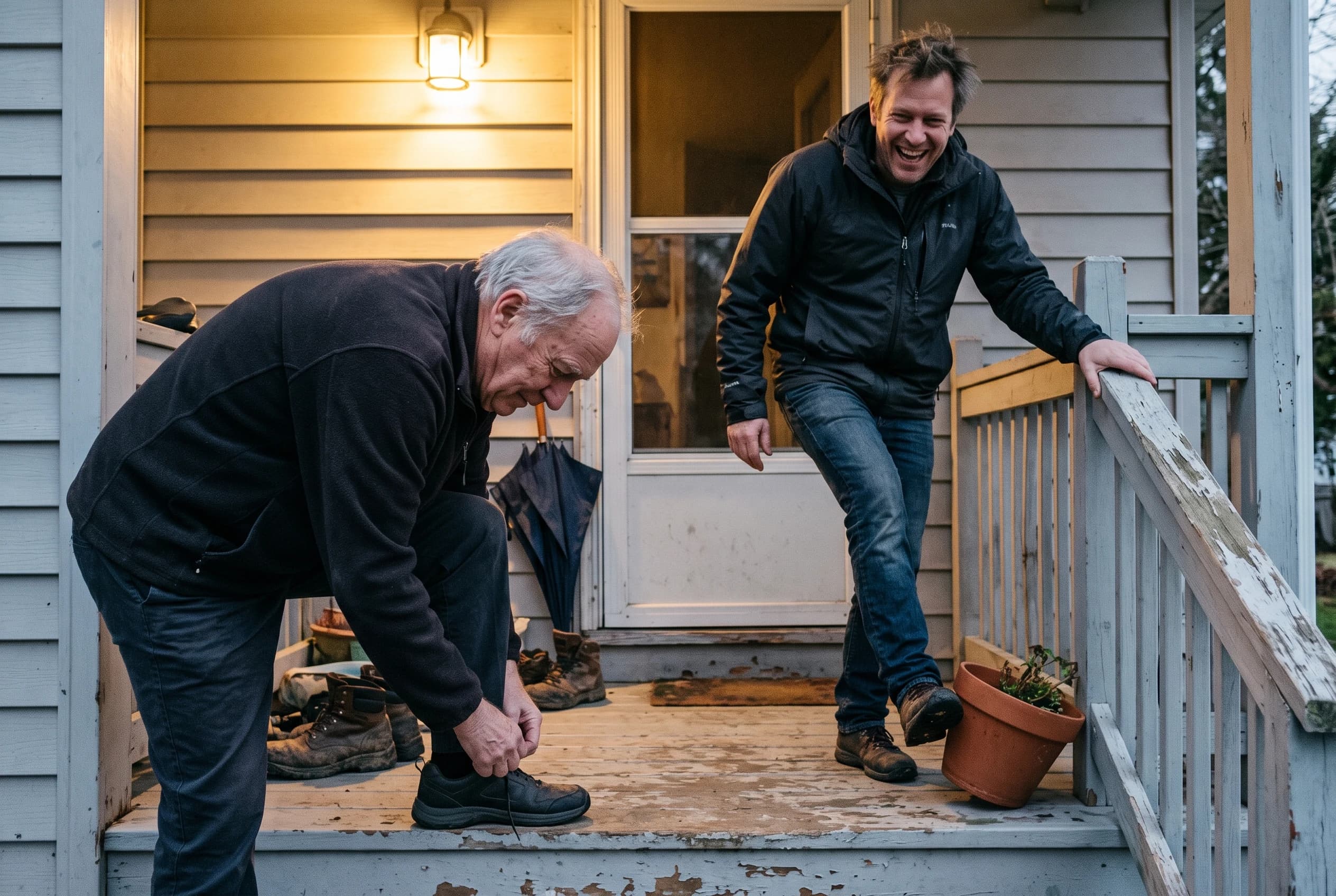
23Your shoes beside the front door
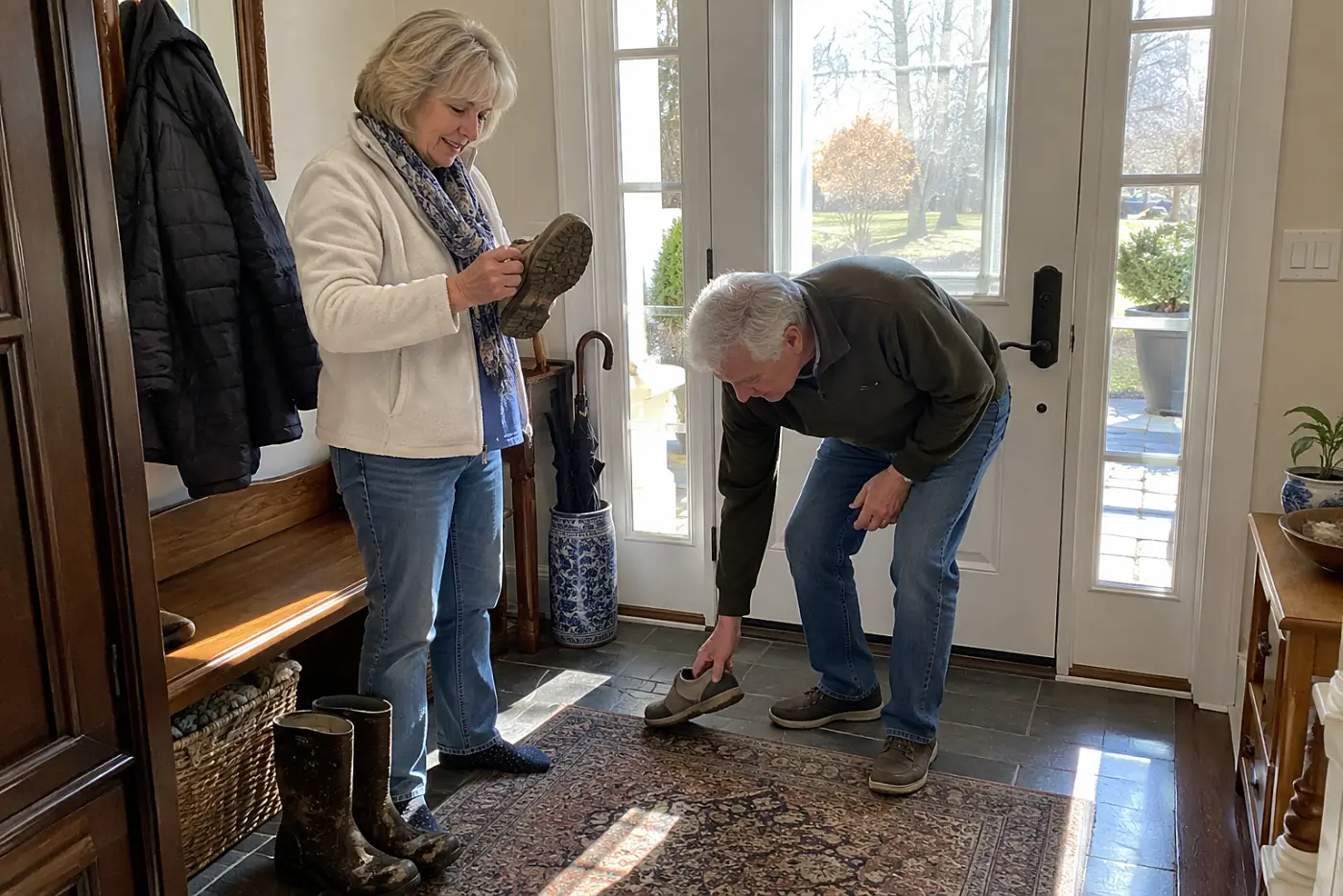
The right shoe makes ordinary movement easier.
A shoe that stays on your foot gives you firmer contact with the floor. Check the sole for worn patches, then notice whether your heel slips as you walk. Years of experience tell you which pair feels secure.
A favorite pair with a smooth sole can change how a wet entryway feels. That’s worth catching before the next errand.
Examine the shoes you wear most this week. Say at a shoe store, “I need a pair that stays on my heel when I walk.”
Then give your feet some attention without shoes.
22A foot check after your shower
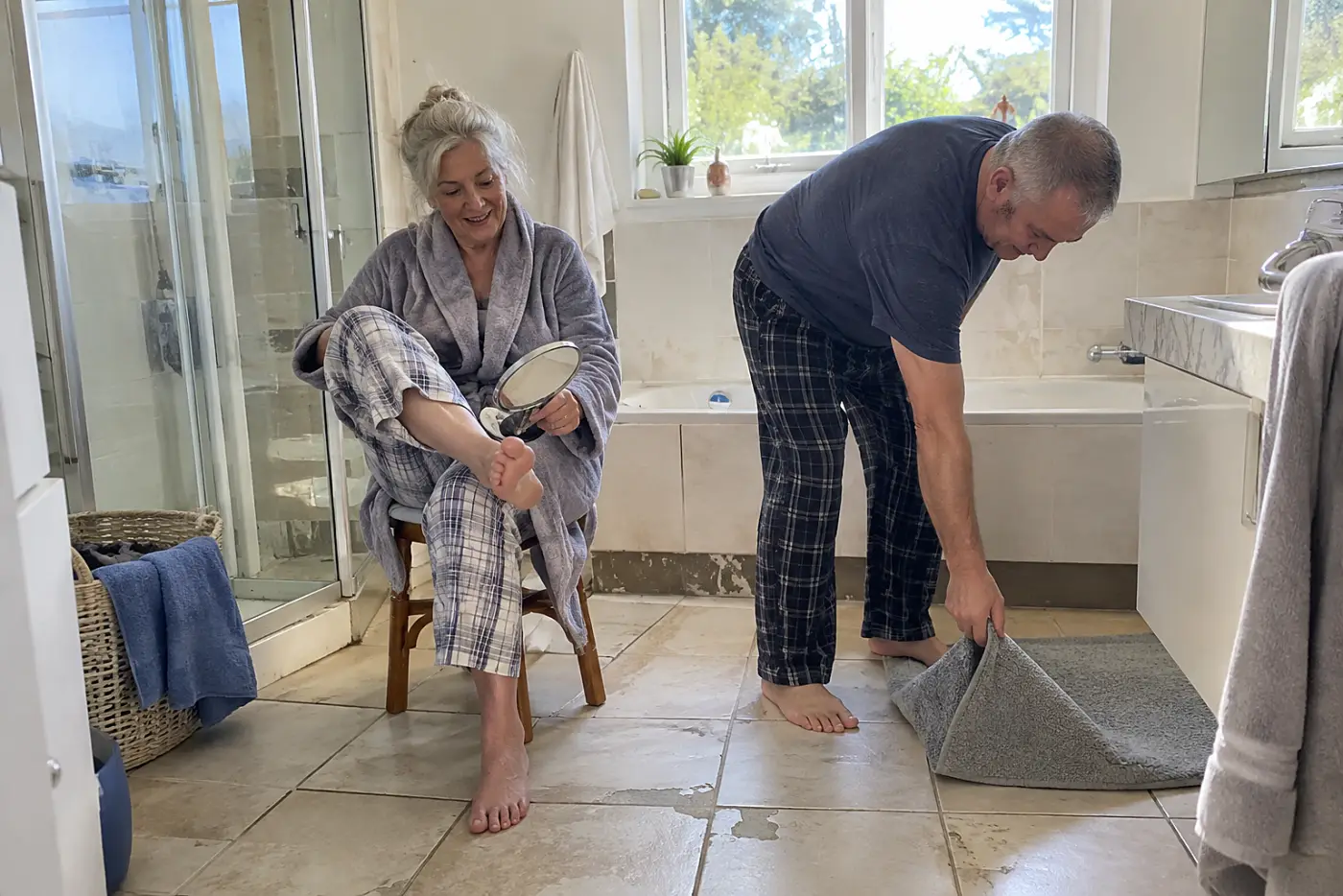
You know your feet better than a chart does.
After a shower, dry between your toes and look at the soles with a mirror. Watch for a cut, blister, or change you hadn’t noticed. That short check matters especially if you have diabetes; the American Diabetes Association recommends regular foot care.
A sore you don’t feel can get worse inside a shoe. Catching it gives you a chance to call before the next long walk.
Put a hand mirror near your towel this week. If you have diabetes, ask your care team, “How often should I check my feet, and what change means I should call?”
What your feet tell you is only part of the picture.
21The glasses you wear on stairs
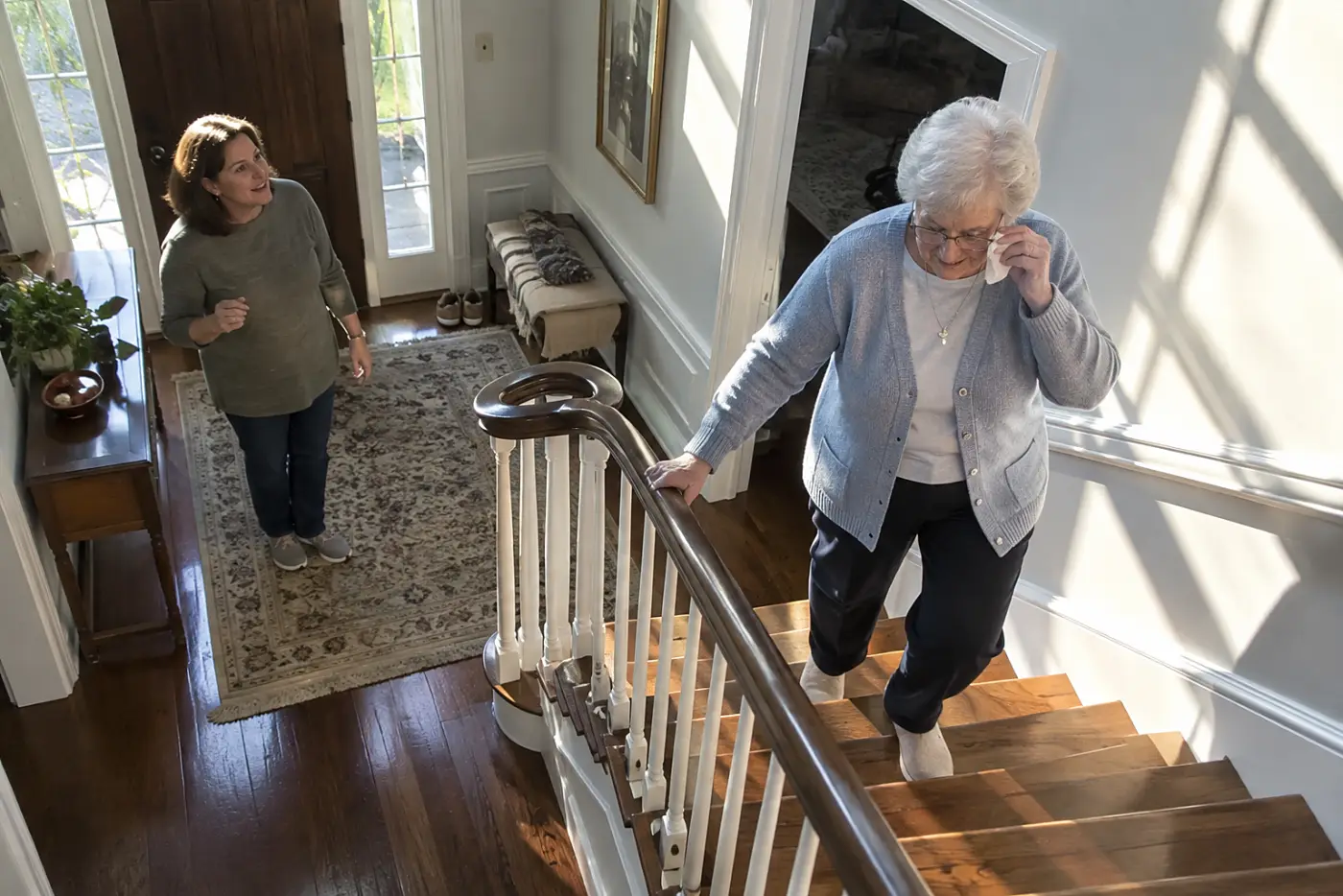
Clearer sight gives your balance better information.
Your eyes help you judge where a step begins. A prescription change or smudged lens makes that edge harder to read. That’s a fixable problem, not a verdict on your balance.
The wrong glasses on stairs raise the stakes of a small misstep. Bifocals also change how the ground looks through the lower part of the lens.
Clean your everyday pair and check your stair view this week. Tell your eye doctor, “The steps look distorted through these lenses.”
Better sight makes one more sense worth checking.
20A hearing test before conversations shrink
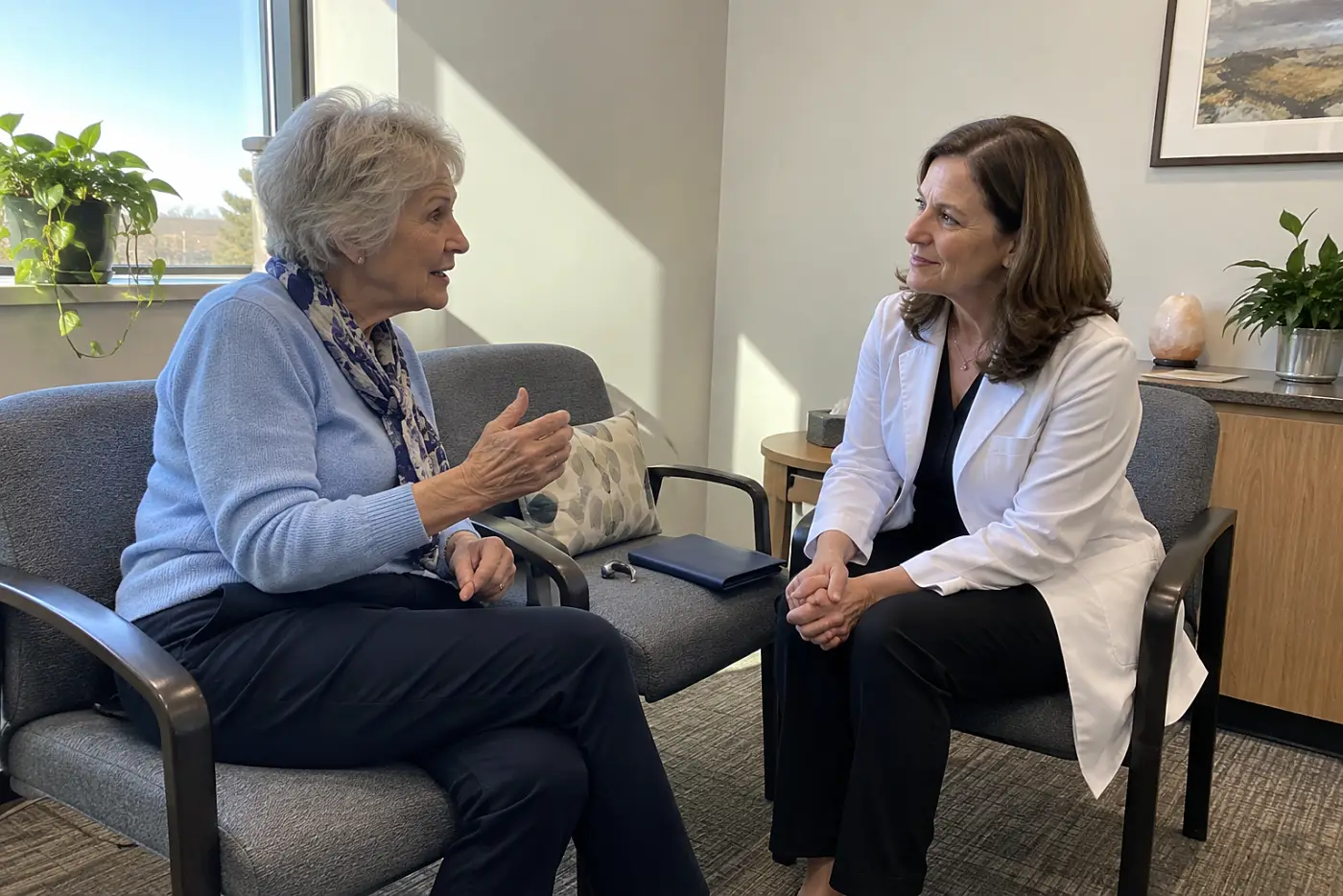
Conversation takes less work when sound arrives clearly.
When words sound muffled, your brain works harder to fill gaps. You lean forward, guess, or leave a noisy table early. A hearing test separates a hearing change from a room that’s simply loud. The National Institute on Deafness and Other Communication Disorders has plain-language information on adult hearing loss.
The cost of guessing is easy to miss: you stop joining conversations you used to enjoy. You also risk missing instructions at a medical visit. If you have Medicare, Part B covers a diagnostic hearing exam when your doctor or other health care provider orders it to see whether you need medical treatment. Original Medicare does not cover hearing aids; their price can run from roughly $1,000 to several thousand dollars per pair.
This week, write down one setting where you struggle to follow speech. Ask your clinician, “Where can I get a hearing test, and should someone check for earwax first?”
A clearer conversation makes the next appointment better, too.
19The medicine cabinet worth a second look

A written list beats a perfect memory.
Bring drug names, doses, supplements, and timing to your next visit. Your clinician can compare the list against your chart and spot an outdated prescription. Then check the pain products on your shelf: ibuprofen and naproxen are NSAIDs, a drug group with stomach-bleeding risks described by the FDA.
An outdated chart can follow you into urgent care. Two products with the same active ingredient can also double up without announcing themselves.
Photograph your prescription labels and pain-relief bottles this week. Ask a pharmacist, “Which of these should I avoid with my prescriptions, and is anything on this list outdated?”
Once the list is right, one habit deserves the same attention.
18A changing sense of thirst
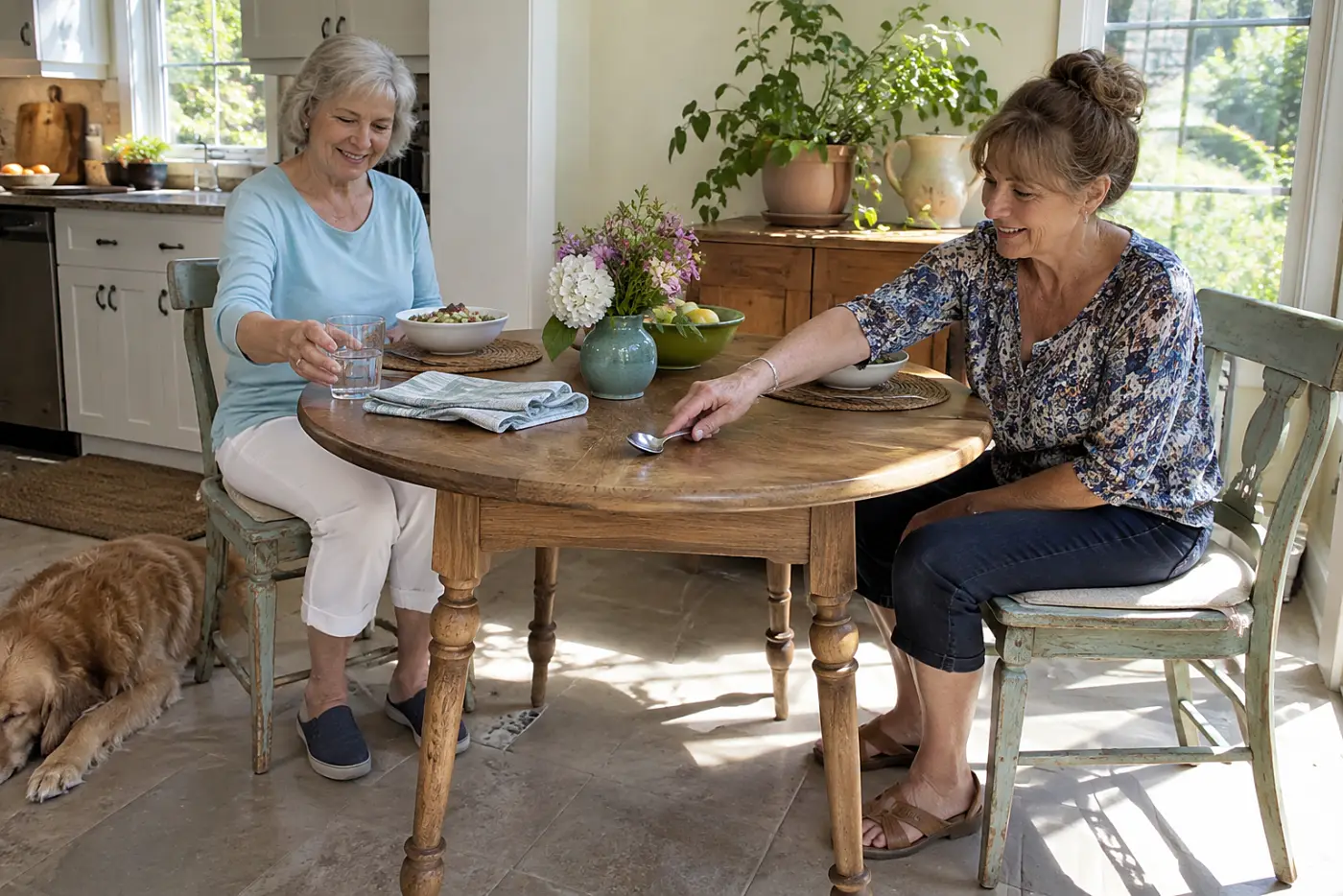
Thirst doesn’t have to run the schedule.
Put a glass beside your plate before you sit down. Drinking with meals ties the habit to something you already do, even on a busy day. Then look at the weather and your activity: both change how much fluid you lose.
Dehydration can leave you lightheaded or constipated. If a clinician has told you to limit fluids, that plan comes first.
Set a glass beside lunch each day this week. Ask your clinician, “Do my medicines or health conditions change how much I should drink?”
That routine makes another daily signal easier to read.
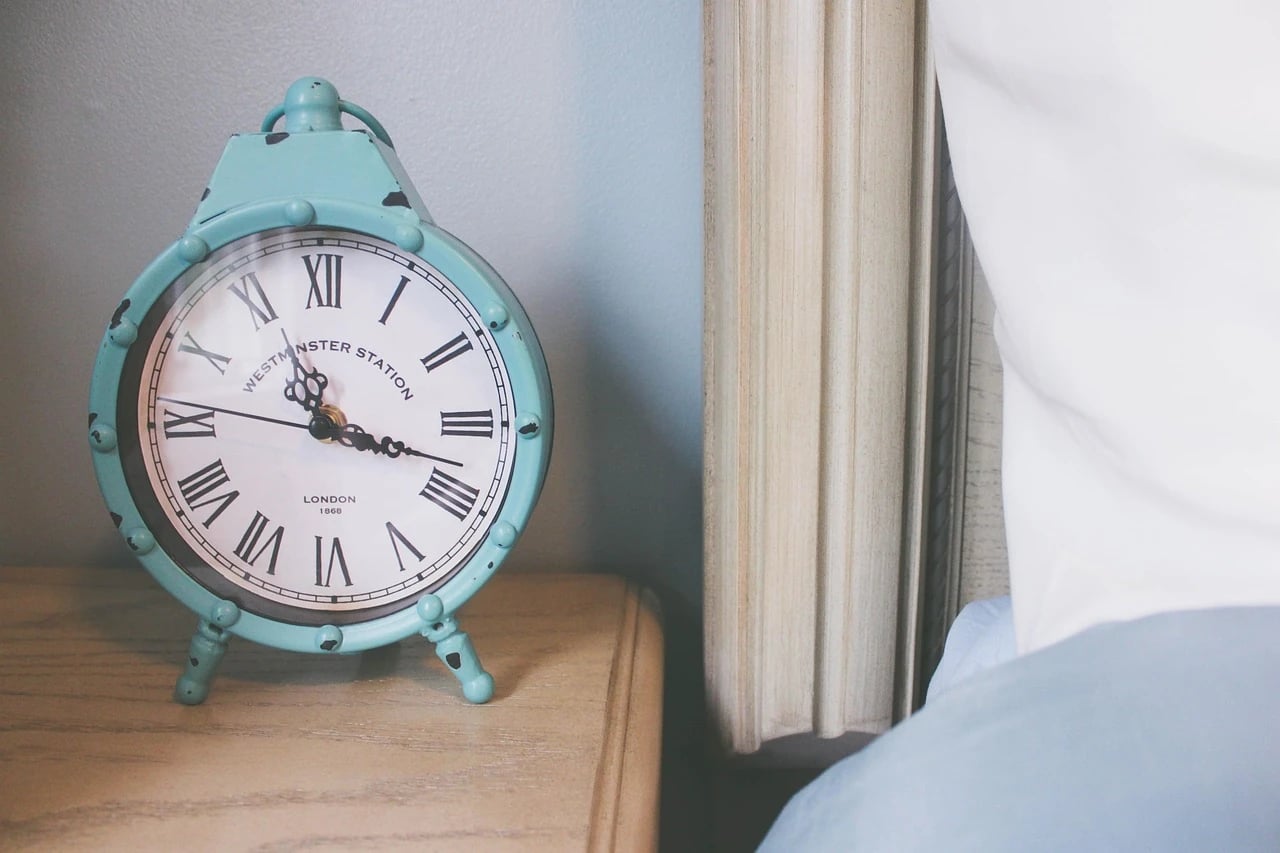
17An earlier bedtime that finally fits
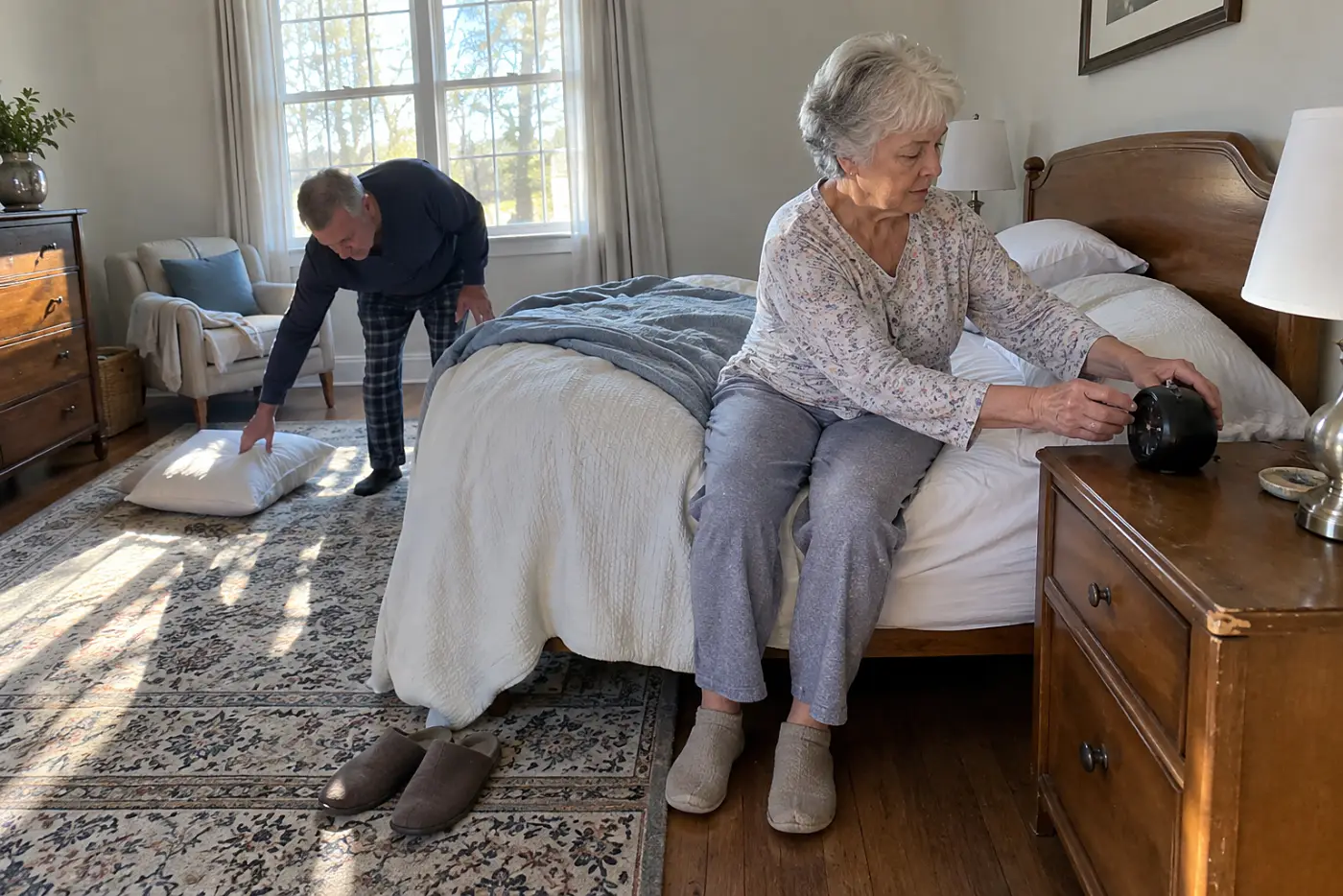
A changing schedule can work in your favor.
If you wake earlier now, an earlier bedtime gives sleep room to happen. Light, meals, and regular wake times help set the body clock. The National Institute on Aging notes that sleep patterns change with age, while poor sleep deserves attention. Adults age 65 and older are generally advised to get 7 to 8 hours of sleep a night; waking early doesn’t mean you need less sleep.
Lying awake and calling it “just age” can hide a treatable problem. Loud snoring and daytime sleepiness are worth raising.
Keep your wake time steady for seven days. Tell your clinician, “I’m tired during the day, and I want to talk about my sleep.”
Morning brings a useful chance to reset that clock.
16Sunlight on your morning walk
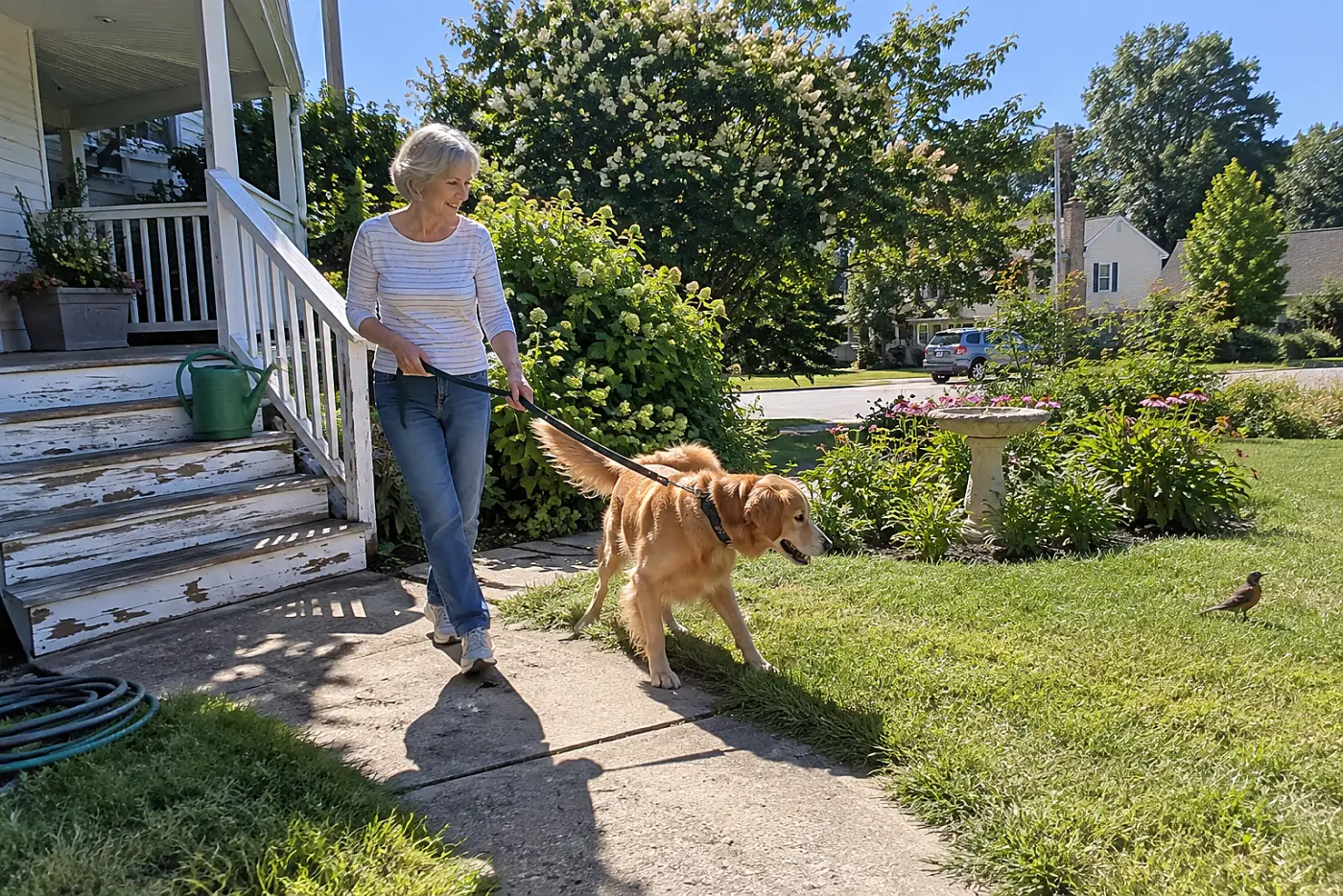
Morning light gives the day a clear starting signal.
Step outside after waking and let daylight reach your eyes without staring at the sun. Light helps set your sleep-wake rhythm, while the walk adds movement. Years of knowing your own schedule help you choose a time you’ll keep.
An indoor day can blur the difference between morning and evening. That makes bedtime harder to predict.
Choose a short morning route this week, even if it ends at the porch. Say to someone at home, “I’m going outside after breakfast. Want to come?”
The trip feels better when it includes a reason to return.
15A regular lunch with another person
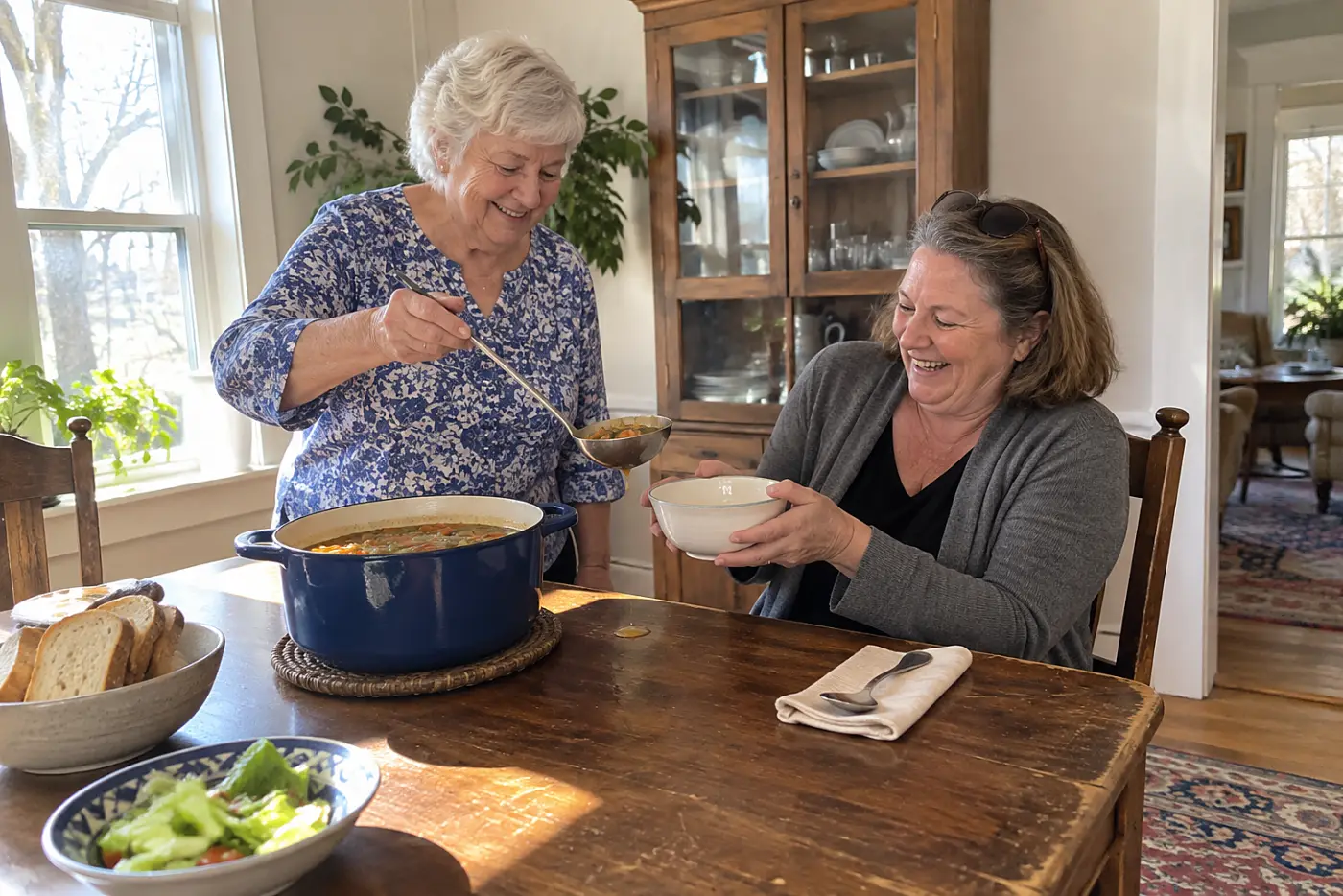
Company can change how a meal happens.
A standing lunch date gives you a reason to shop, prepare food, and sit down. Conversation slows the meal and makes an ordinary Tuesday less isolated. The National Institute on Aging identifies social connection as part of health.
If meals have become crackers over the sink, nutrition gets less attention. So does the pleasure of eating.
Invite one person to lunch this week. Say, “I’m making soup Thursday. Come over at noon?”
Food also gives you a way to notice what your body needs.
See more: 23 Habits of the Happiest Retirees →
14A grocery list that follows your appetite
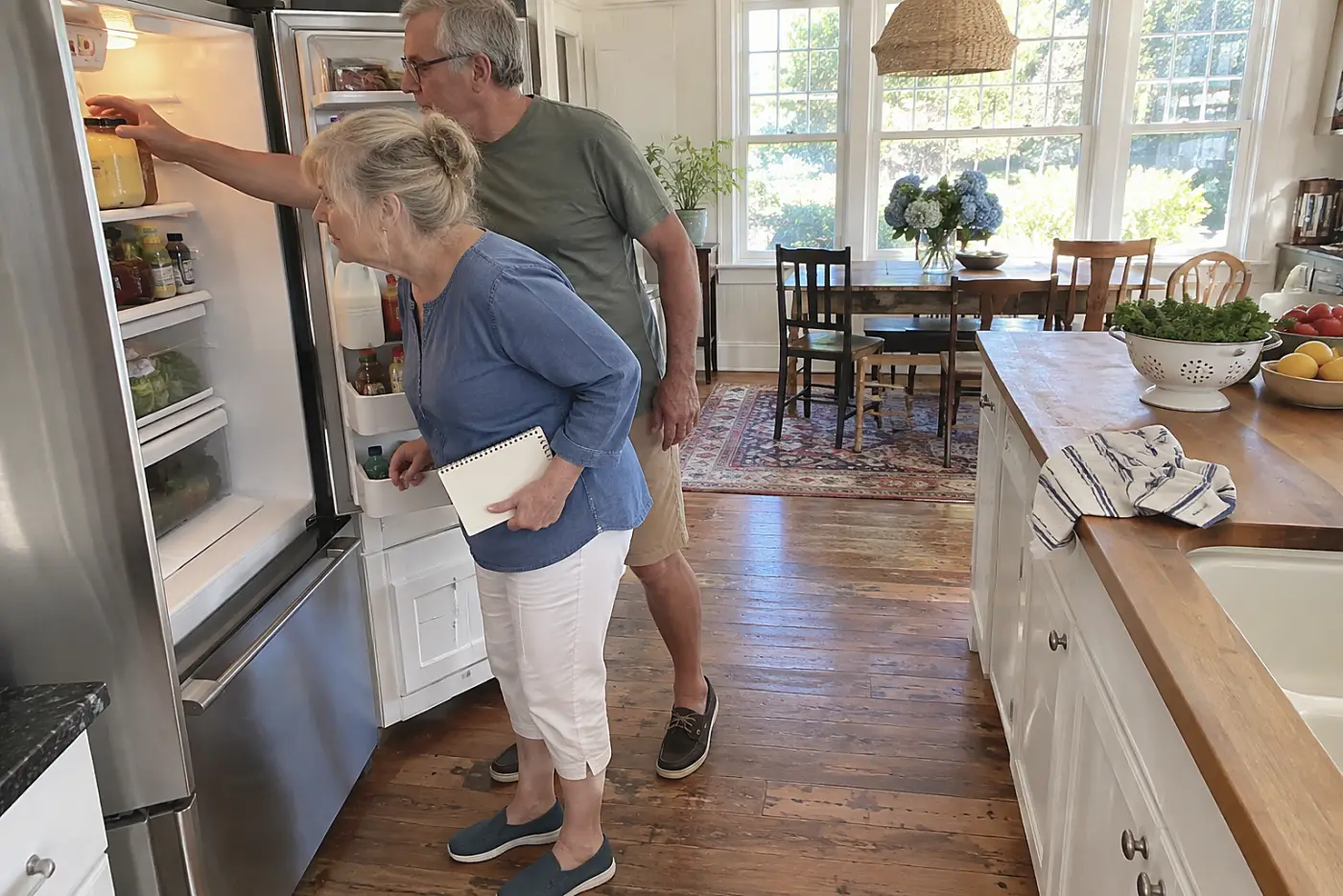
A shopping list works better when it reflects what you’ll eat.
Look at what remains in the refrigerator before you shop. Then write down ingredients for two meals you actually want, rather than buying food for an imagined week. Years of cooking tell you which leftovers become lunch and which sit untouched.
A full produce drawer isn’t much help if making dinner feels like a chore. Food you enjoy has a better chance of reaching your plate.
Make your list after checking the refrigerator this week. Tell someone joining you, “Let’s buy what we’ll make, not what we wish we’d make.”
Your next meal gives you a chance to notice a different pattern.
13A bowel routine you understand
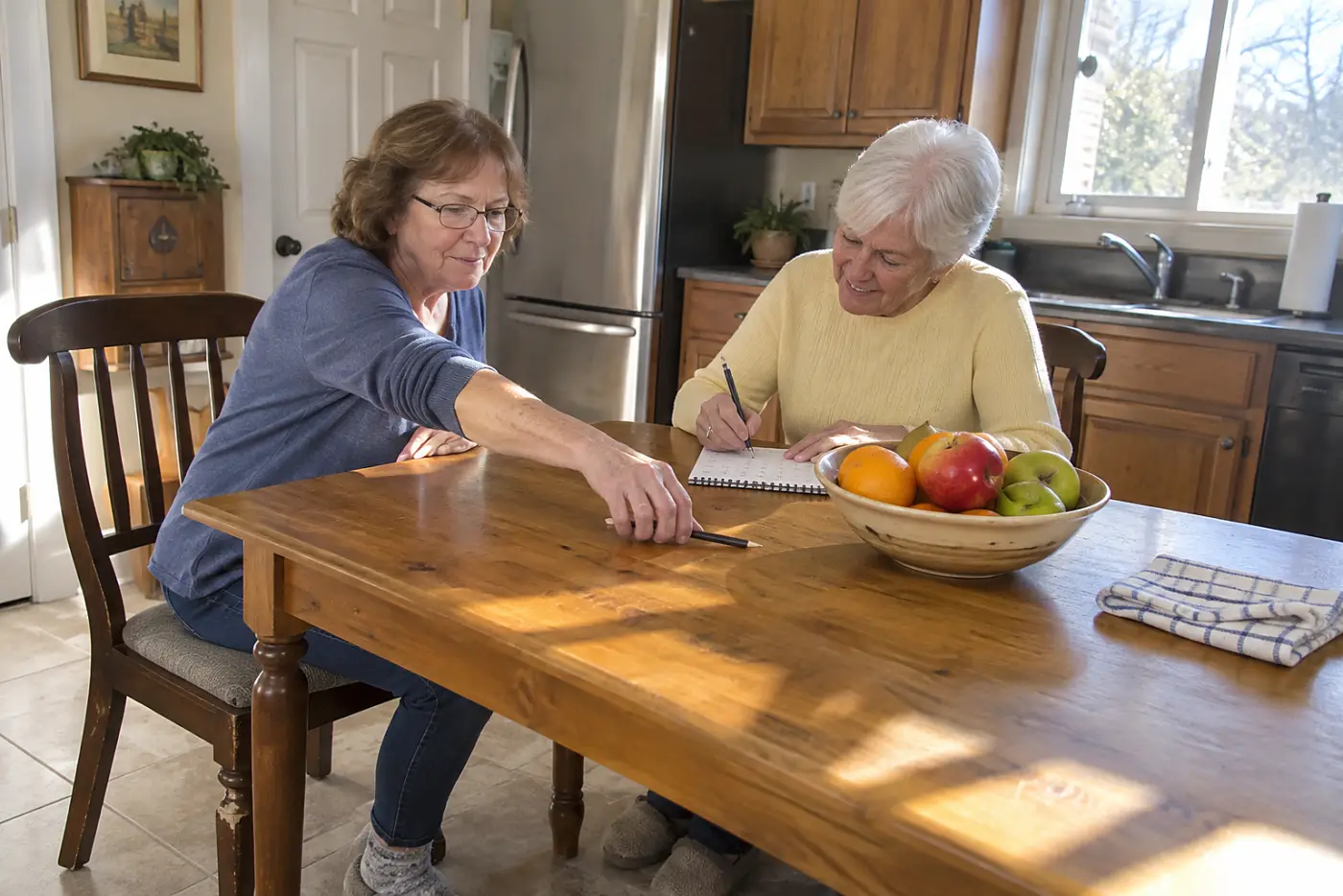
Predictability gives you useful information.
Meals, movement, fluids, and medicines all influence bowel habits. Once you know your usual pattern, a change stands out sooner. A shift after starting a medicine gives you something specific to report, rather than a vague sense that something feels off.
New constipation deserves attention, especially after a medication change. Blood in your stool warrants a call to a clinician; don’t wait for another week of notes.
Notice your pattern for one week without trying to force it. Ask your pharmacist, “Did anything on my medication list change my bowel habits?” Bring the answer to your clinician if the change continues.
That same attention matters at a screening visit.
12A screening conversation with a stop date
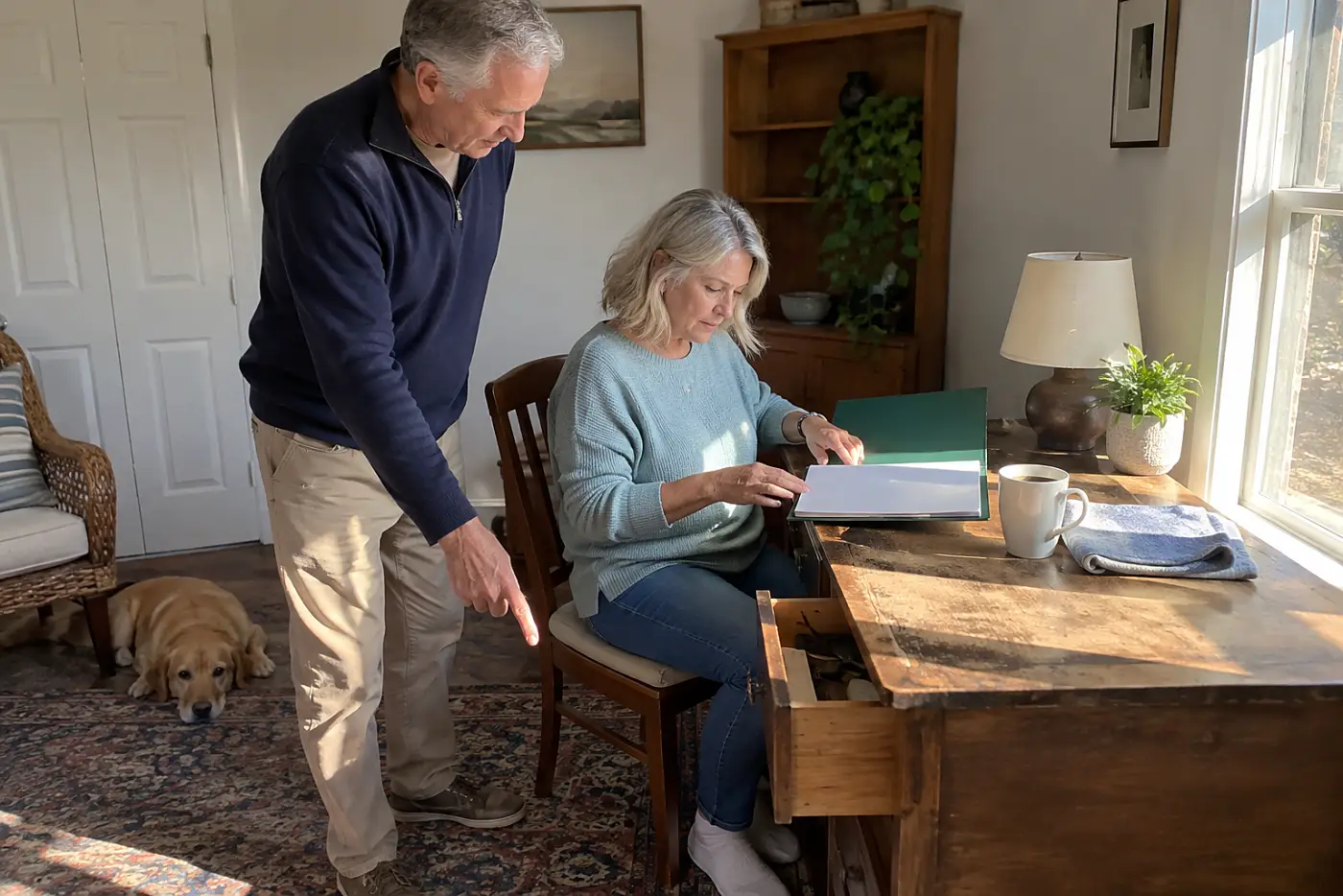
Screening becomes more personal with age.
A test is useful when its likely benefit outweighs its downsides for you. Age, past results, health, and preferences shape that decision. The U.S. Preventive Services Task Force sets age ranges for screening, but your past results still belong in the conversation.
Repeating a test forever isn’t the goal. Neither is skipping one because a birthday passed.
Find the date and result of your last cancer screening this week. At your next visit, ask, “Given my past results, which screenings still help me, and when should we stop?”
That question makes room for another preventive decision.
11Your vaccine record in one place
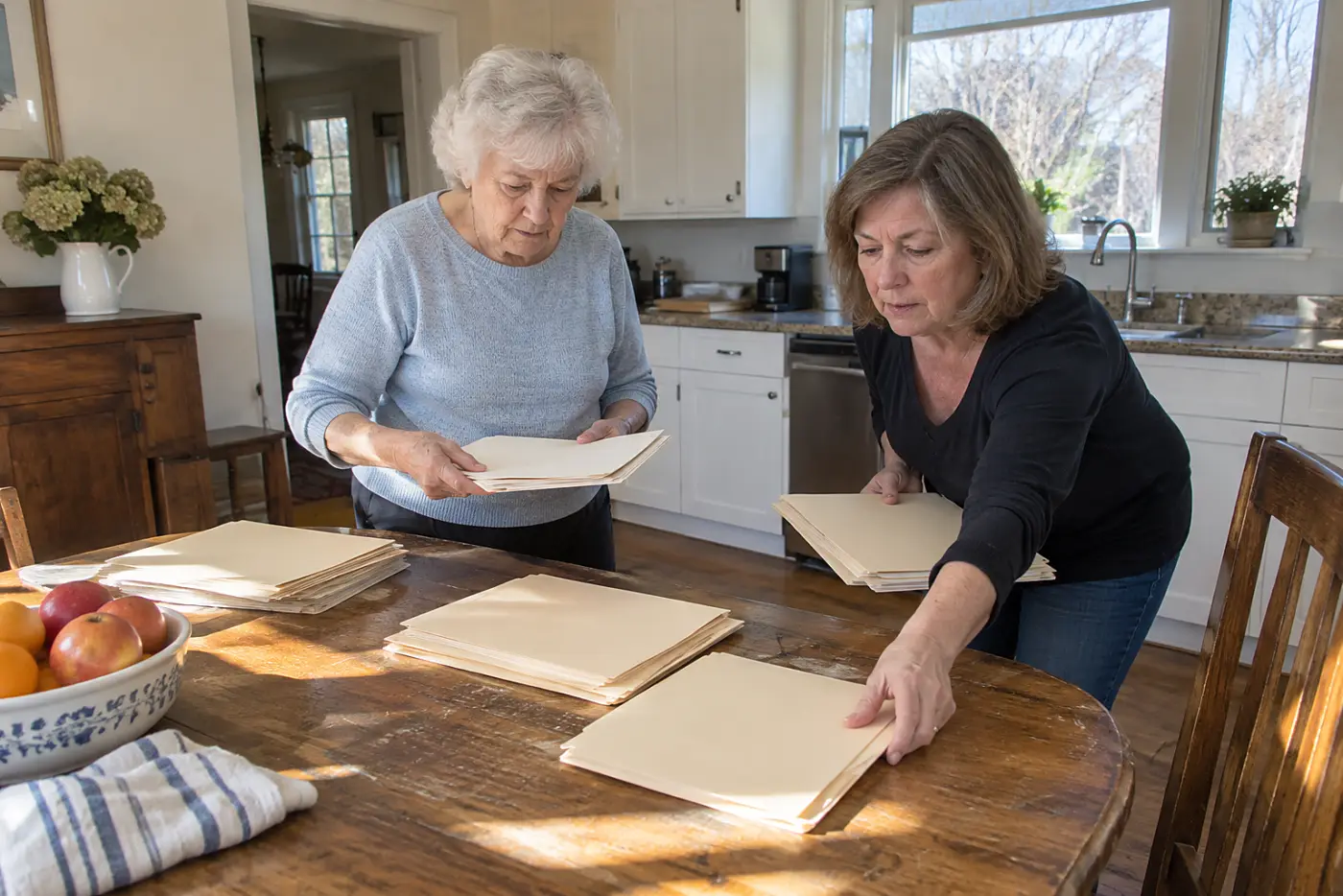
A clear record makes prevention less of a puzzle.
Put vaccine dates on one page or in your phone. Your pharmacy and clinician can compare that record with the current CDC adult immunization schedule. Recommendations change, so the current schedule matters more than a remembered list.
Without dates, a visit becomes guesswork. A record also shows what you’ve already done.
Gather pharmacy printouts or portal entries this week. Say, “Please compare my record with the current adult schedule.”
One more record belongs beside that page.
10A blood pressure reading from home
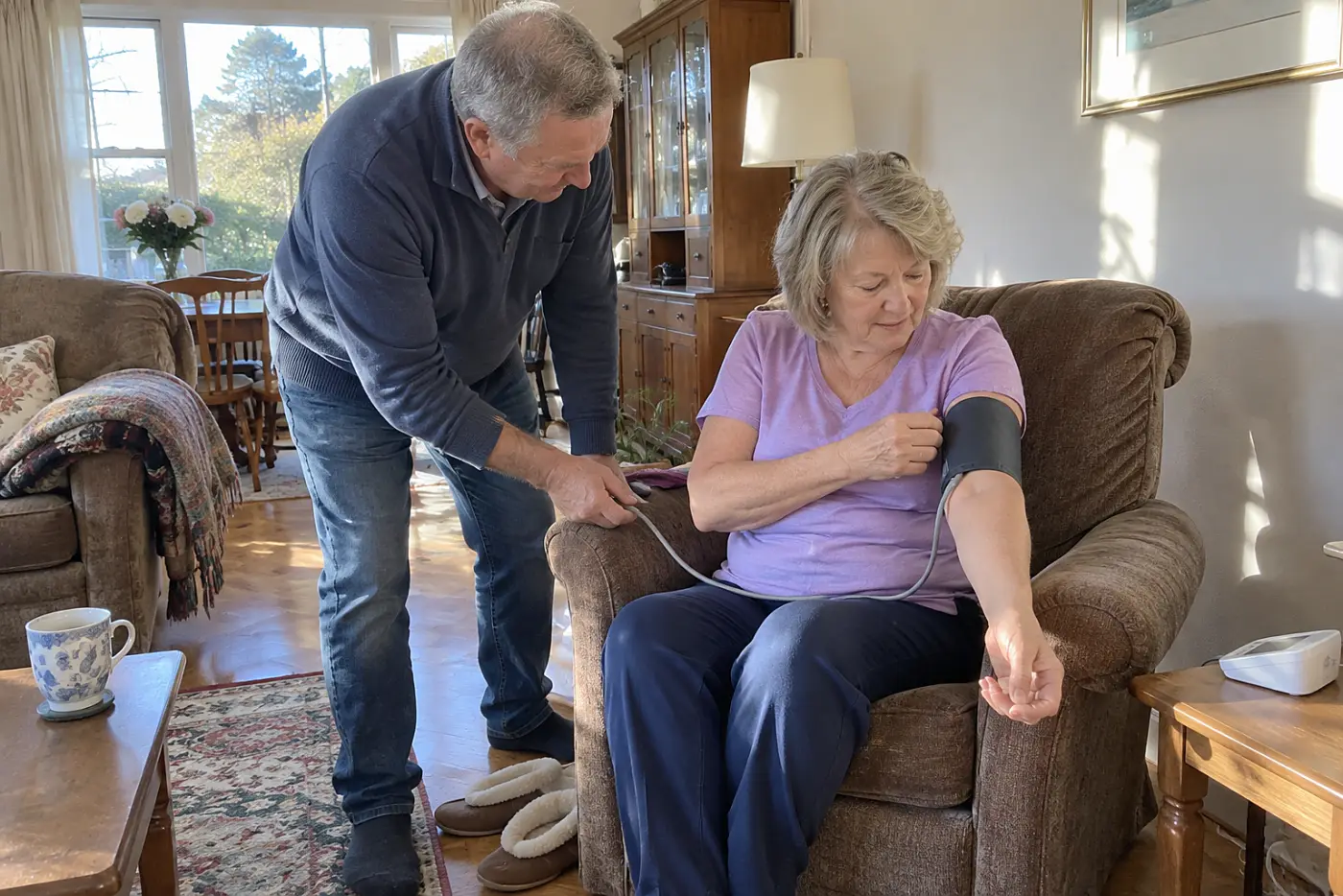
A home reading adds context to a clinic number.
Blood pressure changes during the day. Your clinician looks for a pattern rather than one dramatic reading. The American Heart Association recommends an upper-arm monitor for home checks and gives instructions on using it. Sit quietly for 5 minutes before taking a reading.
A cuff that doesn’t fit can give a misleading number. Writing down readings also beats trying to recall them under exam-room lights.
This week, bring your monitor to a visit or ask how to check its fit. Tell your clinician, “I want to know when to measure and which readings should prompt a call.”
Patterns become even clearer when you track what your body does.
9The stairs that show your progress
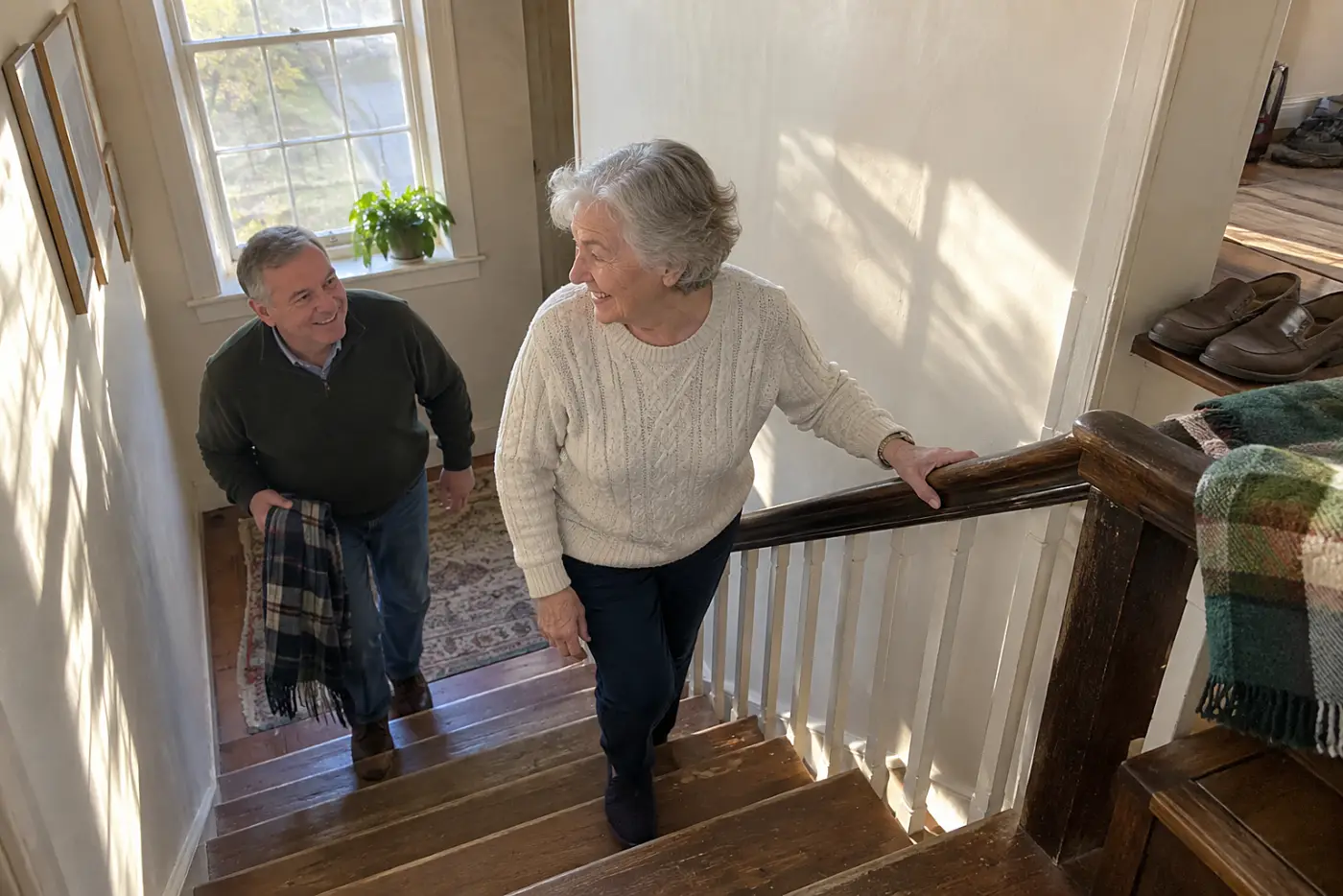
Stairs give you a familiar comparison.
The same flight tells you whether climbing feels easier after regular walking or strength work. Notice your pace, your breathing, and whether you need the rail. Keep using the rail; it’s equipment, not a grade on your fitness.
New shortness of breath, chest pain, or a marked change in pace needs medical attention. Don’t turn a new symptom into a fitness test just because you know the staircase.
Notice one familiar flight this week, without pushing your pace. Tell your clinician, “These stairs feel different from last month. I want to understand why.”
A change in effort points toward a better question.
8A strength exercise with a purpose

A useful goal beats an impressive weight.
Strength work trains muscles to handle a task. Carrying groceries, lifting a laundry basket, and getting up from the floor each ask for different movements. The Physical Activity Guidelines for Americans recommend muscle-strengthening activity on at least two days each week for adults.
Doing nothing because a gym feels unappealing leaves those tasks harder. Starting with a movement you care about gives the work a reason.
Pick one task you want to make easier this week. Ask a physical therapist, “What exercise matches this task, and how will I know it’s working?”
The answer is stronger when you bring an example.
See more: 24 Hamstring Stretches for Seniors, Standing, Seated and in Bed →
7A notebook of small changes
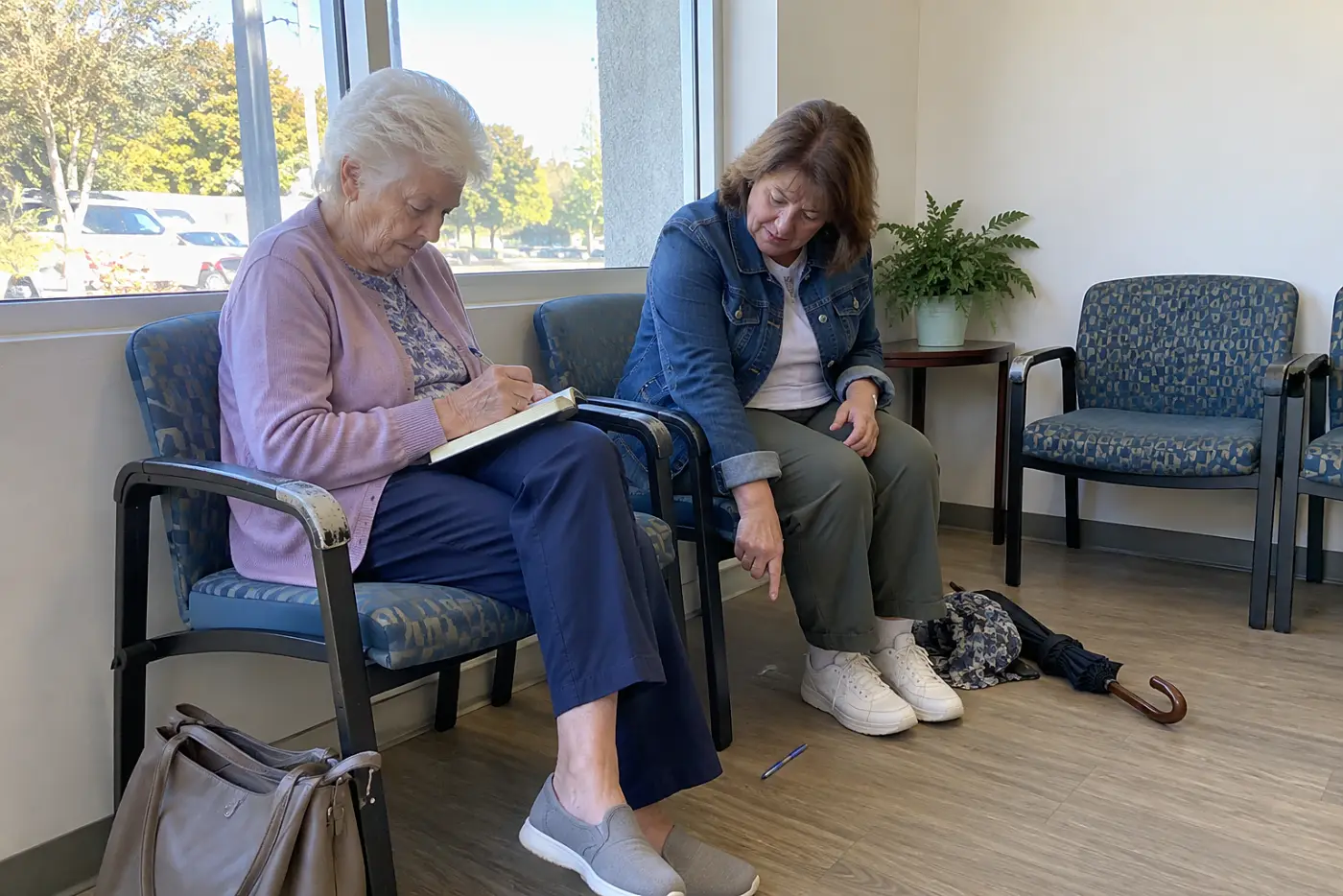
Small changes are easier to discuss when written down.
Write what happened, when, and what you were doing. “I stopped twice on the hill Tuesday” tells a clinician more than “I’m slowing down.” It also lets you see improvements you’d otherwise forget by your next appointment.
Without a note, a short visit favors the loudest concern. The change you almost didn’t mention gets left in the waiting room, along with details your clinician needed.
Write three recent examples this week, whether they felt good or concerning. Say, “These are the changes I’ve noticed. Which one should we discuss first?”
One question makes those notes work harder.
See more: 25 Small Changes That Let You Stay in Your Home Ten More Years →
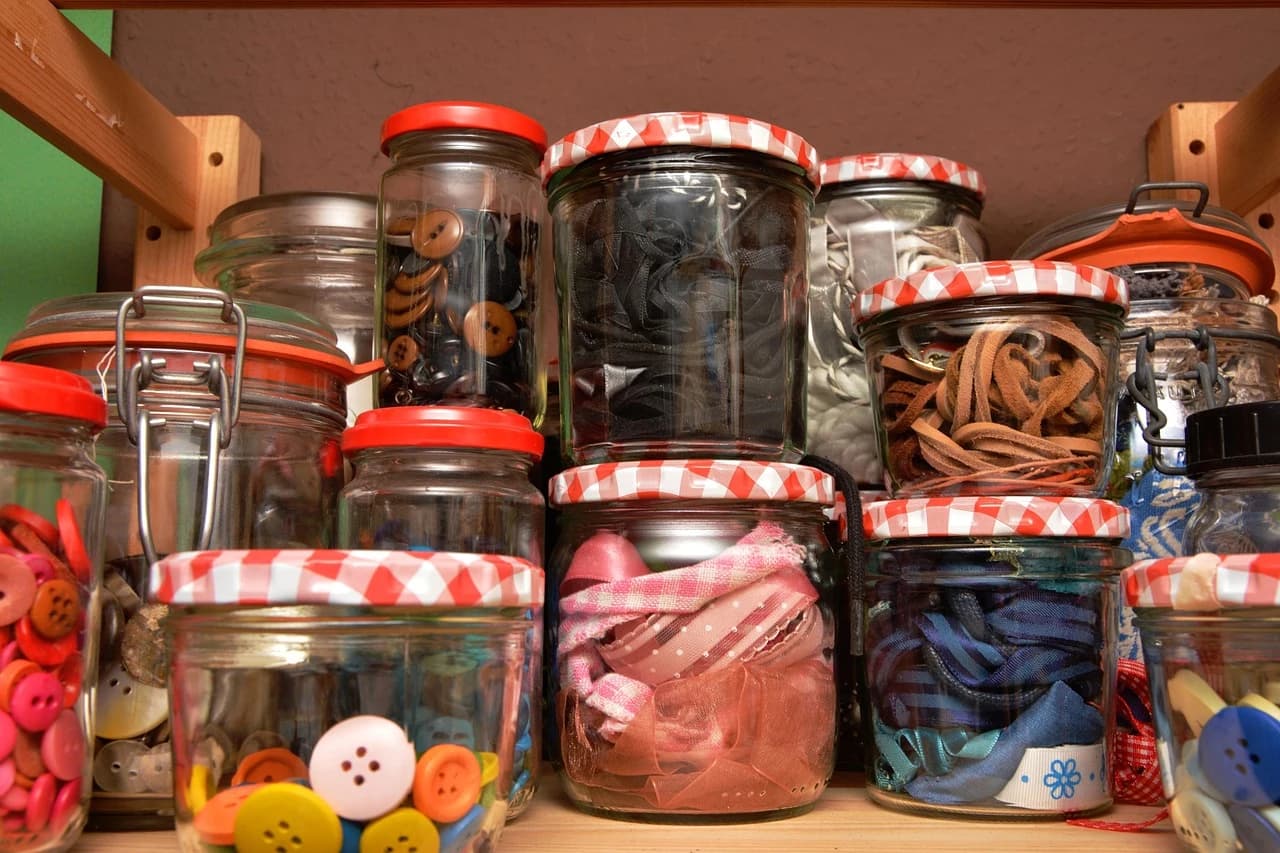
6A jar lid that opens with less strain

The stubborn lid needn’t win the second round.
Grip depends on more than squeezing harder. A dry lid, a wide rubber grip, and a jar held close to your body give your hands better purchase. Experience helps here: you know which grip works and when to change it.
Repeatedly forcing a lid can leave sore fingers doing the work of a simple tool. If opening jars has become harder across several weeks, that change is worth mentioning.
This week, put a rubber grip where you keep the jars and try it before straining. Tell your clinician, “Opening jars has changed for me. Will you check my hand strength and joints?”
The next small win starts before you pick anything up.
5A calendar reminder for your dental cleaning
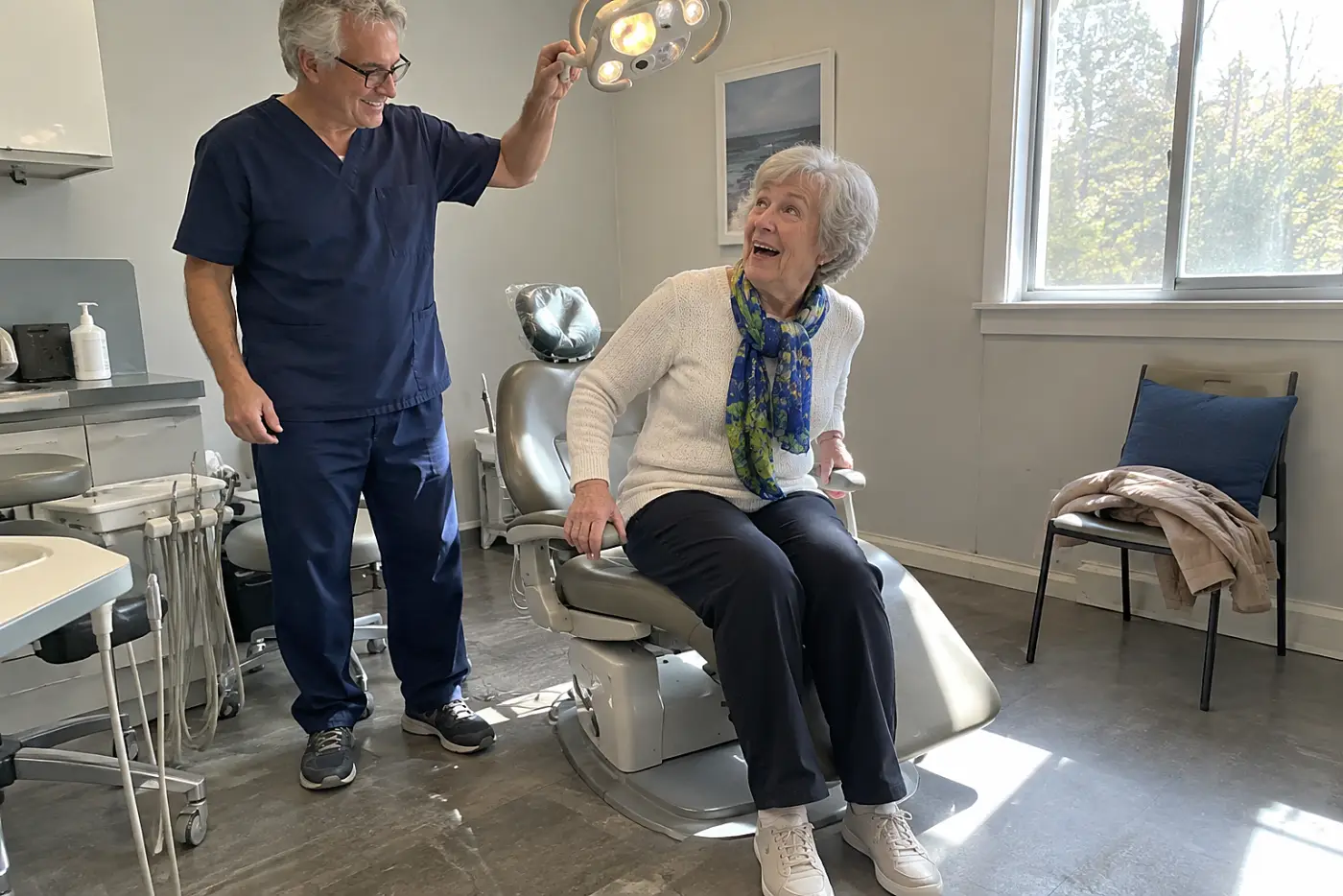
Your own teeth deserve a place on the calendar.
Gums can recede over time, exposing parts of a tooth that weren’t exposed before. A dental visit lets someone check those surfaces and look for problems you can’t see in the mirror. You bring a useful advantage: years of knowing which tooth feels different when you chew.
Waiting for pain misses the chance to raise a smaller change. Dry mouth matters too, since saliva helps protect teeth and makes eating comfortable. If your mouth feels dry, bring the medicines you take to the visit. The dentist needs that list alongside the symptoms you’ve noticed. Original Medicare does not cover routine cleanings; without dental coverage, a cleaning and exam can cost roughly $100 to $300. Ask the office for its price before booking.
Check when you last saw a dentist this week, then book a visit if you’re due. Say, “This tooth feels different when I chew, and my mouth feels dry. Will you check both?”
A familiar appointment can reveal a change elsewhere.
4A breath check while carrying garden soil
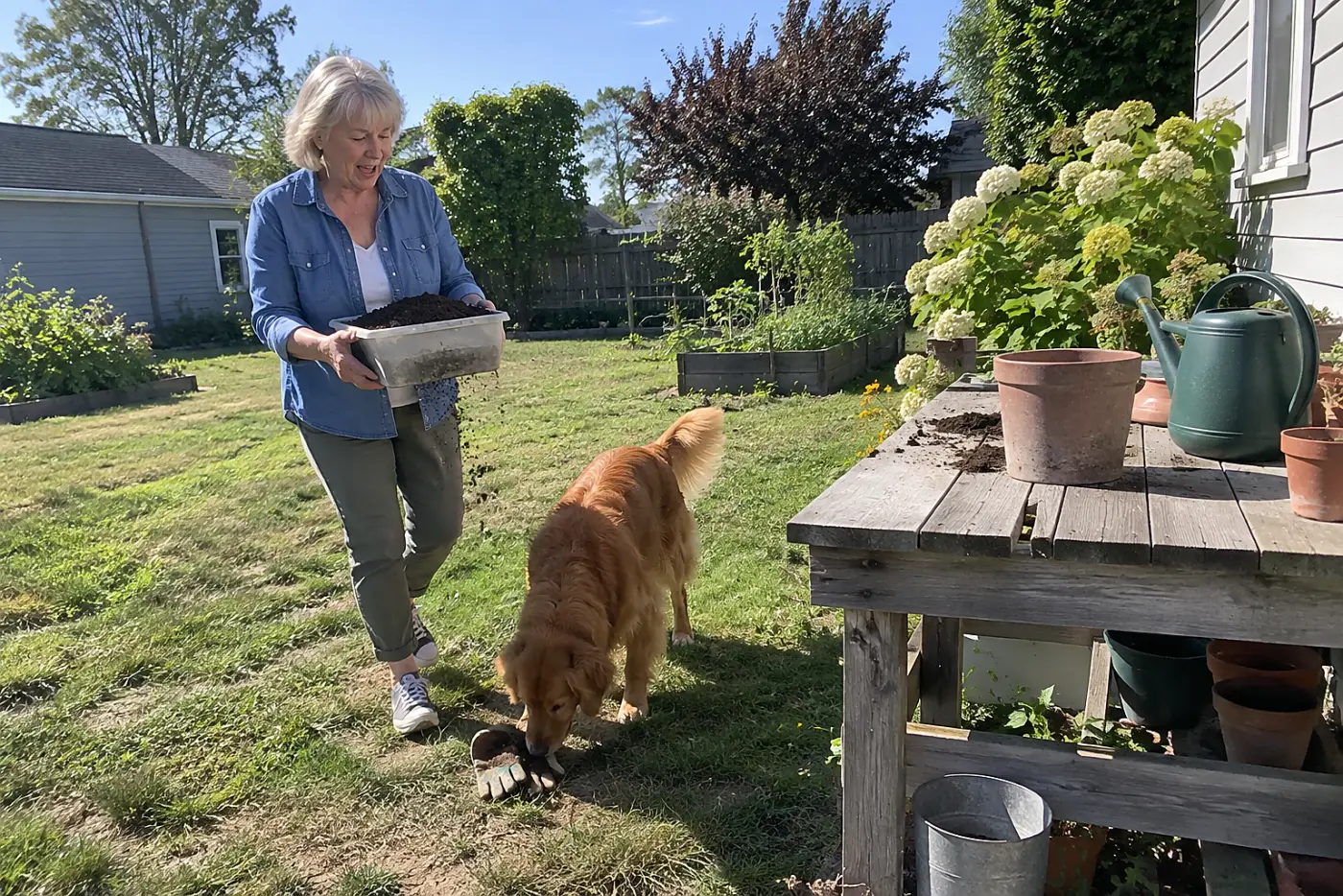
Holding your breath makes a routine carry harder.
A bag of garden soil has to leave the ground before it reaches the potting bench. Bend your knees, bring the bag close, and breathe out as you stand. Set it down before you turn toward the garden. Splitting the soil between smaller containers gives you another way to finish the job without hauling the full bag across the yard.
The good news is that changing the carry changes the effort. You’ve learned which jobs are easier in stages. Still, new breathlessness or dizziness during a familiar task deserves medical attention, not another attempt with a tighter grip. If chest pain comes with it, stop the task and seek urgent care.
This week, move one smaller container of soil and notice how your breathing feels. Tell your clinician, “I get winded carrying soil across the yard now. I didn’t before.”
The trip back to the bench leaves another clue to notice.
3The first minute of a sudden headache
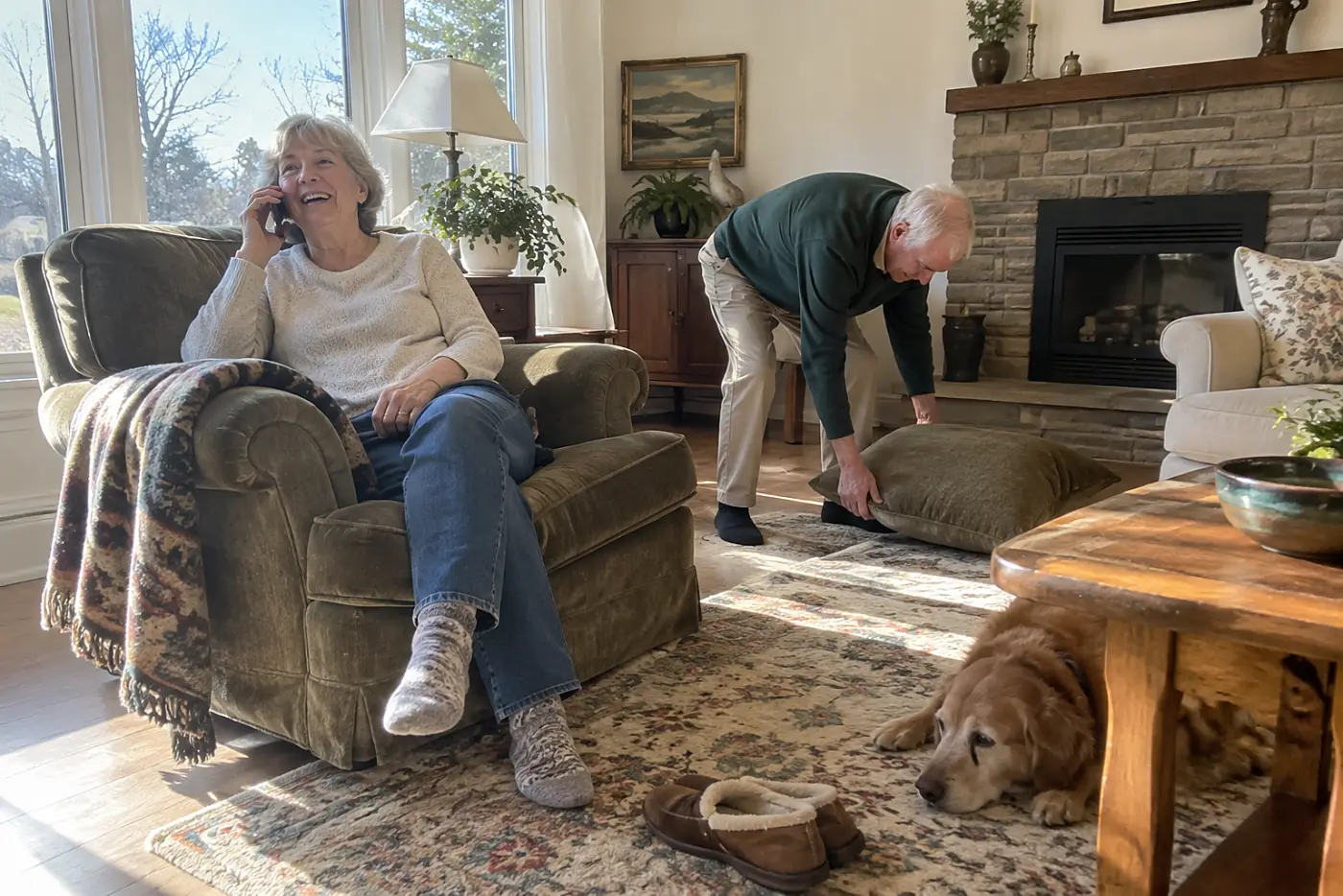
A sudden, severe headache calls for action before note-taking.
If a headache reaches intense pain within moments, stop what you’re doing. Don’t drive yourself to an appointment. A headache with new trouble speaking, weakness, or confusion also needs emergency care. Those signs call for help now, not a comparison with the headache you had last month.
Years of knowing your usual headaches give you something valuable: you recognize when this one is different. But you don’t need to settle the cause before calling 911. Waiting to see whether it fades costs time if the symptom points to an emergency.
This week, save your local emergency number in your phone if you haven’t already. Tell someone at home, “If I get a sudden, severe headache or have trouble speaking, call 911.”
Once help is on the way, the details you remember still matter.
2A goal written in your own words

Your goal gives a visit direction.
A clinician hears something different when you say you want to garden rather than “get in shape.” Name the task and the part that stops you. “I can kneel, but standing back up is hard” tells them where to begin.
Without your words, a visit can drift toward a concern that matters less to your Tuesday afternoon. The task you choose keeps the conversation tied to your life.
Before your next appointment, write one sentence about what you want to do. Say, “I want to carry two grocery bags from the car without stopping.”
Keep that sentence handy; another question puts it to work.
1A fall risk check you request
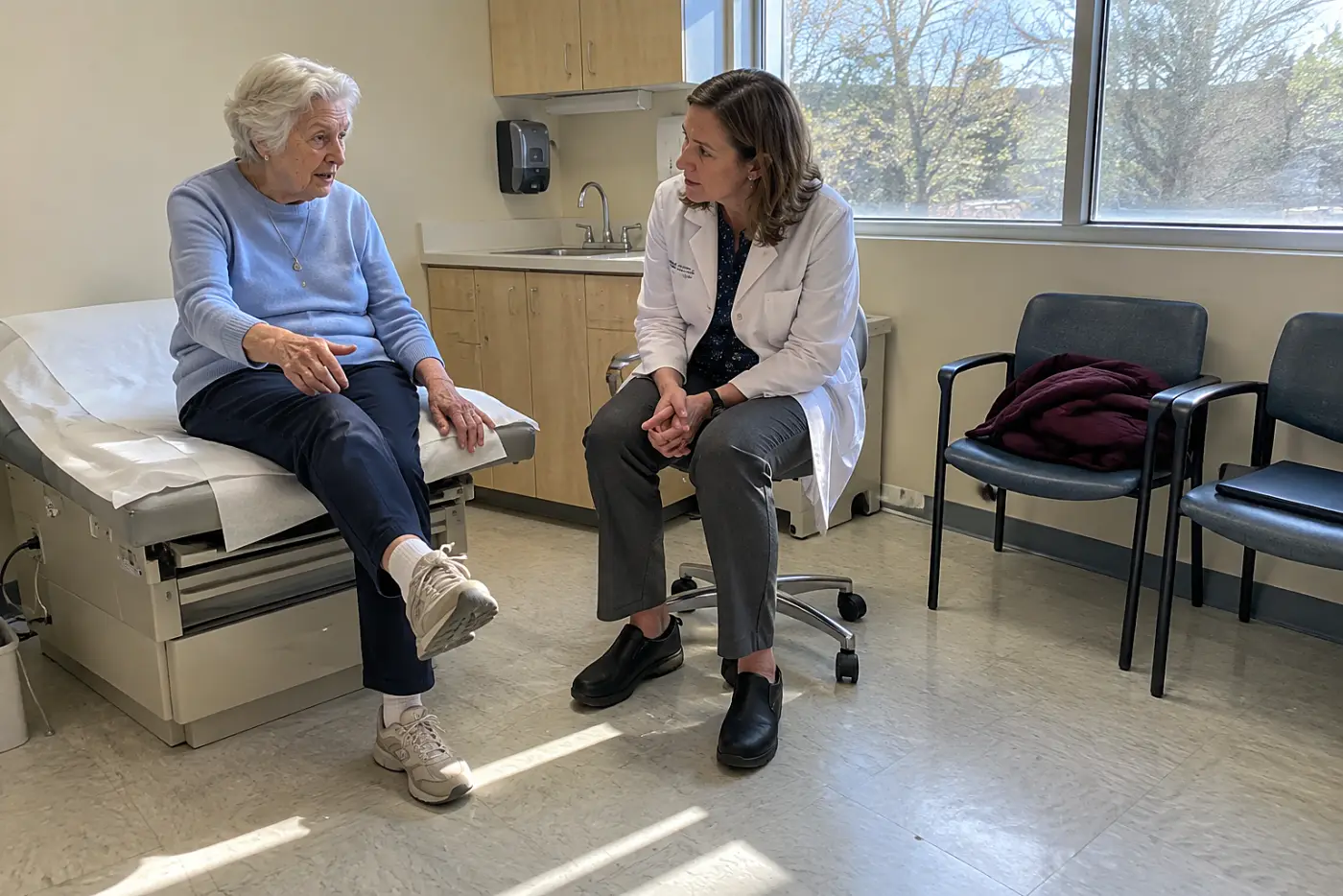
A fall doesn’t have to come first.
At a health visit, tell your clinician about a stumble, a near fall, or a new hesitation on uneven ground. Ask for a fall risk check using the CDC’s STEADI tools. The check starts with your history and leads to tests of how you walk, stand, and balance.
A near fall that never reaches the chart is easy to dismiss. Finding a balance or medication issue before a fall gives you a chance to address it.
Write down one recent stumble or hesitation this week. Ask, “Will you check my fall risk and tell me what we should work on first?” Take the answer home in your own words.
There’s one last way to make that answer usable.
The bottom line
Across these 27 things, the pattern is practice, attention, and a clearer way to spot change.
The best-prepared version of you has a specific example ready, but still asks what comes next. That answer deserves a place beyond the exam room.
Which of these has already happened in your family?
Up next
26 Five-Minute Exercises for Seniors
A head-to-toe menu of 5-minute exercises for seniors using a sturdy chair, a kitchen counter, and, if you want one, a soft ball.
Read the list →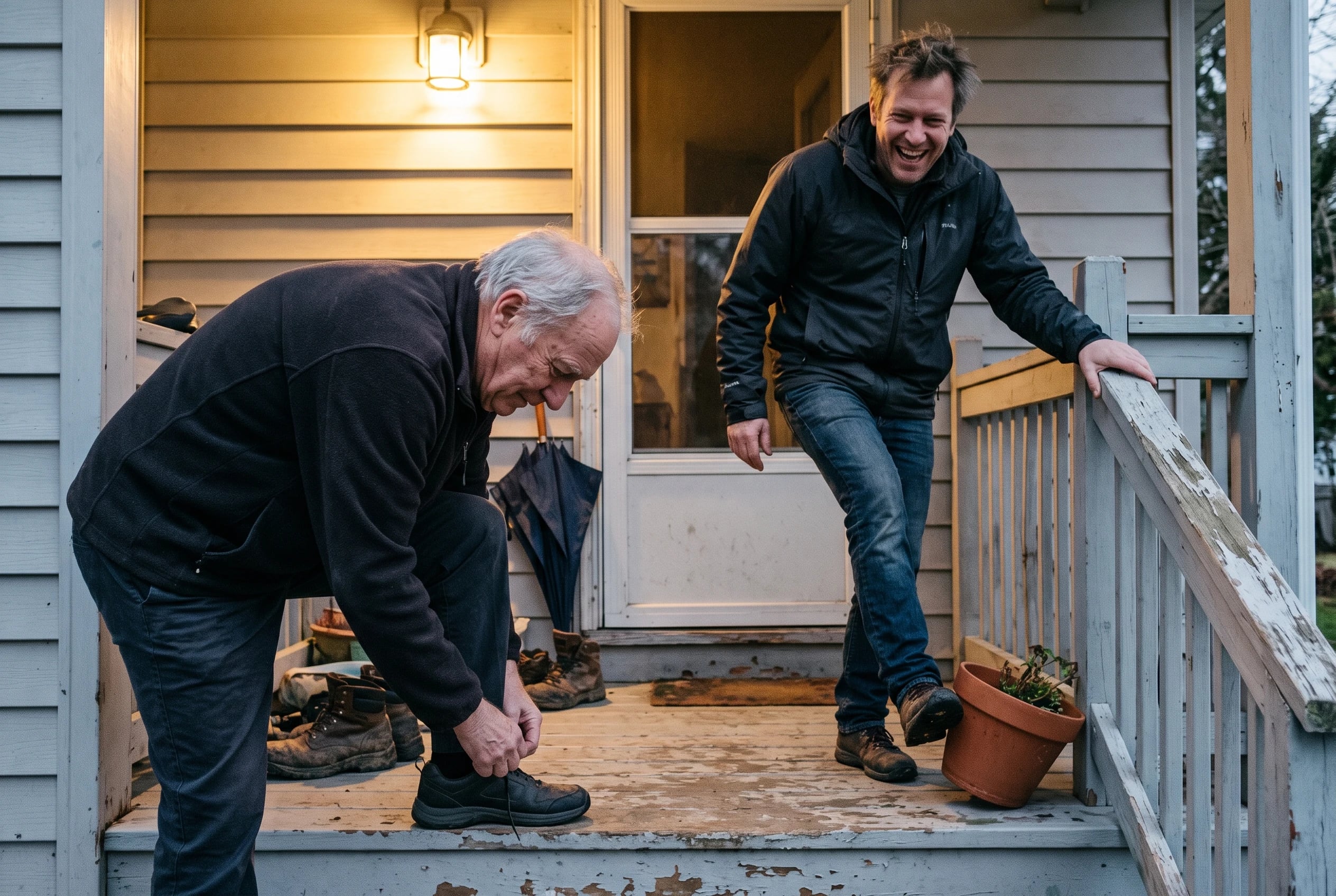

Reader quiz
Did you catch the details?
5 questions from this article. Finish them all to unlock the editor's bonus tip.
What should you do if something catches your foot on your usual route?
Did any of these feel familiar?
Know someone who needs this?
Sources cited in this article
This article links to 9 outside sources, listed here so you can read them yourself.
- Move Your Way health.gov/moveyourway
- CDC’s STEADI initiative www.cdc.gov/steadi
- American Diabetes Association diabetes.org
- National Institute on Deafness and Other Communication Disorders www.nidcd.nih.gov
- National Institute on Aging www.nia.nih.gov/health/sleep
- National Institute on Aging www.nia.nih.gov/health/loneliness-and-social-isolation
- U.S. Preventive Services Task Force www.uspreventiveservicestaskforce.org
- CDC adult immunization schedule www.cdc.gov/vaccines/hcp/imz-schedules/adult-age.html
- American Heart Association www.heart.org/en/health-topics/high-blood-pressure
Dr. Alan Pierce, PT, DPT
Health Reviewer
Alan is a physical therapist who specializes in helping adults over 50 stay strong and mobile.
More from Dr. Alan Pierce