



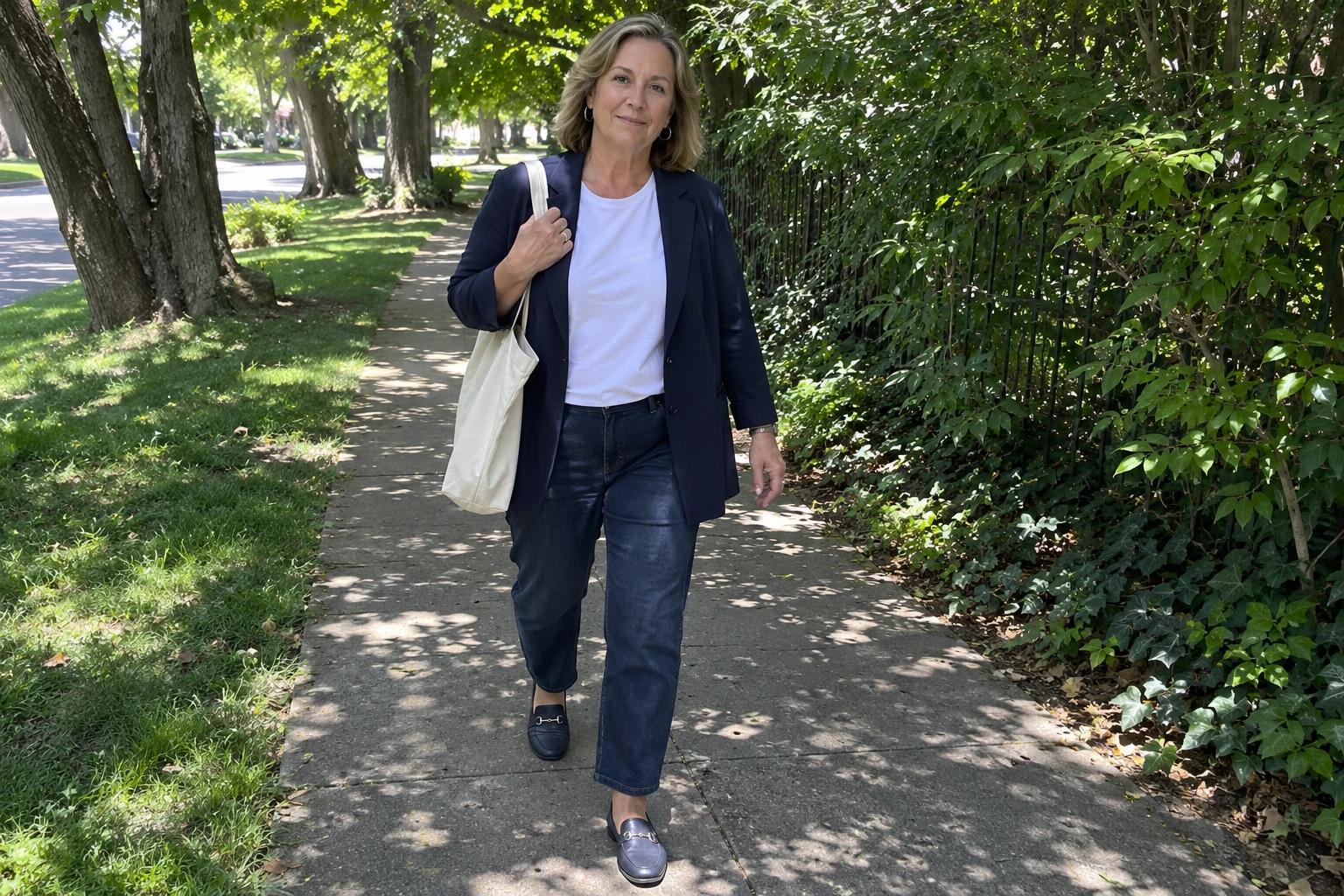
Walking for Weight Loss Over 50: A Beginner Plan
A week-by-week walking schedule that starts from your own step count, with honest numbers on how much weight it will actually move.

By Peter Byalik, Food & Home Editor
Updated · 26 min read
The short answer: Start with one brisk 10- to 15-minute walk a day. Brisk means you can talk but not sing. Build toward 150 minutes of moderate activity a week, or more than 250 for meaningful weight loss. Add strength training twice a week. Walking alone burns modest calories, so pair it with eating less and aim for a steady 1 to 2 pounds a week.
- Written by our food & home editor
- Cited 50 sources
- How we review
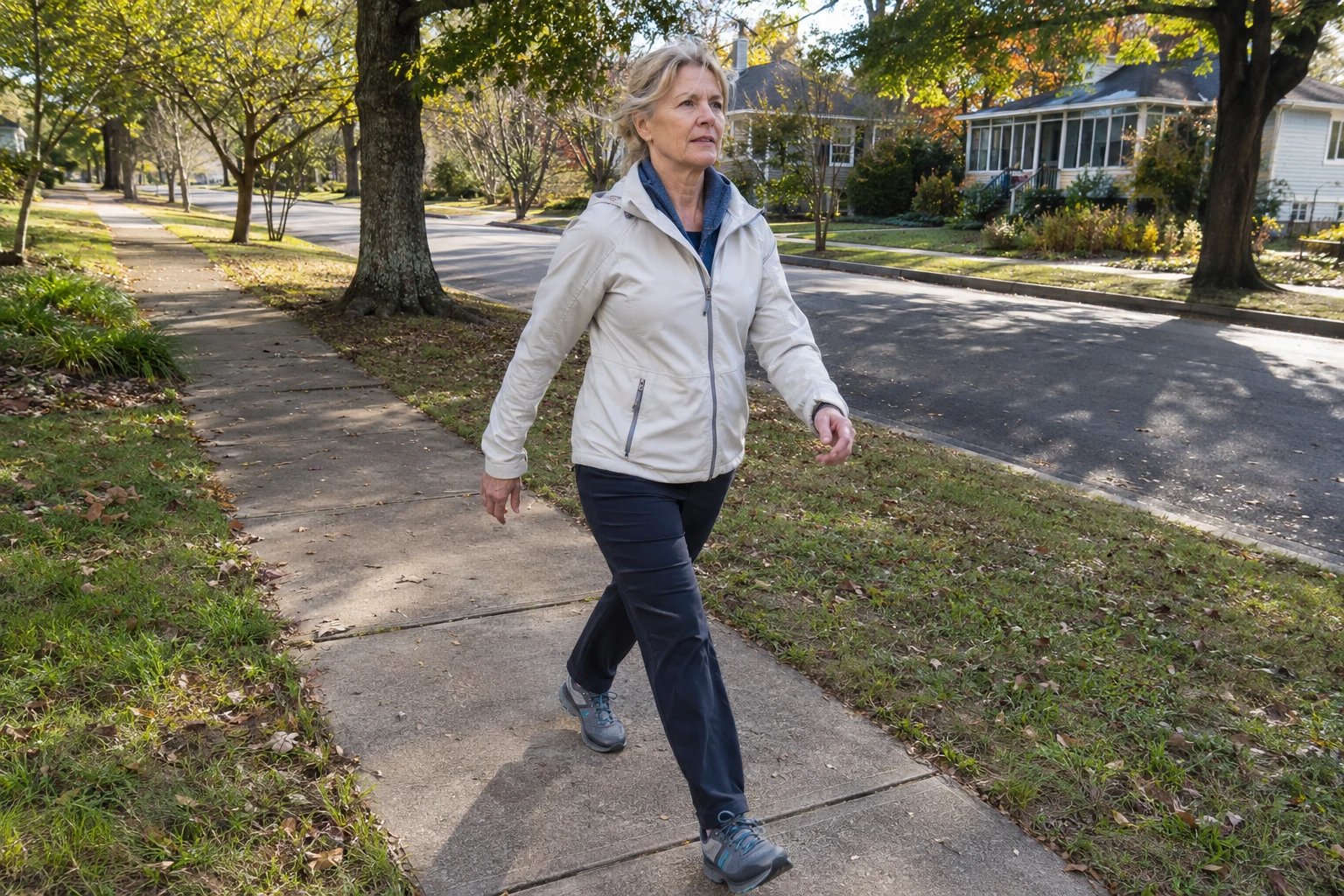
Your phone has probably been counting your steps for years, in an app you've never opened. That number is the most useful thing you own for this project, and it costs nothing.
Most plans start you at someone else's goal, usually 10,000 steps. Then they leave you to discover it takes about an hour and forty minutes a day. In my experience, any plan that starts at the finish line gets dropped by week two.
So here's how to start walking for weight loss over 50 from where you already are. You get your own step count, a six-week schedule and two short strength days. You also get the honest arithmetic on what walking does to the scale, which is less than the internet suggests.
What can walking alone actually do for your weight?
On its own, not a lot. Better to hear that on day one than in month three.
The CDC puts it plainly: "Most weight loss occurs from decreasing calories." The same page says regular activity is "the only way to maintain weight loss." So walking has two jobs. It adds a little to the loss, and it's the only way to keep the weight off afterward.
Here's the generous version. Suppose you weigh 185 pounds and walk 30 brisk minutes every single day without changing what you eat. You'd lose a little over a pound a month. The old rule behind that figure, 3,500 calories to the pound, also runs high, so the real number is likely lower.
If you're starting from close to nothing, you have company. In the CDC's 2024 national survey, about 55 percent of adults 50 to 64 didn't reach the weekly activity guideline in their free time. Among those 65 and older, it was about 62 percent.
Weight is a common starting point too. In CDC measurements from 2021 to 2023, about 46 percent of adults 40 to 59 had obesity, and so did about 39 percent of those 60 and up. Obesity here means a BMI, the weight-for-height score, of 30 or more.
That's why walking for weight loss over 50 works best as one half of a plan. The other half is a calorie deficit, which simply means eating a bit less than you burn.
How many steps are you already taking each day?
Find out what a normal day looks like before you set any goal. Your phone has the answer, as long as it rides in your pocket.
- iPhone: Open the Health app. Apple says it "automatically counts your steps, walking, and running distances." To keep the count in view, go to the Summary tab, tap Edit next to Pinned and choose Steps.
- Android with Google Fit: Open the app and tap the Steps number at the top. Then tap Day, Week or Month to see other dates.
Look at the number every evening for a week and note it down. The average of those seven days is your baseline.
Now set your first goal from that number, not from a poster:
- Under about 3,000 steps a day: Dr. Alex, an emergency medicine doctor with nearly a decade in Britain's National Health Service, keeps it simple. "Now, if you're under 3,000 steps a day, the only goal for the next 2 weeks is to add one 10-to-15-minute walk per day."
- Past 3,000 but still mostly sitting: Dr. I-Min Lee, an epidemiologist at Brigham and Women's Hospital and Harvard Medical School, says, "If you're sedentary, add 2,000 more daily steps so that you average at least 4,400 daily steps." At a brisk pace, 2,000 steps takes about 20 minutes.
What should you check before you start walking?
The American Academy of Family Physicians advises checking with your doctor first if you're over 50 and not used to exercise. That goes double if you've had dizziness, chest pain, shortness of breath, joint swelling, recent surgery or a hernia.
On a walk, stop and call your doctor if you get chest pain, trouble breathing, dizziness, balance problems or nausea.
Got a cold or the flu? The same page says to wait until you feel better. The walk will keep.
How brisk is brisk enough to lose weight?
Brisk enough that you can talk but not sing. That's the CDC's test for moderate activity, and Dr. Alex puts it the same way:
"You want to be moving briskly enough that talking is easy, but singing would be hard." Dr. Alex, emergency medicine doctor (video)
Brisk is personal. The Arthritis Foundation says "what's 'brisk' for you may not be brisk for someone else." It also says, "If you're getting a bit winded, that's fast enough."
If you're carrying extra weight or just starting, your brisk may look like a stroll to the person passing you. It doesn't matter. Your heart has no idea what pace they're doing.
What should your walking plan look like in weeks one and two?
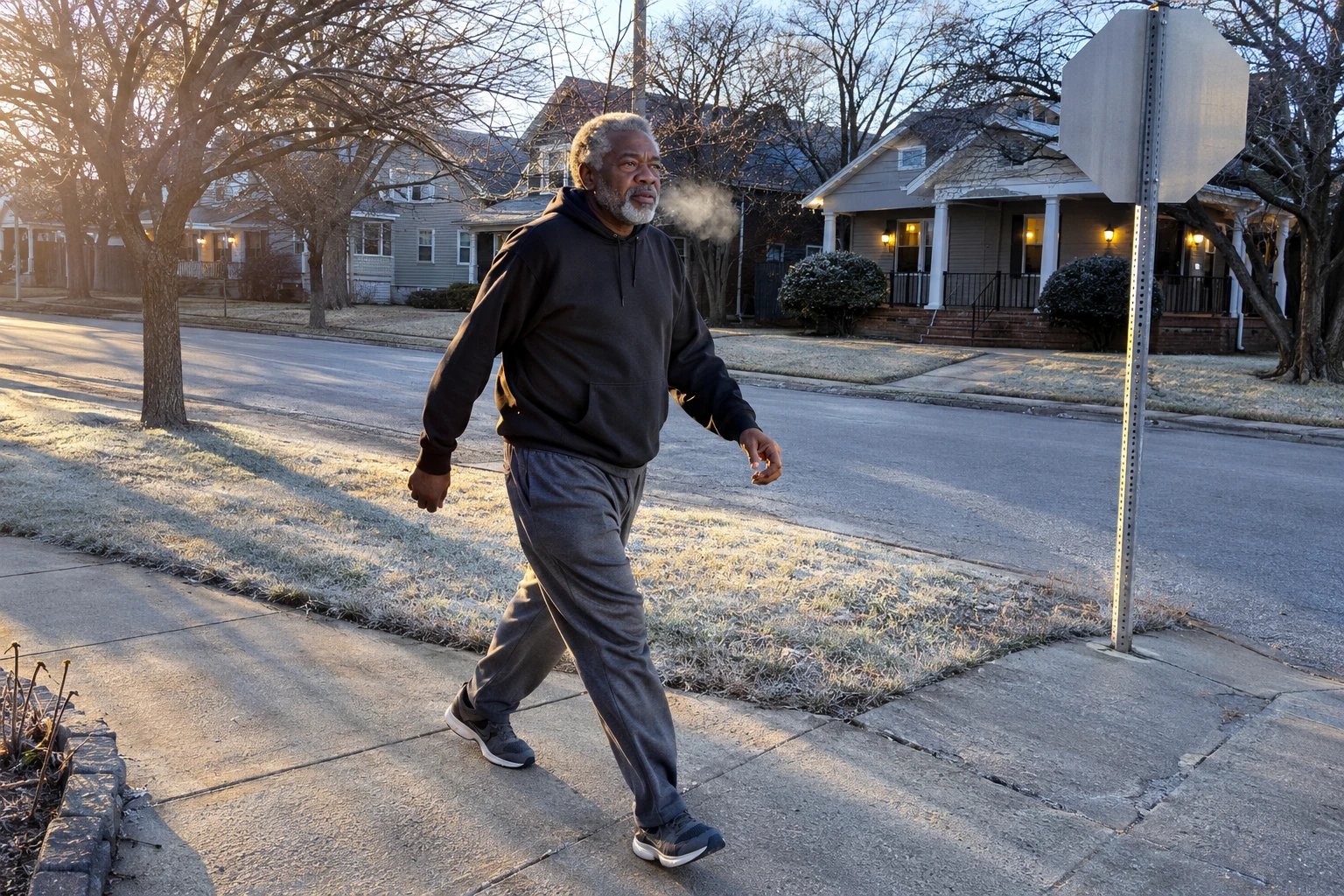
Take one brisk walk a day, 10 to 15 minutes, and nothing else. That's the whole beginner walking plan for the first two weeks, and it should feel almost too easy.
- Pick a fixed time. Choose a slot you can protect every day, such as after breakfast, at lunch or before dinner.
- Walk 10 minutes in week one and 15 in week two, at talk-but-not-sing pace. The Arthritis Foundation's version: "Try starting with a brisk 10-minute walk every day; then add five minutes to the walk each week."
- Add nothing else yet. The NIH's advice for older adults fits in four words: "Start low and go slow."
- Move on only when it's routine. Dr. Alex: "After 2 weeks, that walk should feel pretty normal." If it doesn't, repeat week two. The Arthritis Foundation's rule is to step up only "once you're able to consistently maintain a certain level."
On a day you can't manage the full walk, a shorter one still counts. The CDC's line for older adults is that some activity "is better than none at all."
The starts people describe are small. On Reddit, people who began out of shape mention a 10-minute walk to a stop sign, then a few more houses each week. Others did laps of a hallway several times a day.
In my experience, the person who shows up every day at a modest pace outlasts the one who goes hard for a week and disappears. Dr. Alex says the same: "One single good walk doesn't really change anything, but 6 weeks of daily consistent walking starts to."
What comes next in weeks three through six?
You add a second walk, then let both walks get a little longer. Strength work joins in week three, twice a week.
Here's the schedule I'd follow. It's my own plan, built on the step-up rules from the Arthritis Foundation and Dr. Alex: start at 10 minutes, add about 5 a week, and add a second walk once the first feels normal. It isn't an agency's schedule.
| Week | Brisk walking each day | Weekly minutes |
|---|---|---|
| 1 | One 10-minute walk | 70 |
| 2 | One 15-minute walk | 105 |
| 3 | Two walks: 10 and 15 minutes | 175 |
| 4 | Two 15-minute walks | 210 |
| 5 | Two walks: 15 and 20 minutes | 245 |
| 6 | Two 20-minute walks | 280 |
Week three clears the CDC's floor of 150 minutes of moderate activity a week. Week six passes the 250-minute mark that the American College of Sports Medicine ties to meaningful loss.
Those totals assume you walk every day. Walk five days a week and week six lands nearer 200 minutes, which still beats the floor. Repeat any week that didn't feel routine. Nobody is grading the calendar.
So where does the second walk go? After a meal is a handy slot. The walk after meals gets sold online as a weight-loss trick, though, and that part isn't proven.
A 2023 review of eight small trials found that exercise after eating blunted blood sugar spikes better than exercise before eating. It measured nothing about weight.
What the evidence does support is spreading your movement through the day. Wake Forest's EMPOWER trial followed adults 65 to 85 with obesity, all on a diet program. Lead author Jason Fanning reported: "We found that moving throughout the day to meet your daily activity goal is as effective for supporting weight loss as structured exercise and is better for keeping that weight off."
So the after-dinner walk earns its place as a time slot.
How many steps a day do you really need?
For health, about 7,000 steps a day gets most people most of the benefit. For weight, steps aren't the right measure at all.
A 2025 review led by Professor Melody Ding of the University of Sydney pooled 57 studies. Compared with 2,000 steps a day, 7,000 steps went with a 47 percent lower risk of early death, nearly the same as 10,000. It also went with a 38 percent lower dementia risk. "Aiming for 7000 steps is a realistic goal based on our findings," Ding said.
A 2022 analysis of nearly 50,000 people found the benefit leveled off at different points by age:
- Adults 60 and older: about 6,000 to 8,000 steps a day
- Adults under 60: about 8,000 to 10,000 steps a day
So where did 10,000 come from? It was the name of a 1965 Japanese pedometer, Manpo-kei, meaning "10,000 steps meter." Dr. Lee's verdict: "The name was a marketing tool."
In his video, Dr. Alex gives about 7,500 steps as his everyday figure, which is a sound health target. Just don't hold it up to the scale. These studies measured death and disease, not pounds. For weight, what counts is minutes of brisk walking and calories eaten.
Where does strength training fit into your walking week?
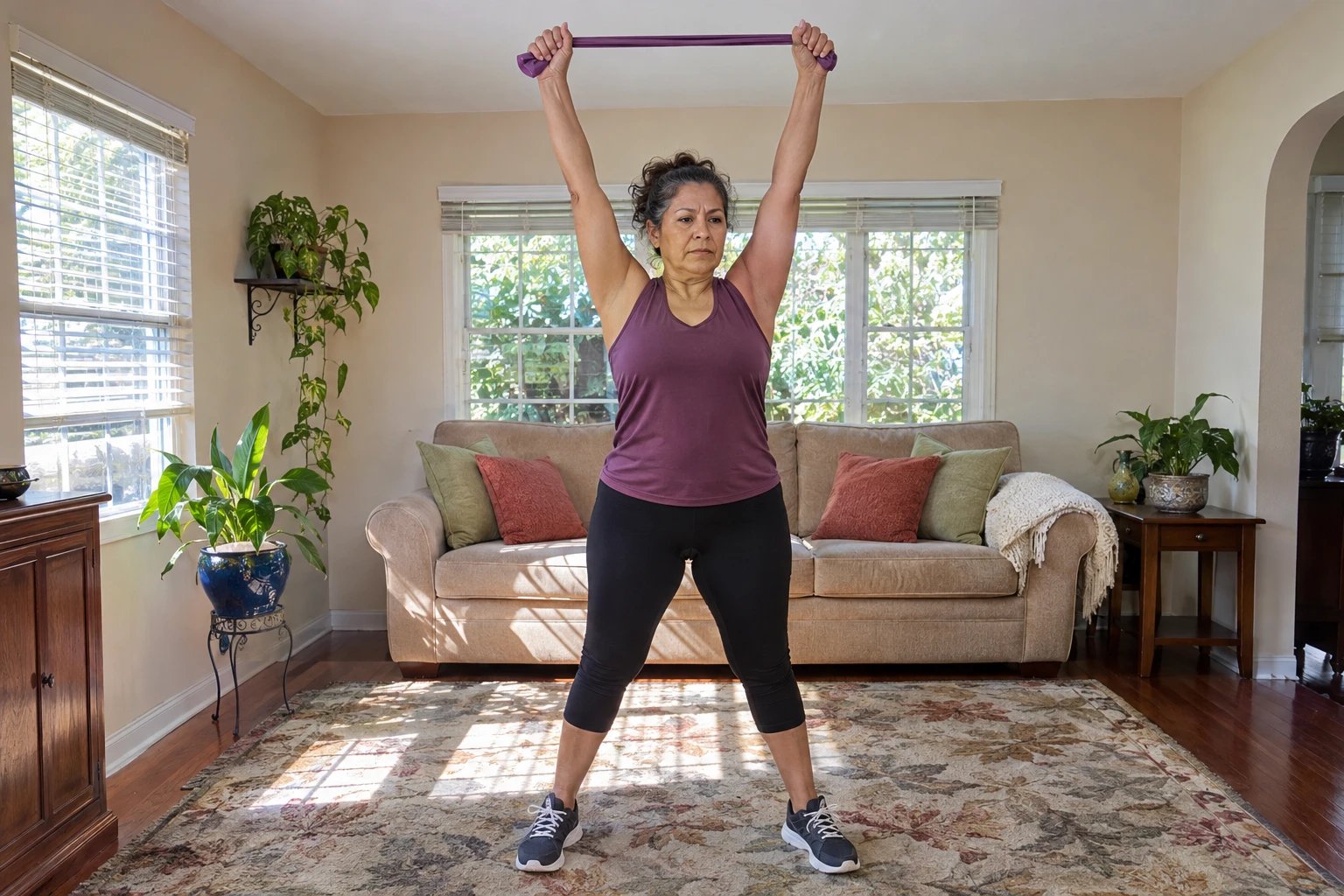
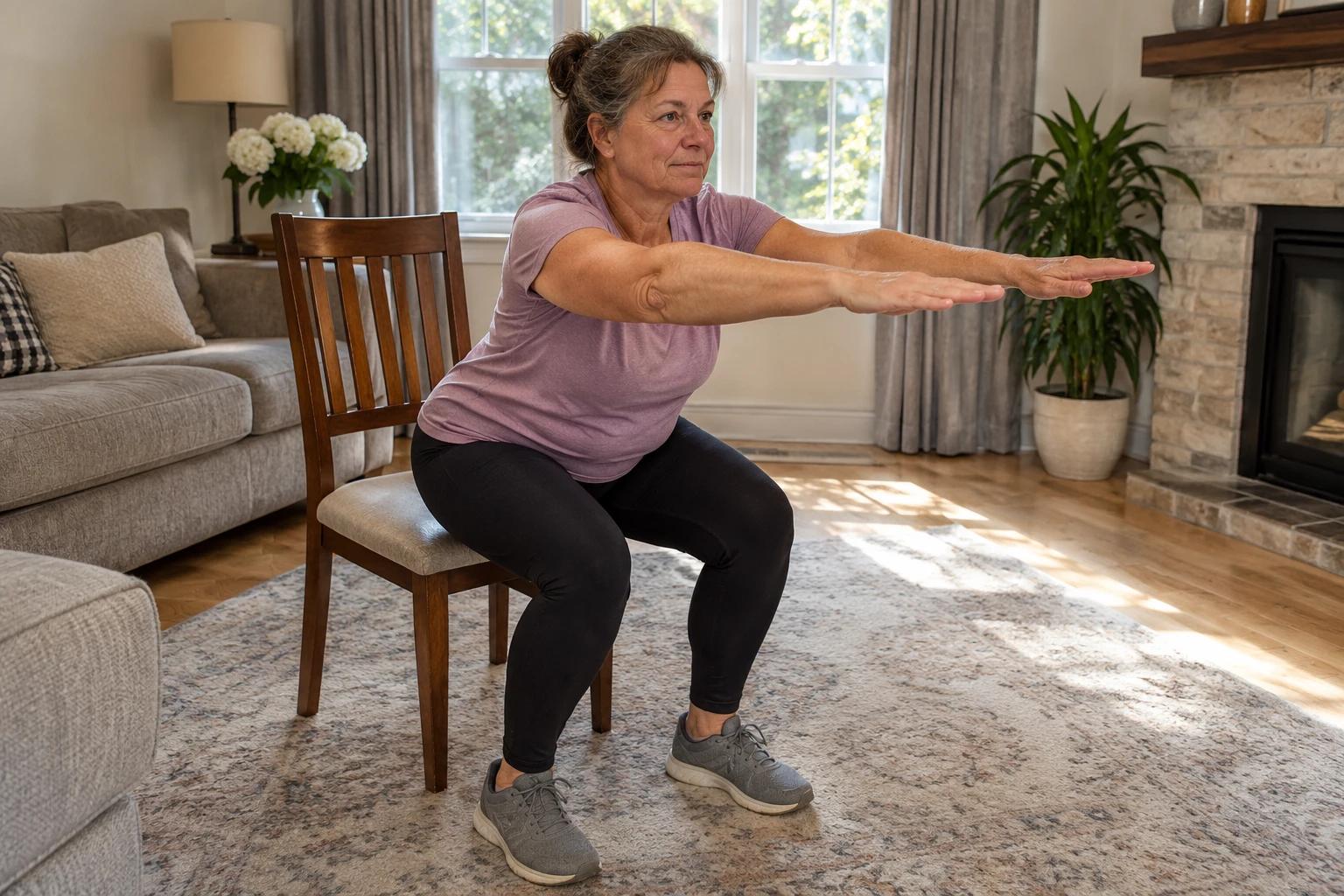
Do strength training twice a week, on top of your walks. The CDC's guidelines for older adults ask for muscle work on at least two days a week. That should cover the legs, hips, back, abdomen, chest, shoulders and arms, plus balance work such as heel-to-toe walking.
There's no official rule on which days to use. Here's my suggestion, with gaps between sessions so one missed day doesn't sink the week:
- Monday: your walks, plus strength
- Thursday: your walks, plus strength
- Every other day: walks only
A session is simple. The CDC counts 8 to 12 repetitions as one set. Do at least one set, and two or three if you can, to "the point where it's hard to do another repetition without help." Weights, resistance bands, push-ups, sit-ups, gardening and yoga all count. So does the NIH's humbler suggestion to "carry heavy loads, like groceries or laundry."
Ed Deboo, a physical therapist in Bellingham, Washington, recommends strength work at least twice a week, and preferably three times. The last few reps should feel like work: muscle fatigue and burn are fine, pain is not.
Why bother, if you're walking already? Dr. Alex: "Walking isn't the same as lifting weights. And if you actually want to build muscle, then you need to do more than just walk."
The strength days won't speed up the scale. The sports medicine group says plainly that "Resistance training does not enhance weight loss but may increase fat-free mass." Fat-free mass means everything in your body that isn't fat. Their job is to help you preserve lean muscle while the fat goes.
A six-month trial in the New England Journal of Medicine showed the difference. Adults 65 and up with obesity and mild-to-moderate frailty, mostly women, all dieted and lost about 9 percent of their weight. The aerobic-only group lost about 5 percent of its lean mass. The strength-only group lost about 2 percent, and the combined group about 3 percent.
The combined group also gained the most in everyday physical function: 21 percent, against 14 percent for either type alone. Their sessions ran far longer than yours will at first, but the direction is clear.
What eating changes make the biggest difference?
Eating a little less, every day, for good. That's the change that moves the scale, and walking backs it up.
People who've been through it say the same thing. In Reddit threads and TikTok comments from people who lost weight while walking, the pattern repeats. The walking helped, but cutting calories did most of the work. Several point out that steps alone won't get you there.
Three moves turn "eat less" into something you can actually do:
- Get a real number. The NIH's free Body Weight Planner uses your age, sex, height, weight and activity level. It tells you how many calories a day reach and hold your goal weight. It also sets a floor: "Daily intake must be at least 1000 calories/day."
- Make protein the main event at each meal. The NIH's list for older adults includes "Seafood, lean meats, poultry, and eggs," plus "beans, peas, unsalted nuts, and seeds." A 2016 review cites a suggestion of about 30 grams of high-quality protein per meal. That's the authors' view, not official US guidance, and anyone with kidney disease should ask their doctor first. For scale, USDA data puts a 3-ounce cooked chicken breast at about 26 grams and a cup of plain nonfat Greek yogurt at about 25, while one large egg has about 6.
- Treat restaurant plates as two meals. The NIH: "If the portion is bigger than one serving, take home or put away the rest." In my experience, restaurant portions are sized to look generous, not to match what one person needs. Ask for the box when the food arrives, not when you're done.
How many pounds a month can you realistically lose after 50?
Expect a few pounds a month, not a few a week. Slow is the pace that tends to stick.
If 50 has felt like a wall, the wall may not be your metabolism. A study of more than 6,400 people in 29 countries found otherwise. Herman Pontzer of Duke University, one of its authors, said: "Metabolic rate is really stable all through adult life, 20 to 60 years old. There's no effect of menopause."
Older people often do better than younger ones in structured programs. In Look AHEAD, a four-year program of calorie cuts plus activity for people with type 2 diabetes, those 65 to 76 lost more weight than younger participants. In the Diabetes Prevention Program, participants 60 to 85 also lost more weight than the younger groups.
Real life runs slower than trials. On Reddit, posters who give their ages as 55, 61 and 65 describe about 2 pounds a month, or 15 to 20 a year. Many also tracked their food.
A 55-year-old woman on r/AskWomenOver50 said it can feel like a lot of work and discipline to lose only 2 pounds a month.
A 65-year-old retired woman on r/Aging, 45 pounds down, calls losing weight at this age difficult but not impossible.
What if you're starting at a high weight or with sore knees?
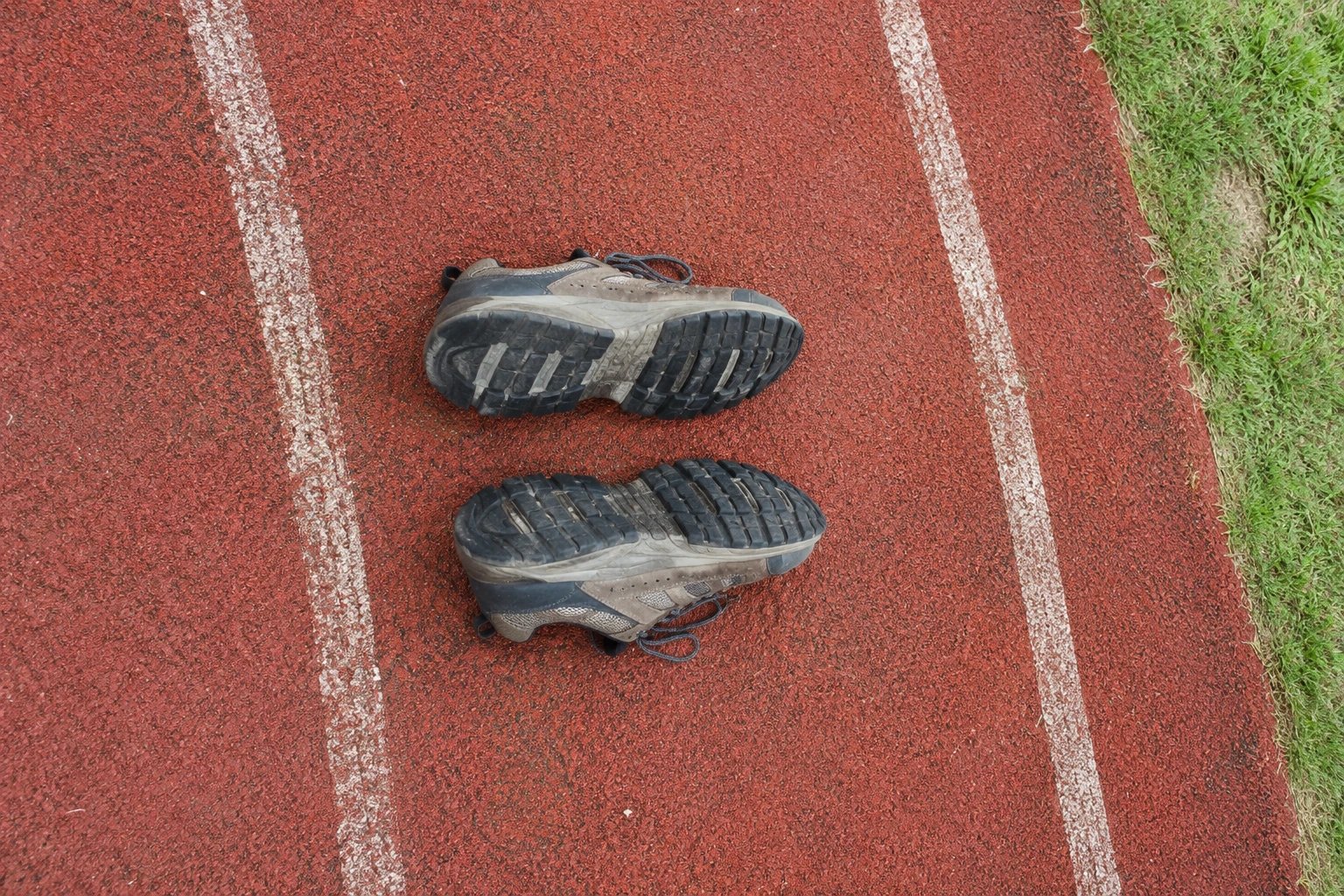
Then you start lower and on softer ground. If walking wears you out, let food lead for a while.
The Arthritis Foundation's two-hour rule tells you when you've done too much:
"If you have more joint pain two hours after exercising than before you started, you've overdone it." (Arthritis Foundation)
When that happens, shorten the next walk rather than quitting. Low-impact options keep you moving on the bad days:
- A track. "A high school track is a great place to walk because it's level and often cushioned."
- Water. The NIH says water workouts put less stress on joints than walking. "You don't need to know how to swim to work out in water."
- A chair. If standing is hard, the NIH suggests you "try dancing while sitting down."
- Your thighs. The Arthritis Foundation says to strengthen your quadriceps, the front of your thigh, "to better support those knees."
Shoes matter more than any gadget. The NIH calls for "comfortable, well-fitting walking shoes with a lot of support." People with foot pain in Reddit and TikTok threads mention switching to wide-fit walking shoes. Others with arthritic knees mention moving to low-impact machines.
The pounds you lose pay your knees back. A Wake Forest study of older adults with knee arthritis found that each pound lost took about 4 pounds of load off the knee with every step. Researcher Stephen Messier: "For people losing 10 pounds, each knee would be subjected to 48,000 pounds less in compressive load per mile walked."
If you want structure, the Arthritis Foundation's Walk With Ease is a six-week program. You can join a group that meets three times a week for 10- to 40-minute walks, or do it alone with an $11.95 guidebook.
Some people starting at very high weights report that even slow walking exhausted them, so they changed their eating first. One poster on r/loseit started at 57 and waited until they felt ready to start exercising. That's a legitimate order to do things in.
Two programs can help with the food side:
- If you have Medicare: the Medicare Diabetes Prevention Program costs nothing if you qualify. You need a BMI of 25 or more (23 for Asian individuals), a blood sugar test in the prediabetes range, such as an A1c of 5.7 to 6.4 percent, and no diabetes. It runs 16 weekly sessions over six months, then six monthly ones.
- Otherwise: the CDC's National Diabetes Prevention Program offers a year of coaching, in person or online. The CDC says people making these changes "can cut their risk for type 2 diabetes in half." The cost depends on where you live and who runs it, and the CDC's Find a Program tool searches by ZIP code.
How long does a 7,500- or 10,000-step goal actually take?
Longer than it sounds. At a brisk 100 steps a minute, here's what each goal costs in walking time:
- 2,000 extra steps: about 20 minutes
- 7,500 steps total: about an hour and a quarter
- 10,000 steps total: about an hour and forty minutes
Your everyday steps count toward those totals, so the real cost is the gap. If you already take 3,000 a day, reaching 7,500 means about 45 more minutes on your feet.
In my experience, anything worth doing gets priced in hours first. A TikTok commenter weighing a 10,000-step goal did the same sum and found it takes far more time than it sounds.
You don't need it in one block. The CDC's own example, 30 minutes a day on 5 days, covers the weekly guideline. EMPOWER found that movement spread through the day worked as well for weight loss as formal workouts. Two 20-minute walks and the long way around the store count just as much as one long outing.
What's your plan for bad weather?
Pick it now, while the sun's out, so a rainy morning doesn't turn into a week off.
The mall-walking guide also points out you'll have security staff and other walkers around, which beats an empty street in sleet.
Older adults sweat less efficiently and can get into trouble below official heat alerts. Hot, dry skin, confusion or a temperature of 103°F or higher can mean heat stroke, which is a medical emergency.
For indoor walking at home, people in walking threads mention laps of the house and yard and the stairs in their building. Some use under-desk walking pads. Others move up from 15-minute to 20-minute indoor walking videos.
The NIH also lists chair or water aerobics, tai chi, and seated arm and leg exercises. If you use a cane, the winter tip sheet adds one more: replace a worn tip.
How do you keep walking from getting boring?
Make the walk the time you get something else you like.
Here's what people who've kept it up say works, from Reddit and TikTok threads:
- Save one podcast or playlist for walks only, so you look forward to it
- Walk while you're on a phone call, or walk with a friend
- Bring a dog, if you have one, since it won't accept excuses
Dr. Jun Reyes, a physical therapist in Baldwin, New York, says enjoying the activity and making it a habit is what makes it stick. Fanning's advice from EMPOWER goes further: "work on finding many activities you enjoy." Mall walkers and Walk With Ease groups add the social part.
Plan for the bad weeks too. The CDC says to "Expect occasional setbacks and refocus quickly rather than abandoning your plan." It also suggests two or three specific short-term goals and rewards that aren't food. New walking shoes at the six-week mark qualify.
When are you ready to add intervals or longer walks?
You're ready when the week-six schedule feels ordinary. Then you can make the walks harder, longer or both.
Interval walking is the best-studied next step. Researchers at Shinshu University in Japan followed 679 people, median age 65, for five months. They used a simple pattern:
- Walk 3 minutes fast, at about 70 percent of your peak effort.
- Walk 3 minutes easy.
- Repeat for at least five rounds.
Aerobic fitness rose 14 percent, and a score for lifestyle diseases fell 17 percent. The gains leveled off at around 50 minutes of fast walking a week. The study didn't report weight on its own, so count intervals as a fitness upgrade, not a weight-loss shortcut.
Longer walks are the weight lever. The CDC says going past 150 minutes a week brings more health benefits. For the scale, the sports medicine group's mark is more than 250 minutes a week.
What should you change if the scale hasn't moved?
Give it a month of honest numbers. Then look at the food first and the watch second.
Start by retiring the 3,500-calorie rule. An NIH model by Kevin Hall found it "overestimates weight loss because it fails to account for how metabolism changes." For an average overweight adult, about half the total loss arrives in roughly the first year. Nearly all of it arrives by three years.
The model's rule of thumb: for each pound you want to lose, eat 10 fewer calories a day, permanently. "This research helps us understand why one person may lose weight faster or slower than another, even when they eat the same diet and do the same exercise," Hall said.
Then stop trusting your wrist. A Florida International University study tested the Apple Watch Series 8, Fitbit Sense 2, Samsung Galaxy Watch 5 and Garmin Forerunner 955. All four overestimated calories burned, usually by 15 to 25 percent, and more in people with more body fat. The test used an exercise bike, not walking.
Associate professor Jason Kostrna: "You could be off hundreds of calories each week and easily end up in a calorie surplus."
What to do instead:
- Track it. Keep a diary or app of food, activity, sleep and stress, as the CDC suggests. Food is usually where the gap hides.
- Get help on the food side. The CDC recommends a registered dietitian.
- Restart gently after a break. The family physicians' rule: "If you miss exercise for more than 2 weeks, be sure to start slowly again." In practice, drop back two weeks on the table and climb again.
The bottom line
Tonight, look up your step count. Pin it, check it each evening for a week, and average it. Nothing else happens until you have that number.
Under 3,000, start with one 10-minute walk a day. Above it, add about 20 minutes a day to what you already do. Then follow the six-week table at whatever speed your weeks allow, and add the two strength days in week three.
Put the Body Weight Planner on your phone the same night.
Up next
How to Lose Weight After 50 Without Going to the Gym
A full plan for your kitchen and living room, including a chair-and-soup-can strength routine, with honest numbers on pace, hunger and the stall that shows up around months six to eight.
Read the story →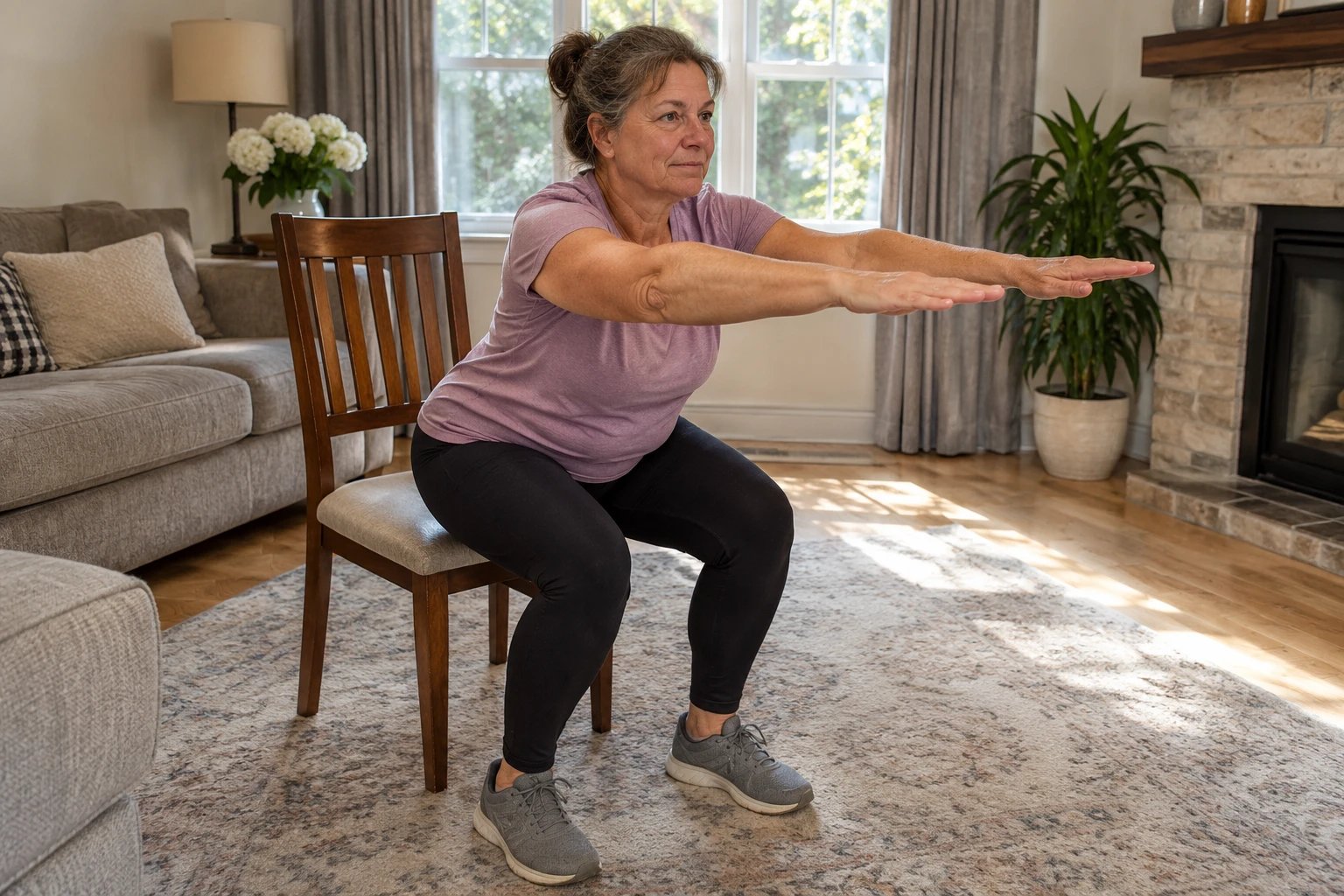
Reader quiz
Did you catch the details?
5 questions from this article.
According to the article, how do you work out your starting baseline before setting any walking goal?
Questions people also ask
How much should a 50 year old walk to lose weight?
Aim for at least 150 minutes of brisk walking a week for health, and more than 250 minutes a week for clinically significant weight loss. The American College of Sports Medicine says 150 to 250 minutes gives only modest weight loss. Either way, the CDC says most weight loss comes from eating fewer calories.
Can I lose 20 pounds in a month by walking?
No. The CDC's sustainable pace is 1 to 2 pounds a week, about 4 to 8 a month, and 20 pounds would mean 5 a week. A daily 30-minute walk burns about 133 to 159 calories for people weighing 155 to 185 pounds, according to Harvard Health. That's roughly a pound a month at most.
How long will it take to lose 50 pounds by walking?
At a realistic 1 to 2 pounds a week, 50 pounds takes about 25 to 50 weeks, and that pace depends on cutting calories as well as walking. NIH modeling shows loss slows over time, with about half arriving in the first year. In the EMPOWER trial, adults 65 to 85 lost about 18 pounds in six months with diet plus activity.
Do I need to walk 10,000 steps a day to lose weight?
No. No official source sets 10,000 steps as a weight-loss target, and the number started as a 1965 pedometer's marketing name. For adults 60 and older, the drop in early death risk leveled off at about 6,000 to 8,000 steps. Those studies measured health and survival, not weight.
Should I eat back the calories I burn walking?
There's no official rule, and my advice is to count little or none of what your watch says you burned. In an FIU test, four popular smartwatches overestimated calories burned by about 15 to 25 percent. Judge by the scale over several weeks instead.
Is walking after meals better for weight loss?
No study has shown it produces more weight loss than walking at any other time. A 2023 review of eight small trials found exercise after a meal blunted blood sugar spikes, but it measured no weight outcomes. It's still a convenient slot for a second walk, and spreading movement through the day helped older adults keep weight off in the EMPOWER trial.
Did any of these feel familiar?
Know someone who needs this?
 Prime Journal · Free printable
The Everyday Health Readiness Checklist
- A clearer path from bed to bathroom
- A medicine list ready for the pharmacist
- A symptom story and follow-up plan you can use
Free printable: The Everyday Health Readiness Checklist. Enter your email and it is yours.
Sources cited in this article
This article links to 50 outside sources, listed here so you can read them yourself.
- Most weight loss occurs from decreasing calories www.cdc.gov/healthy-weight-growth/physical-activity/index.html
- Harvard Health www.harvardhealth.org/diet-and-weight-loss/calories-burned-in-30-minutes-for…
- 2024 national survey www.cdc.gov/nchs/products/databriefs/db555.htm
- CDC measurements from 2021 to 2023 www.cdc.gov/nchs/products/databriefs/db508.htm
- Automatically counts your steps, walking, and running distances support.apple.com/en-il/104997
- Tap Day, Week or Month support.google.com/fit/answer/6090183?hl=en&co=GENIE.Platform%3DAndroid
- Now, if you're under 3,000 steps a day, the only goal for the next 2 weeks is to add one 10-to-15-minute walk per day www.youtube.com/watch?v=-SD1Oq10Dig&t=982s
- If you're sedentary, add 2,000 more daily steps so that you average at least 4,400 daily steps www.harvardhealth.org/blog/10000-steps-a-day-or-fewer-2019071117305
- Checking with your doctor first familydoctor.org/exercise-seniors
- Moderate activity www.cdc.gov/physical-activity-basics/measuring/index.html
- What's 'brisk' for you may not be brisk for someone else www.arthritis.org/health-wellness/healthy-living/physical-activity/getting-s…
- Start low and go slow www.niddk.nih.gov/health-information/weight-management/healthy-eating-physic…
- Is better than none at all www.cdc.gov/physical-activity-basics/guidelines/older-adults.html
- Reddit www.reddit.com/comments/16oslr0
- 2023 review of eight small trials pmc.ncbi.nlm.nih.gov/articles/PMC10036272
- We found that moving throughout the day to meet your daily activity goal is as effective for supporting weight loss as structured exercise and is better for keeping that weight off news.wfu.edu/2021/12/21/keeping-the-weight-off-treadmill-not-required
- Led by Professor Melody Ding www.sciencedaily.com/releases/2025/07/250726234359.htm
- 2022 analysis sph.unc.edu/sph-news/how-many-steps-lead-to-longevity-study-identifies-new-d…
- 8 to 12 repetitions as one set www.cdc.gov/physical-activity-basics/adding-older-adults/what-counts.html
- Strength work at least twice a week, and preferably three times www.youtube.com/watch?v=BaJ7mGf2eys&t=0s
- Muscle fatigue and burn are fine www.youtube.com/watch?v=BaJ7mGf2eys&t=184s
- Walking isn't the same as lifting weights. And if you actually want to build muscle, then you need to do more than just walk www.youtube.com/watch?v=-SD1Oq10Dig&t=673s
- New England Journal of Medicine evidence.nihr.ac.uk/alert/resistance-training-may-prevent-obese-older-people…
- Reddit threads www.reddit.com/comments/1l9qru4
- TikTok comments www.tiktok.com/@rebecks17/video/7425478273645186346
- Body Weight Planner www.niddk.nih.gov/bwp
- 2016 review pmc.ncbi.nlm.nih.gov/articles/PMC4997405
- Steady pace www.cdc.gov/healthy-weight-growth/losing-weight/index.html
- Metabolic rate is really stable all through adult life, 20 to 60 years old. There's no effect of menopause www.nbcnews.com/health/health-news/metabolism-adulthood-does-not-slow-common…
- Reddit www.reddit.com/comments/1urzqt5
- R/AskWomenOver50 www.reddit.com/comments/1gi7ni8
- Arthritis Foundation www.arthritis.org/health-wellness/healthy-living/physical-activity/success-s…
- Put less stress on joints www.niddk.nih.gov/health-information/weight-management/staying-active-at-any…
- For people losing 10 pounds, each knee would be subjected to 48,000 pounds less in compressive load per mile walked news.wfu.edu/2005/07/06/wfu-study-moderate-weight-loss-takes-major-pressure-…
- Walk With Ease www.arthritis.org/health-wellness/healthy-living/physical-activity/walking/w…
- One poster on r/loseit www.reddit.com/comments/1iqdapn
- Medicare Diabetes Prevention Program www.medicare.gov/coverage/medicare-diabetes-prevention-program
- National Diabetes Prevention Program www.cdc.gov/diabetes-prevention/lifestyle-change-program/index.html
- Cost depends on where you live and who runs it www.cdc.gov/diabetes-prevention/hcp/lifestyle-change-program/program-details…
- Find a Program tool diabetespath2prevention.cdc.gov/findaprogram
- Climate-controlled, indoor environment hprc.uw.edu/programs-tools/tools-guides/mall-walking-resource-guide
- 10 a.m. to 4 p.m www.harvardhealth.org/blog/extreme-heat-endangers-older-adults-what-to-know-…
- Make sure steps and walkways are clear before you walk www.healthinaging.org/tools-and-tips/tip-sheet-winter-safety-older-adults
- Threads www.reddit.com/comments/mnlrx6
- Reddit www.reddit.com/comments/1xuh1hc
- Enjoying the activity and making it a habit www.youtube.com/watch?v=9Yvl5XxvCCw&t=882s
- A simple pattern www.sciencedaily.com/releases/2019/11/191101093903.htm
- More health benefits www.cdc.gov/physical-activity-basics/guidelines/adults.html
- Overestimates weight loss because it fails to account for how metabolism changes www.sciencedaily.com/releases/2011/08/110825193104.htm
- Overestimated calories burned news.fiu.edu/2026/your-smartwatch-is-lying-to-you-about-how-many-calories-yo…

Peter Byalik
Food & Home Editor
Peter Byalik is a professional chef with more than 20 years of experience, including years running his own business. He came to the United States from Ukraine.
More from Peter Byalik