






23 Layered Hairstyles for Women Over 50 to Try
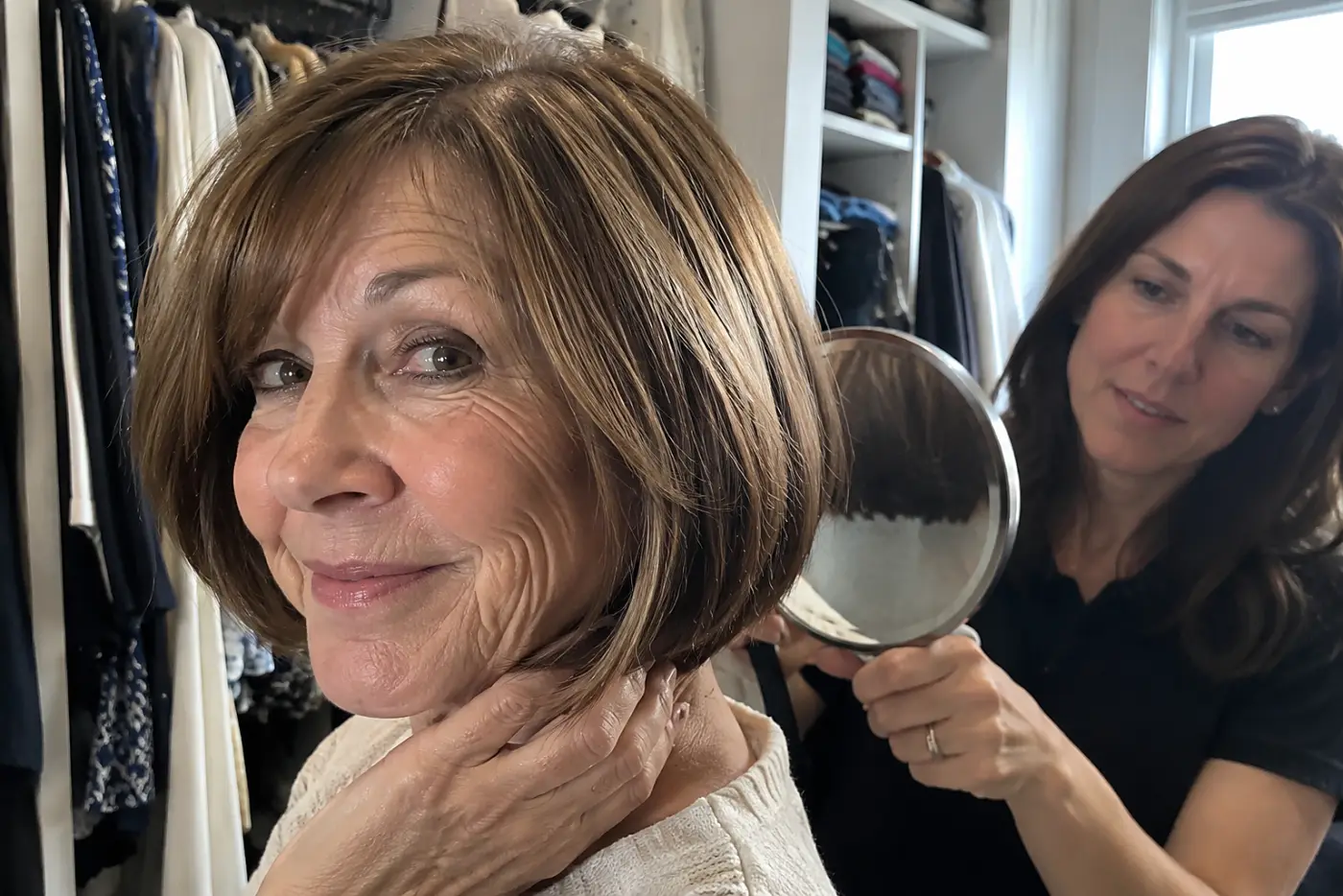
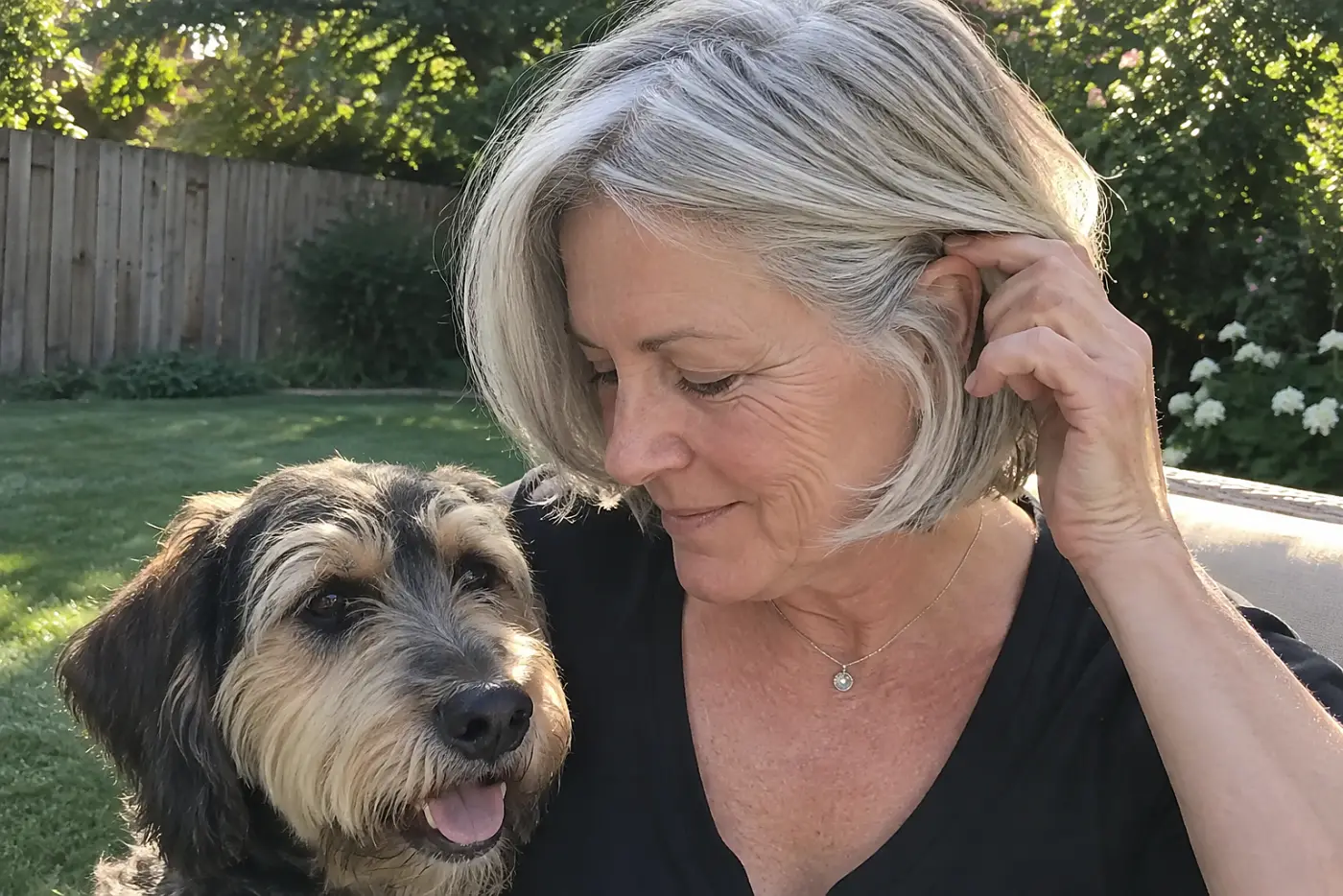
A jaw-length gray bob keeps its bottom edge full, while layers inside give thin hair room to move.
By Nora Bennett, Style Editor
Updated · 9 min read
- Written by our style editor
- How we review
Read to the end: #1 is the one sectioning trick that preserves fullness at the ends, and almost nobody asks for it.
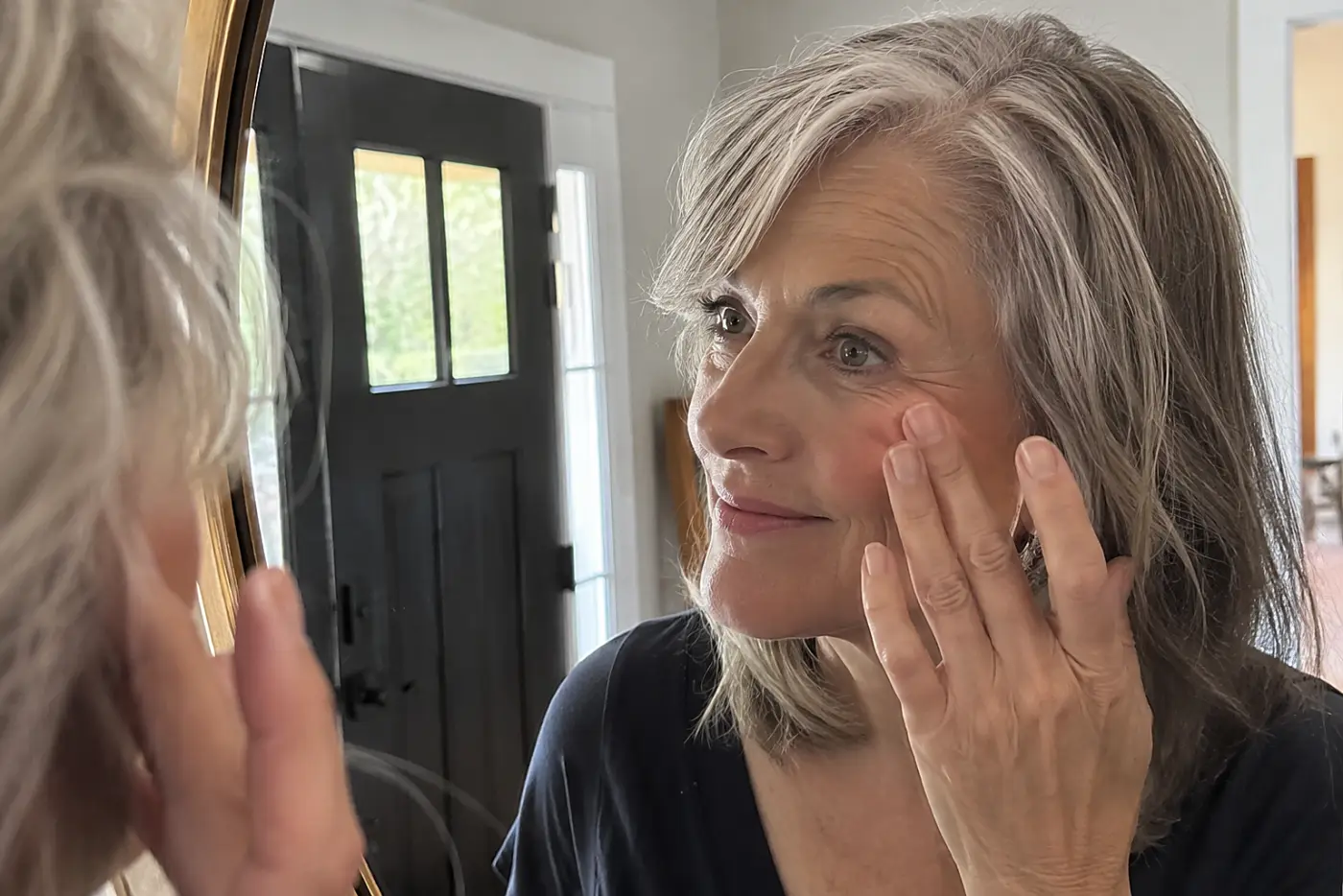
The bathroom light catches the silver at your temples before it catches the rest. You lift the hair at your crown, let go, and watch it fall flat again. You want movement, but not a cut that takes a round brush and twenty minutes to look like the picture.
Here are 23 layered cuts worth looking at closely.
23The Jaw-Length Gray Bob
Silver strands curve under a clean line at the jaw.
Short layers inside the bob give the sides room to move. The bottom still looks solid, which matters when your hair has thinned near the ends. That balance keeps the shape from turning wispy by lunchtime.
Ask for light internal layers and a jaw-length perimeter you can see from the side.
See more: 20 Best Shampoos for Women Over 60 With Thinning Hair →
22The Shoulder-Length Cut With Bent Ends
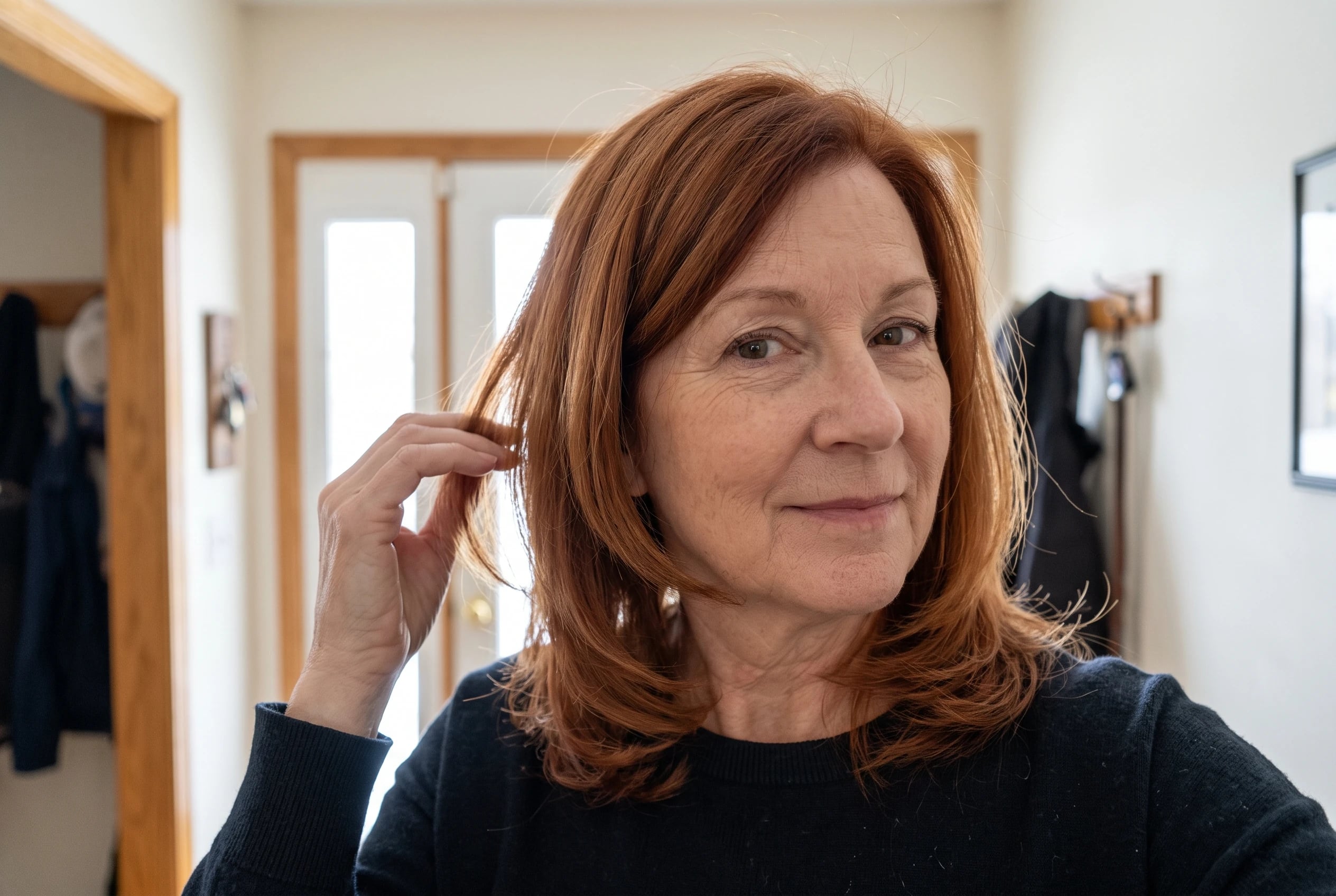
The ends turn outward just enough to clear your collar.
A shoulder-length cut has weight, so layers need a clear purpose. Shorter pieces around the face stop a full head of hair from hanging like a curtain. A slight bend at the ends comes from the cut and a quick pass with a brush, not a row of perfect curls.
Show your stylist where your shoulders sit, then ask for face-framing layers that start below your cheekbones.
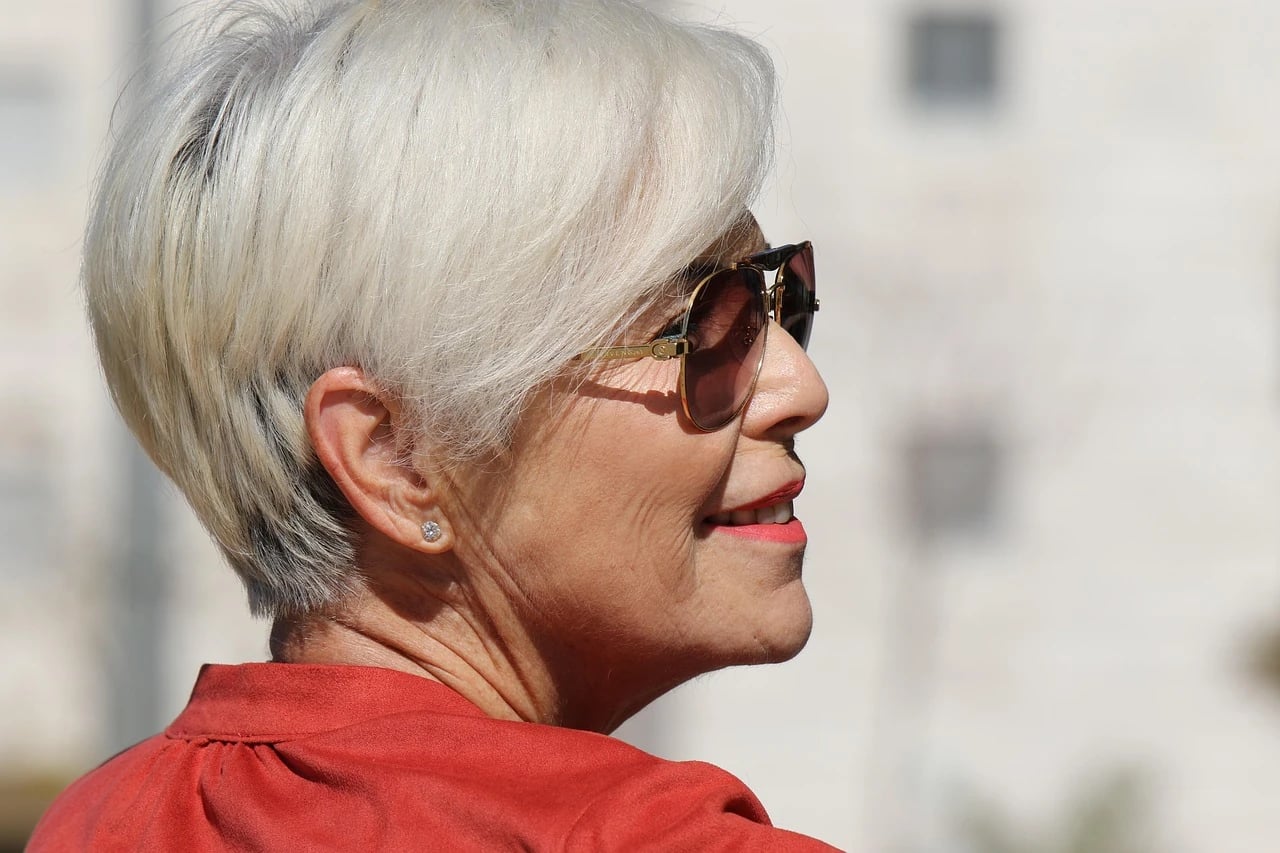
21The Soft Layered Pixie

Short silver pieces cross the forehead and lift at the crown.
A pixie shows your hairline, ears, and natural color without asking you to hide them. Layers on top keep the cut from lying flat against the scalp. The sides stay close, so the shape looks deliberate as it grows.
Ask for length on top that you can push sideways with your fingers.
See more: 25 Spring Outfits for Women Over 60 (and What Makes Them Work) →
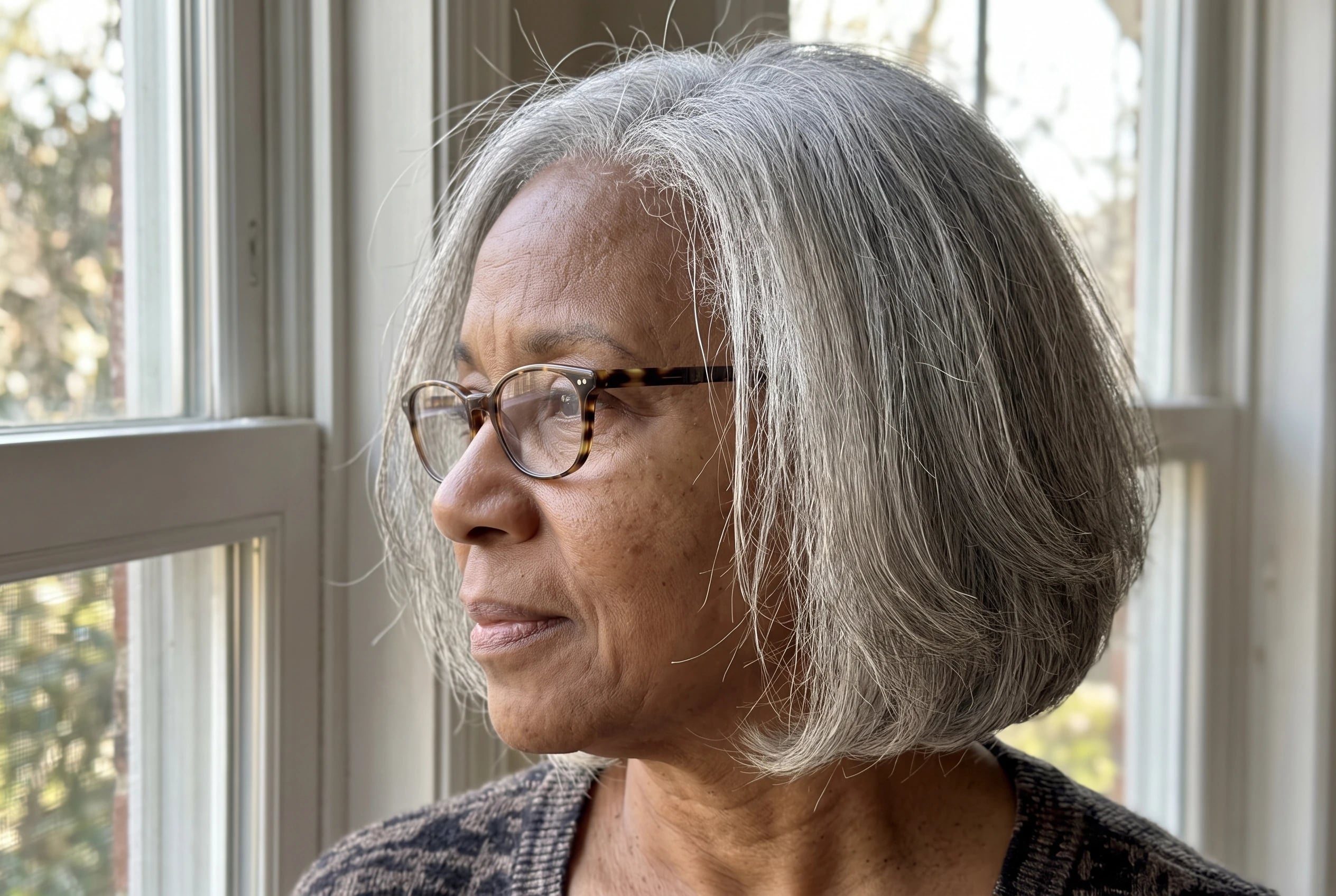
20The Collarbone Cut With Long Layers
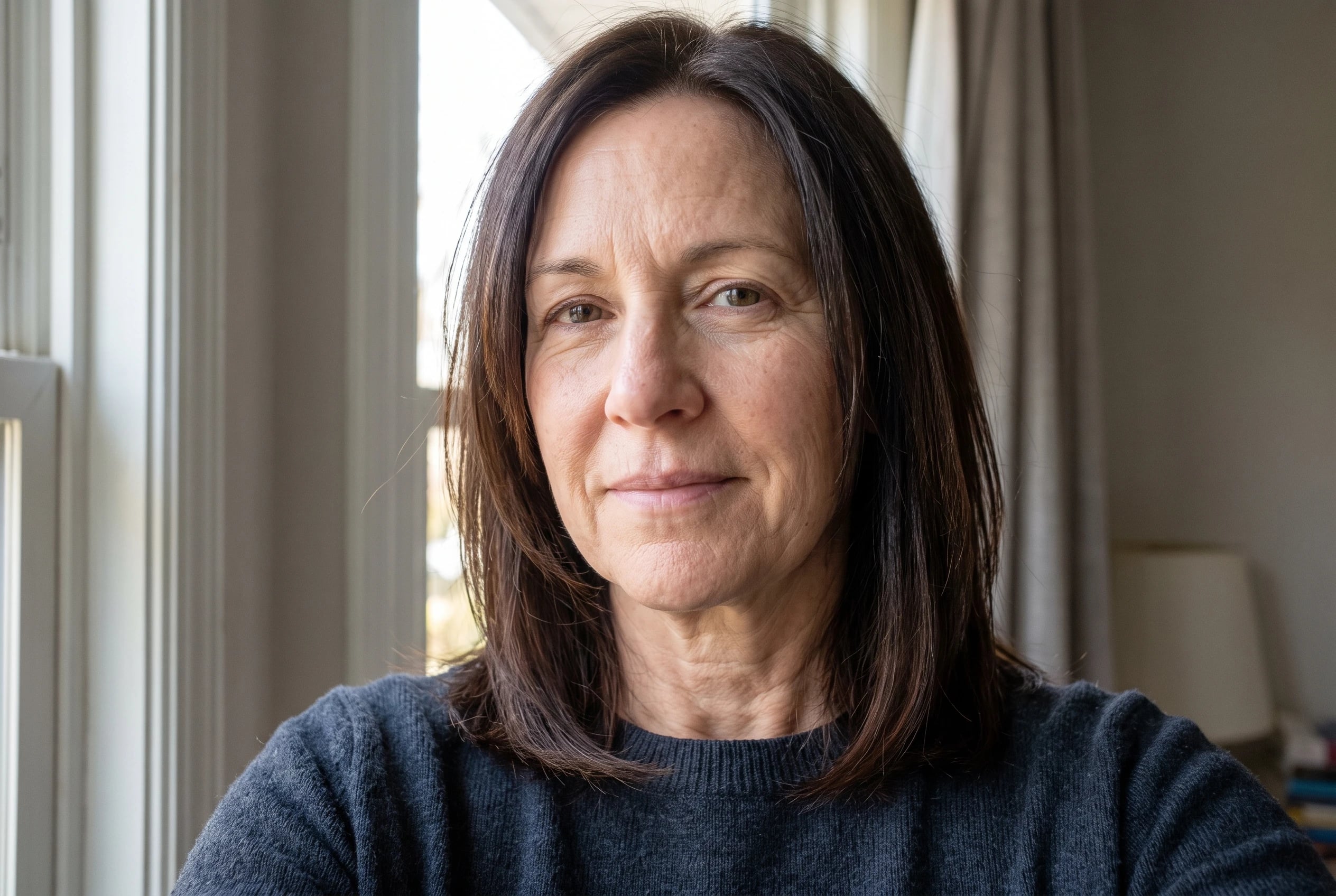
Long gray layers settle over a dark sweater without looking stringy.
The collarbone gives you a useful stopping point: long enough to tuck back, short enough to avoid heavy ends. Layers should begin low, where they loosen the outline without stripping the sides. If your hair is fine, a dense bottom edge does more for fullness than extra short pieces ever will.
Ask your stylist to keep the perimeter strong and put the movement in the lower third.
19The Curly Bob With Rounded Layers
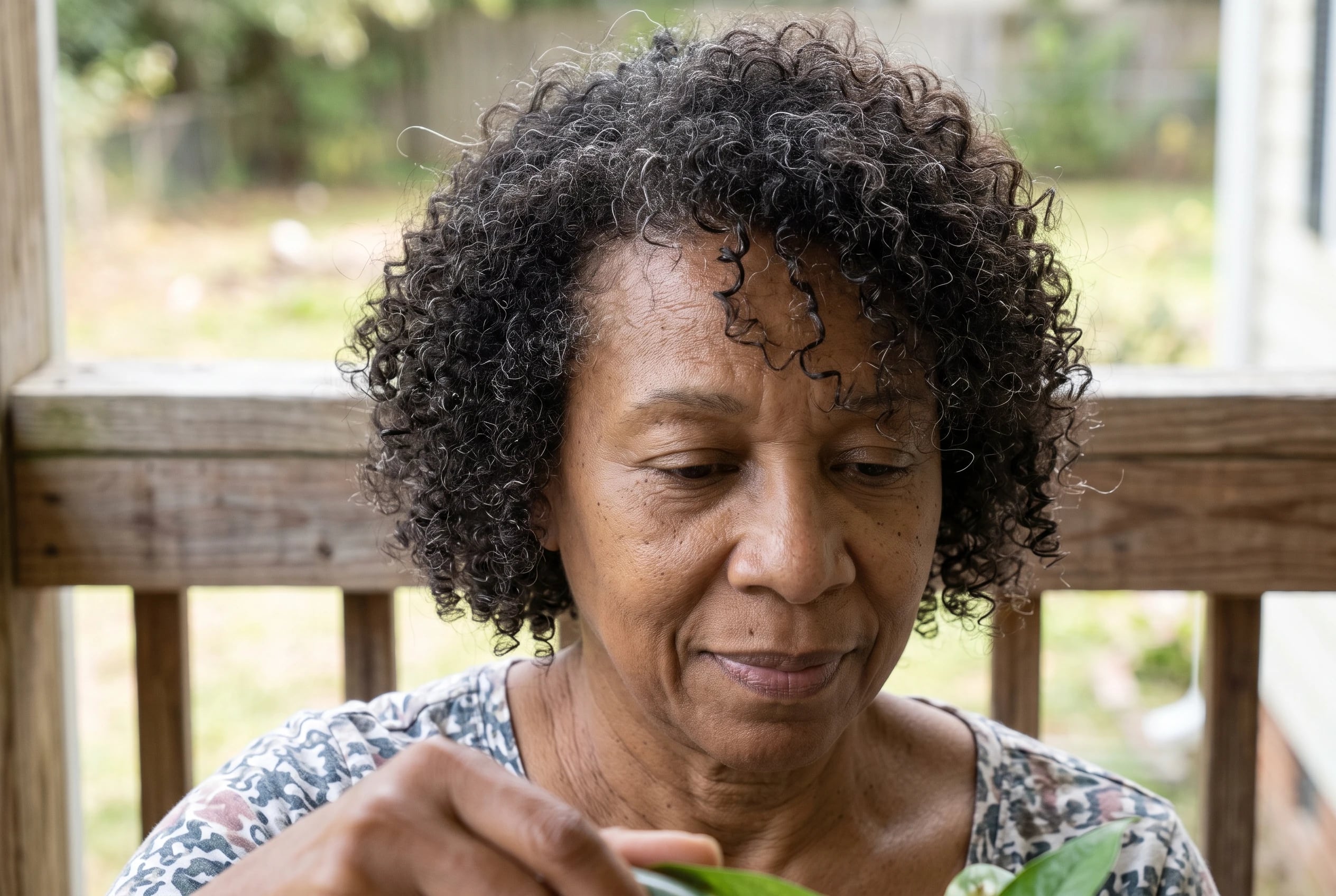
Gray curls form a rounded shape above the shoulders.
Curls need space to spring instead of stacking into a triangle. Layers take weight from the widest part while leaving enough length for each curl to coil. Dry hair shows the finished shape more clearly than stretched, wet curls.
Ask your stylist to check the outline after your curls have dried.
18The Side-Parted Lob With Hidden Layers
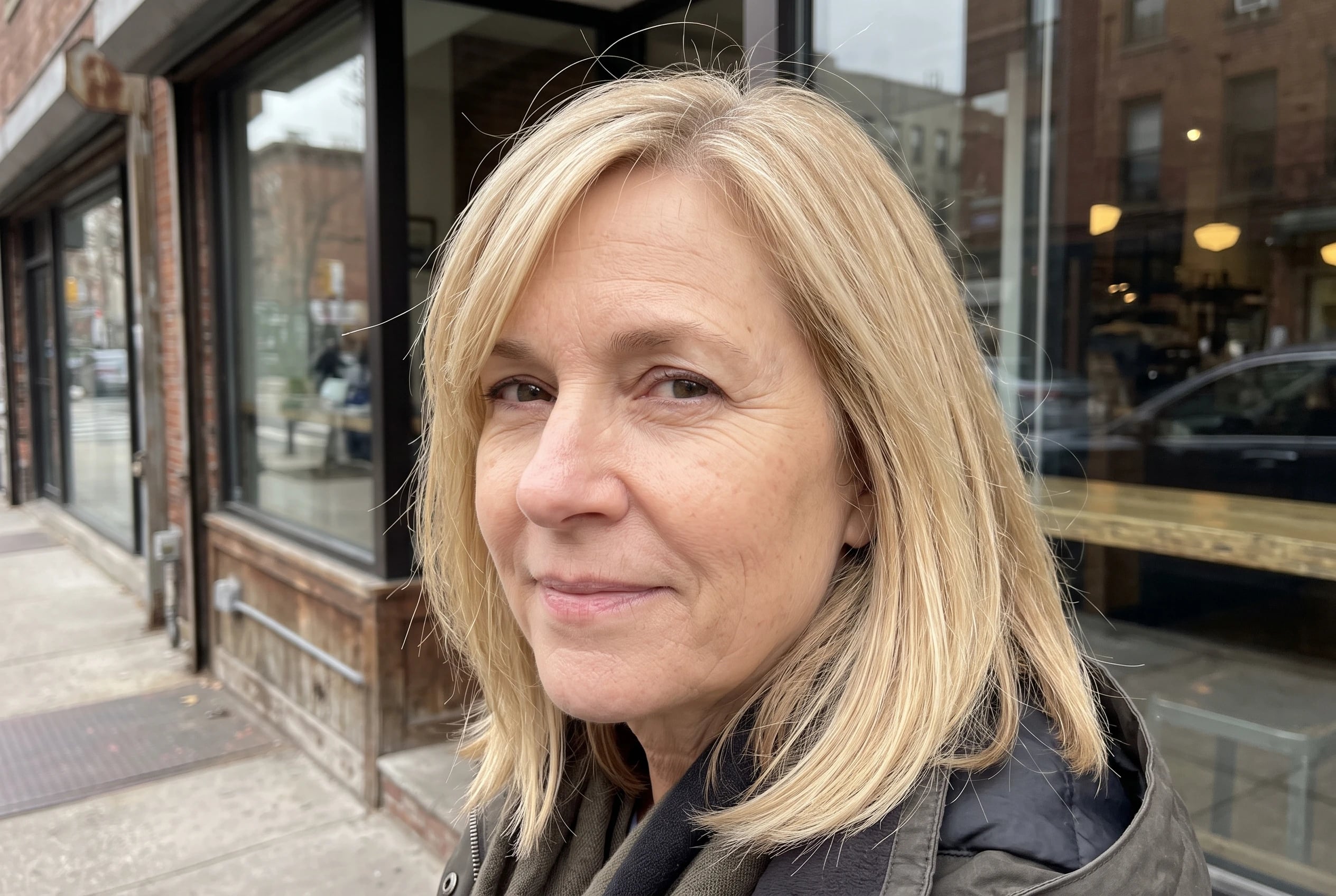
A deep side part sends one silver sweep across the forehead.
The lob ends between jaw and collarbone, with hidden layers breaking up its weight. That longer front section gives you something to tuck behind an ear on a windy day. You don't need a severe diagonal line; the part alone shifts the volume where you want it.
Ask for internal movement without short layers showing through the surface. Try the part both ways.
17The Wispy Fringe With Midlength Layers
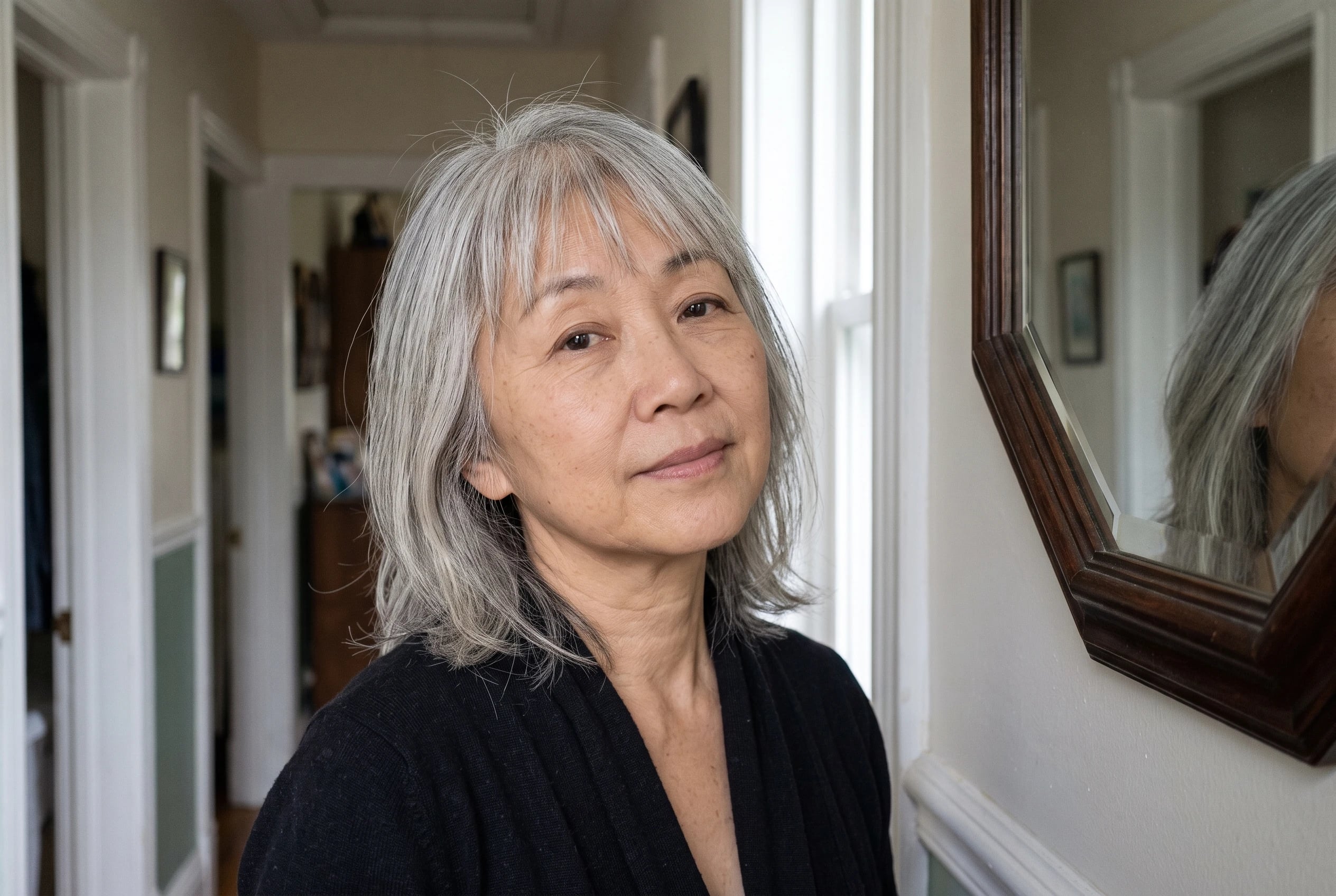
A light fringe skims the brows above loose, layered hair.
A fringe draws the eye to your face, but a thick one steals hair from the sides. This version leaves space between the strands and blends into layers near the cheekbones. It grows into a side sweep rather than a solid curtain.
Ask for a sparse fringe cut dry, then check it with your usual part.
16The Short Shag With Silver Edges
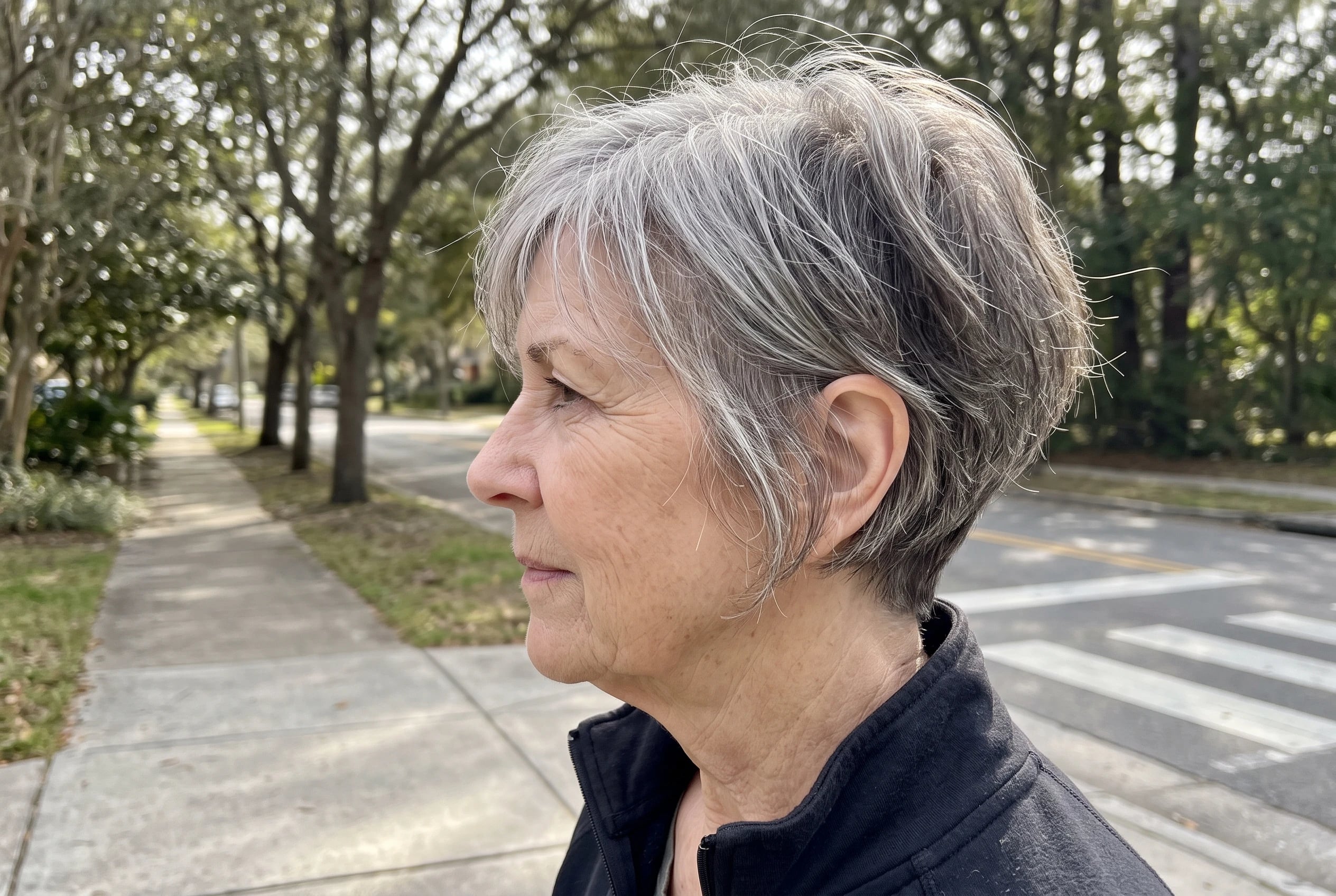
Choppy silver ends sit around the ears and nape.
The shag is useful when your hair already has a bend. Its short layers make that bend visible instead of forcing it into a smooth bob. Keep the fringe light and the nape neat; otherwise the cut drifts toward a 1970s costume rather than the shape you came for.
Ask for piecey layers you can separate with your hands. Leave enough length to tuck back.
See more: 23 Ways to Wear Bohemian Style Over 50 →
15The Rounded Bob With Side Bangs
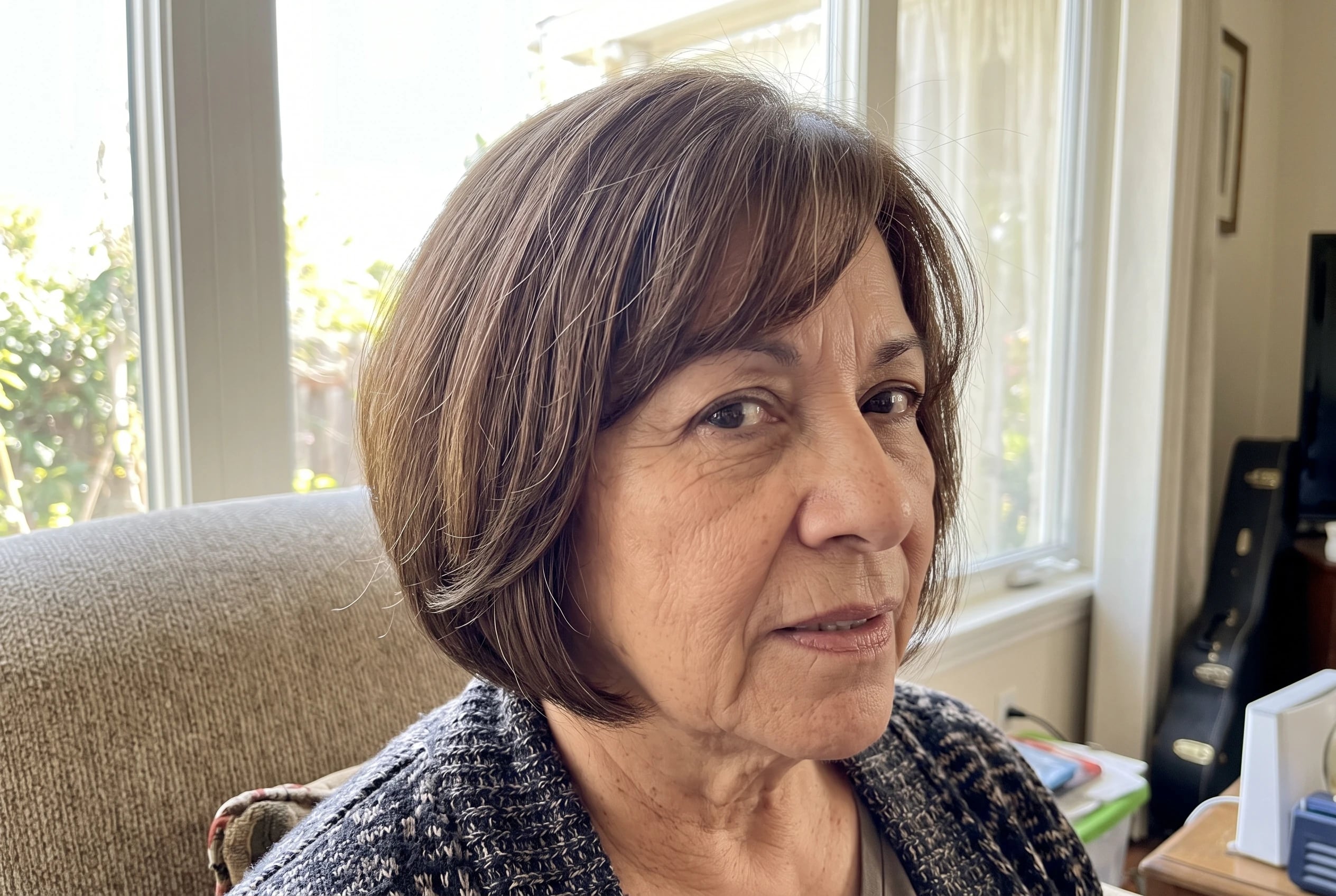
The side bangs sweep into a full curve at the cheek.
A rounded bob puts its weight near the jaw, where thin ends need help. The side bangs soften the front without covering your whole forehead. Keep the layers underneath, not chopped across the outer curve.
Ask for a rounded outline and bangs long enough to tuck behind one ear.
14The Wavy Cut Just Past the Chin
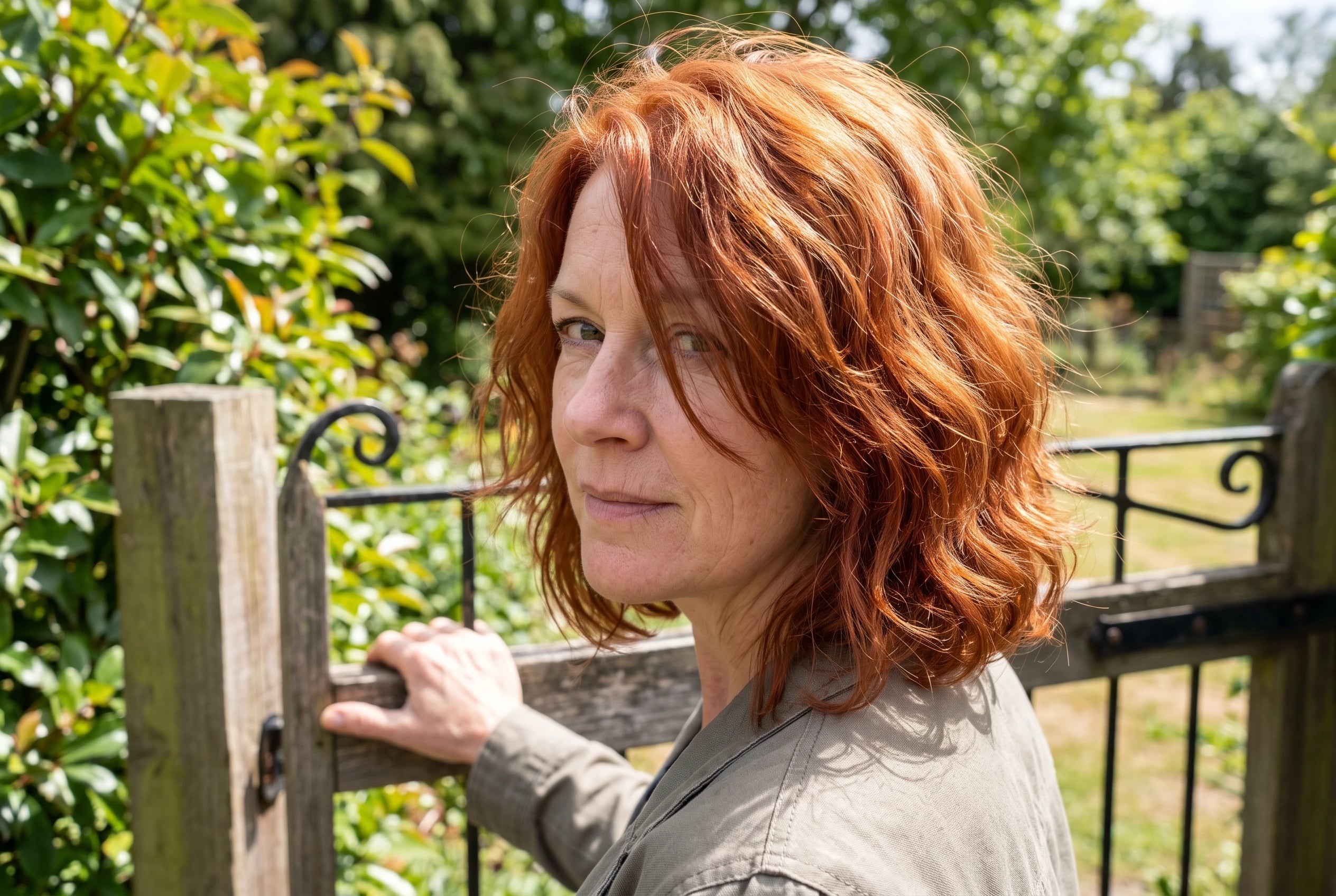
Loose gray waves stop just below the chin.
At this length, a small amount of layering releases a natural wave. Too many short pieces turn the ends feathery, especially around the neck. Your strongest wave gives the stylist a guide for where to remove weight. A cut that follows that pattern looks lived-in after a normal morning, not only after a salon blowout.
Ask for the waves to be assessed dry before the first cut, then keep the bottom edge visible.
13The Cropped Cut With Longer Bangs

Long bangs cross one eyebrow above closely cut sides.
This cut keeps the sides tidy while giving the front some movement. The longer fringe has room to show silver, salt-and-pepper, or white streaks. Short layers behind it hold the shape without a stiff helmet finish.
Ask for bangs you can move off your face without pinning them.
12The Layered Cut With Curtain Bangs
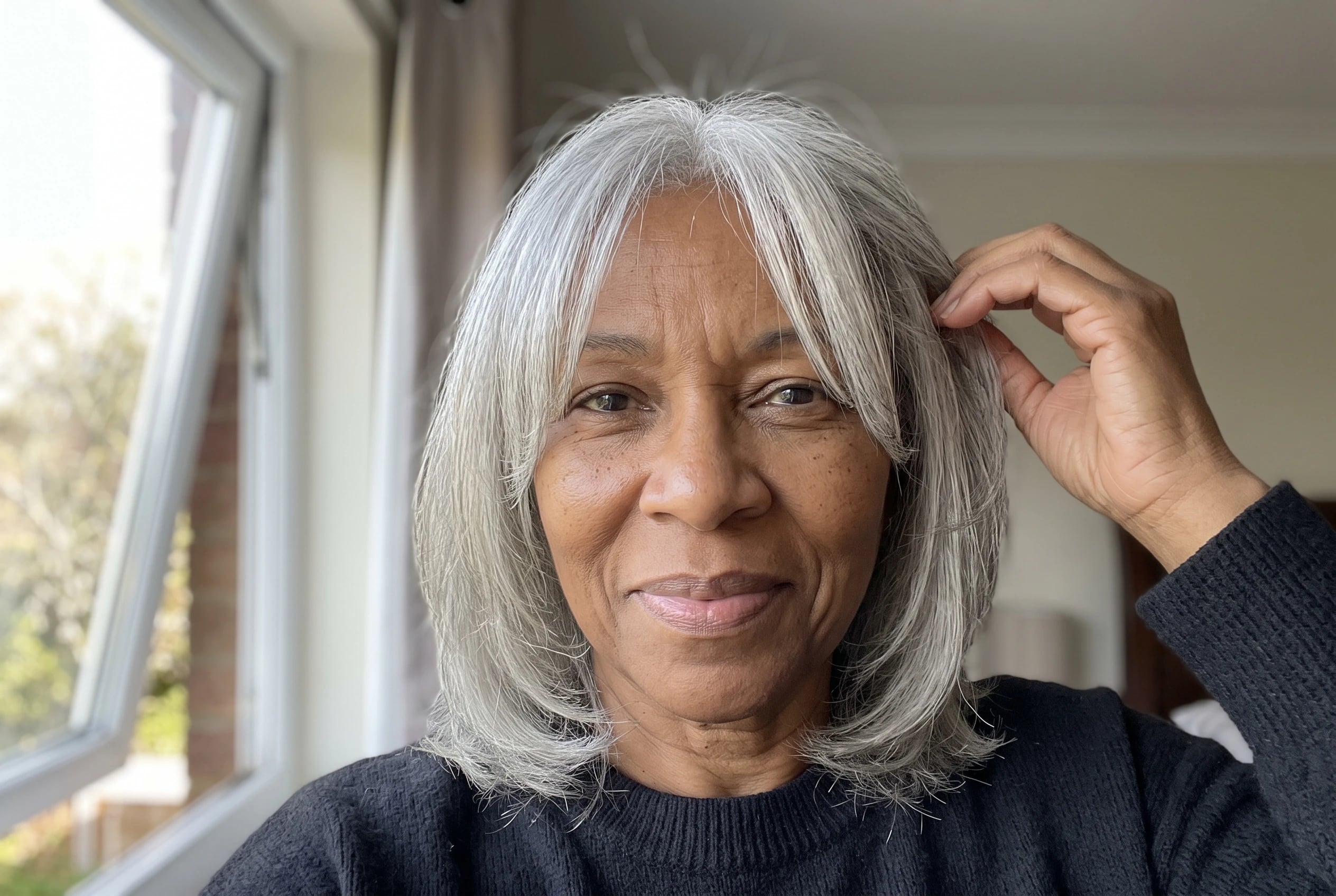
Curtain bangs open at the center and meet cheek-length layers.
They frame your face without demanding a straight-across fringe. The key is where the shortest point lands: near the cheekbone, not halfway down the forehead. Longer layers beneath keep the sides from looking hollow. If your part shifts through the day, this fringe gives it room to move.
Ask to see the bangs parted in the middle and slightly off-center before your stylist finishes them.
11The Ear-Length Bob With Soft Layers
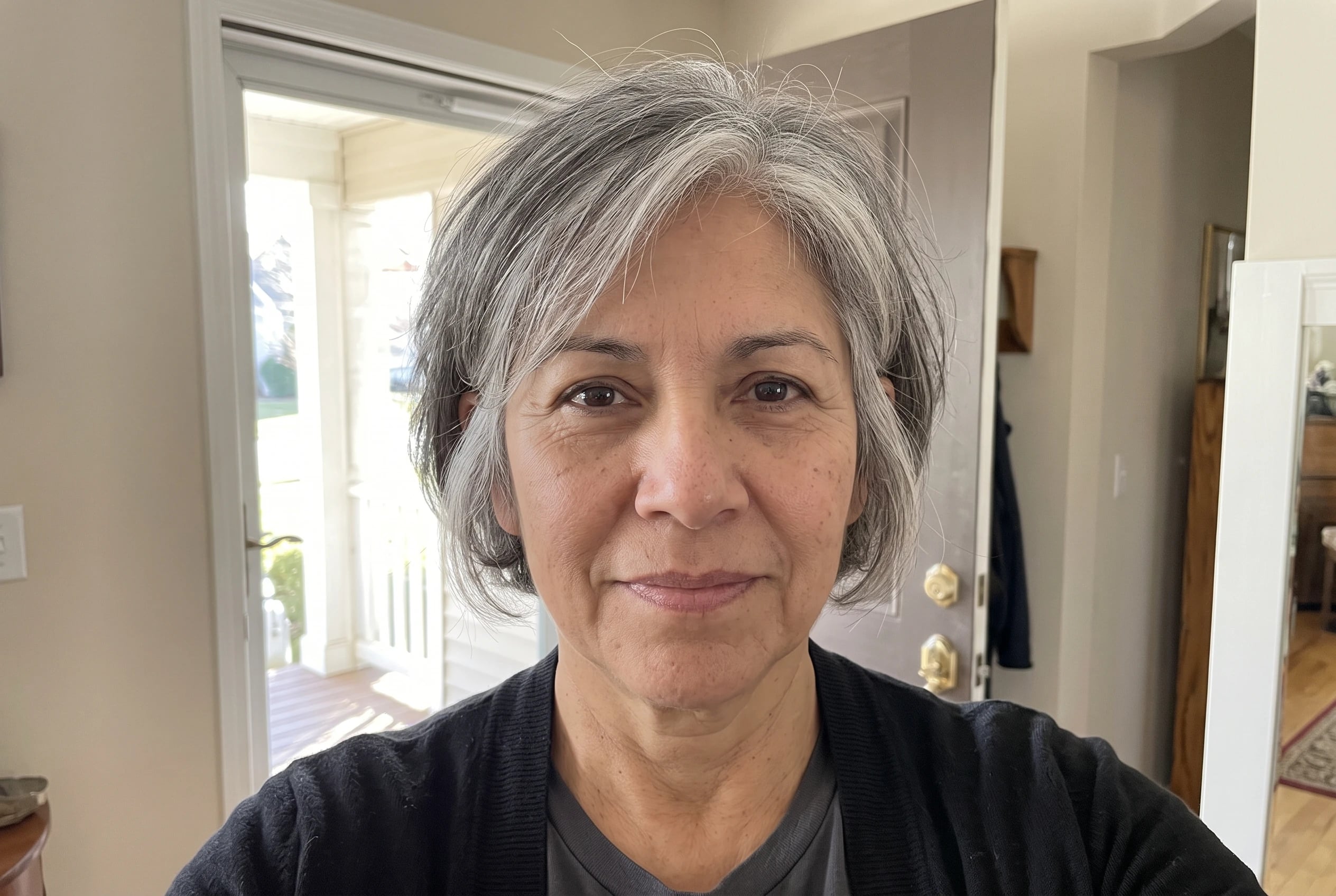
A short bob clears the earlobes and cups the jaw.
That little bit of length keeps it distinct from a pixie. Soft layers prevent the top from sitting like a cap, while the lower edge supplies structure. You get a visible shape even when you skip the blow dryer.
Ask for a bob that follows your head shape without hugging it tightly.
10The Long Cut With Face-Framing Pieces
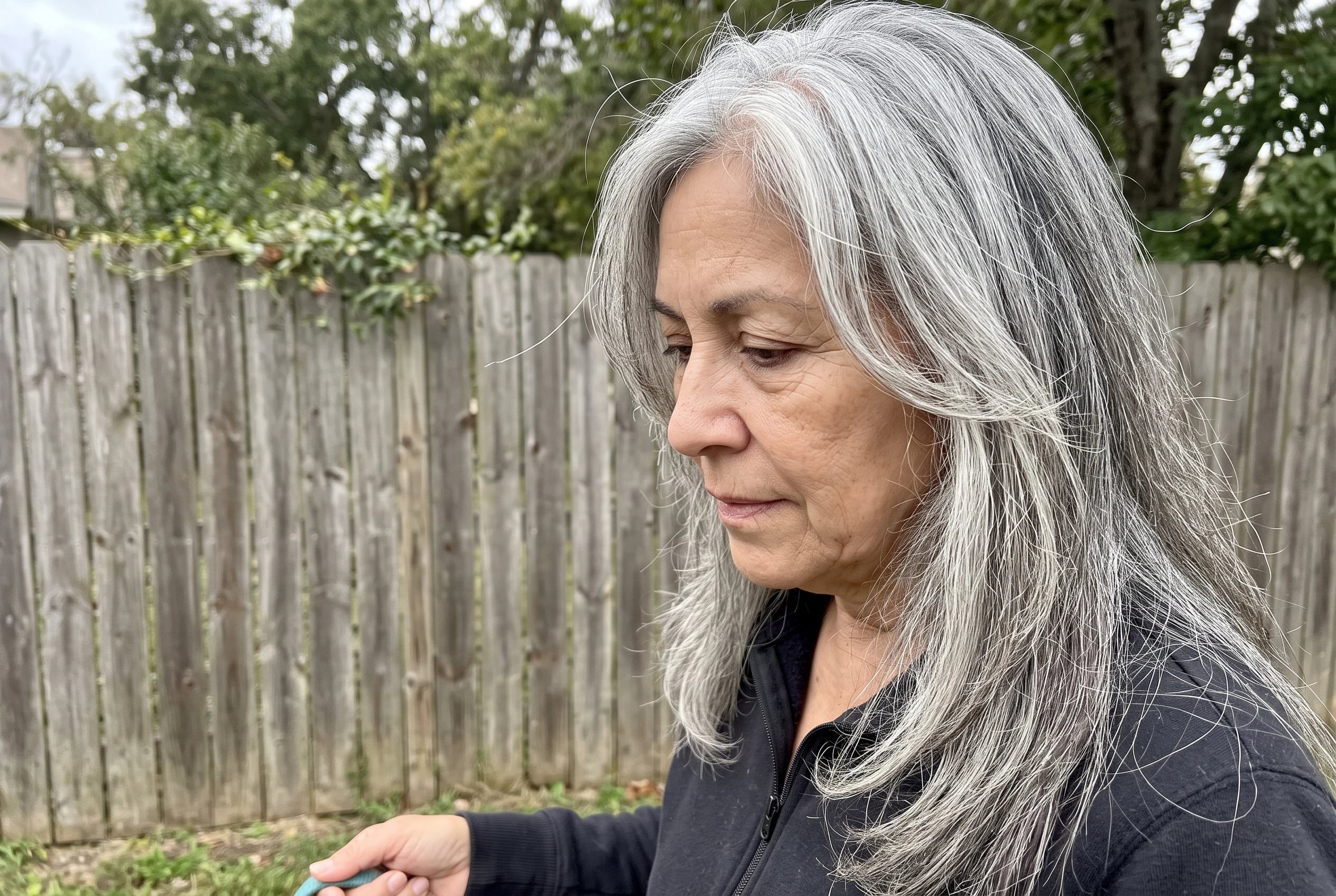
Long silver hair falls past the shoulders, framing her face.
You don't have to surrender length to get movement. Face-framing layers interrupt the straight drop you see in the mirror. Keep those pieces long enough to join a low ponytail if that's part of your day. Thin ends need a trim before they need another layer.
Ask for the shortest pieces to start near the jaw. Check which pieces reach your ponytail.
See more: 25 Fall Outfits for Women Over 60 →
9The Tapered Nape With Full Crown
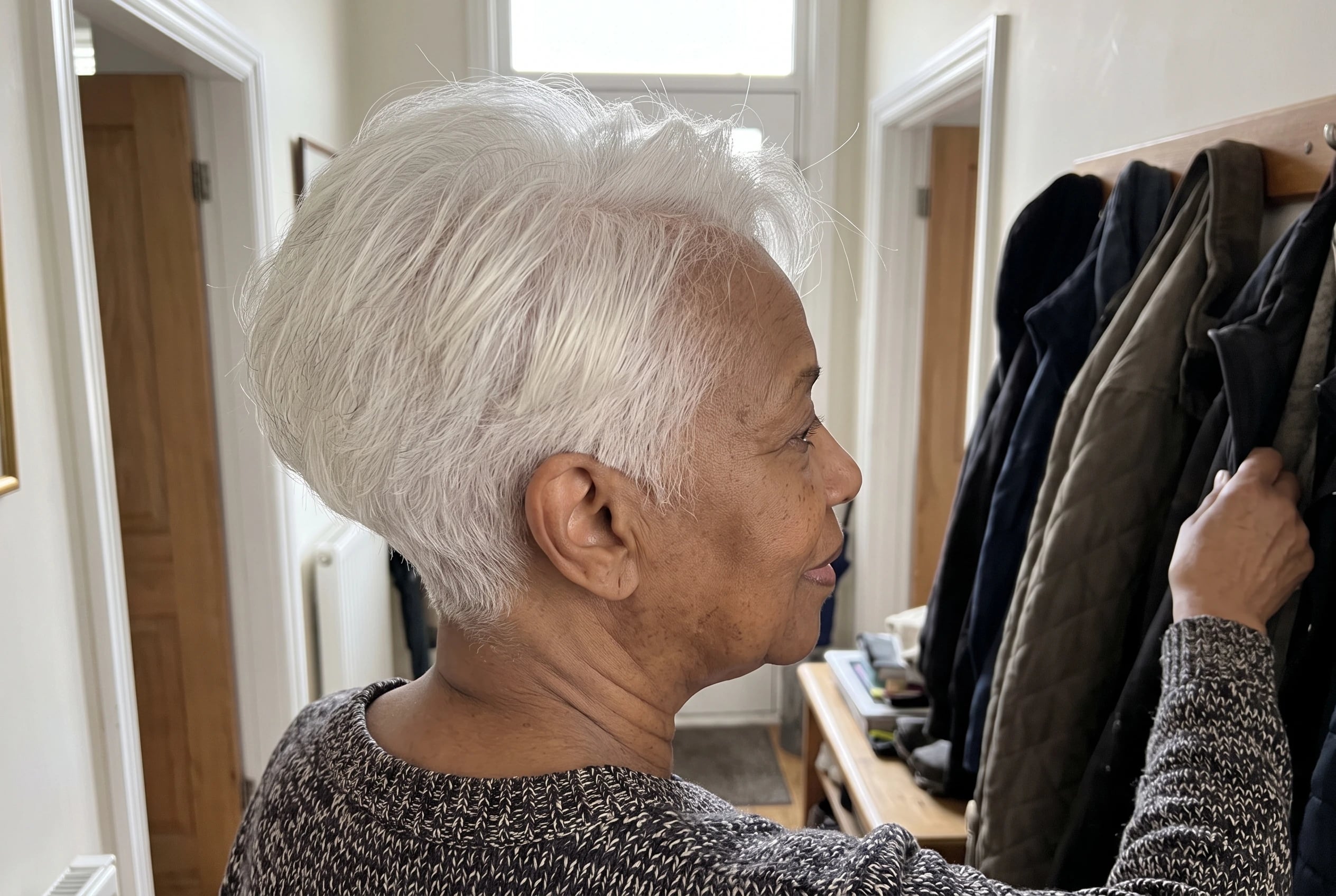
The nape sits close while the crown keeps its lift.
This shape puts hair where you notice it most: on top. The taper removes bulk from the neck without asking for a severe undercut. It also gives gray and white strands a clean outline.
Ask to see the back in a mirror before the nape gets cut shorter.
8The Textured Bob With a Low Part
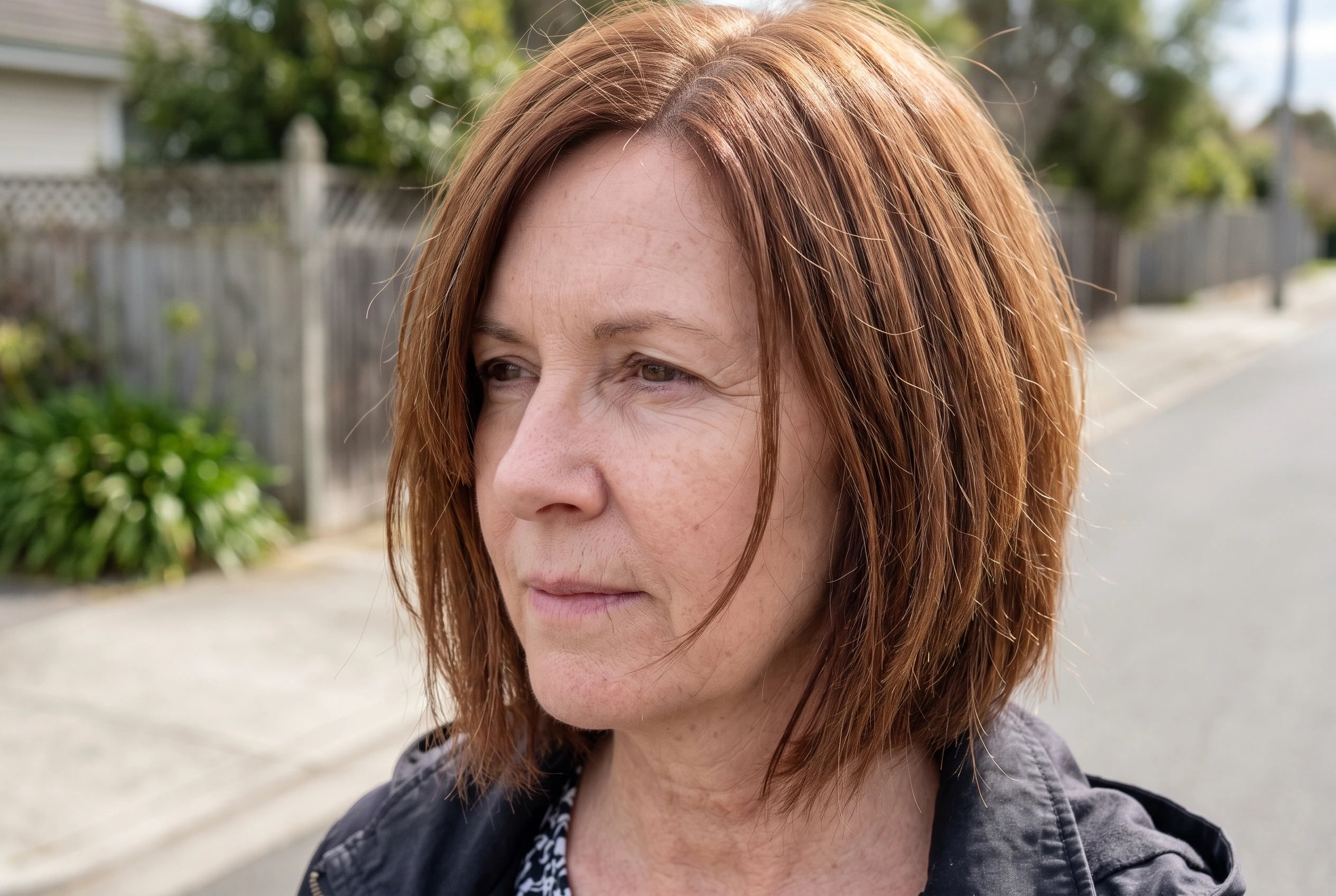
A low side part breaks up a textured, chin-length bob.
Moving the part creates height on one side without teasing. Small layers through the middle loosen the bob, but the bottom stays firm. This cut has a practical advantage when your gray grows in unevenly: the changing tones give each section definition. Don't chase a perfectly matched color to make the layers readable.
Ask for texture through the middle, not thinned ends, and try the part before committing to a fringe.
7The Shoulder-Grazing Cut With Swoop
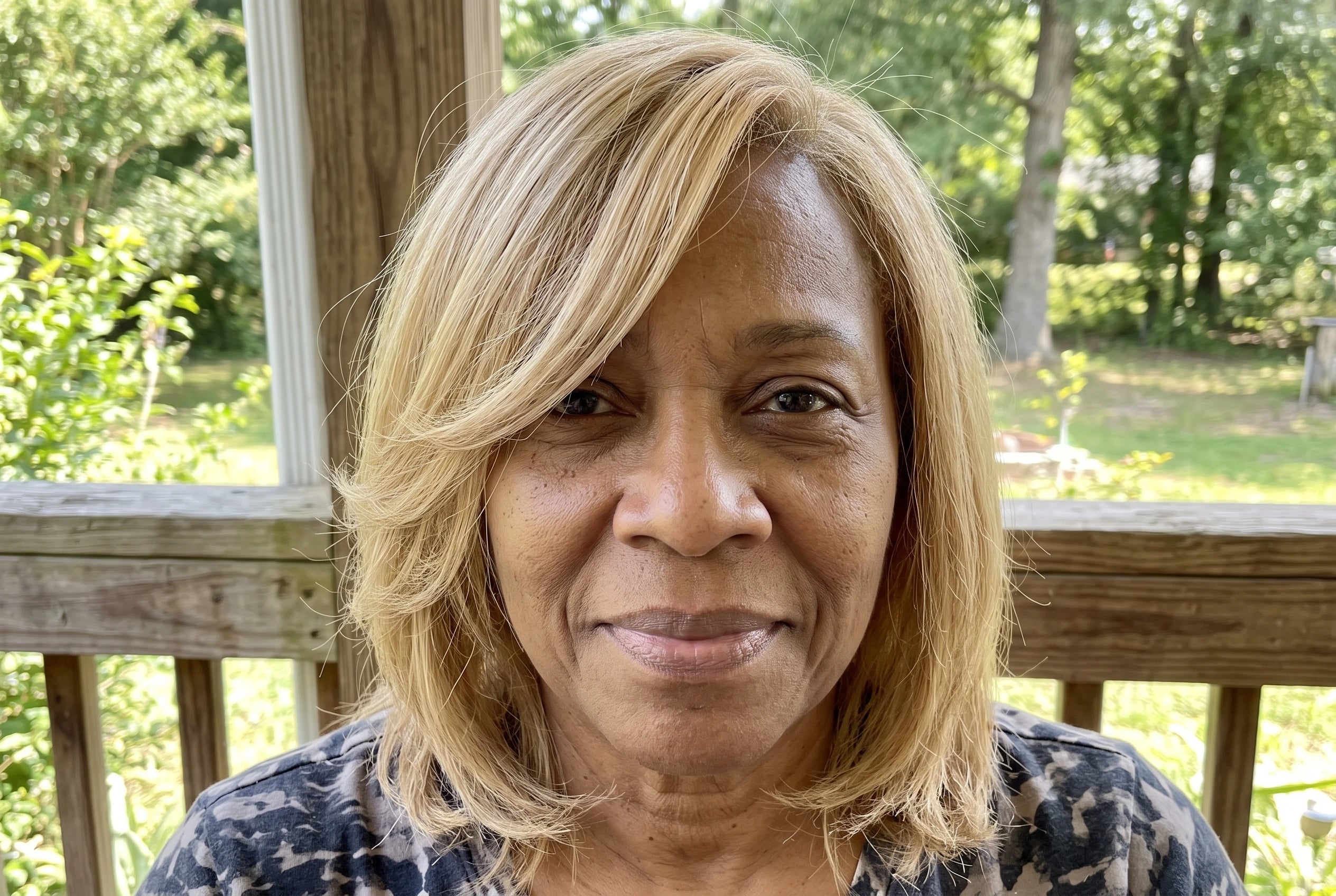
One long front layer sweeps across the cheek.
A swoop gives you movement in the place you see first. The rest stays near shoulder length, so the outline doesn't look chopped up. It works best when the front section follows your part instead of fighting it.
Ask your stylist to cut the swoop where you wear your hair on ordinary days.
6The Layered Bob With Natural Waves
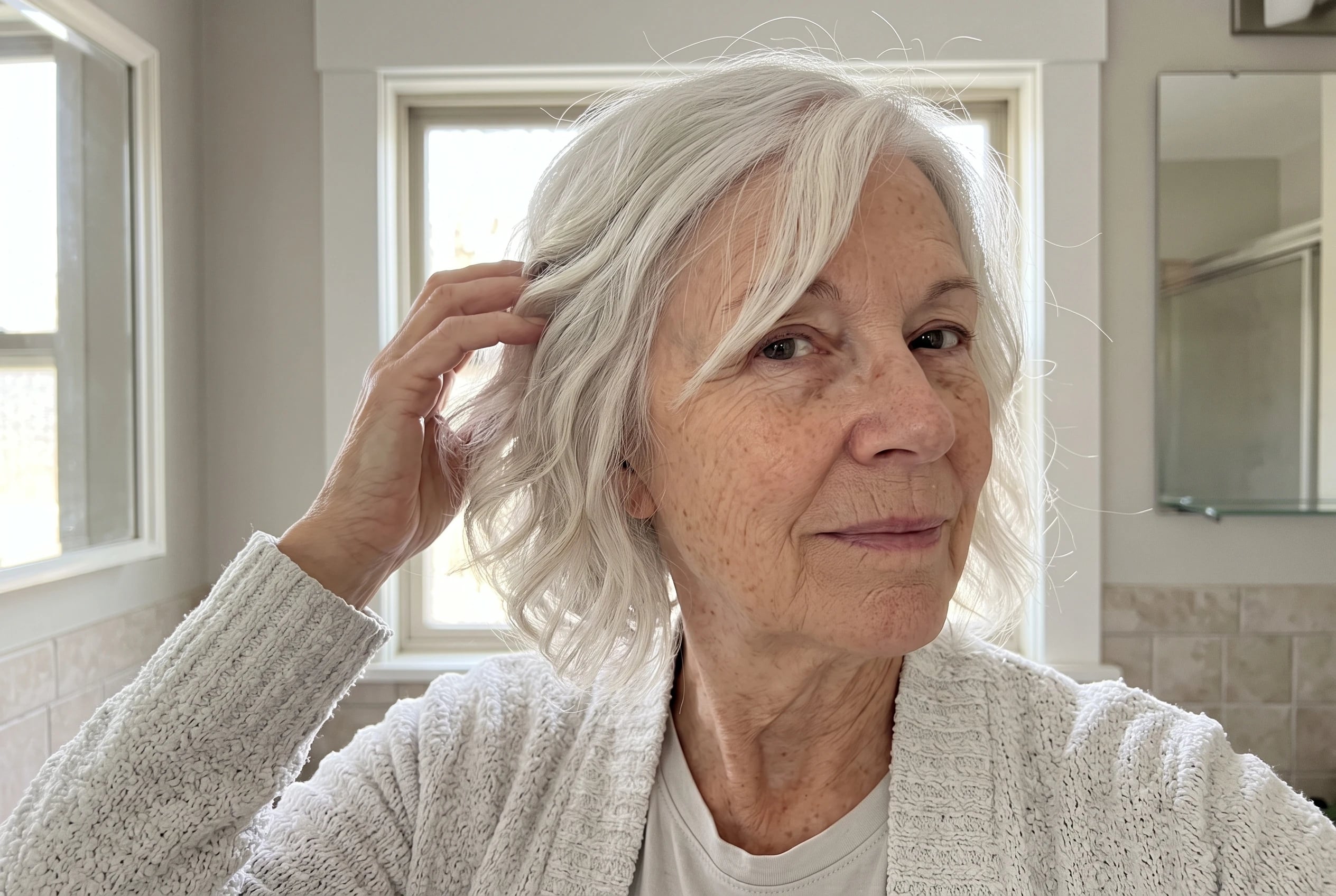
White waves bend through a bob that ends below the ears.
A wavy bob needs layers that follow its bends, not a flat shelf across the sides. Cutting away too much weight leaves thin hair looking see-through at the tips. Leave enough length for the wave to turn once before it reaches the bottom.
Ask your stylist to check the shape once your natural texture is dry. Point out any sparse ends.
5The Long Pixie With Side Volume

A long pixie rises on one side and skims the ears.
The extra length gives fine hair a direction without making you style every strand. Shorter layers underneath support the top, while the front stays loose. You still have enough hair to change the part tomorrow.
Ask for a long top and close sides, with no hard line between them.
4The Blunt-Ended Lob With Interior Layers
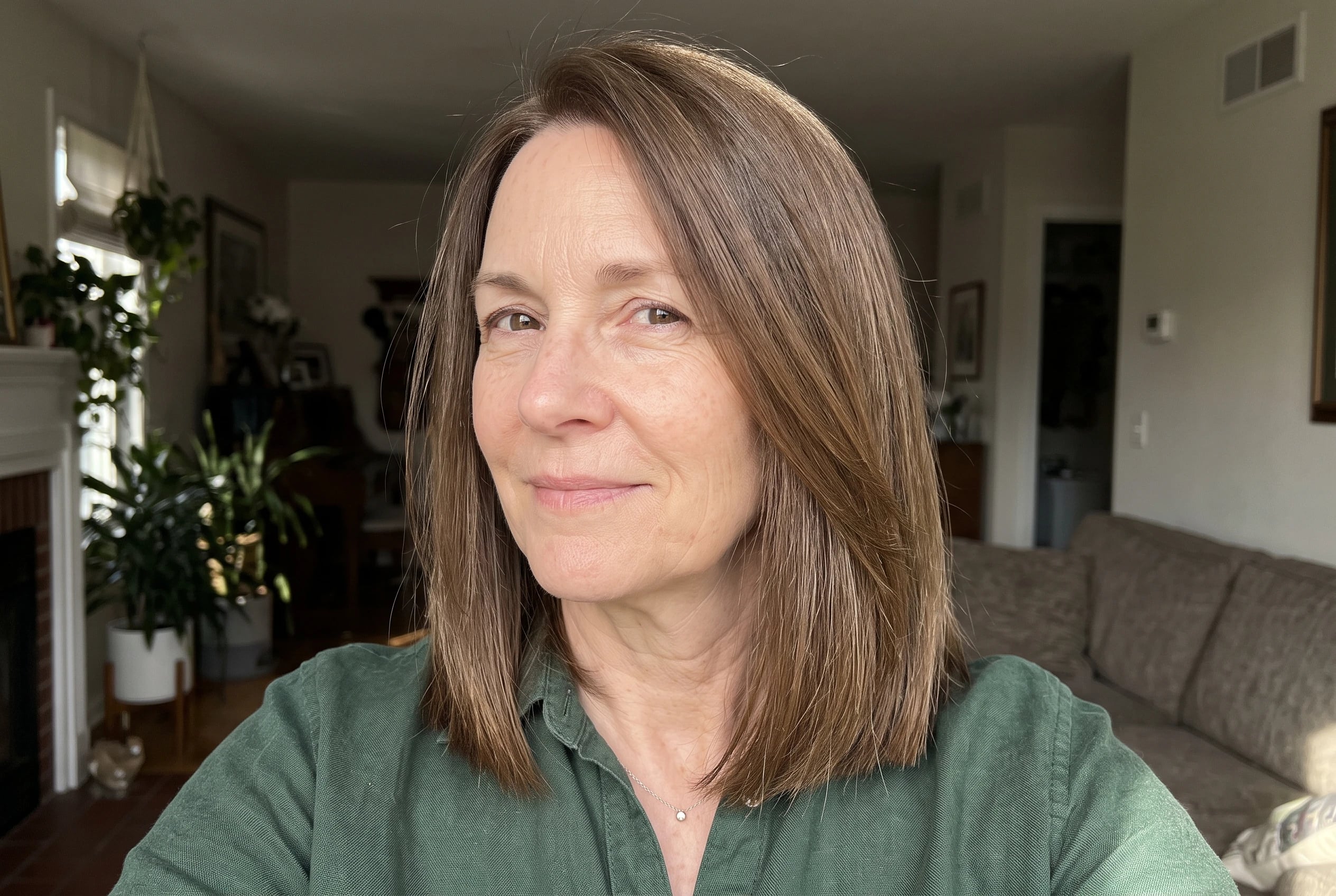
The bottom looks blunt, while the top moves freely.
This is the cut for anyone who loves a solid line but hates a stiff sheet of hair. Interior layers remove weight where it bunches, out of sight from the front. Your ends remain thick-looking because the stylist hasn't carved into them. At collarbone length, the cut still fits behind both ears.
Ask for a blunt perimeter with interior layers, then check the ends against a dark shirt before you leave.
3The Feathered Cut Around the Face
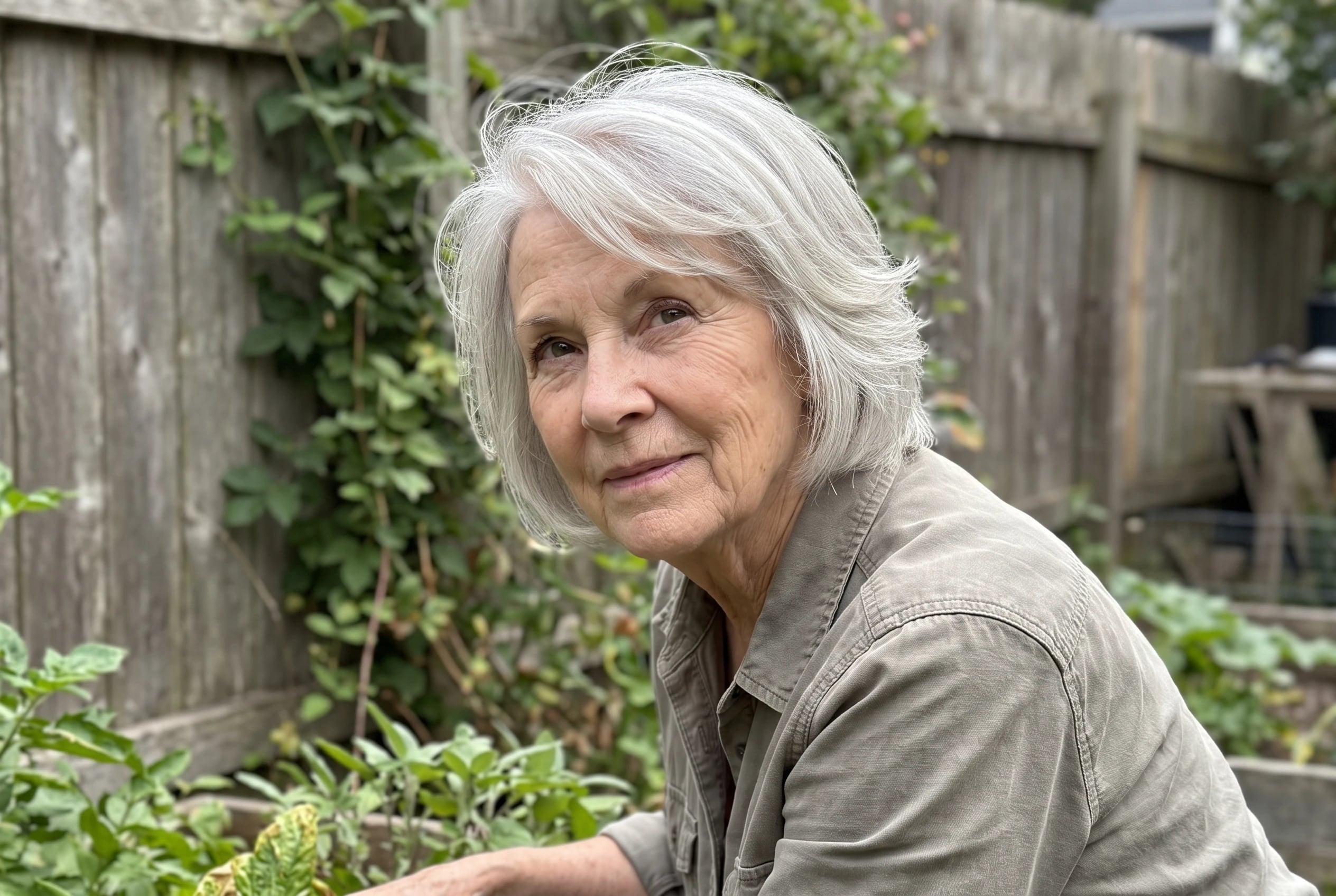
Short feathered pieces turn away from the cheekbones.
The shape recalls a 1970s blowout, but it doesn't need that much hair spray. Keep the feathering near your face and leave the back less busy. That restraint gives fine hair movement without making the ends disappear.
Ask for face-framing pieces that turn back, not layers cut throughout the whole head.
2The Chin-Length Bob With Deep Part
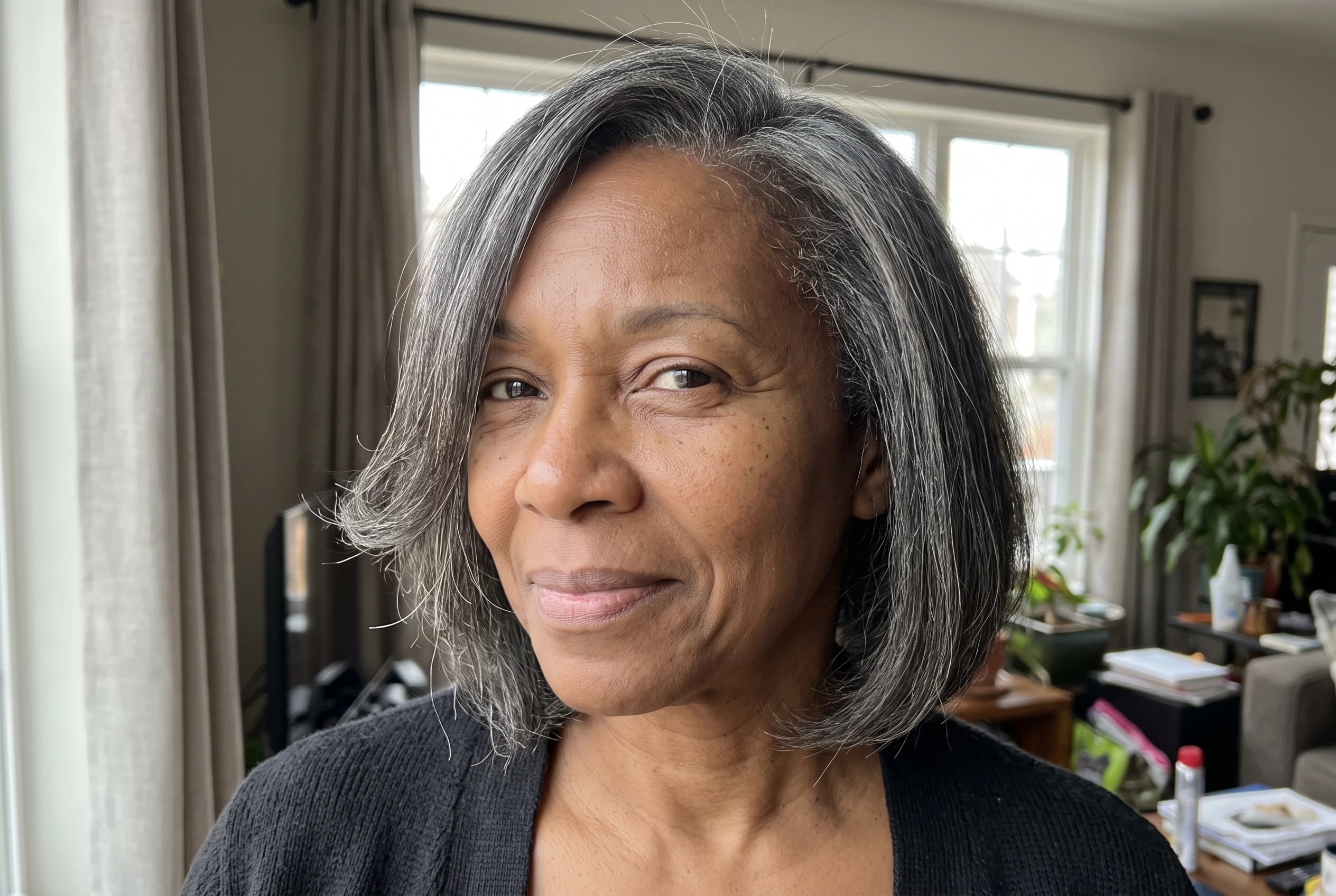
A deep part lifts one side of a chin-length bob.
A change in direction gives the crown height without shorter top layers. The chin-length edge keeps the look compact and full. Gray streaks show clearly in the sweep across your forehead. If your hair springs back to its old part, ask for a slightly longer front piece rather than forcing a sharp line.
Try the deep part in the mirror before your stylist cuts around it.
1The Full-Ended Cut With Hidden Layers
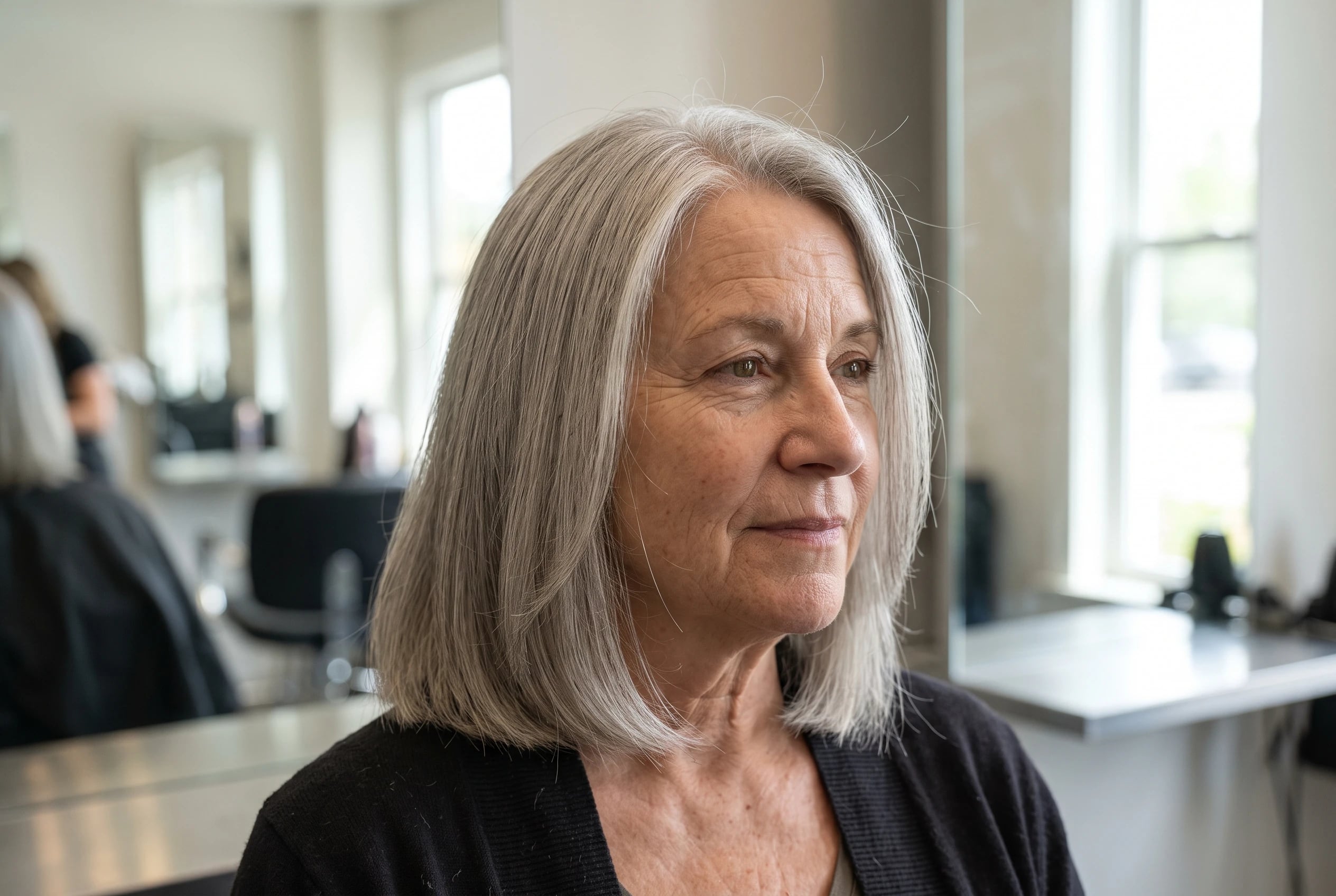
The ends look thick, but the hair moves when she turns.
This is the one to study from the side. A solid perimeter gives thin hair a full-looking edge. Shorter pieces sit inside the cut, where they loosen the shape without showing as gaps at the bottom.
No ladder of layers shows in the mirror. The hair shifts off your shoulders and settles back into place. The bottom still looks whole.
Ask your stylist to leave the outer section long and layer underneath it. Say you want a full bottom edge, not thinned ends. Check the cut against a dark shirt before you leave.
The bottom line
Across all 23 cuts, one pattern holds: add movement where hair needs room, keep weight where it looks fullest.
You already know which part and texture you live with every morning. Show those to your stylist before choosing a picture.
Which cut have you worn before?
Up next
23 Short Gray Hairstyles for Women Over 60
A visual guide to short gray hairstyles for women over 60, from pixies to wedges, with mirror checks for face shape, hair texture, and morning effort.
Read the list →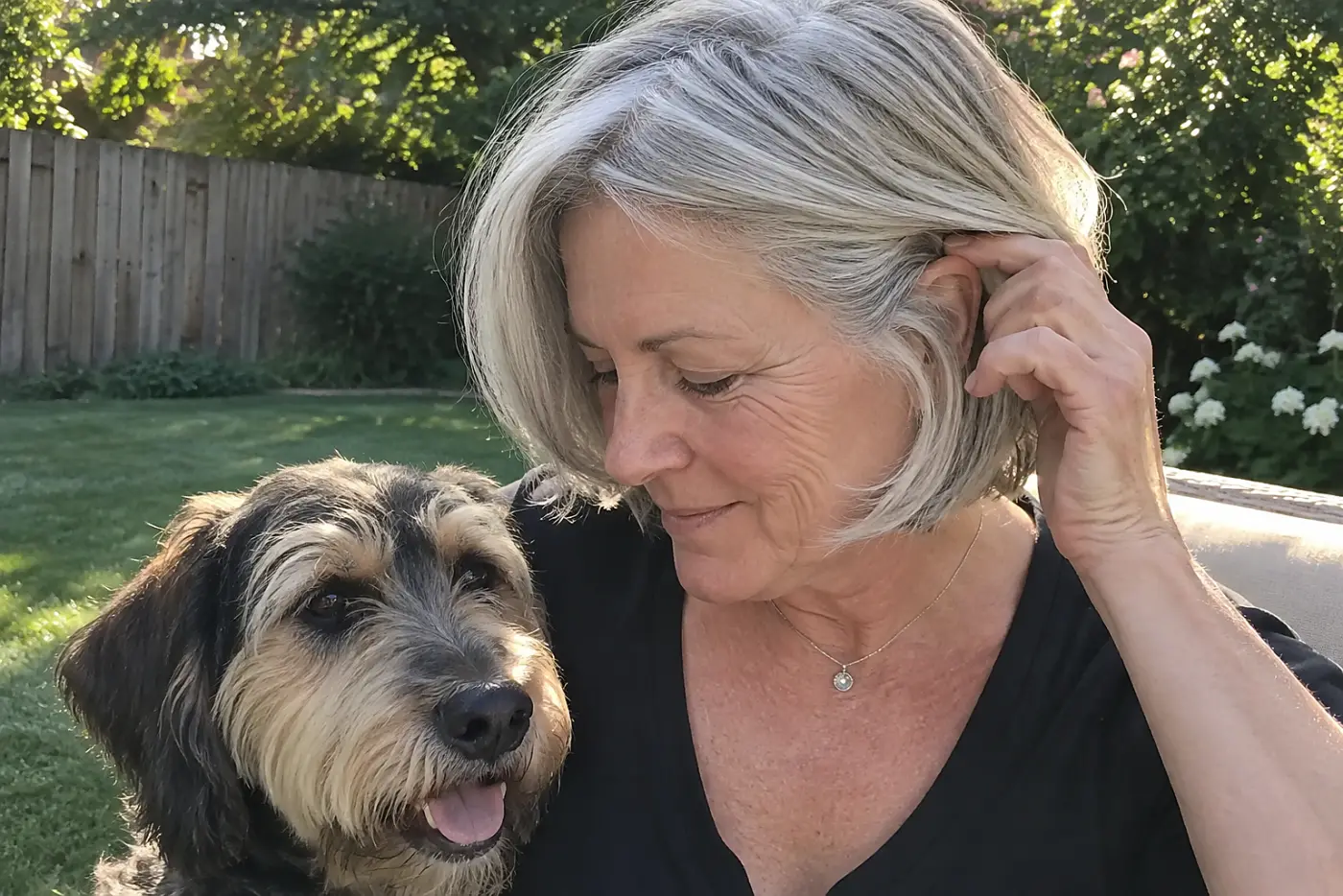
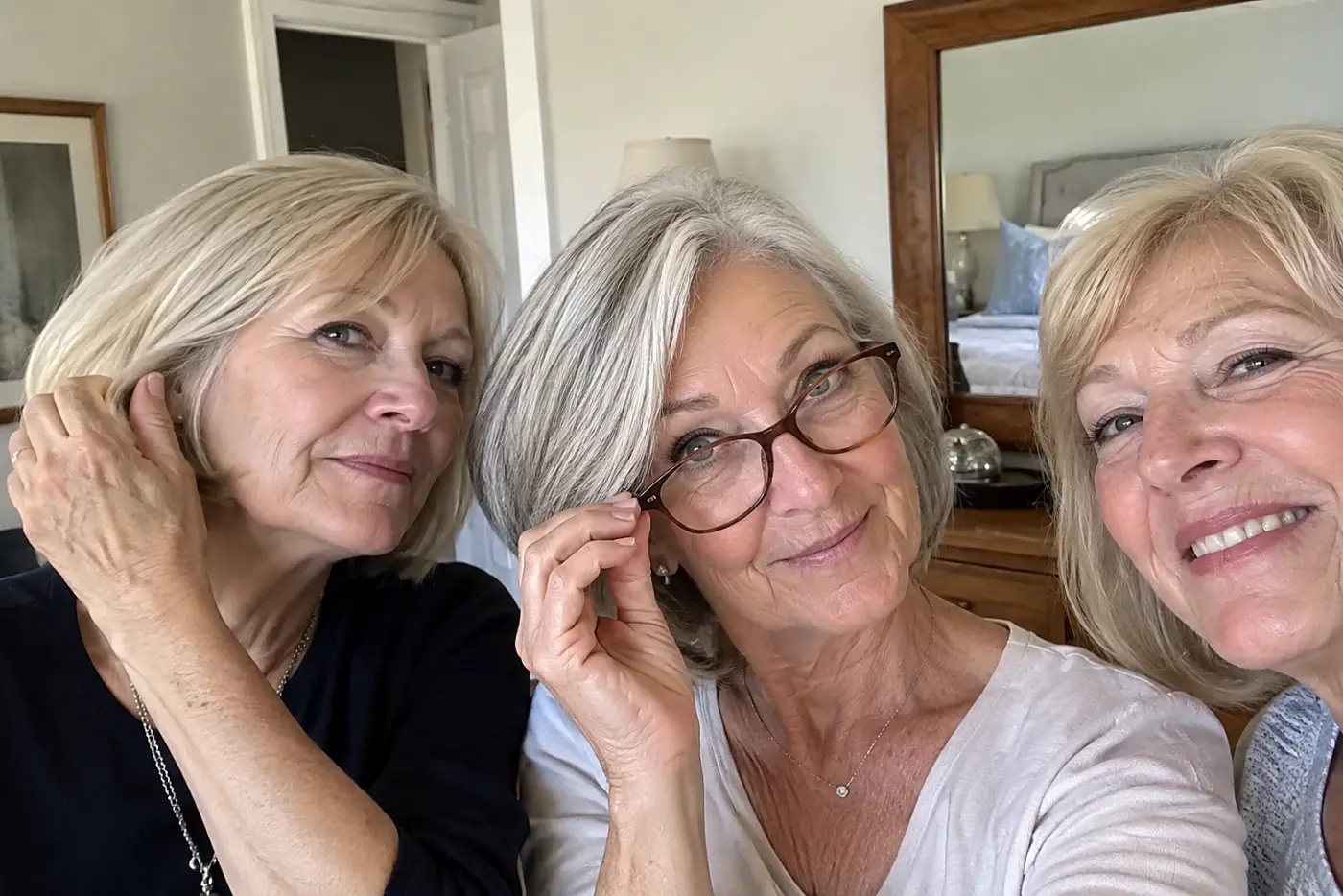
Reader quiz
Did you catch the details?
5 questions from this article. Finish them all to unlock the editor's bonus tip.
What should you ask for to keep the bottom of the jaw-length bob looking full?
Did any of these feel familiar?
Know someone who needs this?
 Prime Journal · Free printable
The Closet Fit and Color Checklist
- A clearer view of colors beside your face.
- Clothes that pass the sitting and walking test.
- Shoes and repairs checked before anything gets replaced.
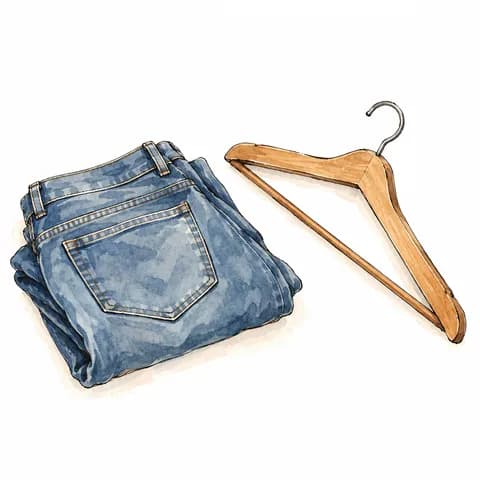
Free printable: The Closet Fit and Color Checklist. Enter your email and it is yours.
Nora Bennett
Style Editor
Nora writes about hair, clothes and grooming for people who have stopped asking permission: what to keep, what to let go, and what reads as taken care of.
More from Nora Bennett