









25 Things That Happen When You Take the Train Instead of Flying
The security bin disappears, but the work moves to boarding boards, baggage racks, station exits, and the terms on your ticket.
By Margaret Hale, Travel Editor
Updated · 13 min read
- Written by our travel editor
- Cited 1 source
- How we review

Read to the end: #1 is the booking check that protects your connection, and almost nobody checks it.
The airport security bin is barely wide enough for your shoes and handbag. Behind you, someone waits while you pull a laptop from its sleeve. You haven't reached the gate, and the trip already feels like work.
A train skips that particular line, but the timetable introduces different decisions. You trade one controlled airport route for station doors, train numbers, bags you handle yourself, and a final ride you must arrange. The work moves to points that are easy to overlook when the ticket looks simple.
Here are 25 things that happen when you take the train.
25The station entrance your taxi reaches
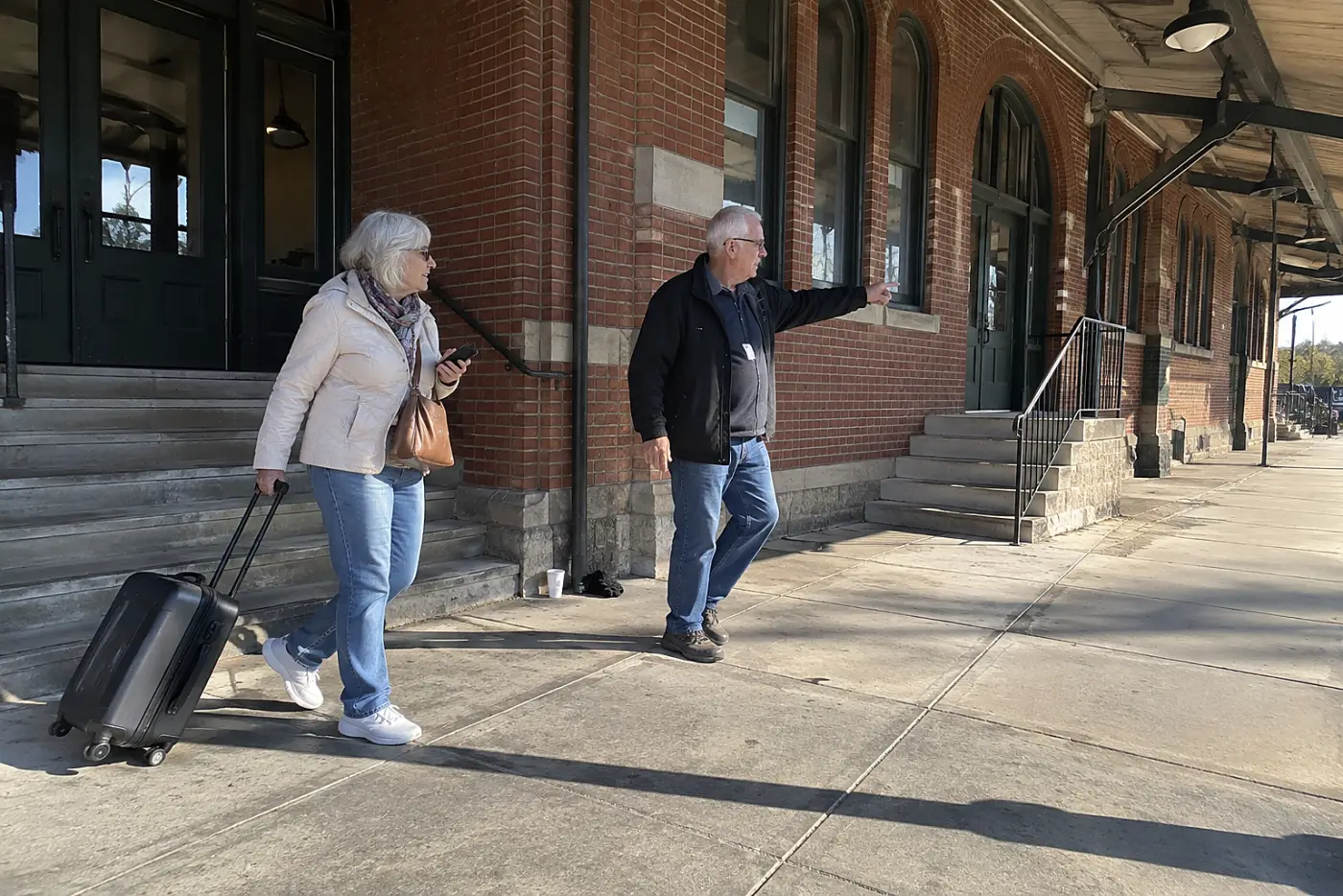
The station name doesn't tell you which door works.
A large station has several entrances. The closest one to your platform isn't always the one a taxi reaches. At smaller stops, the waiting room and platform sit on opposite sides of a building or parking lot.
A last-minute lap around the block takes the pleasure out of arriving downtown. Find the address on Amtrak's station page, then compare the entrance with your drop-off point on a map.
Open the station page this week and check where vehicles stop. Tell your driver, "Please use the passenger entrance on this side of the station."
Once you're inside, the clock becomes the next surprise.
24The boarding call before your departure time
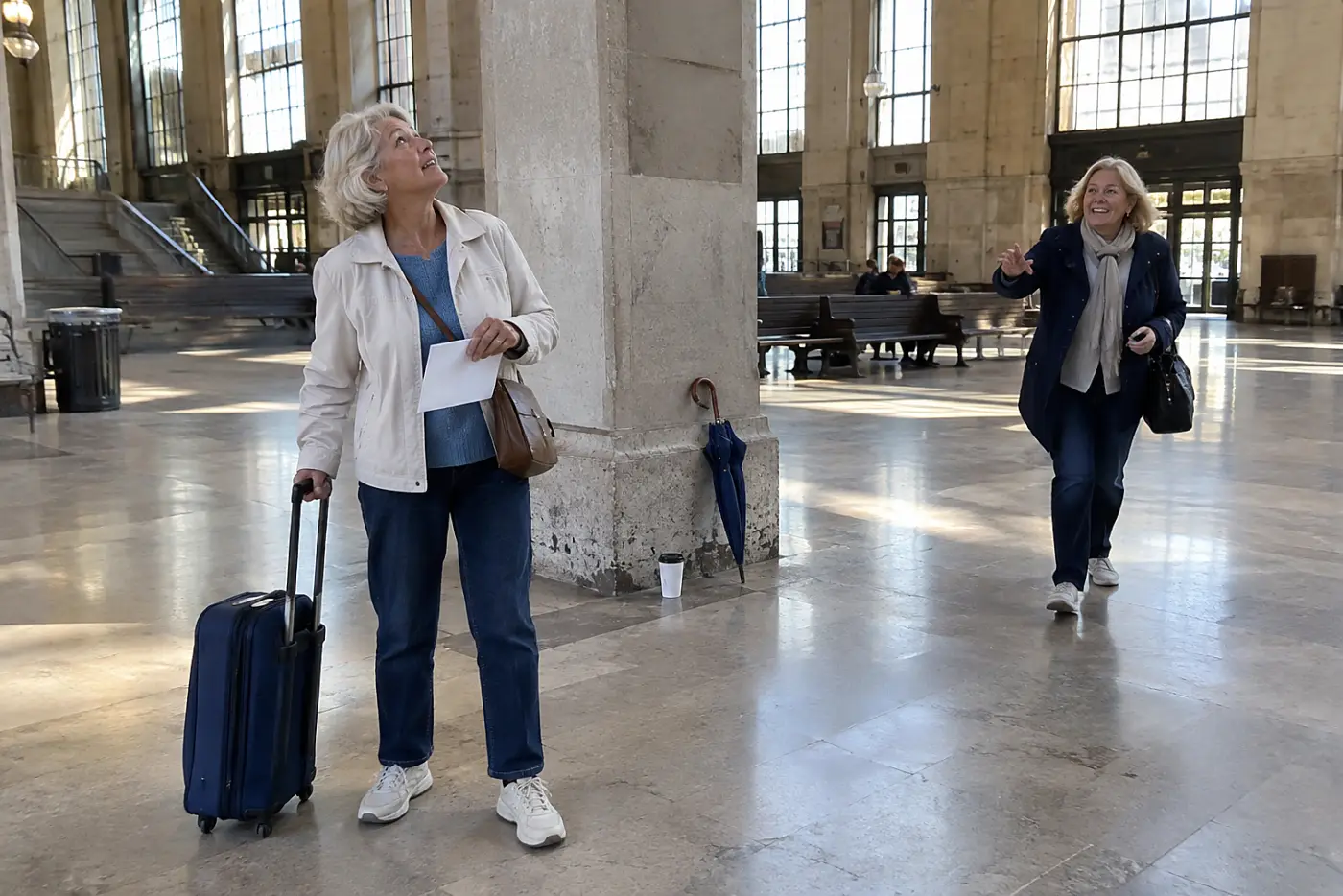
A train leaves at the printed departure time.
Boarding starts before that. At a staffed station, an announcement or gate display tells passengers where to line up. At an unstaffed stop, you wait by the designated platform area instead.
That matters if you've planned to linger over coffee until the departure time. Amtrak's *Before You Go* guidance offers boarding advice, while your ticket and station notices supply the details for this trip.
This week, put your planned station arrival beside the departure time. At an unfamiliar station, ask an employee, "Where will boarding for this train be announced?"
The line you join will also tell you what sort of seat awaits.
23The seat number missing from your ticket
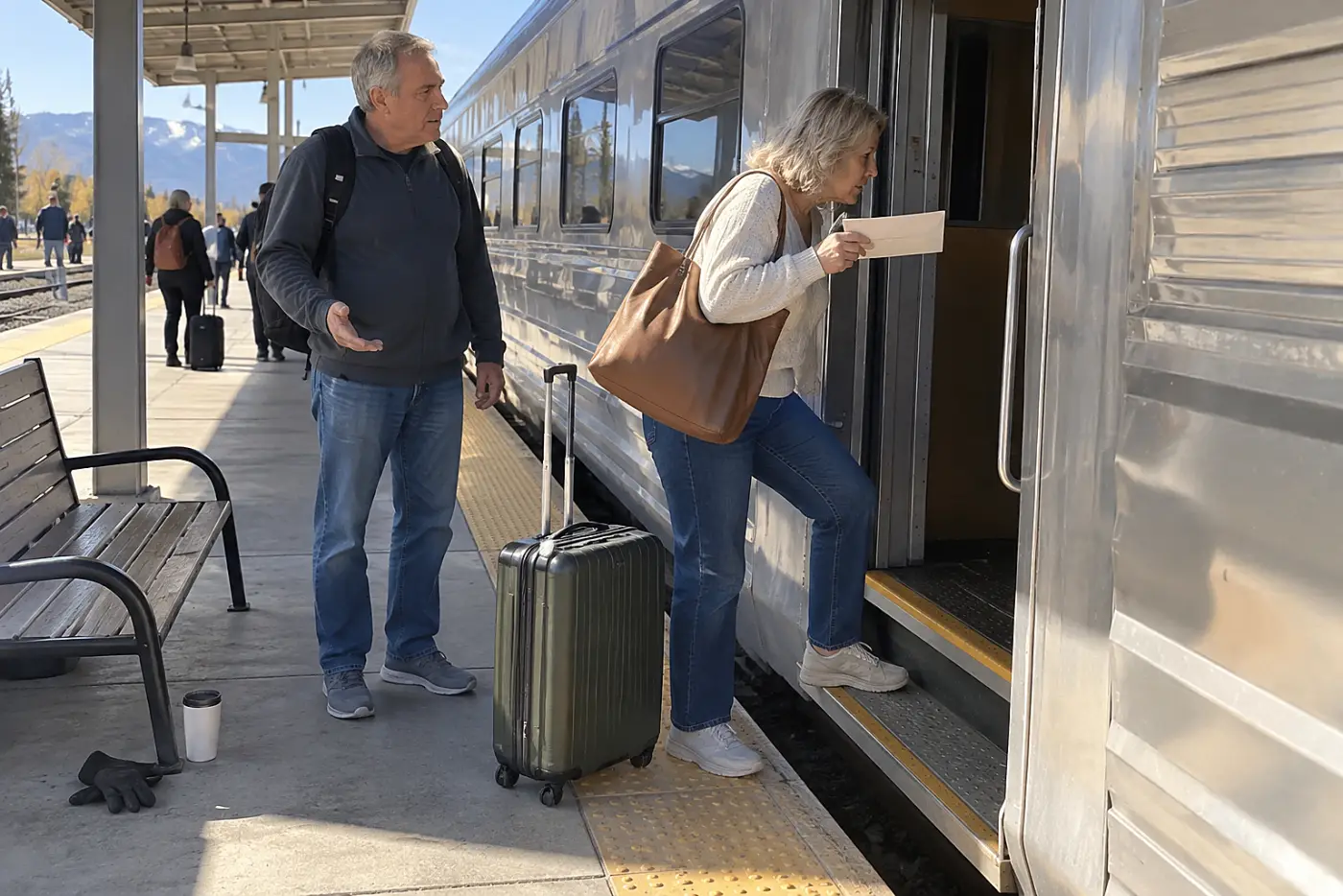
A coach ticket doesn't always name a seat.
On trains with open coach seating, you take an available place as directed by the crew. Other trains and classes assign seats. Your reservation tells you which arrangement you bought.
Guess wrong, and you'll be searching a narrow aisle while passengers settle in. Check Amtrak's seating accommodations information before you picture yourself walking straight to a window seat.
Look at your reservation this week for a car and seat number. If none appears, ask the conductor, "Is coach seating open on this train?"
Then comes the bag that has to fit beside that seat.
22The suitcase you lift onto the rack
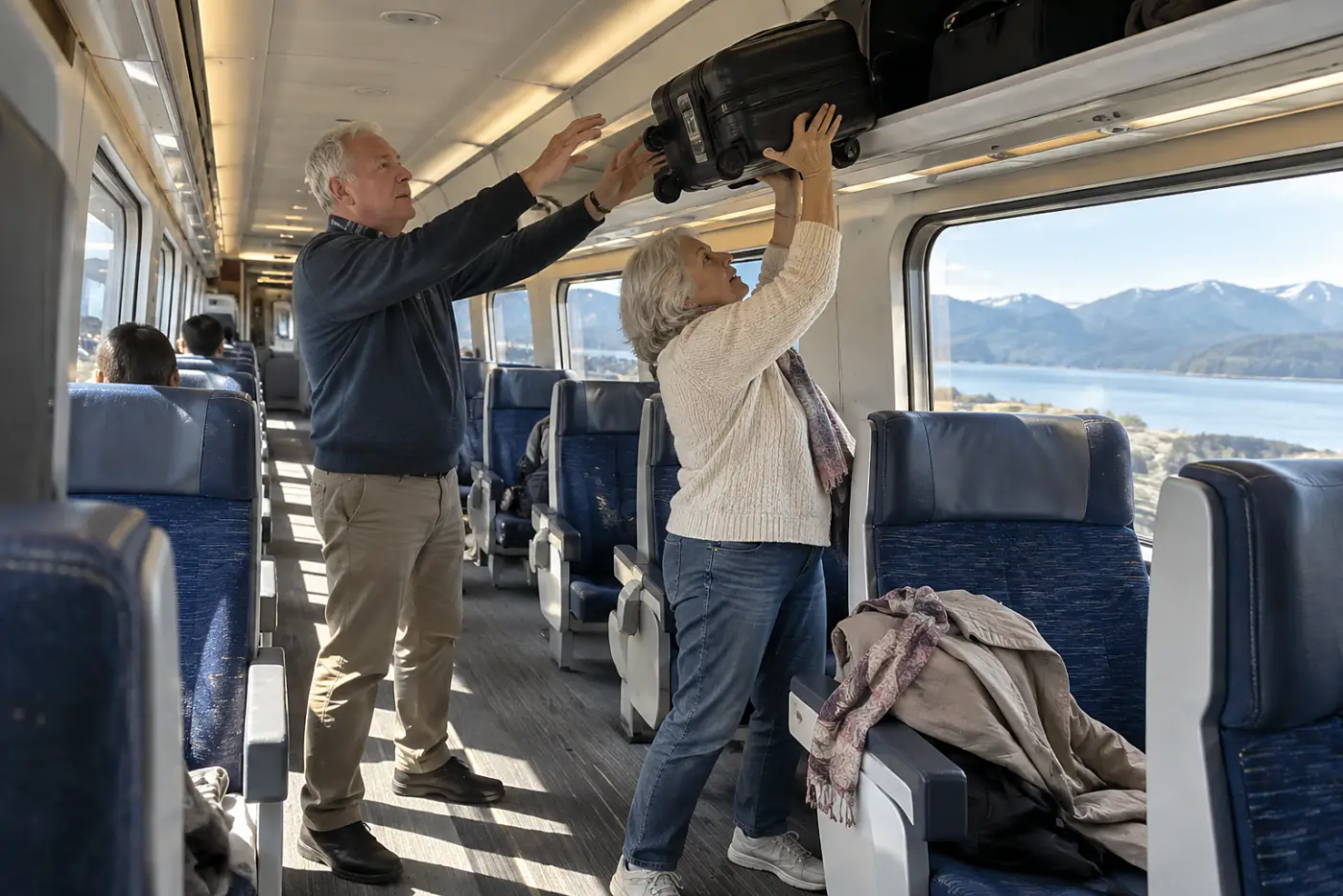
There is no airport baggage carousel for your carry-on.
You bring the case aboard and put it where the crew directs you. Overhead shelves, end-of-car racks, and spaces near seats differ by train. A rolling bag still needs lifting, even when the station platform feels wonderfully simple.
Amtrak's carry-on limit is 50 pounds per bag. Check its carry-on baggage rules for the size limit and any updates before you pack. A bag that qualifies under the rules still poses a problem if lifting it hurts your shoulder.
This week, pack the case and lift it to shoulder height at home, without twisting. If that test feels wrong, lighten it and ask Amtrak, "What baggage options does my train have?"
The larger bag you leave behind has a different set of rules.
21The checked bag left at your departure station
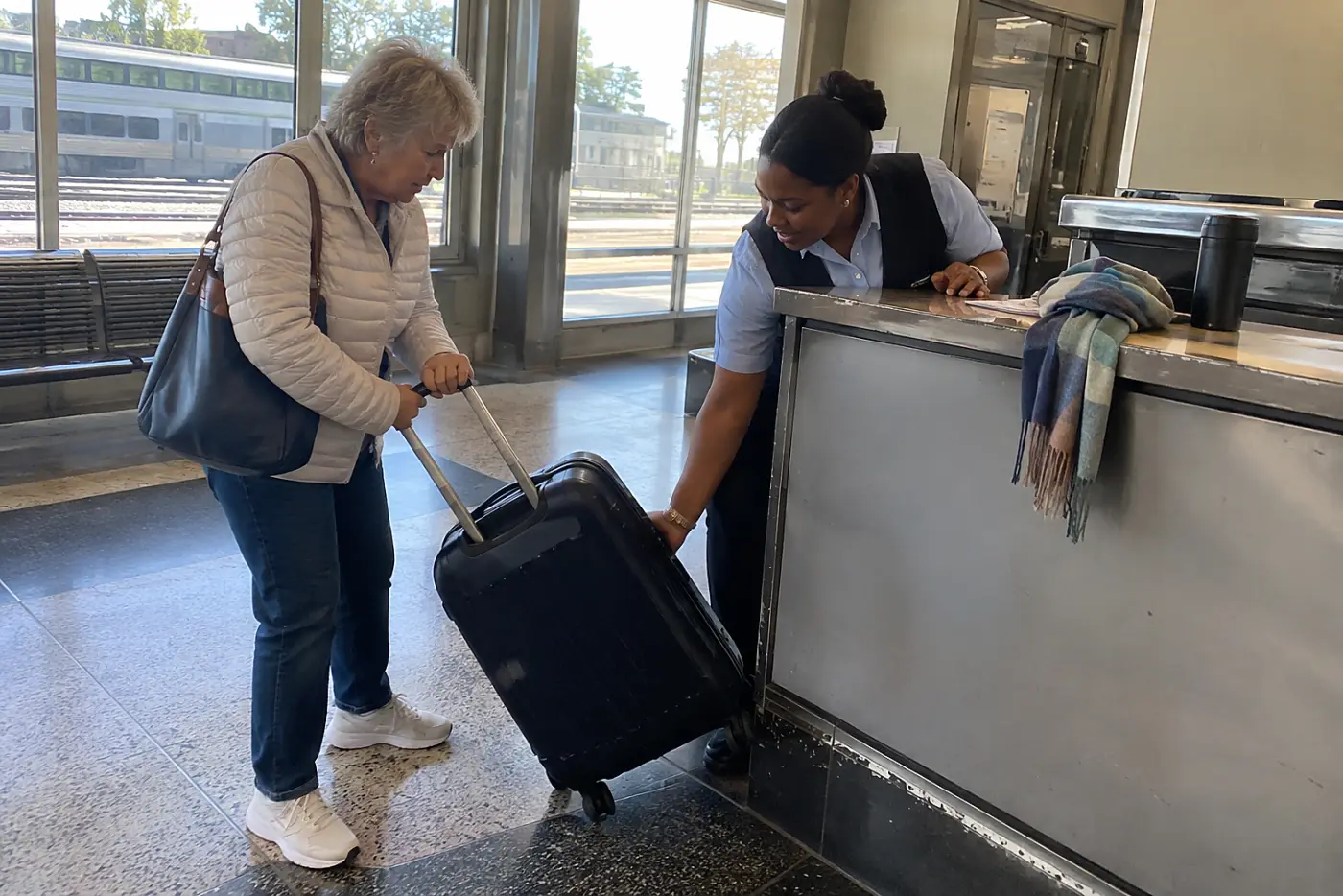
Checked baggage isn't offered at every stop.
Service must exist at both the station where you hand over the bag and the one where you collect it. A train appearing in search results proves neither station has a checked-bag counter.
Discovering the mismatch at departure means repacking on the floor or leaving something behind. Check Amtrak's checked baggage information for your route before you pack.
Check both station pages this week and confirm that they handle checked bags. Tell the agent, "I need to check a bag between these exact stations."
Even a perfectly packed case won't help at the wrong platform.
20The track assignment on the departure board
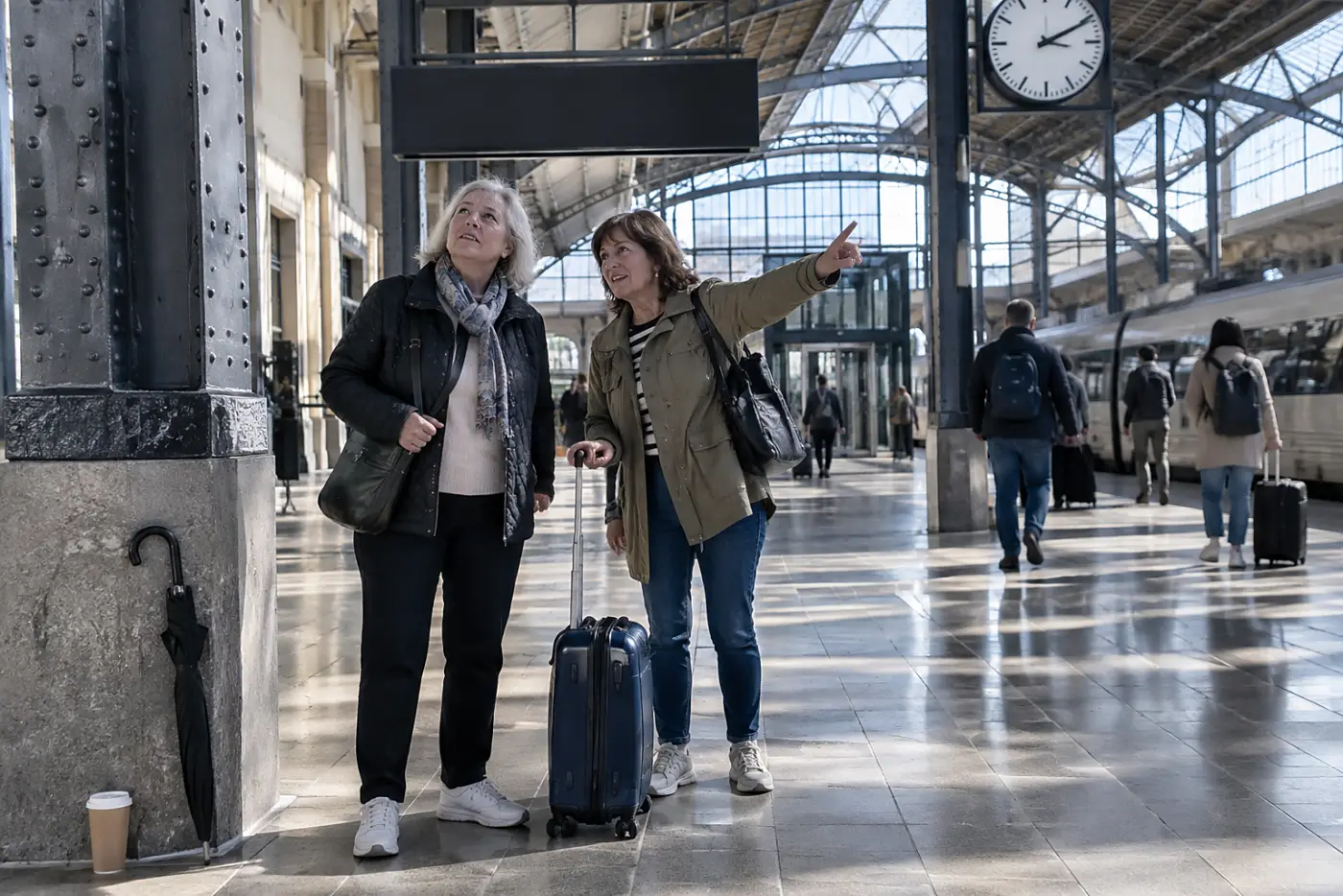
The track you remember isn't a boarding instruction.
At busy stations, staff direct boarding through a gate or toward a track shown on a live display. Assignments change when operations change. Match the train number as well as the destination; more than one departure heads the same way.
Airports train you to watch gate changes. Give the station board that same attention. Walking to an old track wastes the minutes you saved by avoiding security.
This week, save your train number beside the departure time. At the station, compare it with the board and ask staff, "Where does my train number board?"
After boarding, the next choice is where to keep what matters.
19The handbag that stays beneath your seat
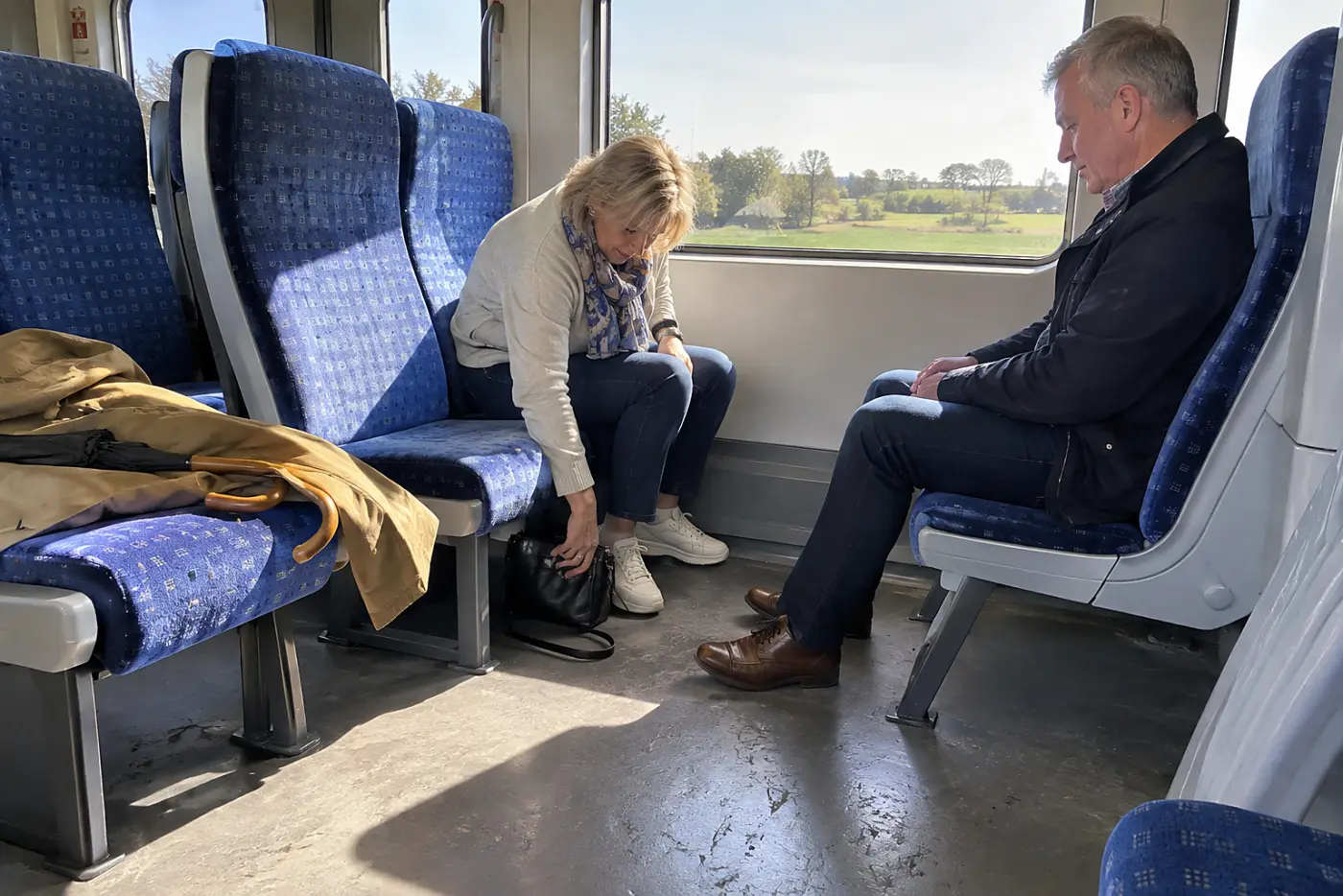
A distant baggage rack isn't a place for valuables.
Your suitcase sits away from you on some trains, while a small bag stays within reach. Keep the things you'll need during the ride together. The crew checks tickets, and you still have to move around the car.
A wallet buried in a distant case turns a restroom trip into a security worry. It also makes reaching your identification needlessly clumsy.
This week, move your wallet, medicine, and phone charger into one small bag. Tell your companion, "I'm keeping this bag with me when I move around."
That charger brings up a less obvious question.
18The outlet beside your train seat
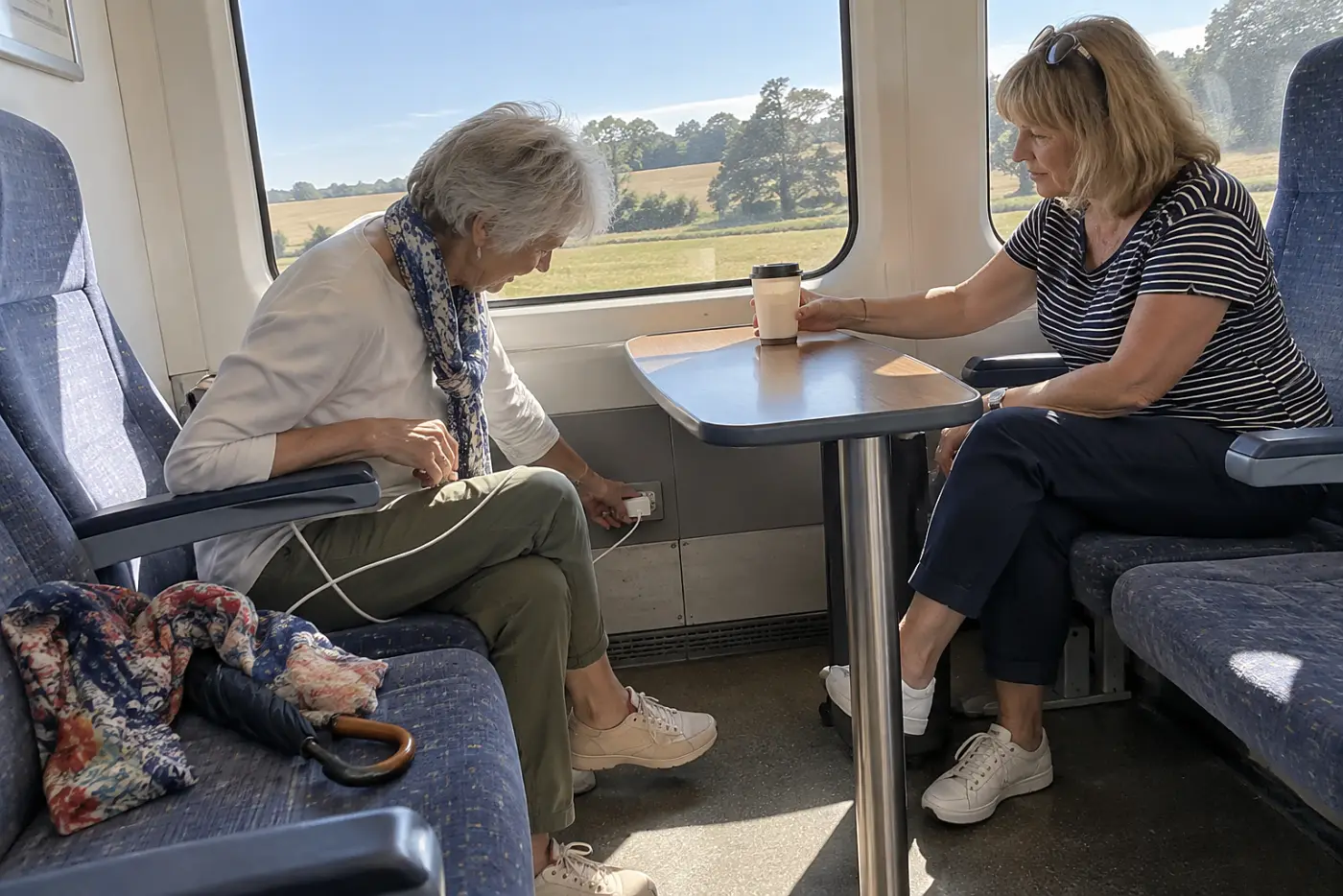
A train seat doesn't guarantee a working charge.
Outlets are available on many Amtrak services, but placement differs by equipment and class. You need your own cable and plug. Check Amtrak's onboard amenities information for your train, then pack as though you'll spend the ride without an outlet.
Your phone does more than hold a ticket. It carries pickup messages, maps, and the hotel address. Photos and train-status checks draw power during a long ride.
This week, charge your phone and a portable battery. Save your ticket where it opens without a signal. Before settling in, ask, "Is there an outlet at this seat?"
The ticket itself needs its own backup plan.
17The ticket trapped inside your email inbox
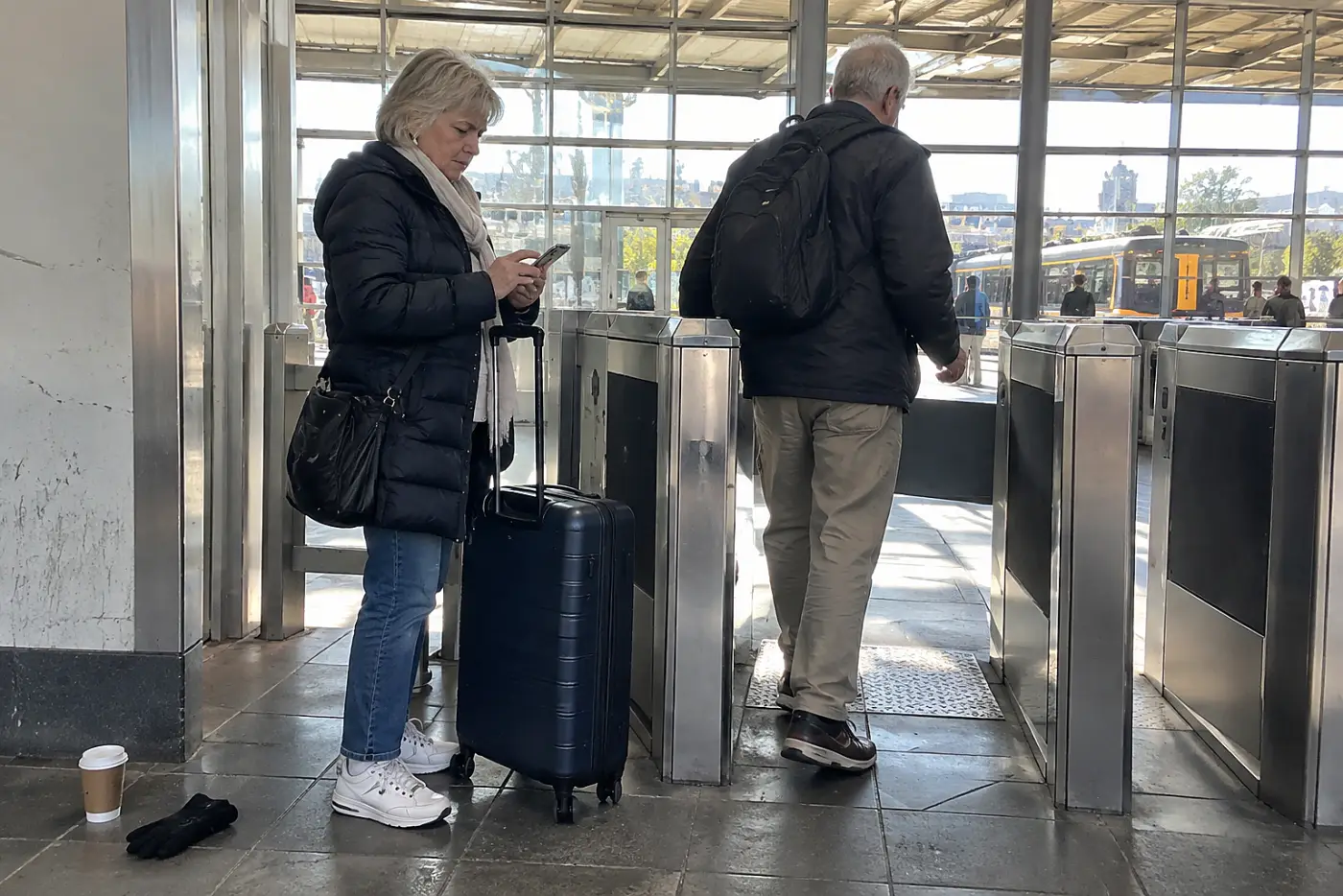
Station reception has a talent for disappearing.
An email link still has to load if you haven't saved the ticket itself. Amtrak's app displays reservations. A printed ticket gives you another way to show the barcode when your phone is unhelpful.
Standing in a boarding line while your inbox spins is the rail version of searching for an airport boarding pass. You miss instructions while staring at a loading screen.
This week, open the ticket in the app or print it. Tell your travel partner, "I've got the train number and ticket ready."
Once the screen is settled, look at the route beyond it.
16The late arrival at your destination station
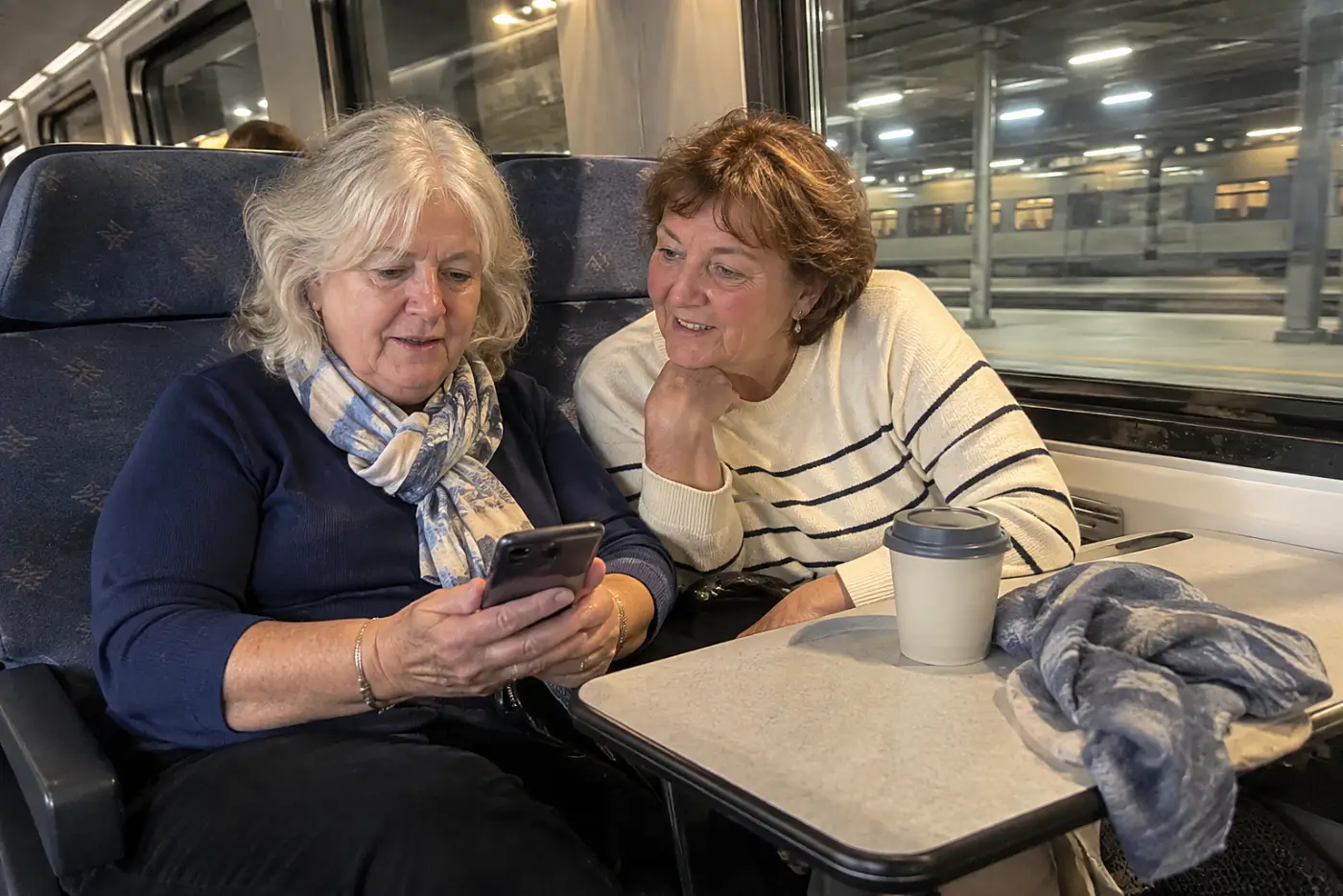
A late train changes what happens after dark.
A schedule shows when your train is due, not when a delayed train will arrive. The practical issue is the trip from the station to your bed. Taxi stands, local transit, and hotel desks run on their own hours.
Amtrak's train status tool shows the train's progress. That update matters when someone plans to meet you or the station sits far from your hotel.
This week, write down a ride plan for a later-than-scheduled arrival. Tell the person meeting you, "Please check the train number before you leave home."
The hour matters again when the route crosses a border.
15The passport at the Canadian border
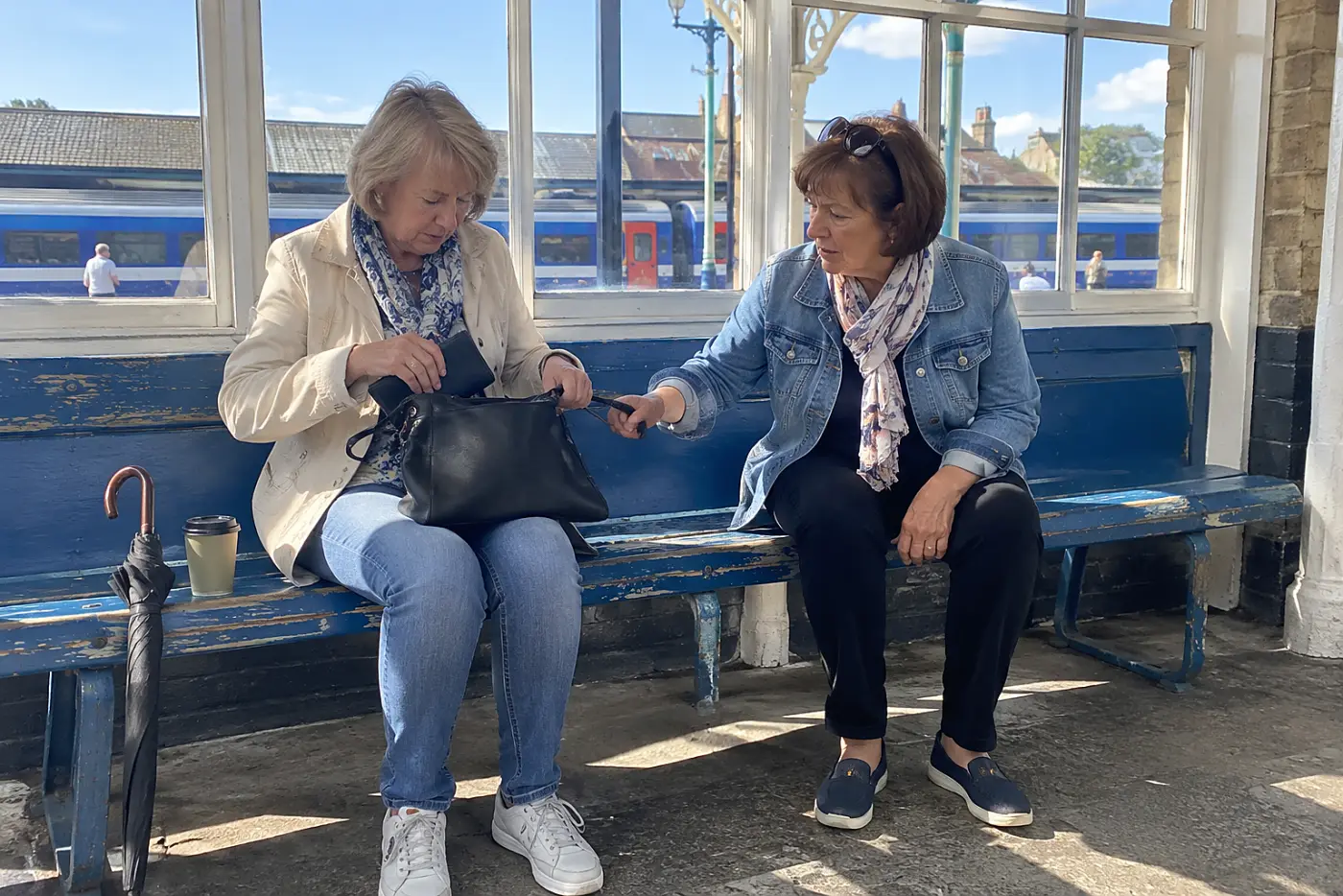
A train crossing a border still crosses a border.
Routes into Canada involve inspection and document requirements, despite the familiar seats and lack of an airport terminal. Requirements follow your citizenship and route. Check U.S. Customs and Border Protection and the carrier's international-travel instructions before buying.
Without the right documents, explaining that you're taking a train won't solve the problem. Check Canada's official travel information for entry requirements as well.
This week, confirm your documents for the exact trip in both directions. Ask Amtrak, "Where does border inspection happen on this route?"
Back on domestic rails, another boundary catches people out.
See more: 23 Best Vacations for Retirees →
14The platform smoking break you expected
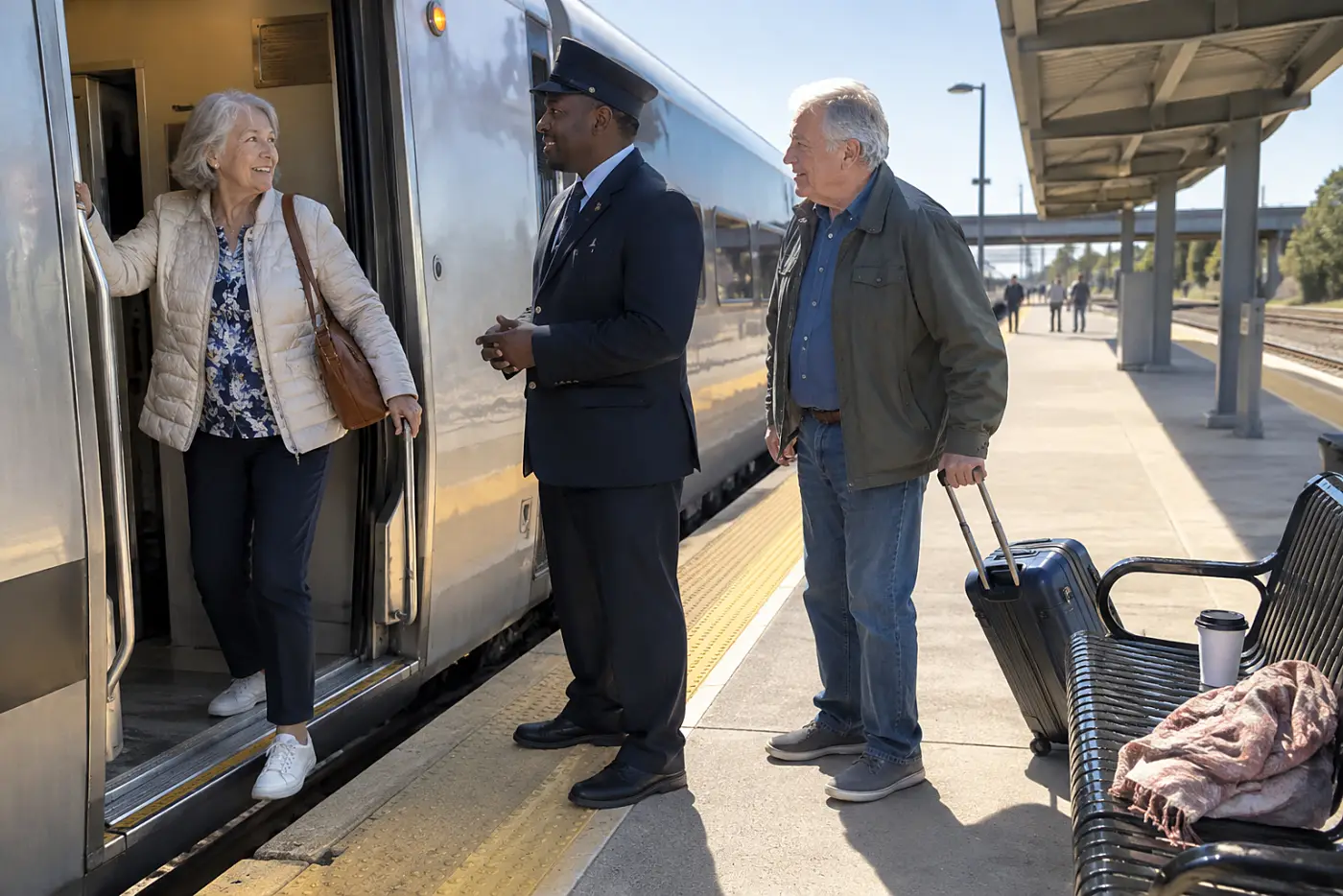
A station stop isn't your personal intermission.
Amtrak trains are smoke-free. Stops along a route aren't guaranteed breaks for passengers. Some last only long enough for people to get on and off; crew instructions tell you whether to stay aboard.
Step away without permission, and the train leaves on its timetable. You could still see your car when boarding ends.
Before travel day, plan for the full stretch between permitted stops. If you need to step off, ask the conductor, "Is this a stop where passengers are allowed to leave the train?"
When you stay aboard, the next question is what you'll eat.
13The sandwich packed for the long stretch

The café isn't a full kitchen.
Food service differs across Amtrak routes. A café menu doesn't promise the meal you want, and a delay stretches the gap between lunch at home and dinner near your hotel. Check Amtrak's dining information for your route.
Hunger turns an otherwise restful ride into a hunt through the train. Bring something you'll want to eat even if the café is open.
This week, pack water and food that travels well. Ask your companion, "Do you want to eat before boarding or bring something?"
The dining car introduces a different kind of planning.
12The meals listed with your sleeper room
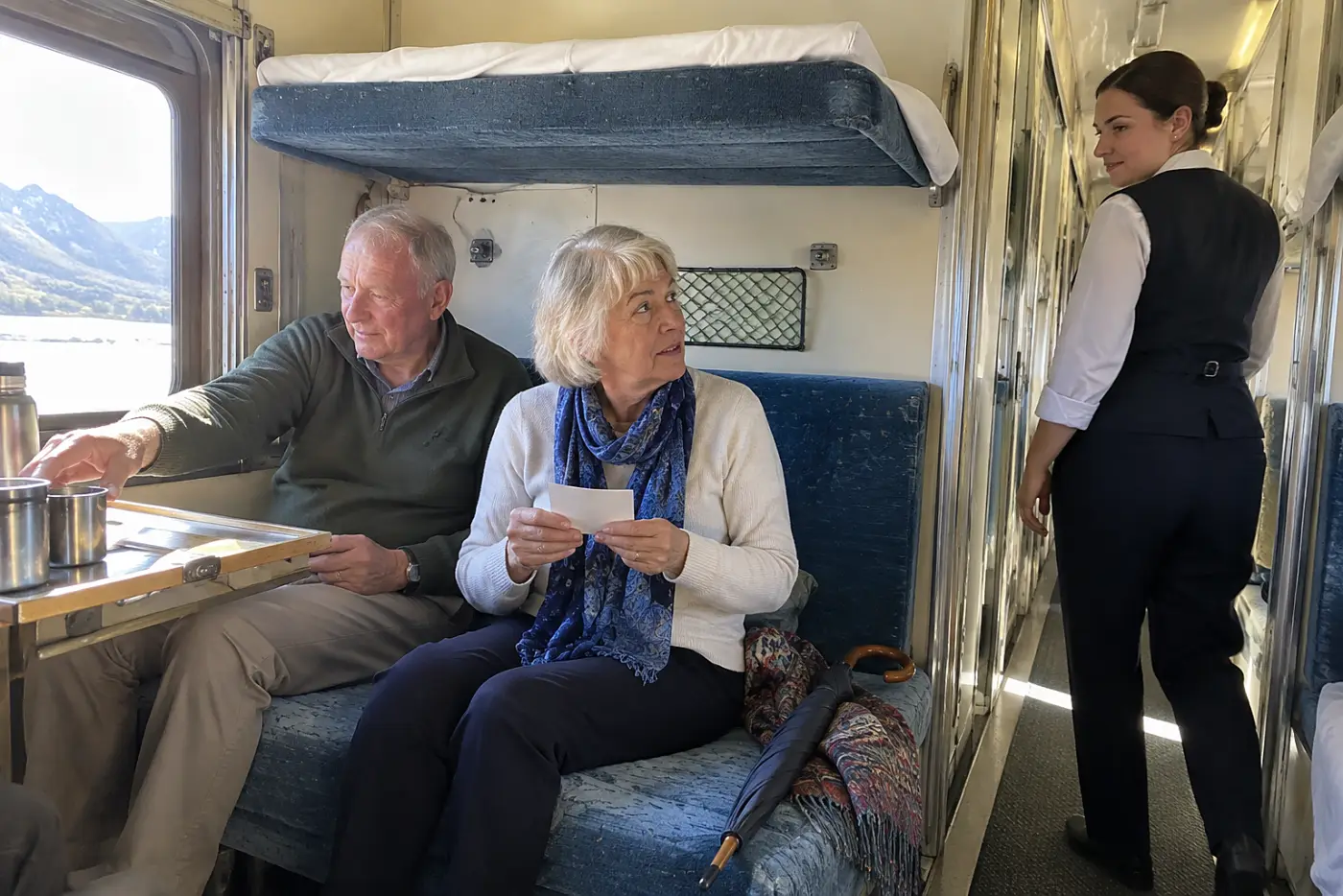
Sleeping accommodations change the food question.
On Amtrak long-distance routes, meal service tied to a private room differs from café purchases in coach. What you receive follows the route and accommodation you book. Old travel stories won't settle what's included on your train.
A room price makes little sense until you know what it covers. Read the sleeping accommodation details alongside Amtrak's dining information for that route.
This week, compare room and coach options on the same train. Ask the booking agent, "Which meals come with this room on this route?"
After dinner, the mechanics of sleeping become very real.
11The upper bunk in your roomette
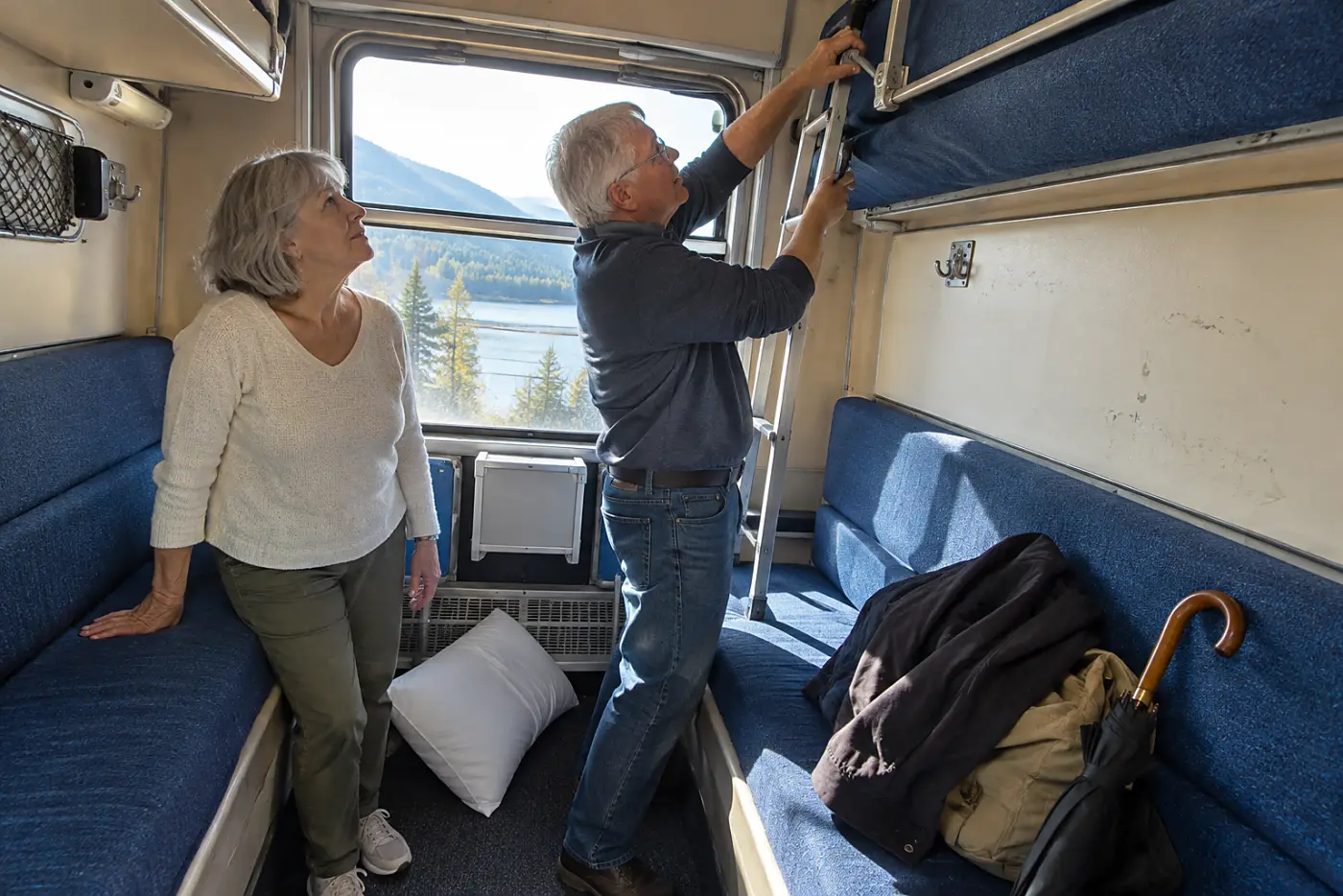
A roomette's second bed sits above the first.
During the day, the room has seats. At night, those seats convert into a lower bed. The upper bed is reached by steps, not by a hallway stroll.
If climbing at night is difficult, the cheerful daytime photo tells you too little. Review Amtrak's roomette layout before paying for two people.
This week, talk with your companion about who would use each bed. Ask the agent, "Can you describe the climb to the upper bed in this room?"
And where you sleep isn't where every bathroom sits.
10The bathroom beyond your roomette door
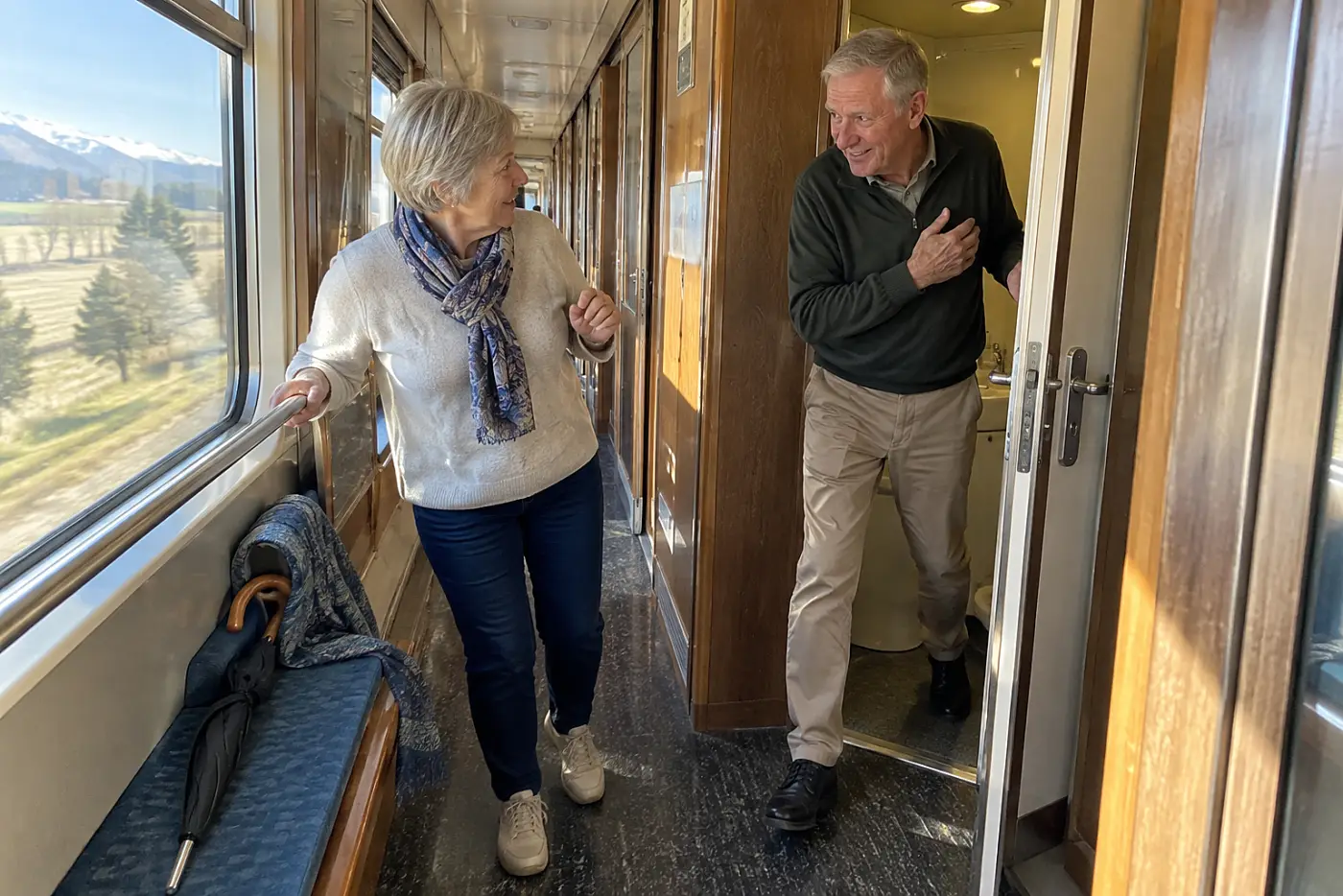
The room door doesn't settle the bathroom question.
An Amtrak roomette has shared restrooms nearby, while a bedroom includes a private bathroom. Those names sound close enough to confuse anyone scanning prices on a phone. A floor plan tells you more than a photo of folded towels.
At night, that difference determines whether you leave the room and walk down the corridor. Decide before paying for a trip that lasts until morning.
This week, compare bathroom arrangements for the rooms on your train. Ask the agent, "Is the bathroom inside this room, or elsewhere in the car?"
Before you choose a room, there's another part of the train to check.
9The accessible space on your reservation
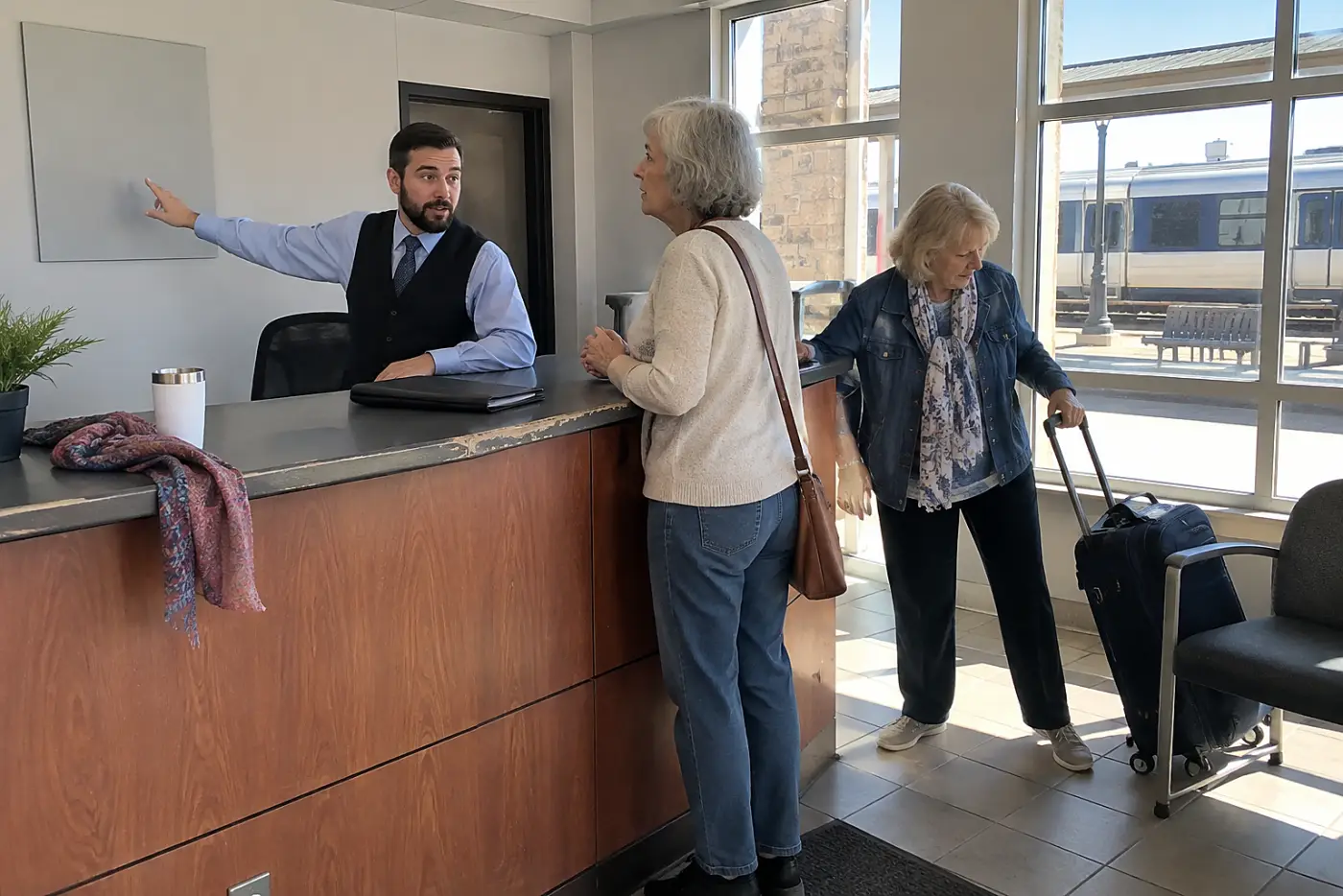
An accessible space needs attention before you pay.
Amtrak lists accessible seating and rooms in its accessible travel information. Arrangements differ by train and station. Selecting a standard seat first leaves you without confirmation that it fits your trip.
The stations matter as much as the car. A boarding setup at one stop tells you nothing certain about the other, so don't rely on a picture of the train alone.
This week, check the options for both stations and your exact train before buying. Tell the agent what equipment you travel with and ask, "What boarding assistance is available at each station?"
Then check the physical task that starts at the train door.
See more: 23 Trips for Solo Seniors (Group Tours, Cruises and Easy Firsts) →
8The step from platform into the carriage
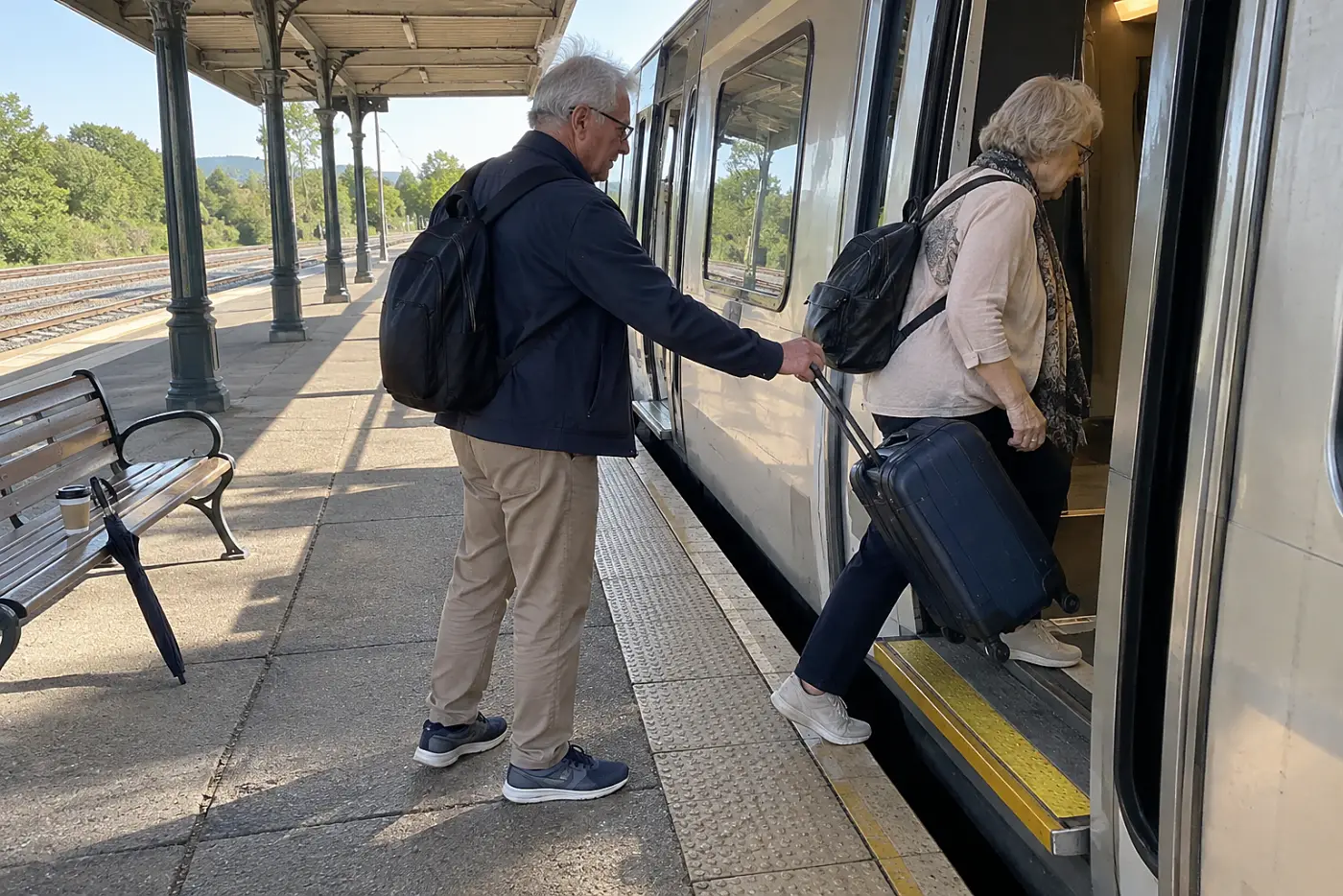
The train door doesn't meet every platform alike.
Platform height and boarding equipment differ across stations and trains. At some stops, boarding means stepping up; at others, staff position equipment for the gap. You won't know what your door requires from the station's front entrance.
A painful knee or heavy case turns that step into the moment that matters. Check both station pages and Amtrak's accessible travel guidance before departure.
This week, note the boarding details listed for each station. Ask Amtrak, "What is the boarding setup for my train at these two stops?"
Once aboard, remember that getting off takes planning too.
7The stop announced before your destination
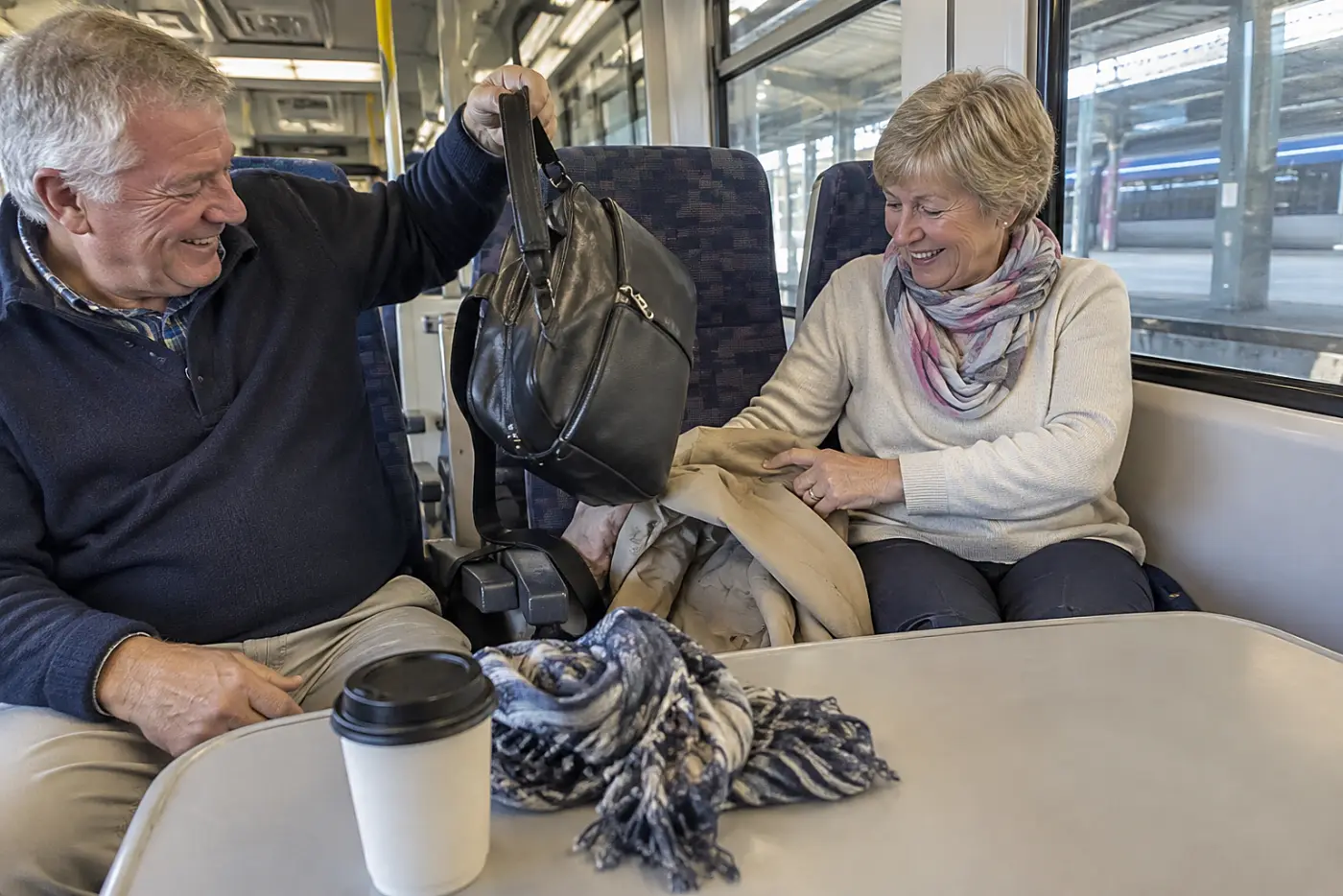
Your destination won't wait while you repack.
Station stops follow the route timetable. The conductor announces approaching stops, and passengers leave while others board. Then the through train continues.
A bag on a rack at the far end of the car takes time to retrieve. Wait for the platform to appear, and you'll be moving against passengers ready to board.
This week, mark the station immediately before yours on the route schedule. Ask the conductor, "Please tell me when we're approaching my stop."
At the station, another detail determines how quickly you leave.
6The ride waiting outside the station

Downtown isn't always close to your door.
Rail stations sit where tracks run, not necessarily beside your hotel, home, or rental car counter. A beautiful old waiting room still leaves you to solve the final leg.
A low ticket price loses appeal if arrival requires an inconvenient pickup or an extra hotel night. The station page gives you the address; a map shows the walk and road approach.
This week, map the station to your actual destination at the expected arrival hour. Ask your pickup person, "Where's the easiest place to meet outside this station?"
That final leg belongs in the price comparison.
See more: 25 Walkable Cities for Retirees →
5The full trip price beside airfare
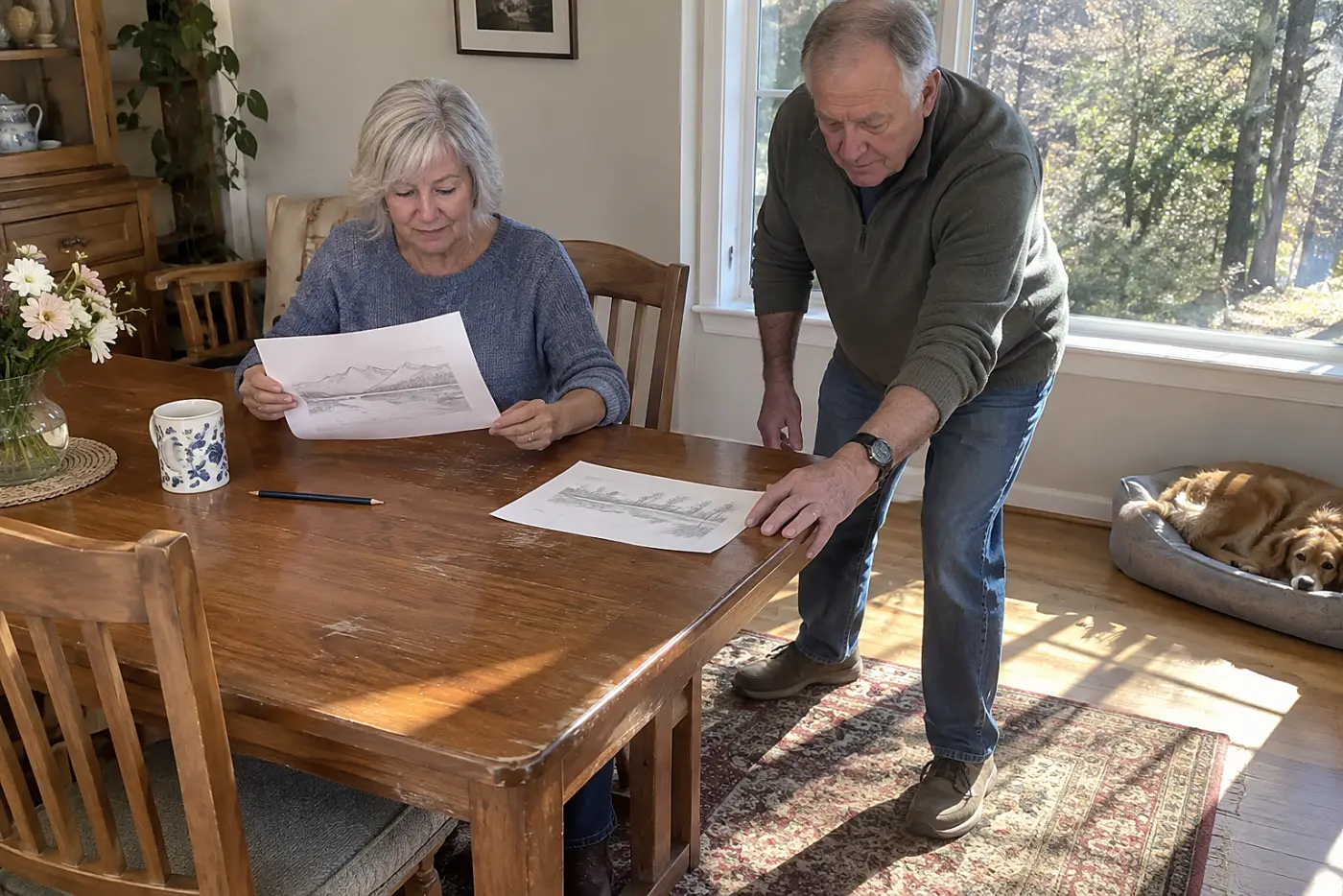
A low rail fare isn't the whole trip.
A train and a flight use different terminals, baggage arrangements, and ground rides. Compare each trip from your front door to your destination's front door. Include a hotel night if the schedule forces one.
Otherwise, the cheaper ticket wins a contest you never meant to run. Checked bags on U.S. domestic flights can add roughly $35 to $45 each way, depending on the airline and fare. Check the fare details as well as the time you'll spend getting to and from each terminal.
This week, write two door-to-door plans with actual departure and arrival times. Ask yourself, "Which trip gets me there with fewer hard parts?"
One hard part deserves its own line on that page.
See more: 23 Best Places to Winter for Retirees on a Budget →
4The schedule change after you buy
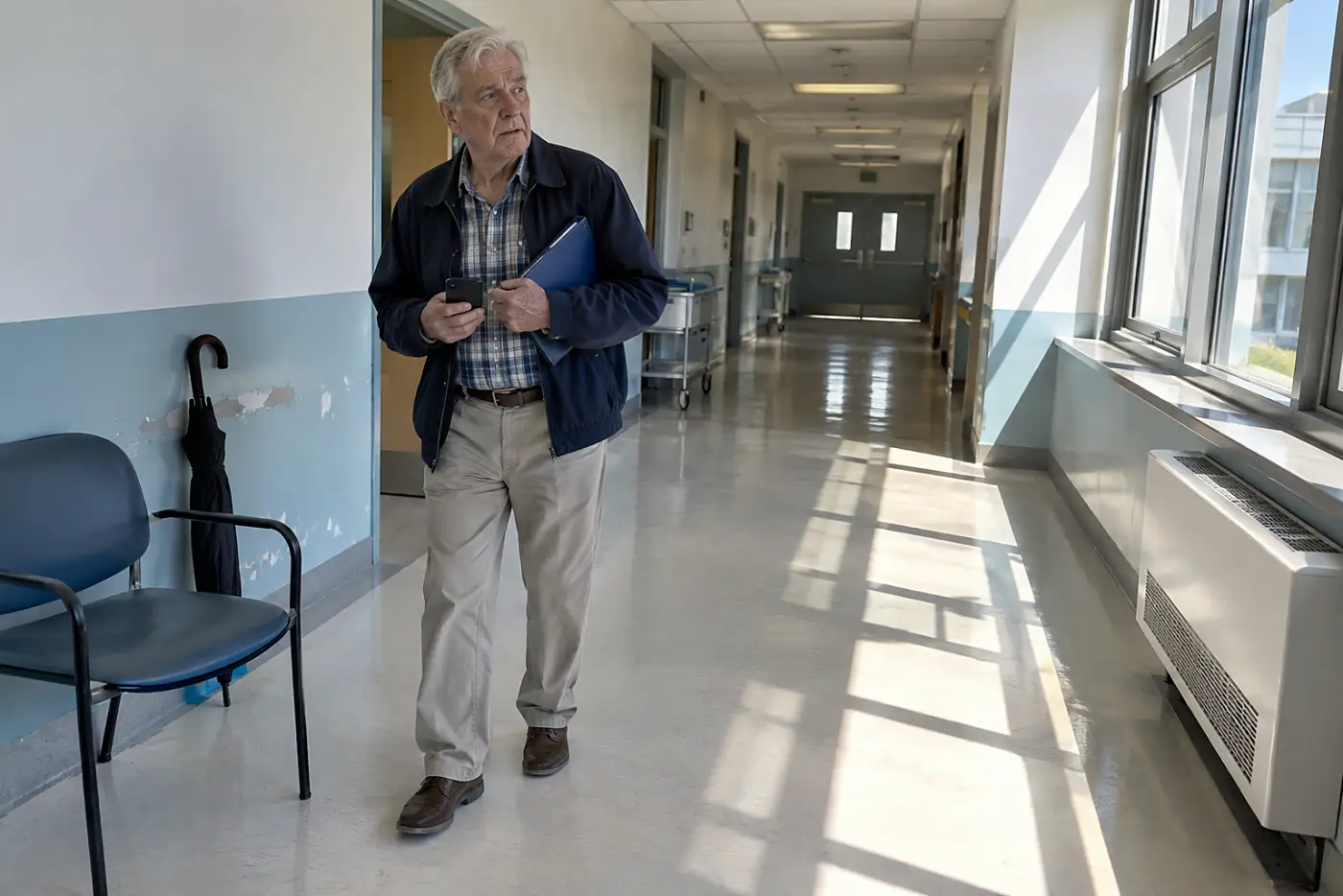
The departure you booked isn't guaranteed to stay put.
A schedule change can move your train to a different time after you buy. The updated itinerary belongs with your reservation, while an old calendar entry stays exactly as you typed it. That mismatch is easy to miss when the airport ordeal you avoided is no longer on your mind.
The train won't wait because your calendar shows the original time. Check the departure and arrival times on your reservation before making plans around either end of the trip.
This week, open the reservation and compare it with your calendar. Ask Amtrak, "Has either time on this booking changed since I bought it?"
The time is settled for now, but what you bring aboard needs its own check.
3The bicycle space booked with your ticket
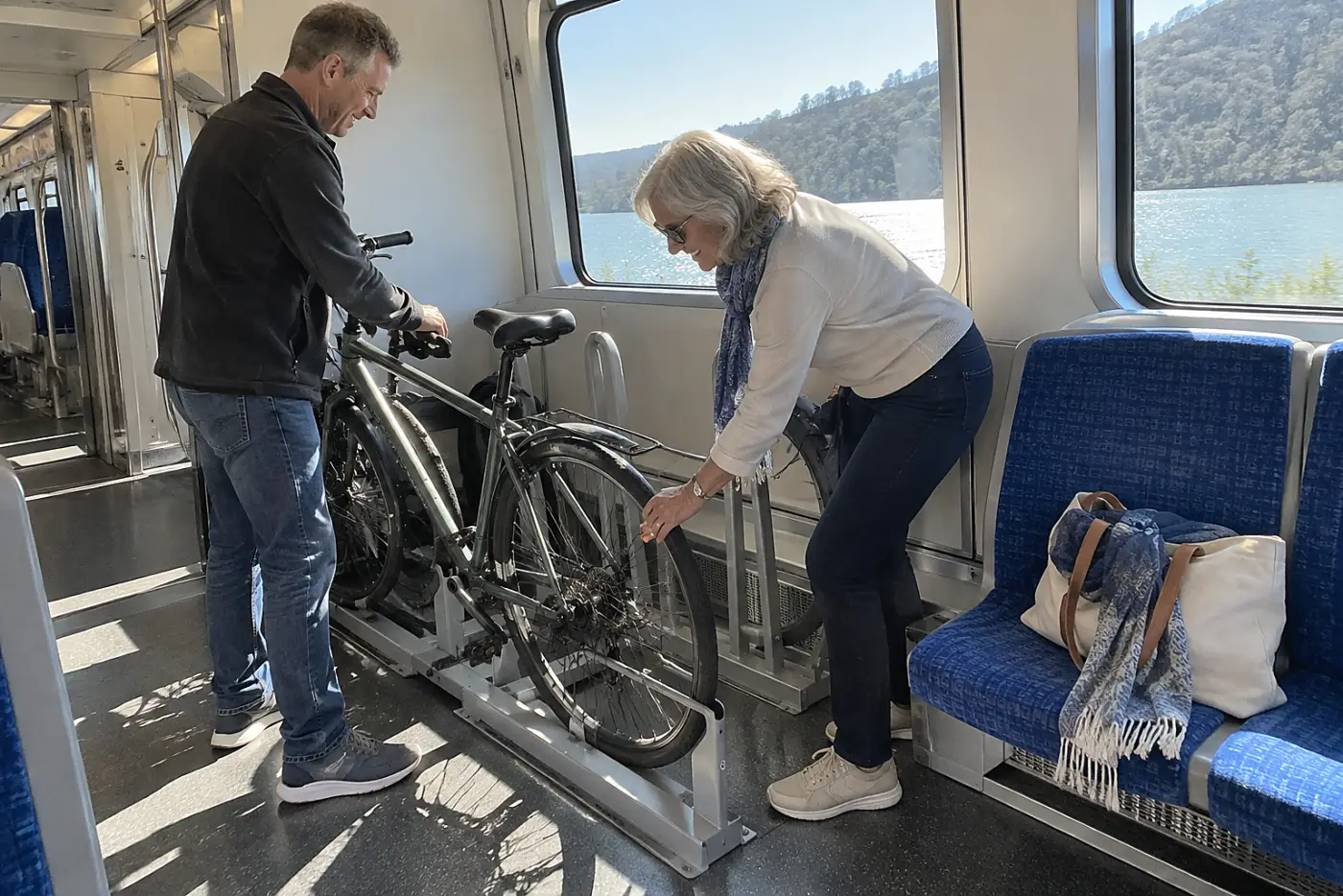
Your bicycle needs a booking of its own.
Amtrak's bicycle options differ by train: some provide space for an assembled bike, while others require a box or bag. Stations and routes have their own handling rules. A passenger ticket doesn't confirm that your bicycle has a place aboard. Your seat and your bike are separate parts of this plan.
You can't solve that at the train door. You've already ridden to the station, and the crew needs to get passengers aboard. Bicycle fees on Amtrak range from free to about $20 per trip, depending on the route and service. Check Amtrak's bicycle information for your route and both stations. Then look for bicycle space on the exact departure you want, before committing to the passenger fare. An airport trip might start with a bag check; this trip starts with a question about the bike itself.
This week, search that departure with your bicycle included before buying your passenger ticket. Ask Amtrak, "Does this train take my bicycle assembled, and do I need to reserve its space?"
The bicycle has a plan; the train's running time is another matter.
2The live delay alert on your phone
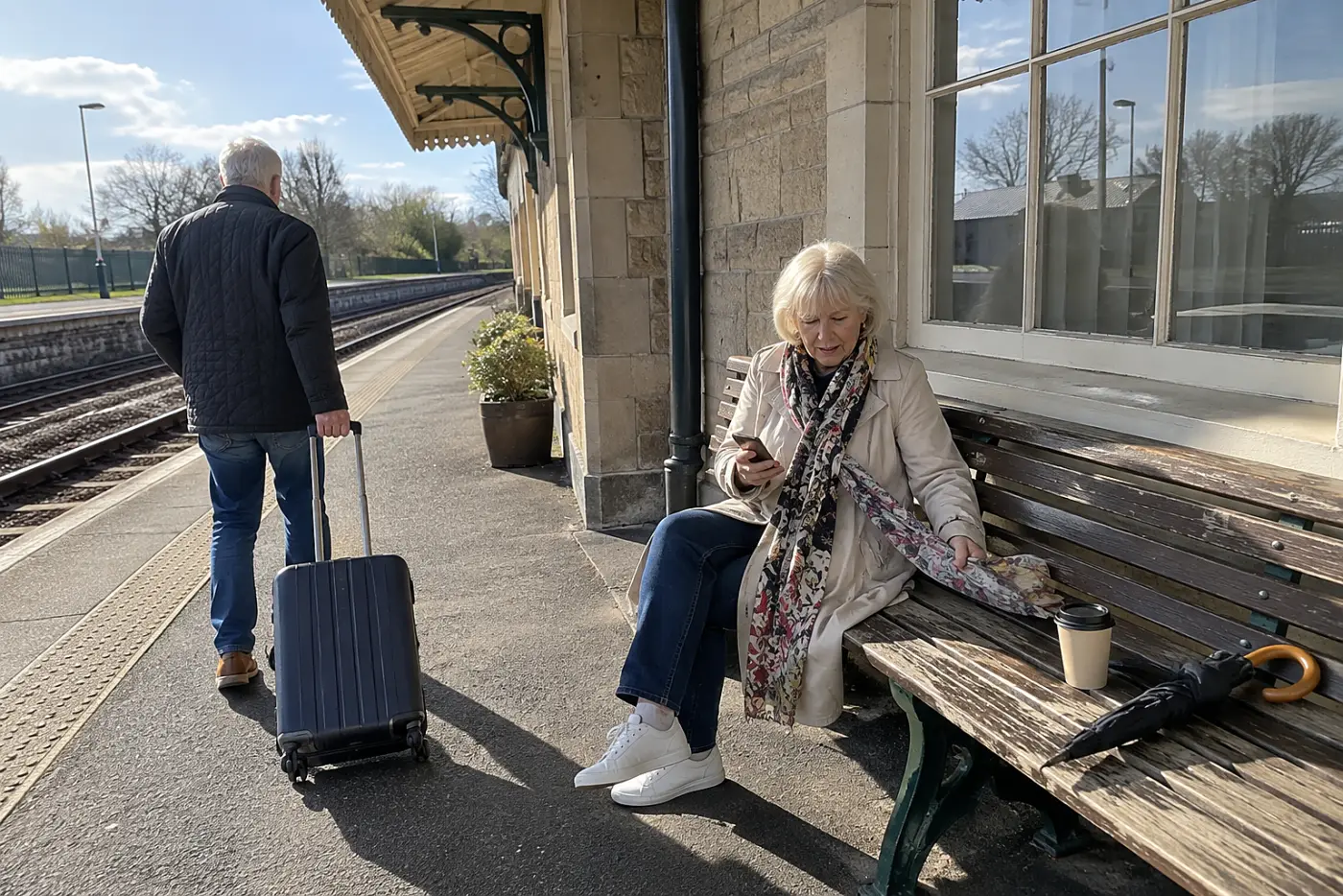
A late train changes the pickup time.
The scheduled arrival in your original email stays the same while the train moves behind schedule. Amtrak's train status tool shows its current progress. Check by train number so you and your pickup person are looking at the same departure.
A stale arrival time sends someone to the station too early. It also leaves you guessing when to call.
This week, save Amtrak's train status page and your pickup person's number for easy access. Tell that person, "Please follow my train number, not the arrival time on the ticket."
The timetable has one more trap before the fare leaves your cart.
1The separate reservations inside one rail journey
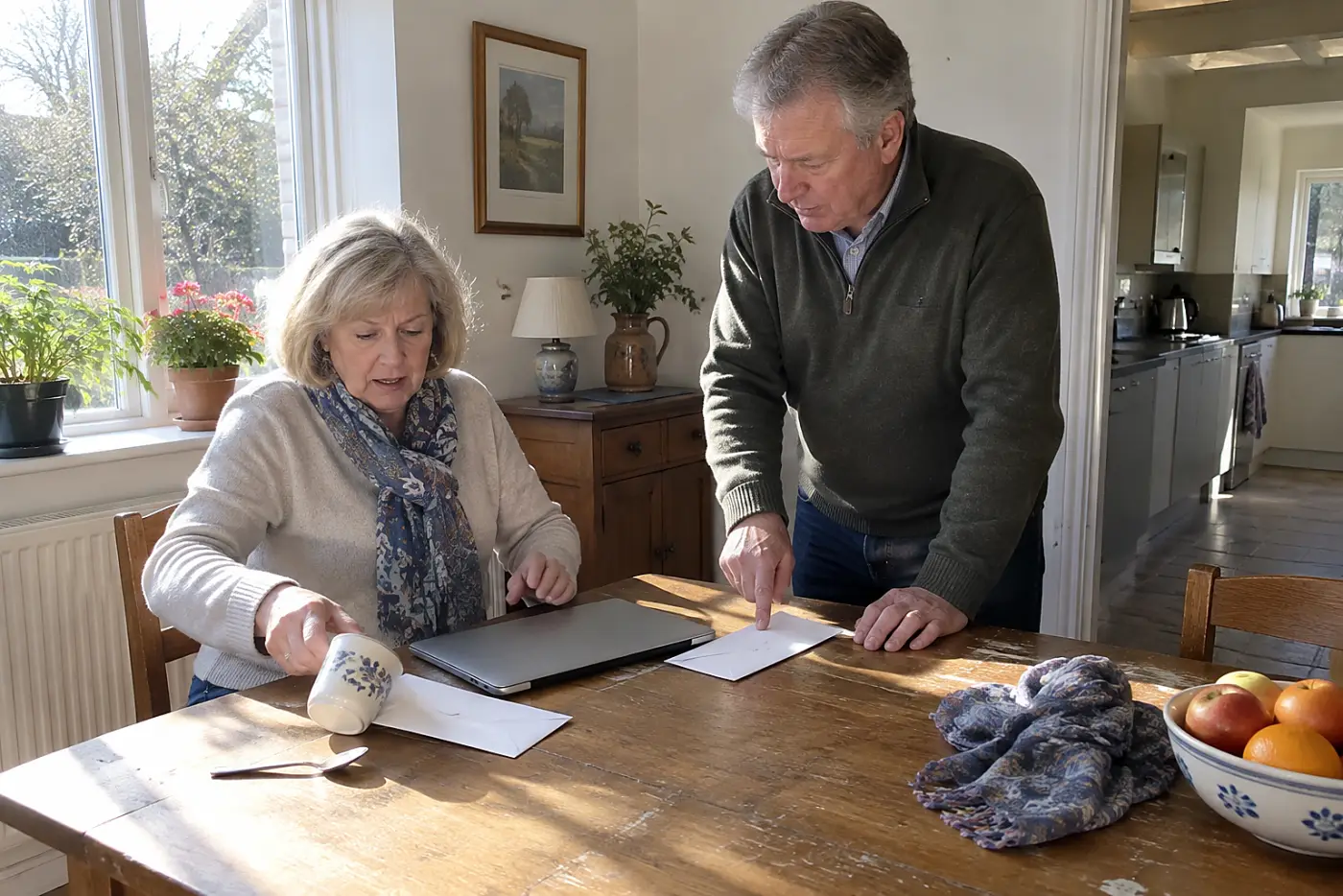
Two tickets don't automatically make one protected connection.
A search for a long rail trip can lead you to buy one train now and a second separately. If the first runs late, the second reservation still has its own departure time. The problem grows when another operator sells the onward ticket.
Before paying, find out whether the itinerary is sold as one journey. Ask what the seller will do if the first train misses the second. A generous-looking gap isn't an answer to a late arrival.
The booking terms determine your choices when a connection breaks. Keep the reservation number and fare terms, not just a screenshot of departure times.
This week, open any planned trip with more than one train. Check whether the legs sit in one reservation and read the missed-connection terms. Ask the seller, "If the first train is late and I miss the second, what happens to this booking?"
The four-line check below is worth doing before you pay.
The bottom line
Train travel moves the friction from the security line to the details around the timetable.
You've checked the stations, bags, boarding setup, final ride, and the terms tying each leg together.
What happened on your last train trip that you wish you'd checked before leaving home?
Up next
21 Best Train Trips for Seniors in the USA
The best train trips for seniors in the USA include a canyon day ride and a Rockies crossing; compare the station, fare, and sleeper before booking.
Read the list →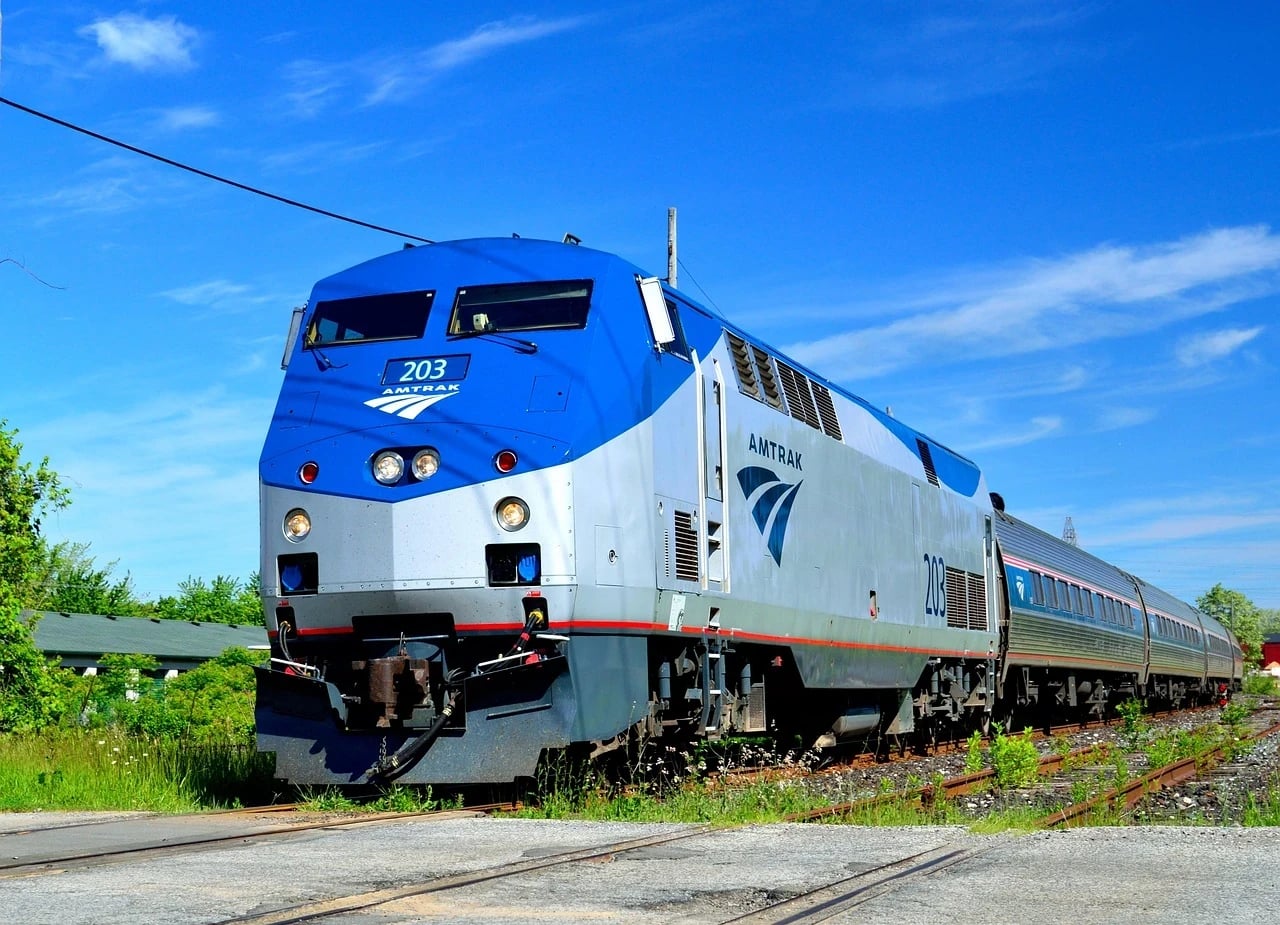

Reader quiz
Did you catch the details?
5 questions from this article. Finish them all to unlock the editor's bonus tip.
Before arranging a taxi to the station, what should you check on a map?
Did any of these feel familiar?
Know someone who needs this?
Sources cited in this article
This article links to one outside source, listed here so you can read it yourself.
- U.S. Customs and Border Protection www.cbp.gov
Margaret Hale
Travel Editor
Margaret has covered travel for 25 years and has ridden every long-distance train route in the U.S. at least once.
More from Margaret Hale