










23 Ways to Use Mel Robbins' 5-4-3-2-1 Morning Routine for Women Over 50
A way to leave the pillow behind, starting with a lamp switch and one small move.
By Dr. Alan Pierce, PT, DPT, Health Reviewer
Updated · 11 min read
- Written by our health reviewer
- Cited 9 sources
- How we review
The room is still dark, but your mind has already opened its list: the appointment, the call you owe, the thing you forgot yesterday. One foot is warm under the blanket. The other is halfway out, waiting for a reason to retreat.
Mel Robbins' countdown gives you a move to make before the list grows longer. The point isn't to win an argument with every worry before breakfast. It's to start getting up while those worries are still talking.
23The ceiling you know by heart
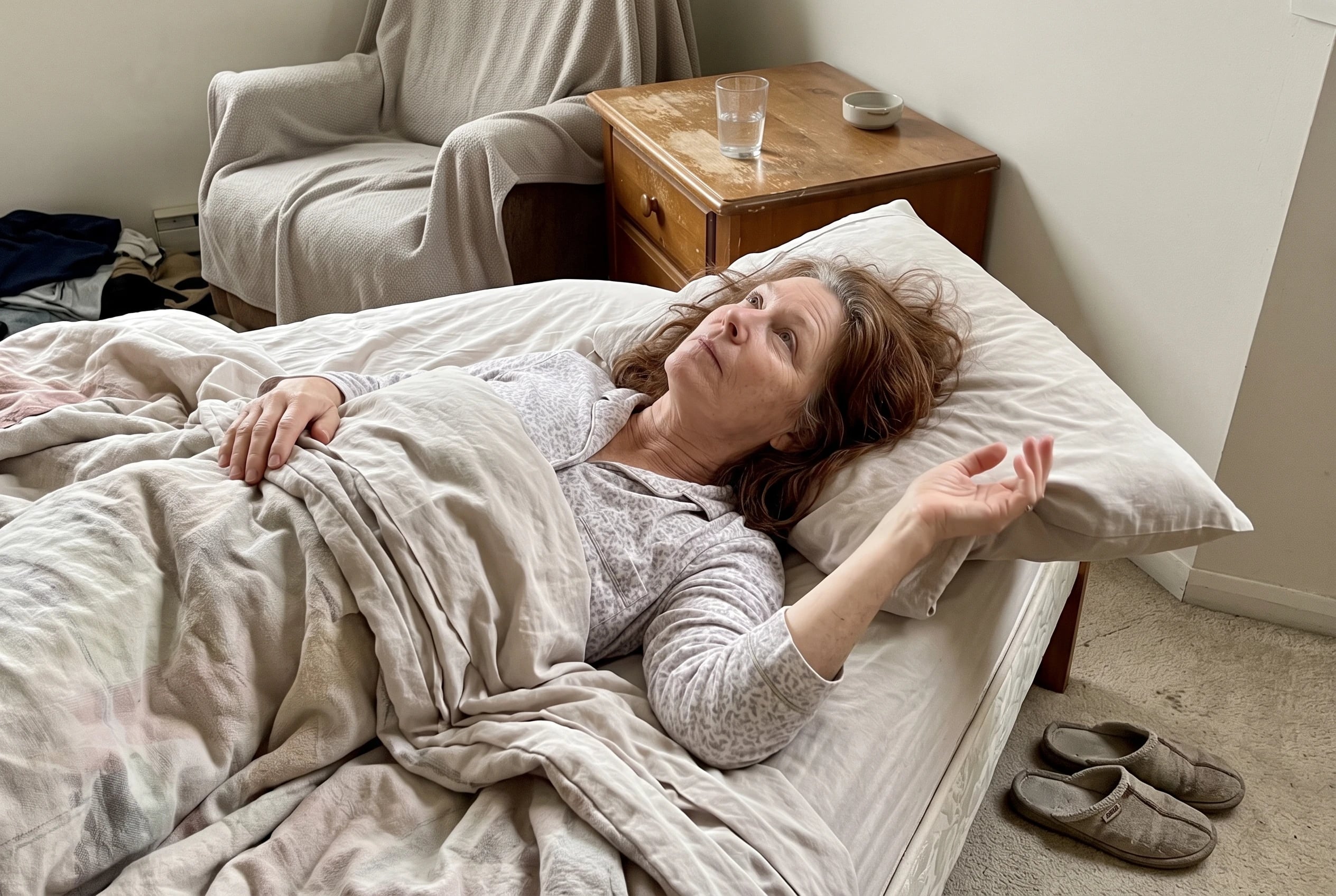
A familiar crack in the plaster becomes interesting when you're trying to put off the day. You've looked at it for five minutes, perhaps longer, while mentally rehearsing conversations that haven't happened.
Notice when planning turns into another lap around the same worry. Pick one physical action that interrupts the lap: pull back the covers, reach for the lamp, or sit upright.
You don't have to settle the conversation first. The appointment will still be on your calendar once you're out of bed.
22Robbins' original backward count
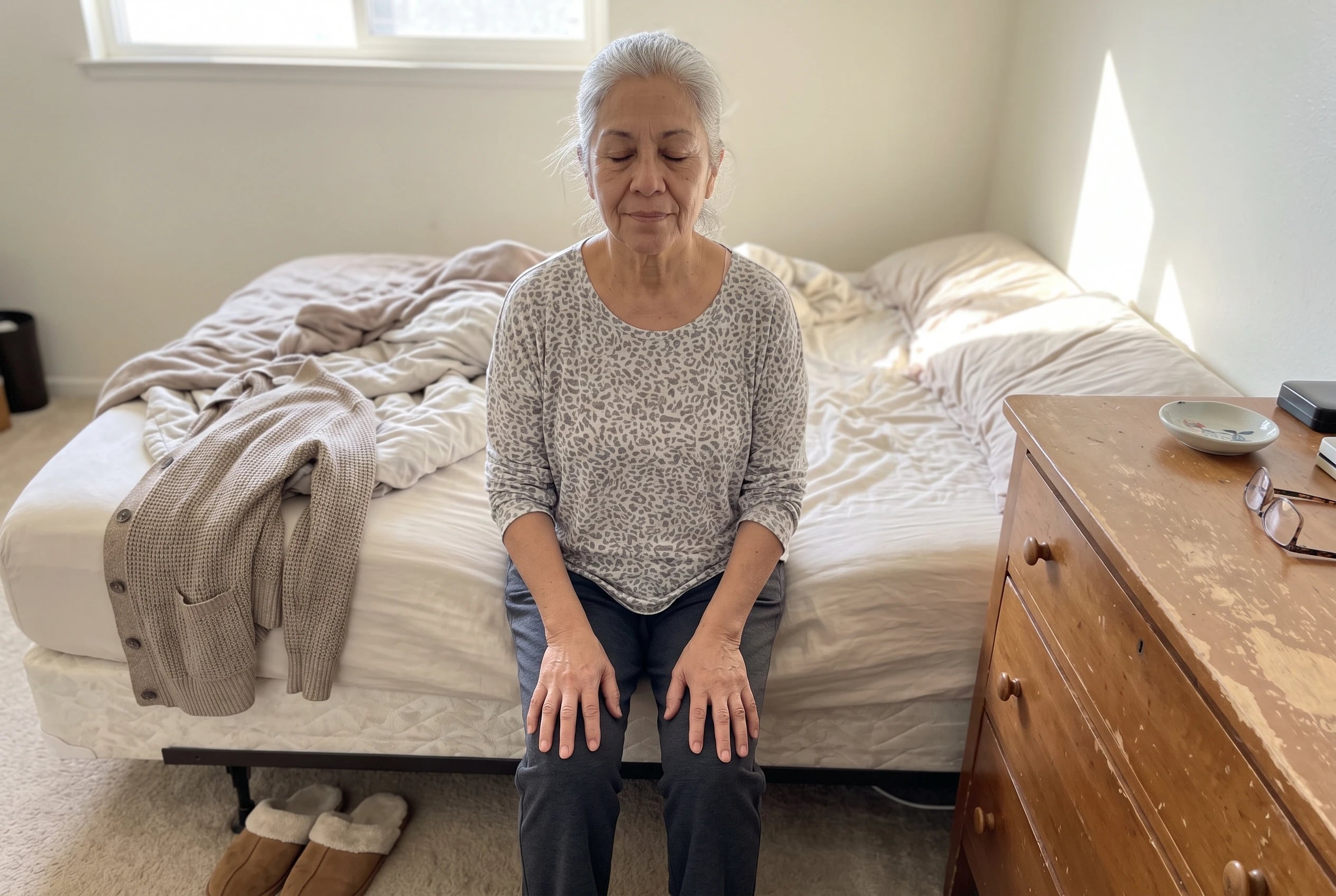
In *The 5 Second Rule* (2017), American author and podcast host Mel Robbins describes counting backward, 5-4-3-2-1, then moving on “1” before hesitation talks you out of it.
She has said she first used the countdown to get herself out of bed instead of lying there. Those are Robbins' instructions. The lamp, the slippers, and the route through your home are Prime Journal's suggestions, not parts of her method.
21The snooze button within reach

The alarm sounds. Your hand knows where to go before your eyes open.
If snoozing starts another round of worries, move the clock where you have to sit up to silence it. Keep it close enough to reach without rushing or crossing a dark room.
Once you turn it off, stay seated. Don't ask yourself whether you feel ready for the whole day. Decide what your feet will do next.
20The lamp beside the bed

A lamp switch is a good first destination for your hand. Leave it where you can find it without leaning far over the mattress or stepping into the dark.
When you wake, switch on the light before trying to stand. Look at the floor. Is the path to the bathroom clear? Did a shoe land where your foot belongs?
Those few seconds give your eyes a chance to adjust and let you spot what needs moving. The countdown works better when the landing spot is ready.
19The blanket at your knees
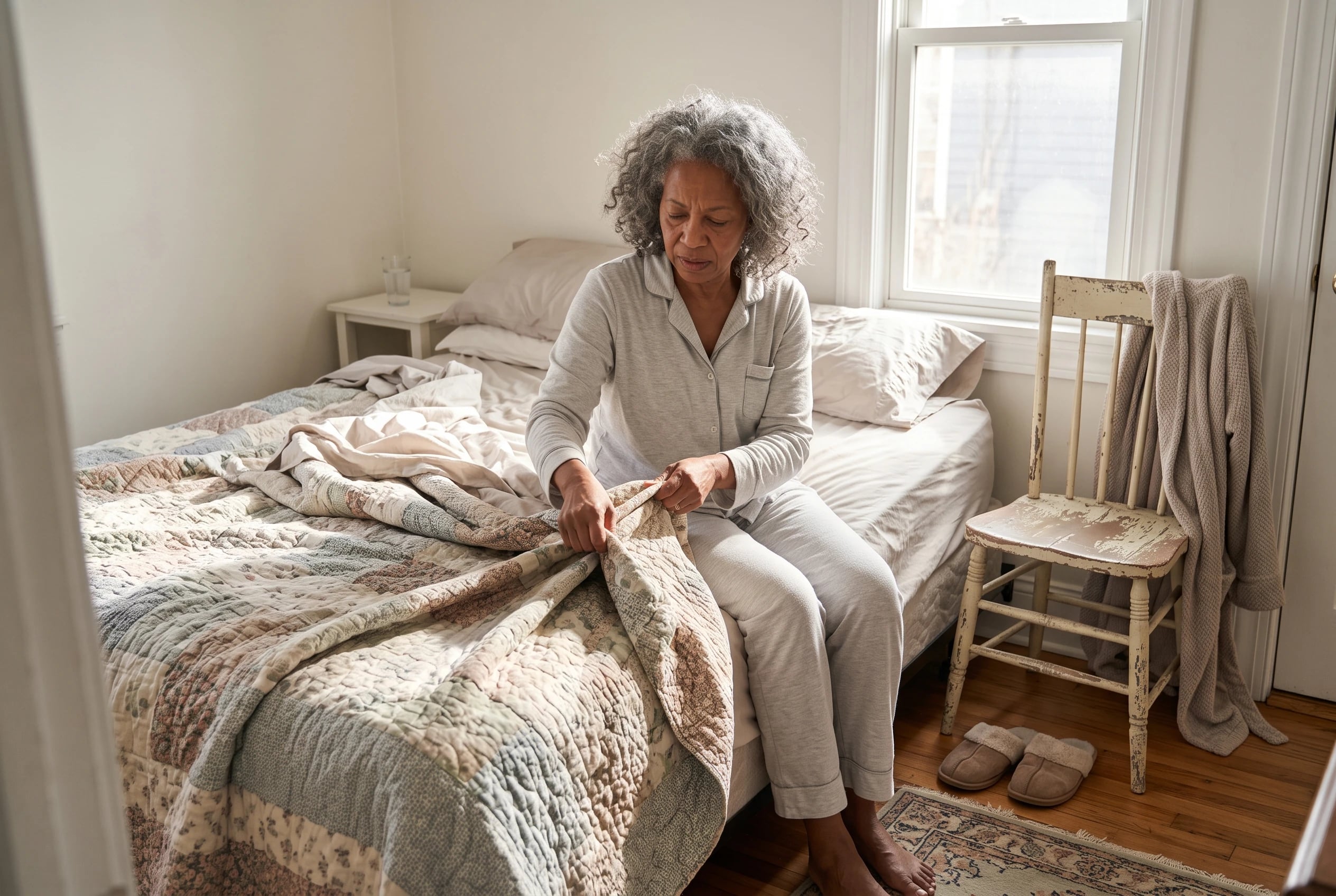
Does throwing off the blanket feel like too big a first move? Fold it down to your knees instead.
Try that while sitting upright. The bed still feels warm, but your legs have a clear route to the edge. If the room is cold, leave a robe within reach.
You aren't testing how much discomfort you can tolerate. You're taking one obstacle out of the way so the next action takes less thought.
18The pause before standing
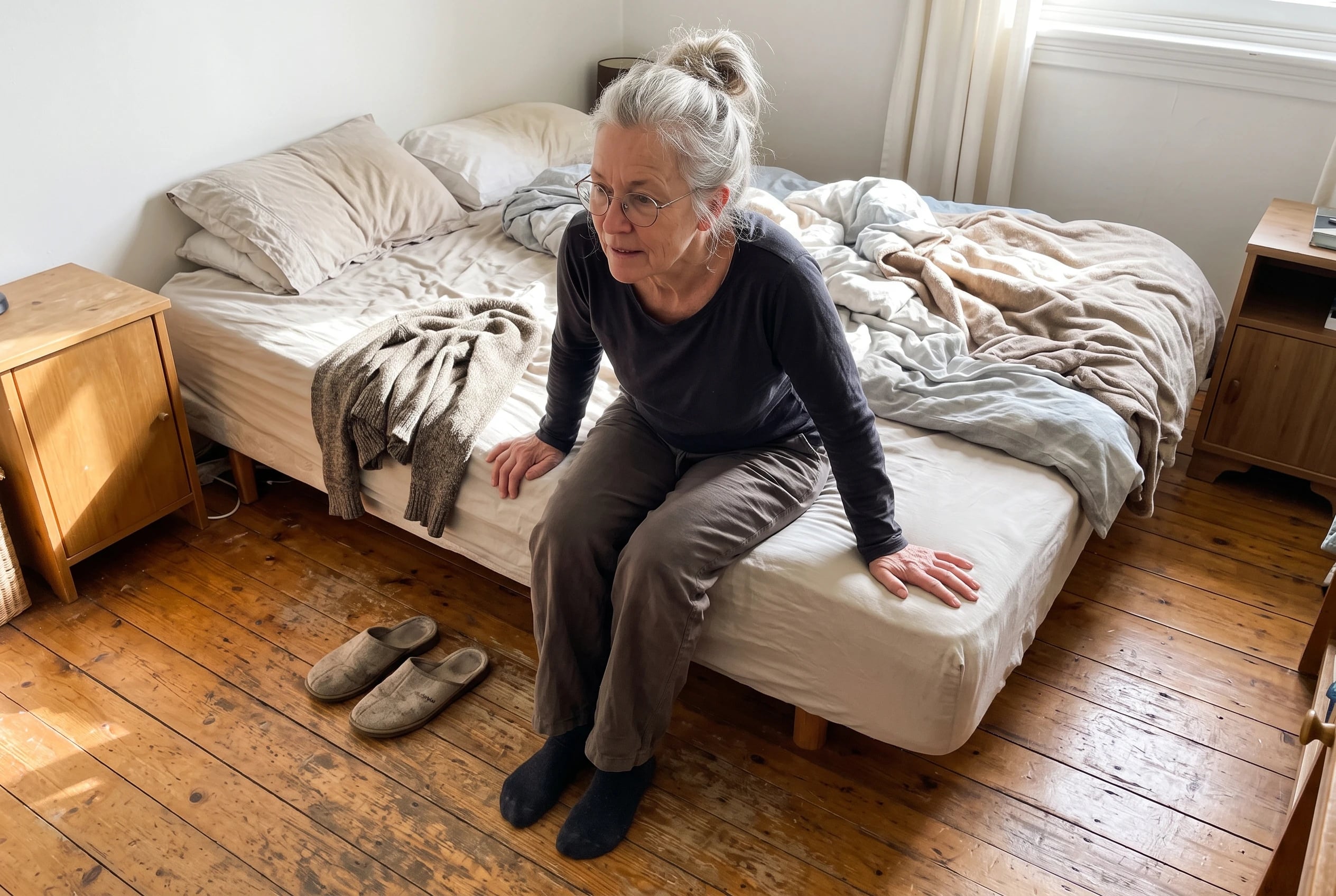
Morning stiffness, a lightheaded spell, or an unsteady first step deserves your attention. A fast count doesn't require a fast rise.
Sit at the edge of the bed and put both feet on the floor. Stay there until you feel steady.
Then stand without hurrying, using a stable support if that's part of how you get up. The National Institute on Aging has information on preventing falls at home.
If dizziness is new, keeps returning, or comes with fainting, tell your clinician. You can pause the routine without abandoning it.
See more: 24 Best Hamstring Stretches for Seniors, Standing, Seated and in Bed →
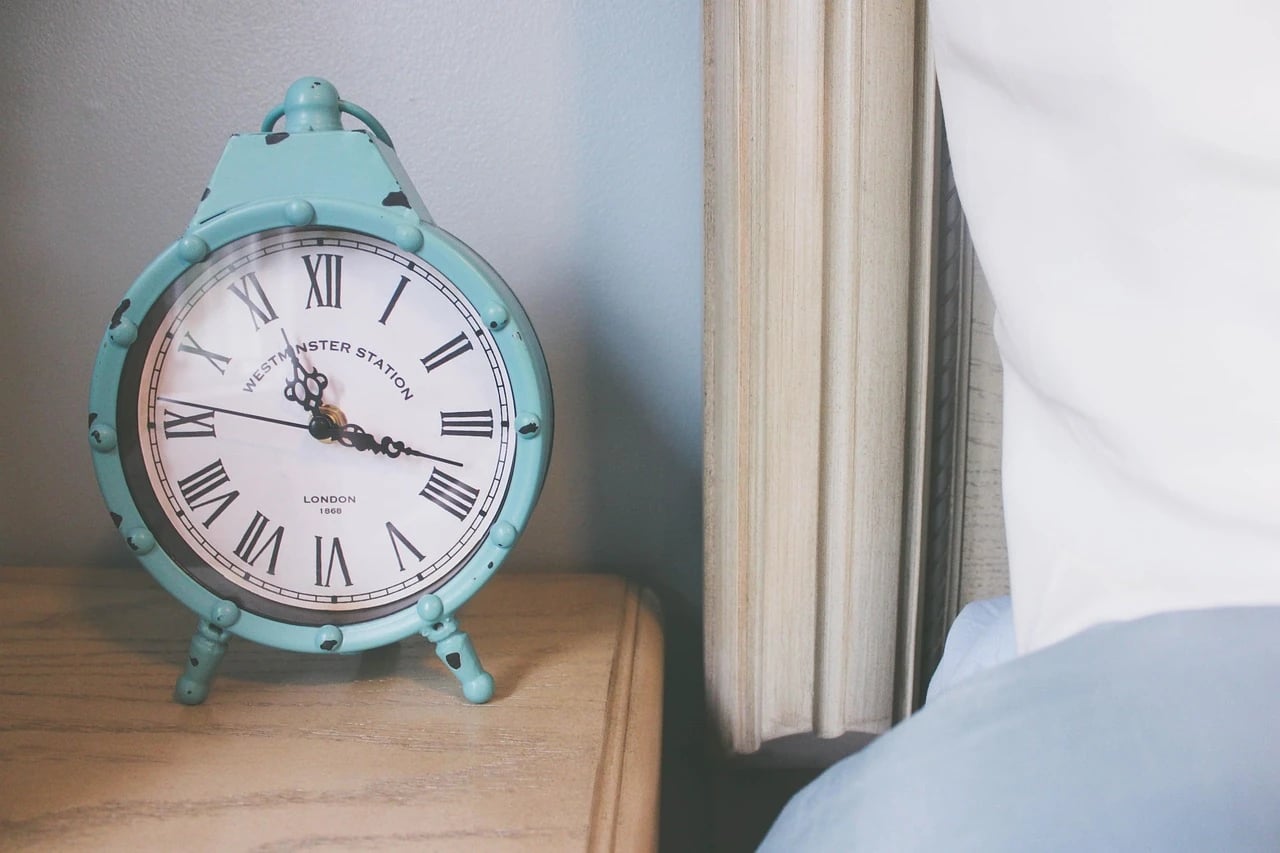
17The clock face after waking
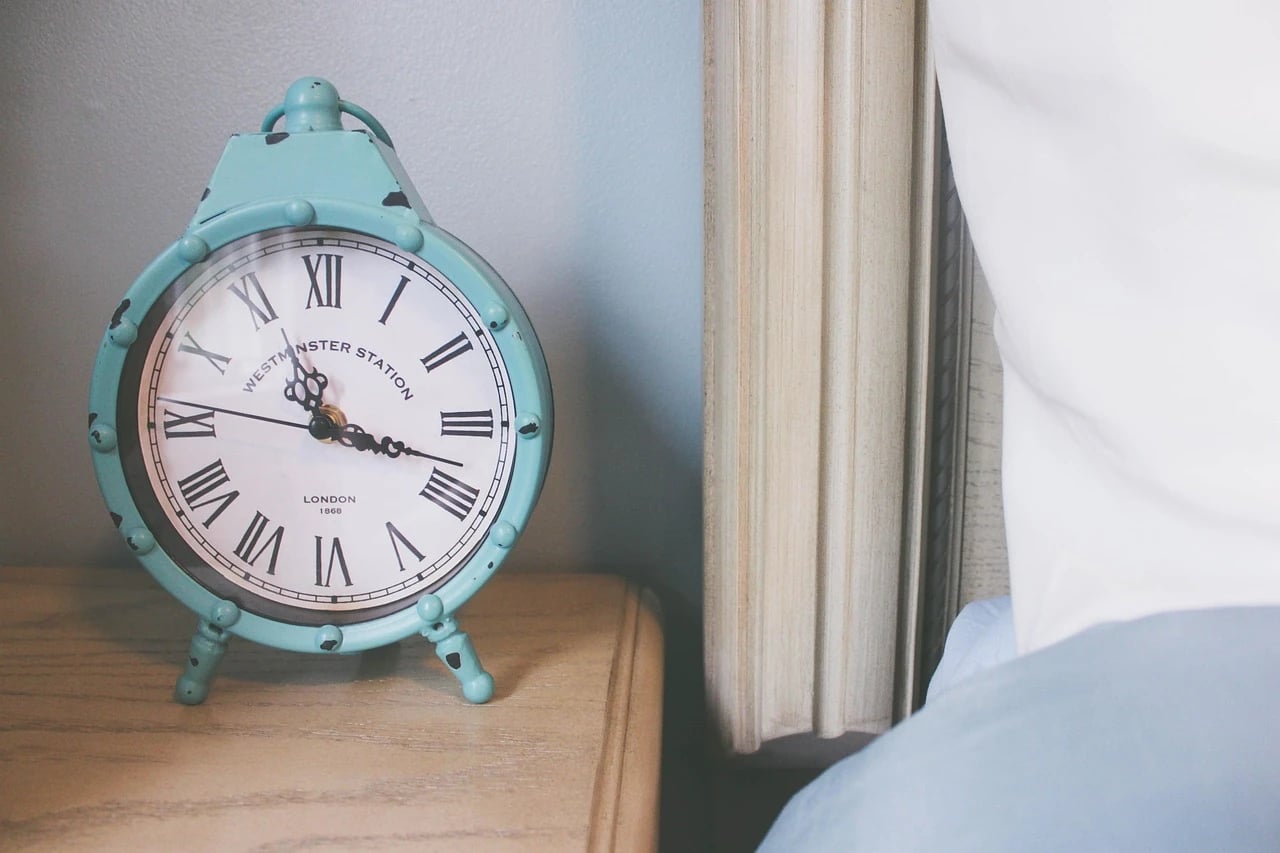
Did you wake before the alarm? Look at the clock once. That tells you whether you've got time set aside for sleep or whether the morning has begun.
If you intend to keep sleeping, set the alarm and turn the clock away. If it's time to rise, leave the clock alone. Watching the minutes pass gives a worry one more subject to work with: how much of the morning you've already lost.
16The slippers on the floor

Slippers shouldn't require a search under the bed. Before turning in, put them where your feet actually land.
Choose a pair that stays on when you walk rather than one you have to grip with your toes. Check the soles and the fit, especially if you've caught a slipper on the rug before. The CDC's fall prevention page has more ways to check your footing at home.
In the morning, step into the slippers before heading across cold floorboards. That small comfort removes one reason to pull the blanket back up.
15The robe within arm's reach
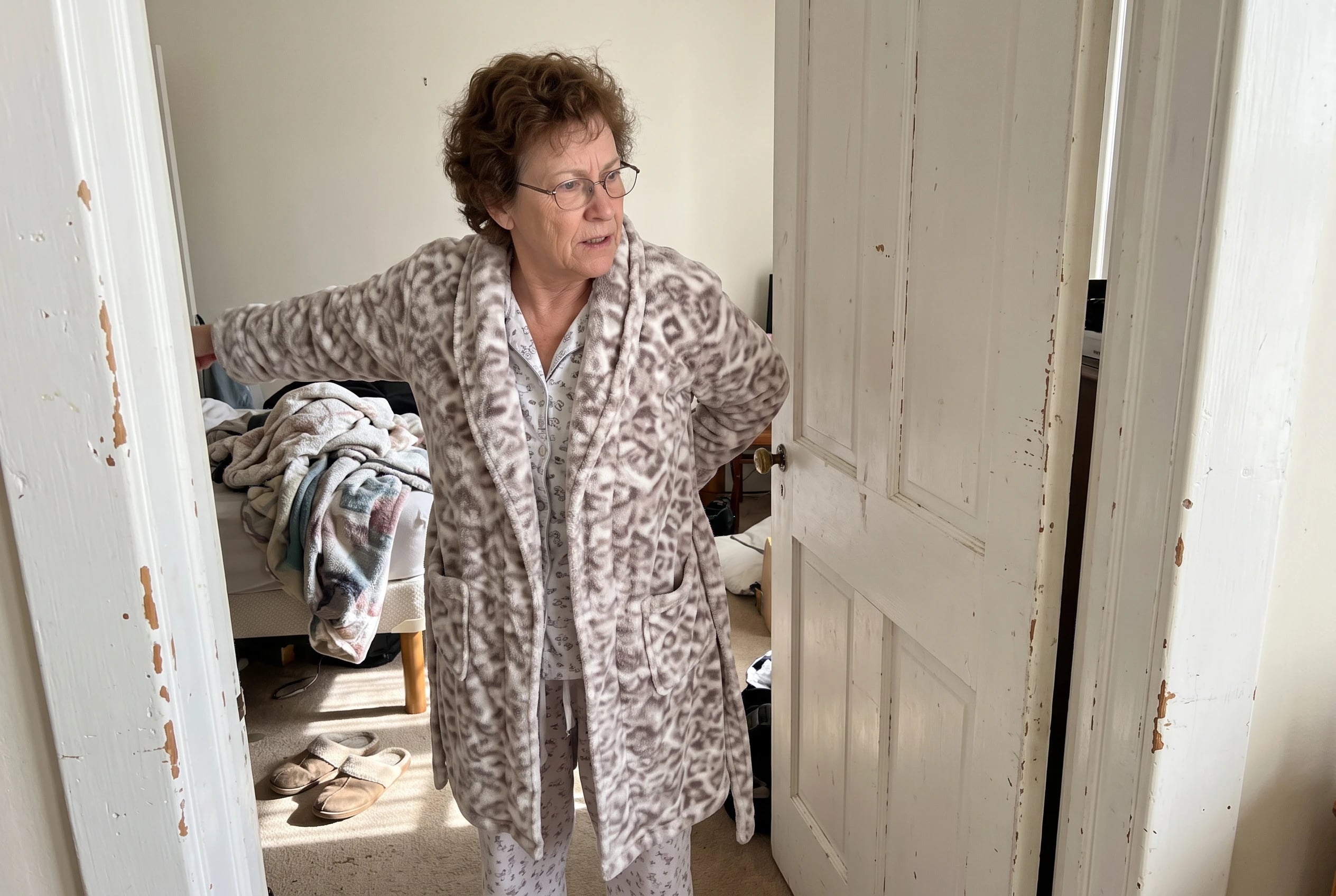
Where do you reach when the room feels cold? Hang your robe beside the bed, where you can take it without twisting toward a chair piled with clothes.
Put it on while seated, then check your footing before standing. On a warm morning, skip it. The robe has a practical job: keep a chilly walk to the bathroom from turning into an excuse to stay under the covers.
14The walk to the bathroom
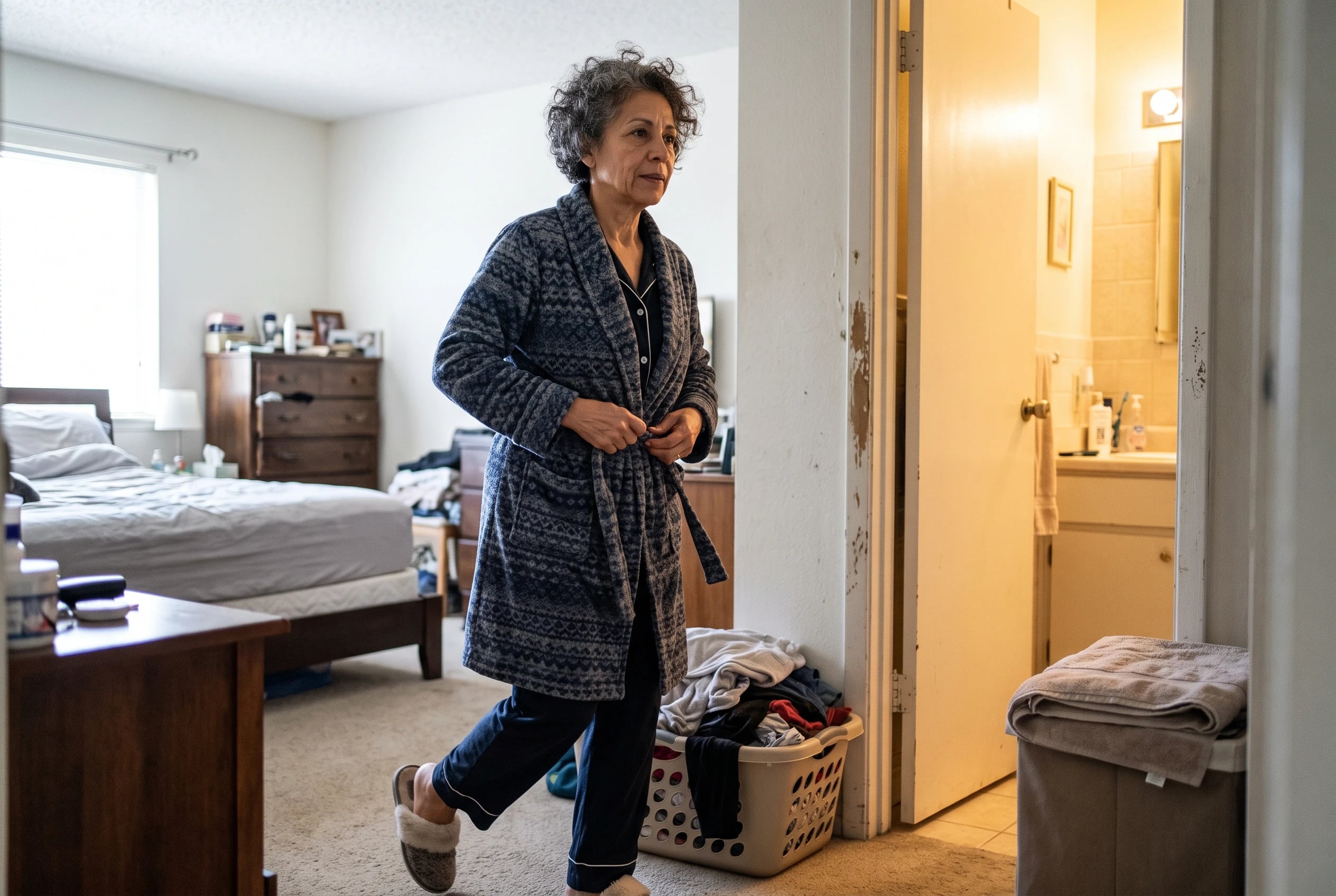
Getting upright is a start, but standing beside the bed still leaves plenty of time to lie down again. Give yourself a destination you use every morning: the bathroom sink.
Walk there at your regular pace. Turn on the light if you need it, and clear anything left on the floor the night before.
If nighttime bathroom trips are part of your life, use that route to spot what needs fixing: a loose rug, a cord, a dim corner. The National Institute on Aging's falls information gives you more to check.
13The high five in the mirror

Robbins describes a different morning action in *The High 5 Habit* (2021): giving your reflection a high five in the bathroom mirror.
If that appeals to you, try it once you've reached the sink. If it feels awkward, leave it out. It isn't a required second step of the countdown.
The useful part for this morning is that you've reached another room. Wash your face, brush your teeth, or do whatever you'd normally do there before returning to your worries.
See more: 23 Ways to Get a Toned Body After 50 Without Endless Cardio →
12The phone beside the pillow

An unopened message doesn't need an answer from under the covers. If reading the feed holds you in bed, charge your phone away from the pillow when you don't need it overnight.
If it serves as your alarm, silence it and leave messages unopened until you're standing. Check for an urgent call if you're expecting one. Otherwise, give the screen a later place in your morning, such as after breakfast. The feed has no natural stopping point; your alarm does.
11The worry you keep rehearsing
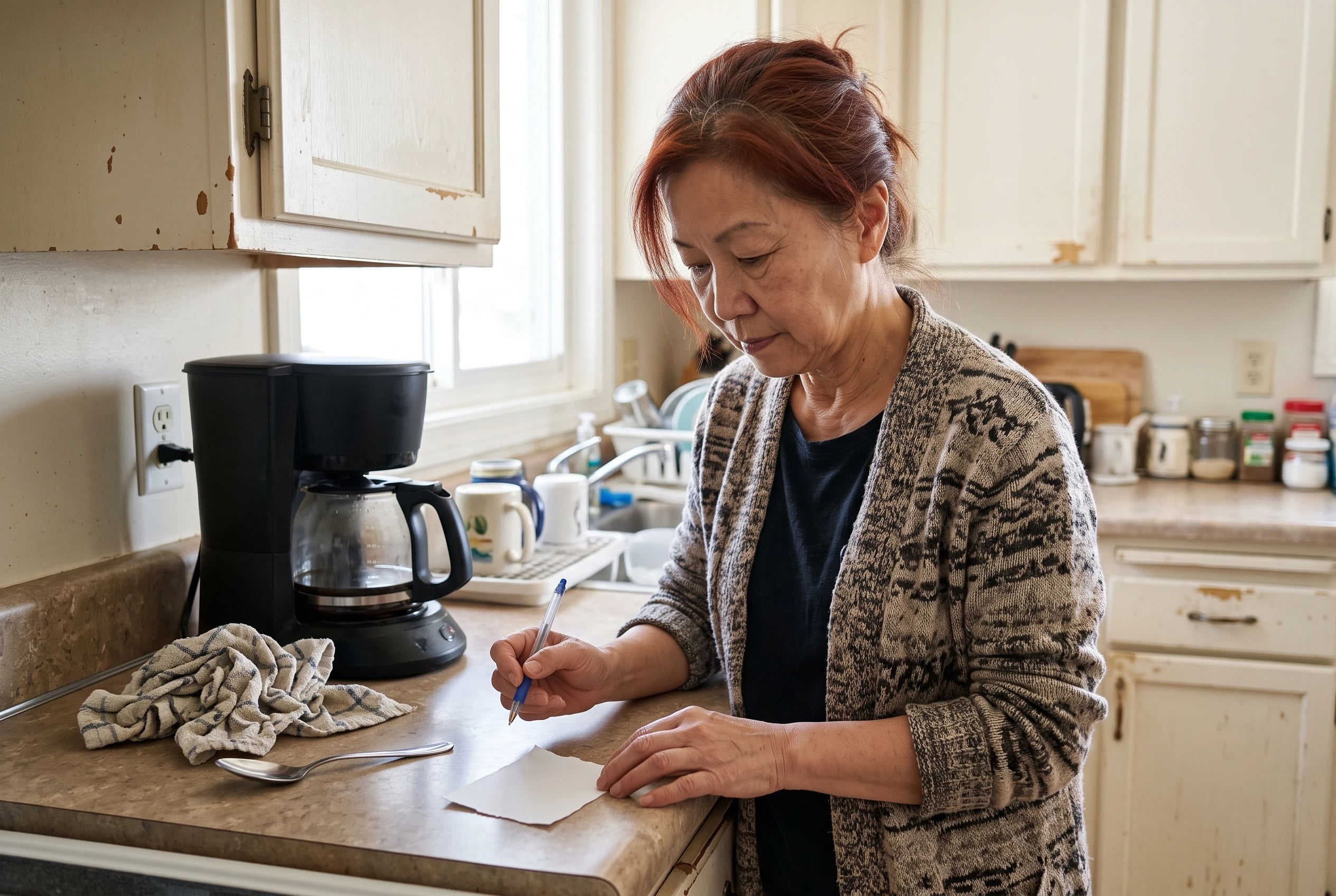
Suppose the same thought follows you from bed to the sink: “I need to call the pharmacy.” Trying to remember it all morning takes work. So does trying to solve it before you've stood up.
Put one short reminder where you'll see it later, such as a note by the coffee maker: “Call pharmacy.” Then return to the next ordinary step.
For a worry with no action attached, name what it is: “I'm worried about the appointment.” You don't owe it an answer at sunrise. You do need room to get dressed.
10The glass waiting by the sink

Keep a clean glass by the sink if you like having a task when you reach the bathroom. Fill it, then take a drink if you want one.
There is no required amount in this routine. Follow any instructions you've been given about fluids, including limits. If you take morning medicine, check its directions rather than folding it into someone else's habit.
The glass gives your hands something ordinary to do. It isn't a treatment for a hard morning.
9The curtain by the window
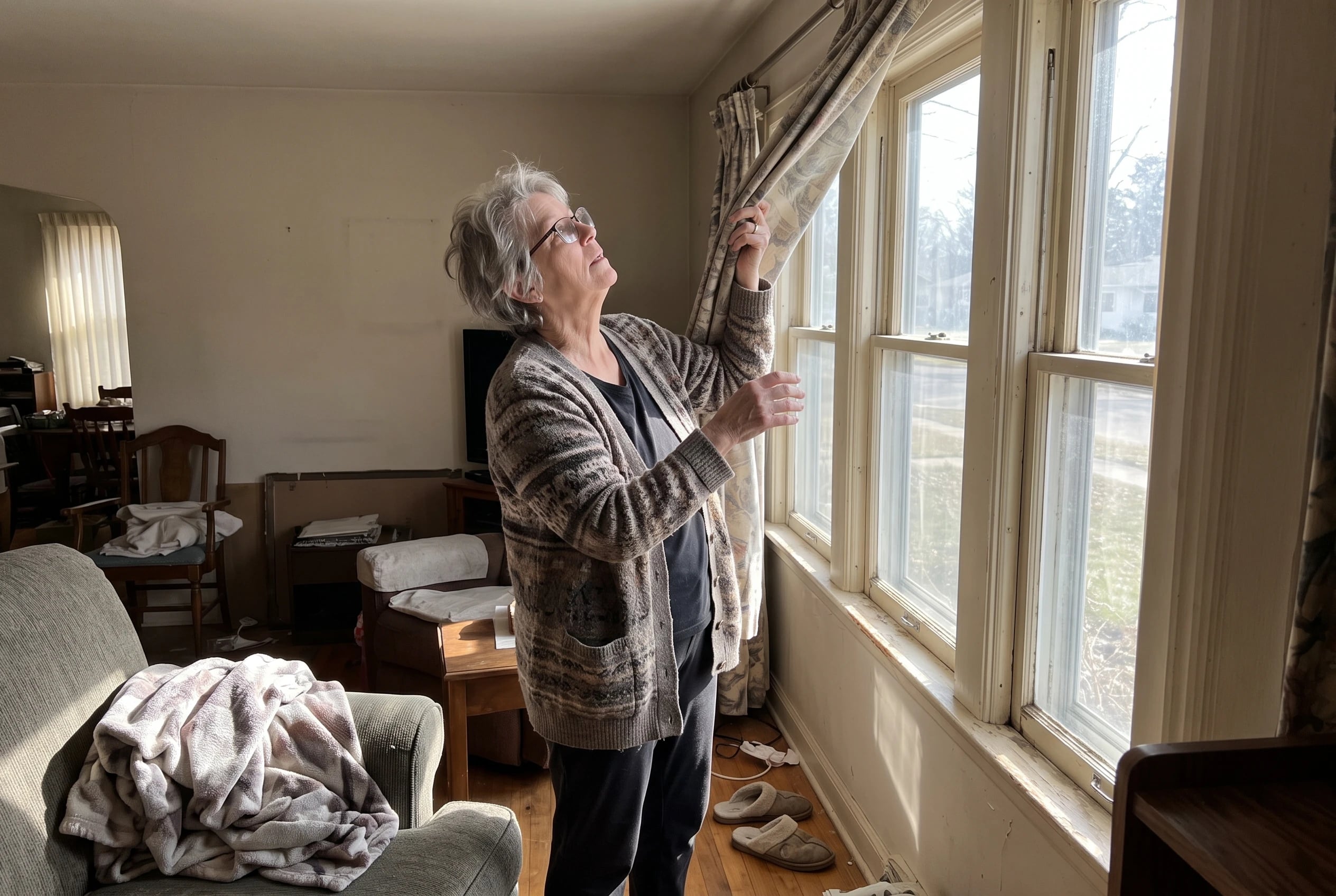
What does the room look like with the curtain open? Once you're safely on your feet, pull it back and take a look outside.
If the bedroom window is hard to reach, use one you pass later instead. Then keep going rather than standing there to review the day's problems.
The CDC's sleep information covers sleep habits. This curtain task has a smaller purpose: it marks another ordinary action you've completed after leaving bed.
8The breakfast you already chose

At the fridge, a new round of questions begins. What should you eat? Is there milk? Did you mean to shop yesterday?
Choose a breakfast option the night before, even if it's as plain as toast and fruit. Put what you need where you'll find it. Five minutes spent checking the bread and fruit tonight saves you from reopening the question tomorrow.
If food has to wait because of a test or medicine, follow those instructions instead. You don't need to make breakfast impressive. You want one fewer decision between leaving bed and getting on with the day.
7The appointment on today's calendar
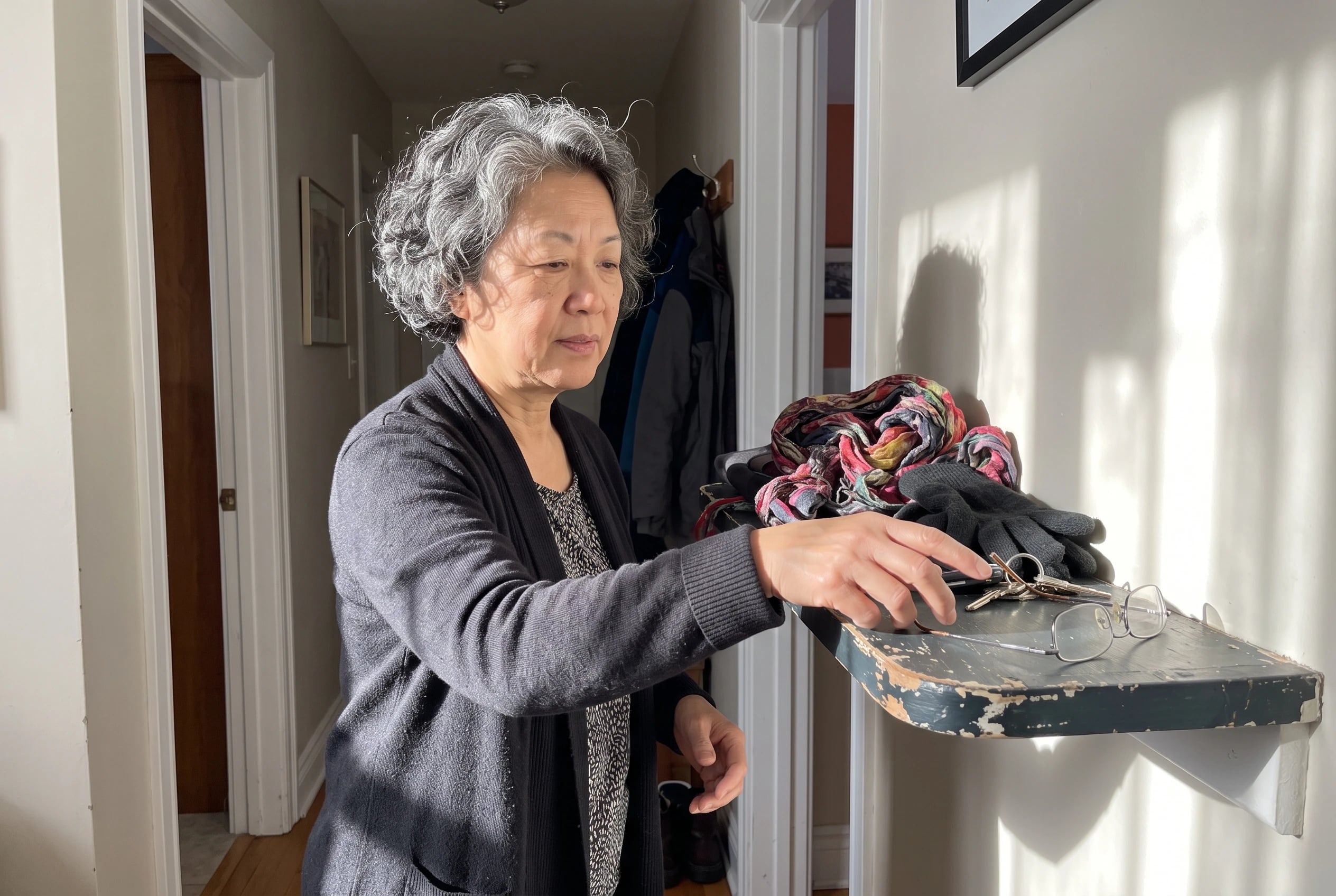
An early appointment has a way of arriving in your mind before the alarm. You've pictured the drive, the parking lot, and every question you might forget to ask.
The night before, check the time and location. Set out what you're taking, such as glasses, keys, or a medication list.
In the morning, leave the appointment planning until you've reached the bathroom. If you need help preparing questions for a visit, the National Institute on Aging's doctor-visit guidance is there. Your bed doesn't have to become the waiting room.
6The clear path you make tonight

The best time to move a stray shoe is when you're fully awake. Walk the route from bed to bathroom before you turn out the light.
Look down, not just ahead. A charger cord across the floor and a rug that curls at the corner are easy to overlook from under a blanket. Move what you can.
If you use a cane or walker, leave it where you normally need it, not across the room. Then stop preparing. This isn't a bedroom overhaul. MedlinePlus has fall-prevention information if you'd like to check the rest of the home.
See more: 23 Habits of the Happiest Retirees →
5The morning after a bad night

You slept poorly. The alarm feels rude, and the idea of a brisk launch into the day is laughable.
Scale down what you expect without giving up your judgment. Start by sitting upright, then check how you feel. Rest at the edge of the bed before standing.
If you need more rest, make that a choice after you've paused, rather than an automatic trip into another hour of worry. A countdown is a starting action, not an order to ignore your body.
4The same cue tomorrow morning

Try the routine on an ordinary day, not only when you have somewhere urgent to be. Choose the same first action tomorrow.
Did you get to the edge of the bed? Good. Did you reach for your phone instead? Put the phone farther away tonight and try again. Change one obstacle at a time so you know what helped.
For broader sleep concerns, the National Heart, Lung, and Blood Institute has sleep information. A countdown doesn't replace sleep.
3The symptoms that change the plan

Don't count your way through a symptom that needs care. If you wake with chest pain, severe trouble breathing, or signs of a stroke, call 911. The American Heart Association's stroke warning signs include sudden face drooping, arm weakness, and speech difficulty.
For a less urgent change, such as dizziness that keeps returning when you stand, contact your clinician. Tell them what happens, when it starts, and whether you fell.
If mornings have become hard because of persistent low mood or poor sleep, bring that up too. The National Institute of Mental Health has information on depression. This routine is for hesitation, not for dismissing symptoms.
2The toothbrush waiting at the sink

A toothbrush gives your arrival in the bathroom a familiar follow-through. Set it where you normally keep it, with toothpaste close by, rather than turning the sink into another project.
Once you're there, brush your teeth as you normally do. This task has a clear finish, unlike checking messages or replaying an argument. When you're done, choose what comes next in your usual morning. You don't need another countdown for every doorway.
1The bedside script for the first move
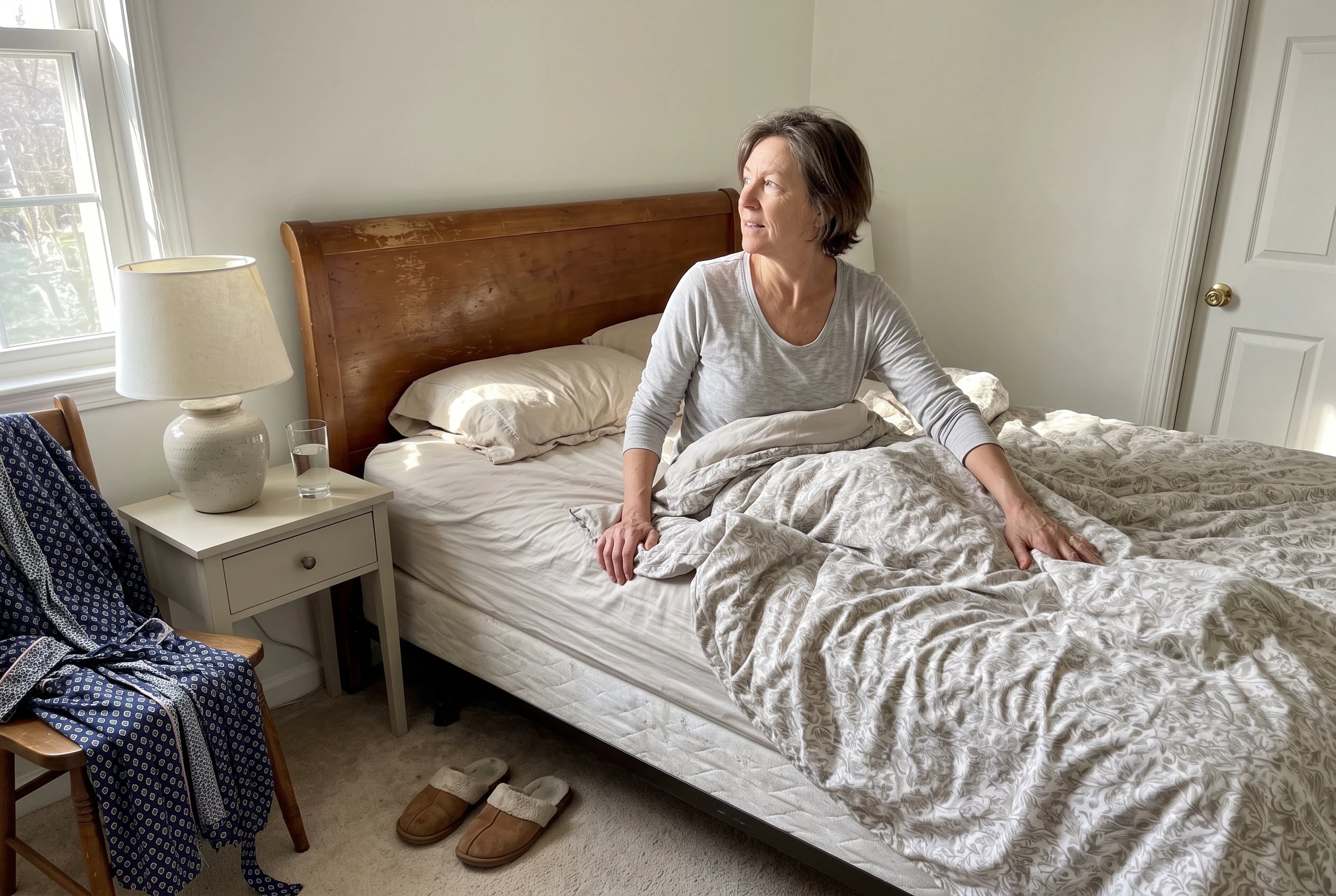
Tonight, decide what “move” means in your bed. Make it small and visible: sitting upright with your hands off the blanket. That action is the whole target of the count.
When you wake and the worries begin, count backward: “Five, four, three, two, one.” On “one,” sit up. Keep breathing, put your feet on the floor, and check that you feel steady before standing.
If you need more time at the edge, take it. The count starts the movement; it doesn't set your standing speed.
Don't add a demand to feel cheerful. Don't promise yourself a perfect morning. If you return to bed to rest, make that a conscious choice after sitting up and checking how you feel. Tomorrow, you'll know exactly what to do on “one,” even if the rest of the day is still uncertain.
The bottom line
The count has one job: get your first move underway before worries take over the morning. A lamp, clear floor, and familiar route make that move easier to follow.
The prepared version of you has already chosen what happens on “one” and put her slippers where her feet land. What thought tends to catch you before you sit up?
Up next
26 Five-Minute Exercises for Seniors
A head-to-toe menu of 5-minute exercises for seniors using a sturdy chair, a kitchen counter, and, if you want one, a soft ball.
Read the list →


Reader quiz
Did you catch the details?
5 questions from this article.
What does Robbins say to do when you reach “one” in the backward count?
Did any of these feel familiar?
Know someone who needs this?
Sources cited in this article
This article links to 9 outside sources, listed here so you can read them yourself.
- National Institute on Aging www.nia.nih.gov/health
- CDC's fall prevention page www.cdc.gov/falls
- National Institute on Aging's falls information www.nia.nih.gov/health/falls-and-falls-prevention
- CDC's sleep information www.cdc.gov/sleep
- National Institute on Aging's doctor-visit guidance www.nia.nih.gov/health/medical-care-and-appointments
- MedlinePlus medlineplus.gov/falls.html
- National Heart, Lung, and Blood Institute www.nhlbi.nih.gov/health/sleep-deprivation
- American Heart Association's stroke warning signs www.stroke.org/en/about-stroke/stroke-symptoms
- National Institute of Mental Health www.nimh.nih.gov/health/topics/depression
Dr. Alan Pierce, PT, DPT
Health Reviewer
Alan is a physical therapist who specializes in helping adults over 50 stay strong and mobile.
More from Dr. Alan Pierce