





How to Host Christmas Dinner on a Budget Without It Looking Cheap
A practical plan for the main dish, the sides, and the schedule that keeps your Christmas table looking generous while you spend less.
By Peter Byalik, Food & Home Editor
Updated · 27 min read
The short answer: A budget-friendly Christmas dinner works best around one affordable main, such as pork loin, chicken or ham, with a few inexpensive sides and a dressed-up store-bought dessert. Boneless pork loin costs about what ham does per pound and carries a small fraction of its sodium. Spreading prep over several days, asking guests for a dish, and buying store brands keep costs down without the table looking bare.
- Written by our food & home editor
- Cited 43 sources
- How we review
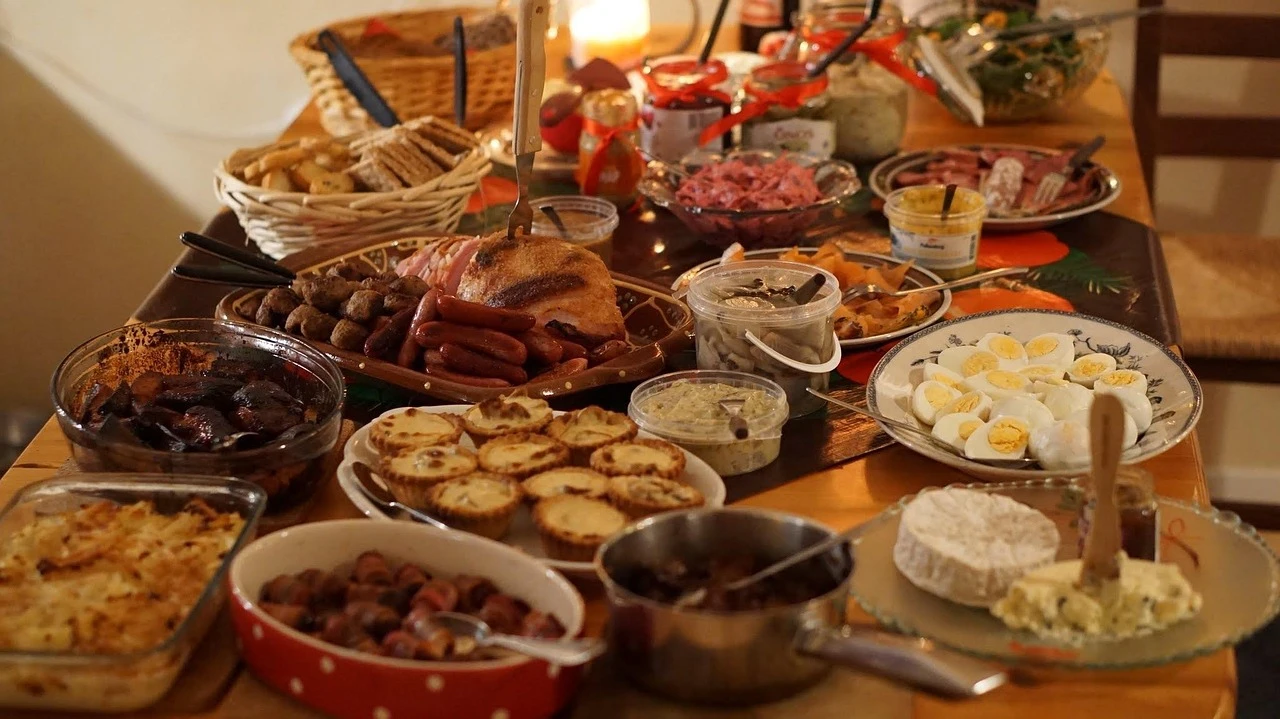
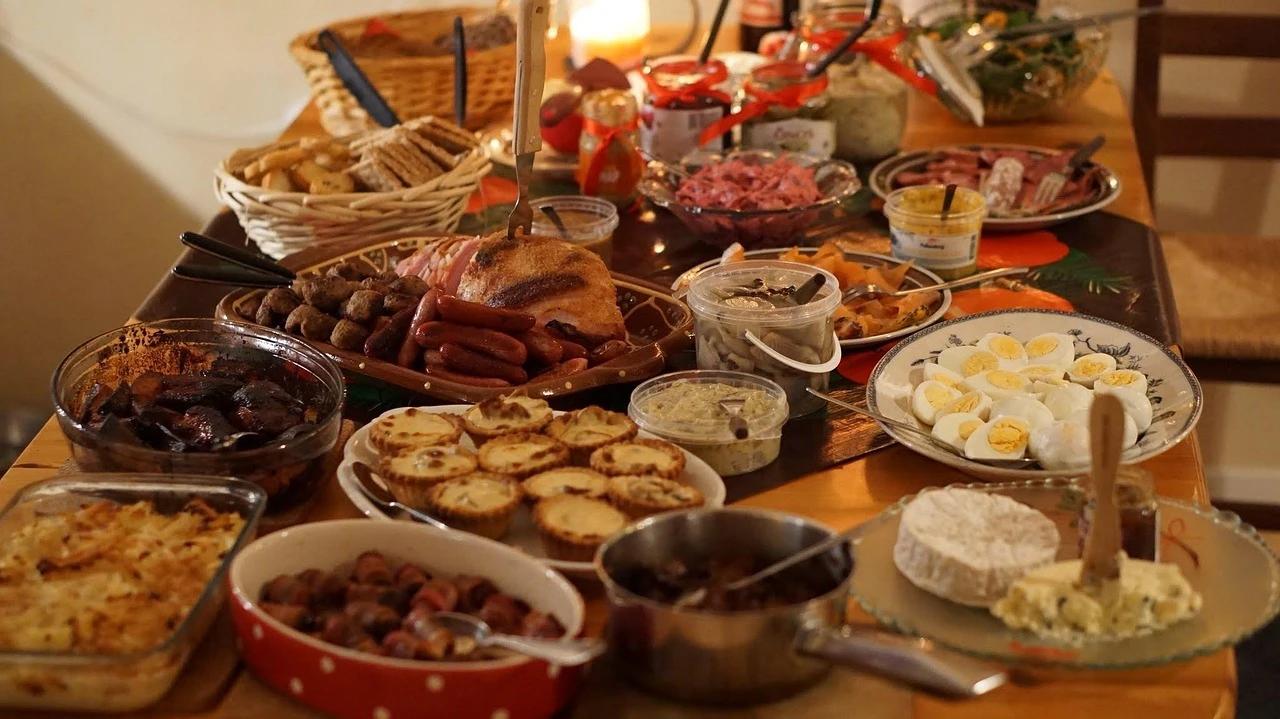
Nobody at a Christmas table has ever asked what the roast cost a pound. Guests notice three things: whether the platter looks full, whether the food is hot, and whether the host ever sits down. Everything else is invisible.
That's good news if you're working out how to host Christmas dinner on a budget. The savings come from places nobody looks: the cut of meat, the brand on the stuffing box, the order things go into the oven.
Here's the plan I'd give a friend. It covers one main that costs less and still looks like the centerpiece, sides that taste better than their price, and a cooking schedule spread over a week. It also gives you the exact words to use when you ask people to pitch in.
Set your guest count and budget before you shop
Two numbers come first: how many people are coming, and what you're willing to spend. Write both down before you look at a single recipe. In my experience, a menu planned before the guest list is the one that runs over.
A real benchmark helps. Every year the American Farm Bureau Federation prices a classic holiday meal. Its 2025 survey priced a Thanksgiving dinner for 10 at $55.18, about $5.52 a person.
Adding a boneless ham, Russet potatoes and frozen green beans brought the table for 10 to $77.09. Where you live moves the number. The classic menu ran $50.01 in the South and $61.75 in the West.
A Christmas spread looks a lot like that one. The Farm Bureau's full 2025 menu came to $7.71 a head, so, borrowing those Thanksgiving prices, about $8 a guest is a fair working figure for a full traditional dinner at average prices. For 12 people, call it about $93. That's before wine, coffee and the second dessert someone always wants.
Then plan your menu against that number:
- Write the guest count, then the total you'll spend.
- List every dish and put a rough price beside it.
- Cross off anything that's there out of habit and that nobody would miss.
- Leave a little room for the things everyone forgets: foil, butter, ice.
Keep the menu mostly to dishes you've already made. Natalie Bennett has hosted big holiday dinners for more than a decade, some for 30 or more guests. She adds only one or two new recipes a year. Her reasoning: "If they're total fails or if they take me longer than I expected, it's not really compromising the rest of the spread."
There's a money side to that too. A new recipe that flops is the most expensive dish of the night, because you pay for it and then you pay for whatever replaces it.
What's the cheapest main dish for Christmas dinner that still looks special?
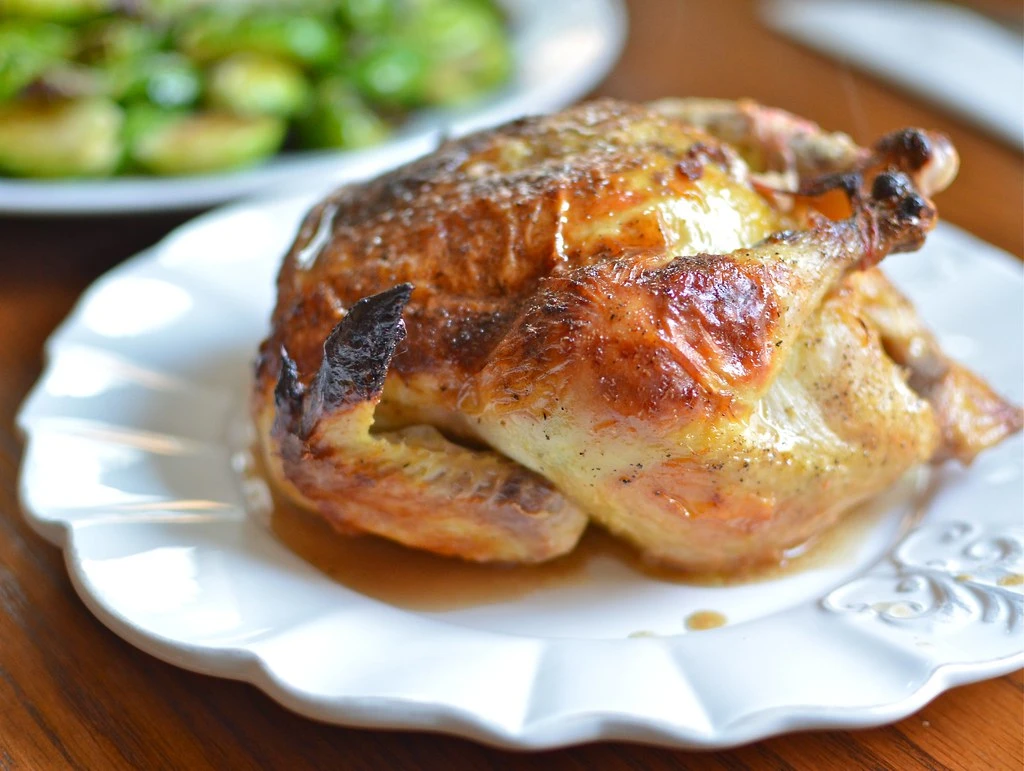
Frozen turkey and whole chicken are the cheapest by the pound. Ham and boneless pork sit together in the middle. Beef and Cornish hens cost the most per guest.
The table below uses federal average retail prices from October 2026 (chuck roast is from September 2026, the latest posted), with turkey from the Farm Bureau's 2025 survey. It applies The Old Farmer's Almanac's standard of 0.4 pound of meat per guest.
| Main | Average price | Cost per guest |
|---|---|---|
| Frozen turkey | $1.34/lb (2025) | about $0.67 to $1.34 |
| Whole chicken | $2.03/lb | low, but only about a third is meat |
| Ham | $4.30/lb | about $1.72 |
| Boneless pork | $4.52/lb | about $1.81 |
| Chuck roast | $9.19/lb | about $3.67 |
| Cornish hen | $6.00 each at one Kroger listing | $6.00 |
The turkey figure uses Oregon State University Extension's portions, which run from half a pound to a pound a person depending on the bird. The government publishes no price for pork loin roast. Boneless pork chops, which are loin cut thick, are the closest stand-in.
The two numbers worth staring at are ham and pork: $1.72 against $1.81 a guest. They're nearly the same price, so pick between them on taste and salt, which the next section covers.
As for looking special, these are the affordable cuts of meat that home cooks on Reddit's budget forums keep recommending:
- Cornish hens, one per plate. A home cook on r/Frugal put the case in nine words: "Cornish game hens. Everyone gets their own tiny roast." They cost the most per guest of anything here, so they suit a small table best.
- Pork loin, cut into thick chops with a pan glaze, or rolled around a stuffing and roasted whole. A home cook on r/budgetfood who serves it chopped said, "It looks impressive but is cheap and easy."
- Ham for a crowd. Another r/budgetfood cook, advising someone feeding 11 to 15, wrote, "Ham is usually on sale around Christmas and can feed a lot of people."
- A cheaper beef cut, braised slowly until it falls apart.
- Lasagna or baked pasta, the cheap main suggested most often across several Reddit threads. Several commenters say a friend or relative has served it at Christmas for years.
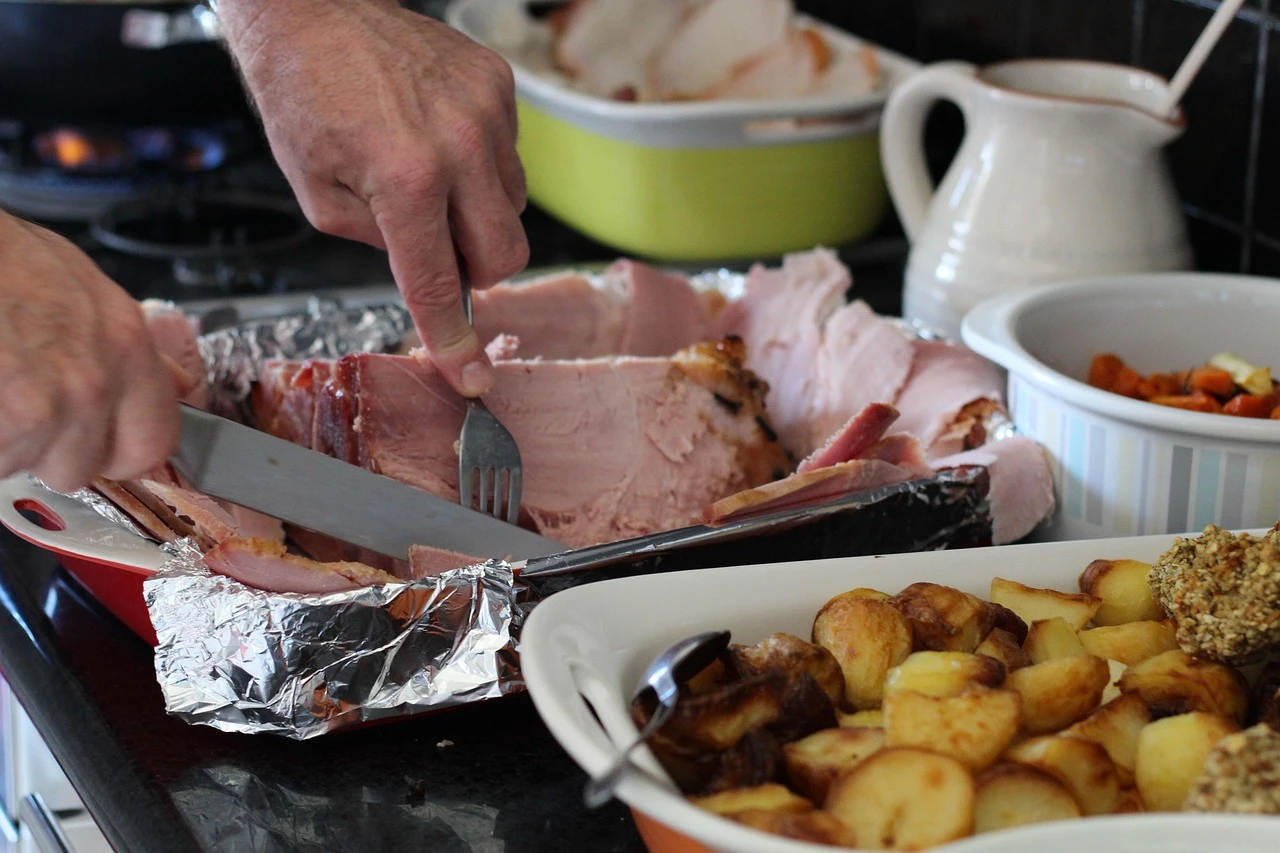
Whatever you choose, cook one main dish and present it whole. Bring the roast to the table on a board, carve it there, and fan the slices on a warm platter with the pan juices poured over. Put a handful of something green around the edge. A cheap pork loin treated like that reads as a feast. A pricey roast sliced at the counter and dumped in a dish reads as Tuesday.
Ham or pork loin: why does the salt difference matter?
If salt matters to anyone at your table, pork loin is the better buy. A serving of roasted ham carries about 23 times the sodium of the same serving of roast pork loin, for nearly the same money. Protein is similar, around 21 to 24 grams a serving.
By USDA FoodData Central figures, 3 ounces of roasted boneless ham has about 1,177 milligrams of sodium. The same 3 ounces of roast pork loin has about 50.
The 2025 to 2030 Dietary Guidelines for Americans set the limit for everyone 14 and up at under 2,300 milligrams a day. One 3-ounce serving of ham uses up about half of that before anyone touches the stuffing.
The stuffing matters too. According to the FDA, more than 70% of the sodium Americans eat comes from packaged and processed foods. A boxed stuffing mix, jarred gravy and store rolls all add their share. Ham plus those sides is a very salty plate.
Those ham figures come from the USDA's generic entry. Glazed, spiral-cut and "low sodium" hams will differ, so read the Nutrition Facts on the package before you buy.
The FDA links high sodium intake to a higher risk of high blood pressure. If you or a guest has a personal sodium target from a doctor, plan the plate around that number.
What I'd do: if anyone at the table watches salt, roast a pork loin and give it the treatment you'd give a ham, with a sweet glaze and a crisp, browned top. If ham is the tradition and nobody will hear otherwise, buy the lowest-sodium one on the shelf. Then keep the sides around it plain: roasted vegetables, cranberry sauce, potatoes you season yourself.
What can you serve instead of prime rib when it's too expensive?
Eye of round, chuck roast and top loin roast give you a beef centerpiece for roughly half the price per pound of prime rib.
Tasting Table checked Safeway prices in August 2026 and found USDA Prime rib roast at $18.99 a pound in Virginia and $22.99 in California. That comes to about $190 to $230 for a 9 to 11 pound roast. The cheaper cuts at the same stores:
- Eye of round: $8.99 to $9.99 a pound
- Chuck roast: $8.99 to $9.99 a pound
- Bottom round or rump roast: $8.99 to $9.99 a pound
- Top loin roast: $9.99 to $11.99 a pound
- Tri-tip: $11.99 to $12.99 a pound
On a 10 pound roast, eye of round saves you roughly $90 to $100 over the Virginia prime rib.
Each cut wants different handling. Eye of round is lean, so take it out at 145°F, the minimum USDA FSIS says is safe for a beef roast, rest it at least 3 minutes, and slice it as thin as you can; thick slices of it chew like a belt. Chuck needs the opposite treatment, low and slow with liquid until it pulls apart. Top loin is the closest to a steakhouse roast and the easiest to carve at the table.
Be honest with yourself about one thing, though. Even the cheap beef cuts cost twice what ham or pork does. If the budget is truly tight, the bigger saving is leaving beef behind for a year.
That's a real loss for some families, and Reddit's budget forums show it. In several threads, hosts say the main they always served is now out of reach. One mentions prime rib for six, another a Czech beef roast for 11 to 15, and a third even turkey.
In my experience, the families who come through it keep everything around the meat (the sides, the sauce, the toast before dinner) and change only the roast. Others start over entirely. A long-married host on r/Frugal described a Christmas Eve takeout tradition that has lasted 40 years: "We ask everyone what they want. Each gets to choose. Everyone shares."
How much ham, turkey or sides do you need per person?
Plan on 0.4 pound of ham or boneless roast per person. For turkey, plan on half a pound to a pound per person, depending on whether it's fresh or frozen and how big the bird is.
The turkey figures are from Oregon State University Extension. The rest come from The Old Farmer's Almanac, which says to adjust "upward for extra-big eaters and downward if children are included." The Almanac also budgets a single gallon of ice cream and three-quarters of a pound of coffee for 25 people.
For a small Christmas dinner of six, that works out to:
- about 2½ pounds of ham or boneless pork
- a little over 2 pounds of potatoes
- a dozen rolls
- one pie
Andy, the restaurant chef behind Andy Cooks, plans a little more potato than the Almanac does: 200 to 250 grams a person, about 7 to 9 ounces. He sizes it by appetite and by whether you want leftovers.
Don't over-cater. The urge to buy "just in case" is how hosts end up with a second ham in the freezer in March. If you want insurance, buy it in potatoes and bread, which are cheap, and not in meat.
When should you shop for Christmas dinner deals and store brands?
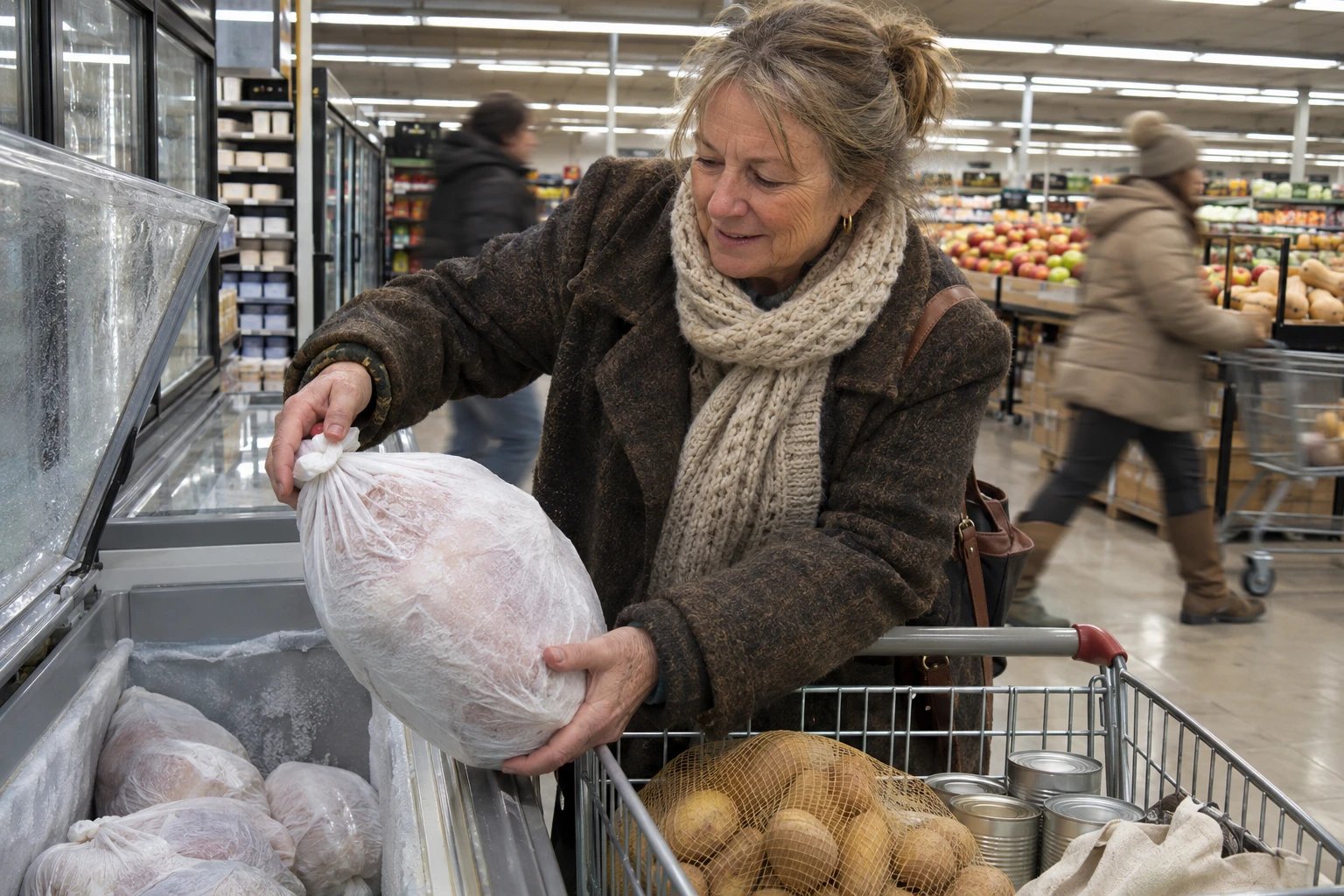
Buy the staples in the weeks around Thanksgiving, when stores cut prices on holiday basics to get you in the door. Switch to store brands for anything that gets mixed, mashed or baked into something else.
The Thanksgiving sales are real. The Farm Bureau found frozen turkey at $1.34 a pound in 2025, or $21.50 for a 16 pound bird. That was down 16.3% from 2024, with grocers "featuring Thanksgiving deals." Farm Bureau economist Faith Parum called the turkey "typically the most expensive part of the meal," so a cheap one changes the whole budget.
Shoppers on Reddit's budget forums report that turkeys go cheap after Thanksgiving. They say store apps and loyalty cards bring down potatoes and ham. The USDA's Economic Research Service backs them up: in most years, retail turkey prices hit their low for the year in November or December, and ham generally costs less in those two months than the rest of the year. One shopper on r/budgetfood plans backward from the sales: "I always buy a lot of whatever is a great deal then plan my meals."
If you buy meat early, mind the clock. An uncooked cured ham that you'll cook before eating keeps 5 to 7 days in the fridge, or until its use-by date. A fresh, uncured ham keeps 3 to 5 days. A frozen ham stays safe indefinitely; time in the freezer affects quality, not safety. So a sale ham bought before Thanksgiving goes straight into a freezer at 0°F.
Store brands are where the steady savings live. PLMA, the store-brand industry's trade group, says its price checks of about 100 typical items find shoppers save "one-third or more". That's the industry grading itself, but it matches what you'll see on the shelf.
Here's where I'd use store brands without a second thought, and where I'd spend:
| Buy the store brand | Worth paying more for |
|---|---|
| Butter, flour, sugar | The main itself, if quality varies |
| Broth, stuffing mix, canned pumpkin | Fresh herbs |
| Frozen green beans and peas | One good cheese, if you serve one |
Do it that way and the meal comes in without breaking the bank, and nobody tastes the difference.
Which side dishes are cheap but taste high-end?
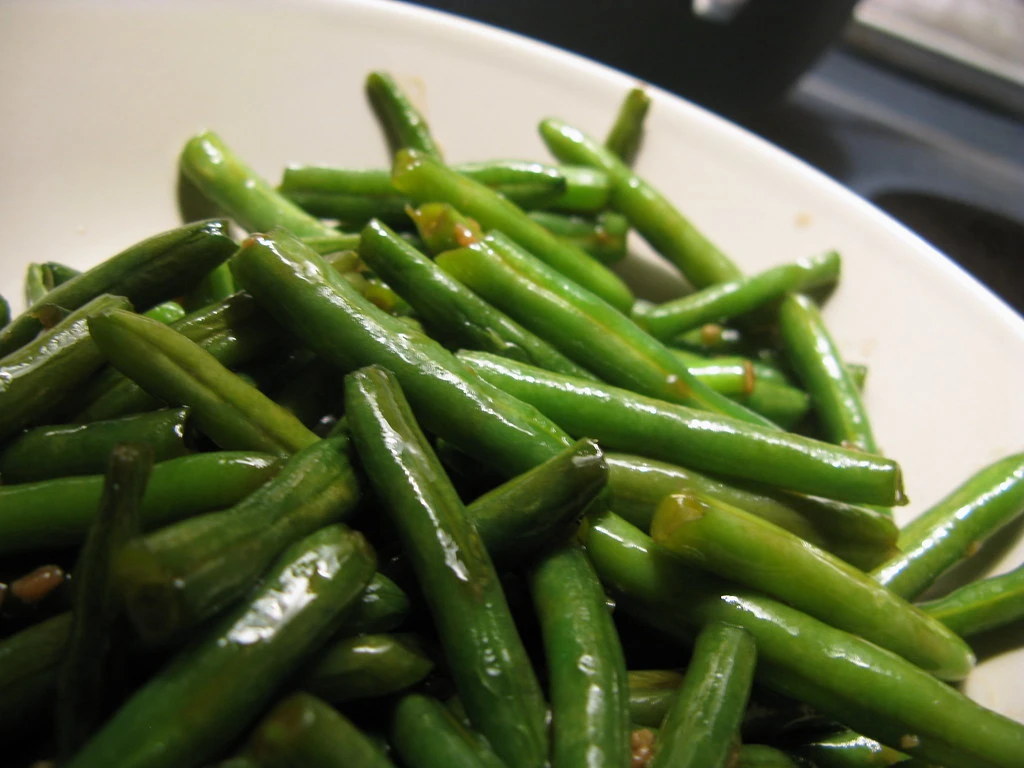
The cheap sides are the classics: potatoes, green beans, stuffing, sweet potatoes, cranberry sauce, rolls. What makes them taste expensive is the last two minutes, not the ingredients.
Prices from the Farm Bureau's 2025 survey show how little the base costs:
- 12 ounces of cranberries: $2.28
- 3 pounds of sweet potatoes: $4.00
- A 14-ounce box of stuffing mix: $3.71
- A dozen dinner rolls: $3.56
Julia Pacheco is a budget cook who started her YouTube channel while her family was on food stamps and has since written a cookbook. She leans on garlic and herbs. Of one pan of plain green beans, she said: "These green beans do not taste affordable. They taste high-end."
Natalie Bennett makes the same point about spending a little on fresh herbs and garnishes. She says it lifts even a casserole built from canned soup and canned beans.
From my side of the stove, here's what does the most for the least:
- Fresh parsley or chives, chopped and scattered on at the end. One bunch covers every dish on the table, and parsley was advertised at 99 cents a bunch in a USDA survey of major grocers in early 2026.
- A squeeze of lemon over green beans or roasted carrots, right before serving.
- Something crunchy on top of a casserole: toasted breadcrumbs, crushed crackers or fried onions.
- A knob of butter stirred into mashed potatoes off the heat, not before.
Bread is the other quiet saving. Beth Le Manach, who runs the cooking channel Entertaining With Beth, buys rolls by the piece instead of by the loaf: "You can buy them by the piece and it's much more affordable." She also keeps starters small, so guests aren't full before the roast arrives. That's a saving in its own right.
Three or four sides done well beat seven done in a rush. Nobody remembers the seventh side. They remember the potatoes.
How do you ask family to bring a dish without it being awkward?
Ask for a dish, never for money, and ask when you invite. Lizzie Post, co-president of The Emily Post Institute, suggests this exact line:
"This year, we're asking guests to bring a dish if they are able." Lizzie Post, The Emily Post Institute, in AARP
The "if they are able" does the work. It lets anyone off the hook without a conversation.
The line on cash is just as clear. Post writes that "a host should not ask guests for cash for the meal." If a guest offers money on their own, that's theirs to offer, and you can accept it gracefully. In a long UK thread on Reddit, hosts split over whether guests should chip in at all. Some families divide the courses between households, and some guests send the host money for the shopping unprompted.
To keep a potluck from turning into four green bean casseroles, give people a category instead of leaving it open:
- "Could you bring a side, something with vegetables?"
- "Would you be willing to handle dessert?"
- "If you'd rather not cook, rolls and a bottle of wine would be perfect."
Emily Post Etiquette tells hosts of a shared meal to "be prepared to be 'coordination central.' Accept all offers for special diet accommodations." If a guest who eats gluten-free offers to bring their own stuffing, say yes. You've just saved yourself a dish.
People mostly want to be asked. Natalie Bennett has seen it for years: "People love to be able to contribute and to cook."
How do you cook a whole Christmas dinner in one oven?
Roast one main, bake whatever you can beside it, and move everything else out of the oven entirely.
The single most useful rule comes from Andy of Andy Cooks, a restaurant chef: cook only one hot main. "I think it's too hard to try and time it all at the same time," he says. And for a small group, "I think one protein is more than enough." That saves money and saves your nerves.
Here's the order I'd use:
- Main in first. It takes the longest and sets the schedule.
- Bake beside it. Julia Pacheco baked her cake and a cornbread casserole on the rack next to her ham. "So, it was super convenient just baking it next to the ham," she said. One oven, three jobs. Sides that bake at roughly the main's temperature go in together.
- Use the rest. A roast has to rest under foil before you carve it, and that's your free oven. Turn the heat up and finish the casseroles, the stuffing and anything that needs a browned top.
- Rolls last, for the few minutes it takes to carve.
- Off the oven entirely: mashed potatoes on the stovetop, then held warm in a slow cooker; green beans in a pan; cranberry sauce served cold.
If turkey is your main, consider taking it apart before it goes in. The team at Fallow, a UK restaurant group that says it serves over a thousand Sunday roasts a week, cooks the breast and legs separately so each cooks evenly, and puts the wings and back into the gravy. The pieces fit in a single oven far better than a whole bird. Fallow also stirs some of the starchy potato cooking water into the gravy to thicken it, which costs nothing.
What can you make ahead so Christmas Day isn't spent in the kitchen?
Most of the meal. Desserts, crusts, soups and cranberry sauce can be done a week or more out, and casseroles can be assembled the day before. Here's the schedule, set against December 25:
That calendar comes from University of Arkansas Extension's timeline, from Extension agent Katie Cullum. Her advice on a vegetable casserole: "Assemble it the day before and refrigerate. Then bake the day of the meal." She also sets up the coffee station the day before, which spares you the moment someone asks for decaf with gravy on your hands.
Food Network's crowd timeline pushes some of this earlier. You can freeze assembled pies a full month ahead; make soups, cranberry sauce and pie crusts a week out; and prep vegetables and roasted sides two days out.
Potatoes can go early too. Andy of Andy Cooks peels and even boils his the day before. Fallow peels them the night before and keeps them in water.
Then do the one thing that lets other people help: label every dish with its reheating instructions. Natalie Bennett's habit is to "write the cooking instructions on top of the foil or the wrap or the lid of whatever dish is being popped into the fridge."
With that done, anyone who asks "what can I do?" gets a real answer. Write the oven temperature, the time and "foil on" or "foil off."
When you reheat, bring meats, casseroles and stuffing to 165°F, as Iowa State University Extension advises. A cheap instant-read thermometer settles it.
Beth Le Manach treats the schedule as part of the menu: "I think equally important is planning the prep, so kind of balancing out the amount of work you have to do."
How do you serve Christmas dinner for a large group at a small table?
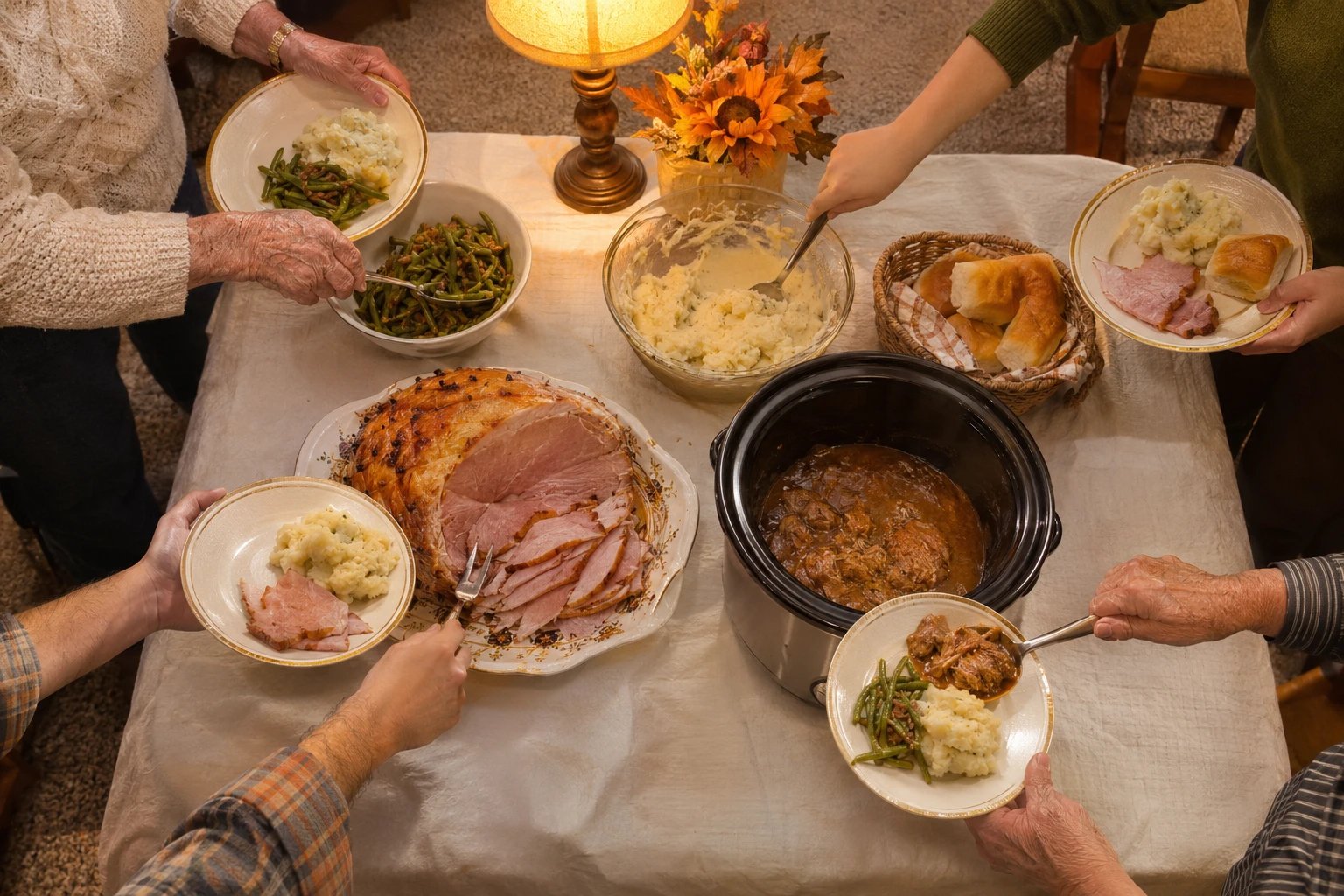
Carve everything in the kitchen, set the food out as a buffet, and let people serve themselves. Hosts on Reddit with 15 or more guests and not enough table say that's what works. The table is for eating, not for holding the food.
Folding tables and borrowed chairs are fine. Natalie Bennett, who seats 30 or more, puts it plainly: "Things do not have to be perfect in order for your guests to be welcomed, blessed, and fed."
A cloth over a folding table changes the room for the price of a sheet.
A buffet holds food longer than a plated dinner, so the safety rules matter. Kathleen Riggs, a professor at Utah State University Extension, says "hot food should be held at 140 F or warmer and cold food should be held at 40 F or colder." Use slow cookers or chafing dishes for hot food and a bowl of ice under cold food. Clemson Extension adds that perishable food should never sit at room temperature for more than two hours.
Riggs's best tip doubles as a presentation trick: set out small platters and swap in fresh ones instead of topping up the old ones. A full small platter looks generous. A big one picked half bare looks like the end of the party.
How do you make a store-bought dessert look homemade?

Change its shape and change its dish. A store-bought cake served the way it came out of the box looks store-bought. The same cake sliced, dressed and plated doesn't.
Two methods that work:
Dressed-up ice cream. Beth Le Manach softens store-bought ice cream, beats in flavorings and chopped chocolate, and refreezes it in its own tub three days ahead. Her pitch: "Sophisticated delicious ice creams that will feel like they're homemade, but really we're gonna use store-bought ice cream." She serves a single scoop in a footed or stemmed glass, and the glass does half the work.
A pound cake made over. Food Network's ideas for store-bought pound cake include slices dipped in chocolate, a berry crumble, and a poke cake. For the poke cake, you poke holes in the cake, pour warm Jell-O over it, chill it, and finish it with "berries, whipped cream, mint leaves, and confectioners' sugar."
A pie from a $4.16 can of pumpkin pie mix, the Farm Bureau's 2025 price, is the other honest option. With one 9-inch pie serving about six, two pies cover a dozen guests.
Whatever you serve, dust it with powdered sugar at the last minute and put it on the best plate you own. In my experience, nobody has ever asked a host where the cake came from once it's sitting on a cake stand.
How do you feed guests who are staying several days?
Cook one big dinner and let the rest of the visit run on food people can help themselves to. Hosts on Reddit with houseguests for several days lean on breakfast casseroles, quiche, deli platters, a pot of soup in the slow cooker and a baked-potato bar.
Food Network's version of the plan is close:
- Fruit, cheese, crackers and cured meats from the store for between meals
- Muffins or oatmeal for breakfast
- A big batch of a favorite one-pot dish, such as a stew, made and frozen well ahead
For the budget, the potato bar is the quiet hero. A sack of potatoes and a table of toppings feeds a houseful for very little, and everyone builds their own.
Keep the snacks fresh by opening them only when you need them. Natalie Bennett learned that the hard way when her crackers went stale, so now they stay in their sleeves until serving time.
If the big dinner was turkey, it feeds the next two days as well. Oregon State Extension says to refrigerate deboned turkey within 2 hours of cooking and use it within 3 to 4 days, or freeze it for 2 to 6 months. That covers sandwiches on day two and the soup on day three.
What should you do with Christmas leftovers the following week?
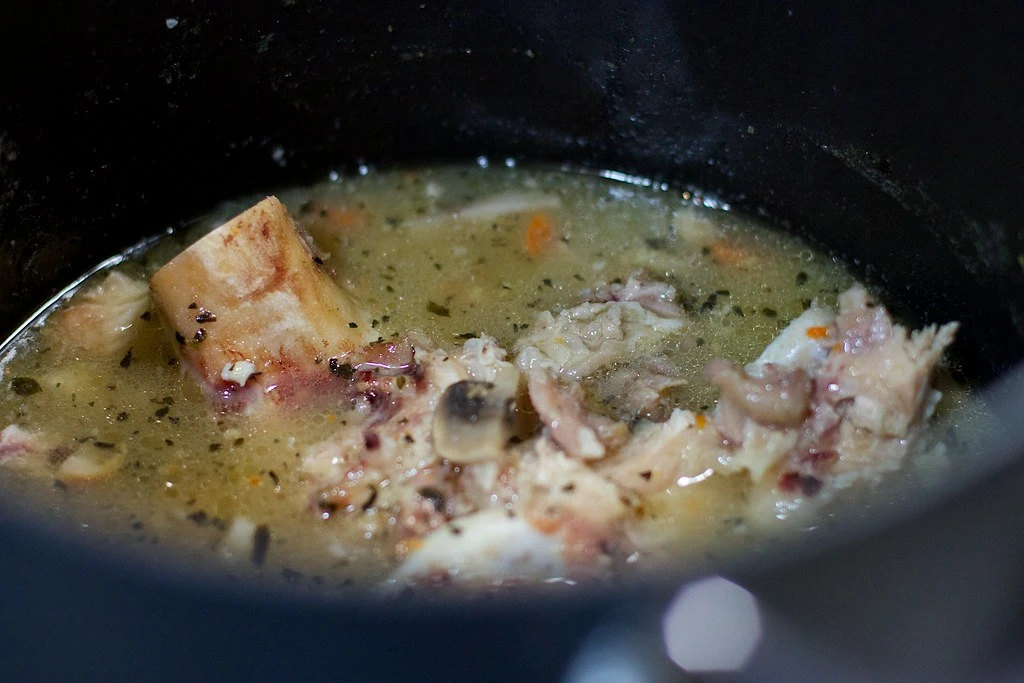
Refrigerate them within two hours, eat them within three or four days, and freeze anything you won't get to. Those are the rules from Iowa State University Extension, for a fridge at 40°F or below and a freezer at 0°F. Use shallow containers so food cools fast, and "label containers with dates."
Leftovers are where a budget dinner pays you back. Reddit's budget cooks turn the ham bone into soup and put leftover meat into pot pies, soups and omelets the following week. A week might run like this:
- December 26: sandwiches on leftover rolls
- December 27: omelets or a breakfast hash with the diced meat
- December 28: pot pie, using up the gravy and vegetables
- Then: freeze what's left, including the ham bone, for soup in January
The ham bone is the best deal on the platter. Freeze it the day after Christmas, and on a cold afternoon it becomes a pot of bean or split pea soup for the price of a bag of dried beans.
Reheat leftover meats, casseroles and stuffing to 165°F. If you've lost track of how long something has been in the fridge, Iowa State's ham chart has the rule I'd give anyone: "If in doubt throw it out!"
How do you pay for Christmas dinner without going into debt?
Pay from money you already have, set aside before you shop, and skip buy-now-pay-later. Those are the checkout offers that split a purchase into installments.
The Consumer Financial Protection Bureau, the federal agency that oversees consumer lending, spelled out the risks of buy-now-pay-later in a 2021 holiday warning:
- Most of these lenders "do charge late fees if you don't make your payments on time."
- You may have to keep paying even after you return what you bought.
- You don't get the dispute protections a credit card gives you.
- Missed payments sent to collections can hurt your credit.
Its advice is to make a budget first. Commenters on a Reddit thread, answering a parent on a tight budget, said the same thing: no credit and no installment plans for Christmas. They told the parent to put the cooking and the traditions ahead of the spending.
A practical way to hold the line: take the total you set before shopping and put it on a debit card or in an envelope at the start of December. Shop the sales against it. When it's gone, the menu is done. A ham you're still paying for in February is the most expensive ham there is.
The bottom line
Start tonight with the two numbers: guests and dollars. Working from the Farm Bureau's Thanksgiving prices, figure about $8 a head for a full traditional dinner at average prices. Set that against your total and you'll know straight away whether you need to trim.
Then choose the main for your table. For a crowd, ham or turkey stretches furthest. If anyone watches salt, roast a pork loin at nearly the same price. For four to six people who'd enjoy a fuss, put a Cornish hen on every plate.
Put the prep dates on the calendar next, with the menu settled by about December 4 and pies in the freezer by the 18th. Write your invitation with Lizzie Post's line in it. By December 24 you're assembling, not cooking, and on the day you carve the roast at the table in front of everyone.
Up next
13 Soft Recipes for Seniors With No Teeth
Thirteen familiar dishes, from Sunday pot roast to a 616-calorie milkshake, remade so a fork does the work a tooth used to do.
Read the list →


Reader quiz
Did you catch the details?
5 questions from this article.
According to the article, what should a host never ask guests to contribute toward Christmas dinner?
Questions people also ask
What is the cheapest main dish for Christmas dinner?
Frozen turkey and whole chicken are the cheapest mains by recent national averages. Frozen turkey ran $1.34 a pound in 2025 during the Thanksgiving sales, and whole chicken $2.03 a pound in October 2026. At Oregon State Extension's half a pound to a pound of turkey per person, that's an estimated $0.67 to $1.34 a guest. Ham comes in at an estimated $1.72 a guest.
Is it rude to ask guests to bring food to Christmas dinner?
No, asking guests to bring a dish is fine, but asking them for cash is not. Lizzie Post of The Emily Post Institute writes that "a host should not ask guests for cash for the meal." She suggests saying, "This year, we're asking guests to bring a dish if they are able." If a guest offers money on their own, that's their choice.
How much ham or turkey do I need per person?
Plan on about 0.4 pound of ham per person, or 1 pound of fresh turkey per person. For a frozen turkey, plan ¾ to 1 pound per person for an 8 to 12 pound bird and ½ to ¾ pound for one over 12 pounds, according to Oregon State University Extension. The ham figure is from The Old Farmer's Almanac, which allows 10 pounds for 25 guests.
What can I make ahead for Christmas dinner?
Pies and cakes can be baked and frozen a week ahead, and casseroles can be assembled the day before and baked on the day. University of Arkansas Extension also suggests making salads and cranberry sauce the day before. Cooked dishes keep three to four days in a refrigerator at 40°F or below, and should be reheated to 165°F, according to Iowa State University Extension.
Is ham too salty for older adults?
Ham is high in sodium for anyone: a 3-ounce serving of roasted ham has about 1,177 milligrams, roughly half the daily limit. The Dietary Guidelines for Americans set that limit at under 2,300 milligrams for everyone 14 and up, with no separate number for older adults. The same serving of roast pork loin has about 50 milligrams. If you have a personal sodium target from a doctor, that number is the one to plan around.
How long do Christmas leftovers last in the fridge?
Most cooked leftovers stay safe for three to four days in a refrigerator at 40°F or below, as long as they went in within two hours of cooking. That's the guidance from Iowa State University Extension, which says to freeze anything you won't eat in that time. An uncooked cured ham waiting to be cooked keeps longer, 5 to 7 days or until its use-by date.
Did any of these feel familiar?
Know someone who needs this?
 Prime Journal · Free printable
The Small-Batch Kitchen Checklist
- A right-sized dish for supper without a crowded fridge.
- A quick check before the slow cooker goes on.
- A plan for leftovers before the shopping starts.
Free printable: The Small-Batch Kitchen Checklist. Enter your email and it is yours.
Sources cited in this article
This article links to 43 outside sources, listed here so you can read them yourself.
- 2025 survey priced a Thanksgiving dinner for 10 at $55.18 www.fb.org/news-release/cost-of-thanksgiving-dinner-declines
- "If they're total fails or if they take me longer than I expected, it's not really compromising the rest of the spread." www.youtube.com/watch?v=wC8iDat1_YE&t=427s
- 0.4 pound of meat per guest www.almanac.com/party-planner-cooking-crowd
- Low, but only about a third is meat foodbuyingguide.fns.usda.gov/files/Reports/USDA_FBG_Section1_MeatsAndMeatAlt…
- Cornish hen www.instacart.com/products/3101685-tyson-cornish-hen-premium-3-0-lb?retailer…
- "Cornish game hens. Everyone gets their own tiny roast." www.reddit.com/comments/1pcamxy
- "It looks impressive but is cheap and easy." www.reddit.com/comments/1peeypw
- 2025 to 2030 Dietary Guidelines for Americans www.cacfp.org/2026/01/08/2025-2030-dietary-guidelines-for-americans-released
- More than 70% of the sodium Americans eat comes from packaged and processed foods www.fda.gov/food/nutrition-education-resources-materials/sodium-your-diet
- USDA Prime rib roast at $18.99 a pound in Virginia and $22.99 in California www.tastingtable.com/2235436/how-much-quality-prime-rib-costs-2026-cheaper-a…
- 145°F, the minimum USDA FSIS says is safe for a beef roast www.fsis.usda.gov/food-safety/safe-food-handling-and-preparation/meat-catfis…
- Oregon State University Extension extension.oregonstate.edu/catalog/sp-50-1000-turkey-basics
- Andy Cooks www.youtube.com/watch?v=bIKkQENTBW8&t=246s
- Report that turkeys go cheap after Thanksgiving www.reddit.com/comments/18iqqdo
- Retail turkey prices hit their low for the year in November or December ers.usda.gov/data-products/charts-of-note/76186
- Ham generally costs less in those two months ers.usda.gov/data-products/charts-of-note/chart-detail?chartId=100024
- 5 to 7 days in the fridge, or until its use-by date blogs.extension.iastate.edu/answerline/2014/04/07/ham-storage-times
- Save "one-third or more" www.plma.com/about_industry/store_brand_facts
- "These green beans do not taste affordable. They taste high-end." www.youtube.com/watch?v=qZiZvnqabkw&t=736s
- Spending a little on fresh herbs and garnishes www.youtube.com/watch?v=wC8iDat1_YE&t=804s
- "You can buy them by the piece and it's much more affordable." www.youtube.com/watch?v=4kP-xupT-Ds
- Suggests this exact line www.aarp.org/money/personal-finance/money-manners-thanksgiving-dinner
- Hosts split over whether guests should chip in at all www.reddit.com/comments/1hnl9sz
- "be prepared to be 'coordination central.' Accept all offers for special diet accommodations." emilypost.substack.com/p/etiquette-today-thanksgiving-guest
- "People love to be able to contribute and to cook." www.youtube.com/watch?v=wC8iDat1_YE&t=306s
- "So, it was super convenient just baking it next to the ham," www.youtube.com/watch?v=qZiZvnqabkw&t=310s
- Cooks the breast and legs separately www.youtube.com/watch?v=nHvfNe3jzEs&t=805s
- Starchy potato cooking water into the gravy www.youtube.com/watch?v=nHvfNe3jzEs&t=310s
- University of Arkansas Extension's timeline www.uaex.uada.edu/counties/white/small-steps-to-healthy-habits/posts/plannin…
- Food Network's crowd timeline www.foodnetwork.com/recipes/articles/how-to-feed-a-crowd-for-thanksgiving
- Peels them the night before and keeps them in water www.youtube.com/watch?v=nHvfNe3jzEs&t=186s
- "write the cooking instructions on top of the foil or the wrap or the lid of whatever dish is being popped into the fridge." www.youtube.com/watch?v=wC8iDat1_YE&t=864s
- 165°F, as Iowa State University Extension advises blogs.extension.iastate.edu/wellness/2025/12/02/keeping-holiday-leftovers-safe
- "I think equally important is planning the prep, so kind of balancing out the amount of work you have to do." www.youtube.com/watch?v=4kP-xupT-Ds&t=609s
- 15 or more guests and not enough table www.reddit.com/comments/1pvnyoi
- "Things do not have to be perfect in order for your guests to be welcomed, blessed, and fed." www.youtube.com/watch?v=wC8iDat1_YE&t=61s
- "hot food should be held at 140 F or warmer and cold food should be held at 40 F or colder." extension.usu.edu/news_sections/home_family_and_food/holiday-buffet-safety
- Sit at room temperature for more than two hours hgic.clemson.edu/factsheet/preparing-food-for-a-crowd
- Food Network's ideas for store-bought pound cake www.foodnetwork.com/recipes/packages/weekend-cooking/10-things-to-make-with-…
- Houseguests for several days www.reddit.com/comments/1xqk98q
- Learned that the hard way www.youtube.com/watch?v=wC8iDat1_YE&t=245s
- The risks of buy-now-pay-later in a 2021 holiday warning www.consumerfinance.gov/about-us/blog/know-before-you-buy-now-pay-later-this…
- Reddit thread www.reddit.com/comments/1xqlcvj
Peter Byalik
Food & Home Editor
Peter Byalik is a professional chef with more than 20 years of experience, including years running his own business. He came to the United States from Ukraine.
More from Peter Byalik