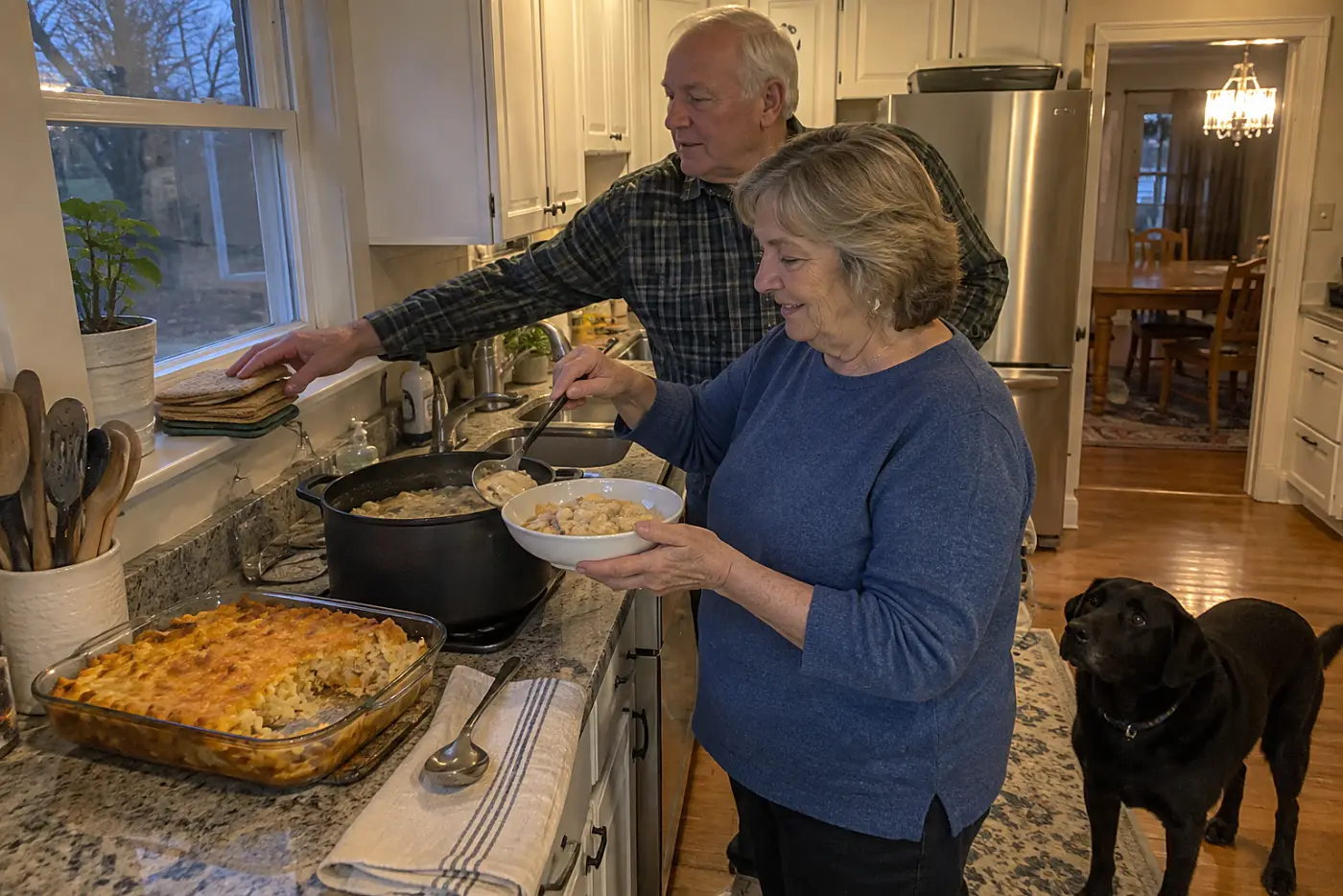






25 Soft Recipes for Seniors With No Teeth
From steamed egg custard to braised lamb, these soft, no-chew dishes give you more to serve than another applesauce cup.
By Carol Whitaker, Kitchen Editor
Updated · 24 min read
The short answer: Good recipes for seniors with no teeth include creamy oatmeal, soft eggs, mashed vegetables, pureed lentil soup, poached fish, and meat cooked until it shreds. Broth, sauce, or warm milk keeps food moist. If swallowing is difficult, follow the texture instructions from the person’s care team rather than assuming every soft dish is safe.
- Written by our kitchen editor
- Cited 17 sources
- How we review

The fork goes through dinner, but he sets it down after two bites. You look at the plate and see what you missed: the meat was tender in the pan, yet dry once it was cut.
There’s yogurt in the fridge and applesauce in the cupboard. You’ve served both enough times to know they won’t solve tonight’s supper.
Start with moisture. Then check what a fork does to each bite before the plate reaches him. A spoon-smooth dessert, a saucy dinner, and an egg custard each give him a different reason to come back to the table.
25Banana Oatmeal With Mashed Fruit

Serves 2. About 10 minutes, one saucepan.
You need: 1 cup quick oats, 2 cups whole milk, 1 ripe banana, 1 tablespoon butter, and 1 pinch cinnamon.
Warm the milk in a saucepan until it starts to steam. Stir in the oats and cook, stirring, until the mixture looks creamy. Mash the banana thoroughly with a fork, then stir it into the hot oats with the butter and cinnamon. Spoon the oatmeal into bowls and check for dry clumps before serving.
The milk gives this a richer finish than water, while mashed banana sweetens the whole bowl. Quaker’s guide to oat types says quick and instant oats cook faster and have a smoother texture than old-fashioned oats.
Give your pot another stir if breakfast sits while you set out the bowls. The oats keep thickening, and a splash of warm milk brings them back to a spoonable texture. Check the banana, too: a firm slice hidden in otherwise smooth oatmeal changes the next bite.
Short pantry swap: Use water instead of milk, then stir in a spoonful of yogurt at the end.
See more: 27 Things That Get Better After 60 That Nobody Mentions →
24Cottage Cheese Scrambled Eggs

Serves 2. About 10 minutes, one skillet.
You need: 4 eggs, 4 tablespoons cottage cheese, 1 tablespoon butter, and 1 pinch black pepper.
Blend the eggs and cottage cheese until you no longer see distinct curds. Melt the butter in a skillet over low heat.
Pour in the egg mixture and move it across the pan with a spatula as small, moist curds form. Take the skillet off the heat while the eggs still look glossy, then check a spoonful for any firm edge.
If cottage cheese has been getting pushed aside at breakfast, this changes its texture completely. U.S. Dairy’s cottage-cheese egg recipe blends it into eggs for creaminess and protein. You get a savory breakfast that belongs on a plate, with no hard toast required.
Short pantry swap: Skip the cottage cheese and stir a splash of milk into the eggs.
23Savory Steamed Egg Custard in Cups

Serves 2. About 30 minutes, with a covered pan.
You need: 2 eggs, ¾ cup warm unsalted broth, 1 teaspoon soy sauce, and 1 pinch finely chopped dill.
Whisk the eggs until the yolks and whites are combined. Stir in the broth and soy sauce, then strain the mixture into two heatproof cups.
Set the cups in a pan with water partway up their sides, cover, and steam over low heat until the centers are set. Sprinkle the dill over each cup and serve with a spoon.
This is the meal to make when even soft scrambled eggs take too much work. The egg-to-liquid ratio follows the silky custard approach in Just One Cookbook’s chawanmushi guide. Keep the surface clear of chopped toppings, so every spoonful feels the same.
Serve the cups as they are. You don’t need a garnish that turns a smooth custard into another texture check.
Short pantry swap: Use water in place of broth and add a little extra dill for flavor.
See more: 27 Things Physical Therapists Wish You'd Changed Before the First Fall →
22Mixed-Berry Yogurt and Avocado Smoothie

Serves 2. About 5 minutes, one blender.
You need: 1 cup whole-milk plain Greek yogurt, ½ ripe avocado, 1 cup thawed frozen mixed berries, and ½ cup milk.
Put the yogurt, avocado, berries, and milk in a blender. Blend until the mixture is uniform, then stop and scrape down the sides. Blend again and pour a little onto a spoon to check for berry seeds or bits of skin. Strain it if those bits remain, and serve it in cups.
Avocado adds richness without giving the drink a strong flavor. It also supplies the type of unsaturated fat discussed in the American Heart Association’s guide to cooking oils and fats.
A smoothie helps when a plate of food feels like too much. Don’t guess about drink texture, though, if he has swallowing instructions. Check those instructions before you pour his glass.
Short pantry swap: Replace the berries with one ripe banana.
See more: 26 Habits of People Over 70 Who Still Move Like They're 55 →
21Mashed Sweet Potatoes With Warm Broth

Serves 2. About 30 minutes, one saucepan.
You need: 2 medium sweet potatoes, ¼ cup warm low-sodium broth, 1 tablespoon butter, and 1 pinch cinnamon.
Peel the sweet potatoes and cut them into chunks. Simmer them in water until a fork slips through each piece without resistance. Drain them, then mash thoroughly with the warm broth and butter. Stir in the cinnamon and press the mash with a spoon to find any firm pieces you missed.
Set this beside eggs or fish when the plate needs color and something filling. You control its texture with the broth: add a little at a time until it holds on the spoon without feeling stiff.
The Cleveland Clinic’s soft-food guide recommends moisture from broth, sauce, or gravy when soft food needs help going down. If your mash sits while the rest of dinner cooks, check it again before serving. A little warm broth loosens a bowl that has grown stiff.
Short pantry swap: Replace the broth with warm milk.
20Classic Creamy Mashed Gold Potatoes

Serves 2. About 30 minutes, one pot.
You need: 1 pound gold potatoes, ⅓ cup milk, 2 tablespoons butter, and 1 pinch salt.
Peel the potatoes and cut them into even pieces. Simmer them until a fork passes cleanly through the center, then drain. Warm the milk and butter together while the potatoes are still hot. Mash the potatoes thoroughly, pour in the warm mixture, and stir until there are no firm pockets.
Don’t pour cold milk over a cooling pot and hope the lumps disappear. The Idaho Potato Commission’s mashed-potato guidance calls for warming the dairy and butter first.
Gold potatoes give you a creamy mash, but your fork is the final test. Press through several spots, especially near the bottom of the pot, where an unmashed chunk likes to hide. If you’re serving someone whose meal must be smooth, inspect a spoonful before you dish out both plates.
Short pantry swap: Use warm broth instead of milk and butter.
19Red Lentil Soup Pureed Smooth

Serves 2. About 25 minutes, one pot and a blender.
You need: ¾ cup dry red lentils, 2 cups low-sodium broth, ½ cup finely chopped onion, 1 tablespoon olive oil, and 1 pinch ground cumin.
Warm the oil in a pot and cook the onion until it softens. Add the lentils, broth, and cumin, then simmer until the lentils break apart. Blend the soup until smooth, adding a splash of broth if it looks too thick. Return it to the pot and heat it through before serving.
Dry red lentils are worth keeping in the cupboard for this exact evening: you don’t need to remember to soak them. Bob’s Red Mill’s red-lentil guide puts their cooking time at about 15 minutes.
Taste your soup after blending, not before. That final spoonful tells you whether any onion pieces survived. If they did, keep blending. The plain cumin flavor also leaves room for the curry version below to feel like another dinner.
Short pantry swap: Use water instead of broth and add another pinch of cumin.
18Slow Cooker Split Pea and Ham Soup

Serves 2, with leftovers. Several hours in a slow cooker.
You need: 1 cup dry split peas, 3 cups low-sodium broth, ½ cup finely diced cooked ham, ½ cup chopped carrot, and ¼ cup chopped onion.
Rinse the split peas and put them in the slow cooker. Add the broth, ham, carrot, and onion, then cover and cook until the peas and vegetables have fallen apart. Blend the soup until no ham pieces or carrot cubes remain. Thin it with more broth if it becomes stiff while standing.
Ham gives the soup a familiar, savory taste, but don’t leave little chewy cubes in the finished bowl. University of Maine Cooperative Extension’s split-pea recipe includes slow-cooker directions.
Check your cooker’s manual for its minimum fill level before making a small batch. You want the cooker to do the work, not to spend the evening watching a pot. When you lift the lid, test a carrot before blending. If it resists the fork, leave dinner cooking.
Short pantry swap: Leave out the ham and add a pinch of smoked paprika.
17Curried Red Lentil Soup With Onion

Serves 2. About 30 minutes, one saucepan.
You need: ¾ cup dry red lentils, 2 cups low-sodium broth, ½ cup chopped onion, 1 teaspoon curry powder, and 1 tablespoon olive oil.
Smell the curry powder before it goes in the pan. If you want a change from the cumin soup, that small jar gives the same cupboard lentils a different supper.
Warm the oil in a saucepan and cook the onion until it softens. Stir in the curry powder to coat the onion. Add the lentils and broth, then simmer until the lentils collapse. Blend everything until smooth and taste a spoonful before filling your bowls.
Harvard’s Curried Red Lentil Soup pairs red lentils with aromatics and curry spices, then blends the soup. Make this one when the first lentil bowl has begun to feel familiar. Start with the measured curry powder, and put any extra in your own serving.
A smooth finish matters more than a thick one. If the soup heaps on the spoon, stir in a splash of warm broth and test it again.
Short pantry swap: Replace curry powder with ground cumin.
16Creamy Potato Soup With Bacon Flavor

Serves 2. About 40 minutes, one pot.
You need: 1 pound peeled potatoes, 2 cups low-sodium broth, ¼ cup milk, 2 strips bacon, and ¼ cup finely chopped onion.
Cook the bacon in a pot until it releases its fat, then remove the strips. Soften the onion in the pot, add the potatoes and broth, and simmer until the potatoes mash easily.
Blend the soup with the milk until smooth. Taste for bacon flavor, but leave out the crisp strips when serving a no-chew bowl.
Bacon belongs in the cooking, not scattered across the top where it turns each spoonful into a chewing test. The Kitchn’s potato-soup recipe starts with a broth-based soup and treats bacon as a topping. Here, it flavors the pot instead.
If your finished soup coats the spoon too thickly, stir in more warm broth. Check a spoonful after that addition, since the flavor will change along with the texture.
Short pantry swap: Skip the bacon and soften the onion in butter.
15Shepherd’s Pie With Smooth Potato Topping
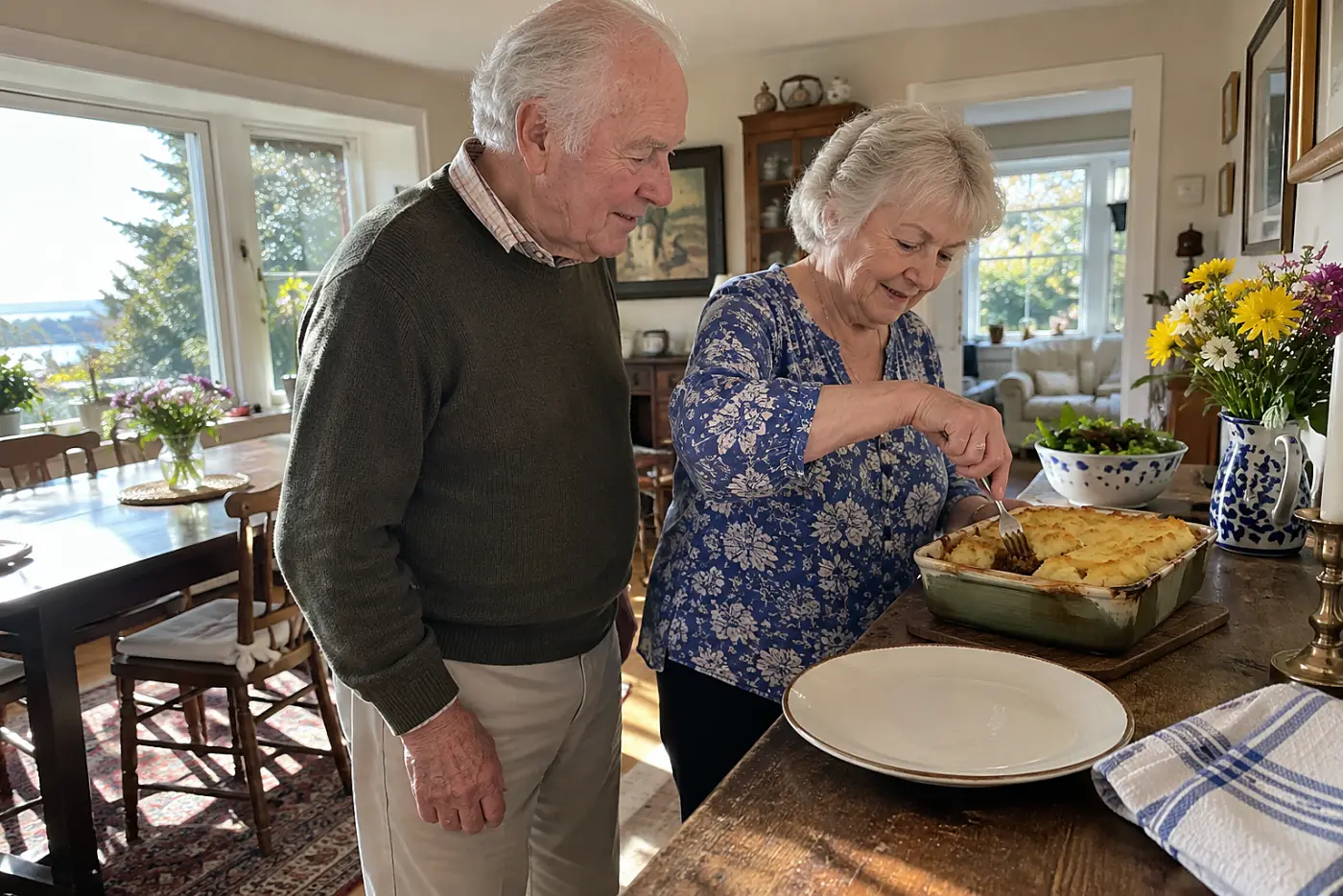
Serves 2. About 55 minutes, one skillet and baking dish.
You need: ½ pound ground lamb, 1 cup finely diced carrot, ½ cup low-sodium broth, 2 cups smooth mashed potatoes, and 1 tablespoon olive oil.
Warm the oil in a skillet and cook the lamb thoroughly, breaking it into small pieces. Add the carrot and broth, then simmer until the carrot crushes under a fork and the meat stays moist.
Spread the filling in a small baking dish and cover it with the mashed potatoes. Bake at 350°F (about 175°C) until hot throughout, then let the pie stand before serving.
Spoon out a portion and inspect the filling before it goes on the plate. Ground meat that has dried along the edge needs more broth; a carrot that still snaps needs more cooking.
BBC Good Food’s shepherd’s pie method rests the finished pie for 10 minutes so it sets. Use that pause to check your first serving. The top looks smooth, but the hidden filling decides whether this dinner works.
Short pantry swap: Use ground beef instead of lamb.
14Slow-Braised Beef in Its Cooking Juices

Serves 2, with leftovers. About 4 hours, one covered pot.
You need: 1½ pounds beef chuck roast, 2 cups low-sodium broth, 1 finely chopped onion, and 1 tablespoon olive oil.
Warm the oil in a heavy pot and brown the beef on each side. Add the onion and broth, cover, and cook at 300°F (about 150°C) until the meat pulls apart readily under a fork.
Shred it finely, remove any firm fat or gristle, and stir the meat back into its warm cooking juices.
A roast can reach a safe temperature while remaining too tough for this plate.
The USDA safe-temperature chart sets 145°F (about 63°C) and a 3-minute rest as the minimum for a whole-muscle beef roast. That number is your safety check, not your shredding test.
Keep cooking for the texture you need. Bon Appétit’s braising guide describes the finish as fork-tender and ready to fall apart. Pull one section apart and inspect it before you shred the rest.
Serve a little of the cooking juice with every spoonful. Your work at the stove shouldn’t end as a dry heap on his plate.
Short pantry swap: Use lamb shoulder instead of chuck roast.
13Pulled Pork Shoulder in Warm Broth
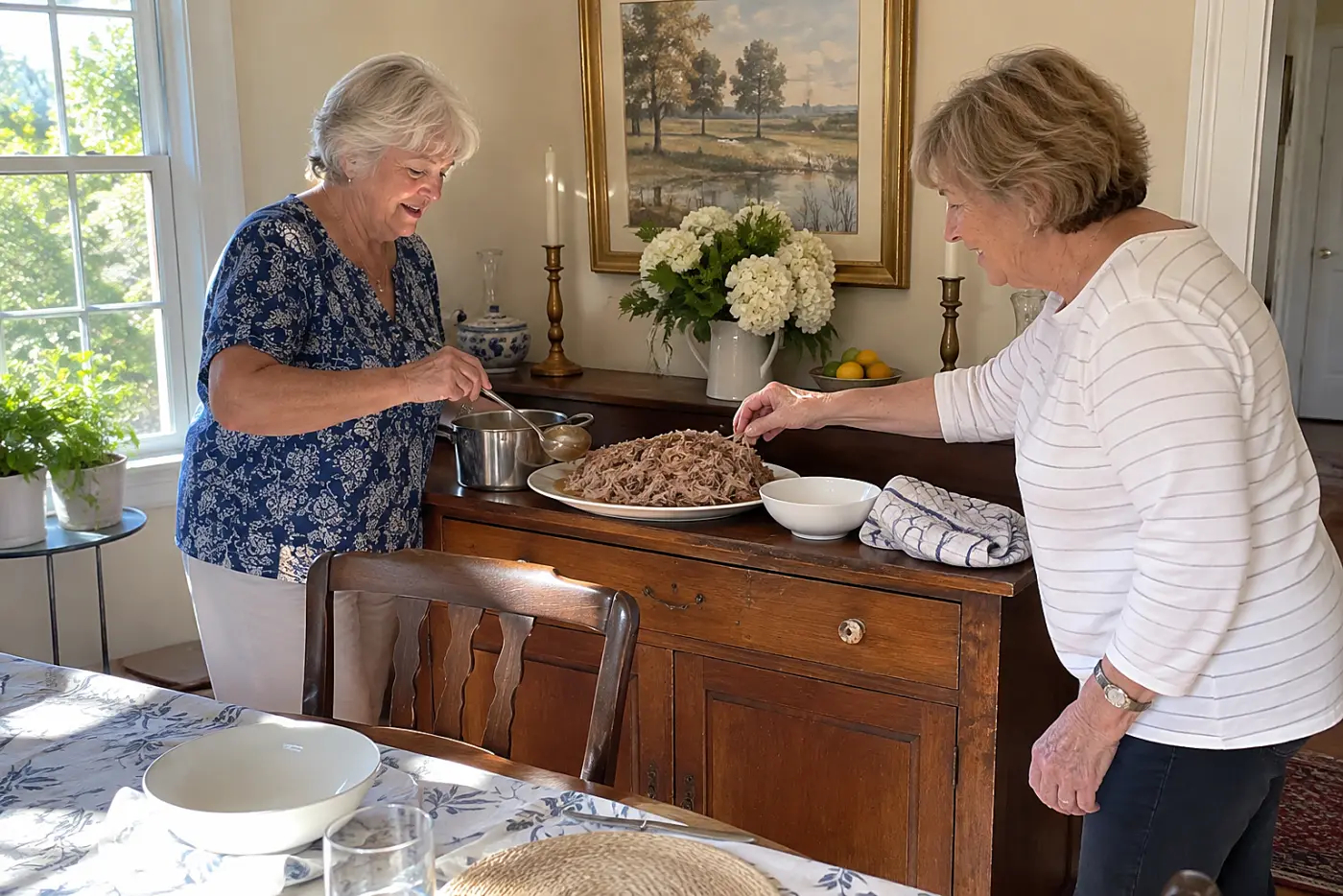
Serves 2, with leftovers. Several hours in a covered pot.
You need: 1½ pounds boneless pork shoulder, 2 cups low-sodium broth, 1 teaspoon ground cumin, and 1 tablespoon olive oil.
Warm the oil in a covered pot and brown the pork. Add the broth and cumin, cover, and cook at 300°F (about 150°C) until a fork separates the meat with little effort.
Pull the pork into fine shreds, discard firm pieces, and return the shreds to the hot broth. Spoon it into bowls with enough liquid to keep it moist.
For this dinner, the broth is part of the serving, not something left behind in the pot. A pile of pulled pork loses its appeal when the top strands dry out. Stir each portion through the warm liquid before you bring it over.
The USDA temperature chart lists 145°F (about 63°C) with a rest as the safety minimum for pork roasts.
Keep cooking the shoulder until it shreds. Then examine your bowl for firm bits, rather than judging it by the roast’s appearance.
Short pantry swap: Replace cumin with a pinch of mild paprika.
12Poached White Fish With Dill Sauce

Serves 2. About 20 minutes, one skillet.
You need: 2 boneless white-fish fillets, ¾ cup low-sodium broth, 2 tablespoons butter, 1 tablespoon finely chopped dill, and 1 teaspoon lemon juice.
Warm the broth in a skillet over low heat and add the fish. Cover and cook until the thickest part reaches 145°F (about 63°C), then lift the fish onto a plate.
Melt the butter into the warm broth, stir in the dill and lemon, and spoon the sauce over the fillets. Flake each portion with a fork and check carefully for bones before serving.
Fish needs sauce here. A dry flake sticks to the fork; a sauced one separates and stays moist.
The FDA’s seafood safety guidance gives 145°F (about 63°C) as the cooking temperature and describes the flesh as opaque and flaking.
Test the thickest section, not the thin tail end. Your last check is for bones, even when the fillets were sold as boneless.
Short pantry swap: Use parsley instead of dill.
11Cheese Ravioli in Plenty of Tomato Sauce

Serves 2. About 15 minutes, two pans.
You need: 1 package fresh cheese ravioli, 1 cup smooth marinara sauce, 2 tablespoons pasta cooking water, and 1 tablespoon olive oil.
Heat the marinara in a small pan. Boil the ravioli according to the package directions, then lift one out and press its edge with a fork.
Transfer the pasta to the sauce, add the cooking water and oil, and stir carefully until every piece is coated. Cut a ravioli open before serving to check the pasta edges and filling.
Giovanni Rana USA lists about 4 minutes for its fresh four-cheese ravioli. Your package is the clock for what you bought; the fork tells you whether it’s soft enough.
This version is about the sauce. Keep some beneath the ravioli and spoon more over the top, so the edges don’t dry out while you’re serving. If an edge still resists the fork, return that piece to the warm sauce before it reaches the plate.
Short pantry swap: Use smooth canned tomato sauce instead of marinara.
10Baked Macaroni With Extra Cheese Sauce

Serves 2. About 40 minutes, one pot and baking dish.
You need: 1 cup dry elbow macaroni, ¾ cup milk, ¾ cup shredded cheddar, 1 tablespoon butter, and 1 tablespoon flour.
Boil the macaroni until it is slightly firmer than you want to serve, then drain it. Melt the butter in a saucepan, stir in the flour, and add the milk gradually.
Stir in the cheddar until the sauce is smooth, then coat the macaroni thoroughly. Bake at 350°F (about 175°C) until hot, and stir a little warm milk into each serving if the top dries.
Food Network’s baked macaroni guidance starts with slightly undercooked pasta because it finishes in the oven. Watch your baking dish near the end: a firm crust defeats the purpose of a soft dinner.
Serve from beneath the top and test a macaroni piece before putting down the bowl. Keep a little warm milk nearby for the portion that waits while you serve the first one.
Short pantry swap: Use another cheese that melts smoothly in place of cheddar.
9Smooth Applesauce With Warm Cinnamon

Serves 2. About 25 minutes, one saucepan.
You need: 2 peeled apples, ¼ cup water, 1 pinch cinnamon, and 1 teaspoon butter.
Cut the apples into small pieces and put them in a saucepan with the water. Cover and cook until every piece collapses under a spoon. Blend until completely smooth, then stir in the cinnamon and butter. Taste it warm or chilled, and check for bits of peel before serving.
Yes, applesauce is already in the cupboard. This version earns its place because you control the flavor and texture. It works beside a savory dinner rather than only as a snack.
Keep a ready-made cup for the day cooking won’t happen. The single-serve, no-sugar-added cups shown on Walmart’s applesauce listing are one such fallback. Tonight, though, your saucepan gives the familiar food a warm cinnamon smell.
Short pantry swap: Start with unsweetened prepared applesauce and warm it with cinnamon.
8Whole-Milk Yogurt With Pureed Berries

Serves 2. About 10 minutes, one blender.
You need: 1 cup whole-milk plain Greek yogurt, ¾ cup thawed frozen berries, 1 tablespoon honey, and 1 tablespoon milk.
Blend the thawed berries with the milk until smooth. Strain the puree if seeds or skins remain. Spoon yogurt into two small bowls and pour the berry puree over it. Stir each bowl lightly, then add the honey to taste.
A parfait doesn’t need crunchy granola to feel like something you chose, rather than something left over in the fridge. Keep the berry layer vivid and the yogurt thick. Whole-milk Greek yogurt provides the creamy base listed in Walmart’s whole-fat yogurt selection.
Check your berry puree on a spoon before layering. A few stubborn seeds change the whole mouthful. Serve the layers separately if he likes seeing what’s in each spoonful, or stir them together for an even texture.
Short pantry swap: Replace the berries with smooth applesauce.
7Silken Tofu Chocolate Mousse Cups

Serves 2. About 15 minutes, plus chilling.
You need: 8 ounces silken tofu, 2 ounces chocolate, 1 tablespoon milk, and 1 teaspoon honey.
Melt the chocolate with the milk, stirring until smooth. Blend the tofu until it looks like a thick cream. Add the melted chocolate and honey, then blend again until no pale streaks remain. Spoon the mousse into cups and chill until ready to eat.
This one gives you a dessert with a deep chocolate taste and a spoon-smooth finish. Silken tofu is sold for preparations such as puddings and mousse, as shown in Walmart’s silken-tofu selection.
Scrape down your blender carefully: an unmixed pocket of tofu spoils an otherwise even spoonful. Serve the mousse without nuts or chocolate shavings. It needs no crunchy decoration to look like dessert.
Short pantry swap: Replace the chocolate with smooth fruit puree for a fruit mousse.
6Soft Scrambled Eggs With Melted Cheese

Serves 2. About 10 minutes, one skillet.
You need: 4 eggs, ¼ cup shredded cheddar, 1 tablespoon butter, and 2 tablespoons milk.
Whisk the eggs with the milk until combined. Melt the butter over low heat, then pour in the eggs. Move the mixture across the pan as small curds form, and scatter in the cheese. Take the skillet off the heat when the cheese has melted and the eggs remain moist.
Low heat matters more than speed. Leave eggs over a hot burner while you find two plates, and they turn firm around the edges. A WeightWatchers scrambled-egg method puts the cooking at about 2 to 3 minutes.
Have your bowls ready first, then bring the eggs straight over. Unlike the blended cottage-cheese eggs, these have small curds and melted cheese. Check one spoonful before serving to see whether that texture suits him.
Short pantry swap: Use a spoonful of cottage cheese in place of shredded cheddar.
5Stewed Peaches With Smooth Fruit Sauce

Serves 2. About 20 minutes, one saucepan.
You need: 2 ripe peaches, ¼ cup water, 1 teaspoon honey, and 1 pinch cinnamon.
Peel the peaches and remove the pits. Slice the fruit into a saucepan with the water and cook until every piece squashes easily with a spoon. Mash or blend the peaches with their cooking liquid. Stir in the honey and cinnamon, then check the mixture for firm pieces.
The test is in the pan, not in the word “ripe.” If a slice keeps its shape when you press it, cook it longer. There’s no sourced peach recipe behind this version; use your spoon to judge the finished fruit.
The Cleveland Clinic’s general soft-food guide favors moist, mashed foods. It doesn’t give this particular peach method. Spoon your finished fruit over yogurt, or serve it warm on its own after checking the texture.
Short pantry swap: Use peeled pears instead of peaches.
4Smooth Chocolate Pudding With Silken Tofu

Serves 2. About 10 minutes, plus chilling.
You need: 8 ounces silken tofu, 1 tablespoon cocoa powder, 2 tablespoons honey, and 2 tablespoons milk.
Blend the tofu and milk until completely smooth. Add the cocoa powder and honey, then blend again, stopping to scrape the sides. Taste and adjust the cocoa or honey. Spoon the pudding into cups and chill it before serving.
This is the dessert for a night when there’s no time to cook fruit or melt chocolate. Silken tofu’s custardy texture does the work; the blender takes care of any visible curds.
Don’t crown your cups with cookie crumbs. Put a spoon beside each one and keep the texture as smooth as you made it. Unlike the melted-chocolate mousse, this version starts with cocoa from the cupboard.
Short pantry swap: Replace cocoa with smooth applesauce for a fruit pudding.
3Fast Cheese Ravioli Dinner With Marinara

Serves 2. About 15 minutes, two burners.
You need: 1 package fresh cheese ravioli, 1 cup smooth marinara, 2 tablespoons pasta water, and 1 tablespoon olive oil.
Set the marinara to warm while a pot of water comes to a boil. Cook the ravioli according to its package, then check one piece for a tender edge. Lift the pasta into the sauce, add the pasta water and oil, and coat it well. Cut each ravioli into manageable pieces before serving.
This is the dinner to remember when he says he’s hungry *now*. Giovanni Rana USA lists about 4 minutes for its fresh four-cheese ravioli. Those minutes leave room to warm the sauce and get your bowls ready.
The difference from the whole ravioli plate above is what happens at the end: cut each piece and coat the new edges. Look at your first serving before you put it down. Every small piece needs sauce, not a dry corner.
Short pantry swap: Use smooth canned tomato sauce if marinara isn’t on the shelf.
2Seven-Night Soft Dinner Soup Base

Serves 2 tonight, with soup base for later meals. About 35 minutes.
You need: 1 pound peeled potatoes, 3 cups low-sodium broth, ¼ cup milk, 1 tablespoon olive oil, and 1 pinch dried herbs.
Simmer the potatoes in the broth until they crush readily with a fork. Blend the potatoes and broth until smooth, then stir in the milk, oil, and herbs.
Serve two bowls tonight and cool the remaining base for another dinner. Reheat a portion later and pair it with soft eggs, flaked fish, or thoroughly tender meat prepared for that meal.
You don’t need to decide every supper at once. A smooth base gives you one part of the plate while the protein changes. The Cleveland Clinic’s soft-food guide includes eggs, fish, tender meats, mashed vegetables, soups, and soft dairy.
If he has been told to eat soft and bite-sized food, use his care instructions. IDDSI’s adult guidance sets a 1.5 cm maximum piece size for that level and calls for a fork-pressure test. Check any meat or vegetables you add, rather than assuming the smooth soup makes the whole bowl suitable.
Short pantry swap: Use sweet potatoes instead of regular potatoes.
1Low-Sodium Herb and Olive Oil Dressing

Serves 2. About 5 minutes, one small bowl.
You need: 2 tablespoons olive oil, 1 tablespoon lemon juice, 1 teaspoon finely chopped herbs, 1 tablespoon warm water, and 1 pinch black pepper.
Whisk the olive oil, lemon juice, herbs, warm water, and pepper in a small bowl. Spoon a little over a serving of mashed vegetables or finely shredded meat. Press the dressed food with a fork and check for dry spots. Add another spoonful where the food still needs moisture.
This is the finishing step to remember after you’ve cooked everything else. A tender dinner loses its appeal when the portion on the plate turns dry. Keep the dressing beside your own plate, too, so you can taste it before adding any salt.
Read the broth or sauce label as carefully as the recipe when you’re building a low-sodium meal. On an FDA food label, “low sodium” means 140 mg or less per serving; “very low sodium” means 35 mg or less. Check the serving size before you pour, since that’s what the claim measures.
The American Heart Association’s advice on cooking oils favors unsaturated oils such as olive or canola over saturated fats.
Here, olive oil carries the lemon and herbs into each bite. You still have to check the food beneath it for firmness.
Short pantry swap: Use canola oil instead of olive oil.
The bottom line
The dishes have different flavors, but share one last check: press a spoonful with a fork, then look for firm pieces and dry edges. Add sauce or broth before you bring the plate over.
The prepared version of you has a few choices ready: eggs for a short evening, lentils in the cupboard, and a moist dinner he enjoyed enough to finish. Keep that last dish in mind when you plan the next one.
What did he eat with pleasure last week, and what would it take to make that dish tender enough for tonight?
Up next
24 Simple Slow Cooker Recipes for Two
Two plates, a bag of carrots and a cooker that fits: dinner without a week of the same leftovers.
Read the list →


Reader quiz
Did you catch the details?
5 questions from this article.
What should you do to the eggs and cottage cheese before cooking?
Questions people also ask
What are some good meals for seniors who have no teeth?
Try soft eggs or oatmeal for breakfast, pureed soup for lunch, and moist fish or thoroughly tender meat for dinner. The Cleveland Clinic’s soft-food guide covers these food groups. If he follows a prescribed texture level, check each dish against those instructions.
What are some recipes for people who have no teeth?
Try Harvard’s curried red lentil soup, chawanmushi-style steamed egg, or creamy potato soup. Cheese ravioli covered in smooth sauce is another quick choice; Giovanni Rana USA lists about 4 minutes of cooking for its fresh ravioli. Check the finished texture before serving any of them.
Can I eat spaghetti with no teeth?
Cook it until very soft, cut the strands short, and coat them well with sauce. For someone following soft and bite-sized guidance, IDDSI sets a maximum adult piece size of 1.5 cm and calls for a fork-pressure test. Follow any personal swallowing instructions rather than relying on the pasta’s softness alone.
What foods are best for people who have no teeth?
Build meals around eggs, tender fish, moist shredded meat, mashed vegetables, pureed soups, and soft dairy. The Cleveland Clinic’s soft-food guide lists these as soft-food choices. Sauce and broth help when a cooked food turns dry on the plate.
What foods should be avoided with no teeth?
Skip tough steak, raw carrots, nuts, popcorn, dense bagels, dried fruit, and food with bones or gristle. IDDSI’s texture handout and the Cleveland Clinic’s soft-food guide flag hard, chewy, and sticky textures. Check mixed dishes, too, since one firm piece can hide in a soft bowl.
How do you make food taste good without chewing?
Use lemon, herbs, spices, and enough sauce to carry the flavor through each spoonful. Olive or canola oil adds richness to mashed foods and soups. The American Heart Association recommends unsaturated oils in place of saturated fats. Taste the finished puree after thinning it, since added liquid changes its flavor.
Did any of these feel familiar?
Know someone who needs this?
 Prime Journal · Free printable
The Small-Batch Kitchen Checklist
- A right-sized dish for supper without a crowded fridge.
- A quick check before the slow cooker goes on.
- A plan for leftovers before the shopping starts.
Free printable: The Small-Batch Kitchen Checklist. Enter your email and it is yours.
Sources cited in this article
This article links to 17 outside sources, listed here so you can read them yourself.
- Quaker’s guide to oat types www.quakeroats.com/oats-do-more/why-oats/the-difference-between-our-oats
- U.S. Dairy’s cottage-cheese egg recipe www.usdairy.com/recipes/cottage-cheese-scrambled-eggs
- Just One Cookbook’s chawanmushi guide www.justonecookbook.com/chawanmushi-savory-steamed-egg-custard
- American Heart Association’s guide to cooking oils and fats www.heart.org/en/healthy-living/healthy-eating/eat-smart/fats/healthy-cookin…
- Cleveland Clinic’s soft-food guide health.clevelandclinic.org/soft-food-diet
- Idaho Potato Commission’s mashed-potato guidance idahopotato.com/all-things-mashed-potatoes
- Bob’s Red Mill’s red-lentil guide www.bobsredmill.com/product/red-lentils
- University of Maine Cooperative Extension’s split-pea recipe extension.umaine.edu/food-health/recipes/split-pea-soup
- Harvard’s Curried Red Lentil Soup nutritionsource.hsph.harvard.edu/curried-red-lentil-soup
- The Kitchn’s potato-soup recipe www.thekitchn.com/best-potato-soup-recipe-23706567
- USDA safe-temperature chart www.fsis.usda.gov/food-safety/safe-food-handling-and-preparation/food-safety…
- Bon Appétit’s braising guide www.bonappetit.com/test-kitchen/cooking-tips/article/how-to-braise
- FDA’s seafood safety guidance www.fda.gov/food/buy-store-serve-safe-food/selecting-and-serving-fresh-and-f…
- Food Network’s baked macaroni guidance www.foodnetwork.com/recipes/food-network-kitchen/the-best-baked-mac-and-chee…
- Walmart’s applesauce listing www.walmart.com/ip/10294754
- Walmart’s whole-fat yogurt selection www.walmart.com/c/kp/whole-fat-greek-yogurt
- Walmart’s silken-tofu selection www.walmart.com/c/kp/silken-tofu
Carol Whitaker
Kitchen Editor
Carol writes recipes for two and the old-fashioned dishes people still ask for, with an ingredient line you can read without your glasses and steps that fit a weeknight.
More from Carol Whitaker