





7 Capricorn Zodiac and Birth Flowers (and How to Grow Each One)
Find a Capricorn zodiac flower for your window box or a December birthday bulb, with growing basics and pet-safety checks for all seven picks.
By Vera Collins, Astrology Editor
Updated · 7 min read
The short answer: The pansy is the Capricorn zodiac flower named by 1-800-Flowers and other florists. Other guides name ivy, African violet or poinsettia. Capricorn’s commonly printed dates run from December 22 to January 19, so its birthdays also fall under December’s birth flowers, narcissus and holly, or January’s carnation and snowdrop. Zodiac and birth-month flowers follow different traditions.
- Written by our astrology editor
- Cited 14 sources
- How we review
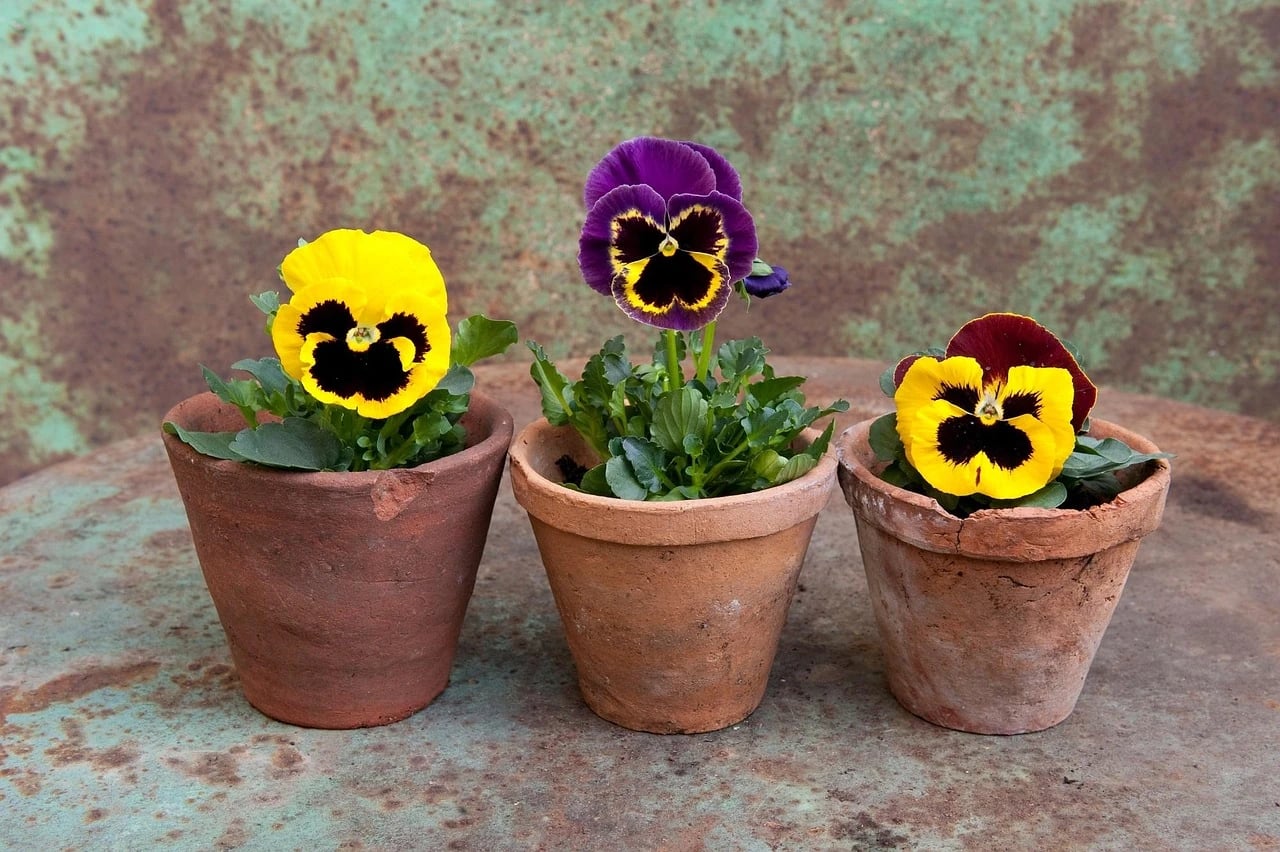
A pot of pansies outside your front door, a paperwhite bulb on your windowsill, a carnation tucked into a birthday card: all three belong in this conversation.
But they arrive by different routes. Some flowers come from zodiac guides. Others come from the calendar month on your birthday.
Before you pick one to grow or give, check two things: where it will live and whether a cat or dog can reach it.
7Ivy, an Evergreen Capricorn Flower
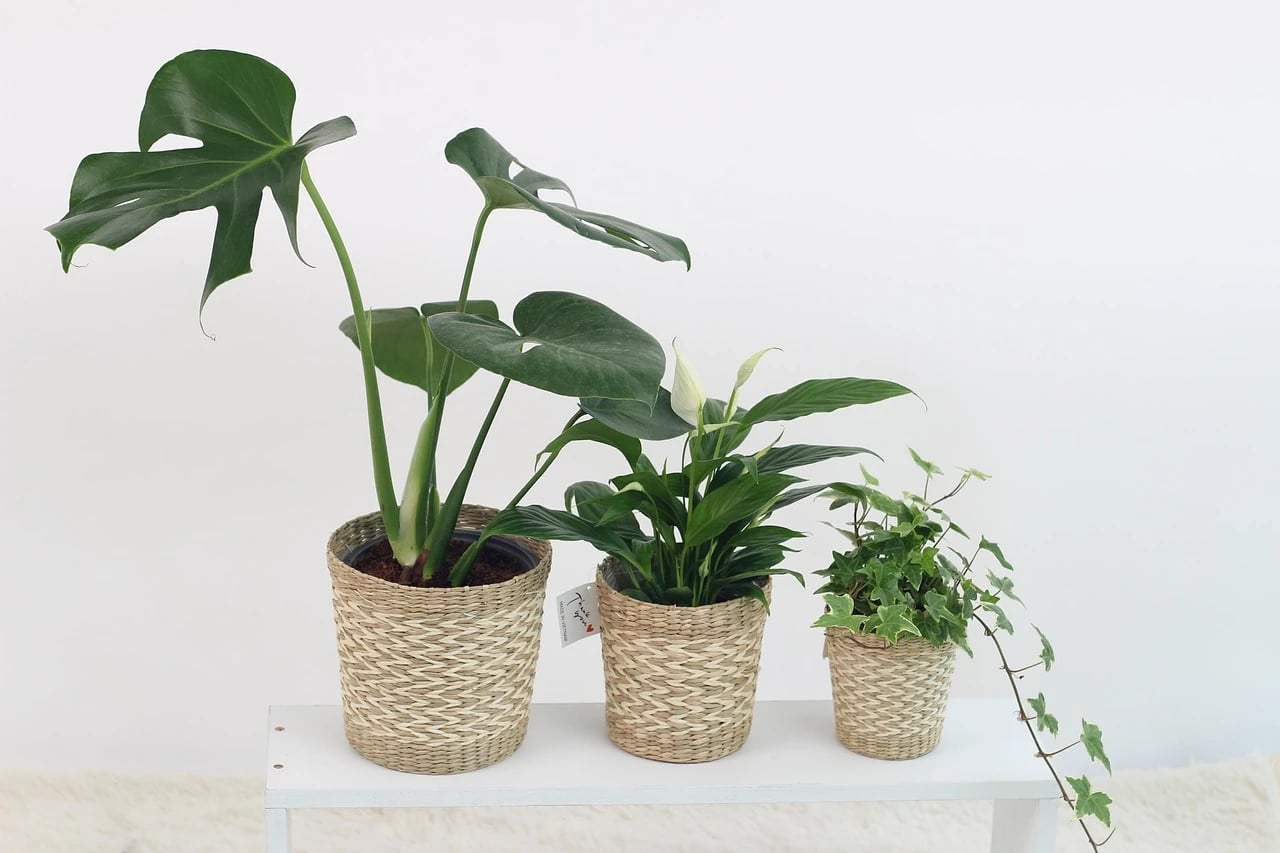
Pink Clover Florist names ivy alongside pansy for Capricorn, linking its steady climb to the sign. In Kate Greenaway’s *Language of Flowers*, ivy means “fidelity.” A sprig can express a lasting commitment.
For English ivy indoors, Clemson Cooperative Extension advises bright light away from direct sun. Water thoroughly, then wait until the top half-inch of soil dries.
Keep the pot inside rather than planting it near natural areas. NC State Extension warns that English ivy is invasive in many U.S. regions. The ASPCA lists it as toxic to cats, dogs and horses.
Best for: Someone who wants a fidelity-themed indoor plant and has no pets that could reach it.
See more: 7 Leo Zodiac and Birth Flowers (and How to Grow Each One) →
6African Violet, a Capricorn Houseplant
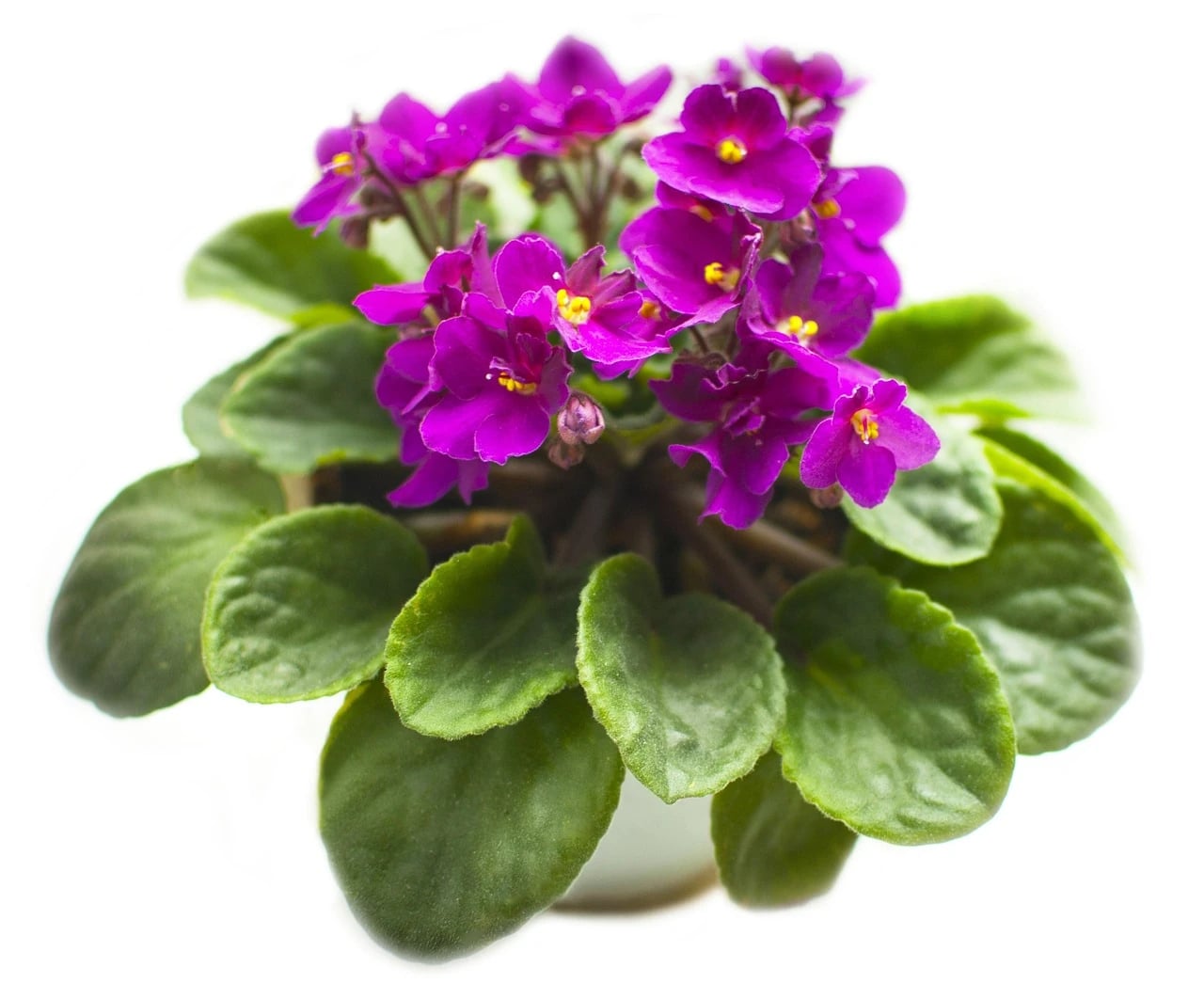
Teleflora names African violet as its flower for Capricorn. It’s a compact, year-round houseplant, and the ASPCA lists it as non-toxic to cats and dogs.
Set the pot where it gets bright, indirect light. Iowa State University Extension advises keeping the soil evenly moist while avoiding wet leaves. Check the soil by hand instead of watering on a fixed schedule.
Best for: Someone with cats or dogs who wants a compact, year-round houseplant for bright, indirect light.
See more: 6 Virgo Zodiac and Birth Flowers (and How to Grow Each One) →
5Carnation, Capricorn’s January Birth Flower

For a birthday in January, a carnation belongs on the list for a different reason. The University of California Cooperative Extension names it January’s birth flower and gives its meanings as love, distinction and fascination.
For a cut bouquet, Utah State University Extension reports a vase life of 9 to 28 days when blooms are properly stored. To grow carnations, give them full to part sun and well-drained soil. NC State Extension has plant details to check against the garden.
Before sending a bouquet, ask about pets. The ASPCA lists carnations as toxic to cats and dogs.
Best for: Someone celebrating a January birthday who wants a long-lasting bouquet and has no pets that could reach it.
See more: 6 Taurus Zodiac and Birth Flowers (and How to Grow Each One) →
4Holly, December’s Companion Birth Flower
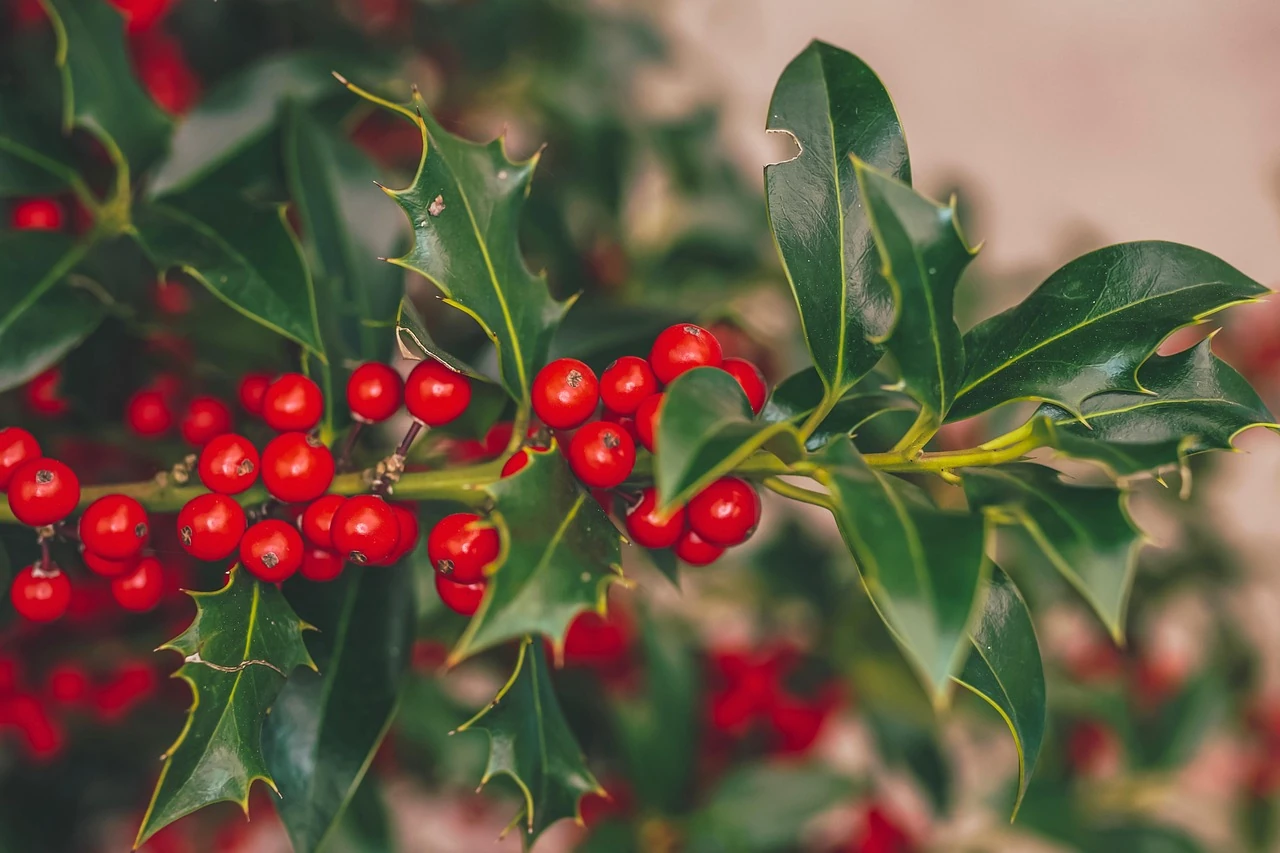
Before cutting a sprig, ask whether pets can reach it. The ASPCA lists American holly as toxic to cats and dogs.
FTD and the Society of American Florists name holly alongside narcissus as a December birth flower. That gives a December birthday arrangement a choice beyond blooms.
Growing American holly instead of cutting it? Choose sun to part shade outdoors. Clemson Cooperative Extension says fruiting is best in sun. Check the yard’s light if berries are the goal.
Best for: Someone planning a December arrangement or sunny garden planting where cats and dogs cannot reach holly.
3Narcissus Paperwhite, December’s Birth Flower

A paperwhite bulb needs no chilling before it grows indoors. Penn State Extension says to set the bulbs close together without letting them touch, in a pot 3 to 5 inches deep. Put the pot somewhere cool and sunny.
FTD names narcissus as a December birth flower. With a paperwhite, the recipient can watch a bloom open rather than receive stems already cut at the shop.
Check the household first. The ASPCA’s daffodil listing includes paperwhite and marks it toxic to cats and dogs.
Best for: Someone with a December birthday, a cool sunny spot and no pets that could reach the bulbs.
See more: 5 Sagittarius Zodiac and Birth Flowers (and How to Grow Each One) →
2Poinsettia, a Winter Gift for Capricorn
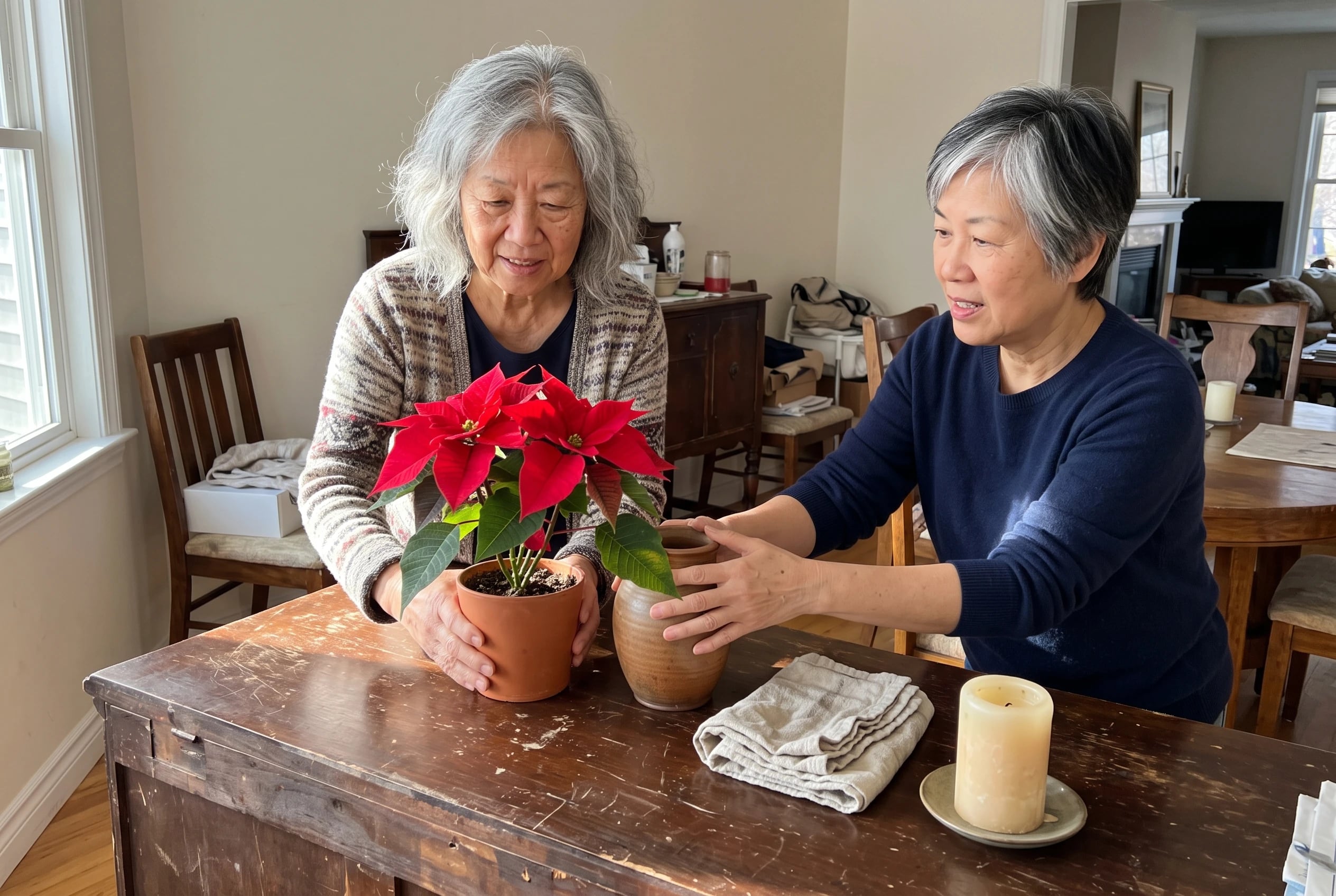
If a pet could reach the plant, choose another centerpiece. The ASPCA lists poinsettia as toxic to cats and dogs, with irritation usually mild.
ProFlowers suggests it as a winter gift for Capricorn. That makes it a seasonal pick from a florist’s guide.
Keep the plant indoors in bright light. For outdoor planting in a frost-free area, University of Florida IFAS Extension advises full to part sun after the danger of frost has passed. A warm afternoon alone isn’t the signal to move it outside.
Best for: Someone seeking a bright winter centerpiece in a home where cats and dogs cannot reach it.
1Pansy, the Capricorn Zodiac Flower

For a cool-season window box, 1-800-Flowers names the pansy as Capricorn’s flower, and the Missouri Botanical Garden describes how to grow it as a cool-season plant.
Plant pansies in fall after the weather cools. Clemson Cooperative Extension recommends sun to part sun. Leave 6 to 8 inches between small-flowered types, or 10 to 12 inches between large-flowered ones.
Missouri Botanical Garden advises winter mulch and removing the plants when summer heat arrives. For a home with cats or dogs, the ASPCA describes pansies as non-toxic.
For a Capricorn zodiac flower meaning, Kate Greenaway’s flower guide gives ivy “fidelity,” while the University of California gives January’s carnation “love,” “distinction” and “fascination.” For a Capricorn zodiac flower tattoo, a pansy paired with the sea-goat symbol can show both the sign and the florist’s pick.
Best for: Someone wanting a cool-season container or garden border with a flower the ASPCA describes as non-toxic to pets.
The bottom line
The flower for Capricorn changes with the question being asked. A zodiac guide gives a sign-based pick. A birthday chart gives a month-based one.
Before growing or giving one, check the light, planting season and whether pets could reach the plant.
Up next
12 Zodiac Flowers for Every Sign (and Their Birth Flowers)
Find each sign’s flower, dates, alternate picks and birth-month flowers in one place, with a pet check before you choose a bouquet.
Read the list →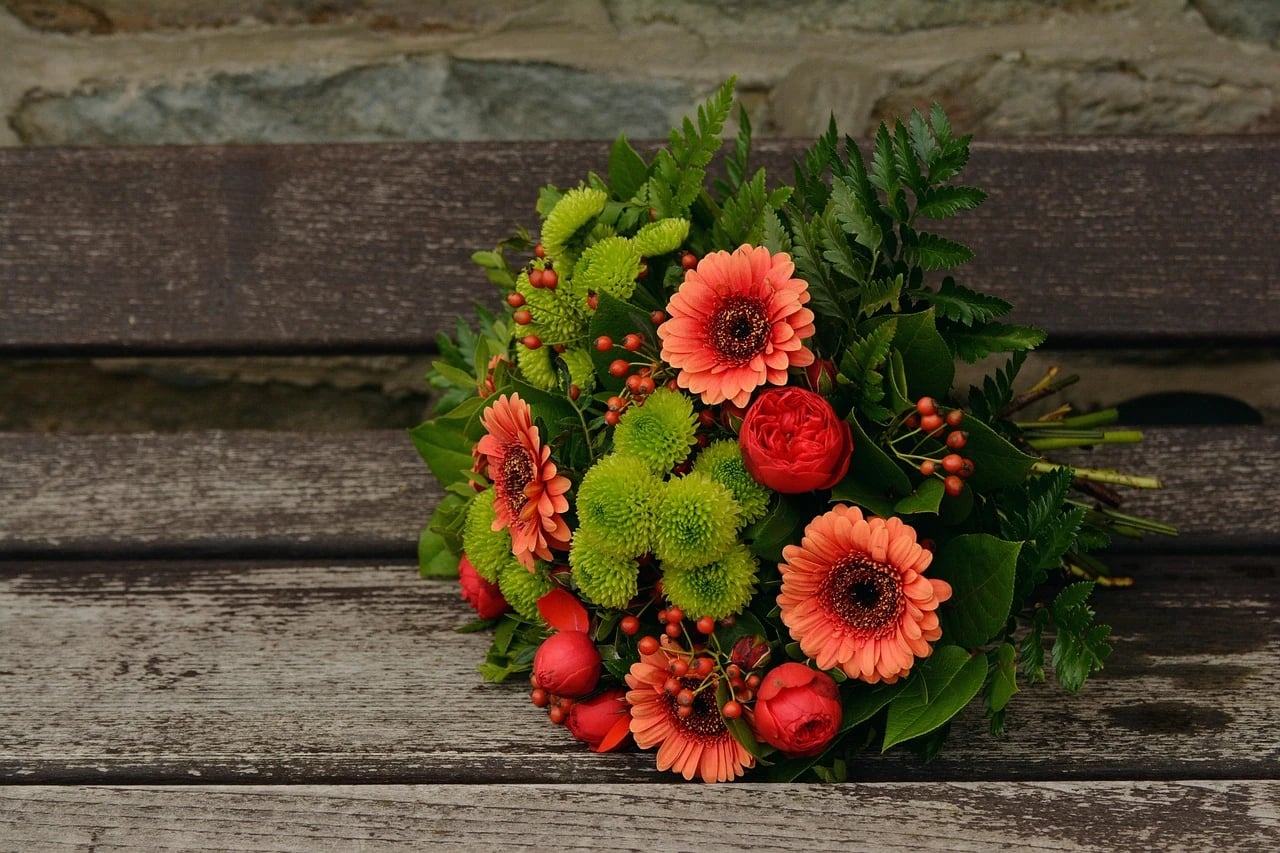
Reader quiz
Did you catch the details?
5 questions from this article.
For English ivy grown indoors, when does the article say to water it again?
Questions people also ask
What is January’s birth flower?
January’s birth flowers are carnation and snowdrop, according to FTD’s birth flower guide. The Society of American Florists also names carnation for January. A Capricorn born between January 1 and January 19 can choose either one.
What is the birth flower for January 20th?
Carnation is the January birth flower for a January 20 birthday, according to the University of California Cooperative Extension. January 20 is commonly printed as the start of Aquarius rather than Capricorn. For a sign-based flower, check the birth year, time and place before choosing one.
Why do florists name different flowers for Capricorn?
No body sets zodiac flowers. Pink Clover Florist and 1-800-Flowers name pansy for Capricorn; Teleflora names African violet, and ProFlowers suggests poinsettia. The Royal Horticultural Society documents how flower meanings vary across traditions.
Which Capricorn flowers are safe around cats and dogs?
The ASPCA describes pansies as non-toxic to pets and lists African violets as non-toxic to cats and dogs. It lists ivy, carnations, holly, paperwhite narcissus and poinsettias as toxic to cats and dogs.
Did any of these feel familiar?
Know someone who needs this?
Sources cited in this article
This article links to 14 outside sources, listed here so you can read them yourself.
- Clemson Cooperative Extension hgic.clemson.edu/factsheet/growing-english-ivy-indoors
- ASPCA www.aspca.org/pet-care/aspca-poison-control/toxic-and-non-toxic-plants/hahns…
- ASPCA lists it as non-toxic www.aspca.org/pet-care/aspca-poison-control/toxic-and-non-toxic-plants/afric…
- Iowa State University Extension yardandgarden.extension.iastate.edu/how-to/all-about-african-violets
- University of California Cooperative Extension ucanr.edu/node/102694/printable/print
- ASPCA lists carnations as toxic www.aspca.org/pet-care/aspca-poison-control/toxic-and-non-toxic-plants/carna…
- ASPCA lists American holly as toxic www.aspca.org/pet-care/aspca-poison-control/toxic-and-non-toxic-plants/ameri…
- Clemson Cooperative Extension hgic.clemson.edu/factsheet/holly
- Penn State Extension extension.psu.edu/forcing-flowering-bulbs-for-indoor-beauty
- ASPCA’s daffodil listing www.aspca.org/pet-care/aspca-poison-control/toxic-and-non-toxic-plants/daffo…
- ASPCA www.aspca.org/pet-care/aspca-poison-control/toxic-and-non-toxic-plants/poins…
- University of Florida IFAS Extension ask.ifas.ufl.edu/publication/EP349
- Clemson Cooperative Extension hgic.clemson.edu/factsheet/pansies-and-johnny-jump-ups
- ASPCA describes pansies as non-toxic www.aspca.org/news/are-these-fall-plants-hazardous-or-harmless
Vera Collins
Astrology Editor
Vera writes about zodiac flowers, birthstones and the astrology milestones that arrive after 50, in plain words, and says where the traditions disagree.
More from Vera Collins