23 Ways to Take a Compliment That Ends With "For Your Age"
The phrase arrives while you're holding a shopping bag or reaching for a coat. It asks you to smile anyway.
By Margaret Hale, Travel & Lifestyle Editor
Updated · 15 min read
- Written by our travel & lifestyle editor
- How we review
Read to the end: #1 is a reply that names the age tag without starting a fight, and almost nobody tries it.
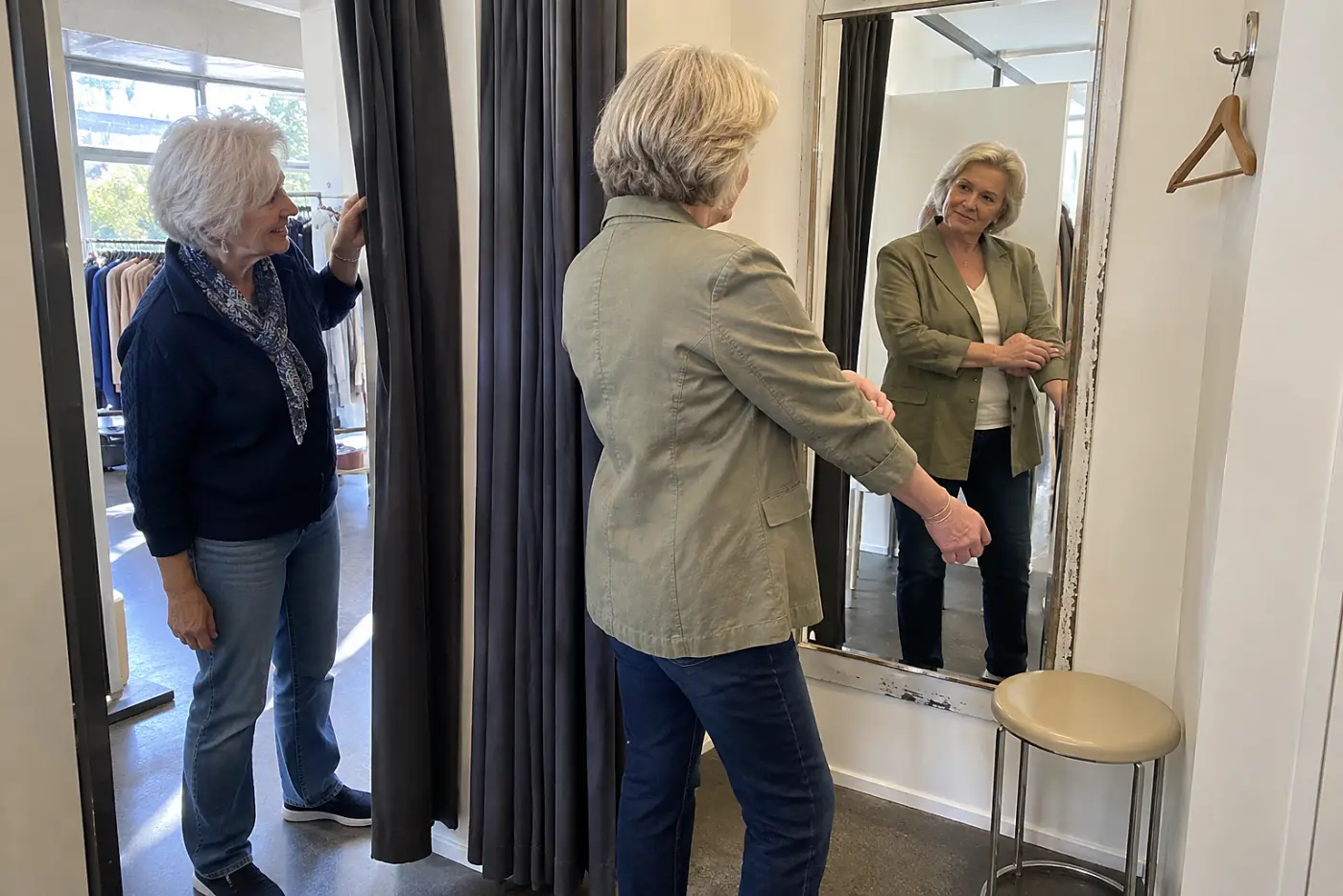
The fitting-room curtain scrapes against its rail. You step out in a jacket you like, and someone says, “You look great for your age.” The mirror is still there. So is the jacket.
It sounds like praise because it starts that way. But the last three words move the subject from your clothes to a comparison you never agreed to make.
Here are 23 ways to answer, from the quickest exit to the clearest reply.
23Take the first three words and leave
The last three words don't need your help.
If “You look great” was enough to hear, take that part. “Thank you” acknowledges the praise without agreeing with the age test attached to it. You haven't signed anything by being polite.
This works when you're passing a neighbor's table or collecting your coat. A full conversation would cost more time than the remark deserves.
Try it once this week, even if the moment has already passed: say “Thank you” aloud and stop. If someone repeats the age part, you'll want a different answer ready.
The next choice depends on whether you want to stay.
22Keep your hand on the door

An exit disappears when you stop to explain.
At a party, the speaker gets another turn if you stand there defending your reaction. Keep moving, and the exchange ends on your timetable. Your half-finished trip to the kitchen is reason enough to go.
Staying to educate a stranger costs you the conversation you came for. It also gives a careless remark the whole evening.
This week, practice a line while walking across your living room: “Thanks, I'm going to grab some water.” Say it without speeding up or looking back. You don't owe the person a hearing, and you don't need a dramatic exit.
Before the next gathering, notice where you'll go after the greeting. The kitchen, the coat rack, or a friend across the room gives your feet somewhere to take you.
A departure works less well when you're seated beside them.
21Pass the conversation back to the jacket
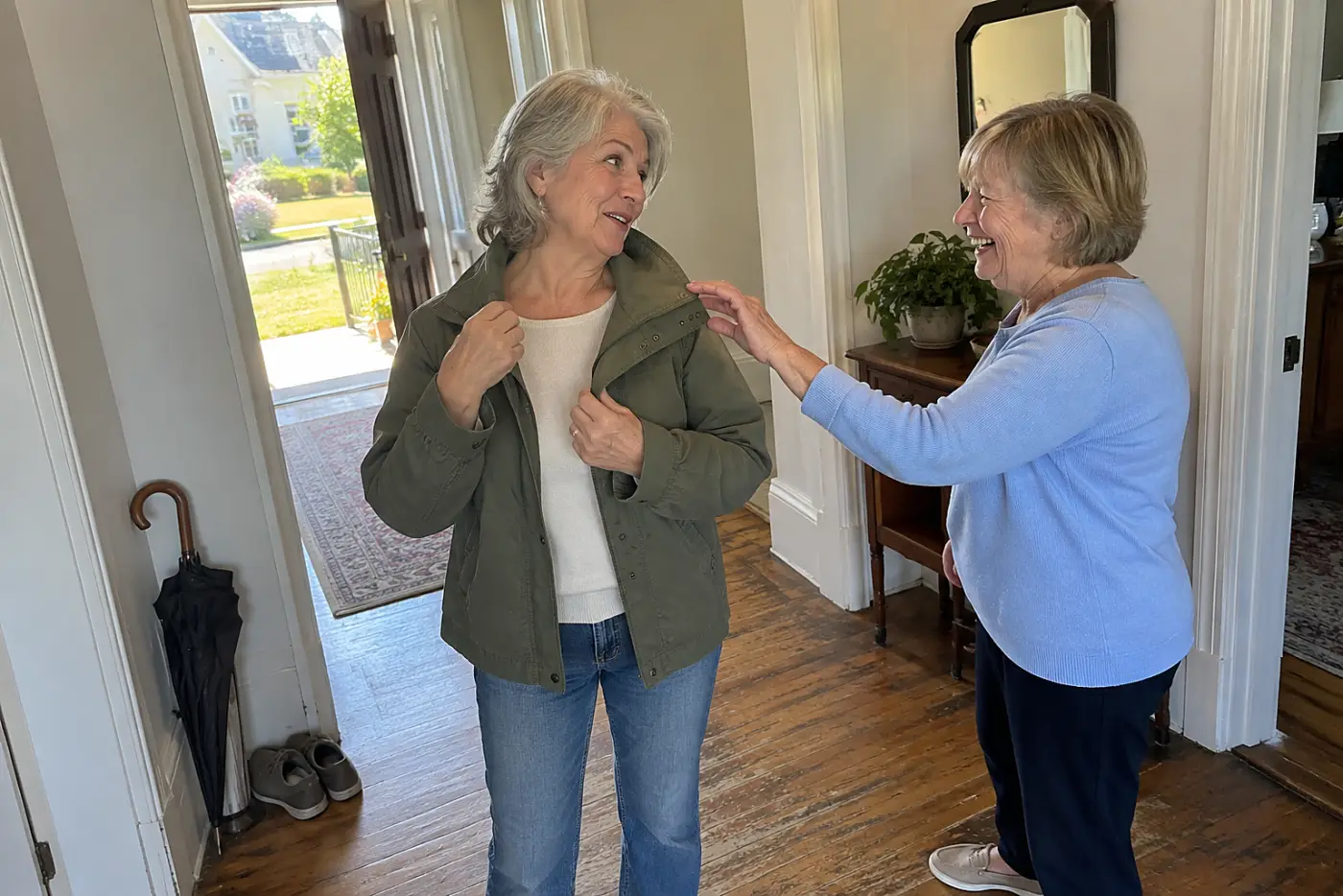
The outfit was there before your age entered.
A comment about your coat gives you something to answer. Mention the collar or pocket that made you buy it. The other person gets a route back to the subject they started with.
Otherwise, you spend the next minute discussing how old you look. That's a poor return on a jacket you chose yourself.
Pick one detail on something you'll wear this week. Say, “Thanks, I love this collar.” Their next sentence tells you plenty.
And if they steer straight back to your age?
20Ask what the last words meant
A vague compliment gets harder to hide behind when repeated.
Ask the speaker to explain “for your age.” Then wait. Some people hear the comparison for the first time when they have to say it again. Others confirm exactly what they meant.
You risk an awkward pause, but you stop doing the work of guessing. That matters most with someone you'll see again, where silence today sets up the same line next month.
Try the question at home before using it: “What did you mean by ‘for my age’?” Keep your voice level, and let the answer finish. If the person says they meant well, you still get to decide whether the explanation fits what you heard.
An explanation isn't the same as a better compliment.
19Request the compliment without its ending

The repair is shorter than the original remark.
Give the speaker the part that worked: “You look great.” This isn't a demand for a speech. It's a small edit, offered while both of you remember the exact words.
Left alone, the age tag hangs in the air as though it belongs there. A quick correction keeps it from becoming the price of accepting praise.
This week, rehearse a line that sounds like you: “I'll take ‘you look great.’” Smile if you feel like smiling. If they repeat the line without the ending, accept it and move on.
Their next compliment will show whether the edit stuck.
18Keep the shop assistant on the clothes

A sales pitch can turn your body into the product.
If an assistant says a dress looks good “for your age,” the fitting room still has a job to do. You need to know about the hem, the fit, and the fabric. An age comparison won't tell you whether the sleeves pull when you reach forward.
The cost of letting the remark lead is a purchase judged against somebody else's picture of you. That isn't why you brought the dress into the room.
This week, try on one piece and check it while sitting and raising both arms. Ask the assistant, “Does this hem stay level when I walk?” Bring the exchange back to what the garment does, not what the assistant thinks a woman your age should wear.
Then listen for whether the advice becomes useful.
17Answer the haircut before the age tag
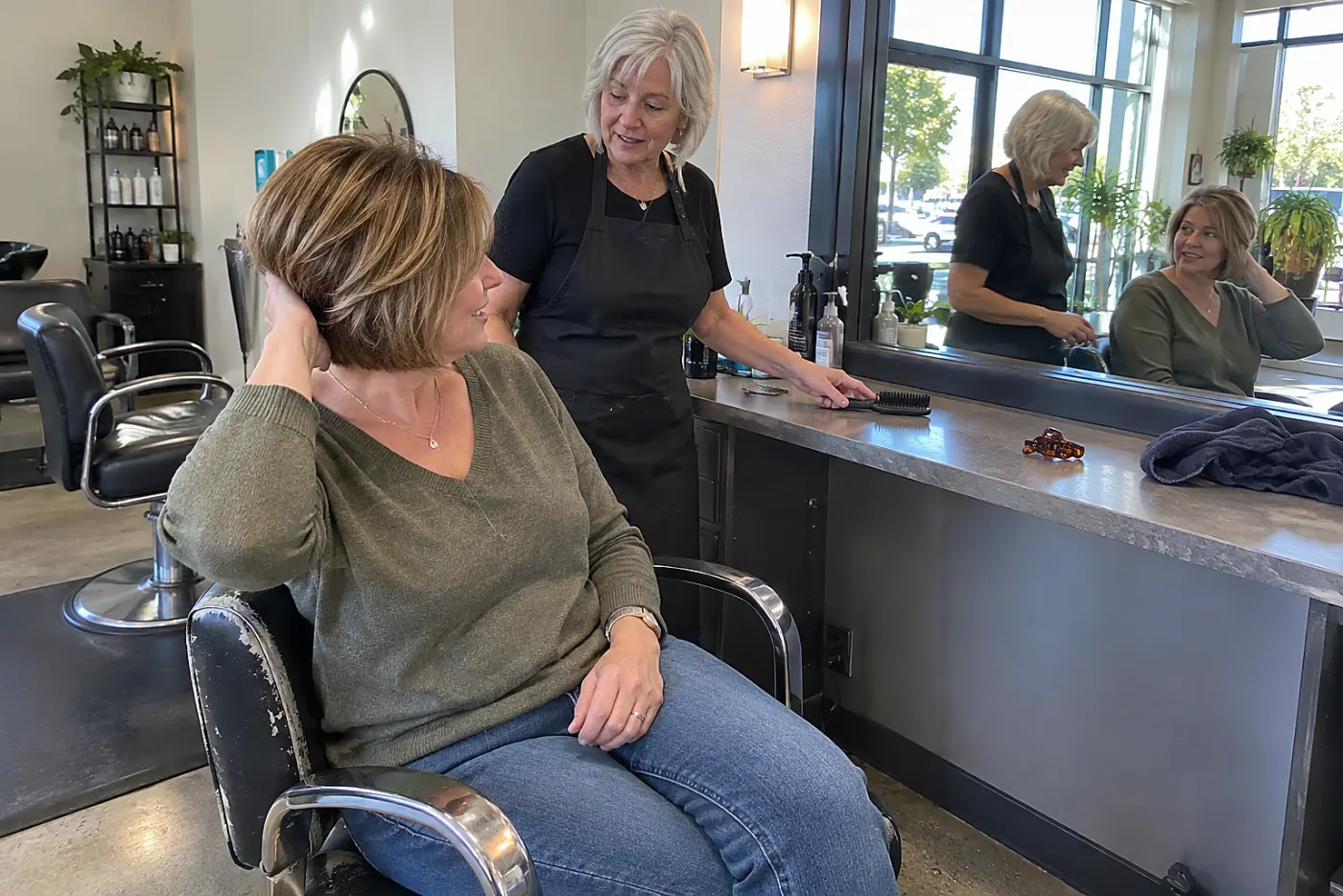
Your haircut deserves its own sentence.
When someone says your new cut is “brave for your age,” talk about the cut. Perhaps you wanted less weight at the back or bangs out of your eyes. A practical answer leaves little room for a lecture about which styles belong to whom.
If you accept the “brave” label, a routine salon visit turns into a debate you didn't book.
At your next appointment, tell the stylist what you want in plain terms. Later, if the remark comes, say, “Thanks, I wanted it shorter around my face.” You chose the cut; you get to describe it.
Clothes and hair aren't the only things people inspect.
16Return the focus to the photograph

A photograph catches a moment, not an age verdict.
Someone sees a picture from dinner and says you look young “for your age.” You remember the table, the people, or the reason everyone was laughing. Answer with that detail instead of examining your face for evidence.
If you follow the comment into a debate about looking younger, the photo stops belonging to you. The evening becomes a test you never signed up for.
This week, pick a picture you like and write down what was happening just outside the frame. If someone comments on your age, say, “Thanks, we were laughing at the toast.” Then ask whether they've seen the other photos. You can move the talk without pretending you didn't hear the ending.
A screen gives you even more control over the next reply.
15Leave the comment box unanswered

A public comment doesn't require a public correction.
Under a photo, “beautiful for your age” invites strangers into a conversation about your face. Replying puts the remark back into the feed. You are allowed to let it sit without supplying context or gratitude.
The cost of answering is attention, including another trip through the notification list. Silence keeps you out of that loop.
This week, practice leaving one comment unanswered until the next day. If you still want to reply, write, “Thank you for the kind thought.” You choose whether that response belongs under your photo.
Private messages call for a different kind of decision.
14Set a boundary in the family chat

Family history makes a small phrase travel farther.
In a group chat, an age joke attracts follow-up jokes. Reply to the pattern instead of defending how you look in the latest picture. Name the wording you want dropped, then leave room for the conversation to continue.
If nobody interrupts it, the next birthday photo gets the same treatment. You shouldn't have to brace for that each time you share a picture.
This week, send a direct message to the person who started it rather than staging a group argument. Say, “I know you meant that kindly, but please skip ‘for your age’ when you're talking about me.” Keep the request tied to the words, not a verdict on the person.
See what happens when the next photo goes up.
13Tell your friend which part landed

A friend deserves a more honest answer than a stranger.
If you trust the person, say what happened inside the compliment. You liked hearing that the dress suited you. The age comparison spoiled the landing. Both facts fit in one conversation.
Swallowing it to keep things pleasant leaves your friend with no reason to change course. Snapping at every compliment won't get you the praise you wanted, either.
Call or text this week: “I loved that you noticed the dress. The ‘for your age’ part stung.” Give them room to answer before you change the subject.
Close friends aren't the only people who repeat familiar lines.
12Correct the colleague in private

A workplace compliment has an audience even after lunch.
When a colleague says you handled a presentation well “for your age,” the remark follows your work into a comparison about age. Address it outside the meeting. Keep your answer on the presentation and the words used about it.
Letting it pass leaves the work unacknowledged on its own terms. A public showdown also risks burying the point beneath everyone else's reaction.
This week, ask for a brief conversation or send a short message. Say, “Please keep feedback on my presentation about the work.”
If the remark was written, keep the message and your reply together so you remember the wording. Then watch what language appears the next time your work comes up.
A person with authority over you needs an even clearer record.
11Write down the manager's exact words

A fuzzy memory weakens a clear objection.
After a manager adds “for your age” to feedback, record the date, setting, and words while they're fresh. Keep your response beside them. This gives you something more useful than a summary of how the exchange felt.
If the wording returns, you'll know whether you're hearing a pattern or recalling one sharp moment. The record belongs to you, even if you never use it elsewhere.
This week, make a note after the next feedback conversation. Then say, “Please assess the work without comparing it to my age.” What follows matters as much as the first remark.
Outside work, an audience changes the calculation again.
10Answer the dinner table without performing

A whole table waits when a compliment goes sideways.
You don't have to turn dinner into a lesson because someone praised your outfit “for your age.” A short response lets you keep your place in the meal. Save a longer conversation for someone whose relationship with you warrants one.
The price of a speech is that everyone starts watching your reaction instead of hearing the original line. That hands you the labor of fixing the evening.
Before your next gathering, choose one table-length answer. Try, “Thank you, I like this color,” then pass the bread or ask about dessert. If the same guest repeats the age comparison, you can speak to them later. You get to decide whether the meal is the place for it.
Some comments arrive with no table to hold anyone accountable.
9Keep the stranger at the register moving

A checkout line is no place for a seminar.
When a stranger comments on how young you look “for your age,” you don't need to disclose your age or explain your face. The transaction supplies its own end point: pay, take the bag, go.
Lingering turns a passing remark into your errand. You went there for groceries.
This week, rehearse a neutral answer before your next shop visit: “Thanks. Could I have the receipt?” Use the receipt as the next subject, then leave. If the stranger wants more, the line behind you keeps moving.
An acquaintance gives you less distance to work with.
8Make the neighbor hear the whole phrase
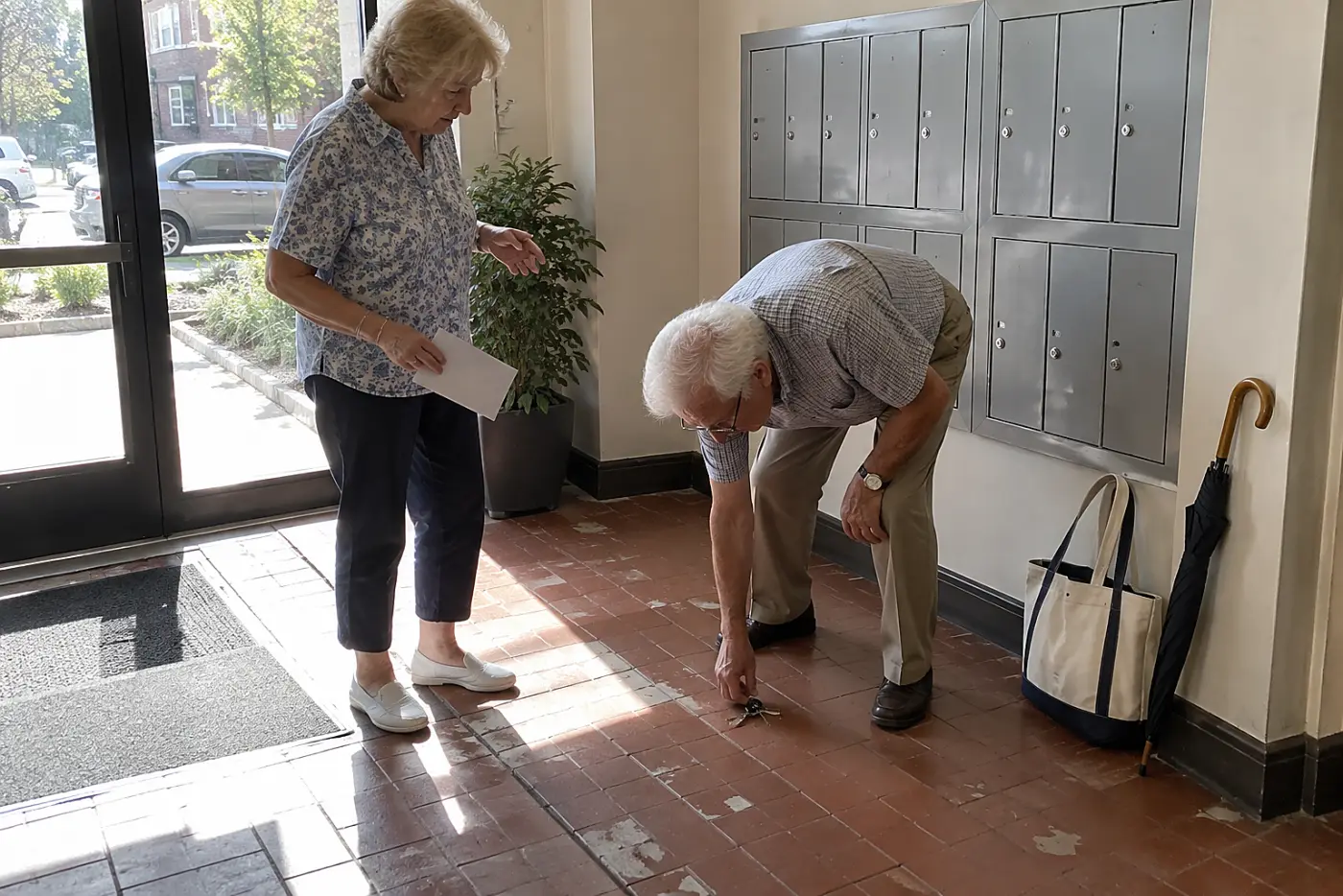
A neighbor's praise tends to come around again.
If she says you look wonderful “for your age” beside the mailbox, repeat the phrase as a question. Hearing her own words gives her a chance to amend them. It also tells you whether she noticed the age tag at all.
You don't have to carry a correction home while she carries on with her mail. But you also don't have to settle the relationship on the sidewalk.
This week, practice saying, “For my age?” without a laugh attached. Wait for her answer. If she backs up, tell her which part you appreciated. If she doubles down, you can finish collecting your mail. Next time you meet, you'll know which conversation you're entering.
A joke is another route, but it needs a target.
7Aim the joke at the wording

The wrong joke makes you its punch line.
You can answer a clumsy compliment with humor without making your own age the problem. Point to the extra words instead. The speaker gets a chance to laugh and revise, while you keep your dignity in the room.
A joke about being ancient gives everyone permission to pile on. That costs more than the brief laugh earns.
This week, try a line in your own voice: “That compliment had an unexpected ending.” Pause there. If the person asks what you mean, quote the ending rather than offering a joke at your expense.
Humor won't suit every remark you hear.
6Refuse the age-guessing game

Guessing your age keeps the comparison alive.
“You don't look your age” sounds pleasant until someone asks for the number. Then the conversation turns into a guessing game, with your face as the answer sheet. You get to decline without revealing anything.
Giving a number to end the game rarely ends it. Someone guesses again, explains their guess, or tells you which features they inspected.
At your next gathering, decide beforehand whether you want to share your age. If you don't, say, “I'm keeping the number to myself. Tell me what you thought of the outfit.” That gives the speaker a real question to answer. If they press, repeat your choice once and turn back to the conversation you were having.
The same rule applies when the compliment is tied to something you've done.
5Put the achievement back in view

Your work shouldn't vanish behind your birth year.
If someone praises your run, painting, or speech “for your age,” answer with the work. Talk about the hill you climbed, the color you mixed, or the point you revised. Those details are yours.
Leaving the qualifier untouched shifts credit from effort to the speaker's low expectations. You don't need to accept that trade.
This week, name one concrete choice behind something you're proud of. Say, “Thanks, I practiced that opening until it felt right.” Let them respond to the thing you actually did.
The next distinction is whose reassurance the remark serves.
4Decline the younger-is-better reassurance

Some praise asks you to fear looking older.
“You haven't aged a bit” treats ordinary change as something you escaped. You don't have to correct the speaker's eyesight. You can accept the affection while declining the idea that younger is the prize.
If you join the comparison, every new photo invites the same inspection. That turns seeing an old friend into checking what time has done to your face.
Before your next reunion, think of one thing you want to ask the person besides how you look. If they bring up age, say, “It's good to see you, too. How's your garden?” The question isn't a surrender. It's a choice about what you came to share.
Sometimes the speaker is trying to reassure themselves rather than see you.
3Let the awkward pause do its job
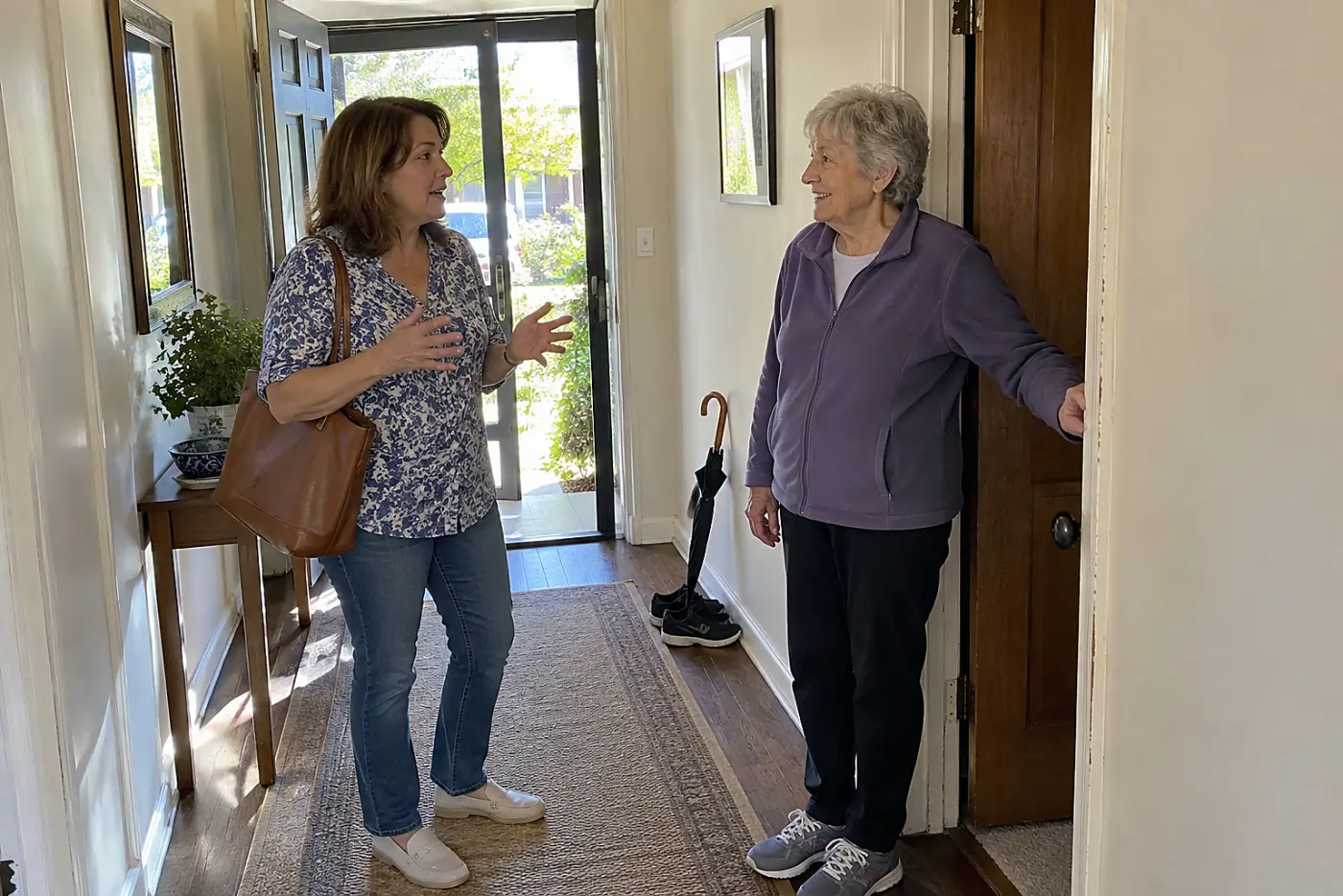
Filling every silence saves the wrong person.
After “for your age,” stop for a beat. The speaker has a moment to hear the ending and change it. You don't need a perfect comeback to make that space.
If you rush to say “It's fine,” you decide the matter for both of you. The pause gives you time to decide what you think.
This week, practice taking one breath before answering any loaded compliment. If the person repairs it, say, “Thank you.” If they don't, choose your next words rather than borrowing theirs.
That choice gets harder when they ask you to forgive the wording.
2Separate good intentions from the result
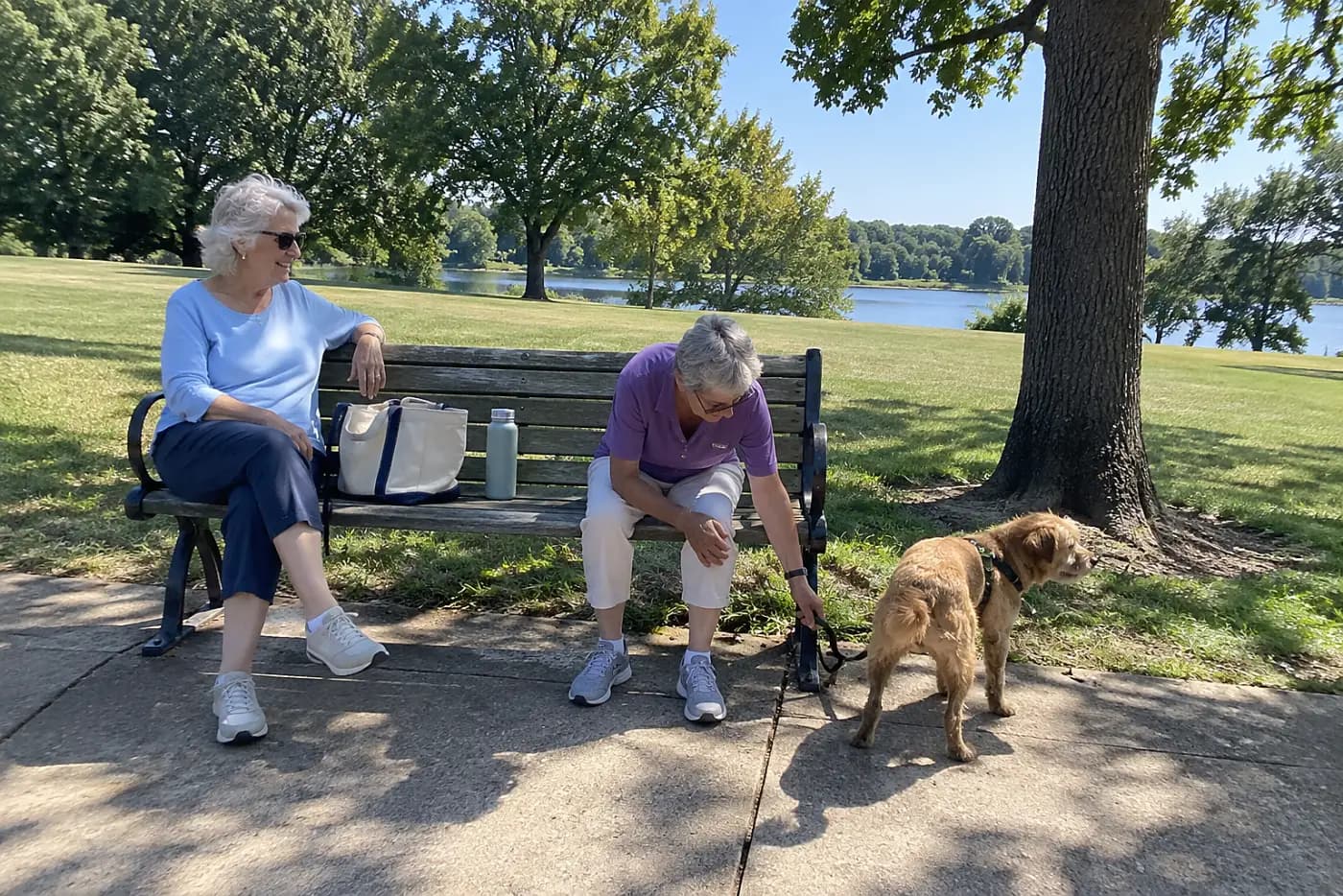
An apology shouldn't require you to praise the original line.
“I meant it as a compliment” tells you what the speaker intended. It doesn't change the words you heard. You can acknowledge the intention without calling the age comparison welcome.
Arguing over whether the person is good or bad takes you away from the sentence you want changed. That is a long detour for three extra words.
This week, practice answering the explanation rather than arguing with it. Say, “I hear you. Those last words still landed badly.” Then stop talking. If they apologize, thank them for hearing you. If they explain again, repeat what landed badly once. You aren't asking them to agree on your feelings before choosing better words next time.
There is one shorter response when you want to say it immediately.
1Name the age tag in one sentence
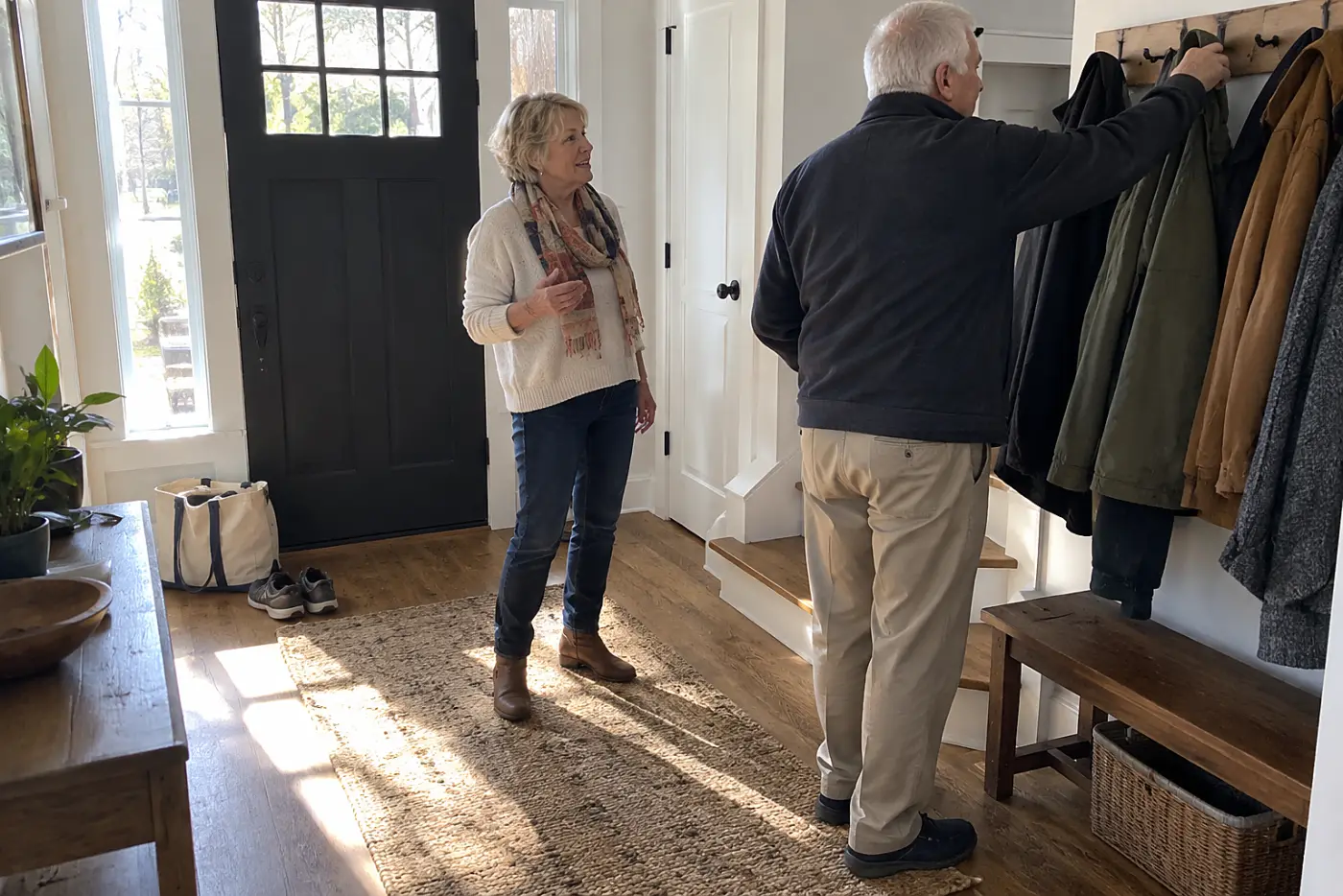
The quickest clear answer doesn't need a speech.
The remark has two parts: praise, then an age tag. Answer with a single sentence that accepts the first part and declines the second, without giving the speaker a question to debate. Put the words “for your age” inside your reply so neither of you has to guess what needs changing.
If you only swallow the ending, you carry it away. If you launch into a full defense of yourself, the speaker gets to debate your reaction. One sentence leaves less to argue with and gives them a direct repair to make.
Try it aloud this week, using a tone you'd use with someone you expect to see again. Say, “Thank you, and I'd like that compliment without ‘for your age.’” Then wait. The pause belongs after your sentence, where the other person has room to answer or try again.
You don't have to decide in advance which answer they'll give.
The bottom line
All 23 replies leave you in charge of which part of the compliment you accept.
The best-prepared version of you has practiced one short line. She has an exit line ready for days when a conversation isn't worth having.
When has “for your age” been added to a compliment you received?
Bonus: The one-sentence age-tag reply
- Hear the praise and the age tag separately.
- Say, “Thank you, and I'd like that compliment without ‘for your age.’”
- Stop there, and give the person room to answer.
- If they try again, accept the new wording or end the exchange.
Margaret Hale
Travel & Lifestyle Editor
Margaret has covered travel for 25 years and has ridden every long-distance train route in the U.S. at least once.
You might also like