23 Things a Good Tailor Fixes That a New Dress Can't
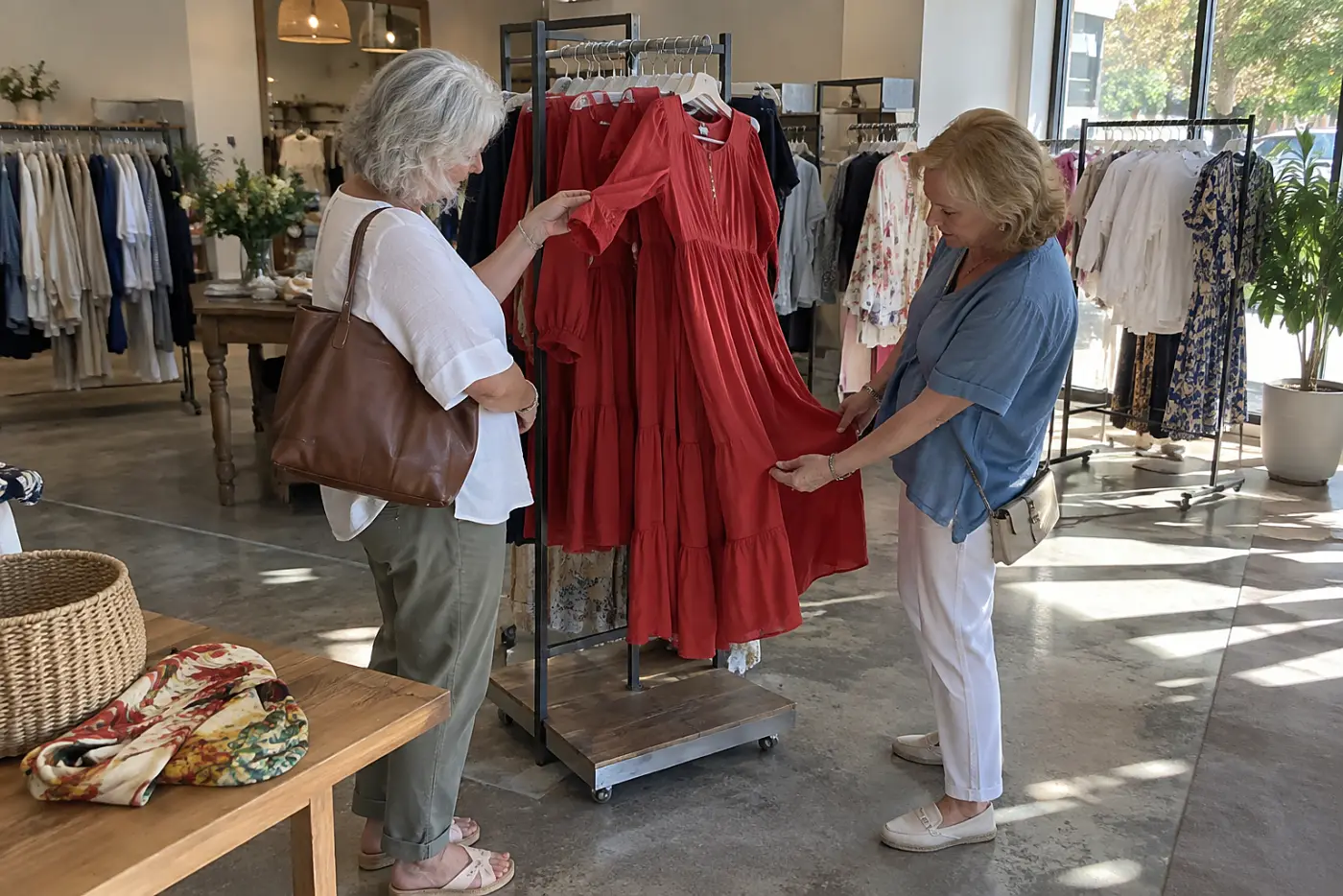
A pinned seam shows where fabric needs to move, while another fitting-room mirror shows the same pull in a different color and size.
By Margaret Hale, Travel & Lifestyle Editor
Updated · 16 min read
- Written by our travel & lifestyle editor
- How we review
Read to the end: #1 is the pin-and-move test that reveals whether a dress is worth buying, and almost nobody does it.
The dress looks right on the hanger. Then you reach for your coat, and a tight line appears across your back. You stand under the fitting-room light with one shoe on, wondering whether a larger size would solve it.
A larger size changes the whole garment, including the parts that already fit. A tailor works on the exact place where cloth fights your body, though even a good one needs enough fabric and room to work.
These 23 fixes show what to bring, what to ask, and when to leave the dress behind.
23A hem pinned over your actual shoes

The wrong shoes make a correct hem look wrong.
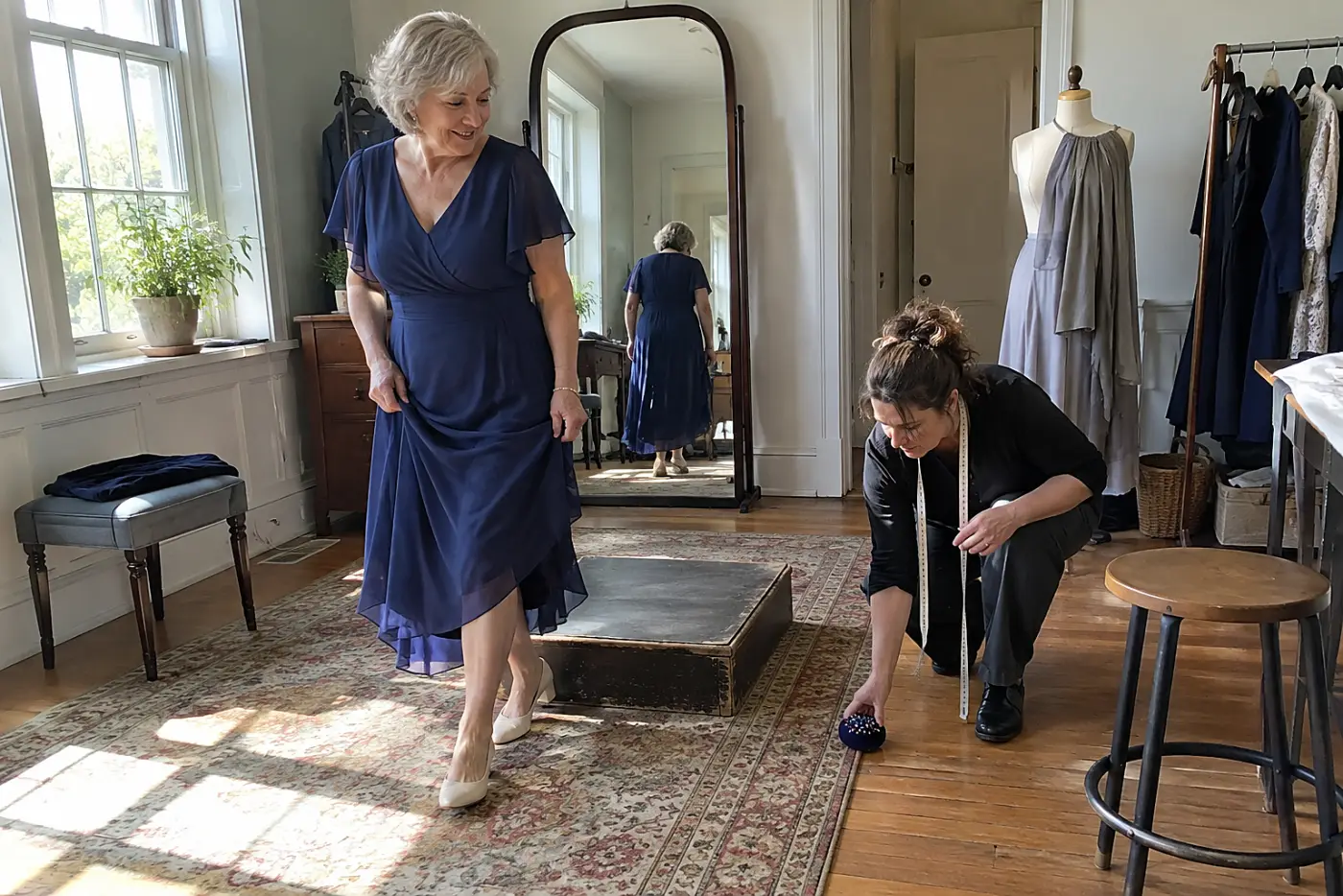
Heel height changes where a skirt ends. The dress also hangs differently once you walk instead of standing still on a fitting-room platform. A tailor pins the hem over your shoes, then watches it in motion.
Without that check, a floor-length skirt catches under your heel. A shorter one reveals more leg than you intended when you sit.
Bring the pair you plan to wear this week, or bring shoes with the same heel height. Say, “I want to walk and sit before we mark the hem.”
The shoes settle one question, but the length can still mislead you.
22A front hem that rises when you stand

The front of a dress climbs while the back stays put.
A fuller bust or stomach takes up length at the front. A hem cut level on a hanger won't necessarily sit level on you. The tailor checks how the dress falls from the shoulder before pinning its hem around your body.
Look at it from the side, too. A front view hides a slope, and sitting changes the line again. The University of Kentucky Cooperative Extension Service publishes clothing resources that distinguish fit on a body from measurements taken flat.
The risk is losing cloth you needed elsewhere. Once the hem is cut, only the folded allowance remains for another try.
Put the dress on this week and have someone photograph it from the side at standing height. At the fitting, say, “Please check the hem all the way around before you cut it.”
Even a level hem won't help if the skirt won't let you move.
21A skirt slit that allows a full stride

A narrow slit turns walking into tiny steps.
On a close-fitting skirt, the slit releases tension where your knees need room. Its height and placement shape how you climb stairs and step into a car. A tailor watches those movements before changing the opening.
Leave it alone, and each long step tugs at the seam above it. Stitching a higher slit also changes how much leg shows when you sit.
Walk across the room in the dress this week. Tell the tailor, “I need to take a normal step without pulling this skirt up.”
Walking isn't the only movement a fitted skirt has to handle.
20A seat seam that strains when you sit

Standing fit tells only half the story.
When you sit, a fitted skirt needs room across the hips and seat. Horizontal pulls beneath the zipper show where the cloth is under strain. A tailor checks the seat seams and their allowances before suggesting a change.
No hidden fabric means no extra width to release. Moving a slit won't supply room across your seat. The University of Nebraska-Lincoln Extension offers clothing construction guidance on seams and fit; the fabric inside this particular dress decides what's possible.
Wear the dress around your house this week and sit on a firm chair. Say, “Can you show me the fabric inside this seam before we plan to let it out?”
Stand again and look at the zipper. That tells a different part of the story.
19A zipper that buckles below the waist

A wavy zipper makes a dress look poorly made.
A zipper ripples when nearby fabric pulls sideways. It also buckles when the zipper is sewn in unevenly. The tailor checks the surrounding fit first; replacing hardware won't fix tight hips.
Ignore the cause, and a new zipper makes the same waves. The YKK zipper care and repair guidance addresses the zipper itself, but it can't tell you whether this dress pulls across your body.
Try the dress with the zipper fully closed this week. Ask, “Is the zipper at fault, or is the fabric pulling it out of line?”
The answer starts at the waist, where the dress needs to stay put.
18A waist seam that lands above yours

A waist seam in the wrong place changes every proportion.
On a dress with a defined waist, that seam belongs at a particular point on your torso. When it rides up, the skirt starts too high and the bodice pulls. When it drops, fabric pools above the join.
A tailor checks bodice length before taking in either side. Narrowing the waist won't move a horizontal seam; shifting that join means opening and resewing the bodice and skirt. The construction decides how far it moves without distorting the dress.
Put on the dress this week and mark your natural waist with a thin ribbon. At the fitting, say, “Can this seam meet the ribbon without pulling the bodice out of shape?”
Once the waist is placed, watch what happens above it.
17Side seams that twist toward the front

A twisting seam keeps asking you to straighten the dress.
Side seams belong near the sides of your body. Uneven construction, off-grain fabric, or a tight spot pulls them forward. The tailor checks which cause is at work before taking anything in.
Look at the seam after the dress has hung overnight. If the cloth itself was cut off grain, narrowing a seam won't straighten its threads. The Textile Institute uses *grain* to describe the direction of threads in woven cloth.
Hang the dress overnight this week, then put it on without tugging it into place. Ask, “Will an alteration fix this twist, or is the fabric cut wrong?”
If the seams stay straight, another line of fabric deserves attention.
16Darts that end in the wrong place

A pointy dart ruins an otherwise good bodice.
Darts fold fabric to shape it around curves. A bust dart ending too close to your bust point creates a sharp tip. Bad placement sends wrinkles across the front, even when the dress has enough room.
The tailor checks its direction, length, and nearby fabric before restitching it. You don't need a different bust size to have a dart problem. Two dresses with the same label put their shaping in different places.
This week, look at the bodice from the side as well as the front. Say, “Can you move this dart so the fabric lies flat without leaving a point?”
The next trouble spot hides where the front and back meet.
15Armholes that gape when you reach

An armhole fits at rest and gaps in motion.
A front armhole gap points to extra fabric or a shoulder that sits wrong. Pinning the gap shut right away risks taking away room for your arm. A tailor tries pins while you reach forward.
The standing mirror won't show that trade-off. A tidy armhole that pinches when you drive is no improvement.
Try reaching for a shelf this week while wearing the dress. Ask, “Can we close this gap and still leave room for my arm?”
Your reach also puts pressure on the sleeve itself.
14Sleeves that pull when you lift

A pretty sleeve shouldn't hold your arms down.
A sleeve works with its armhole. When its cap is set poorly, fabric pulls across the upper arm as you lift it. When the sleeve itself is narrow, changing the armhole won't give your arm more space.
Those fixes involve different seams. Ask the tailor to point to the source of the pull before any stitches come out. Some sleeve designs leave almost no fabric inside the seams, so extra width isn't there to release.
Wear the dress this week and lift both hands as if putting a bag on a shelf. At the shop, say, “Show me where the sleeve is pulling before we change the armhole.”
Bring the bag, too. Its strap tests a different part of the shoulder.
13Shoulder seams that slide toward your arms
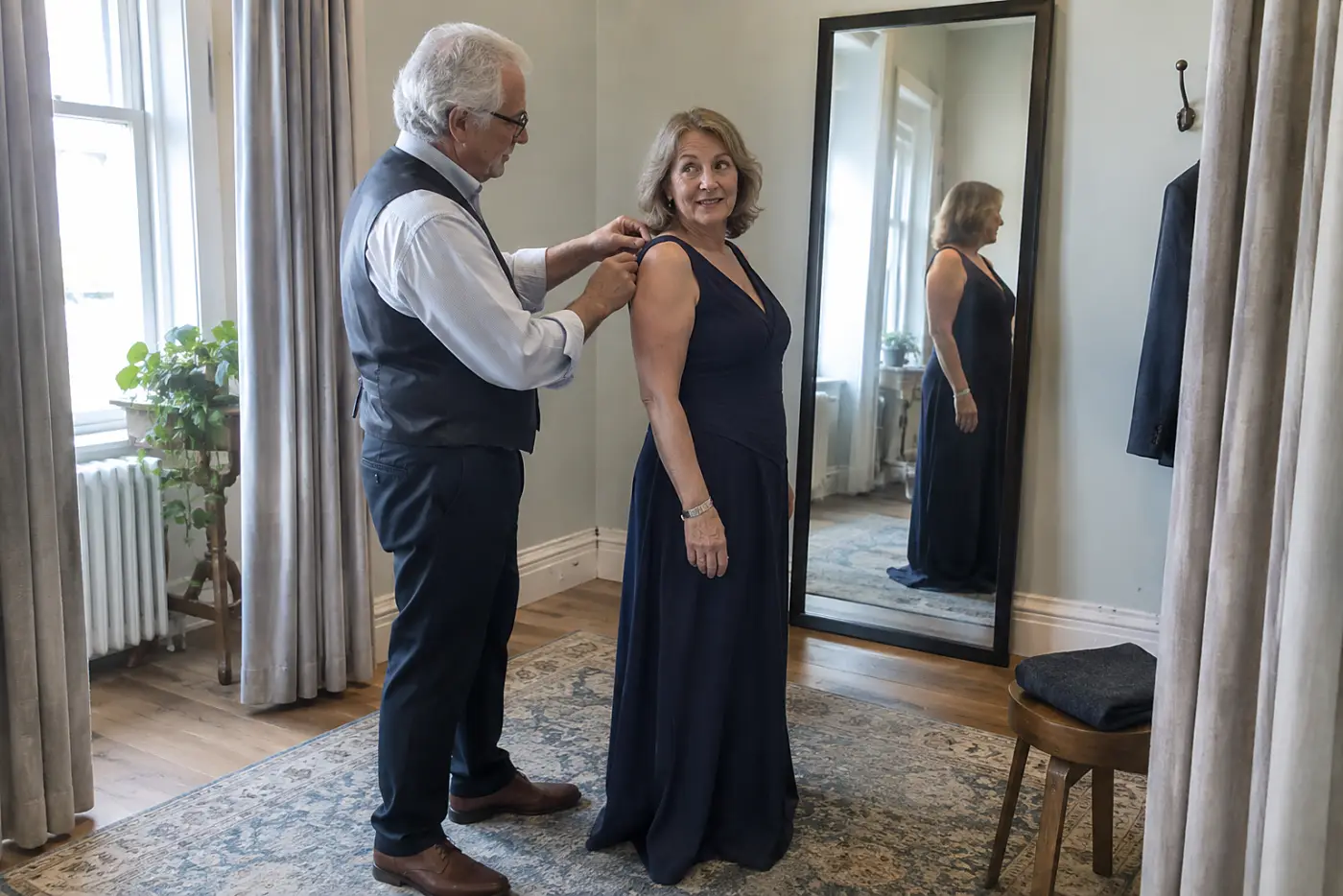
A slipping shoulder changes how the whole dress hangs.
The shoulder seam supports the neckline, sleeve, and bodice. When it sits too far out, the neckline spreads and the sleeve droops. A tailor checks whether narrowing the shoulder will disturb the armhole.
A quick adjustment at the side won't put that seam back on your shoulder. Altering it also changes where the sleeve joins the dress. That's why the shoulder gets checked before anyone pins the waist.
Try the dress with your usual bra this week and let your arms hang naturally. Say, “I want the shoulder seam checked before you pin the sides.”
Once the shoulder holds, look toward the neckline.
12A neckline that opens when you bend
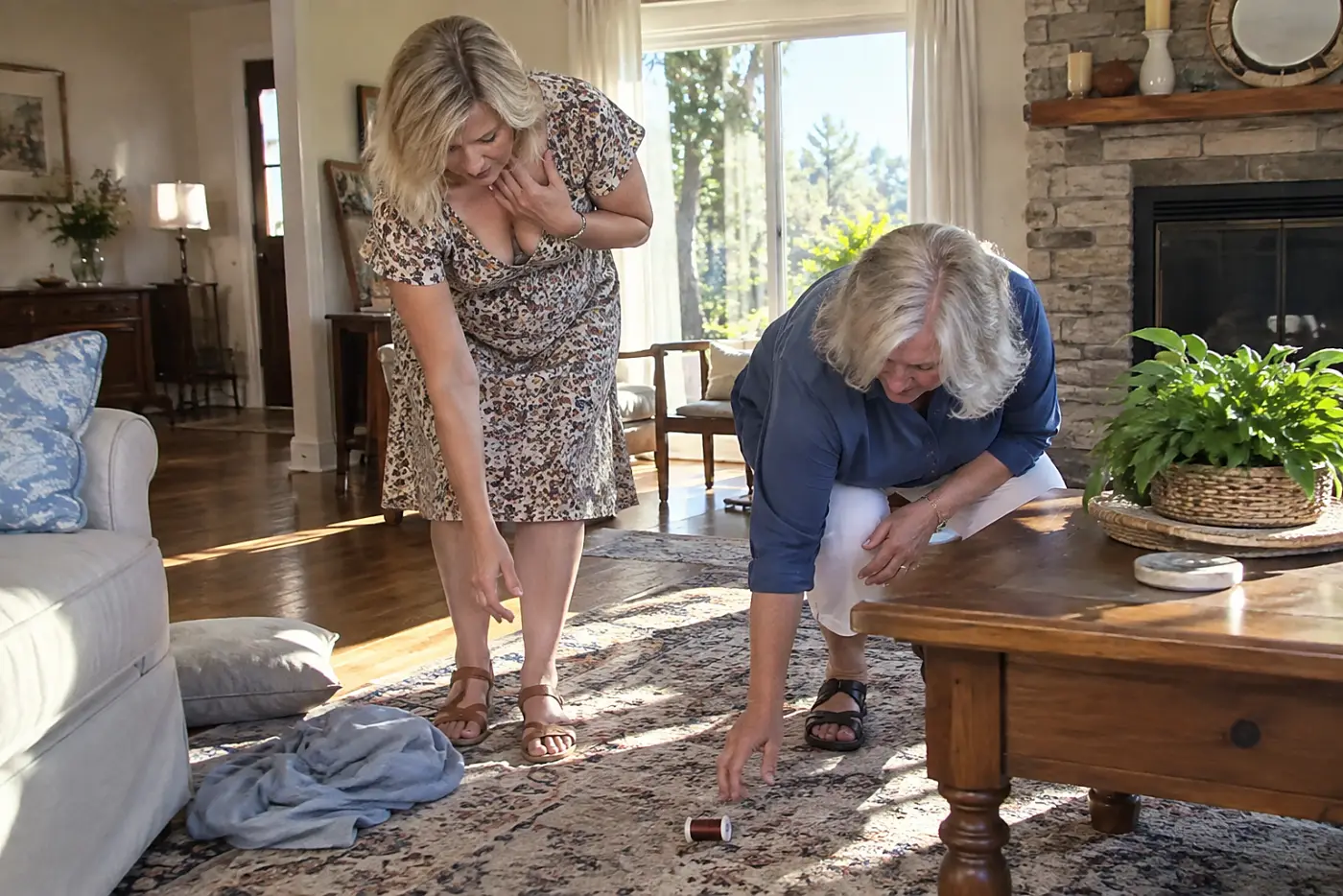
A neckline looks secure until you lean forward.
Extra length along its edge leaves a gap that standing straight conceals. The tailor checks the shoulders, then pins the neckline while you bend. Taking in the wrong spot tightens the chest without closing the opening.
Look from the front and side before approving a fix. A lined neckline needs its inner layer opened for a lasting alteration. The American Sewing Guild has sewing education resources; the useful lesson here is visible in the fitting room.
Spend this week testing the dress while picking something up from a low table. At your fitting, say, “I need this neckline to stay in place when I bend.”
Straighten up, then check the straps under the dress.
11Bra straps visible beside the dress straps
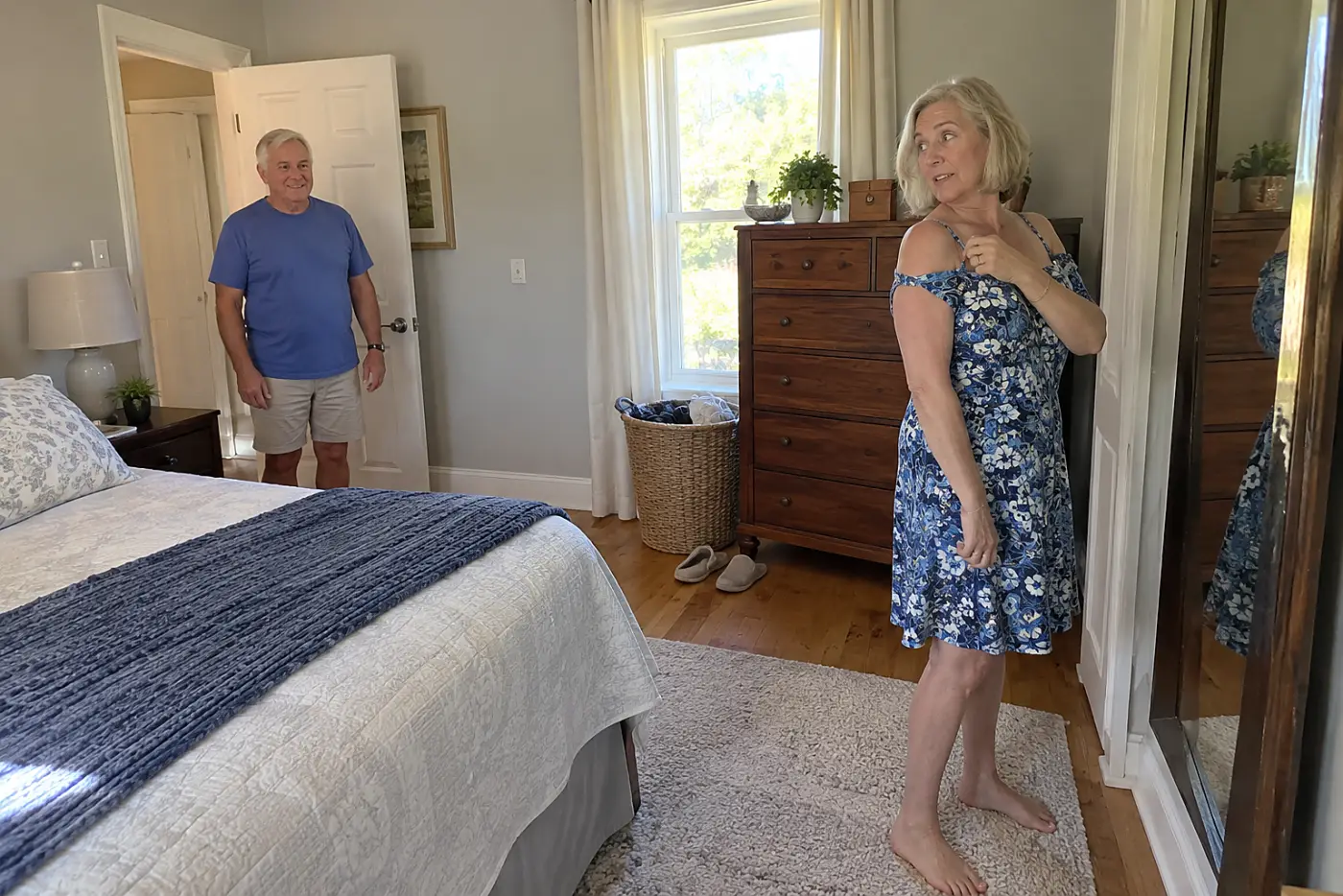
A strapless bra isn't the only answer.
Your dress straps have a position and width; your bra straps do, too. A tailor checks whether adjusting the dress straps keeps both layers aligned. Then you move, because a standing match doesn't prove they'll stay together.
A misplaced adjustment leaves you readjusting straps through dinner. Shortening them too far also pulls at the neckline.
Wear the bra you intend to use this week, then raise your arms and turn sideways. Ask, “Can these dress straps cover my bra straps without pulling the neckline?”
The fabric beneath those straps carries its own weight.
10Heavy pockets that drag the hips down

Pockets pull a dress out of shape.
A pocket bag adds fabric at the hip. When it hangs too low or bunches, the outside flares even with empty pockets. A tailor checks the dress on you before shortening, securing, or removing the bag.
Taking in the hip first makes the flare worse. You lose room while the fabric inside keeps pushing outward. The Cotton Incorporated fabric care guide discusses how construction and fabric behave; here, feel the pocket through the dress before blaming your hips.
This week, turn the dress inside out and feel where each pocket bag ends. Say, “Please check the pockets before you take anything in at the hips.”
If the pockets are fine, the extra volume belongs somewhere else.
9Side seam allowances hiding extra width

A larger size isn't always the only route.
Inside a side seam sits the fabric beyond its stitching. That seam allowance sets a hard limit on how much width comes out of this dress. The tailor measures both sides and checks for old stitch marks before opening either seam.
Look at the fabric in good light. Needle holes and faded fold lines remain visible on some cloth after a seam moves. The Care Labeling Rule from the Federal Trade Commission tells makers to give care instructions, not an alteration allowance.
No allowance means no release. An uneven amount on the two sides also risks shifting the dress off center, so the tailor has to plan both seams together.
Turn the dress inside out this week and look at both side seams. Ask, “How much fabric is here, and what marks will show if you let it out?”
Extra room helps only if the layer underneath follows it.
8A lining that pulls beneath a loose dress
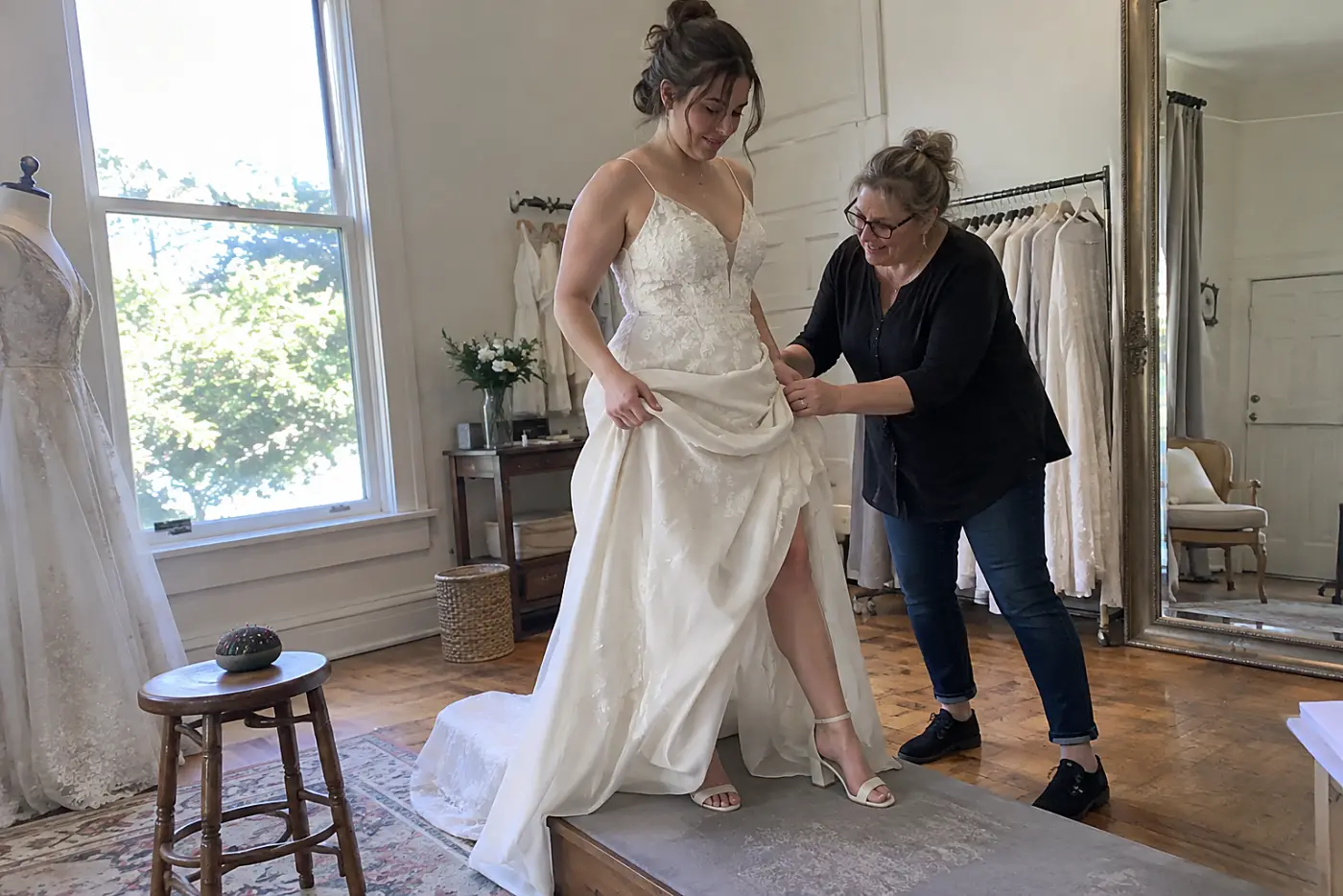
The outside fits while the lining squeezes.
A lining sits against you, so its tight spots don't always show in the outer fabric. It catches at the hips or rides up when you walk. The tailor separates the layers during the fitting to find the restriction.
A wider outer seam won't free a narrow lining. Ask whether the lining has its own allowance before approving work on the dress fabric. The Sewing and Craft Alliance provides sewing education; in your fitting, the two layers need separate attention.
Wear the dress around the house this week and notice whether the inside layer climbs. At the fitting, say, “Please check the lining on its own before changing the outside.”
That inside layer also controls how the dress goes on.
7A back closure you cannot fasten alone

A dress you can't close is hard to wear.
A tiny hook above a back zipper sits where your fingers don't reach. A tailor checks whether moving or replacing the closure leaves the neckline secure. The dress then needs a turn-and-sit test with the new fastening pinned in place.
Otherwise, the dress stays in the closet unless someone helps. A bigger hook isn't useful if it makes the back gape.
Try dressing without assistance this week, from first button to last hook. Say, “I need a closure I can fasten myself.”
Once it's closed, check what happens at the back.
6A back vent that springs open
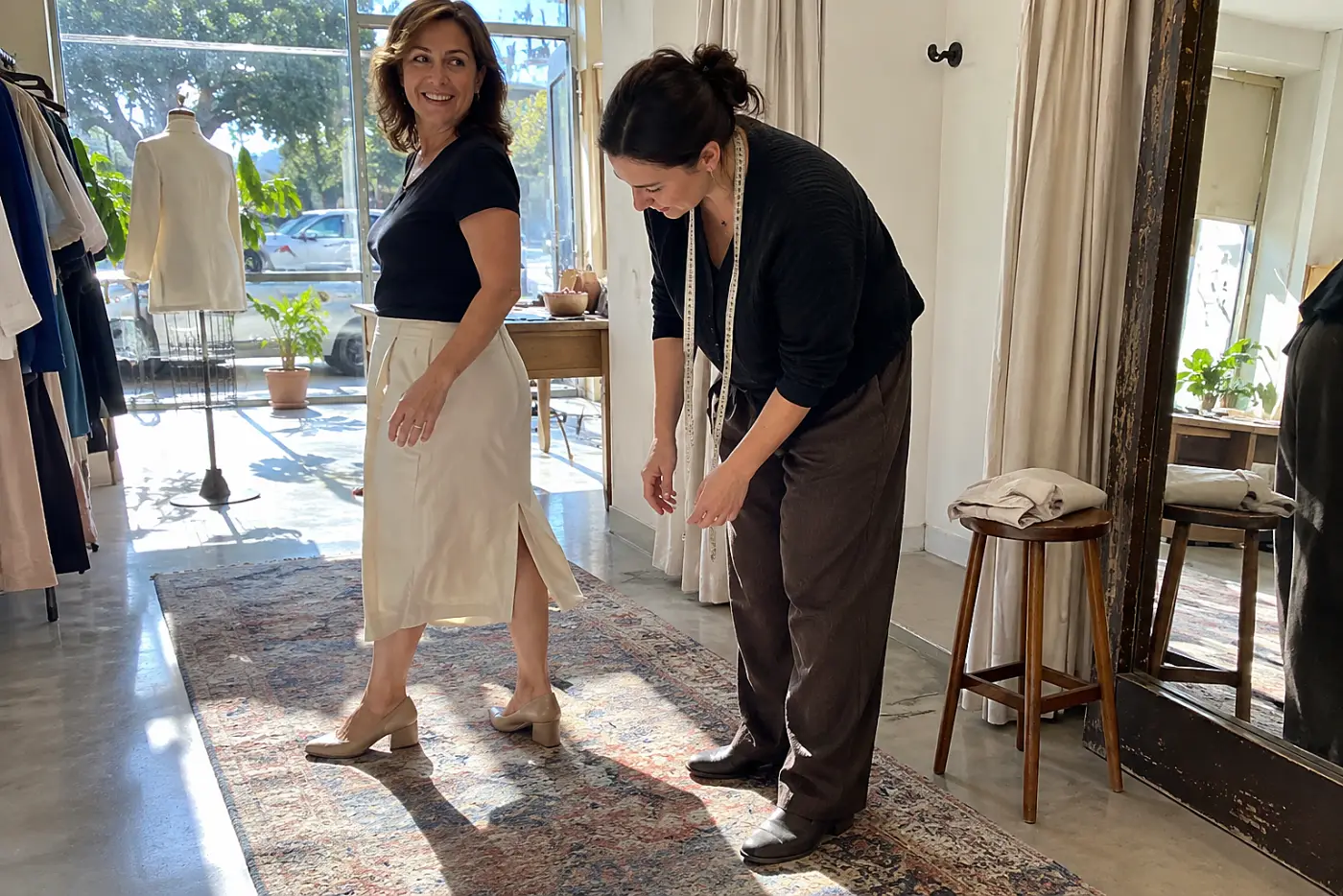
A vent should give you room, not gape.
A back vent is an overlapped opening at the skirt hem. It frees a narrow skirt when you walk while lying closed when you stand. A spreading overlap points to tension across the seat or trouble in the vent itself.
Pinning the opening shut removes the movement you needed. The tailor checks seat fit first, then examines how the vent was sewn.
Put the dress on this week and ask someone to photograph the back while you stand and walk. Tell the tailor, “I want the vent closed when I stand, but I still need to walk.”
The back deserves one more look before anything is stitched.
5A pattern that breaks across one seam
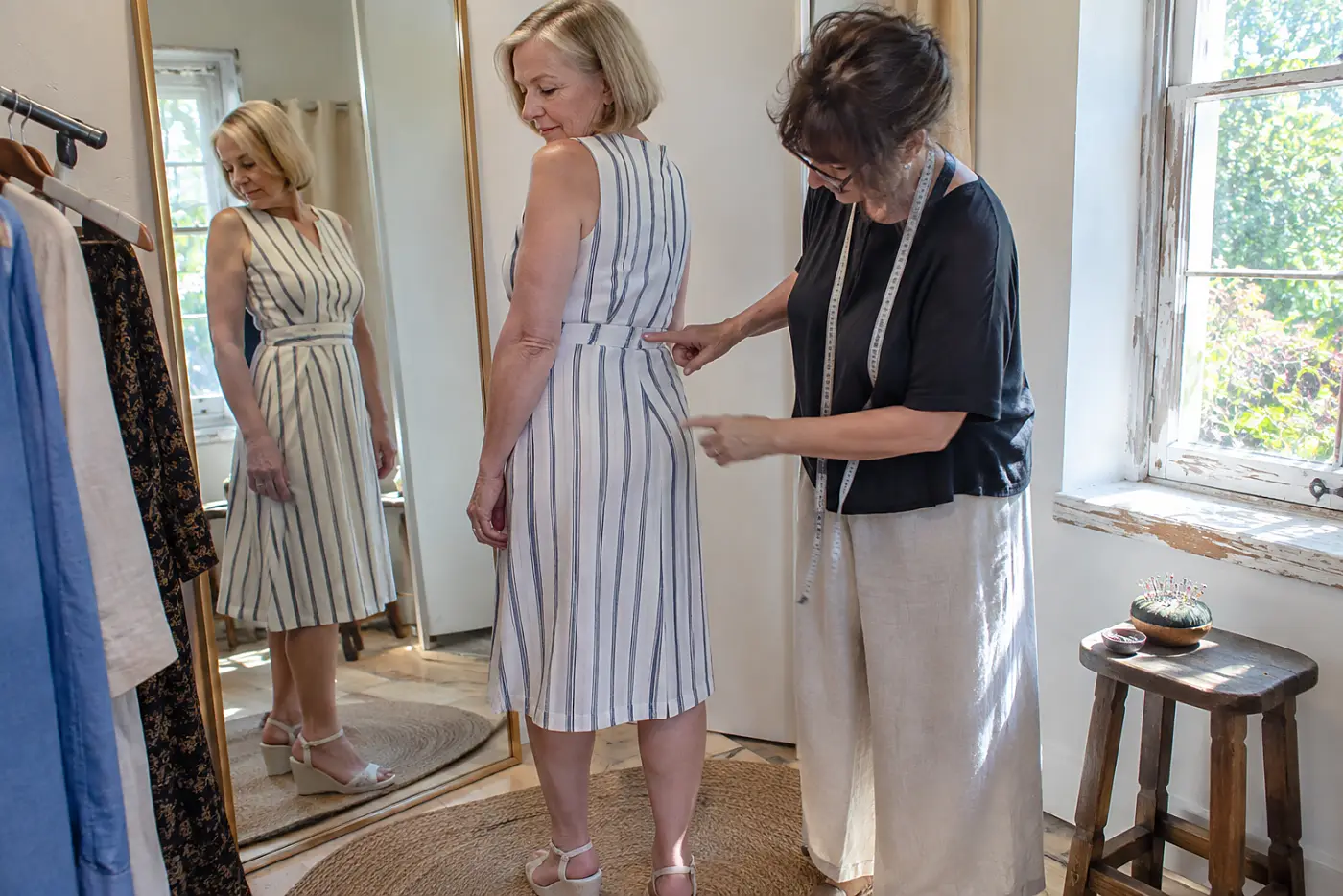
A crooked stripe draws the eye straight to it.
Patterned pieces meet at a seam, and their lines don't always meet with them. A tailor checks how much fabric lies inside before shifting either side. Taking in the dress without checking the print makes a mismatch harder to ignore.
Once fabric is cut away, fewer options remain for lining it up. The Fashion Institute of Technology teaches patternmaking and apparel construction; you needn't study either to spot a stripe that breaks at your waist.
Examine the dress at every visible seam this week, especially down the front. Ask, “If you alter this seam, where will the stripes meet afterward?”
Even a matched pattern needs a fabric that behaves.
4A fabric that shows every old stitch
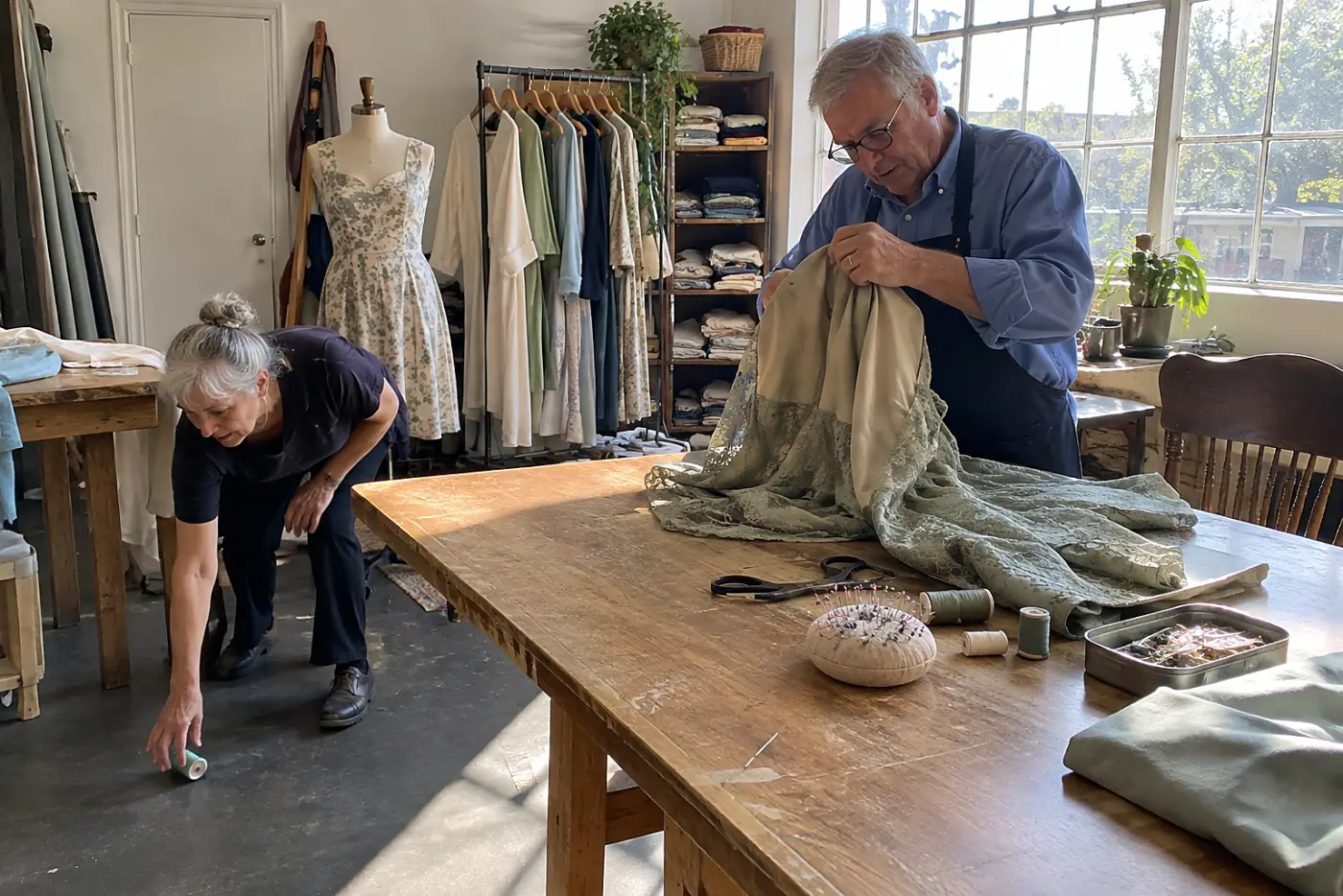
Needle holes outlast the first alteration.
Some fabrics retain tiny marks after stitches are removed. Others show a pale line where a folded hem blocked light or wear. A tailor tests a hidden area before moving a seam or lowering a hem.
That matters when you're buying a dress expressly to alter it. A fix loses its appeal if the old seam leaves a track across the front. The Smithsonian's textile care guidance treats fabric as something worth examining before handling; the same caution belongs at a tailor's worktable.
Before purchase this week, inspect the wrong side for signs of past alterations. At the shop, say, “Please test a hidden stitch before you open this seam.”
A clean result is encouraging, but the next decision is harder to reverse.
3Beadwork lying across the new hemline

Beads change what a hem job involves.
If decoration crosses the planned cut, a tailor removes beads before sewing. The edge then needs finishing, followed by a choice: replace the decoration or leave it off. Cutting straight through the beads won't produce a clean hem.
That work changes the quote and the dress you take home. The Embroidery Association of Canada covers handwork techniques; your tailor still needs to show you the finished placement before work starts.
Bring the dress in this week before removing a single bead yourself. Ask, “Where will the beadwork end after the hem is finished?”
With the construction clear, ask for the work in writing.
2A written alteration quote with separate charges

A pinned dress isn't an agreed price.
A tailor's quote lists each alteration, its price, and the pickup date. Read those lines before leaving the dress. A hem with beadwork and a plain hem are different jobs, even when both end at your knee.
Ask what happens to the price if the work changes after the first fitting. Get the answer in writing, especially for lining, sleeves, or decoration. The Federal Trade Commission's consumer advice recommends keeping written records of purchases and services.
Visit a tailor this week with the dress and the work you want listed. Say, “Please write down each alteration and its price before you start.”
The price matters only if the pinned changes pass one final test.
1A pin-and-move test before buying a dress
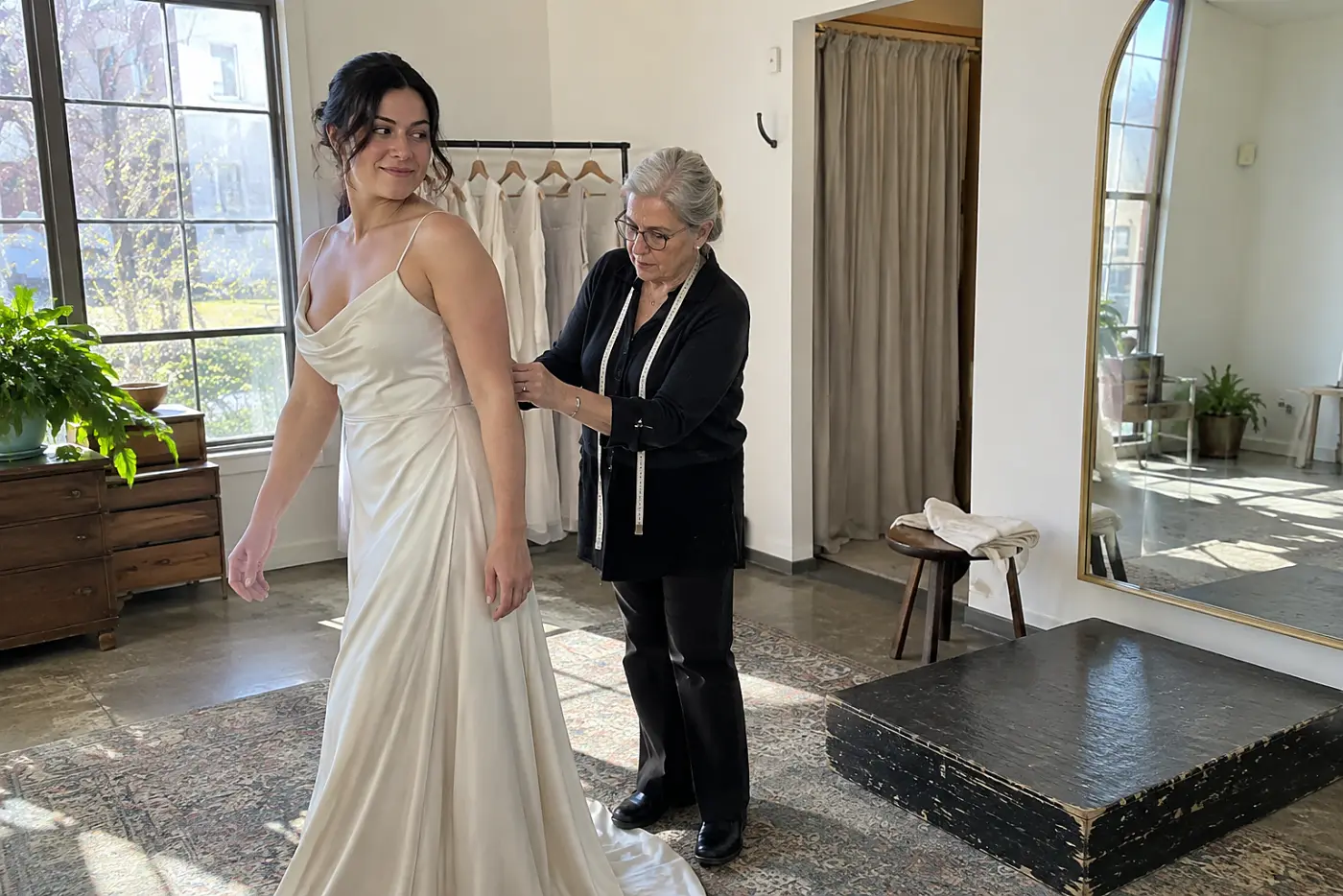
A still mirror hides the problem another pose reveals.
Have a tailor pin one proposed change while you wear the dress. Then sit, walk, bend, and reach before adding another pin. Watch whether fixing the first pull creates a second one elsewhere.
Do that sequence before deciding to buy. A handful of fabric pinched at the waist hides a strained seat or sliding shoulder. If the dress needs several changes that fight each other, leave it behind. No number on its size tag makes those pulls disappear.
Check the store's actual return policy before taking an unaltered purchase to a tailor. Some sales are final, and a fitting appointment doesn't create a right to return anything. Don't authorize cutting while you're still deciding. The FTC's advice on refunds and returns is worth reading, but the store's posted policy governs your purchase.
This week, take the closest-fitting dress through that pin-and-move sequence before committing to alterations. Say, “Pin one change, please; I want to move before we decide whether this dress is worth buying.”
The bonus below gives you the sequence to take into that room.
The bottom line
Across all 23 items, the pattern repeats: find the pull, then check what changing it does elsewhere.
The best-prepared version of you has brought the right shoes and bra. You've moved in the dress and watched the work get pinned before a stitch comes out.
Which of these has already happened to a dress in your closet?
Bonus: The pin-and-move test before buying a dress
- Check the store's return terms before paying or booking a fitting.
- Bring the dress, your intended bra, and shoes with the right heel height.
- Ask the tailor to pin one change. Then stand, sit, walk, bend, and reach.
- Repeat only if the first change holds. Say, “Show me what this pin does to the rest of the dress.”
- Ask which pulls remain and what each fix costs. Decide whether to keep the dress before anyone cuts it.
Margaret Hale
Travel & Lifestyle Editor
Margaret has covered travel for 25 years and has ridden every long-distance train route in the U.S. at least once.
You might also like