23 Things Solo Travelers Over 60 Stop Being Afraid Of
A written check-in time, a saved hotel address, and a backup phone number turn “what if something happens?” into calls someone can make.
By Margaret Hale, Travel & Lifestyle Editor
Updated · 16 min read
- Written by our travel & lifestyle editor
- How we review

Read to the end: #1 is the one check-in plan that tells someone when to act, and almost nobody writes down the trigger.
A phone slips from your hand onto an airport restroom floor. The screen goes black. Your boarding pass, hotel address, and ride details were all on it. You stand there with your suitcase and realize the question isn't whether you can handle a broken phone. It's whether anyone else knows where you were headed.
Going alone doesn't mean every problem stays yours to solve. It means the next step has to be clear before you're tired, hurt, lost, or out of battery.
Here are 23 fears, each with a practical way through.
23A hotel address folded into your wallet
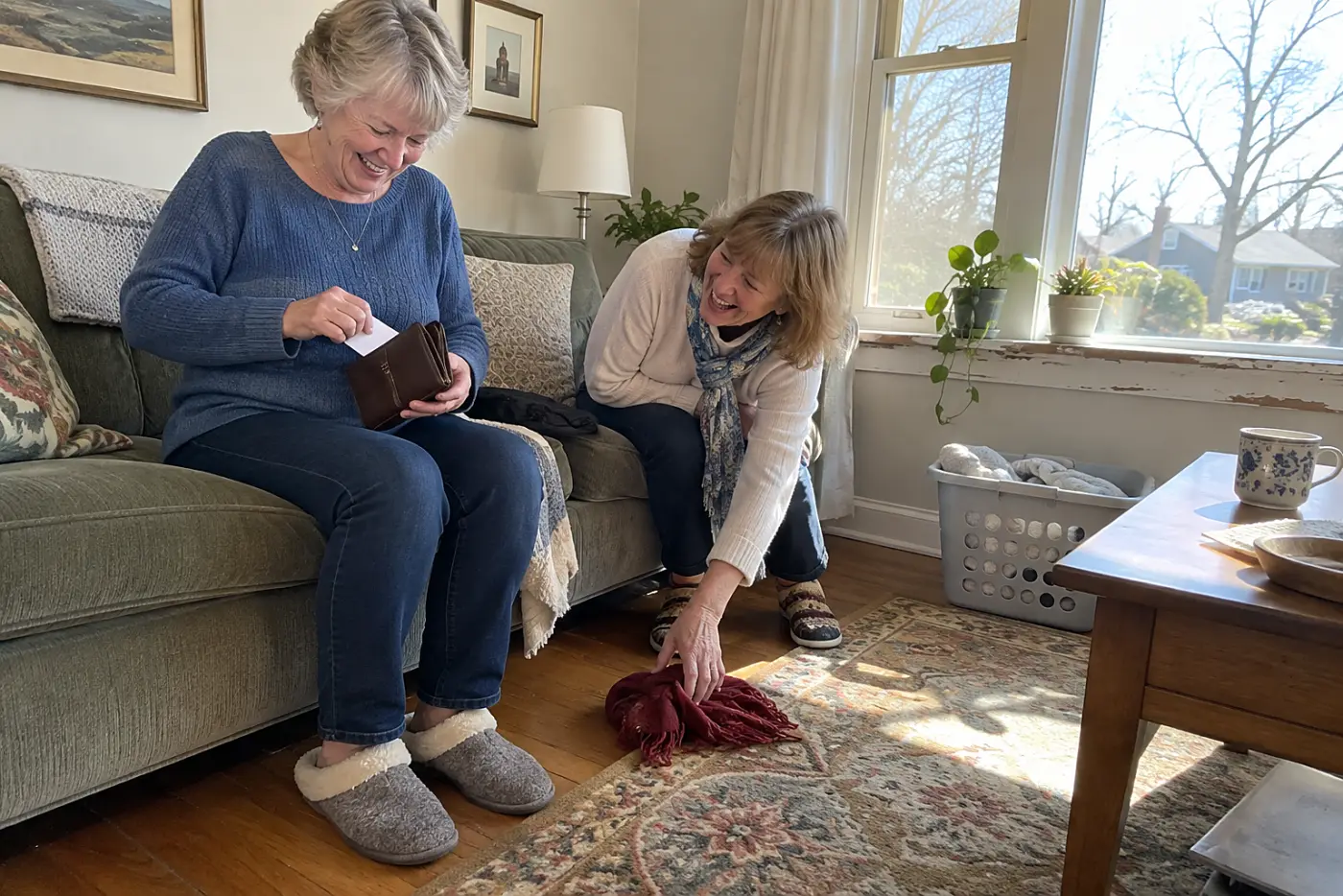
A dead phone can erase your destination mid-ride.
The hotel name alone isn't enough if the city has similar names or several branches. A street address gives a driver or station clerk somewhere definite to point.
Without it, even an ordinary taxi ride becomes a guessing game. This week, write your first hotel's name, street address, and phone number on a card. Put another copy inside your suitcase. “Could you take me to this address?”
Paper solves the first problem, but someone still needs to know you arrived.
22A first-night hotel chosen for late arrival
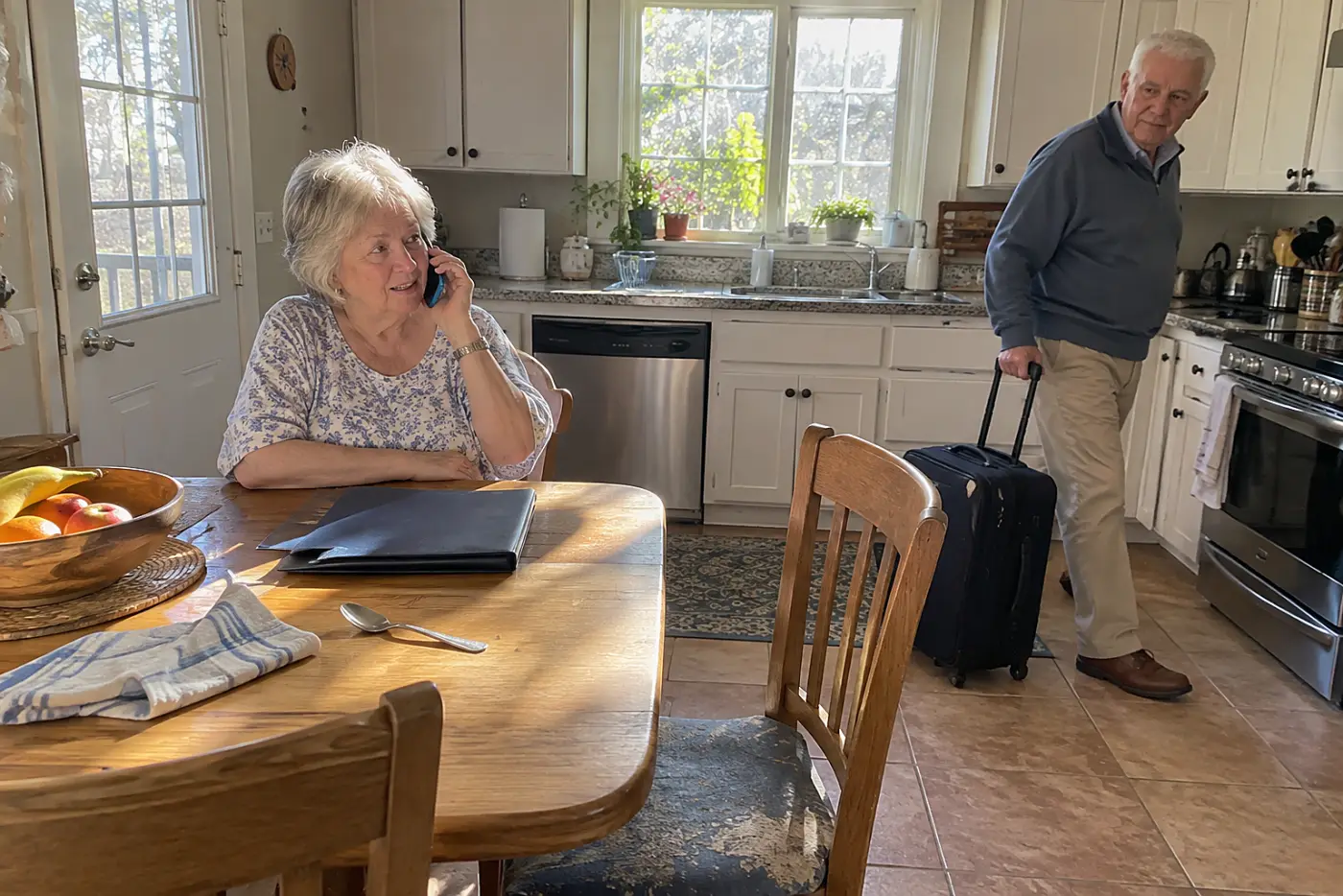
The hardest arrival is the one after everything closes.
Your flight lands late, then baggage claim and the ride into town eat another hour. A hotel with a staffed desk and clear after-hours entry gives you a person and a door when the street feels unfamiliar.
A booking confirmation doesn't tell you whether the front door locks at night. Nor does a glowing map pin tell you where the entrance sits on the block.
This week, check the property's own site for reception hours and entry instructions. If your arrival falls near closing, call the front desk rather than relying on a booking site's message box. Save the answer with your confirmation. “My flight lands late. How do I get inside if reception is closed?”
Once the room is settled, the route to it needs the same attention.
21A station exit picked before you arrive

The wrong exit can put you blocks from your ride.
Large stations have exits on different streets. Your map's walking time means little until you've chosen the exit nearest your hotel or pickup point.
After dark, those extra blocks feel much longer with luggage. This week, look at the station map and save the exit name or number beside your hotel address. If the map is unclear, ask the hotel which exit they recommend. “Which station exit puts me closest to your front door?”
Then check how you'll cross the city when walking isn't appealing.
20A taxi pickup point you can identify
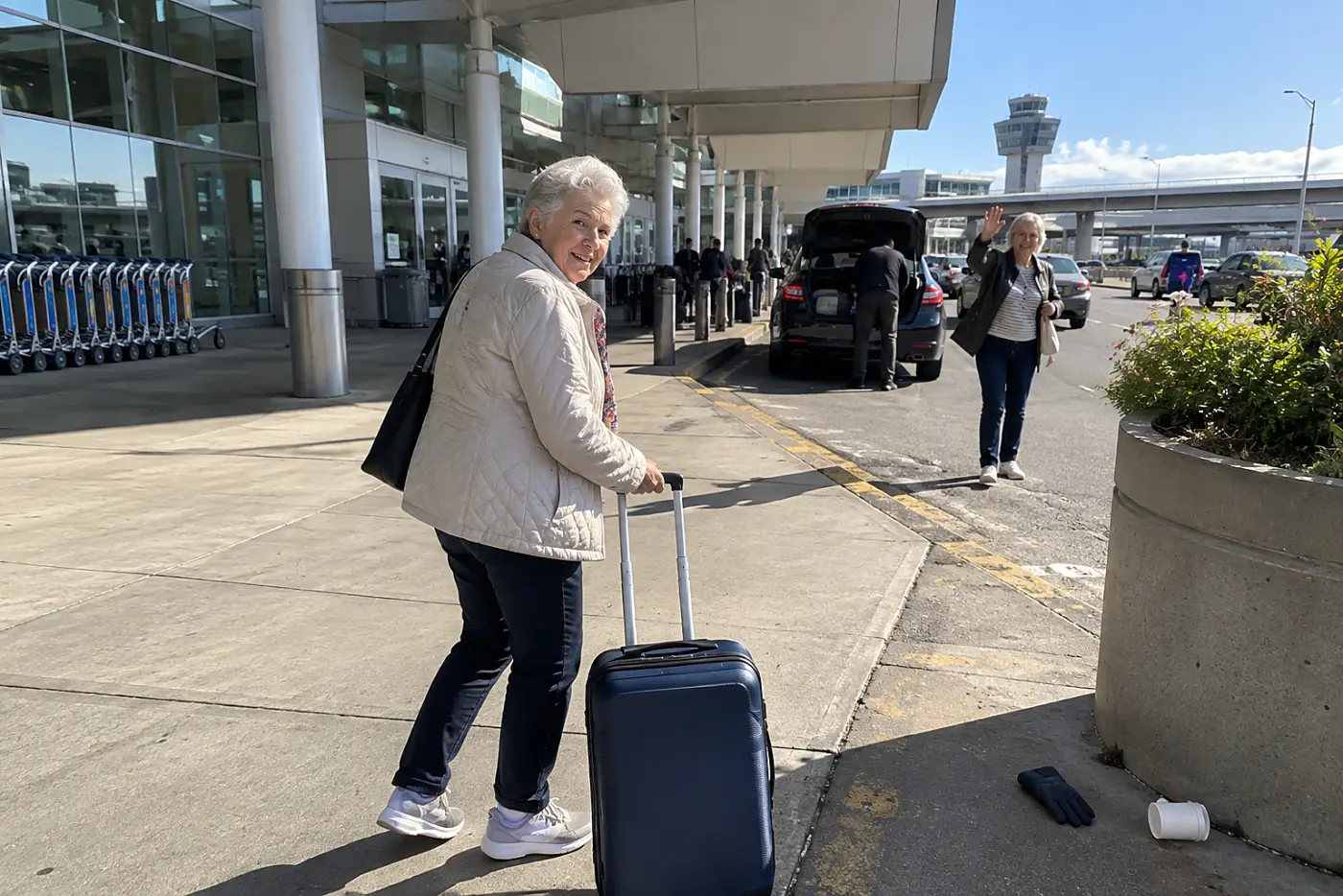
A car waiting somewhere isn't a pickup plan.
Airports and stations separate taxi ranks, ride-app areas, and private-car meeting points. Following the wrong sign can leave you outside with luggage, searching a crowded curb for a car that cannot reach you.
The pickup location matters more than the driver's estimated arrival. At a U.S. airport, follow the signs for the official taxi stand rather than accepting an unsolicited ride inside the terminal.
This week, look up the arrival airport's ground-transportation page and note the marked pickup area. If you're using an app, read its pickup instructions before leaving the terminal. “I'm at the marked pickup area. Which sign should I stand under?”
The ride gets you there; the room still needs to feel usable.
19A room door checked before unpacking
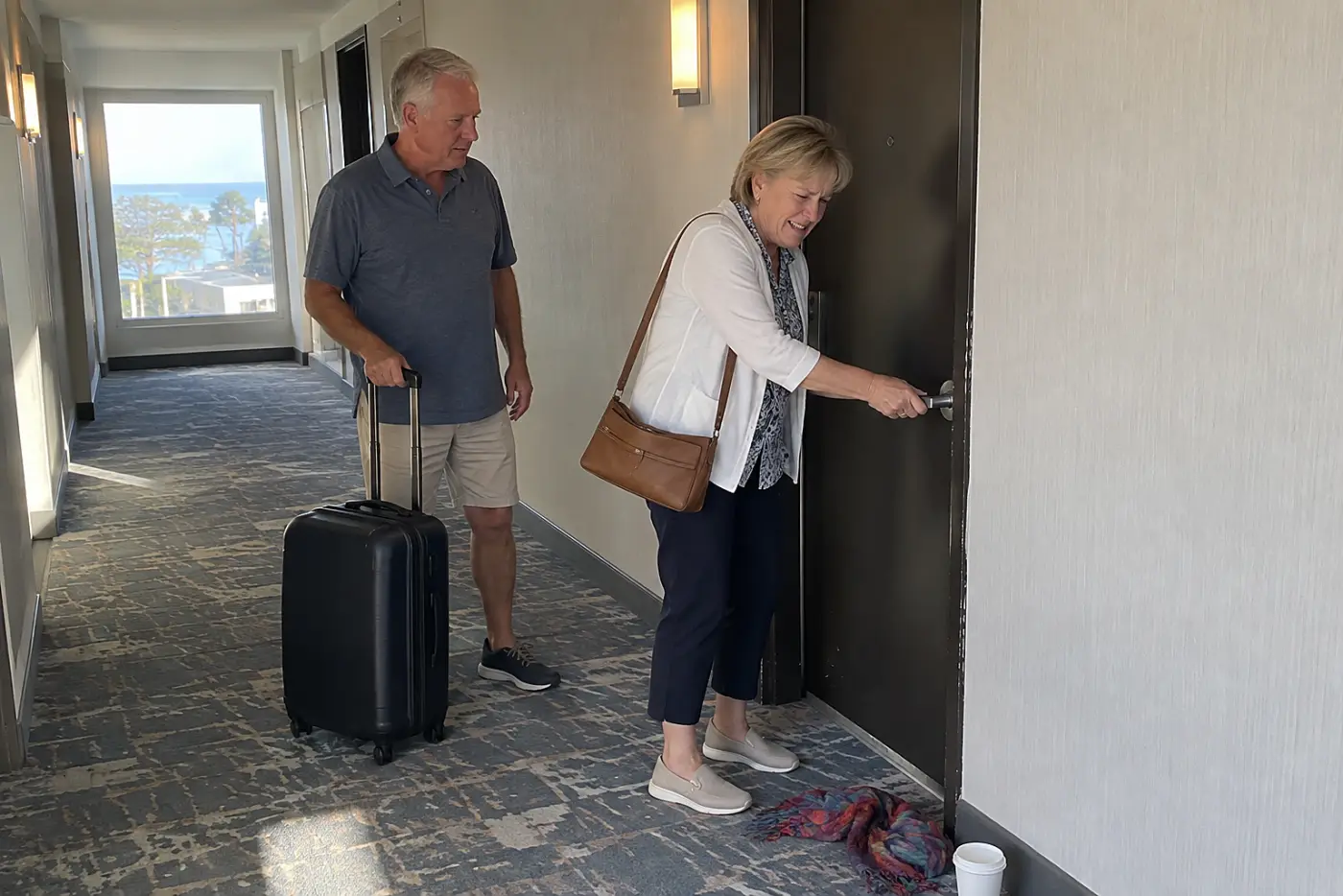
A door that doesn't latch deserves attention right away.
Close it, pull the handle, and test the lock while your bag is still packed. Then look for the nearest marked exit on your floor.
Finding a faulty latch at bedtime leaves you dealing with reception when you're exhausted. This week, make the door test part of every check-in, before you hang a coat or plug in your phone. If it fails, call the desk and ask for a working lock or another available room. “This door isn't latching. What can you do to fix it?”
After the door, check the one thing you'll need before breakfast.
18A medicine supply kept in your carry-on
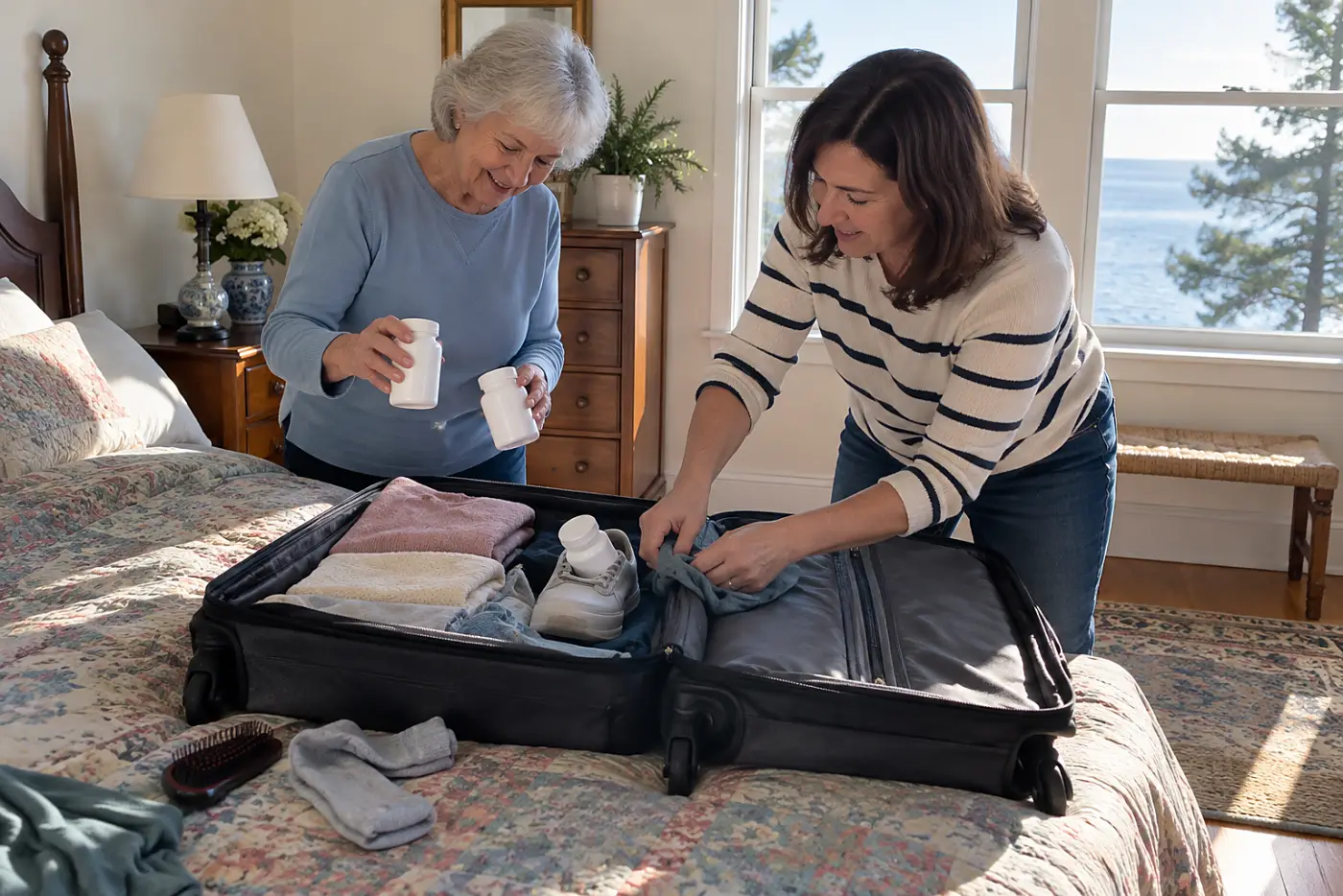
Checked luggage travels separately from you.
So do the medicines inside it if the bag misses a connection. Keep prescription medicine in your carry-on, along with the names and doses written somewhere you can read without opening an app.
Before packing for an international trip, check the CDC Travelers' Health site and your destination's embassy guidance. A medicine you take at home faces different rules elsewhere, including rules for controlled substances. Finding that out at customs leaves you with a problem your suitcase cannot solve.
This week, check the rules for each prescription, then call your pharmacist about the supply needed for the trip. Keep medicines in their labeled containers. “I'm traveling abroad with this prescription. What should I check before I leave?”
The next paperwork matters if treatment becomes necessary away from home.
17An insurance card saved outside your phone
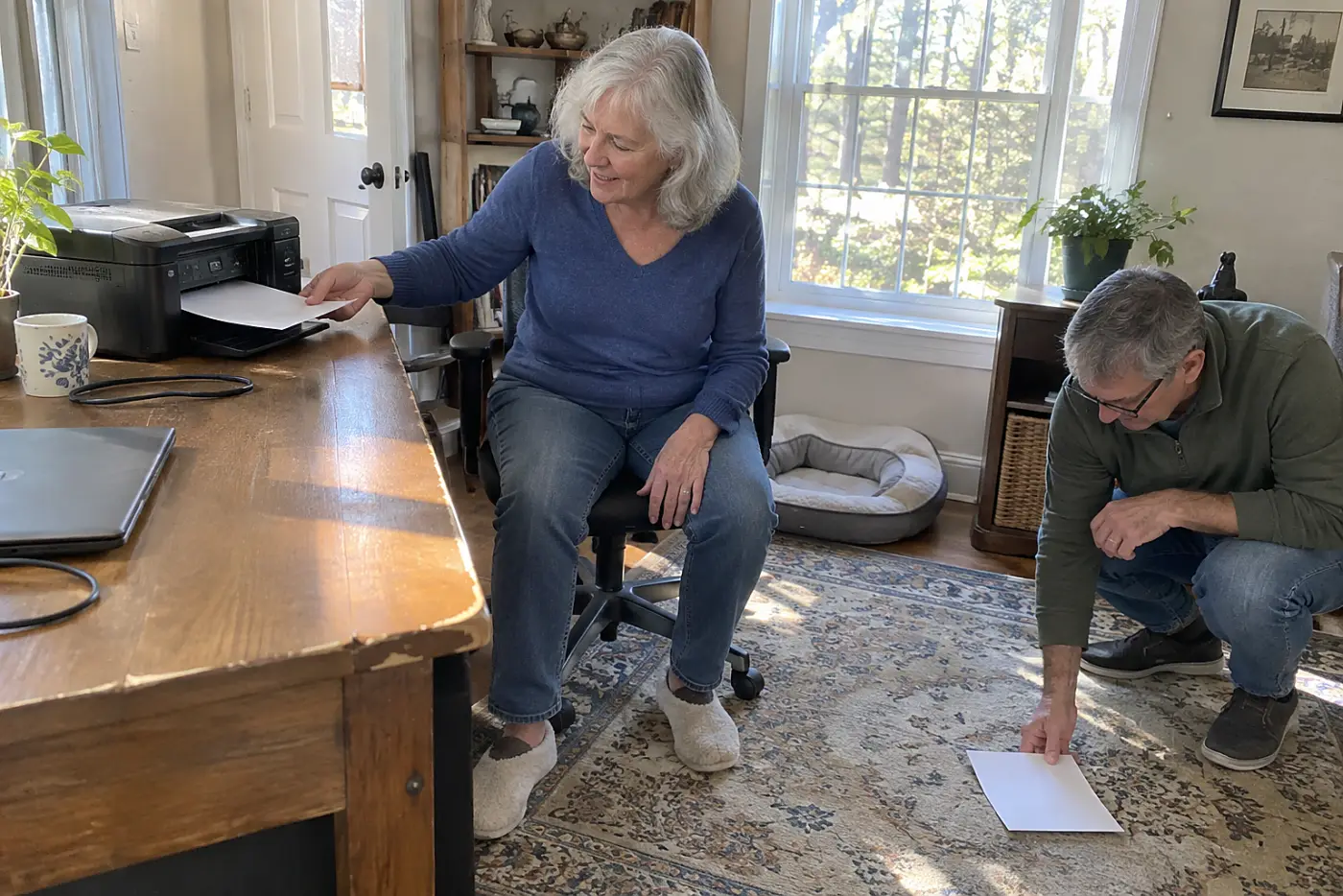
A card trapped in an app helps nobody holding your bag.
If you're hurt or your phone breaks, the policy number and insurer's name need to be readable another way. A printed card gives you that backup.
If you rely on Medicare, check Medicare's travel coverage information before leaving the United States. It says care outside the country is covered only in limited situations. Don't assume a trip abroad is covered.
This week, read your health plan's overseas terms and any travel policy's medical section. Print the policy number and assistance phone number. “Does this policy cover emergency care in the countries on my itinerary?”
Coverage on paper raises another question: which number do you call?
16An insurer assistance number beside your passport

The first call after an illness shouldn't be a search.
Travel insurance documents put emergency assistance, claims, and sales on different lines. The assistance line is the one to find when you need help locating care or following your policy's instructions.
Calling the wrong number wastes time when you need treatment. Find out now: does your policy arrange payment with a clinic, or do you pay first and submit receipts?
This week, circle the assistance number on the policy and put it beside your passport copy. Read its emergency instructions, including any requirement to call before arranging care. “I'm traveling alone and need medical care. What does my policy require first?”
That call is easier when the person beside you knows what to tell the clinic.
15A medical summary tucked behind your ID
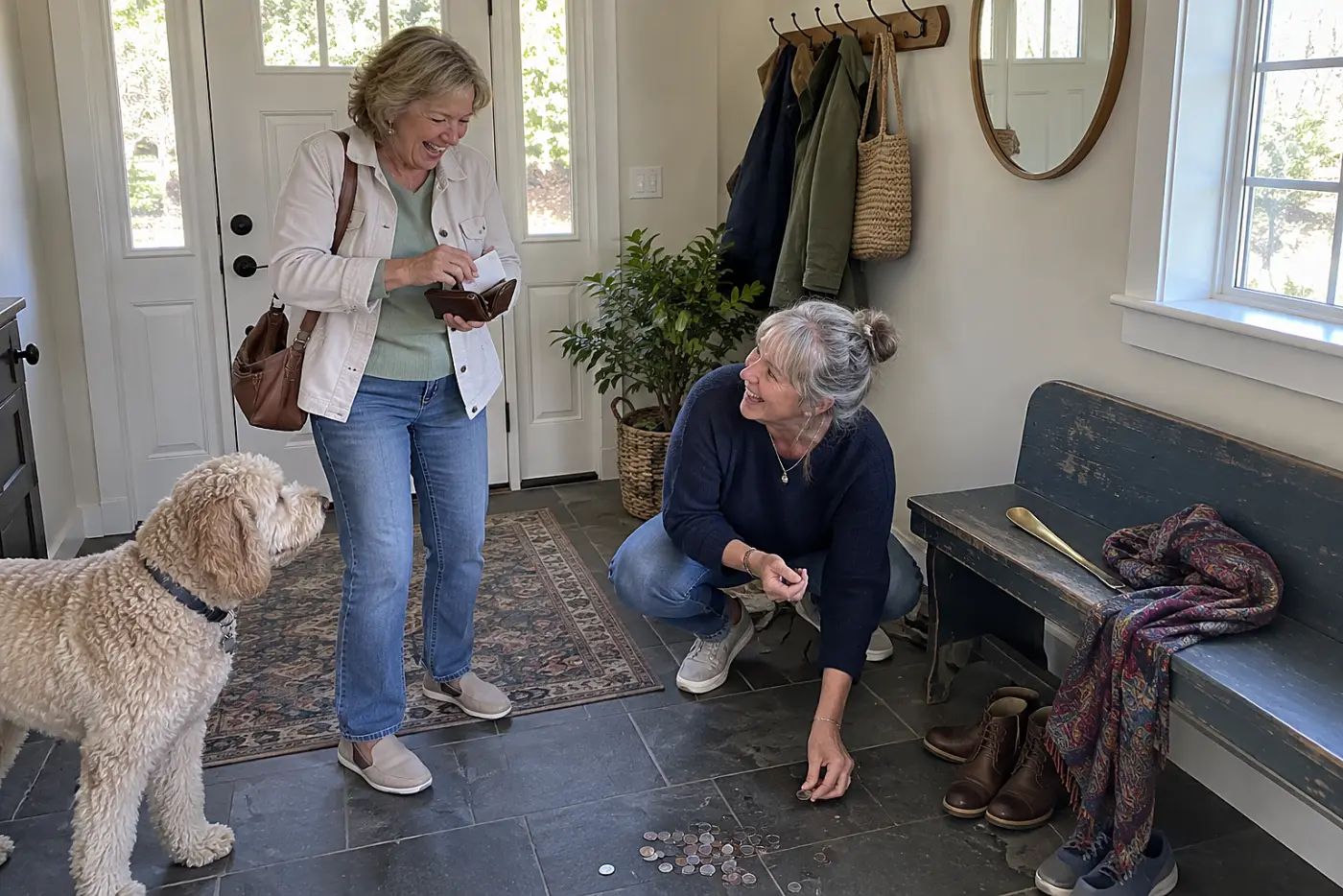
An emergency room needs facts you might not recite clearly.
Write your medicines, allergies, important diagnoses, and emergency contact on one small page. Keep it with your ID, where a companion or clinician can find it.
A locked phone delays access to that list. Your own page answers the question a stranger needs answered: what matters about you right now.
This week, make the list, date it, and check every medicine name against its bottle. Write the emergency contact's number in full, including the country code for international trips. “My current medicines and allergies are on the card behind my license.”
Next comes the person who receives the call, wherever you happen to be.
14An emergency contact who answers unknown numbers

A name in your phone isn't an emergency arrangement.
Your contact needs to know they're listed and what medical information you want shared. Otherwise an unfamiliar number from another country looks like spam.
A missed call leaves a helpful stranger without the person you chose. Put the contact's number on paper, not only behind a locked screen.
This week, ask one person whether they'll answer unknown calls during the trip and take information about your care. Give them a copy of your medical summary and agree on a second contact if they're unavailable. “If a hospital calls from a number you don't recognize, please answer or call back.”
Even a reachable contact needs to know which journey you're on.
13A flight number shared before takeoff
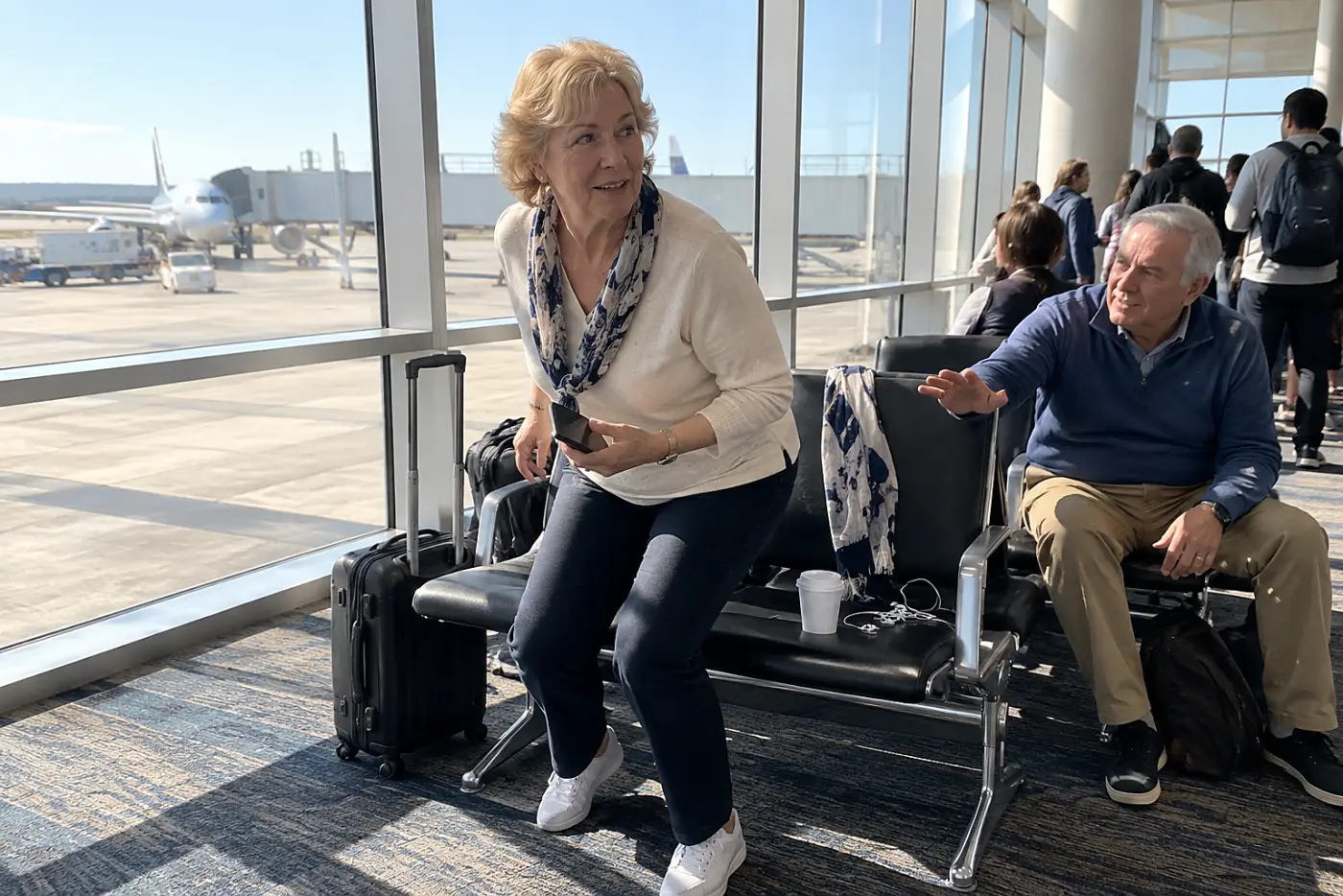
A travel date won't identify a delayed flight.
A flight number and date let your contact check an airline's flight status when an arrival update doesn't come. They also separate a delay from a missed connection.
Without them, your silence produces worry but no useful next step. This week, forward the airline confirmation to your contact and point out the flight number and destination. If you change flights, send the replacement confirmation too. “This is the flight I'm actually taking. I'll tell you if it changes.”
Flights aren't the only part of a trip that changes underneath you.
12A reservation screenshot taken before leaving home
An inbox is a poor filing cabinet at a check-in desk.
A reservation screenshot gives you the hotel name, dates, and confirmation number without searching email on weak Wi-Fi. Save it where you can open it offline.
A screenshot won't replace a valid booking, but it gives staff a precise record to investigate. The same habit helps with trains and prepaid transfers.
This week, open each confirmation and capture the page showing the date, location, and booking reference. Then turn on airplane mode and check that you can still find the images. “Here's my confirmation number and the date I booked.”
Once you're offline, directions need their own backup.
11An offline map tested in airplane mode

A map that needs signal disappears at the wrong corner.
Download the area around your hotel and main arrival point before leaving home. Then open it with cellular data and Wi-Fi off.
A saved pin alone doesn't guarantee the surrounding streets load. Without those streets, you lose the route back to your hotel just when you need to turn around.
This week, follow your map app's offline-download instructions and test a route while in airplane mode. Save your hotel's street address there too. Check the route from the arrival point as well as the route back. “I'm looking for this street address. Is this the right direction?”
A map gets you through town; your phone still needs power.
10A charging cable stored apart from your phone
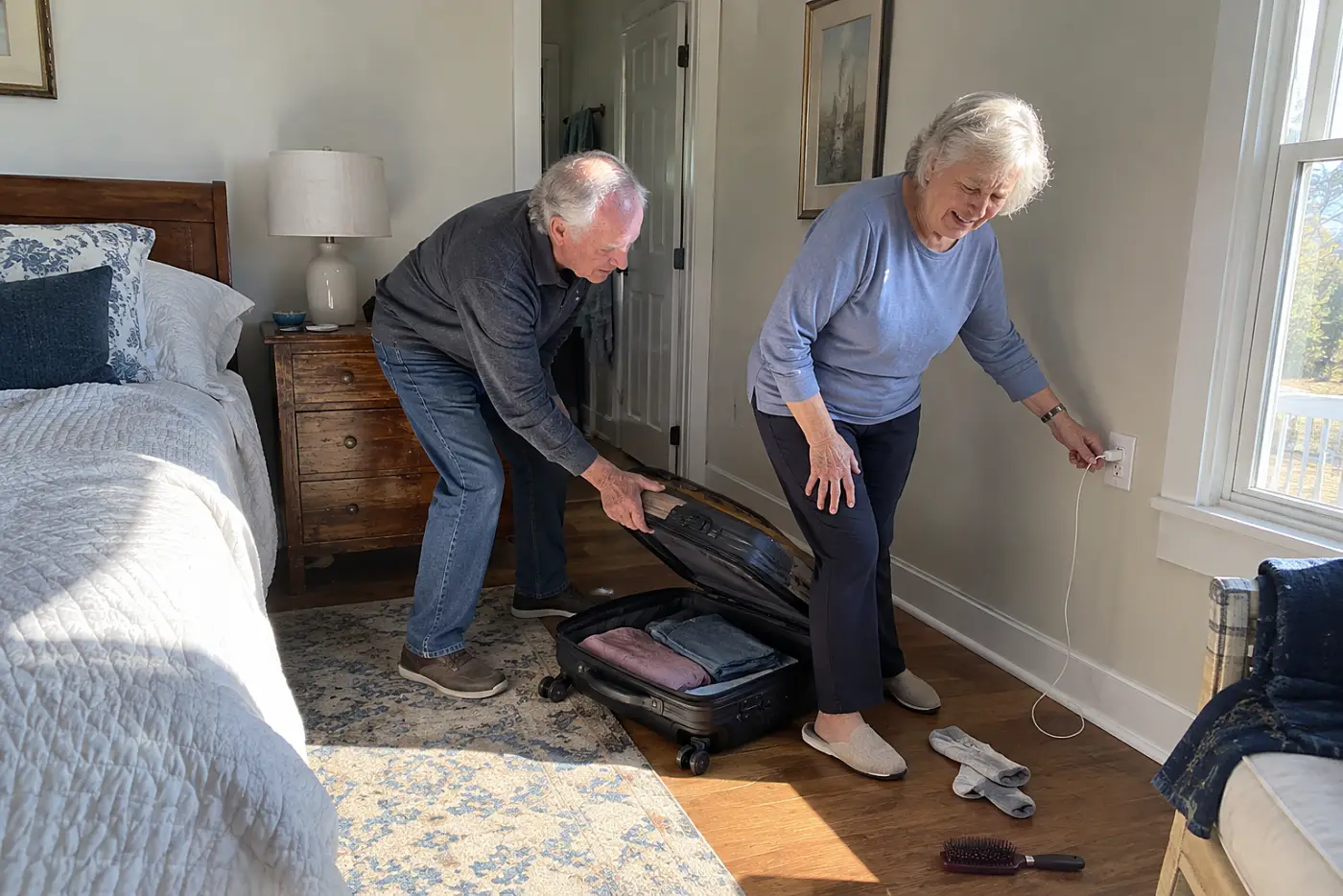
One lost pouch shouldn't take your charger too.
Put a spare cable in a different part of your bag from the everyday one. Check the plug type for your destination and the charger your phone actually uses.
A battery icon near empty makes every small decision harder, including whom to call. The FAA's PackSafe guidance says spare lithium batteries and power banks belong in carry-on baggage, not checked bags. Check your airline's rules too, or that backup risks being left behind.
This week, plug the spare cable and power bank into your own phone to test them. Put the power bank in your carry-on before you pack anything else. “This outlet isn't working. Is there another place I can charge my phone?”
Power helps, but it doesn't solve the moment your phone vanishes.
9A lost-phone login tried from another device

Your phone can disappear with the codes needed to replace it.
Email, banking, and device-location tools demand proof that you're you. If every code goes only to the missing phone, signing in from another device becomes harder.
An unreachable account also cuts off confirmations and messages you need for the next leg. Review your Apple Account or Google Account recovery settings this week and add a recovery route you control. Write down where your backup codes live, without putting passwords in an exposed travel wallet.
Try reaching your account from another device before departure, rather than discovering the gap at an airport counter. “I've lost my phone. I need a safe place to sign in to my account.”
Then look at the document that gets you across a border.
8A passport copy kept apart from the original
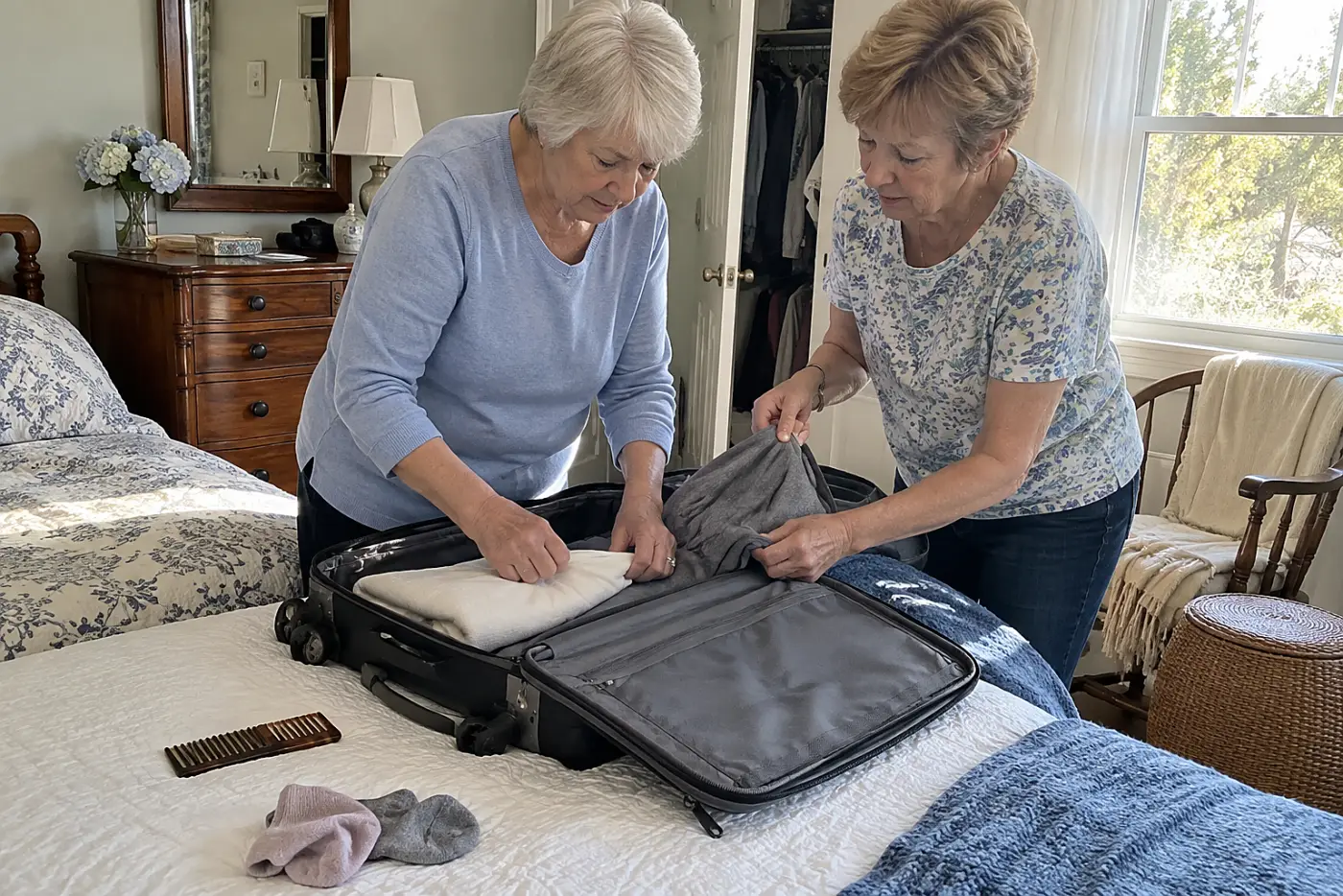
Losing a passport doesn't erase your identity details.
A copy shows the passport number, issue details, and your photograph while you work on replacing the original. It doesn't function as a travel document.
If your passport disappears abroad, contact the nearest U.S. embassy or consulate. The State Department's travel site has embassy information; the copy gives you details to bring into that conversation.
This week, photocopy the photo page and store it away from the passport. Save another copy where you can reach it from a different device. “My passport is missing. I have a copy of the photo page. What do you need from me?”
The next document is less dramatic, until a clerk asks for it.
7A payment card backup in another bag

A declined card shouldn't end your afternoon.
Fraud controls, damaged cards, and lost wallets all interrupt payment. A second card stored separately gives you another way to pay for a room or ride.
Keeping both cards in one wallet defeats the backup. This week, check that the second card works, then store it apart from the first. Save each issuer's lost-card number somewhere other than the card itself. “My card was declined while I'm traveling. Can you tell me why?”
A working card still needs a route through an unfamiliar cash machine.
6A bank machine inside an open branch
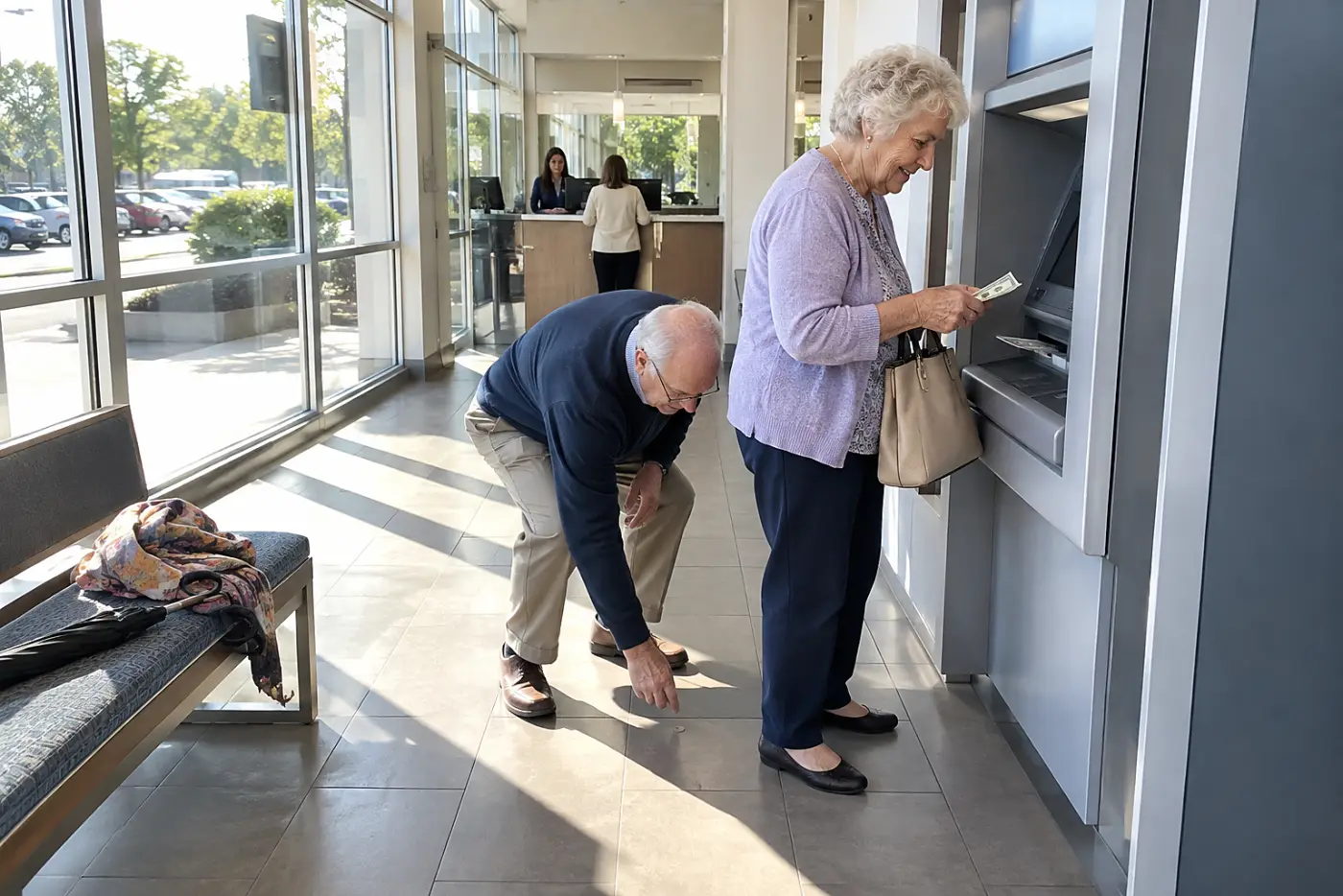
Cash withdrawals are simpler when help is nearby.
Choose an ATM at an open bank branch instead of a machine on an empty street. Cover the keypad, take the receipt, and leave if the card slot or screen looks wrong.
Your bank sets its own foreign transaction and ATM fees, so check the current fee schedule before departure. At an overseas machine, an offer to charge you in dollars is a currency-conversion choice; read the displayed terms before accepting.
This week, look up your bank's travel contact number and withdrawal rules. Add the number to the paper card with your hotel address. “I'm traveling overseas. What's your number if my card stops working?”
Money gets you unstuck; a changed plan still has to reach home.
5A missed-connection message ready to send

A canceled connection leaves someone expecting the wrong flight.
Keep a short message in your notes with your destination and the person expecting you. When the airline gives you a replacement flight, add its number and send the update.
An airline app showing a delay doesn't update the person waiting at the other end. Without a message, they have no way to know which arrival to meet.
This week, draft the update and check that your contact has a second way to reach you, such as email. Keep it short enough to send from a crowded gate. “My connection changed. I'm safe, and I'll send the new flight details when I have them.”
If the change puts you somewhere unfamiliar overnight, one decision matters first.
4A staffed desk chosen over a rushed detour

Being stranded invites bad snap decisions.
When a train is canceled or a flight is missed, head to the airline desk, station information counter, or your hotel reception. Get the next confirmed step before following directions from someone who approaches you.
The State Department's travel advisories give you destination information before an international trip. They won't identify a stranger at the curb tonight.
This week, identify the staffed help points at your arrival airport or main station. Write down the hotel number so you can call if your arrival shifts. “My connection is gone. Where is the staffed desk for rebooking?”
A desk helps with the route. It doesn't decide whether you need to stop.
3A rest day left open on the itinerary

Exhaustion makes a minor problem feel like an emergency.
A day without a timed ticket gives you room to sleep, replace an item, or sit with a cup of coffee while you decide what comes next. There is no prize for keeping every reservation when you're unwell.
If illness changes your plans, don't try to diagnose yourself from the CDC Yellow Book. Use it for background before departure; seek local medical care when you need an examination.
This week, leave one day unbooked and mark a nearby clinic on your map. Save its address where you can find it offline. “I need to change today's plans. I'm going to rest and check how I feel.”
Rest helps you decide; knowing how to summon urgent help comes next.
2A local emergency number written on paper
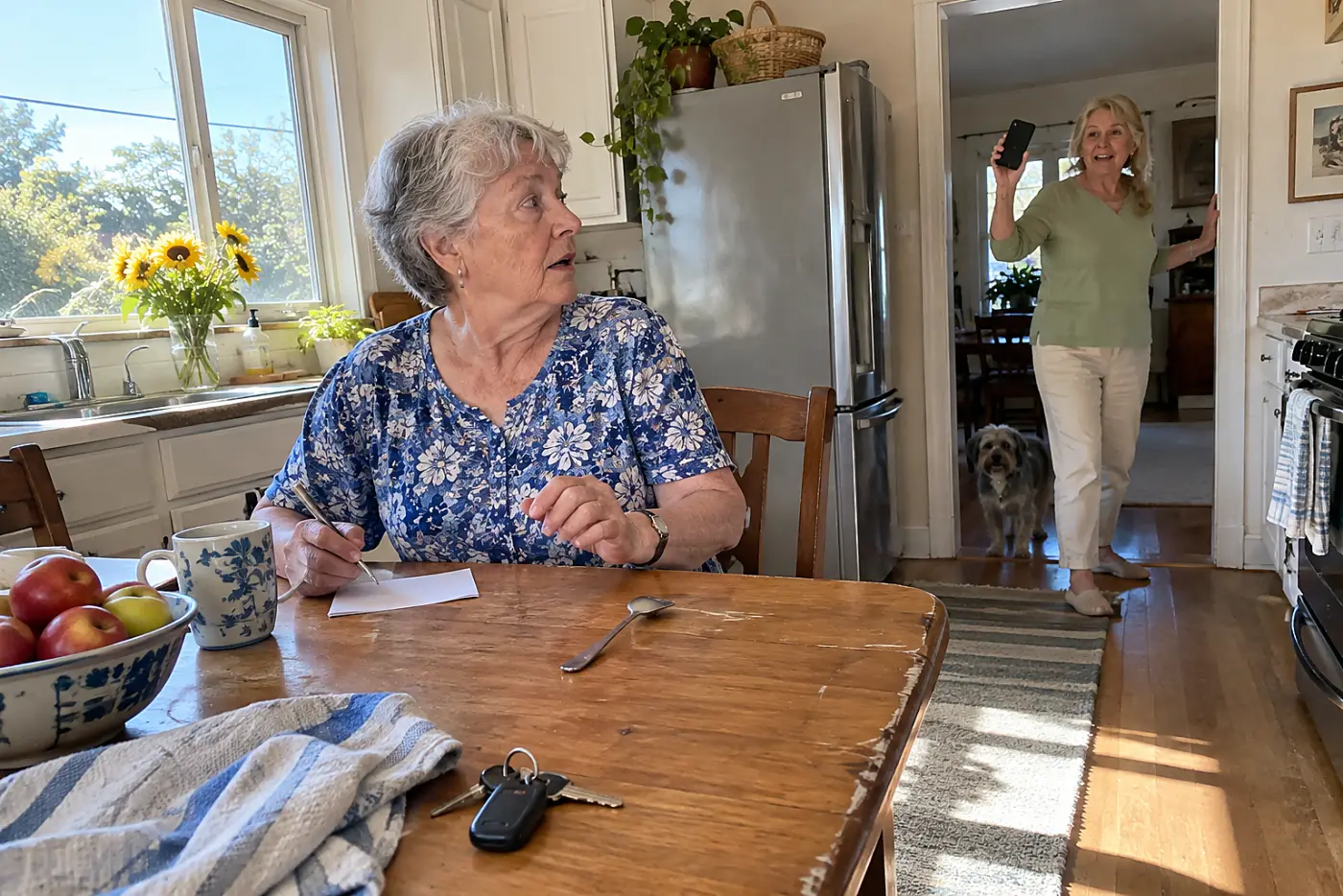
The number you know at home isn't universal.
Emergency numbers differ by country. Look up the number for your destination through its official government or emergency-services site, then write it beside your hotel address.
In the United States, 911 reaches emergency services. Abroad, guessing or searching under stress costs time. Your hotel desk is useful, but it shouldn't be your only route to help.
This week, check each country on your itinerary, including transit stops where you leave the airport. Practice saying your hotel street address aloud so you can give a dispatcher a location. “I'm at this address. I need an ambulance.”
Calling for help solves the immediate problem. Someone back home still needs to know when silence means something is wrong.
1A missed-check-in plan with a firm trigger

Silence means nothing until someone knows when to act.
A vague promise to “text when I can” puts the decision on a worried friend. A written plan names the check-in time, your last known location, and the first call to make if you miss it.
It also says how long to wait for a reply before taking the next step. Make that interval fit the trip: silence during a flight differs from silence after an evening hotel arrival.
Your contact needs the hotel number and local emergency number to act. For an international trip, the State Department's Smart Traveler Enrollment Program sends destination alerts and helps the embassy contact you in an emergency.
This week, choose one person and write the plan together. Test it on an ordinary day, including the backup way you'll send a message without cellular service. “If I miss our check-in, call and text me. If I don't answer by our agreed time, follow the steps we've written down.”
There's one final test: whether those steps make sense to the person holding the paper.
The bottom line
Every fear here has the same shape: a problem feels bigger when nobody knows the next step.
The best-prepared version of you has tested the backups and told one person the plan. She's kept enough on paper to manage without a phone.
Which of these has already happened on one of your trips?
Bonus: The missed-check-in plan with a firm trigger
- Write the date, local time, and place for each check-in. Put the time zone beside it.
- Choose the trigger together: “If you haven't heard from me by this time, call and text me.”
- Write what happens next: “If I don't answer within our agreed interval, call my hotel and ask whether I've checked in.”
- Add the next call: “If the hotel can't account for me, contact local emergency services.” Give your contact the hotel's address and the destination's emergency number.
- Keep identical copies in your bag and with your contact. Test the plan once before you leave.
Margaret Hale
Travel & Lifestyle Editor
Margaret has covered travel for 25 years and has ridden every long-distance train route in the U.S. at least once.
You might also like