22 Things Nobody Tells You About Traveling Alone After 60
A paper hotel address and a confirmed pickup point keep a dead phone from deciding where you spend your first night.
By Margaret Hale, Travel & Lifestyle Editor
Updated · 16 min read
- Written by our travel & lifestyle editor
- How we review

Read to the end: #1 is the first-night arrival card that gets you from the airport to your hotel.
The suitcase is shut, but your finger hovers over the booking button. On the kitchen table sit a passport, reading glasses, and a scrap of paper with a hotel address. There's no one beside you to say, “We’ll figure it out when we get there.”
That absence feels bigger before departure than it does once you have a door key and a place to put your bag. The trick is to settle awkward decisions at home, then leave yourself free to enjoy the trip once you arrive.
Here are 22 things to settle before you go.
22Put the hotel address outside your phone

A dead phone can erase your destination at the curb.
Your booking email holds the address, but the driver needs it now. A paper copy works without a signal, a password, or enough battery to open an app. Keep the hotel's phone number beside the street address, since names alone are easy to mishear.
Without the street address, you risk standing outside an airport while everyone else leaves. A hotel name alone isn't enough when several properties share a brand.
This week, write the address and hotel phone number on a card. Put it in your coat pocket, not the bag you plan to check. Read it from a few feet away to make sure the print is large enough.
The next surprise starts before you reach that curb.
21Leave breathing room between separate tickets

Two confirmation numbers don't promise one protected journey.
When flights sit on separate tickets, the second airline sees your trip as starting with its flight. If the first flight arrives late, you still have to meet the second airline's check-in deadline. Retrieving and rechecking a bag takes more time.
Miss that departure and the replacement fare becomes your problem under the ticket terms. The bargain connection feels less attractive when you're alone at a counter explaining a delay.
This week, inspect each flight receipt for its ticket details. If you booked the legs separately, price a single-ticket route before deciding the savings are worth the gap. Ask the airline, “If my arriving flight is late, what happens to this booking?”
A connection also asks something of your legs.
20Read the entry rules for your destination

A valid passport doesn't settle every border question.
Some countries require a visa or set passport-validity rules beyond your travel dates. The State Department's country information pages list entry requirements and local contact details.
A missing document can end the trip at airline check-in. That is an expensive place to discover a rule. A connection that requires you to enter another country brings its rules into the trip, too.
This week, read the page for your destination and each country where you'll enter during a connection. Check the entry section against your passport and itinerary. If the route changes, check those pages again before departure.
Then consider what the airline considers a connection.
19Time the walk through your airport

The gate number tells only part of the distance.
A connection includes getting off the plane, finding the next gate, and reaching it before boarding closes. Changing terminals can add a train or shuttle to that walk. The departure time on your ticket isn't the deadline for reaching the gate.
A tight itinerary leaves little room for a restroom stop. That matters more than anyone's opinion about how briskly you ought to move. An airport map shows the route, but it doesn't know how much time you want between flights.
This week, check the airport map and your airline's boarding cutoff. Pick a connection that gives you room to walk at your own pace. If the booking offers a shorter stop, look for a later flight instead.
Your seat choice deserves the same honesty.
18Choose a seat for the trip you take

The cheapest seat can demand the longest climb.
An aisle seat gives you a clearer path to stand and stretch. A seat near the front of a large aircraft shortens the walk after landing. If you need airport assistance, ask your airline what it provides and arrange it before departure.
Federal rules on air travel and disability describe assistance for eligible passengers. Needing help through an airport says nothing about your ability to enjoy a city on foot later.
This week, open your booking and check the seat map. Think about the trip with a carry-on, a restroom visit, and the walk to baggage claim included. Tell the airline, “I need help getting between gates. How do I arrange that for both airports?”
After the plane, you'll face another kind of movement.
17Photograph the bag before checking it

Descriptions get harder when the carousel stops.
Take one picture of the whole suitcase and another of its baggage tag. If it fails to arrive, report it to the airline's baggage desk before leaving the airport. Keep the report number with your flight details.
The bag tag and report number give the desk something specific to search for. “It's a dark suitcase” gives them little to go on. You also need to know where the airline will send it once found.
This week, find a bright ribbon or luggage strap you already own. Before handing over the bag, photograph it with that marker in place. At the desk, ask, “How will I track this report, and where will you deliver the bag?”
Meanwhile, keep the irreplaceable things with you.
16Pack medicine in your carry-on

A checked bag takes its own route.
Keep prescription medicine with you rather than placing it in checked luggage. Leave it in labeled containers, and bring enough for the trip plus a modest delay. For international travel, check the destination country's rules before packing controlled medicines.
The CDC Travelers' Health site has destination health guidance. A pharmacy at home can't solve every refill problem once you're abroad, especially if the drug has a different name or local restrictions.
This week, lay out your medicines beside your itinerary and count what you need. Put the prescription details where you can reach them without unpacking the whole bag. Ask your pharmacist, “What details should I carry in case I need help while traveling?”
Then look at the coverage you expect to follow you.
15Read the medical line in your policy

A familiar insurance card doesn't promise overseas care.
Original Medicare has limited coverage outside the United States. Travel medical policies have their own terms, including exclusions and instructions for contacting the insurer. If you're counting on another health plan, read its overseas terms as well.
A hospital bill is a poor place to learn the difference. The federal Medicare site explains the overseas rule. Your travel policy also tells you whether to call before arranging care, so find that instruction before you're tired or ill.
This week, read the medical and emergency-assistance sections of any travel policy before buying it. Save the number somewhere other than your email. Ask, “Who do I call first if I need care abroad?”
That phone number belongs somewhere you can reach.
14Save the local emergency number offline

Your home emergency number won't travel with you.
The number to call for an ambulance or police differs by destination. The State Department's country information pages identify local emergency services and U.S. embassy or consulate contacts. Save those details where they remain visible without Wi-Fi.
In a stressful moment, searching from a hotel lobby wastes time. A dead battery makes the problem sharper if the number exists only in a browser tab.
This week, write the destination's emergency number in a pocket notebook. Add the nearest U.S. embassy or consulate contact for an international trip. Tell someone at home, “These are my dates and hotel. I'll call if my plans change.”
That contact needs a schedule with room for ordinary delays.
13Agree on one check-in time

Constant updates turn a trip into a reporting job.
Choose one time and one method to let someone know you've arrived. Agree beforehand on what that person should do if a message doesn't come. Include the hotel phone number so they have a way to reach you besides your mobile phone.
Without a plan, one missed text creates either panic or silence. Neither helps when all you did was fall asleep after a long flight. A time zone difference makes “I'll text tonight” less clear than it sounds.
This week, pick a person who will answer the phone. Set the time in both your time zones. Say, “I'll text after I reach the hotel. If you haven't heard by morning your time, call me.”
Now make sure the phone can send that text.
12Test your phone before leaving home

A working phone at home tells you little about roaming.
Call your carrier and check service in your destination. Ask for the current charges under your plan, then check whether your phone supports an eSIM if you intend to use one. Download the maps and booking details you'll need without a connection.
Your carrier's answer matters more than a price someone else paid. A map that loads over home Wi-Fi can fail on the street when you need a turn.
This week, switch your phone to airplane mode, turn Wi-Fi off, and open what you've saved. If your hotel address or route vanishes, download it now. Ask your carrier, “What will calling and data cost on this itinerary?”
The screen isn't the only thing that needs power.
11Put a power bank in your carry-on

A full battery can disappear before dinner.
Maps, photos, and boarding passes all draw power while you're finding your way around. Spare lithium batteries and power banks belong in carry-on baggage under FAA guidance. That means checking the bag at the gate requires another look inside.
Losing power outside your hotel turns a short walk into guesswork. A charger in checked luggage won't help at the airport. Neither will a bank you forgot to charge.
This week, charge the bank and test it with your phone. Check its label against the FAA's PackSafe guidance and your airline's rules before packing. Ask yourself, “Can I reach this without opening my checked bag?”
Then make the airport pickup easier to recognize.
10Set the pickup point before landing

The arrivals curb rewards people who know where to stand.
An airport can have several terminals, levels, and rideshare zones. Before departure, check the airport's ground-transport page and your hotel's directions. At arrival, follow signs to the pickup area your transport service uses.
Wandering outside with luggage and a dying phone is exhausting. It also makes an unmarked offer of a ride sound tempting when you want to sit down. The correct pickup area is worth finding before you leave the terminal.
This week, choose how you'll leave the airport and save the pickup instructions offline. Write down the terminal and exit named by the service. At the airport, ask a staffed information desk, “Where is the official pickup area for this service?”
Getting there is easier when the reservation fits your arrival.
9Confirm the hotel's late-arrival procedure

A booking doesn't explain how the door opens.
Small hotels and rentals have different check-in hours and entry methods. A late flight can put you at a locked door after the desk closes. A message with an entry code is no help if it arrives while your phone has no service.
Finding a new room at night is a rough start alone. The important detail is the actual entry procedure, not the cheerful booking email. You also need to know whom to contact if the code fails.
This week, contact the property with your arrival time. Keep its reply with your reservation details, where you can find it offline. Ask, “If I arrive after the desk closes, how do I get in?”
Once you're inside, check the room itself.
8Test the door and room phone

A room isn't settled until its basics work.
After entering, close the door and check its lock. Locate the exits, test the room phone if there is one, and find the light switch beside the bed. If something fails, call the front desk while your bag is still packed.
A broken lock or dead phone grows harder to address after you're in pajamas. The U.S. Ready.gov site recommends knowing exits in unfamiliar buildings. Walk to the nearest exit before you settle in.
This week, put a brief room check on your packing list. On arrival, use it before unpacking. Tell the desk, “The door doesn't lock properly. I need another room.”
Then decide what you'll do when you walk out for dinner.
7Save a route back to your hotel

The outward walk looks different after dark.
Save the hotel on an offline map before you leave your room. Note a nearby landmark you'll recognize from the street. When you head out, take the hotel's card if the desk has one.
A low battery or unfamiliar street names can turn one wrong turn into a long detour. Your memory of the view from the taxi won't help much on foot. Know which entrance you're returning to, especially in a building with doors on two streets.
This week, save the lodging address in your map app. Practice opening the saved location with mobile data turned off. If you're unsure where to return, ask the desk, “Which entrance should I use tonight?”
The next decision is what goes into your bag.
6Split your cards and cash

One lost wallet shouldn't hold the whole trip.
Carry the card you're using and keep a backup in another secure place. Before departure, check how your bank wants you to report a lost card from abroad. Save the number from the bank's official website, not just the back of the card you might lose.
The Consumer Financial Protection Bureau explains how to report missing payment cards. Reporting promptly matters, and your bank's app won't help if you can't sign in overseas.
This week, choose a backup card and place it apart from your daily wallet. Save your bank's contact route offline. Ask the bank, “What's the quickest way to reach you from outside the U.S.?”
Keep one more record separate from that wallet.
5Copy the page with your passport photo
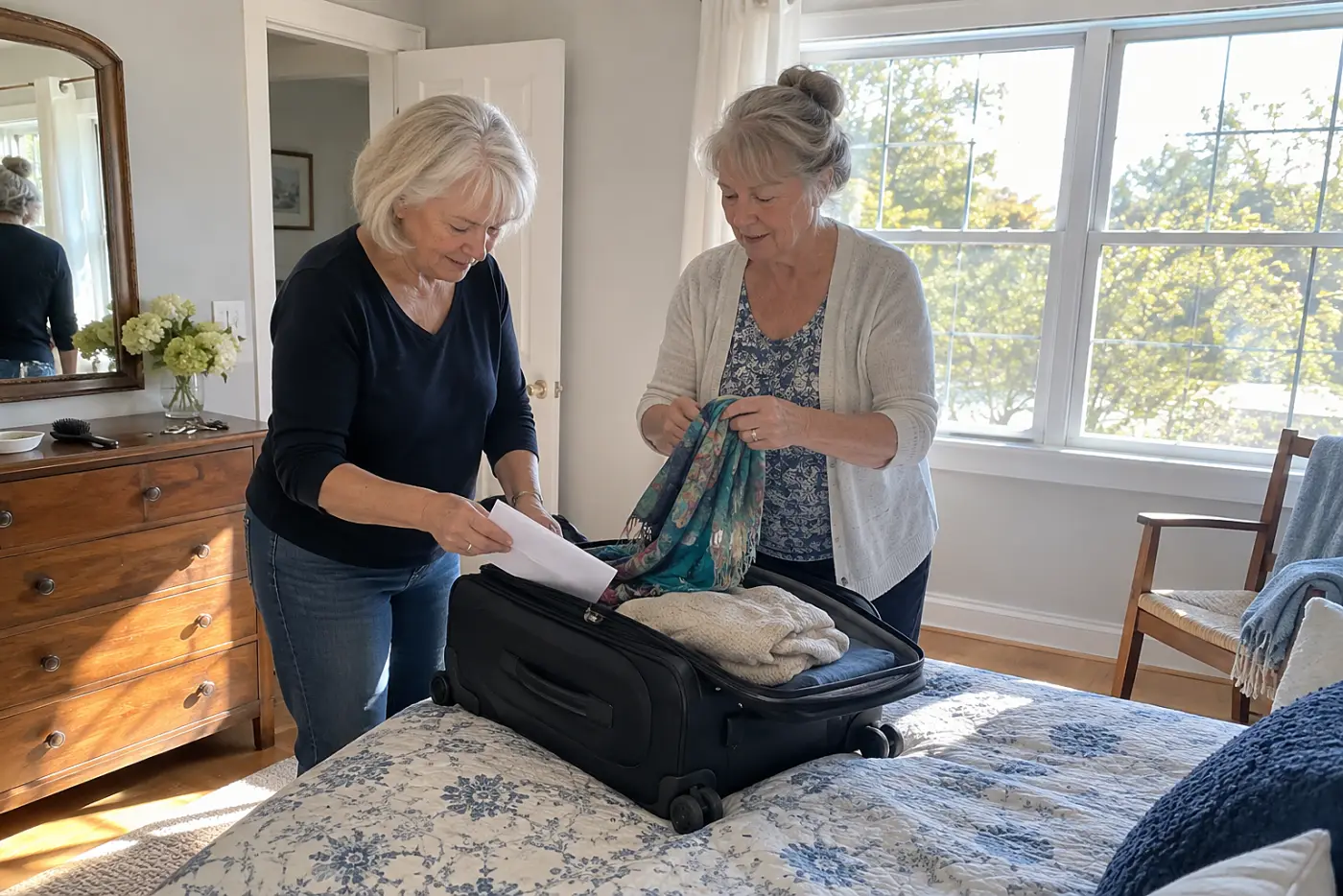
A lost passport starts a different errand.
A copy of the photo page puts your passport number within reach when you report a loss. It won't replace the original at a border. Store the copy apart from the passport so one missing bag doesn't take both.
Without that number, you're searching for details while trying to explain what happened. The State Department's lost passport guidance lays out the reporting steps. Keep its instructions where you can find them without the missing passport.
This week, make a paper copy and store it apart from the original. Give another copy to your trusted contact at home. Tell them, “Keep this private unless I call about a lost passport.”
Paper helps, but it won't decide whom to trust.
4Choose the official desk over the stranger

An urgent offer can sound helpful when you're tired.
If a ride, room, or ticket goes wrong, step toward a staffed counter. Use the number on your booking or the company's official site, rather than a number handed to you by someone nearby. Take a minute before paying or sharing account details.
The FTC's travel scam advice describes common traps. Alone doesn't mean you must solve a problem with the first person who approaches.
This week, save your airline and lodging contact details in one note. Practice saying, “Thanks, I'll check with the official desk.” Then walk there, even if the offer sounds convenient.
That pause gives you room to change the day, too.
3Leave one afternoon without a reservation

A full calendar leaves no room for recovery.
Travel days include lines, stairs, weather, and meals at odd hours. An open afternoon lets you rest, move a museum visit, or spend longer somewhere you like. You don't owe anyone proof that you used every hour.
Without that space, a small delay can spoil the next booking. Exhaustion also makes simple choices feel harder when no companion is sharing them. A free afternoon gives you a decision you can make after seeing how the day feels.
This week, remove one nonrefundable activity from a packed draft itinerary. Leave that time open on the calendar. If a friend asks what you'll do instead, say, “I'll decide when I get there.”
One decision, though, belongs before you book the flight.
2Check the name on your passport
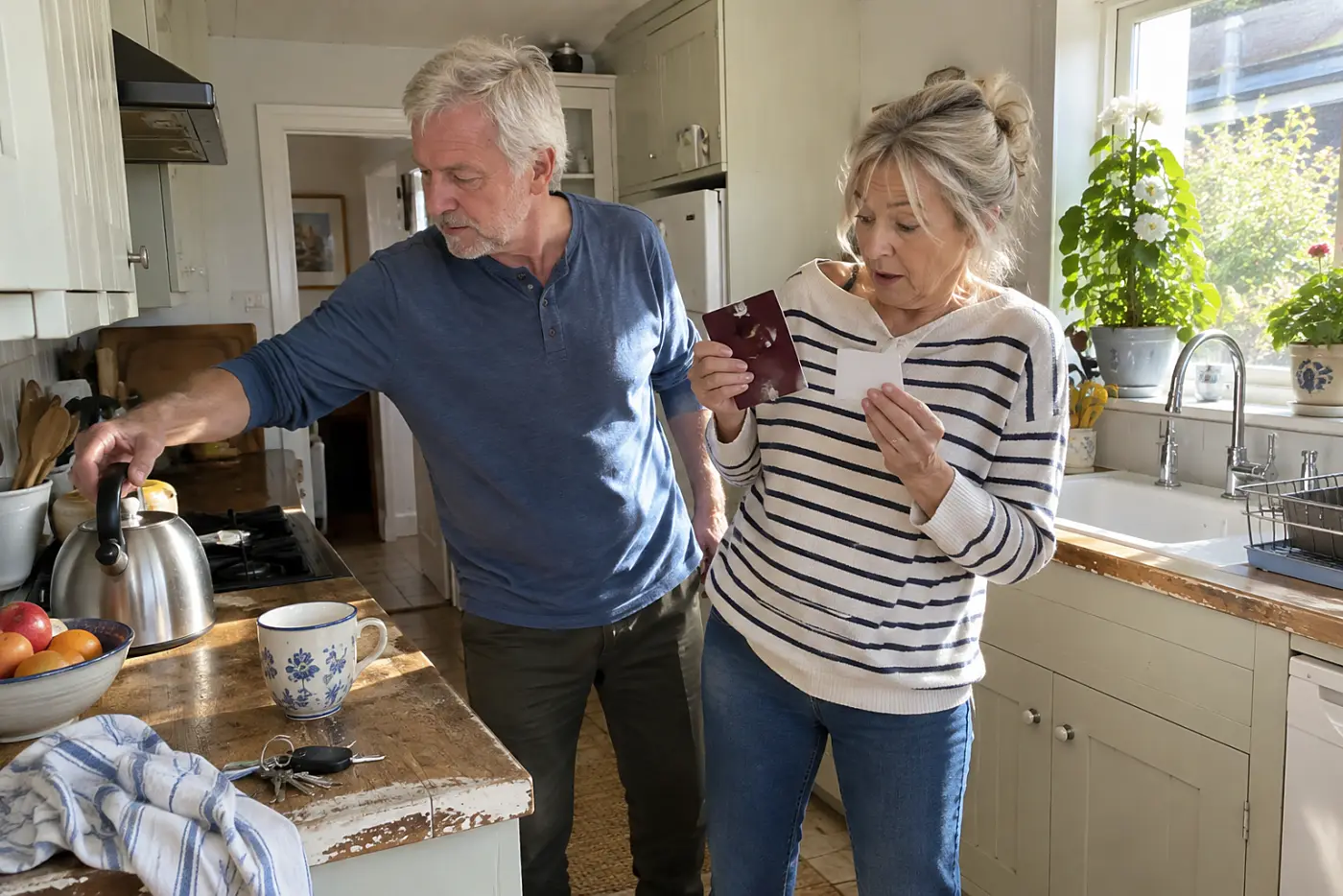
One letter can stop a trip before it starts.
Compare the name on your ticket with the name on your passport. Look at middle names and surnames, including an old surname still saved in an airline account. The U.S. Department of State's passport pages show how to renew and request a correction.
An international ticket bought under the wrong name creates a problem at check-in, not at your hotel. Fixing a passport takes time you won't have at the counter. Airline correction procedures differ, so don't change a reservation without checking first.
This week, open the passport and booking confirmation side by side. If they differ, call the airline before changing a reservation yourself. Say, “My ticket and passport don't show the same name. What do I need to fix?”
Once the name matches, there's still the arrival to plan.
1Write your first-night arrival card

The hardest hour is the one you haven't rehearsed.
On one card, write the arrival airport, your chosen transport, its pickup location, the hotel address, and late-entry instructions. Add the local emergency number and the name of the person you'll message after check-in. Put the card in a pocket you can reach while standing.
That card gives you an order to follow when the arrivals hall is loud. You won't need to search through emails while holding a bag and looking for signs. If your phone dies or your flight is late, the route and door instructions are still in your hand.
This week, fill out the card from confirmed bookings, then read it from top to bottom. Try finding the pickup point on the airport map and the hotel entrance in the property's directions. If a line is blank, get the answer before you leave. Say to yourself, “First I reach the pickup point. Then I go to this address.”
Before you close the suitcase, run those steps once more.
The bottom line
Across these 22 decisions, the pattern is the same: settle the hard parts before you're tired, lost, or standing in a line.
The best-prepared version of you has checked the documents and saved the numbers. She's left room to rest and put the first-night card in her pocket.
What happened on your first trip alone that you wish you'd planned for?
Bonus: The first-night arrival card
- Write the arrival airport, terminal, and official pickup point.
- Add the hotel address, phone number, and late-entry instructions.
- Add the local emergency number and one contact at home.
- Put the card in your coat pocket and photograph both sides.
- Read it once with your phone in airplane mode. Fill any gap before departure.
Margaret Hale
Travel & Lifestyle Editor
Margaret has covered travel for 25 years and has ridden every long-distance train route in the U.S. at least once.
You might also like