23 Signs It's Time to Stop Driving Long Distances, Before Someone Says It for You
A missed exit or a stiff neck means something different when you're four hours from home and the next safe stop is miles away.
By Margaret Hale, Travel & Lifestyle Editor
Updated · 16 min read
- Written by our travel & lifestyle editor
- How we review

Read to the end: #1 is the written trip limit that keeps the decision yours.
The motel sign appears after dark, just as rain starts catching the headlights. You lean toward the windshield and realize the next exit is farther away than you thought. There’s no passenger to read the signs, and pulling over now means finding a safe place in traffic.
The obvious question is whether you’re still a good driver. That question misses what happens when an ordinary problem arrives halfway through a long trip, far from the routes and stopping places you know.
Here are 23 signs to notice before the next long drive.
23The exit you passed twice

A missed exit matters more when correcting it takes miles.
On a long route, a missed turn creates a new decision while traffic keeps moving. Missing the same kind of exit twice on one trip deserves attention, even if you got home without trouble.
The cost is a harder choice at the next unfamiliar interchange. There’s no need to test the same confusing approach at highway speed to prove the first miss was a fluke.
This week, look at the route from your last trip and mark where you lost your place. Say, “I’m taking the train for that stretch next time.”
That wrong turn raises another question about what you noticed.
22The highway signs you read too late

A sign shouldn’t become legible only as you pass it.
Long-distance driving asks you to read signs, judge your lane, and act before the exit. If you start relying on the voice from your phone because the overhead signs arrive too late, check what’s happening rather than turning up the volume.
Age alone won’t tell you whether your glasses still work for highway signs. Ask about glare and contrast at your next eye exam; the National Eye Institute has information on changes in vision to review beforehand.
An eye chart result won’t recreate rain on an interstate. This week, book an eye exam and describe the exact sign-reading problem. Say, “I can read close-up print, but highway signs come into focus too late.”
Until that visit, choose a shorter familiar route. The next clue appears when the road gets dark.
21The headlights that blur after sunset
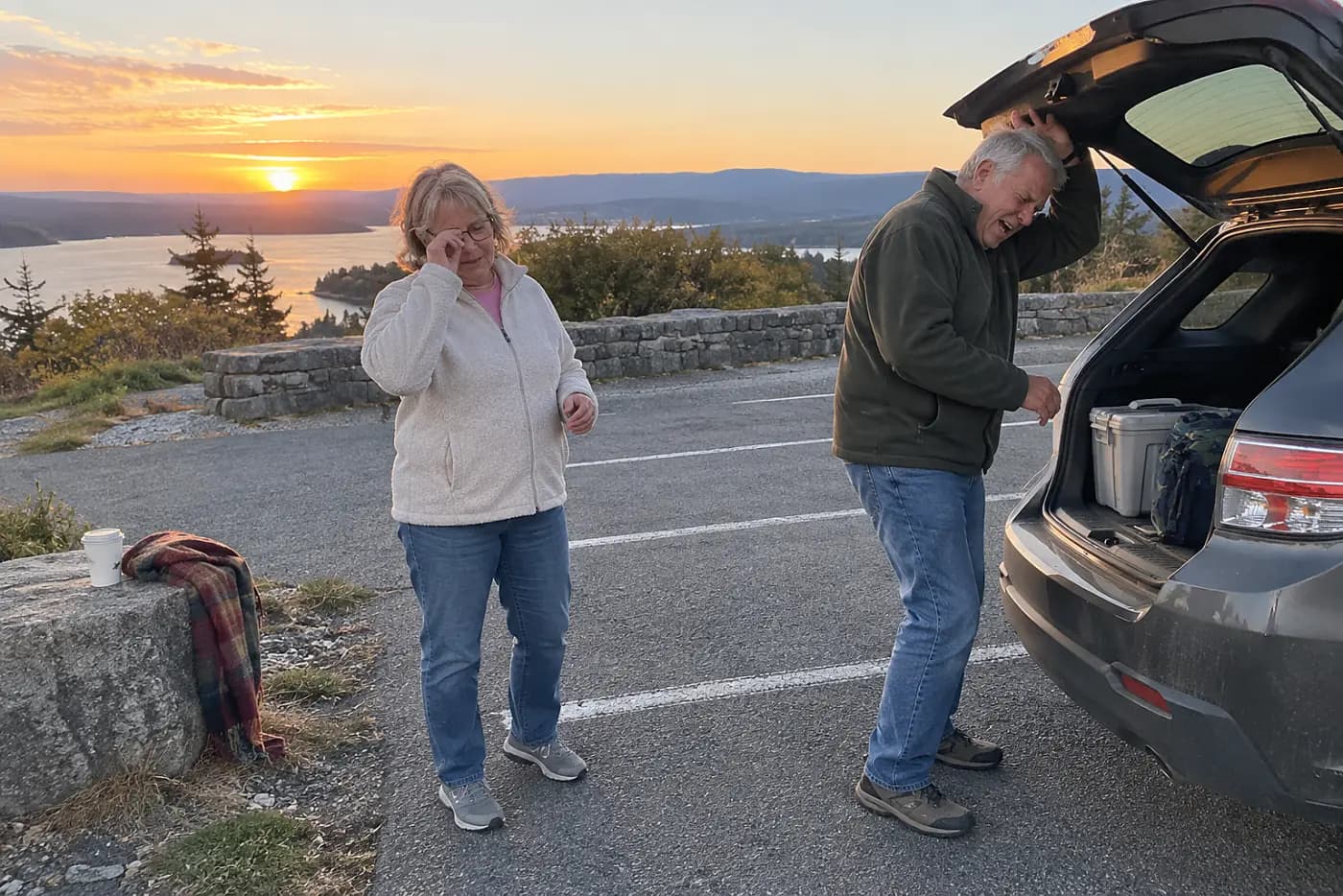
Oncoming headlights can erase the edge of your lane.
Night driving adds glare just when road markings are hardest to see. A clean windshield matters, but cleaning it won’t settle whether your eyes need attention.
The American Academy of Ophthalmology identifies cataracts among causes of glare and trouble seeing at night. If you lose sight of the lane edge, the remaining drive is a poor place to work out why. Even a familiar road changes after sunset.
This week, note whether glare happens in one eye or both. Tell your eye doctor, “Please check why headlights spread across my view.”
Daylight solves that stretch only if you reach it in time.
20The arrival time you keep pushing back
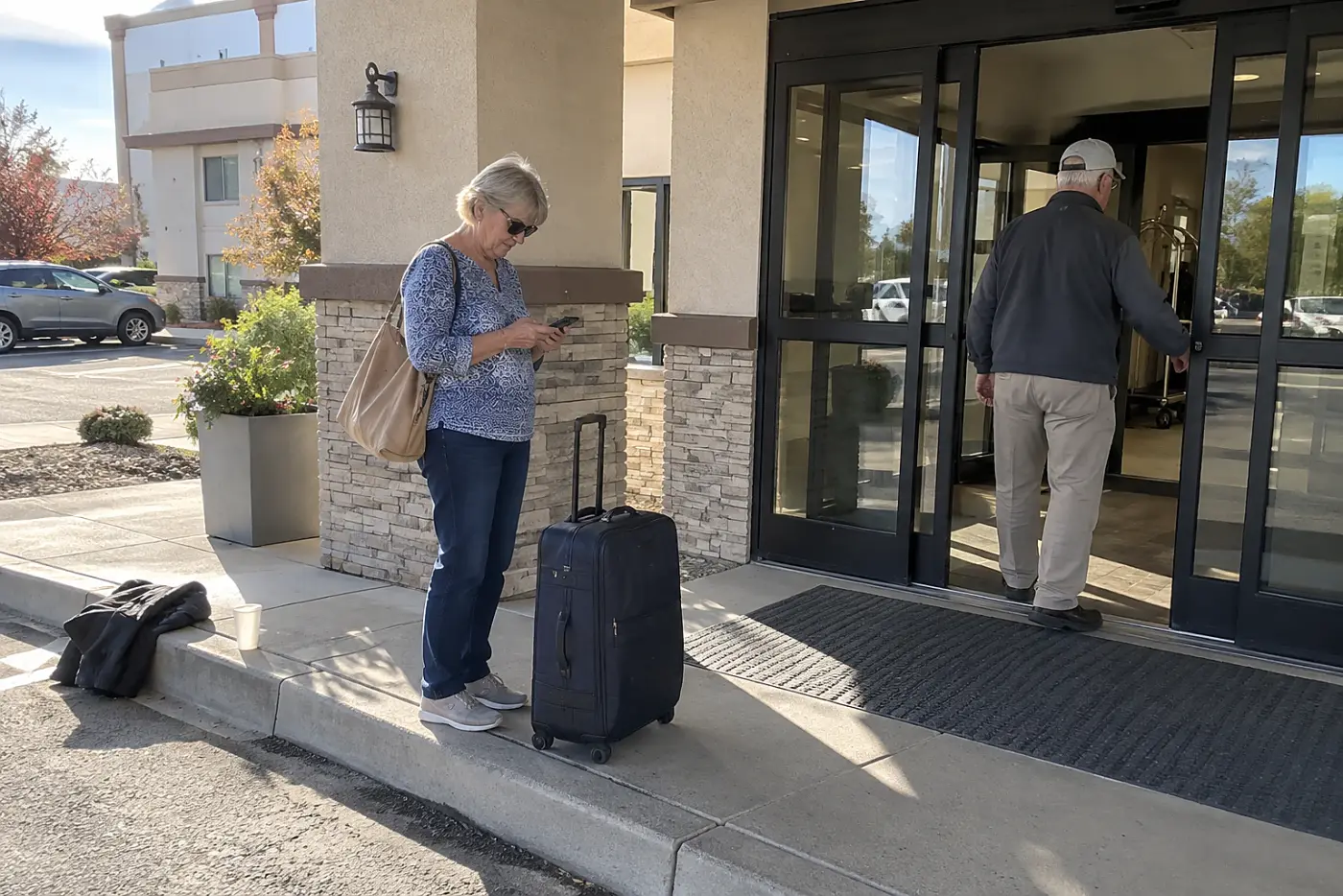
A planned arrival at dusk can turn into midnight.
Stops for fuel, food, traffic, and rest change the last hour of a trip. If you repeatedly arrive after the time you planned, the route is asking for more daylight than you’ve allowed.
Look at three trips you actually made. Compare the time you expected to arrive with the time you parked. If the final stretch kept sliding into darkness, setting off earlier doesn’t fix a drive that already fills your day.
Late arrival also leaves you tired in an unfamiliar parking lot. This week, price a flight, train, or overnight stop for your next visit. Say, “I want to get there while I’m still fresh enough to enjoy dinner.”
There’s another sign hiding in the stops you make along the way.
19The rest stop you drive past

Skipping a break keeps the schedule and spends your attention.
A long drive invites you to treat every stop as a delay. Then stiffness or fatigue shows up where there’s no easy place to pull over.
The National Highway Traffic Safety Administration warns about drowsy driving. Passing a rest area when you already need one leaves you with fewer safe choices until the next exit.
This week, mark actual stopping places on your next route before you leave. Find their distances on the map rather than guessing from memory. Say, “If I need a break, I’m taking it.”
Pay attention to what happens when you finally stop.
18The stiff neck at the fuel pump

A stiff neck changes the work of checking a lane.
Backing out and changing lanes require a clear view around the car. If turning your head hurts, you need a different plan before a long drive, not a harder twist.
Try this while parked: turn your head and upper body as you would to check beside the car. Keep the seat belt fastened. If you can’t see the area you need to check, bring that problem to a clinician or driving specialist.
Blind-spot alerts don’t replace looking; they can miss things. This week, test your comfortable range of motion in the parked car. Say, “I need to know whether I can check beside me without pain.”
The next test happens when the car moves fast again.
17The lane change you abandoned midway

Hesitation at highway speed leaves little room to recover.
A lane change needs a gap, a glance, and a steady decision. When you start to move, then brake and return, note what interrupted you.
A driver behind you sees the car move but cannot see why you changed course. That makes the next attempt harder to judge, especially near an exit. Write down whether the gap closed, your view was blocked, or you lost track of the lane.
This week, record where that abandoned move happened before taking the interstate again. Say, “I’m avoiding that stretch until I understand why I stopped halfway.”
A merge can expose the same problem even sooner.
16The entrance ramp you dread

The ramp gives you seconds to match traffic.
On a local road, you can wait at an intersection. An interstate entrance asks you to judge speed and find a gap while you accelerate.
If you’ve stopped at the end of an ordinary acceleration lane because you couldn’t join traffic, don’t dismiss it as one bad ramp. Check whether the same trouble appears at familiar entrances and in light traffic. That pattern matters more than a stranger’s horn.
The Federal Highway Administration has road guidance, but the close call you remember is enough reason to change this trip. This week, skip highway entrances that have left you stuck and write down what happened. Say, “I’m choosing surface streets for nearby errands, and another way for the long trip.”
Once you’re on the highway, a different task keeps repeating.
15The speedometer you keep checking

Holding speed shouldn’t consume your whole attention.
A long drive demands steady speed while you watch lanes, signs, and nearby cars. If your eyes keep dropping to the dial because the car drifts faster or slower, something deserves checking.
The problem is divided attention, especially in heavy traffic. Look back at when it began. Trouble after hours on the road points to a different trip decision than trouble within the first few miles.
This week, note whether the speed changes on a familiar local drive or only after a long stretch. Say, “I’m cutting this trip short if holding speed takes all my focus.”
Next, notice what happens when traffic slows without warning.
14The brake lights that startled you

A late brake is a warning, even without a crash.
Traffic ahead slows in waves. If the brake lights seem to appear all at once, check your following distance, attention, and fatigue before blaming the driver ahead.
The NHTSA drowsy-driving page describes slower reactions and missed road information when a driver is sleepy. Coffee doesn’t erase sleep loss. Nor does opening a window.
This week, think back to the last hard brake. Were you looking ahead, searching for a sign, or fighting sleep? Write down the answer, then arrange another way to make the next long trip if it happened when you were alert. Say, “I braked later than I meant to, and I’m changing this plan.”
A small parking mistake can reveal what highway speed hides.
13The parking space you avoid now

Avoiding a space tells you what feels hard.
At a destination, parking asks you to judge distance and turn your head. If you circle until you find a pull-through space, ask what you’re avoiding.
The answer matters before a trip ending in a crowded garage. A pull-through space removes the need to back out, but it doesn’t tell you whether the trouble is neck movement, distance judgment, or pressure from waiting cars.
This week, try parking in an open lot during daylight, without anyone waiting behind you. Notice which part changes when you have room. Say, “I want to understand which part of parking has changed.”
The trip home begins before you turn the key.
12The suitcase that leaves you exhausted

The drive starts after the work of getting ready.
Packing, carrying bags, loading the car, and cleaning up the kitchen all use energy. A departure that follows a full morning of chores isn’t the same as leaving rested.
Notice whether you’re worn out before you reach the first highway. That’s useful evidence, not a character flaw. The Centers for Disease Control and Prevention advises adults to get enough sleep; a departure time doesn’t make up for a short night.
This week, pack the day before your next trip and leave the loading for someone else if you need help. Then ask whether driving still feels manageable. Say, “I’m not starting a long drive after I’ve spent the morning hauling bags.”
The return trip deserves its own test.
11The drive home you put off

Dreading the return is part of the trip.
A visit can be wonderful while the drive back feels like a bill coming due. If you delay leaving because you can’t face the highway, the round trip exceeds what you want to drive.
The outward trip had an arrival to look forward to. The return still asks for fuel stops, traffic decisions, and attention after the visit ends. Repeatedly delaying it means the route is shaping how long you stay.
This week, price the entire journey, including the return date, rather than only the outward leg. Say, “I want to visit, but I’m not driving both ways.”
The next clue sits on the prescription label.
10The new prescription beside your keys
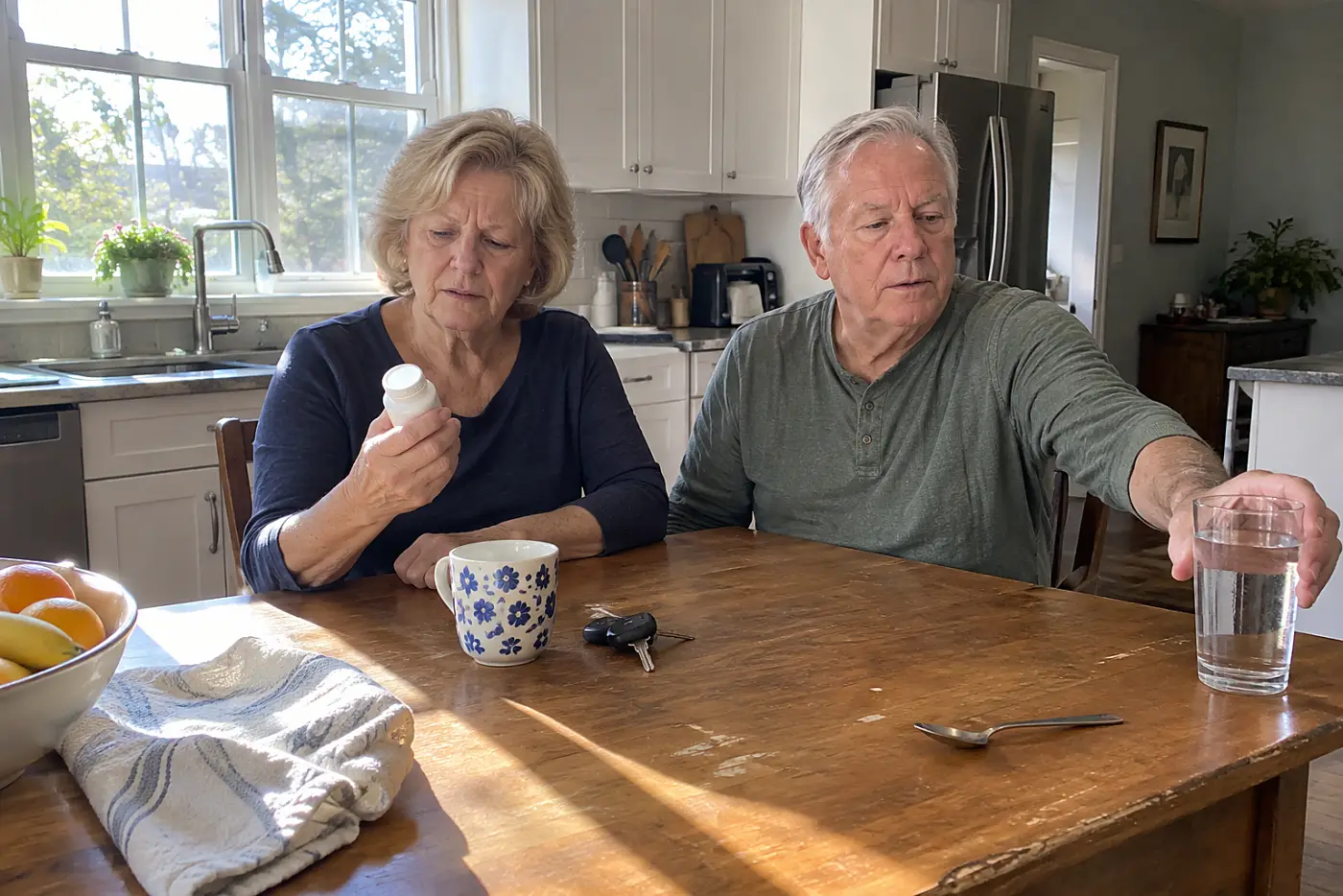
A medication change belongs in your travel plan.
The Food and Drug Administration warns that medicines can affect driving through drowsiness, dizziness, blurred vision, and slowed movement. Some effects appear when you first take a drug or after a dose change.
Look at the label for driving warnings, then ask your pharmacist about your specific medicine and timing. Don’t stop a prescribed drug on your own to preserve a road trip. Your health needs a plan of its own.
The stake is the first long drive after a change, when you haven’t learned how you respond. This week, gather every prescription and over-the-counter medicine you use and call the pharmacist. Say, “My dose changed, and I have a long drive planned. What should I watch for before I get behind the wheel?”
The answer also matters after an ordinary night’s sleep.
9The morning you woke up tired

Sleepiness at breakfast won’t improve at highway speed.
If you wake unrefreshed and plan to drive for hours, decide before departure whether you’re alert enough to go. A short night needs a travel change today; a pattern of tired mornings deserves a separate conversation with your clinician.
The CDC sleep pages give you terms to describe sleep problems. A record is more useful than trying to remember each morning during an appointment.
This week, record when you went to bed, woke, and felt sleepy during the day. Bring the record to your clinician. Say, “I wake up tired and need to know what’s causing it before another long drive.”
Watch what happens when you try to stay awake anyway.
8The open window used to stay awake

Cold air is not a substitute for sleep.
When you open the window to keep your eyes open, you’ve identified drowsiness while driving. Turning up music or calling a friend doesn’t restore alertness.
Find a safe place to stop. If you’re already on the road, choose a rest area or other legal stopping place rather than the shoulder unless it’s an emergency. The National Sleep Foundation has sleep information to read later; the decision on the road is to stop.
A near miss isn’t required before you change plans. This week, decide where you’ll stop on your usual route if sleepiness starts. Say, “I’m tired, so I’m stopping and arranging another way to finish the trip.”
Another kind of missing time calls for a different question.
7The mile markers you cannot recall

A blank stretch deserves more than a shrug.
A familiar road invites your mind to wander. Arriving at an exit without remembering the stretch before it leaves a question you cannot answer from the driver’s seat.
Don’t label every forgotten mile as sleepiness. Write down whether you felt drowsy, missed a turn, or noticed the gap only afterward. Those details give your clinician something specific to investigate if it happens again.
This week, record the location and what you remember immediately before and after the gap. Say, “I lost track of part of the drive, and I want to discuss it.”
An unfamiliar road gives you less room to drift.
6The detour that rattled your route
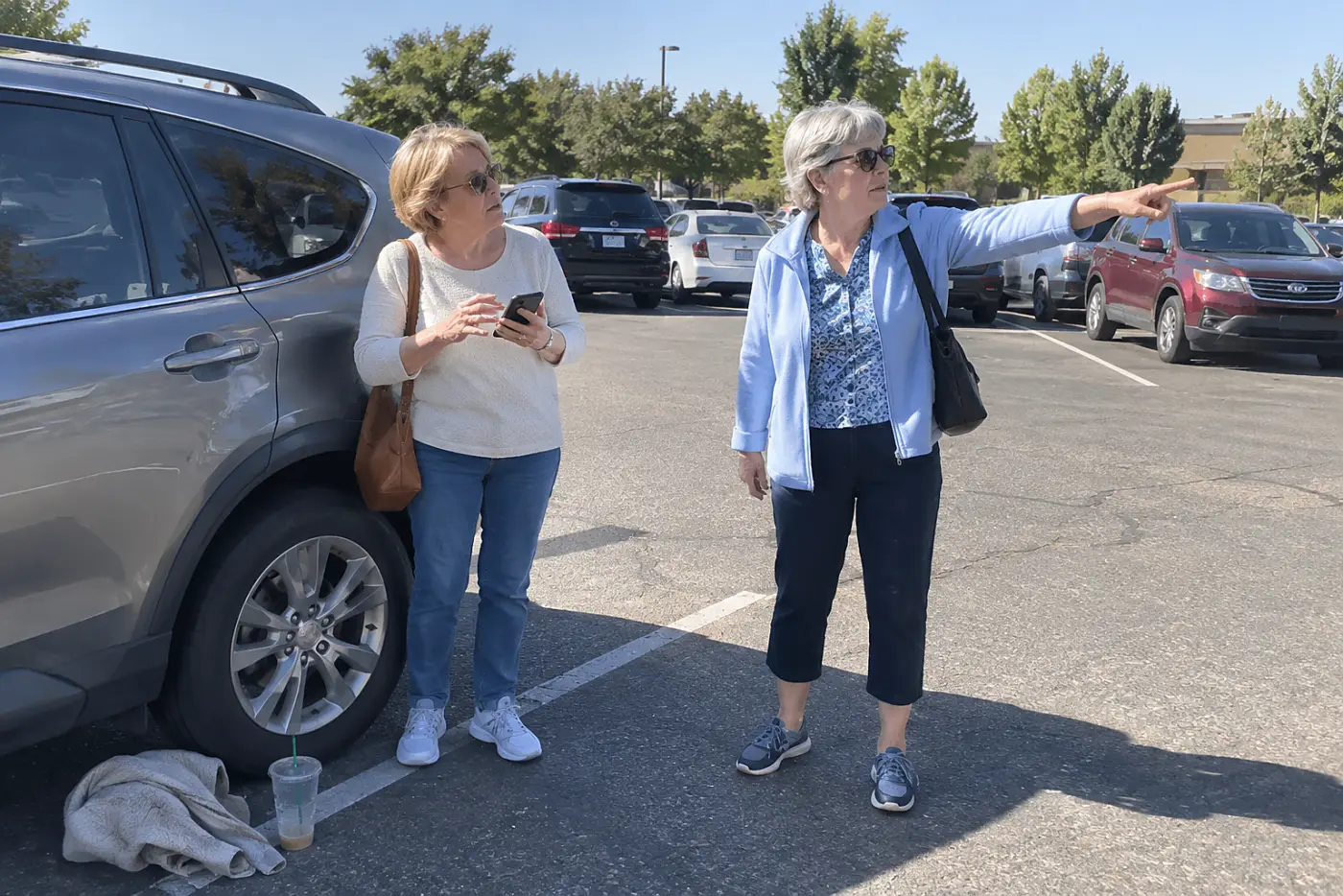
A detour removes the plan you were following.
Construction signs can send you off the interstate into unfamiliar streets. You must read signs, follow traffic, and decide where to turn without stopping in a travel lane.
If that change leaves you unable to keep driving safely, pull into a legal parking spot. Set the route again only after you stop. Check the Federal Highway Administration for road information before a planned trip.
This week, look at the next trip’s route and identify a place to stop if directions change. Say, “If there’s a detour, I’m pulling over before I sort it out.”
There’s a similar test when the road stays familiar but the weather doesn’t.
5The rain that changes your plans

Bad weather turns a manageable drive into another job.
Rain cuts visibility and traction while traffic continues around you. If you now wait out storms that you once drove through, trust the change you’ve noticed.
Check the National Weather Service forecast for the whole route, not just your driveway. A clear departure means little if the hard stretch is wet and dark. Decide in advance what forecast will move the trip to another day.
This week, check the forecast for your next route and name the condition that would make you postpone. Say, “I’m traveling on a clear day instead.”
The car itself needs an honest look too.
4The dashboard light you drive past

A warning light gets harder to handle far from home.
Before a long trip, an unresolved dashboard warning belongs at a repair shop, not on a packing list. The owner’s manual identifies the symbol; a mechanic can diagnose the fault.
Some warnings call for stopping as soon as it’s safe. Don’t guess from the color alone. Read the manual’s instruction for that exact light, then arrange service before leaving.
Check your vehicle identification number on the NHTSA recalls page before you go. An open-recall search won’t diagnose the light already shining on your dash.
This week, find the manual, write down the light you’ve seen, and book service. Say, “I’m not taking this car on the highway until I know what that warning means.”
Once the car is ready, ask whether the drive still is.
3The family visit you shorten

Less time together can be the price of driving.
When travel leaves you needing a day to recover, a visit gets squeezed. You arrive late, leave early, or spend the middle resting.
The calendar shows the trip length, but it doesn’t show the time you lost together. If the drive takes the energy meant for a visit, changing transportation changes the visit itself. Look at the last one before agreeing to another identical route.
This week, compare the visit you wanted with the time you actually spent together. Say, “I’d rather take a train and stay longer than drive and rush home.”
Your choice also shows up in the invitations you turn down.
2The invitation you declined because of mileage

The destination still matters, even when the drive doesn’t.
Turning down a wedding, reunion, or weekend with a friend because it’s too far to drive is a travel problem you get to solve. The invitation doesn’t require you to prove anything on an interstate.
Start with the destination and work backward. Check Amtrak times and flight schedules, then ask about a ride from the station or airport. If someone offers to drive, discuss the return trip too.
This week, pick one invitation you declined and check the current fare and total travel time without your car. Say, “I’d like to come. I’m finding a way there that doesn’t involve me driving the whole distance.”
Then put the limit into words before the next invitation arrives.
1The trip limit you write yourself
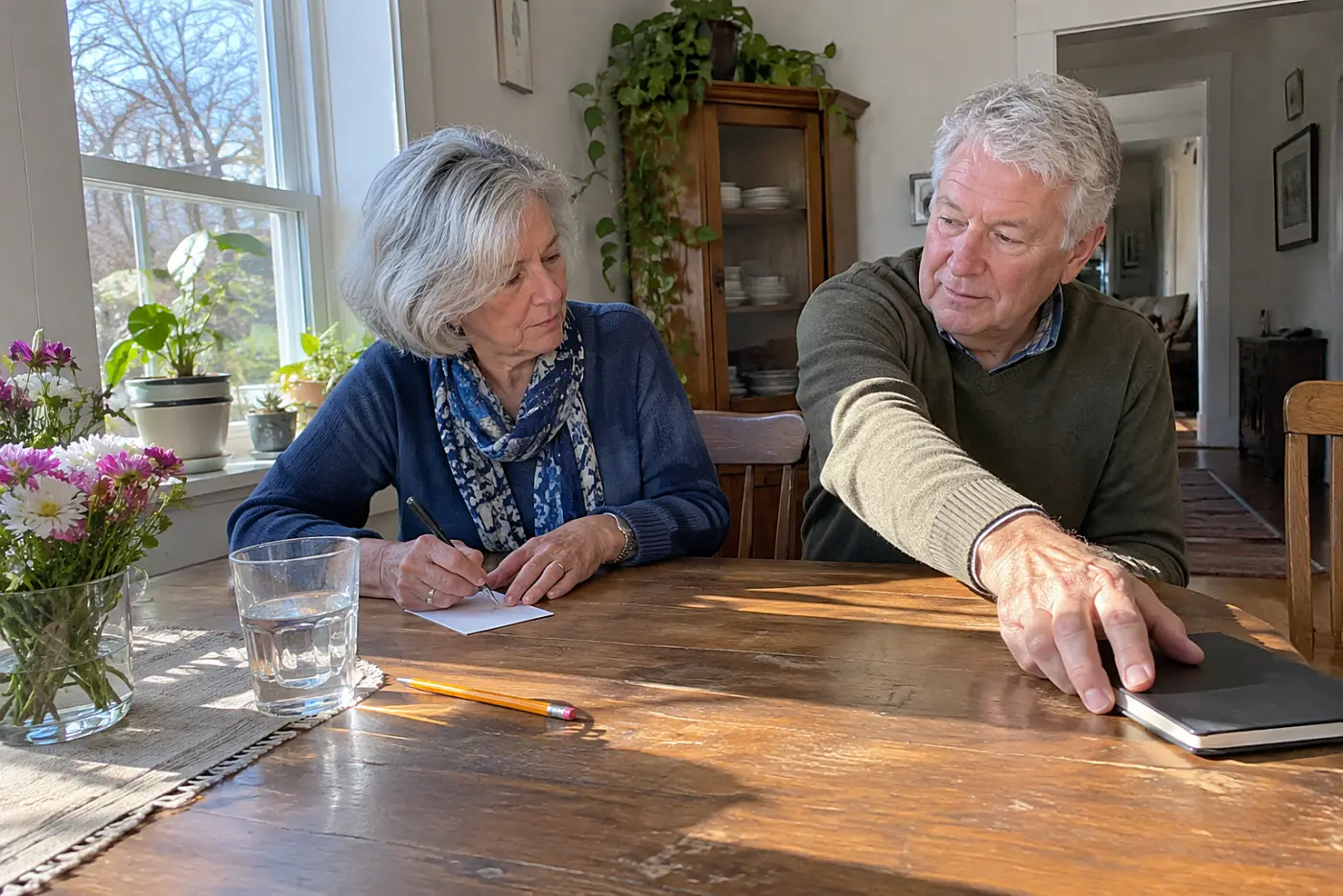
An unwritten limit is easy to bargain away.
Decide what you will no longer drive before a holiday invitation, a medical appointment, or someone else’s disappointment puts pressure on you. Write a rule you can use at the kitchen table: no interstate trips after dark, no drives beyond a named destination, or no trip requiring a return the same day.
Make the rule specific enough to settle a real choice. “I’ll see how I feel” leaves the decision for the roadside. A written limit gives you time to book a train, arrange a ride, or stay overnight. It also gives the person making plans with you a clear answer before tickets are bought or a dinner time is set.
This week, put your rule on paper and keep it with your calendar. Tell the person most likely to plan a trip with you. Say, “I’ve decided I won’t drive that distance anymore. I still want to go, so let’s plan another way.”
One more step matters when plans change. The rule needs an answer for the trip you didn’t expect.
The bottom line
These signs point to the same pattern: a long drive demands decisions that a short, familiar drive doesn’t.
The best-prepared version of you has set a trip limit and checked the route. She’s also chosen another way to get there.
Which of these has already happened in your family?
Bonus: Put your trip limit on paper
- Write a specific rule, such as: “I will not drive farther than 200 miles in one day, or drive after 7 p.m.” Choose a distance and time that fit your trips.
- Add: “If plans change, I stop somewhere safe and make a new plan. I don’t decide while driving.”
- Put the card beside your calendar, where invitations and appointments first land.
- Say to your travel partner, “I’m still coming. I’m not driving that route.”
Margaret Hale
Travel & Lifestyle Editor
Margaret has covered travel for 25 years and has ridden every long-distance train route in the U.S. at least once.
You might also like