22 Reasons Gardeners Keep Coming Back to the Garden
A watering can by the back door turns a walk, a meal, and tomorrow’s plans into small jobs you’ll actually do.
By David Ruiz, Tech & Home Writer
Updated · 15 min read
- Written by our tech & home writer
- How we review

Read to the end: #1 is the soil test to request before planting food, and almost nobody checks it first.
The hose has kinked behind the tomato pot again. You walk over, free it, and notice a ripe fruit hiding under a leaf. Back inside, there’s soil beneath one fingernail and a reason to return tomorrow.
It’s tempting to credit the tomatoes, as though eating one settles the question of a longer life. Gardeners know the pull runs deeper: a patch of ground gives your body work, your mind a problem, and your next morning a purpose. None of that promises extra years, but it changes how a day is spent.
Here are 22 reasons gardeners keep coming back.
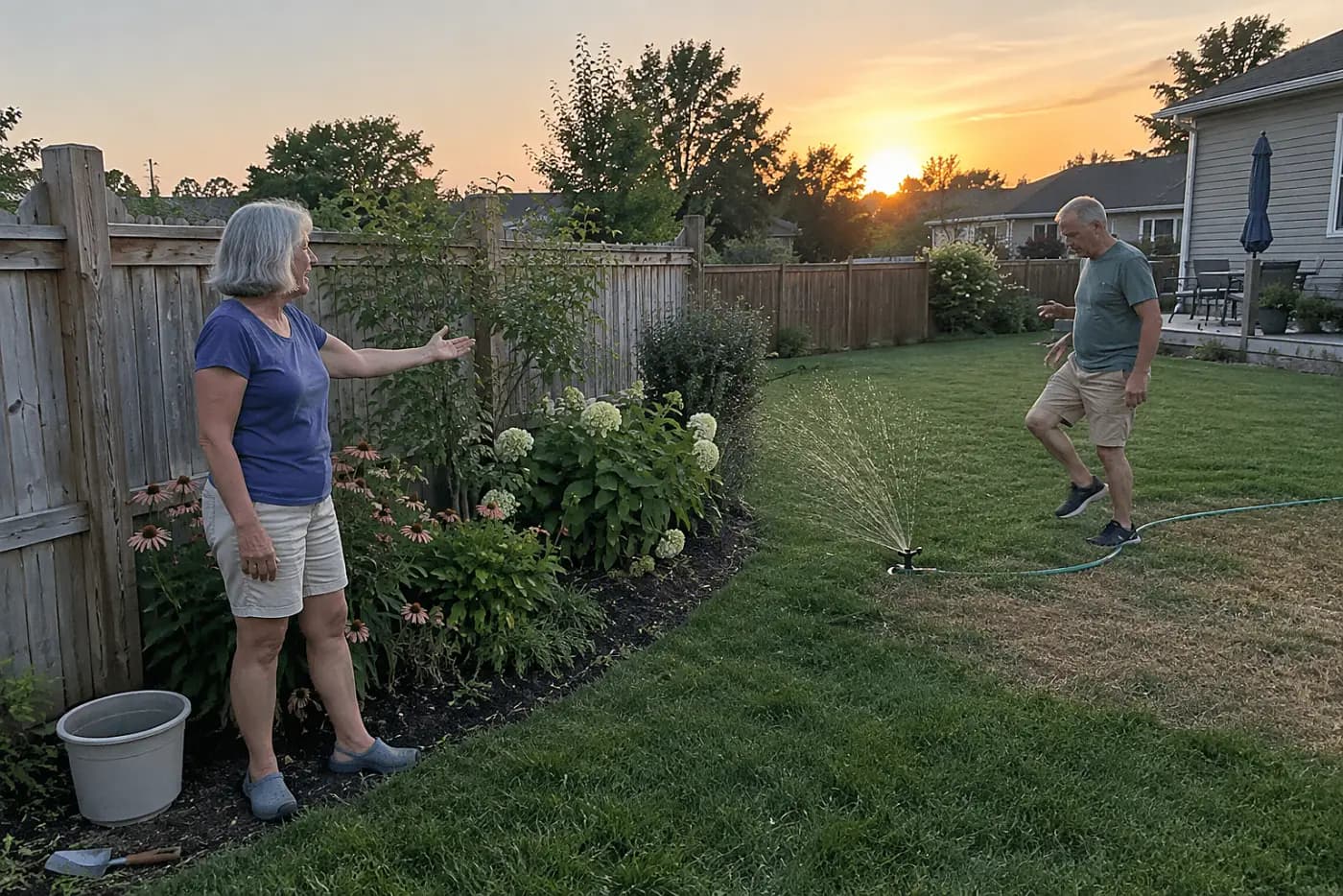
22A hose that makes you walk the yard

A hose left across the path turns a small job into a fall.
Fetching water gives you a reason to cross the yard. The CDC counts gardening among moderate-intensity activities, though the effort changes with the task. That short trip still matters when it replaces another hour in a chair.
Don’t mistake a watering chore for a fitness plan. The CDC recommends 150 minutes of moderate activity each week for adults, plus muscle-strengthening work on two days.
This week, pull the hose along your usual route and move anything that catches your foot. Say to whoever shares the yard, “Leave this path clear so I’ll use it tomorrow.”
Then notice what else that trip asks of you.
21The watering can that weighs something
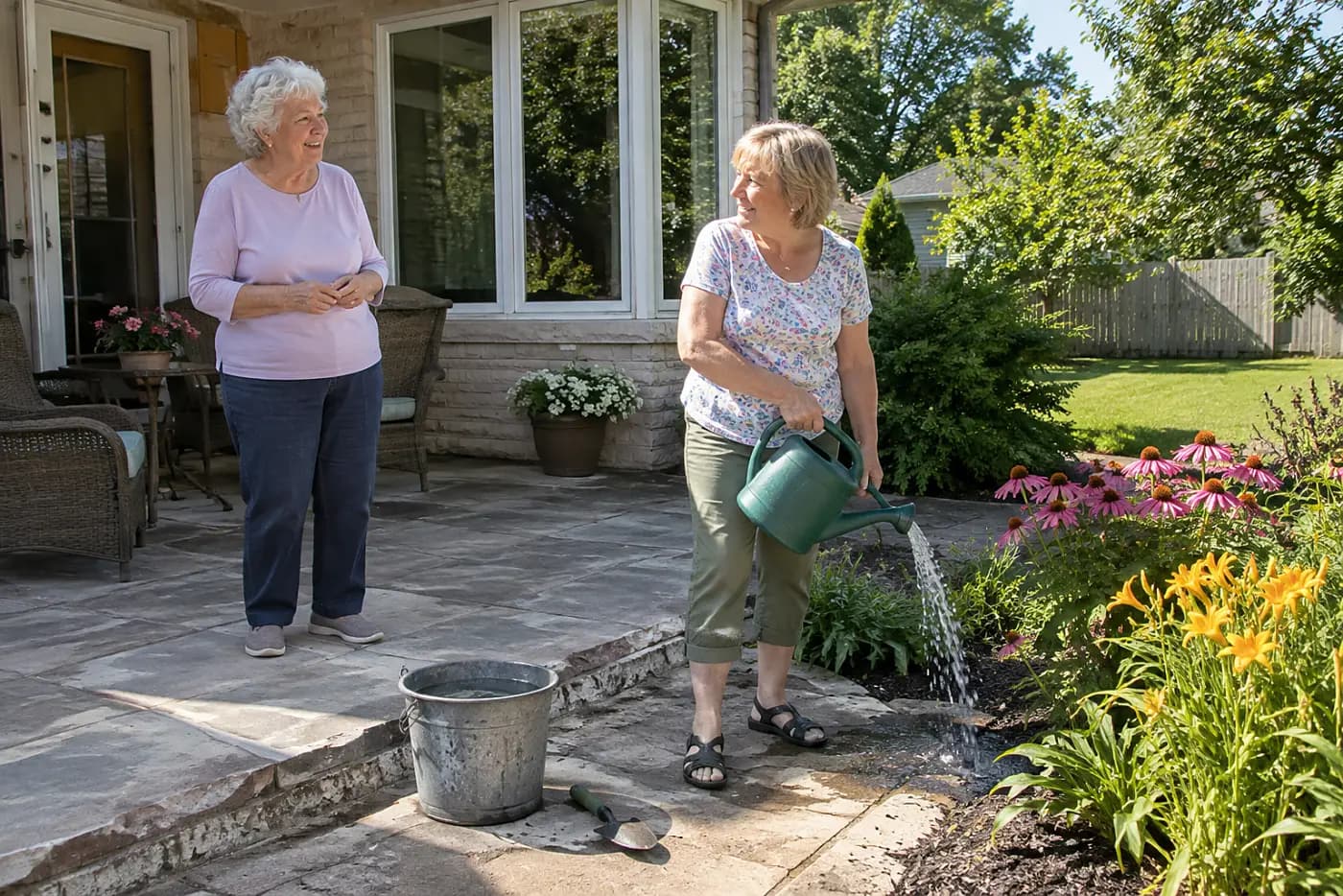
A full watering can gets heavier before the far bed is done.
Carrying it asks your arms, grip, and trunk to work together. Emptying it lowers the load for the return trip. That changing weight is part of why this ordinary job feels different from walking to the mailbox.
You don’t need to turn watering into a strength contest. A heavy can pulls you off balance, especially on steps or loose stones, and a strained wrist can keep you out of the garden longer than thirsty plants will.
This week, fill the can only as far as you can carry it without leaning. Make two trips if you want to keep watering by hand. Set it down before a turn rather than swinging it around your body. If someone offers to fill it to the brim, say, “Half full, please. I want to carry it comfortably.”
Sooner or later, the job moves closer to the ground.
20The raised bed reached from a path
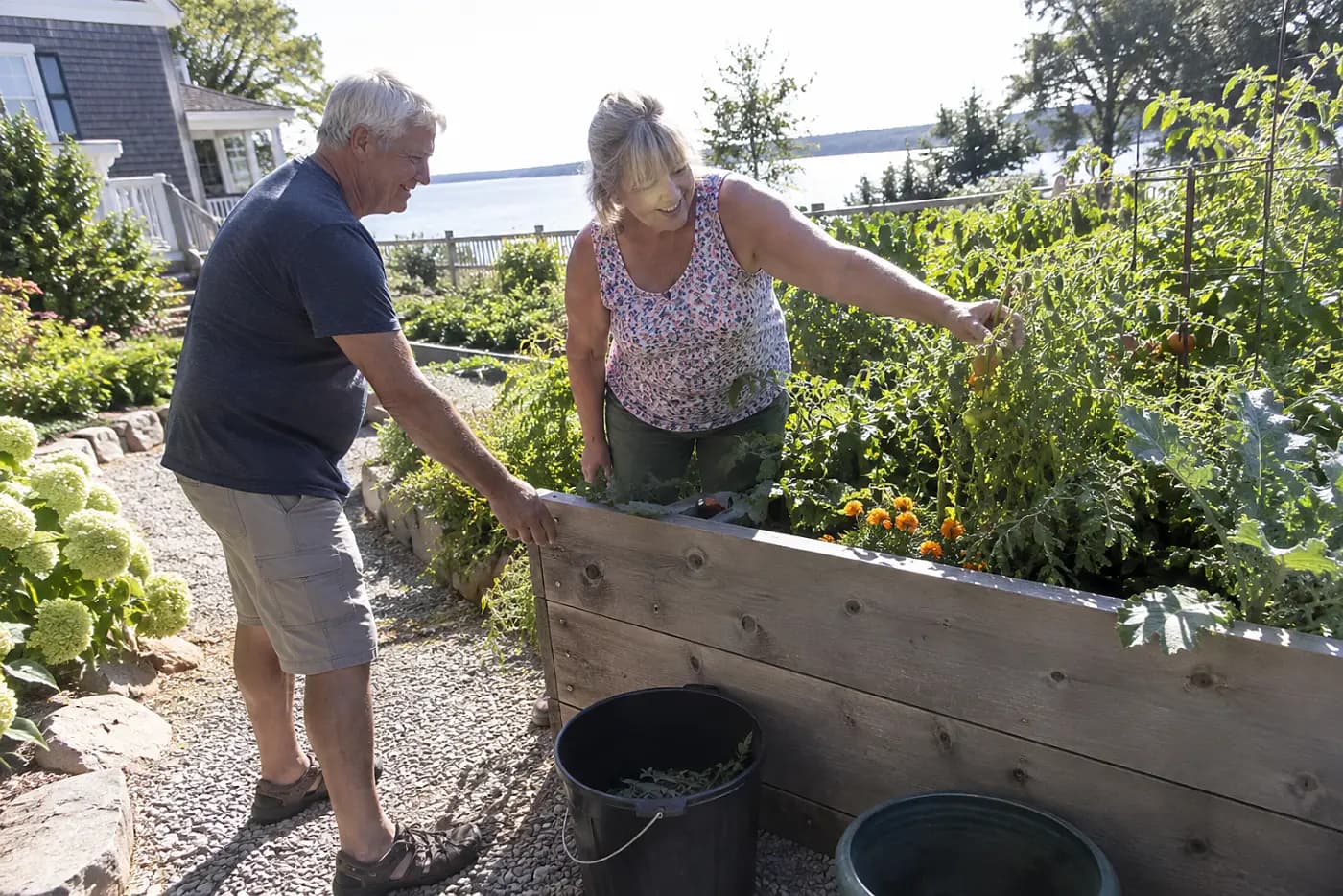
Stepping into a raised bed defeats its best feature.
Raised beds bring soil closer to your hands. Width matters as much as height. Step inside to reach the middle, and your weight presses soil together where roots need room.
The USDA advises against walking on garden beds because compacted soil leaves less room for air and water. Awkward reach also gives you a reason to postpone weeding until the job grows.
This week, reach across an existing bed from its path. Mark where you start leaning, then keep new beds within that reach. Tell anyone helping build one, “I want to tend the middle without stepping inside.”
The next reason to go outside needs no lumber.
19A morning look at the tomato leaves

Trouble is harder to fix after it fills a plant.
A brief look tells you whether leaves have holes, soil is dry, or fruit is ready. You spot a change before deciding what to do. Gardeners return for that small question, then stay to pull a weed or pick lunch.
That habit is useful even when the harvest disappoints. It gets you into daylight and gives your attention somewhere to land besides a phone. The National Institute on Aging points to physical activity and social connection as parts of healthy aging. A morning check starts a day; it doesn’t guarantee extra years.
This week, choose one plant to inspect before you open the news. Look underneath a leaf and touch the soil near the roots. If you garden with someone, say, “Take a look at this leaf. Was that spot here yesterday?”
By tomorrow, there will be a fresh answer.
18The weed pulled before it flowers

A weed with seeds has already made next week’s work.
Pulling a young weed takes less force than wrestling a mature one. You also get the satisfaction of finishing a visible task in a few minutes, even when the rest of the yard needs attention.
Wait until it seeds, and one small job becomes a larger one. Keep the work short if your hands or back are tired.
This week, pull the weeds beside one stepping stone. Put them in the right disposal spot for your area, especially if they carry seed heads. Tell a garden partner, “I’ve cleared this stone; would you check the next one?”
Then look up; the garden has probably given you another small job.
17The trowel that keeps your hands busy

An idle hand reaches for the phone without asking.
Digging a planting hole gives your hands a job with a beginning and an end. You feel where the soil is hard, shift a stone, and make room for roots. Your attention goes to what’s under the blade, which is something you can change.
A trowel doesn’t treat anxiety or grief. It gives you something real to do on a day when thinking harder hasn’t helped. If pain or worry takes over your days, tell a health professional rather than asking the garden to carry it alone.
This week, plant one bulb, division, or nursery plant suited to your area. Set the trowel down when your hand tires. Tell a friend, “I planted something today; remind me to show you when it comes up.”
The next visit starts before anything blooms.
16The packet with a planting date
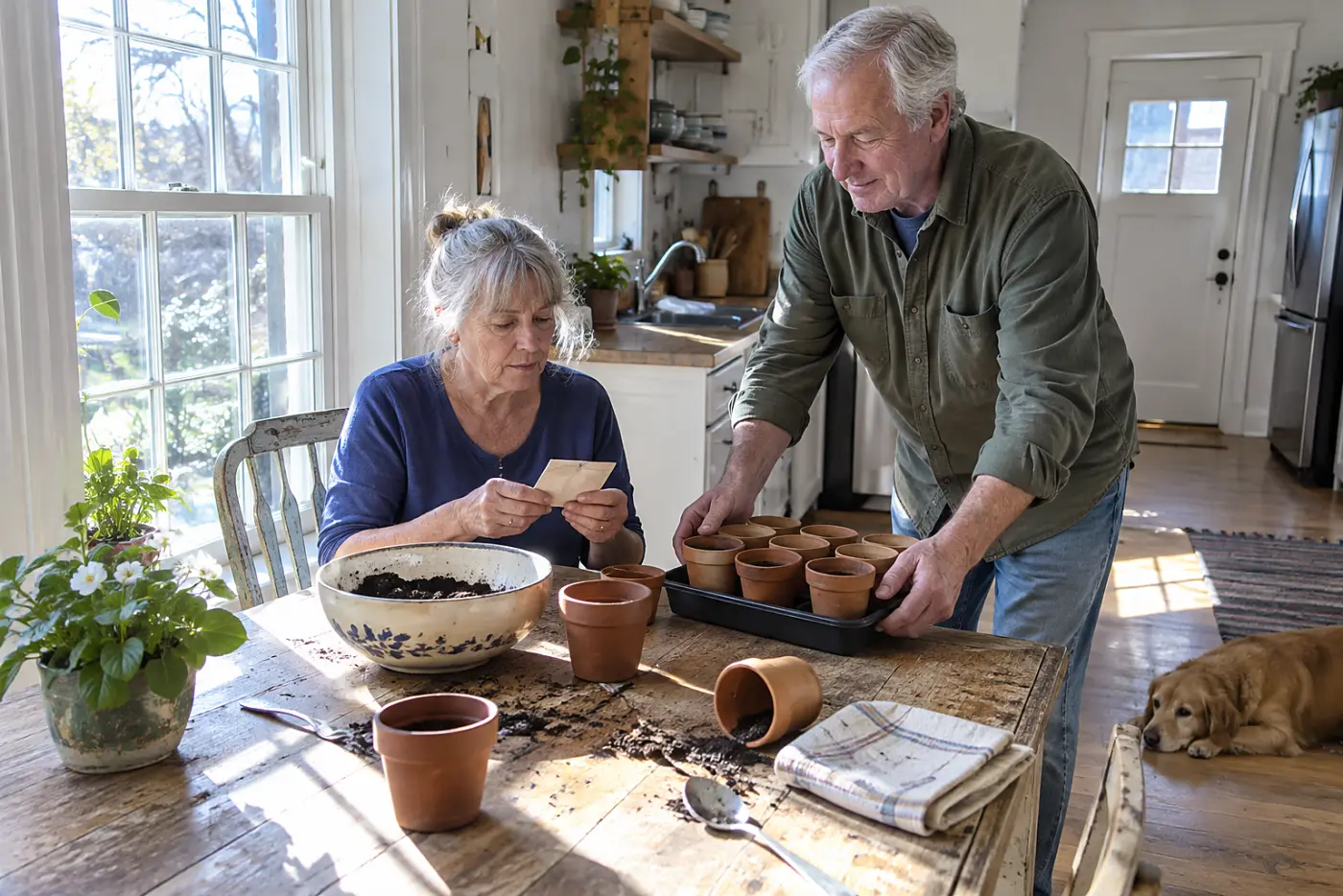
A date on a seed packet gives tomorrow a job.
Seeds need the right soil temperature and season to germinate. The packet gives planting guidance, while your local frost dates help you decide when to start. A missed window changes what you plant next.
The USDA Plant Hardiness Zone Map describes average annual extreme minimum temperatures, not your last spring frost. Confuse the two, and tender plants go outdoors too soon.
This week, check the packet against your local Cooperative Extension office’s frost-date guidance. Write the planting day on your calendar. After that, the waiting has a shape.
15The compost bucket after dinner

Kitchen scraps make a good reason to step outside.
A small bucket carries vegetable peels and coffee grounds from supper to the compost pile. There, you mix them with dry leaves or other brown material. The routine links a meal you’ve finished with soil you’ll use later.
The EPA recommends keeping meat, dairy, and grease out of a home compost pile. Those scraps attract pests and cause odor. A bucket with a lid also saves you from fruit flies gathering around the counter.
This week, choose a container you can empty and wash easily. Put it where you prepare vegetables, then carry it out after dinner rather than letting it become a second trash can. If someone asks what belongs inside, say, “Vegetable scraps and coffee grounds. Leave out the meat.”
You won’t see finished compost tomorrow. You will have another errand outdoors, where the pile gives you a reason to look closer.
14A chair facing the busiest flower bed

Standing until you ache cuts a garden visit short.
Sitting lets you watch insects move between flowers. You notice which blooms draw visitors and which have gone to seed. Rest gives you time to spot the next job without doing it immediately.
Skip that pause, and a tired back decides when the visit ends. The chair keeps the bed within sight while you stop working.
This week, put one where you can see a flower at eye level. Tell whoever’s inside, “Come sit with me a minute.” Stay until you notice what visits the nearest bloom.
A shared pause leaves room for another conversation.
13The neighbor who notices new seedlings

A fence conversation begins with something already happening.
Your neighbor asks about the seedlings. You explain what survived the cold, and she tells you what grew on her side. There’s no need to invent a topic or schedule a formal visit.
The CDC links social connection with better health. A fence chat doesn’t add a promised number of years. It does give you a natural opening to know someone nearby.
This week, tell one neighbor what you’re growing, even if the answer is “I’m still finding out.” Ask what has worked in their yard. If you’d rather keep the talk brief, say, “I’m heading in, but tell me how those beans turn out.”
Soon there’s a practical reason to speak again.
12The herbs snipped for tonight’s supper

Fresh herbs make a plain dinner worth noticing.
Snipping parsley or basil takes you outside just before cooking. You bring back a smell that changes the meal without requiring another grocery trip. That link between bed and plate keeps the harvest close to daily life.
Soil and dust still come inside on leaves. The FDA advises washing fresh produce under running water.
This week, cut only what dinner needs and rinse it in the kitchen. If a friend asks why you’re growing herbs, tell her, “Because I’ll use them tonight.” A bigger harvest raises another question.
11The extra zucchini handed to a friend

An oversized harvest gets lonely in the refrigerator.
When you carry spare produce to someone, the garden creates a visit. You hear what they cooked, and next time you harvest, you think of them again. Giving away food keeps a good season from ending at your own kitchen door.
Share it while it’s fresh. The USDA’s FoodKeeper helps you check storage guidance for produce; it won’t rescue vegetables left too long on the counter.
This week, pick one thing at its best and offer it to someone who wants it. Don’t leave a surprise bag on a doorstep. Say, “I’ve got two zucchini ready today. Would you use them?”
The exchange matters even if the crop itself is modest. Next time you pass the plant, you’ll remember both the person and the meal it made possible. And when the beds are bare, that connection needn’t disappear.
10The seed catalog opened in winter
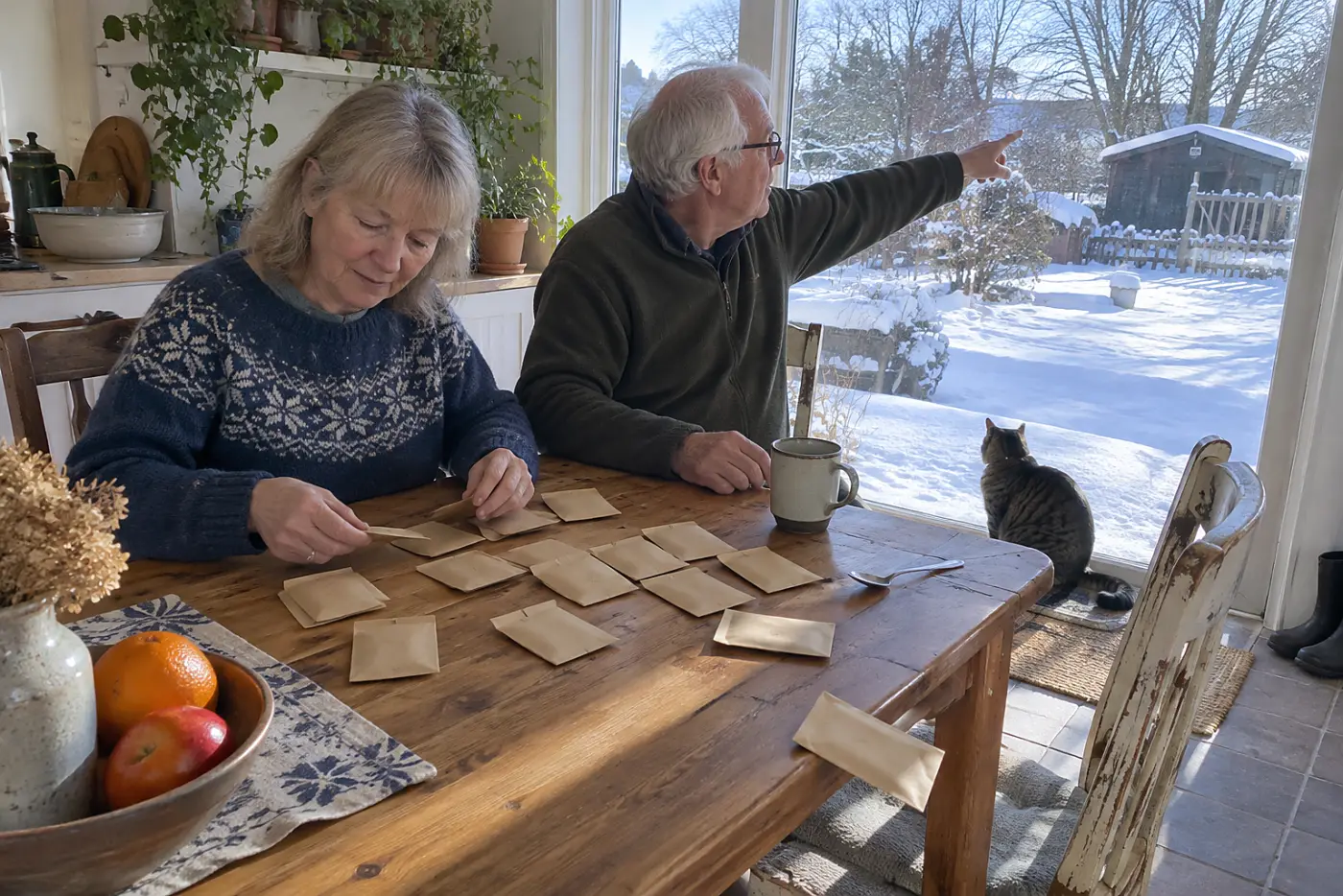
Winter has a way of making the yard look finished.
A catalog gives you next season’s work before the first warm day. You compare varieties, check space, and remember what failed. Planning turns an empty bed into a decision waiting for you.
Ordering too much leaves trays you lack room to grow. The packet’s days to maturity and growing notes are more useful than the biggest picture.
This week, circle one plant you want to try. Check whether it suits your growing season before buying it. The next reason to return needs less planning and more listening.
9The birds at the backyard feeder

A neglected feeder gives you another chore, and birds a risk.
Watching who arrives gives you a reason to pause at the window. Then the feeder sends you outside to refill it and clear spilled seed. The visitors change with the season, even when the rest of the yard looks still.
Dirty feeders spread disease among birds. The Cornell Lab of Ornithology has cleaning guidance and recommends taking feeders down when sick birds appear. Without that care, a welcome sight becomes a reason to stop feeding them.
This week, empty and clean the feeder you already own. Look beneath it for old seed. If someone else enjoys the birds, say, “Come see who showed up this morning.”
That invitation is its own kind of visit. It also reminds you that care extends beyond the plants you chose.
8The path cleared after rain

Wet leaves can turn a familiar path slick.
Clearing the walkway keeps you able to reach the garden after rain. It also makes the route visible when you carry a bucket or focus on a plant instead of your feet.
A fall can end far more garden visits than a missed watering. The CDC’s fall prevention guidance recommends removing trip hazards at home.
This week, walk the route you use with your hands full. Move pots, tools, and fallen branches off it. There’s another reason to keep coming outside when the path is safe.
7The first pea picked straight from the vine

An unpicked crop gives you a reason to check again.
You planted the seed and watched shoots appear. Then you checked each pod before picking. The reward is small enough to eat while standing in the yard, and you know what it took to grow.
A garden harvest won’t replace a varied diet. It puts a vegetable within reach at the moment you want a snack. The USDA’s MyPlate guidance encourages a variety of vegetables, and a pea vine makes one choice easy.
This week, pick a crop you enjoy eating and give it enough space to grow. Check its planting instructions before putting seeds in the ground. If someone offers a plant you don’t like, say, “Thanks, but I want to grow what I’ll eat.”
There will be a day when you find nothing ready. You’ll look again, because yesterday’s empty vine isn’t today’s answer.
6The pruning shears beside the rosebush

A dead stem stays dead if you keep waiting.
Pruning gives you a clear job: find damaged wood, make a clean cut, then step back. You have to pay attention to the plant in front of you rather than work from memory.
Blunt shears crush stems, and dirty blades carry trouble between plants. Your local Cooperative Extension office has pruning guidance for the plants and seasons where you live.
This week, clean and sharpen your shears before cutting. Remove a dead stem you can identify with confidence. The plant’s response gives you something to check later.
5The notebook with last spring’s mistakes

Memory flatters last year’s planting choices.
A notebook tells you where tomatoes crowded their neighbors and which seeds never appeared. When spring returns, you don’t have to repeat the experiment by accident. You can change one thing and see what happens.
Keep the record small enough to use. The National Gardening Association has planting resources, but your own dates and observations answer a different question: what happened in this yard?
This week, write down one plant that worked and one that didn’t. Add where each grew, not a long account of the weather. If you share the space, ask, “What should we remember before we plant this bed again?”
The page won’t settle every choice. It will give you a place to start when the yard looks bare and the seed packets are back on the table.
4The shade beside the potting bench

A hot day can make a good habit dangerous.
Potting in shade lets you keep working without standing in direct sun. Heat still builds, especially when the air is humid and the task takes longer than expected.
The National Weather Service advises breaks, water, and attention to heat illness signs. Dizziness or confusion is a reason to stop and get help, not to finish one more tray.
This week, move a chair and your potting supplies into shade before you start. Bring water out with you. The season will still give you work on a cooler day.
3The container with a drainage hole

Water trapped at the bottom defeats careful watering.
Roots need air as well as moisture. A container with drainage lets excess water leave, while a finger pressed into the soil tells you whether it’s time to water again. The pot gives you a small job without demanding a whole yard.
Without an opening underneath, water collects around roots. The University of Minnesota Extension recommends containers with drainage and checking moisture rather than watering by habit.
This week, turn over a pot you own and look for a drainage hole. Check its soil before adding water, then empty any standing water from the saucer. Tell anyone helping, “Please feel the soil first; don’t water it by the calendar.”
Once that pot is settled, there’s another choice about where it goes.
2The garden spot seen from breakfast
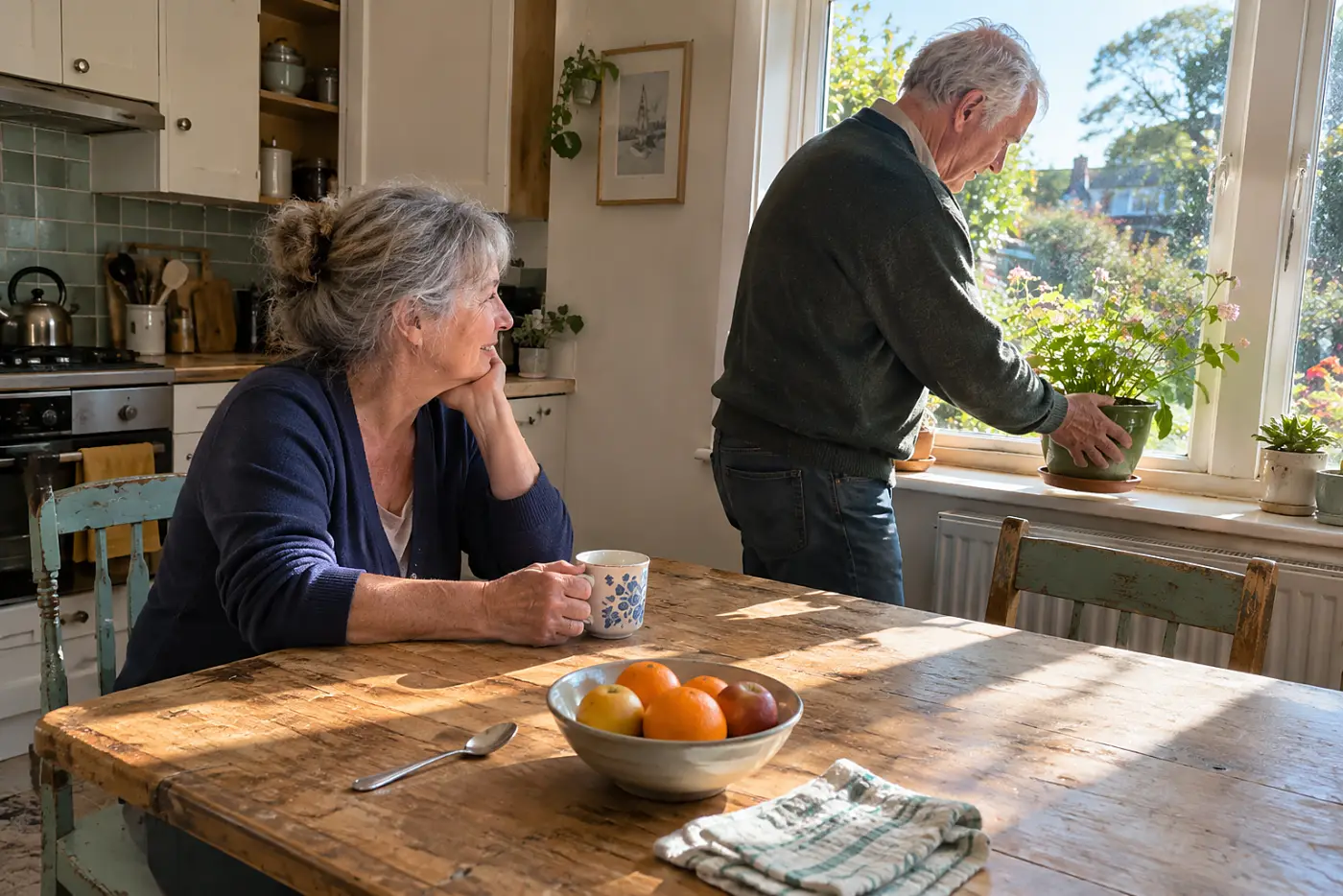
An out-of-sight garden is easier to lose.
Choose a spot you pass on an ordinary morning. From the breakfast table or the door you use, you’ll see dry soil and ripe fruit before either needs a rescue. The sightline supplies a reminder without another note on the fridge.
A visible spot still needs the right light for its plant. The USDA advises planning a garden where water is available, too. Ignore either need, and the convenient spot becomes harder to tend.
This week, stand where you make coffee and notice where your eye lands outside. Watch that spot’s light during the day before putting a suitable pot there. Say, “I chose this place because I’ll notice it tomorrow.”
Before you plant food in the ground, look beneath that promising patch.
1The lead test before planting vegetables

Good-looking soil can still hold lead.
Older paint and past land use leave lead in some yards. Soil clings to vegetables, hands, and shoes, then follows you indoors. Its color and texture won’t tell you whether lead is present; a laboratory test will.
The EPA’s lead guidance advises caution around bare soil near older buildings. Planting food before testing an unfamiliar bed leaves you without the answer needed to choose a safer growing spot.
This week, contact your state Cooperative Extension office before planting food in unfamiliar ground. Ask, “How do I test this bed for lead, and where do I send the sample?” Follow its sampling instructions before digging or changing the soil.
That result decides where the next visit begins.
The bottom line
Across all 22 reasons, the pattern is return: one small task leads to another visit.
You’ve cleared the path and made the work fit your body. Before planting food in unfamiliar ground, you’ve asked how to test the soil.
What has brought you back to your garden on a hard day?
Bonus: The soil test to request before planting food
- Find your state Cooperative Extension office and ask how it handles garden soil samples.
- Say, “I plan to grow vegetables here. How do I test this soil for lead?”
- Follow its instructions for collecting and sending the sample.
- Wait for the result before choosing where to plant food in the ground.
David Ruiz
Tech & Home Writer
David tests gadgets with real readers in their 60s and 70s, because the best tech is the tech you'll actually use.
You might also like