






How to Wear Sneakers Over 50 Without Looking Sporty
How to choose, fit and style a pair of sneakers that looks at home with a midi skirt, a blazer and your good jeans.

By Irina Byalik, Style Editor
Updated · 13 min read
- Written by our style editor
- Cited 5 sources
- How we review

Your feet have probably changed since you bought the shoes at the back of your closet. The ligaments and tendons that hold up your arch wear with use, the arch slowly drops, and your feet get longer and wider.
The padding under your soles thins too. A hard sole you never noticed at 40 now makes itself known by lunchtime.
So when your feet reach for sneakers every morning, they have a point. What's left is the part you care about: wearing them with a dress, a blazer or good jeans and looking like you chose them, the same way you chose everything else you put on.
Which sneakers look polished instead of sporty
Look for low, slim and plain. A polished sneaker has a low top that ends below your ankle bone, and a sole that's thin to moderate and follows the shape of your foot. The upper (the top part of the shoe) is smooth leather, suede or nubuck.
What makes a shoe read as gym gear is mostly engineering you can see. Mesh panels. Reflective strips. A heel that flares out at the back. A midsole, the cushioned middle layer, in a bright contrasting color. A logo running down the side. Each one says the shoe was built for miles.
One of those details you can get away with. Two or more, and the outfit starts heading to the gym with the shoe.
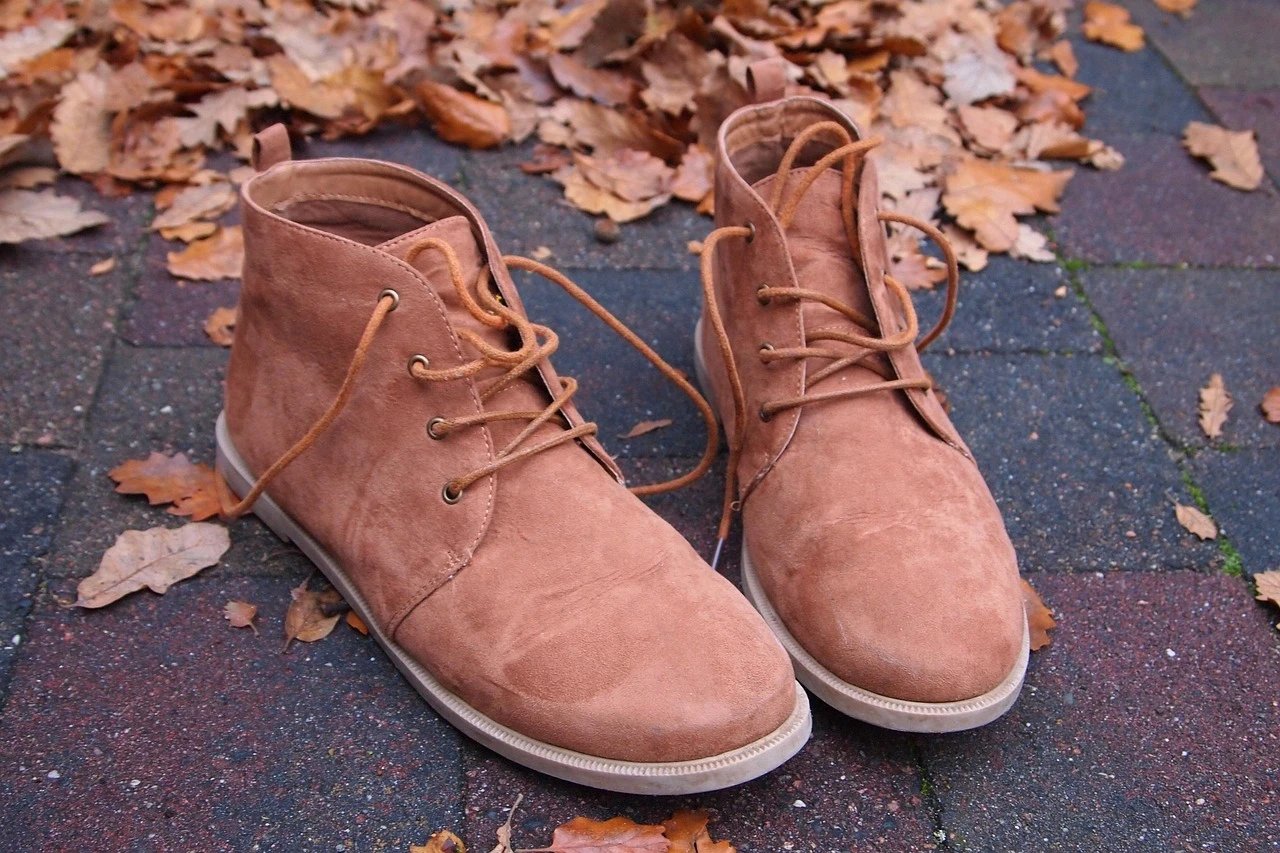
Material changes the mood fastest. White leather is the everyday version. Suede in tan, gray or navy looks softer and a little dressier, and so does a metallic leather in pewter or soft gold. Canvas is the most casual of the three, and it's happiest with cotton dresses and summer skirts.
Color works the same way. Cream, navy, camel, gray and black all count as neutrals on your feet. Bright white is one more option, and it's the one that pulls the most attention downward.
If you worry a pair will look cheap, look at the edges. Thin, glued seams and leather with a plastic shine give it away. A sole that's stitched to the upper, and leather that creases softly when you bend it, look like money even when they weren't much.
Proportion matters more than most of us admit. Chunky white soles make feet look bigger, and so does a wide, bulbous front. If you'd rather not spotlight your ankles or calves, skip high-tops: the line they draw across your leg pulls the eye straight there.
Platform sneakers, the ones with a thick, even sole, can work. They look best under longer, looser pants that hide most of the sole. Under a slim skirt they tend to look heavy.
Here's the store test. Put the pair on and stand in front of the full-length mirror, not the little one on the floor.
If your eye lands on the shoe before it lands on your face, it's too much shoe. Try the next one down in bulk, or the same shape in a darker color.
How to get a pair that fits the feet you have now
Fit comes first, because a good-looking sneaker that hurts goes back in the closet by Thursday. Shop this way:
- Go late in the afternoon, when your feet are at their largest.
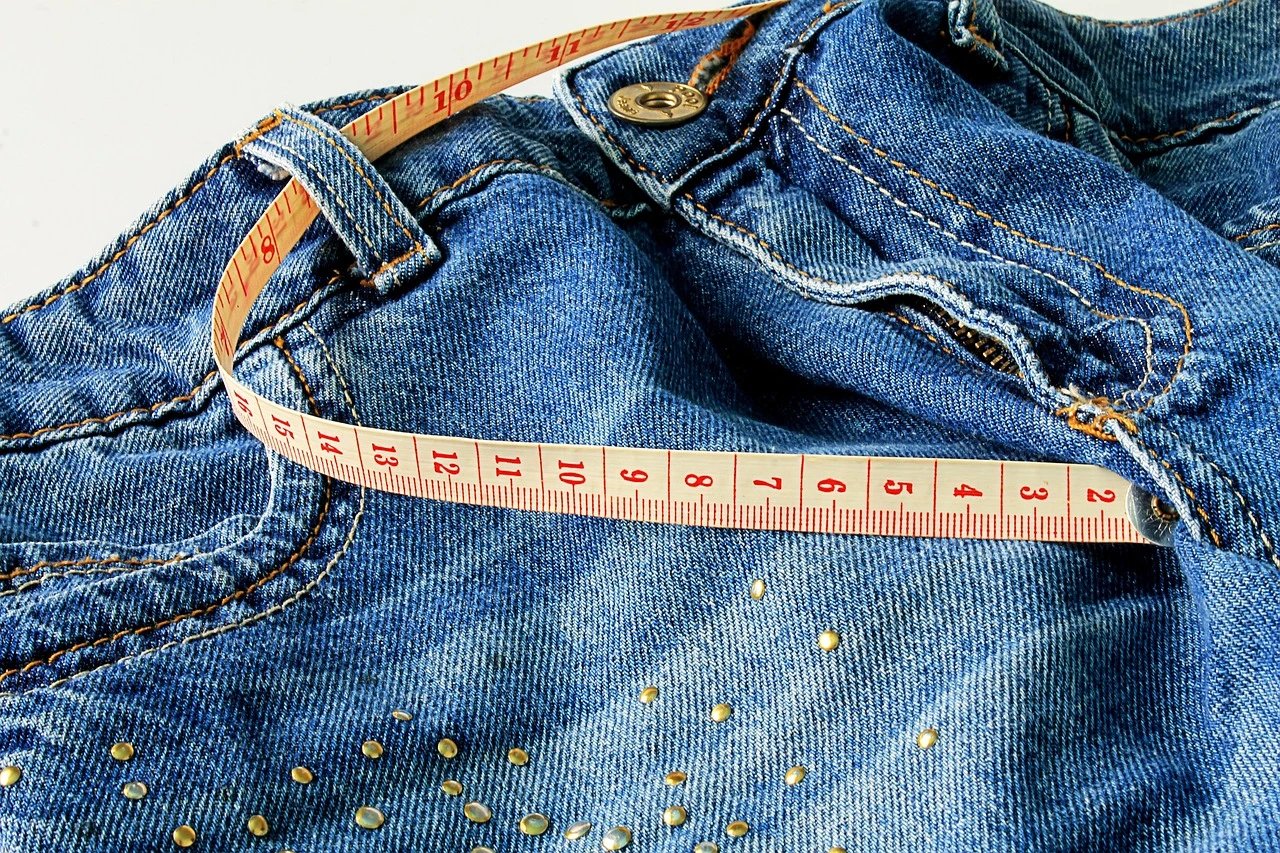
- Ask to be measured, sitting and then standing, on the metal sliding tool (it's called a Brannock device), which reads heel to toe, heel to the ball of your foot, and width.
- Bring the socks you'll wear with the shoes, plus any orthotic, a prescription or store-bought insert.
- Leave about 1.5 centimeters, a little over half an inch, between your longest toe and the end. Your longest toe may not be your big toe.
- Check that the widest part of the shoe sits at the ball of your foot.
- Walk for at least 10 minutes, on carpet and on a hard floor. Your heel shouldn't slip, and the shoe should bend where your toes bend.
The last test happens at home. If your feet feel relief when the shoes come off, they don't fit, however good they looked in the mirror.
Why go through all this when you've bought shoes for decades? Because the size you've always told salespeople may no longer be your size. Getting measured every time you buy is standard advice from sports podiatrists, precisely because feet change with age.
Women feel it more. Harvard Health notes that women over 50 are more likely than men to develop joint pain, collapsed arches, plantar fasciitis and bunions. Its advice includes arch support, low heels and getting measured about once a year.
Now, keeping comfort from looking clinical. For most feet, the support can live inside the shoe where nobody sees it.
- Choose a pair with a removable insole, so your own orthotic can go in its place without crowding your toes.
- If you have bunions, you need a wide toe box. Hammertoes need a deep one, with height as well as width. Canvas is stiffer than leather or knit, so with a bunion, try a soft leather or knit style instead.
- Many classic leather sneakers come in wide widths. Ask for the wide by name; it's often stocked in the back or online only.
- If canvas edges cut into your ankles, look for a padded collar, the cushioned rim around the opening.
- If bending to tie laces is a chore, or lacing presses on your toes, a leather slip-on with elastic side panels keeps the same clean line.
If you live with plantar fasciitis, or with Morton's neuroma (that's a thickened, irritated nerve between the toes), it's worth seeing a podiatrist, a foot doctor, before you buy. You'll walk into the store with a list of what your foot needs instead of a hope.
Can you still wear sneakers with a dress?
You may have wondered whether a dress with white sneakers has become a uniform for women your age.
The honest answer: one exact version, a printed dress with bright white chunky sneakers, has been worn so much that it can look like a default rather than a decision. The pairing itself is fine. The fix is to change one piece of it.
Change the shoe. A tan suede sneaker with a navy shirtdress, or soft metallic leather with a gray knit dress, looks thought through in a way stark white rarely does now.
Change the shape. With dresses and skirts, low, slim sneakers in leather or canvas look right. Big cushioned running shoes under a skirt look like you're walking to the train and will swap into real shoes at the office. A flat sole that hugs the foot keeps the line of the leg going.
Change the dress. Fabric with some weight works best: a cotton shirtdress, a knit midi, a pleated skirt, a denim A-line. Floaty chiffon over a sneaker can look like two different days of the week.
Length matters too. A midi that ends at mid-calf leaves a stretch of leg and a little ankle between hem and shoe, which keeps the whole thing light. With an ankle-length skirt, keep the sneaker slim and make sure the hem clears the top of the shoe.
Opaque tights with sneakers and a long skirt worry a lot of women. It reads as sporty, or as a commute, when the shoe is athletic and the tights don't relate to anything.
Match the tights to the sneaker or to the skirt, and wear leather. Navy tights, navy suede sneakers and a camel skirt make an outfit.
And the fear that you'll look as if you've hurt your foot? That comes from a bulky, padded shoe under a delicate dress. Keep the sneaker slim and close to your skirt's colors, and it reads as part of the outfit, not a bandage.
What to do about socks
Bare feet go damp and sore against the lining by midafternoon, but socks bring their own trouble.
No-show socks, the very low ones meant to hide inside the shoe, slide off your heel and bunch under your arch while you're in line at the pharmacy. Ankle socks put a stripe across your leg.
No-show socks mostly fail on size and cut. Buy them in your actual sock size rather than one-size-fits-all, and look for a silicone strip inside the heel that grips. A slightly higher cut stays put better in a low-top that's open at the sides.
Pick synthetic, moisture-wicking socks over cotton. Cotton holds sweat, and damp skin is what rubs raw.
If you'd rather show a sock, make it look intentional. A fine ribbed sock in the same color as your sneaker or your pants reads as a choice. Cream socks with cream sneakers under a midi skirt look neat; thick white sports socks never do.
In colder months, tights do the job, matched to the shoe as above.
If you go bare, pick a pair with a removable insole you can take out to air overnight, and rotate two pairs so each gets a day to dry.
Whichever sock you settle on, test it on a long walk around the block before you trust it on a day full of errands. Ten minutes tells you if it slips.
Where your pants should end
Hem length decides whether sneakers look smart or sloppy, and it's the cheapest thing to fix.
- Ankle pants and cropped pants that stop just above the ankle bone, with a little skin showing, are the easiest win.
- Wide-leg cropped pants work for the same reason: the hem clears the shoe.
- Full-length pants that pile up over the shoe make your legs look shorter.
- A hem that just touches the top of the tongue tends to look dated. Take it up, or go longer and pair it with a chunkier shoe.
- Long, loose pants go with chunkier sneakers. Cropped and slim pants go with slim sneakers.
- Matching your shoes to your pants makes one long line. Gray trousers with gray suede, navy with navy.
- If you're petite, wide legs over a thick sole can swamp you. Try tapered pants, a fitted midi skirt, or straight jeans cuffed just above the ankle.
Capris, which stop around mid-calf, cut the leg at its widest point for many women. If you love them, try one pair hemmed to ankle length and compare in the mirror.
A tailor can take most pants up for a modest fee. That's often a better spend than a new pair of shoes.
Make it look chosen with one polished piece
Before you walk out the door, ask yourself one question: "What's the most polished thing I have on?" If you can't name it, add one.
Stylists call this "wrong shoe theory": putting a casual shoe with a polished outfit on purpose. The sneaker looks deliberate because something else in the outfit is clearly taken seriously. Without that piece, it can look like an afterthought.
The polished piece can be a blazer, tailored pants, a good coat, a silk blouse, a structured bag or real jewelry. You need one. Two is plenty.
With jeans, start with a dark wash, a straight or slightly wide leg, and a clean hem above the ankle. Add a leather sneaker with a small logo or none, a crisp shirt or fine knit, and a blazer. That's a Saturday lunch, a gallery visit, a weekday errand that turns into dinner.
Coats do a lot of the work in fall. A camel coat or a trench over a knit dress and suede sneakers looks finished from across a parking lot, and nobody sees the sneakers first.
For travel, when you'll walk all day and still want to look right at dinner, a dark leather or suede pair is the workhorse. It hides dust from a long day, and a change of top or a pair of earrings takes it to the table.
Grooming carries some of the weight too. Clean shoes, pressed fabric and a bag with a shape do more for "put together" than any single brand.
How to keep them looking clean
A scuffed sneaker reads as "stopped trying" faster than any other shoe. A few minutes on a Sunday evening fixes it. For leather, the sneaker-care maker Jason Markk recommends a simple routine:
- Brush off dry dirt first, before anything gets wet.
- Scrub in small circles with a barely damp brush and a little cleaner.
- Let them air dry at room temperature, away from the radiator, the hair dryer and a sunny windowsill.
- Never put leather sneakers in the washing machine.
Suede and nubuck, the brushed leathers, shouldn't get wet. Use a soft brush on them, and keep a separate brush for each material so dirt from one doesn't travel to the other.
A few habits keep the work small. Spray suede with a protector before you wear it the first time. Pull the laces out now and then and wash them in a mesh bag. Stuff the shoes with paper while they dry so they keep their shape.
The rubber sidewalls go gray first, and the white erasing sponge sold as melamine brings them back with a little water.
Clean also means not worn out. If the back edge of the heel has worn through or the cushion has gone flat, the pair is done, however white the leather.
When to leave the sneakers at home
Sneakers can't fix pain they didn't cause. If your feet hurt even in a pair that was fitted properly, that's worth a podiatrist's appointment.
The same Harvard review also flags lower bone density, which doctors call osteopenia, as a reason stress fractures get more likely. New pain that worsens as you walk, or swelling, calls for a doctor rather than a different shoe.
Some occasions still want a real shoe: a funeral, an evening wedding, a formal dinner, a job interview where you don't know the dress code. A low block heel or a loafer with good arch support gives your feet much of the same relief and reads as dressed.
Weather decides some days for you. Suede and nubuck don't belong in rain or slush. A leather pair can handle a wet sidewalk; neither should face a snowy one.
A long day on trails or uneven ground calls for an actual walking shoe, with the tread and support built for it. The slim fashion sneaker that looks so good with your trench isn't made for that.
What's worth the money: a proper fitting, a removable insole and a wide width if you need one. What usually isn't: forcing a narrow pair you already own to work.
Keep one pair of supportive loafers by the closet door for the days the sneakers stay home.
The bottom line
Before you buy anything, get measured late in the day, sitting and standing. Your size may have changed, and every other choice depends on that number.
If your feet hurt most days, start with a podiatrist and shop with what they tell you. If comfort is fine and you mostly feel sporty, start with your hems: take one pair of pants to a tailor and have them shortened to just above the ankle.
Then buy one pair in leather or suede, in a color closer to your clothes than to bright white. Wear it first with the most polished piece you own.
Up next
17 Plus-Size Office Outfits Over 50 That Actually Look Polished
Seventeen office outfits for a real plus-size body, each with the one fit detail that makes it work, from where a blazer button lands to what a tailor charges.
Read the list →


Reader quiz
Did you catch the details?
5 questions from this article. Finish them all to unlock the editor's bonus tip.
In the full-length mirror store test, what tells you a pair is too much shoe?
Did any of these feel familiar?
Know someone who needs this?
Sources cited in this article
This article links to 5 outside sources, listed here so you can read them yourself.
- Your feet get longer and wider health.clevelandclinic.org/shoes-getting-tight-feet-change-size-time
- At their largest www.podiatry.org.au/foot-health-resources/incorrectly-fitted-shoes/incorrect…
- Getting measured every time you buy www.aapsm.org/selecting-athletic-shoe.html
- Harvard Health notes www.health.harvard.edu/staying-healthy/soleful-aging
- Recommends a simple routine jasonmarkk.com/blogs/videos-tutorials/how-to-clean-leather-shoes

Irina Byalik
Style Editor
Irina Byalik is a hairdresser and the owner of New Image Hair Salon in East Brunswick, New Jersey, with more than 20 years of experience. She came to the United States from Ukraine.
More from Irina Byalik