23 Things That Make a Trip Harder After 65, and What Seasoned Travelers Do About Them
A gate across the terminal and a tub wall to step over drain your energy before the part of the trip you came for.
By Margaret Hale, Travel & Lifestyle Editor
Updated · 16 min read
- Written by our travel & lifestyle editor
- How we review
Read to the end: #1 is the booking-time assistance check that protects a hard airport walk, and almost nobody asks for confirmation.
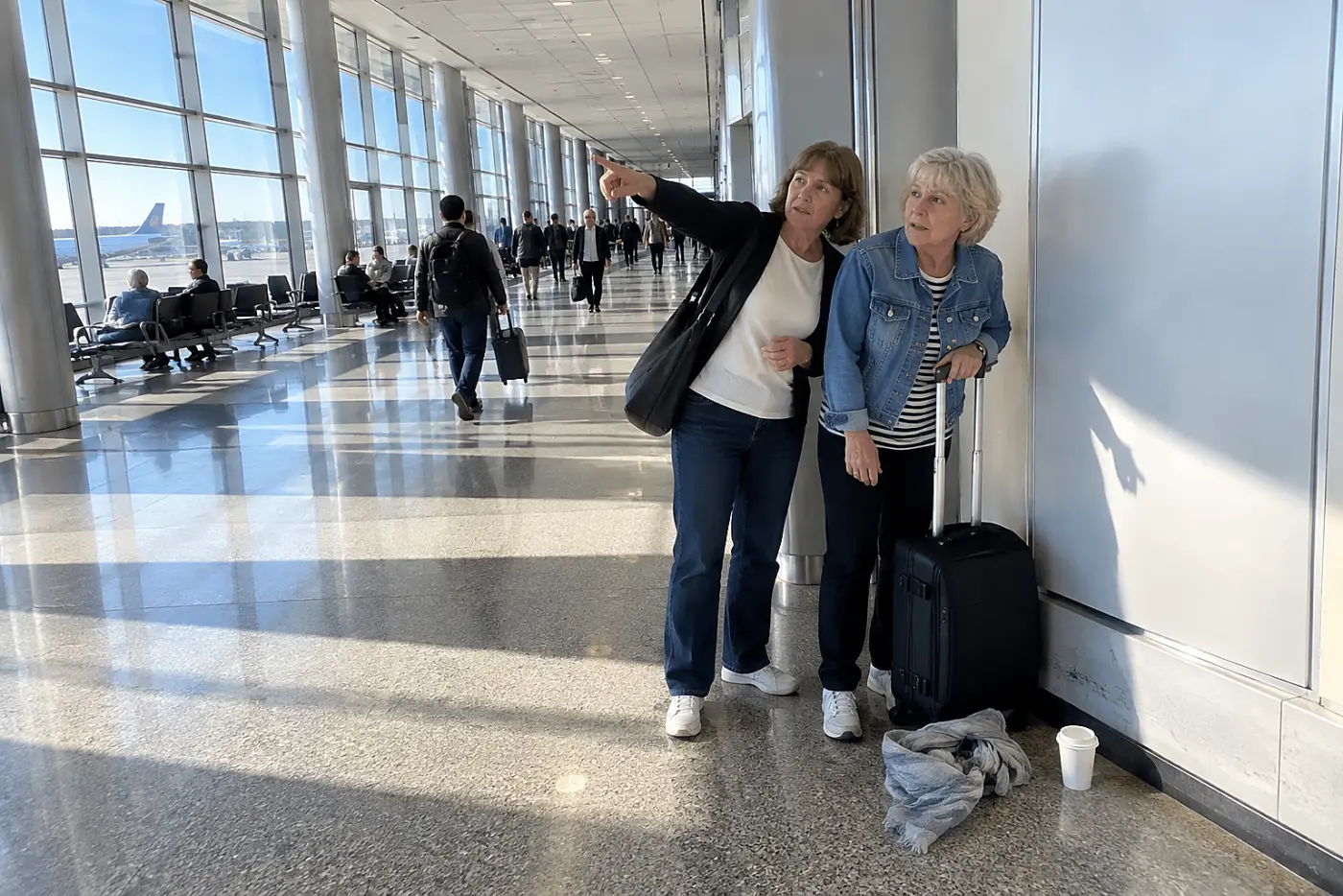
The airport sign says your gate is a 14-minute walk away. Your bag wheel catches a floor seam, and you stop to shift the strap digging into your shoulder. You haven’t even reached the plane.
It’s tempting to blame the whole trip on a body that no longer keeps the old pace. But travel stacks small demands without leaving room to recover: another line, another staircase, another night of poor sleep.
Here are 23 places to take that pressure off.
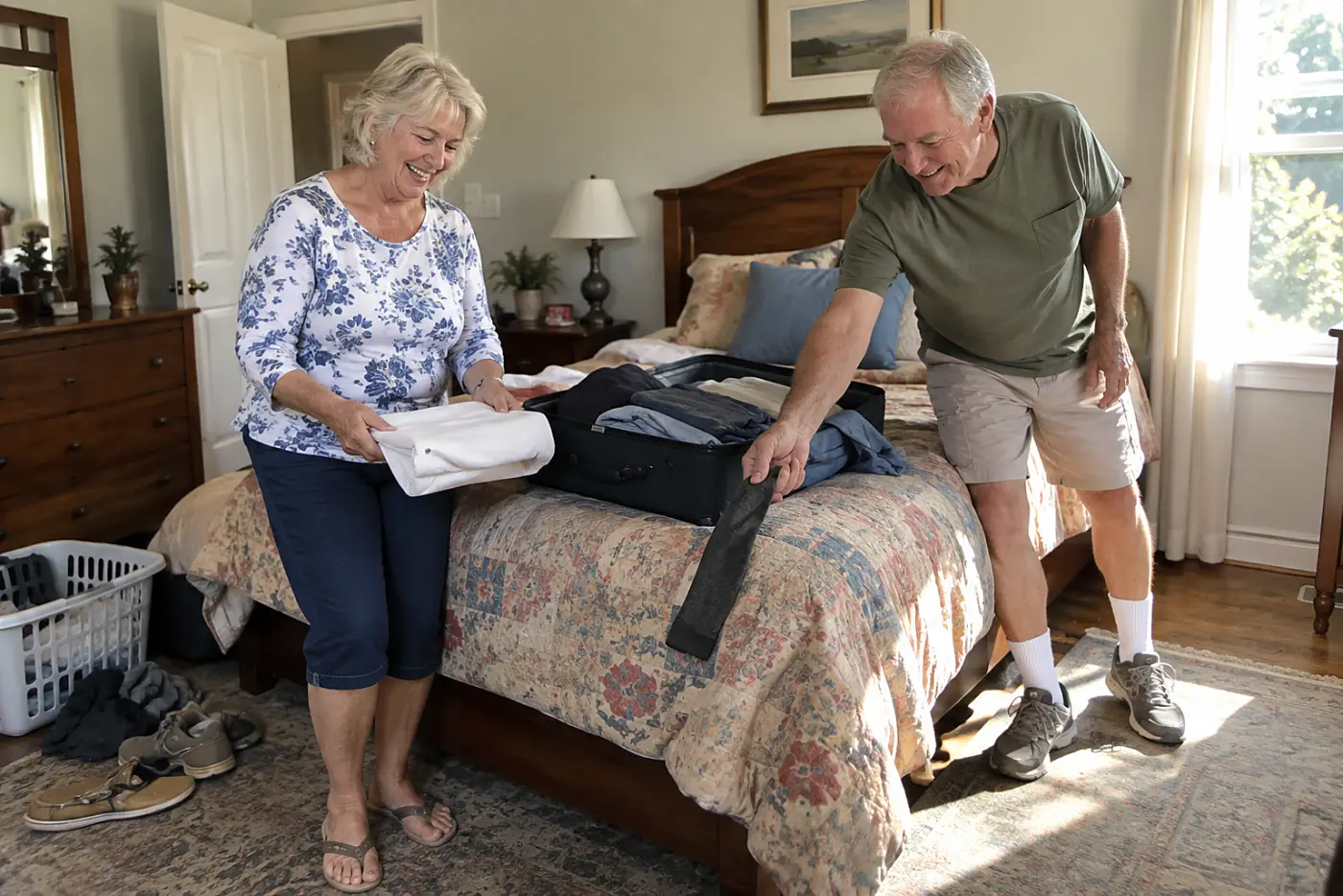
23A suitcase that tips on carpet
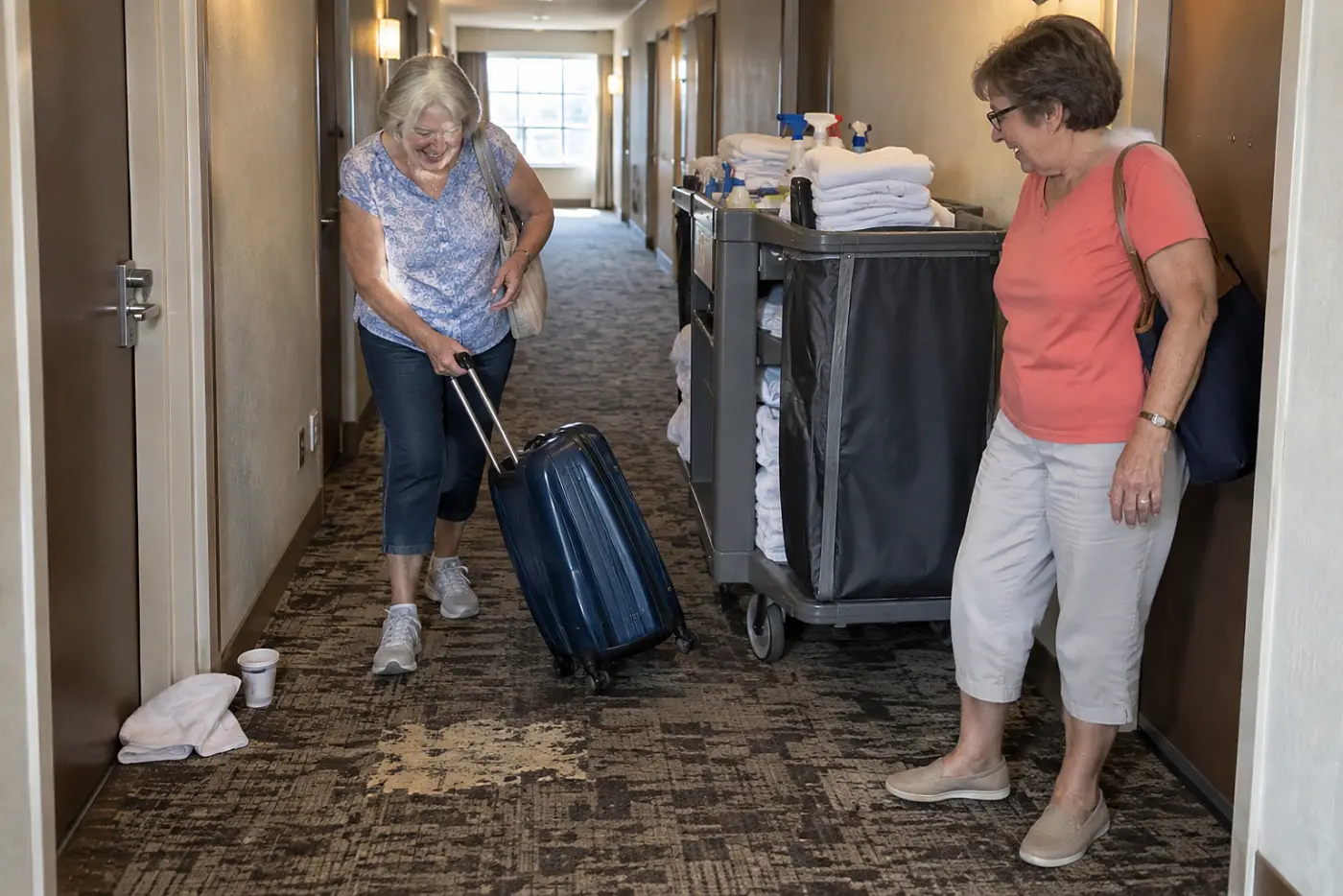
A wandering suitcase makes every corridor feel longer.
Four wheels roll freely on smooth floors. On carpet, they resist, and a tall bag tips when its weight sits above the handle. Your wrist and shoulder do the work the wheels promised to do.
That effort starts before sightseeing, while you’re still trying to reach the elevator. If the bag also needs lifting into a car trunk, the same load gives your back a second job.
This week, pack the bag you plan to take and pull it across a rug. Turn it sharply, then lift it onto a chair to test the load. Ask yourself, “Can I handle this bag without wrestling it?”
The next thing you carry isn’t a suitcase.
22The shoes saved for vacation
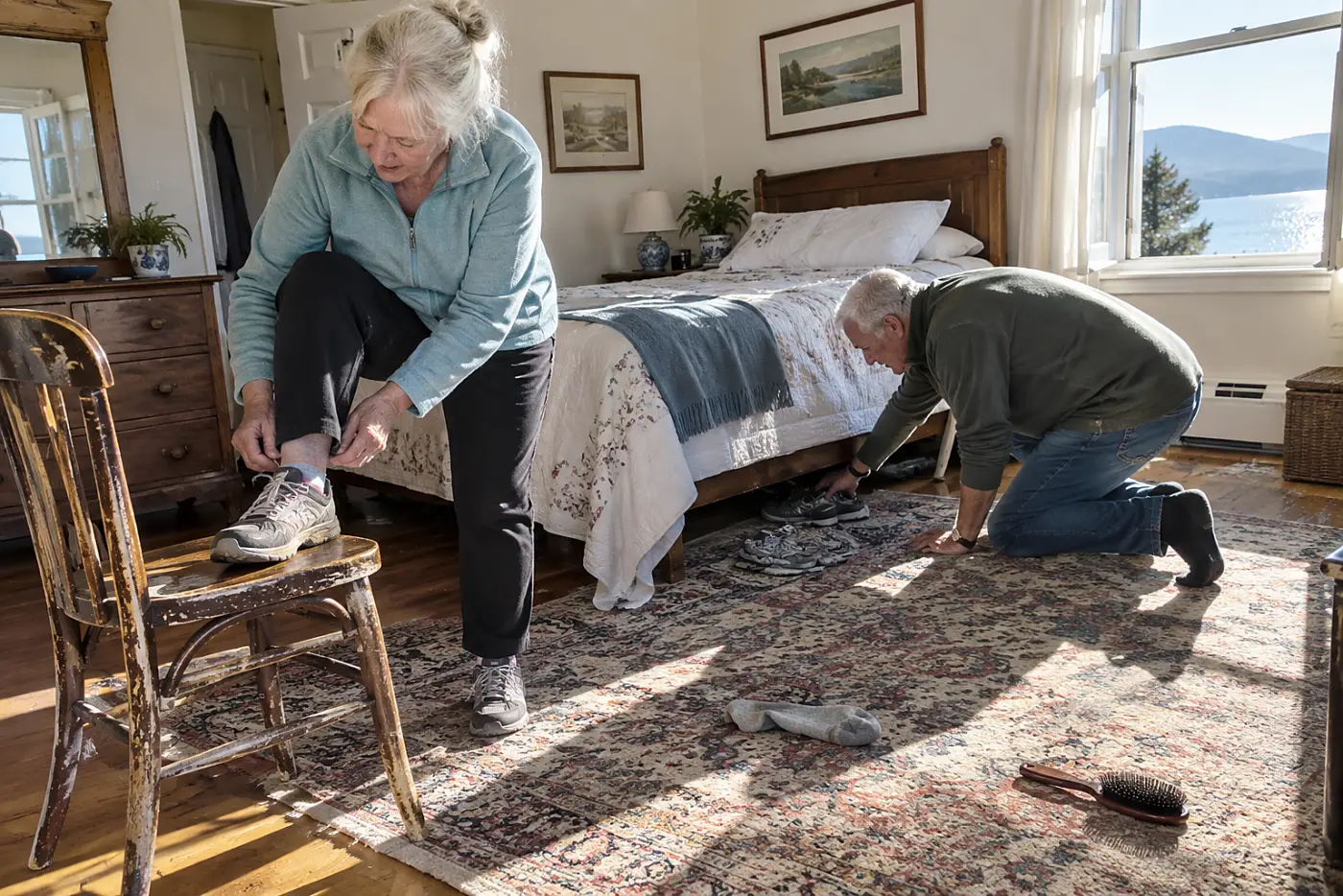
New shoes wait until vacation to show their rough edges.
A shoe feels fine in a store for five minutes. By the second long walk, its heel seam has rubbed the same patch of skin again and again. A blister changes how you step, which sends the strain somewhere else.
The day’s route doesn’t shrink because your feet hurt. Even the short walk from dinner back to the hotel becomes a calculation. That calculation follows you into the next morning.
Wear your trip shoes on several ordinary walks this week, with the socks you’ll pack. Check your feet afterward for red spots, and take the pair that has already passed the test. Tell your companion, “Let’s sit before my feet make the decision for us.”
Comfort now depends on what happens when you stop walking.
21A bench missing from the route

A route without seats turns sightseeing into standing practice.
Museum rooms, transit platforms, and guided tours ask you to stay upright. Once your legs tire, every exhibit competes with the need to find a chair. A line at the café takes away another chance to rest.
That’s how an interesting afternoon becomes a search for the exit. A seat marked on a map also gives you a place to regroup if the room grows crowded.
This week, open the map for one planned outing and find a café or indoor seating stop. Put that stop into the day before buying timed tickets. Ask, “Where’s the next place we can sit?”
The clock deserves the same scrutiny as the map.
20A timed ticket before breakfast

An early entry time steals the morning you needed.
A ticket sets the first deadline. Breakfast, medication, the elevator, and the ride across town all have to fit before it. Rush those steps, and you arrive tired at the attraction you wanted to enjoy.
A late arrival also puts the price of that ticket at risk. The venue’s entry terms, rather than your good intentions, decide what happens next. Check the actual admission window; a printed start time isn’t a promise that late entry works.
This week, check the first activity on each day’s plan. Move any hard-to-replace ticket away from the hour you need for breakfast and travel, then read its late-entry terms. Say, “I’d rather have a later slot than race through the morning.”
The trip keeps its own clock after breakfast, too.
19The connection measured only in minutes
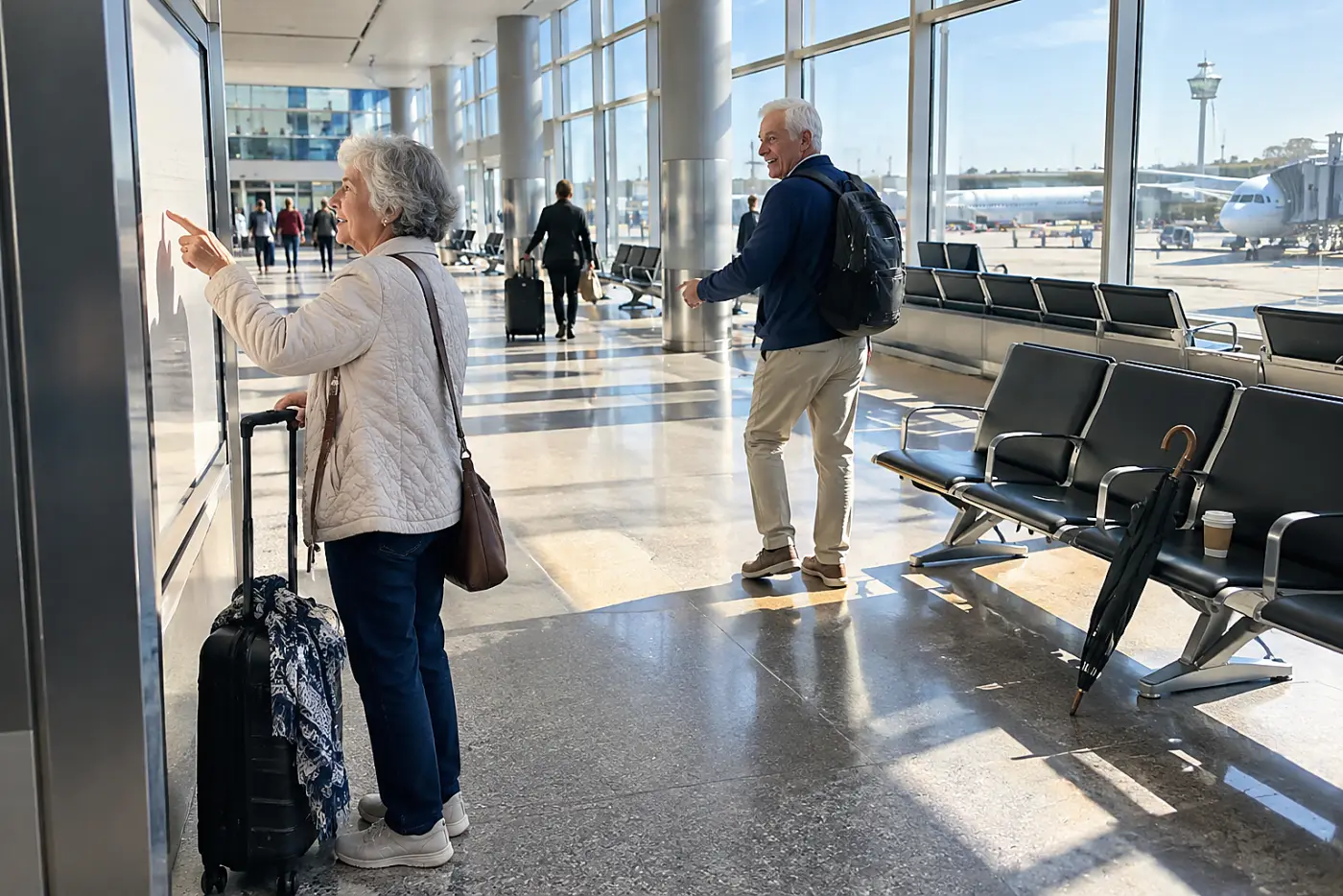
A legal connection still demands a long walk.
Airline booking systems show whether an itinerary meets the airport’s connection rule. They don’t measure how quickly you get out of your seat or cross that terminal. A gate change takes another bite out of the gap.
Miss the next flight, and the rest of that day belongs to the rebooking desk.
This week, compare flights by airport layout and time between gates, not arrival time alone. Use the airport’s terminal map before paying, and choose another itinerary if the route looks tight. Ask, “How far apart are these gates in this airport?”
Then consider where the line begins before either flight.
18The security line before a long walk
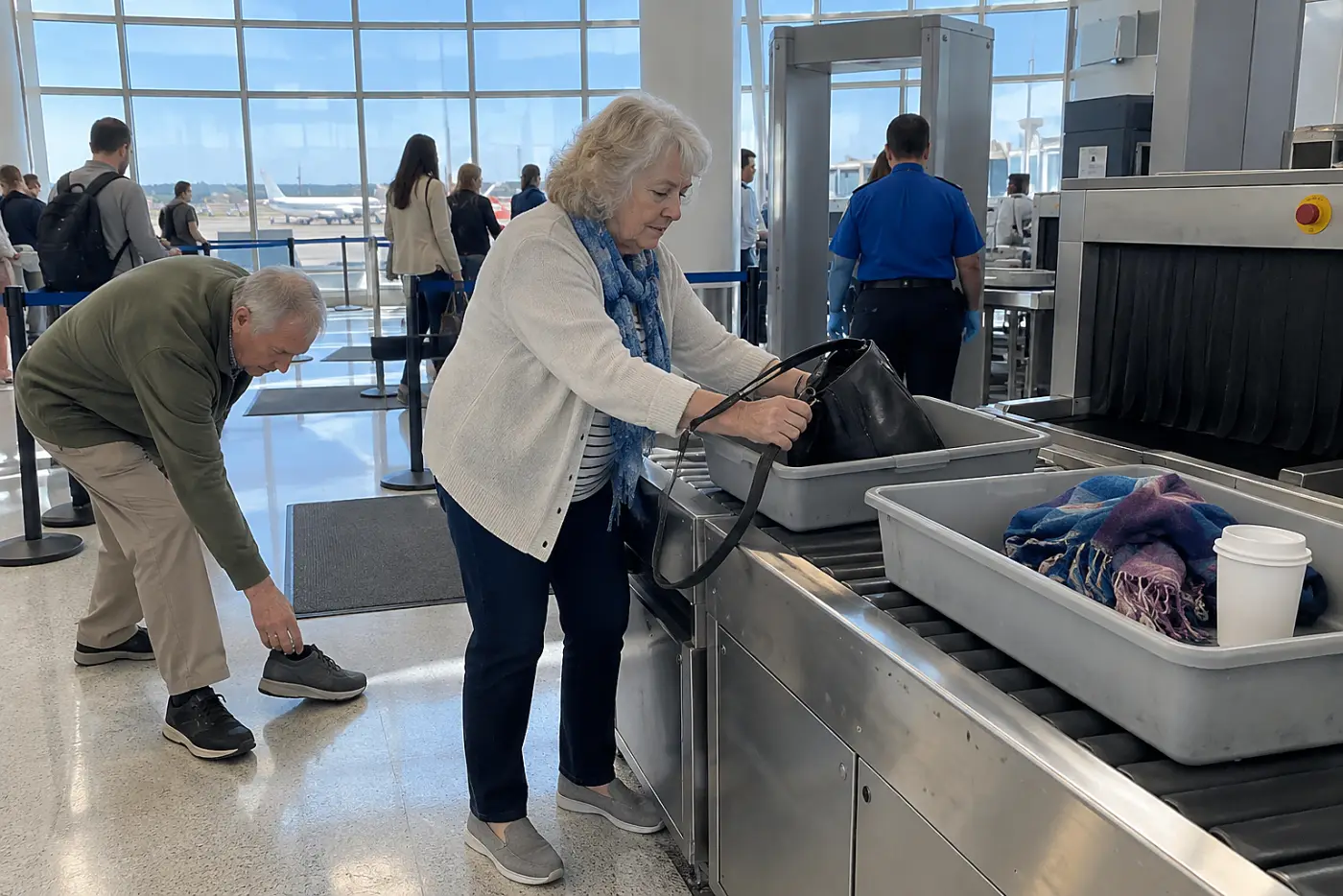
Security uses energy before the airport walk even starts.
You stand, move bags, follow screening instructions, and gather everything again. After that, the gate still lies ahead. If standing is the hard part, knowing the screening process ahead of time protects energy for the walk.
TSA Cares helps travelers with disabilities and medical conditions prepare for screening. It doesn’t remove every screening step. TSA says to contact the program at least 72 hours before travel.
This week, check your departure airport’s security information and identify what help you need at screening. If medical equipment poses a problem, contact TSA Cares ahead of the trip. Say, “I need help understanding how screening will work with my medical equipment.”
Clearing security still leaves a long stretch of floor.
17A hotel entrance above a staircase
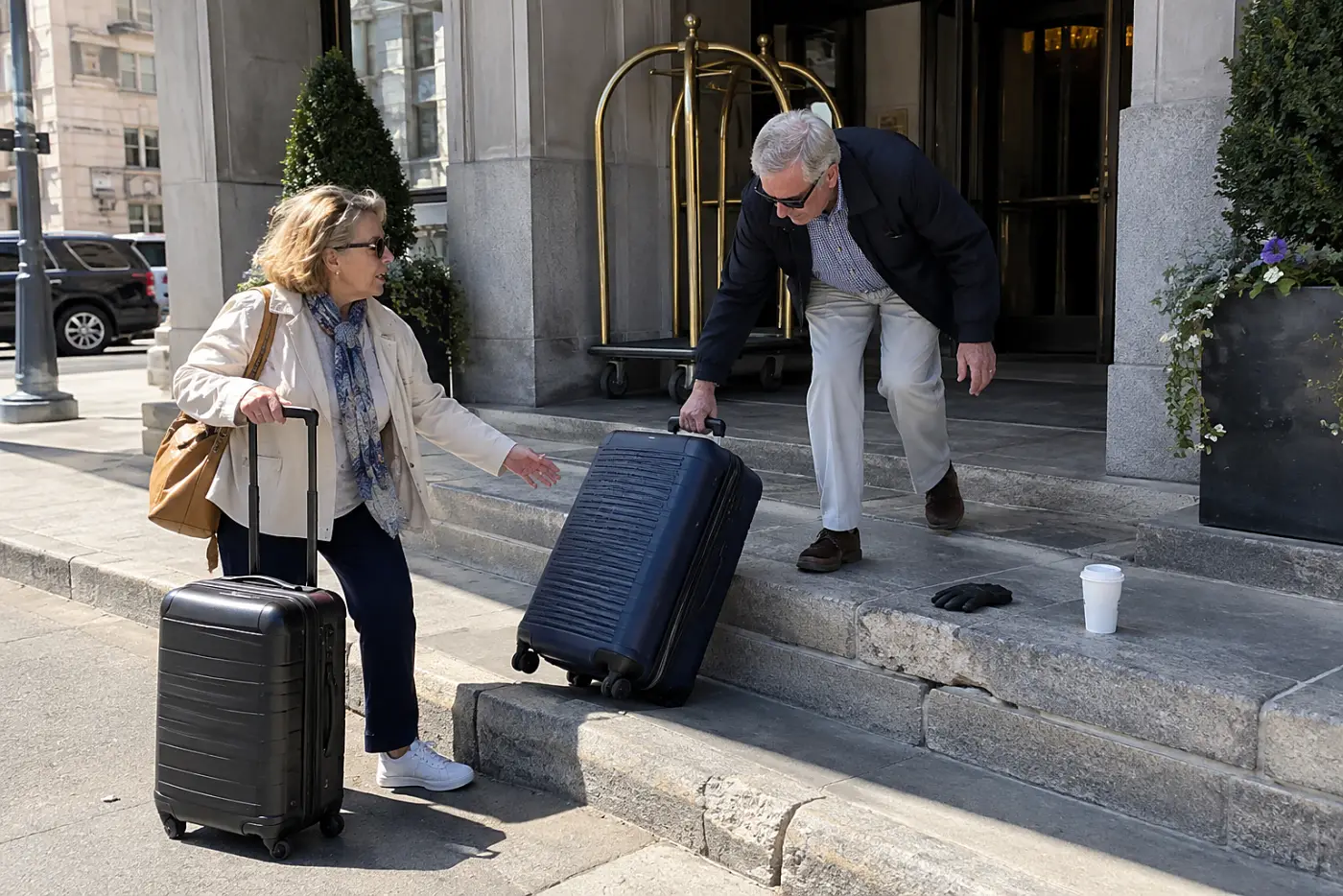
An elevator upstairs won’t help at the entrance.
Photos show a lobby, not every step between the curb and reception. One entrance staircase turns a manageable bag into something you have to lift. The side entrance in a photo also tells you nothing about where a car stops.
That first arrival comes when travel has already taken its share. If there’s no workable entrance, you face the problem with your luggage beside you.
This week, use street-view photos and ask the hotel about the route from drop-off to check-in. Get the answer in writing before the free-cancellation deadline. Ask, “Is there a step-free way in from the curb?”
The room itself holds another test.
16A bathtub behind the shower curtain
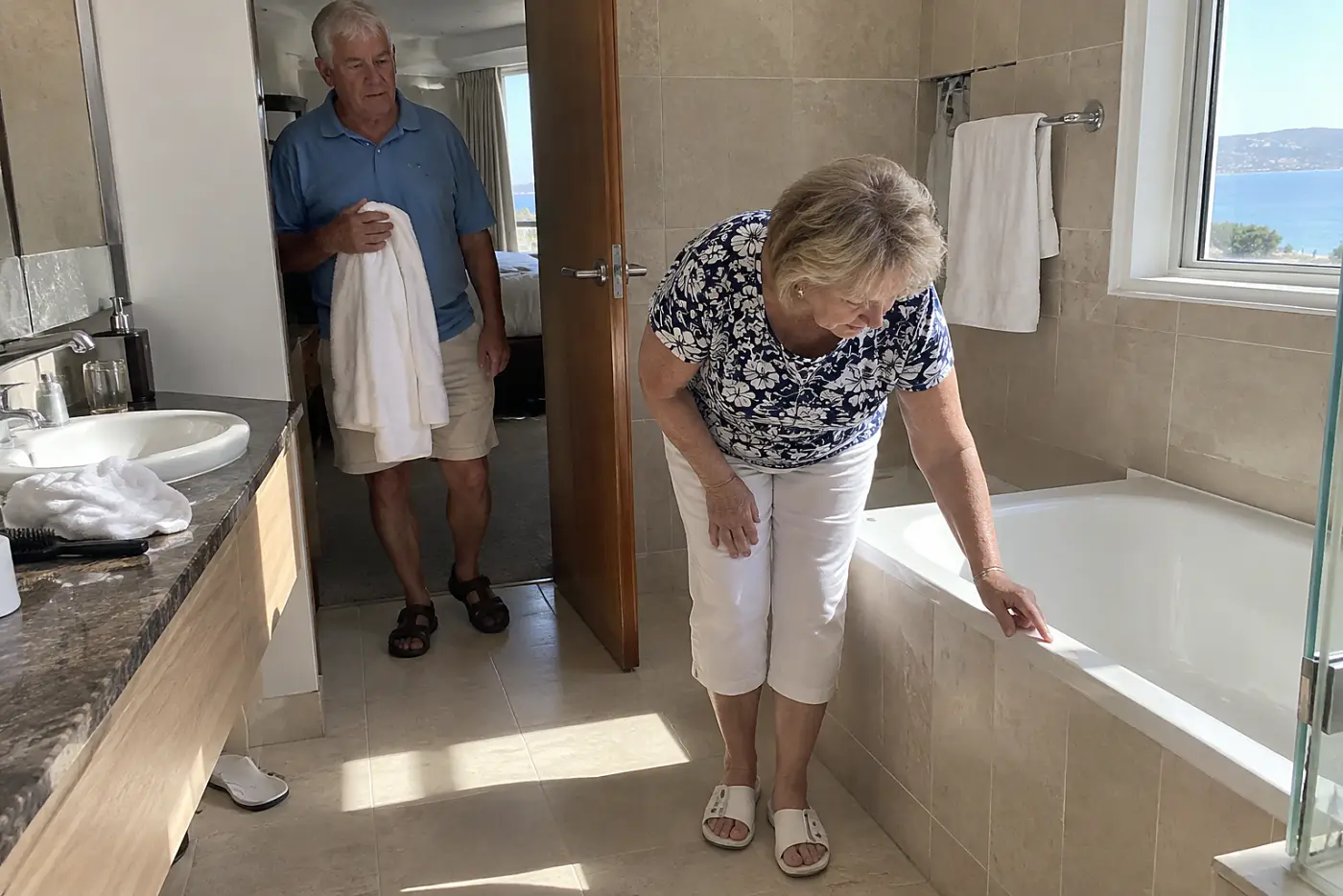
A high tub wall becomes harder when you’re tired.
Getting in requires balance on one leg. Getting out adds wet feet and a slick surface. A photo labeled “bathroom” tells you little about the step you’ll face twice a day.
One awkward exit is enough to make the next shower feel like a chore. Room types change, so a general hotel description won’t settle the question.
This week, check the exact room description and ask for a photo of its bathing area. If you need a roll-in shower, ask the property to confirm that feature for the room you’re booking. Say, “Please tell me what I have to step over to shower.”
The trip back to bed deserves a look as well.
15The dark path to the bathroom

An unfamiliar room makes nighttime walking a guessing game.
Furniture sits where your hallway wall stands at home. Add a charger cord, a loose bag, and dim light, and the short trip to the bathroom gets complicated. The CDC’s fall-prevention pages recommend clear walking paths and good lighting.
A late-night search for the light switch puts you on that path half-awake. You don’t need to wait for a stumble to rearrange the room.
This week, pack a small plug-in night-light if your lodging has an outlet where you need one. On arrival, clear the floor before you unpack anything else. Say, “Let’s leave this route clear tonight.”
Morning brings a different problem underfoot.
14The cobblestones outside the hotel
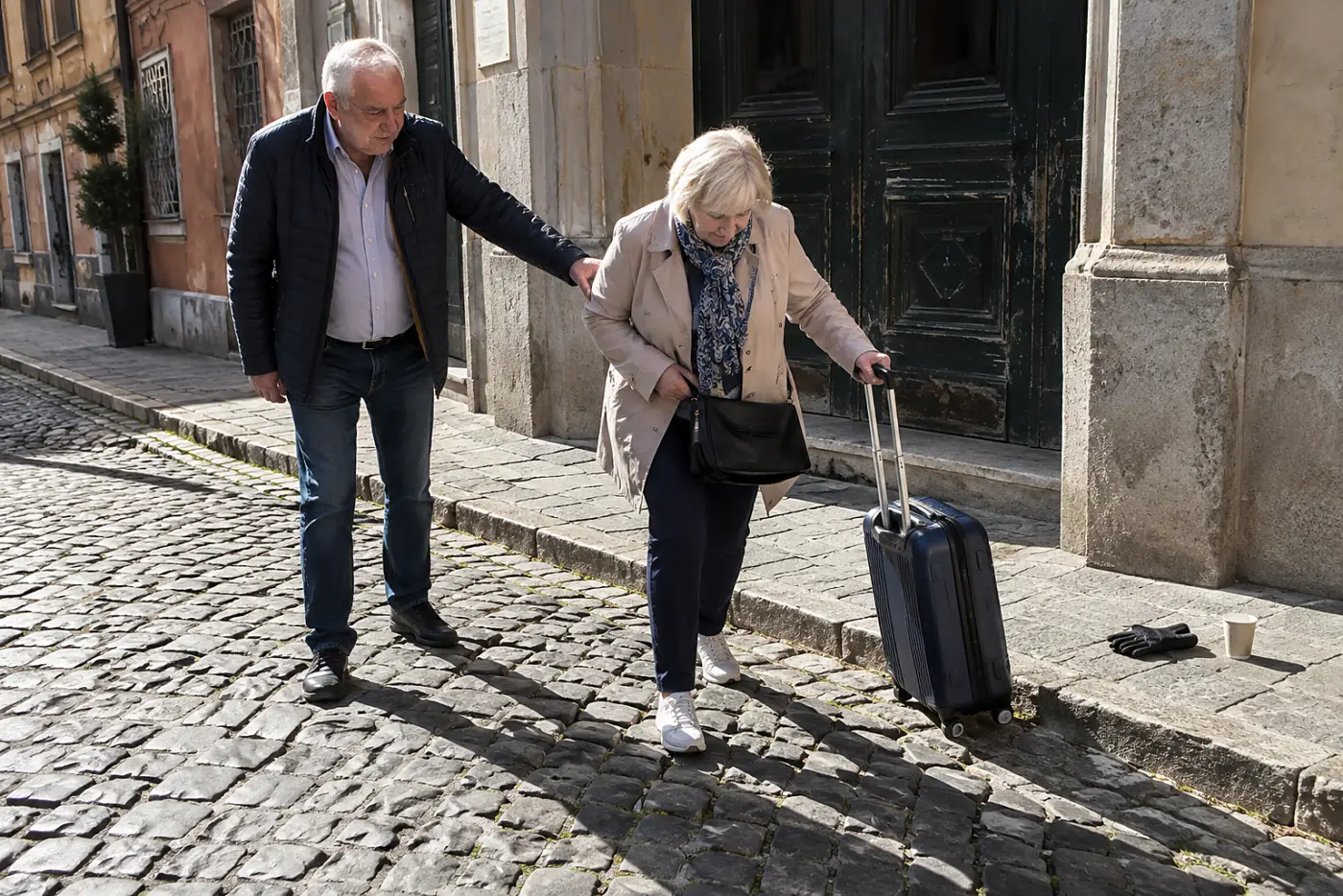
Uneven pavement asks your ankles to work all day.
A postcard street looks short on a map. On foot, its stones tilt, its curb cuts disappear, and your attention stays on each step instead of the place you came to see. A cane tip or suitcase wheel finds every gap.
After one such street, another “short stroll” stops sounding short. Distance alone won’t tell you how much effort a route takes.
This week, look at street-level photos near your hotel and first attraction. Find a transit stop or drop-off point that avoids the roughest approach, and save that route before leaving home. Say, “I’m taking the smoother route, even if it takes longer.”
Then check what waits when the pavement ends.
13The subway station without an elevator
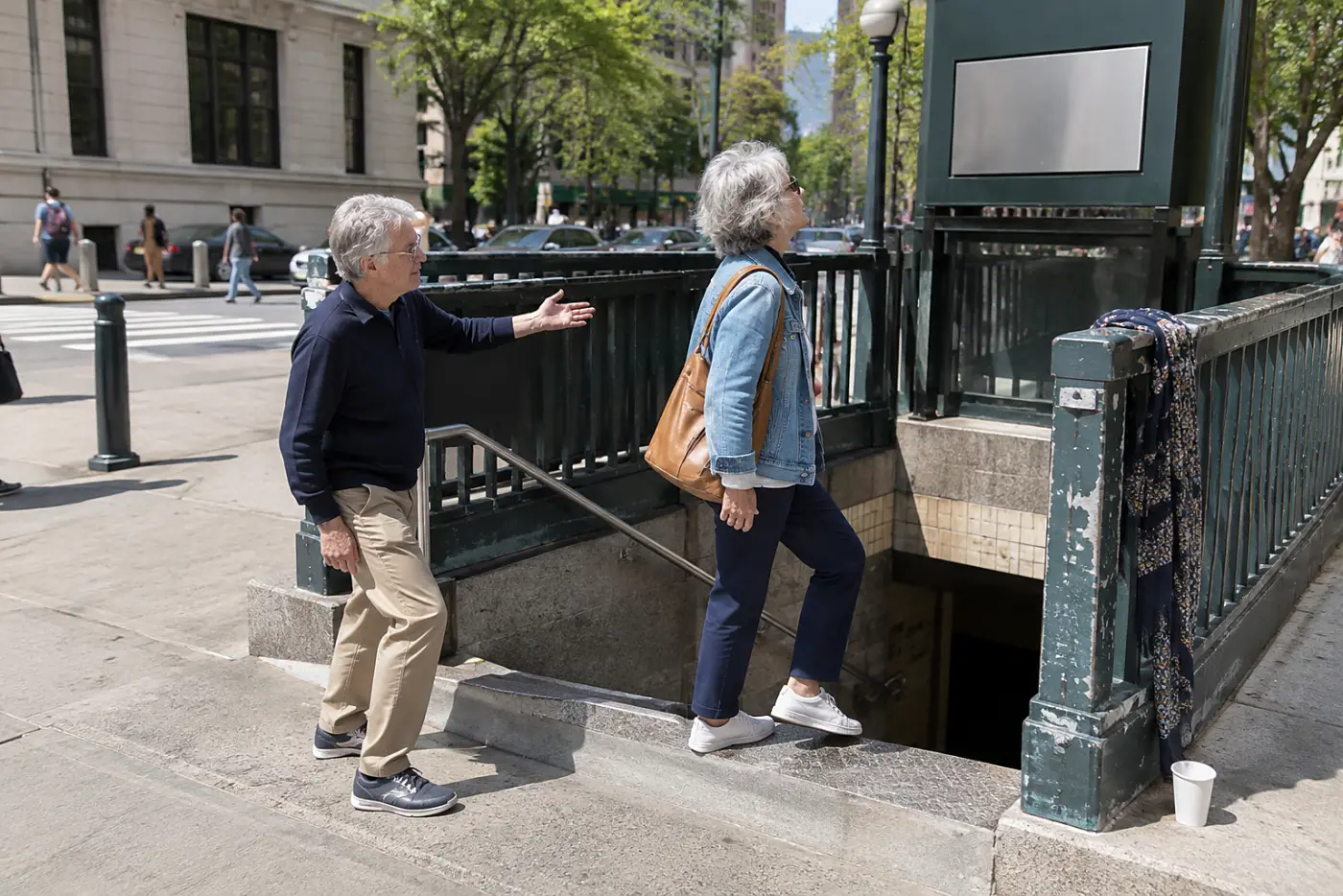
A transit symbol doesn’t promise a level exit.
Stations have separate entrances, platforms, and transfer passages. An elevator at one entrance doesn’t tell you whether the whole route avoids stairs. Even a route you checked at home needs another look if an elevator goes out.
Discovering that with a bag leaves you choosing between lifting it and starting over. That extra station search uses the energy you saved by taking the train.
This week, use the transit agency’s accessibility map for the stations you’ll use. Check the entrance and transfer, then check the agency’s elevator alerts on travel day. Ask, “Which station entrance gets us down without stairs?”
The next climb arrives after you leave the train.
12The restaurant table up another flight

Dinner upstairs feels different after a full day.
A restaurant listing gives you an address and a menu. It rarely tells you whether the dining room is above street level or how far the restroom sits from your table. At lunch, that detail looks small; at night, it’s the last climb.
Leaving without eating means finding another place while hungry. You don’t owe a staircase the benefit of the doubt.
This week, call one restaurant you’re excited about and ask where the dining room and restroom are. If stairs stand between you and either, reserve elsewhere before the evening gets crowded. Ask, “Is there a table and restroom on the entry level?”
Food raises its own question once you sit down.
11A medication bottle left at home
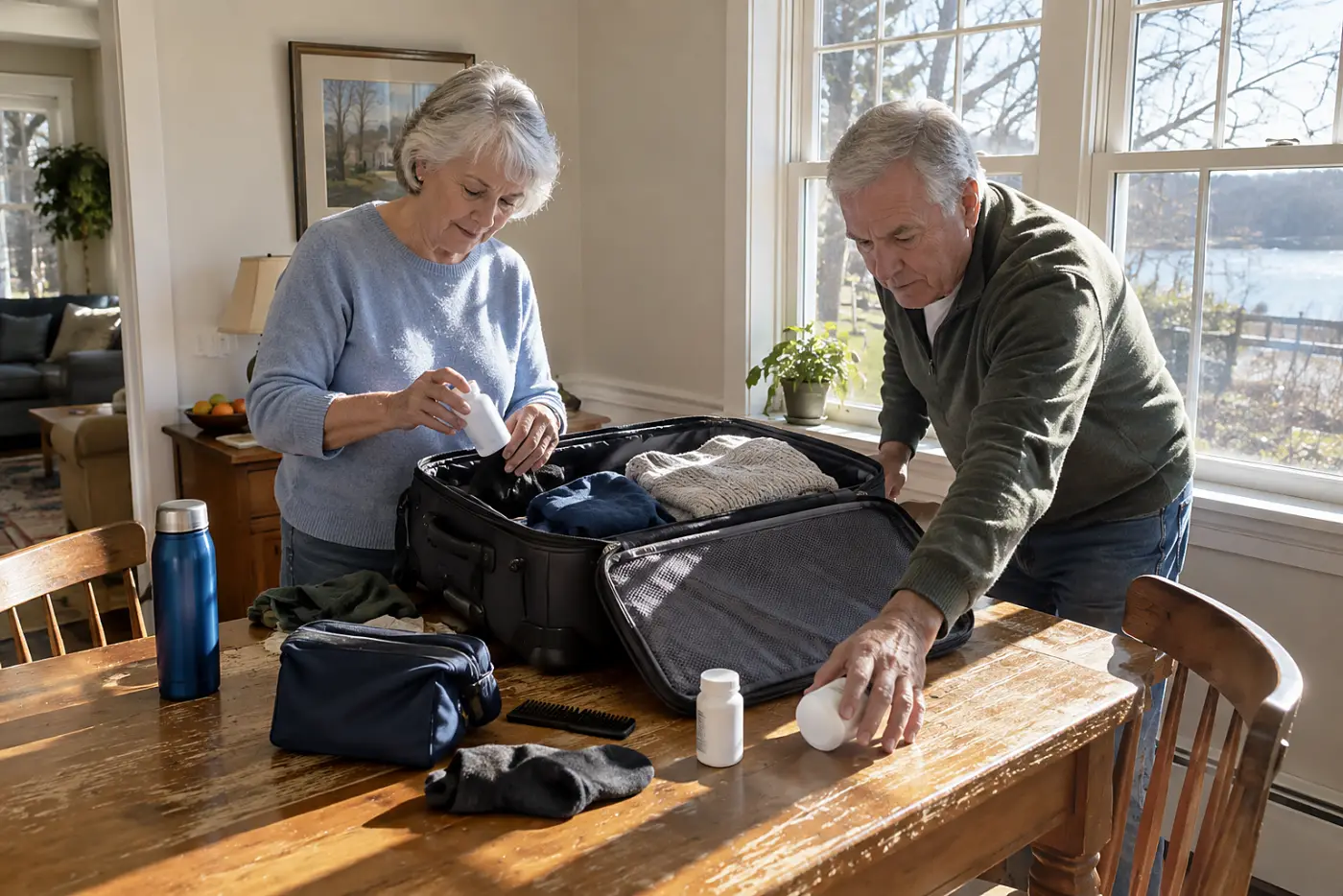
A changed routine makes missed doses easier.
At home, the bottle sits in its usual spot. In a hotel, a late meal or early departure breaks the cue that reminds you. Changing time zones adds another question about timing.
A missed dose is a medical issue, not a travel inconvenience to guess through. The CDC Yellow Book has guidance on traveling with medication, but your pharmacist knows the schedule attached to your prescriptions.
This week, put an updated medication list on your phone and discuss timing changes with your pharmacist. Pack medicines in your carry-on, in their labeled containers. Ask, “What schedule should I use while I’m crossing time zones?”
The bag holding those bottles has limits, too.
10The carry-on you cannot lift overhead
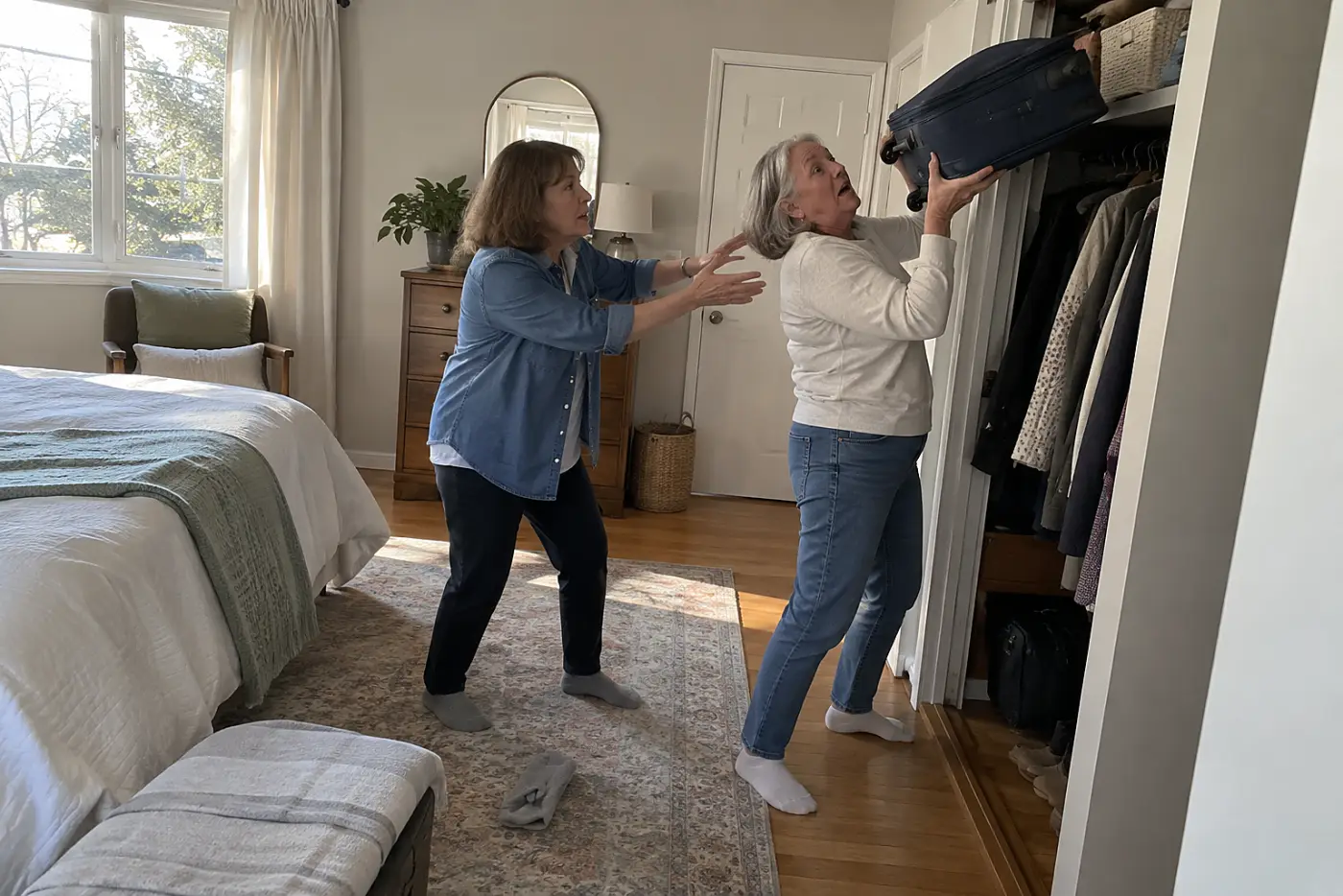
An overhead bin turns packing into a lifting test.
You carry the bag through the airport, then face a lift above shoulder height in a narrow aisle. The person behind you waits. That pressure doesn’t make the bag lighter, and a hard pull can spoil the first days of a trip.
A personal item under the seat keeps essentials close without an overhead lift. The airline’s size rules still apply, so check them before buying a bag for that purpose.
This week, put your planned carry-on on a shelf at home without twisting or holding your breath. If it fails, remove weight or plan to check the larger bag. Keep medication, documents, and anything needed during the flight in the smaller one. Say, “This bag needs to fit under the seat.”
The seat itself determines how often you’ll have to move.
9The window seat on a long flight
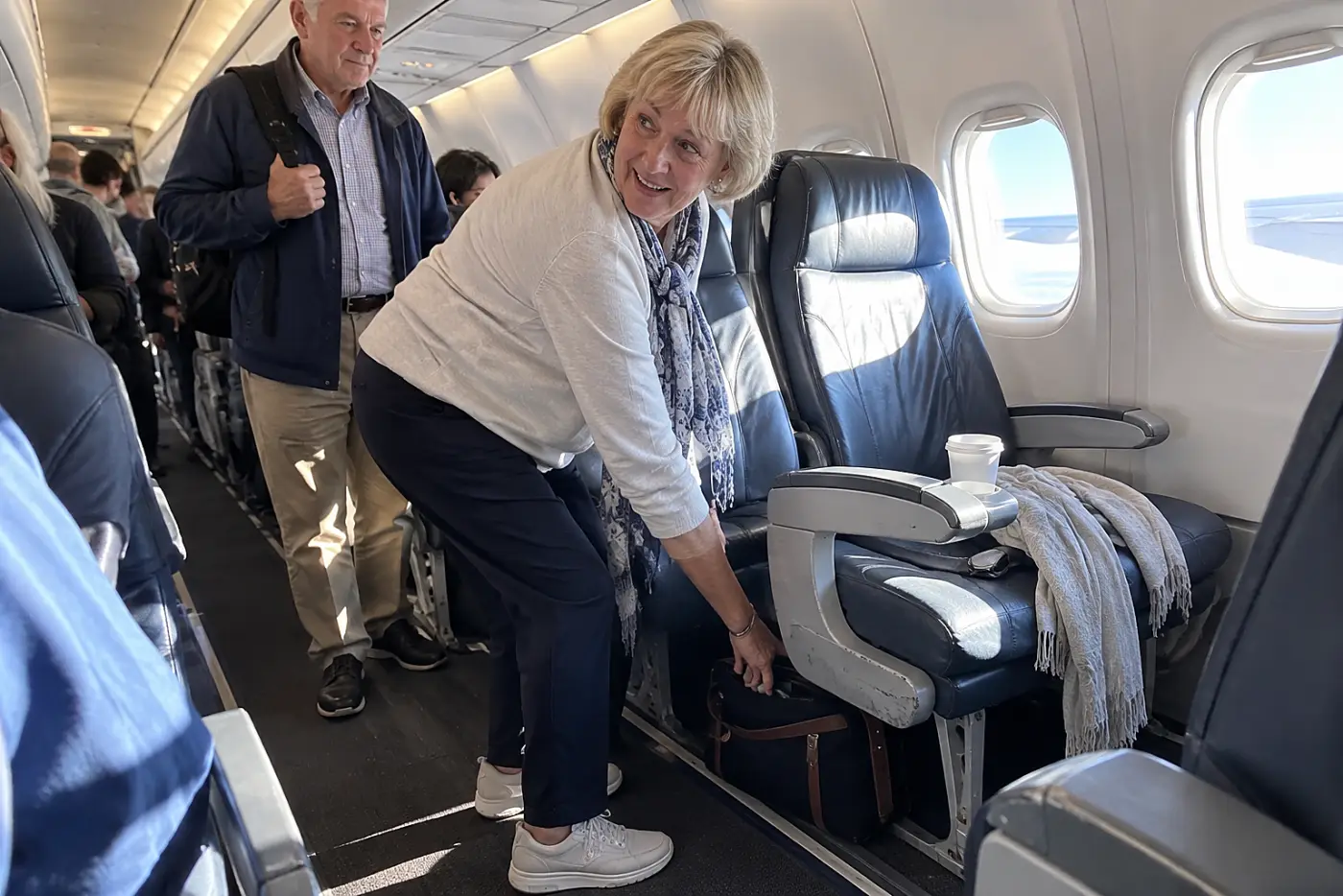
A window seat makes every stretch a negotiation.
Your legs stay in one position until the people beside you move. If you need the restroom, you also have to ask them to get up.
Sitting still for a long flight leaves stiffness waiting at arrival. The CDC travel blood-clot guidance discusses moving your legs during long periods of travel.
This week, check the seat map before paying for a long flight. Choose an aisle seat if standing and walking during the trip matter more than the view. Say, “I’ll take the aisle so I can get up.”
The air inside the plane adds another demand.
8A drink skipped to avoid restrooms
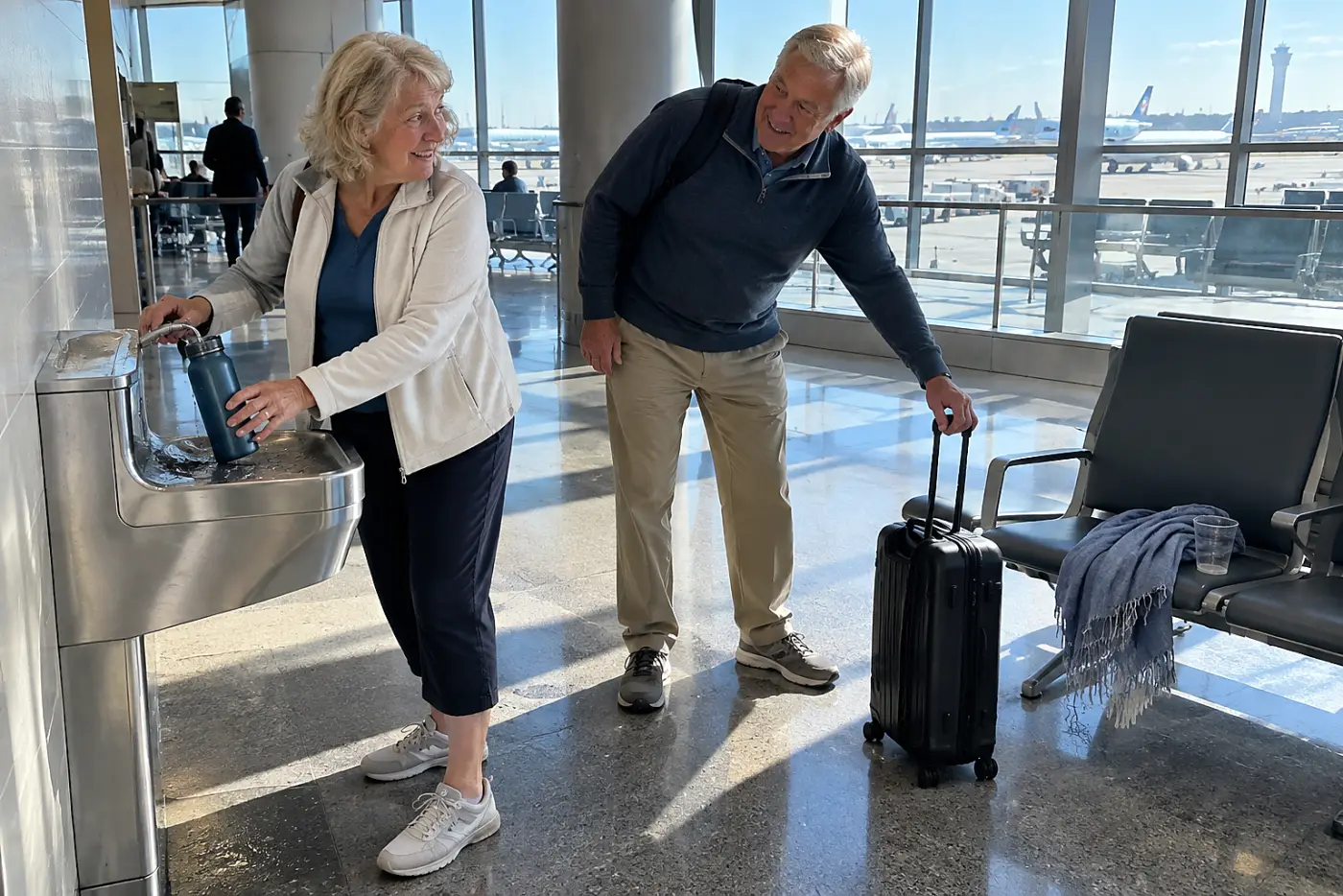
Avoiding the restroom creates a different problem.
You drink less before a long ride, then arrive thirsty and tired. Hours away from your usual routine make it harder to judge what you need. If a clinician has given you fluid limits, follow those instructions.
The answer isn’t to force a set number of cups. It’s to know where breaks fit, so you aren’t choosing between drinking and getting through the ride.
This week, locate rest stops for a drive or check the restroom setup on your train, bus, or flight. Carry an empty refillable bottle through airport security and fill it afterward. Ask, “Where’s our next restroom stop?”
Even with breaks, one long day has a price.
7A driving day without a real stop
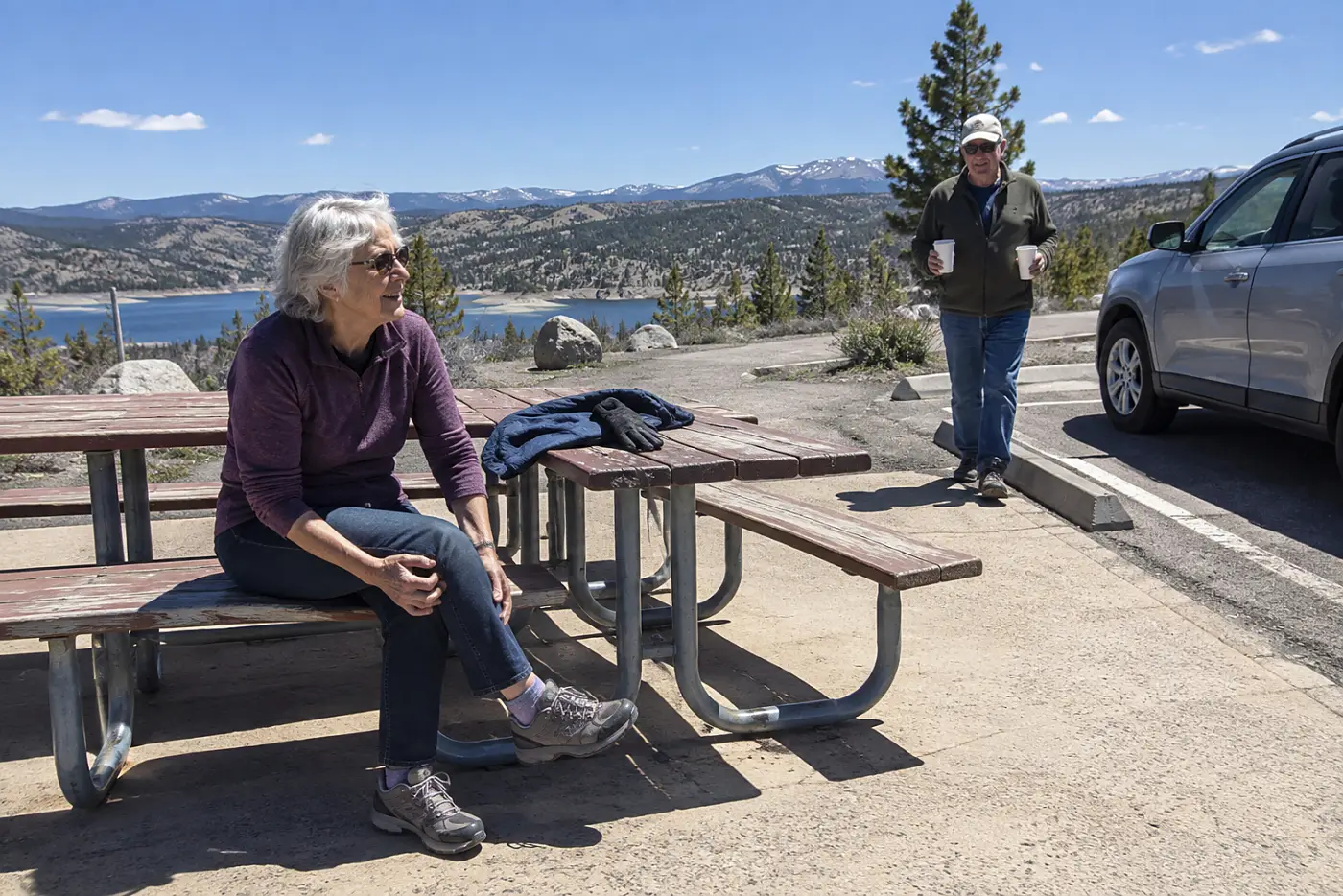
Fuel stops don’t give your body a break.
Getting out beside the pump is different from walking, using a restroom, and sitting somewhere comfortable. A long drive stacks stiffness until the final walk feels harder than the miles.
The hotel check-in line waits whether you paused or not. A Federal Highway Administration rest-area map or your state transportation department’s site gives you places to check before you leave.
This week, mark a proper break location on each driving leg before picking a departure time. Make the stop part of the plan, even if the tank is full. Say, “Let’s stop where we can actually sit down.”
The first day after arrival needs protecting as well.
6A packed itinerary on arrival day

Arrival day carries the work of two days.
You travel, find your way to lodging, check in, and unpack enough to function. Then a reservation asks you to dress, leave again, and perform on a schedule. A flight delay compresses those steps without removing any of them.
Jet lag and poor sleep sharpen the cost of that choice. The CDC Yellow Book covers jet lag because crossing time zones changes when your body expects sleep.
This week, move the hardest outing off arrival day. Book a meal close to your lodging, or leave dinner open until you know how you feel. Say, “Let’s keep tonight free and decide after we check in.”
The next morning still depends on the night you get.
5A room beside the ice machine
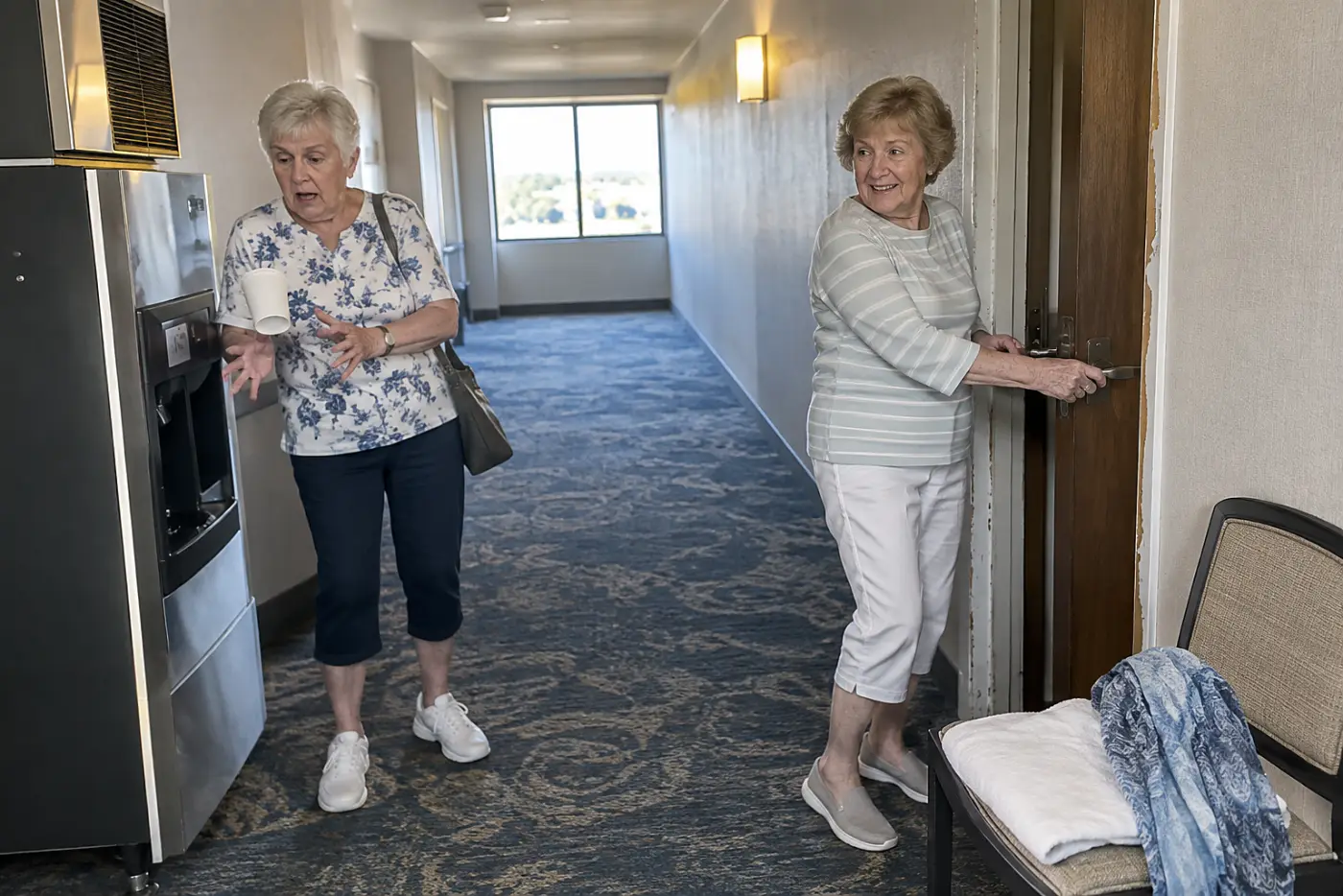
A short night makes tomorrow’s walk longer.
Hallway noise wakes you, and unfamiliar light keeps you awake. The next day’s stairs and lines haven’t changed, but you reach them with less rest.
A convenient room near the elevator also sits near foot traffic. A room request isn’t a guarantee, so you need to know what’s available when you arrive.
This week, check recent hotel reviews for noise and look at room-location requests before booking. When you check in, ask what’s available away from the ice machine and elevator. Say, “Is there a room away from hallway traffic?”
Rest also depends on what you’ve promised the next day.
4A tour that never names its pace

A tour’s distance leaves out the hard parts.
Two miles on level ground differ from two miles of stairs, standing stops, and uneven pavement. “Easy” is the operator’s label; the route details tell you more. A group moving together also leaves little room for a pause you didn’t plan.
Once the tour starts, returning alone becomes the fallback. That’s a poor time to learn where the hardest stretch sits.
This week, ask the operator for the walking distance, stair count, longest standing period, and restroom stops. If those details don’t fit, pick a shorter tour or see the same place on your own schedule. Ask, “How long will we stand without a seat?”
Your ticket has another piece of fine print.
3A prepaid outing with no exit plan

Paying ahead makes leaving feel harder.
You’ve bought the ticket, arranged the ride, and told someone you’re going. When your energy runs out, that sunk cost argues for staying. The trip back also looks harder once you’ve lost your place in the day.
The price is already paid; pushing through adds a second cost. You still need a way home that doesn’t depend on finishing with the group.
This week, read the cancellation terms for one prepaid outing. Save the address and transit route back to your lodging before the day begins. Say, “If I’m done early, I’m heading back.”
That choice gets harder when someone else sets the pace.
2A travel partner who keeps walking

Different walking speeds turn into silent deadlines.
One person pauses at a crossing; the other reaches the next corner. Neither has said when to stop, so the slower person keeps trying to close the gap. Soon the outing becomes a test of keeping up rather than a shared day.
A simple meeting point prevents the repeated little sprints. It also lets each of you look around without watching the other’s back disappear into a crowd.
This week, talk through one planned outing with your companion. Agree on a walking pace, a seated break, and where to meet if you split up. Put the lodging address in both phones. Say, “I’m going to stop here; let’s meet at that café.”
Yet the hardest pace to fix is set before you leave home.
1The assistance request missing from your booking
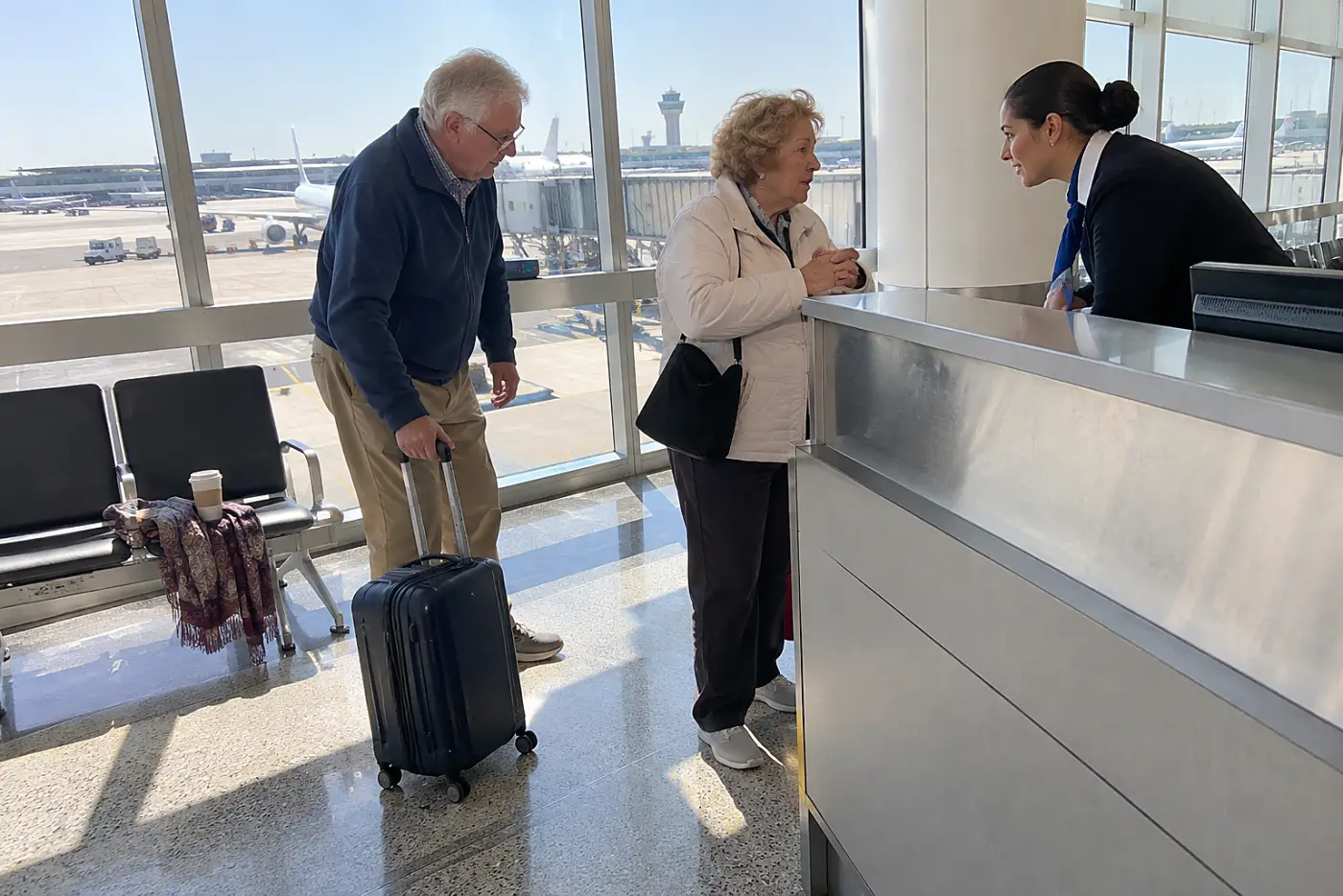
An unrecorded request leaves help to chance on travel day.
Your ticket shows flight times, but it won’t show how far you must walk from the curb to the gate. At a connection, you face a second route after landing. If that walk exceeds what you can manage, an airport map alone won’t arrange help.
The Department of Transportation’s air travel disability guidance describes assistance for passengers with disabilities. The airline needs to know what help you require, and you need to check that the request is attached to each flight.
This week, open your airline booking and review every departure, connection, and arrival airport. Contact the airline, describe the assistance you need, and ask the agent to read back what’s recorded for each segment. Keep the confirmation with your travel documents. Say, “Please confirm my assistance request appears on every flight in this booking.”
There’s one last check before you close the booking page.
The bottom line
Hard trips pile up small demands on the same tired legs.
The best-prepared traveler has tested the bag and shoes. She’s checked the routes, protected her rest, and made the help she needs part of the booking.
Which of these has already happened on one of your trips?
Bonus: The booking-time assistance check
- Open your reservation and list every departure, connection, and arrival airport.
- Check the terminal maps. Mark the walks you cannot manage without help.
- Contact the airline while booking. Say exactly what assistance you need at each airport.
- Ask, “Is that request recorded for every flight segment?” Save the confirmation.
Margaret Hale
Travel & Lifestyle Editor
Margaret has covered travel for 25 years and has ridden every long-distance train route in the U.S. at least once.
You might also like