23 Strategies Grandparents Use to Travel With Grandkids and Actually Enjoy It
A parent handoff decision and an empty arrival afternoon spare you arguments when a child is tired and plans change far from home.
By Margaret Hale, Travel & Lifestyle Editor
Updated · 17 min read
- Written by our travel & lifestyle editor
- How we review
Read to the end: #1 is the written decision rule that stops a road-trip argument, and almost nobody agrees on it beforehand.
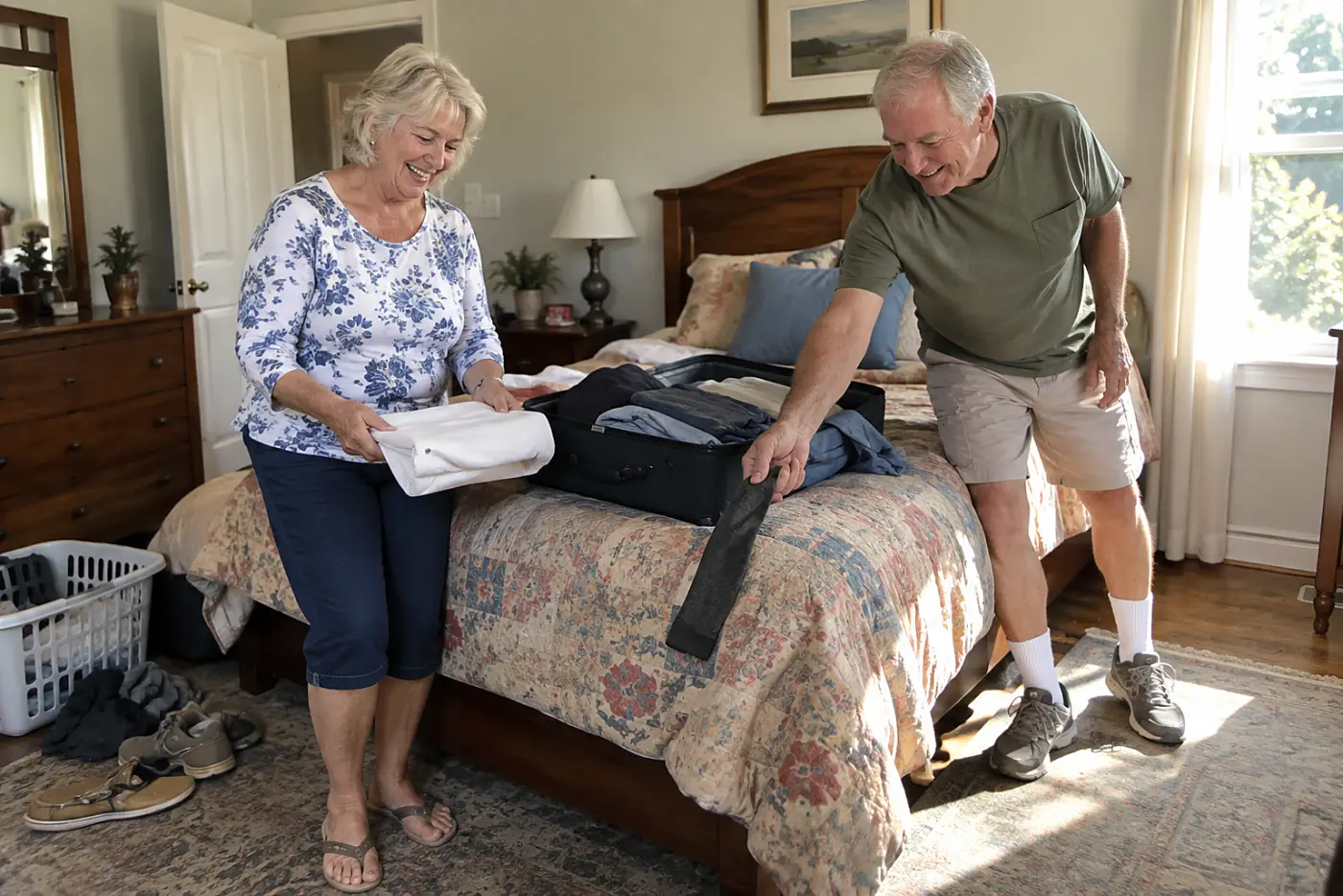
The suitcase is open on your bed, and a small pair of sneakers sits beside it. You said yes to the trip. Now you’re wondering who handles a fever, a missed flight, or a child who wants to go home.
The obvious answer is to pack more and hope everyone gets along. But the hard part isn’t the packing: it’s making decisions for someone else’s child while that child’s parent is miles away.
Here are 23 ways to take pressure off the trip.
23Choose a trip with one fixed base
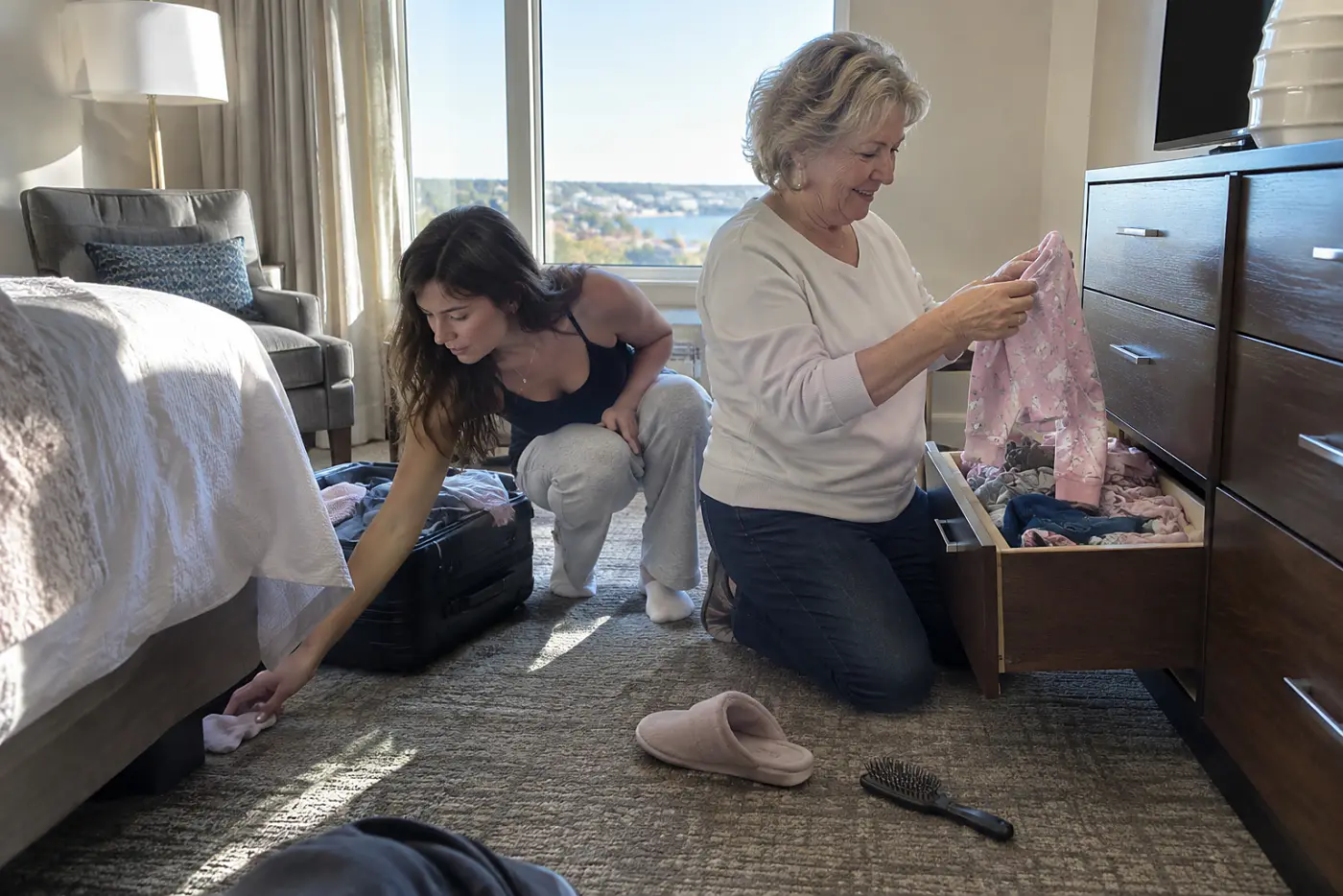
Changing hotels turns every morning into a search for socks.
Each move means packing again, checking out, reaching the next place, and waiting to settle in. With one base, pajamas stay in a drawer and you learn the walk to breakfast. The child knows where they’re sleeping tonight.
Before booking, count the checkouts on the itinerary. Two hotels mean a transfer day, even if the drive looks short. You’ll have bags to move when you’d rather be out together.
This week, compare a one-hotel version with the route you planned. Ask the grandchild, “Which place would you want to come back to each night?” That answer gives you something to discuss before paying for either room.
A fixed base still leaves one question: how far you’ll go each day.
22Trace the walk back to your hotel
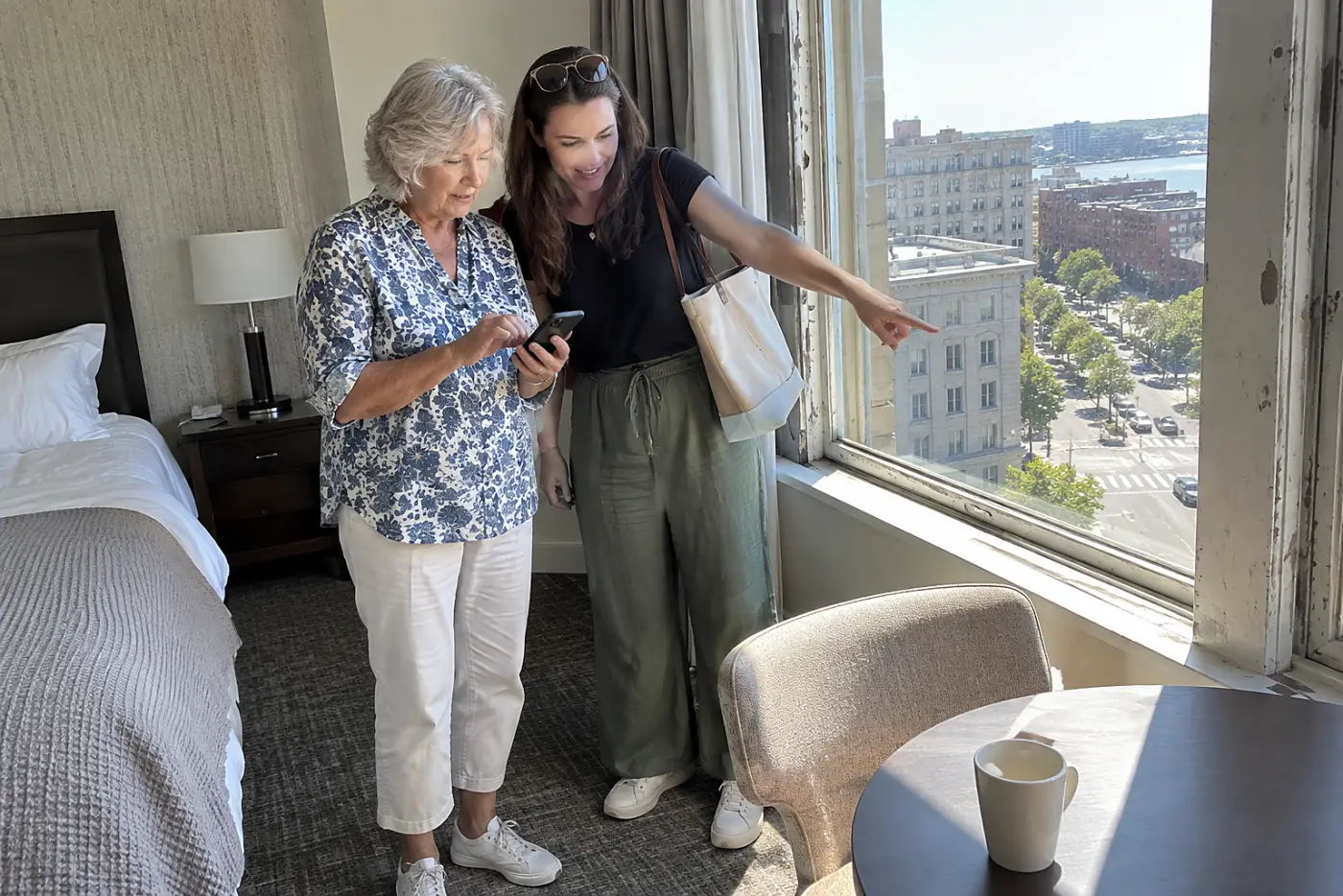
The walk home happens after the exciting part.
A map makes a nearby attraction look effortless. The route also includes the elevator, street crossings, the entrance, and the walk back. By then, shoes hurt and someone has stopped listening.
Check both directions before you promise an outing. Look for a place to sit on the return route, not just outside the attraction. A river crossing deserves another look if the only way back is a long bridge.
This week, save two nearby activities and one place to eat on your phone’s map. Open each saved place once before you leave home. Tell the child, “We’ll pick one outing after breakfast, then see how much walking we’ve got left.”
Distance changes your choices at lunch, too. If a jacket stays behind, a short return trip is annoying; a long one takes over the afternoon. That’s the sort of detour you want room for.
The route matters less if the day starts too fast.
21Leave the arrival afternoon without timed tickets
A delayed arrival shouldn’t cost you the first attraction.
The first afternoon absorbs travel trouble. A delayed bag, a slow rental counter, or an unfamiliar transit stop takes time before anyone has eaten. A timed entry turns each delay into a fresh round of hurry.
Check your first day for reservations with a fixed entry window. Those tickets are the ones at risk when travel runs late. You also need time to find the room and get dinner.
This week, move sightseeing to the next day and find a meal near your lodging. Say, “Our only plan after we arrive is dinner.” If arrival goes smoothly, you still get an unhurried first look around.
Dinner goes better when you know what bedtime requires.
20Ask for the child’s bedtime sequence
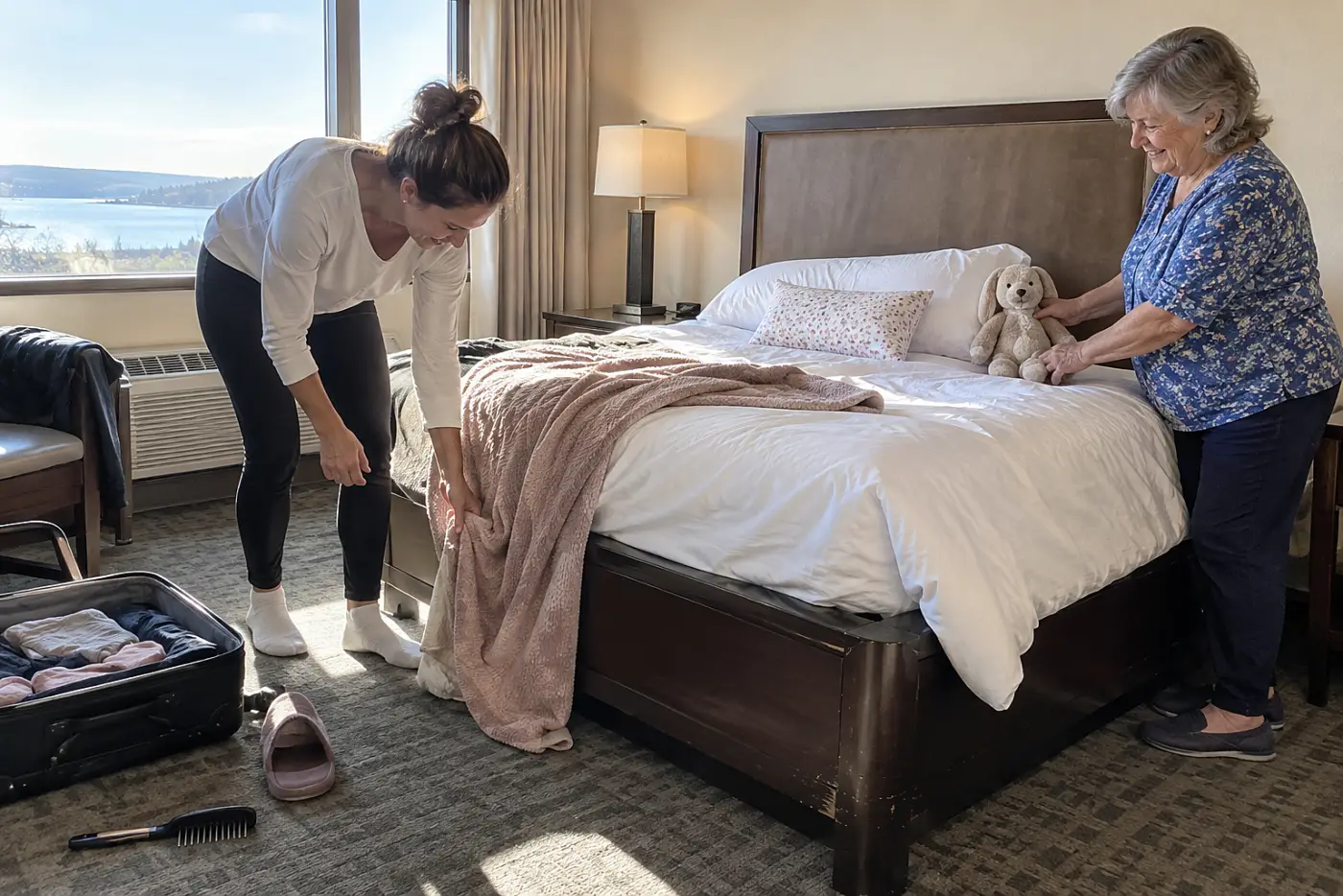
Bedtime is a poor time to discover the missing stuffed animal.
Bedtime has an order in a child’s own house. A shower comes before a book; a particular toy stays within reach. On a trip, you need to know which steps matter before everyone is exhausted.
Ask the parents to walk you through an ordinary night, including what happens when the child wakes. Write the steps in their order. Then ask the child what they want to pack for sleeping without promising to change the home rules.
A missing sleep item sends you hunting through bags or shops after dinner. A difficult night also follows everyone into breakfast. Neither problem needs a performance from you.
This week, send one bedtime question by text and set aside space for the sleep item. Say, “Walk me through bedtime from toothbrush to lights out.” Keep the reply where you’ll find it at the hotel.
Once the lights are out, think about how you’ll choose tomorrow’s outing.
19Offer two outings at breakfast
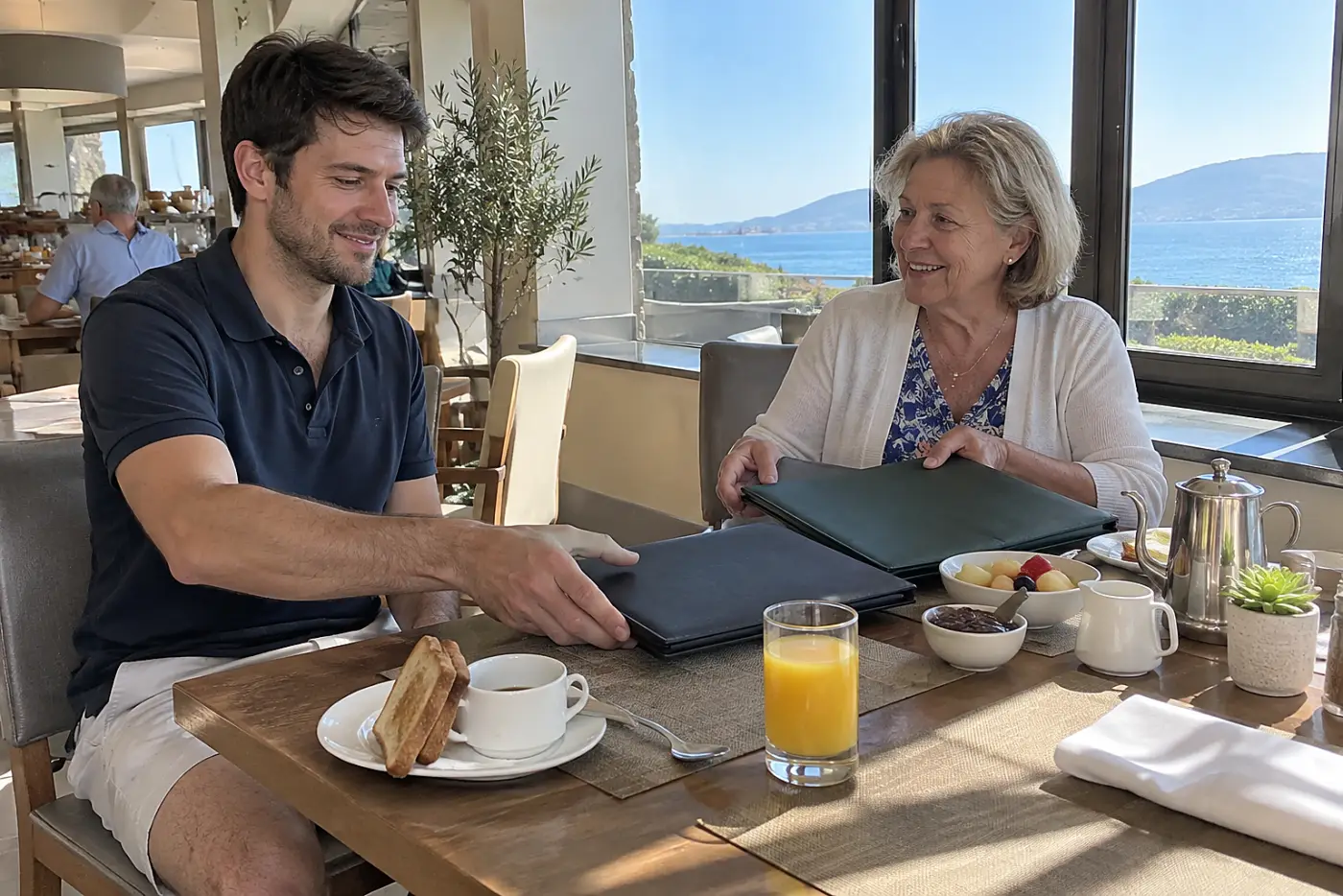
An open question asks a child to plan a city.
“What do you want to do?” hands over a job you haven’t finished. First, you choose the travel distance, opening hours, and cost. Then the child chooses between two plans you’re happy to do.
An open-ended promise gets awkward when the answer is a costly park across town. Two choices give the child a say without putting the whole day on their shoulders. Check both places on their official sites before you offer them.
This week, find two outings for each free day. Ask, “Would you rather see the boats or go to the science museum?” Be ready to describe what each visit involves, including the trip back.
Their choice still needs room for a pause.
18Mark a bench before the attraction
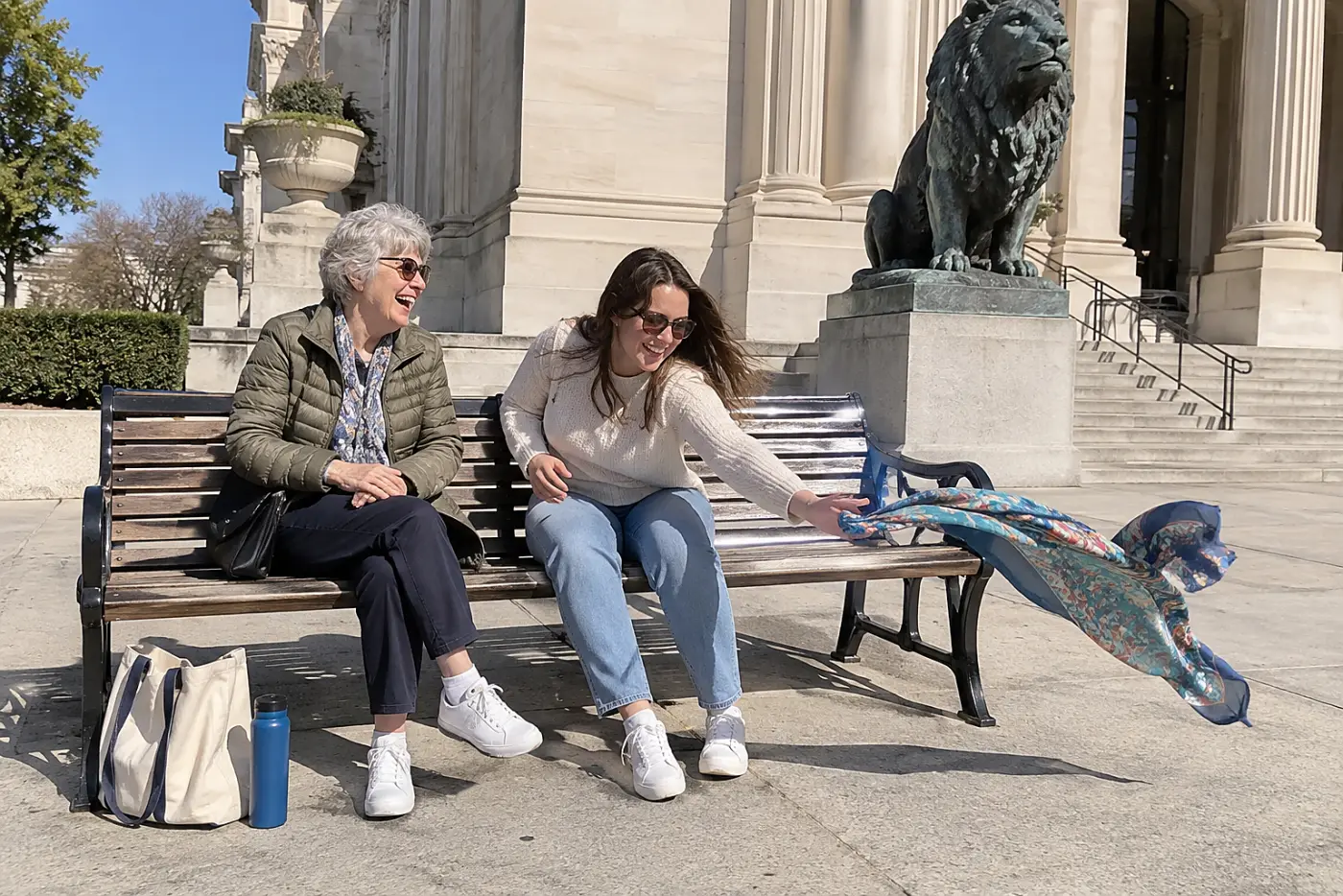
The ticket line is a bad place to discover skipped lunch.
A child who has been sitting in a car still needs time to arrive. So do you. Going straight from luggage drop-off to a major attraction leaves no space for the bathroom, water, or a snack.
Find a place to pause before the main event. A bench outside the museum counts. So does a café across from the entrance. Sit down before you scan the tickets and find out what everyone needs.
Skip that stop, and the forgotten water bottle comes up inside a long line. Going back for it is harder then. You’ve also lost the chance to decide whether everyone is ready to go in.
This week, mark one place to sit near each major stop on your map. Say, “We’re sitting for a minute before we go in. Who needs the bathroom?” Give yourself time to hear the answer.
After that pause, look closely at the tickets in your pocket.
17Open your tickets before leaving the hotel
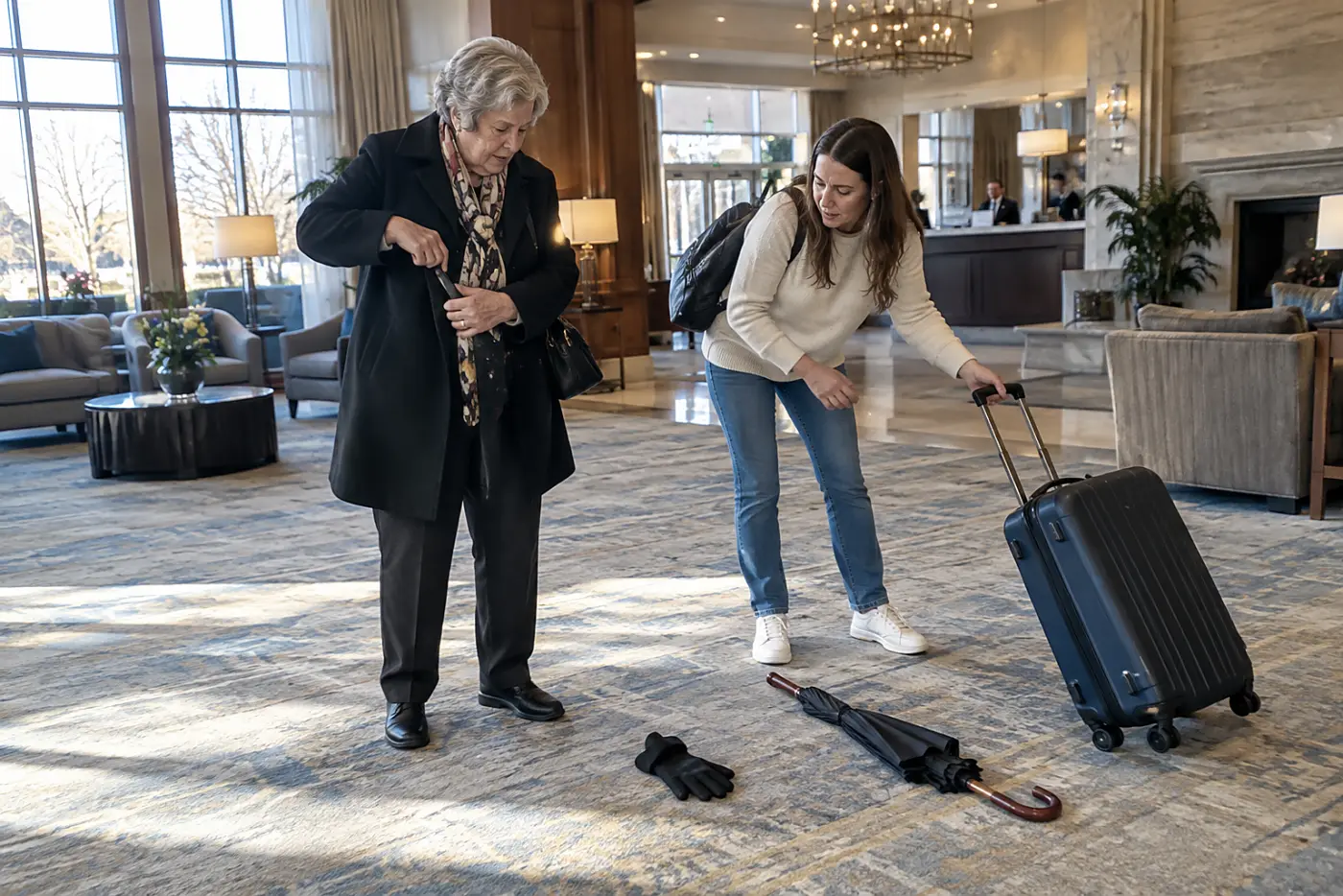
An inbox search is miserable at a crowded gate.
Ticket links need a signal, and an app sign-in needs a password. Neither job gets easier when a child is waiting beside a turnstile. Put the ticket somewhere you already know how to open.
A screenshot won’t work if the venue requires its app or a live ticket screen. Read the entry instructions before you leave the room. Losing time at the gate means less time inside, even when the tickets are valid.
This week, save the tickets and test how you’ll open them without searching your inbox. Tell the child, “I’m getting our tickets ready before we leave.” Check which adult holds the phone with the booking.
Once entry is handled, the next wait belongs to the journey itself.
16Pack snacks for each travel leg
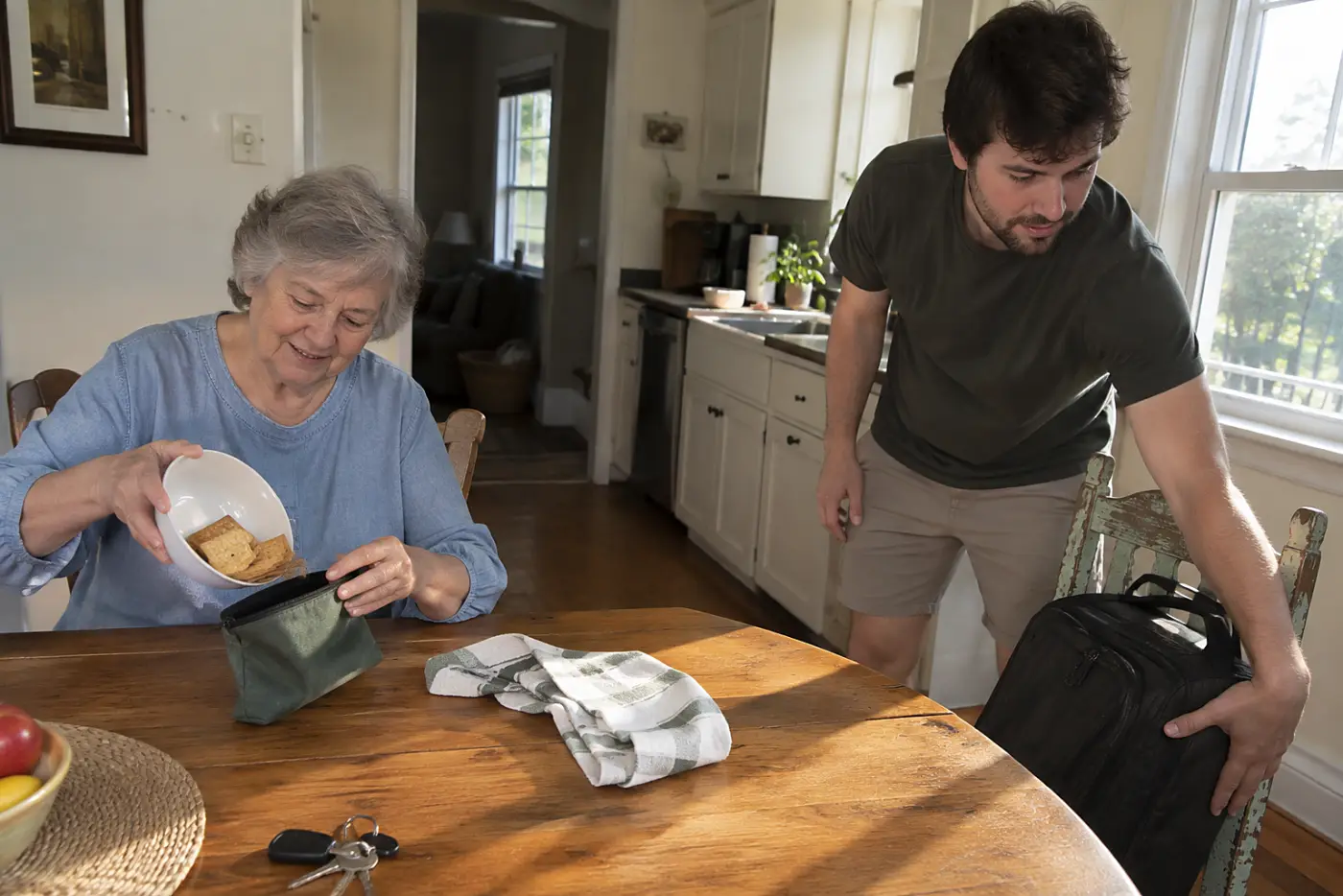
A late departure moves the next meal with it.
Airport shops and train carts are poor places to discover what a child will eat. Pack familiar snacks where you can reach them without opening a checked bag. Identify where you’ll buy a proper meal along the route.
For flights, check the TSA’s food guidance. Spreads and other foods treated as liquids face carry-on screening limits. A snack left in a checked bag won’t help during a delay at the gate.
This week, ask the parent which snacks work and pack for the travel day you booked. Say, “What will she eat when she’s tired and the choices are poor?” Put the first snack in an outside pocket.
Food buys time, but it won’t replace a plan for crowded places.
15Photograph the child’s clothes that morning
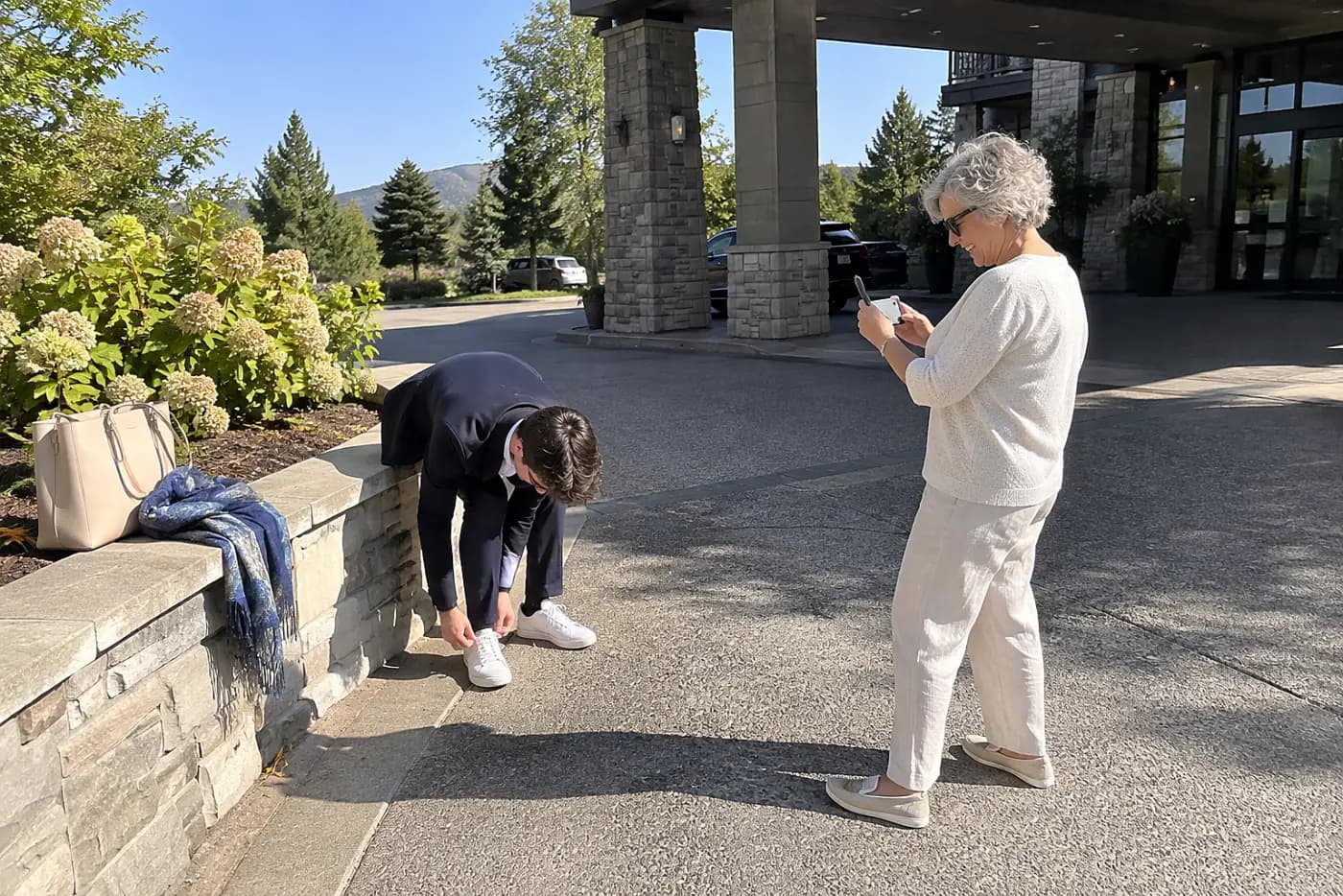
Crowds make a jacket hard to describe from memory.
Take a clear photo before leaving home or the hotel. Show the clothes and shoes the child has on that day. If you get separated, you’ll have a current image to show staff.
A photo doesn’t tell the child what to do. Agree before entering a busy place that they’ll stop, approach an employee, and stay there. The National Center for Missing & Exploited Children is another place to find family safety guidance before a trip.
This week, practice the rule at home and take a trial photo. Say, “If we lose sight of each other, stop and find someone who works here.” Repeat it at the entrance, before either of you gets distracted.
That rule works better when a worker has your number.
14Put your number in a zipped pocket
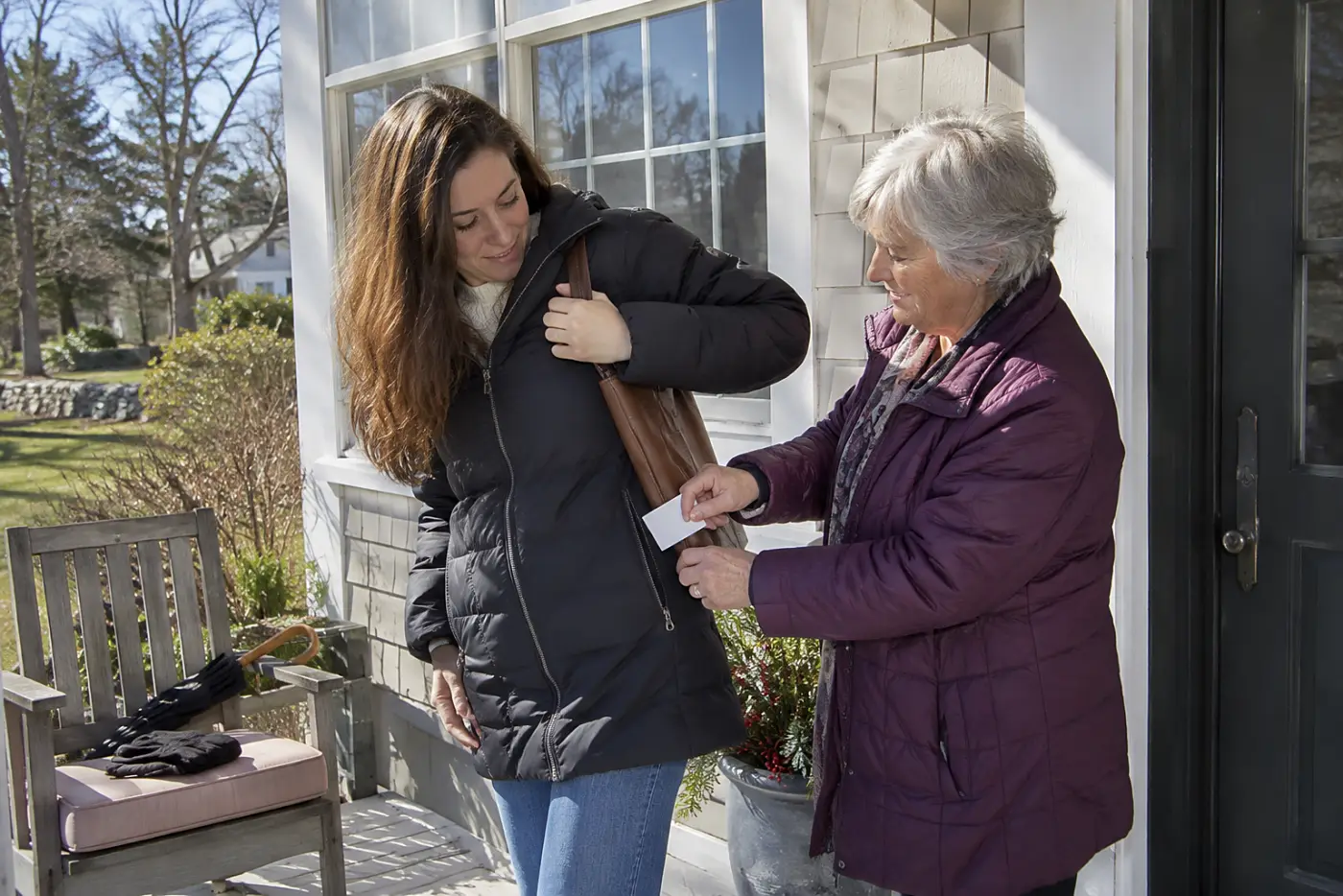
A phone number vanishes from memory in a noisy station.
A small card with your name and mobile number gives an employee a direct way to call you. Put it in a zipped pocket or another spot the child knows. Show them where it is before you enter a crowd.
Use the country code for international travel. Leave the hotel room number off a card a stranger could find. If you change phones or use a travel SIM, update the card before going out.
A younger child needs a clear instruction: approach a worker at a counter or desk and show the card. With an older child, agree on a meeting place as well. Make sure they know your first name.
This week, write the card and test a call to the printed number. Say, “Show this to a person working here if we get separated.” Then let the child practice finding the card without your help.
The same small preparations help when you must speak for the child.
13Save both sides of the health insurance card
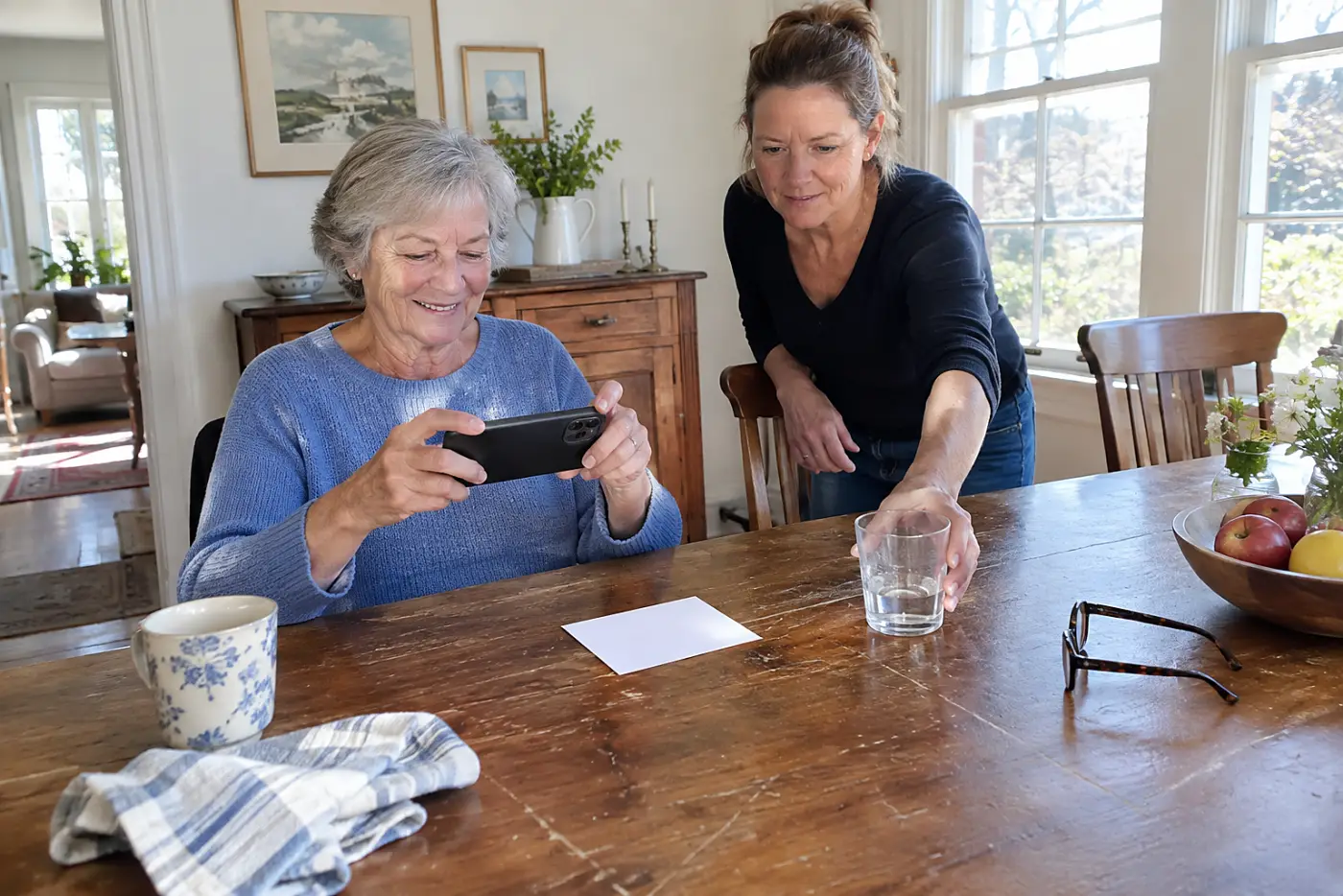
A waiting room is a bad place to chase insurance details.
Get images of the front and back of the child’s current card. Save the parent’s contact number beside them, where you won’t have to search a long text thread. Check that the numbers in both photos are readable.
An insurance card isn’t permission to make every medical decision. A provider will ask about the child, the parents, and the situation. If the card image is blurry, you’ll still be calling home to read the numbers aloud.
This week, request clear card images and open them once on your phone. Say, “Please send both sides of the current card before we leave.” Keep a copy accessible if your phone has no signal.
Then find out what the child needs on an ordinary day.
12Check medication labels before packing
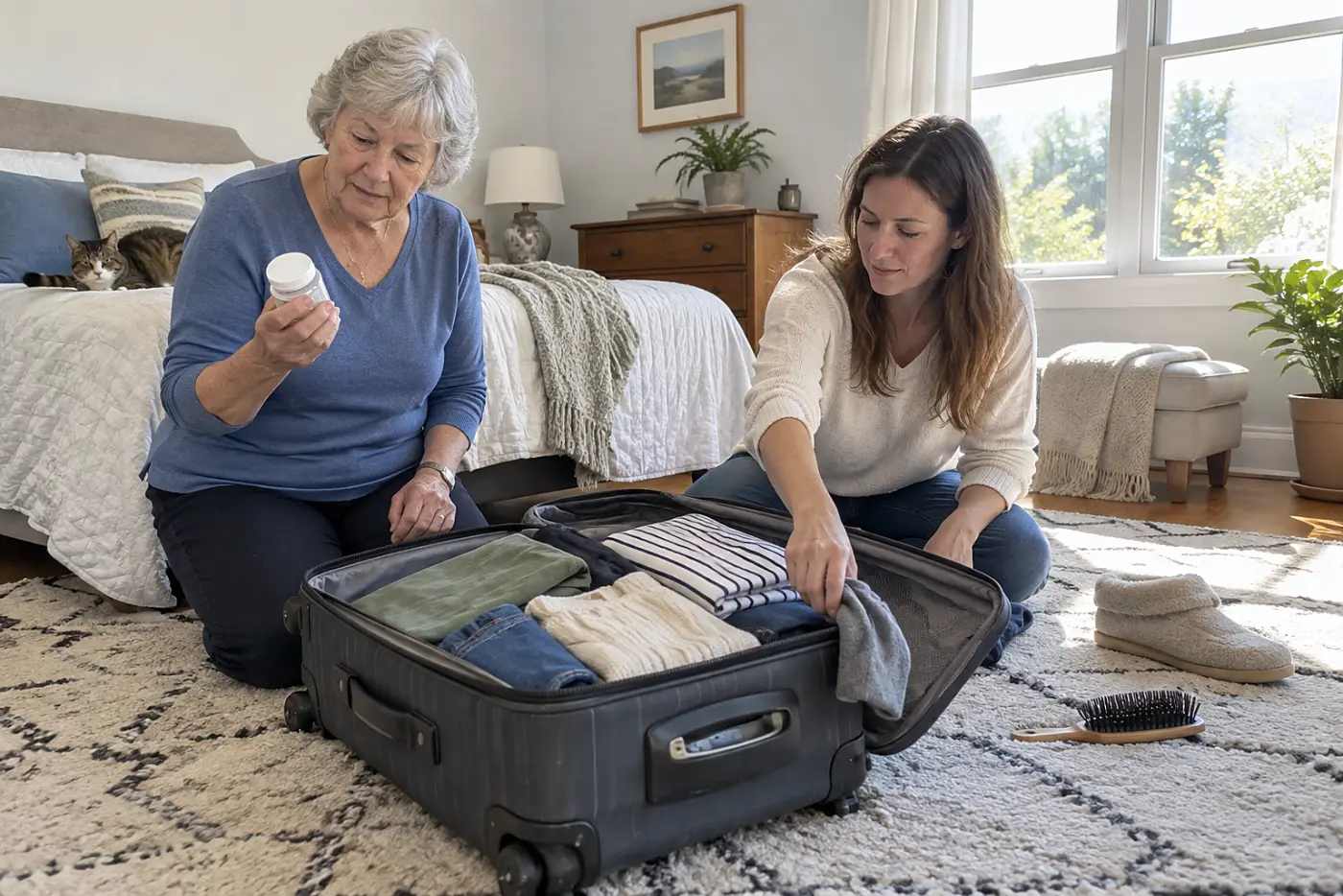
A loose pill asks you to rely on memory.
Keep prescription medicine in its labeled container. Ask the parent for the child’s usual dose and schedule in writing, then check the expiration date. Store medicine where a young child cannot reach it.
If the trip crosses a border, check medicine rules for the destination and transit countries. The CDC Travelers’ Health site has destination guidance; check the destination’s official entry information too. Start before travel day.
Don’t improvise because a label looks familiar. You need to know what the child takes and when they last took it. That detail matters when a travel delay shifts the next dose.
This week, ask the parent to put each medication and its schedule in one message. Say, “Can you send the label photo and tell me when she last takes it before handoff?” Read the reply while the parent is there.
Medicine is one part of care; food brings its own questions.
11Carry the child’s food allergy instructions
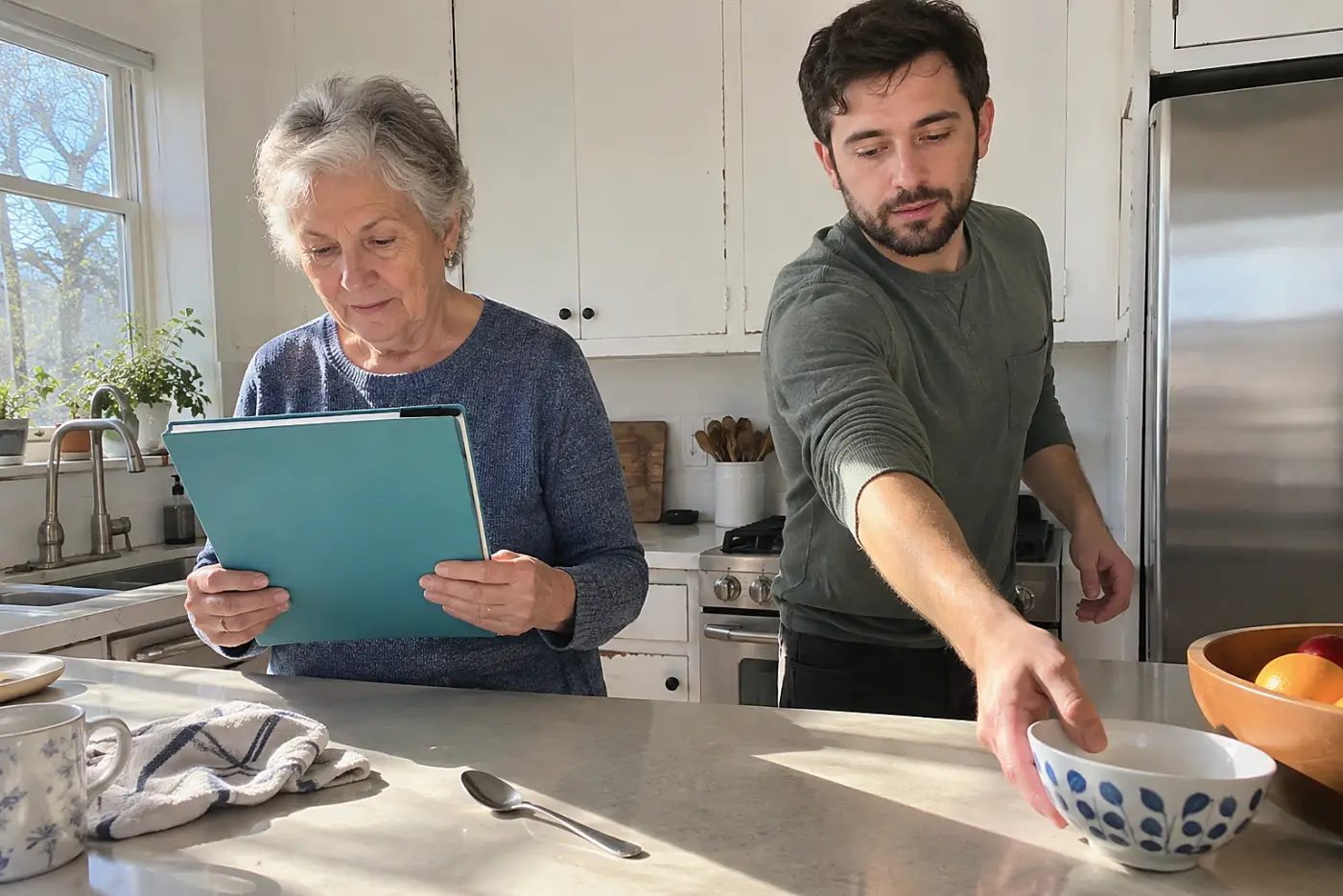
A restaurant question gets harder when you’re guessing.
Ask the parent for allergies, foods the child avoids, and what to do if an allergy is triggered. Keep the answer beside the insurance details, not buried in an old chat. Read it before choosing a restaurant.
For a serious allergy, ask the parent to show you the child’s prescribed emergency plan and where the medication goes. Food Allergy Research & Education has food allergy resources; the child’s own plan is the one to carry.
Without that plan, you’re left asking questions after the child has eaten. This week, read it with the parent and find the medication together. Say, “Show me exactly what you want me to do.”
The answer also changes where you choose to eat.
10Read restaurant menus before hunger arrives
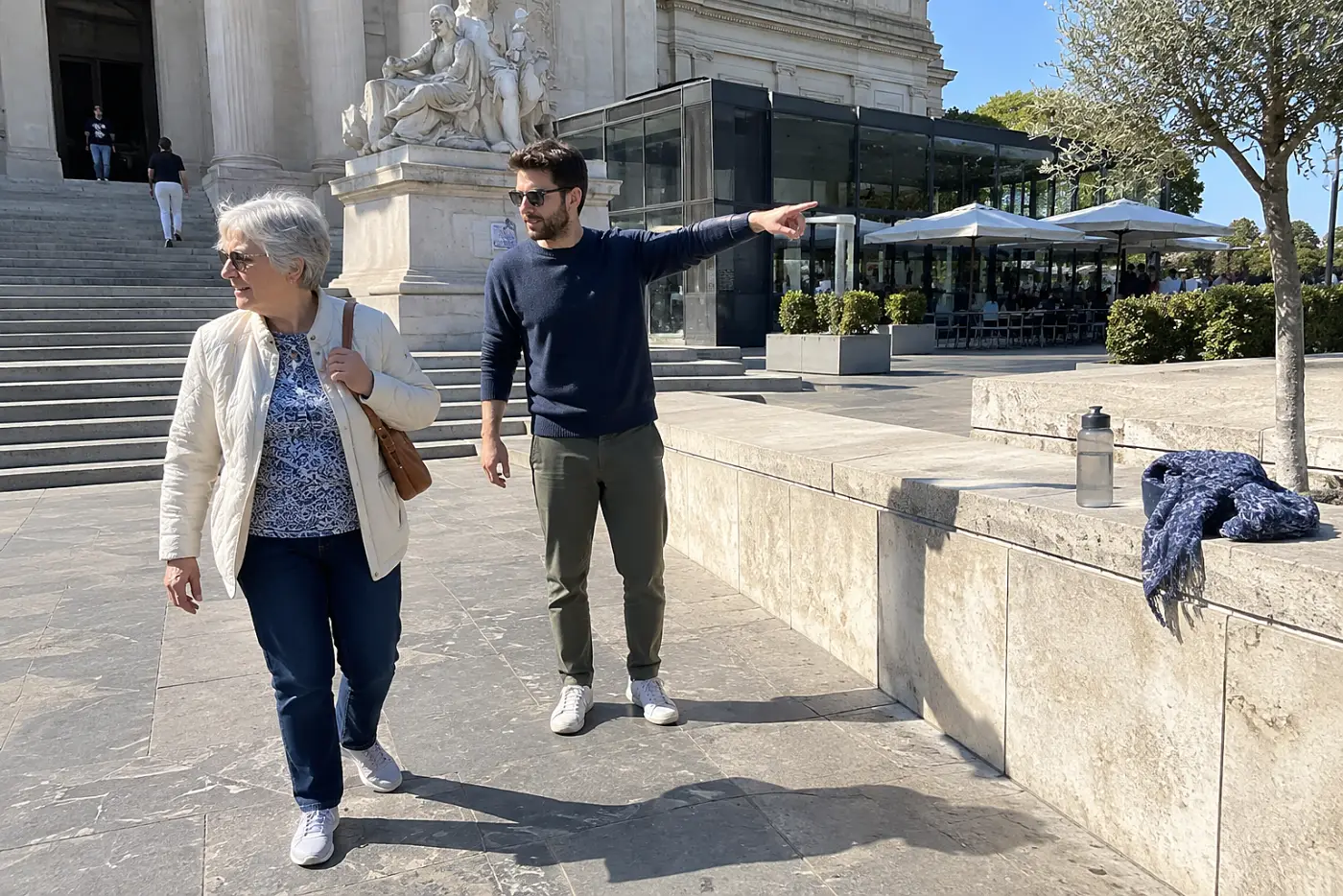
An empty stomach makes a bad menu feel urgent.
Browse from the hotel chair, before anyone is hungry. Check what the child will eat, the hours, and the distance back. Give yourself a second place in case the first one is closed or has no suitable dish.
For an allergy, call the restaurant rather than trusting an old menu photo. If the answer is unclear, choose another place. A backup that closes between lunch and dinner won’t help after a long museum visit.
This week, choose one dinner near your lodging and one backup. Check each restaurant’s own menu and hours. Say, “I found two places nearby. Do either of these have something you’d like?”
Once dinner is easier, protect the time afterward.
9Leave an hour open after dinner
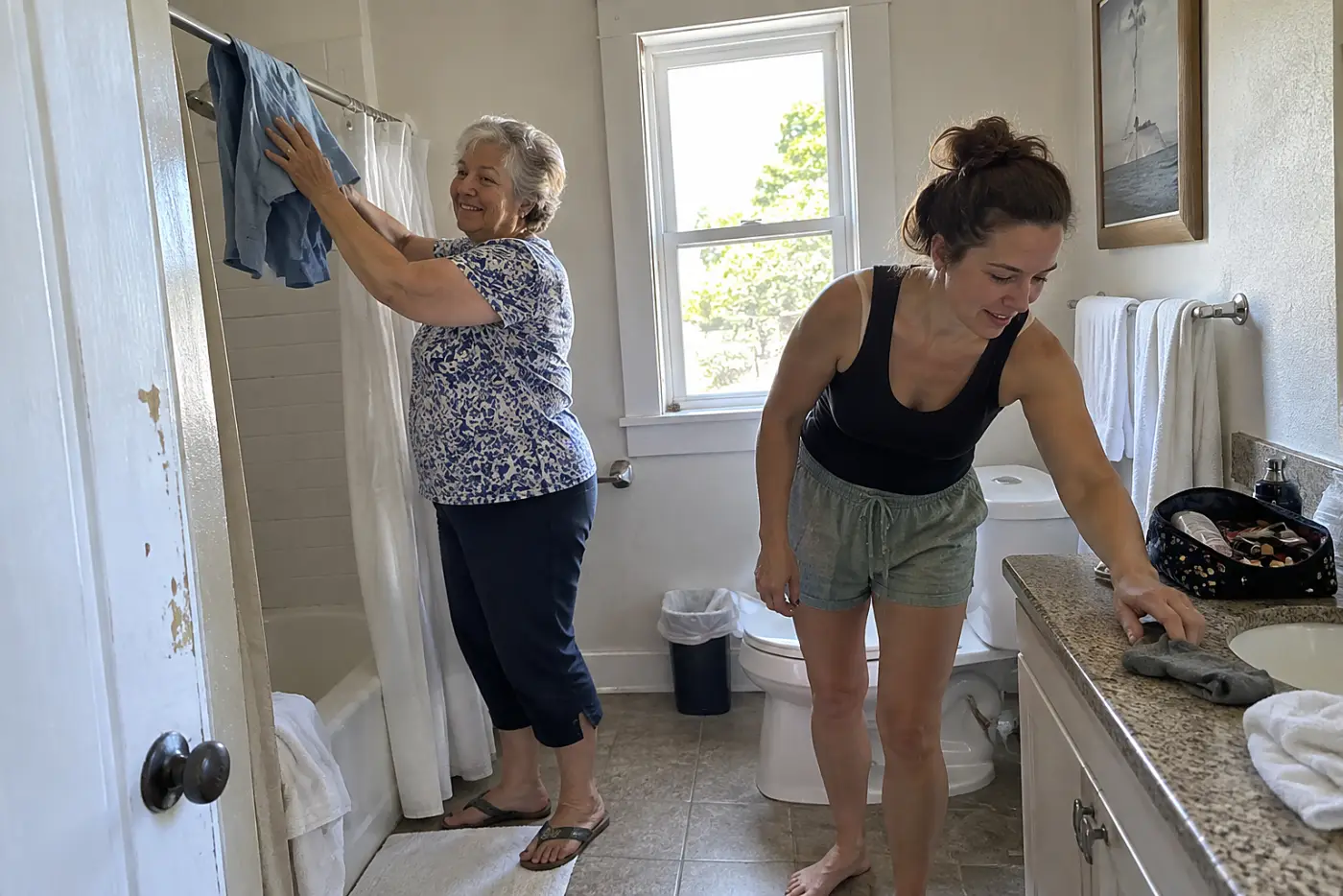
The day doesn’t end when the attraction closes.
Showers, damp clothes, a call home, and tomorrow’s shoes still need attention. An open hour after dinner gives those jobs somewhere to land. Without it, each small task pushes bedtime later.
Look again at bookings after sunset. A show with a late finish leaves the bedtime work waiting in your room. The ticket page won’t tell you how tired either of you will be on the way back.
This week, leave one evening clear on the itinerary. Say, “Tonight we’re heading back after dinner.” You aren’t promising an early bedtime; you’re making space for everything that comes before it.
A calmer evening still needs a place to put everyone’s things.
8Give shoes and keys separate spots
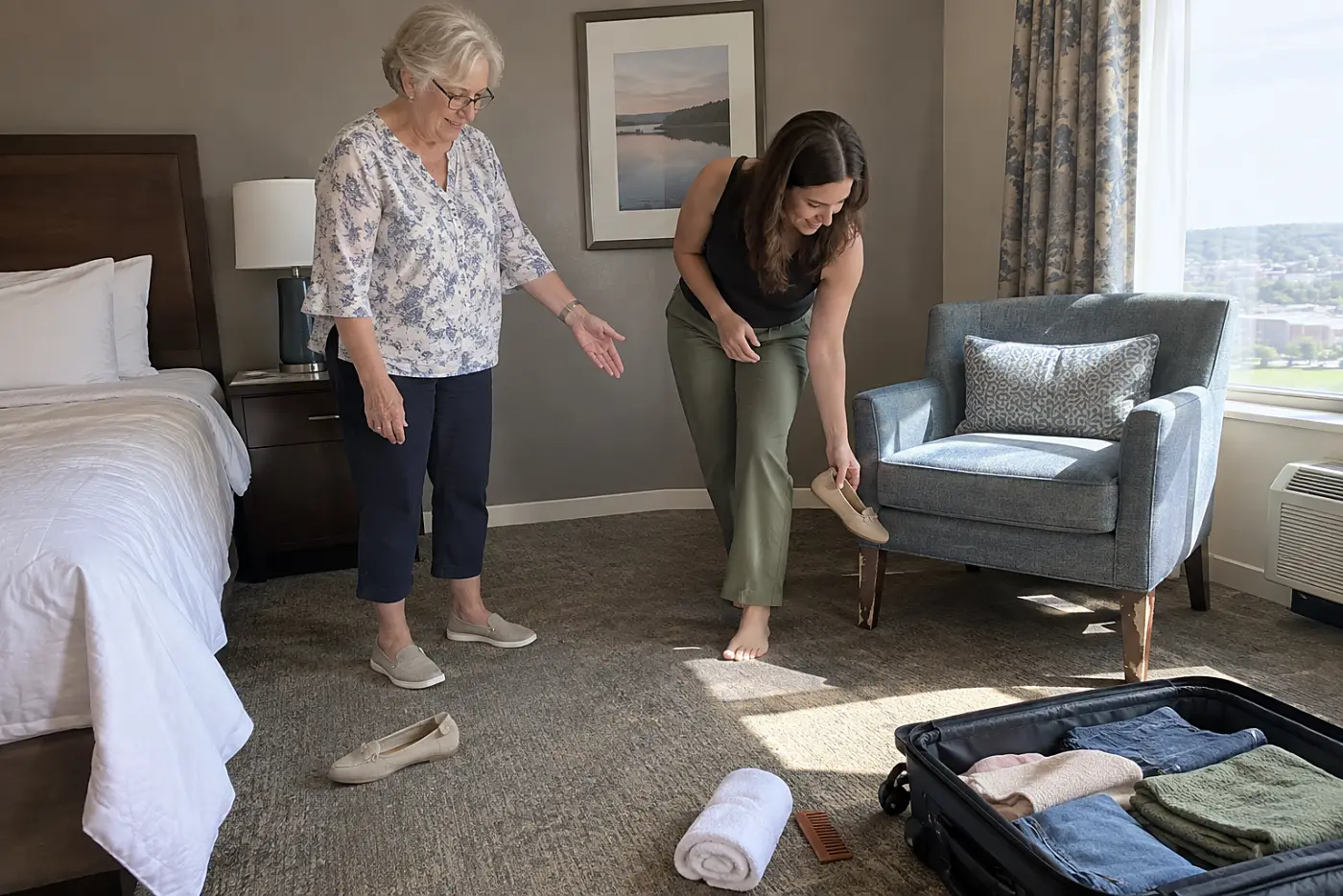
A shared chair becomes a pile before breakfast.
Give the child a floor spot for shoes and a reachable place for their bag. Put your glasses, keys, and wallet somewhere else. Make the spots clear as soon as you enter the room.
A child won’t use a high shelf for shoes. Check under the bed before anything rolls there, and move breakable objects away from the unpacking space. You want to find the transit card before the bus arrives.
This week, pack a small pouch or tray for your essentials. Say, “Your shoes live here, and your bag goes beside them.” At checkout, those same spots give you a last place to look.
Room order helps; the next step keeps the trip from feeling crowded.
7Pack an activity the child does alone
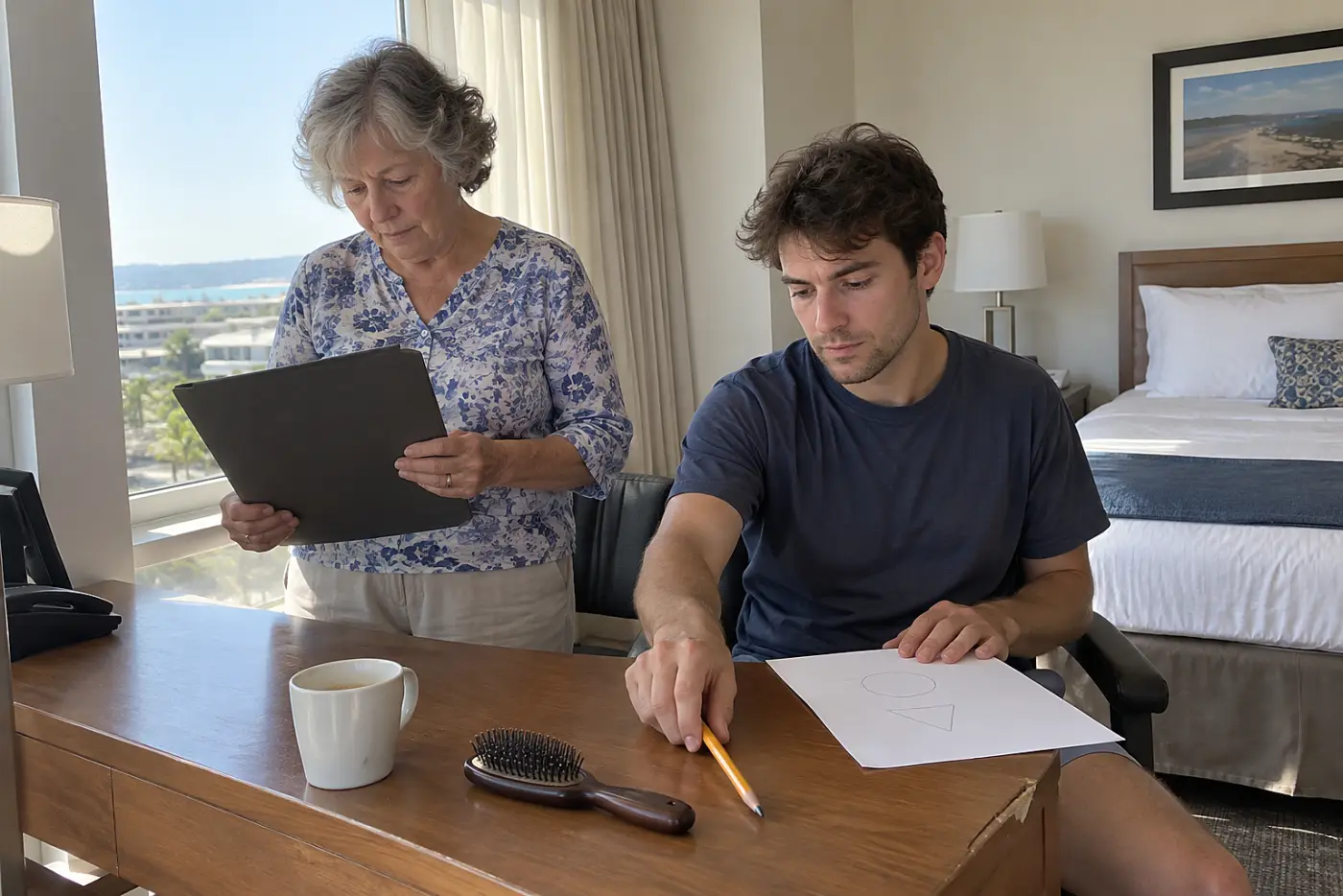
Togetherness gets tiring when every pause needs a shared decision.
A child can read, draw, or listen to a story while you sit nearby. Choose something they already enjoy without your help. Keep it within reach rather than at the bottom of a suitcase.
That’s still time together, with less conversation required from either of you. Without a familiar activity, a rest in the room turns into another outing you have to invent. It also leaves you no pause between plans.
This week, ask what solo activity the child wants to bring and make space for it. Say, “You do your thing for a bit, and I’ll read beside you.” Try it before either of you is worn out.
Once you have room to breathe, money needs a boundary too.
6Set a souvenir rule before the first shop
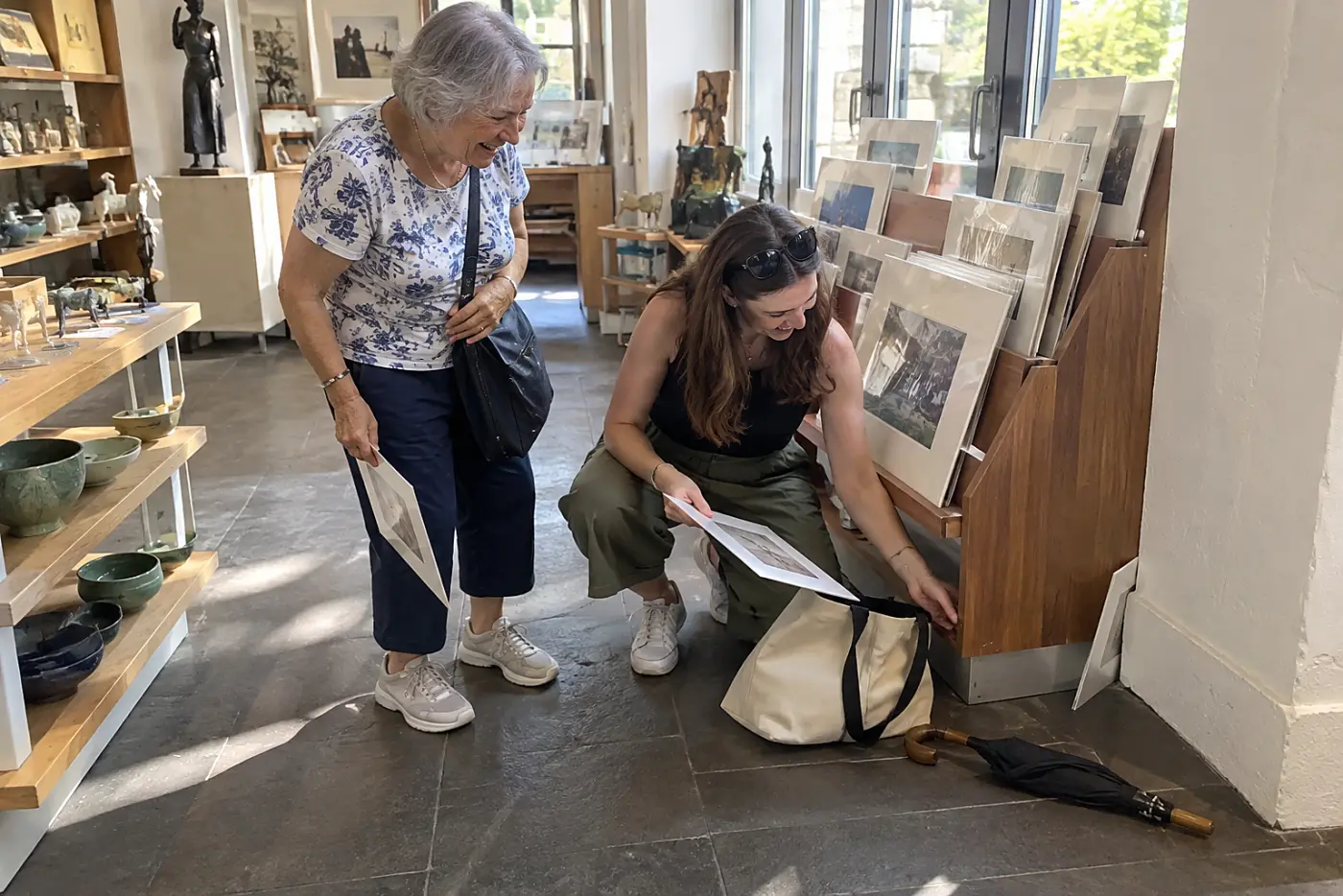
The first gift shop sets expectations for the next one.
Decide before the trip whether you’ll buy souvenirs, what sort, and when the child gets to choose. “One item on our last day” is easier to remember than a running total. Set a spending limit that fits your budget.
Ask the parents about limits on toys, candy, or screen-based purchases. Don’t make the child guess what you’re willing to spend. Once you’ve stated the rule, keep it steady at the next shop.
You can photograph a toy they like or write its name down. That gives the child a way to remember it without asking you to pay on the spot. A checkout debate is harder when other people are waiting behind you.
This week, decide on the rule and tell the parents before telling the child. Say, “We’ll look in the shops, and you can choose one souvenir on our last day.” Keep the same answer ready for the next shop.
A purchase rule is simple; homesickness needs more care.
5Ask what helps when home feels far away
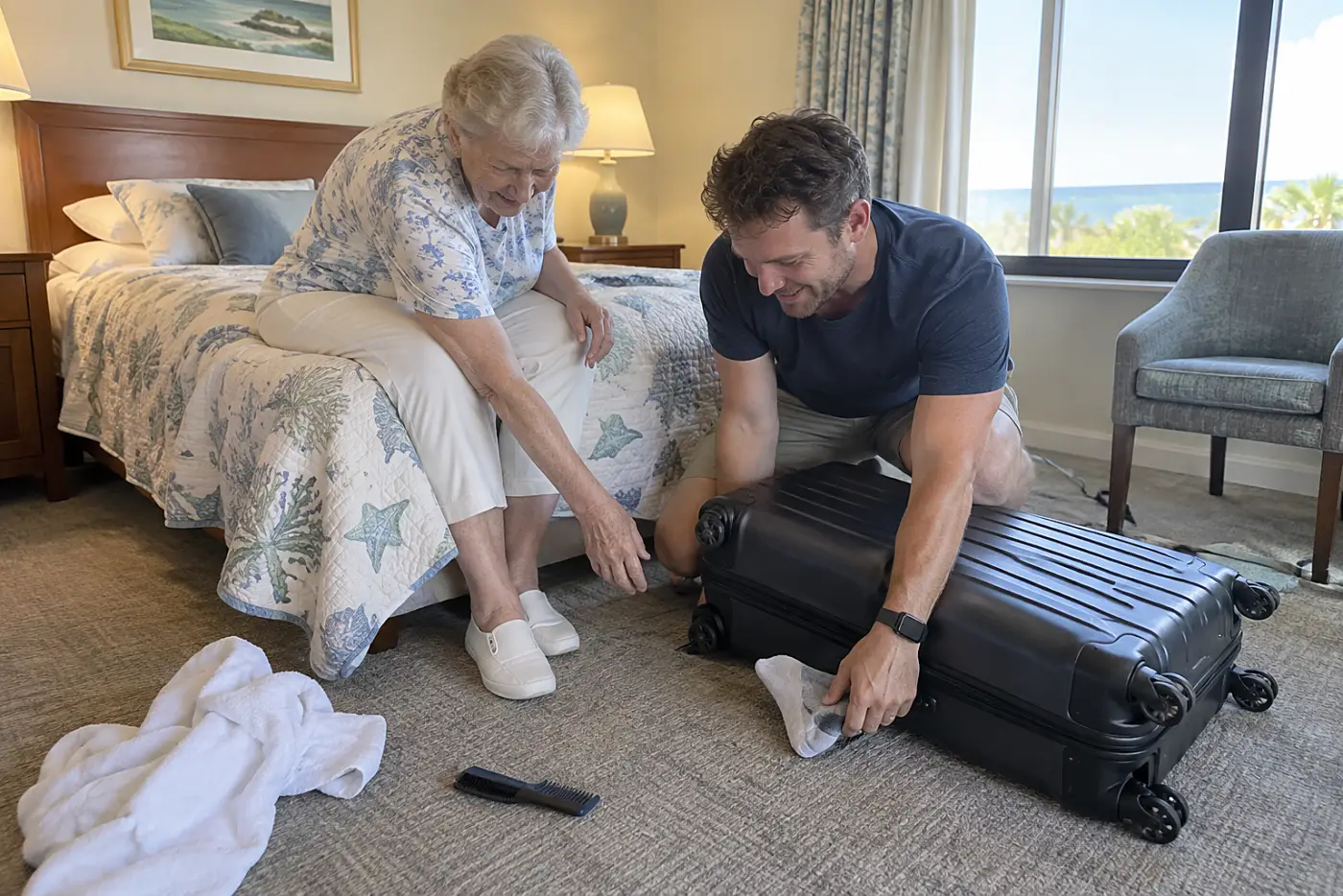
A child who misses home doesn’t need a pep talk.
Stop and ask what part of home they’re thinking about. They might want the bedtime item you packed or time beside you. Don’t make them defend missing a parent while everyone else is having fun.
Tell the parent if the child asks for contact. Don’t promise an immediate call before you’ve reached them. A timed ticket matters less than giving the child space to say what’s wrong.
This week, ask the parent what helps when the child misses home. Say, “When she asks for you, what helps her most?” Keep that answer in mind before you set out for a full day.
Then look at what the day asks of your own energy.
4Put your own seated break on the itinerary

Your feet don’t get a vacation from the itinerary.
If you need time off them, build a seated break into the day before buying tickets. Choose lunch with a seat or a return to the hotel between outings. Tell the child when that break is coming.
Check whether an attraction has seating along its route, not only at the entrance. The National Park Service accessibility site helps you check park visits; ask individual venues about their layout. A long standing line still counts as time on your feet.
This week, point to a rest period on each full day. Say, “After lunch, I’m taking a break. We’ll go out again afterward.” Protect that pause even if the morning has gone well.
Rest is easier when calls home have a place in the day.
3Agree on one daily contact window
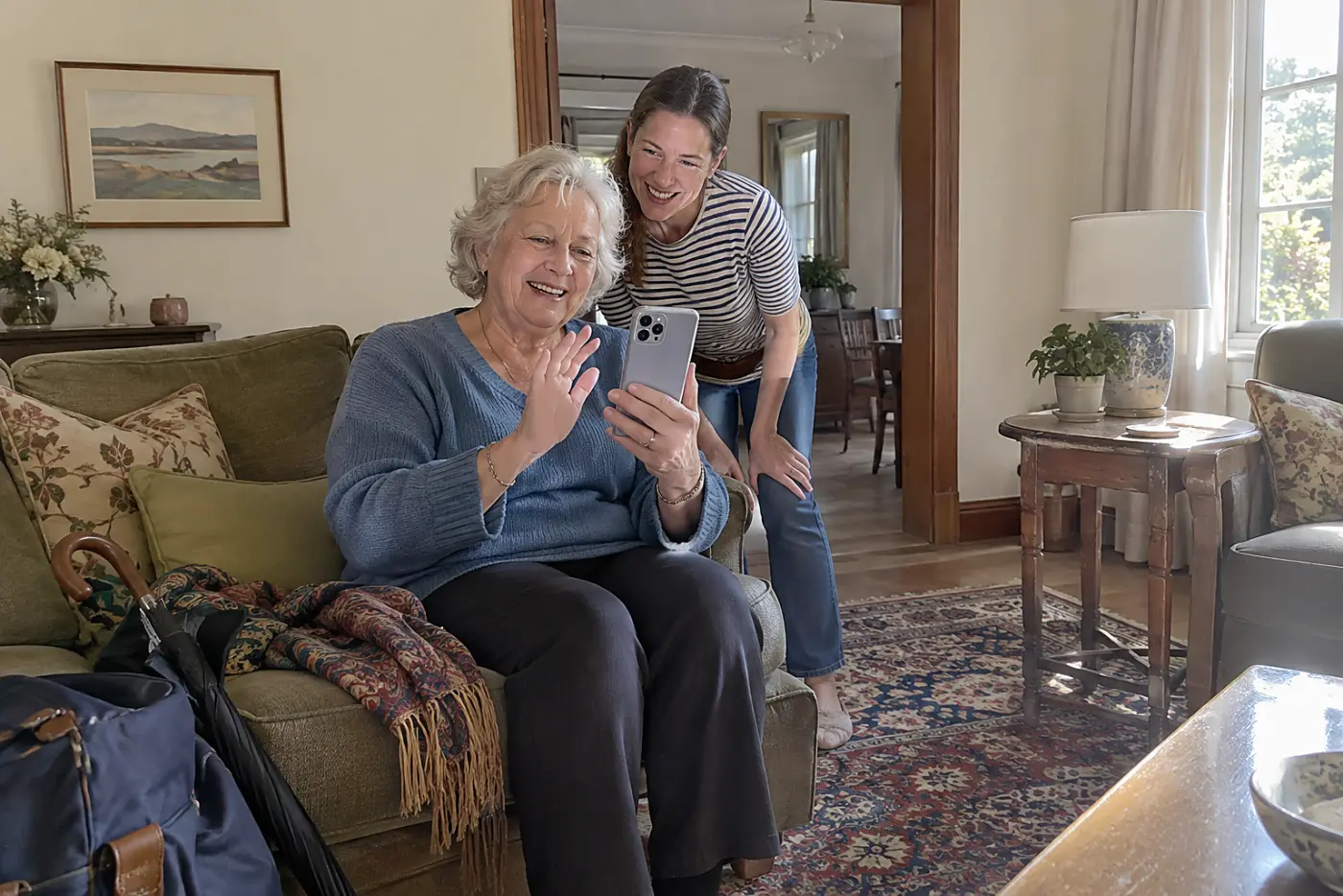
Unplanned calls interrupt dinner and leave parents waiting.
Ask the parents when they’re available for the child to call. In the same conversation, agree on one time for your daily update. Put the time zone in your phone and test the number or video app before departure.
A call home serves the child; your update tells the parents how the day went. Urgent news doesn’t wait for either one. Agree on which problems need a call rather than a text.
This week, choose a contact window that works for both households. Say, “We’ll call after dinner, and I’ll text you then too. I’ll call right away if something needs a decision.” Ask what to do if the child requests a call earlier.
That agreement won’t help if the child’s travel papers stop the trip.
2Check the child’s travel documents before booking
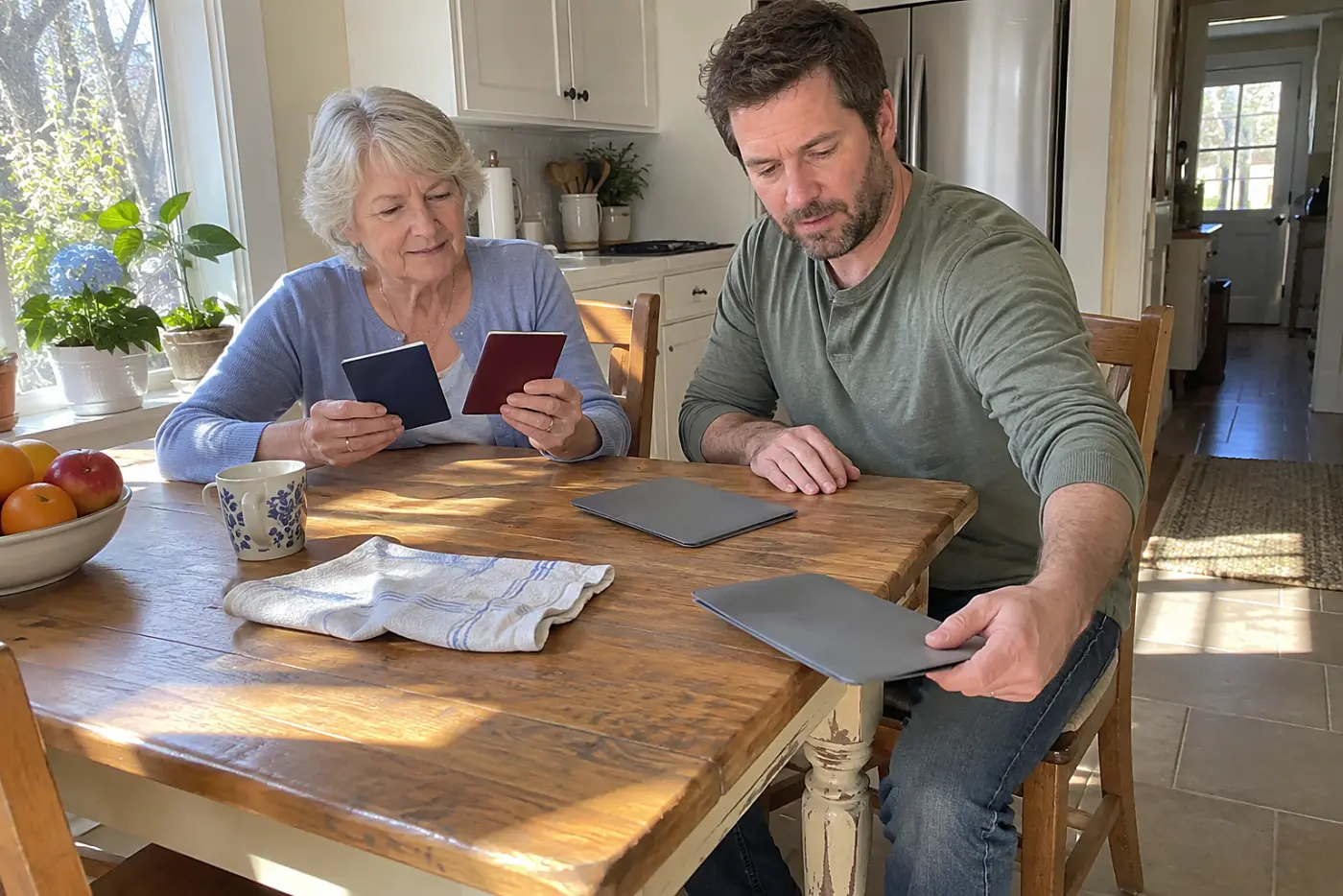
A missing passport ends an international flight before it starts.
A child needs their own passport for international air travel. Check the expiration date and destination entry rules before paying for the trip. Start with the State Department’s international travel site and check the rules for every stop on your route.
For a domestic flight, read the TSA’s identification guidance. Don’t treat domestic and international trips as having the same document rules. Check the carrier’s booking details against the documents you actually hold.
This week, put every traveler’s documents on the table. Check names on the reservations against them, letter by letter. Say, “Let’s check the actual documents before we book.”
Then settle who decides what happens when the itinerary stops working.
1Write down who decides when plans change
Two adults can leave the same conversation with different instructions.
You think you’re free to leave a tour when the child is worn out. The parent thinks you’ll follow the itinerary they paid for. On the road, the child hears an argument neither adult meant to have.
Before departure, ask the parent which changes are yours to make. Separate everyday calls, such as leaving an attraction early, from decisions that require a phone call. Write down what happens if the parent doesn’t answer. Check the carrier and destination rules for a child traveling without a parent, including any consent documents.
The State Department’s international travel site is a place to check your destination before leaving. If you wait until plans change, you’ll be making a family decision in front of the child with no agreed answer.
This week, send the decision rule to the parent and ask them to correct it. Say, “Which changes should I make myself, and when do you want me to call first?”
Keep reading: the message below gives you a way to ask.
The bottom line
These 23 strategies move decisions out of tired moments and into conversations before the trip.
You’ve checked the route and made room to rest. You know which decisions are yours.
Which of these has already happened in your family?
Bonus: The written decision rule for changed plans
- Send: “If we’re tired, I’ll shorten or skip an outing and tell you in our daily update.”
- Ask: “Which changes do you want a call about before I act?”
- Agree: “If I can’t reach you, whom should I call next?”
- Check: “Does our carrier or destination require consent paperwork for this trip?”
- Close: “Please correct this message before we leave. I’ll keep the agreed version on my phone.”
Margaret Hale
Travel & Lifestyle Editor
Margaret has covered travel for 25 years and has ridden every long-distance train route in the U.S. at least once.
You might also like