23 Things Nobody Tells You About Giving Up the Vegetable Patch
The tomato cages come down in fall. The soil, shared fence, and spring reminder keep asking for decisions long after harvest.
By David Ruiz, Tech & Home Writer
Updated · 15 min read
- Written by our tech & home writer
- How we review
Read to the end: #1 is the calendar decision that stops accidental spring planting. Almost nobody writes it down.
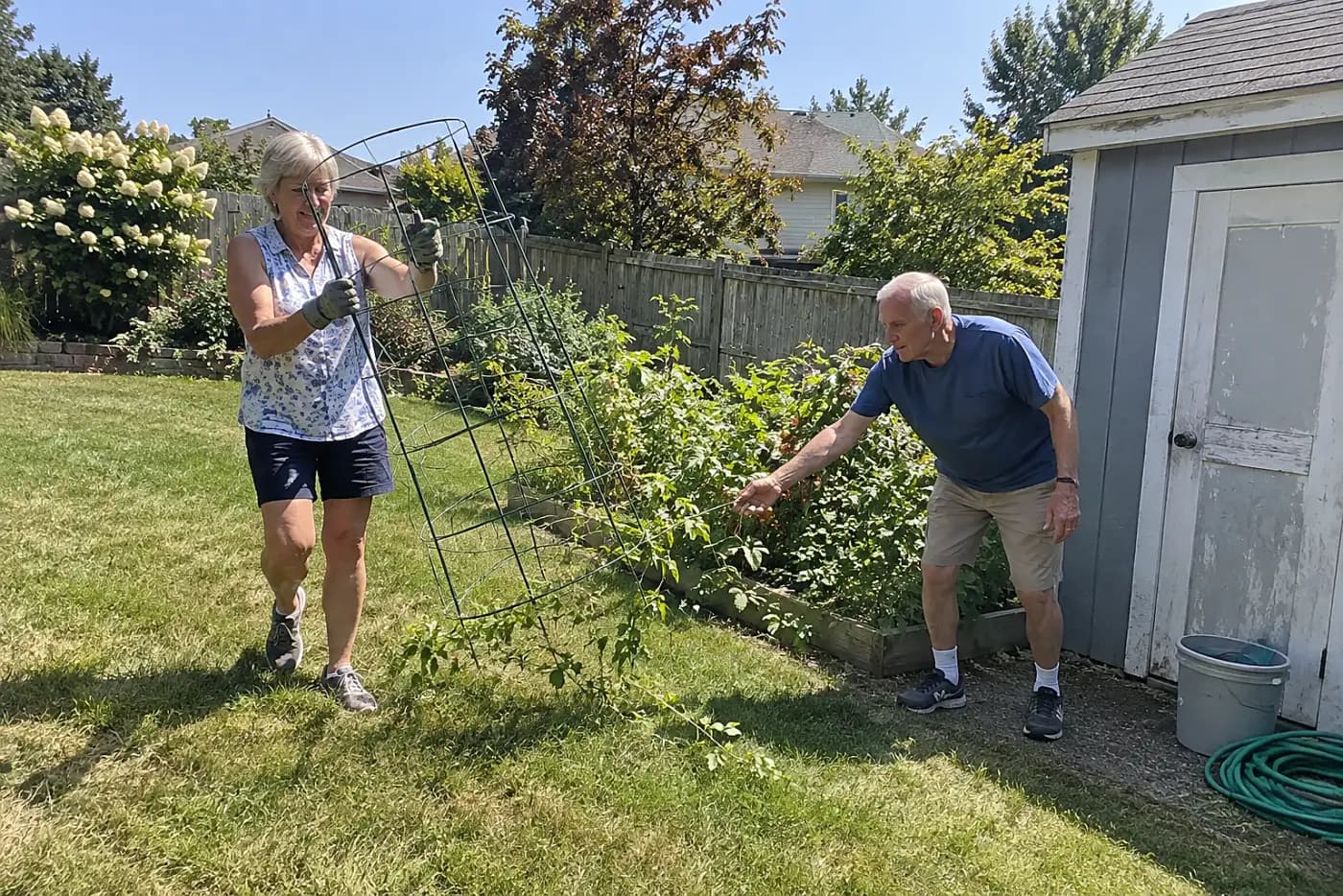
The last tomato is still green when you pull its cage from the dirt. A twist tie catches on your sleeve. Beside the fence sits a bucket of stakes you meant to put away weeks ago. Nothing about this looks like a major life decision, which makes it harder to explain why you stand there holding the cage.
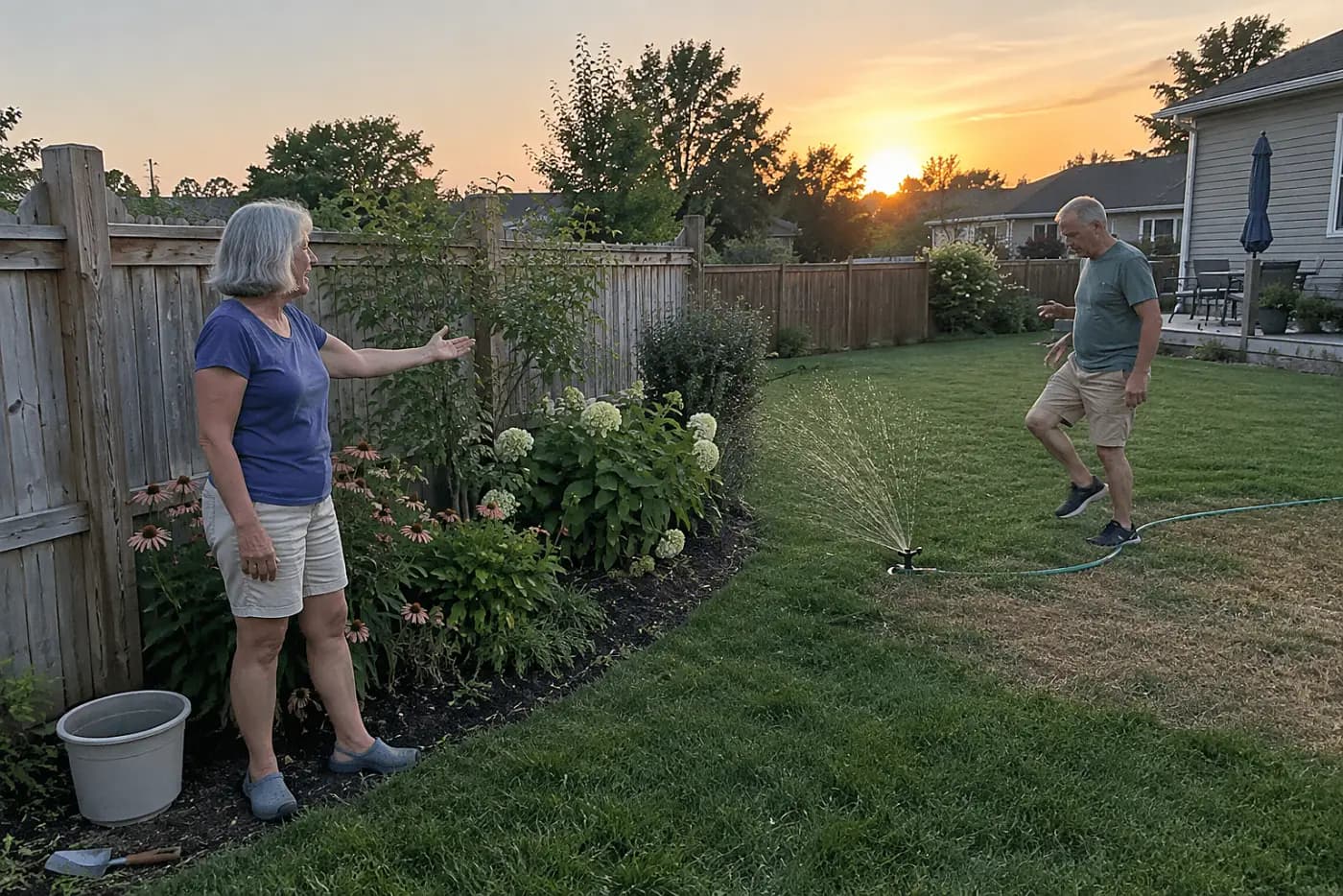
Leaving the patch alone sounds like less work. Bare soil has its own schedule, though, and a bed without vegetables still asks for an answer.
Here are 23 things to settle, starting with what’s underfoot.
23The tomato cages behind the shed
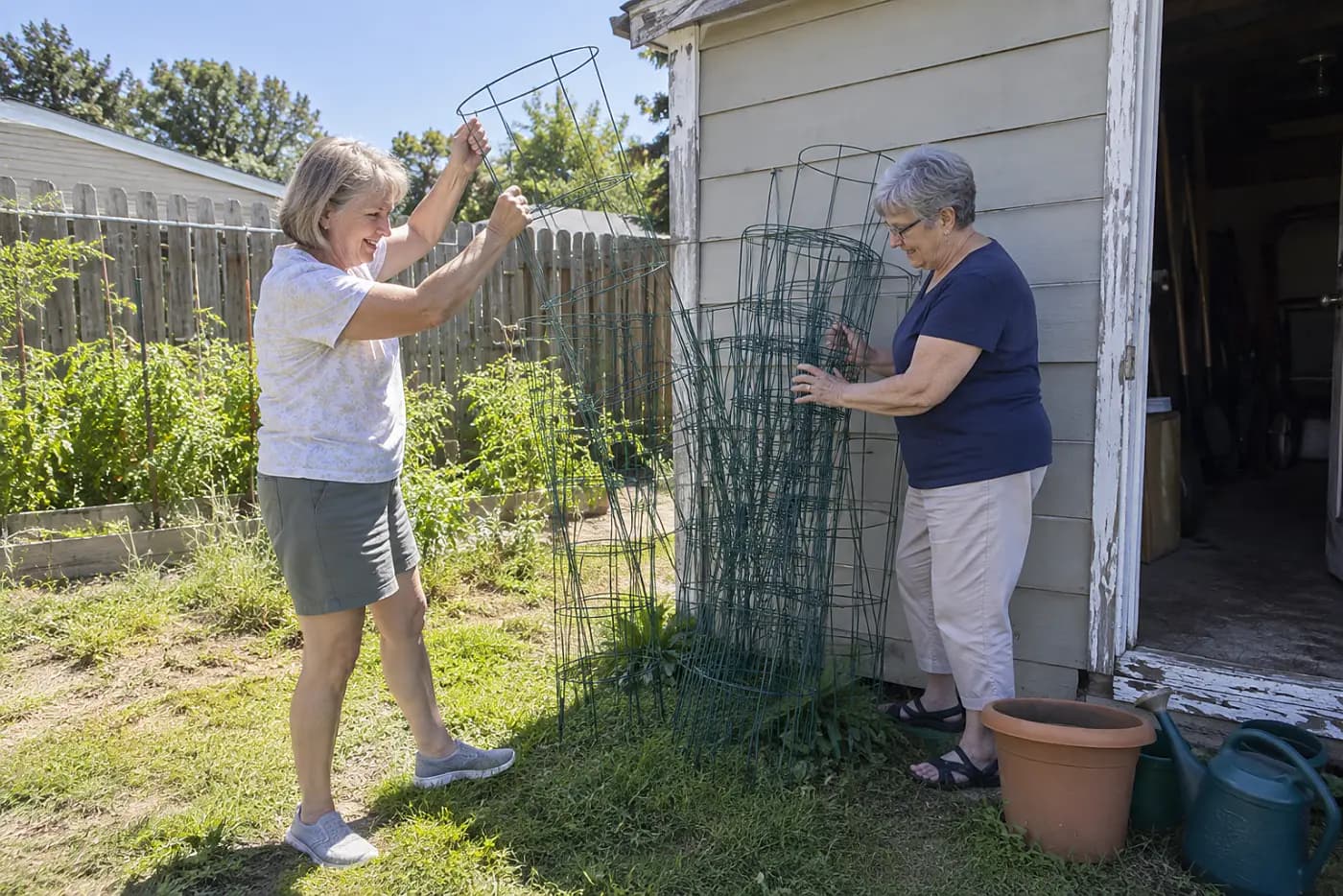
Empty cages keep the garden job in sight.
Once harvest ends, their sharp legs tangle with hose and fence wire. Left outdoors, the cages rust, and the ties that held tomato stems turn brittle. Nesting them works better after you strip off those ties.
Otherwise, the first spring cleanup starts before you’ve decided to plant anything. A cage leaning beside the shed also leaves little room for the tools you still use.
This week, pull off every tie and stack the cages where nobody walks. Tell anyone sharing the shed, “These are ready to go if you’ll use them.”
Then look at what’s still standing in the soil.
22The stalks you leave standing all winter
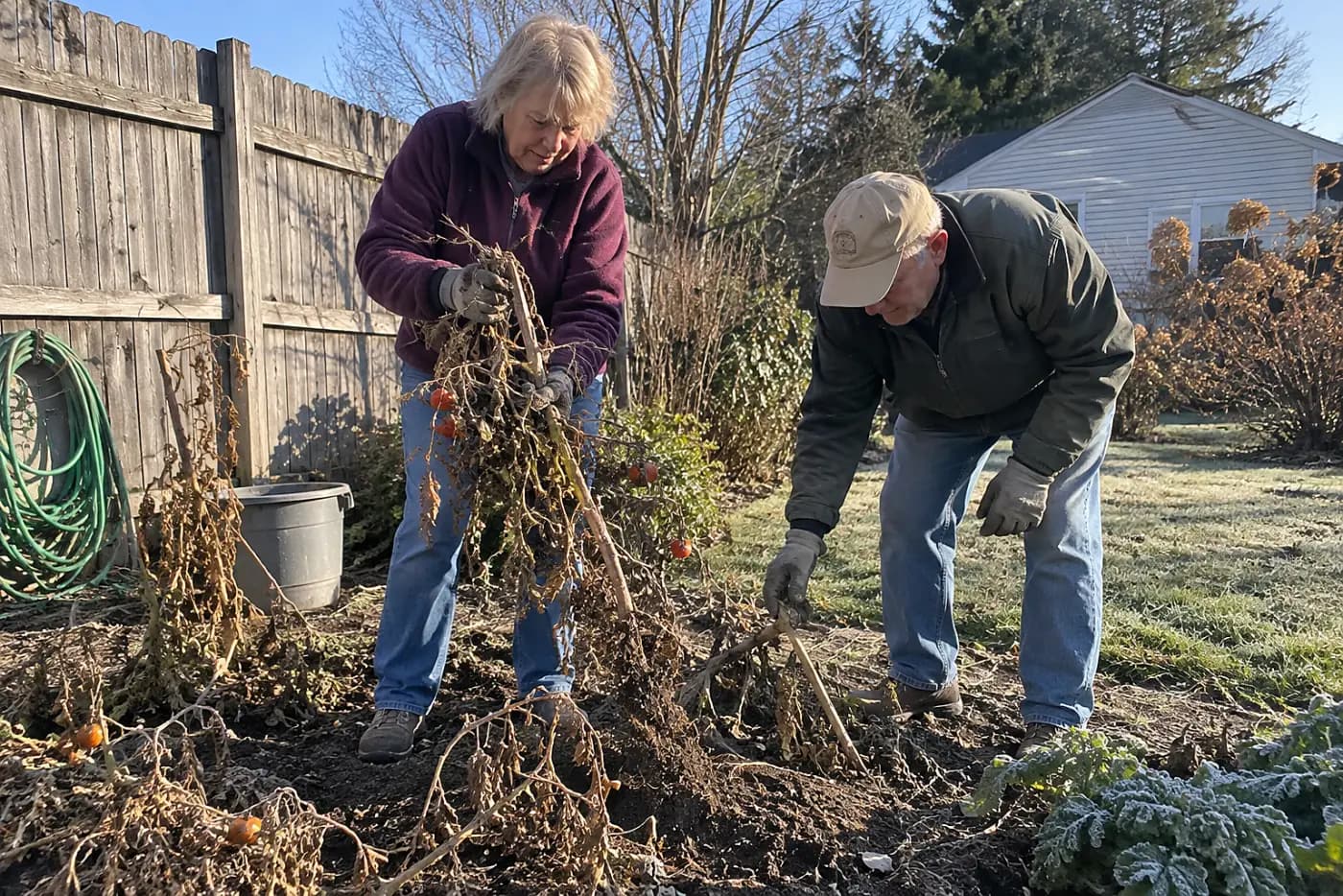
Dead stalks postpone a job you wanted finished.
Thick tomato and pepper stems stay upright after frost, while fallen fruit sits underneath. By spring, you’re pulling old plants when you hoped to leave the patch alone. Spotted or rotting plants deserve separate attention.
The University of Minnesota Extension has guidance on plant diseases and garden cleanup. Putting suspect debris in a home compost pile brings that worry into next year’s garden, even if the vegetables are gone.
This week, pull spent plants and separate healthy debris from anything spotted or rotten. Tell a helper, “Please take the spotted plants out with the trash, not the compost.”
The open bed still needs a decision.
21The bare soil after the last harvest
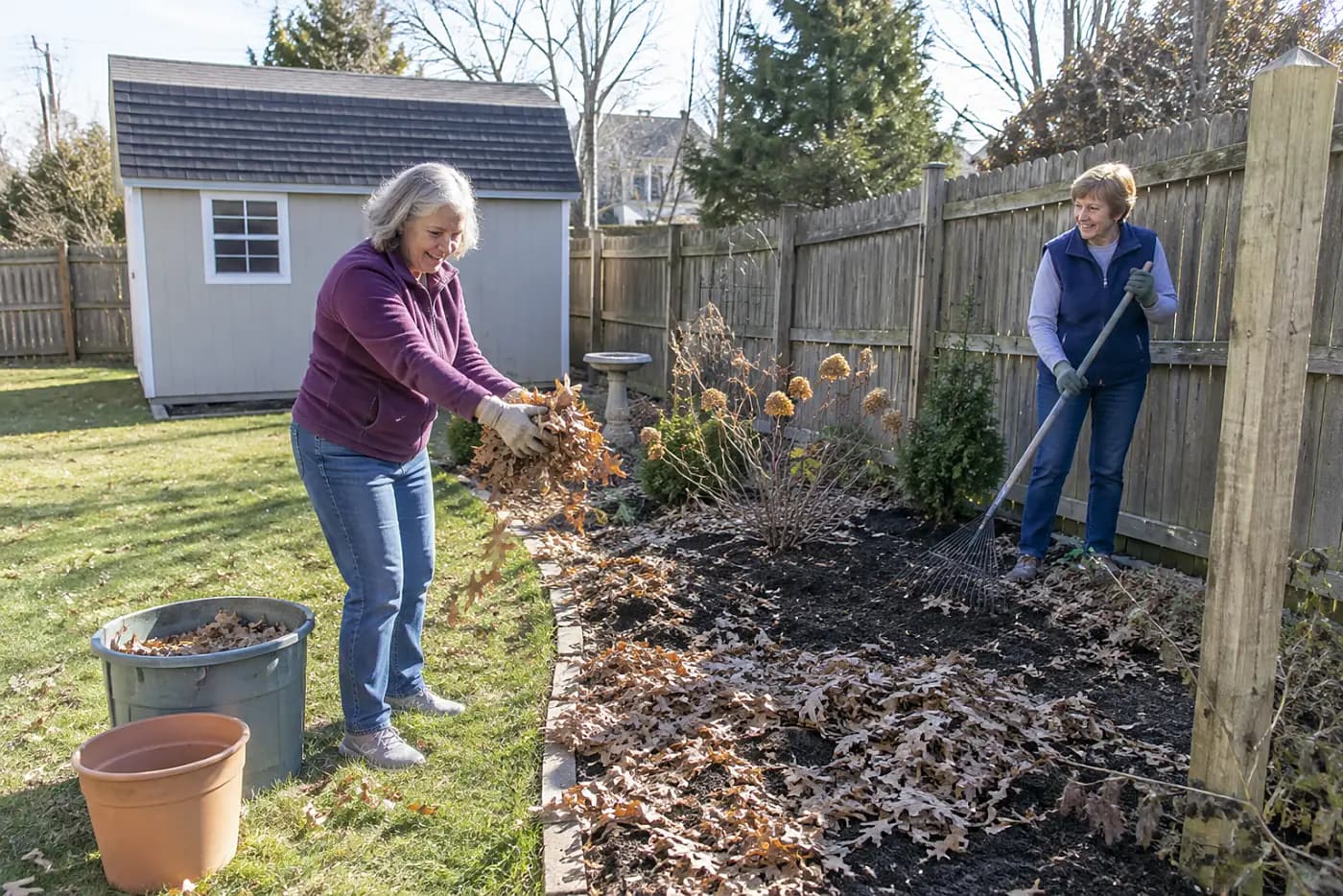
An empty bed keeps working against your plans.
Rain hits uncovered soil, and wind carries off its loose surface. Weed seeds settle into openings before you’ve finished putting away the tools. By spring, leaving the bed alone has turned into clearing it again.
The USDA Natural Resources Conservation Service promotes keeping soil covered. You don’t need to grow another crop to do that. Clean leaves or straw give the bare ground a cover while you decide its future.
This week, clear the bed and lay down leaves or straw. Tell the person who rakes your yard, “Save me the clean leaves for this spot.”
But don’t cover plants you meant to keep.
20The perennial herbs beside the vegetables
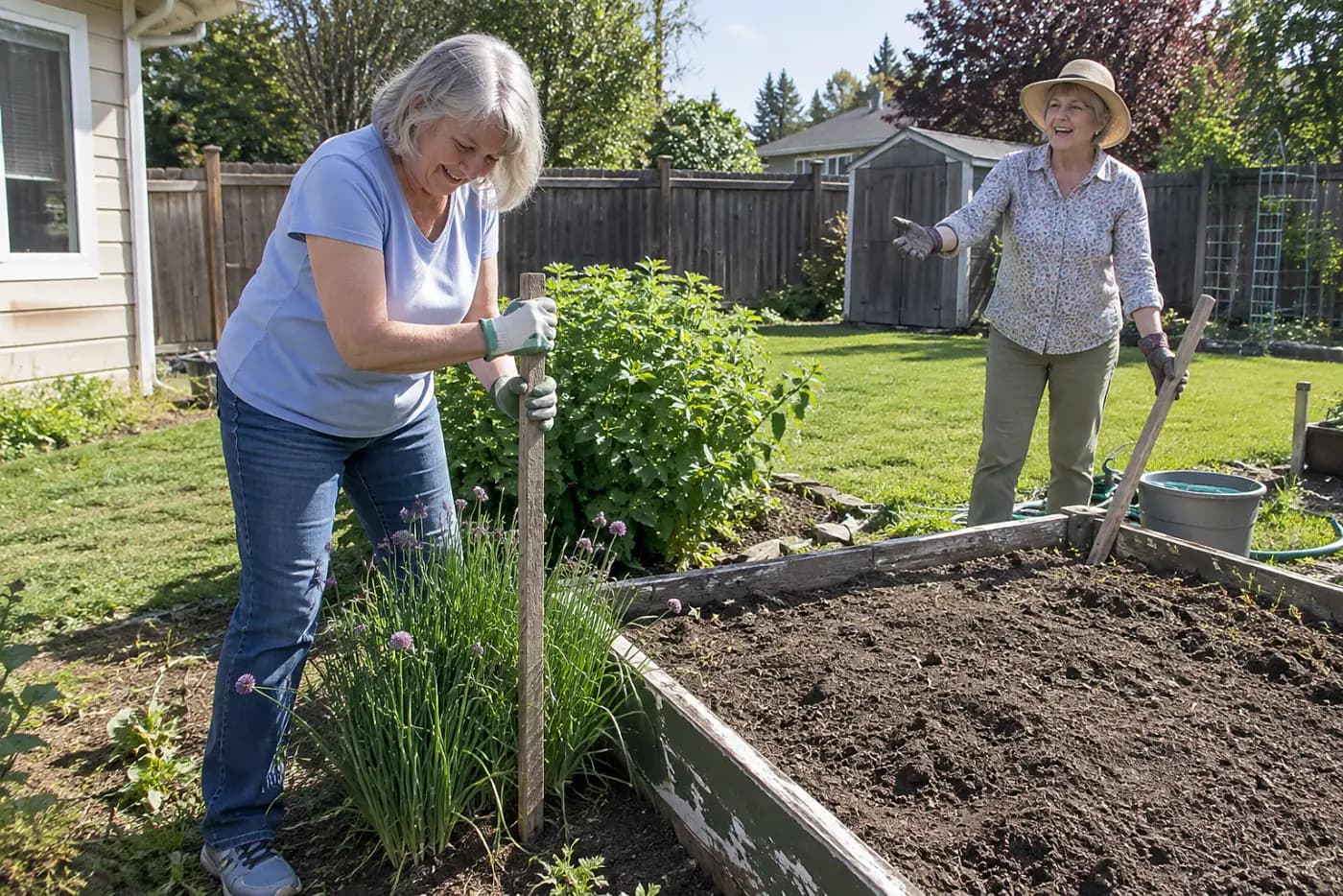
A rosemary bush doesn’t know you’ve retired the tomatoes.
Chives and mint grow from established roots, while annual basil ends with frost. Clear the whole bed in one afternoon, and you risk pulling a plant you still wanted. The roots aren’t always where the leaves suggest.
Mint spreads by underground stems. A tidy top doesn’t mean the ground beneath it is empty. The Royal Horticultural Society has plant guides if you need to check what survives winter.
Losing a useful herb turns a relief project into a regret project. This week, mark each plant you want before pulling anything else. Tell your helper, “Leave the chives inside these stakes.”
The plants you don’t keep have another destination.
19The seedlings you promised your neighbor
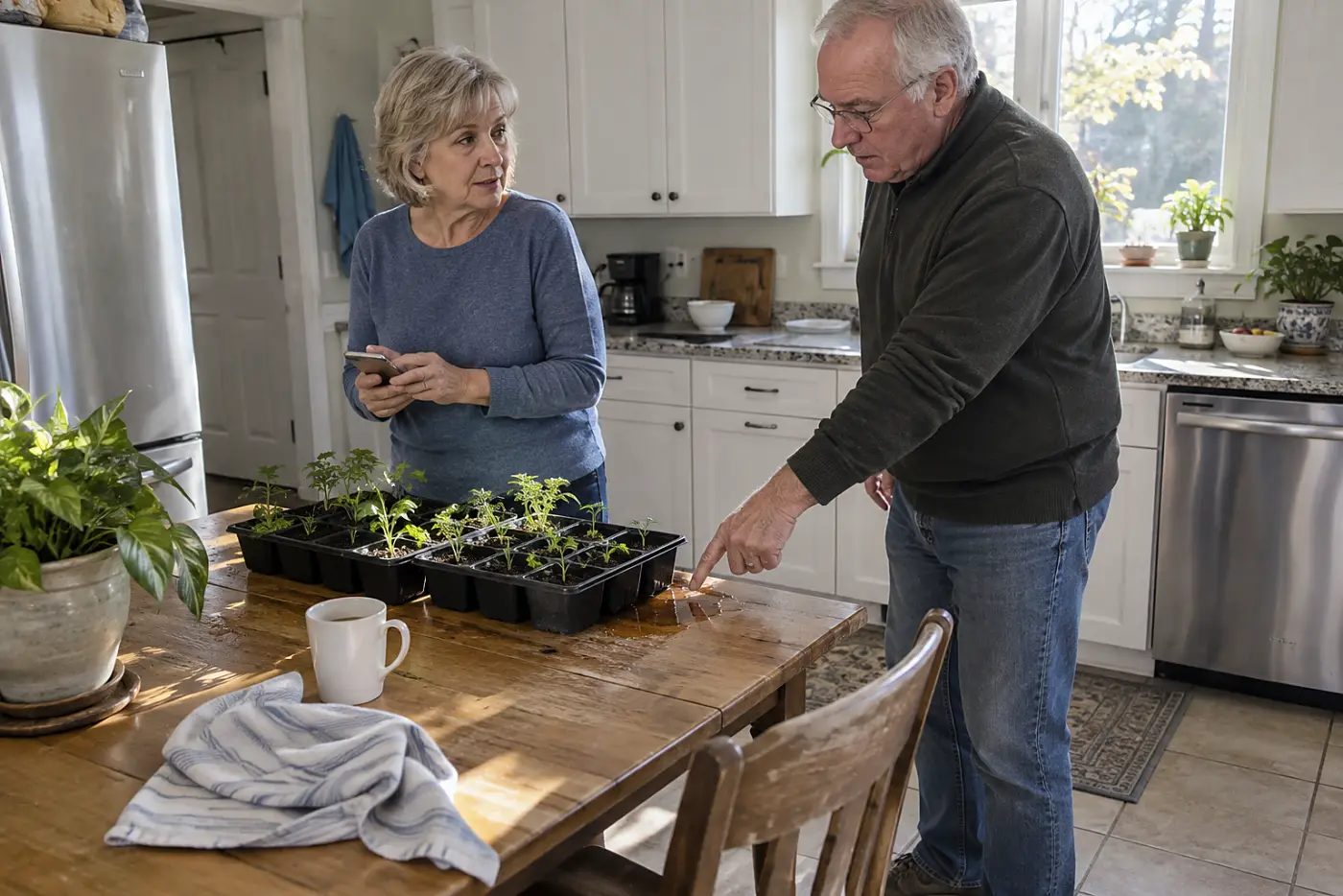
An old promise becomes someone else’s spring plan.
Your neighbor heard “I’ll start extra peppers” as an offer she could count on. You said it when seed trays were part of your routine. She has no reason to know that routine is ending unless you tell her.
Waiting until seed-starting time leaves her scrambling for plants. It also puts you back at the kitchen table with packets you meant to put away.
This week, send a message before either of you buys supplies. Say, “I’m not growing seedlings next year, so please don’t count on me for peppers.”
That conversation is easier than the one about shared space.
18The fence that supports someone else’s beans
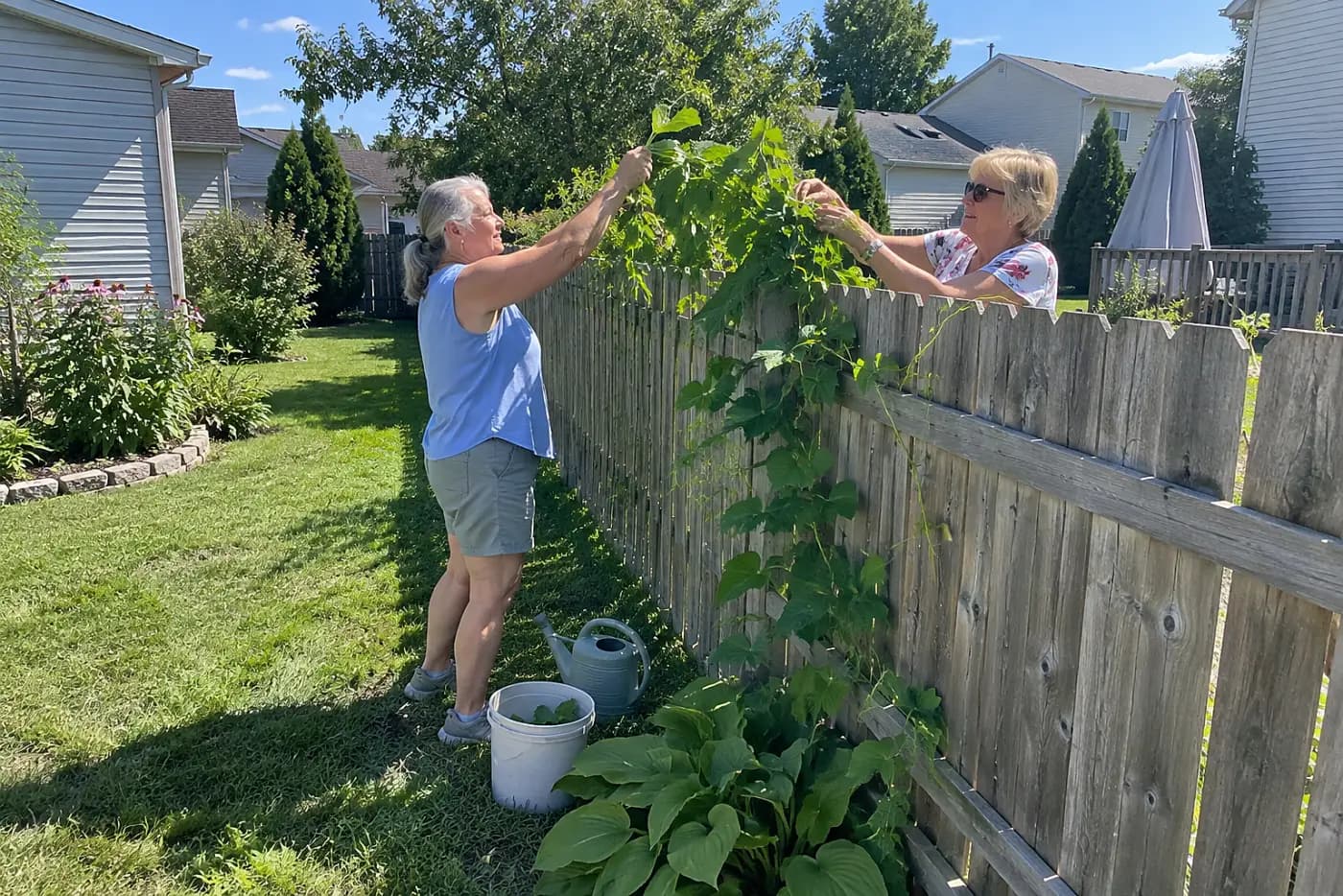
Your last harvest isn’t necessarily your neighbor’s.
Bean vines climb the far side of a fence you see as part of the patch. A trellis also rests against it. Pull everything at once, and someone else’s plants lose their support.
First, check where the fence stands and who owns it. Then look for vines and attachments before taking down posts. Your county property records, rather than a garden guess, are the place to start with a boundary question.
This week, photograph both sides and talk before you pull anything. Say, “I’m clearing my side after harvest. Are you using this fence next year?”
After the fence, the hardest boundaries are underground.
17The irrigation line buried under mulch
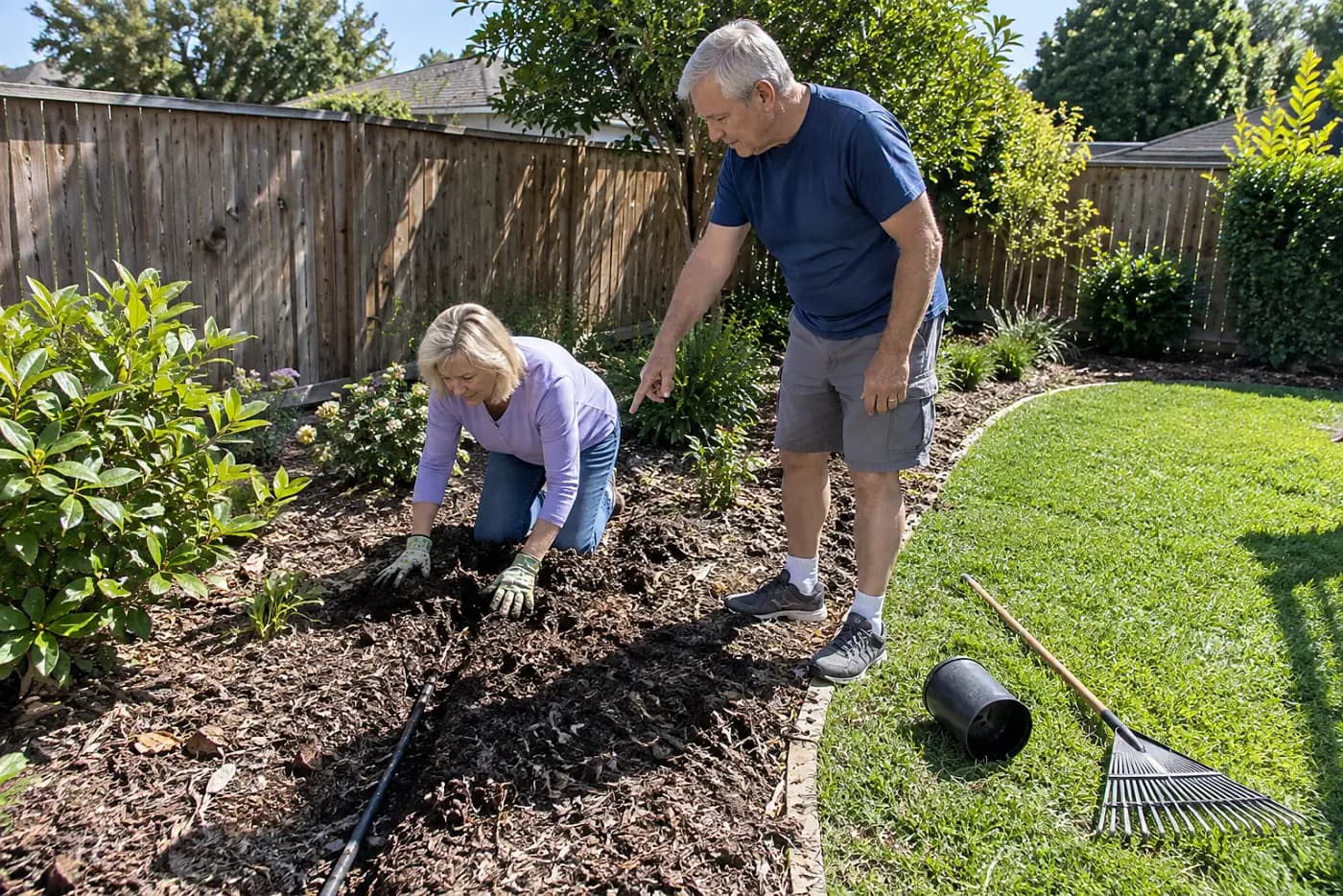
A hidden drip line still serves living plants.
One stretch of tubing fed only tomatoes; another branches toward shrubs you’re keeping. Mulch hides the join, so pulling from the vegetable end tugs at the whole line. The damage shows up when you turn the water back on.
Replacing a branch line takes more work than tracing one. A shrub that has relied on irrigation also needs a plan before you shut its line off.
This week, run the system briefly and follow the wet spots. Tell anyone helping, “Please don’t cut tubing until I’ve marked the part we’re keeping.”
The water source deserves its own look.
16The outdoor faucet left connected overnight
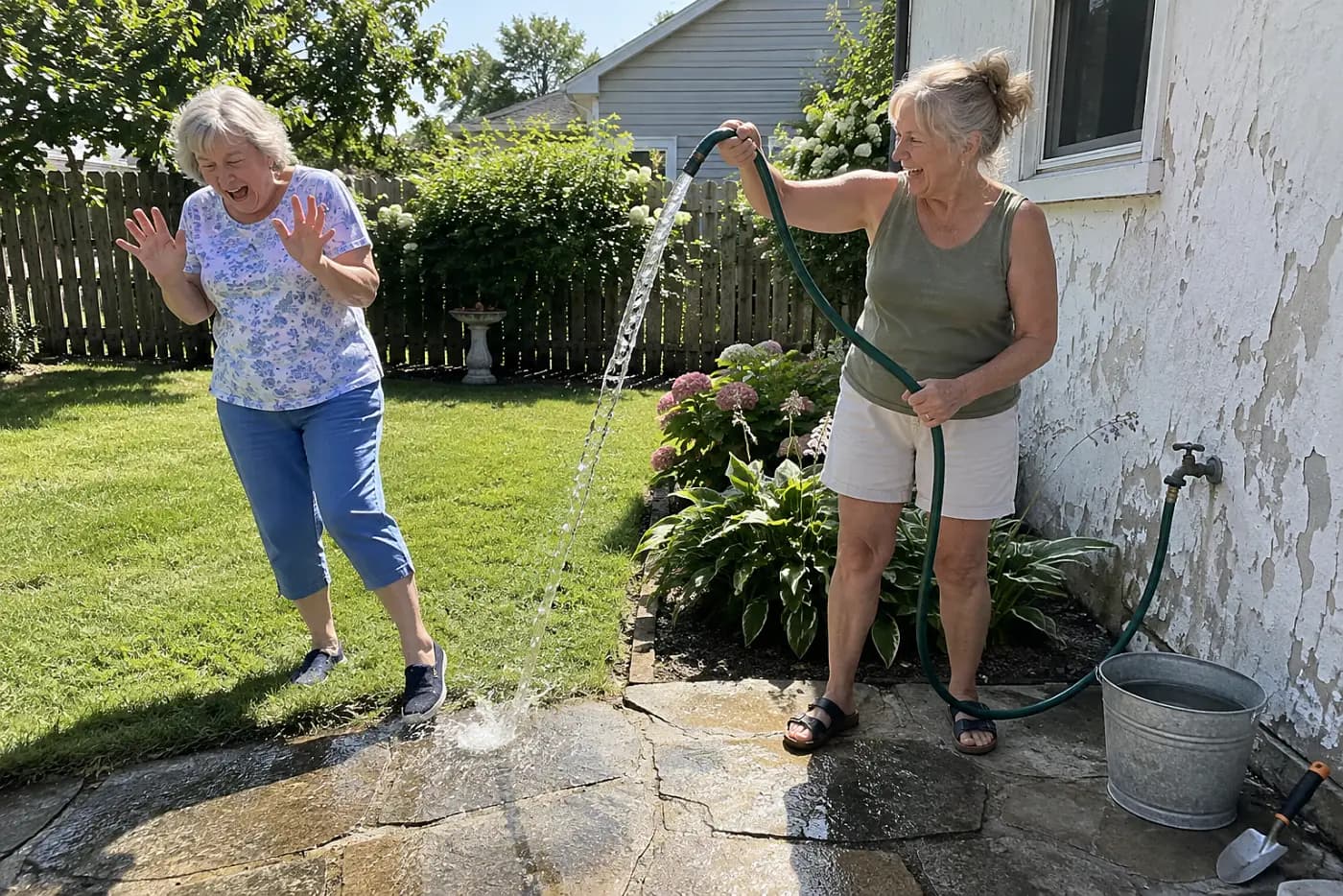
The last watering doesn’t drain the hose.
Water stays in a hose, wand, or faucet timer after you close the tap. In freezing weather, trapped water expands and damages fittings. The vegetable bed is empty, but that connection still needs your attention.
One missed fitting turns a clean break into a spring leak. The EPA WaterSense site has outdoor water advice; your forecast tells you when freezing weather is near.
This week, disconnect and drain the hose, then check your timer’s storage instructions. Tell the person who puts away the mower, “Leave the hose where I can drain it first.”
Water is only one supply still waiting for a job.
15The unopened seed packets in the drawer
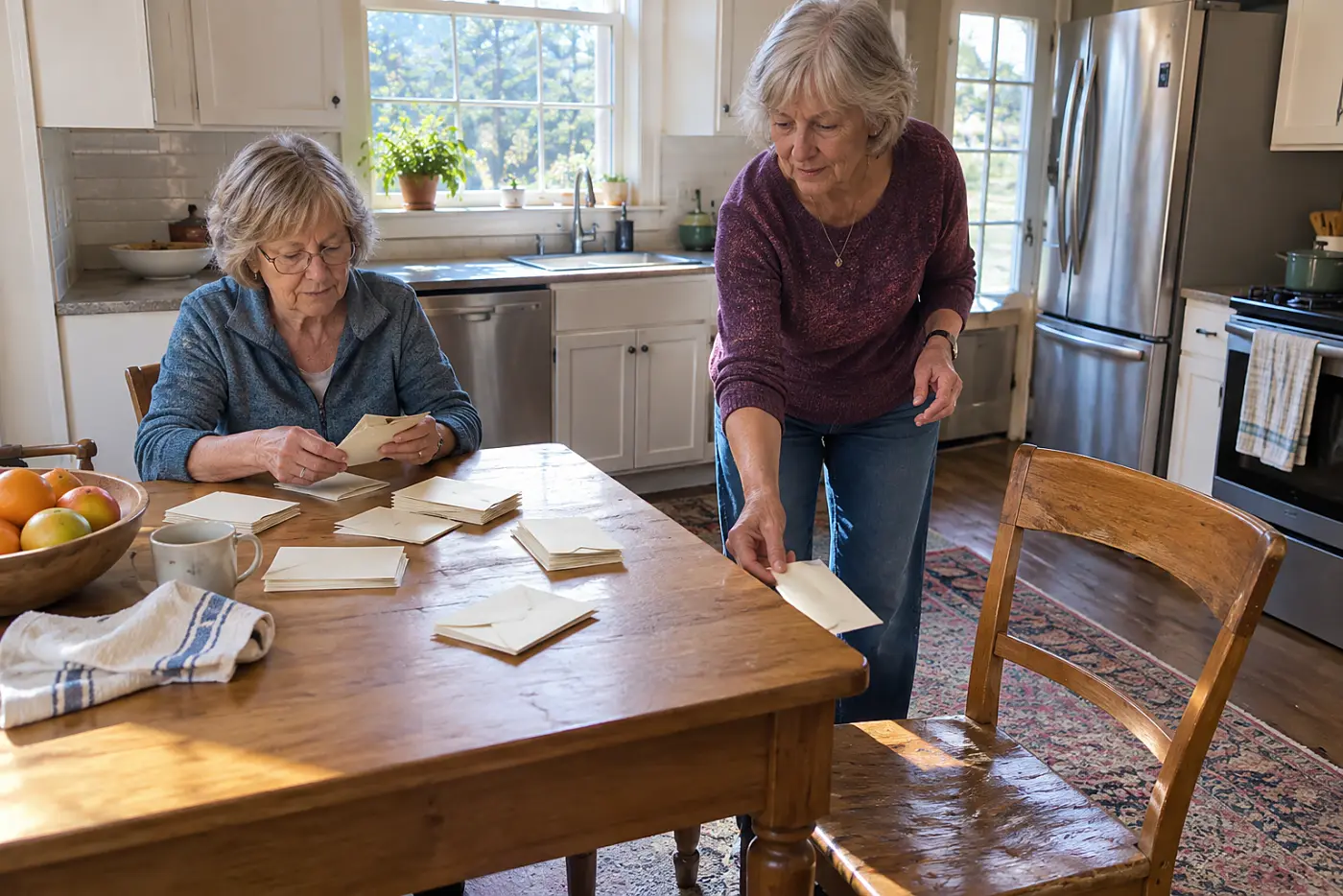
A seed packet looks like a promise you broke.
Seed viability differs by crop and storage conditions. Heat and damp shorten it, even inside a packet you never opened. The printed year is useful, but it cannot tell you which individual seeds will sprout.
Keeping every packet turns one drawer into a spring invitation. Throwing them all out before asking a gardening friend is another decision you don’t need to rush.
This week, set aside packets you’ll use or give away, then clear the rest from the drawer. Tell a friend, “Take these if you’ll sow them; I’m not saving them out of guilt.”
Then open the cupboard with the heavier supplies.
14The fertilizer bags on the garage floor
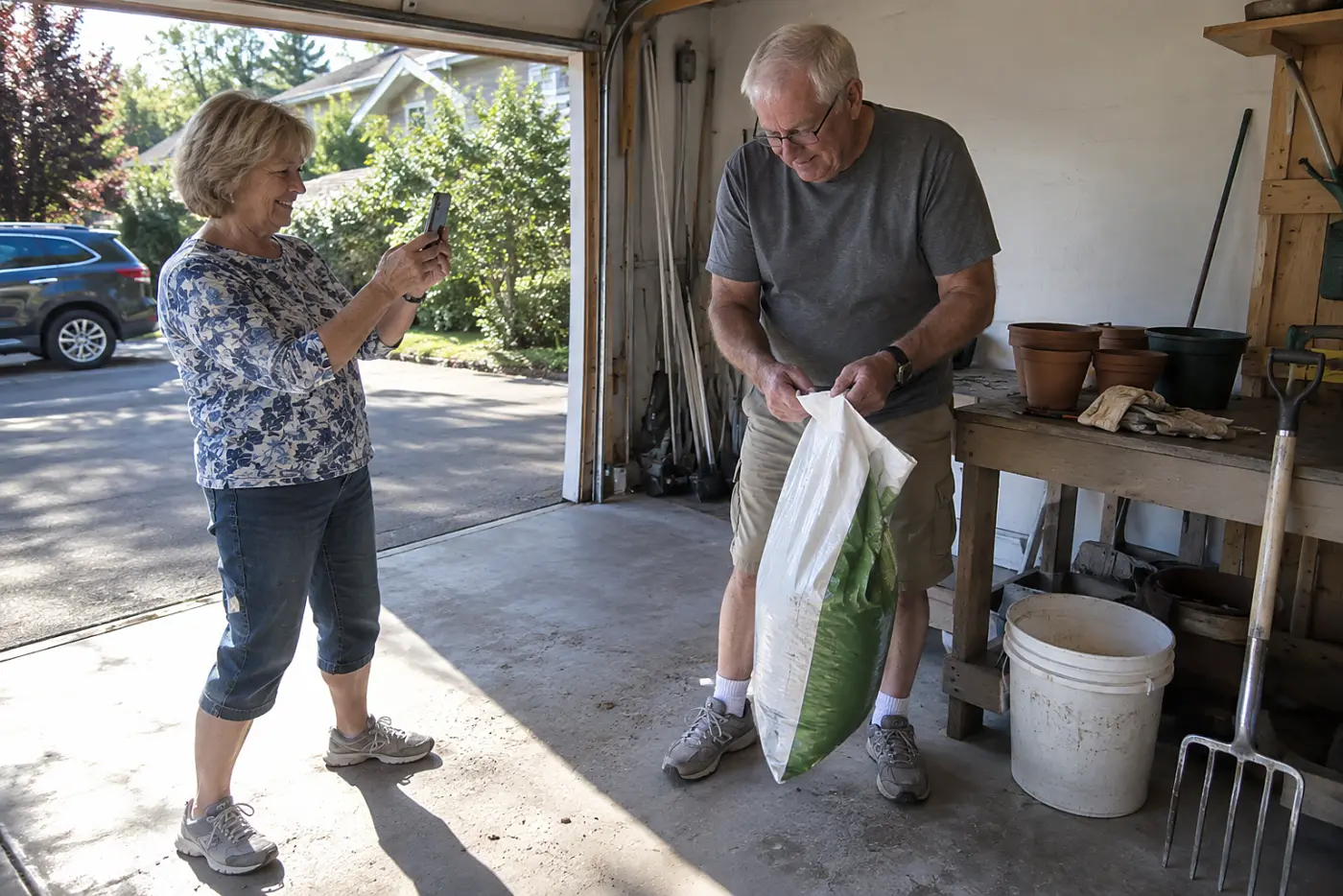
The patch is closed, but the bags remain.
A torn fertilizer bag spills where pets walk. A damp label stops telling you what is inside, leaving you to guess before you use or discard it. Keep readable products in their original containers and follow their storage directions.
For garden chemicals you need to discard, the EPA household hazardous waste page points you toward local collection. Your city or county solid waste department gives the actual instructions. Don’t pour leftovers into a drain.
This week, separate intact bags from unidentified products and photograph readable labels. Say to the waste department, “Where should I take these opened garden products?”
The next container looks more innocent.
13The compost bin that still gets kitchen scraps
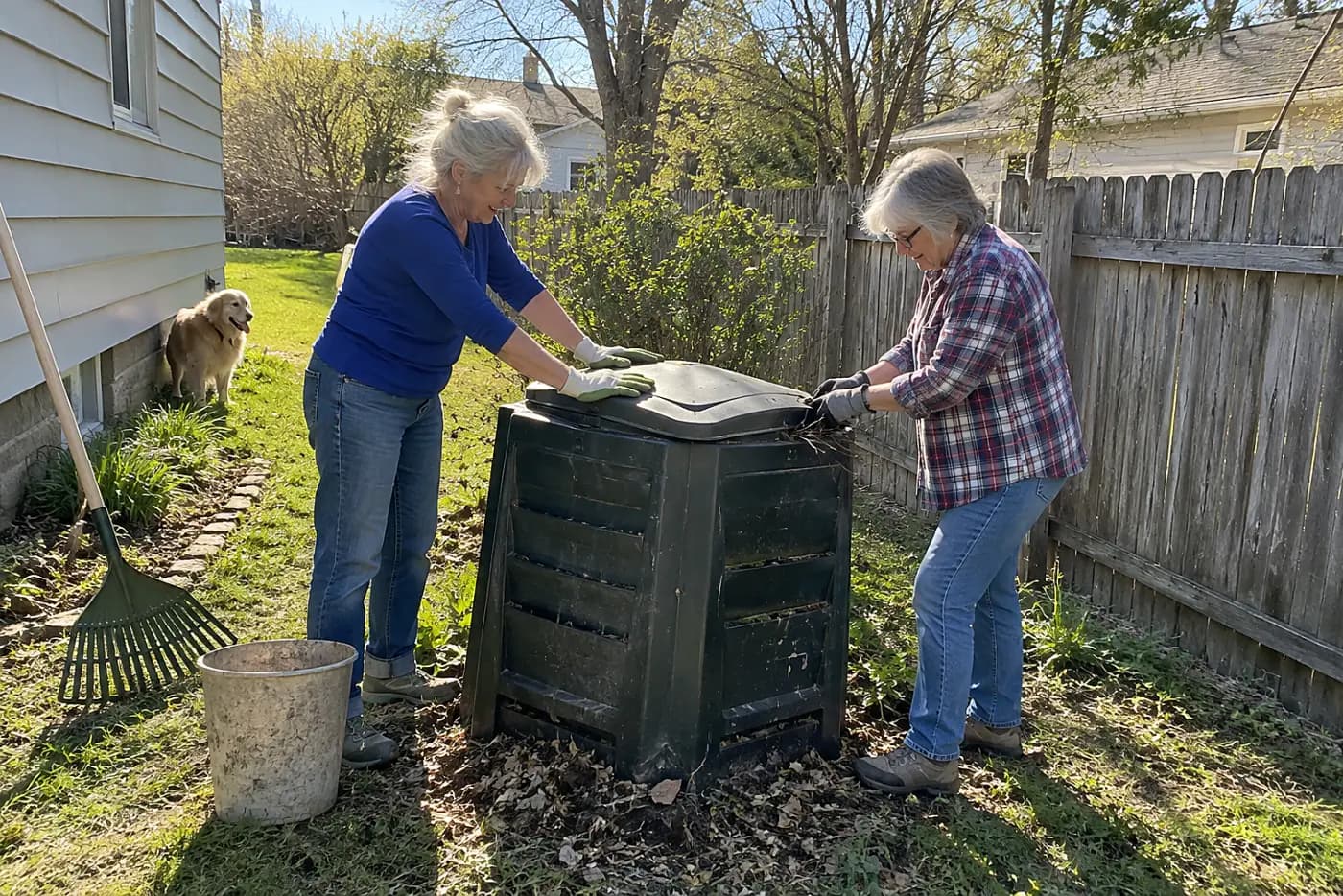
The compost bin won’t stop receiving scraps by itself.
Peels and coffee grounds keep arriving because the kitchen habit outlasts the vegetable patch. With no plan to empty the bin, fresh scraps sit on top of older material. An unsecured lid also gives animals a way in.
You don’t have to deal with the entire pile today. You do need everyone in the house to stop treating it as the default place for food scraps.
This week, secure the lid and choose another destination for new scraps. Tell your household, “No more kitchen scraps in this bin until we’ve emptied it.”
What’s already inside needs a different choice.
12The finished compost with nowhere to go
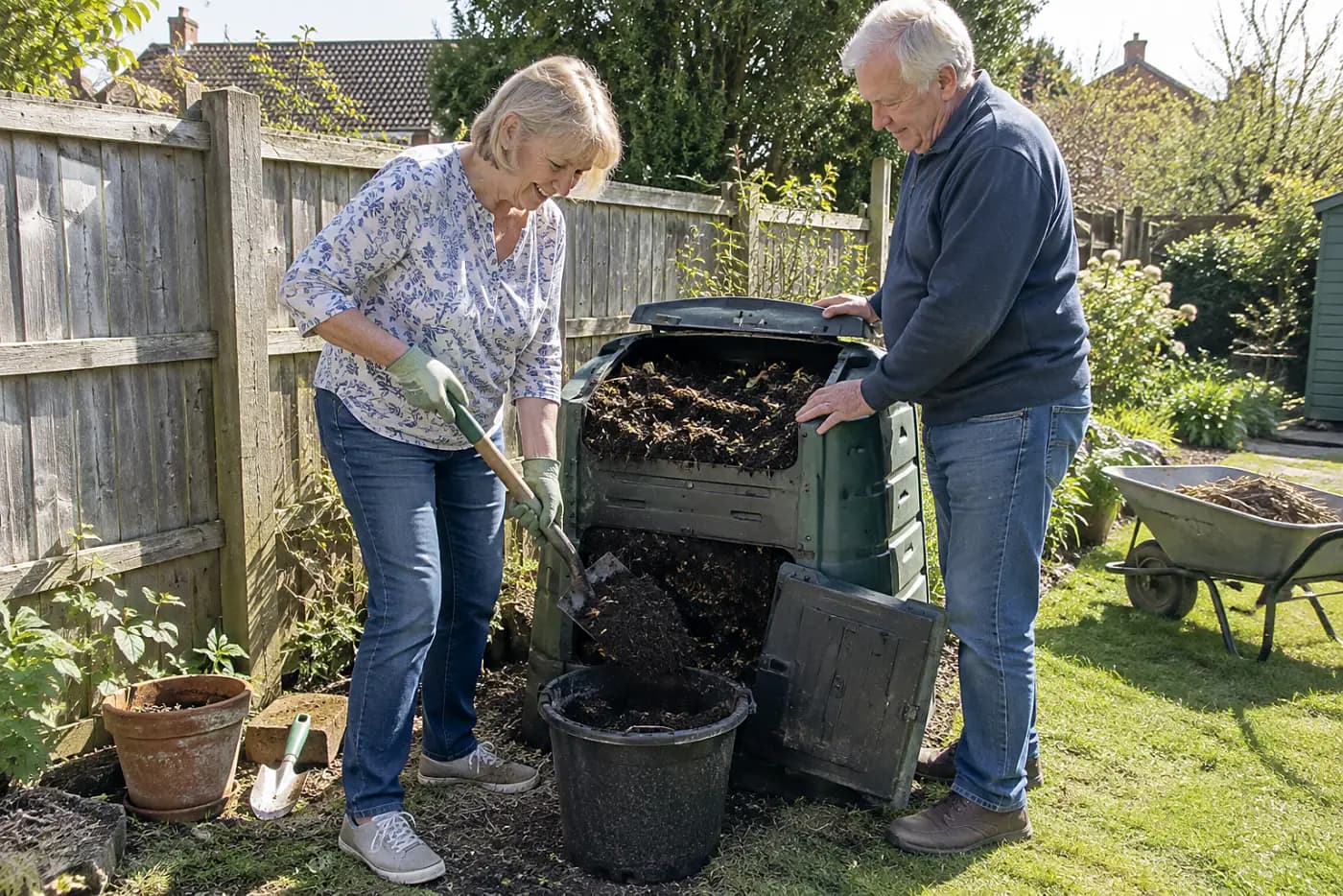
Finished compost deserves a destination, not another season of waiting.
The older material at the bottom looks dark and crumbly, with no recognizable food scraps. Recent scraps near the top still need time. Mix them together while emptying the bin, and you’ve made it harder to use what was ready.
You don’t have to keep a vegetable plot to justify good compost. Flower beds, established shrubs, or a gardening friend give the finished portion somewhere to go. For questions about the pile, find your local office through the USDA’s Cooperative Extension directory.
This week, lift the lid and separate finished compost from recent scraps. Say to a neighbor, “Would you use a bucket of finished compost this fall?”
The bed itself now has room for a different plan.
11The raised bed boards at ground level
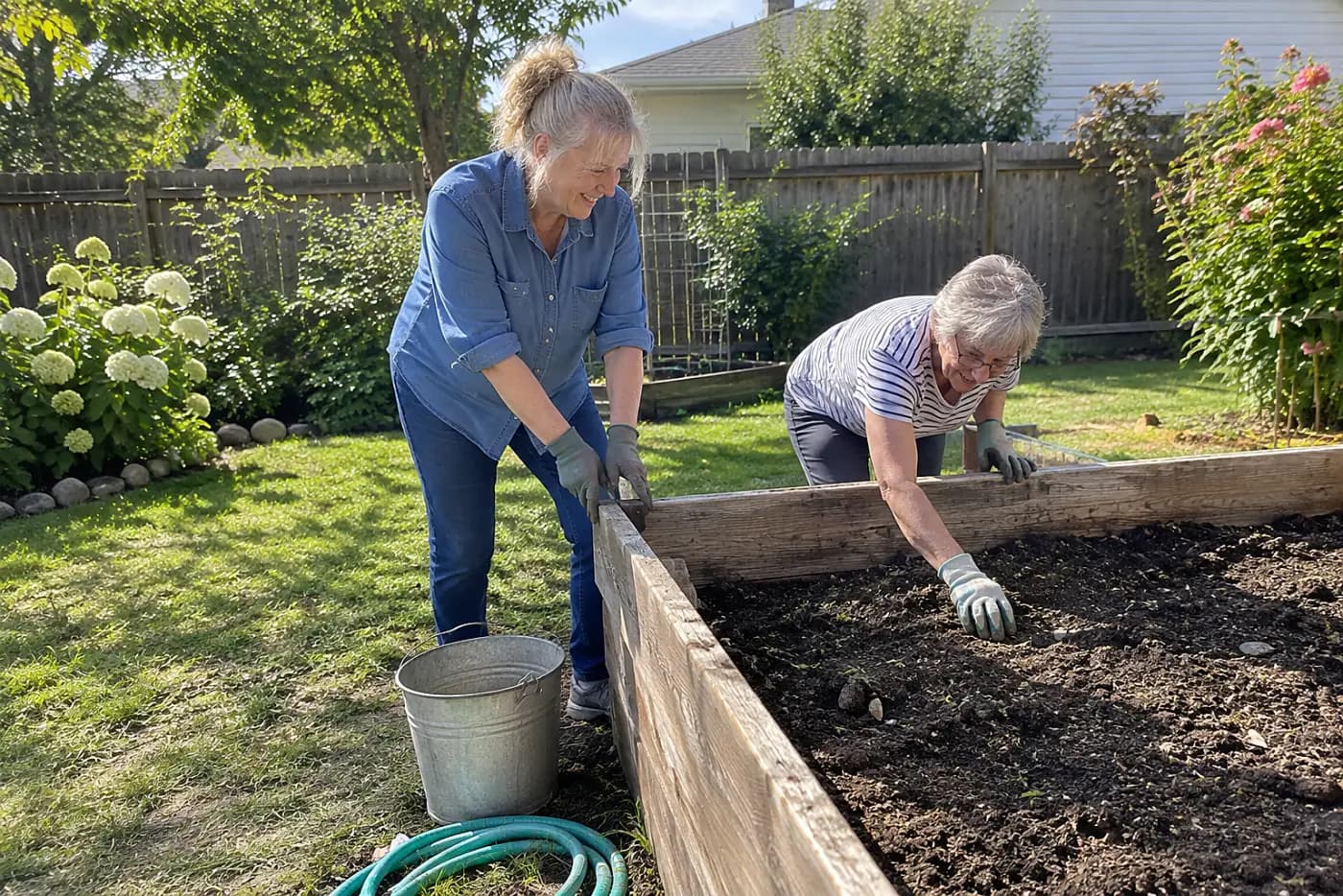
A loose bed frame stays in your path.
Soil presses against the sides of a raised bed, and boards near the ground stay damp. When a corner loosens, screws and wood edges jut into the path. You’ll walk beside them even if you never plant there again.
Removing the vegetables doesn’t remove a tripping point. Repairing or taking down the frame also means deciding where its soil will stay.
This week, press each corner and look for protruding screws before anyone steps inside. Tell a helper, “I want the loose boards dealt with before someone trips.”
Once the frame goes, its contents need a home.
10The soil you paid to bring in
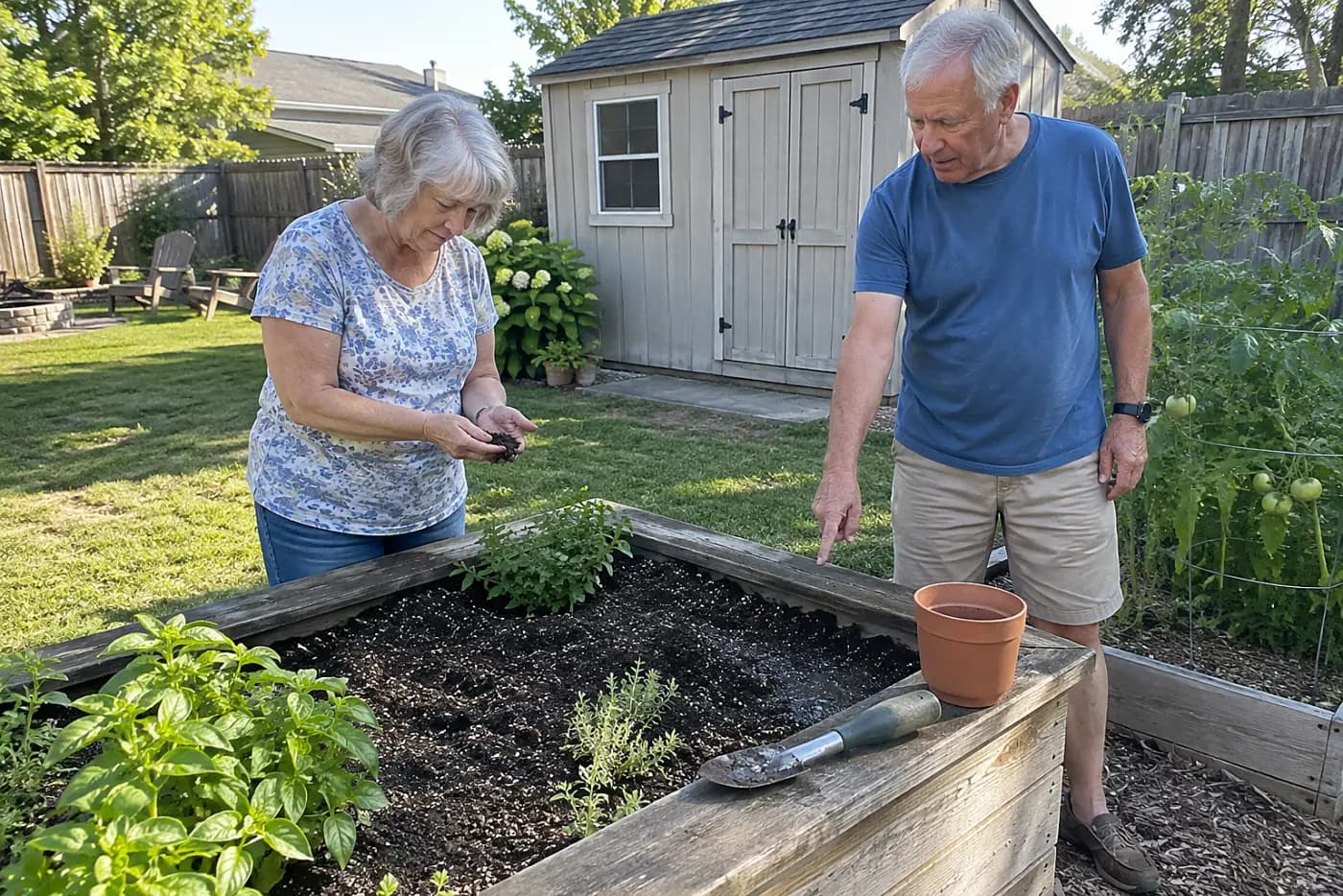
Good soil needn’t leave with the boards.
Raised-bed mix stays in place under mulch, or moves to another bed in manageable loads. Before you move it, recall what went into the frame. Bagged mix and your own compost tell a different story from unknown fill or old debris.
If you’re unsure what’s in the bed, ask your local extension office which soil test fits your concern. Guessing from its color won’t settle the question. Nor will hauling it somewhere else before you know what you’re moving.
This week, write down what you remember about the fill. Say to a helper, “Leave the soil here until I decide where it belongs.”
What’s growing through that soil matters too.
9The weeds beneath the cardboard cover
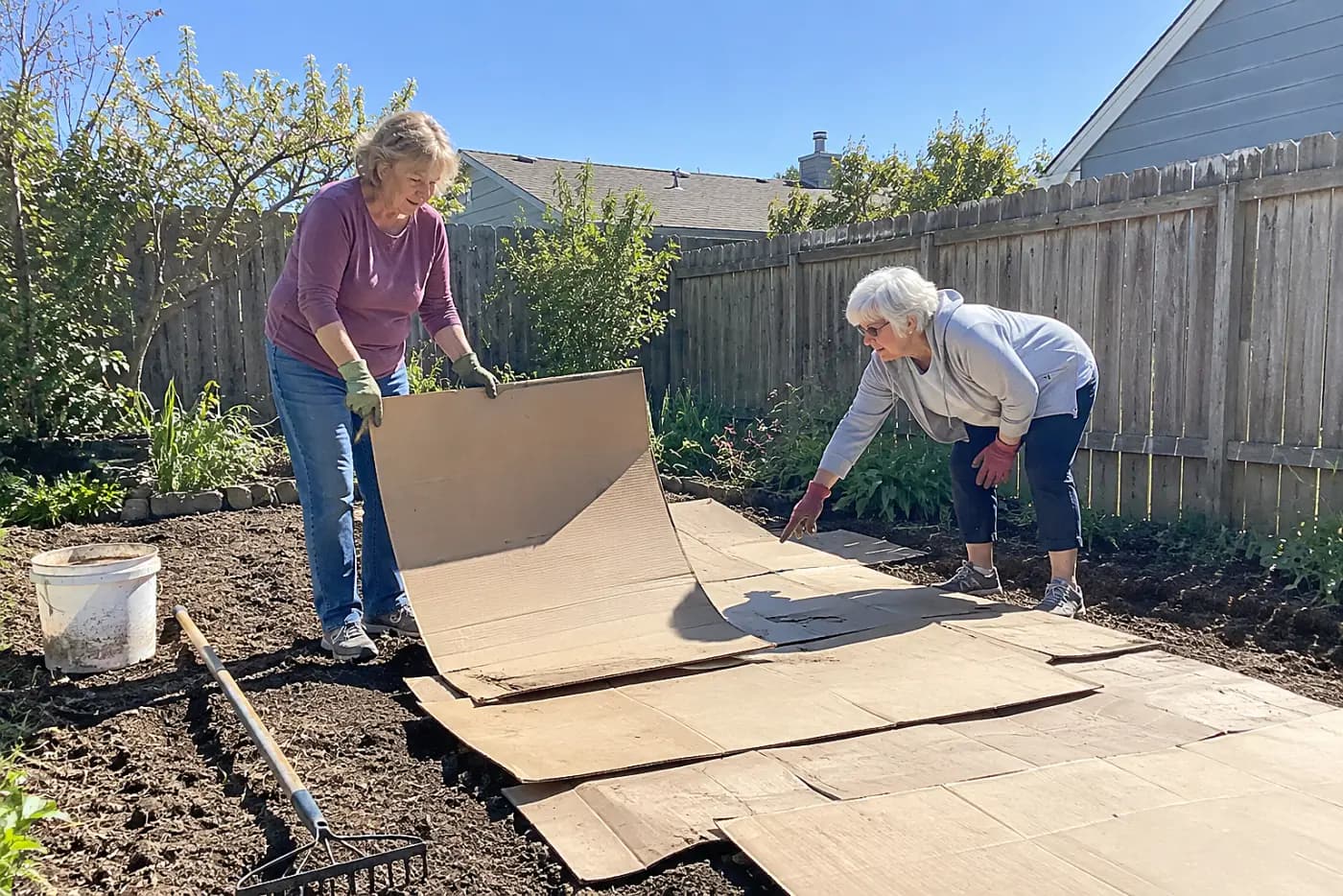
Cardboard fails first at its uncovered edges.
Overlapped sheets block light while mulch holds them against the soil. Gaps let new weeds through, and bare cardboard lifts in wind. Deep-rooted plants already in the bed keep pushing from below.
A loose cover saves little work if you spend spring pulling weeds from every seam. You also lose the option of leaving the space alone for another season.
This week, overlap the sheets, wet them, and cover them with mulch. Tell anyone mowing nearby, “Please leave the mulch on top of the cardboard.”
The next job is smaller, but it has sharper edges.
8The trowel with the cracked wooden handle

An unsafe tool isn’t a keepsake you need to use.
A cracked handle splits under pressure, and a rusty hinge pinches. Those defects get harder to notice when every old tool goes back into the same bucket. Keep the ones you still reach for in your flower beds.
Passing a damaged tool to a friend passes along the problem. The University of Minnesota Extension has gardening guidance, but the cracked handle in your hand needs no further research.
This week, handle each tool and make a keep, repair, or discard pile. Say to someone who gardens, “Would you use this trowel? The handle needs replacing.”
The bigger equipment asks a different question.
7The wheelbarrow parked under the tree
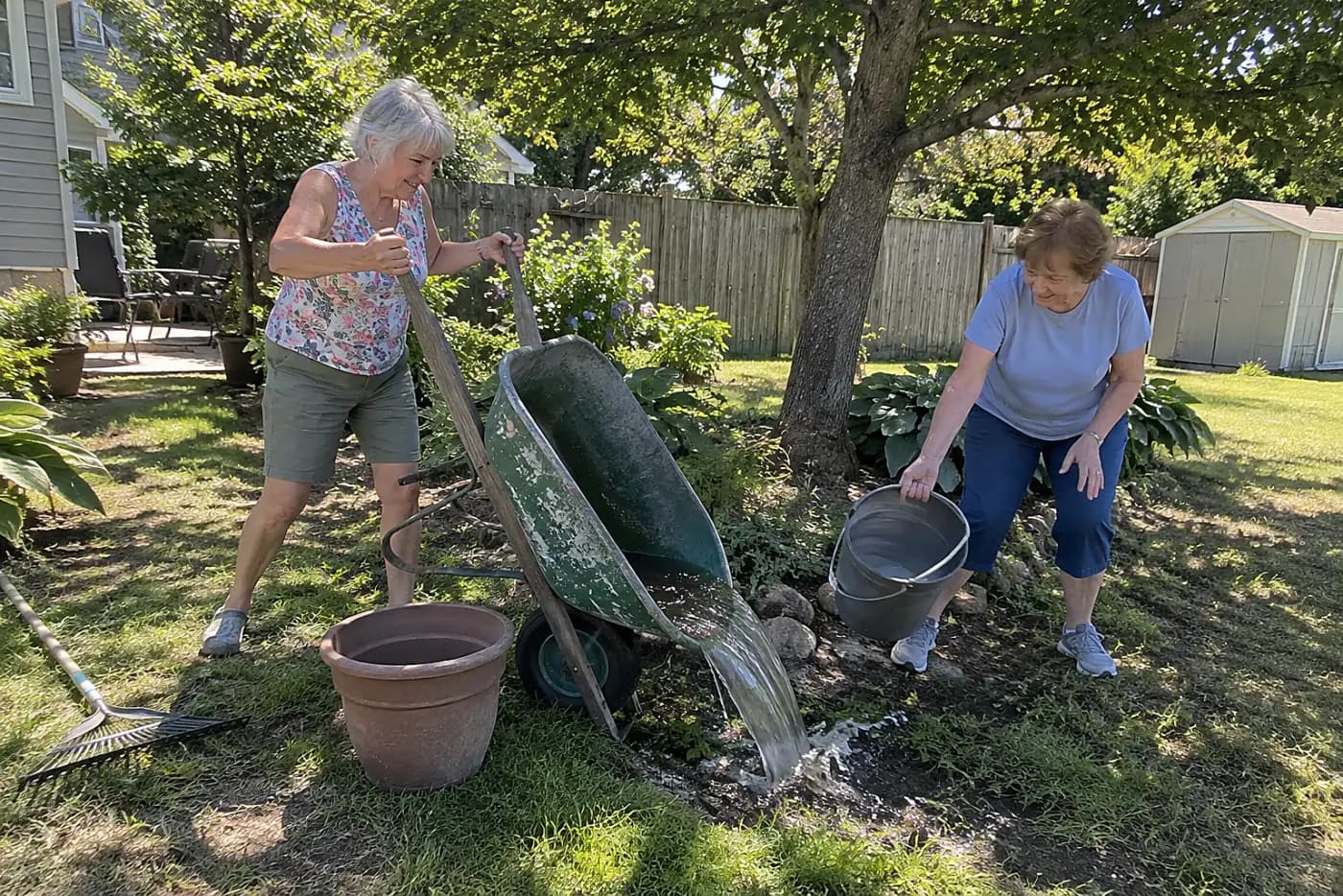
An idle wheelbarrow turns into outdoor storage.
Rain collects in its tray, and fallen branches land where you left it. The wheelbarrow also blocks the route you used to reach the patch. Moving it tells you whether it still belongs among your yard tools.
Giving it away too soon leaves you carrying mulch or firewood by hand. Keeping it without naming another use leaves a large object to work around.
This week, tip out the water and move it under cover. Tell a gardening friend, “I’m clearing out the garden gear. Would you actually use this?”
There’s also a paper trail from the years you planted.
6The garden notebook in the kitchen drawer

The notebook holds more than planting dates.
It records which tomato failed, when the first beans came in, and the year you finally beat the rabbits. Throwing it out during cleanup feels different from removing a broken stake. Those pages hold work you chose to do.
No garden record has to lead to another garden. The National Gardening Association keeps growing information, but your handwriting tells a story no website has. Keep the notebook because you want it, not because you owe the patch another season.
This week, take it out of the supply drawer and put it with things you want to keep. Tell anyone clearing cabinets, “Please leave this one for me.”
A photograph saves what the notebook missed.
5The photograph of the patch in July

The empty fall bed tells only half the story.
Summer rows are gone by the time you’re ready to explain why you stopped. A picture that includes the paths, fence, and whole patch records what was there. It also keeps someone from judging years of work by one bare rectangle.
That record asks nothing more of you. The Library of Congress keeps photographs of ordinary American life; your garden picture belongs in your own collection.
This week, find an older summer photo and save a copy where you’ll find it again. Say to the person holding the phone, “Get the whole bed, not just the tomatoes.”
Next, decide what you want to see from the window.
4The view from your kitchen window

The cleared rectangle remains in your daily view.
You’ll see it while washing a cup or waiting for the kettle. If someone plants the first available shrub there, their quick fix becomes your morning view. Decide what you want to look at before the space fills up.
Mulch buys you time without pretending the old patch is still there. Flowers, a bench, or an open space are choices too. Before planting anything new, read its mature size on the label.
This week, stand at the window and photograph the view. Tell anyone eager to help, “Please don’t plant this space until I’ve looked at it from here.”
The view isn’t the only routine you’re changing.
3The morning trip to check the tomatoes
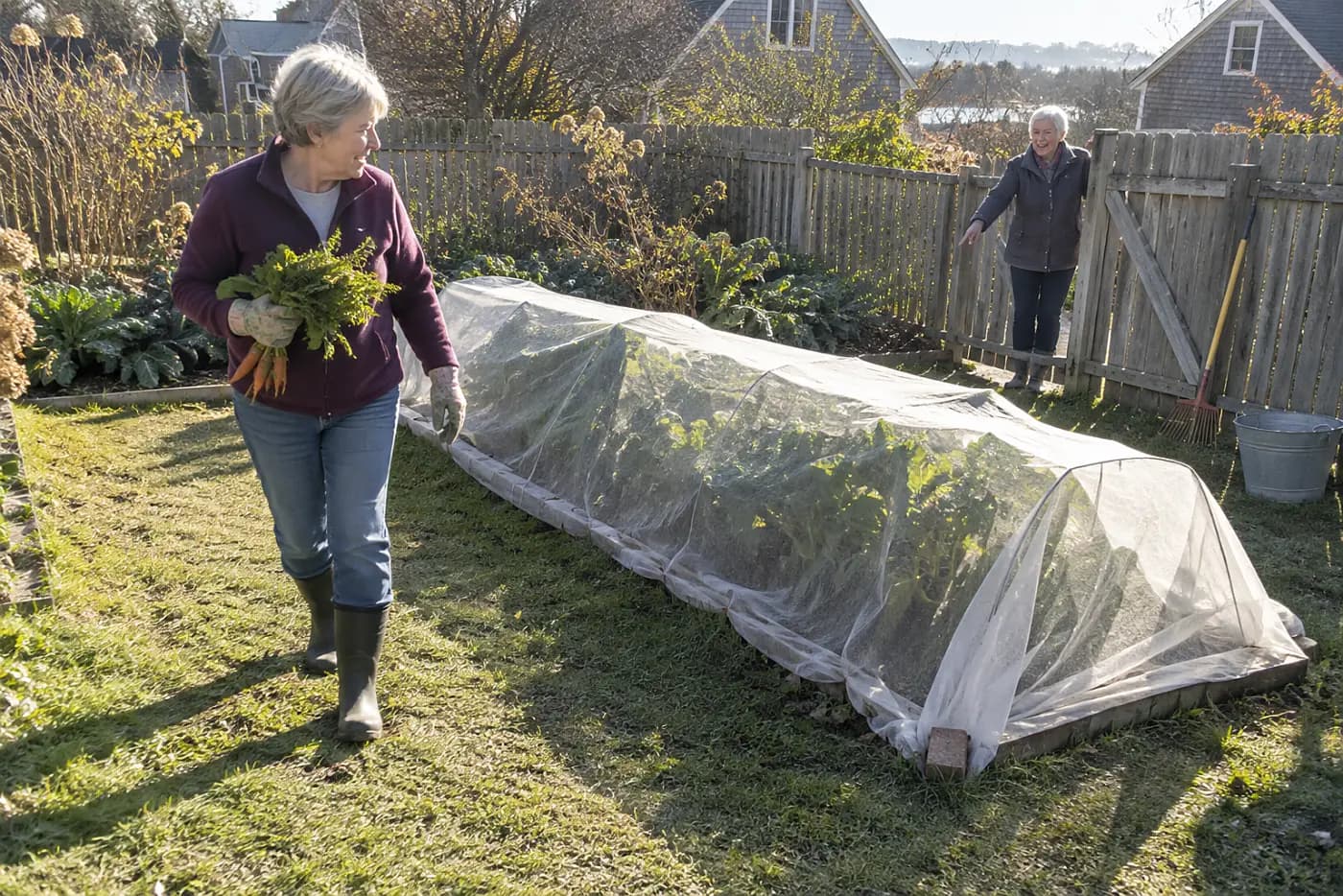
The empty bed changes your first walk outside.
You used to inspect leaves, then stay to pull a weed or pick a tomato. That errand gave you a reason to step outdoors before other jobs began. Without it, you lose a routine as well as a crop.
The absence is easy to miss until mornings feel different. You don’t need another planting obligation to keep the part of that routine you liked.
This week, choose a short outdoor task you want to keep. Tell a friend, “I’ve stopped growing vegetables, but I still like my morning walk around the yard.”
Soon someone will ask what happened to the harvest.
2The answer to next summer’s tomato question
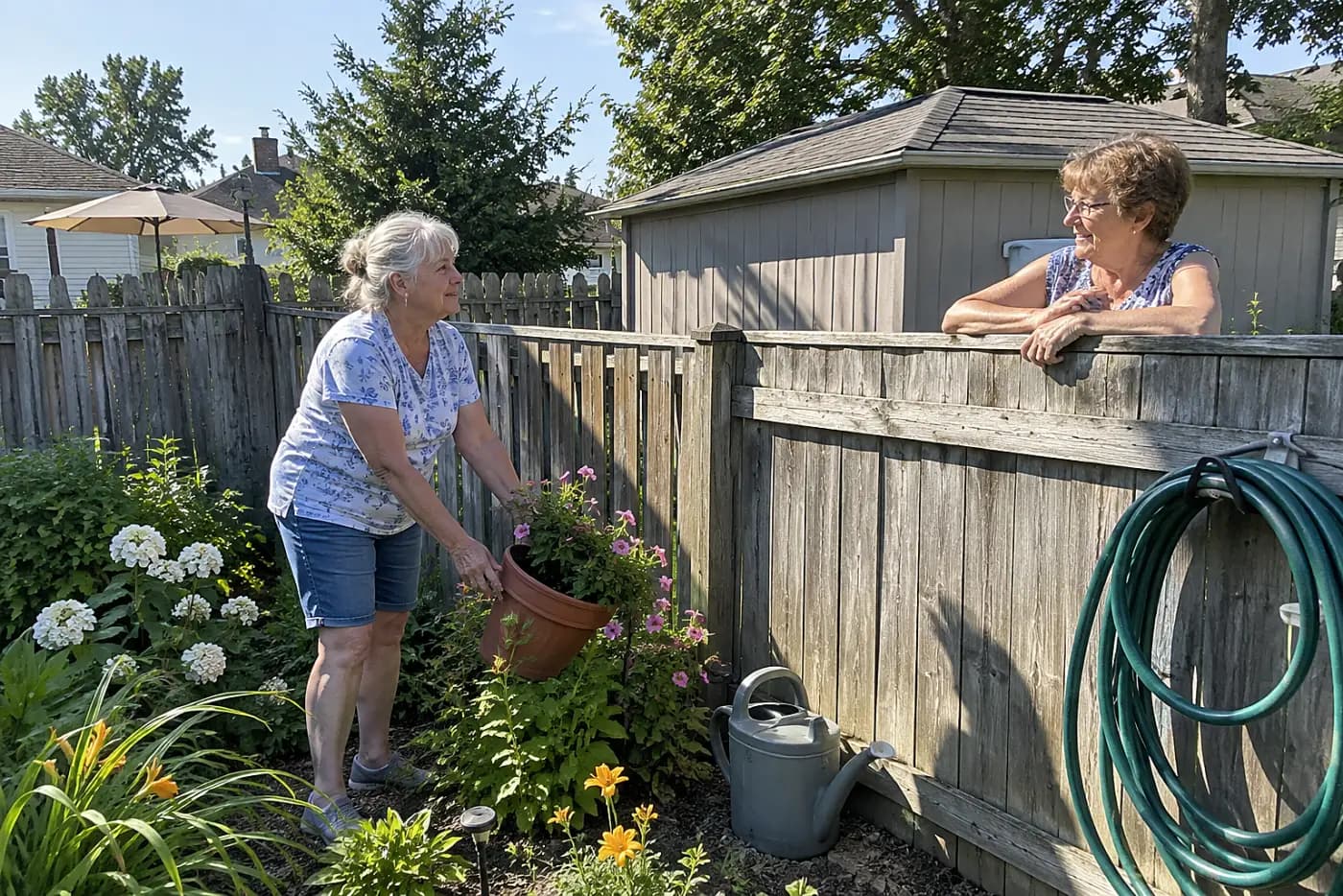
People remember the tomatoes, not the watering.
Someone who enjoyed your harvest will ask whether the plants are in yet. They mean to be friendly. Without an answer ready, you’re left explaining your back, your schedule, or why a smaller bed still isn’t appealing.
You don’t owe anyone a debate about your reasons. A farmers market sells tomatoes without handing you a hose.
This week, practice one answer that closes the question without an apology. Say, “I’m taking a break from vegetables, but I’m glad you liked mine.”
One person still needs a firmer answer: you, when seed catalogs arrive.
1The spring date on your calendar
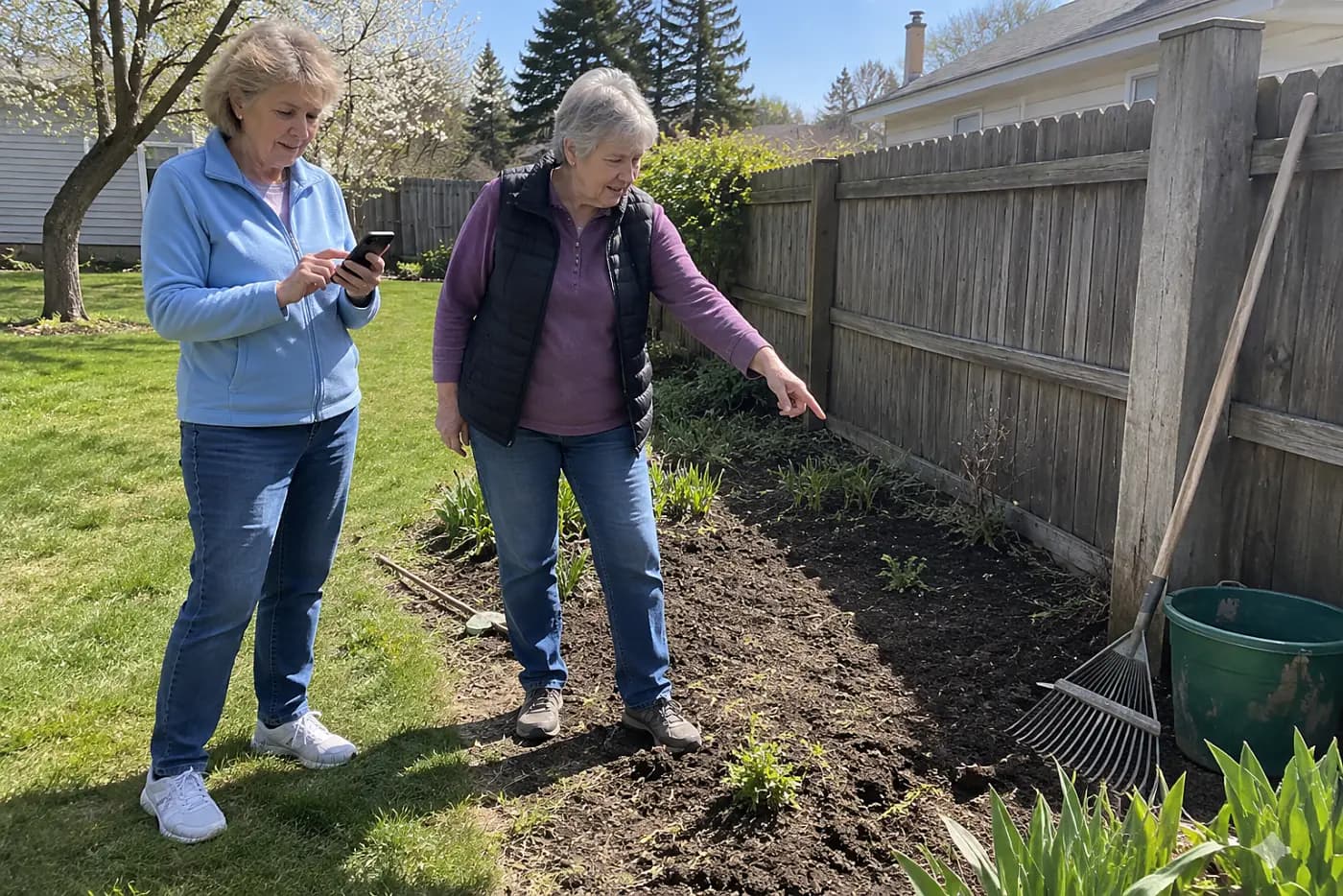
Spring asks for a decision before you touch the soil.
A catalog arrives. Someone offers seedlings, and a warm day makes planting seem possible again. Without a date set aside to decide, each invitation restarts the question you thought you’d answered in fall.
Choose a day before your usual planting season to review the space. Write one instruction beside it: leave the bed covered, try something smaller, or reconsider vegetables. The date is a chance to choose, not a promise to restart.
You don’t need to know today what you’ll want next spring. If planting is on the table then, check local guidance through your extension office. The USDA Plant Hardiness Zone Map helps you check which perennial plants suit your location.
This week, put the date and instruction in the calendar you use. Tell anyone offering plants, “I’m deciding on that date. Please don’t save seedlings for me.”
Then set up the answer your future self will see first.
The bottom line
Giving up the vegetable patch means ending a chain of small jobs, not merely skipping a planting season.
The best-prepared version of you has cleared the hazards and kept what matters. She’s left a spring decision where she’ll find it.
Which of these has already happened in your family?
Bonus: The calendar decision that stops accidental spring planting
- Open the calendar you use for appointments and find a date before your usual spring planting.
- Enter “Vegetable patch decision,” then add: “No seeds or seedlings before this date.”
- Add one next step: “Check mulch,” “Choose a smaller bed,” or “Leave the space as it is.”
- When someone offers seedlings, say, “Thank you. I’m deciding on the date in my calendar.”
David Ruiz
Tech & Home Writer
David tests gadgets with real readers in their 60s and 70s, because the best tech is the tech you'll actually use.
You might also like