23 Reasons the Garden Feels Different After 60
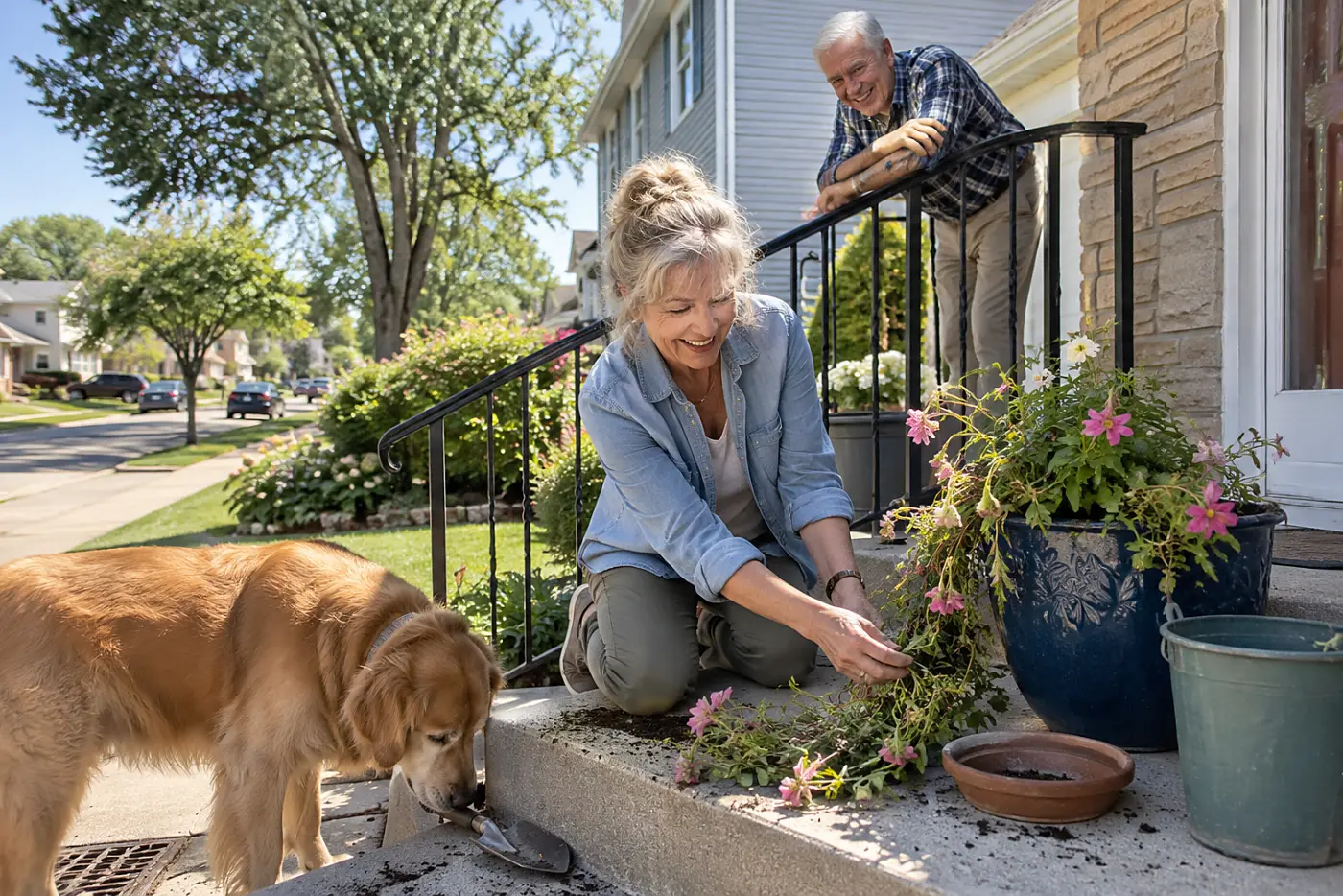
A watering can by the back door makes a morning visit easier to start, and easier to end before the garden becomes a chore.
By David Ruiz, Tech & Home Writer
Updated · 16 min read
- Written by our tech & home writer
- How we review
Read to the end: #1 is the five-minute appointment that keeps the garden from becoming a Saturday chore, and almost nobody schedules it.
A damp leaf sticks to your wrist while you reach past the basil. The hose has a kink, and one tomato is finally red. You came outside to fix one thing, but you stay long enough to see three others. Breakfast is waiting inside, so you leave the rest for another day.
The garden didn’t suddenly become easier. What changed is the size of the job you expect it to do: one useful task, one close look, then breakfast.
Here are 23 reasons the garden feels different after 60.
23The tomato you leave on the vine

Picking everything at once makes harvest feel like another deadline.
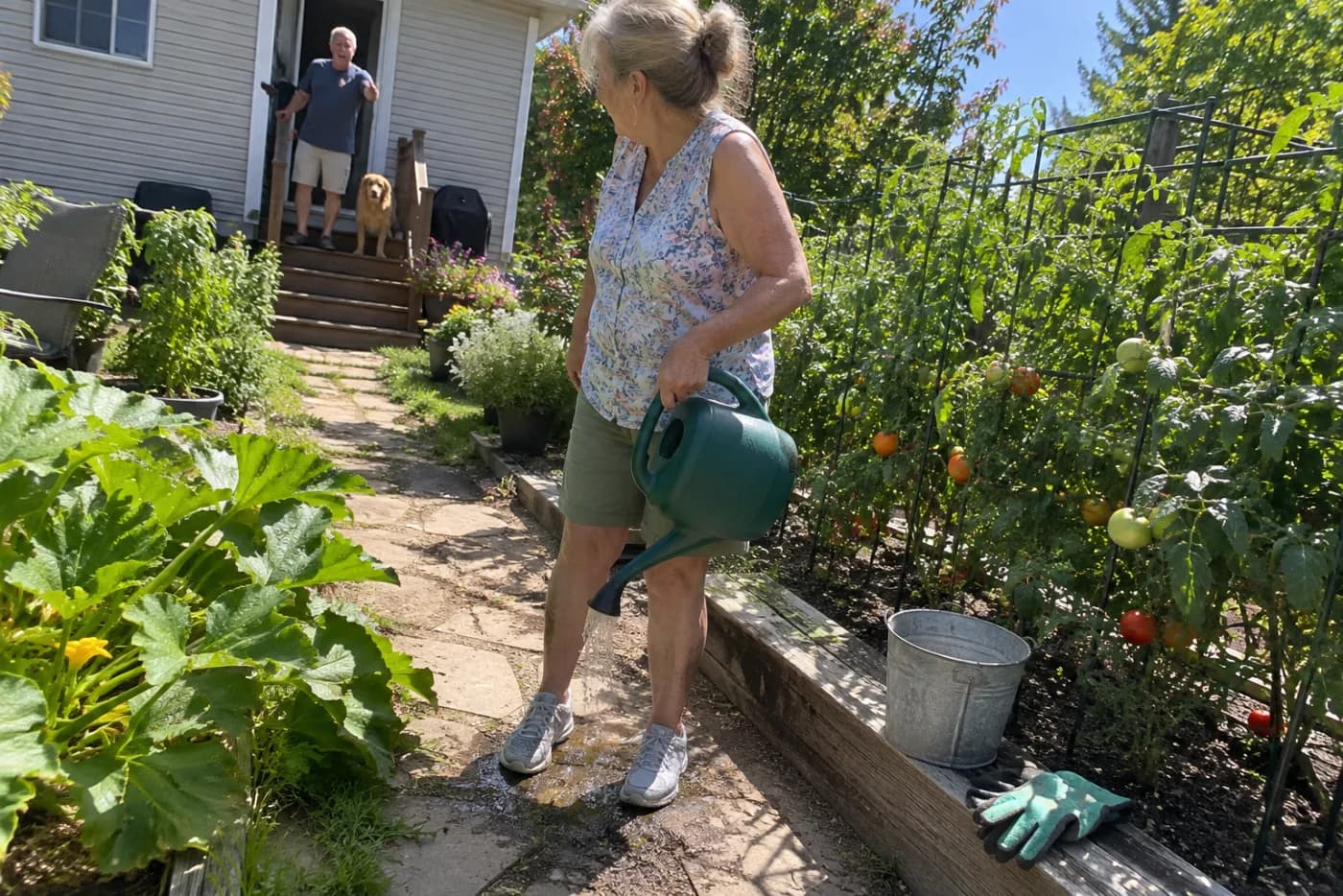
A tomato ripens while you do other things. Leave one until lunch, and you have a reason to step outside again. On the way, you see what changed since morning: a new flower, a fallen leaf, or another tomato turning red.
Miss that small visit, and fruit stays hidden until it drops or splits. Picking every tomato early also takes away the pleasure of finding one ready when you want it.
This week, pick what you’ll eat today and leave the rest where you’ll see it. Say, “I’ll come back for that one tomorrow.” Give yourself a reason to open the door again.
That promise brings you back past another plant.
22The hose you stop dragging everywhere

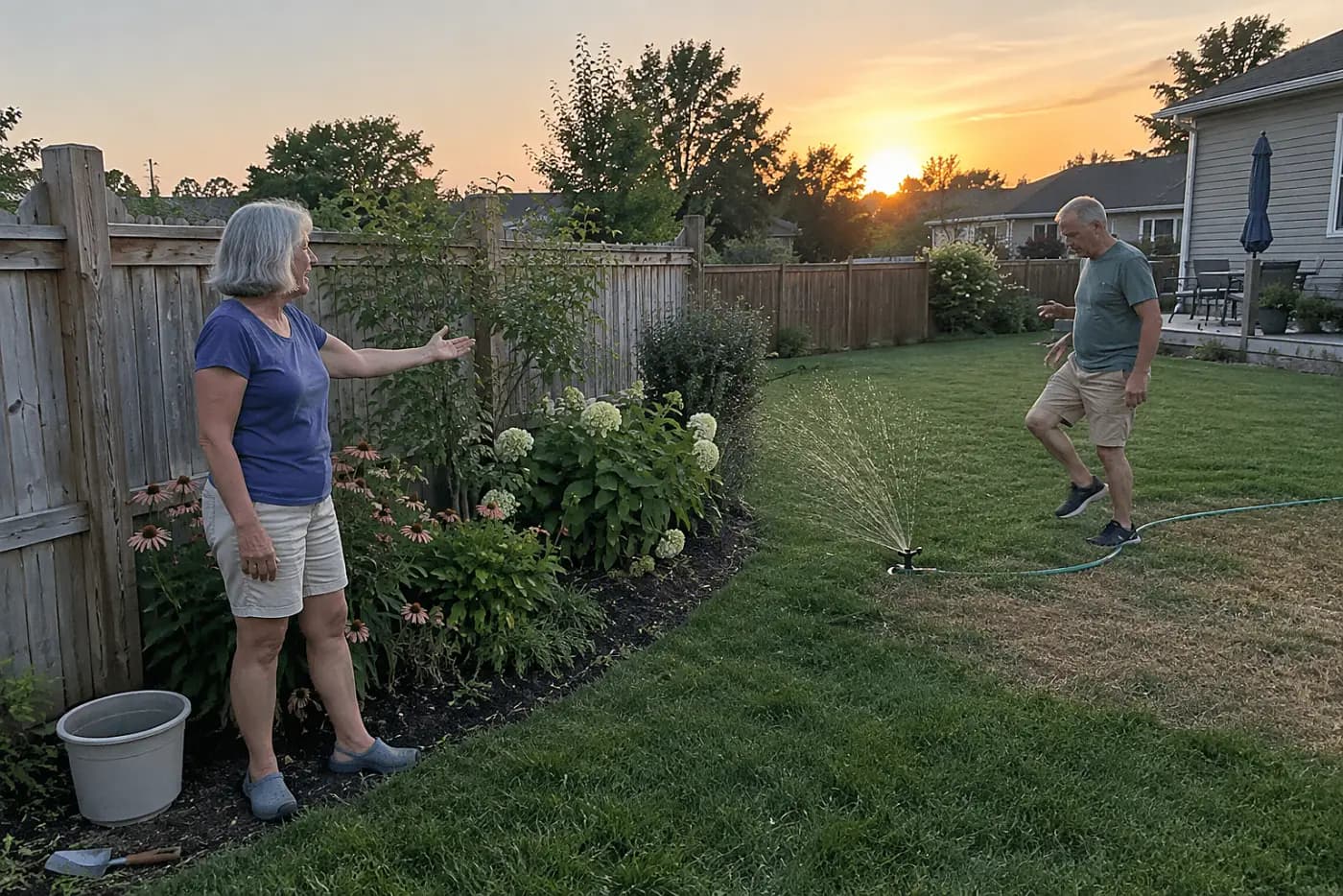
A heavy hose turns a short visit into a wrestling match.
It catches the chair leg first, then the corner of the bed. By the time water reaches the pots, you’re thinking about putting everything away. Move the water closer to where you use it, and the same ten minutes has a different shape.
The EPA’s WaterSense site describes drip irrigation as a way to deliver water near plant roots. You don’t need a whole new system to use that idea.
A watering can kept beside the outdoor faucet works for a few pots. A short hose works better than a long one if it reaches the bed you actually water.
This week, carry your empty can through the route you take most mornings. Set it down wherever the awkward part begins. Say, “I want water here, without pulling that hose around the chair.”
Then look at what you’ve been walking past to get there.
21The chair beside the herb pots

Standing the whole time turns looking into waiting to sit down.
A chair beside the herbs gives you a place to stay after the work is done. From there, you see which stems have grown, which leaves need picking, and whether the mint is heading somewhere uninvited.
Without a place to pause, you leave when the chore ends. A sturdy chair turns the end of watering into the start of looking, rather than another task to finish.
This week, put a steady chair where you get a view without blocking the path. Sit there after tending the pots, even if you have nothing left to do. Say, “I’m sitting here for a minute before I go in.”
Once you stop moving, the smaller visitors show up.
20The bee on the open flower

A flower looks different when something else needs it.
Watch one bee move across a bloom, then leave for the next. Pollen sticks to its body as it feeds, and some reaches another flower. The U.S. Fish and Wildlife Service has guidance on planting for pollinators, including the value of blooms at different times.
That doesn’t mean turning the yard into a project. It means letting one flowering plant stay where you’ll pass it daily. Cut every aging bloom at once, and you lose the chance to see what visits next.
This week, stand by a flowering plant for one minute before you cut anything. Notice whether insects reach the center of the flower. Say, “I’m leaving this one up a little longer.”
The next thing you notice has been moving below your feet.
19The worm beneath the overturned pot

A worm is a good reason to stop scraping.
Lift a pot, and you’ll find damp soil underneath. Worms move through it and feed on organic matter, helping mix that material into the ground. The USDA Natural Resources Conservation Service describes soil as a living system.
Scrape every patch bare, and you miss the life already working there. You also lose an easy reason to pause and look beneath the things you move.
This week, lift one pot or board and look underneath. Put it back after you’ve checked the soil. Say, “There’s more going on here than I thought.”
That patch also changes how you treat fallen leaves.
18The leaves you leave under shrubs

Bagging every leaf steals a good part of autumn.
Leaves break down on the soil surface. They also shelter small creatures while the garden rests. Keep thick, slippery layers off paths and lawns you want to maintain, but let leaves settle beneath shrubs where they won’t smother small plants.
The National Wildlife Federation’s Garden for Wildlife program encourages leaving natural cover for wildlife. The payoff is plain: less hauling, fewer bags, and a reason to look under the shrubs in spring.
This week, rake one path clear and move those leaves beneath established shrubs. Check that they aren’t piled against trunks or crowns. Say, “These leaves have a place to go that isn’t a bag.”
You’ll notice the difference when you take your usual walk.
17The path you walk without thinking

A familiar path can hide an awkward step.
After years on the same route, you step around the loose brick without naming it. You adjust while carrying a pot or watching a flower. That leaves less attention for the garden you came out to see.
A fall ends the visit faster than any unfinished weeding. Even without a fall, watching every footstep turns a pleasant walk into another job.
This week, walk your route carrying nothing in your hands. Mark the spots where you look down to place your foot, then fix the loose brick before carrying anything along that path. Say, “I’m fixing this brick before I buy another plant.”
Once the route works, the plants along it come closer.
16The pot raised to hand height

A low pot asks for a full bend every visit.
Put the plant on a stable stand, and watering becomes a glance followed by a small reach. The pot still needs drainage, and the stand needs to hold it securely after watering makes everything heavier. Test both before leaving it there.
The Arthritis Foundation offers gardening advice that includes reducing strain on joints. That advice lands differently when you apply it to the pot you touch every morning, rather than redesigning the whole yard.
This week, choose one plant you enjoy but keep putting off tending. Raise it to a height that lets you see its soil and leaves without folding over. Say, “I want this where I’ll actually look after it.”
Then notice what happens when you stop carrying every tool outside.
15The trowel kept by the door
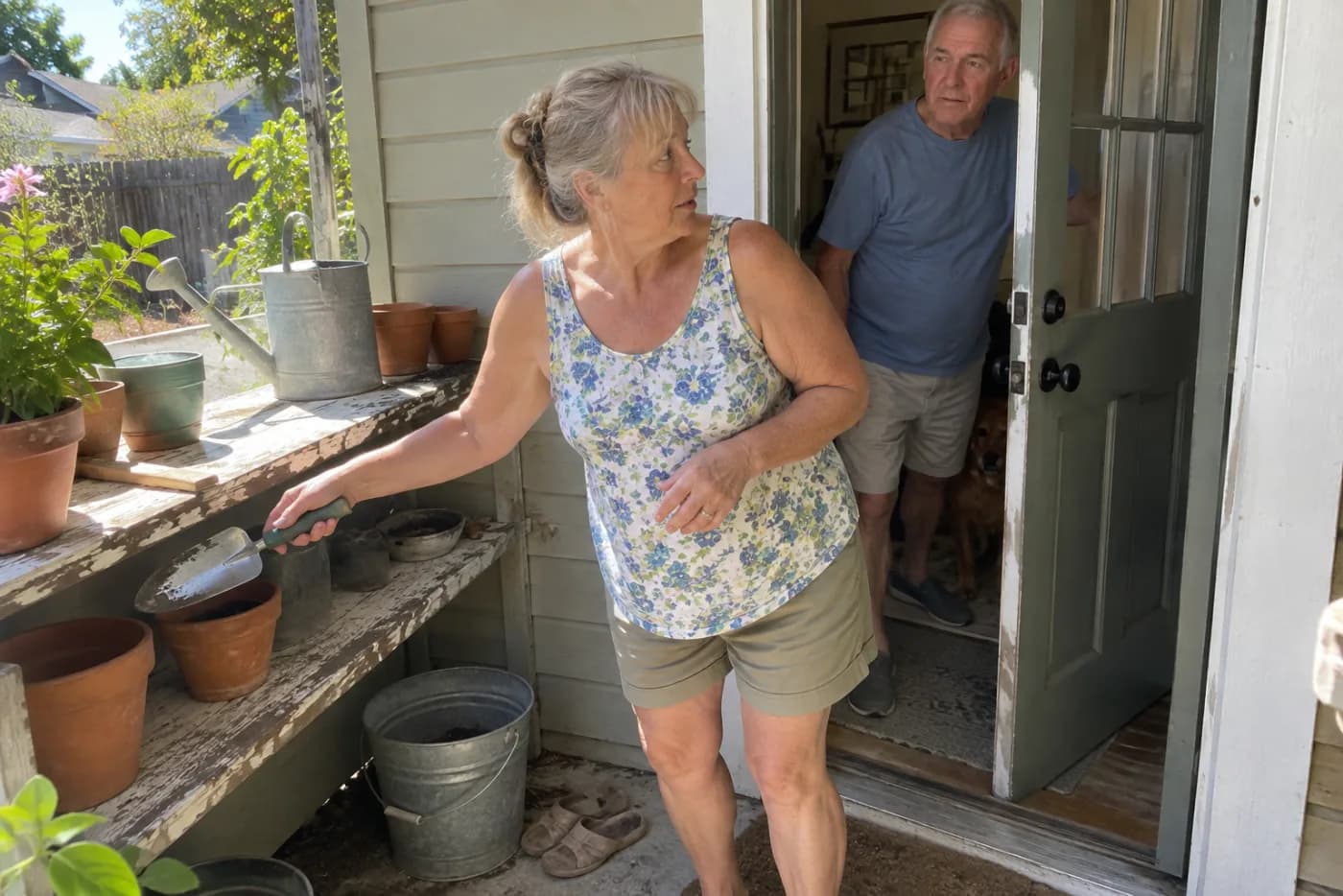
Looking for a trowel kills a small impulse.
You spot a weed while carrying the mail. A trowel by the door lets you lift its root before going inside. If the tool lives in the shed, finding it becomes a separate errand, and the weed goes back on the list.
That list grows even when each job is small. The garden starts demanding a free afternoon instead of welcoming a brief stop on your way home.
This week, clean one trowel and give it a dry, reachable home near the door. Put it where you’ll see it on the way out, rather than leaving it in the soil. Say, “I’m keeping this here for the little jobs.”
One tool is enough to show which jobs deserve your time.
14The weed you pull after rain

Dry soil turns one weed into a tug-of-war.
After rain, the soil loosens around many roots. Hold the stem near the ground and pull slowly; if it snaps, use your trowel to lift the root. That small change makes a brief visit satisfying rather than stubborn.
The University of Minnesota Extension recommends identifying weeds before choosing how to manage them. That matters when a plant you didn’t put there turns out to be one you want, or one that will spread across the bed.
This week, choose a single damp patch and pull what you know is unwanted. Leave unfamiliar plants until you identify them through your local Cooperative Extension office. Say, “I’m clearing this patch, not declaring war on the whole yard.”
A cleared patch gives you room to decide what stays.
13The volunteer flower beside the steps
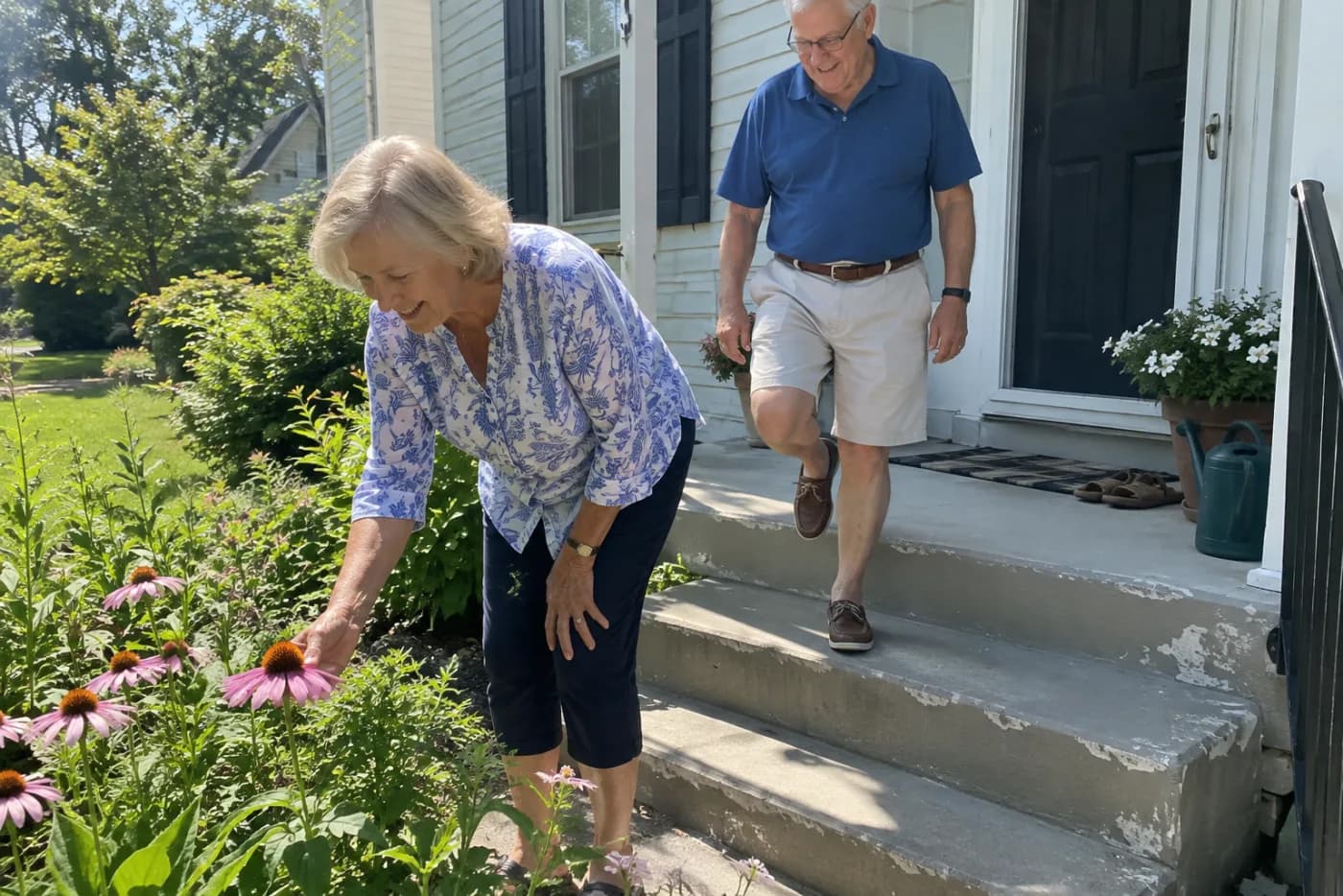
A plant you didn’t sow changes the plan.
A seed carried by wind, a bird, or your shoe lands in open soil. Soon a flower appears beside the steps, where you see it more than anything planted at the back fence. Its place in the garden starts with where it grew.
Pull it without checking, and you lose a surprise worth keeping. Leave an unfamiliar plant unchecked, and you risk giving an unwanted one room to spread.
This week, identify one volunteer before deciding whether its spot works. Ask your local Cooperative Extension office for help if you can’t name it, then choose whether it stays. Say, “I didn’t put you there, but you can stay.”
Once you allow that small detour, the seed packets look different.
12The seed packet with last year’s date

An old packet isn’t a broken promise.
You find the packet in a drawer, but its date won’t tell you which seeds still sprout. Put a few between damp paper towels, seal them in a bag, and check for growth. The University of Maryland Extension describes seed germination testing as a way to check older seed.
If nothing sprouts, you’ve spent a small test instead of a whole planting season. If some do, sow more thickly than you would with fresh seed and thin seedlings later.
This week, test one packet you’ve kept in a drawer. Write down how many seeds you started and how many sprouted. Say, “I’ll try these before I throw them out.”
That little trial makes the first green shoots more personal.
11The seedlings on the kitchen sill

A seedling gives you a daily appointment indoors.
First the stem bends toward light. Then new leaves appear above the first pair. You have something specific to check before putting on shoes, even while the beds outside still look bare.
Skip checking, and a dry container can undo the start. Water every morning without touching the soil, and the container stays wet when the seedling doesn’t need more.
This week, put the seedlings where you’ll see them at breakfast. Touch the soil before watering, and move the container if the stems lean hard toward the window. Say, “You’re getting water when the soil needs it.”
Soon they’ll need a place that isn’t the windowsill.
10The frost date on the calendar

A warm afternoon doesn’t end the frost season.
The porch feels ready for tomatoes at lunch, but a freezing night tells a different story. Your local Cooperative Extension office has frost-date guidance for your area. Use it to plan, then check the forecast before putting tender plants outside.
The National Weather Service posts local forecasts and frost alerts. A cold night can damage a tomato transplant you spent weeks watching grow.
This week, find your area’s frost guidance and write it near your seed-starting notes. Keep pots handy for bringing tender plants inside when the forecast calls for frost. Say, “I’m waiting for the weather, not the sunshine.”
Waiting gives you time to inspect the beds they’ll enter.
9The mulch you pull back from stems

Mulch saves work until it crowds the plant.
Spread it over bare soil, and you slow evaporation and suppress weeds in a bed you’d rather enjoy than clear. Pile it against a stem, though, and moisture sits against the plant’s base. USDA Forest Service guidance warns against mulch piled against tree trunks.
Ignore that damp collar, and a helpful layer becomes another thing to fix. You want covered soil without burying the part of the plant that rises from it.
This week, check one bed and pull mulch away from each plant’s base. Leave the surrounding soil covered, then look again after the next rain. Say, “I want a little breathing room around this stem.”
That closer look tells you more than a quick watering pass.
8The finger you press into soil

A dry-looking surface doesn’t tell the whole story.
Press a finger into the soil near a plant, away from its stem. If it feels damp below the surface, wait before watering; if it feels dry at root level, water thoroughly. Containers dry out faster than garden beds because their soil volume is smaller.
The EPA’s WaterSense program recommends checking soil moisture rather than watering by habit. Skip that check, and you waste water while roots sit in soil kept wet for no good reason.
This week, test the same pot on two mornings before reaching for the can. Notice how the soil feels after a cool night and after a hot afternoon. Say, “I’m checking first, then watering.”
That habit changes what you hear when rain arrives.
7The rain gauge by the back steps

Rain on the roof isn’t a measurement.
A gauge records what falls in your yard, rather than what the weather report measured elsewhere. Set it in an open spot, away from roof runoff. Read it after a storm and empty it, so the next rainfall has its own reading.
A passing shower sounds like enough water from inside the house. Without a gauge, you have no record of what reached the beds, even though a pot under the eaves stayed dry.
This week, place a gauge where you’ll pass it after rain. Read it before emptying it, then look for spots the rain never reached. Say, “I want to know what actually fell here.”
The reading sends you toward a closer look at the plants.
6The leaf with the first small holes

A few holes don’t require a spray bottle.
Turn the leaf over before doing anything else. Look for an insect, eggs, or damage that’s already stopped spreading. The University of California Integrated Pest Management program starts with identifying the pest and the damage before choosing a response.
If you spray first, you miss the chance to learn whether the visitor is still there. You also risk treating a plant that needs nothing from you. Remove a badly damaged leaf if the plant has plenty left, or leave it and check again.
This week, photograph one marked leaf, front and back. Look at the same plant the next day before deciding what to do. Say, “I’m going to find out who’s eating before I interfere.”
That pause changes which insects get your attention.
5The lady beetle among the aphids

A cluster of aphids isn’t always the whole scene.
Look closely at the stems before reaching for a spray bottle. Lady beetles eat aphids, and their larvae look different from the round adults you recognize. The USDA Agricultural Research Service describes lady beetles as beneficial predators.
Spray without looking, and you miss the predator working beside the pest. You lose the chance to return tomorrow and see whether the cluster changed on its own.
This week, inspect the underside of one aphid-covered leaf before touching it. Look for beetles or larvae, then check that same stem again the next day. Say, “I’m giving this patch another day.”
While you wait, another garden job reaches its own moment.
4The compost you turn with a fork

A compost pile gives leftovers somewhere useful to go.
Food scraps and yard trimmings break down with air and moisture. Turn the pile to bring air into compacted material; if it’s dry, add water, and if it’s soggy, mix in dry leaves. Skip meat, bones, and dairy in a basic backyard pile.
The EPA’s composting guide lays out what belongs in home compost. The reward isn’t a perfect-looking heap. It’s seeing how the leaves and scraps you carried outside are changing.
This week, turn one section and notice its smell and moisture. Add water or dry leaves only after that check, rather than treating every pile the same way. Say, “I’m checking what this pile needs before I add more.”
When the scraps become dark compost, the beds are waiting.
3The compost you lay around perennials

Finished compost doesn’t need another round of digging.
Spread dark, broken-down compost over the soil around established plants. Keep it clear of stems and crowns, then leave the roots undisturbed. Soil life works that organic matter into the ground over time.
Dig compost into an old perennial bed, and you risk cutting roots to improve soil those roots already occupy. That’s a lot of work for a bed you came outside to enjoy.
This week, top-dress one perennial bed without lifting any plants. Check the crowns when you finish and move stray compost away from them. Say, “I’m feeding the soil and leaving the roots alone.”
Then watch which plant asks for your attention next.
2The dead flower you snip at breakfast

One small cut changes what you notice next.
Remove a spent bloom and you see the buds waiting behind it. Some flowering plants produce more blooms when spent flowers come off; others need their seed heads left alone if you want seeds or winter food for birds. Learn which plant you’re holding before cutting across the bed.
The Royal Horticultural Society’s deadheading guide explains the difference between removing spent blooms and leaving seed heads. You don’t need to finish a whole border to enjoy the task.
This week, take clean pruners to one plant you know. Snip a few spent flowers, then stop and look for new buds. Say, “That’s enough for this morning.”
The harder part is deciding when to come back.
1The five minutes you put on the calendar

A garden becomes a chore when every visit needs a finish line.
Give it five minutes at the same point each morning, before the day fills up. Put the appointment beside breakfast on your calendar, just as you would an errand you want to remember. Go outside without a task list. When the time ends, go in, even if weeds remain.
Without that stop time, one small job leads to another until the garden demands a free Saturday. The appointment protects the part you came to enjoy: seeing what changed before you decide what needs work.
This week, choose tomorrow’s five-minute slot and put it on your calendar. Go out at that time, then leave when it ends. Say, “I’m going out to see what’s changed.”
Tomorrow’s appointment starts with whatever you left unfinished.
The bottom line
Across these 23 reasons, the garden feels better when you have room to notice it without finishing it.
The best-prepared version of you has made the path clear, kept a place to sit, and put five minutes on the calendar. The weeds haven’t had the first say.
What small garden task first started to feel like the best part of your day?
Bonus: The five-minute morning appointment
- Put five minutes beside breakfast on your calendar for tomorrow.
- When the time comes, go outside without tools or a task list.
- Stop at one plant and name what changed since your last visit.
- Choose one small job, or leave everything as it is.
- Go inside when the five minutes end. Say, “I’ll see what’s different tomorrow.”
David Ruiz
Tech & Home Writer
David tests gadgets with real readers in their 60s and 70s, because the best tech is the tech you'll actually use.
You might also like