23 Signs Your Garden Has Grown Bigger Than Your Body
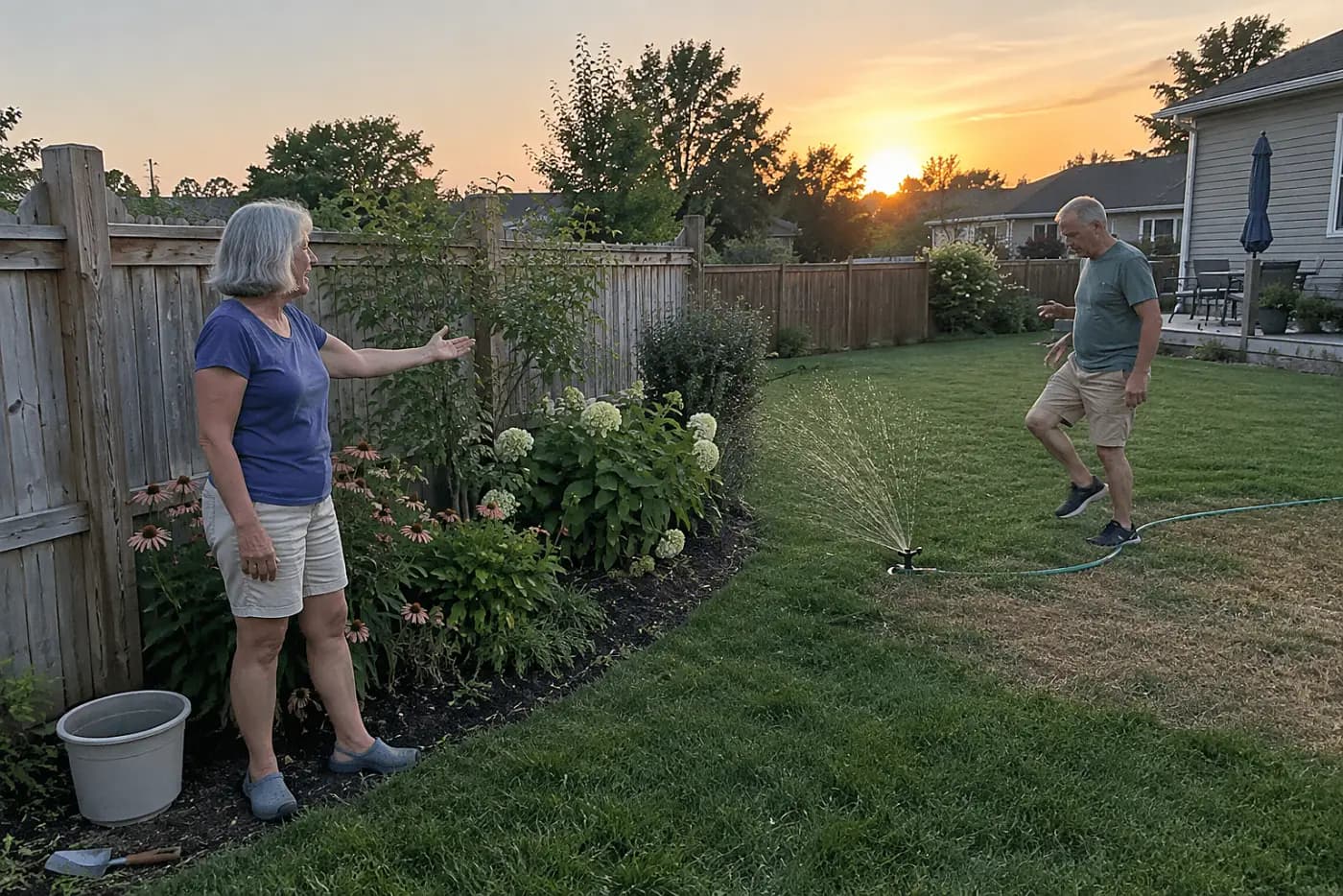
When the hose catches on a paver, watering becomes a second job: freeing it, clearing the path, and getting back inside.
By David Ruiz, Tech & Home Writer
Updated · 16 min read
- Written by our tech & home writer
- How we review

Read to the end: #1 is a bed-by-bed decision that frees next spring, and almost nobody writes it down.
The hose is halfway across the lawn when its coupling catches on a paver. You bend to free it, stand up holding your back, and still have two beds to water. The tomatoes need picking before the heat reaches them. Your gloves are already damp, and the harvest basket is still by the door.
The obvious answer is to work harder on Saturday. But the garden grows between Saturdays, and last Saturday's work is still in your shoulders when the next one arrives. You love the place, even when keeping it up starts choosing how you'll spend the day.
Here are 23 signs worth noticing before you plant again.
23The hose stays stretched across the lawn
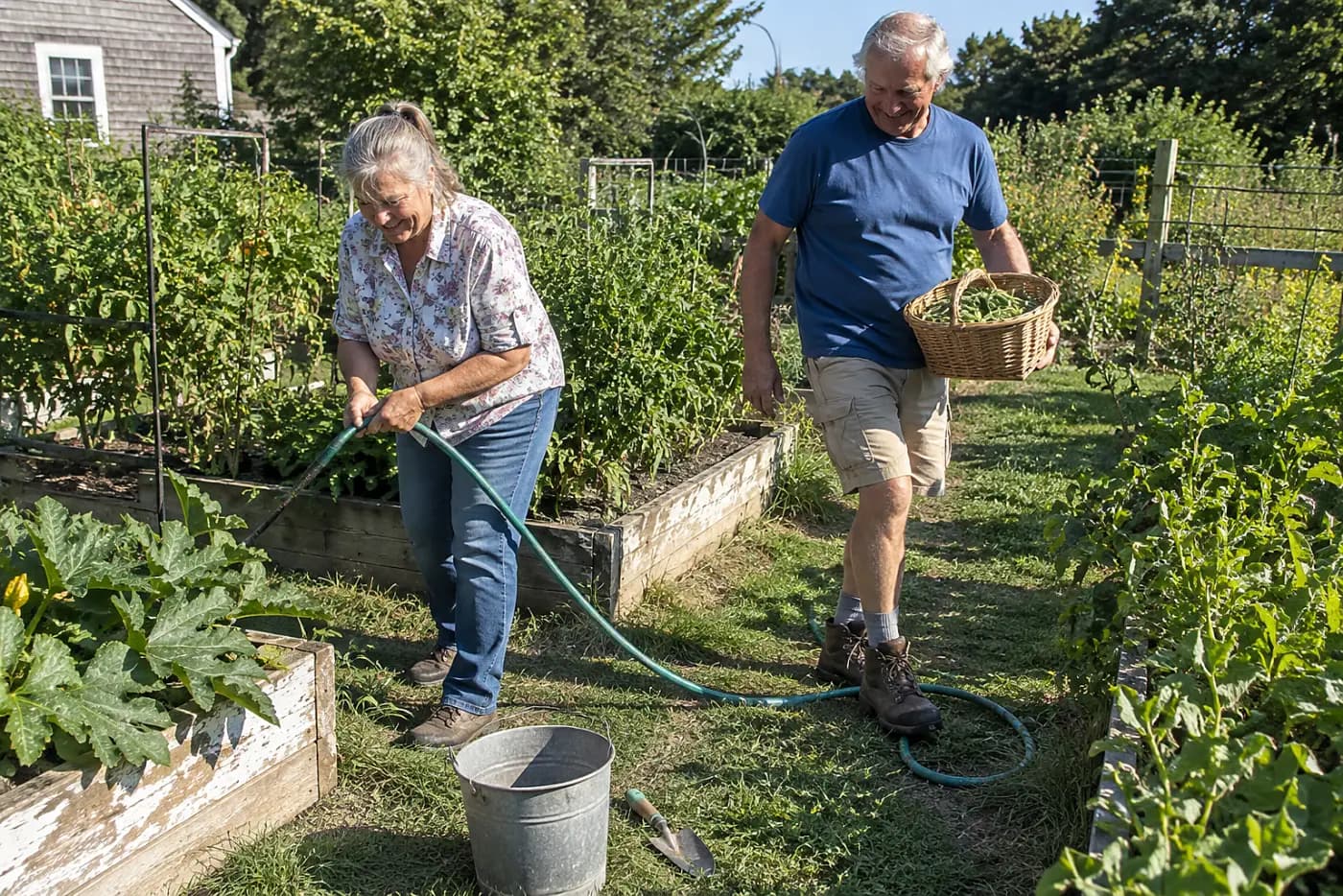
The hose has become a trip across wet grass.
After watering, you leave it out because winding it takes another round of bending. Then it lies across the path you use with a harvest basket. CDC fall-prevention guidance starts with clearing walking routes.
A fall would cost more than the minute saved. The hose also tells you how far every watering trip now reaches.
This week, move the hose off the path before going inside. Say, “I need water close enough that I’ll put this away.”
The next clue waits where the water lands.
22The watering can needs two trips
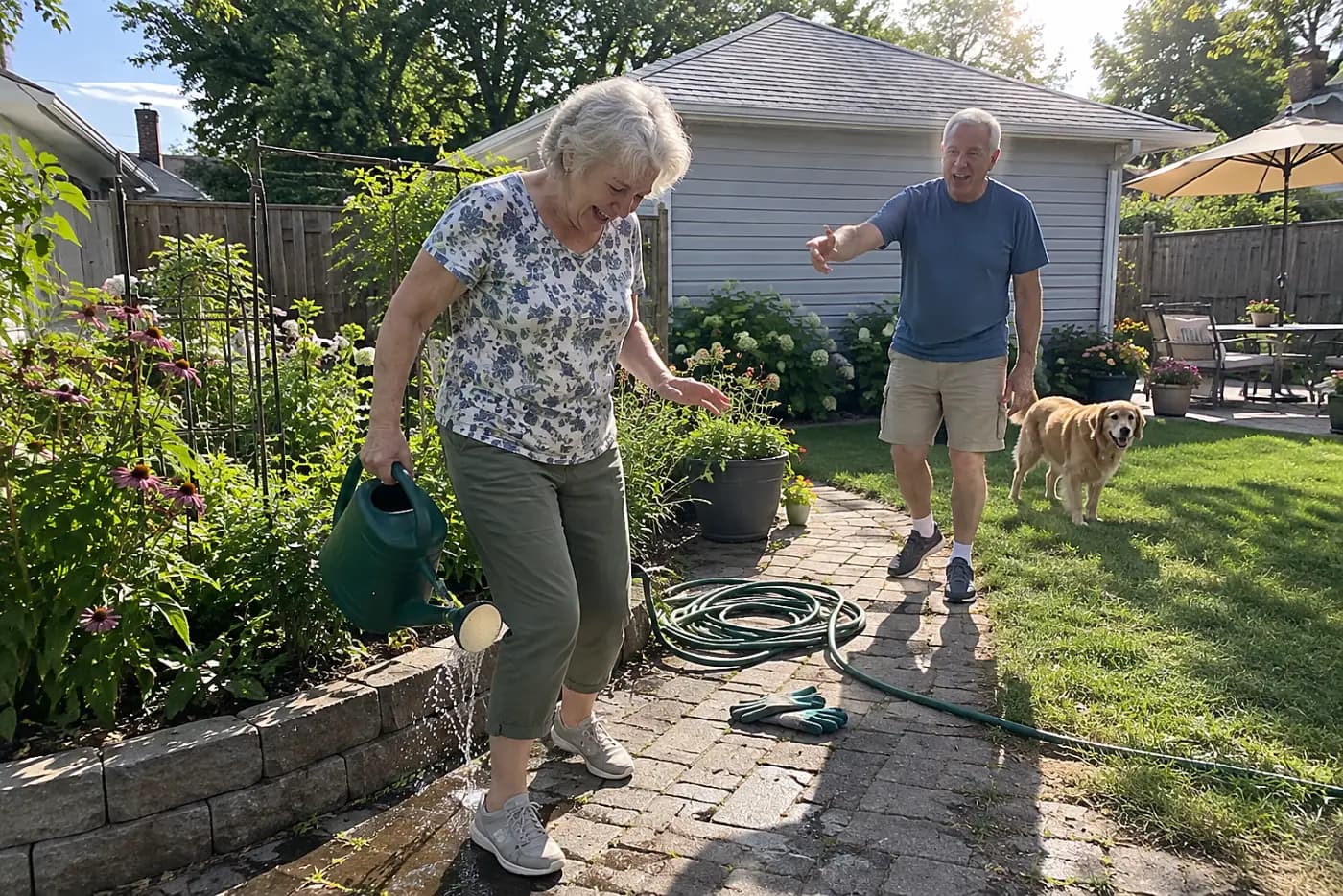
A full can feels different on the return trip.
Carrying water from the faucet to a distant bed asks one arm and your back to steady a shifting load. Emptying half the can makes the walk easier, but doubles the walks. The National Institute on Aging has guidance on staying active; your own breath on this route is evidence.
If watering leaves you too tired to pick ripe food, the route has taken over the job. That happens before a bed looks neglected.
This week, fill the can halfway and count the trips to each bed. Say, “This bed needs a closer water source or fewer thirsty plants.” Write the count beside the bed’s name, rather than trusting how the walk felt afterward.
Distance is easier to miss when the ground looks tidy.
21The mulch bags wait beside the driveway

Those bags are still where you unloaded them.
The National Institute for Occupational Safety and Health advises keeping loads close to your body when lifting. A bag lying flat on the ground makes that hard. Moving each one again to reach a bed adds another lift.
Meanwhile, the bags block the driveway or the way to your tools. You face that heavy job every time you pass them, even on days you had no plans to garden.
This week, open one bag where it sits and move mulch in a small bucket. Say, “I’m buying loose mulch or smaller bags next time.”
Another job has been waiting while you pass.
20The compost pile needs a pitchfork

The pile needs turning, and your shoulders know it.
A compost pile breaks down without a perfect turning schedule. Turning speeds the process by bringing air into the center, as the EPA’s composting guidance describes. That difference matters when the pitchfork has become a task you avoid for days. You can keep adding kitchen scraps without promising yourself a full workout.
A pile you dread turning becomes a place to stack more work. Buying finished compost for the beds you actually plant is another choice, not a failure.
This week, look at what goes into the pile and stop adding woody stems you can't manage. Say, “I’m keeping one small pile and letting it take longer.” If the pile blocks a path, move the bin closer to where you carry scraps, before adding another armful.
Something else is growing faster than the pile.
19The weeds reach seed before you
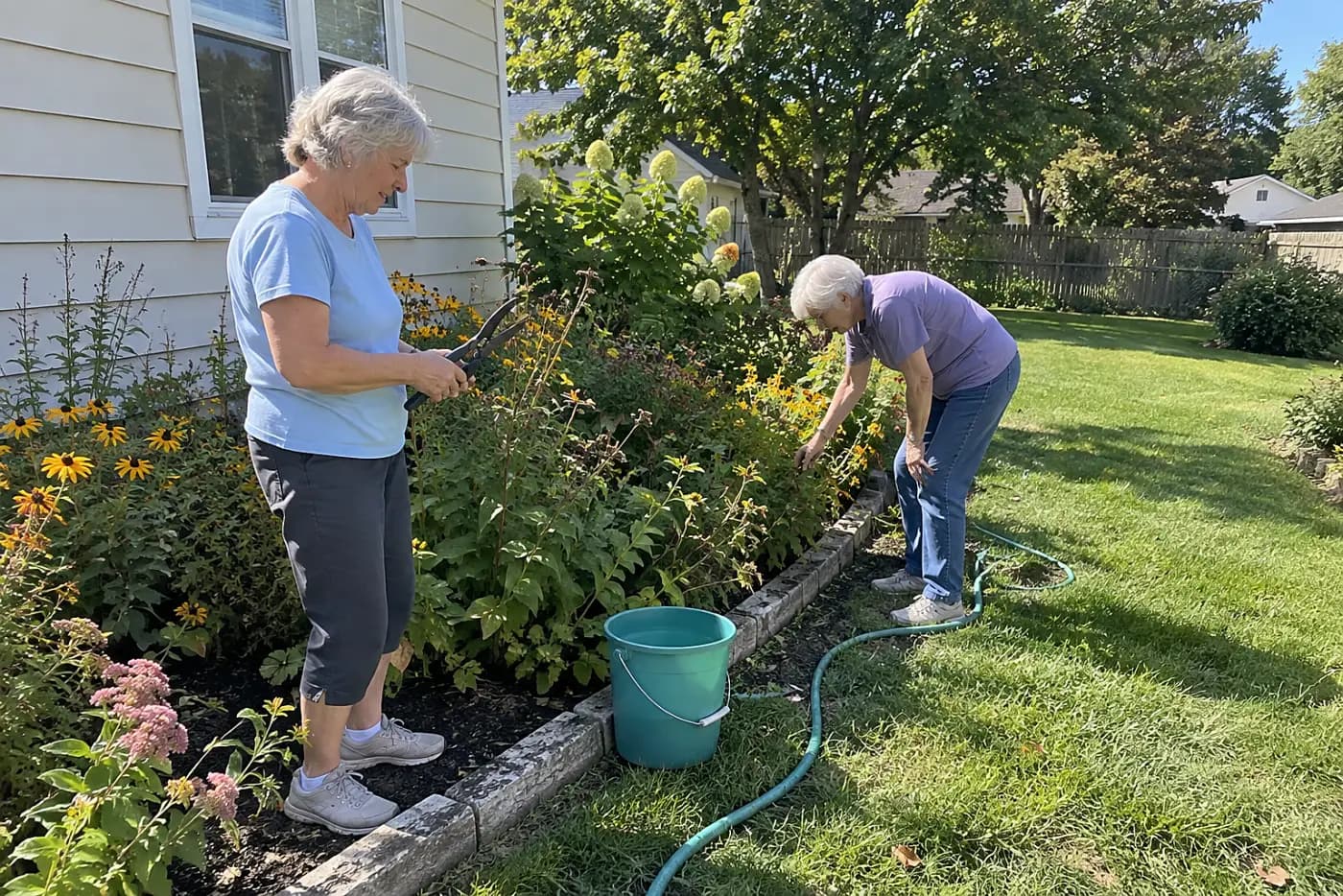
You keep seeing the same weeds from farther away.
A weed that flowers and sets seed creates work beyond today's pulling. Waiting for the whole border to be clear before starting gives those plants the advantage. The University of Minnesota Extension publishes weed-control guidance, including plant identification.
That seed spreads the job into next season. If you spend your whole afternoon pulling small weeds, the flowering ones remain to make more.
This week, cut the seed heads from one trouble spot first. Say, “The front edge gets my time; the back edge gets cover.”
Then look at what the border asks of you.
18The border has lost its walking space
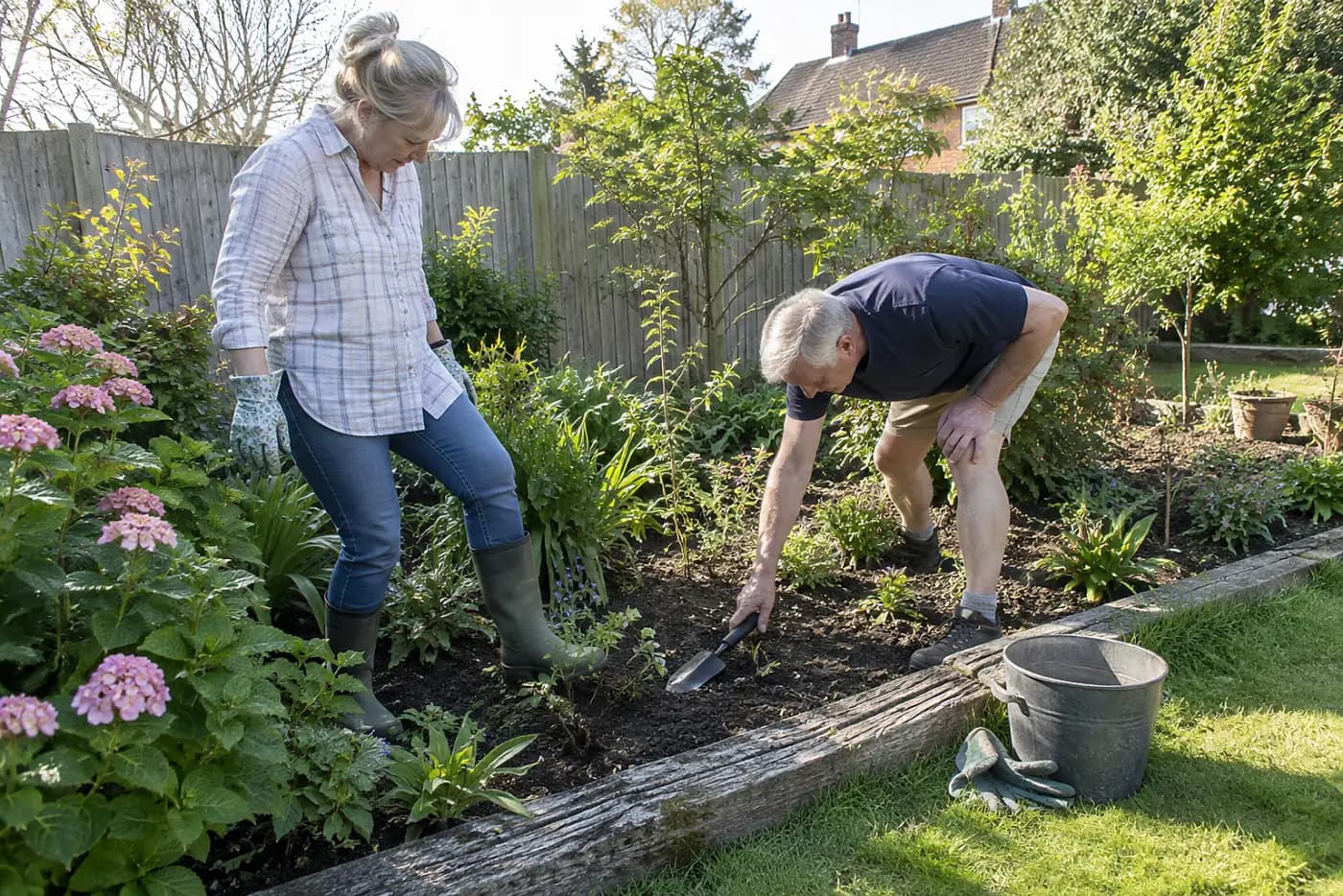
The plants have claimed the place your feet need.
A border planted wall to wall looks full from the kitchen window. To reach its center, you step between stems or lean across them. Each reach turns deadheading, weeding, and cutting back into a balancing act. A gap for your feet is working space, even if you never planned to show bare soil.
Without that gap, a small job starts with trampling a plant or twisting your back. OSHA’s ergonomics guidance addresses repeated awkward positions at work; the strain doesn't vanish at your garden gate.
This week, choose one place to step and clear a stable foot-sized space. Say, “I need room to reach this bed without climbing into it.” Leave that opening when you divide or replace plants next season.
Some plants still demand that you reach overhead.
17The ladder comes out for pruning
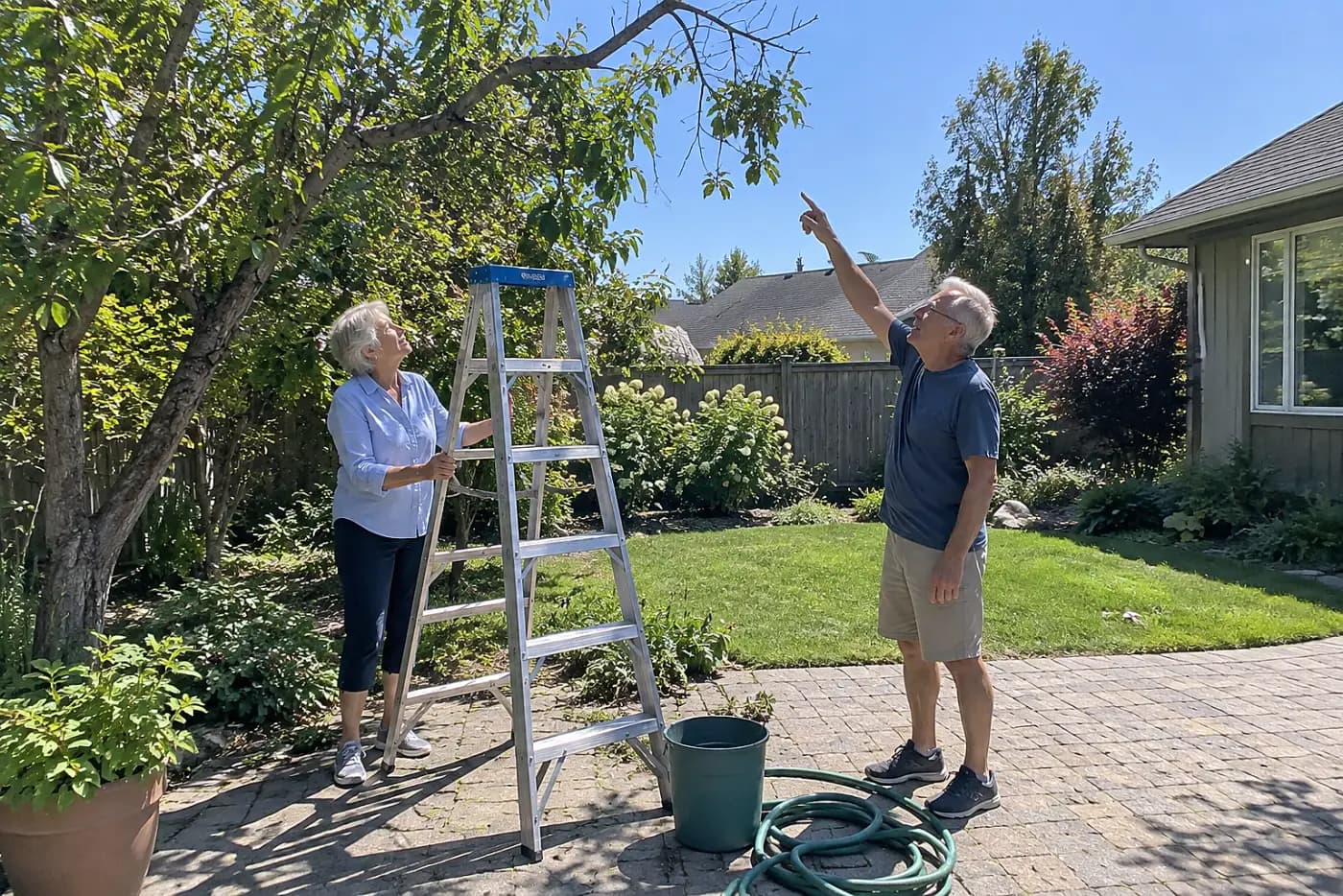
The ladder means the shrub has chosen your height.
Once the top is beyond reach, shaping it takes a climb rather than a snip. Pruners in one hand leave less attention for where your feet go. The American Academy of Orthopaedic Surgeons publishes ladder-safety guidance.
A taller shrub asks for the same climb again next year.
This week, mark the branches you can't reach from the ground. Say, “I want this kept at a height I can prune without a ladder.”
The height problem has a lower cousin.
16The groundcover hides the path edges
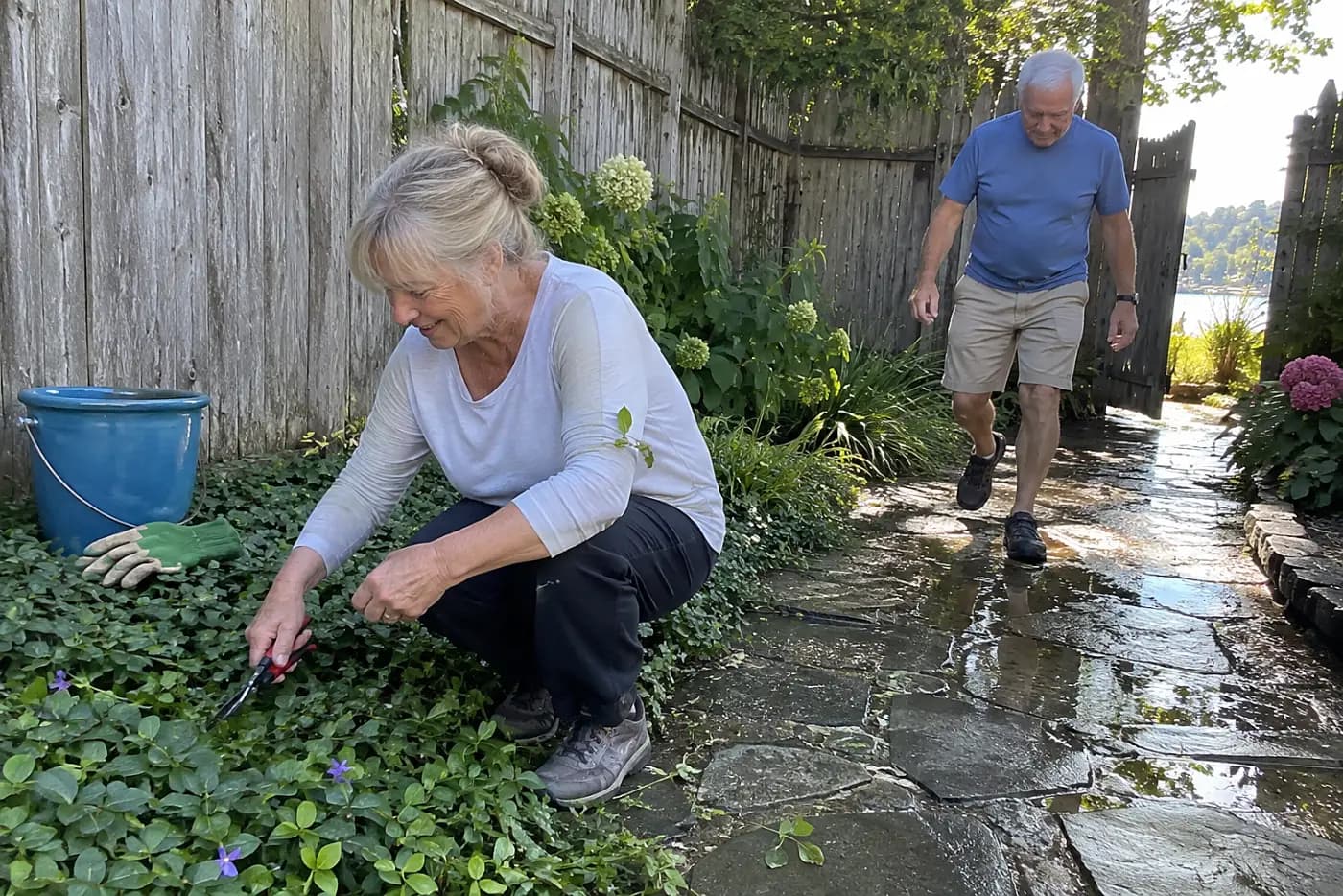
You now search for the edge with your shoe.
Low plants spill onto a path so gradually that each day's change looks harmless. Rain presses stems flat, hiding loose stones and the line between paving and soil. Cutting everything back at once becomes another big job. A narrow visible strip gives your feet a boundary before you take the next step.
CDC fall-prevention guidance recommends removing trip hazards. A path you cross while carrying tools deserves that attention more than a picture-perfect bed.
This week, cut back the plants along the route you use most. Say, “I’m clearing the walking line first; the rest can wait.” Check it again after rain, when growth leans across the paving and the stones are harder to see.
The path gets even trickier after dark.
15The evening harvest needs a flashlight

Dinner now sends you outside after sunset.
Ripening crops don't wait for an open afternoon. When picking slips to evening, you carry a basket, watch for fruit, and try to see each step. The garden has taken time from a part of the day meant for rest.
Missing one tomato costs little. Missing the step beside it is different. That path is harder to judge when the flashlight points at the fruit instead of your feet.
This week, harvest only what you reach safely in daylight. Say, “I’m planting less of anything that needs checking every day.”
The next sign is sitting in the kitchen.
14The harvest basket stays on the counter

The basket made it inside; the work didn't.
Growing food includes washing, sorting, storing, and eating it. A heavy harvest left overnight becomes tomorrow's kitchen task, beside tomorrow's garden task. USDA FoodKeeper gives storage guidance for produce, but no chart clears your counter for you. The basket is a useful measure of how much the garden produces beyond what you want to handle.
Food that spoils there has used planting, watering, and picking time without feeding anyone. You don't owe every ripe zucchini a second shift.
This week, note which crop sits longest after picking. Say, “I’m keeping the amount we eat, not the amount these plants produce.” Put the extras where they'll be used promptly, then change next year's plant count.
The plants still fruiting deserve a closer look.
13The tomatoes need daily tying
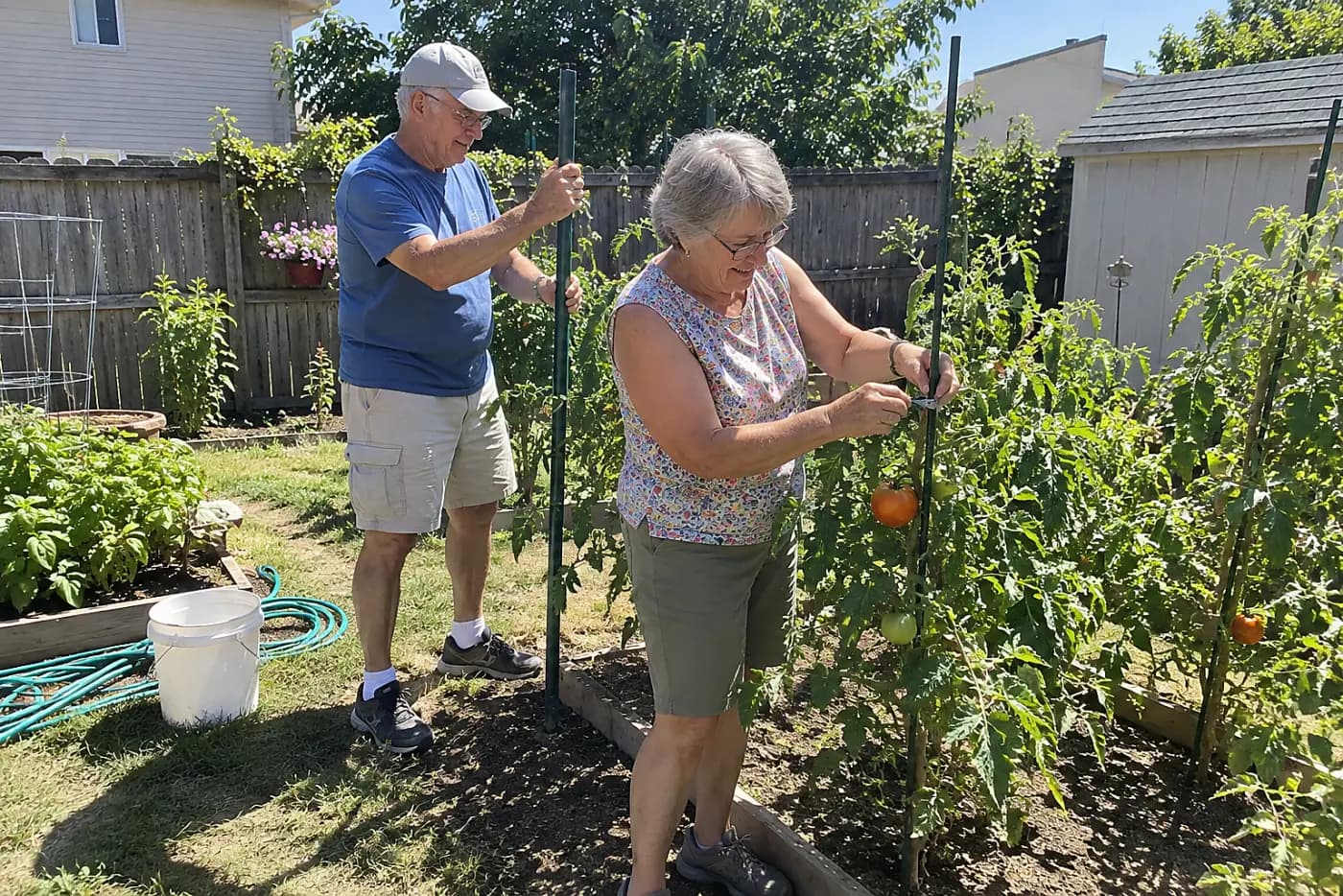
The tomatoes are growing faster than you can secure them.
A stem grows beyond its support, bends under fruit, and becomes harder to tie without damage. Adding another plant increases tying before it increases meals. Cornell Cooperative Extension has guidance on tomato support and pruning.
An untended vine puts fruit on the ground. It also turns a quick pick into a repair job.
This week, count the plants still needing ties. Say, “Next year, I'm growing only the tomatoes I can support.”
And some crops need hands in the soil, not on a vine.
12The potatoes remain in hard ground
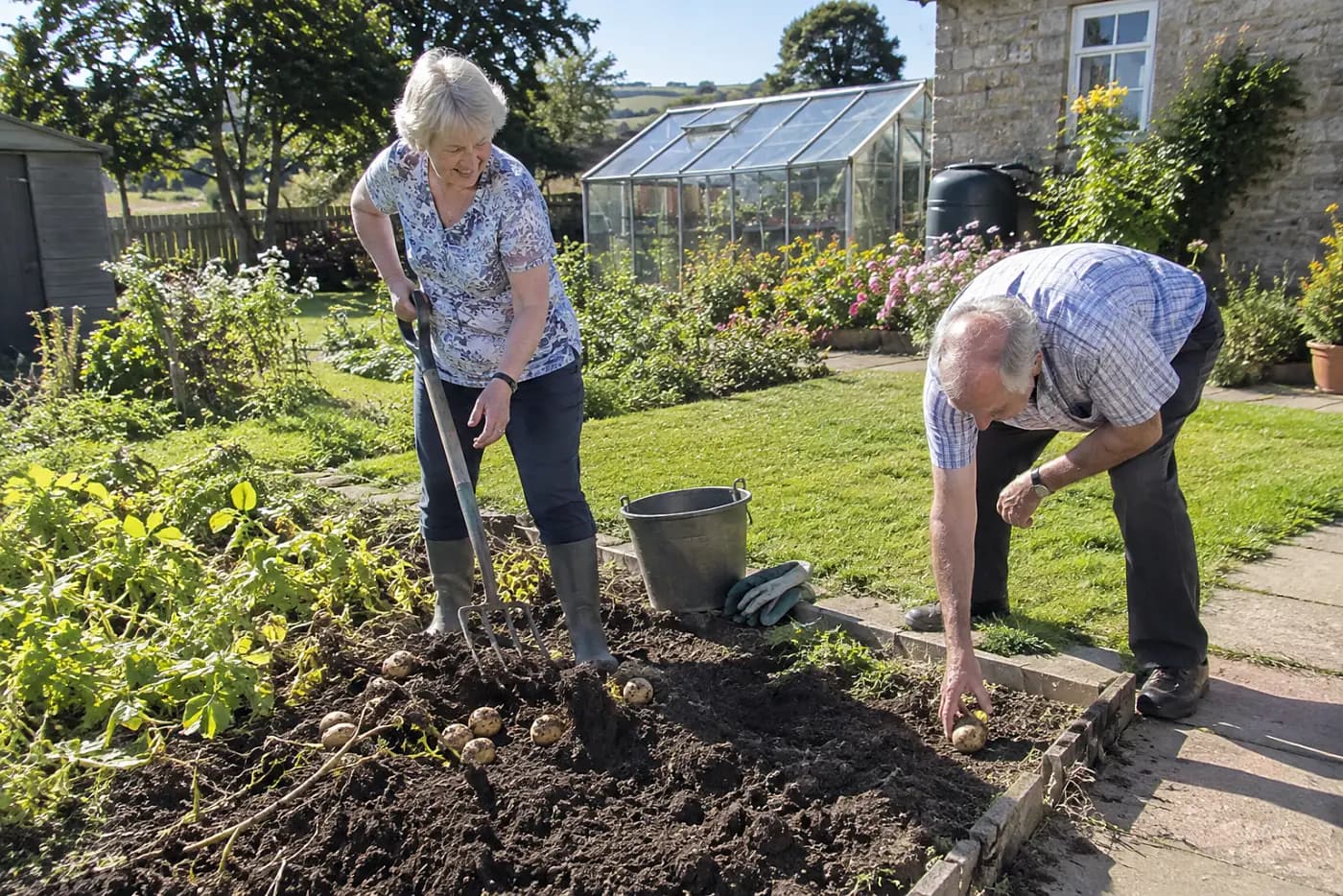
The potatoes are ready, but digging takes the day.
Harvest asks you to loosen soil, find each tuber, and carry the crop out. Dry, hard ground makes the first step slower; repeated bending makes the last step harder. The USDA’s Plant Hardiness Zone Map helps with plant choices, but it doesn't tell you whether a crop suits the way you work.
Leaving potatoes in place risks damage from pests and wet conditions. Planting a crop you can't bring indoors is a sign to change the crop, not prove your stamina.
This week, dig a small section after moistening the soil. Say, “I like potatoes, but this bed takes more digging than I want.” Record how much you brought in and how long the job kept you out there. That's better evidence than the seed catalog.
A different harvest leaves work behind even after it's picked.
11The spent plants still fill the beds
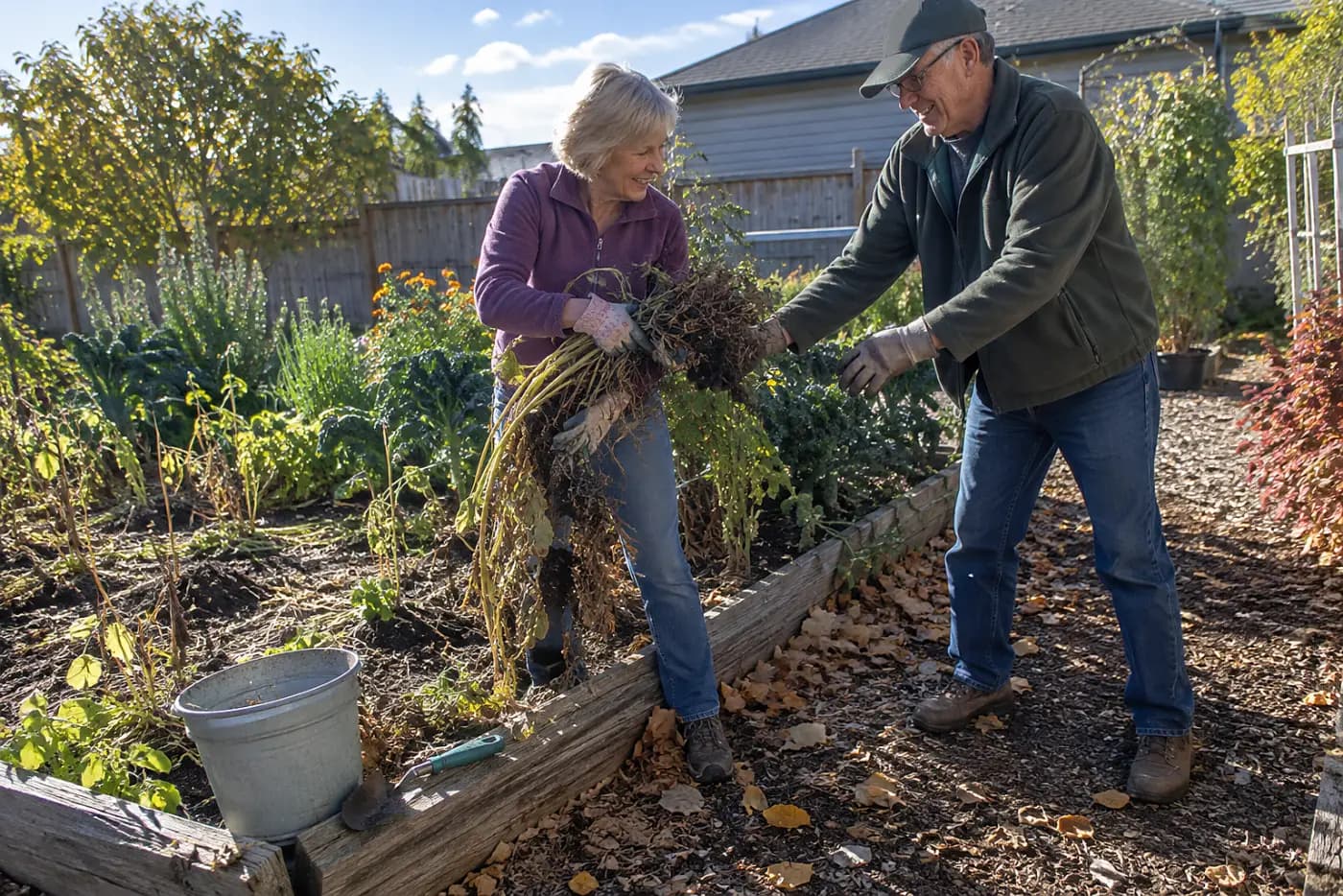
The growing season ended; the cleanup didn't.
Dead stalks block the space you'll prepare next. Pulling, chopping, and hauling them are three jobs, not one. Sound, seed-free stems can stay on the soil while they break down. You don't have to haul every piece away.
A bed that waits for perfect cleanup stays unavailable. Diseased material and seeding weeds still need separate attention, or they'll greet you when you return to plant.
This week, clear one planting space rather than the entire garden. Say, “This bed gets ready first; the others can wait.”
Then notice what's waiting beside the gate.
10The tools live where you dropped them
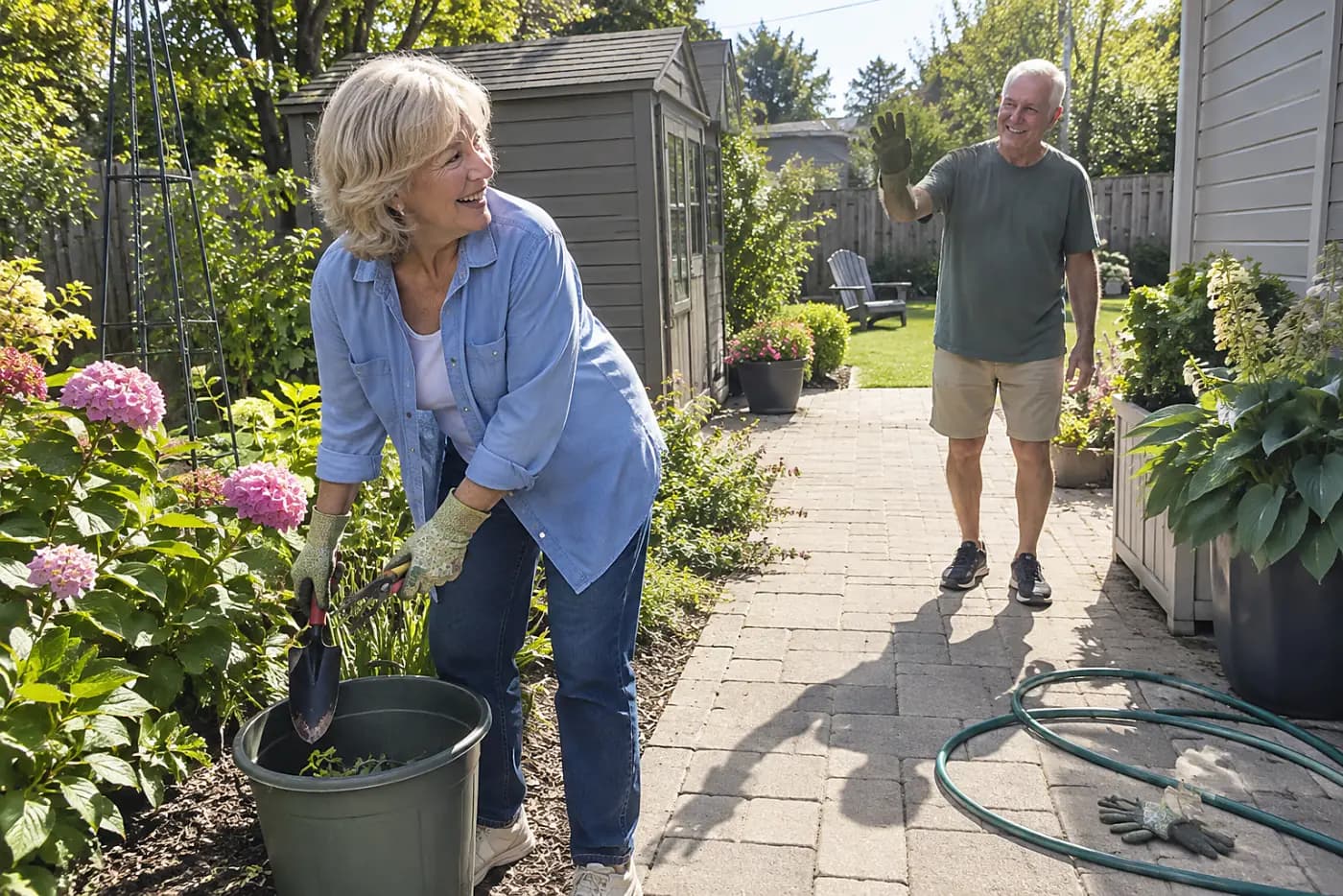
Your tools are marking where work stopped.
A trowel left in a bed means the return trip to the shed felt like too much. Several scattered tools turn the next job into a search before any work starts. Rain and damp soil also wear at wooden handles and metal surfaces. A storage spot beside the work solves a different problem from a perfectly organized shed across the yard.
Losing ten minutes to a hunt isn't the largest cost. The larger cost is giving up on a task before you even begin.
This week, place a bucket or weather-safe container near your most-used bed. Say, “The tools belong where I use them now.” Put only the trowel, gloves, and pruners there; leave the rest where they are until you know which tools earn the shorter trip.
Other supplies tell the same story in plain sight.
9The unopened seed packets fill a drawer

Those packets describe a garden you haven't had time to grow.
Seeds need sowing, thinning, watering, and space after germination. Buying them takes minutes; finding room for the plants takes a season. Your drawer holds plans that never reached the soil, not a set of jobs you still owe.
Unused seeds cost less than a bed you feel obliged to fill. Each unopened packet also shows which crops lost out when your time went elsewhere.
This week, separate packets you will sow from packets you won't. Say, “I'm choosing by the work after planting.”
The next purchase deserves a different test.
8The nursery cart holds replacement plants

The empty spot keeps sending you back to the nursery.
A plant dies, and filling the gap feels easier than asking why it failed. If that spot stays too wet, too dry, or too shaded, the replacement inherits the problem. Check the soil and light before you buy: another healthy plant won't fix the place it has to grow.
Each replacement creates another watering and establishment job. A bare patch asks nothing from you this week.
This week, leave one failed spot empty and check its light and soil after rain. Say, “I’m not buying another plant until I know what happened here.” Photograph the spot in morning and afternoon light so you have something better than memory at the nursery.
The plants already thriving have another demand.
7The perennials need dividing again
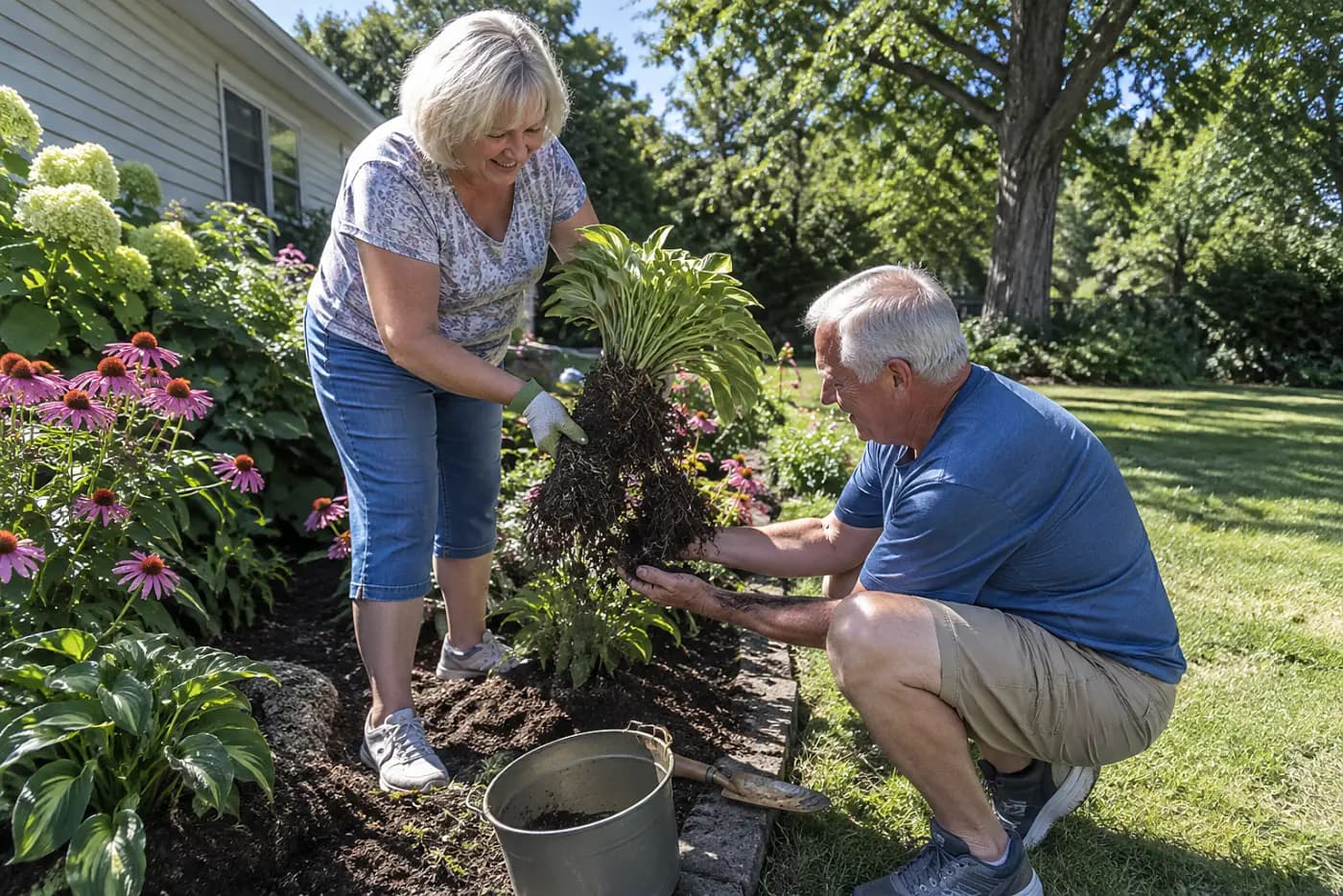
The clump grew; your available afternoon didn't.
Dividing means digging, lifting, cutting, replanting, and watering. A thriving perennial turns into several plants that each need a place. Penn State Extension publishes perennial-care guidance, including division. Its instructions won't make room for the extra plants.
Keeping every piece expands the garden by accident. Giving pieces away still requires someone to collect them, and potting them creates another watering job.
This week, choose which clumps you want to keep at their current size. Say, “I have plants to share, but I won't pot them up.”
Growth asks for room somewhere else, too.
6The shrubs block the kitchen window

You planted a view; now you prune to recover it.
A shrub placed close to the house grows into windows, walkways, or other plants. Cutting it back repeatedly keeps a poor location in service. Before removing one, check for nesting birds; the U.S. Fish and Wildlife Service has guidance on protected migratory birds and nests.
The price is time spent correcting the same shape every season. A plant that has outgrown its place isn't owed the place forever.
This week, stand inside and mark what the shrub blocks. Say, “I want to see out this window without pruning twice a year.” Then decide whether a smaller plant belongs there when the current shrub's life ends.
Inside the fence, the lawn is asking for its share.
5The mower circles too many beds

Mowing has become a maze you designed.
Every island bed adds edges, turns, and places to back up. The lawn's size alone won't tell you how tiring mowing feels. Count the stops and starts instead. The EPA’s WaterSense program also has outdoor water-saving guidance for lawns you're working to maintain.
The turns take time before you reach a single flower. They also keep your hands on the mower longer than a straight route would.
This week, trace the mower route on paper. Say, “I’m joining these beds instead of trimming between them.”
The edge left behind has its own chore.
4The edging waits until company comes
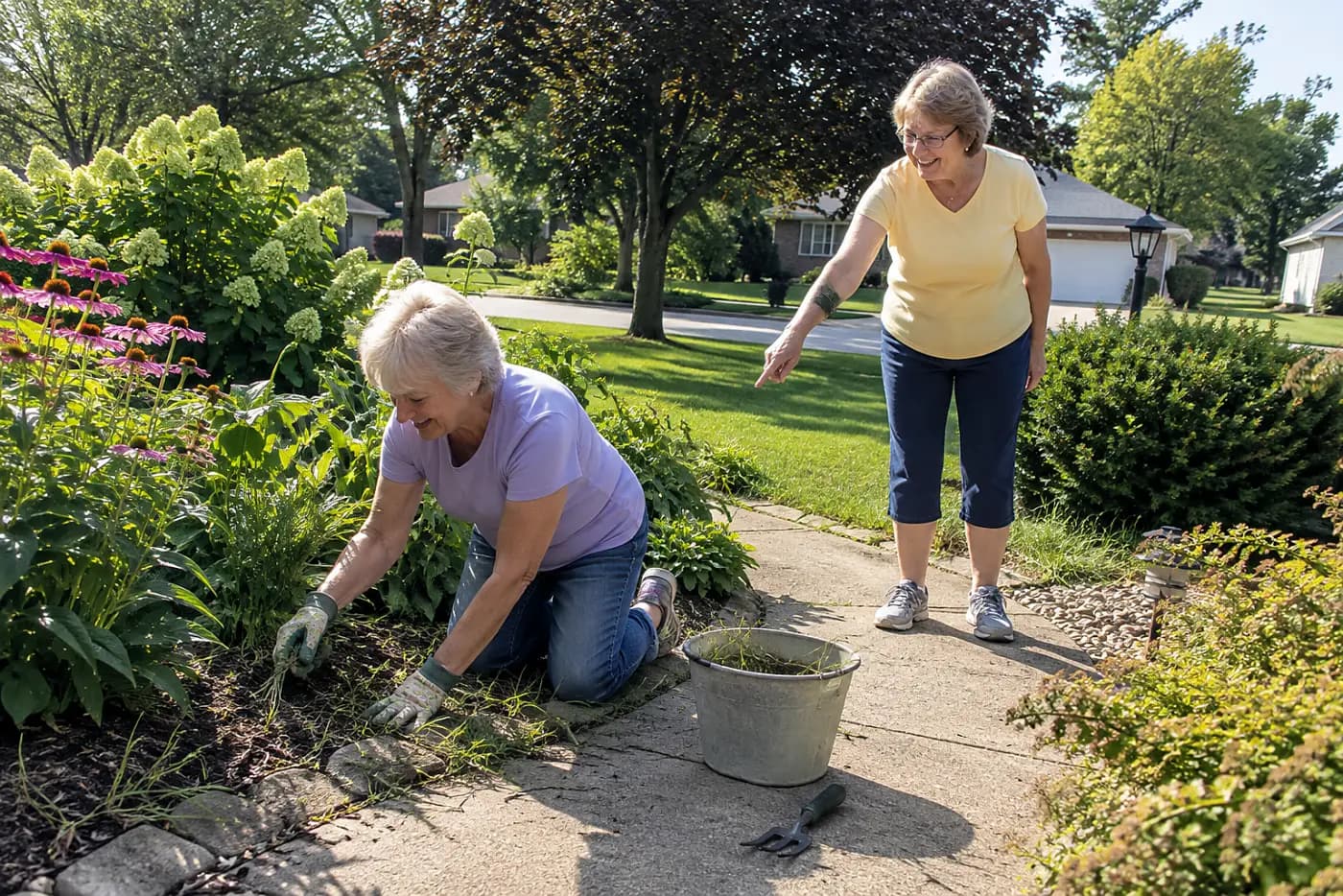
The edges get done only when someone will see them.
Edging is visible work, so it slips behind watering and harvesting until a visit puts it back on the list. By then, grass has crossed into beds and the task needs more cutting and pulling. A wide, clear border gives you less line to maintain than a series of small curves.
The cost is a garden that makes you feel behind whenever you walk up to the house. That feeling isn't proof the edges matter more than the rest of your day.
This week, choose the one edge you care about seeing. Say, “I’m keeping this line and letting the back one grow.” Mark it on a sketch, so the next tidy-up follows your choice instead of the visitor's arrival.
There's another kind of work no visitor sees.
3The watering timer needs constant resetting
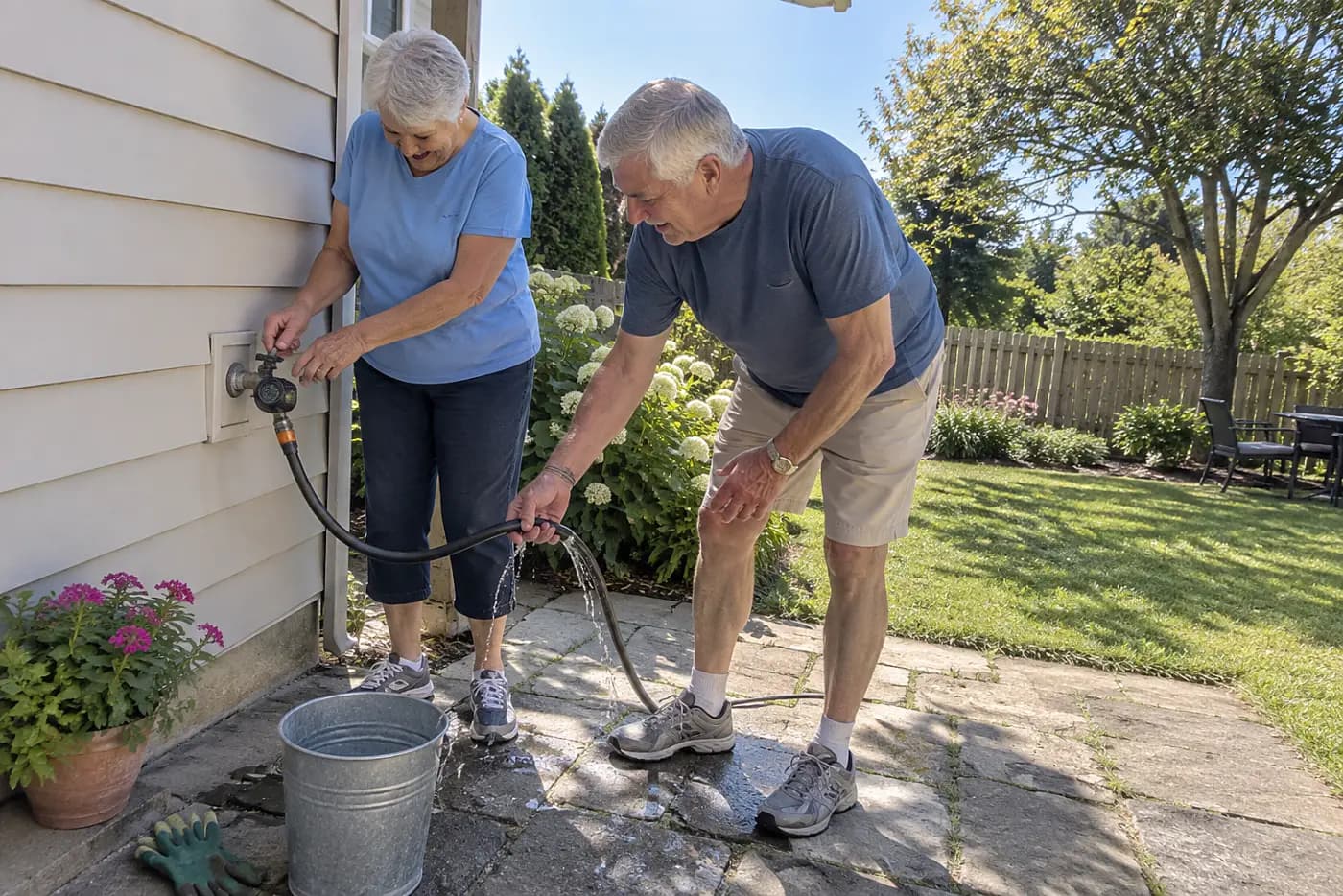
The timer was meant to save you a trip.
When beds hold plants with different water needs, one schedule leaves some thirsty and others soaked. You keep adjusting it and checking the result. WaterSense outdoor guidance recommends matching watering to the plants and conditions, but your timer still needs you to notice the mismatch.
A gadget that needs daily attention hasn't reduced your workload. It has moved the work from the hose to the dial, then sent you back to check the soil.
This week, group the thirstiest pots near one faucet. Say, “I need fewer watering zones, not another setting.”
Now count the trips nobody sees.
2The porch chair faces unfinished beds
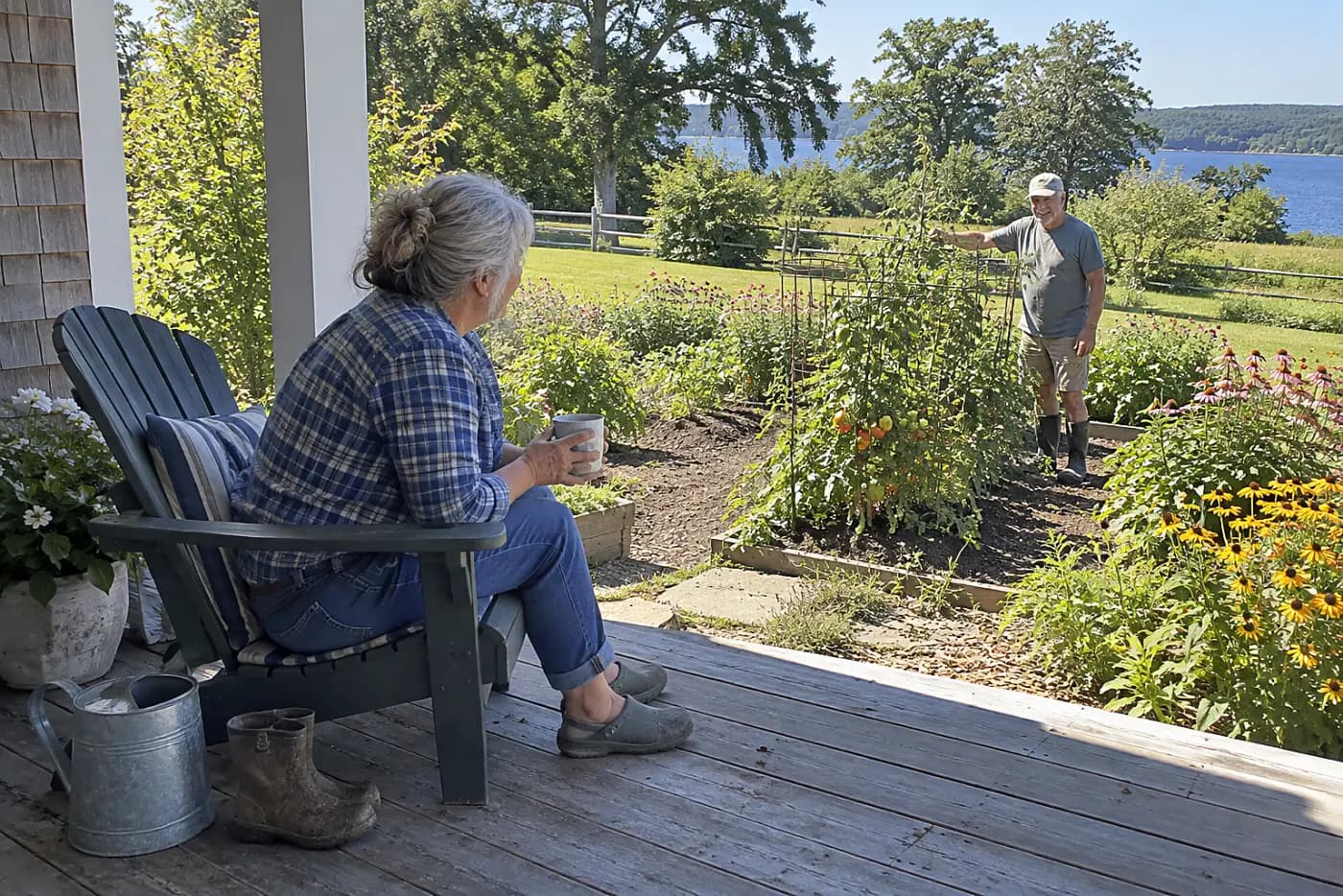
Even sitting down gives you a job.
From that chair, you notice weeds, ties, dry pots, and a branch touching the path. The garden once gave you a place to rest; now the view acts like a list. Getting up to fix one thing breaks the pause and draws you into three others. The chair hasn't changed, but what you planted around it has.
Rest lost to an endless scan is a cost worth counting. You don't have to wait until every bed is finished to sit outside.
This week, sit for ten minutes without taking a tool. Say, “I want one view that doesn't assign me work.” Notice what draws you out of the chair first, but leave it alone for now.
What you choose next matters beyond that one afternoon.
1The bed-by-bed plan for next spring

Next spring's workload is being chosen right now.
Seeds, bulbs, and nursery plants sound like future pleasures. Each one also reserves time for watering, weeding, support, harvest, or cleanup. A bed left unplanted stays available if you change your mind. A new planting starts asking for care as soon as it goes in.
Look beyond planting day. The National Institute on Aging advises building rest into physical activity, and garden work still takes effort after the tools are put away. Leave room in the plan for the next day, too.
If you repeat this season's planting without changing the work, the same unfinished jobs return with fresh plants attached. Make the decision before another packet goes into a cart.
This week, draw every bed on one sheet of paper. Beside each, write “keep,” “shrink,” or “rest” based on the work it demanded this season. Say, “I'm planting for the time and energy I have, not the garden I used to run.” Choose one bed to rest first.
The decision still needs a place you'll see it.
The bottom line
Across these 23 signs, the garden keeps assigning work after you've stopped choosing it.
The best-prepared version of you has decided which beds to keep, shrink, or rest. She checks that decision before buying a spring plant.
Which of these has already happened in your garden?
Bonus: The bed-by-bed decision for next spring
- Draw each bed, including containers, on one sheet of paper.
- Write the task that made you put off caring for each one.
- Mark each bed “keep,” “shrink,” or “rest.”
- Choose one bed to rest and cover its soil with mulch or another suitable cover.
- Keep the sheet with your seed packets, and take it along before buying plants.
David Ruiz
Tech & Home Writer
David tests gadgets with real readers in their 60s and 70s, because the best tech is the tech you'll actually use.
You might also like