23 Things You Feel on the First Trip Back to the Town You Grew Up In
The turn onto your old street tests two maps at once: your phone's map and the one behind your eyes.
By Margaret Hale, Travel & Lifestyle Editor
Updated · 16 min read
- Written by our travel & lifestyle editor
- How we review
Read to the end: #1 is the two-address test that gives a changed town room for your present life, and almost nobody makes it.
The traffic light is still where you remember it. The gas station beside it has become a pharmacy, and the turn you once made without thinking sends you past your old block. You pull over beside a curb you don't recognize. For a moment, you wonder whether you're lost or whether the town is.
You came back expecting to measure how much the place had changed. That misses the harder part: the person who knew every shortcut has changed, too, and neither of you owes the other an explanation.
Here are 23 things you feel along the way.
23The exit sign with the wrong store name
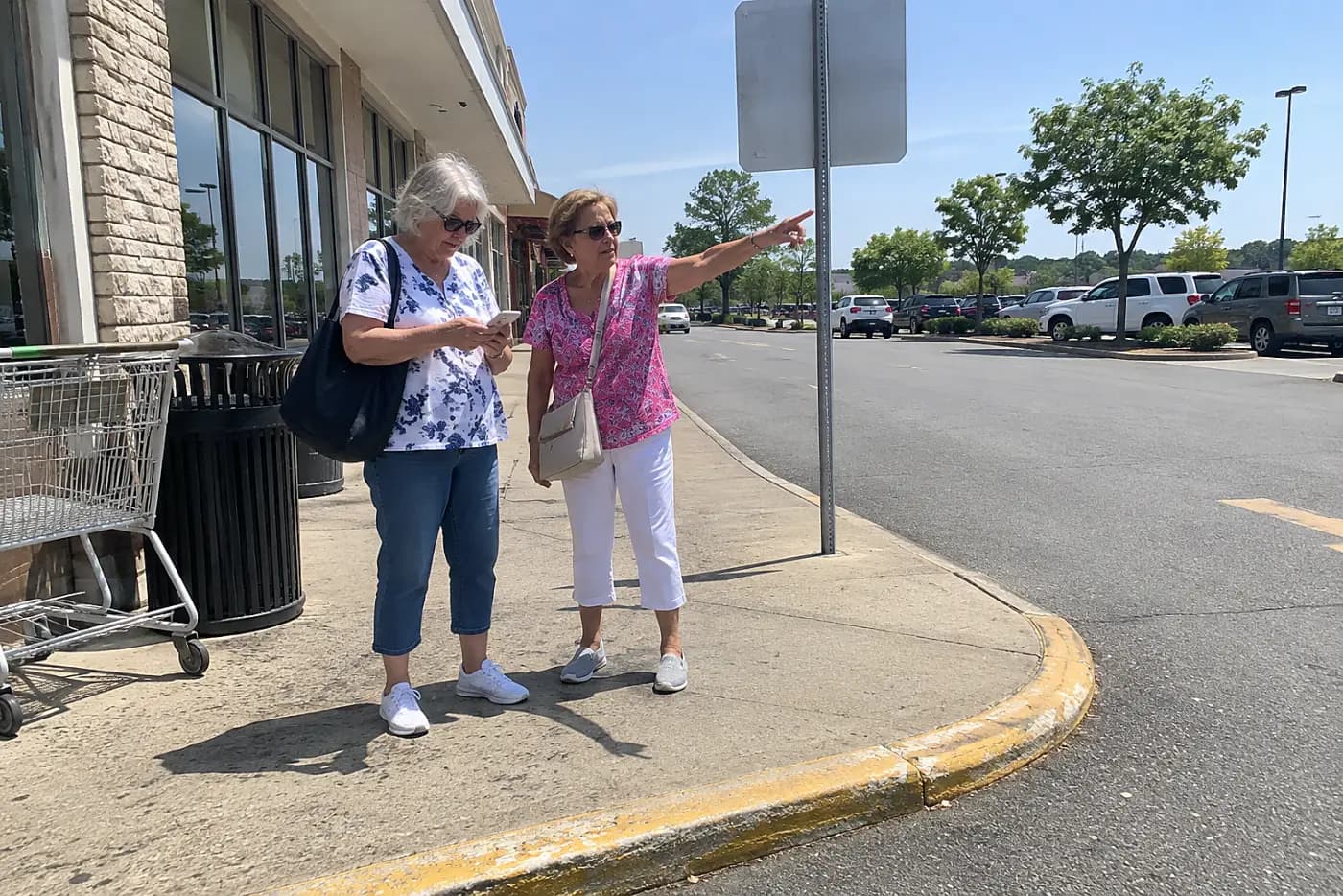
The first familiar turn delivers a place you don't recognize.
A store name stays in your head long after its sign comes down. Your hands prepare for the old turn while your eyes look for a business that has gone. The road hasn't made a promise to keep your bearings intact.
The missed turn costs you a few minutes; its sting lasts longer. Check your route this week using a street address, not the store that once marked the corner. Save the address of your first stop in your phone. “Let's take the street I remember, but follow the address.”
You'll still need to decide what counts as arriving.
22The old house behind a new fence
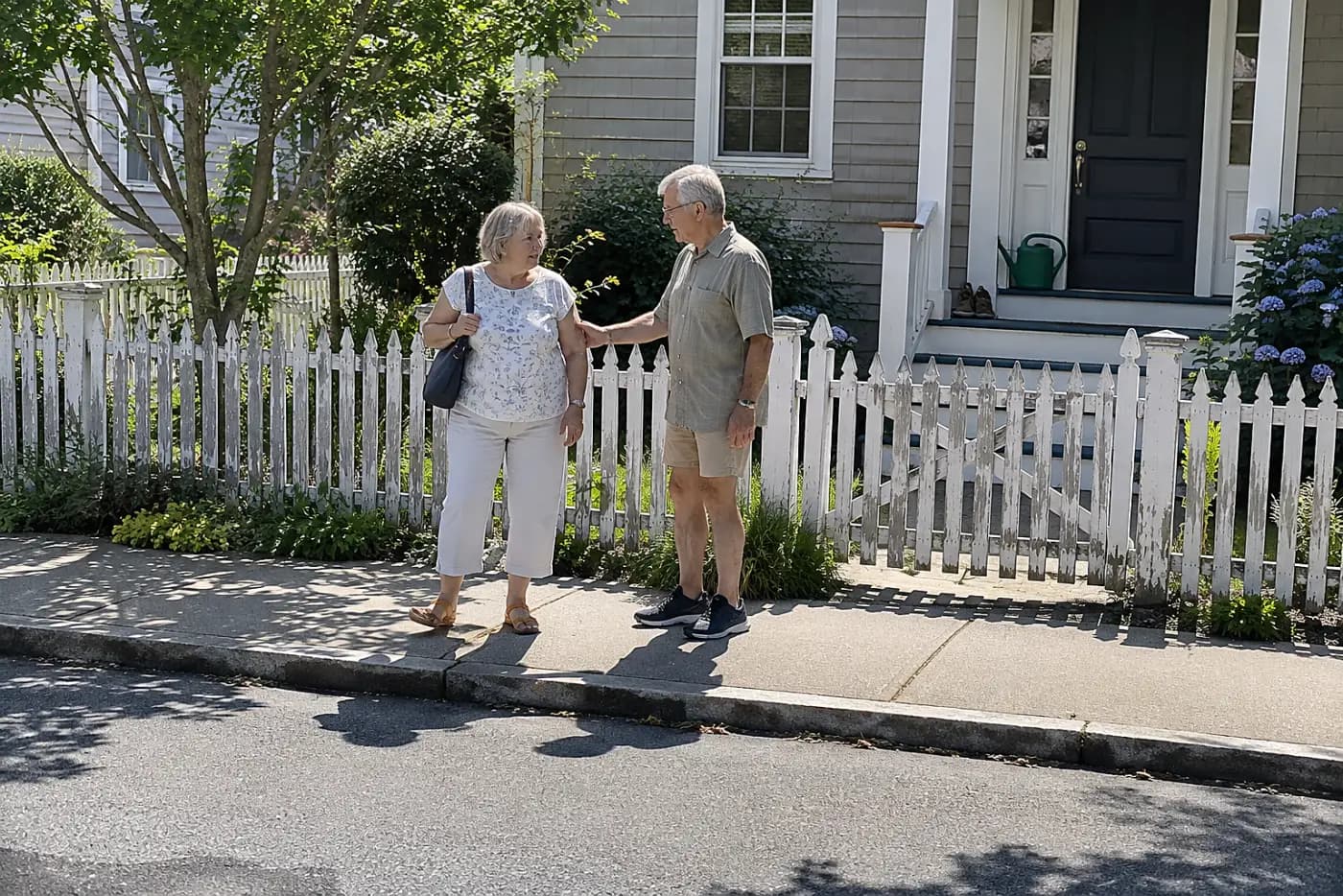
The fence tells you how long you've been gone.
Someone has painted the porch, cut down a tree, or put a fence across the yard where you learned to ride. The house in front of you belongs to the people who live there now. That fact doesn't erase the rooms you remember.
If you go in expecting your childhood to look back at you, a new front door will hurt more than it needs to. This week, write down one thing you want to see from the public sidewalk. Keep the camera in your bag until you've looked with your own eyes. Respect the privacy of whoever is home. “I want to stand here a minute before we go.”
Then turn around. The view from across the street has changed as well, and the walk away asks a different question.
21The sidewalk where your feet remember cracks
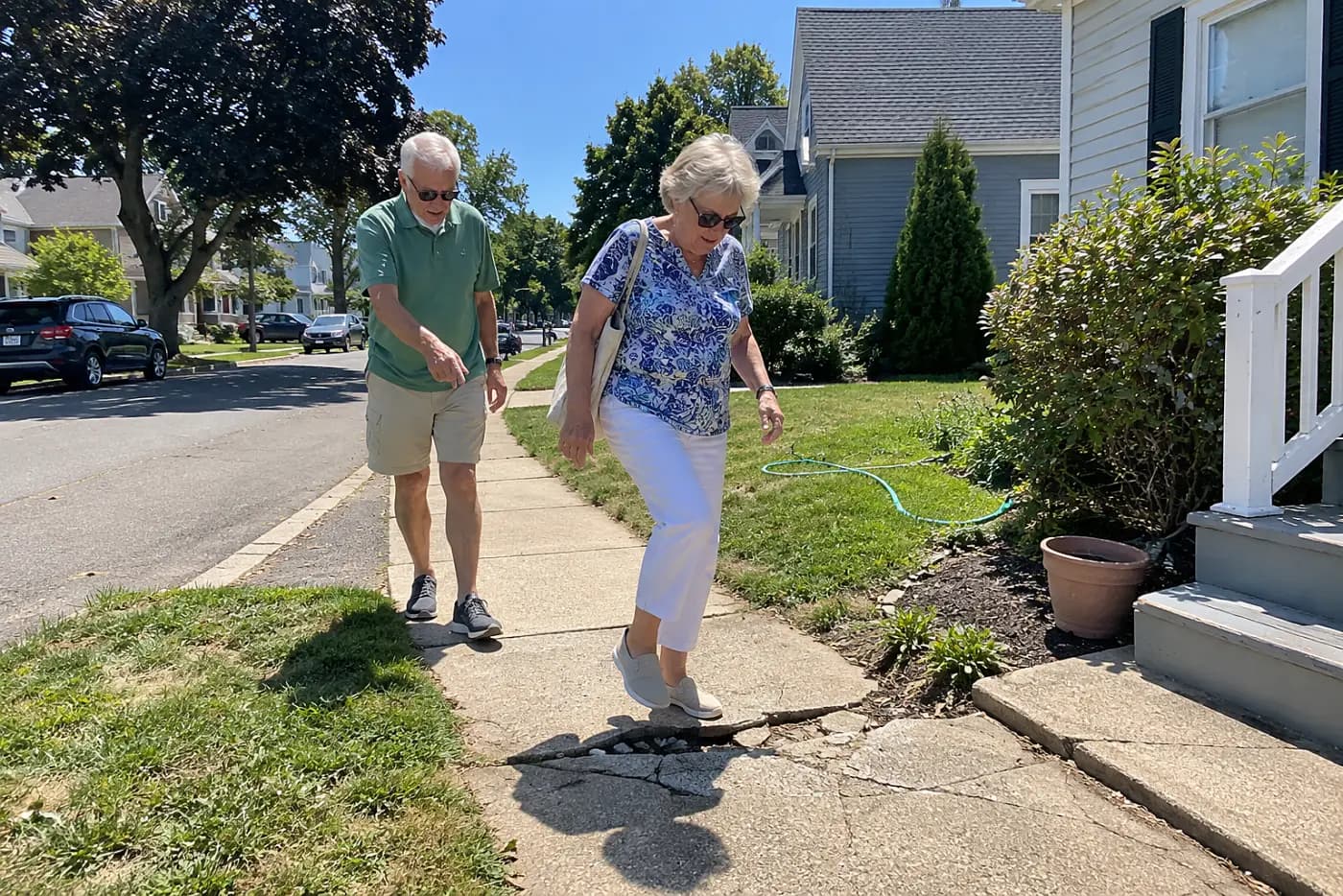
Your feet get there before the years do.
A stretch of pavement brings back the route to a friend's house. You remember which side had shade, then notice your pace is different now. Both observations belong to you.
The corner arrives sooner than it did when you walked here after school. A tree you used for shade is gone, and the curb has been rebuilt. Looking down for an old crack leaves you missing the street in front of you.
This week, choose one block to walk rather than making the whole neighborhood a test of memory. Notice what your body recognizes, then look up at what has changed. “Let's walk to the corner and see where we are.”
At the next corner, another kind of memory waits.
20The school gate outside regular hours
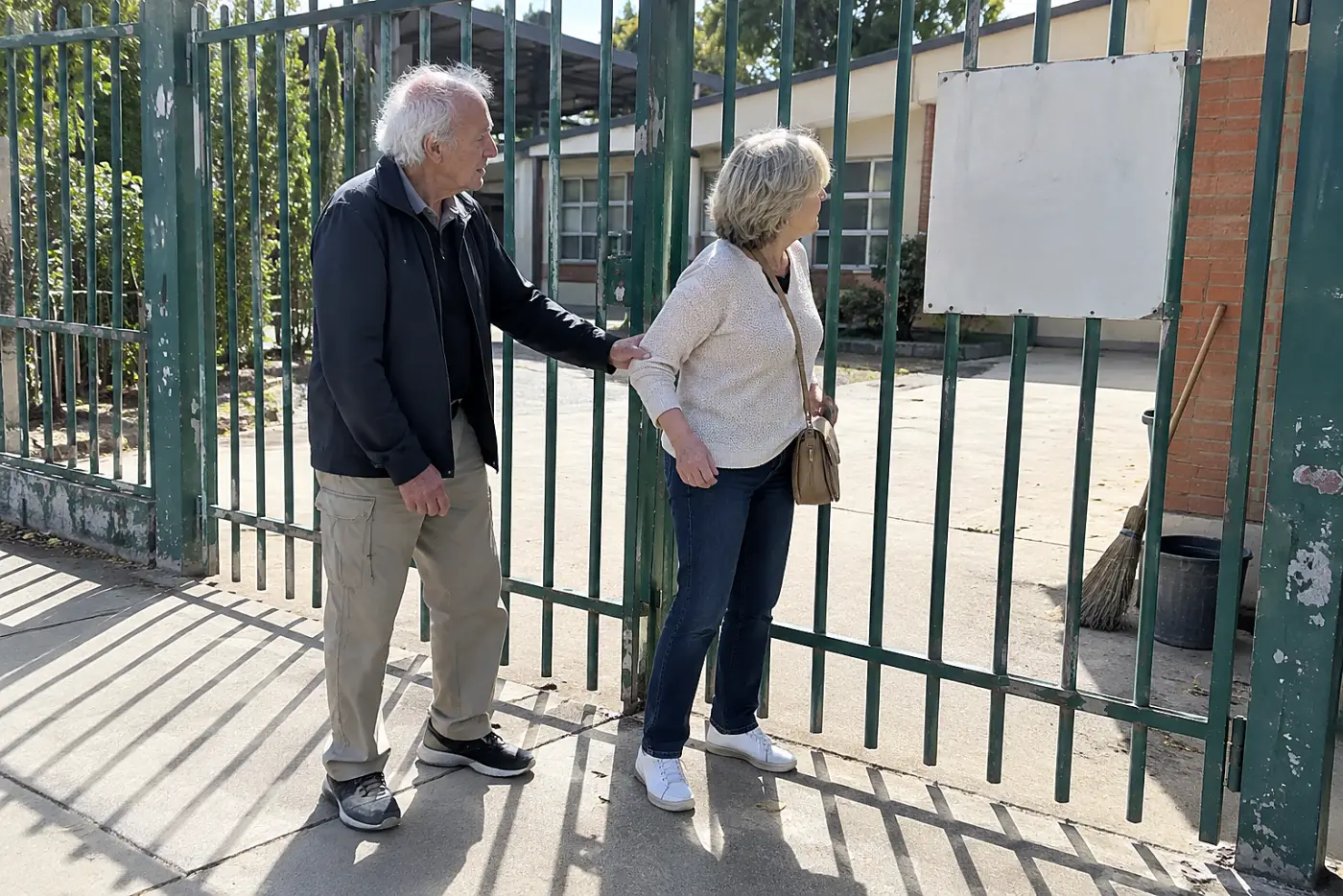
The gate has no reason to know you.
School grounds have a working life that continued after you left. A locked entrance, a new wing, or a different name on the building belongs to the students there now. Your old classroom sits inside a place that has kept going.
Trying a door would put staff and students in the middle of your private memory. The gate gives you a clear place to stop, even if the classroom window is just beyond it.
This week, find the building's current name on the school district's website. Check its posted visitor rules before you plan where to stand. If the gate is locked, stay outside it. “We can see the building from here.”
Across town, another building has its own history with you.
19The library card you no longer carry
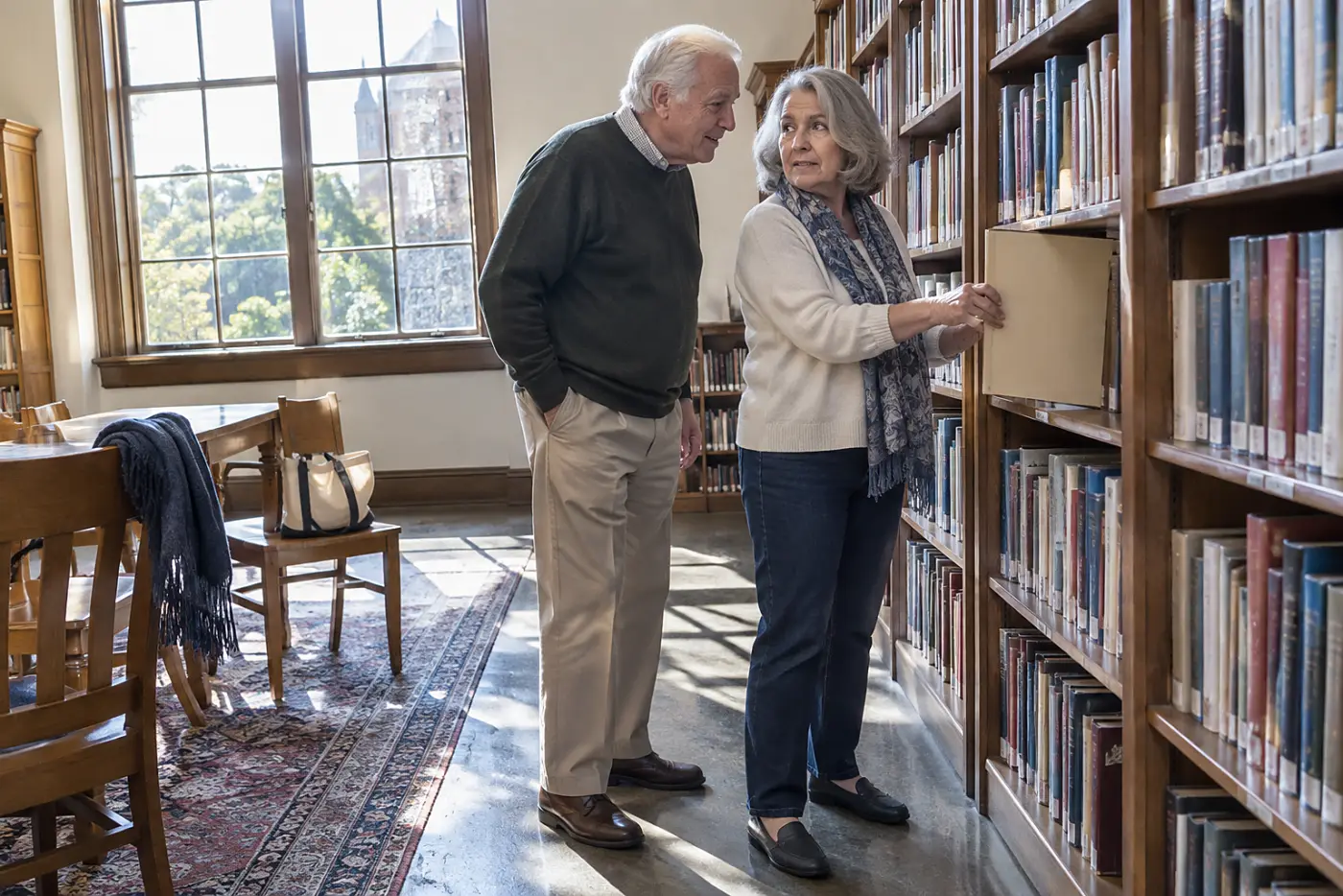
The library still feels like a place to enter.
Its shelves have moved, its hours have changed, and the person at the desk doesn't know what you used to borrow. You can walk through without proving that you once belonged there. The pleasure of finding a book survives a changed floor plan.
You remember going straight to one shelf. Now you pause inside the door, looking for a desk that has moved. Without the library's current hours, even that small pause could become a visit to a locked building.
Check its hours this week on the library's website or through the Institute of Museum and Library Services library search. Once inside, find the children's room. “I'd like to see where the children's books are now.”
Outside, a familiar name presents a different problem.
18The street named after someone you knew
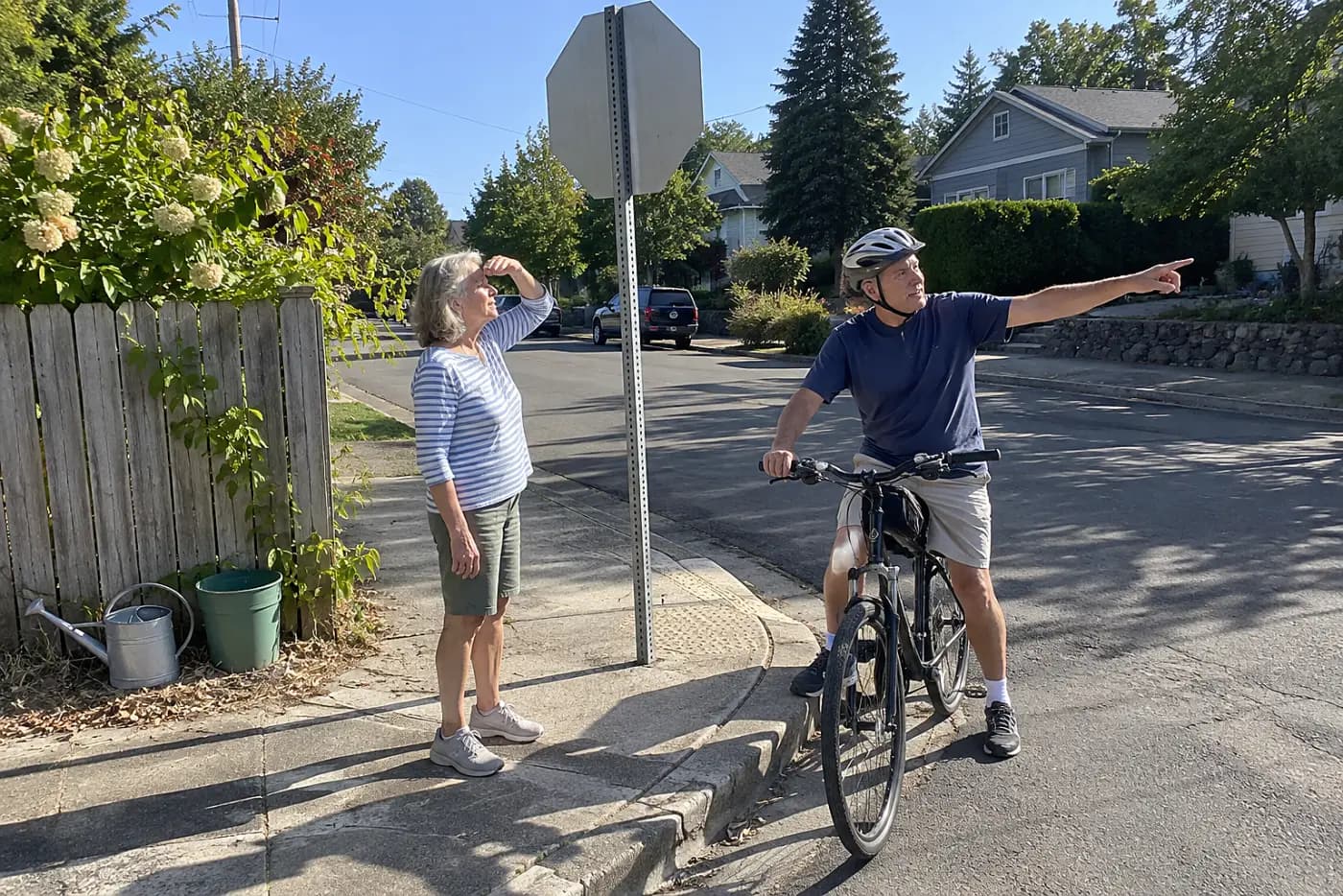
A name on a sign is a narrow portrait.
You knew the person as a neighbor, teacher, or friend of your parents. The town chose a piece of their life to put on a sign. Your memories hold things the sign can't say, including ordinary afternoons when nobody expected a tribute.
If you let the sign supply the whole story, the person you knew shrinks to a street name. This week, write down a voice, a garden, or the way they opened a door. Read any posted dedication when you visit. “That's what the town remembers. I remember the garden.”
That difference follows you into conversations with people who stayed.
17The classmate who calls you by childhood nickname
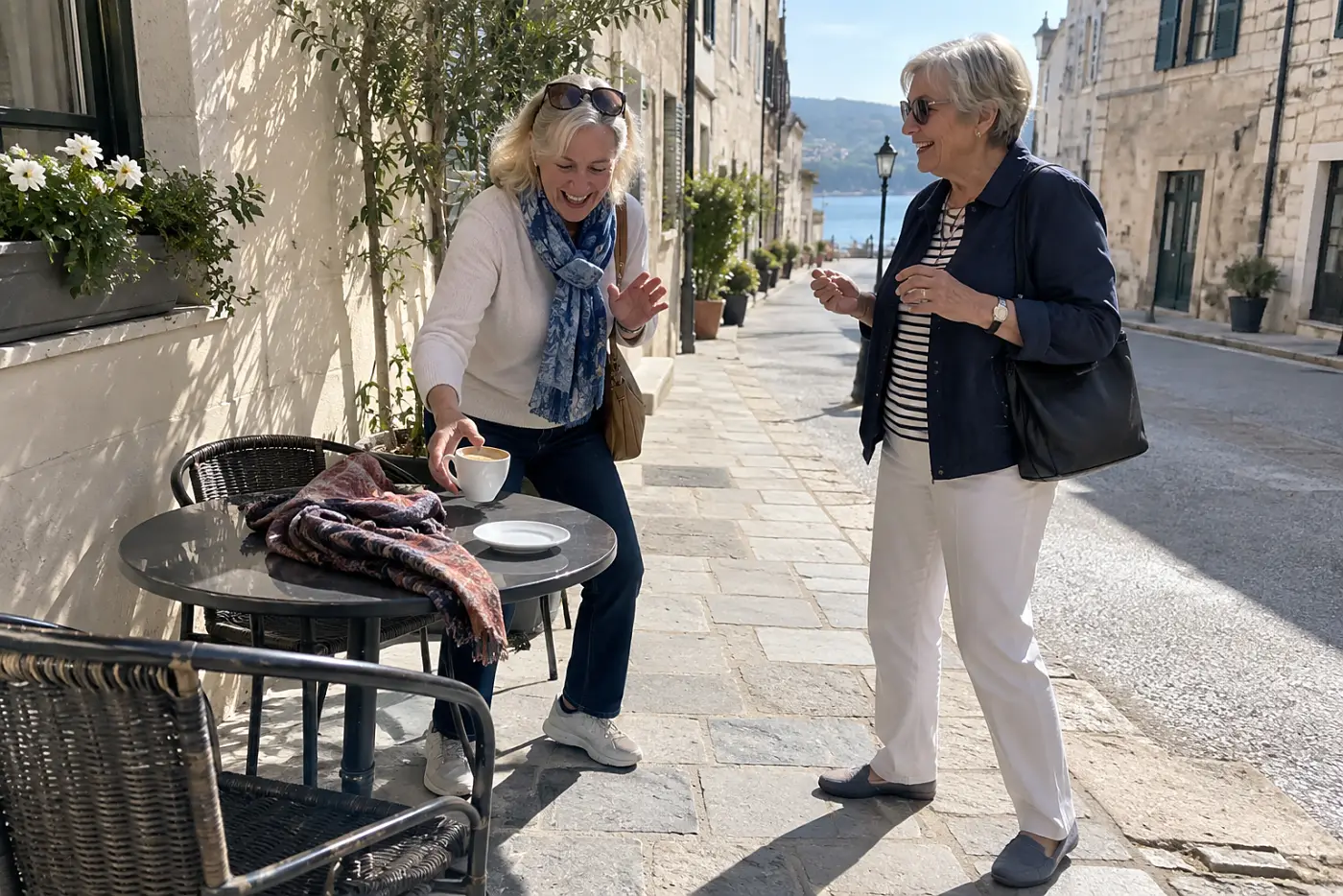
One word puts you back in an old seat.
A person who knew you at thirteen has no record of every year since. The nickname reaches for the girl they knew, while you're standing there with a whole life they haven't seen. They aren't wrong to remember her.
Still, hearing it through a crowded café brings back the way teachers said it. You don't owe a history of your name to change what someone calls you today.
This week, decide whether you want to hear that nickname again. If you don't, use the name you use now. “I go by Margaret now.” Then ask what name your classmate uses these days.
The person across from you has years you haven't seen, too.
16The diner booth that holds another family
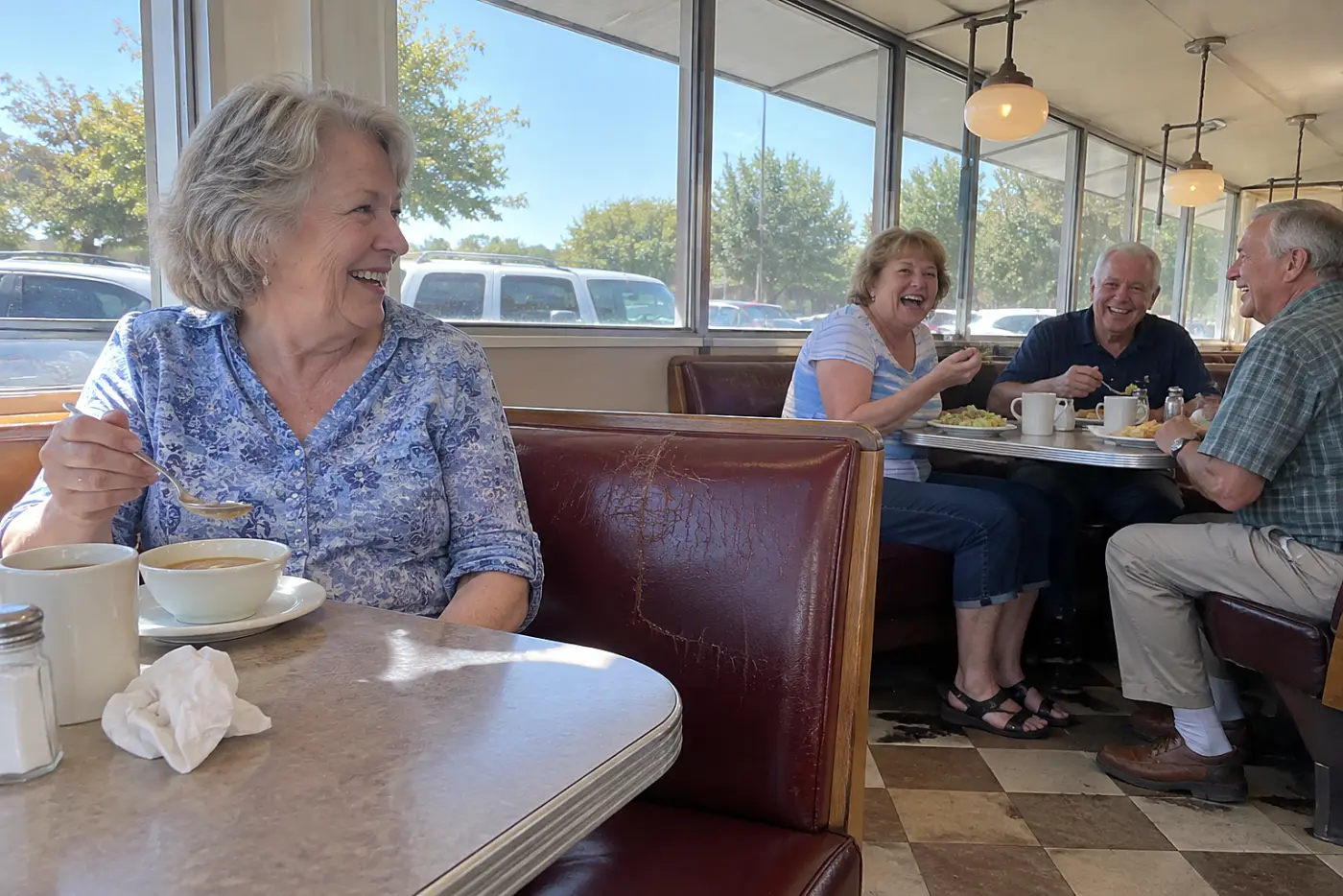
Someone else is sitting where you always sat.
The booth held birthday pancakes, your father's coat, or the first lunch after you got your license. Today it holds strangers finishing their coffee. They have their own reason for being there, and the diner still needs to serve them.
Waiting beside the table won't bring the old meal back. It would turn someone's lunch into a scene they never agreed to join.
This week, look up the diner's current hours and pick a time for the meal you want. When you arrive, take the seat you're given and order what sounds good now. “This table's fine, thank you.”
You can look toward the old booth. The menu, too, has lived a life while you were away.
15The bakery counter without your usual cookie
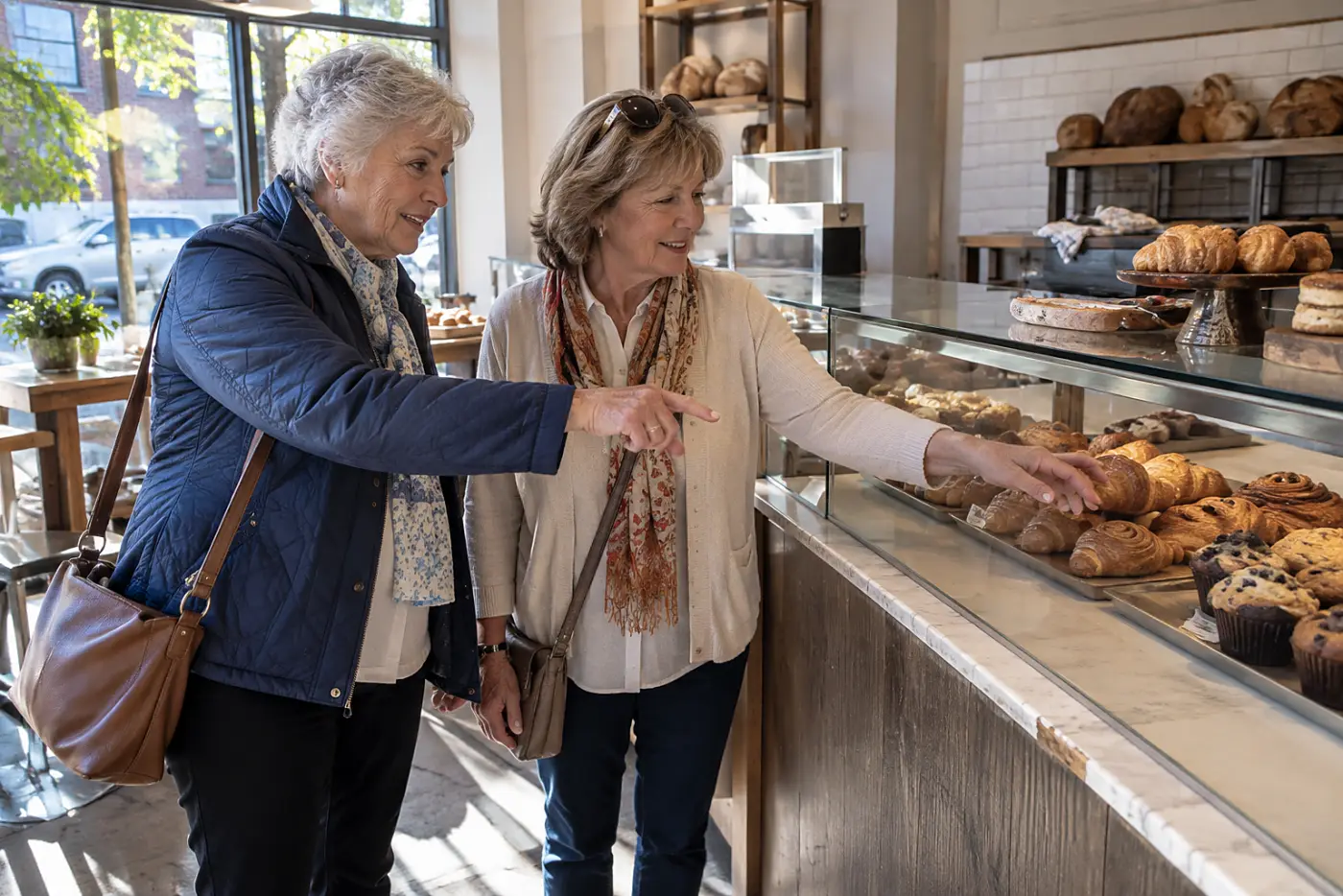
Your old order has gone off the board.
The baker changed, the recipe changed, or the shop became something else. You remember the taste because you ate it at a particular age. Even the same cookie wouldn't bring that afternoon back.
Build lunch around that cookie and a closed shop leaves you hungry as well as disappointed. Look up the business this week before promising yourself one exact purchase. If it's open, ask what's coming out of the oven and choose from that counter. “What are you making today?”
Hunger gives you a way to meet the town in the present tense. A smell outside pulls you the other way.
14The smell beside the river bridge
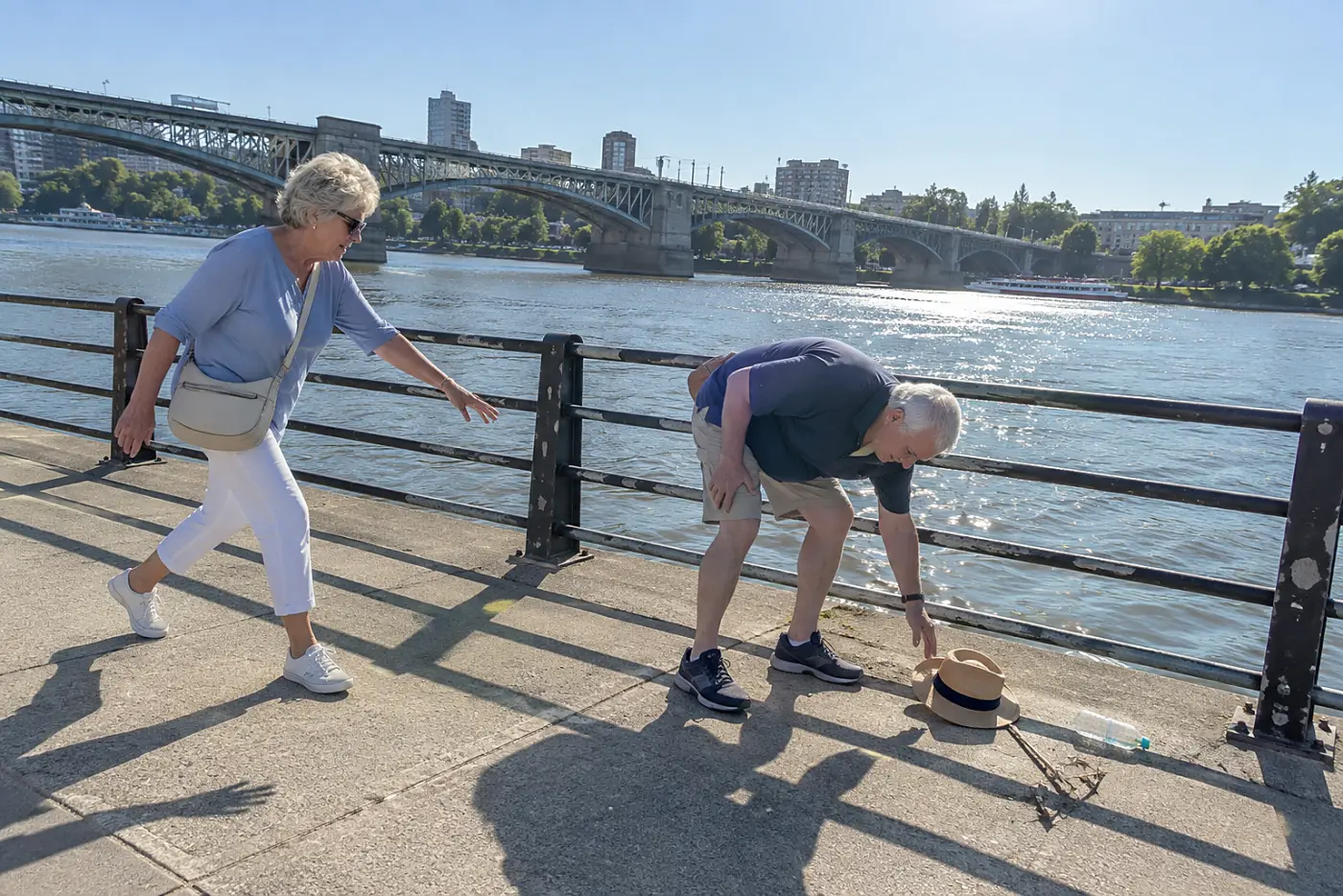
The smell gets through before you see the water.
Wet leaves, hot pavement, and river mud reach you in the car. For a second, the trip between then and now seems shorter than it is. The bridge appears next, and you see repairs you have no memory of being made.
Don't turn a quick jolt of recognition into a claim that nothing has changed. Pull over only where parking is allowed, then give yourself time to look at the water.
This week, check the local parks department's site for public river access. Recreation.gov lists federal recreation sites; the town parks office has the details for local paths. Bring shoes for the path that's there now. “I'd like to walk down to the water.”
Once you're on foot, you notice whose voices are missing from your old route.
13The phone number you almost dial
Your thumb remembers a number that no longer works.
You pass a house and think of calling the person who lived there. Then you remember they've moved, died, or stopped taking your calls years ago. A street corner has brought back an impulse, not a way to reach them.
The empty moment afterward deserves more than a quick change of subject. Before you go, write down the names this trip is likely to bring up. Choose one person who'll listen if a memory catches you. “I passed her old house today.”
Then you have somewhere to take the thought when the next stop brings it back.
12The cemetery path between familiar names
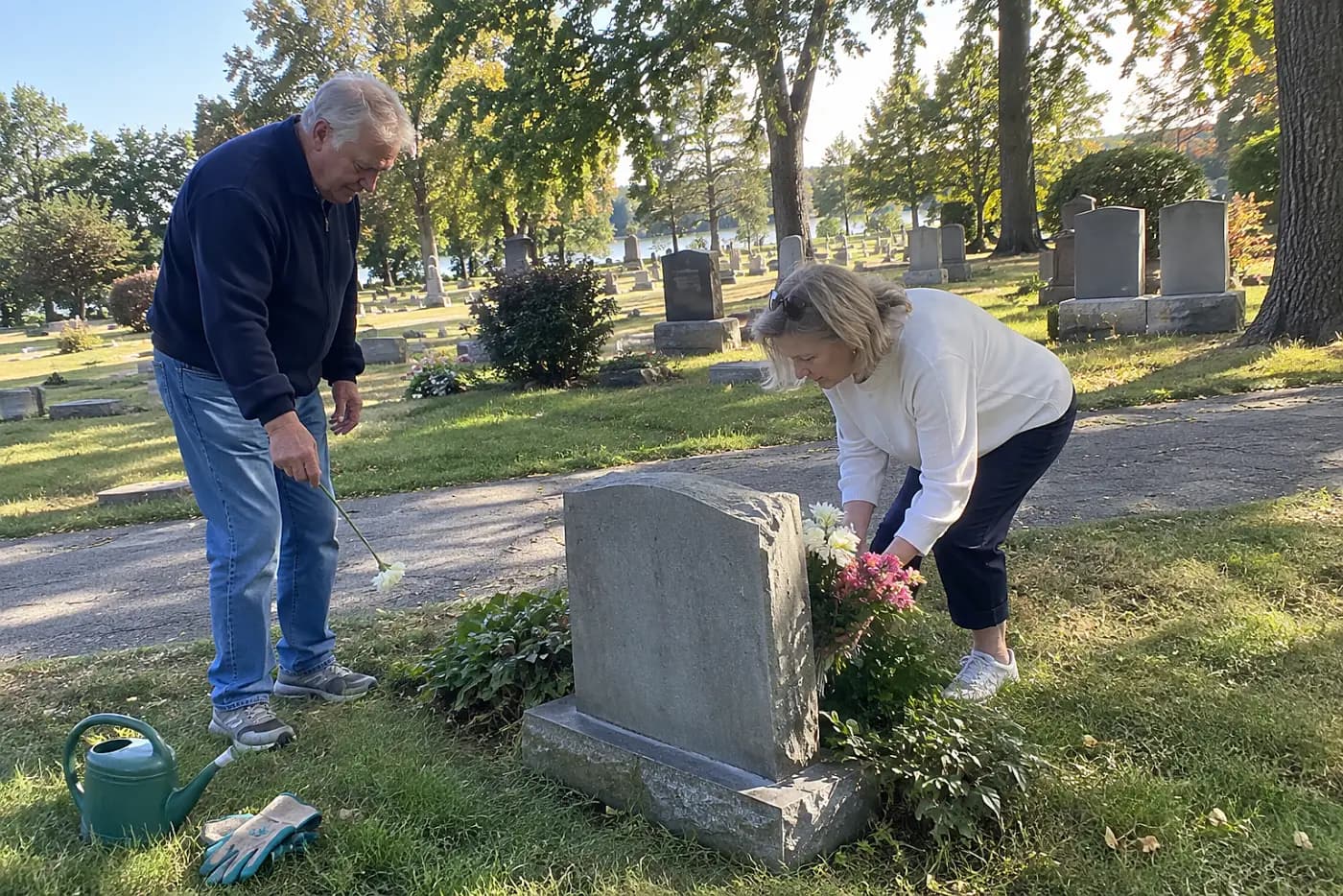
The path puts years in plain sight.
Names you heard at the dinner table now appear on stones. Dates give each life an outline, though they tell you little about the person you knew. You don't have to feel one prescribed thing as you walk between them.
A guessed location turns the visit into a search while the gate clock keeps running. Before the trip, check the cemetery's posted visiting hours and any map it provides. This week, save the name and section information you have. The National Cemetery Administration has a gravesite locator for national cemeteries. “Let's find her grave, then take our time.”
If the person you're looking for isn't there, the walk still belongs to you. On the way out, you pass the living homes that hold their own changes.
11The porch where your friend used to wait
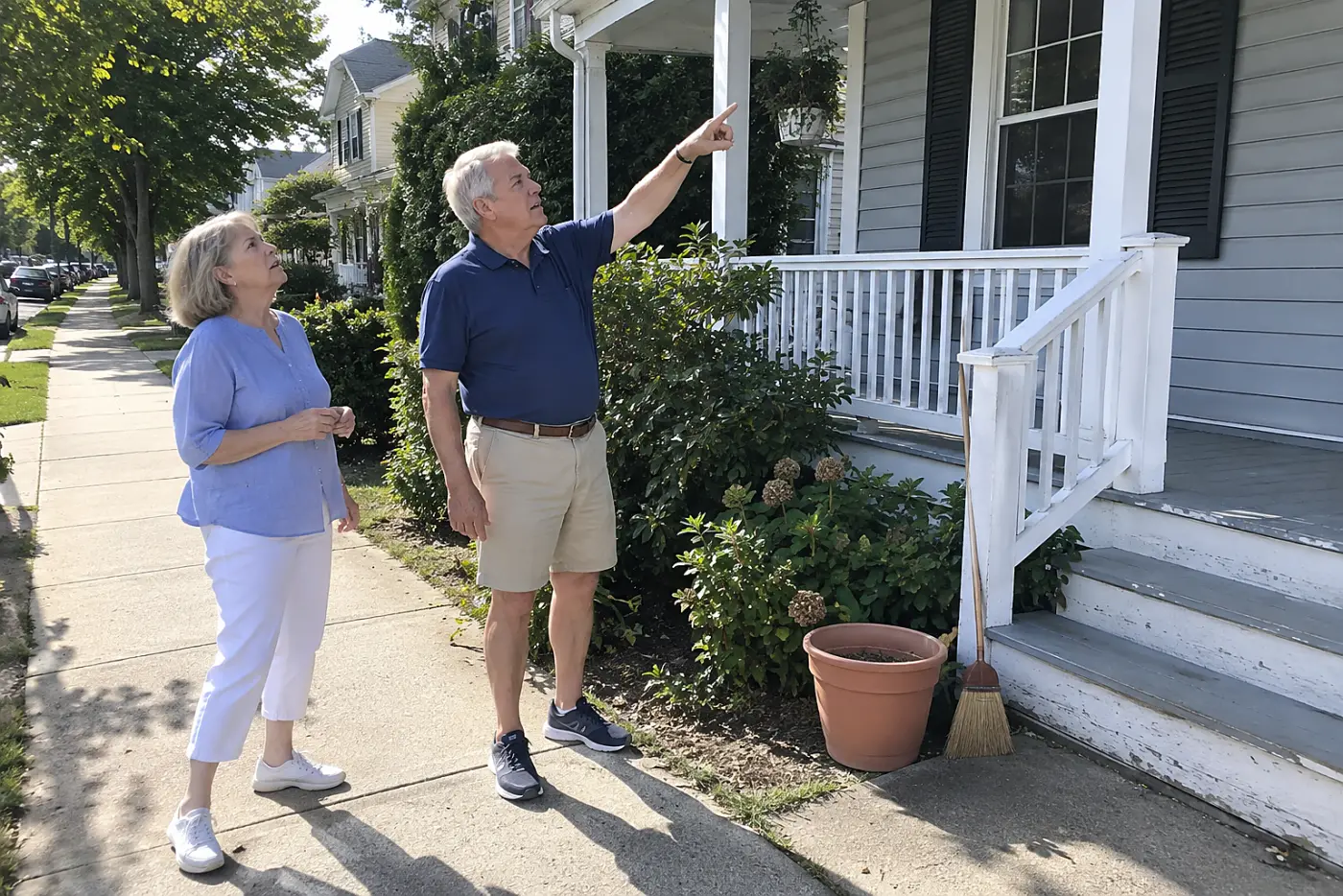
The porch doesn't tell you where she went.
You see the steps and remember someone running down them toward you. A different family keeps shoes by the door now. The memory is yours; the doorstep is theirs.
Standing there longer won't tell you whether your friend stayed in town. Knocking would put that question to strangers who live in the house now. This week, look for her through a contact you already have rather than visiting the house. If you reach her, ask, “I'm coming through town. Would you like to meet for coffee?”
Her answer opens a new part of the trip, whatever it is.
10The grocery aisle with a new layout
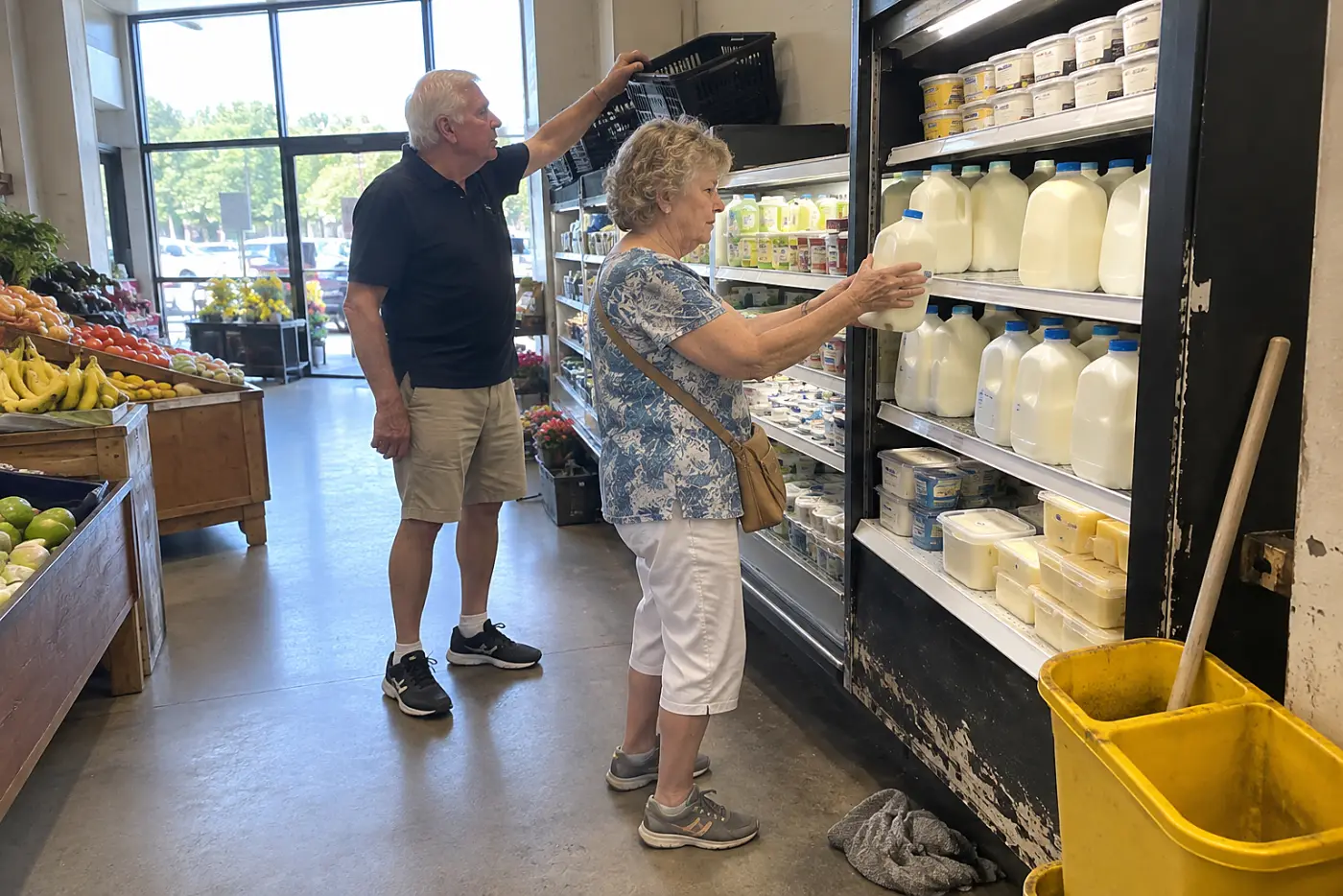
The store makes you feel lost for a minute.
You reach for a shelf that held cereal when you shopped here with your mother. The shelves have moved, and so has the work of feeding your household. You stand with a list of things you chose for yourself.
A hunt for the old brands turns a simple stop into another test the town can't pass. Give yourself a plain errand this week: pick up water or something for breakfast.
Don't search every shelf for what used to be there. Notice which items take up space now, then buy what you came for. “I came for breakfast. Let's get it and go.”
The old store held your family's routine; the current one serves people making theirs today. A smaller object could follow you out and keep the question going.
9The souvenir that stays on the shelf
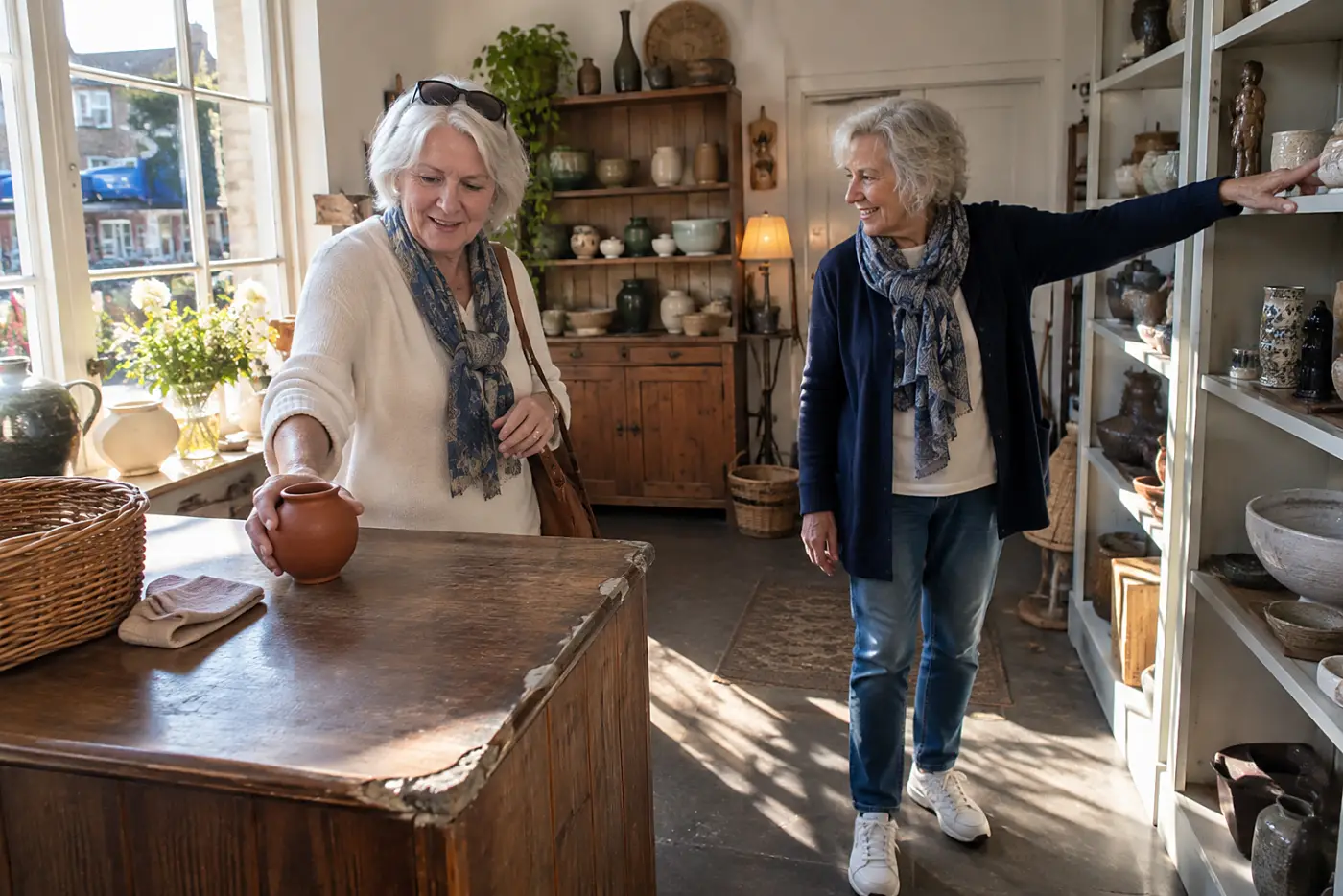
You don't have to buy proof you returned.
A mug with the town name promises a tidy answer to a complicated visit. At home, it would sit beside things you've chosen across decades. You know the difference between wanting an object and wanting the day to stay put.
The mug would record where you went, not what happened there. This week, leave room in your bag for one thing only if you want it at home. A receipt from lunch counts as a record, too. “I'm going to leave the mug here.”
What you don't carry home leaves space for what you noticed.
8The family table set for fewer people
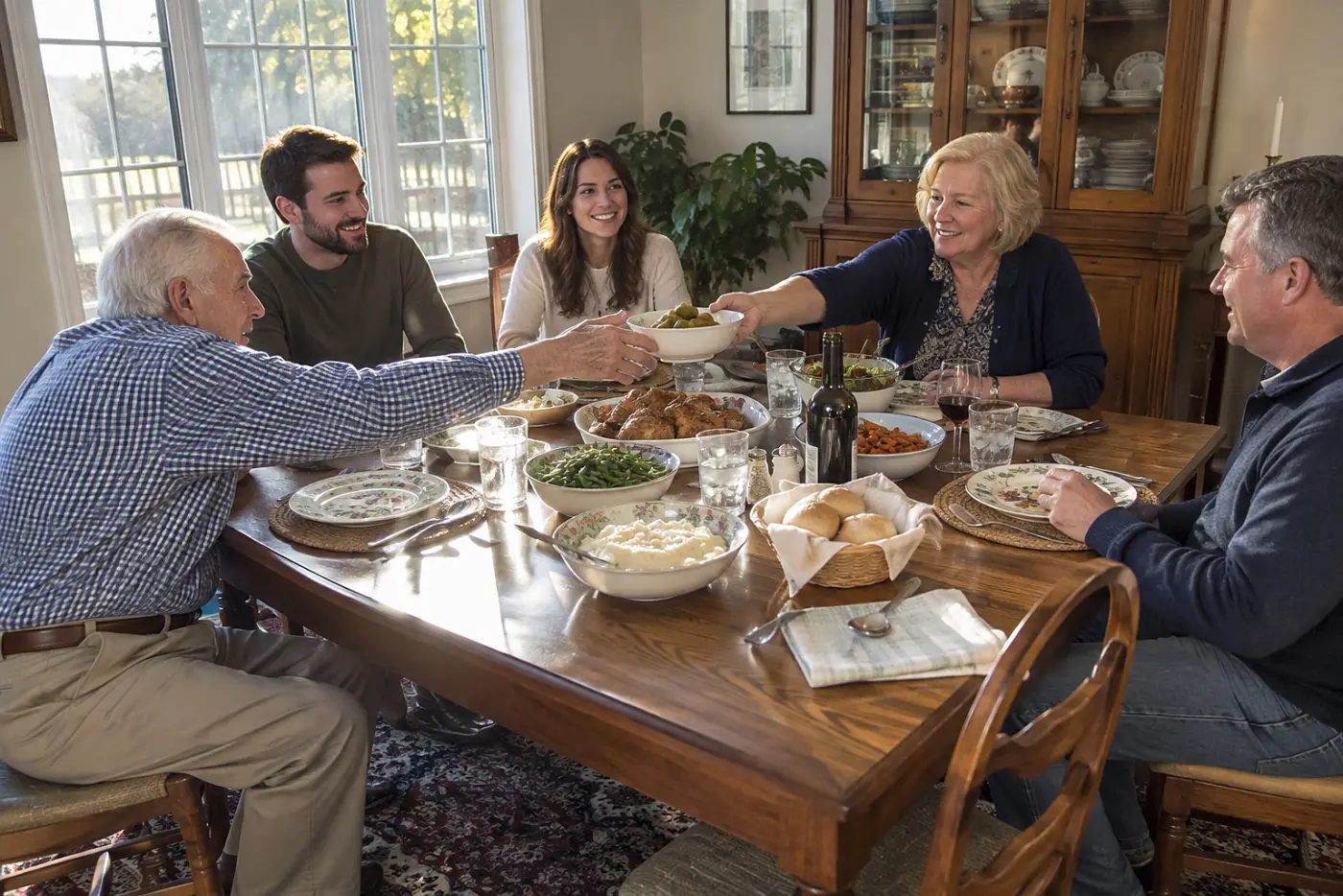
A missing chair changes the whole meal.
The plates come out, someone asks for the salt, and you hear the voice that used to answer. Another person sits at the table now, or nobody takes that place. Dinner keeps moving because everyone there still needs to eat.
If you wait for the room to mention the missing person, the meal could pass without their name. You don't have to tell the whole room what you're feeling, either.
Before the visit, think of one story you'd like to hear again and who remembers it. At the table, ask, “Do you remember how she always set out the pickles?” A small question gives someone else a place to enter the memory.
After dinner, you might need air that doesn't carry anybody's expectations.
7The hotel room on the edge of town
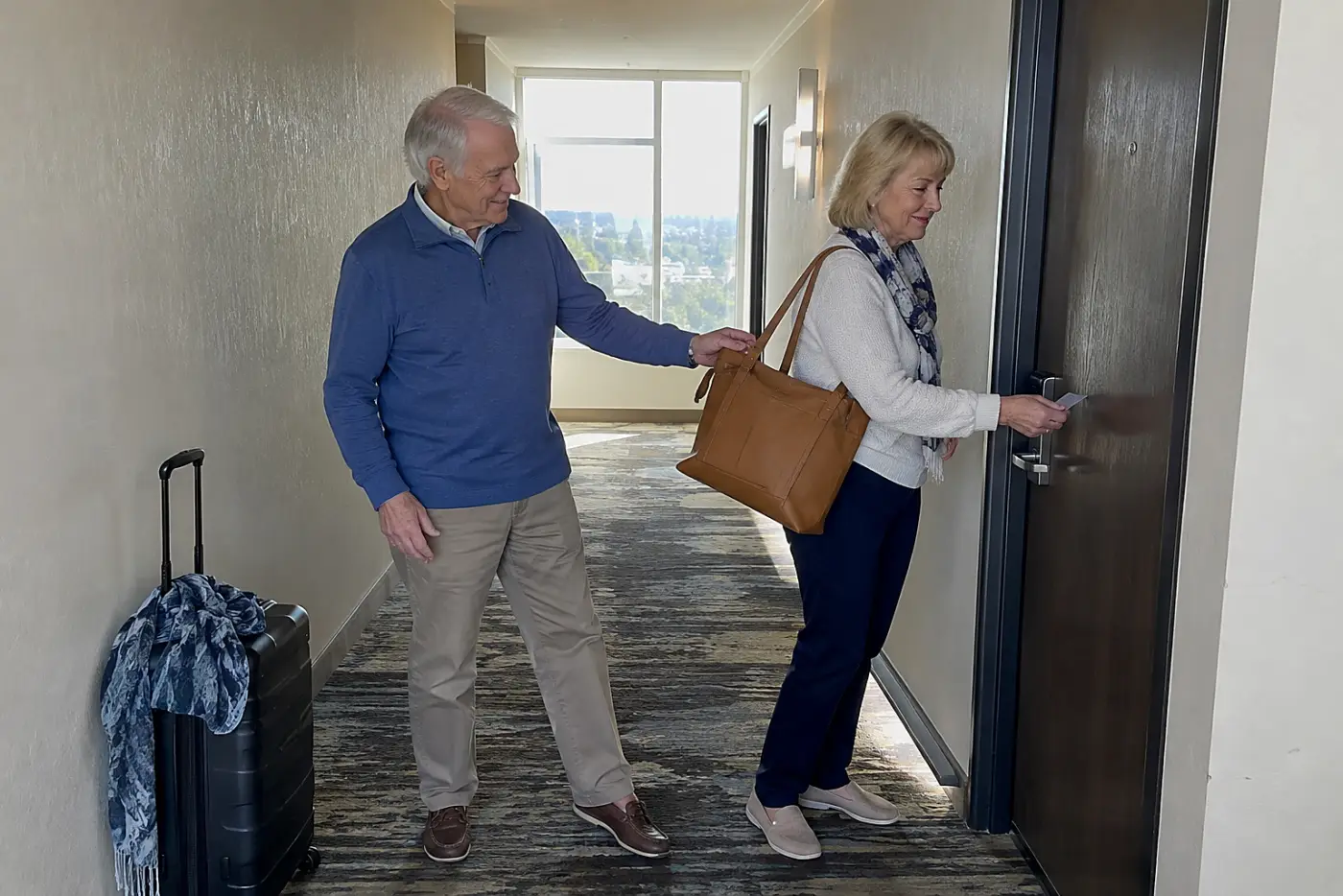
A room key gives you somewhere to leave.
Staying with family can put you back into old roles before you've unpacked. A hotel room has a door you close yourself and a morning you start on your own time. The distance isn't a judgment on anyone's hospitality.
Without a place to step away, every visit runs into the next one. This week, choose lodging based on the stops you want to make and the rest you need. Check the address on a map before booking; the edge of town has changed, too. Tell your host, “I'd love dinner, and I've booked a room for the night.”
Then see how the town looks without a family schedule around it.
6The main street after the shops close
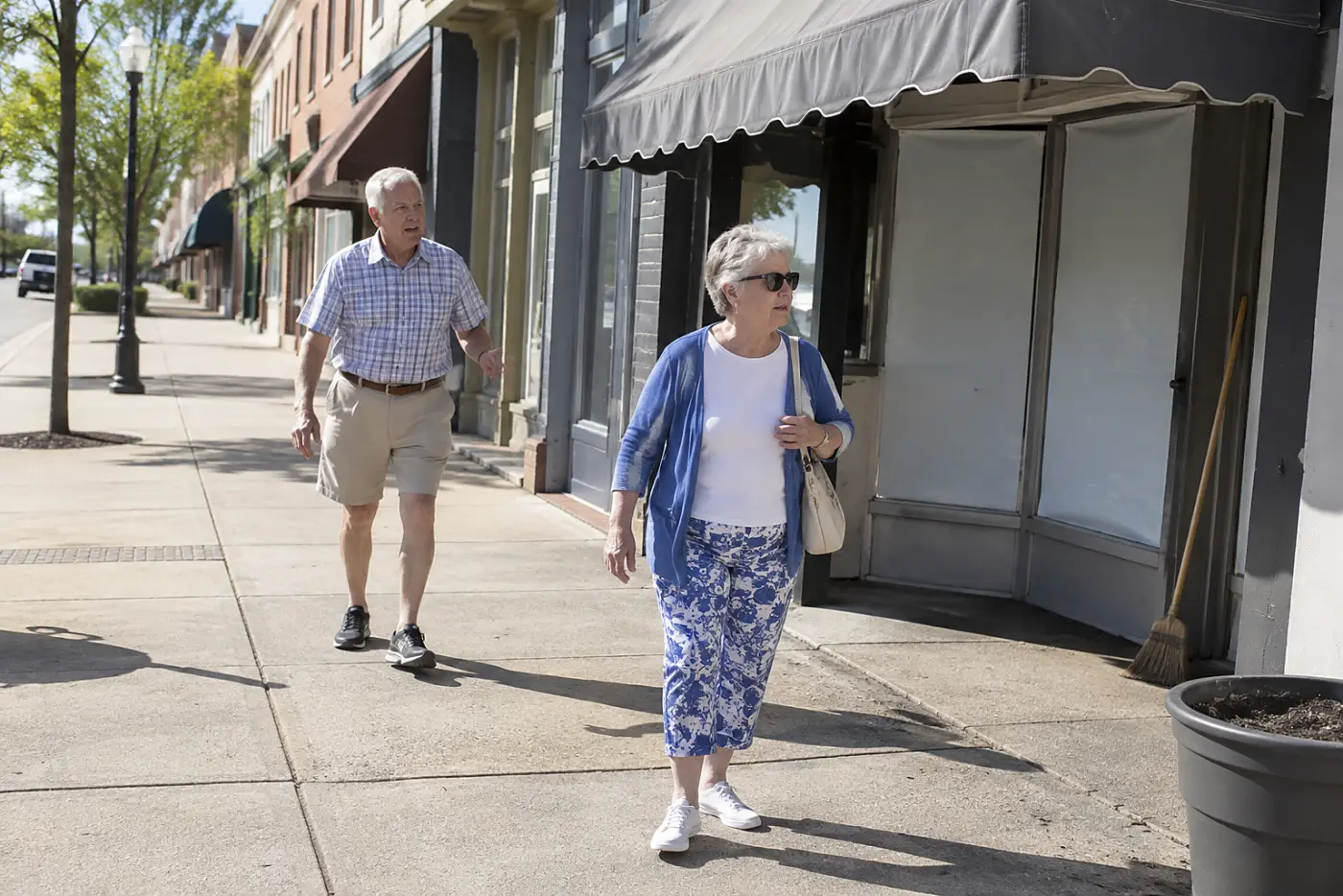
Evening changes the scale of the place.
Store windows go dark, and the walk you once took with friends feels shorter. You count the places still open while remembering evenings that seemed to have no end. The town has a nighttime rhythm you haven't learned.
A remembered dinner spot leaves you facing a dark window if its hours have changed. Check current opening hours before choosing a place to eat this week.
When you're there, take a short walk on a well-lit public route you know how to get back from. Turn around when you've seen enough. “Let's head back the way we came.”
In daylight, somebody you remember could see you first.
5The introduction that starts with your parents
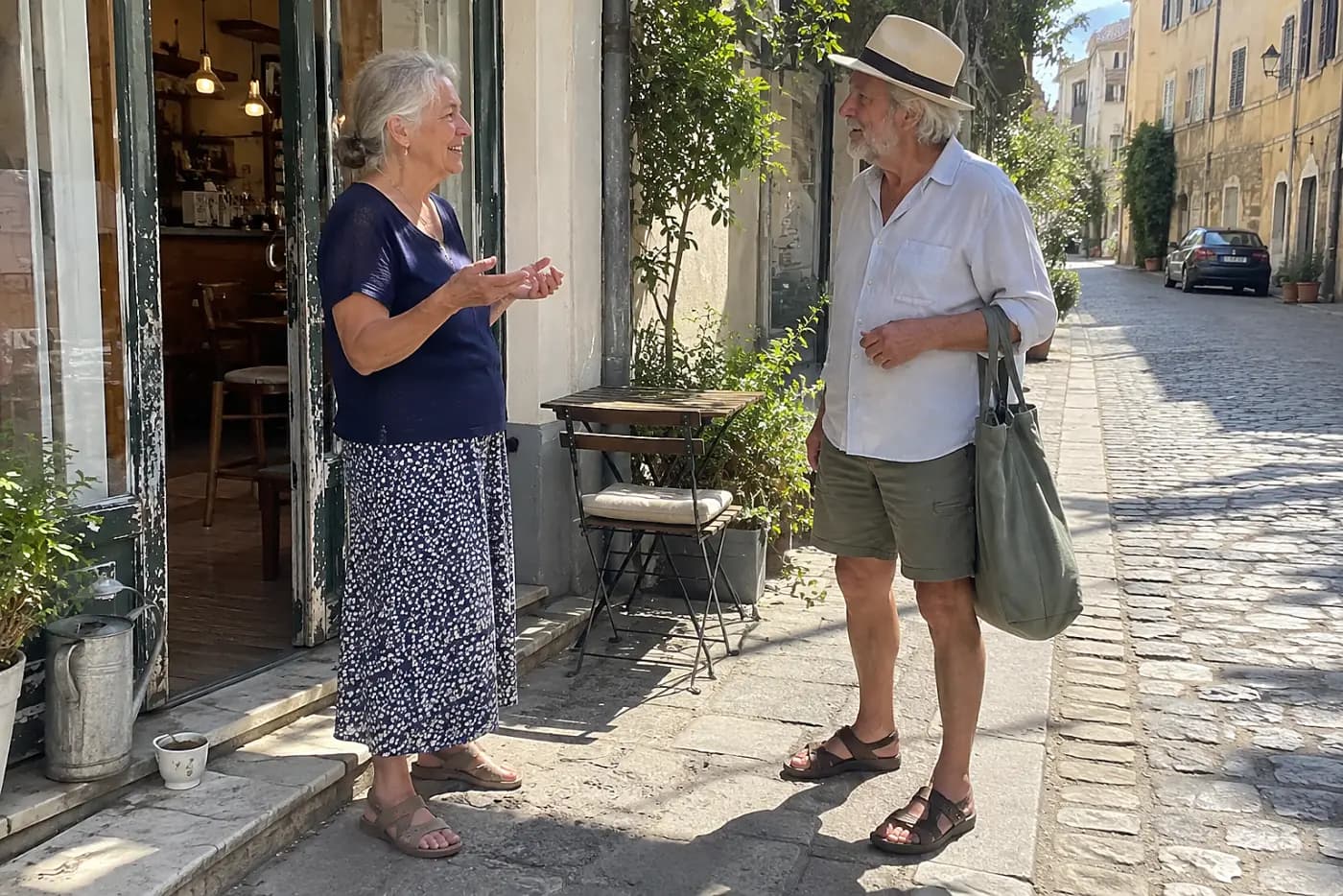
Someone still knows whose daughter you are.
Their question comes from the town's old way of placing people. You have a history beyond your family name, yet that connection is real, too. You get to decide how much of it belongs in this conversation.
Answer only with your parents' names and the person you are now disappears from the exchange. This week, prepare a brief answer that fits your life today. Try, “Yes, that's my family. I live in Chicago these days.” Then ask about their life.
The exchange moves forward, though another old label waits nearby.
4The yearbook photo on someone else's phone
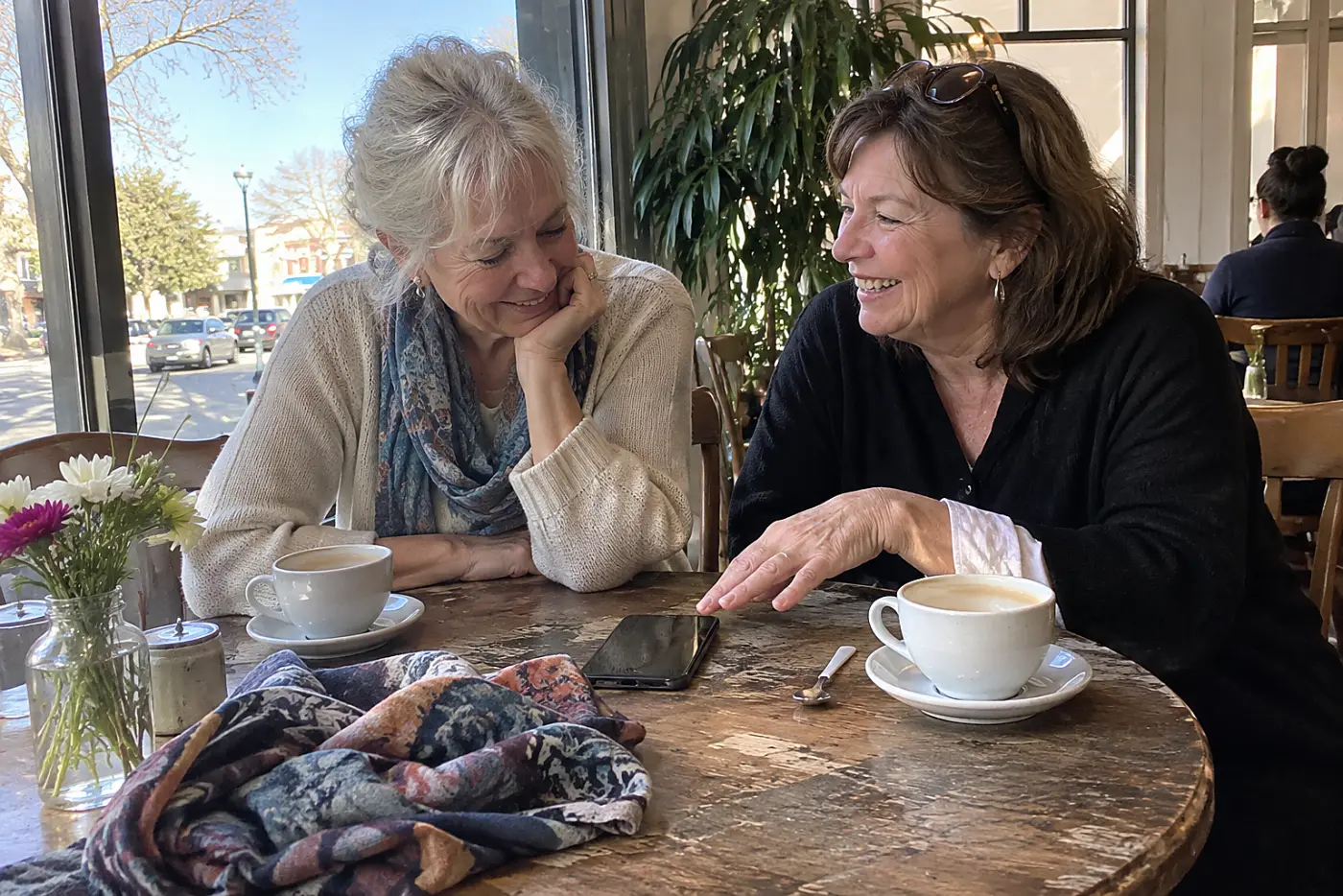
The photograph stops at one year.
A classmate brings it up over coffee, and there you are with a haircut you had forgotten. They remember the club you joined or the person you dated. Neither memory has room for all the choices you made afterward.
If the picture does all the talking, you spend coffee with a version of yourself that ended decades ago. Look at it if you want to, then add one true piece of the life since.
This week, think of a story you'd enjoy telling, not a résumé you feel obliged to recite. “I remember that day. I left town the next fall.” Ask what happened to the person beside you in the frame.
The road you took after that picture is still yours to describe.
3The turn toward the place you left
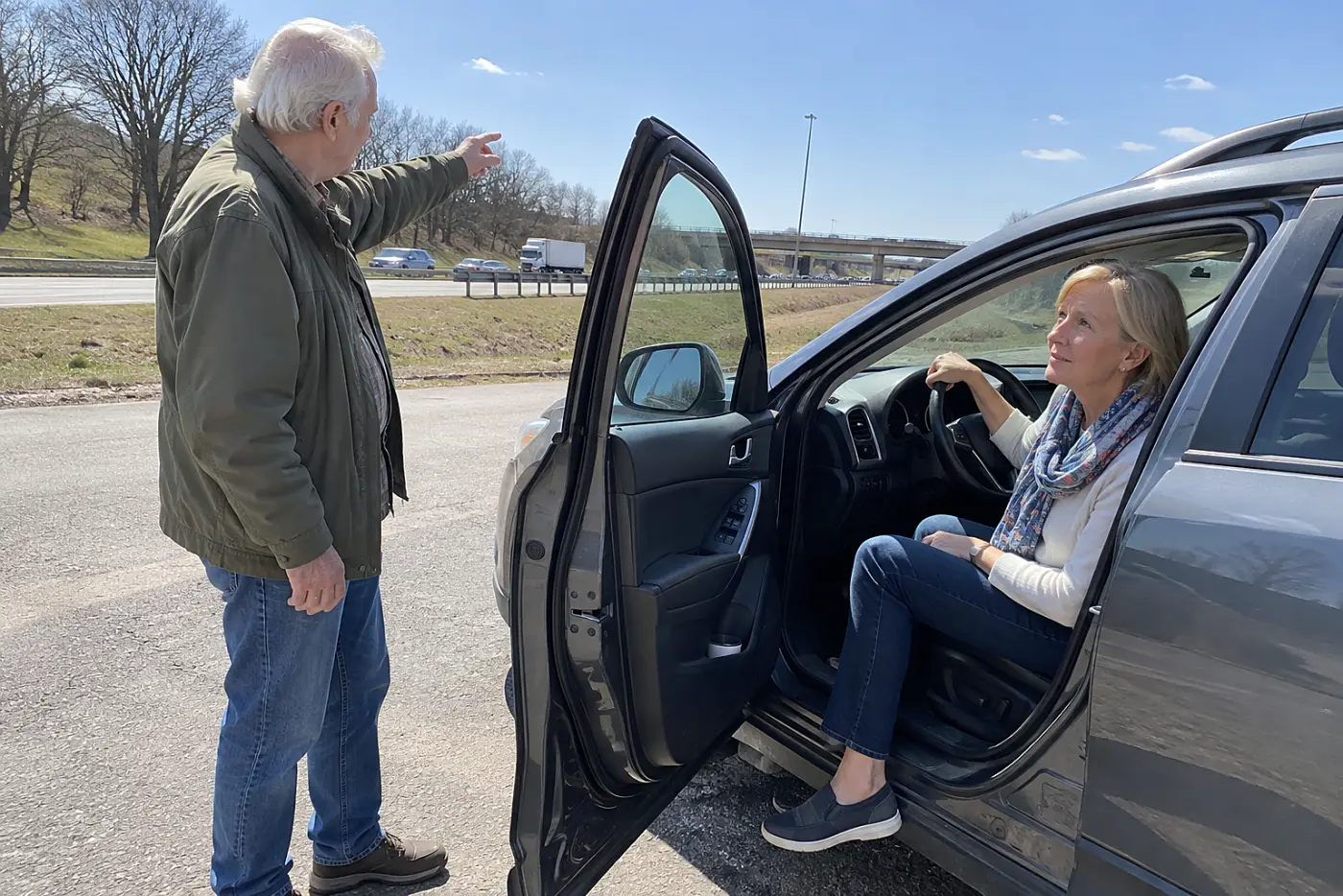
The old route still invites an explanation.
You drive past the bus station, highway ramp, or front door where you once said goodbye. Back then, leaving answered a question you faced with what you knew. Returning doesn't require you to defend that answer.
The turn still brings back the person who watched you go. Their memory of that day won't contain all the places you went next. This week, name one choice you made after leaving that you're glad you made. Keep it with you at that turn. “I'm glad I went.”
The trip ahead has room for the woman who made it.
2The plan someone else made for your visit
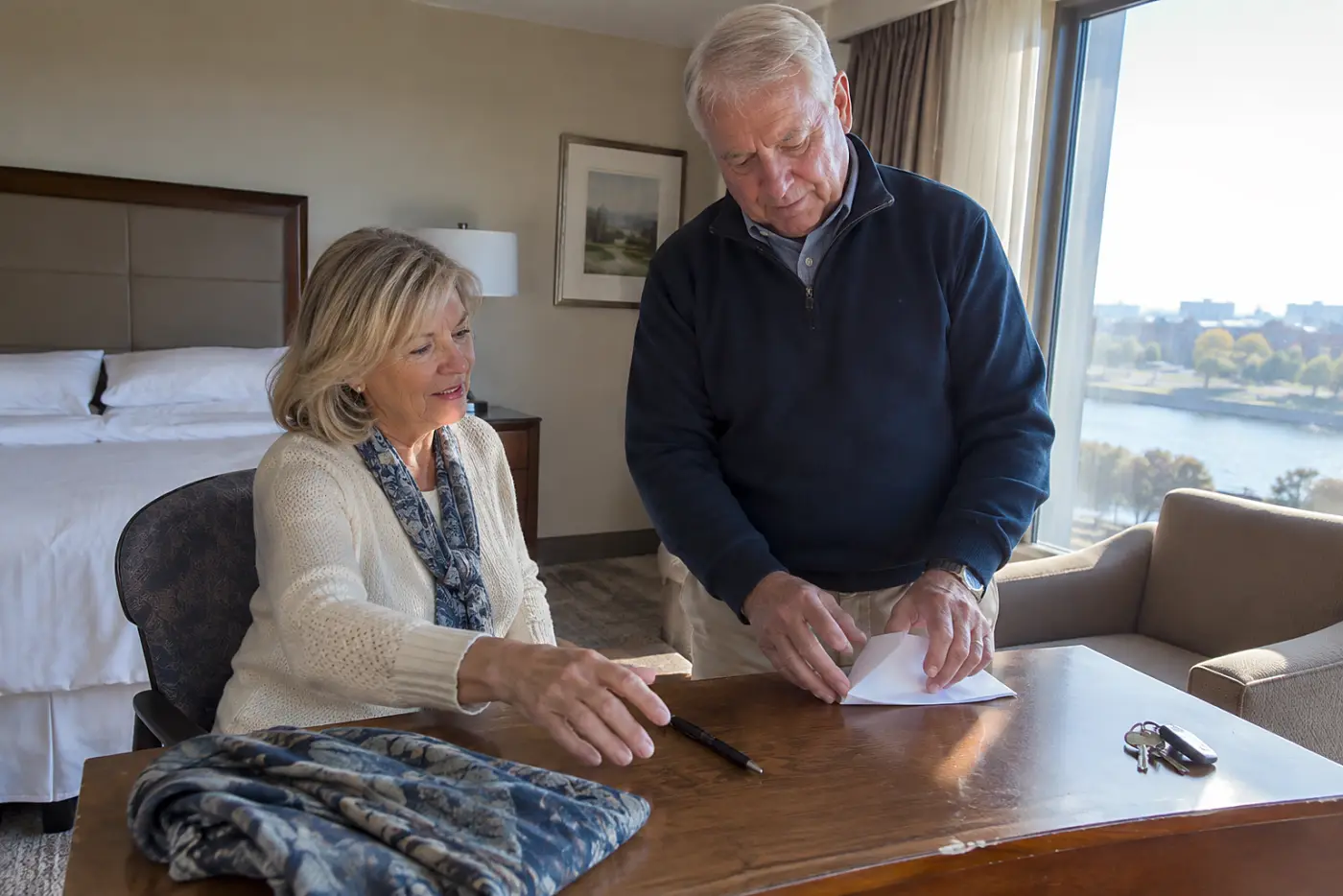
Your calendar fills before you reach town.
A relative suggests dinner, a classmate wants coffee, and somebody expects you at a gathering. Each invitation has a person behind it. Taken together, they leave no time for the places you came to see alone.
Without a free hour, the town becomes a string of doorbells and departure times. This week, put private time on the calendar before answering invitations.
Give it real hours, including travel time and a break afterward. Tell anyone asking, “I'd like to see you Thursday afternoon. Friday morning is mine.” You don't owe a detailed reason for keeping it.
There is one last choice worth making before anybody else makes it for you.
1The two-address test before you leave town
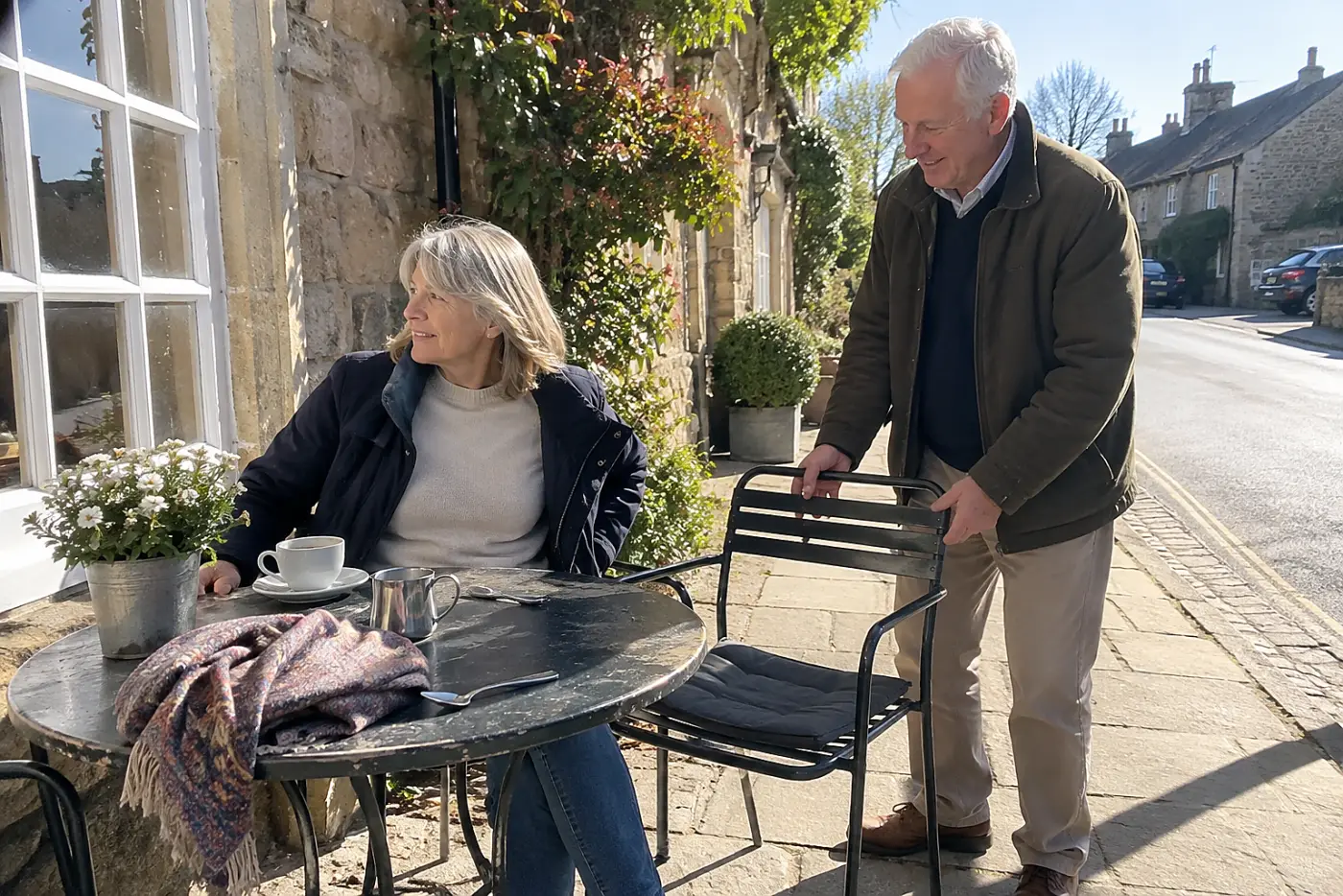
One address tells you only half the story.
Your old house, school, or corner shows you what time did to the place you remember. A second address is somewhere you'd choose today: a café for lunch, a public park, or a shop you noticed on arrival. Visiting both gives you something to do besides compare.
If you stop only at the old place, every change demands an answer from you. The second stop asks a different question: what would you choose here now?
Before this week ends, save both addresses and check access to each. For a private house, plan to look only from a public sidewalk. Pick a second stop you can enter, and leave an hour for it. Tell your companion, “I want to see the old place, then spend time here.”
Don't rush straight from one to the other. The road between them belongs to today's town, too. Which address will you bring up first on the way home?
The bottom line
Every changed place puts what happened there beside what's in front of you.
The best-prepared version of you has checked access, kept time free, and chosen a stop that belongs to this visit. That still leaves room for the town to catch you off guard.
Which place from your first trip back do you still picture?
Bonus: The two-address test
- Save the address of one childhood place you want to see, using its current street name.
- Choose a second address you'd visit today, even without any history there.
- Check access to both; view a private house from the public sidewalk.
- Visit the old place first, then spend an hour at the place you chose.
- On the way home, name the stop you'll tell someone about first.
Margaret Hale
Travel & Lifestyle Editor
Margaret has covered travel for 25 years and has ridden every long-distance train route in the U.S. at least once.
You might also like