






How to Build a Capsule Wardrobe Over 50
A step-by-step plan for turning a packed closet into a small set of clothes that fits your body and your week now, starting with the pants you already wear every day.

By Irina Byalik, Style Editor
Updated · 15 min read
- Written by our style editor
- Cited 8 sources
- How we review
A typical closet holds about 166 pieces of clothing. That's the average across tens of thousands of closets tracked in one wardrobe app. A quarter of those pieces hadn't been worn in the past year, and the average item had been worn just seven times.
So if you own eight pairs of jeans and pull on the same pair every morning, you have plenty of company. The trouble is rarely a shortage. Too many pieces don't go with each other, and too many were bought for a job, a size or a life that has since changed.
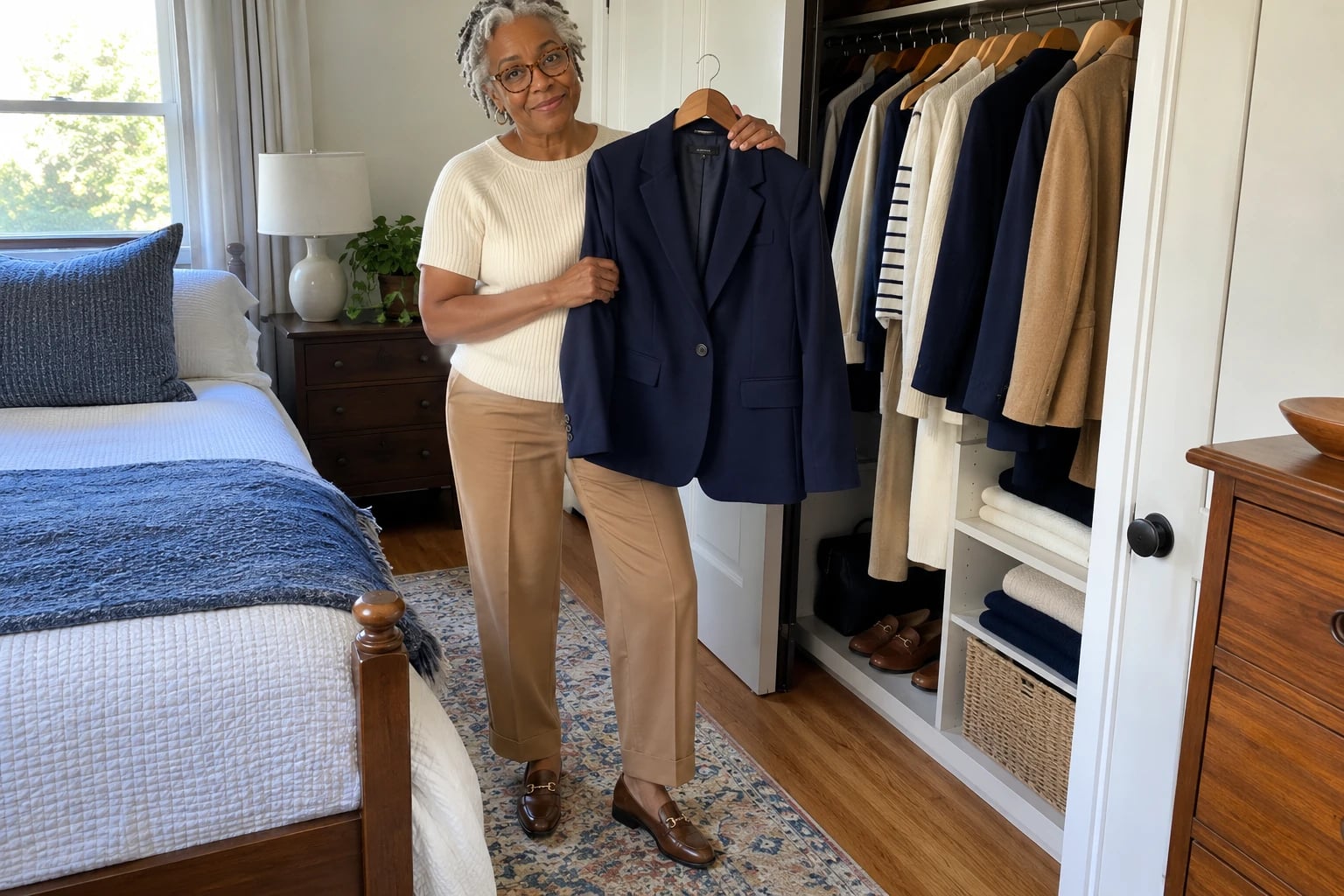
A capsule wardrobe works backward from what you already reach for. You can build most of one from your own closet, for the body and the week you have now.
What a capsule wardrobe is, and how many pieces you need
A capsule wardrobe is a small set of clothes where nearly everything goes with everything else. You open the closet, grab any top and any pair of pants, and they work together.
The idea is older than it sounds. A London boutique owner, Susie Faux, revived the term in the 1970s. In 1985 Donna Karan made it famous with a collection called "7 Easy Pieces," designed for working women who needed to get dressed fast and look put together all day.
You'll see magic numbers online for how many pieces a capsule should hold. Most are arbitrary. A better count comes from your own week.
Think through a normal one. Maybe four days of errands, appointments and grandkids, one lunch out with friends, and one day that calls for something a little nicer. Count the different kinds of days you actually dress for. Most women land on two or three.
Your main kind of day needs enough outfits to carry you to laundry day without boredom. If you wash once a week, that's often five or six tops and two or three bottoms.
The other kinds of days need a few pieces each. One coat, a couple of pairs of shoes and a bag or two cover all of it.
That's about ten pieces. Most women today want more tops than Faux's list allows, and tops are the right place to add, since they wash hardest and wear out first.
Sort the closet you already own
Take everything out before you buy anything. If a whole closet feels like too much for one afternoon, go a category at a time: pants one day, tops the next, then dresses, jackets and shoes.
Put each piece into one of four piles.
Keep it if you've worn it in the past year, it fits your body today, and you'd put it on tomorrow without a second thought.
Alter it if you love it and the fix is simple. Hemming pants, shortening sleeves and moving a button are the jobs a tailor does well. Anything that needs rebuilding goes in another pile.
Store it if it's out of season, or if it's a real special-occasion piece you'll wear to an event already on your calendar this year.
Let go of it if it doesn't fit you now, needs a fix you won't pay for, or has hung there over a year with the tags still on.
That last pile is the hard one. The silk blouse you saved "for best" and never wore. The blazer from the office you left. The pants two sizes down, kept as a goal. Each one carries a little guilt about money already spent.
Keeping them won't bring that money back. It just costs you space and a little peace every morning. Clothes that no longer fit belong to a body you had before. Let them go and replace them for the one you have.
The "for best" pieces get a different test. Wear one to the grocery store this week, on an ordinary Wednesday. If you can't picture doing that, it goes in the let-go pile, where someone at the thrift store will be glad to find it.
When the sort is done, bag the let-go pile and put it in your car the same day. It leaves the house before you start second-guessing.
Find the colors that suit you now
Pick one base color, one or two lighter neutrals, and one or two colors you love near your face. That's the whole palette. The base carries your pants, shoes, coat and bag. The neutrals and the colors go into tops, sweaters and scarves.
Your coloring shifts with age, so the shades that flattered you at 40 may not now. Here's a quick way to test them without guessing.
Stand by a window in daylight. Set your phone camera to selfie mode. Hold a top up under your chin and take a photo, then do the same with the next one. Look at the photos side by side.
The right shade makes your skin look even and your eyes look clear. The wrong one deepens the shadows under your eyes or turns your skin a little gray or yellow. Most women can see the difference straight away in a row of photos.
If you'd rather have help, a color analysis is a session with a consultant who holds fabric swatches near your face to find the shades that suit your coloring now.
It's worth it if you're about to buy a lot of new clothes. If you're mostly working with what you own, the phone test does the job.
If your closet is full of both navy and black, you don't have to choose between them.
Look at your keep pile and see which color carries most of your pants and shoes. That's your base for now. The other color moves up into tops and jackets.
Navy and black look intentional together when the difference is obvious, such as a black sweater over navy pants. Two near-matching darks just look like a mistake.
If you've been hiding in black and it drains your face in the photos, keep it below the waist. Put cream, soft blue or another shade from your test near your face, and keep the black pants.
Choosing colors that flatter you is also one of the main points in a university extension guide to buying clothes well, right alongside matching clothes to what you actually do each day.
Choose core pieces for the life you live now
Maybe you wore suits and heels for thirty years, and now your week looks more like a doctor's appointment, the grocery store, maybe a grandchild's soccer game, lunch with friends and the occasional flight.
The suits are still hanging there, and on most days you end up in the same T-shirt, jeans and slip-on shoes.
A rut like that is good information. It tells you what your life actually asks for. Build the core from it, one outfit at a time.
- On day one, hang your favorite outfit, the one you wear most, on an empty rack or a cleared stretch of closet rod.
- Each day after that, build a new outfit around one piece already hanging there. Add only from your keep pile.
- Keep going until you have 12 to 15 pieces.
- Take off anything that only works in one outfit. Every piece should go with several others.
This works because it starts with clothes you've already proved you'll wear, and every new piece has to earn its place against the others.
Then check the core against your real days.
If you're still working, your base needs pants or a skirt you can wear to a meeting, a jacket that goes over everything, and tops that stand on their own when the jacket comes off.
If you've retired, look for pants that look neat and wash easily, a few good knit tops, and one layer that lifts the whole outfit. A soft jacket over a T-shirt takes jeans from the grocery store to a nice lunch.
If you're with grandchildren often, everything should go in the washer, and you should be able to sit on the floor in it. A pair of pull-on pants and sneakers you trust will get more wear than anything else you own.
If you travel, pick pieces that layer, don't wrinkle easily and fit in a carry-on. One pair of walking shoes in your base color goes with everything.
It's easy to build for a life you imagine instead of the one you have. The hiking gear, the elegant evening clothes, the garden-party dresses. Buy for this year's calendar and keep the closet small, because your life is going to keep changing.
Make it fit the body you have this year
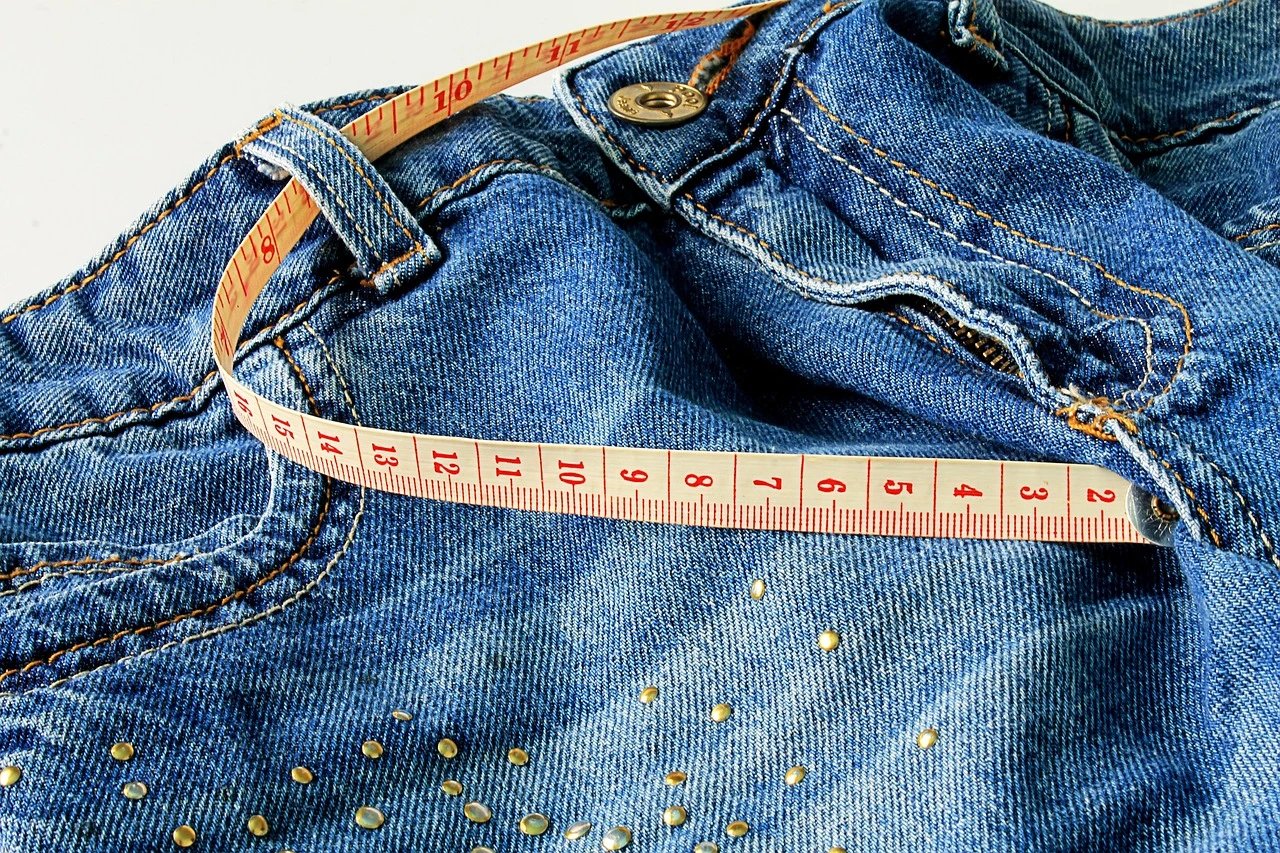
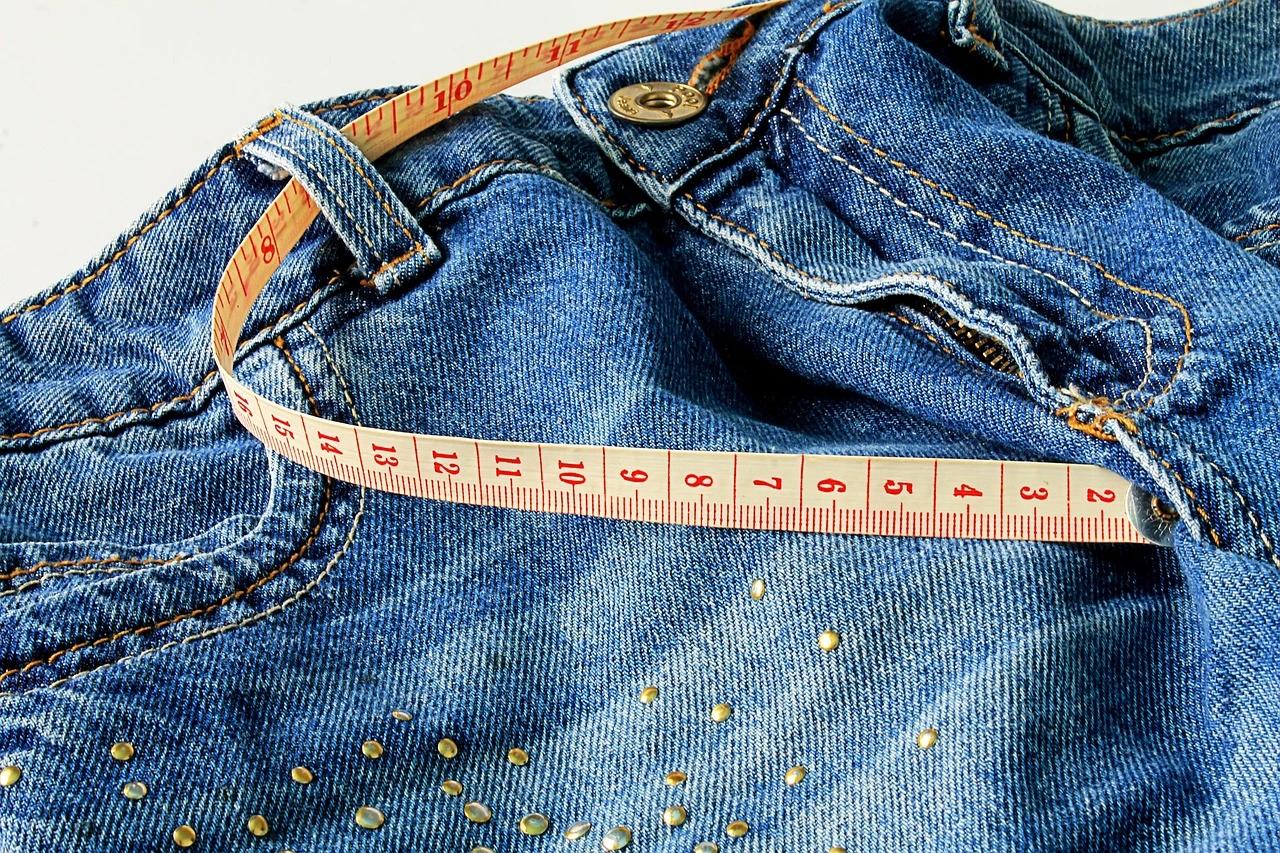
Start with your waist, since that's where most women notice the change first. Pants that fit at 45 can pinch at 55 even if the scale barely moved, because waist size increases significantly over the menopause transition, across ethnic groups, as fat shifts toward the middle.
For most women with a thicker middle, pull-on pants solve more problems than any other single piece. Pull-on means no zipper or button, just an elastic or stretch waist. Look for a flat front panel instead of a fly. It smooths the belly and gives a little on bloated days.
Ponte is a thick, stable knit that skims your body instead of clinging. In ponte, choose pairs without a zipper or front pockets, which only add bulk where you don't want it.
Check the rise too, the distance from crotch to waistband. If your weight sits in front, a mid or high rise usually stays put. A low rise tends to dig in or slide down.
You're probably also a little shorter than you were. Most people start losing some height around 40, and the loss speeds up later. One 68-year-old in Harvard Health's example went from 5'9" to just over 5'7". Two inches can turn a hem that grazes your shoe into one that drags on the floor.
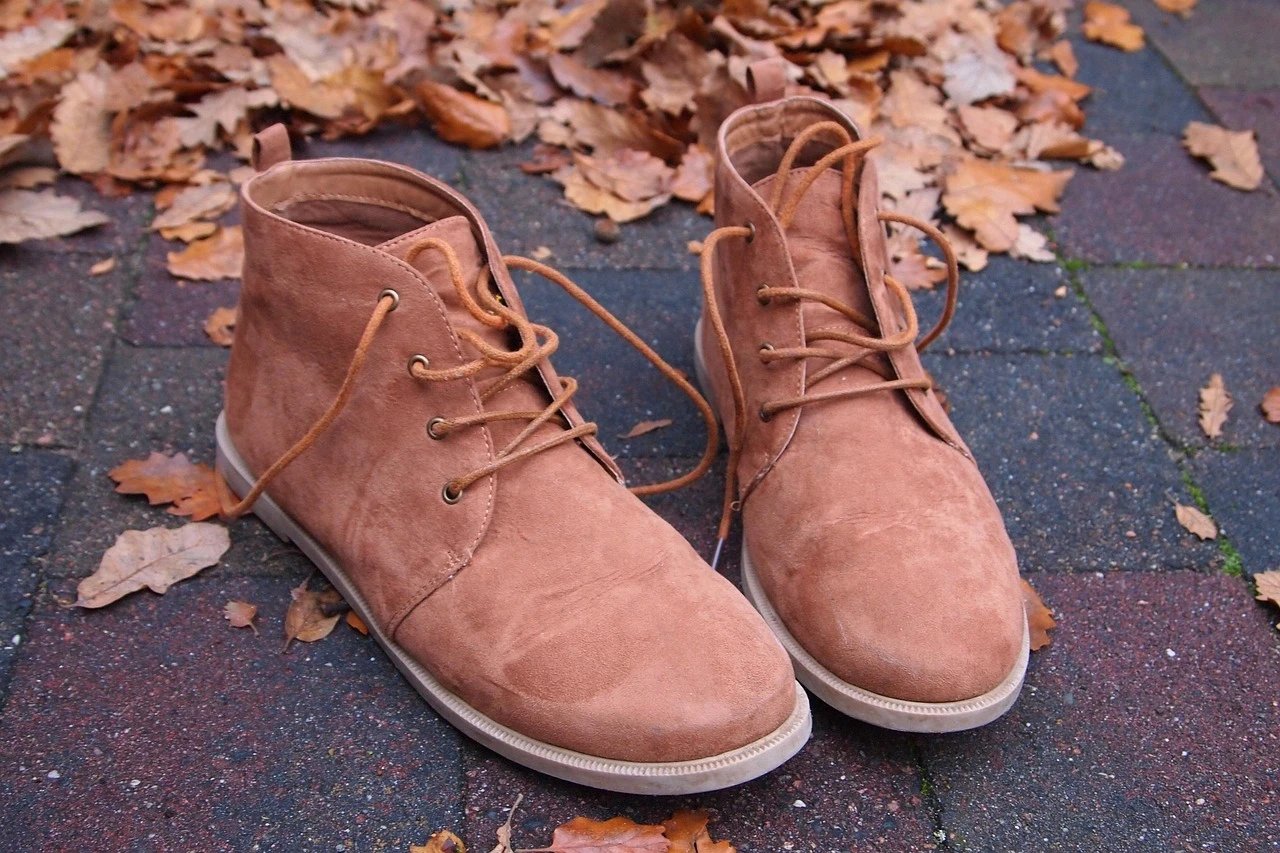
Your feet change as well. When the arch falls, the foot can get longer and wider, and bunions widen the front of it. Have your feet measured for width as well as length.
Choose shoes with a roomy toe box, the front of the shoe where your toes sit. Narrow, pointed toes are often the first shoes to go.
If your fingers are stiff in the morning, fasteners are part of fit.
Look for snaps or hook-and-loop tape instead of rows of buttons, a loop of fabric through a zipper tab for grip, nothing that fastens at the back, and front-fastening bras, all tips from Arthritis UK. A cardigan with five big buttons beats a blouse with twelve tiny ones.
And get a bra fitting. If your body has changed, there's a good chance your bra size has too. Every top in the closet hangs differently on a bra that fits.
For most women, waiting until the weight comes off means a long wait in clothes that don't fit. Weight and body shape can keep shifting for a year or two after your period stops, and hiding in baggy black while you wait makes every morning harder.
Buy a few pieces that fit now. A capsule makes that affordable, because the list is short. Two pairs of pants in your current size will do more for your week than a full closet in the size you used to be.
Fill the gaps without overspending
Write down only the gaps your rack exposed. Maybe it's pants that fit, a jacket in your base color, walking shoes with room for your toes. That list is your whole shopping trip.
Before you buy, figure the cost per wear: the price divided by the number of times you expect to wear it. A coat you'll wear three days a week all winter can cost less per wear than a bargain dress worn twice.
Price alone doesn't guarantee wear. Across those tracked closets, higher-priced items were usually worn more, but luxury-brand clothing averaged about six wears. That's roughly the same as fast fashion. What gets worn is what fits and goes with everything else.
Bags and shoes got the most wear and dresses the least. So spend more on the shoes, the coat, the bag and the pants you'll wear constantly. Think twice about a pricey dress unless you dress up most weeks.
In the dressing room, bring three things, all meant for the same gap. Twenty pieces on the hook means you're hoping something will fit. Three means you know what you're looking for.
Then turn each one inside out before you decide.
- Seams. The seam allowance, the strip of fabric between the stitching and the cut edge, should be generous and finished, with no puckering or fraying. Under the arm, the sleeve and body seams should meet exactly.
- Hem. It should be deep enough to let out later, with no stitches showing on the outside. A deep hem is handy when your height changes.
- Buttonholes and zippers. Buttonholes should be closely stitched, with no loose threads. Metal zipper teeth, not painted ones, point to better construction.
- Care label. Under federal rules, the label has to tell you everything you need to clean it, or warn you that it can't be cleaned without damage. If it says dry clean only, add the dry cleaning to your cost per wear.
If a salesperson starts bringing you armfuls, you can say, "Thanks, I'm only looking for navy pull-on pants today." Then hand back anything that isn't navy pull-on pants.
Change it with the seasons
Your core stays put all year. The pants, the base-color shoes, the bag and most tops carry across seasons. What changes is the outer layer and the weight of the fabric.
If you live where the weather turns every few months, build in layers instead of keeping a separate closet for each season. A shell, which is a simple sleeveless top, goes under a cardigan, and both go under a jacket. In April you lose the jacket. In July you wear the shell alone.
Layers help with hot flashes too. It helps to dress in layers you can take off and choose cotton, linen or rayon, which breathe, over thick, heavy fabrics and synthetics. Cotton absorbs sweat and dries quickly. Keep your shells in cotton and the cardigan comes off at the first wave of heat.
Wear a textured cardigan open, and it hangs like a frame down the front of your body. The eye moves up and down instead of across your middle.
Winter brings a different problem if your skin has gotten drier. The American Academy of Dermatology notes that wool or polyester against the skin can irritate dry, sensitive skin, and so can tight clothes like leggings and body-hugging jeans. A thin cotton or silk layer under a wool sweater usually stops the itch.
Late October is swap time in most of the country. Bring the sweaters and the heavier jacket forward, and put the linen pants and sandals away for the winter.
The full storage advice is on Woolmark's care page. If you're downsizing, a lidded bin under the bed holds an off-season and frees the closet rod for clothes you're actually wearing.
Keep it from filling up again
You might be asking yourself why you shop more than you used to, even with fewer new places to wear things.
The honest answer is that free time is exactly what stores, apps and inboxes are built to fill. You may recognize this too: buying piece after piece, hoping the next one fixes how you feel in your clothes. It rarely does, and the closet fills up fast.
Those tracked closets also show how fast things pile up: the median user added 59 items a year, and nearly 75 percent of the average closet had been bought in the past three years. Without a rule, a capsule becomes a full closet again within a year or two.
Three rules keep it small.
When something comes in, something goes out. Same category: a new top replaces a top.
Keep your gap list in your phone's notes app. If a piece isn't on the list, it waits a week. Most of the time you'll forget about it.
Let your closet set the limit. If you're moving somewhere smaller, count the hangers in the new space. When they're full, the closet is full.
When something pretty catches your eye, ask yourself out loud, "What three things would I wear this with?" If you can't name three pieces already on your rack, it stays on the store rack.
The bottom line
Start with your pants. Pull every pair out this week and sort them into the four piles. Pants are where the fit problems are, and the pairs you keep decide your base color.
If you're still working, build your first rack around work days. If you've retired, build it around the day you dress for most often, which is usually errands.
If your weight is still moving, buy two pairs of pull-on pants in your current size and nothing else for a month. Pull-on pants with a flat front panel adjust to a waist that changes from week to week.
Up next
17 Plus-Size Office Outfits Over 50 That Actually Look Polished
Seventeen office outfits for a real plus-size body, each with the one fit detail that makes it work, from where a blazer button lands to what a tailor charges.
Read the list →


Reader quiz
Did you catch the details?
5 questions from this article. Finish them all to unlock the editor's bonus tip.
What test does the article suggest for a blouse or outfit you've been saving "for best"?
Did any of these feel familiar?
Know someone who needs this?
Sources cited in this article
This article links to 8 outside sources, listed here so you can read them yourself.
- One wardrobe app indyxapp.substack.com/p/the-state-of-our-wardrobes-isconcerning
- A university extension guide to buying clothes well site.extension.uga.edu/textiles/quality-and-selection
- Increases significantly over the menopause transition pmc.ncbi.nlm.nih.gov/articles/PMC8569454
- Most people start losing some height around 40 www.health.harvard.edu/healthy-aging-and-longevity/why-do-i-shrink-in-height…
- Tips from Arthritis UK www.arthritis-uk.org/news/2024/january/getting-dressed-with-arthritis-tips-t…
- Dress in layers you can take off www.breastcancer.org/treatment-side-effects/hot-flashes
- Wool or polyester against the skin can irritate dry, sensitive skin www.aad.org/public/everyday-care/skin-care-basics/dry/dermatologists-tips-re…
- Woolmark's care page www.woolmark.com/care/how-to-store-wool-clothes

Irina Byalik
Style Editor
Irina Byalik is a hairdresser and the owner of New Image Hair Salon in East Brunswick, New Jersey, with more than 20 years of experience. She came to the United States from Ukraine.
More from Irina Byalik