24 Things Retirees Wish They'd Spent Money On Sooner
Saved money can pay for a mattress, a handrail, or a ticket; the harder step is putting that purchase on the calendar.
By Linda Cho, CFP®, Money Editor
Updated · 16 min read
- Written by our money editor
- How we review

Read to the end: #1 is the paid planning session that puts a deferred purchase on the calendar, and almost nobody books it.
A suitcase sits open on the bed. The shoes are packed, but the tickets are still in your browser because the account balance looks better untouched. Your passport is in the drawer, and the fare is still available.
Saving got you here. Keeping every dollar untouched won't give you back a trip, a comfortable night, or an afternoon with someone you love.
Here are 24 things worth paying for while you have time to use them.
24A mattress you sleep on tonight

A worn mattress takes its payment every morning.
Before blaming your back, check what happens when you sleep elsewhere. A guest bed offers a useful comparison, especially if you wake with less stiffness there. At home, look for sagging where you sleep, then decide whether a new mattress deserves room in the budget.
Keeping an uncomfortable bed to protect savings spends something else: restful mornings. A topper won't fix a mattress that no longer supports you.
This week, lie on candidate mattresses in your usual sleep position and read the return terms before paying. Ask the store, “What are the return terms if this bed doesn't work for me?”
Good sleep makes the next expense easier to notice.
23A dental visit before the tooth breaks
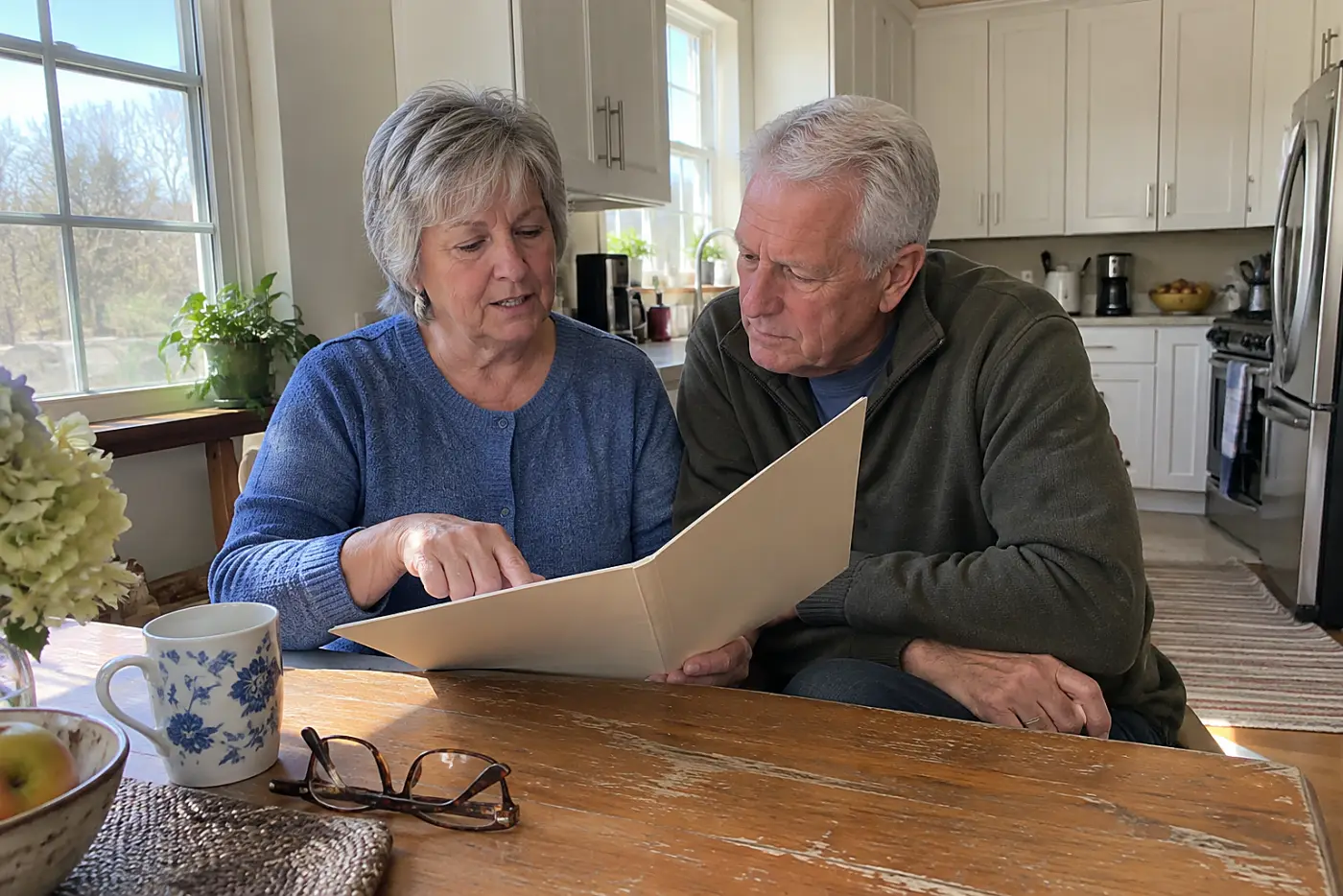
Waiting for pain makes the dentist's choices narrower.
A small repair is easier to discuss before a tooth breaks at dinner. If you have dental insurance, pull up its covered services and annual limit before agreeing to treatment. Original Medicare leaves most routine dental care to you, as its dental coverage page makes clear.
The cost of delay isn't just the procedure. It's eating around a sore spot while deciding whether the bill fits your budget.
This week, book an exam if you've postponed one, and request a written treatment plan. Say, “Which work needs attention first, and what will each visit cost me?”
Once eating feels ordinary again, think about what else you've been putting off.
22A hearing test you schedule yourself

Repeating a question changes the whole conversation.
A hearing test gives you a baseline instead of another guess about the TV volume. For adults with perceived mild to moderate hearing loss, the FDA permits certain hearing aids to be sold over the counter without an exam or prescription. Its hearing aid guidance explains which devices those are.
Ear pain, drainage, or a sudden change deserves medical attention instead of a shopping trip. Paying for a device before you know what each ear hears risks solving the wrong problem.
This week, schedule a test or read the FDA guidance before you shop. At the appointment, say, “Please show me the results for each ear.”
You'll hear more when the room works with you, too.
21A table in a less noisy restaurant

Dinner gets expensive when you miss half of it.
Hard floors and loud music force you to work through a meal you meant to enjoy. A restaurant's photos reveal a lot: look for upholstered booths, space between tables, and a place away from the speakers. Call before booking if the room looks crowded.
Then choose a time when conversation has room to breathe. Spending a little more on the right setting beats paying for a dinner you spend reading lips.
This week, pick the restaurant for a conversation you've postponed and ask about its quietest seating. Say, “We're coming to talk. Which table would you choose for that?”
The best part of the evening isn't always on the menu.
20Train fare to see an old friend

The calendar won't make this visit for you.
Calls keep a friendship alive, but they don't replace sitting across from each other. A train ticket buys an unhurried afternoon without asking either of you to host for days.
The fare is visible on the screen. The next chance to go isn't.
This week, choose two dates and check the fare and refund rules before you book. Text, “I want to come see you. Would either of these days work?”
That trip needs a place in your budget, not just your heart.
19A comfortable pair of walking shoes

Old shoes decide how far you'll go.
Worn soles change how a walk feels long before they fall apart. Bring the socks you wear outside, try both shoes, and walk around the store. The brand on the box matters less than whether your toes have room and your heels stay put.
If sore feet keep you home, the shoes have already cost you outings.
This week, inspect the pair by the door for uneven wear and try replacements late in the day, when your feet are more likely to be swollen. Tell the fitter, “I'd like to walk around in these before I decide.”
A good pair gets you out the door. Getting back inside deserves thought as well.
18A handrail beside the front steps

One loose step changes how you enter home.
A sturdy rail gives your hand somewhere to go when the steps are wet or your arms are full. It has to be firmly anchored, at a height you can use. Grip any existing rail with your usual pressure; movement is a reason to get it checked, not to hold it more carefully.
Delaying the work means making the same careful climb every day. Before hiring anyone, ask for a written price that names the materials and installation work.
This week, test the existing rail or get an installer to quote a new one. Say, “Please show me where this will be anchored.”
The steps are only one place where the house asks you to strain.
17Better lighting on the nighttime route

A dark hallway asks you to rely on memory.
Walk from your bed to the bathroom after sunset and notice where you lose sight of the floor. A lamp, plug-in night-light, or motion-sensing light solves different problems. Choose the light that lets you see the route without searching for a switch.
Keep cords out of the path, and test the lighting from the bed. The National Institute on Aging's fall-prevention guidance names other home hazards worth checking.
This week, make that walk with the lights set as they are tonight, then buy what the route needs. Tell an electrician, “I need to see this hallway from the bedroom door.”
Once the floor is visible, look at where you stand longest.
16A shower chair that fits the tub
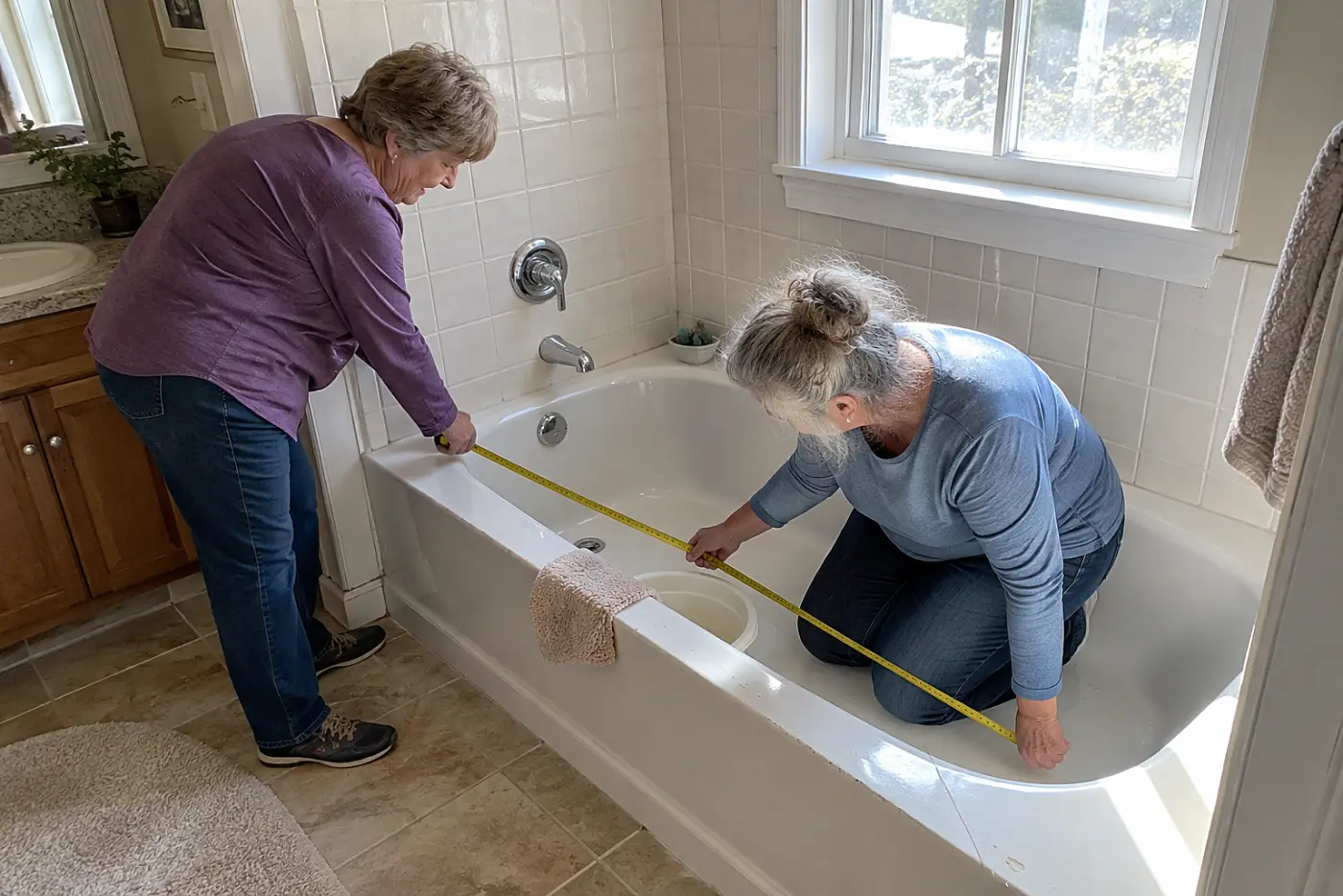
Standing through a shower shouldn't be compulsory.
A chair has to fit the tub, leave room for your legs, and stay stable on the surface beneath it. Measure the tub floor where the chair's feet will land. Then compare that space with the chair's assembled dimensions, rather than judging fit from a photograph.
A chair that crowds the tub trades one problem for another. If it blocks your usual way in, the money buys an obstacle instead of relief.
This week, measure the tub floor and doorway, then check the chair's dimensions and return terms. Ask the seller, “What is the return policy after I assemble it?”
The room outside the bathroom has its own daily strain.
15A cleaner for the hardest chore

Scrubbing the tub isn't a savings strategy.
Paying for help with one demanding job frees your time and your body for something else. Start with the chore you dread most, not a whole-house contract. Get a written list of tasks, the price, and who supplies the products.
You still decide what matters. Skipping an outing because the floors need doing is a cost, even when no money leaves your account.
This week, request quotes for one visit from two local services and compare exactly what's included. Say, “I want the tub, floors, and kitchen done. What will that cost?”
With the heavy work covered, there's room to use the things you already own.
14Groceries for dinner on the good china

The good plates don't need another decade in the cabinet.
Dinnerware survives better as part of a meal than as a reason to wait. Buying the groceries and inviting people over turns an old purchase into an evening. Keep the menu simple enough that you spend dinner at the table, not washing pans while everyone else talks.
Unused things take up space. Unmade plans take up time, and a date on the calendar gives both the plates and the people a reason to come out.
This week, choose a date, invite someone, and buy what you need for a simple meal. Say, “I'm using the good dishes on Saturday. Come hungry.”
Once the table is set, listen for what the house needs next.
13An appliance repair before another workaround

The dishwasher's broken rack steals time daily.
A small appliance problem becomes a routine: hand-washing extra dishes or lifting a heavy door the wrong way. Find the model number before you call. An estimate lets you compare repair with replacement without buying either on impulse.
Ask whether the quoted work includes parts, labor, and a return visit if the same problem persists. Before paying for a repair, search the model at the Consumer Product Safety Commission's recall page.
This week, photograph the model label and request a written estimate. Say, “Please separate the cost of diagnosis from the cost of repair.”
A fixed kitchen helps. So does knowing who can take you beyond it.
12A paid ride to the next gathering

A ride is cheaper than dreading the road.
Night glare, traffic, or a long drive turns a good invitation into an easy refusal. Paying a driver for one trip keeps you in the plan without forcing yourself behind the wheel. Check the return trip before you commit; getting there is only half the fare.
The price deserves a place in your outing budget. Refusing an invitation because the drive feels exhausting costs you time with people you wanted to see.
This week, price a round trip to one event and check pickup options before accepting. Tell the host, “I'm coming, but I'm arranging a ride.”
Once you arrive, give yourself time to stay.
11A second hotel night after the wedding

Rushing home can swallow the best conversation.
A hotel room near the celebration buys a slower goodbye. You don't have to drive tired, and you can have breakfast with the people you came to see. Check the checkout time and cancellation terms before paying.
Book for the visit you want, not the shortest stay you can manage. One extra night is a specific expense you can weigh against another year of wishing you'd lingered.
This week, look at the next family gathering on your calendar and price a second night nearby. Say, “I'd like to stay for breakfast the next day. Are you free?”
After the big occasions, smaller ones still deserve a place.
10Tickets to a weekday performance nearby

The seats won't wait for a perfect occasion.
A matinee or weekday show gives you a date to anticipate and a reason to leave the house. Check the venue's seating map before selecting a ticket. Look at the route from the entrance to your seat, then decide whether the view and the walk suit you.
Saving the price of admission means missing that particular cast, concert, or night out. A ticket in your email also turns “we should go” into a plan with a start time.
This week, choose one performance and buy seats you can reach comfortably. Tell a friend, “I'm getting tickets for Thursday. Want the seat beside me?”
The outing is better when the trip there works.
9A suitcase you can lift alone

A heavy bag turns departure into a test.
Before buying luggage, load it with what you actually take and lift it onto a chair. Check the handle at walking height, roll it across a rough surface, and see whether you can manage a curb. Lighter luggage only helps if it still fits your clothes and closes easily.
Before ordering, open your airline's baggage page and check its size and weight rules for your ticket. A bag that sits unused in the closet has saved nothing.
This week, test your current suitcase while it's packed, then shop with its awkward moments in mind. Say, “I'd like to try this with some weight inside.”
A workable bag opens the door to a trip you needn't plan alone.
8A travel agent for the complicated trip

Complex connections eat the first day of vacation.
A travel agent's value lies in sorting the moving parts before you pay. Give the agent your travel dates, budget, and the connections you want to avoid. Then ask what planning costs, which suppliers pay the agent, and who handles changes after booking.
An itinerary with too little time between flights puts the trip at risk before it begins. A planning fee deserves comparison with the time and money you'd spend fixing a bad route yourself.
This week, describe the journey to an agent and request the planning fee in writing. Say, “If a connection fails, whom do I call first?”
Before anyone builds that itinerary, check the document in your drawer.
7A renewed passport before booking flights

An expired passport stops the trip at home.
Check its expiration date before you shop for airfare. Your destination's entry rules determine how long the passport must remain valid after travel, so read them before you pay. Processing times change; find the current timetable on the State Department's passport page.
That order matters. A cheap fare isn't a bargain if the document won't get you there.
This week, find your passport, check the destination's rules on the State Department's international travel site, and renew before buying nonrefundable travel. Tell your companion, “Let's check both passports before we book.”
The paperwork is one hurdle. A postponed experience is another.
6Lessons for the instrument in the corner

The piano won't teach itself while you wait.
A teacher gives you a time to show up and a piece to practice. Ask about lesson length, scheduling, and what you need between sessions. If the instrument hasn't been played in years, tell the teacher before paying for a series of lessons.
A piano left untouched costs space; a lesson buys use of it. The first session also tells you whether you like the teacher's pace before you put more money down.
This week, book one lesson or ask a teacher about a trial session. Say, “I played years ago. Could we start with what I remember?”
Some interests need company more than instruction.
5Membership at a place you'll visit

A membership pays off only when you go.
Look at the museum, garden, or pool you already enjoy. Compare admission with the membership terms, then check parking, guest rules, and the hours you would use. A tempting brochure doesn't tell you whether Tuesday morning fits your life.
The money is better spent on visits than on a card kept in a drawer. Choose the place that draws you back, even if another membership appears to offer more perks.
This week, open your calendar and mark the next visit before joining. At the desk, ask, “What does this membership include when I come alone?”
Going somewhere regularly makes it easier to keep another promise to yourself.
4Physical therapy for a nagging limitation

Working around pain shrinks your day.
A physical therapist evaluates how you move and gives you exercises tied to a goal. If you use Medicare, check your coverage and ask the practice what you'll owe before the first visit. Medicare's physical therapy page gives you a place to check the service before you book.
Putting off help leaves the stairs, garden, or grocery aisle harder than they need to be.
This week, tell your clinician which movement you've stopped doing and ask whether therapy fits. Say, “I want to carry groceries up my steps again.”
The goal isn't an exercise sheet. It's the day the steps lead to.
3A trip booked with someone you love

The hardest trip to replace includes another person.
Their calendar and yours have to meet. Begin with the shared days, then choose a destination you both want. A shorter trip taken now beats a grand plan that never finds an opening.
Agree on the budget before anyone pays a deposit. That includes lodging, meals, transport, and what each of you wants to do alone. Money left unspent cannot recreate a date when you were both free.
This week, call the person and offer two windows, not a distant promise. Say, “I'd rather make this trip now. Which of these dates works for you?”
Once a date is real, look at what helps you remember it.
2Printed photographs for the kitchen wall

Photos on a phone stay out of sight.
Choose images you want to see on an ordinary morning, rather than the shots that looked best on a tiny screen. Print a few, check their size against the wall, and pick frames you can hang without turning the job into a renovation.
A folder full of images doesn't put anyone's face beside your coffee cup. Prints also give you something to share when that person visits.
This week, select three photos and order prints in sizes that fit the wall. Ask someone in one picture, “Do you remember the day we took this?”
The wall makes those days visible. One decision about your money still needs the same attention.
1A paid session with a financial planner

The purchase you keep postponing needs a date.
A paid planning session puts your savings beside the income arriving each month and the bills it already covers. Bring the cost of one purchase you've deferred, plus your emergency cash and known upcoming expenses. Ask the planner to show what spending that amount now changes.
Don't move money blindly from a retirement account. A withdrawal from a traditional IRA brings tax questions, and the timing deserves a check if you also receive Social Security or pay Medicare premiums. Use the IRS retirement plans page and Medicare's IRMAA guidance to prepare your questions.
This week, request the session's price and scope before booking. Say, “I want to know whether I can pay for this purchase now, and which account should fund it.”
Then take that answer back to the calendar.
The bottom line
The pattern behind these 24 things is delay: a saved dollar can't buy back a day that has passed.
You've kept cash for bills and emergencies. You've checked what one worthwhile purchase costs and given it a date.
Which of these has already happened in your family?
Bonus: The paid planning session that puts a deferred purchase on the calendar
- Pick one purchase you've postponed and get its current price in writing.
- Gather monthly income, bills, emergency cash, known expenses, and your latest retirement-account statements.
- Before booking, ask, “What will this session cost, and will we decide which account pays for this purchase?”
- Bring the planner's answer home and put the purchase date on your calendar.
Linda Cho, CFP®
Money Editor
Linda is a certified financial planner who spent two decades advising retirees before joining Prime Journal.
You might also like