23 Signs Loneliness Is Hurting Your Health
When days pass without conversation, sleep and meal changes slip past you. A calendar marked with canceled walks makes the pattern harder to miss.
By Dr. Alan Pierce, PT, DPT, Health Reviewer
Updated · 17 min read
- Written by our health reviewer
- How we review

Read to the end: #1 shows when to request a visit for the whole pattern. The Bonus gives you the words.
The kitchen clock says 7:12. Your coffee is cold beside an unopened envelope, and the only voice you’ve heard today came from the radio. You’ve answered two messages with “I’m fine.” Neither person knows you’re still in yesterday’s clothes.
That answer isn’t a lie. You’ve handled hard days before, but loneliness can change daily habits so slowly that each change looks harmless by itself. A missed lunch, a late bedtime, and one canceled walk don’t tell the whole story until you put them together.
Here are 23 signs worth checking.
23The untouched mug beside your phone

An empty message thread changes the shape of breakfast.
You pick up the phone before the kettle boils. After finding no message, you put it down and forget the toast. Breakfast has become something you do only after someone answers you.
Skipping food leaves less energy for errands, medication schedules, and the walk you meant to take. If you take medicine with food, check its label before treating breakfast as optional.
This week, set out a plate before checking messages and notice whether you eat. Keep something you like within reach, even if cooking feels like too much. Tell someone, “I’d like a breakfast call this week, even if we only talk for ten minutes.”
But the morning isn’t the only place a missing voice shows up.
22The television still playing after bedtime

The screen stays on long after you stop watching.
A familiar voice fills the room while you fold laundry or wash dishes. Then one more episode carries you past the bedtime you’d planned. Light and sound keep interrupting sleep.
The next day starts with less energy. Pain, medication, and sleep apnea also disturb sleep, so don’t decide the television explains everything. The National Heart, Lung, and Blood Institute’s sleep health page describes why a steady schedule matters.
This week, record your bedtime, wake time, and every night the screen stays on. Set a timer to turn it off before bed, then notice what keeps you awake. If sleep remains poor, tell your clinician, “I’m staying up with the television because I don’t want the house to go silent.”
There’s another way an empty evening shows up the next morning.
21The calendar with crossed out walks
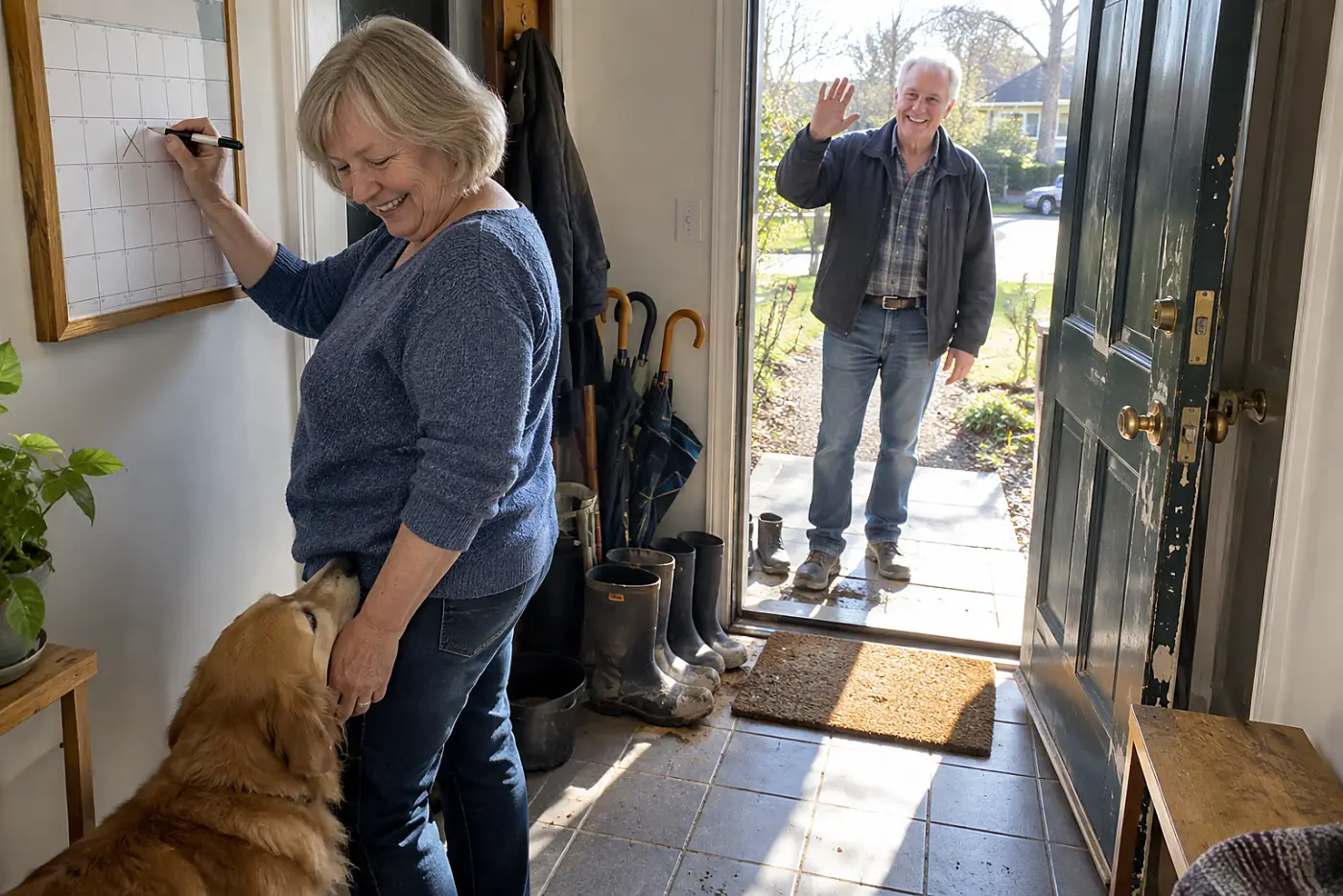
A walk disappears before your shoes leave the closet.
Walking alone starts to feel like one more task, so you cross it off. A second canceled walk makes the first easier to excuse. The National Institute on Aging’s exercise and physical activity guide includes ways to start at a manageable level.
Less movement leaves you stiffer on errands and farther from the people you’d planned to see. Waiting for a walking partner gives the crossed-out days more room on the calendar.
This week, choose one short route and invite a neighbor along for part of it. If no one joins you, try the route and note what stopped you, if anything. Say, “I’m walking to the corner on Thursday. Want to come?”
Watch what happens when getting out takes even more effort.
20The grocery basket with only snack food

Dinner gets replaced by whatever needs no preparation.
Cooking for one feels wasteful when the person you used to feed isn’t there. You buy crackers, cereal, and something sweet, then eat standing at the counter. Shopping becomes a trip for shelf-stable food rather than ingredients for meals.
Poor appetite also has medical causes. The National Institute on Aging’s healthy eating guide covers nutrients and meal planning. Tell a clinician if your weight is dropping without effort instead of blaming loneliness alone.
This week, photograph your grocery basket before checkout. Plan two meals with protein, produce, and food you’ll actually eat. Ask someone, “Would you come over for soup Tuesday? I need a reason to make a pot.”
And notice whether the problem follows you to the table.
19The dinner plate left in the sink

Eating standing up makes the day feel unfinished.
You heat leftovers, take a few bites, and leave the plate beside the tap. Without a meal break, it’s harder to notice how much you ate or whether you enjoyed it. The sink holds evidence that a meal happened, but not much of one.
A missed meal matters if you take medicine with food. Check the instructions on the bottle; don’t change a dose because you skipped dinner.
This week, sit down for one meal a day and note what you finish. Put the plate on the table, even if the meal came from a carton. Say to a friend, “Could we eat lunch together by phone once this week?”
The sink can also hold clues about what you’ve stopped doing elsewhere.
18The unopened curtains at noon

Daylight disappears when nobody expects you outside.
You wake late, leave the curtains closed, and move from bed to sofa. Without a reason to go out, the day has fewer markers. Bedtime drifts later.
Staying indoors also cuts down ordinary movement. The CDC’s physical activity guidance for older adults includes aerobic, strength, and balance activity. A shut-in routine deserves more notice than “I’ve been busy.”
This week, open the curtains after you get up and step outside, even if you only walk to the mailbox. Mark the calendar each day you do it. Tell someone, “I’m trying to get outside before lunch. Will you check in on Friday?”
If opening the door feels harder than the walk, notice what happens first.
17The invitation you answered three days late
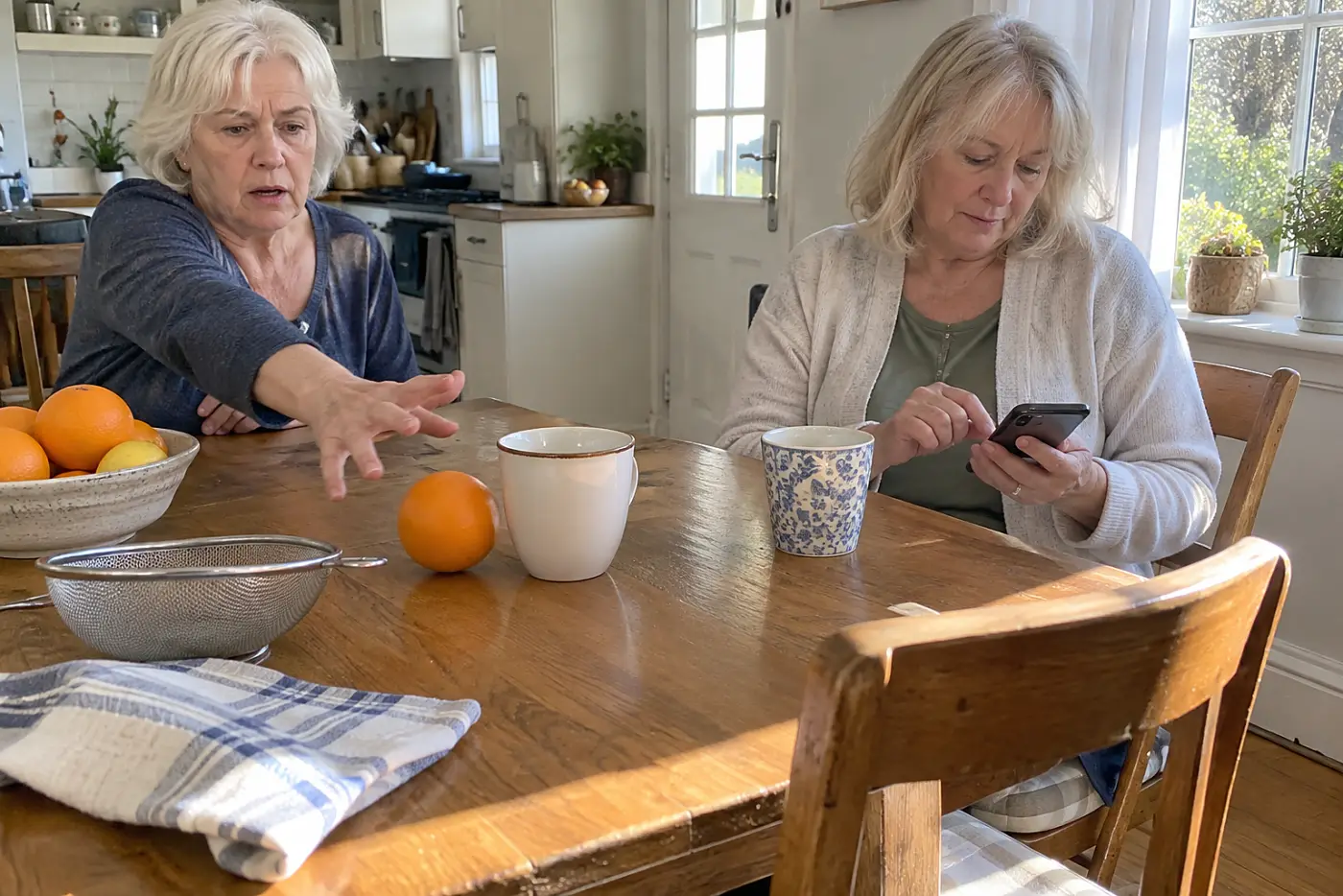
A delayed reply turns an easy invitation into work.
You see the message, mean to answer, then dread explaining the delay. By the time you respond, the plan has passed. That small exchange trains you to expect fewer invitations.
Missing one gathering isn’t a diagnosis. A string of missed chances leaves you with less contact when something goes wrong, and the next invitation feels harder to accept.
This week, reply to one pending invitation without apologizing at length. Offer a date if the original plan has passed. Say, “I missed this, but I’d like to see you. Are you free next week?”
The answer matters less than whether you keep a place open for people.
16The pharmacy bag you keep forgetting

Refills slip when the days start looking alike.
You put the bag by the door, planning to sort the bottles later. Without a conversation or errand to mark the day, “later” becomes hard to place. Then you reach for a prescription and find fewer pills than expected.
Missing doses or taking extras is dangerous. Check the label and ask the pharmacist before changing how you take a medicine.
This week, line up your bottles beside a calendar and check which refills are due. Call the pharmacy about any bottle you can’t account for, and keep its answer with your medicine list. Say, “I’ve lost track of this refill. Will you check the last fill date with me?”
A bag by the door is one clue. Another waits in your favorite chair.
15The unopened book on your chair

Pages stop turning when concentration gets thin.
You read the same paragraph, set the book down, and reach for your phone. Poor sleep, stress, depression, and medical problems all interfere with focus. Loneliness belongs in the conversation, but it shouldn’t be your own final answer.
Lost concentration spills into bills, driving, and medication instructions. New or worsening trouble deserves a clinician’s attention, especially when a task that once felt simple now takes several tries.
This week, note when focus is worst and what happened the night before. Bring one example from daily life, rather than saying only that you feel distracted. Say, “I keep rereading things without taking them in, and I want to find out why.”
There’s a difference between losing interest in a book and nearly everything else.
14The garden tools still in the shed

A favorite task starts feeling pointless without company.
You used to check the tomatoes every morning. Now the watering can stays dry, though you still notice the plants from the window. Losing interest in familiar pleasures deserves attention when it lasts and comes with changes in sleep or appetite.
The National Institute of Mental Health’s depression page lists loss of interest among depression symptoms. Loneliness and depression aren’t interchangeable, and neither one requires you to diagnose yourself.
This week, name one activity you’ve stopped and the last time you enjoyed it. Share that change with a clinician or someone who knows your routine. Say, “I haven’t wanted to garden, and that’s unlike me.”
If the shed isn’t the only place you’ve stopped showing up, look at the rest of the day.
13The unopened mail beneath the kitchen clock

An unopened envelope turns one task into several.
You set the envelope aside until you have the energy to deal with it. Then another arrives, and the first feels harder to open. A bill or notice doesn’t stop needing attention because the pile is out of sight.
Missed due dates lead to fees or interrupted services. The larger clue is new trouble handling paperwork you used to manage without a second thought.
This week, open the oldest envelope and write down the action and due date. Ask a trusted person to sit with you if the pile feels overwhelming. Say, “I’ve been putting off my mail, and I need company while I sort it.”
A paper pile is visible; a warning inside your body is easier to explain away.
12The chest pain you explained away
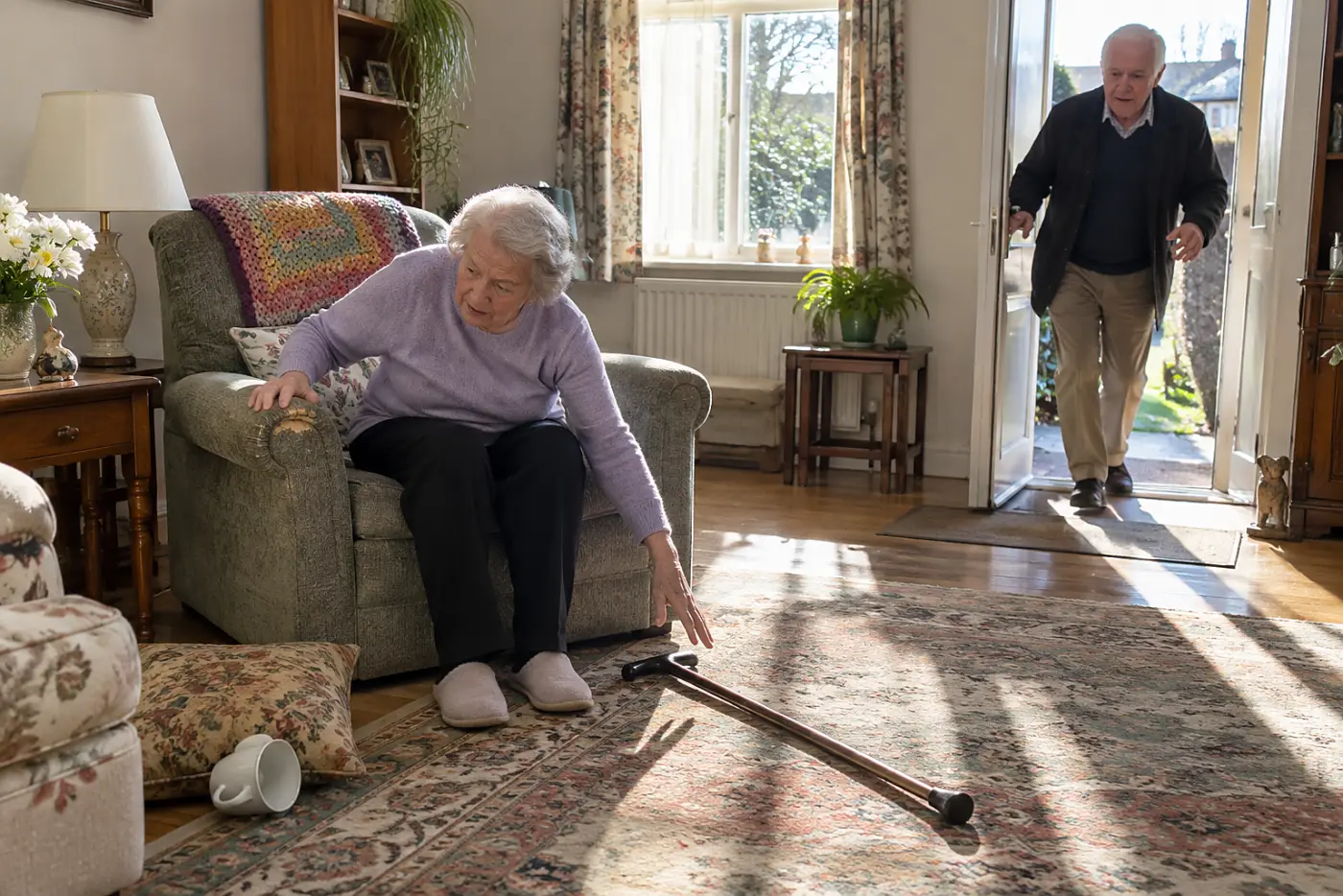
Being alone makes second-guessing a symptom easier.
You feel pressure, sit down, and wait to see whether it passes. With nobody there to notice you’ve gone pale or stopped talking, you keep testing explanations instead of getting help. The American Heart Association lists heart attack warning signs, including chest discomfort.
Call 911 for new chest pressure, especially with shortness of breath, sweating, nausea, or pain in your arm, back, neck, or jaw. Don’t drive yourself.
This week, put your address where you can read it from the phone and check your emergency contacts. Keep the address beside a landline if you use one. Tell a trusted person, “If I call about chest pain, help me call 911. Don’t help me talk myself out of it.”
Not every warning sign announces itself with pain.
11The same story told twice by phone

Repetition deserves curiosity, not an instant verdict.
You tell your sister about a repair, then tell her again an hour later. Stress, poor sleep, hearing trouble, medication effects, and memory problems all complicate recall. One repeated story doesn’t settle the cause.
New memory trouble matters when it affects bills, directions, or medicine. The National Institute on Aging has information on assessing memory problems; bring concrete examples to a clinician instead of trying to name the cause yourself.
This week, write down two specific examples, including when they happened. Ask the person who noticed to describe what she heard, if you’re comfortable asking. Say, “I’ve repeated things without remembering, and I want to check what’s behind it.”
Hearing someone’s answer clearly matters just as much as remembering your own words.
10The hearing aid left in its case
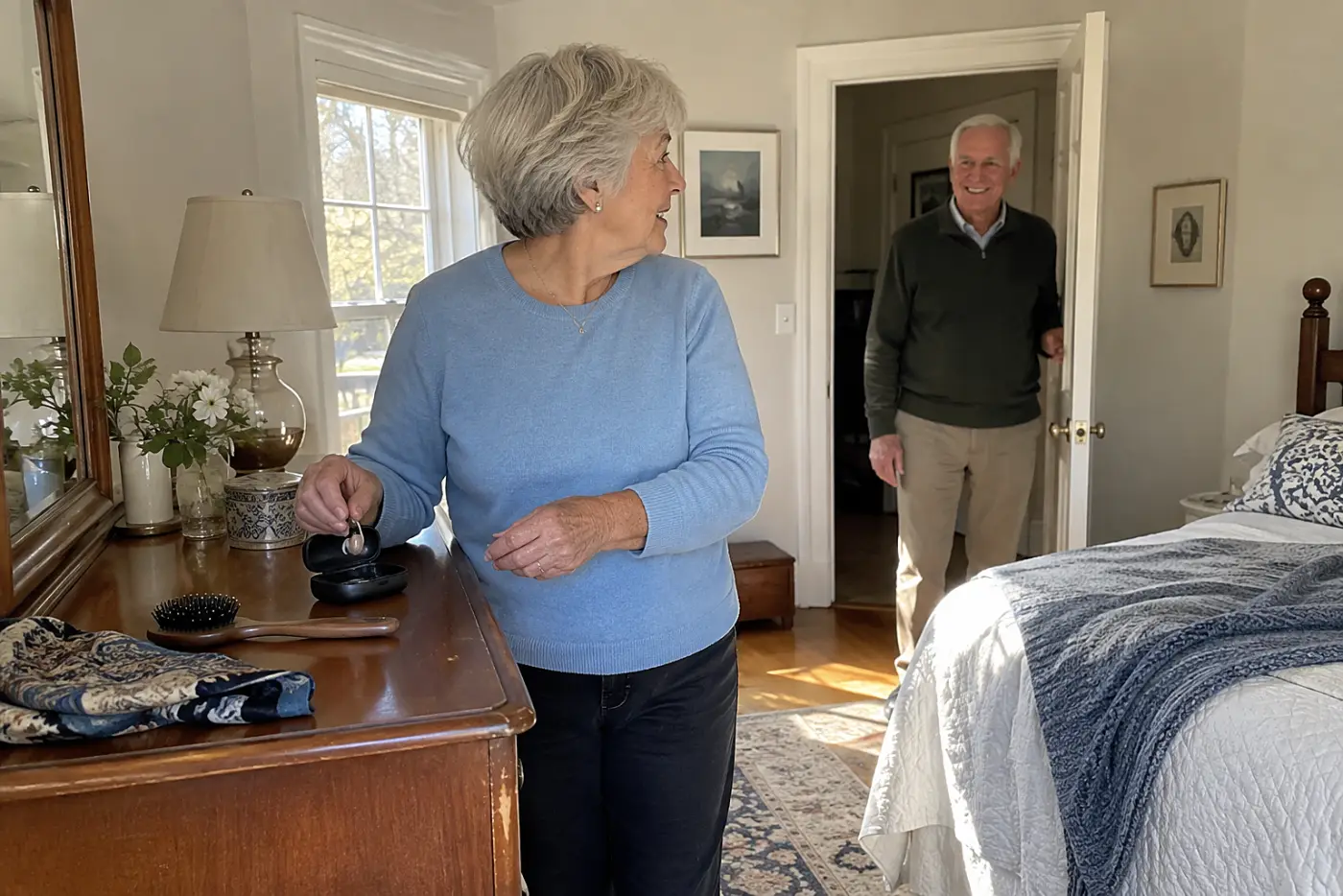
Conversation shrinks when listening takes too much work.
You leave the hearing aid out because the battery is dead or the fit hurts. At lunch, you miss half the table talk and smile as if you heard it. After a few exhausting outings, staying home starts to seem easier.
Hearing trouble makes social time tiring without making you less interested in people. The National Institute on Deafness and Other Communication Disorders has information about hearing-aid fit and care. Pain, poor sound, or a device that keeps slipping deserves a check.
This week, replace the battery or charge the device, clean it as directed, and note what still goes wrong. Call your hearing care provider if it isn’t working. Say, “I’m skipping conversations because this is uncomfortable. Will you check the fit?”
There’s another reason a lunch table starts to feel harder to face.
9The clothes waiting on the bedroom floor
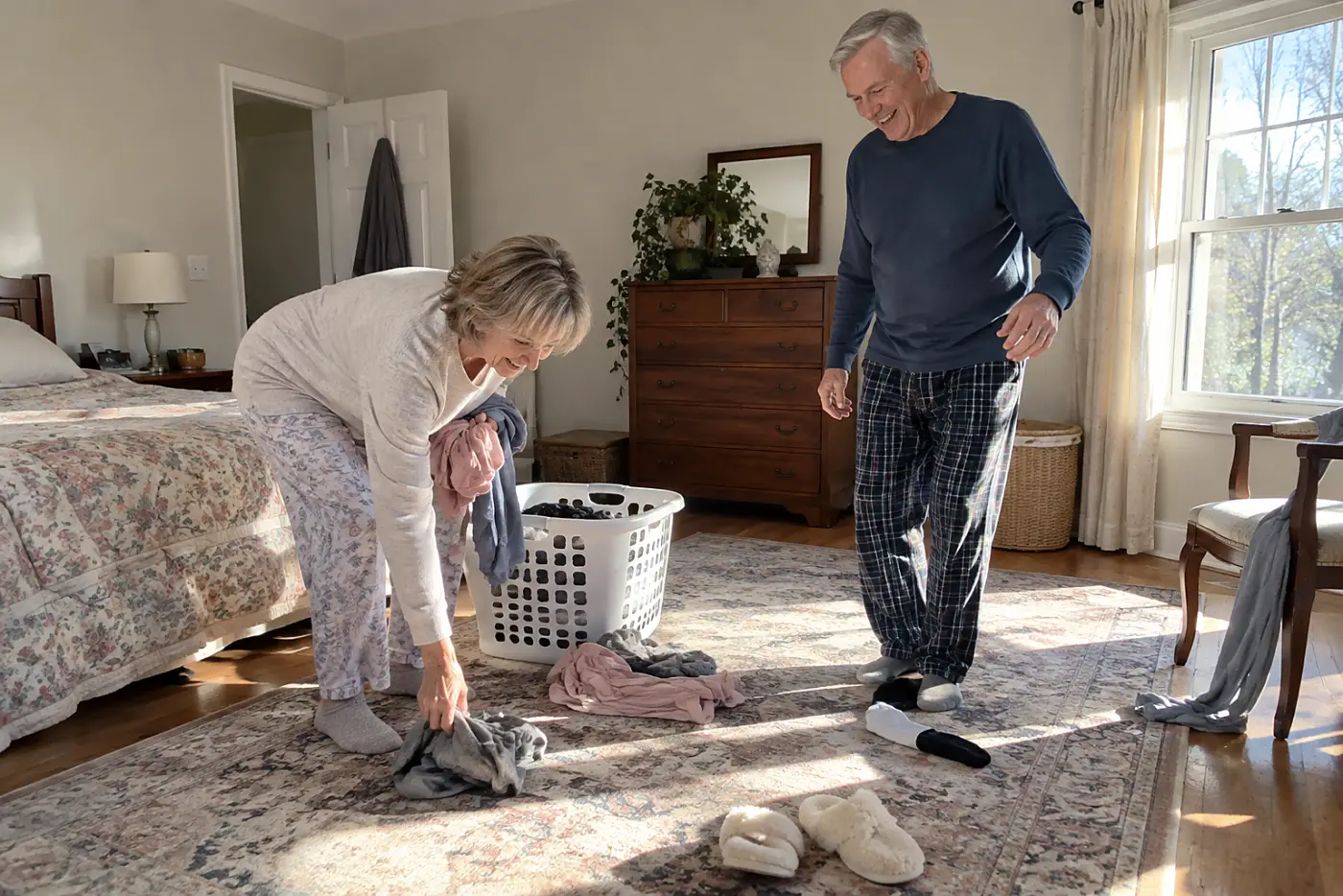
Getting dressed starts to feel like wasted effort.
Yesterday’s clothes are clean enough for home, so they stay on. Then changing takes more effort than it should. A shift in grooming, especially alongside low mood or lost interest, is worth mentioning rather than hiding.
Bathing or laundry also slips when pain and fatigue get in the way. You deserve help finding the cause instead of treating a changed routine as a personal failing.
This week, notice which step feels hard: washing, choosing clothes, or starting the day. Write down whether pain or fatigue appears at that point. Say, “My routine has changed, and I need help working out why.”
What you wear is visible; what you tell yourself about it is harder to spot.
8The mirror you avoid before leaving

You stop looking because you expect bad news.
A mirror used to mean lipstick or a collar check. Now it prompts a list of things you think nobody wants to see. You cancel plans before anyone gets a chance to disagree.
Those thoughts don’t prove anything about your worth. They show how harsh your inner conversation has become. If thoughts turn to suicide or self-harm, call or text 988 right away. The 988 Suicide & Crisis Lifeline also answers calls about emotional distress.
This week, write down the thought that makes you cancel, using its exact words. Tell one trusted person what it said instead of giving a polite excuse. Say, “I’ve been avoiding plans because I feel hard to be around.”
That sentence is difficult to say. Keeping it locked up changes how you answer people, too.
7The sharp reply in the family chat

Irritation travels faster than an honest explanation.
A harmless question arrives when you’re already worn out, and your answer lands hard. The chat goes still. Now you’re angry about being asked and ashamed of how you answered.
Stress and poor sleep sharpen a reaction without explaining every part of it. Leaving the exchange alone risks turning one rough moment into another empty week.
This week, go back to one message you regret and answer it directly. Keep the reply about what happened rather than arguing over the original question. Say, “I snapped at you. I’ve been having a hard time, and I’d like to talk.”
After the chat goes still, notice what fills the gap.
6The wine glass poured before dinner

A drink starts taking the place of a call.
You pour it at the hour someone used to come home. The first sip marks a shift in the day, and soon the glass feels necessary before you start cooking. Drinking has become the cue that evening has begun.
Alcohol disrupts sleep and interacts with medicines, even when it feels relaxing. The National Institute on Alcohol Abuse and Alcoholism has information on alcohol and aging. Read your prescription warnings and ask a pharmacist about interactions; don’t stop a prescribed medicine to keep drinking.
This week, record when you pour a drink and what happened in the hour before. Choose one evening to call someone before opening the bottle. Say, “Evenings have been hard. Do you have time to talk before dinner?”
Pay attention to what else you reach for when the house gets still.
5The phone call you let ring out

Silence feels safer until it becomes the routine.
You see a familiar name and wait for voicemail. Calling back requires a story about where you’ve been.
Each unanswered call cuts off someone who’d notice a change in your health. Ordinary bad days stay yours alone, too.
This week, return one call without explaining every missed one. Say, “I’m glad you called. I’ve had a rough stretch.”
Sometimes the barrier isn’t answering. It’s what happens when you try to leave home.
4The car keys left on the hook

A simple outing starts demanding a long argument.
You pick up the keys, picture the crowded store, and put them back. Soon you’re arranging deliveries to avoid even a short conversation. Worry, dizziness, pain, and fear of driving each call for a different conversation.
Avoiding trips means missing food, care, and people you meant to see. Sudden dizziness, a new driving problem, or a fall needs medical attention rather than a promise to try harder. The National Institute on Aging has information on falls and fall prevention if steadiness is part of the problem.
This week, write down exactly what stops you between the keys and the door. Ask a friend to join you for one errand, or tell your clinician about dizziness or fear. Say, “I keep backing out of trips, and I need to work out what’s stopping me.”
The clearest clue might be what happens once you’re finally with someone.
3The lunch where you said everything was fine

A good lunch hides a hard week.
You laugh, ask about everyone else, and go home with no one knowing you’ve barely slept. Company helps when you have room to say something real. You don’t owe the whole table your private life.
Without one honest detail, friends believe the answer you gave them. They can’t respond to what they haven’t heard.
This week, choose one person from that lunch and follow up privately. Send a message if speaking feels too hard at first. Say, “I said I was fine, but I’ve been having a harder time than I let on.”
If saying it feels impossible, notice the change in your body.
2The headache that starts before company arrives

Your body reacts before you cancel the visit.
A headache, tight stomach, or pounding heart appears as the doorbell gets closer. Those sensations are real, even if an exam finds no obvious cause. Anxiety, pain, medication effects, and other health issues belong in the conversation.
The National Institute of Mental Health’s anxiety disorders page describes physical symptoms, including muscle tension and sleep problems. Don’t label a new symptom “just nerves” on your own. Severe, sudden, or unusual symptoms need prompt medical attention.
This week, note the symptom, when it begins, and whether it eases after plans change. Bring that record to a medical visit. Say, “I get physical symptoms before seeing people, and I want to check both my health and my stress.”
One visit can give you a place to bring the whole pattern.
1The symptom list with no single explanation

Separate complaints hide the pattern, even from you.
You mention sleep one day and appetite another. Canceled plans stay out of the conversation because they sound personal. Yet the changes have started arriving together: less food, less movement, fewer calls, and harder mornings.
When those changes persist or disrupt daily life, ask for a medical visit. Depression, hearing loss, medication effects, and other conditions need different responses; the list alone cannot tell you which is involved.
This week, write down when each change began and bring your medicine list. Then call your primary care office. Say, “I think loneliness is affecting my health. I’m sleeping, eating, and seeing people differently, and I want us to check what’s going on.”
Keep that sentence handy; you’ll need it when the visit starts.
The bottom line
Across these 23 signs, the pattern is a shrinking day: fewer meals, fewer outings, and symptoms left unshared.
The best-prepared version of you has noted the changes and made a visit to discuss them. The harder part is saying the whole pattern aloud.
Which of these has already happened in your family?
Bonus: The appointment request for the whole pattern
- Call your primary care office and ask for a visit to discuss changes in sleep, appetite, activity, and social contact.
- Say, “I think loneliness is affecting my health, and I want to check what’s changed.”
- Bring a one-page note with when the changes began, which daily tasks have slipped, and every medicine you take.
- At the visit, ask, “What else should we check, and when should I follow up if this doesn’t improve?”
Dr. Alan Pierce, PT, DPT
Health Reviewer
Alan is a physical therapist who specializes in helping adults over 50 stay strong and mobile.
You might also like