23 Fears About Falling That Keep People Home, and the Fixes That Get Them Out
A dark restaurant mat or a dizzy spell can make you cancel an outing; checking the exact trouble spot gives you a place to start.
By Dr. Alan Pierce, PT, DPT, Health Reviewer
Updated · 14 min read
- Written by our health reviewer
- How we review
Read to the end: #1 is an appointment request for a tested plan, and few people make it.
The invitation is still on the kitchen counter. You picture the restaurant entrance: a heavy door, a dark mat, then the small step you didn’t notice last time. By the time you’ve found your shoes, you’ve decided to stay home.
The obvious answer seems to be “be more careful.” But caution doesn’t tell you whether the trouble is your glasses, your blood pressure, the walk to the bus stop, or a strength problem you can work on.
Here are 23 fears to check before you cancel again.
23The curb you’ve stopped stepping off
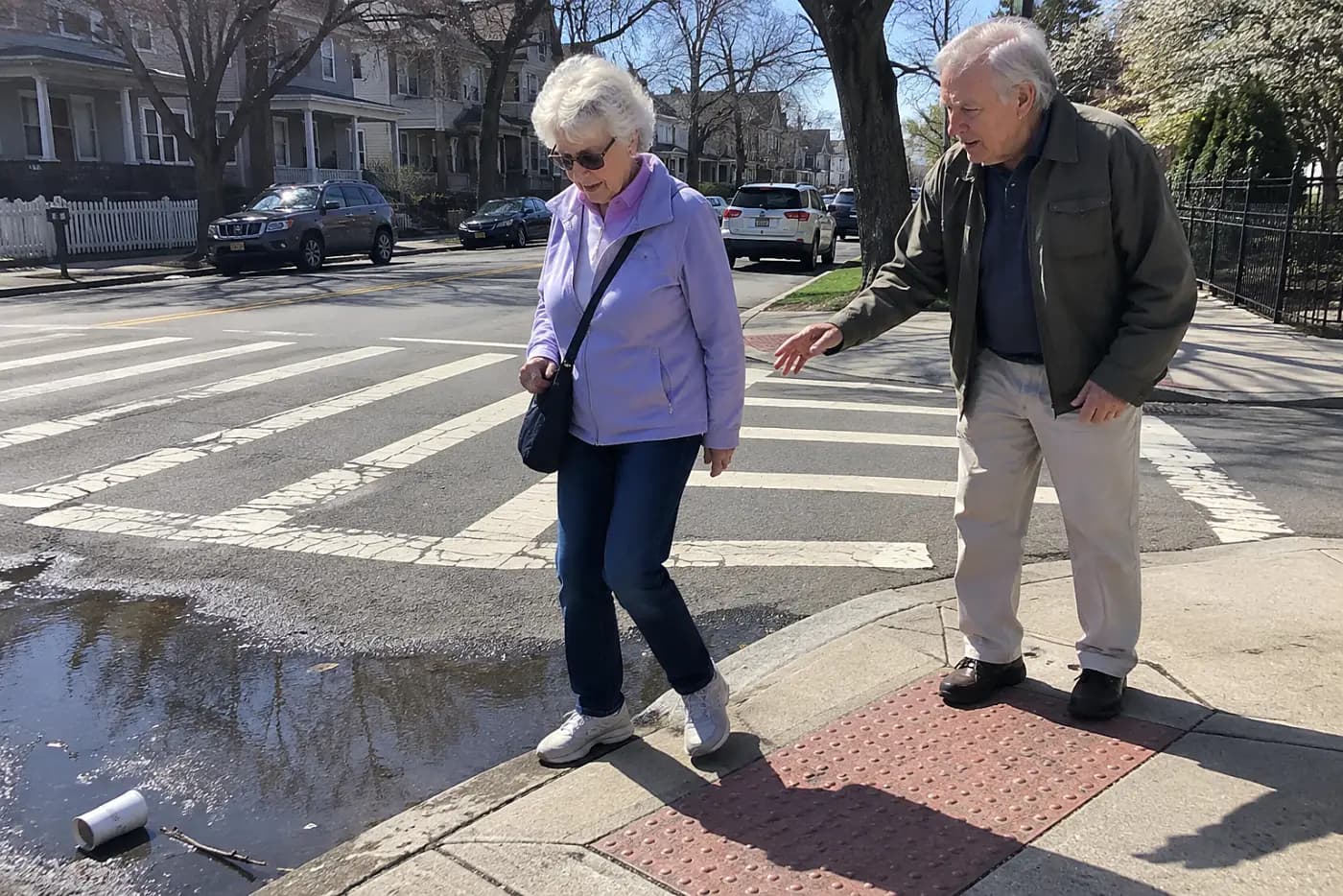
A curb can turn a pleasant walk into a standoff.
Stepping down asks one leg to hold your weight while the other finds the street. A waiting car adds pressure to move before you’ve judged the height.
That rush takes away your chance to pause. Soon, crossing the street feels harder than the outing itself. Traffic pressure is no reason to test your balance.
This week, choose a route with a marked crossing and a curb cut. At the next curb, stop fully and look down. Say to your walking companion, “I’m waiting until I have time to step down.”
The ground underfoot changes again at the next stop.
22The dark mat inside a restaurant door
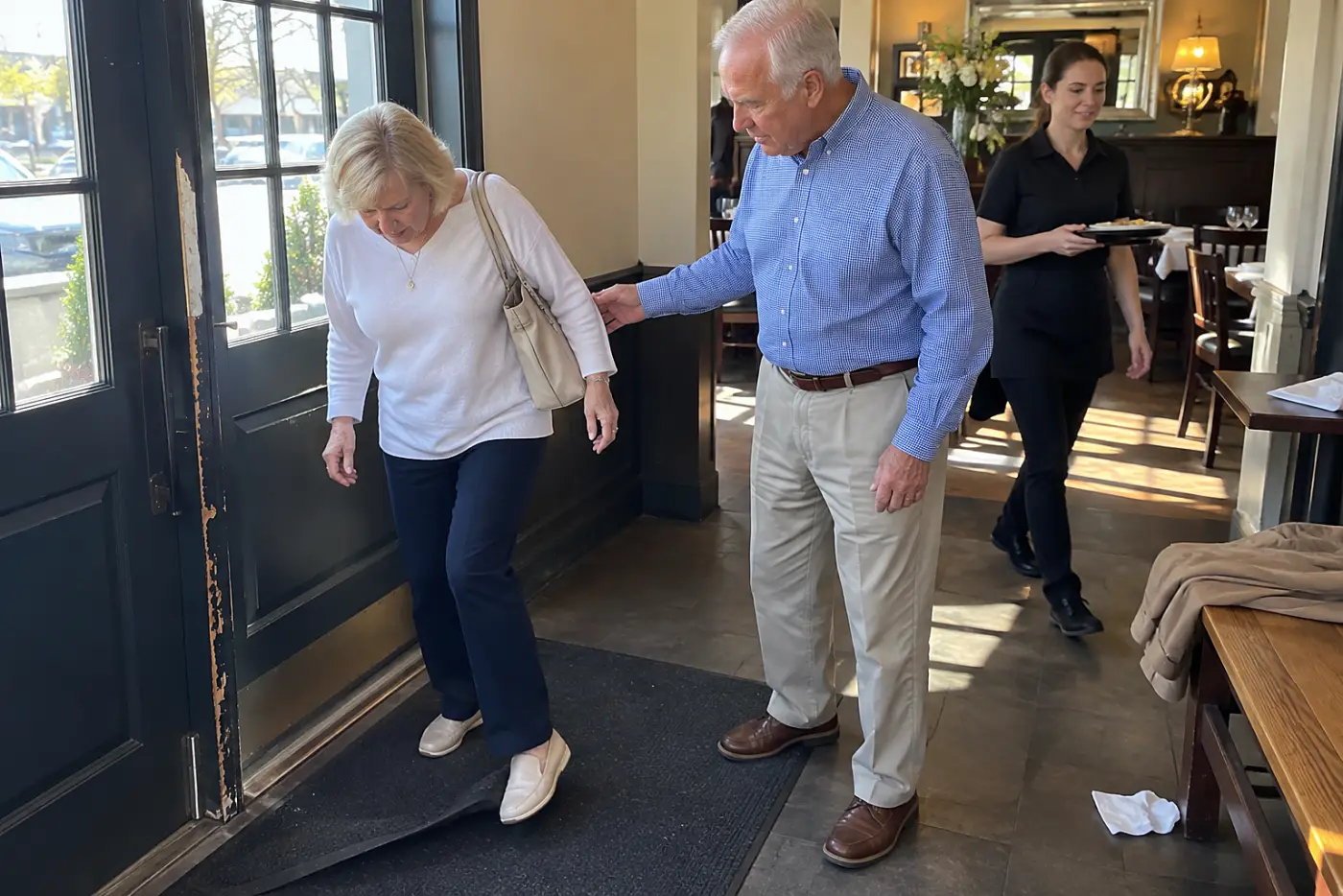
That entrance deserves more attention than the dining room.
Your eyes take time to adjust when you leave bright daylight for a dim room. A dark mat hides its edge, and a raised corner catches a shoe before you’ve looked up.
Turning around at the door costs you the meal and the company. One awkward entrance doesn’t have to decide whether you go out.
This week, visit the place before the dinner crowd and look at the entrance. If the mat is curled, tell the host, “That corner is sticking up. Please move it before someone trips.”
Then notice what happens when the floor is easy to see.
21Glasses that blur the stairs below
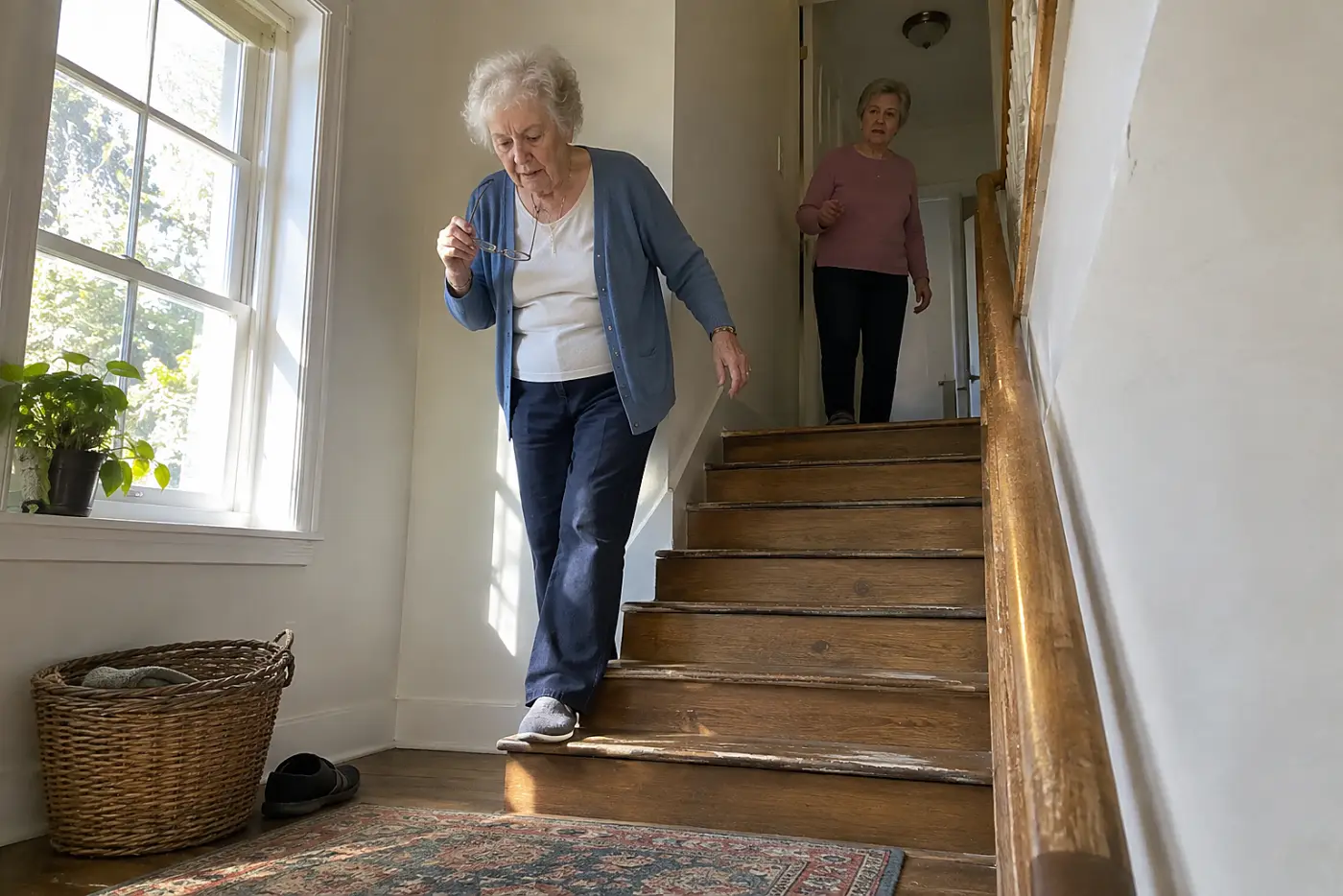
Your glasses can hide the edge you need.
The near-vision part of bifocals sits low in the lens. Progressive lenses also change focus as you look through different parts. On stairs, the section you look through changes what you see.
Skipping a visit because its steps look uncertain leaves the question unanswered. An eye exam checks your vision and eye health, but describe the stair problem too. The National Eye Institute has guidance on eye exams.
This week, book an exam if yours is overdue. Say, “I’m having trouble judging steps through these lenses. What should I check?”
Good sight still needs enough light.
20The porch light that stays off
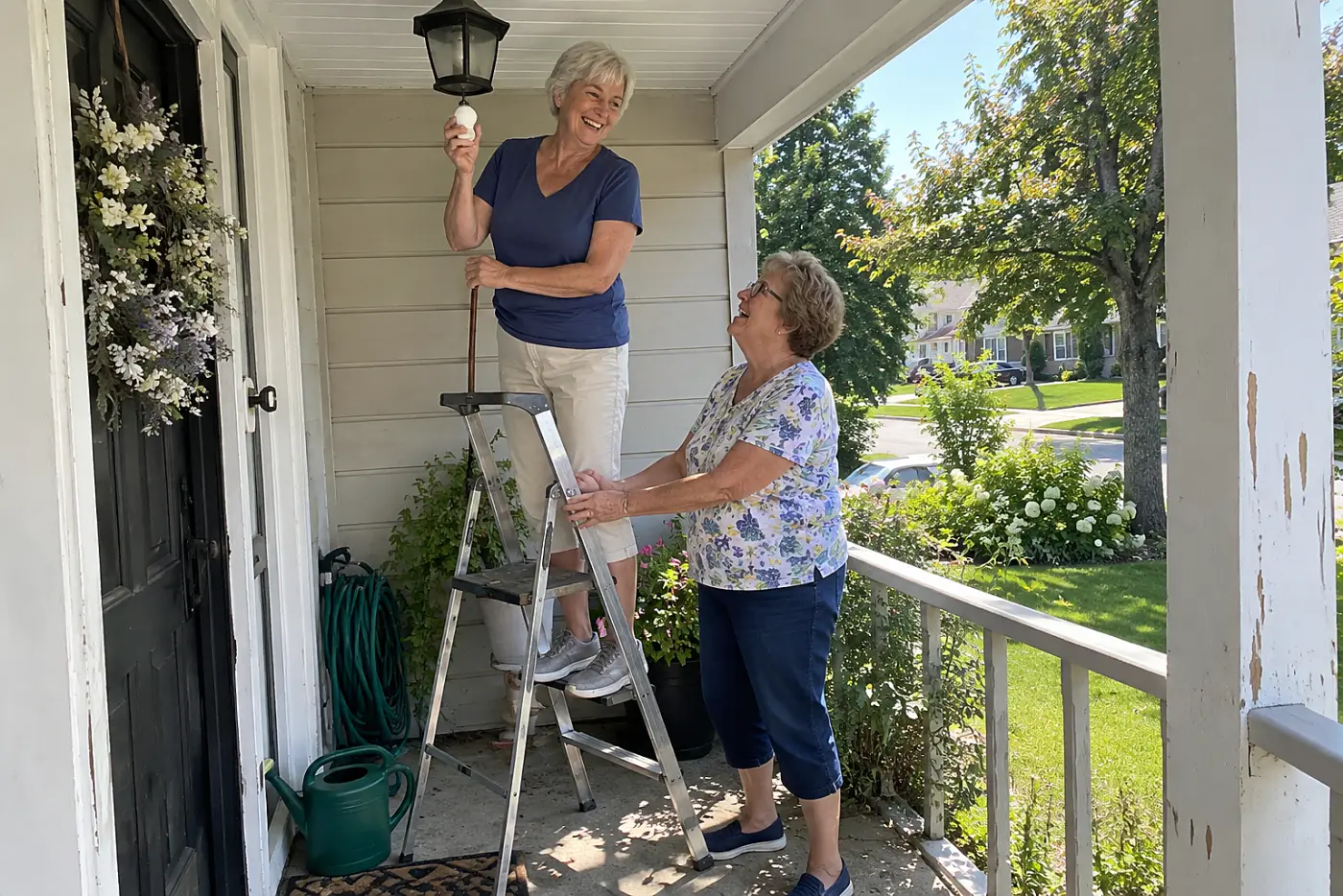
Darkness changes the trip before it starts.
You leave the house looking for your keys, not for the edge of the first step. A burned-out bulb leaves that edge hidden until you’re already moving.
Waiting for daylight shrinks your evenings. Better light lets you see the route from the lock to the sidewalk. It also shows you where a shadow still covers a step.
This week, switch on every light along that path and replace dead bulbs. Then check the steps from outside, where you’ll stand when you come home. Tell a friend, “I need this entrance lit before I come over.”
The next obstacle sits closer to the floor.
19Shoes that catch on ordinary pavement
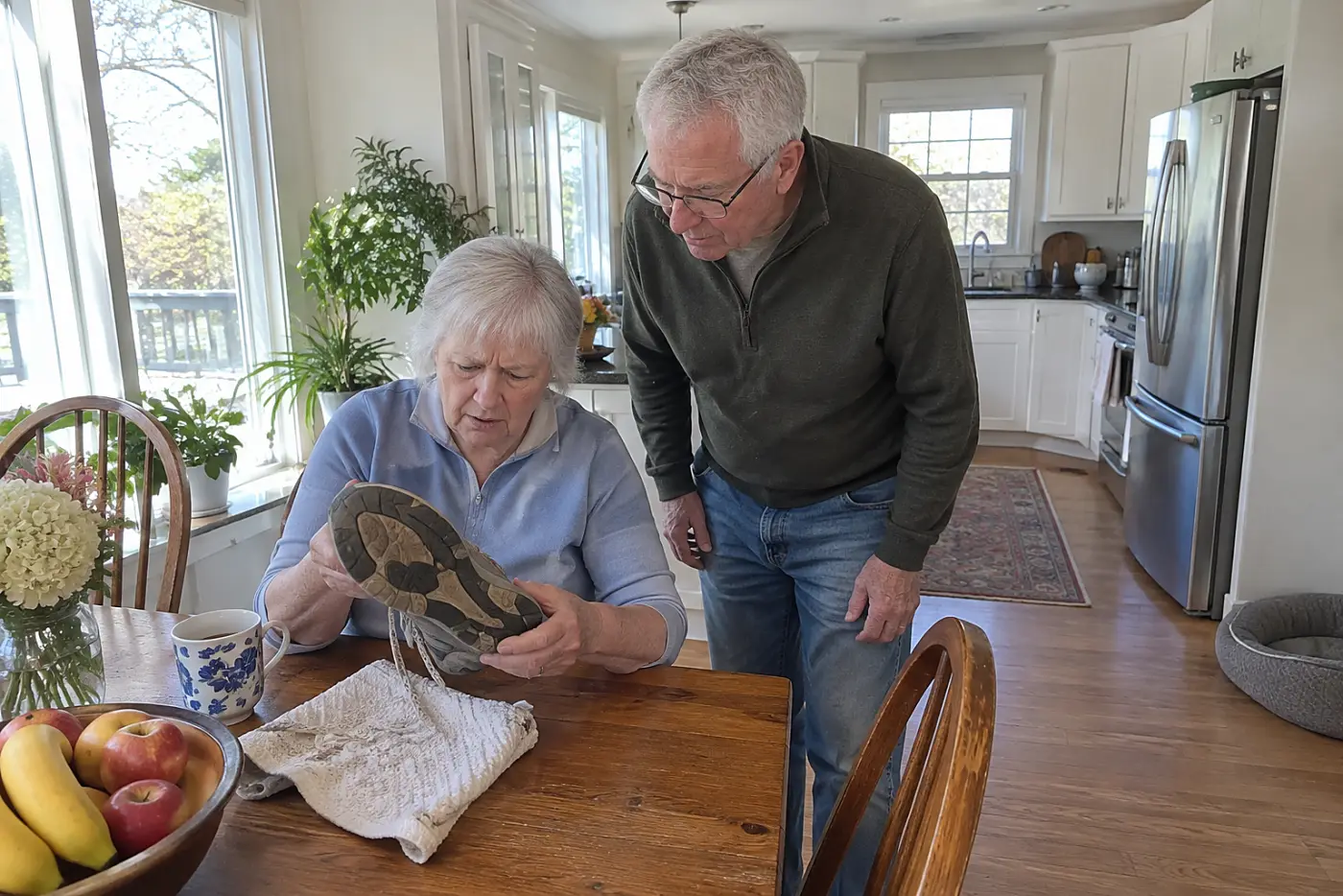
A shoe can change your stride without warning.
A loose heel lets your foot shift inside it. A worn sole changes your grip, while a long or floppy toe catches on raised pavement.
The wrong pair can make a familiar block feel unsafe. That’s worth checking before you give up the walk.
This week, inspect the soles and wear the pair that stays secure at the heel. Walk a few steps indoors first. Tell a shoe-store clerk, “I need a firm heel and a sole that grips.”
Your feet also need room to tell you where they are.
18Numb toes inside your walking shoes
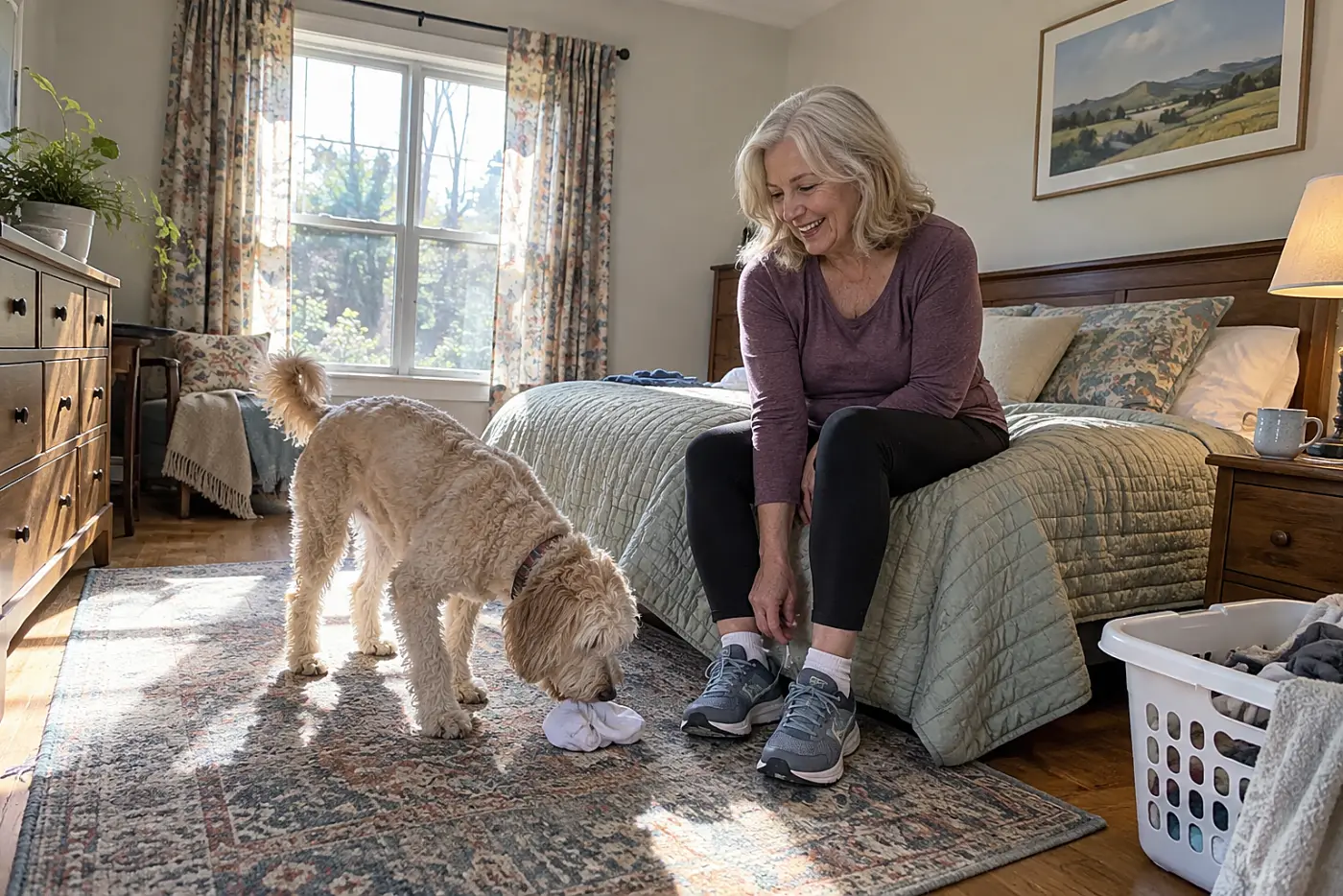
Numb feet make uneven ground harder to read.
Sensation tells you when your foot meets a crack or slopes toward the curb. If that signal is dull, your eyes and balance have to do more of the work.
Avoiding the sidewalk won’t explain the numbness. New numbness deserves a medical conversation, especially if it has changed how you walk.
This week, write down whether both feet feel the same and when the numbness appears. Call your clinician and say, “My feet feel numb, and I’ve started avoiding walks because I can’t judge the ground.”
If diabetes is part of your history, bring that up too. The National Institute of Diabetes and Digestive and Kidney Diseases has information on nerve damage.
Sometimes the uneasy feeling starts before you take a step.
17The head rush after leaving your chair
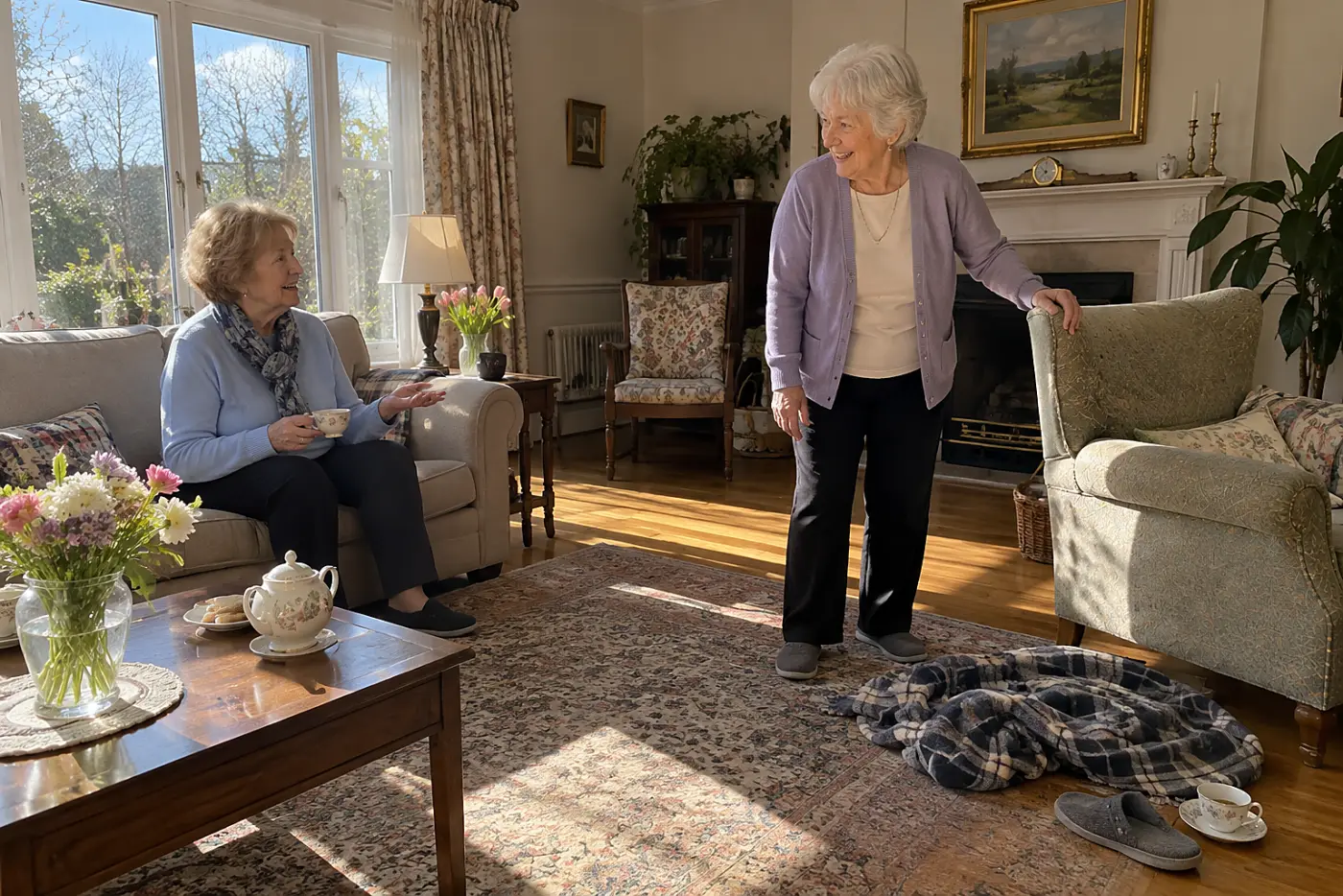
The bus stop looks different after a head rush.
Blood pressure can drop when you stand up. You rise, feel faint, and grab the chair before taking a step. The National Institute on Aging calls this orthostatic hypotension.
If standing at home feels uncertain, waiting on a bus feels worse. The trigger matters because it gives your clinician something specific to check.
This week, note when the feeling starts and whether it fades after you pause. Stand beside a sturdy chair, and wait until you feel steady before walking. Say, “I get lightheaded when I stand, and it’s keeping me home.”
A spinning room calls for a different description.
16The room spinning when you turn your head
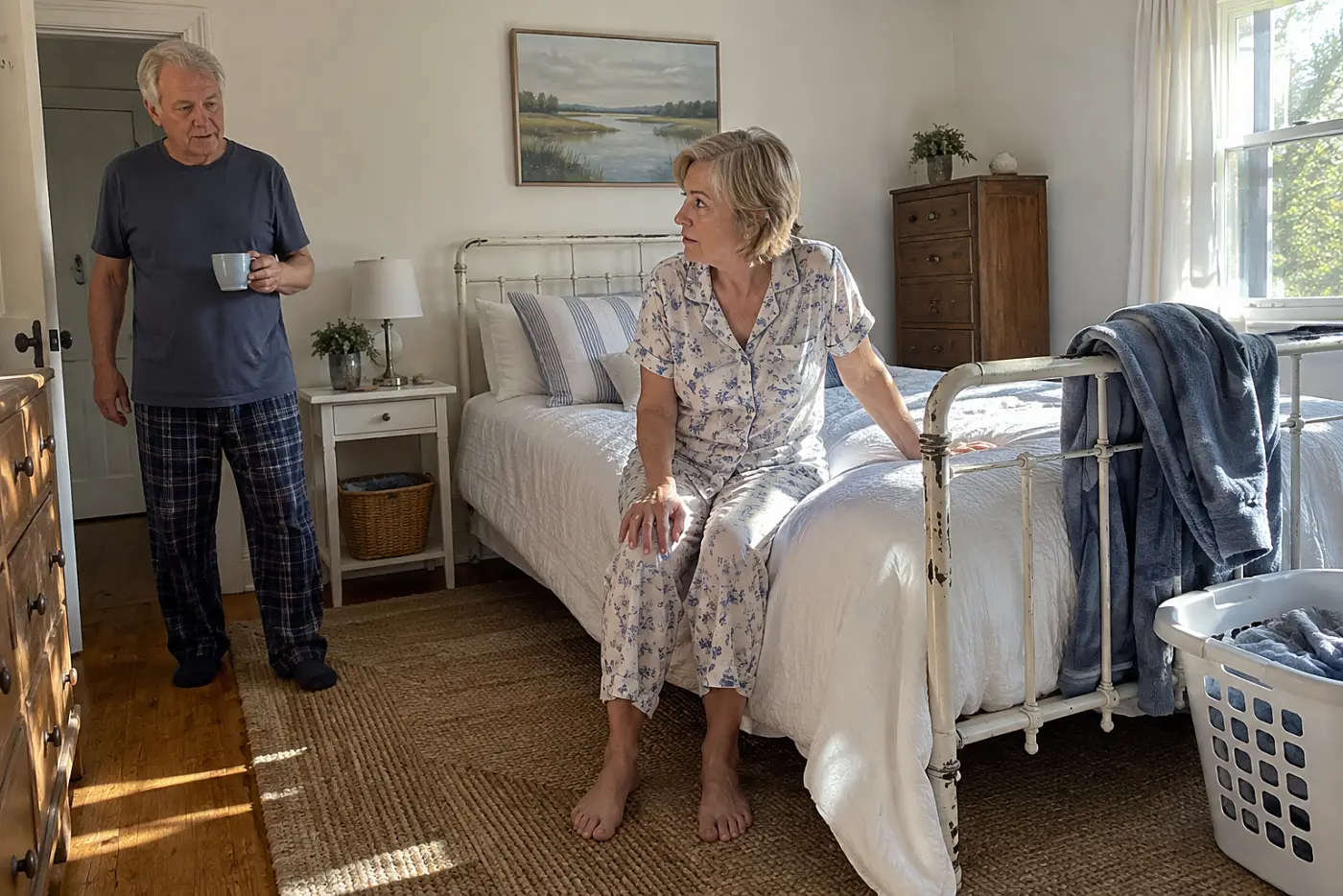
Spinning is a clue, not a personality trait.
The room seems to move when you roll over or look up. Some inner-ear problems respond to specific head-position treatments, but the right treatment starts with the right diagnosis.
Staying out of shops won’t stop an episode that begins in bed. Random head maneuvers from a video skip the question of what’s causing it. The National Institute on Deafness and Other Communication Disorders describes balance disorders and their symptoms.
This week, note which movement starts the spinning and how long it lasts. Tell your clinician, “The room spins when I turn this way. Should I be checked for positional vertigo?”
Then look at what you take before leaving home.
15A pill bottle beside your morning coffee
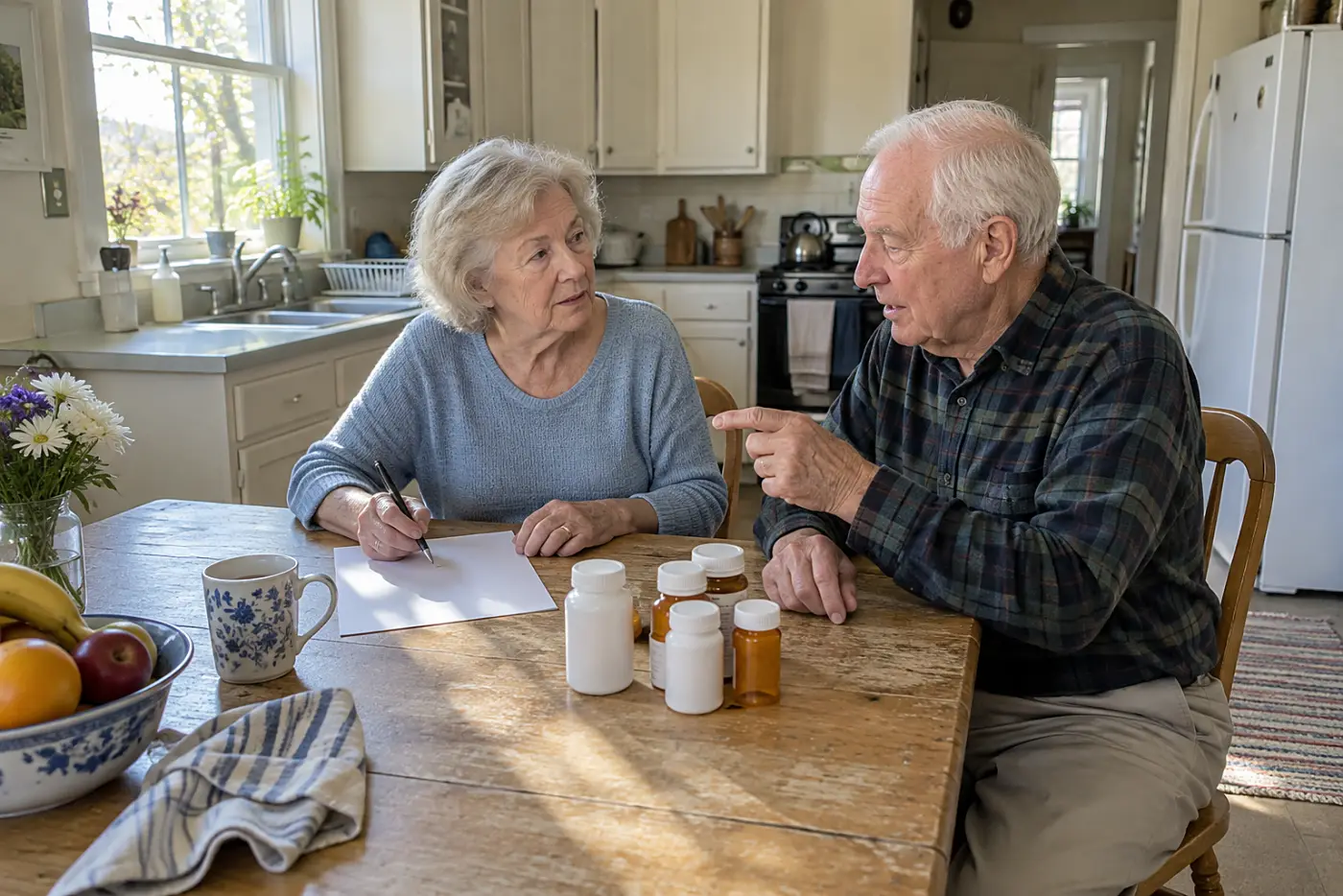
The timing of a dose can change the outing.
Some medicines cause dizziness, drowsiness, or a drop in blood pressure. A new prescription or dose change gives your pharmacist a place to start looking.
Don’t stop a prescribed medicine on your own. But don’t accept a new fear of walking as the price of taking it. Your medicine list needs nonprescription drugs and supplements too.
This week, put every bottle on the table and make one list with names and doses. Bring it to your pharmacist and ask, “Could any of these make me dizzy or unsteady, especially together?”
A glass of water belongs in that conversation too.
14The water bottle left on the counter
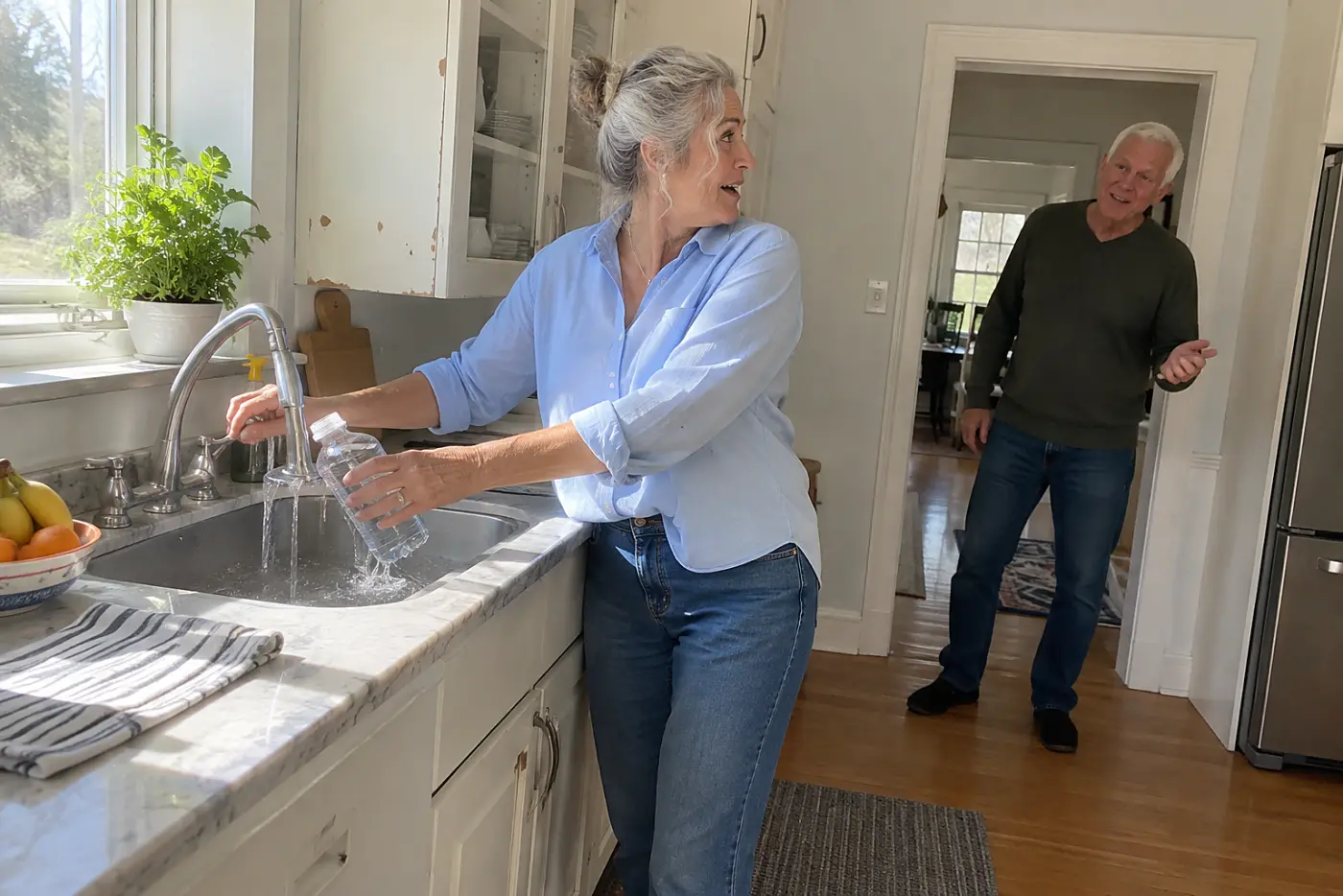
Skipping drinks can make an outing harder.
You avoid water because you’re worried about finding a restroom. Later, you stand up feeling weak or lightheaded and decide the trip was a bad idea all along.
Fear of a restroom problem has fed fear of a fall. If a clinician has told you to limit fluids, follow that plan. Bring up new dizziness or unusual thirst rather than guessing at the cause.
This week, plan a restroom stop before leaving and bring water if it fits your medical advice. Ask the venue, “Where’s the nearest restroom to the entrance?” Knowing the answer gives you one less reason to race across an unfamiliar room.
Hurrying is a risk of its own.
13The bus that makes you rush
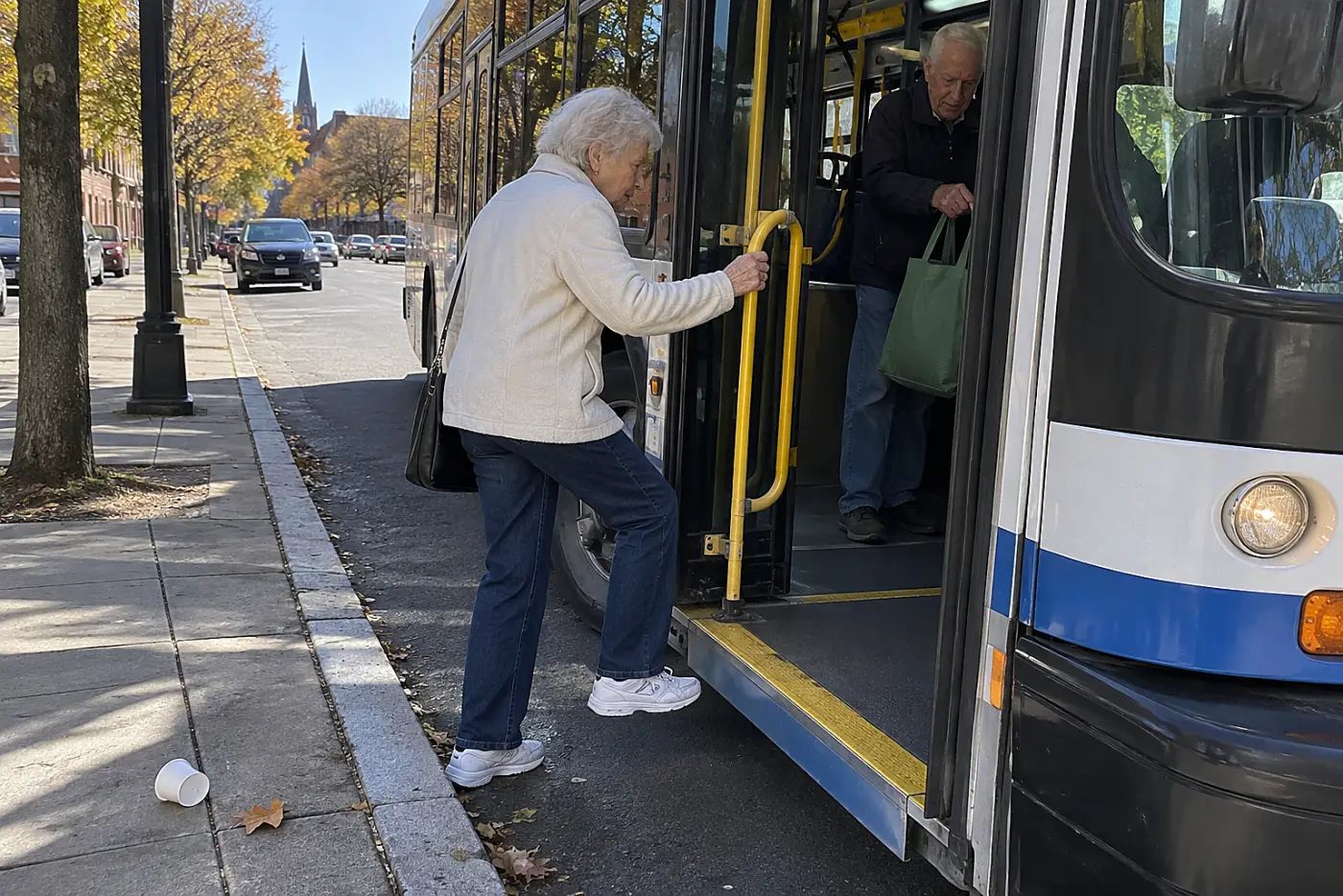
A moving bus doesn’t wait for you to feel ready.
You climb aboard, turn to find a seat, and the driver pulls away. That first jolt is harder to handle while you’re standing with a bag in one hand.
Missing one bus beats falling inside it. Waiting for the next one is still going out.
This week, board with one hand free for a rail. Keep hold of it while you find a seat, and leave the bag closed until you sit. Say to the driver, “Please give me a moment to sit before you pull away.”
The seat is only part of the journey.
12A crowded aisle at the theater
The best seat is the one you’ll reach.
An aisle full of knees, coats, and bags turns a simple walk into sideways steps. Once the lights dim, finding your row adds another task.
Turning down a show because the room feels hard to cross costs you the evening. A seat near the aisle changes the route without changing the plan.
This week, look at the seating map before you buy a ticket. Arrive while the lights are up, then ask the box office, “Which seats have the shortest, clearest walk from the entrance?”
You still have to get there from the car.
11A parking space across cracked asphalt
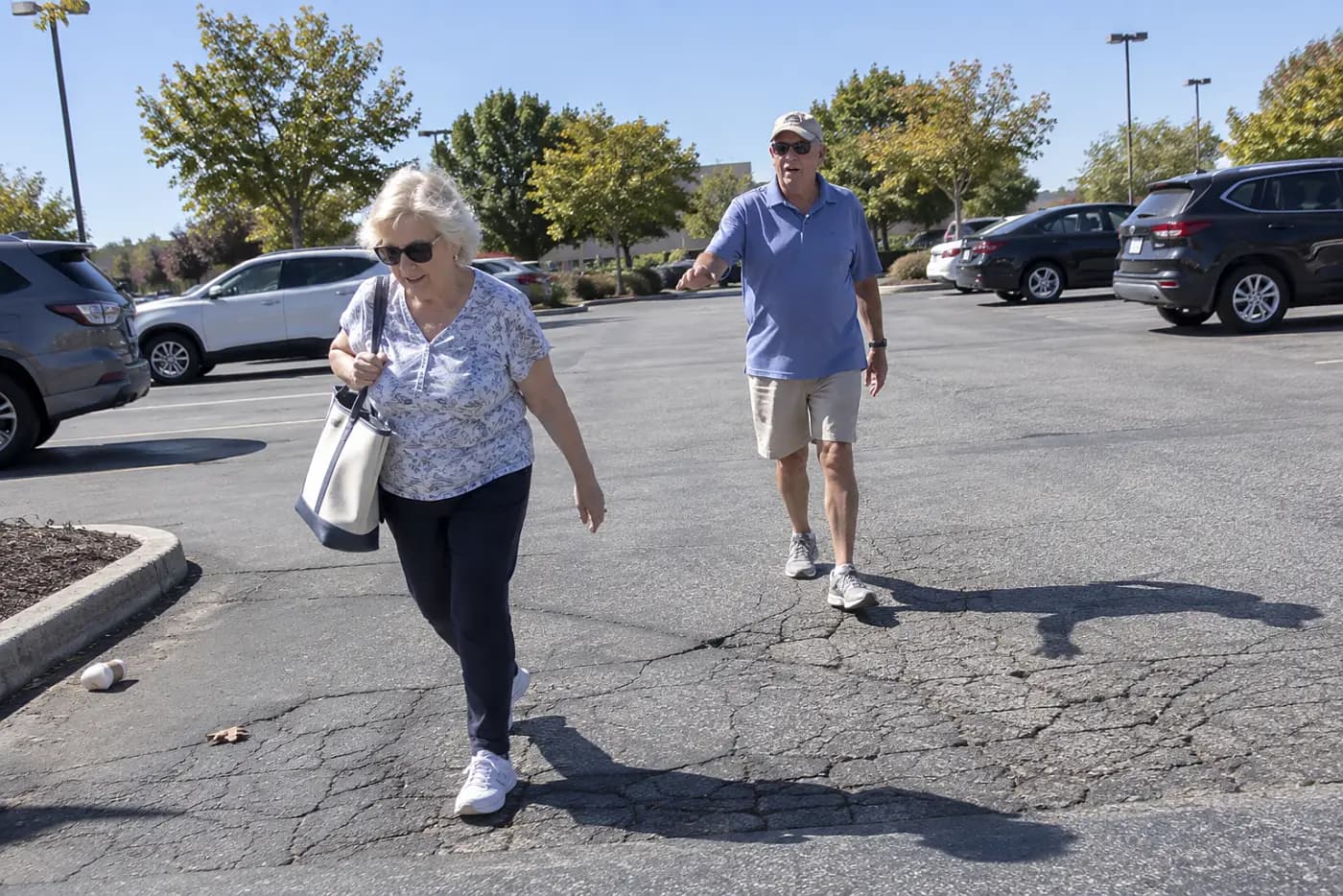
The walk from the car counts.
Potholes, loose gravel, and faded lines demand attention before you reach the store. Carrying bags back changes your balance again, especially on a slope near the entrance.
If the lot is why you stay home, check that stretch first. You don’t have to prove anything by crossing its roughest part.
This week, visit at a less busy time and find the smoothest path to the door. Look for where carts cross your path on the return trip. Ask the store, “Which entrance has the shortest level walk from parking?”
The bag in your hand deserves its own look.
10A heavy tote on one shoulder
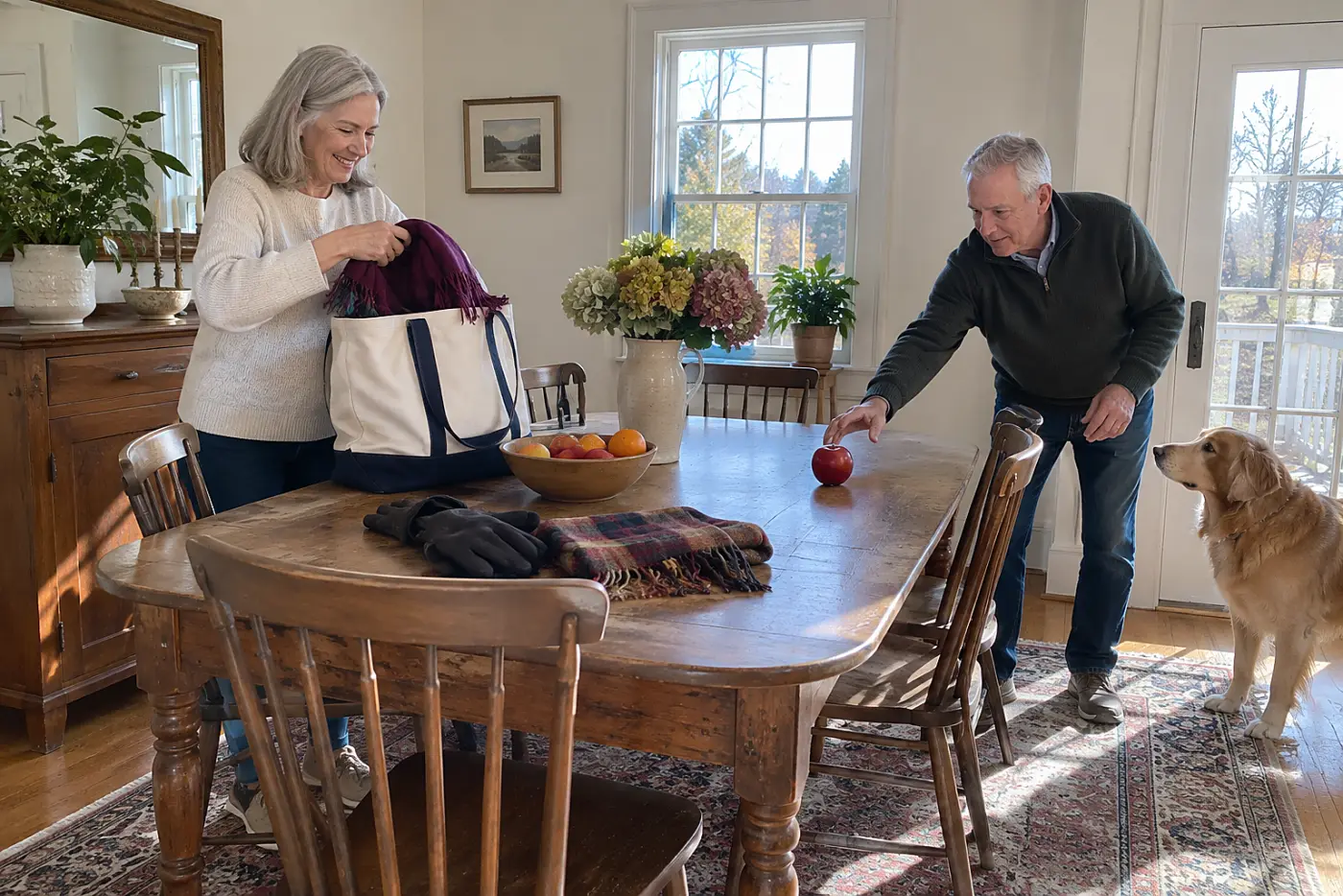
A bag can pull you off course.
Weight on one shoulder changes how you stand and turn. When the strap slips, your hand reaches for it instead of a rail.
The problem shows up at the curb or stairs, not while the bag sits on your kitchen table. Keeping both hands available gives you more options when the ground changes.
This week, take only what you need and test a lighter bag before leaving. Try the weight while walking across your room, including a turn. Tell a friend, “I’m bringing less today so I have a free hand.”
A free hand helps most when there’s something solid to hold.
9The stair rail you can’t reach
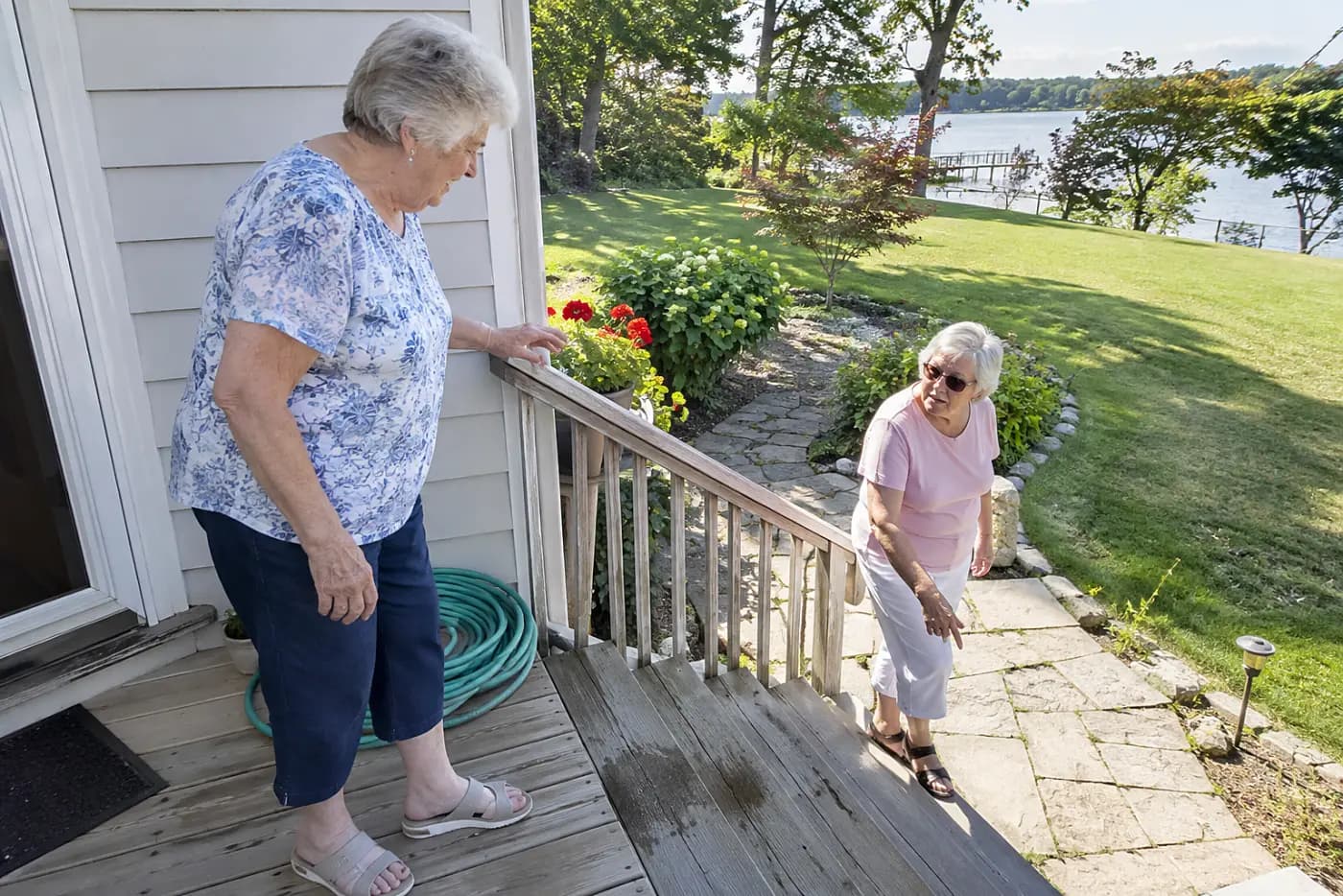
A rail is useful only when it’s in your hand.
If you start down before reaching it, the first step asks you to balance without support. A coat, phone, or bag in that hand delays your grip.
One difficult staircase shouldn’t decide every invitation. It should decide which entrance you use.
This week, check the steps at a place you want to visit. Choose a route with a reachable rail, and pause before the first step. Ask, “Is there another entrance with a handrail?”
Next, check what happens when you turn around.
8A quick turn in the grocery aisle
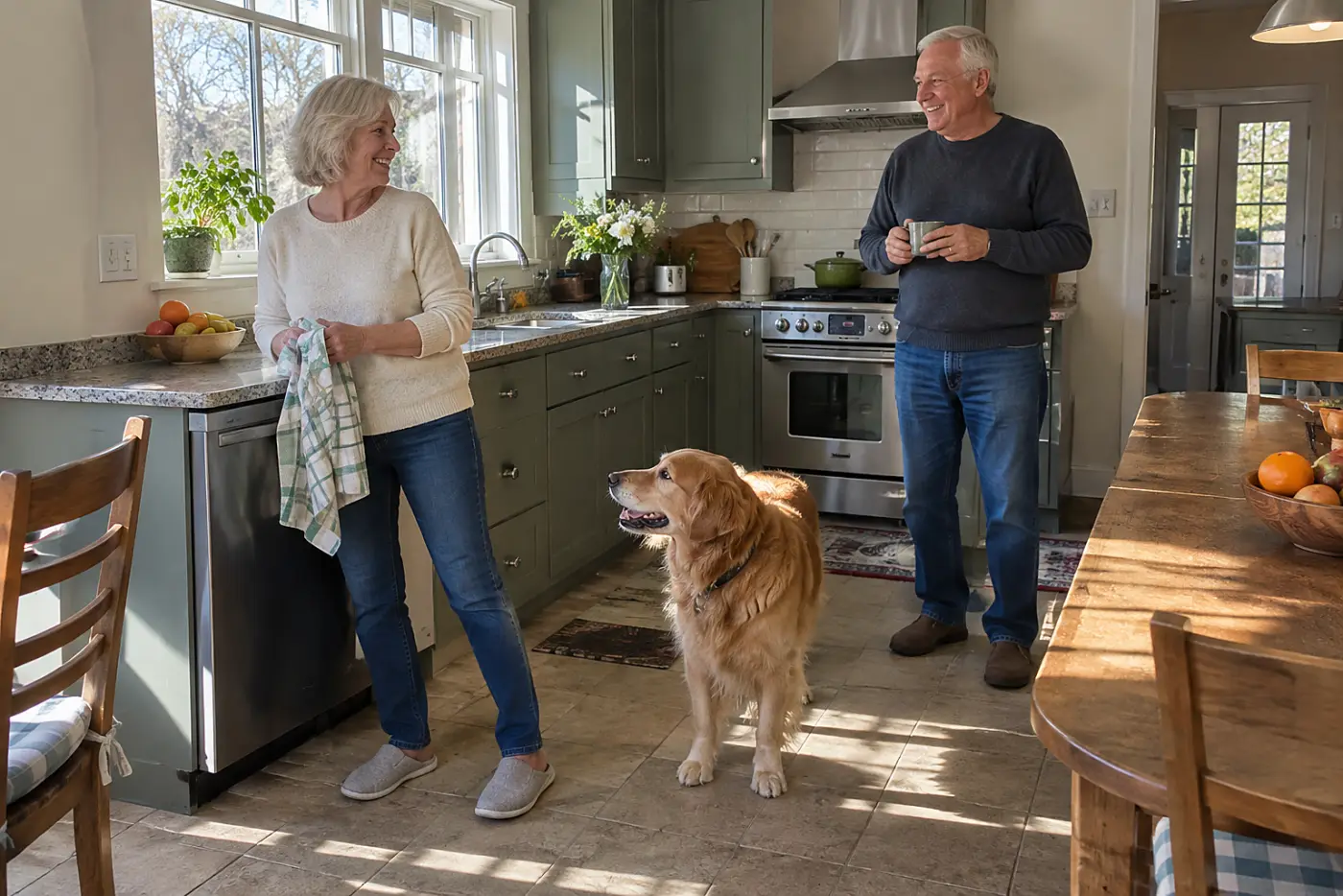
Turns expose balance trouble that straight walking hides.
You spot someone you know, twist toward her, and your feet stay planted. For a moment, your body is going one way and your shoes another.
Avoiding the store limits more than shopping. A slower turn, made with your feet, gives you a way to keep the errand.
This week, practice turning in a clear room beside a sturdy counter. Move your feet in small steps instead of twisting in place. If turns repeatedly make you stagger, tell your clinician, “I’m steady going straight, but I lose balance when I turn.”
That detail matters when the trouble happens without warning.
7A fall you never mentioned aloud
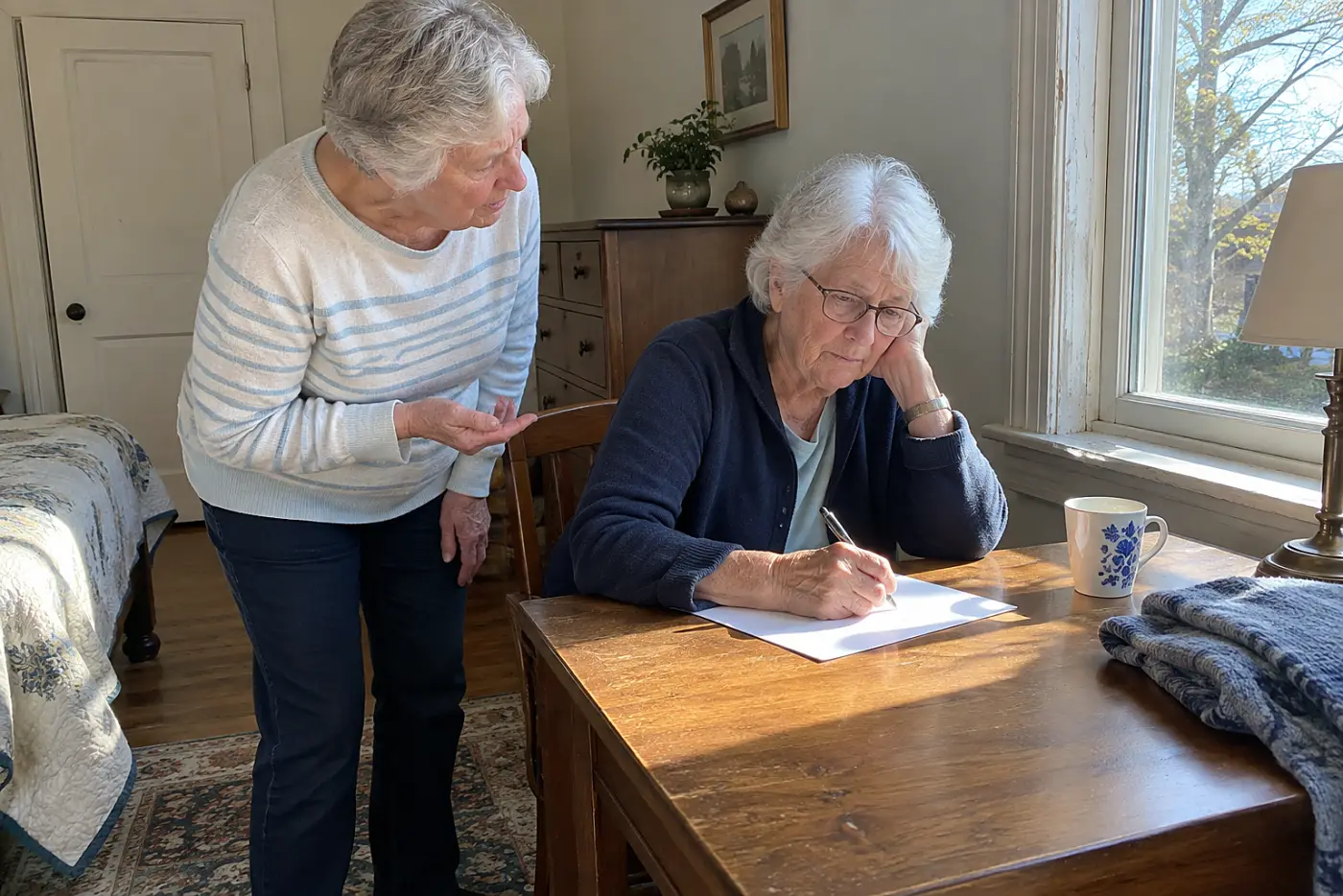
An unreported fall leaves the cause unanswered.
The bruise fades, and you tell yourself it was clumsiness. Yet the event gives your clinician clues: where you were, whether you felt dizzy, and how you landed.
Silence also hides the reason you stopped visiting that place. The CDC’s STEADI initiative includes questions about past falls, so the event belongs in the conversation even without an injury.
This week, write down any fall from the past year and what happened just before it. Tell your clinician, “I fell, and I’ve been changing where I go since then.”
The details you remember are worth keeping together.
6The note beside your front-door keys
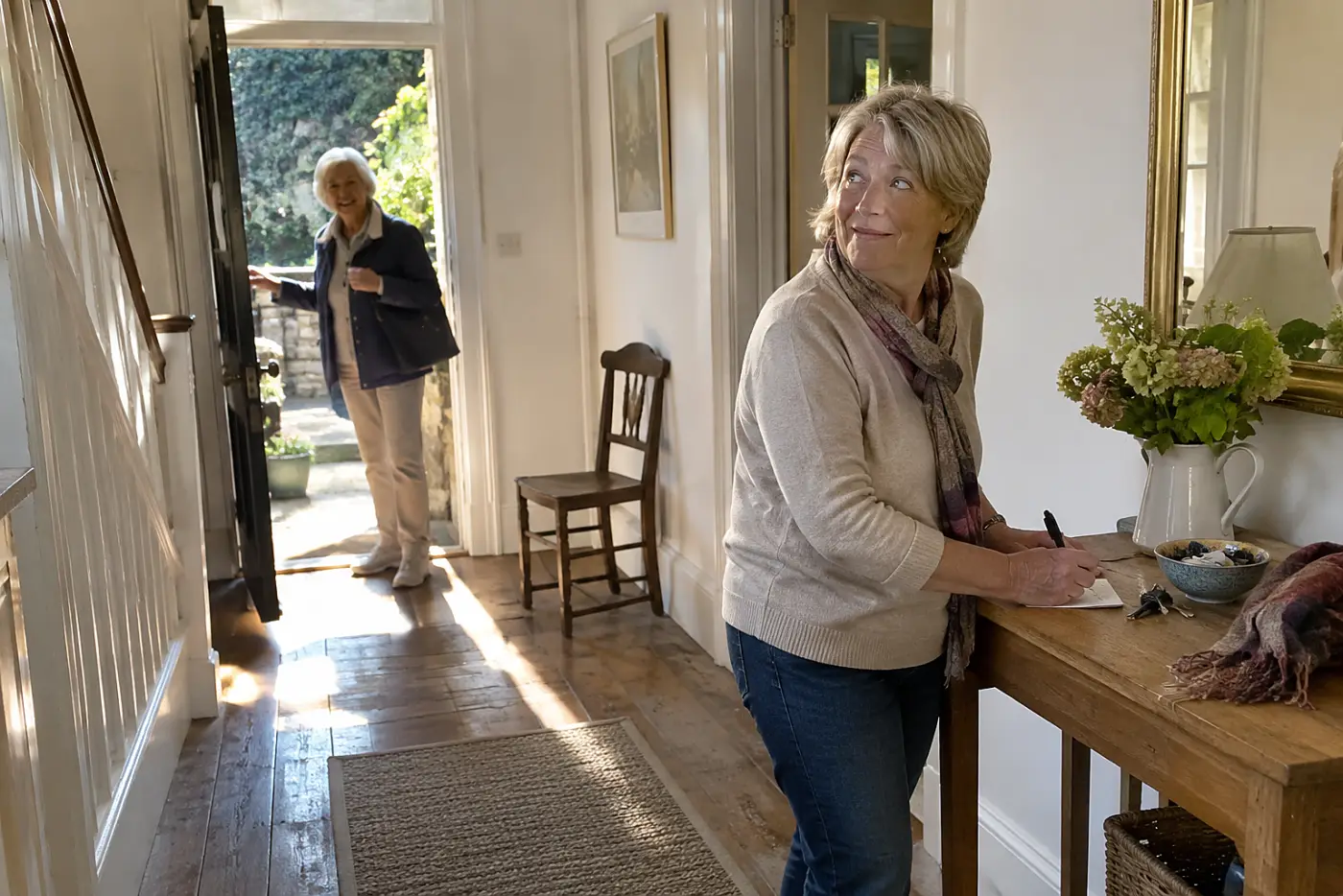
Fear gets vague when you’re asked about it.
At home, you know the exact step, sidewalk, or turn you dread. In an appointment, “I’m afraid of falling” can swallow those details.
Without the details, the trips you’ve stopped taking stay invisible. A note by the keys catches them while the route is fresh in your mind.
This week, write down places you avoid and the spot where you turn back. Add dizziness, near-falls, or times you grabbed furniture. Bring the note to your next visit and say, “These are the trips I’ve stopped taking.”
One trip deserves a closer look at the moment you leave.
5The chair you push off to stand
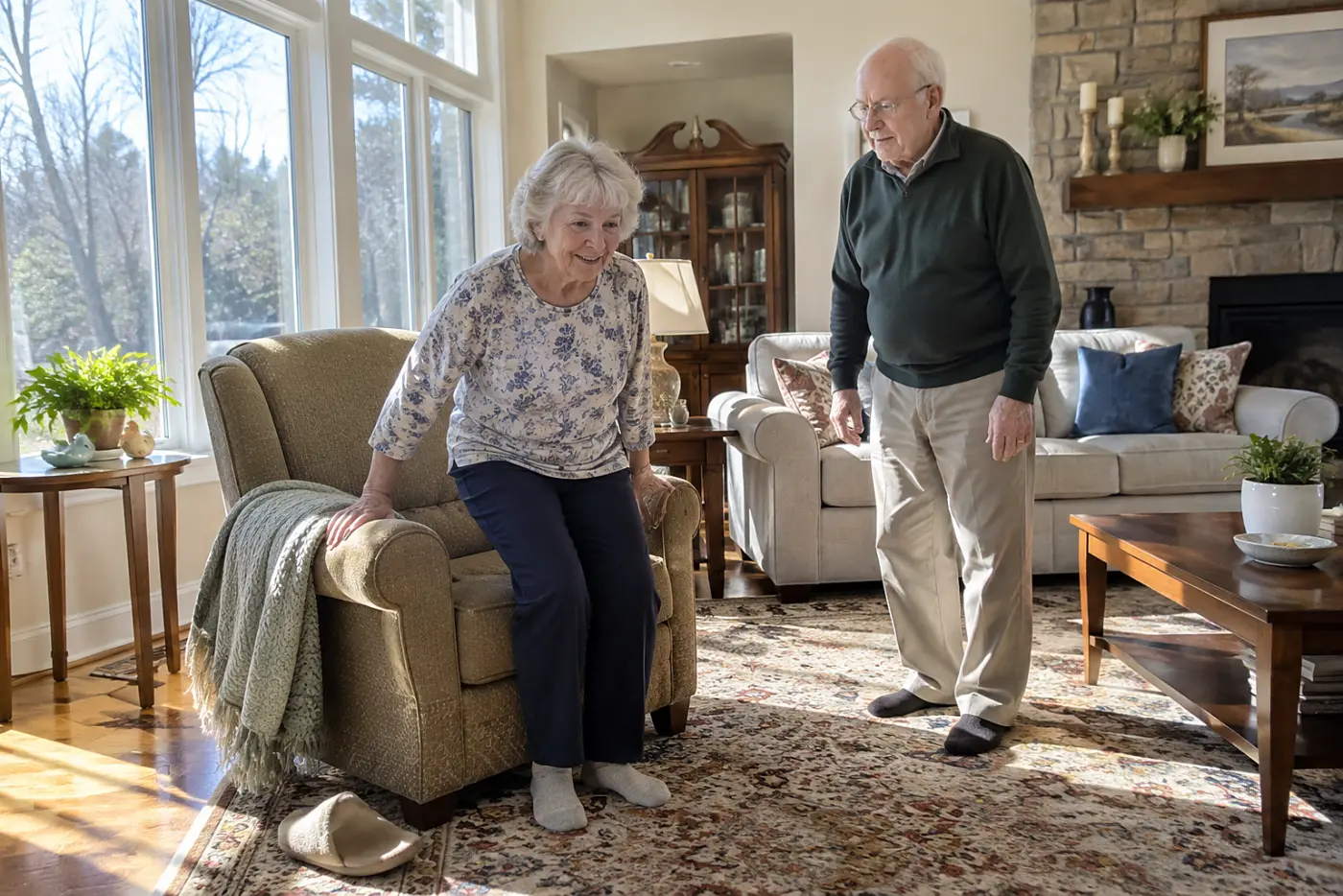
Getting up sets the tone for the whole outing.
If standing takes several tries, you reach the door worried about the next chair. Leg strength matters for rising and for regaining control when a step goes wrong.
The National Institute on Aging’s exercise guidance includes strength and balance work. Don’t turn a hard stand into a private test of will.
This week, notice whether you need your hands to rise from a firm chair. Keep the chair against a wall when you check, and skip repeated attempts if you feel unsteady. Tell your clinician, “Standing up has become harder, and I want help rebuilding strength.”
Strength works better when you practice balance too.
4A balance class you can reach
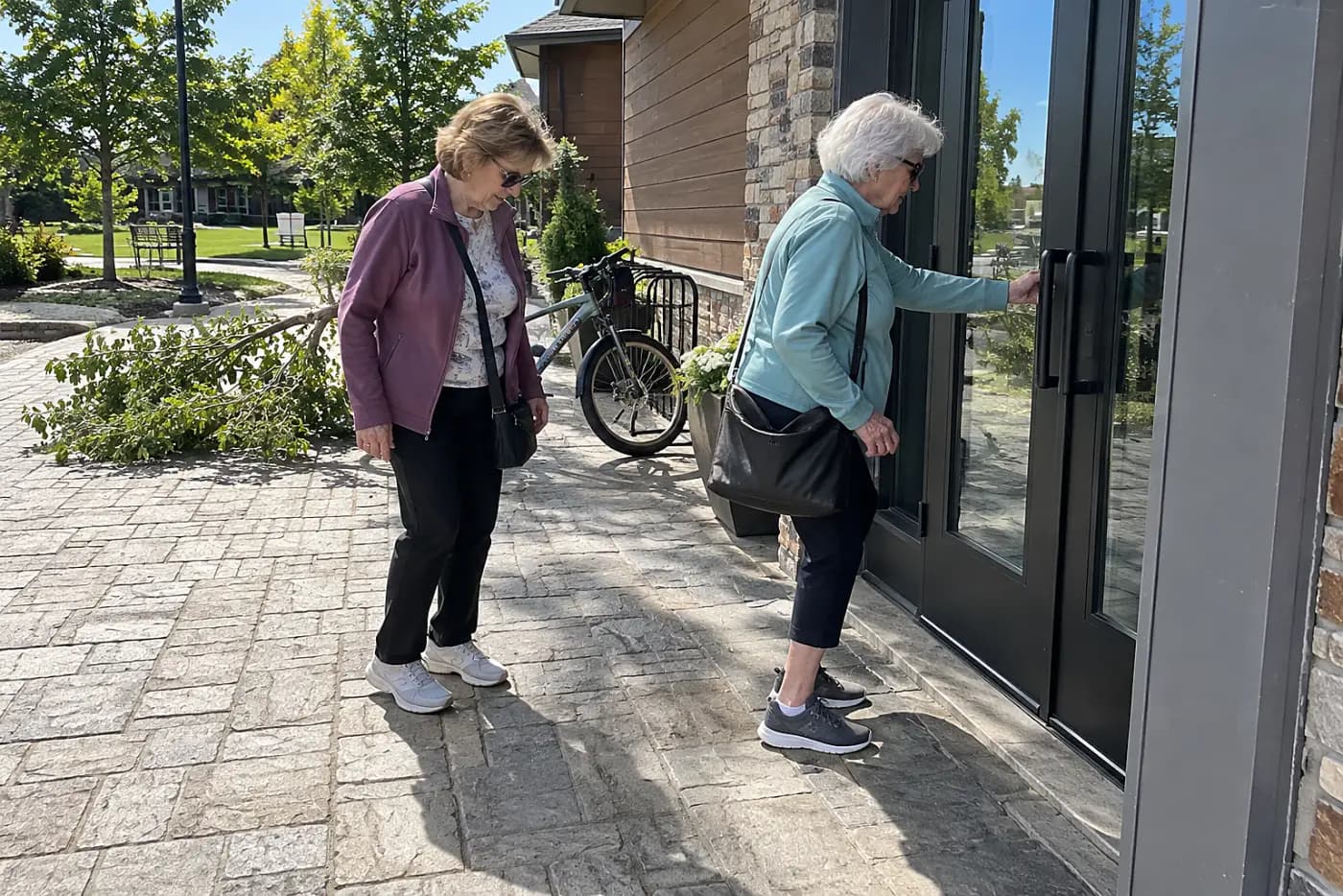
Practice has to fit the life you want back.
Balance exercises train you to control your body when weight shifts. A nearby class gives you a place to practice before the sidewalk tests you.
The National Council on Aging lists falls prevention programs, including group options. A class across town with a difficult entrance won’t help if getting there is the barrier.
This week, ask your local recreation center or Area Agency on Aging about balance classes nearby. Check the entrance before signing up, and ask, “Is this a class I can reach and keep attending?”
There’s another way to make the route easier while you build skill.
3A cane borrowed from the closet
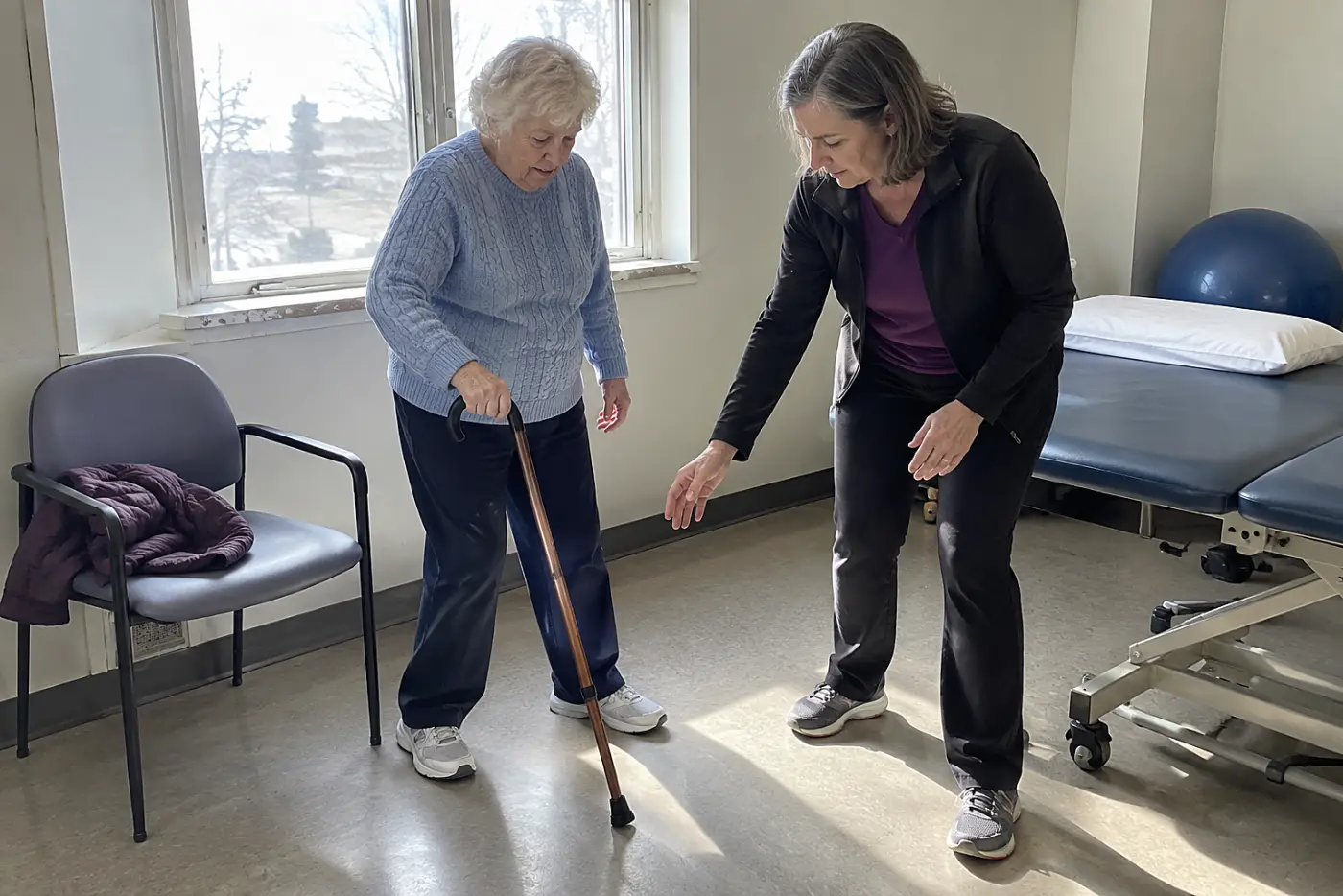
The wrong cane gives false confidence.
A cane set too high or low changes how you walk. Borrowing one skips the question of which hand should hold it and whether it’s the right device.
You shouldn’t have to guess in the middle of a parking lot. A fitting and a lesson make the tool useful.
This week, bring the cane to a physical therapist or clinician rather than testing it on an outing. Say, “Please show me how to fit and use this for my usual walks.”
The right tool still needs a destination.
2A short outing with an exit plan
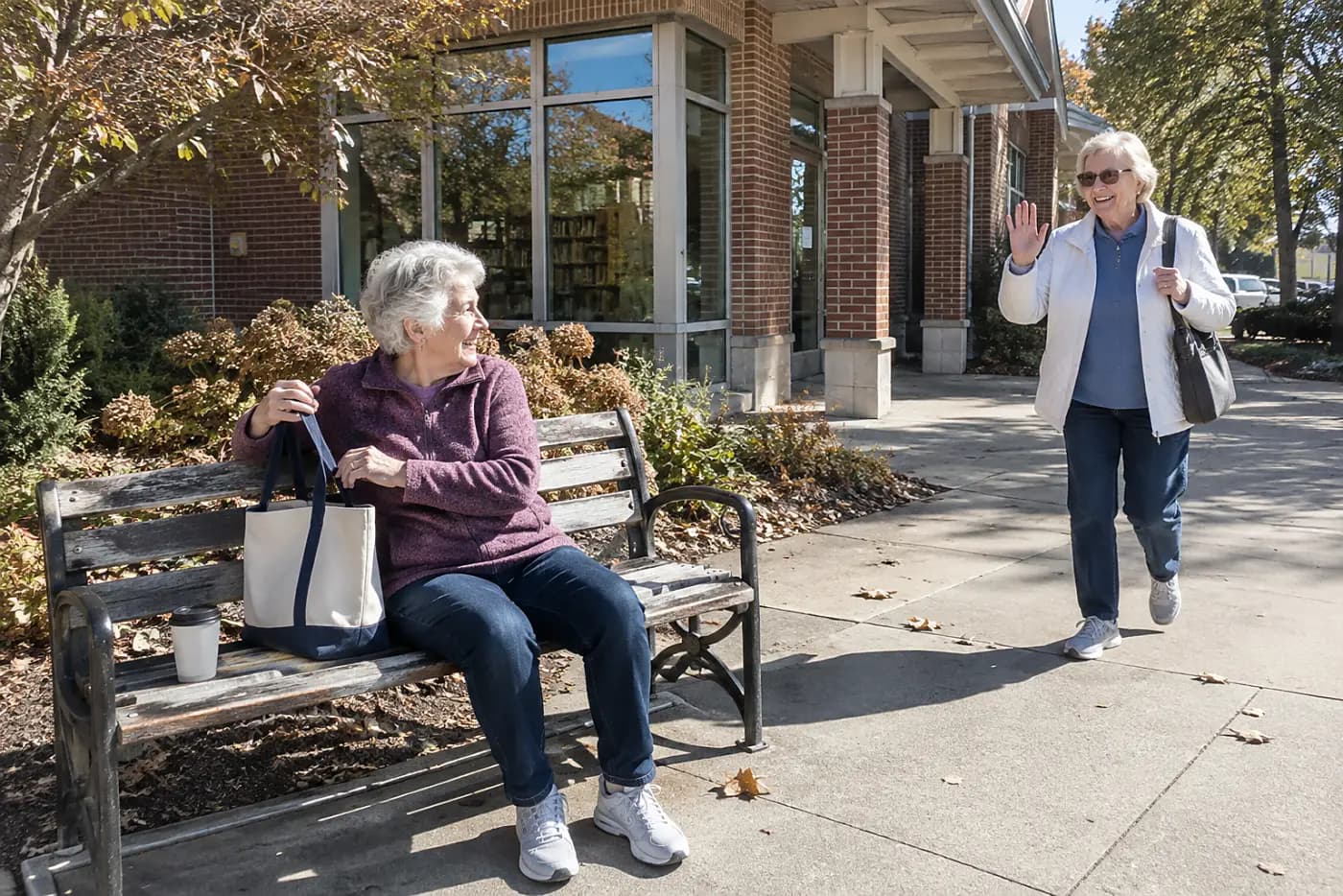
A smaller trip gives you facts, not a verdict.
Choose a place you want to go, then make the route short enough to inspect. Know where you’ll sit and how you’ll leave if you feel unsteady.
Canceling every outing gives fear the final word. Pushing through a difficult route without a plan gives the pavement too much power.
This week, pick one errand with a clear entrance and a place to rest. Tell someone your plan if that helps you go. Say, “I’m trying the library for a short visit, then I’m coming home.”
Afterward, you’ll know what stopped you, or what didn’t.
1A fall-risk assessment at your medical visit
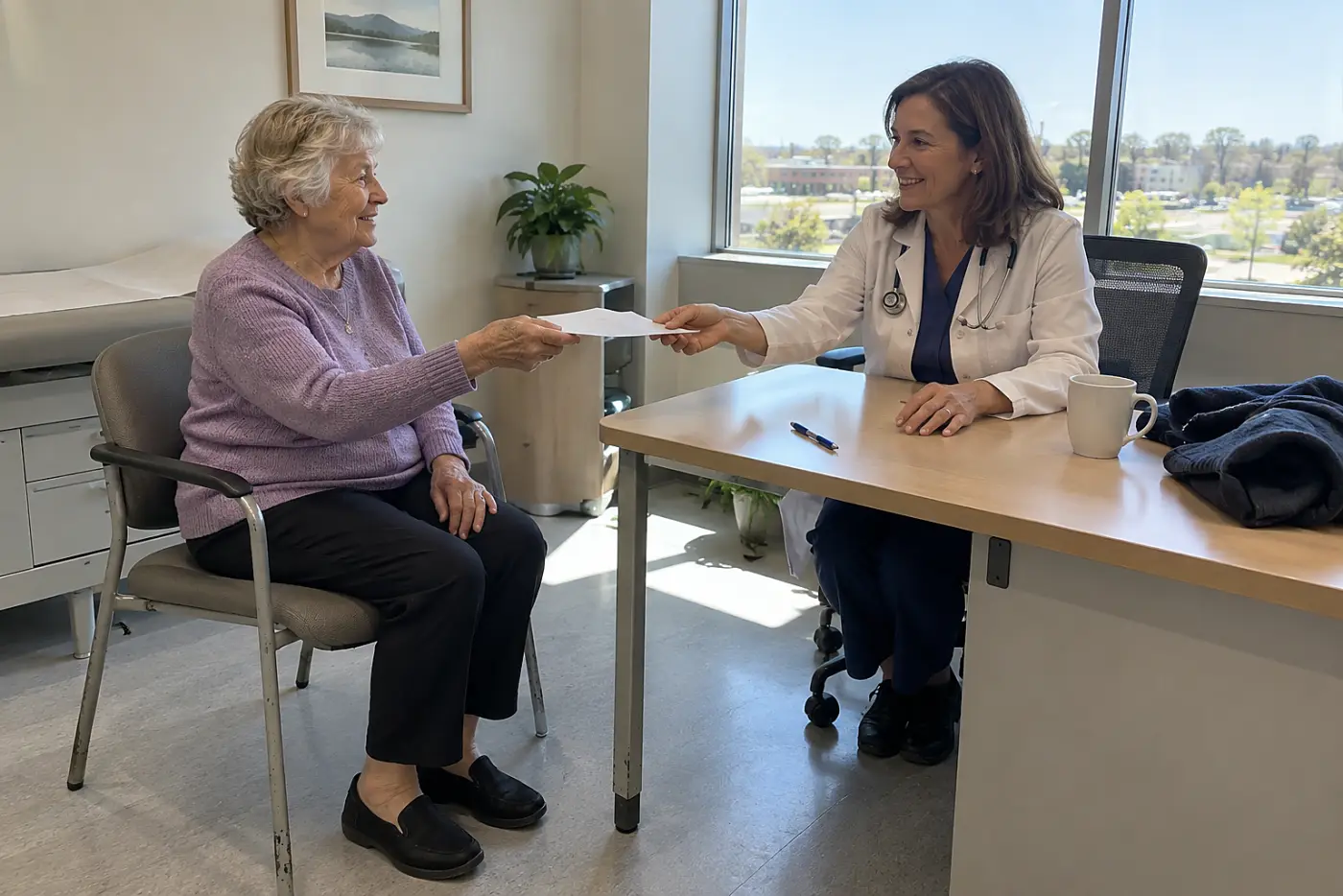
“Be careful” is not a fall plan.
When fear changes where you go, your clinician needs to hear that plainly. A fall-risk assessment checks for causes that need different fixes: medicines, vision, walking, strength, and balance. The findings should lead to specific next steps, not another broad warning.
The CDC’s STEADI initiative gives clinicians tools for screening and responding to fall risk. If you leave without knowing what’s being checked, the next invitation still meets the same uncertainty.
This week, book a visit and bring your list of falls, near-falls, dizziness, and places you’ve stopped going. Say, “I’m avoiding outings because I’m afraid of falling. Please assess my fall risk and tell me what we’ll address first.”
Before you leave, ask who handles each next step. Put the first follow-up where you’ll see it before another invitation arrives.
The bottom line
Each avoided trip has a point where something changed: a step, a symptom, a shoe, or a route.
The best-prepared version of you has named that point. You’ve asked for an assessment and chosen one outing to try with a clearer plan.
Which of these has already happened in your family?
Bonus: The appointment request for a tested plan
- Write down one outing you’ve stopped taking and the exact spot where you hesitate.
- List any falls, near-falls, dizziness, or medicine changes you remember.
- Say when you book: “I’m avoiding outings because I’m afraid of falling. I’d like a fall-risk assessment.”
- At the visit, ask: “What are we checking first, and who handles my next step?”
Dr. Alan Pierce, PT, DPT
Health Reviewer
Alan is a physical therapist who specializes in helping adults over 50 stay strong and mobile.
You might also like