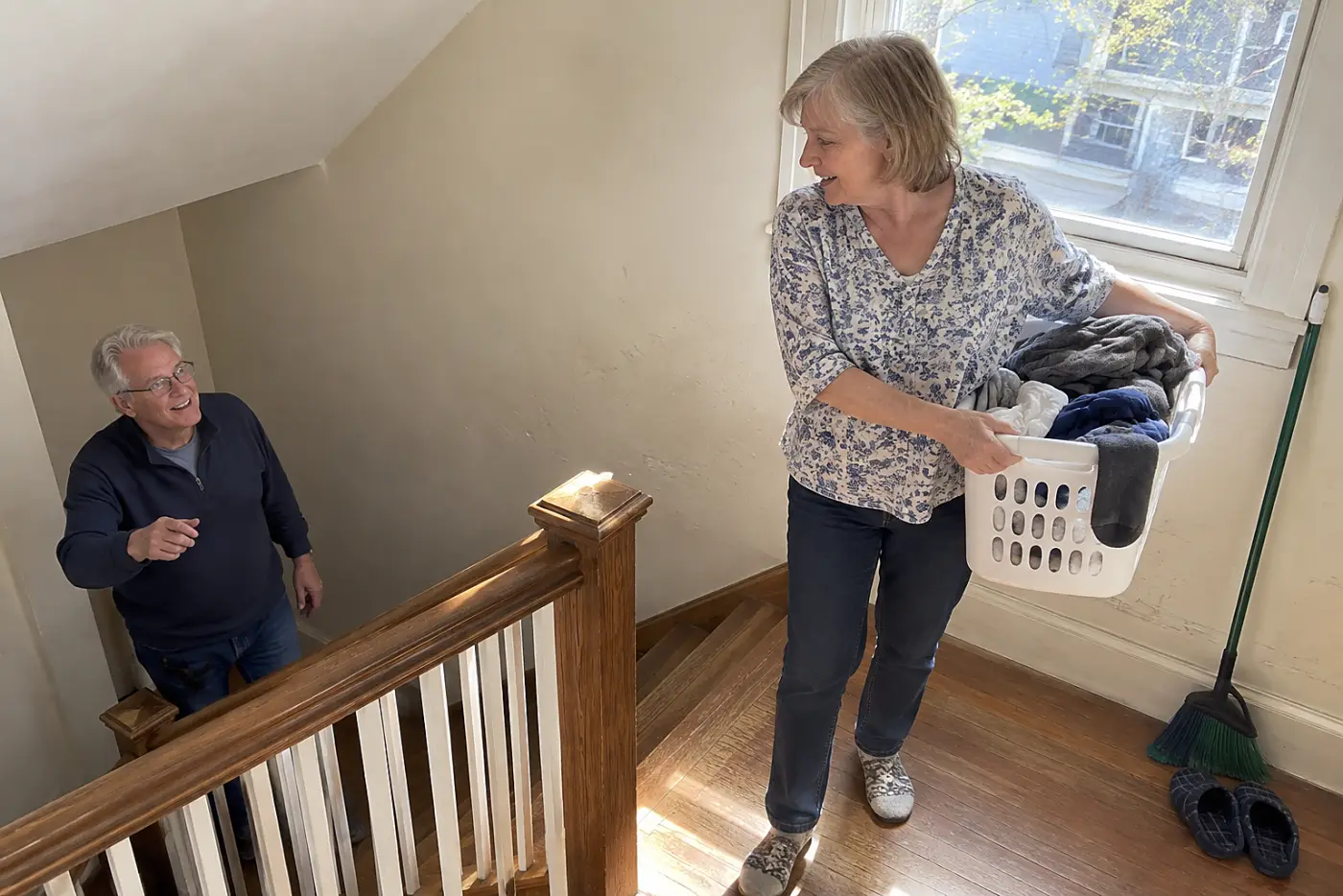
23 Ways to Get Your Energy Back After Seventy
A medication list and sleep log help pinpoint the cause of your fatigue, so the next step fits what’s actually happening.
By Dr. Alan Pierce, PT, DPT, Health Reviewer
Updated · 16 min read
- Written by our health reviewer
- How we review

Read to the end: #1 is the medical appointment that turns “tired all the time” into a plan.
The kettle clicks off. You stand at the counter, waiting for the energy to pour a cup and wash the spoon. It’s only breakfast, but you’re already thinking about sitting down. The toast stays on its plate while you decide which small task comes first.
You haven’t been ill, and you haven’t suddenly forgotten how to pace a day. Fatigue has causes worth checking, including sleep, medicines, mood, and health changes that don’t announce themselves with pain.
Here are 23 ways to find what’s draining you and take the next step.
23Put your water glass beside breakfast

**A dry morning has a head start.**
Mild dehydration brings fatigue, dizziness, and darker urine. Thirst grows less reliable with age, so waiting to feel thirsty leaves you behind. Start with a glass of water alongside breakfast.
If you have heart or kidney disease, follow the fluid instructions you’ve been given rather than setting a new target yourself. Otherwise, notice whether urine stays pale yellow through the day.
This week, put a glass where you eat and refill it when you clear the plate. If drinking more is restricted, say, “What fluid amount should I follow each day?”
The glass leads to another easy-to-miss part of breakfast.
22Add protein to the meal you skip
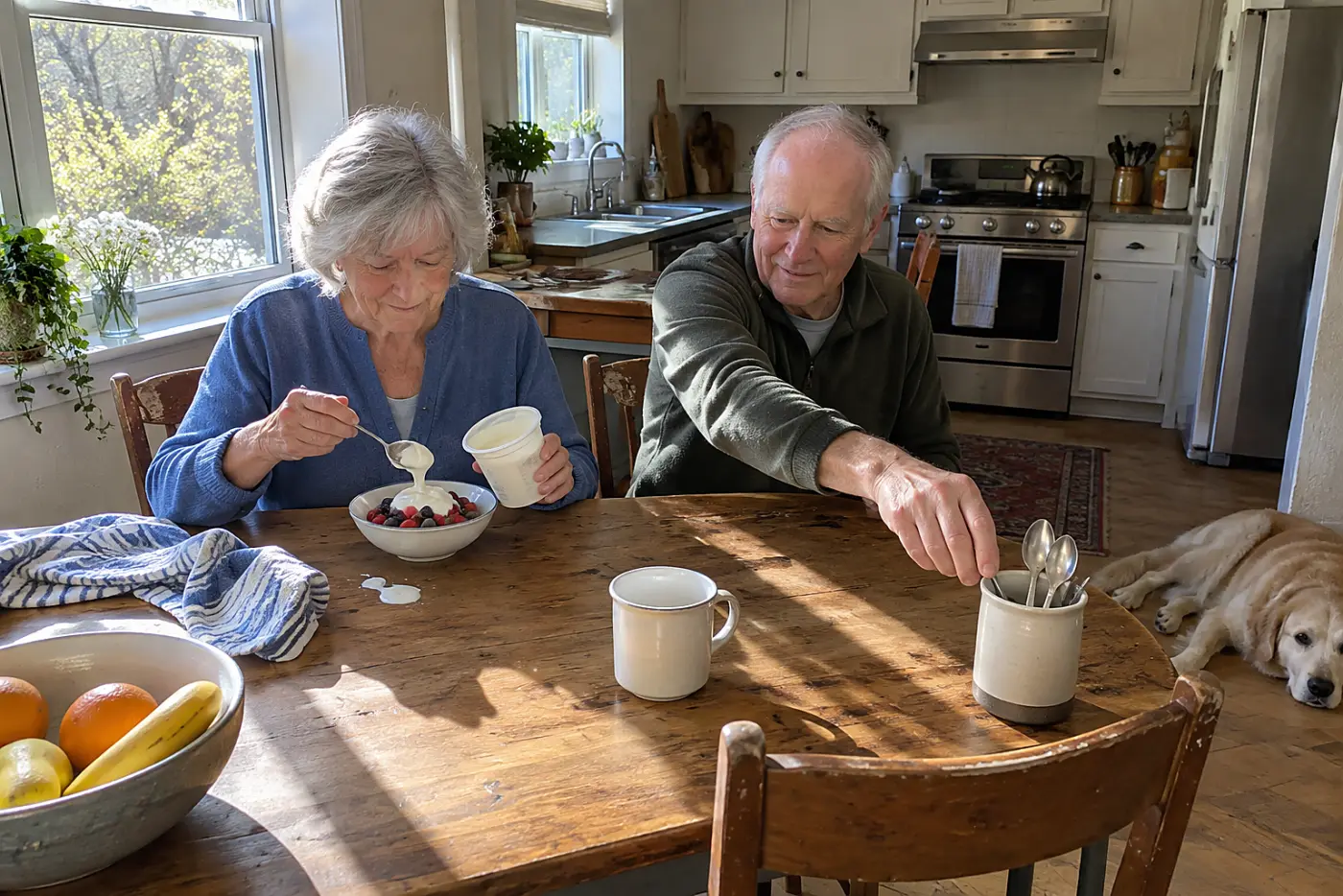
**Coffee cannot replace a meal.**
When breakfast is toast and coffee, the body gets little protein after an overnight fast. Muscles need protein to maintain and repair themselves. A long gap until lunch leaves little fuel for the things you meant to do that morning.
Look at the meal you rush through, rather than trying to overhaul every plate. Eggs, yogurt, beans, tofu, or peanut butter give you concrete choices. If chewing is tiring, yogurt or eggs take less work than a dry sandwich.
Poor appetite deserves attention too. Unplanned weight loss is a reason to call your clinician, even when you like the number on the scale.
This week, add one protein food to the meal you skip or shrink. Say, “I’ve been eating less without meaning to, and I want to talk about it.”
Food gives you somewhere to start; the chair is the next clue.
21Stand up during the television break
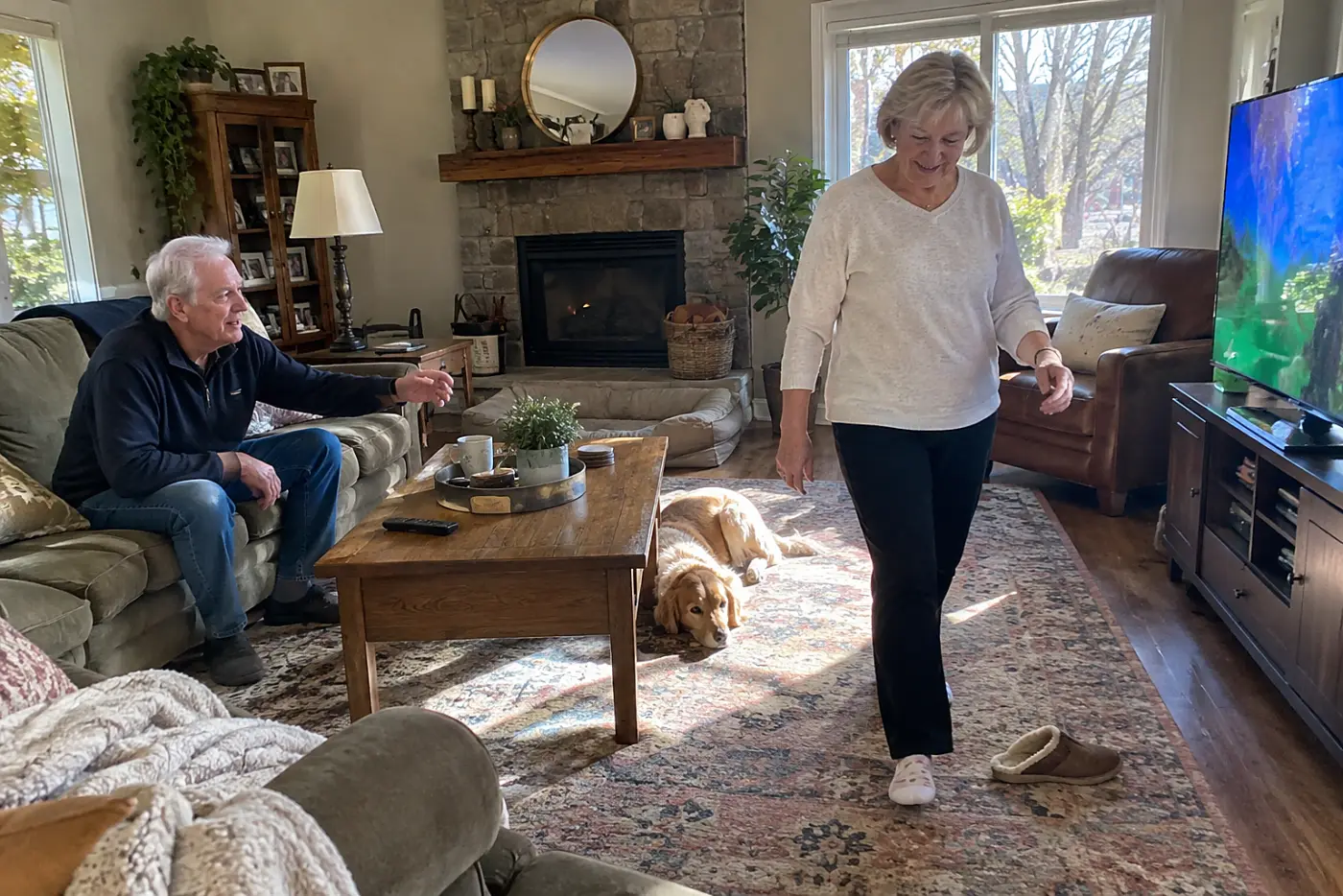
**Sitting all afternoon makes standing harder.**
Leg muscles do less work when you stay in a chair. Over time, that makes errands and stairs more demanding. Breaking up sitting gives those muscles another job before the day is over.
The CDC’s older-adult activity guidance includes aerobic activity, strength work, and balance practice. You don’t have to tackle all three during a commercial break.
This week, stand and walk across the room during one television break each day. Hold a sturdy chair if standing feels uncertain. Say, “Watch how I get up. Does anything look different?”
Your legs also need work when the television is off.
20Practice rising from a sturdy chair

**A low chair can drain an afternoon.**
Getting up uses your hips and thighs. When those muscles lose strength, every trip to the kitchen asks more of them. Repeating the movement in a safe setting builds the strength needed for daily tasks.
Choose a sturdy chair that won’t slide, and keep your feet under your knees. Lean forward, stand, then sit slowly. Use the armrests if you need them; the goal is a controlled movement, not a test of pride.
Stop if you feel chest pain, faint, or newly short of breath. Trouble rising that appears suddenly needs a medical call, not extra repetitions.
This week, try a few comfortable chair rises while someone is nearby if you feel unsteady. Tell a physical therapist, “I want to get out of my chair without using so much effort.”
Once standing feels easier, notice what happens on the way down the hall.
19Take a short walk before lunch

**Waiting for energy keeps you indoors.**
A short walk gives your heart and leg muscles regular work. Starting small also shows what level of activity feels manageable. A walk to the mailbox counts as a starting point.
The CDC advises older adults to work toward weekly aerobic activity, alongside strength and balance work. Begin below a level that leaves you spent for the rest of the day.
This week, walk for a few minutes at a comfortable pace on a familiar route. If you get chest pressure, marked breathlessness, or dizziness, stop and seek medical advice. Say, “My usual walk now wears me out. I’d like that checked.”
Then look at what the day asks of you after you return.
18Put demanding chores beside your best hour
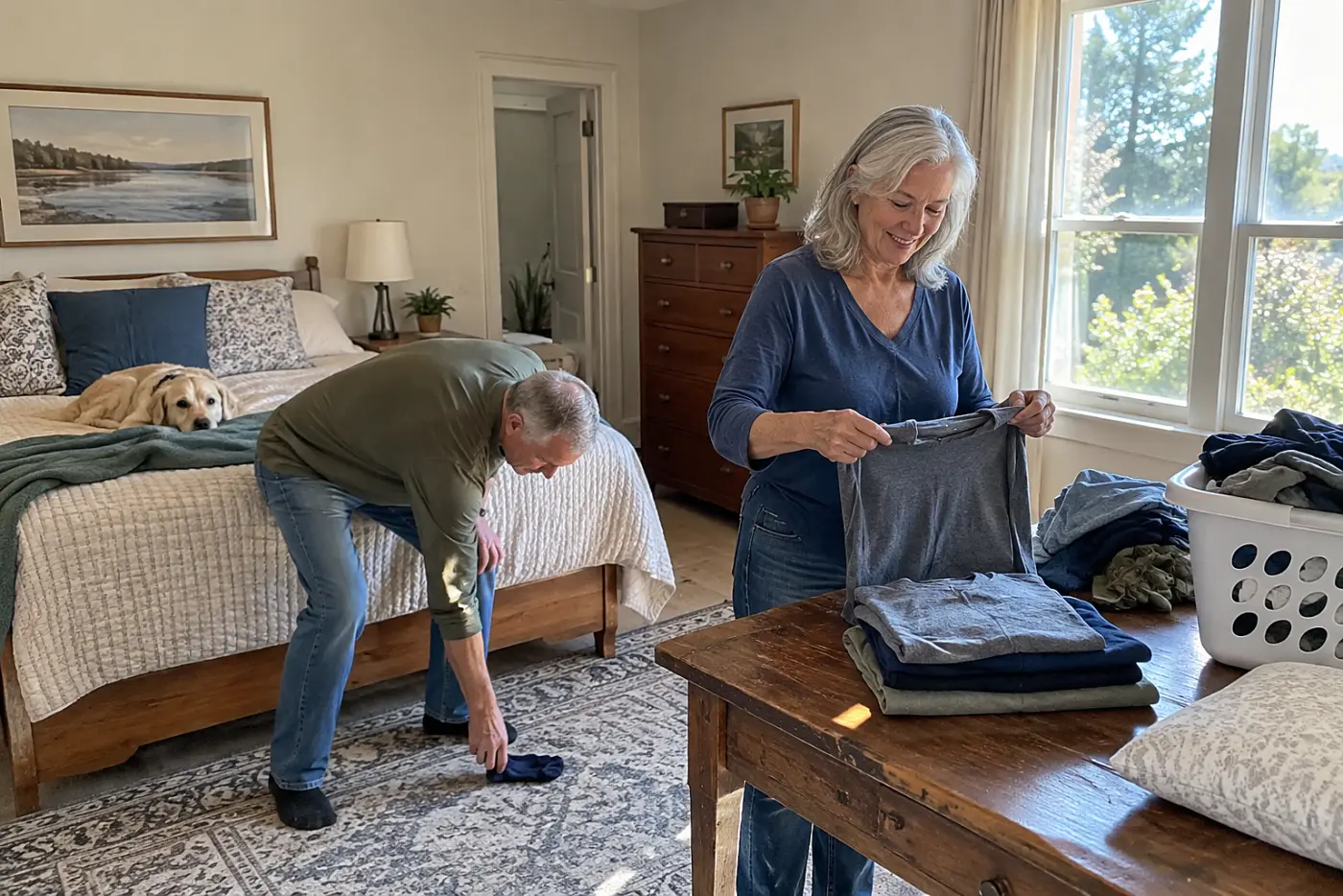
**An empty morning calendar can still exhaust you.**
Laundry, shopping, and standing to cook all spend energy. Doing them back to back leaves no room for a pause before the next task. Look for the hour when you feel most capable, then put the hardest job there.
Break a large chore into steps with a place to sit between them. Set groceries on the counter before putting them away. Fold clothes at a table rather than standing over a basket. These aren’t concessions; they let you finish without using the whole afternoon.
Keep an eye on a change in pattern. If a familiar chore suddenly takes far more effort, tell your clinician what changed and when. That detail is more useful than saying only that you feel tired.
This week, move one demanding chore to your best hour and split it in two. Say, “I can do the shopping, but I’m putting things away after a rest.”
A pause works best when it doesn’t swallow the night.
17Keep an afternoon nap brief
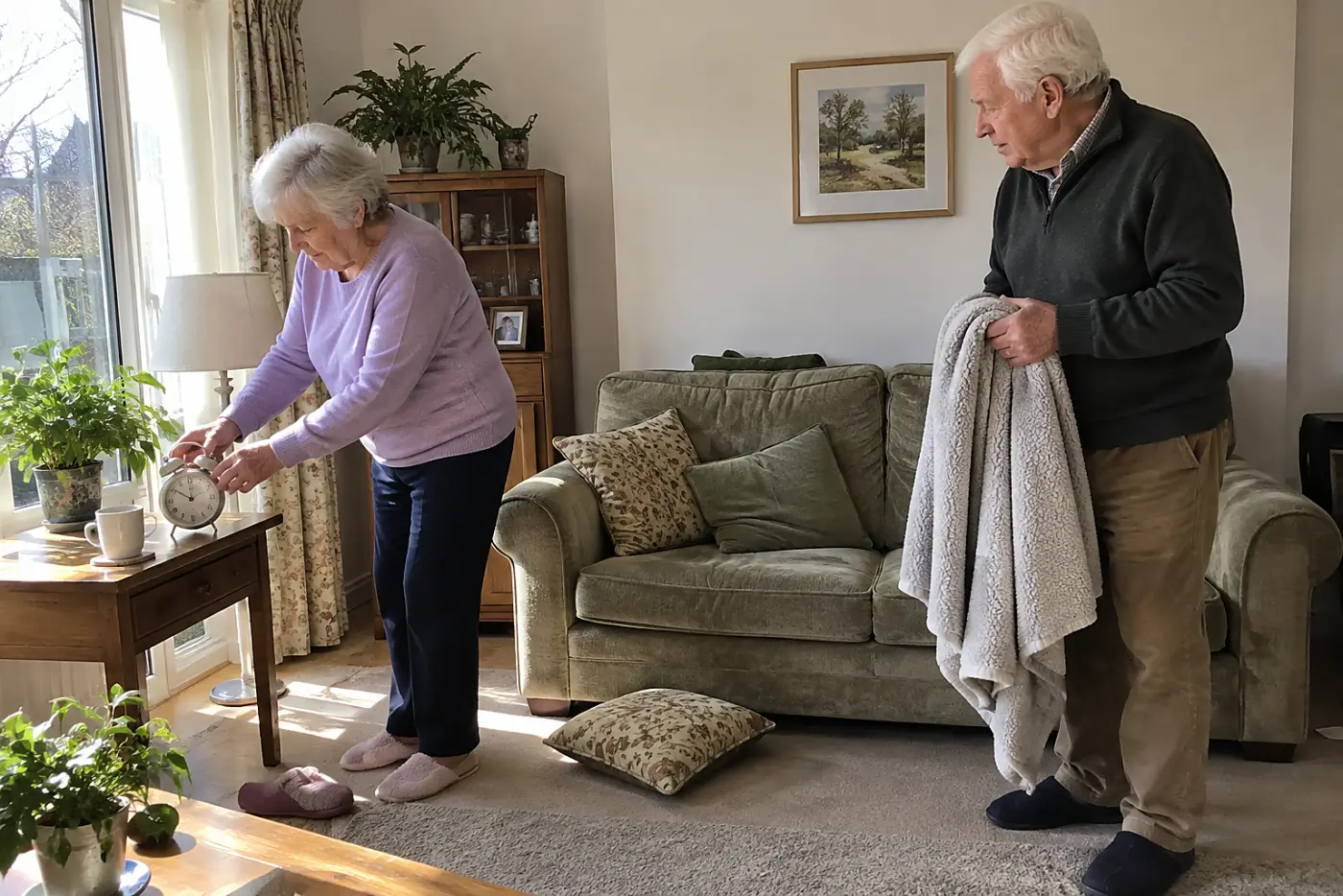
**A long nap can steal tonight’s sleep.**
Late or lengthy naps reduce the sleep pressure that builds while you’re awake. Then bedtime arrives, and you lie there alert. The next morning starts with the same tired feeling.
If you need a nap, put it earlier in the afternoon and set an alarm for about 20 minutes. Track whether falling asleep at night gets easier.
This week, test a brief nap on days you need one. If you’re dozing without intending to, say, “I keep falling asleep during the day, even after a night in bed.”
What happens after dark deserves a closer look.
16Write down your bedtime and wake time

**Hours in bed are not hours asleep.**
A night broken by long spells awake leaves less time for restorative sleep. Without a record, those spells blur together by morning. A simple log gives you and your clinician something to examine.
For one week, write down when you went to bed, when you think you fell asleep, and when you got up. Mark naps and nighttime trips to the bathroom. Don’t chase perfect numbers; you’re looking for a pattern you can describe.
The National Institute on Aging’s sleep guidance covers sleep changes and habits worth discussing. A persistent sleep problem deserves more than another cup of coffee.
This week, leave a notebook by the bed and make the first entry tomorrow morning. Say, “I’m spending eight hours in bed, but this log shows how much of it I’m awake.”
The log has another use if someone hears you sleeping.
15Ask whether you snore or gasp

**Breathing pauses turn sleep into work.**
Obstructive sleep apnea interrupts breathing during sleep. Snoring, gasping, morning headaches, and daytime sleepiness are clues, though you won’t hear every pause yourself. Diagnosis requires an evaluation, not an app’s verdict.
The National Heart, Lung, and Blood Institute describes sleep apnea symptoms and testing. Untreated sleep apnea is linked with health problems beyond a tired morning.
This week, ask a bed partner what they hear, or note whether you wake gasping. Tell your clinician, “I’m sleepy in the daytime, and I’ve been told I snore and stop breathing.”
A different nighttime interruption happens with your eyes open.
14Ask what wakes your bladder at night
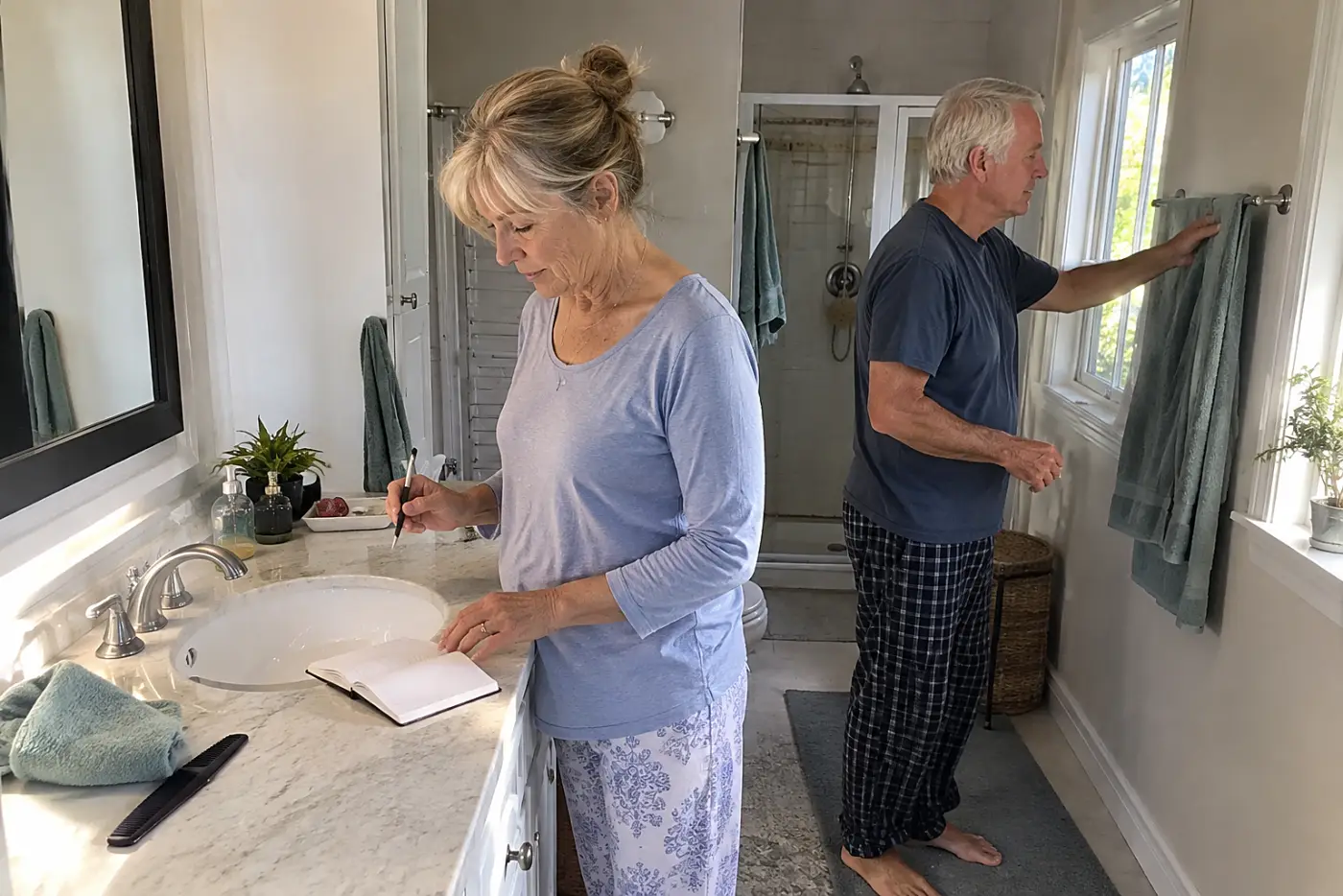
**Repeated trips break the night apart.**
Waking to urinate interrupts sleep even when you get back to bed quickly. Evening drinks, medicines, bladder symptoms, diabetes, and sleep apnea point to different causes. Don’t cut daytime fluids blindly to fix the night.
Unlike the sleep log, this check is about what happens when you get up. Notice burning, urgency, or new swelling in your legs. If you take a diuretic, note its name and when you take it. Don’t move the dose without checking first.
Burning, blood in urine, or a sudden change needs prompt medical advice. Bringing those details to the visit helps your clinician decide whether the bladder, a medicine, or something else needs attention.
This week, note what you feel on the next bathroom trip, not only the time. Say, “I keep waking to urinate. What should we check?”
Morning light is another part of that sleep story.
13Open the curtains after you wake
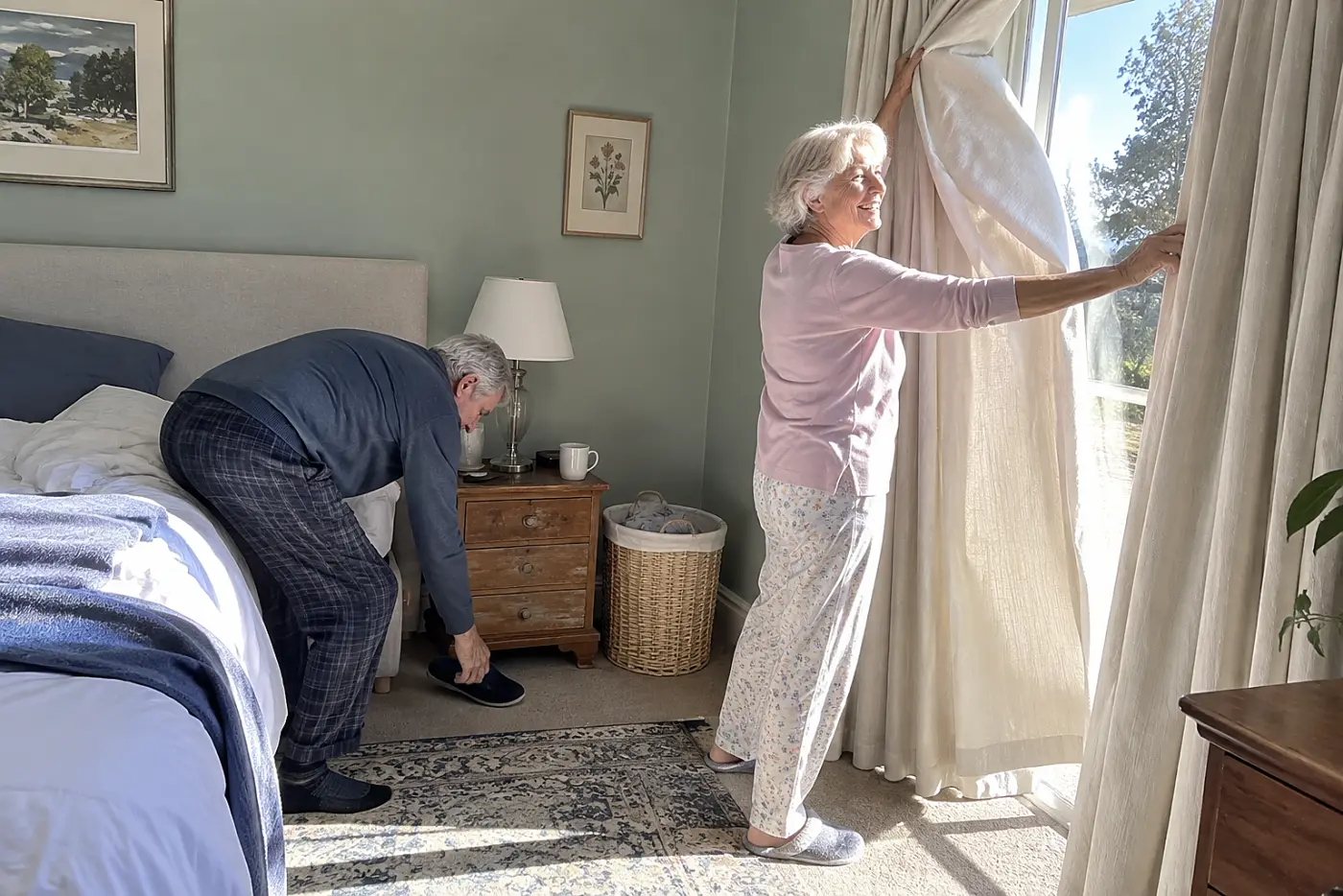
**A dim morning blurs the body clock.**
Daylight helps set the daily rhythm that tells you when to feel awake and when to sleep. A morning spent under dim indoor light gives that rhythm less guidance.
Go outside or sit near a bright window soon after waking. Outdoor light is stronger, so a short visit to the porch has a different effect from leaving a lamp on.
This week, pair morning light with breakfast rather than waiting until you feel lively. If getting outside is unsafe, choose the brightest spot in the house. Say, “My mornings feel foggy. I’m tracking my sleep and morning light.”
The light helps with timing; the evening routine has its own pull.
12Move your last coffee earlier

**Afternoon caffeine can follow you to bed.**
Caffeine blocks the signal that helps you feel sleepy. Its effects last for hours, so a cup that lifts a slow afternoon also delays sleep that night. Tea, soda, and some headache medicines belong in the count.
Notice the timing before you give up something you enjoy. If you drink coffee late, try moving the last cup to before lunch for a week. Watch your sleep log for a change in how long you lie awake.
Don’t stop caffeine abruptly if you drink a lot of it; headaches can make the experiment miserable. Reduce it gradually while you watch what happens.
This week, write the time of your last caffeinated drink beside your bedtime. Say, “I’m trying an earlier last cup because I’m awake at night.”
One drink in the evening creates a different kind of sleep problem.
11Notice what an evening drink does

**Alcohol can make sleep less restful.**
A drink brings on drowsiness, but sleep becomes more fragmented later in the night. That early sleepy feeling can hide the reason you wake at three.
Check whether drinking evenings match your roughest mornings. If alcohol and a sleep medicine appear on the same night, ask a pharmacist about the combination; the safety risks matter more than the sleep experiment.
This week, compare several alcohol-free evenings with your sleep log. Say, “I fall asleep after a drink, then wake in the night. Could that be part of this?”
Before adding another bedtime fix, inspect what’s already in the pillbox.
10Bring every pill bottle to the pharmacy

**A pillbox hides the names you need.**
Prescription medicines, over-the-counter sleep aids, allergy pills, and supplements all belong in a medication review. Some cause drowsiness; others disturb sleep or lower blood pressure. A pharmacist needs the full list to spot timing, dose, and combination problems.
Bring the bottles if the printed list is out of date. Include creams, drops, and medicines you take only when needed. Tell the pharmacist when the fatigue began, especially if it followed a new prescription or a dose change.
Don’t stop a prescribed medicine on your own. The National Institute on Aging’s medicine guidance recommends keeping an up-to-date list and discussing side effects.
This week, ask your pharmacy for a medication review and take everything you use. Say, “I’m tired every day. Which of these deserves a closer look?”
There’s one shelf in particular worth checking before that visit.
9Read the label on your sleep aid

**The word “nighttime” doesn’t mean harmless.**
Many over-the-counter nighttime products contain sedating antihistamines. Diphenhydramine and doxylamine bring risks for older adults, including confusion and falls. A brand name alone won’t tell you what’s inside.
The American Geriatrics Society’s Beers Criteria flags these medicines for older adults. Check the active ingredients, including those in cold products that also promise sleep.
This week, photograph the ingredient panel and show it to your pharmacist. Don’t combine products without checking what overlaps. Say, “Is this ingredient safe with my other medicines, and what else should I try for sleep?”
Next, look at the number the blood pressure cuff gives you.
8Check for dizziness when you stand

**A pressure drop makes walking feel exhausting.**
Blood pressure falls on standing for some people. The result is lightheadedness, weakness, or the urge to sit back down. Dehydration and certain medicines contribute, so guessing at the cause is risky.
If you have a home cuff, record your blood pressure after resting, then after standing, following your clinician’s instructions for safe measurement. Keep a chair close and skip the test if you feel faint. Write down symptoms along with the numbers; a single reading without context tells less.
A fall is the immediate stake. Fainting or new severe dizziness calls for prompt medical attention.
This week, note when dizziness hits, especially after meals or morning pills. Say, “I feel weak when I stand. Could we check my blood pressure sitting and standing?”
If the room stays steady, another sort of imbalance deserves notice.
7Test your footing beside the counter

**Fear of falling makes every errand longer.**
When balance feels uncertain, you move less. Less movement then leaves your legs with fewer chances to stay strong. That loop turns an ordinary trip through the house into hard work.
Stand beside a counter and see whether you feel steady with your feet close together. Keep a hand ready to hold on. Don’t attempt a one-leg test alone.
The CDC’s fall-prevention guidance points to strength and balance work. Avoiding a familiar walk because of a new wobble is a reason to discuss balance with a physical therapist.
This week, note where you feel unsteady or nearly fall, then tell a physical therapist. Say, “I’m avoiding walks because I don’t trust my balance.”
Strength and balance aren’t the only reasons you stay home.
6Check the shoes you wear indoors

**Slippery soles make movement feel risky.**
Loose slippers slide at the heel and offer little grip. Bare feet leave you exposed to slick floors and small objects. If crossing the kitchen feels uncertain, you’ll make fewer trips without noticing why.
Look at the pair you wear most inside. Check whether the heel stays in place and the sole grips the floor. Walk on your usual surfaces, not just the carpet in the bedroom. If a shoe catches or slides, change it before you try to move more.
For numbness in your feet, shoe fit deserves extra attention. The National Institute of Diabetes and Digestive and Kidney Diseases advises people with diabetes to check their feet and protect them.
This week, replace the loose pair with shoes that fit and grip. Say, “These are the shoes I wear around the house. Are they safe for my feet?”
Now think about the effort you spend just trying to see.
5Turn on a brighter task lamp

**Straining to see makes chores feel bigger.**
Poor light makes reading labels, chopping food, and sorting pills harder. You lean closer, slow down, and spend attention on tasks that used to be automatic. Even finding the right bottle takes longer.
Put light directly on the job without shining it into your eyes. If familiar print stays hard to read, schedule an eye exam rather than buying brighter bulbs indefinitely.
This week, move a lamp to the spot where you sort mail or prepare food. Tell your eye doctor, “I’m struggling with tasks I used to see clearly.”
If the light is good and everything still takes effort, consider what you’re carrying.
4Name the job weighing on you

**Mental load uses a real part of the day.**
Bills, caregiving, and worry don’t stay put when you sit down. They interrupt sleep and compete with the attention you need for meals and ordinary plans. Feeling drained after a hard stretch deserves a conversation, not a lecture about attitude.
Write down the specific task that follows you around. Ask someone for a defined piece of it: one call, one ride, or one hour with paperwork. A precise request is easier to answer than “I need help.”
If low mood or loss of interest lasts, tell your clinician. The National Institute of Mental Health lists fatigue among depression symptoms.
This week, hand off one named task and note whether the day feels different. Say, “Could you make the insurance call on Thursday while I handle the bills?”
A heavy week and a new physical symptom need different responses.
3Notice breathlessness on your usual stairs

**A changed climb deserves a call.**
Compare today’s stairs with the same flight a month ago. New breathlessness, chest discomfort, or swelling in your ankles gives the fatigue a physical clue. Those details help a clinician decide what to check.
The American Heart Association describes fatigue and shortness of breath among heart failure symptoms. That doesn’t diagnose you; it means a change deserves attention.
This week, write down what brings on the symptom and call your clinician. For chest pain or severe breathing trouble, call 911. Say, “The stairs I normally climb now leave me short of breath.”
There’s another change to mention even when breathing feels normal.
2Record an unplanned change in weight

**A changing scale can expose a missing clue.**
Weight loss without trying points to something worth checking, especially when appetite has faded. Weight gain with swelling tells a different story. Neither belongs in a private bargain with yourself about whether the number looks better.
Use the same scale under similar conditions and record the dates. Note whether clothes fit differently, meals have shrunk, or ankles look swollen. Bring that record to a medical visit instead of relying on memory.
The National Institute on Aging’s healthy-eating guidance treats unplanned weight loss as a reason to talk with a health professional. A scale gives you evidence, not a diagnosis.
This week, write down your current weight and any earlier reading you trust. If the change is new or unexplained, call. Say, “My weight changed without my trying, and I’ve been tired.”
Put that note beside the one appointment that pulls these clues together.
1Book a visit specifically for persistent fatigue

**“I’m just tired” can end the conversation too soon.**
A visit focused on fatigue gives your clinician time to ask when it began, what changed, and what symptoms came with it. Your sleep log, weight notes, and medication list show where to start. Testing then follows your history and exam, rather than a guess.
Waiting matters when fatigue is new, persistent, or interfering with your usual day. The MedlinePlus fatigue page lists medical causes and warning signs.
This week, book the visit and say why you’re coming. Tell the scheduler, “I’ve had ongoing fatigue, and it’s changing what I can do.”
Before you go, turn those scattered notes into one page.
The bottom line
Energy drains rarely arrive alone; sleep, food, movement, medicines, and health changes overlap.
The best-prepared version of you has noticed what changed. You’ve written it down and booked a visit that’s actually about fatigue.
Which of these has already happened in your family?
Bonus: The one-page fatigue visit sheet
- Write when the fatigue began and name one task you do differently now.
- List every medicine and supplement, with doses and the time you take each one. Mark anything you started or changed recently.
- Bring one week of sleep notes, plus any weight change, dizziness, or breathlessness.
- At the visit, say, “I’m tired most days, and it’s affecting my usual routine. What should we check first?”
Dr. Alan Pierce, PT, DPT
Health Reviewer
Alan is a physical therapist who specializes in helping adults over 50 stay strong and mobile.
You might also like