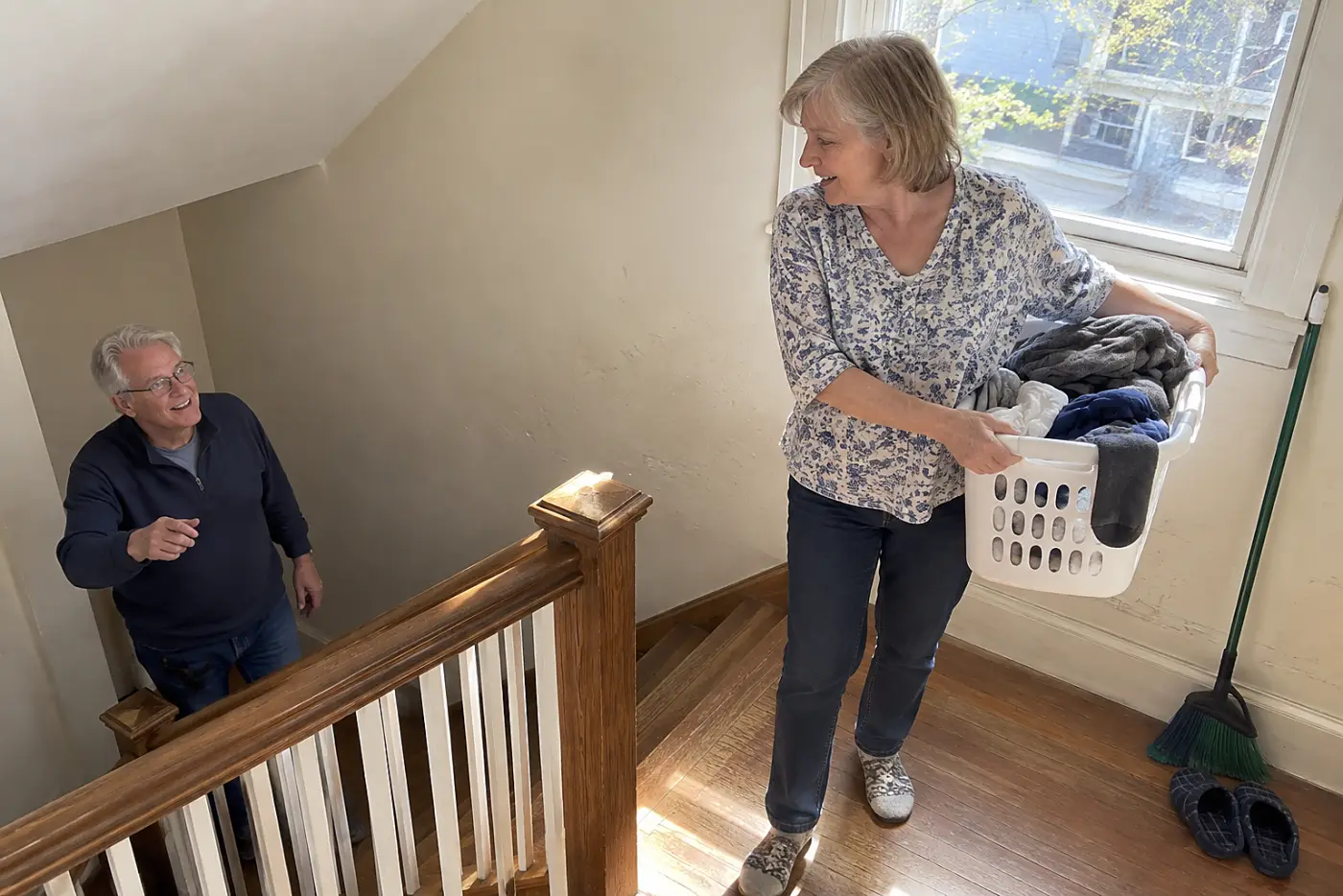
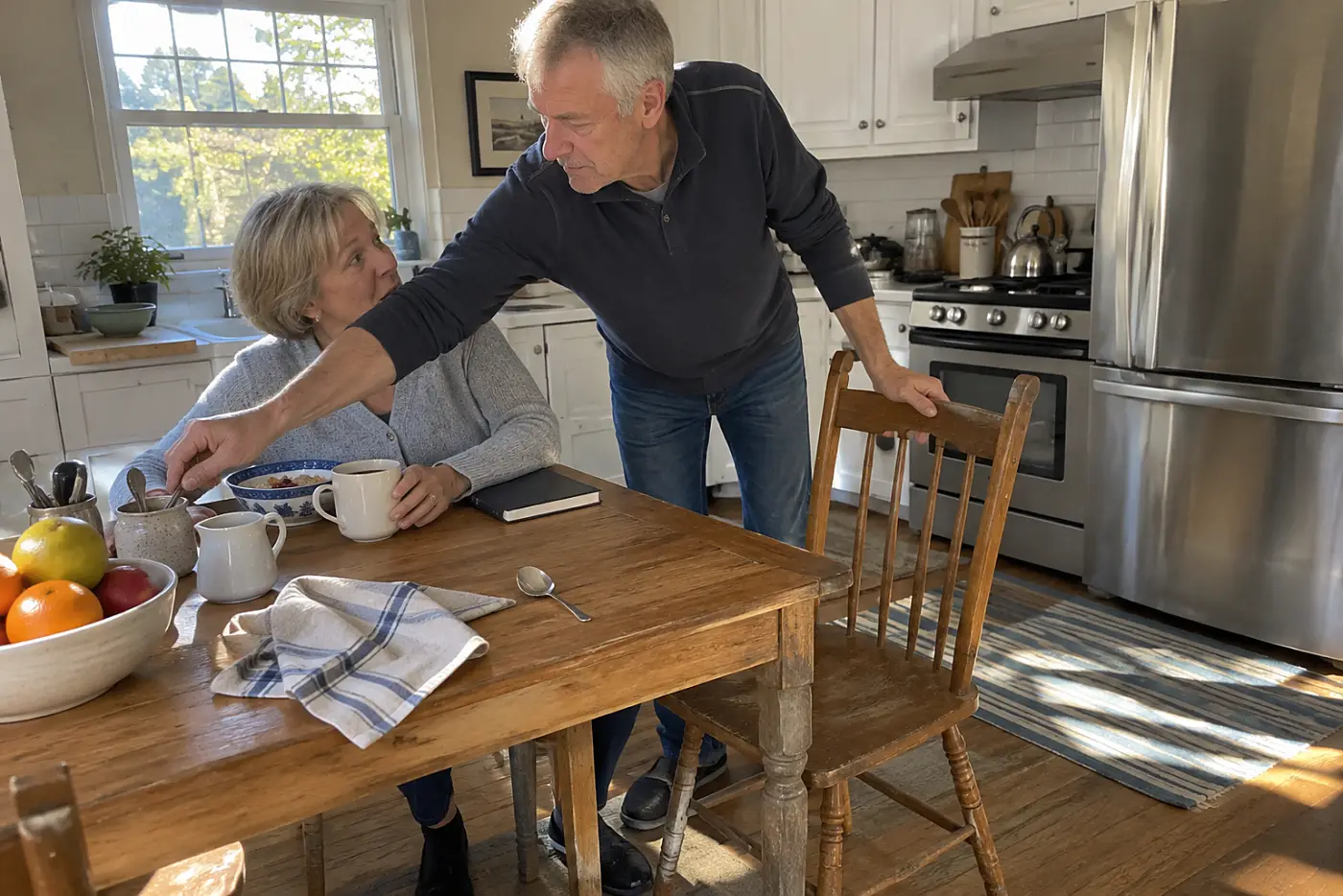
26 Signs Your Doctor Is Treating Your Age Instead of You
A rushed visit turns a new symptom into an age label without checking your baseline, medicine bottles, or exam findings.
By Dr. Alan Pierce, PT, DPT, Health Reviewer
Updated · 18 min read
- Written by our health reviewer
- How we review

Read to the end: #1 is a written-plan check that pins down what happens next, and almost nobody does it.
The exam room chair has a strip of paper that crackles when you shift. You explain that stairs became hard last Tuesday. Your doctor says, “Well, you’re getting older,” and reaches for the keyboard. You’re still trying to describe what happened when the visit starts to end.
Age changes health risks. It doesn’t explain why a specific task changed on a specific Tuesday. A good visit leaves room for both: what’s common at your age and what’s new for you.
Here are 26 signs to catch before the visit slips away.
26A new symptom gets called normal aging

An age label ends questions before an exam begins.
If your knee suddenly locks, age alone doesn’t explain the event. The clinician needs to ask when it started and what triggers it. An exam then helps show what the joint does when you move.
Without those details, the chart holds a broad label instead of the change that brought you in. You leave without knowing what would prompt another call.
This week, write down the first day it happened and one task it stopped. Ask, “What else could cause this change, and what did you find on the exam?”
The answer matters more when symptoms come and go.
25Your old abilities never enter the conversation

A chart doesn’t remember how you used to move.
Your doctor sees today’s walking speed, then asks whether you need help shopping. Missing is the fact that you carried groceries upstairs alone last month. That change deserves attention, even if you look steady crossing the exam room.
If the visit records only your present ability, the next clinician lacks the before-and-after picture. The National Institute on Aging recommends preparing specific symptoms and questions before an appointment. Put the task you’ve lost at the top of that list.
This week, write down when that task changed and whether it happened all at once. Say, “Last month I climbed these stairs without stopping. What should we check now that I can’t?”
A baseline also helps when trouble appears only during certain tasks.
24Your pain question stops at a number

A pain score misses what your hands have stopped doing.
A number on a zero-to-ten scale helps track intensity. It doesn’t show that twisting a jar lid sends pain through your wrist or that you’ve stopped playing piano. If the number is all that reaches the chart, treatment goals stay vague.
You need a plan tied to a task you care about. That gives you something specific to check at the next visit.
This week, choose one painful movement and note when it hurts. Ask, “Can we examine the movement that sets it off?”
But pain isn’t the only symptom a short question flattens.
23Your fatigue gets waved away without questions
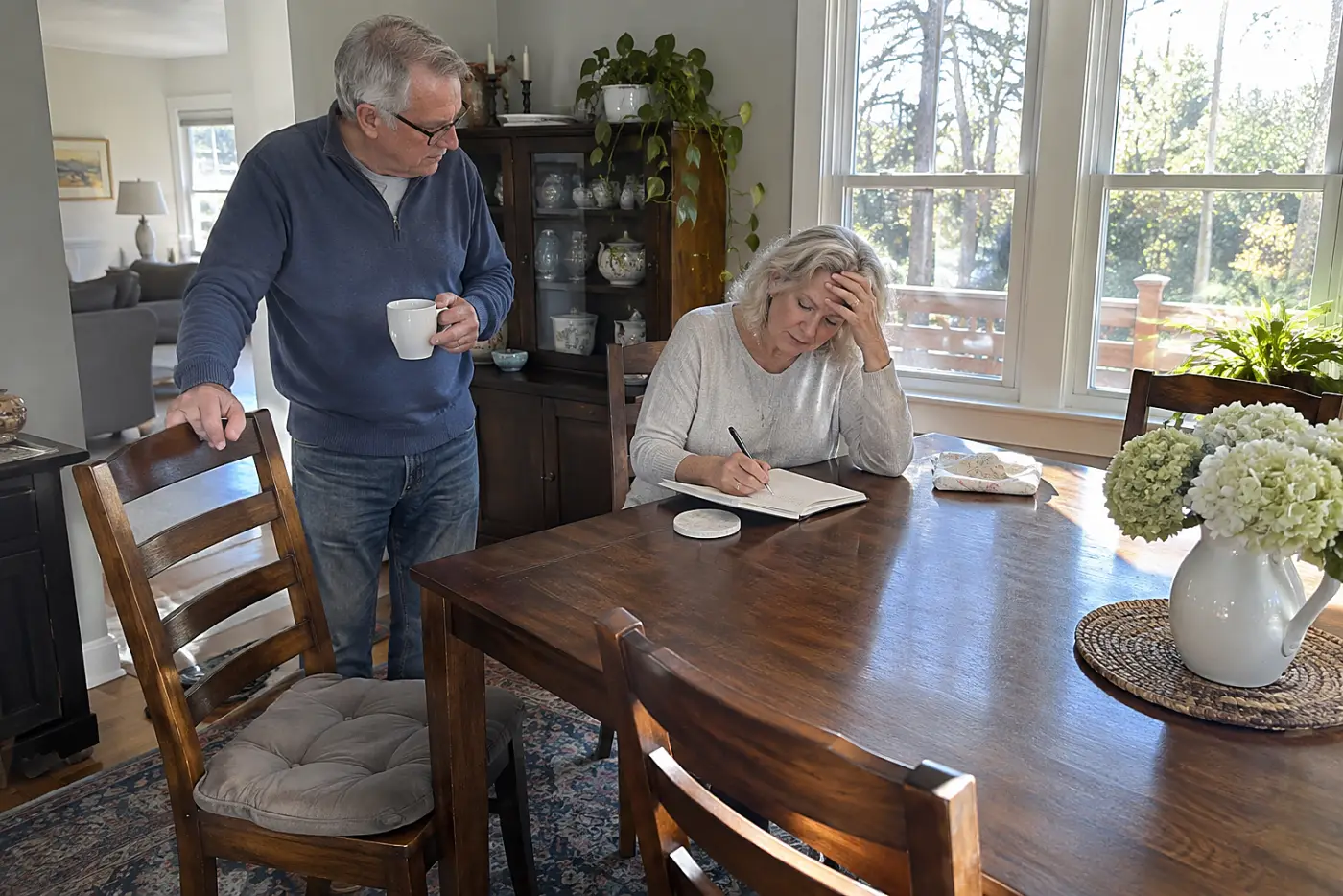
“Everyone slows down” is a poor fatigue assessment.
Fatigue has a timeline, a pattern, and an effect on daily life. A clinician needs to hear whether it follows activity, starts when you wake, or appeared after a medication change. They also need to ask what else changed alongside it.
Age alone won’t explain why you stopped finishing your usual walk. A note that says only “fatigue” leaves little to compare at follow-up. MedlinePlus lists sleep problems and medicines among possible causes. Your visit needs to narrow the question.
This week, record sleep hours and the time fatigue hits for three days. Say, “This started on this date and changed this part of my day. What should we check?”
The same need for a timeline applies to changes in thinking.
22A memory complaint gets no examples
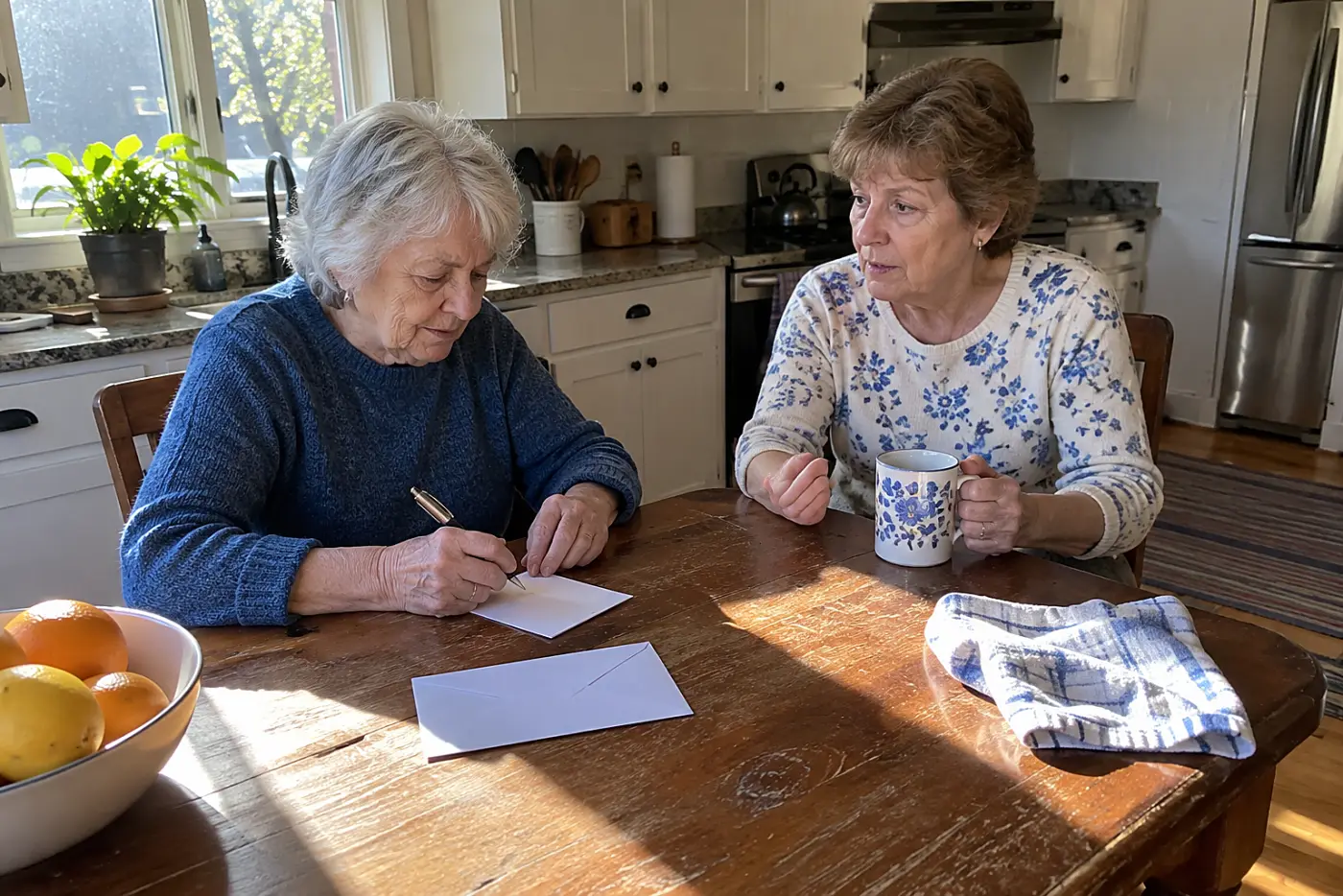
“Forgetful” tells nobody what went wrong.
Forgetting a name, missing a bill, and getting lost on a familiar route are different events. Your clinician needs an example and a start date before deciding what to examine.
Write down whether the problem happened once or kept happening. Without that detail, a serious change sits beside an ordinary lapse under the same word. The label tells the next clinician little about what you experienced.
This week, record one incident with its date, setting, and what happened afterward. Ask, “What parts of this change should we test or follow up?”
Someone else’s account helps, provided yours stays central.
21Your companion answers before you get to speak
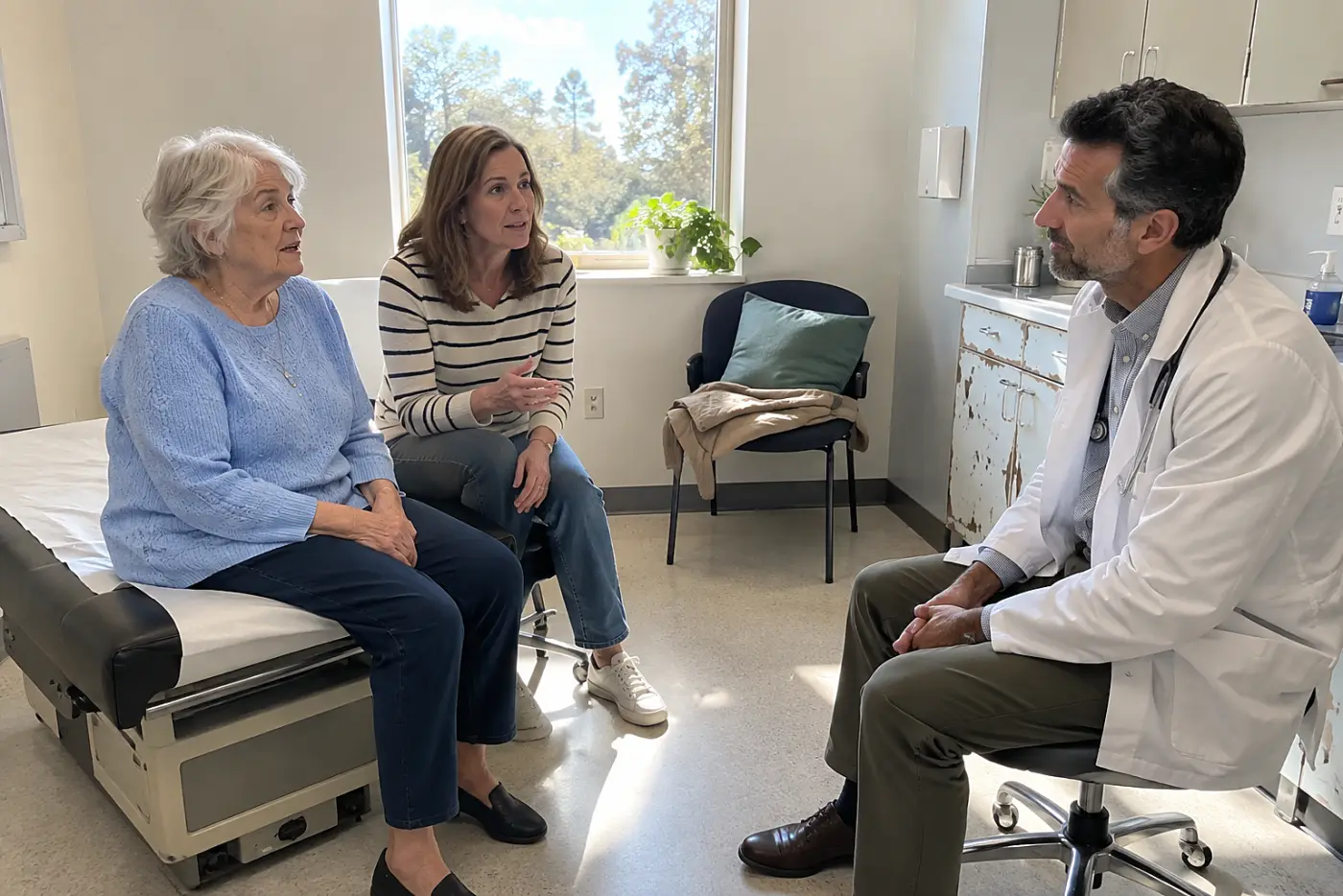
The person beside you takes over by accident.
A companion brings useful observations. Yet if every question goes to them, the doctor loses your account of what you feel and want. Even an accurate description from a spouse or daughter leaves out details only you know.
That matters when choices turn on symptoms, priorities, or side effects. The American Medical Association Code of Medical Ethics describes informed consent as a conversation with the patient. Your companion’s account belongs alongside yours, not in its place.
This week, tell your companion you want to answer first and invite additions afterward. In the room, say, “I’d like to tell you what I’ve noticed, then she can add anything I missed.”
Watch whether the clinician brings the next question back to you.
20A fall gets filed as clumsiness
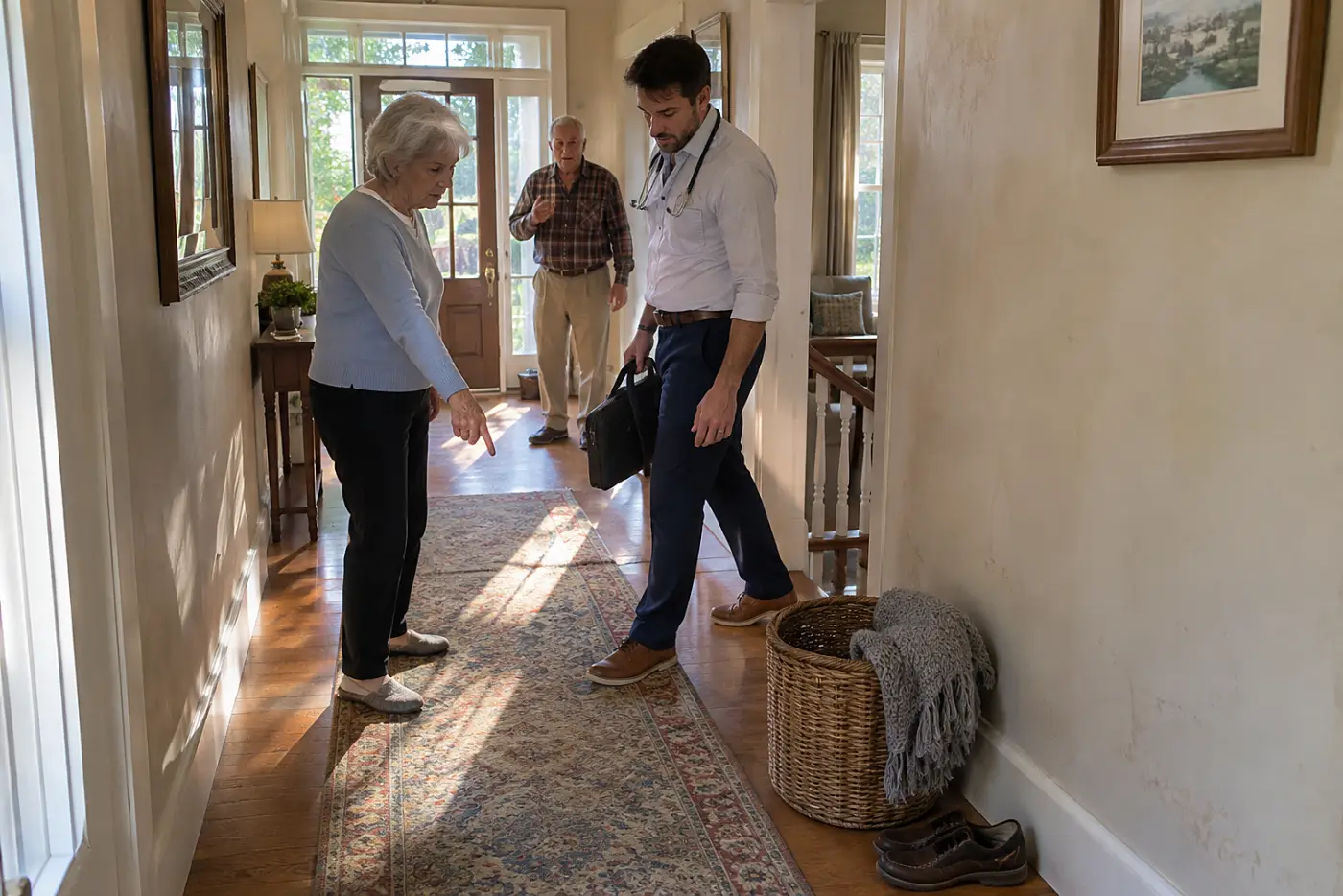
A fall deserves more than a shrug.
Where you fell, what you were doing, and whether you felt faint change the questions a clinician should ask. So does a head strike. The CDC’s STEADI program gives clinicians tools to assess fall risk rather than treating falls as inevitable.
A fall without an explanation leaves the cause open. If you struck your head, take blood thinners, or have new symptoms after the fall, seek prompt medical advice. Don’t wait for a routine checkup to mention it.
This week, write down the fall’s location, what happened just before it, and any injury. Ask, “What should we check to understand why I fell?”
Then look at what was on your feet and in your medicine drawer.
19Your medication list stays in the purse
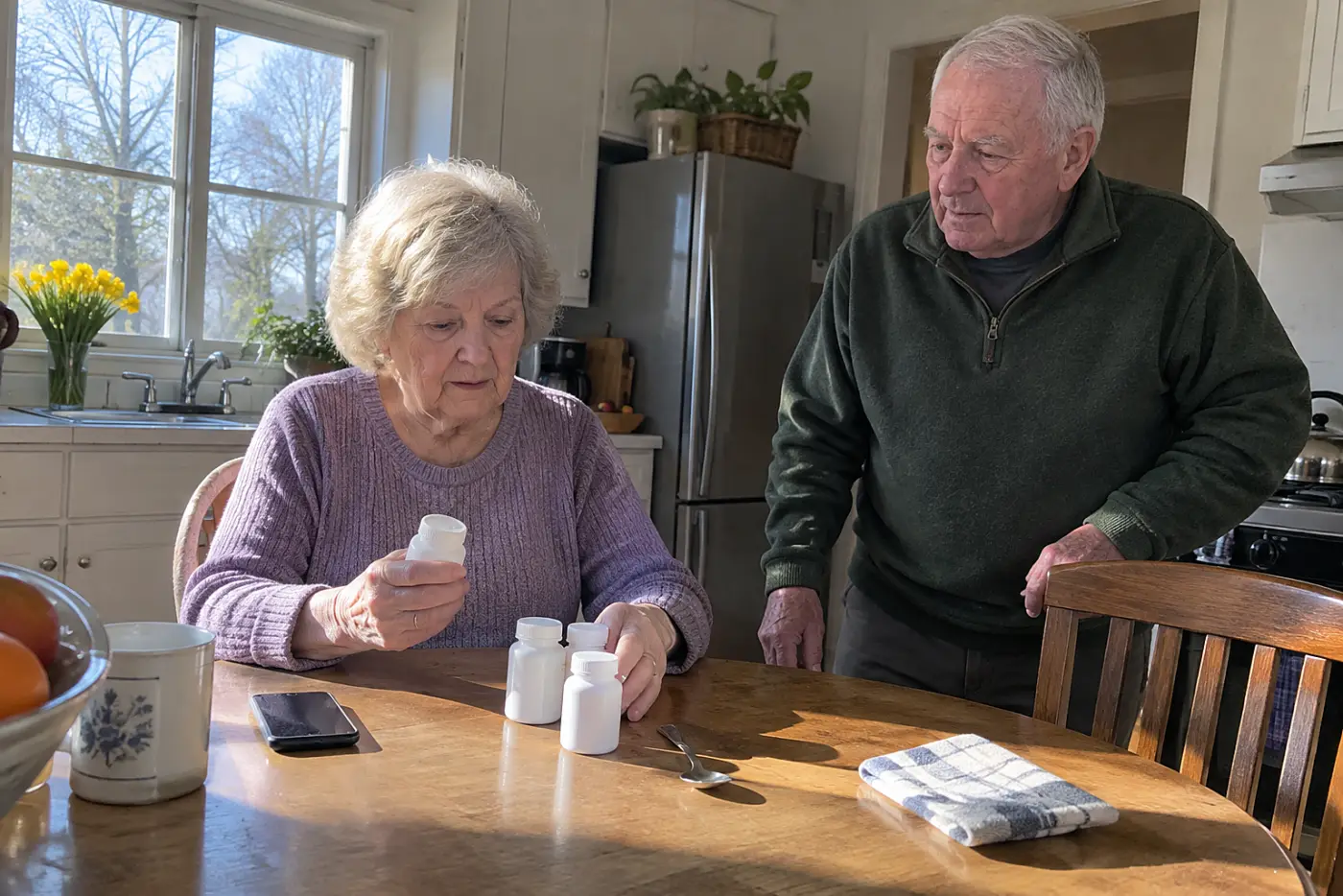
A medicine review fails when half the bottles stay hidden.
Prescription bottles, over-the-counter sleep aids, supplements, and as-needed pills belong in the same conversation. A new symptom might follow a dose change, a new drug, or a combination. If nobody asks what you actually take, the chart’s list looks complete while missing last week’s purchase.
A missed bottle leaves an avoidable question unanswered. The National Institute on Aging recommends keeping a medicine list and sharing it with your care team. Include the dose and how frequently you take each item.
This week, photograph every label you use and bring the pictures to the visit. Say, “Could we review these against my chart and check whether any relate to this symptom?”
One label deserves a closer look when balance changes.
18A sleep pill escapes the balance discussion
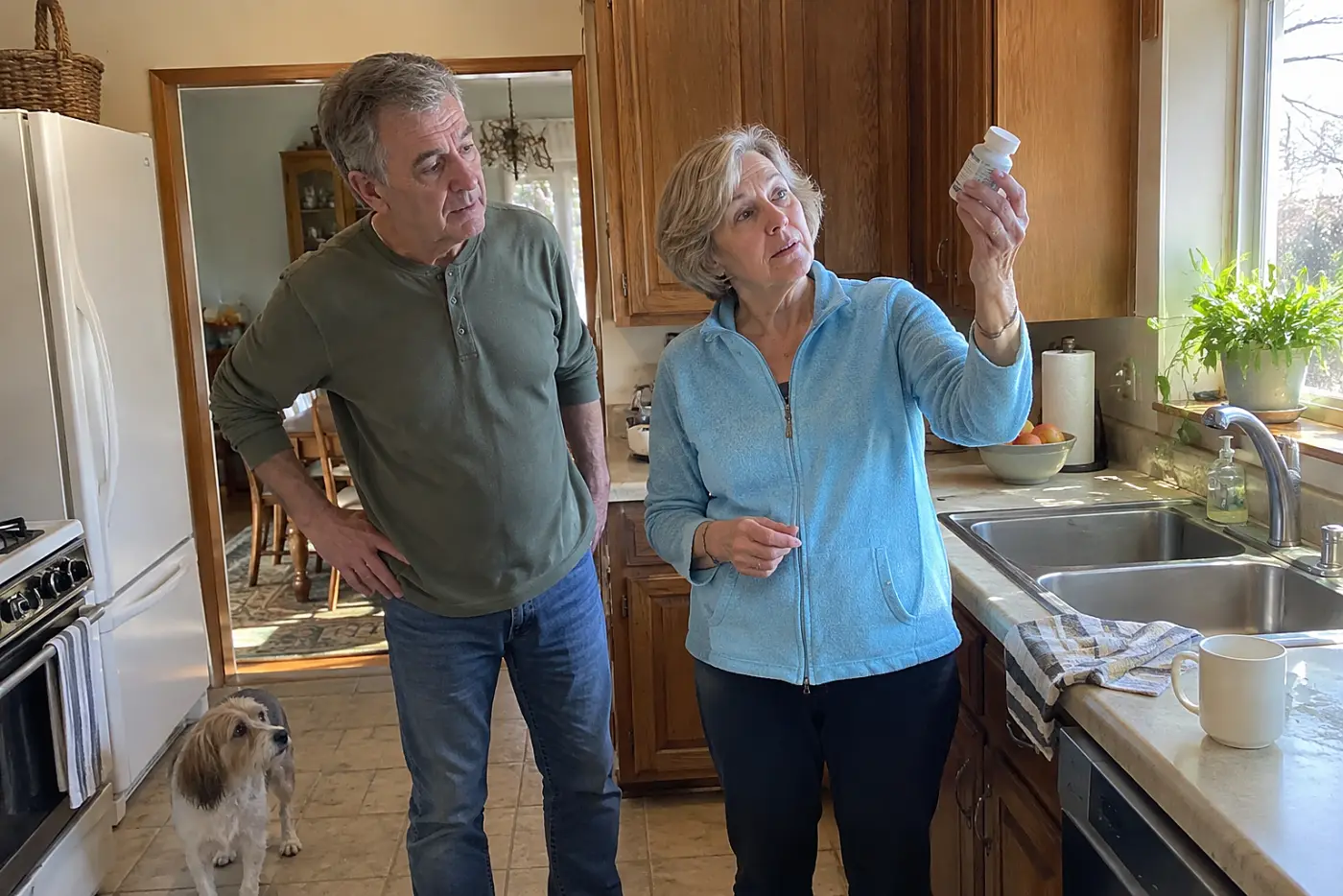
Your nighttime pill still matters after sunrise.
Some sleep medicines impair alertness the next morning. If a balance complaint leads straight to “be more careful,” a medication question has been skipped. Check the warning for your specific drug with your pharmacist. The FDA’s medication guides identify drugs that require a guide for patients.
The name, dose, and time you take a pill give that conversation a starting point. Don’t stop a prescribed medicine on your own because you suspect a link.
This week, put those details beside your notes about morning unsteadiness. Ask, “Could this medicine play a part, and what should I do next?”
Other changes need a closer look than any pill list provides.
17New weakness gets treated like lost fitness
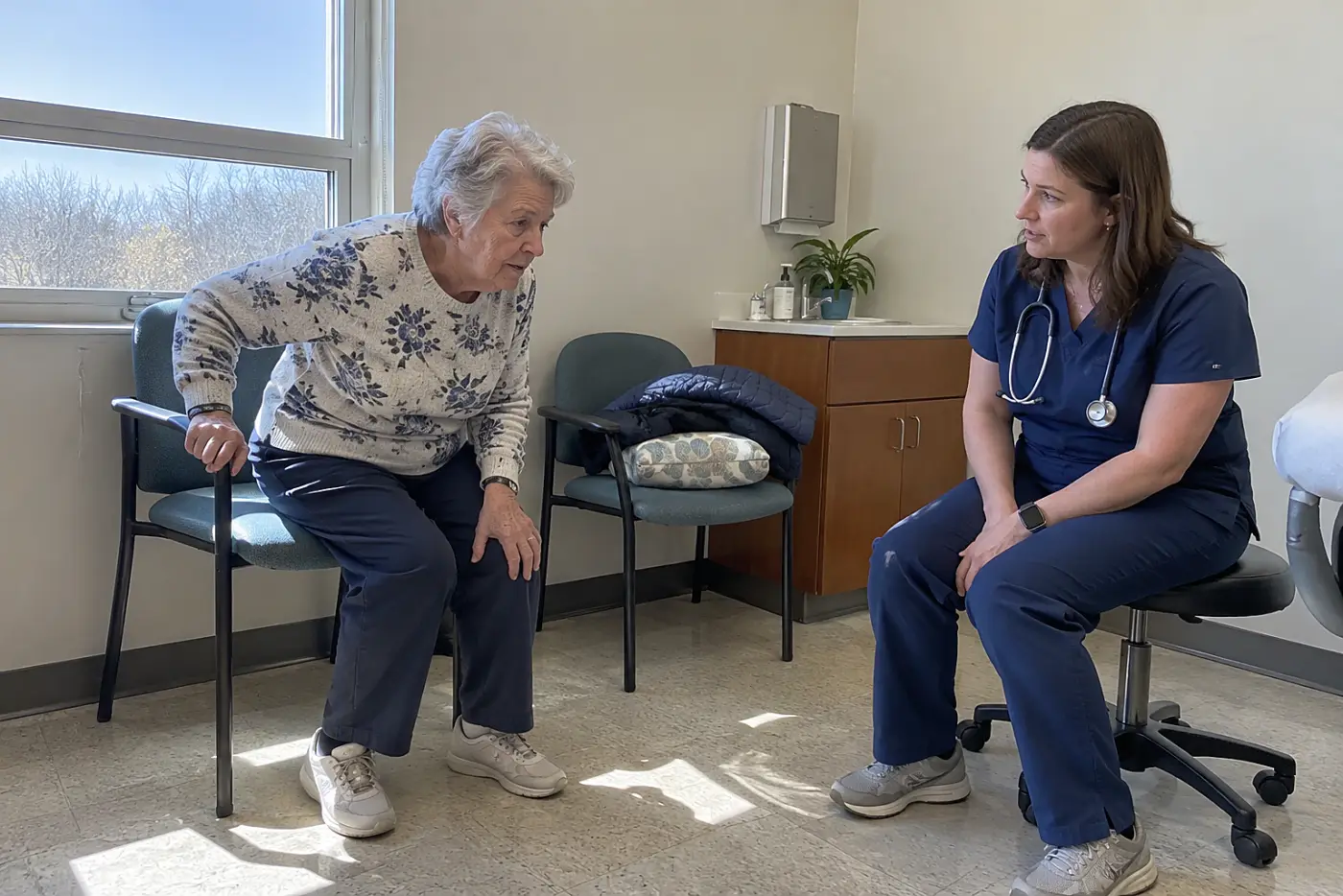
New weakness has a location and a start time.
Trouble rising from a chair raises different questions than a hand that suddenly won’t grip a cup. Your clinician needs to find where you’re weak and ask about pain, numbness, and illness. “You need to exercise” skips those steps and leaves the cause unsettled.
Sudden weakness, especially on one side, needs emergency attention. The American Stroke Association lists sudden arm weakness among stroke warning signs. Call 911 rather than waiting for an office visit.
For weakness that developed gradually, note the first task you lost this week. Ask, “Can you test where I’m weak before we decide it’s deconditioning?”
The same distinction between new and familiar matters when breathing changes.
16Shortness of breath earns only fitness advice
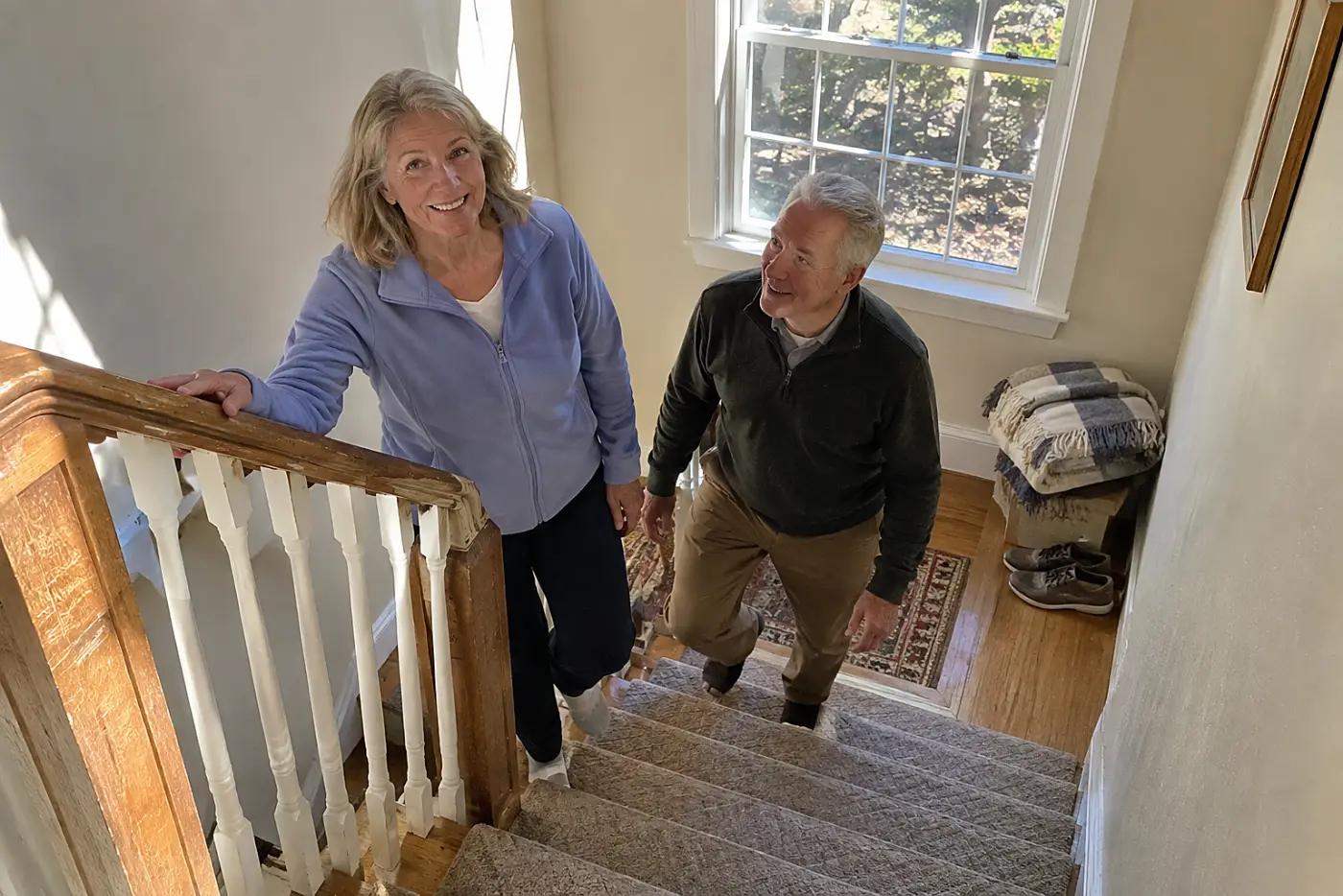
Breathlessness needs a description, not a pep talk.
Climbing the same stairs gives you a way to describe the change. The clinician also needs to hear whether breathlessness happens at rest, comes with chest discomfort, or wakes you from sleep. Calling it poor conditioning first leaves those questions unanswered.
Sudden severe breathing trouble or chest pain warrants emergency care. For a nonemergency change, the task that brings it on helps make the visit more precise. Note how far you get before you stop and what happens when you rest.
This week, bring that example to the appointment. Say, “This is new for me. What do we need to check?”
And notice whether the exam follows the questions.
15The exam stops before you stand up
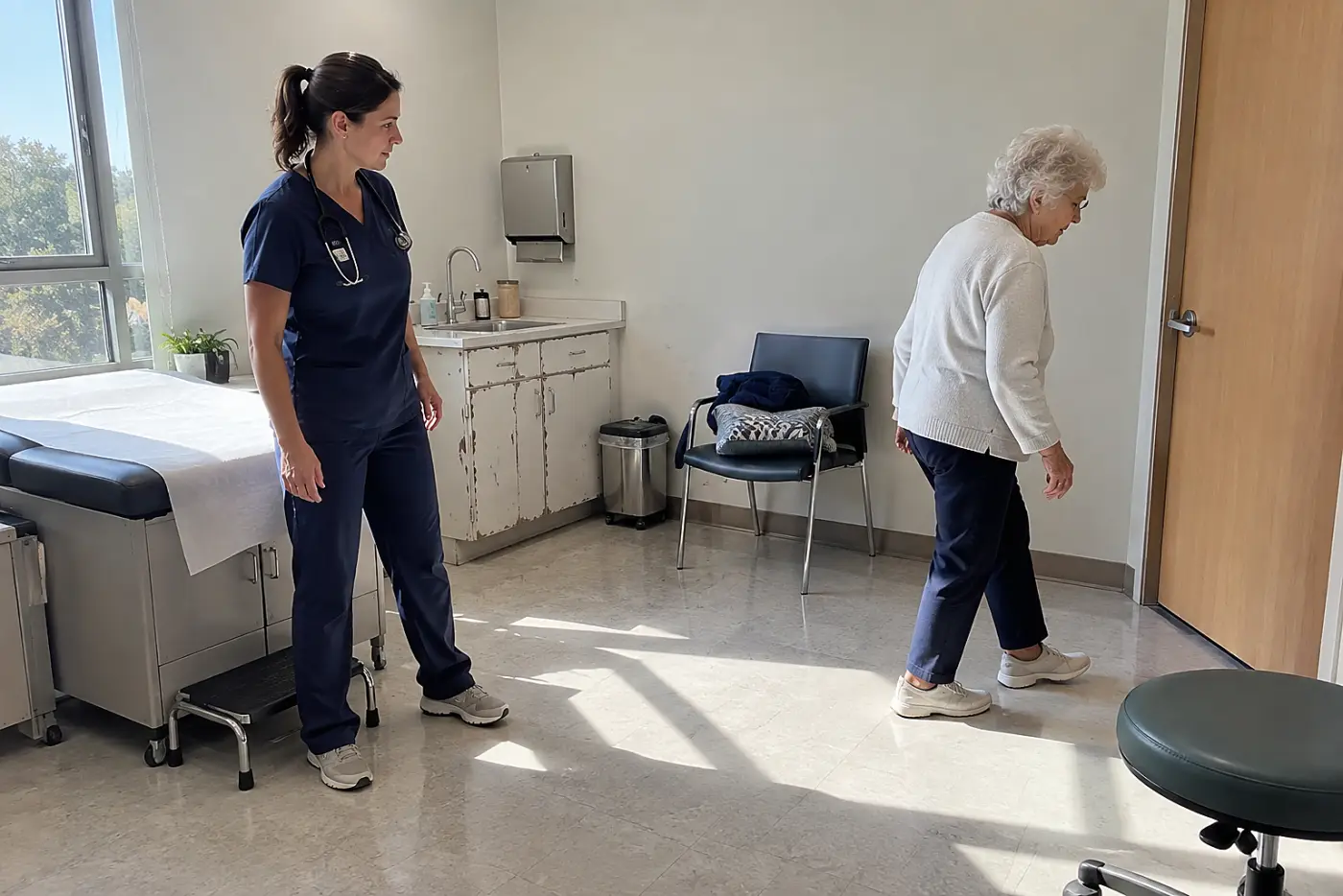
The table tells only part of the story.
You came in because walking to the mailbox hurts, but every question happens while you sit. Watching you stand, turn, and walk reveals details a seated conversation misses. The clinician still needs to choose an exam that fits your symptoms and safety.
If the visit ends without seeing the problem, the plan rests on description alone. Tell the clinician which task changed instead of trying to reproduce a painful movement uninvited. That gives them a chance to examine it safely.
This week, wear shoes you can walk in and name the task that troubles you. Ask, “Would it help to watch me get up and walk, if it’s safe?”
A closer look matters just as much for a different complaint.
14A swollen joint gets no comparison
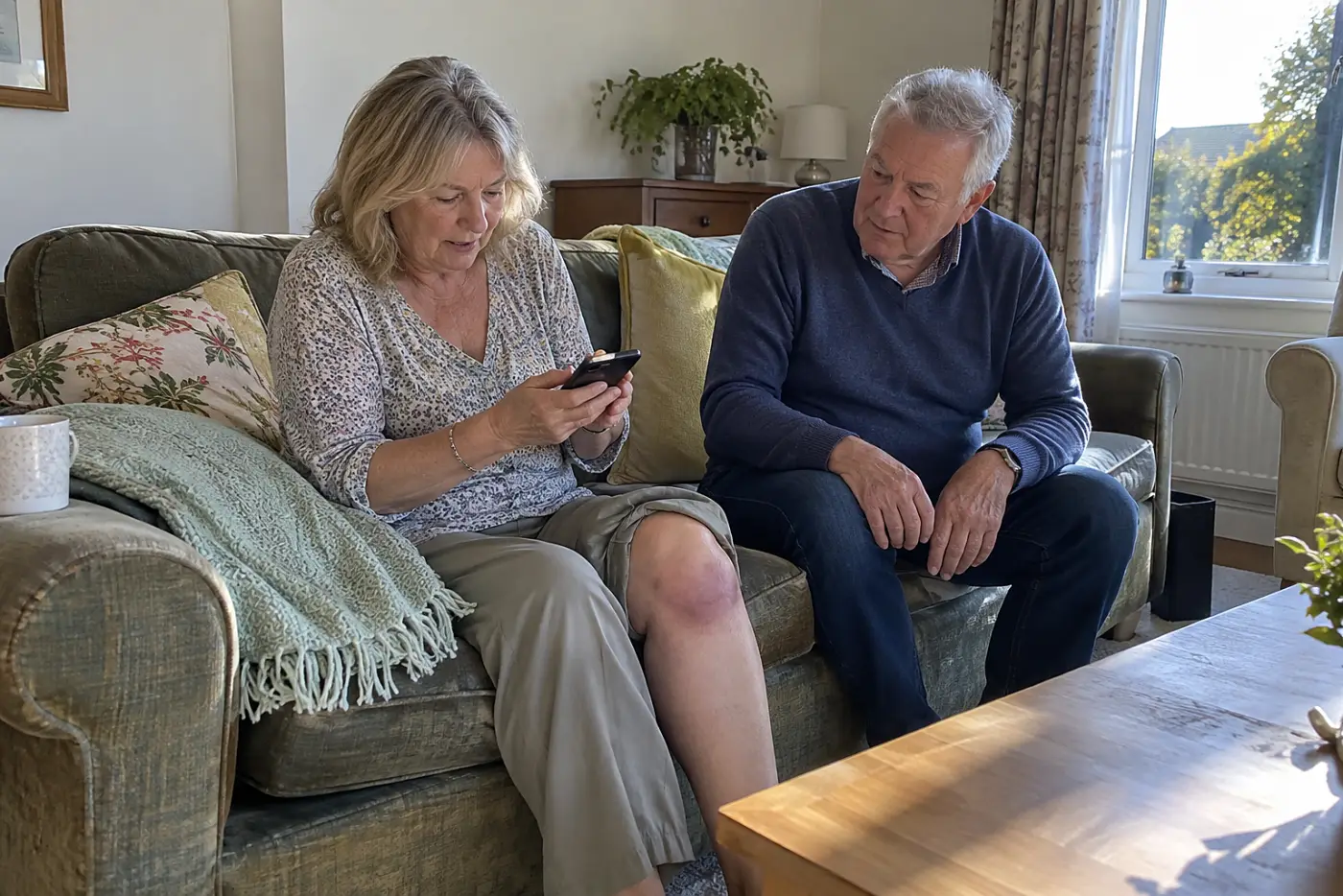
One swollen knee shouldn’t vanish under an arthritis label.
A clinician needs to look at the joint you named and compare it with the other side. Heat, redness, range of motion, and the timing of swelling help guide the next step. Otherwise, “arthritis” says little about this week’s change.
A photo gives the clinician a view of swelling that has gone down before your appointment. Note whether you had an injury or fever. A hot, red joint with fever needs prompt medical assessment rather than a wait for the next routine visit.
This week, take a dated photo when swelling is visible. Ask, “Can we compare both knees and discuss why this one changed?”
Another label deserves scrutiny when pain travels.
13Radiating pain gets called ordinary back trouble

Pain down a leg carries information your back doesn’t.
Its route, any numbness, and changes in strength help a clinician decide what to examine. A visit that stops at “back pain comes with age” loses those clues. Tell the story from where the pain starts to where it ends.
New trouble controlling your bladder or bowels alongside back symptoms needs urgent medical evaluation. The NIH National Institute of Neurological Disorders and Stroke provides information on low back pain and warning symptoms.
This week, draw the pain path on a simple outline of your leg. Say, “This goes below my knee. Can we check the numbness and strength too?”
Then make sure a normal-looking test doesn’t erase what you reported.
12A normal result ends the symptom discussion

A test result answers the question that test asked.
When a result is normal, your symptom still needs an explanation or a next step. Ask which possibility the test addressed and what remains open. A normal image or blood result doesn’t tell you why a task still hurts.
Without that distinction, the next visit starts with the same complaint and no agreed question to pursue. The name of the test matters because different tests look for different things. Bring the result back into the conversation instead of treating “normal” as the end of it.
This week, pull up the result in your patient portal and read its name. Ask, “What did this test rule out, and what do we do if the symptom continues?”
Sometimes the missing piece is a question asked before the test.
11A test order replaces a real question
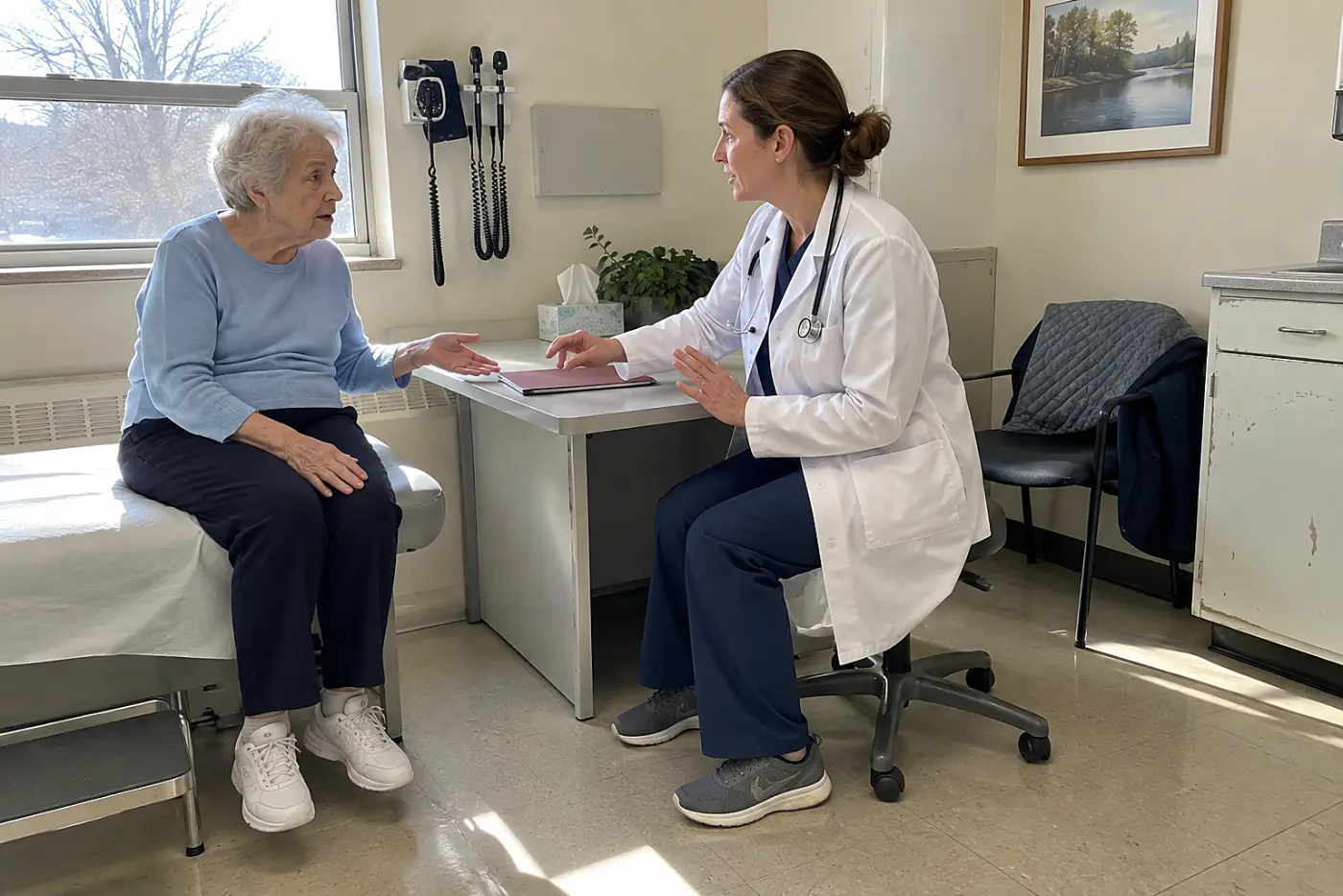
More testing doesn’t excuse a thin conversation.
A scan or blood test needs a clear purpose. Before an order goes in, your symptoms and exam should shape the question. Ask what the clinician is looking for and how each possible result would affect care.
Unclear orders leave you waiting without knowing what the results mean. Choosing Wisely encourages conversations about whether tests and treatments are necessary. That conversation belongs in your exam room, before the order sends you to another desk.
This week, write down the name of any proposed test before you leave. Ask, “What question will this test answer, and what changes if the result is normal?”
A treatment order deserves the same plain explanation.
10Physical therapy arrives without a clear goal
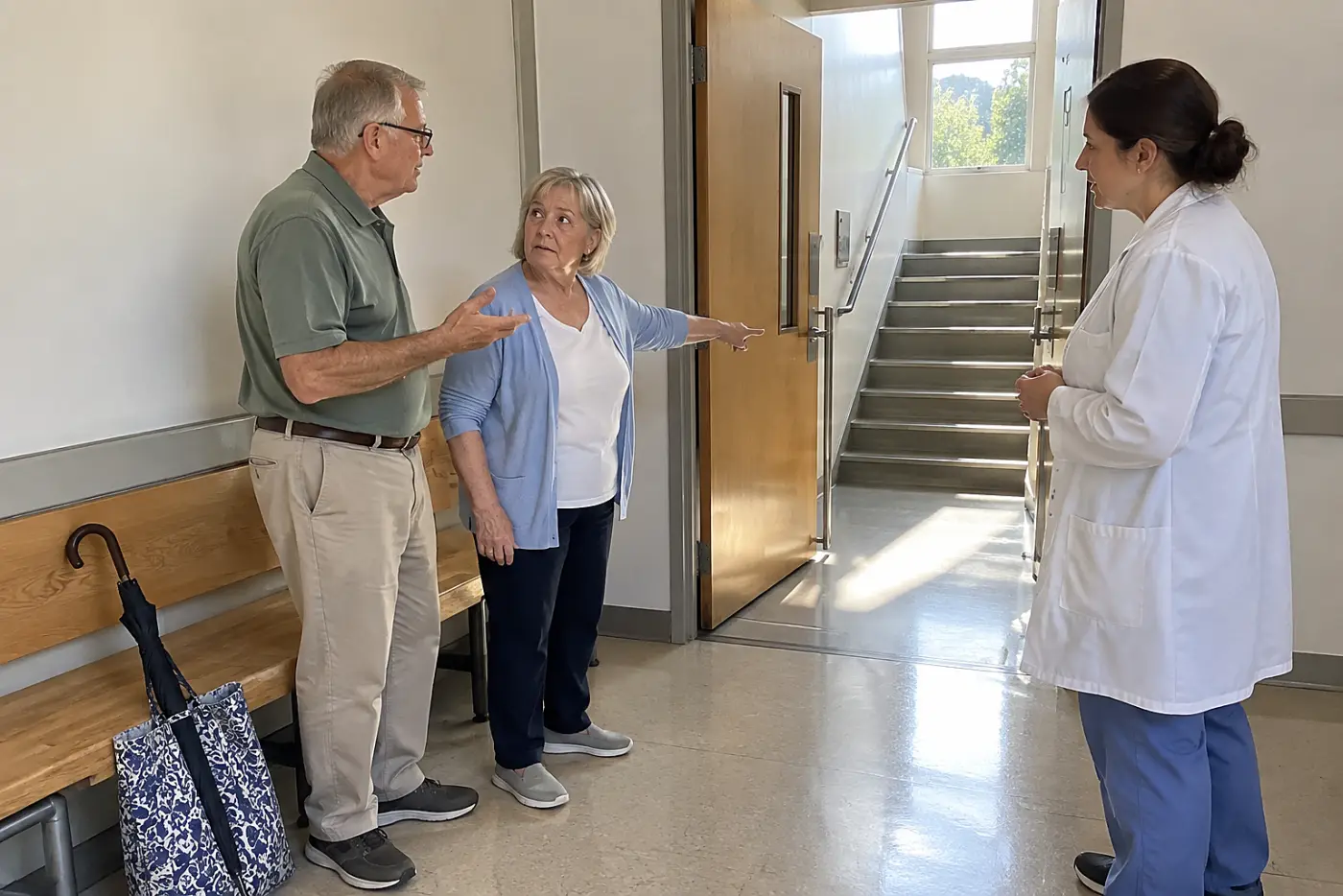
A referral should name what you want back.
“Go to PT” leaves you guessing whether the target is pain, balance, strength, or a specific task. A physical therapist will assess you, but your doctor should still explain why the referral fits the problem. Otherwise, the same age-based label follows you into another office.
A goal gives you a way to judge whether therapy is helping. If stairs brought you in, say so before the conversation shifts to a general exercise plan. Then ask when the clinician wants to hear how it’s going.
This week, pick one activity you want to regain and tell the clinician. Ask, “What change should therapy aim for, and when should we reassess?”
The plan also needs to account for what you cannot safely do yet.
9Exercise advice ignores the symptom that stops you
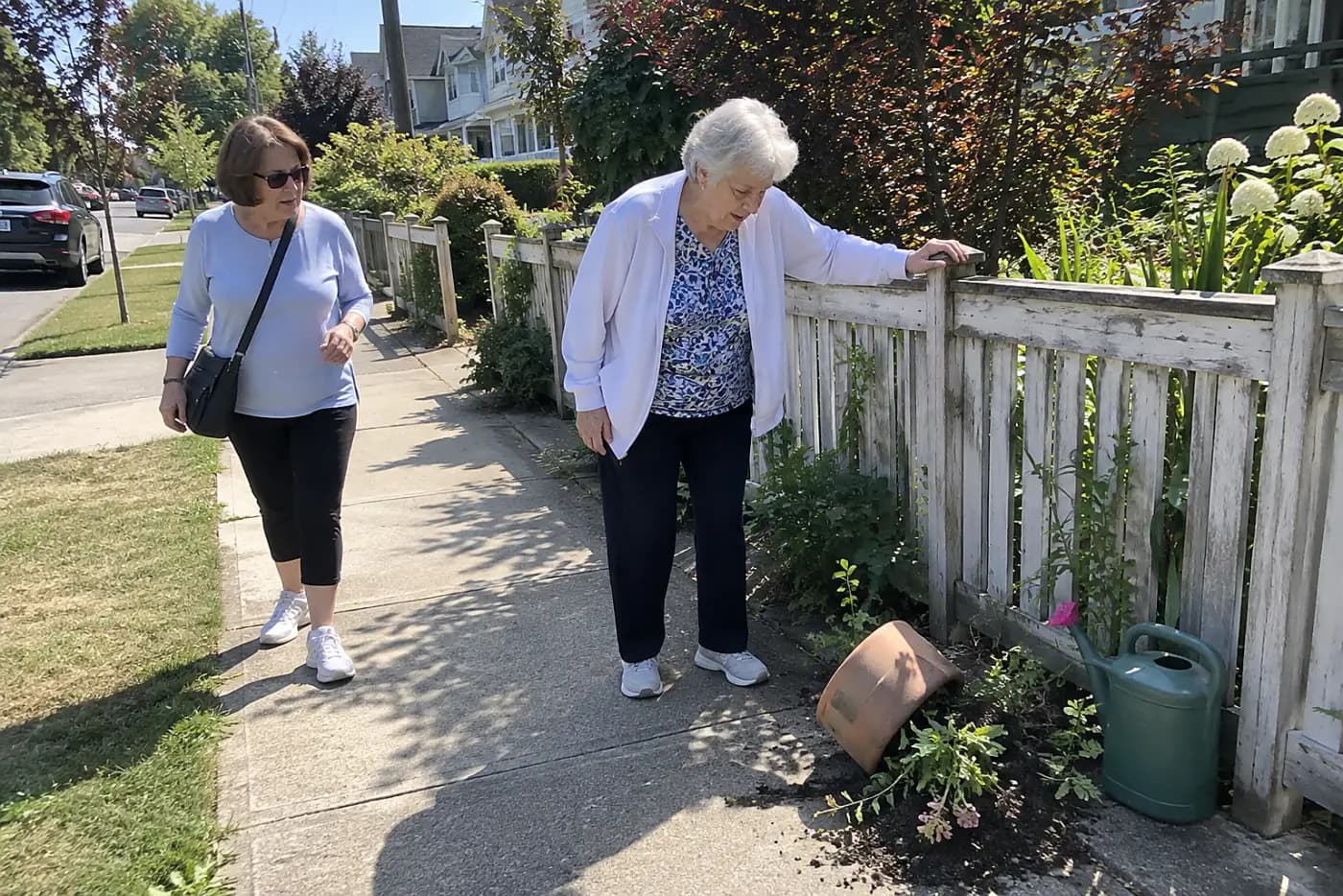
“Walk more” fails when walking brings on trouble.
The useful question is what happens after a few steps, not whether exercise is good. Pain, dizziness, breathlessness, and weakness call for different responses. Your clinician needs to hear which symptom makes you stop before setting an activity plan.
If advice sends you back to a task you cannot complete, you leave with no workable next move. The Physical Activity Guidelines for Americans encourage activity. They don’t replace an assessment of a new symptom that limits it.
This week, note the distance or time when you stop and what you feel then. Say, “I want to stay active. What should we check before I push through this?”
That question gets harder to ask when the visit itself is rushed.
8The appointment ends with unanswered questions

A closing hand on the doorknob changes the pace.
Your most important question disappears if it stays at the bottom of a long list. Put it first. If time runs out, ask how to handle what remains rather than leaving without a route back.
A second question about a new symptom deserves its own answer, even when the visit runs late. Ask whether it needs another appointment, a phone call, or a message to the care team. Write down which route the office gives you.
This week, put your top two questions on the first line of your notes. Say, “Which question should we handle now, and how do I follow up on the other?”
The next obstacle is getting that second question across clearly.
7A portal reply answers someone else’s question

A short reply misses the change you meant.
Portal messages sit outside the exam room, without your face, gait, or full account attached. A subject line like “Still tired” gives little to work with. Put the start date, change from normal, and direct question in the message. For urgent symptoms, call rather than waiting for a portal reply.
The Office of the National Coordinator for Health Information Technology describes portals as tools for viewing records and communicating with a practice. Your message still needs enough detail for the team to understand what changed.
This week, send one focused message about the unresolved symptom. Write, “Since Tuesday, I’ve had this new problem. Should I book a visit, and how soon?”
If a visit follows, bring the record of what you already said.
6The chart repeats the wrong story
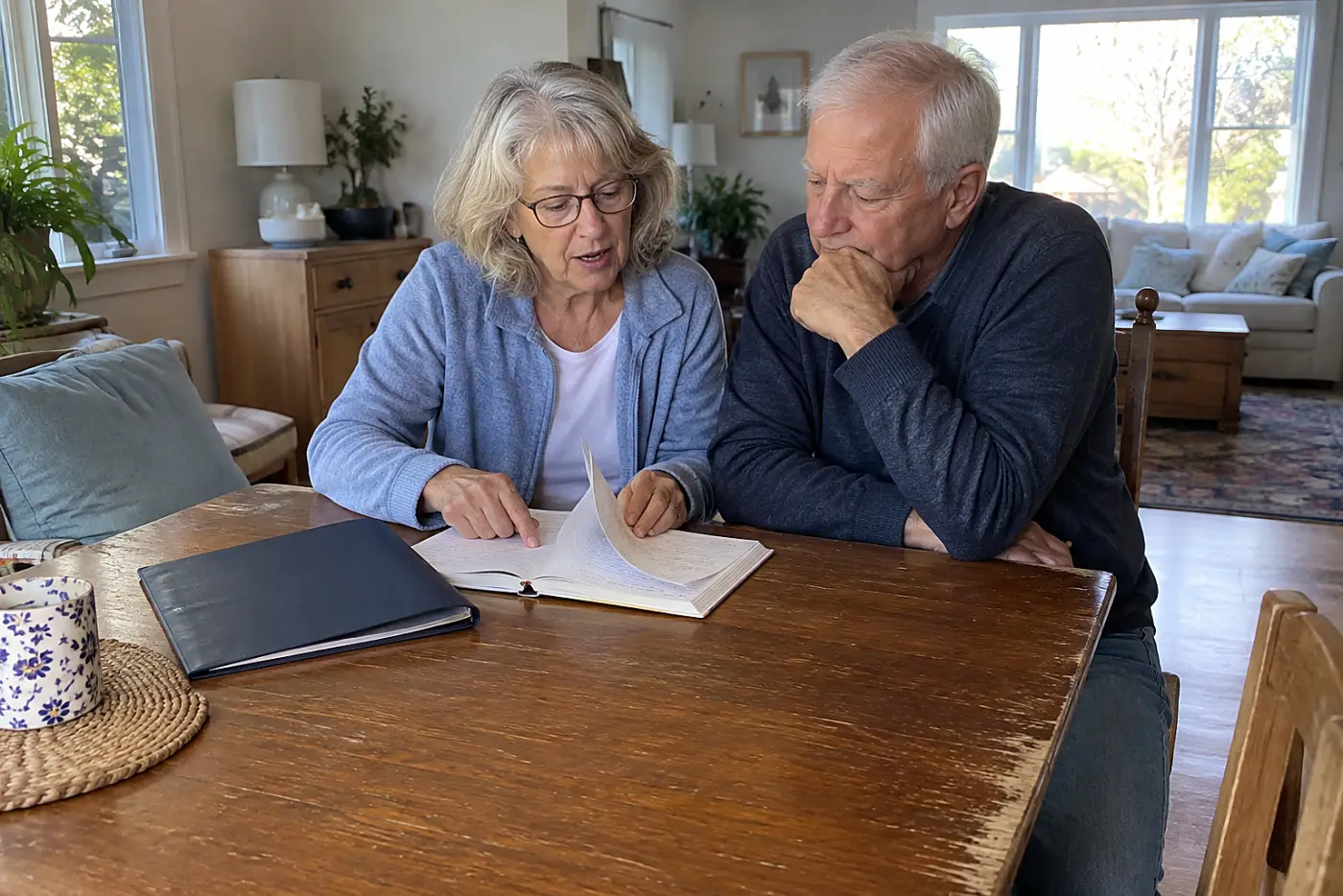
One copied phrase follows you into the next visit.
If “chronic knee pain” appears after you described a sudden change, later clinicians read the wrong timeline. Review the note when it appears in your portal. Ask the practice how to request a correction. The HHS Office for Civil Rights explains your right to request an amendment to your health record.
That request doesn’t guarantee the practice will change the note. It does give you a formal way to dispute what was recorded. Keep your dated account handy when you contact the office.
This week, compare the visit note with your symptom notes. Say, “The note says longstanding pain. I reported a new change last Tuesday. How do I request an amendment?”
An accurate account still has to reach the next clinician.
5A specialist recommendation comes without a phone number
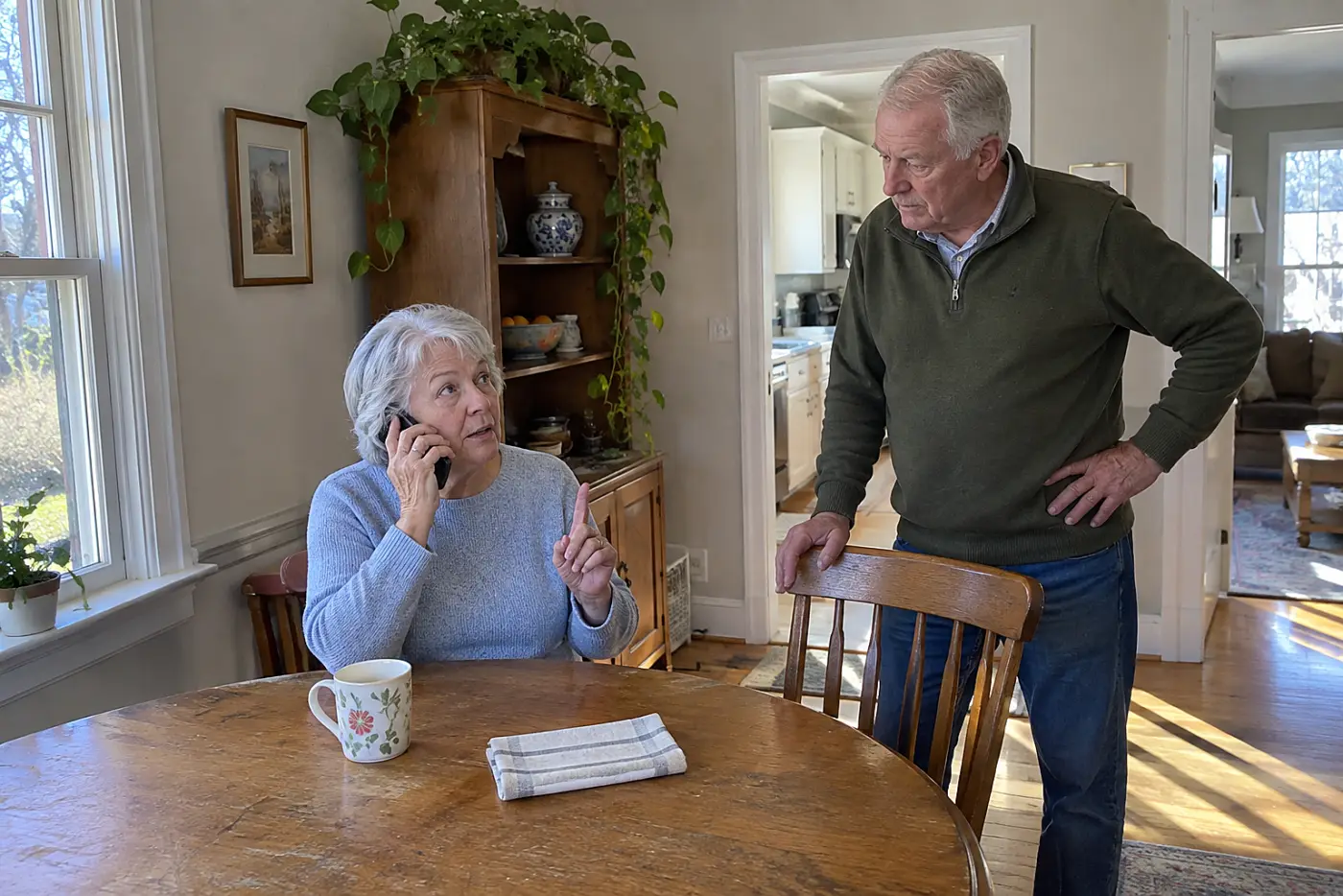
“See a specialist” leaves you holding the handoff.
Find out whether the office sends a referral and whether you need to call for an appointment. Get the specialist’s name and phone number before you leave. Without those details, each office waits while your symptom continues.
A recommendation isn’t an appointment. Medicare has plan-specific rules for specialist visits, so check your plan before booking. The office that recommended the visit should also tell you what information it intends to send.
This week, look at your paperwork for a specialist’s name and number. Say, “Did your office send the referral, and which number should I call to book?”
Once a test or consultation is underway, another handoff comes into view.
4Nobody owns the call about test results
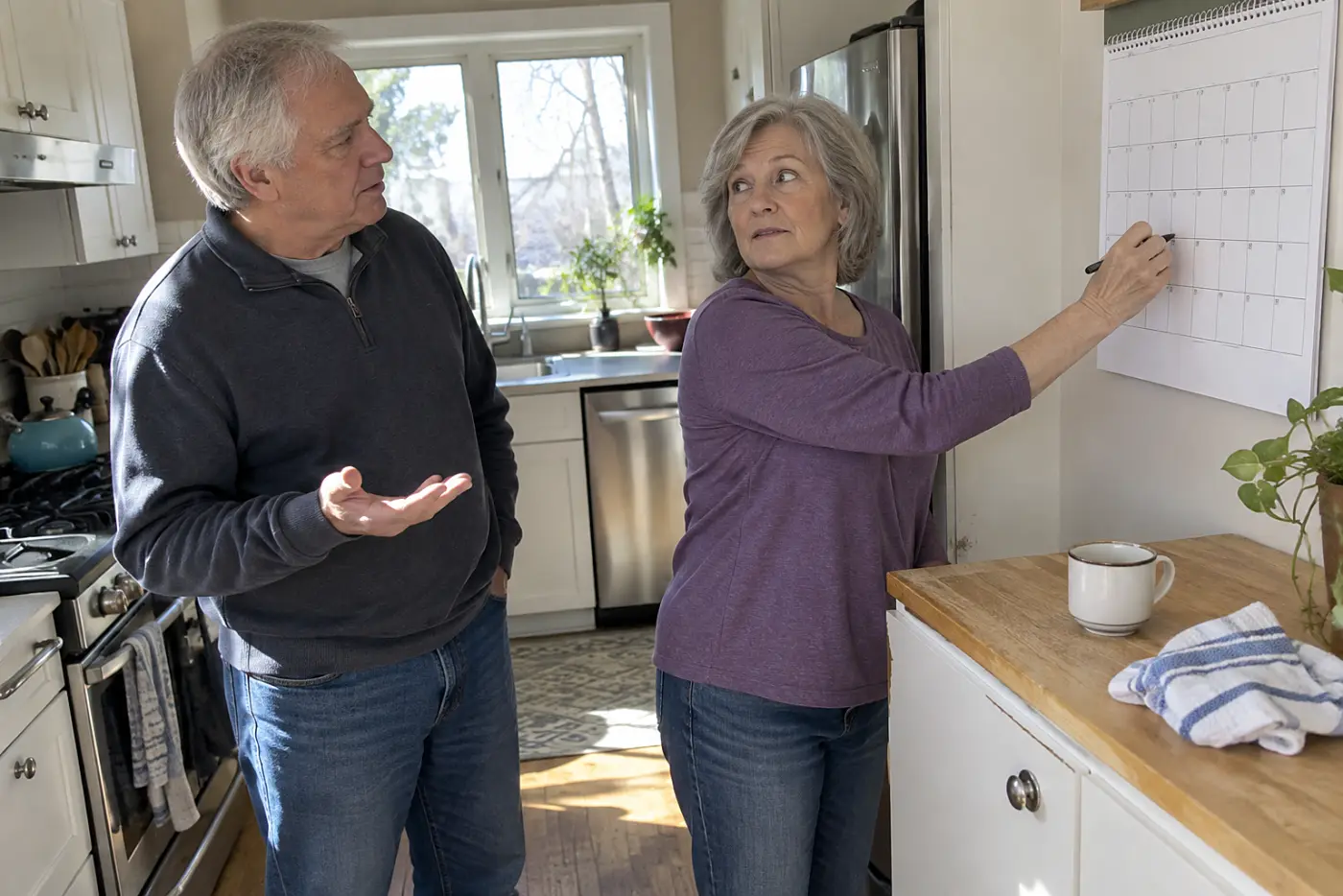
An online result doesn’t explain itself to you.
Ask when results are expected and which clinician will discuss them. A number or finding posted in a portal leaves room for questions about what it means. If nobody owns that conversation, you end up calling desks that thought someone else had answered you.
The ordering clinician’s name gives you a place to start. Put it beside the test name before the appointment fades from memory. If the expected date passes without an explanation, contact that office directly.
This week, write the test name, ordering clinician, and expected date in your calendar. Ask, “Who will explain the result to me, and which office should I contact?”
You also need to know which symptoms shouldn’t wait for that conversation.
3No one gives a return threshold
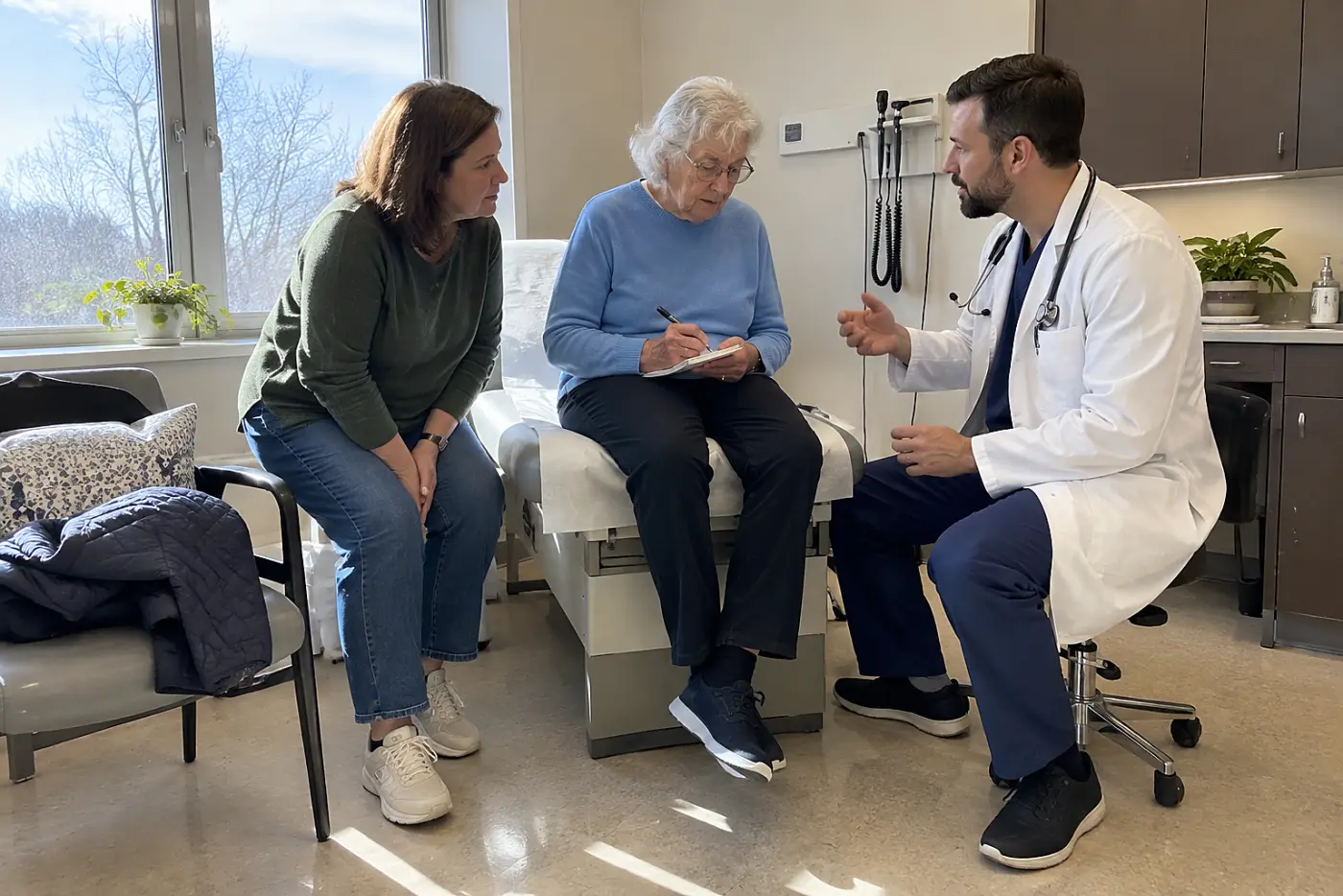
“Call if worse” asks you to guess.
You need examples tied to your complaint: a symptom to watch, a change that needs a call, and a sign that calls for urgent care. Those instructions should fit what the clinician found today. Otherwise, you’re judging a new change against an age label instead of clear advice.
The Agency for Healthcare Research and Quality encourages patients to ask questions until they understand their care. Ask for examples you’ll recognize at home, where the clinician won’t be standing beside you.
This week, put your return question in writing before the visit ends. Say, “What exact change means I should call, and what means I shouldn’t wait for this office?”
That answer is only useful if you’ll remember it when the moment comes.
2Your diagnosis label has no supporting findings
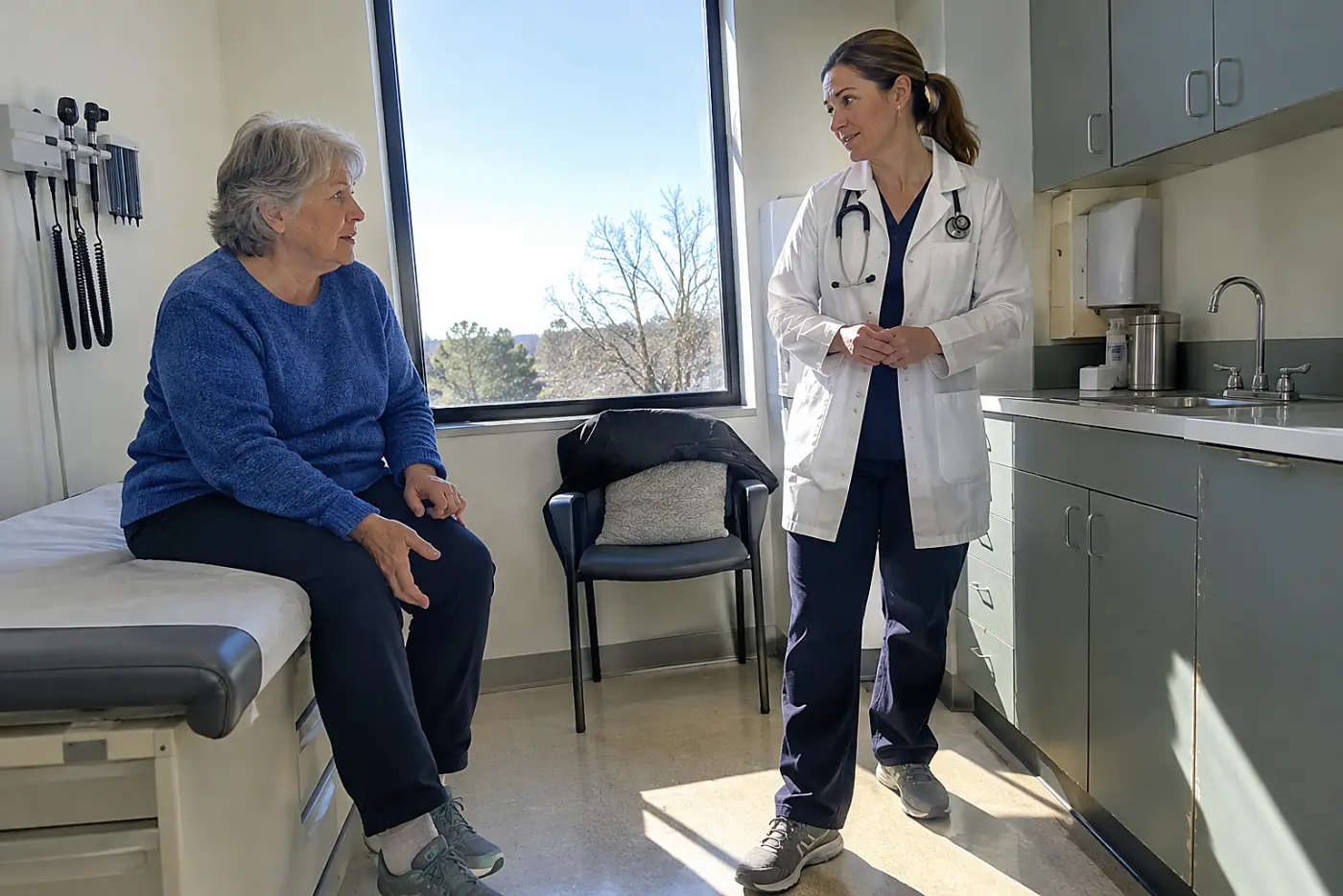
An age-related label still needs an explanation.
Ask which findings support the diagnosis and which possibilities remain open. A clinician who names the exam finding gives you something concrete to discuss. A label without findings leaves you guessing whether the change you described was ever examined.
This matters when the symptom persists or a different clinician sees you later. You’ll know whether the first visit found something specific or simply named a broad category. That distinction helps you describe what remains unresolved without restarting the whole conversation.
This week, write down the diagnosis you heard and the finding offered to support it. Ask, “Which finding points to that diagnosis, and what remains uncertain?”
Before the visit ends, check whether the answer has turned into an action you can follow.
1The written plan leaves your next action blank

A visit isn’t finished when the plan is missing.
Before you leave, find the written plan in your after-visit summary or portal. Point to the action you’re meant to take, the person responsible, and the time for follow-up. If one is missing, ask the care team to clarify it while the conversation is fresh.
This check is urgent for a new symptom: a test result, referral, or change in symptoms needs a route back to care. A phrase such as “age-related” doesn’t tell you what to do next. You need words you’ll understand when you’re home alone with the page.
This week, open the plan before leaving or as soon as it posts. Say, “What am I doing next, who handles the other steps, and when should I follow up?”
Keep it open: there’s one more way to check what it says.
The bottom line
The pattern: a new change gets replaced by a broad age label too fast.
The best-prepared version of you dates the change and names what it stopped. She leaves with an answer she understands.
Which of these has already happened in your family?
Bonus: The written-plan check that pins down what happens next
- Open the after-visit summary before leaving, or as soon as it posts.
- Point to your next action. Ask, “Is this what I’m supposed to do first?”
- Find who handles each test result or referral. Ask, “Who do I contact if I hear nothing?”
- Check the follow-up time. Say, “What change means I should call sooner?”
- If the plan still says only “age-related,” ask, “What finding supports that, and what remains unresolved?”
Dr. Alan Pierce, PT, DPT
Health Reviewer
Alan is a physical therapist who specializes in helping adults over 50 stay strong and mobile.
You might also like