23 Things to Say to a Friend Who Just Lost Her Husband
A grocery-list offer, a remembered joke, and a calendar reminder give your friend ways to accept care without managing a conversation.
By Margaret Hale, Travel & Lifestyle Editor
Updated · 17 min read
- Written by our travel & lifestyle editor
- How we review

Read to the end: #1 is the first-message script that gets you past the blank screen, and almost nobody sends it.
Your phone is open to your friend's name. Beside it sits a grocery list, with milk underlined twice. Her husband died, and you've typed “I'm so sorry” three times, then erased it. You want the next words to help. You don't want her to feel obliged to answer.
Silence looks respectful when every sentence feels inadequate. But silence leaves her to guess whether you're staying close or stepping away. A short message with no question gives her one less decision on a day already full of them.
Here are 23 things you can say.
23An invitation to correct the hour
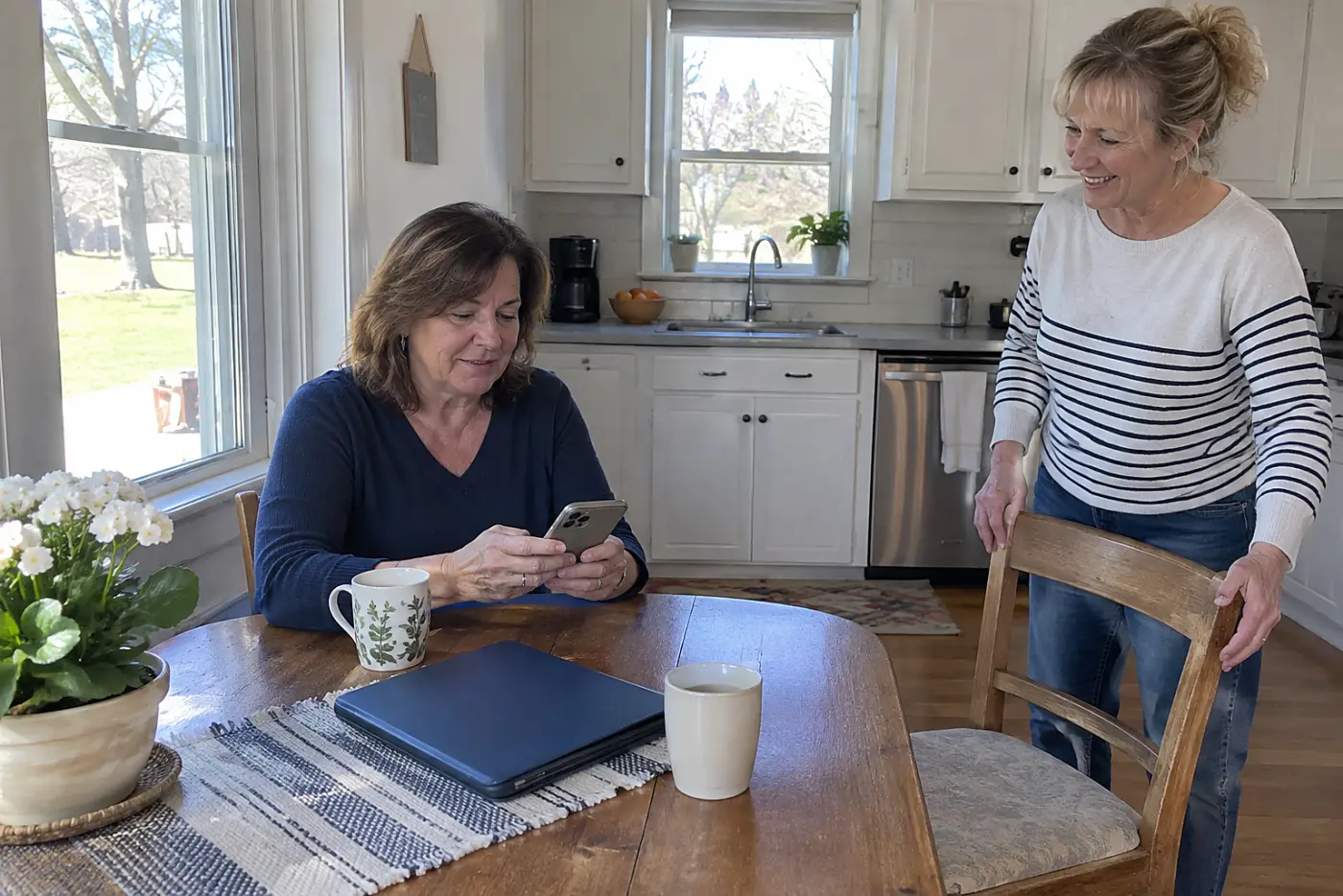
Your timing might suit you and exhaust her.
Friends tend to call when their own day slows down. She has spent that same day speaking with family, the funeral home, and people she barely knows. Another ringing phone asks her to stop what she's doing and talk.
A call that arrives at bedtime leaves her choosing between answering and feeling rude. Text first to ask when a conversation would suit her, then wait for her answer. This is about scheduling a call, not finding perfect words for the first message.
This week, once you've reached out, write: “I'd like to call. Is there a time that works for you?” Don't call at the hour you proposed unless she agrees. If she prefers texting, stay there.
A time agreed upon still doesn't tell you what to bring.
22A specific hour for a grocery delivery
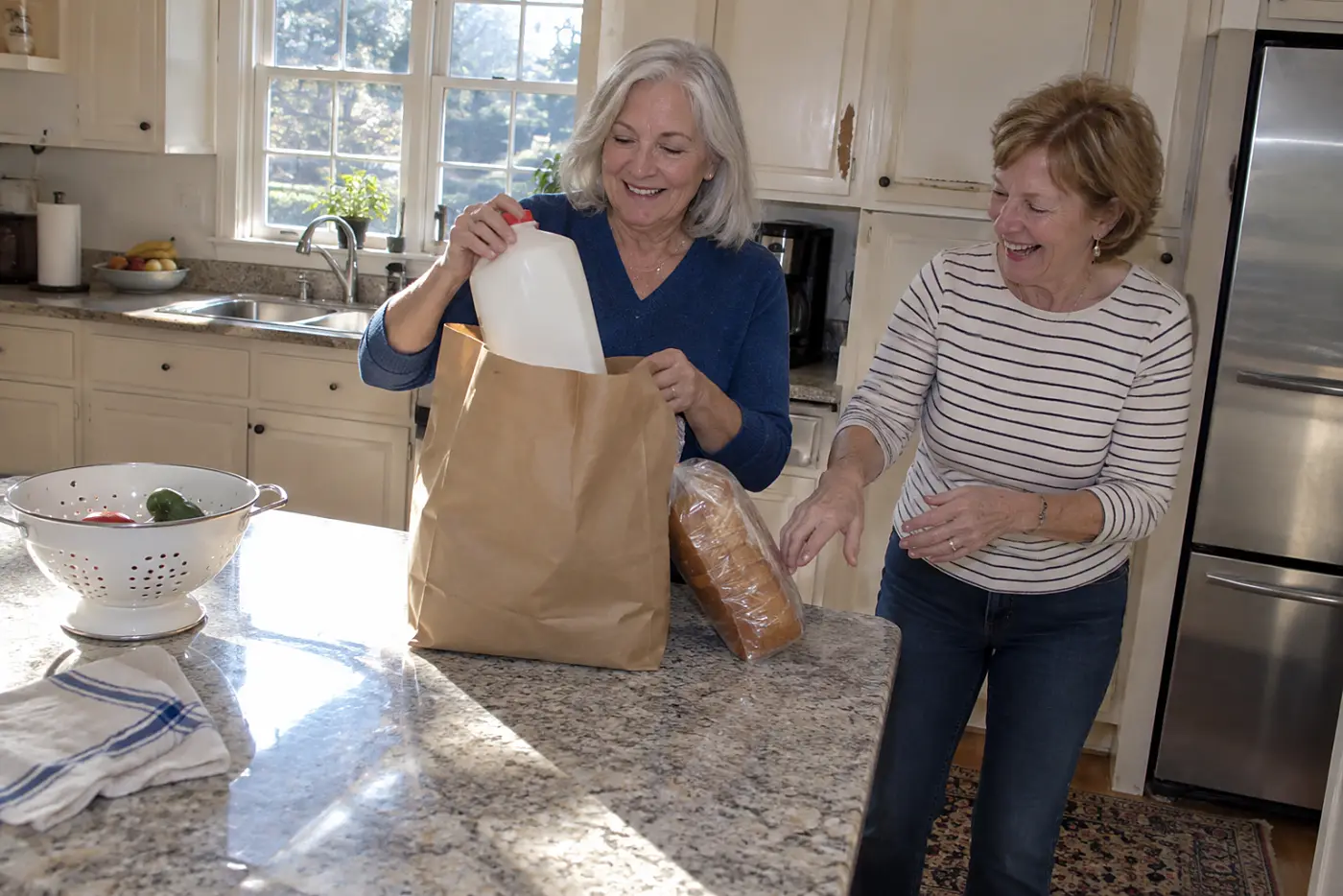
“Let me know what you need” gives her another task.
She has to notice what's missing, decide what she's comfortable asking for, and tell you when to come. Offering a time and a small errand does that work before she has to think about it. She still gets to say no.
Don't bring a full meal without checking. Her refrigerator might already be crowded, and she might have no appetite for a casserole. A grocery bag with milk, bread, and the brand of tea she drinks is easier to put away.
This week, send: “I'm going to the store Thursday. Would milk and bread help, or would you rather I skip it?” If she says yes, ask where to leave the bag.
A doorstep exchange isn't the same as being ready for visitors.
21Permission to cancel a planned visit

A visit can feel like one more appointment.
After a death, people set times because a blank afternoon seems unbearable. When that hour arrives, she might want company or want to stay in her robe. Both choices should remain open.
Without a way out, she has to host or disappoint you. Neither belongs on her list today.
Before you go this week, text: “I'm glad to come, and it's fine to cancel at the last minute.” If she cancels, reply, “Of course,” and stop there. Save any new invitation for another day, rather than asking her to choose a replacement time right then.
When she does want company, ask what kind.
20A choice between talking and sitting

Company doesn't require a conversation the whole time.
The first time you sit with her, she might tell the same story twice or watch the kettle instead. If you fill every pause, she'll spend the visit listening when what she wanted was another person in the room.
Ask before you settle in: “Would you like to talk about him, or shall we sit together for a while?” Then follow her lead without treating silence as a test. His name isn't a word you have to avoid, either.
If you have only half an hour, tell her when you arrive. An honest limit is kinder than watching the clock and leaving without warning. It also lets her decide whether she'd rather talk now or save a story for another day.
Try the question this week, whether you're meeting at her table or calling from home. Let her change her mind halfway through.
Once he enters the conversation, a small detail helps.
19The story about his terrible joke

His name can disappear from conversation too soon.
Friends avoid mentioning him because they fear making her cry. She already knows he died. A memory gives her proof that you remember the person who was there before the funeral.
Tell one true, modest story: “I keep thinking about the joke he told every Thanksgiving.” Don't borrow a memory you didn't share, and don't ask her to smile. If she corrects a detail, listen; it was her life with him.
Send it this week if you aren't seeing her. Add, “You don't need to answer; I wanted you to know I remember him.”
A shared memory doesn't mean you know what she feels.
18A sentence that avoids comparing losses

Comparison turns her grief into a debate.
You lost your father. Someone else lost a spouse. Those losses matter, but telling her you know exactly how she feels asks her to accept your account of her life. Her marriage had its own routines, tensions, and private jokes.
You don't need a matching experience to stay with her. “I don't know what this feels like for you, but I want to be here” says what you know. Then let her tell you whether she wants to talk.
This week, catch yourself before starting a sentence with “When I lost.” Save that story for another time unless she asks for it. If you already made the comparison, say, “I'm sorry I made that about me,” and listen.
She might need space for memories that aren't tidy.
17Room for anger at her husband

She doesn't owe anyone a flawless marriage.
A widow can miss her husband and still be furious that he left paperwork unfinished, ignored his health, or made a choice she can't undo. Correcting her account closes a conversation she trusted you to hear.
“Marriage is complicated” is less useful than staying with what she said. Don't defend him, even if you loved him too. Don't repeat her words to people who knew him; she wasn't giving you a statement for the family.
If she brings up a hard memory this week, say, “That sounds painful. Do you want to tell me more?” Let her set the terms. If she changes the subject, go with her rather than returning to the painful part.
The same restraint matters when you hear news she hasn't chosen to share.
16A promise to keep her news private
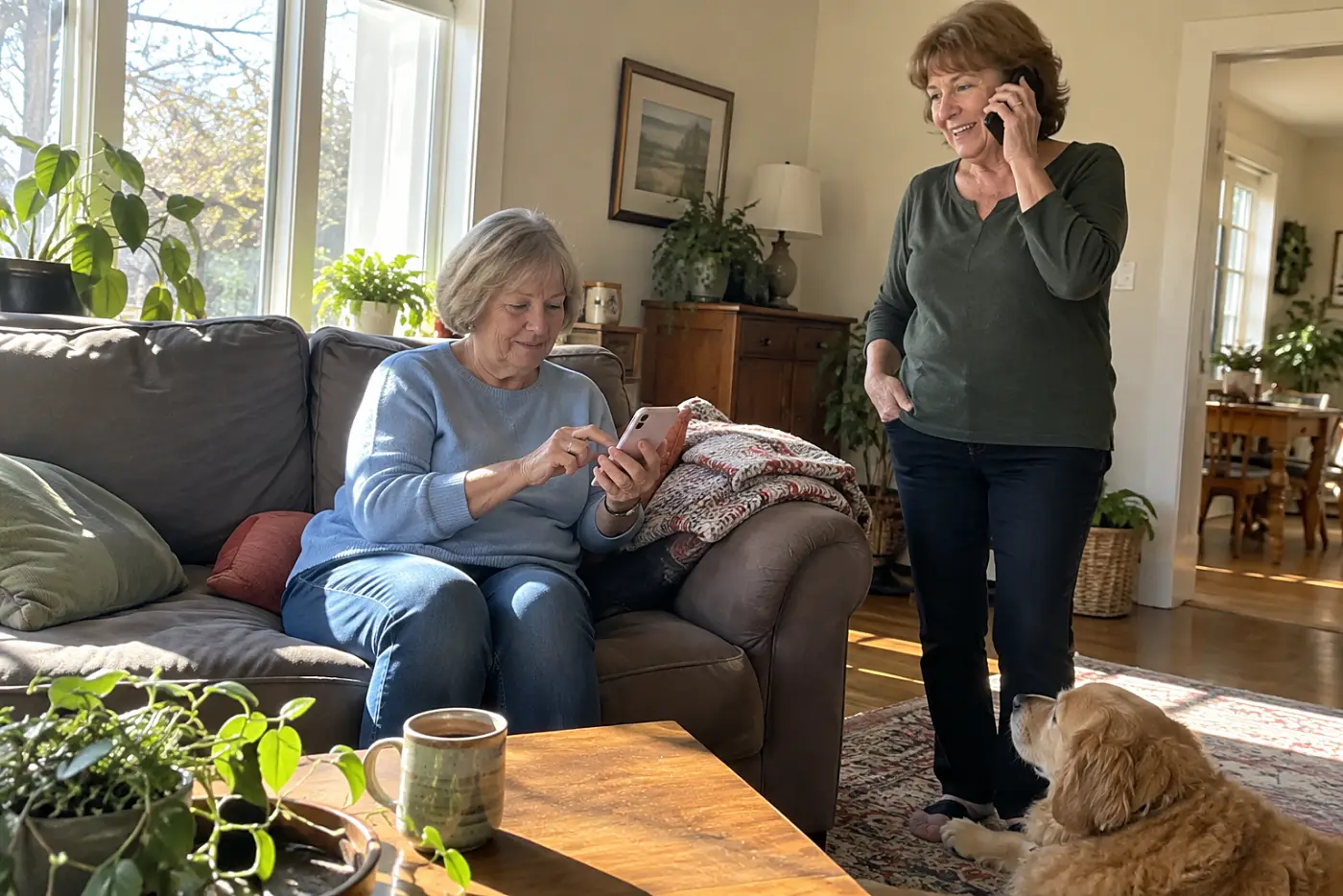
A quick update can travel through a whole family.
She tells you something in a kitchen. Later, someone asks how she's doing, and you pass it along because they sound concerned. Now she has to wonder who knows about her finances, her sleep, or an argument with her son.
Concern doesn't give other people permission to hear her private details. You don't have to become the family messenger, and you shouldn't promise secrecy around immediate danger. For ordinary news, ask before repeating it.
This week, tell her: “I won't pass on what you tell me. If someone asks, I'll say they should check with you.” Then follow that rule, including in group texts. When someone presses for details, repeat the same answer rather than explaining why you won't speak for her.
An offer of help deserves the same care with boundaries.
15An offer to wash the dishes

A useful visit can leave her kitchen clearer.
Guests arrive wanting to help, then wait for her to assign them jobs. She might be too tired to explain where the towels live. A named chore is easier to accept or refuse because she knows exactly what you're proposing.
Don't start opening cabinets or sorting his belongings. Those aren't your decisions, and a cleared surface isn't worth finding something moved without her consent. Even the dish on the counter might have a reason for being there.
Ask this week: “Would you like me to wash what's in the sink while we talk?” If she says no, sit down and keep her company. If she says yes, wash those dishes and leave the rest of the room alone.
Some jobs need a time on the calendar, not a sponge.
14A ride with the return included
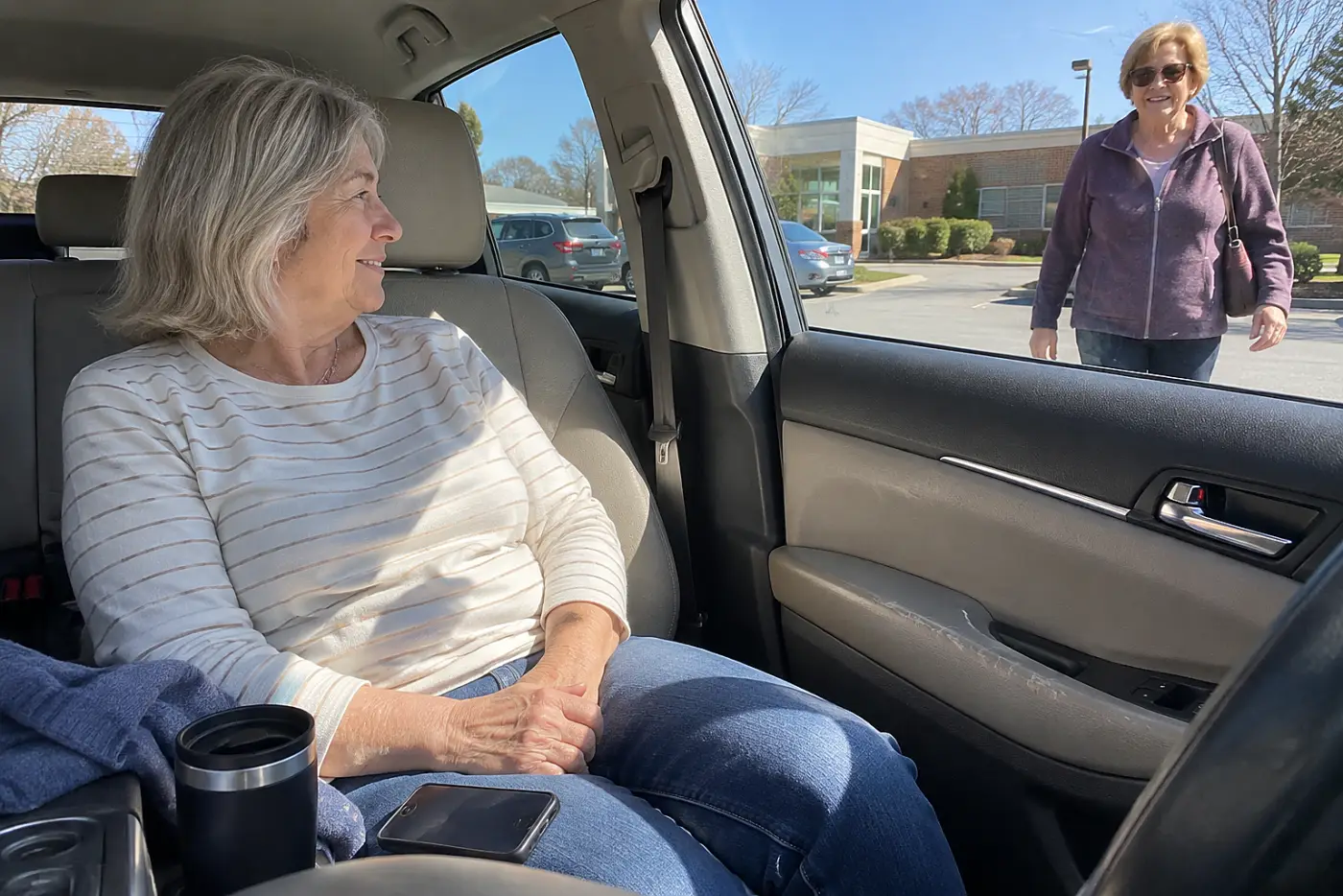
A ride offer needs an ending as much as a start.
She has to work out whether you'll wait, when to call, and how she'll get home if an appointment runs late. Name both directions before she accepts. If you need to leave at a set time, tell her that too.
A ride also gives her company without making an appointment into a visit. At the cemetery, an attorney's office, or a doctor's waiting room, she decides whether you come inside. You can sit in the car with a book instead of expecting an invitation.
This week, offer one trip you've checked against your calendar: “I can drive you Tuesday, wait, and bring you home. Would that help?” If the time doesn't work, don't promise another slot until you've checked.
Travel plans have a way of growing into an entire afternoon. Leave room for her to change the plan.
13A seat beside her at the funeral

A crowded room still leaves room to feel alone.
At a service, people line up to speak with her. Their words blur together. A familiar face nearby gives her someone to look for without asking her to make conversation or greet another guest.
Don't claim a place beside her family without an invitation. Check first, and accept a different seat if that's what she wants. If she asks you to sit nearby, arrive early enough to find the place without making her direct you.
Before the service this week, say: “Would you like me near you, or would you rather I sit farther back?” Then follow her answer. Keep your own questions about the service for someone else.
After the gathering, the busy room empties.
12A check-in after the funeral guests leave

The next week can be lonelier than the service.
People have traveled home, the borrowed chairs are gone, and ordinary errands return. Your friend is still learning which rooms feel different. A message after the crowd leaves tells her your care wasn't tied to the event.
Put a reminder in your calendar now. Pick a day after the service and send something ordinary: “I'm going to make coffee Thursday. Would you like me to bring you one?” If she declines, leave it there.
Avoid asking for a report on how she's coping. She might have spent the morning sorting mail or trying to find a password. Neither task fits into a cheerful summary for friends.
Set the reminder this week, while you know the date. Don't wait until the next time you happen to think of her.
A later message matters more when it remembers a particular day.
11Her birthday on your calendar

Her birthday still belongs to her.
The first birthday after his death brings decisions she didn't make before: whether to celebrate, whom to see, and whether to answer the phone. A message that leaves those choices with her doesn't demand a plan.
Don't turn the day into a tribute to him unless she does. It's her birthday. A card or message in private lets her read it without explaining the day to anyone else.
Add the date to your calendar this week. When it comes, write: “Happy birthday. I remember this day matters, and there's no need to reply.” Don't ask what she's doing that evening unless you're prepared to make a specific invitation.
Other dates have their own weight, even when nobody announces them.
10Their anniversary without a greeting card

An anniversary can arrive without public notice.
You know the date because you attended the wedding or heard them mention it for years. Now she's the one carrying it through an ordinary workday. A brief note lets her know someone else remembers.
Don't write “Happy anniversary” unless you know she welcomes those words. You can name the date without prescribing how she should spend it. If you aren't sure of the date, don't guess or ask her to confirm it for your calendar.
This week, note the anniversary if you already know it. On the day, send: “I'm remembering you and him today. No need to write back.”
Keep the message private. A social media post asks her to grieve in front of an audience, including people who didn't know the date.
Dates aren't the only things that make an ordinary day hard.
9A spare place at your table

Dinner invitations shouldn't stop with her husband.
Friends who used to invite a couple can hesitate over a one-person invitation. She notices when the invitations end. Still, a large dinner party might feel like too much, especially when every guest expects an update.
Give her the size and shape of the plan. Tell her who's coming, what time you'll eat, and whether you'll be at home or out. That lets her choose without wondering what she'll walk into or how long she must stay.
Invite her this week: “It's just me and my sister for dinner Friday. Would you like to join us?” Accept no without asking why. Keep her on your list for the next meal, rather than treating this answer as a permanent choice.
For some outings, it helps to name an exit.
8A signal for leaving the party

Leaving a room shouldn't require a public explanation.
She comes to dinner in her own car, then finds herself caught between conversations when she's ready to go. A private signal lets you help her leave without asking her to announce how she's feeling.
Agree on something plain before guests arrive, such as setting her glass by the sink. When you see it, walk over and say you're glad she came. Don't tell the room she's tired or ask everyone to gather for a goodbye.
This week, before a gathering, say: “If you'd like to leave without a fuss, just catch my eye and I'll walk out with you.” Then keep your coat where you can reach it. She remains free to stay longer than you expected.
An easy exit makes the next invitation less daunting.
7Another invitation after she declines

One no doesn't settle every future plan.
Some weeks she'll want a quiet night; other weeks she'll want company. If you stop asking, she has to make the next move without knowing whether she's still welcome. A fresh invitation gives her a fresh choice.
Keep invitations specific and tied to real plans. Don't send a string of “Are you sure?” messages after a refusal. Give her time to decline this one without defending the last one.
This week, reply: “Of course. I'll ask another time.” Then invite her again when you have a plan you'd genuinely enjoy sharing with her. Say what it is instead of asking her to suggest the next outing.
Some days, company matters less than knowing who to call.
6A clear limit on your help

An unlimited offer leaves the real boundary hidden.
Saying “Call anytime” sounds generous, but she doesn't know whether you mean a midnight crisis or a ride next Tuesday. Tell her what you can do and when. That gives her a usable offer without making her guess at your schedule.
You don't need to become her only backup. Family, neighbors, and friends have different hours and skills. If she asks you to be an emergency contact, agree only after you've talked through what that means and confirmed she'll have another way to reach help.
This week, say: “I'm free for weekday appointments, and I'm glad to drive when I have notice.” Keep the promise within your actual schedule. If she names a harder worry, listen before offering to solve it.
The next kind of help starts with a stack she owns.
5An offer to sort one stack of mail

Mail can pile up while visitors bring food.
Some envelopes need attention, while others are advertisements. Opening them without permission crosses a line, and guessing what matters puts you in charge of decisions that belong to her. Sitting with her keeps the choices in her hands.
You don't need to interpret a bill or explain an account. Put the envelopes where she can see them, if she asks, and let her decide what to open. A letter from an agency isn't an invitation to supply legal or financial advice.
Ask this week: “Would it help if I sat with you while you sorted the mail?” Touch nothing until she says yes. If she finds a question about benefits, the Social Security Administration has the official answer about its own programs.
Paperwork can bring questions that friendship alone won't answer.
4A question before offering paperwork advice

A confident answer can send her the wrong way.
You hear about a bill, an account, or a benefit, and a fix leaps to mind. But you don't know what documents she has or who has legal authority to act. Let her explain the problem before you suggest a call.
Ask what she wants from you first. She might want company while she phones the funeral home, Medicare, or the Social Security Administration. She might want to talk without making a plan. Don't ask for passwords, handle her accounts, or promise what an agency will do.
For questions about veterans' benefits, point her to the Department of Veterans Affairs. For tax mail, let her choose whether to contact the IRS or her tax preparer.
This week, ask: “Do you want me to listen, sit with you while you call, or leave this alone?” Take the answer seriously.
Knowing when to stop advising leaves room for the question she asks most.
3An honest answer to “Am I doing this wrong?”

A verdict is the last thing she needs.
She skipped a gathering, laughed at lunch, or hasn't touched his coat. Grief doesn't turn those choices into a test you get to grade, and you are not the examiner. She knows what she did; she's asking whether you'll judge her for it.
If you're worried about her immediate safety, say exactly what you've noticed. Otherwise, answer the question she asked without declaring a right timetable. Your reassurance matters more than a theory about what grief should look like.
Tell her this week: “You don't have to explain that choice to me.” Then give her space to say more without filling the silence yourself.
The same care applies when you don't hear back.
2A follow-up when she doesn't answer

An unanswered text isn't a rejection.
She saw it while standing in a checkout line, forgot to respond, or didn't have words. If your next message asks why she went silent, you've turned care into another obligation. The gap needs no explanation from her.
Wait until you have something new to say. A brief note about an errand or a shared memory lets her read it without accounting for the silence. Don't send repeated questions to find out whether she received the first message.
This week, try: “I'm going by the bakery Friday. I can leave your favorite loaf at the door if you'd like.” If she doesn't answer, don't leave food without permission. Choose another day to reach out, rather than watching the screen for an answer.
Keep showing up at a pace you can maintain. A promise you can't keep hurts more than a modest one you do.
Before any follow-up, though, you have to send the first note.
1The first text you send today

The blank message box keeps too many friends apart.
You're trying to find words that hold the size of her loss. No text can do that. Its job is smaller: tell her you know, you care, and you aren't asking her to take care of you.
Don't wait for news about the service or for a better hour. Don't ask how she is in the first line. She might be answering calls and making decisions all day, and your message should require nothing in return.
Open your phone this week, preferably today. Write: “I heard about your husband. I'm so sorry. I care about you, and you don't need to reply.” Use his name if you knew him and are sure you've spelled it right.
Read it once, then send it. You don't have to add an offer you aren't ready to keep. A later message can carry a specific invitation; this one only needs to reach her.
Once it's sent, decide what you'll do next instead of watching for three dots.
The bottom line
Across all 23 things, the pattern is the same: say what you mean without handing your friend another job.
The best-prepared version of you has sent the first text. You've chosen one offer you can keep and set a reminder to return.
Which of these has already happened in your family?
Bonus: The first-message script that gets you past the blank screen
- Open the message thread today, even if you've already put it off.
- Type: “I heard about your husband. I'm so sorry.”
- Add: “I care about you, and you don't need to reply.”
- Send it, then put a reminder in your calendar to check in after the funeral.
Margaret Hale
Travel & Lifestyle Editor
Margaret has covered travel for 25 years and has ridden every long-distance train route in the U.S. at least once.
You might also like