26 Things to Notice When Your Own Siblings Stop Cheering You On
An unanswered invitation can hide the real split: who gets to tell the family story when your life changes.
By Margaret Hale, Travel & Lifestyle Editor
Updated · 19 min read
- Written by our travel & lifestyle editor
- How we review

Read to the end: #1 is the conversation plan that tests whether closeness can return, and almost nobody prepares it.
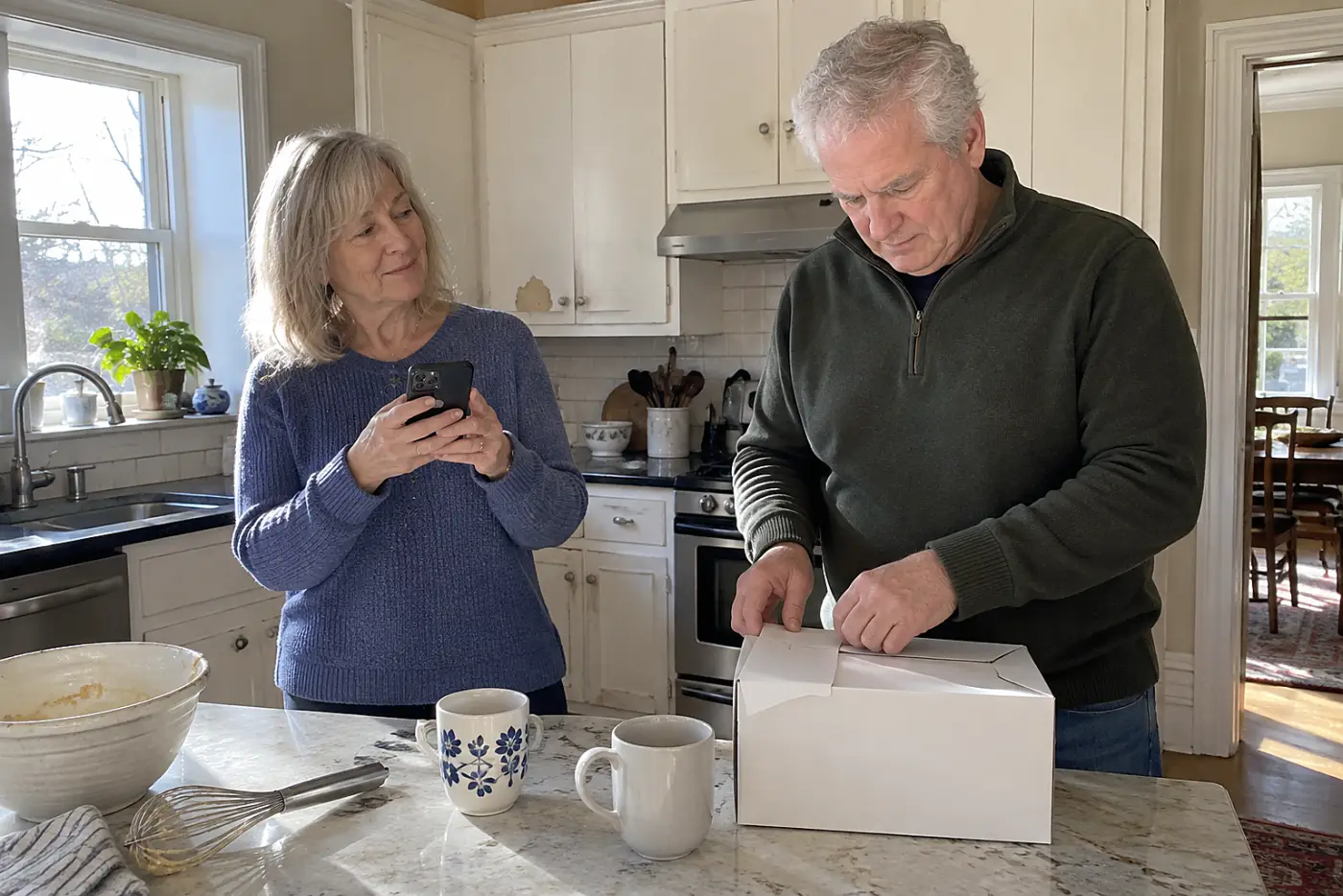
The cake box is still on your kitchen counter. You sent your sister a photo from your first gallery show, and she replied with a thumbs-up. Last year, she would have called before you got home. You know the difference between a busy Tuesday and a door closing.
The obvious explanation is jealousy, but that word settles the case before you’ve heard it. A changed habit, an old grievance, or a family job you’ve stopped doing can produce the same thin reply.
Here are 26 things to check before you give up on what you had.
26The thumbs-up beneath your good news
A tiny reply can carry a large silence.
When you share a promotion or a new relationship, a thumbs-up acknowledges receipt without starting a conversation. One brief reply tells you little. A string of them, where calls and questions once followed, tells you the way you talk has changed.
Treat every short reply as a verdict, and you’ll spend your week reading a screen instead of talking.
This week, pick one piece of news and call her rather than sending another photo. Say, “I missed hearing your voice when I told you about the show.”
The reply matters, but the next conversation matters more.
25The childhood job everyone still hands you

Old family jobs survive long after childhood ends.
Perhaps you were the one who kept the peace when your parents argued. Or you remembered birthdays, brought the extra casserole, and called first after every fight. Your siblings learned what to expect from you. When you stop doing that work, they lose something familiar, even if your change is good for you.
The hurt lands hardest when nobody asks why you stepped back. Their silence can look like disapproval of your new life when they’re reacting to the work left undone.
Write down the job you’ve kept doing, then mark the last time someone thanked you for it. This week, leave one task unclaimed and tell the person affected. Say, “I’m not arranging everyone’s calls this time, but I’d love to hear how you’re doing.”
You’ll learn whether they miss you, or the job.
24The dinner invitation that never arrived

Being left out hurts more when the table was once yours.
Before confronting anyone, find out who set the date and who passed along the invitation. A sibling might have assumed another sibling called you. That answer won’t erase the sting, but it gives you a fact to discuss.
Without that fact, the whole family becomes the accused. You still won’t know who expected you at dinner.
Ask the host directly this week; don’t send a message to the group thread. Say, “I heard about dinner and felt left out. Were you expecting me there?”
Their answer leads to a harder question about who speaks for you.
23The story your brother tells about you

One old story can keep your present life offstage.
At family gatherings, your brother tells the story of the time you forgot his school concert. People laugh because they’ve heard it before. You laugh too, then notice nobody asks about the concerts you attend now. A repeated story gives everyone an easy version of you, and your brother never has to learn a newer one.
You don’t need to prove that every detail is wrong. The cost is the minutes spent defending a child’s mistake while your adult news waits untouched.
This week, choose one story you’re tired of hearing and decide where you’ll interrupt it. Say, “I know you love that story, but I’d rather tell you what I’ve been doing lately.” If he stops, there’s room for you. If he restarts it at the next meal, notice who keeps laughing.
The audience changes again when money enters the room.
22The check you picked up last Christmas

A generous habit can become an invisible bill.
If you’ve paid for holiday dinner for years, your siblings have planned around that expense. When you pay for a trip instead, they lose a subsidy you never agreed to keep giving. Their cool response belongs in a money conversation, not a debate about your character.
Unspoken bills turn good news into a family argument. The trip gets discussed as though you spent money that belonged to the table.
Before the next gathering, decide what you’ll spend and tell the organizer. Say, “I’ll bring dessert, but I’m not covering the meal this year.”
Watch who asks how your trip went after that.
21The parent appointment you stopped arranging

Care work has a way of hiding inside family affection.
You book the appointment, call the pharmacy, and explain the doctor’s instructions. Your siblings hear that Dad is doing fine, so they miss the work behind that sentence. Then you take a class on Tuesday mornings and ask someone else to drive him. A sibling who once praised your devotion calls you unavailable.
The schedule, not your worth, is the immediate problem. If no one takes the ride, your parent loses a ride, and you’re pushed back into the job by urgency.
This week, list the next three tasks with their dates and send the list to everyone involved. Don’t write “I need more help,” which leaves them free to praise you instead.
Say, “I can handle Thursday’s pharmacy pickup. Who will drive Dad to Tuesday’s appointment?” Keep the message about the task. Save the larger talk about fairness for a time when no one is waiting outside a clinic.
Their replies reveal how much they’ve understood about your time.
20The family group chat you left

Leaving the chat removes noise and information.
If invitations, updates, and jokes all arrive in one thread, muting it gives you relief without cutting the line. Leaving it gives others a visible event to interpret. They don’t know whether you need space or want no contact.
Miss a message about a parent, and the argument shifts from closeness to logistics. Nobody has agreed where urgent news should go instead.
This week, tell one sibling how to reach you for family news. Say, “I’m taking a break from the group chat. Please text me directly about Dad.”
Private messages bring their own unanswered questions.
19The call that always starts with bad news

A ringing phone can teach you to brace yourself.
When your sister calls only with a problem, you become the person she leans on rather than the person she catches up with. You answer, solve what’s in front of her, and hang up without telling her about your new class or the man you’ve been seeing. Later, it feels as if she stopped cheering for you. She hasn’t heard much of your life.
That doesn’t excuse a sister who changes the subject when you speak. It does give you a way to see whether the calls have room to change.
This week, call before there’s a crisis and name the reason at the start. Say, “Nothing’s wrong. I wanted to tell you about my Saturday.” Leave time for her news too. Notice whether she asks a second question after your first answer, instead of filling every pause for her.
A call has room for celebration only if you put some there.
18The new partner nobody asks about

A missing question says something, but not exactly what.
Your siblings knew your former spouse for years. A new partner changes holiday seating, old loyalties, and the names on invitations. Silence gives you no way to tell which part troubles them.
If you guess for them, you’ll argue against a concern nobody has voiced. Your partner remains outside a conversation they haven’t started.
This week, invite one sibling to coffee without your partner. Say, “You haven’t asked much about Lee. Is there something you want to know?” Listen to the answer before defending your choice.
Then notice whether the same silence follows your work.
17The retirement announcement that changed the subject

Your news needs more than a polite nod.
You tell your brother you’re retiring in the spring, and he asks what time dinner starts. He’s lived alongside your work for years, even if he never saw the early trains or the late emails. His quick turn leaves you carrying the news alone. It also denies him the chance to hear what retirement means to you.
There’s no need to deliver a speech at a noisy table. But if you never return to the subject, you’ll keep measuring his care by a single distracted minute.
This week, tell him what you wanted to share, including one concrete plan after your last day. Say, “I’m excited about leaving work, and I wanted you to ask what I’ll do next.”
His response will tell you more than the dinner did. If he wants to talk, give him the detail you held back. If he changes the subject again, don’t chase him across every topic.
Another sibling’s applause has a different weight when it arrives in public.
16The public compliment with no private call

Public praise is easy to post and hard to measure.
A sibling comments “So proud!” beneath your photo, then ignores the message where you ask to meet. The two acts aren’t equal: one takes seconds; the other asks for time together.
If you count the comment as closeness, you keep waiting for a visit that hasn’t been offered. Meanwhile, your family sees an exchange that looks warmer than it feels.
This week, suggest a day and place instead of another online exchange. Say, “I’d love to tell you the story behind that photo. Are you free for coffee Thursday?”
The answer also tells you who makes time in private.
15The cousin who carries messages between you

A third person changes every sentence they carry.
Your cousin says your sister feels excluded. Your sister hears you’re angry. Neither of you has said those words to the other, and now each conversation begins with a report to correct. Even a careful messenger forgets what came before a remark or what followed it.
You risk losing the closeness you had to a version of the fight neither of you recognizes. Family gatherings then become a place to watch faces instead of talk.
This week, thank your cousin and stop supplying more material. Contact your sister yourself, by phone or in person. Say, “I heard there’s hurt between us. I’d rather hear it from you than through someone else.”
If she isn’t ready, ask when you should try again. Don’t ask the cousin to find out what her silence means.
Direct contact leaves less room for an old accusation to grow.
14The apology attached to a fresh accusation

An apology loses its footing when it turns around.
“I’m sorry I missed your call, but you never support me” gives your sibling a new charge to answer. The missed call disappears, and you both leave feeling unheard. One conversation needs one subject before it takes on another.
Skip this, and even a fair complaint arrives as part of a fight. The apology you meant to offer never gets heard on its own.
This week, apologize for one act without adding a defense, then pause. Say, “I’m sorry I missed your call on Sunday. I know you were waiting.”
What your sibling does with that pause matters.
13The favor with no spoken end date

An open-ended favor becomes a test of loyalty.
You agree to water your sister’s plants while she travels. Three months later, you’re still checking the house every Friday. When you say you can’t go this week, she talks as though you withdrew a promise. You remember a favor; she remembers an arrangement.
The gap widens when a parent or a pet depends on the task. Saying no at the last minute leaves someone else to find a replacement and gives your sister a fresh grievance.
This week, find one favor that has outgrown its first request. State what you’ll do next, and when you’ll stop. Say, “I can check the house this Friday, but after that you’ll need another plan.”
Give her time to make one. You don’t need a courtroom account of every past visit, though writing them down for yourself will help you resist the claim that you did nothing.
Once a favor ends, the next request shows whether she heard you.
12The holiday seat saved for someone else

Seating plans show which habits nobody has revisited.
Perhaps the family still gathers at your brother’s house because that worked when the children were small. Now the drive wears you out, and your suggestion to host goes unanswered. The old plan keeps winning without anyone defending it.
If you keep attending without speaking up, resentment rides home with you. The gathering stays where it has always been.
This week, offer a precise alternative before invitations go out. Say, “I’d like to host lunch the Saturday after Thanksgiving. Would you come?” An answer gives you more to work with than another silent drive.
The harder part is hearing how they describe your absence.
11The word selfish after you said no

A label can end a conversation before it starts.
You turn down a weekend at the family cabin because you’ve made other plans. Your brother calls you selfish, and soon you’re defending your whole history as a sister. The actual question was whether you were going. His label makes your reason the issue and puts you in the position of asking permission.
You don’t have to win an argument about your character to keep your plans. Keep the cabin decision separate from the judgment.
This week, write a short answer before the next invitation arrives. Say, “I’m not coming that weekend. If you’re upset, tell me what you were hoping we’d do together.”
That gives him a chance to name a wish instead of assigning a trait. If he repeats the label, end that exchange and talk another day. A fight that goes nowhere doesn’t become useful because you stay in it.
A refusal also exposes who has been doing the inviting.
10The calendar where only you make plans

One-sided planning wears down affection by increments.
Look back at your calls and visits since spring. If every date began with your message, your siblings have let you carry the calendar. That doesn’t tell you why, but it tells you what you’ve been doing.
Without a pause, you won’t learn whether anyone will reach for you. Being the only planner also makes each visit feel like another task.
This week, invite one sibling once, with a date and an activity. Say, “I’d like to see you Sunday. If that doesn’t work, pick another day.”
A missed invitation is clearer when you know it was received.
9The message with three unanswered questions

Too many questions give someone an easy exit.
You ask your sister whether she saw your photos, whether she’s coming to dinner, and why she sounded distant on Sunday. She replies about dinner. You stare at the other questions and hear a refusal in the gap. She might have chosen the easiest one; she might have avoided the hardest. The message alone can’t tell you.
That uncertainty costs you days of drafting a reply to a silence. It also lets a practical plan stand in for a conversation about what changed.
This week, send one question in its own message, away from plans and photos. Say, “I miss how we used to talk. Would you have time for a call this week?”
If she answers with a date, take it. If she responds only to another topic, you have a clearer sign that she doesn’t want that conversation now.
There’s still a difference between avoiding a talk and sharing it with everyone else.
8The private news repeated at Sunday dinner

A confidence stops feeling safe once it travels.
You tell your brother you’re considering a move. At Sunday dinner, your aunt asks which house you’re selling. Your brother’s excitement doesn’t erase the fact that you lost control of the news.
If you say nothing, you’ll have to choose between withholding everything and hoping he guesses your limits. Neither choice gives him a clear boundary.
This week, tell him which detail was private before sharing anything new. Say, “I told you about the move because I trusted you. Please ask before telling anyone else.”
His next choice matters more than his explanation.
7The old argument reopened at every milestone

A milestone gives an old grievance a new stage.
You announce that you bought a piano, and your sister brings up the one your parents sold years ago. You tell her about a trip, and she recalls the vacation where she felt ignored. The past deserves a hearing if it still hurts. It shouldn’t get a fresh trial every time you have news.
If you fight both conversations at once, your good moment disappears, and her grievance stays unresolved. Neither of you gets the talk you need.
This week, choose a separate time to hear the old complaint. Keep the invitation narrow enough to accept. Say, “I want to understand why that vacation still hurts. Can we talk about it Saturday, apart from my trip?”
During that call, ask what she remembers before offering your account. You don’t have to agree with every detail to show that you heard her. Afterward, notice whether she can let your next piece of news stand on its own.
What you do after that talk will matter as much as what she says.
6The visit you keep postponing

Waiting for the perfect visit keeps you apart.
You picture a whole afternoon together, then reject the hour you actually have. Your sibling does the same, and the months fill with friendly promises. Neither of you has refused the other outright.
If closeness needs an empty weekend, it has to compete with every other claim on your time. Another month passes without sitting across from each other.
This week, offer a short visit with a place and an end time. Say, “I’ll be near your house Friday. Want to have coffee for half an hour?”
A brief visit gives you something real to remember.
5The loan request after your good news

A loan request can swallow the news you brought.
You tell your sister the kitchen renovation is finished. She admires it, then asks for money. Now the afternoon turns toward what you have and what she needs, before she has asked how the work went.
If you lend without discussing repayment, you carry the financial risk and the fear of raising it later. If you refuse through hints, the request remains open.
This week, decide whether you’re willing to discuss a loan at all. If you are, put the amount, repayment dates, and both names in writing before money changes hands.
Say, “I care about you, but I need to talk about the loan separately from our visit.” If you don’t want to lend, say that instead. Don’t offer terms to make the refusal sound kinder.
Then see whether she asks about the kitchen when money is off the table.
4The photo album with missing years

Old pictures show who was present, not who cared.
A sibling points to an album and says you were never around. You know those years also held work shifts, school pickups, or a long drive between homes. A photograph catches the birthday, not the calls made afterward.
Arguing over each picture leaves the larger hurt untouched. You’ll both end up counting images instead of naming the day that still stings.
This week, ask which absence still matters to your sibling. Say, “I wasn’t at that party. What did you need from me then that you didn’t get?”
The answer might point to a repair you hadn’t considered.
3The repaired mistake nobody will acknowledge

Repair needs an answer as well as an offer.
You forgot a birthday years ago. You apologized, remembered the next one, and showed up when your sibling needed a ride. Yet the forgotten birthday returns in every disagreement. Your effort doesn’t force forgiveness, but a grievance that never changes gives you no way to know what repair means.
If you keep offering more without asking, you could spend years trying to pay a debt with no agreed amount. That keeps both of you tied to the original day.
This week, name the mistake once and ask what remains. Say, “I know I hurt you when I missed your birthday. Is there something you still want me to understand?”
Listen without listing what you’ve done since. Afterward, ask whether your sibling is willing to let that mistake stop serving as the answer to every new disagreement.
Even an answer leaves open who will make the next move.
2The unopened card you left on your desk

Unsent warmth gives your sibling nothing to answer.
You buy a card after hearing about your brother’s new job. Then you remember his thin response to your gallery show, and the card sits beside the stamps. You wanted to cheer him on. Keeping score stops the one gesture that still feels like yours.
Sending it won’t make his response to your news fair. Leaving it unsent, though, lets that response decide how you treat his milestone.
This week, mail the card with one sentence about the job. Write, “I’m glad you got the role, and I’d like to hear what the first day was like.”
Don’t use the card to ask why he didn’t celebrate you. Give him a chance to answer what you actually sent. If he doesn’t, you’ll face a question a greeting card was never meant to carry.
That question deserves more preparation than another hopeful gesture.
1The conversation plan you write before calling

Calling without a plan can send you back into childhood.
You mean to say you miss your sister. Instead, you bring up the birthday she forgot, the dinner you weren’t invited to, and the way she talks about your work. She answers one charge; you add another. By the end, neither of you has asked the question that brought you to the phone.
The urgent task is to find out whether she wants a closer relationship now, with both of you as you are. You need one example, one honest question, and room for an answer you don’t control.
This week, write those three things on a card before you call. Choose an example from the present, such as the unanswered invitation, rather than a list from ten years. Say, “We used to talk every week. I miss that, and I want to know whether you’d like to find our way back.”
Then stop and listen. If she says yes, ask when you can talk again and let her name what she misses. If she says no, or won’t answer, you can stop mistaking your effort for a shared plan.
Keep the card. You haven’t heard what she wants to say yet.
The bottom line
Across these 26 moments, old family habits keep speaking after the people inside them have changed.
The best-prepared version of you has checked what happened and named what you miss. She’s ready to ask without putting her whole history on trial.
Which of these has already happened in your family?
Bonus: The conversation plan that tests whether closeness can return
- Write one recent moment on a card: the missed call, the unanswered invitation, or the news that got no question.
- Write what you miss beside it, in words you’d say aloud: “I miss our Sunday calls.”
- Ask one question: “Would you like us to be closer again?”
- Stop talking long enough to hear the answer. If it’s yes, choose a day to talk again. If it’s no, decide what contact you want next.
Margaret Hale
Travel & Lifestyle Editor
Margaret has covered travel for 25 years and has ridden every long-distance train route in the U.S. at least once.
You might also like