23 Reasons Old Friendships Fade After 60, and Which Ones to Chase
An unanswered birthday card tells you little. A dated invitation gives your friend something she can answer, even after years apart.
By Margaret Hale, Travel & Lifestyle Editor
Updated · 18 min read
- Written by our travel & lifestyle editor
- How we review
Read to the end: #1 is the contact check that keeps an invitation from disappearing, and almost nobody does it first.
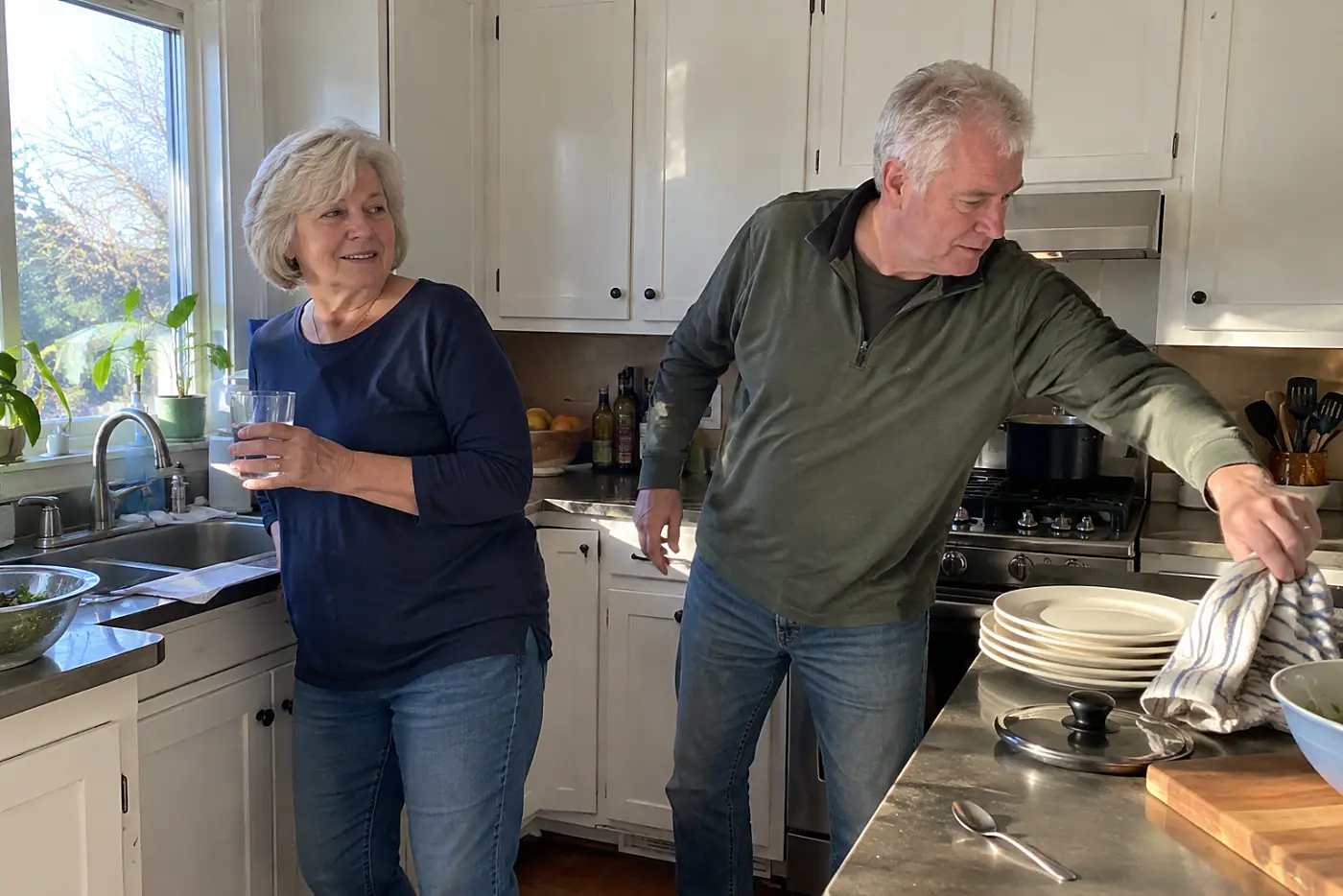
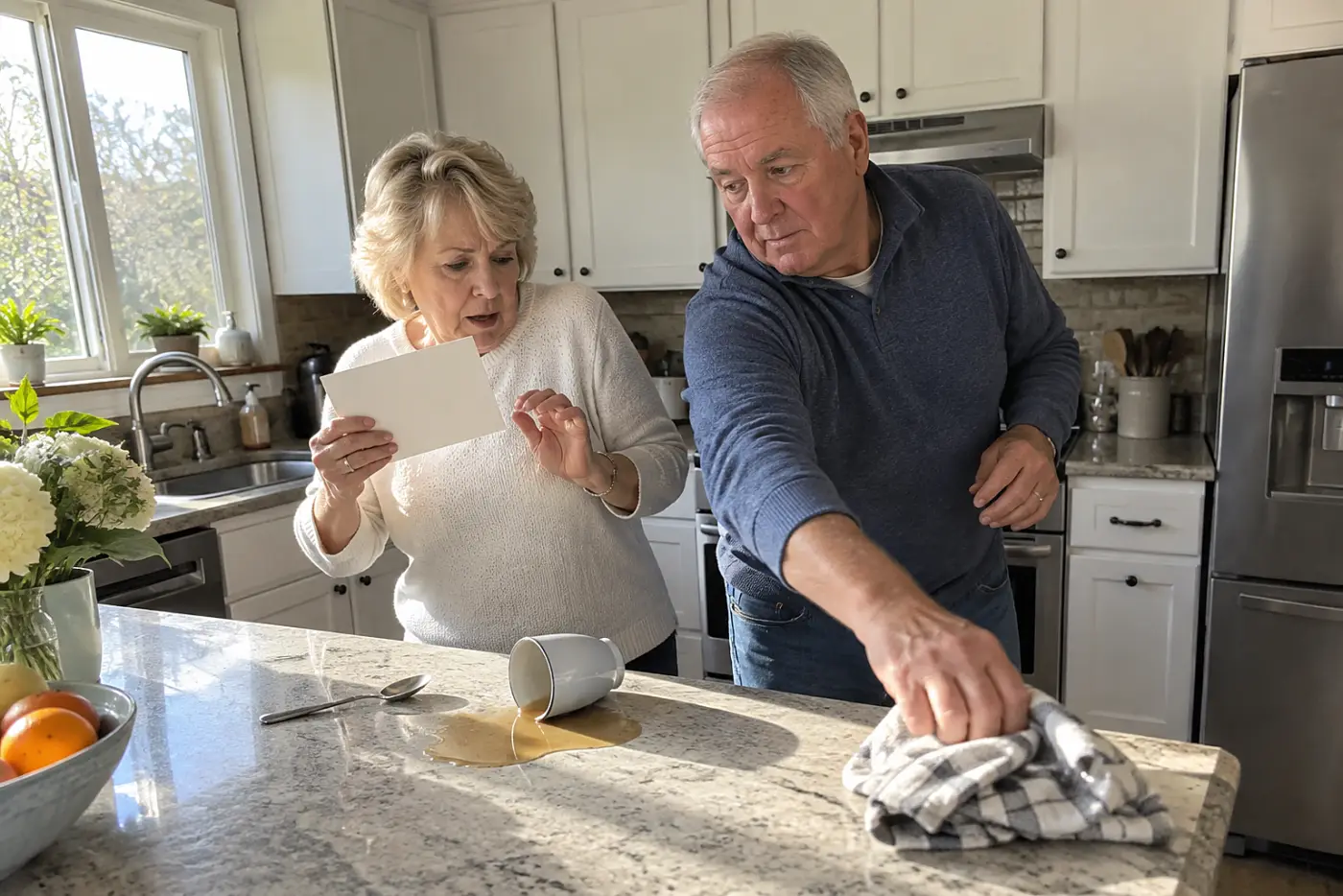
The birthday card is still on the kitchen counter, tucked beneath a grocery receipt. You wrote her name in April, then stopped. The last time you spoke, she asked about your garden; now even that ordinary opening feels too old to use.
Years of silence look like a decision, especially when you remember how easily you once talked. Yet a friendship can lose its usual place in the week without either person deciding to end it. A missed lunch becomes another missed lunch, while each of you waits for the other to pick up the phone.
Here are 23 reasons to check before you let the years answer for her.
23The weekly errand you no longer share

Friendship used to ride along with a routine.
You saw each other after choir practice, at the school pickup line, or while buying coffee near work. The errand supplied a time and place without anyone having to arrange a visit. When it ended, both of you had to become planners, though neither noticed the change that day.
The lost routine matters because it looks like lost interest from a distance. Think of the last few times you saw her without making a plan. What brought you together? If the answer was always the same Tuesday errand, that errand did some of the work.
This week, offer a replacement with a time attached. Say, “We used to talk after choir. Are you free for coffee next Thursday?” If Thursday fails, ask which day works for her. You’re asking whether she wants time with you now, not whether she misses an old schedule.
Then look at what has filled her calendar since.
22The caregiving shift nobody put on a calendar
An open afternoon disappeared before she told you.
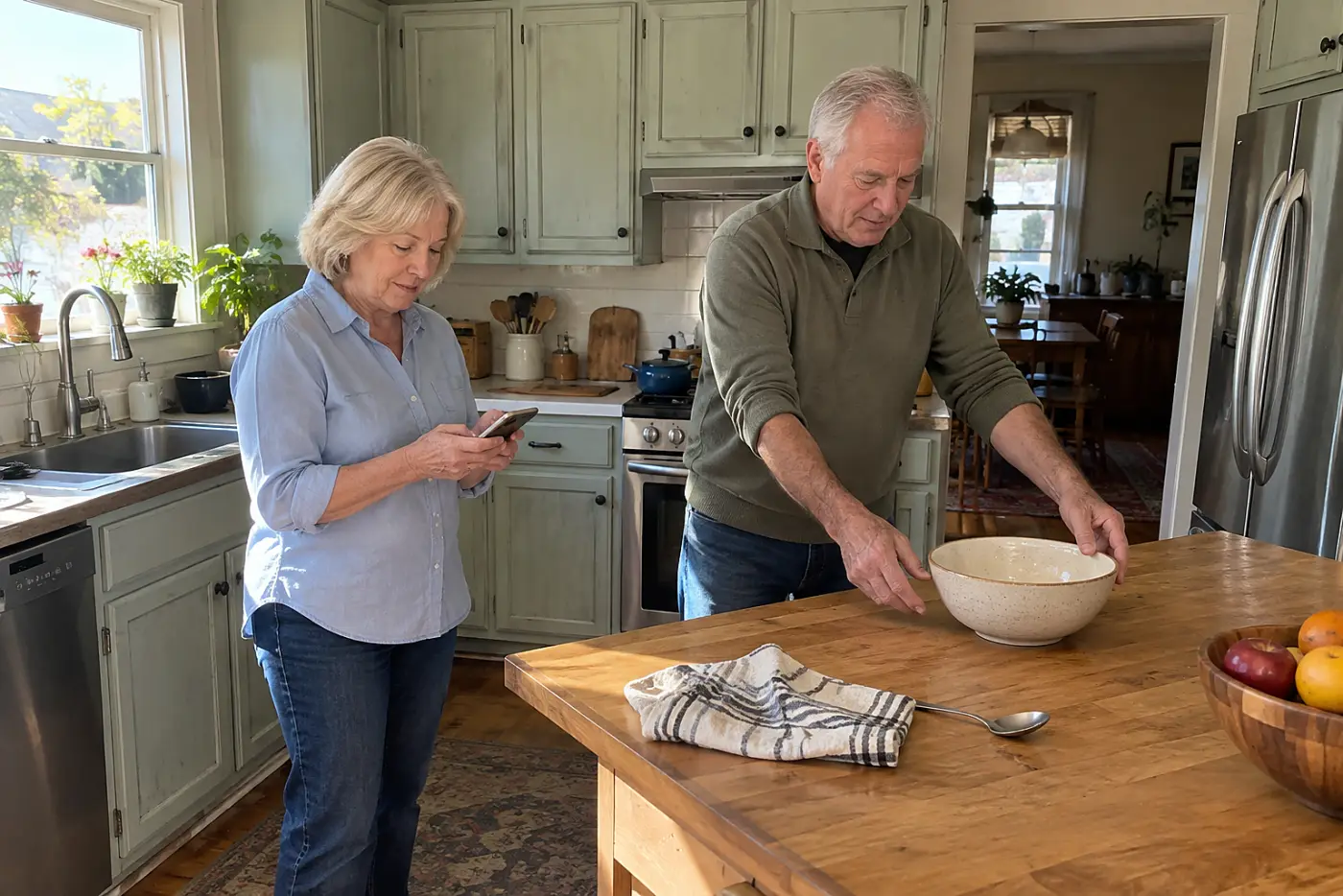
Caring for a spouse, parent, sibling, or grandchild changes the hours someone has free. Even a short visit takes arranging when meals, rides, and appointments belong to somebody else. Her brief replies still leave you wondering where you stand.
Treating a crowded day as a verdict has a cost: you stop offering any time at all. Ask about a small opening instead of requesting an afternoon. If she wants to talk, a specific window gives her something she can accept or change.
This week, send one specific offer. Say, “Would a ten-minute call after dinner work, or is another time better?” If she cannot name a time, leave the invitation there for now. A friend who is stretched thin still gets to choose when she answers.
Her schedule is one question; distance is another.
21The drive across town after dark
The road got harder, but the friendship stayed put.
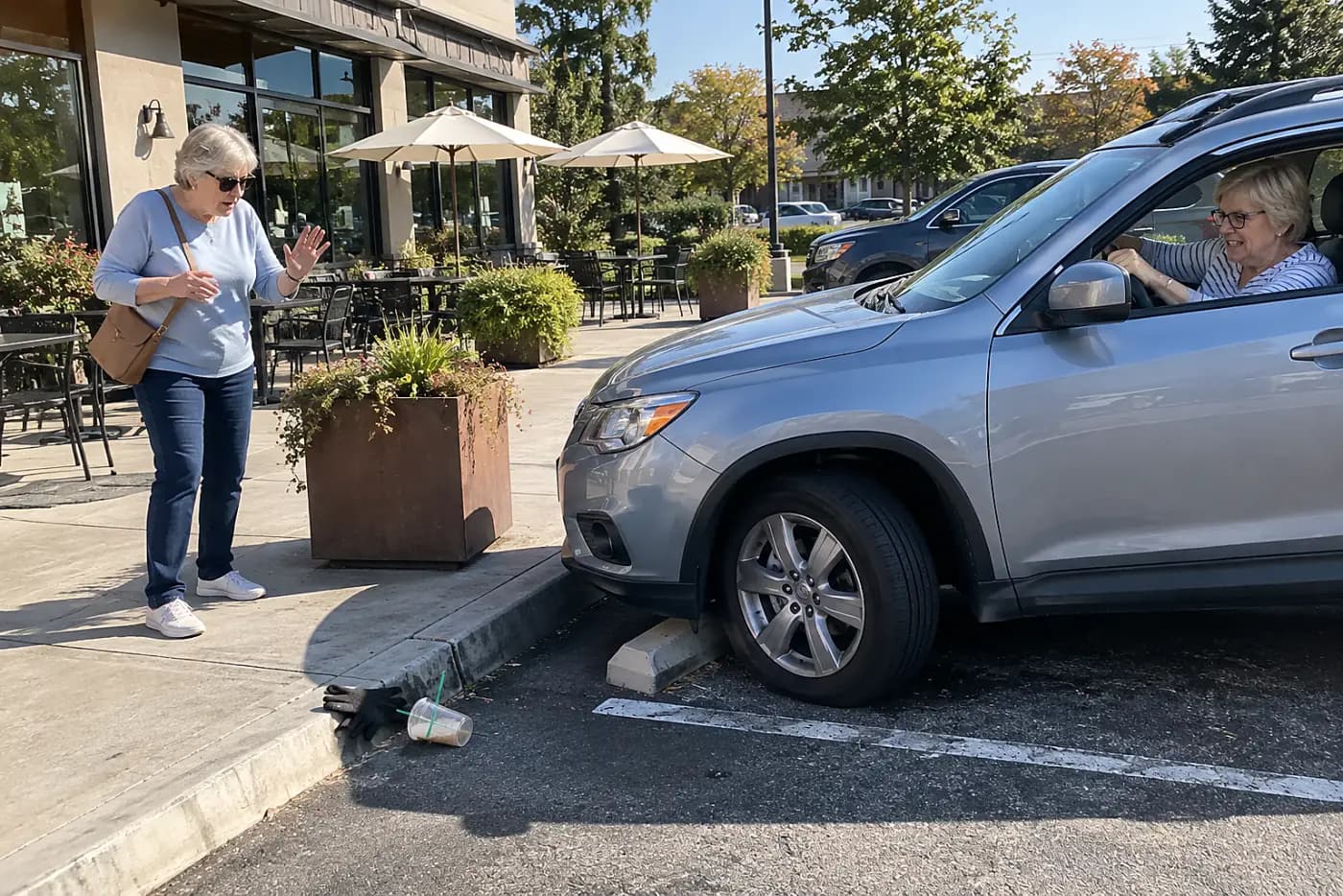
A familiar house becomes less accessible when the visit means driving at night, crossing a busy highway, or finding parking far from the door. The old plan still sounds easy to the person who lives nearby. For the person making the trip, it asks more than it once did.
If you always met at your house, count the travel as part of the visit. Did she stop coming after you stopped offering lunch near her? That pattern tells you more than a single canceled plan. It gives you something to change without asking her to defend how she drives.
This week, suggest a place she already goes, during daylight. Say, “I’ll come your way. Would the café near your library suit you?” If getting there is hard for you too, propose a phone call instead. You need a way to talk that works for both of you.
The place you meet also determines what the visit costs.
20The restaurant bill you split without asking

A standing lunch comes with a standing price.
The bill includes more than what she ordered: gas, parking, and a tip add to the meal. She also faces the pressure to choose a place that suited you both years ago. She doesn't have to explain her finances for that plan to stop working.
Remember who chose the restaurant last time. If it was always you, changing the plan gives her an easy way back without a discussion about money. A park walk or coffee from home still leaves room for a long talk.
This week, offer a no-purchase plan near her. Say, “Want to walk around the park and bring coffee from home?” Let her suggest another place if the path or weather doesn't suit her. You're looking for time together, not a familiar table.
An invitation also carries the weight of whoever sends it.
19The canceled lunch left without a new date
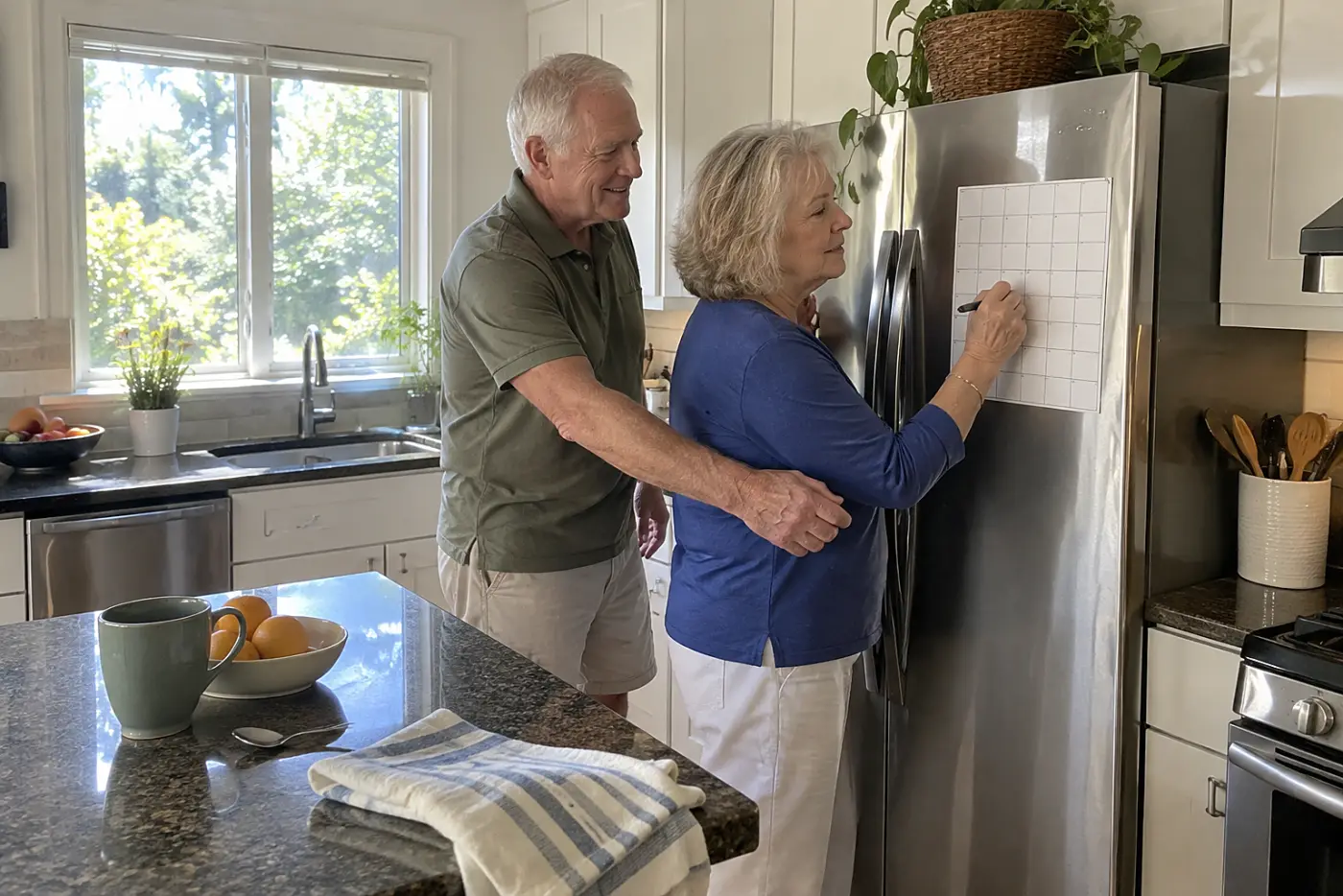
One cancellation became the whole story.
You canceled because a grandchild was sick. She answered, “No problem.” Then neither of you proposed another day, and the lunch stayed canceled for years. The person who canceled thought the friendship was intact. The person who cleared her afternoon waited to see whether the invitation still mattered.
You don't need to decide who should have called first. Look at the last plan that fell through and name it plainly. A missed date is easier to repair than a story you've built around it. It gives her a clear place to begin if she wants to answer.
This week, propose a new day rather than send an apology with no next step. Say, “I canceled our lunch and never rescheduled. Could we try again next week?” If that day fails, ask once for another. A willingness to find a time tells you something; another vague exchange tells you something else.
Before you read her answer, check the last message you sent.
18The message that ended with no question
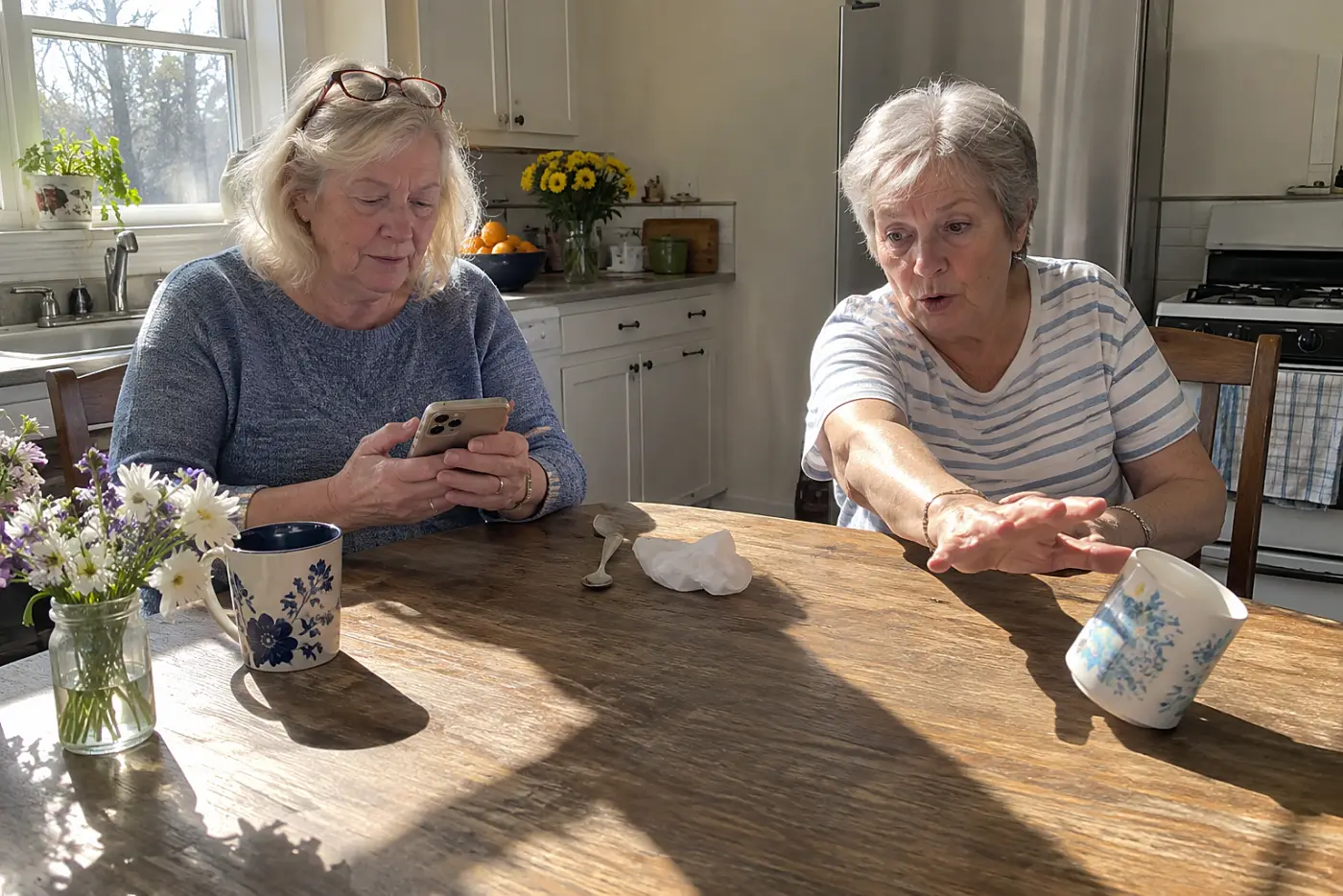
A warm note doesn't always invite an answer.
“I was thinking of you” tells her something kind. It leaves her to decide whether you want a conversation, a visit, or only to share a memory. After a long silence, even a warm reply takes thought.
Read the last note you sent and look for a way she could answer it. If it gave her nowhere to go, its silence proves little. You haven't asked for the thing you wanted.
This week, write a short message with one answerable question. Say, “I passed our old bookstore today. Would you like to talk on Sunday?” Keep the memory if it feels true; give her a way forward too. Don't add three more questions before she has answered the first.
What you send matters, and so does where you send it.
17The Facebook post you took as news
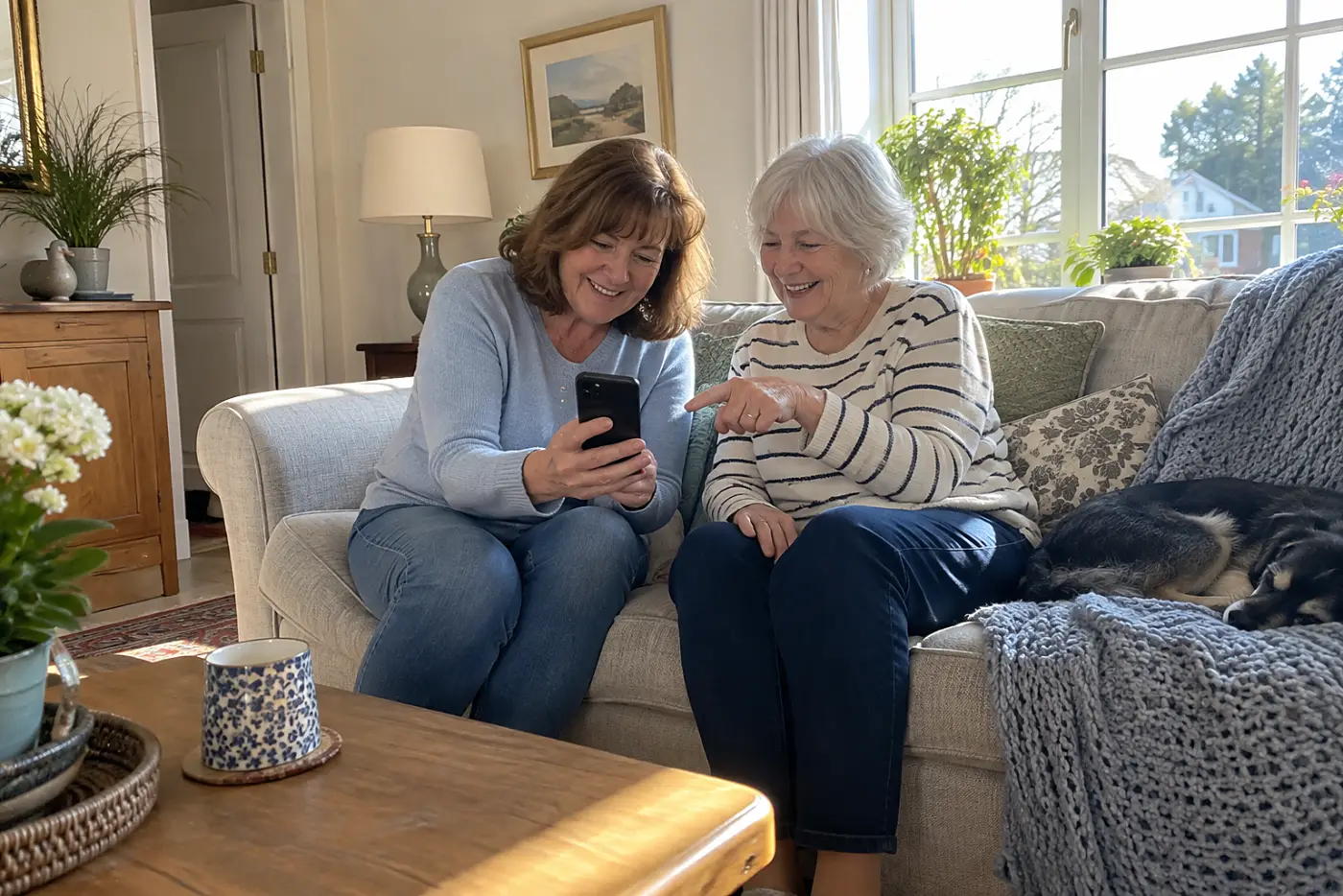
A photo shows a moment, not her week.
You see her smiling at a crowded table and assume she has plenty of company. She sees a photo of your trip and assumes you're busy with other people. Neither image shows the empty Tuesday or the friend each of you still misses.
A Facebook post invites the smallest response: a reaction or a comment. It doesn't replace a conversation unless both of you choose to talk there. If you've followed her life through pictures, you have news to ask about. You don't know whether she wants to hear from you.
This week, use a private message or a contact route you know works. Say, “I saw your garden photo and wondered how you're doing. Want to catch up by phone?” Ask about something she chose to share. Don't tell her what the photo supposedly proves.
The next obstacle is what happens once she picks up.
16The hearing trouble behind short replies

A noisy table can shorten a good conversation.
If one of you misses words at lunch, the talk becomes tiring. Nodding through a story feels easier than asking for every line again. The other person leaves thinking you had little to say.
Think about where your last conversations happened. Was the television on, or did you sit beside the restaurant kitchen? A different setting is worth trying before you decide the talk itself has gone flat.
This week, choose a quieter place or a call at home. Say, “I lost half our talk in that restaurant. Could we sit somewhere quieter?” You don't need an explanation for her hearing. You need a place where both of you can follow the story.
Once you can hear each other, the subject matters.
15The grandchildren who took over every call
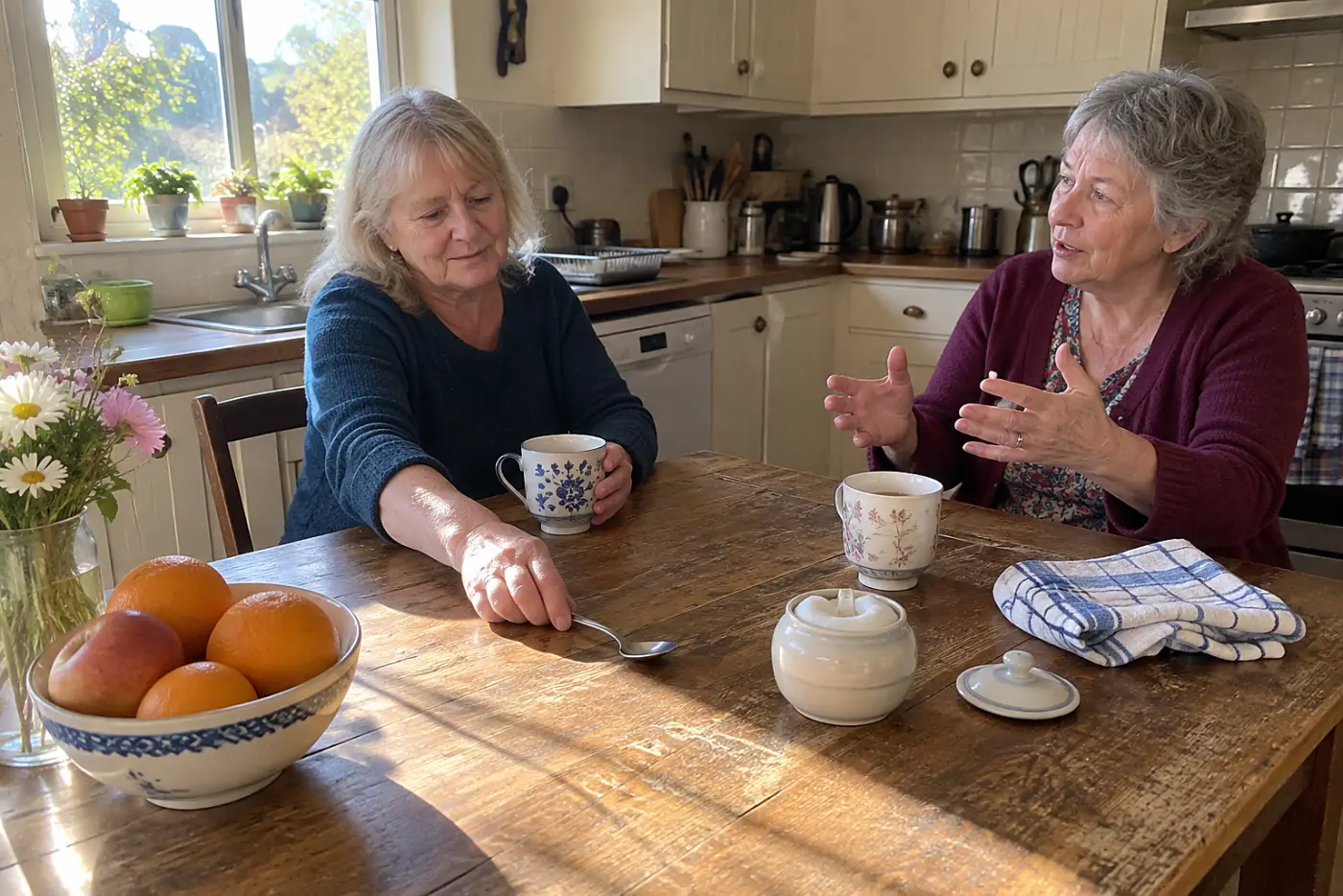
Family news can crowd a friend out.
You ask about her grandson; she asks about your daughter. Before long, the call ends without either of you saying how your own life feels. Family matters to both of you, but a friendship needs room for the two people in it.
Think of the last call you enjoyed with her. Did she get to finish a story about herself? Did you? If every exchange became an update on relatives, she has little reason to expect the next call to be different. You might be tired of those reports too.
This week, ask a question only she can answer. Say, “I know what the kids are doing. What have you been enjoying lately?” Then give her time to answer without supplying a topic. If she asks about you, tell her something from your own day, however small.
That opening works better when you remember who she is today.
14The old nickname she stopped using

A familiar name can keep an old role alive.
Perhaps she was always “the brave one,” and you were “the sensible one.” Those labels helped you tell stories years ago. Now they tell each of you what to expect before either speaks.
Notice when a joke about the old days closes a current subject. If she mentions work, a hobby, or someone new in her life, follow that thread. You don't need to erase the past to hear what's changed.
This week, ask about something she mentioned recently. Say, “I've asked you about the old days enough. What's taking your attention now?” Leave space for an answer that doesn't sound like the friend you knew at thirty. She has had a life since then, just as you have.
Some memories, though, still need a direct look.
13The joke you wish you had challenged

Old hurts don't shrink because a year passes.
A comment at dinner or a joke made in front of your family stayed with you. You laughed then because the room expected you to. Each later invitation asked you to act as though nothing happened, so you stopped accepting.
If you miss her, decide what you need to say before you invite her back into your life. A long account of every slight will bury the one that matters. Choose the incident you remember clearly and say what it changed for you. Her response belongs to her; your decision afterward belongs to you.
This week, write two sentences for a conversation, then decide whether to send them. Say, “When you made that joke at dinner, I felt exposed. I need to know you understand why I pulled away.” Listen for whether she addresses the event rather than your reaction to it.
And remember that you have made mistakes too.
12The apology you left inside your head

Regret she never heard cannot repair much.
You remember canceling her visit, forgetting her surgery, or making a sharp remark. She remembers it too, but she has no access to the explanation you've rehearsed for years. Silence leaves her with the action alone.
Pick the part you own, without asking her to excuse it. An apology that begins with a defense asks her to comfort you. Name what happened before you explain anything else.
This week, send a plain apology. Say, “I forgot to check on you after your surgery. I'm sorry I let you down.” Give her time to answer; don't follow it with a demand to meet. If she wants to talk about what happened, hear her out before you propose a visit.
An apology opens a door, but it doesn't set the pace.
11The call you expect her to make
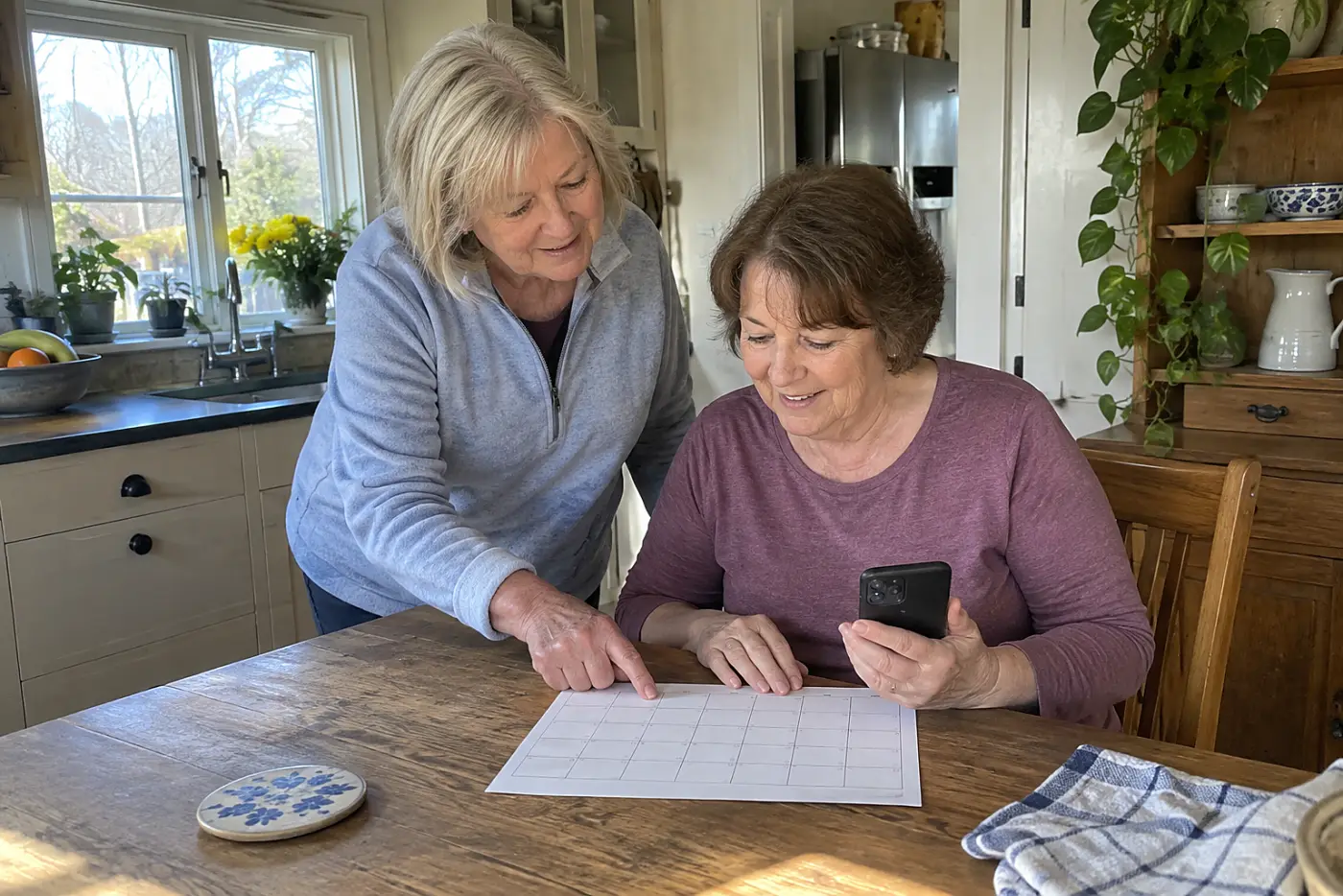
Keeping score can freeze both phones.
You called last, so you wait. She invited you last, so she waits too. The longer the gap, the more each person treats a call as proof of who cares. Neither wants to be the one who reaches out again.
Look back without turning the friendship into a ledger. Is there a clear pattern of you doing all the arranging, or are you recalling the last exchange because it hurt? Those are different questions. One call from you won't settle the whole history, but her response will tell you something about today.
This week, call because you want to hear her voice, not to settle a score. Say, “I thought of you this morning and wanted to hear how you're doing.” If she answers, notice whether she asks about you too. If the call never comes back, that's worth seeing without counting every ring.
A fair share of effort becomes clearer over time.
10The invitations she never sends back

A reply isn't always a return invitation.
She sounds delighted each time you call. Then you spend the next month wondering whether you'll hear from her without prompting. A pleasant conversation matters, but you also want a friend who reaches for you.
Tell her that part directly before you decide what her silence means. She has had no reason to know that a return call matters to you. Once you've said it, give her the chance to make one.
This week, make that request without keeping score aloud. Say, “I love talking with you. I'd like you to call me when you have time, too.” After that, leave space for her to do it. You don't need a rule about who calls how many times. You do need to notice whether the friendship has room for your needs.
Her next response still has to fit your life now.
9The two-hour visit you dread scheduling

A long visit is a lot to resume.
Years ago, you spent whole afternoons together. Now you worry about filling the time, especially if the friendship ended on an uncertain note. So you postpone until you have a free day and enough news. Neither arrives together.
A shorter plan lets both of you learn how the conversation feels. It also lets you leave before tiredness turns an enjoyable hour into an obligation. You're not promising that everything will be as it was. A short visit is enough for a first meeting after years apart.
This week, propose a half-hour coffee or a short walk near a bench. Say, “I'd love to see you for coffee on Tuesday. I have about half an hour.” If you want to stay longer when the time comes, say so. If she wants more time, there's another visit to arrange.
First, find out whether she has space for a visit at all.
8The move you still picture as temporary

Her old kitchen is no longer nearby.
When a friend moves, you lose the small chances to see her: the grocery aisle, the walk past her house, the last-minute supper. A visit now needs travel and a plan. Remembering her old address won't bring back those easy meetings.
Find out what sort of contact she wants where she lives now. A regular call asks less of either household than a distant promise to visit. It also gives you both a time to protect.
This week, ask about a call rather than a trip. Say, “I miss seeing you. Would a call on the first Sunday of the month suit you?” If that time doesn't work, ask what does. The new distance is real, but so is the phone in your hand.
Next, consider the news you learned from someone else.
7The illness she told others about first
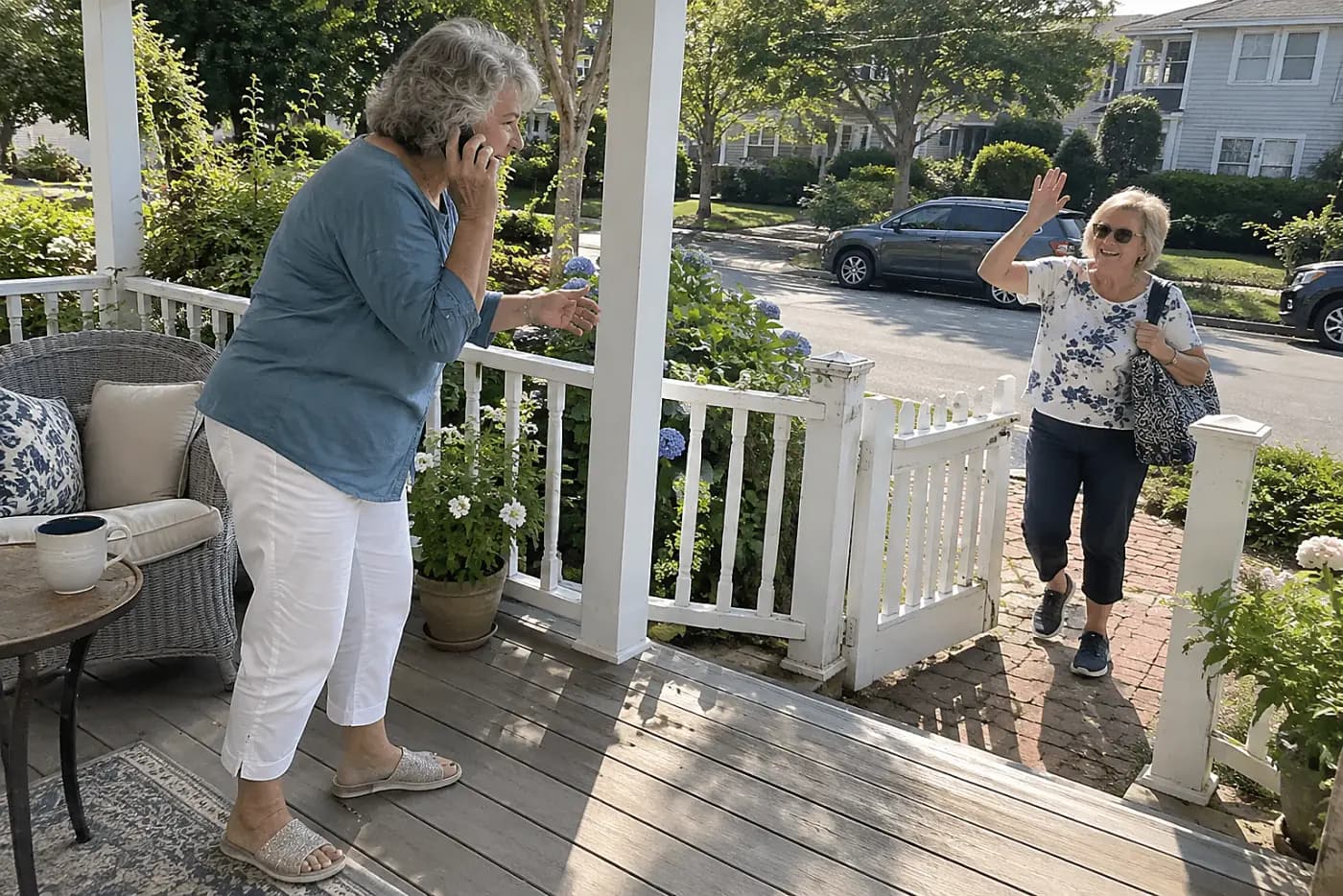
Finding out late can feel like being dismissed.
You hear about her surgery from someone else. She tells you afterward that she had no energy to explain it again, and you hear a message about your place in her life. Both things stay with you long after she gets home.
Illness changes who handles news and how it travels. Some people tell one relative and leave the rest for later. Others want privacy until there is a clear answer. You still get to feel hurt; you don't yet know why you were told late.
This week, ask her instead of testing her with hints. Say, “I heard about your surgery afterward and felt far away. How are you doing now?” Listen to the answer she gives. If you want her to tell you directly next time, say that once you've heard how she is.
If she keeps you outside, consider whether that distance is what she wants.
6The spouse who was always beside her

Some friendships were built around two couples.
You enjoyed dinners together, but your spouses handled the invitations and chose the dates. After a death or divorce, the old group plan no longer fits. The two of you have to discover whether you want time together on your own.
Think about the conversations you had when the others left the room. If you rarely spoke alone, the next visit will be new ground for both of you. That doesn't erase the years you shared. It changes what you are asking of her now.
This week, invite her to something that belongs to the two of you. Say, “I'd like to see you, just us. Would you come over for tea?” Don't make the visit a test of whether she misses the old dinners.
The answer belongs to this friendship, not the one around it.
5The subject you both avoid at lunch

Silence has its own seat at the table.
You stopped discussing politics, a family dispute, or a choice one of you made. That boundary kept an argument from restarting. Over time, avoiding one subject spread to avoiding anything personal, because neither of you knew where the line was.
Before you give up the friendship, decide whether the boundary still leaves enough room to be yourselves. Some disagreements don't need another hearing. Others keep entering the room because one person keeps making small digs. Those require an answer, not another change of subject.
This week, name the boundary in plain words. Say, “I want to see you, and I don't want to debate that again. Can we leave it out of lunch?” If she agrees, meet and see what the conversation holds. If she brings it up to provoke you, you'll know what another lunch would ask of you.
There's a difference between a hard topic and a reason to feel unsafe.
4The secret she passed along years ago

A broken confidence changes what you can share.
If she repeated something you trusted her with, you have a reason to hold back. Missing her company doesn't require you to hand her another private story. The question is whether you want a friendship with firmer limits.
Remember exactly what you told her and what she repeated. That keeps the conversation on an event rather than a broad charge about her character. Her response matters, but it doesn't set your limits for you.
This week, decide what you're comfortable sharing now. Say, “I miss talking with you, but I'm still hurt that you shared what I told you.” Let her answer before you arrange a visit. If you cannot speak freely at all, ask what you're hoping to recover.
There is another way to mistake the past for the present.
3The good memory doing all the work
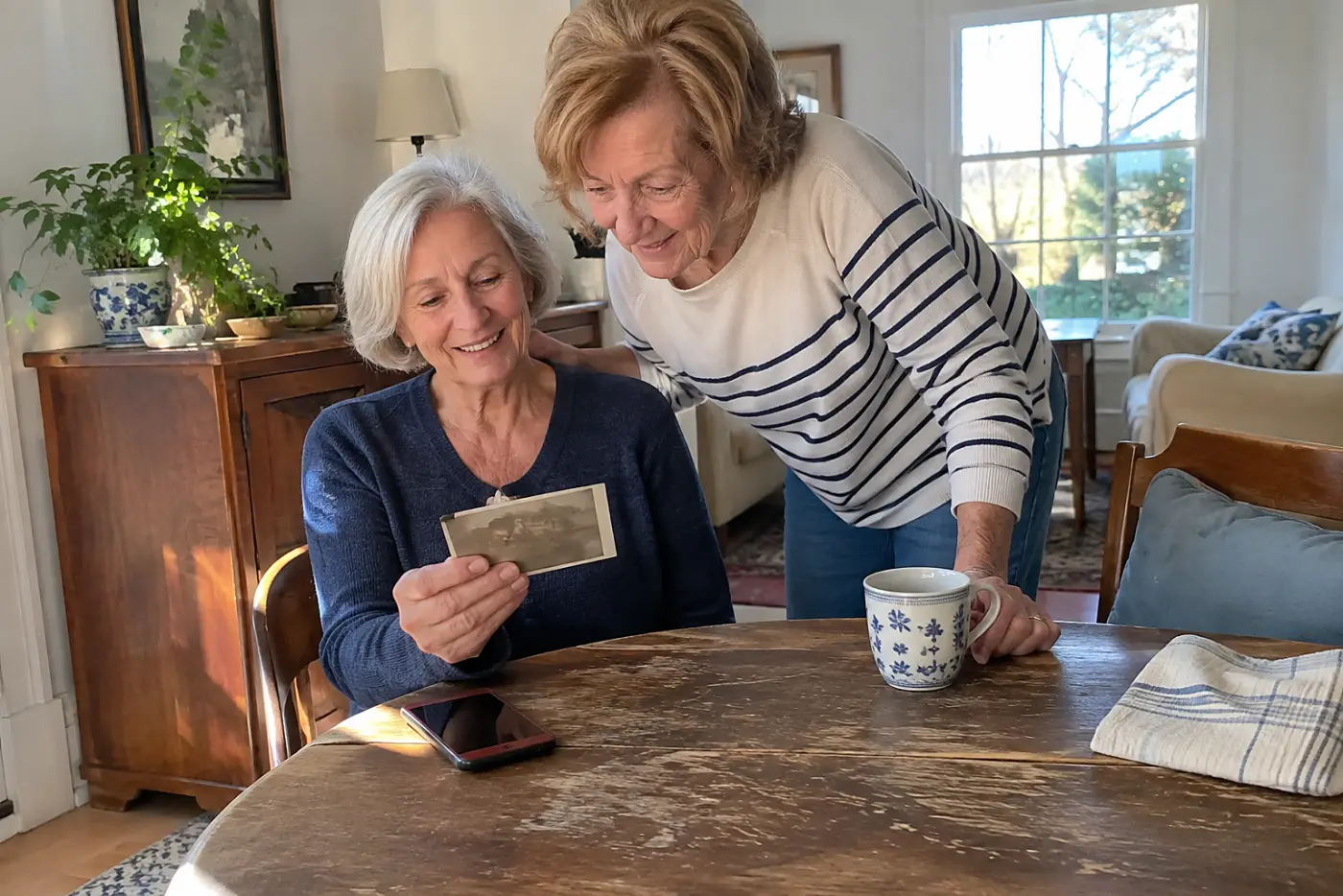
Missing her doesn't tell you who she is now.
You remember laughing in a parked car until the windows fogged. That memory is yours, and it's worth keeping. But it cannot answer whether she listens to you today, respects a boundary, or wants to make room for you.
Look at your most recent contact as well as your favorite afternoon. Did she ask about your life? Did you feel free to answer honestly? A long friendship earns care, not an automatic claim on every future hour. You're allowed to seek the woman you knew and still pay attention to the woman who answers.
This week, write down what you miss: her humor, her advice, her company on ordinary days. Then write what you need from a friend now. Tell yourself, “I can miss what we had and still notice what happens next.” Don't let one painful encounter erase decades; don't let decades excuse an encounter that hurt you.
Even a good memory cannot tell you what her silence means.
2The silence you have already answered for her

You cannot know her answer before you ask.
After enough years, it's tempting to write both sides of the conversation yourself. You decide she won't remember, won't care, or won't have time. Then you put down the phone without letting her say a word.
That private answer protects you from hearing no. It also shuts out yes, or the honest “I can't meet that day.” Those replies mean different things. You deserve to know which one she gives rather than spend another year guessing.
This week, write one short invitation with a day and a modest plan. Say, “I miss you. Would you like coffee next Wednesday afternoon? If another day works better, tell me.” Read it once, then put it aside while you check one practical detail. The words only matter if they reach her.
There is one last thing to do before you press send.
1The contact route you have not checked

An old number can make silence look personal.
A saved contact proves where a message once went, not where it goes now. People change numbers, leave email accounts, and miss messages on apps they no longer open. A message marked as sent tells you what your phone did; it doesn't tell you what she saw.
That's why the route matters before you judge the reply. If your invitation lands in an unused inbox, you could spend another year believing she chose not to answer. You need a reasonable way to reach her, not a search through every corner of her life.
This week, check the most recent card, email, or conversation you have from her. Use the route she used there, or try one other route you already know if the first fails. Say, “I found your old number and wanted to be sure this reaches you.” Then send the invitation you've written, once. Let her response belong to her.
What she says next is still unwritten.
The bottom line
Old friendships fade when the routines that held them together disappear and neither person knows what the silence means.
You've checked how to reach her, named what hurt, and decided what you want from a friend now. You've sent one invitation she can answer.
Which of these has already happened in your friendships?
Bonus: The contact check that keeps an invitation from disappearing
- Find the latest card, email, or message you received from her. Note which address, number, or account she used.
- Start there. If you're unsure the route still works, try one other contact route you already have.
- Say, “I wanted to make sure this reaches you. I miss you. Would you like coffee next Wednesday afternoon?”
- If she suggests another day, put it on the calendar. If she doesn't answer, don't treat an unverified delivery as her decision.
Margaret Hale
Travel & Lifestyle Editor
Margaret has covered travel for 25 years and has ridden every long-distance train route in the U.S. at least once.
You might also like