When Encouragement From Your Own Siblings Feels Missing
Your sister said nothing when you retired, and that silence has a shape you can finally name and stop taking personally.
By Margaret Hale, Travel & Lifestyle Editor
Updated · 14 min read
- Written by our travel & lifestyle editor
- How we review
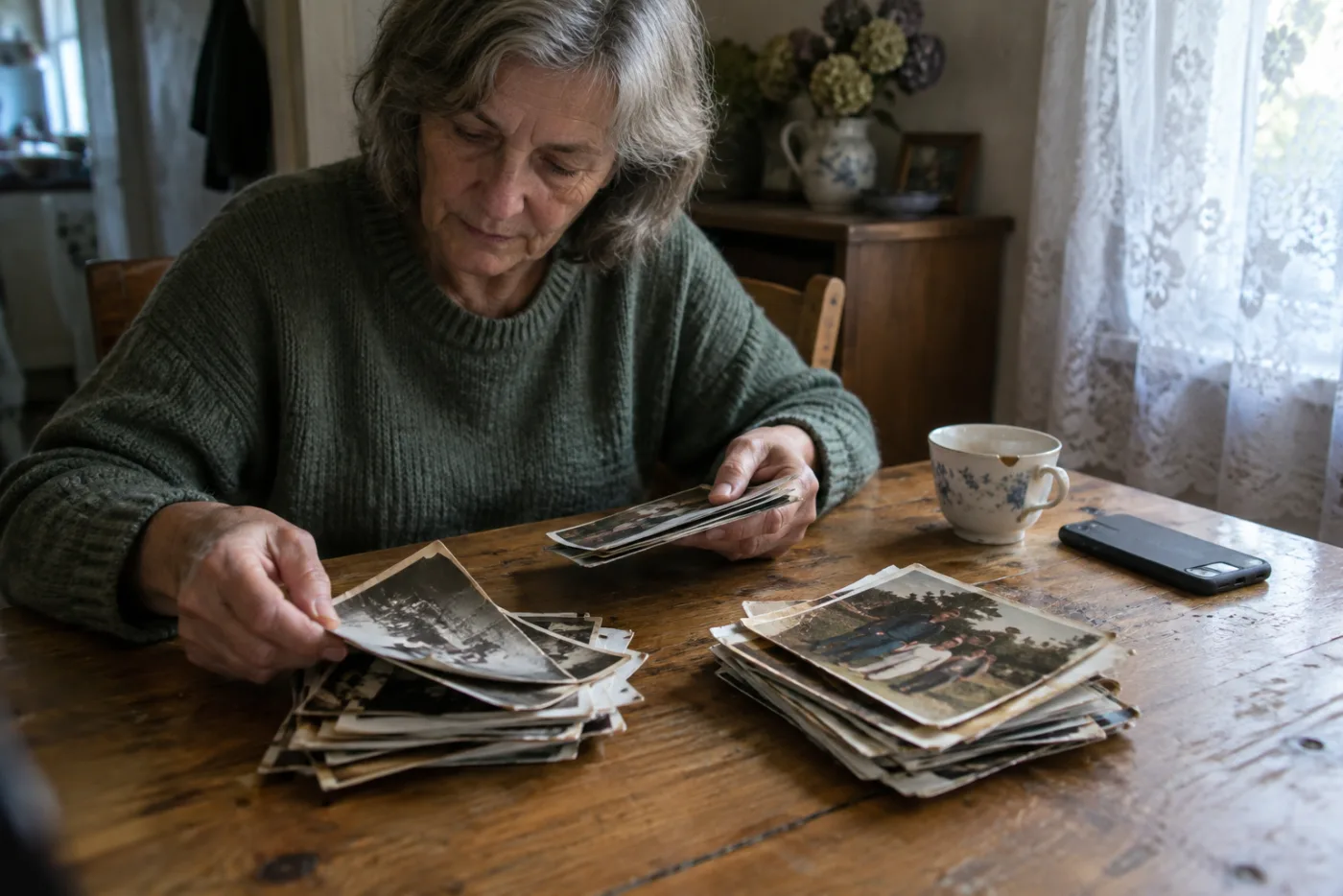
You told your brother first. You figured he'd call, or at least text something more than a thumbs-up emoji hours later. Instead you got quiet, and that quiet has been sitting in your chest ever since, showing up at odd moments like when you're loading the dishwasher.
This isn't really about one missed moment. It's about a pattern you've noticed for years but never said out loud, because saying it out loud makes it real. So here's what that silence usually means, what it almost never means, and what you can actually do with a sibling who isn't cheering for you the way you need.
1The Feeling Has A Name

There is a word missing from most conversations about family, and it is the specific ache of wanting a sibling to witness your life and say so out loud. It is not vanity. It is a longing for someone who remembers you as a kid to confirm the adult you became.
Naming it matters because unnamed feelings curdle into shame. You start to wonder if you are needy or ungrateful for wanting something so small, a text, a call, a line of praise, from the one person who has known you the longest.
Once you can call it what it is, a longing for shared-history recognition, it stops feeling like a character flaw. It is common enough that most people carry a version of it. Say the real name for it to yourself, out loud if you have to, and the shame around it starts to loosen.
2Why It Hits Harder Now

The need for a sibling's acknowledgment does not disappear with age. It sharpens, because the milestones stop being routine and start being the kind that mark a life. Retirement, a grandchild, a health scare, these carry weight that a promotion at thirty never did.
Earlier decades were noisy with other distractions, careers, raising children, moving houses. Siblings could stay quiet and it barely registered, buried under everything else happening at once. Now the quiet has room to echo.
There is also less time to assume it will sort itself out later. You start to notice the pattern instead of excusing a single instance. That clarity is not bitterness, it is simply what happens when you have fewer milestones left to wait through.
3The Moments That Sting Most

Certain moments seem built to expose the gap. A diagnosis, good or bad, and the silence that follows it. A grandchild's birth announced to a chorus of everyone except the one person who is supposed to feel like family first.
Retirement is another. It marks the end of something that took decades, yet a sibling can let it pass like any other Tuesday. Anniversaries carry the same weight, a quiet reminder of years logged without a single word of notice.
These moments sting more than an ordinary bad day because they repeat the same shape each time. Once you can name the pattern instead of judging a single event, you can decide what you actually want to do about it.
4The Role You Were Given Long Ago

Families hand out roles early, and most people keep wearing theirs decades after they stopped fitting. The responsible one, the funny one, the one who never needed much. Those labels decide who gets praised out loud and who gets assumed to be fine.
If you were cast as capable early on, your sibling may still see you that way, someone who does not require cheering because you never seemed to need it. The role calcifies long after the childhood that created it.
Recognizing the old casting helps you see the silence as inherited habit rather than a verdict on your current life. The label is outdated. Naming it to yourself, and eventually to your sibling, is the first step toward being seen as you are now.
5The Shadow Parents Leave Behind

A parent's old favoritism, real or only perceived, tends to outlive the parent. If one child was praised more freely growing up, the other can carry a private ledger of it long after both are adults with their own households.
That ledger shapes what encouragement looks like now. A sibling who felt overlooked may withhold praise without realizing it, protecting themselves from ever feeling second again, even though the original contest ended long ago.
You do not need to relitigate childhood to understand this. Simply recognizing that old family shadow can explain a lot of present coldness. It will not fix things by itself, but it removes some of the mystery from why the warmth never quite arrives.
6Some Siblings Show Up Differently

Not everyone speaks encouragement in words. Some siblings show love by fixing your gutter, driving you to an appointment, or showing up with tools before you even asked. It is real support, just translated into a language you were not listening for.
If you are waiting for a sentence and they are answering with an action, you can miss each other entirely. Neither person is wrong. You are simply fluent in different dialects of care.
Try noticing what they actually do rather than only what they say. A sibling who shows up with a truck on moving day may be offering the same thing you wanted in words. It counts, even if it never sounds like praise.
7Silence Can Be Self-Protection
A sibling's quiet is not always about you. Sometimes it is armor against their own comparison, a private sense that your milestone highlights something missing in their own life, a career that stalled, a marriage that did not go the way they hoped.
Congratulating you out loud can feel, to them, like admitting a gap they would rather not look at directly. The silence is less a judgment of you and more a flinch away from their own story.
This does not erase the hurt of being overlooked. But it can soften the sting to understand that withheld praise sometimes protects a fragile ego rather than expressing indifference toward yours. The distance may be about them, not a verdict on you.
8What Social Media Adds To The Wound

Scrolling past another family's loud, public cheering makes a sibling's quiet feel sharper by comparison. You see strangers throwing confetti emojis at people they barely know, while the one person who shares your childhood says nothing at all.
The platform amplifies a normal ache into something that feels like proof of neglect. It is an unfair comparison, because public celebration online is often performance, not depth, yet it still stings in the moment you see it.
Try noticing when the hurt spikes right after scrolling, since that timing is a clue. Stepping back from the comparison, even briefly, can quiet the wound enough to see your actual relationship more clearly instead of through someone else's highlight reel.
9Encouragement Or Something Deeper

Before deciding what to ask for, get specific about what you actually want. Some people want celebration, a visible fuss made over the achievement. Others want simple acknowledgment, a line that says I heard about this and I am glad.
Still others want something quieter than either, just the sense of being truly known, that a sibling understands the weight of what happened without needing a performance around it. These are different needs, and they call for different requests.
Naming the real want, precisely, makes it far easier to ask for or to notice when it shows up in an unexpected form. Vague longing is hard to satisfy. A specific one is not.
10The Running Tally That Poisons Things

It is tempting to keep a private ledger, who called after whose surgery, who remembered whose anniversary, who showed up and who did not. That tally feels like evidence, but it slowly turns a relationship into a courtroom instead of a family.
Every new interaction gets measured against the old one, which means nothing your sibling does now can ever fully clear the balance. The relationship stops being about the present and becomes only about proving a pattern.
If you notice yourself counting, that is worth naming to yourself directly. Try setting the tally down for a stretch and watching how the relationship feels without it. You may find the count was doing more damage than the silence itself.
11Check Your Own Side Of It

It is fair to ask whether you offer the same encouragement you are hoping to receive. Have you called after your sibling's health scare, or noticed their own quiet milestone the way you wish yours had been noticed?
This is not about assigning blame to yourself instead of them. It is simply that these patterns often run in both directions, each person waiting for the other to go first, both feeling equally overlooked.
A honest look at your own habits does not excuse their silence. But it might reveal a shared pattern you can actually change, starting with the next milestone that belongs to them instead of you.
12When Grief For A Parent Gets In The Way
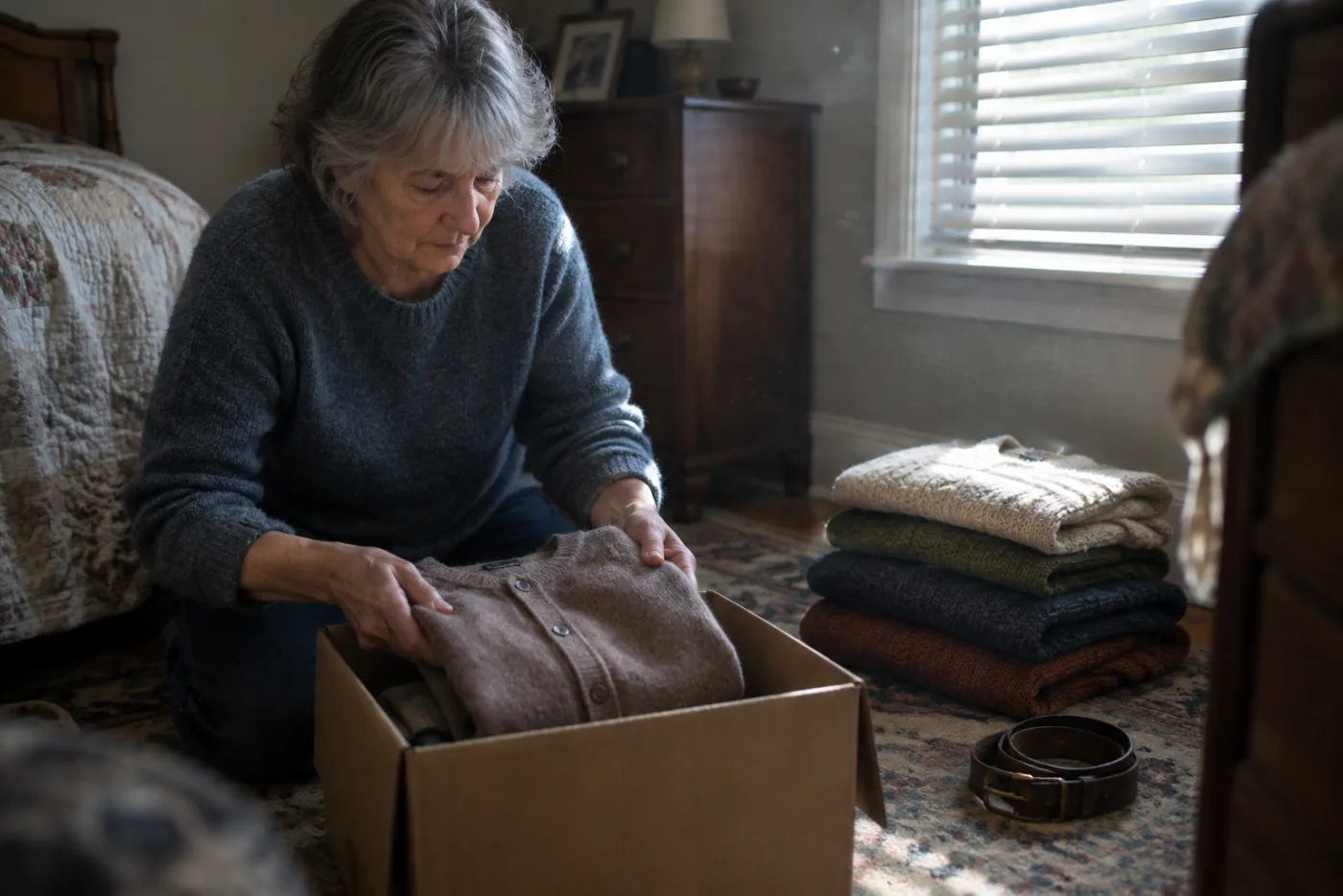
Losing a parent does not just end one relationship, it can freeze the sibling relationship in place. The roles you both played while a parent was alive, referee, favorite, peacemaker, can stay locked in even after there is no one left to perform them for.
Grief also narrows what people have left to give. A sibling drowning in their own unprocessed loss may have less warmth available for you, not because you matter less, but because their reserves are genuinely thin right now.
If your sibling went quiet after losing a parent, consider that timing before reading it purely as rejection. Grief can freeze people in old scripts for a long stretch. Naming that shared loss out loud, gently, sometimes thaws it.
13When The Sibling Is Gone

Some readers are not waiting for encouragement anymore, because the sibling who might have given it has died. That leaves a specific, quiet grief, mourning not just the person but the words you always assumed would eventually come.
This loss does not follow the usual grief timeline, because it is not only about missing them, it is about missing a version of the relationship that never actually happened. You are grieving a future that closed along with the person.
There is no fixing this one, only carrying it honestly. Let yourself grieve the specific thing that is gone, the acknowledgment you kept hoping for, rather than only the general loss. Naming exactly what is missing tends to make the grief more bearable, not less real.
14Distance Changes What People Have To Give
A sibling with a full plate, caregiving duties, a demanding job, health troubles of their own, often has less bandwidth for anyone, including you. Their quiet is not a referendum on your relationship. It might simply be a reflection of what little is left over.
This is easy to forget from the outside, where all you see is the absence of a call. From the inside of their life, the absence might be about depletion rather than disregard, a person spread too thin to reach anyone well.
Consider asking directly what their plate actually looks like right now, rather than assuming intention. You may find their capacity, not their affection, is the real limiting factor. That knowledge does not erase the hurt, but it can redirect it.
15Is It Really About Your Sibling

Sometimes the longing for a sibling's praise is a stand-in for something older, wanting a parent's approval that never fully arrived, and redirecting that ache toward the sibling because the parent is no longer available to give it.
This is worth sitting with honestly, because a sibling cannot heal a wound that belongs to the parent relationship. Asking them to fill that particular role sets them up to fail at something they were never actually responsible for.
If the craving feels bottomless no matter what your sibling offers, that bottomlessness is a clue. The real repair work may belong somewhere else entirely, even if the ache currently shows up pointed at your sibling.
16How To Name It Without Blame

There is a real difference between saying you never notice anything I do and saying I would love to hear from you when something big happens in my life. The first accuses. The second simply describes a need.
Leading with the need, rather than the failure, changes how a sibling can respond. Accusation invites defense. A plainly stated want invites, at least sometimes, an actual attempt to meet it, because nobody has to admit wrongdoing first.
Try writing the sentence down before you say it out loud, stripping out any version of you always or you never. What is left, usually, is a simple request that is far easier for another person to actually hear.
17Words That Open A Door, Words That Close One

Some openers invite a conversation forward. I have been noticing something and wanted to talk about it, said calmly, tends to lower a sibling's guard because it signals curiosity rather than attack.
Other phrasing slams the door before it opens. You always ignore my life, or I guess I do not matter to you, forces a sibling to defend themselves immediately, which shuts down the actual conversation you wanted to have.
The difference is rarely the underlying feeling, it is the packaging. Practice the opening line before the conversation happens. A door left open gets you further than one that was already closed by the first sentence out of your mouth.
18Try Being The One Who Encourages First

One low-risk experiment is to become the person who offers the exact encouragement you have been missing. Call your sibling after their next small milestone, unprompted, and say plainly that you are proud of them or glad for them.
This is not a manipulation to guilt them into reciprocating. It is a genuine offer, and it also tells you something real about the relationship, based on how they respond to being noticed themselves.
Some siblings warm up and start returning the gesture over time. Others barely register it, which is useful information too. Either way, you learn something true about what this particular relationship can actually give back.
19Signs It's Time To Expect Less
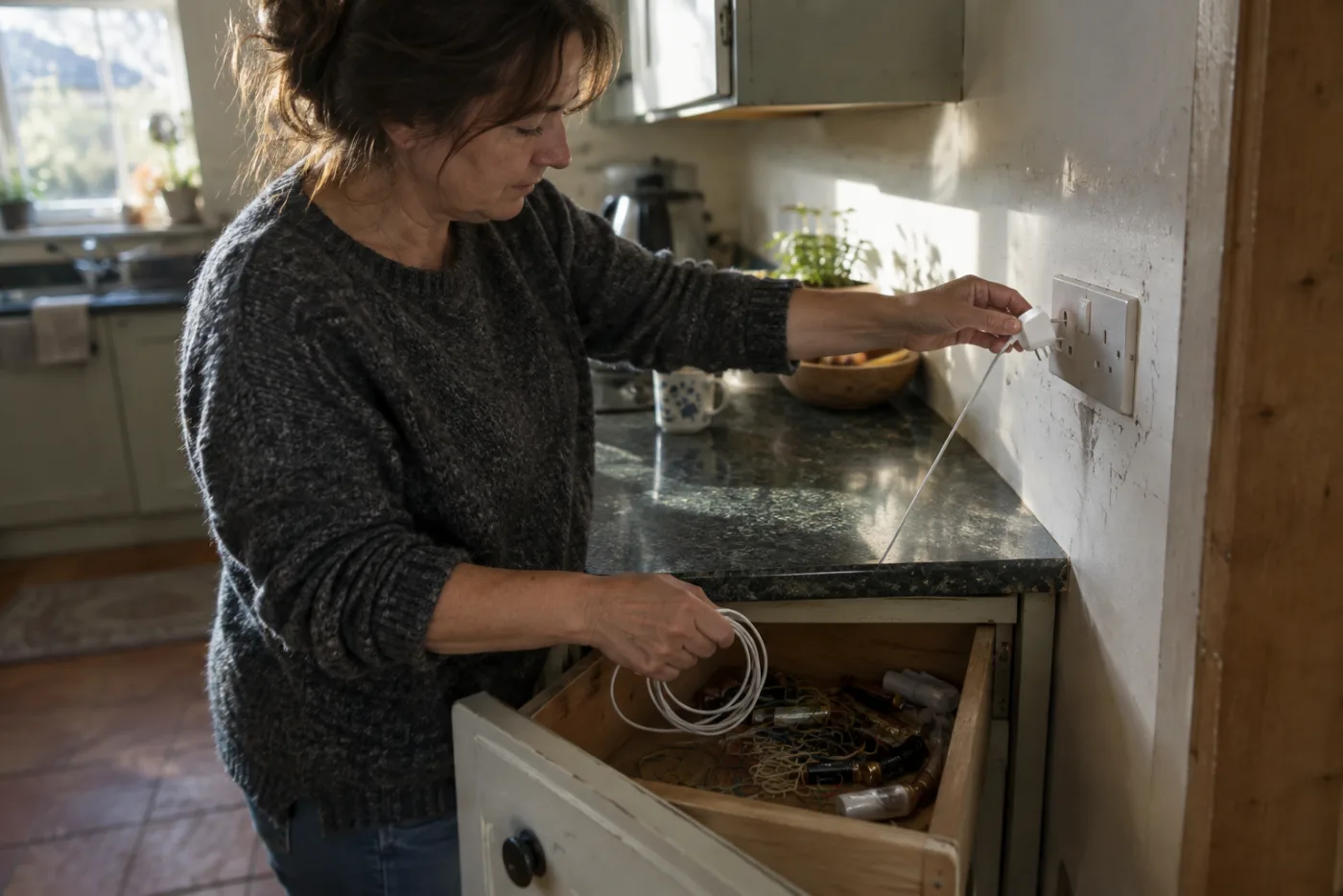
Some patterns are worth naming plainly instead of hoping they will shift. If you have raised the topic directly, more than once, and nothing about their response changed afterward, that repetition is itself a piece of information worth trusting.
Watch for consistency of avoidance rather than a single missed moment. One skipped call is forgetful. A pattern across every major event, year after year, year after year, sounds less like an accident and more like who this person actually is.
Lowering your hope here is not defeat. It is simply matching your expectations to the evidence in front of you, which tends to hurt less over time than waiting for a version of them that keeps failing to show up.
20What Healthy Distance Looks Like

Healthy distance from a sibling does not mean cutting them off. It means staying warmly connected while no longer asking them to be the source of this particular kind of encouragement, because you have accepted that role is not theirs to fill.
You can still call, still show up for the holiday gathering, still ask about their week, all without secretly waiting for them to finally say the thing you have wanted to hear for years.
This kind of distance protects the relationship rather than ending it. You get to keep the sibling while releasing the specific expectation that kept disappointing you. The relationship gets lighter once it stops carrying a job it was never suited for.
21Finding Encouragement Outside The Family

If a sibling cannot offer the specific kind of witnessing you need, other people sometimes can. A close friend who has known you across decades, a cousin, even a neighbor who has watched your life unfold nearby, can fill that role surprisingly well.
The key is finding someone who has enough shared history to understand the weight of a moment, not just someone polite enough to say congratulations. Depth matters more than proximity in blood.
Building this kind of circle takes deliberate effort, since it rarely happens by accident once you are older. Reach out to the people who already show up this way, and let them know, plainly, that their noticing means something to you.
22What Your Spouse Notices That You Might Miss
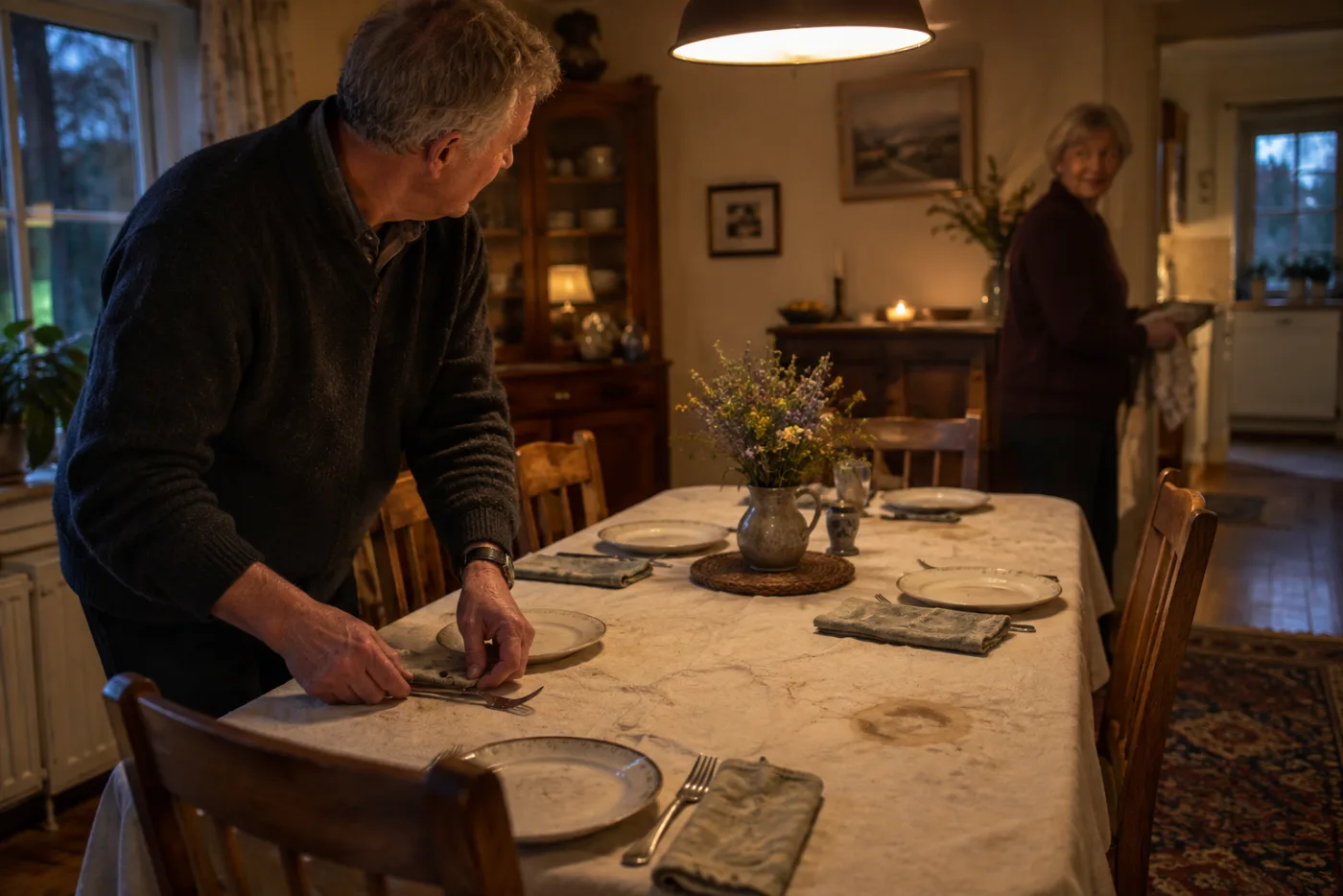
A spouse or close partner often sees a sibling relationship with more clarity than you do, simply because they are not tangled in the old family history. Ask them directly what they notice about how your sibling treats you compared to others.
Outsiders catch patterns that insiders normalize. Something you have excused for years as just how they are might look, from the outside, like a clear and consistent habit worth naming out loud.
This is not about turning your spouse into a judge of your family. It is about borrowing a clearer set of eyes for a moment. Ask, listen without arguing back immediately, and let their observation sit with you for a while.
23Knowing When To Talk And When To Let It Rest

Not every silence needs to become a conversation. Some sibling patterns are old enough, and fixed enough, that raising them directly mostly just causes pain without changing anything, and it is fair to weigh that cost honestly before starting.
A conversation is worth having when you believe there is genuine room for the relationship to shift, when your sibling has shown some capacity for reflection in the past, even if imperfect.
If every previous attempt has ended the same way, defensiveness, denial, a quick change of subject, that history is itself useful data. Sometimes the kindest choice, for both of you, is to let the specific hope rest rather than reopen it again.
24What Watching Your Own Children Teaches You

Watching your own children navigate their sibling relationship as adults can be strangely clarifying. You notice one child checks in constantly while another goes quiet for stretches, and you realize both love you, just differently, without either one being wrong.
That same generosity is harder to extend backward, toward your own sibling, because the old hurt gets in the way of seeing the pattern as clearly as you see it in your children.
Try applying the same lens you use for your kids to your sibling. If you would not call one of your children unloving for simply being quieter by nature, consider extending that same read to the sibling who raised you alongside.
25When Caring For Aging Parents Reopens Old Wounds

Shared caregiving for an aging parent has a way of dragging old sibling scripts back to the surface. The one who managed everything as a kid often ends up managing the doctor visits now, while an old pattern of one sibling doing the heavy lifting repeats itself.
This can either heal or worsen the relationship, depending on how honestly you name what is happening as it happens. Ignored, it hardens resentment. Named plainly, it sometimes becomes the first real conversation you have had in years.
Watch for the moment you catch yourself thinking this again, since that recognition is useful. It means an old pattern has resurfaced, which gives you a chance to respond to it differently than you did the first time around.
26Making Peace Without Waiting For Change

Peace with a sibling does not require them to become the person you wished they were. It means holding the relationship as it actually is, warmly where warmth is available, honestly where it is not, without constant private negotiation for something more.
This is different from giving up. It is simply releasing the exhausting project of waiting for a transformation that may never come, and choosing instead to love the sibling you actually have.
You can still hope quietly for change while no longer organizing your happiness around it. Accepting them as they are, today, tends to leave far more room for warmth than waiting ever did.
The bottom line
The hurt is real, but it doesn't have to run the relationship. Some siblings simply weren't built to cheer loudly, and that says more about their wiring than your worth. Ask for what you need once, plainly. Then build the rest of your cheering section elsewhere.
Margaret Hale
Travel & Lifestyle Editor
Margaret has covered travel for 25 years and has ridden every long-distance train route in the U.S. at least once.
Most read
You might also like