13 Conversations Families Keep Postponing Until It's Too Late
The paperwork usually gets handled. It's the unspoken stuff, the passwords and the wishes and the who-gets-what, that tears families apart.
By Margaret Hale, Travel & Lifestyle Editor
Updated · 14 min read
- Written by our travel & lifestyle editor
- How we review
My friend spent a weekend after her mother's funeral trying to find a Wi-Fi password so she could print the obituary. That was the easy part. The hard part came later, when her brother assumed he was getting the piano.
Nobody had said otherwise. Nobody had said anything at all. That silence is the real family emergency, the one that shows up disguised as a normal Sunday, and it's almost always avoidable. Below are the conversations that keep getting postponed because they feel awkward now, right up until the day they become unavoidable and much worse.
1Who Gets the Wedding Ring When Both Parents Are Gone
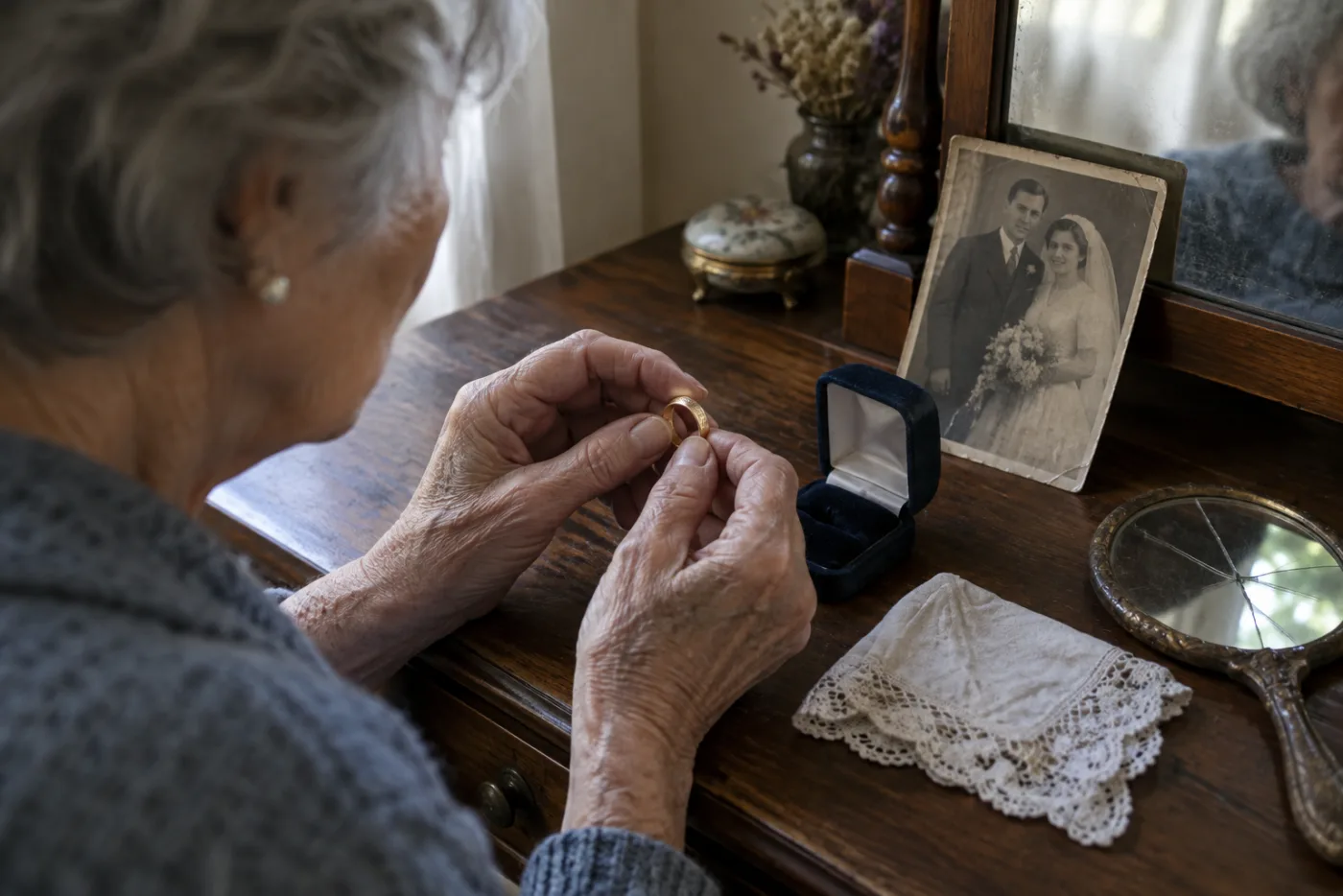
Nobody wants to be the sibling who asks about the ring while a parent is still living. So nobody asks, and the question sits there until a funeral turns it into an argument. Silence does not make the ring less contested later.
The fix is embarrassingly simple and almost nobody does it. Ask the parent directly to name who gets which specific item, out loud, written down somewhere everyone can find. A ring, a watch, a chair, whatever carries weight in your family.
Once the list exists, tell the siblings it exists. Grief and memory are hard enough to sort through without also relitigating who loved Mom more based on who got the brooch. Let the parent settle it while their voice still counts.
2What Happens to the Family Cabin
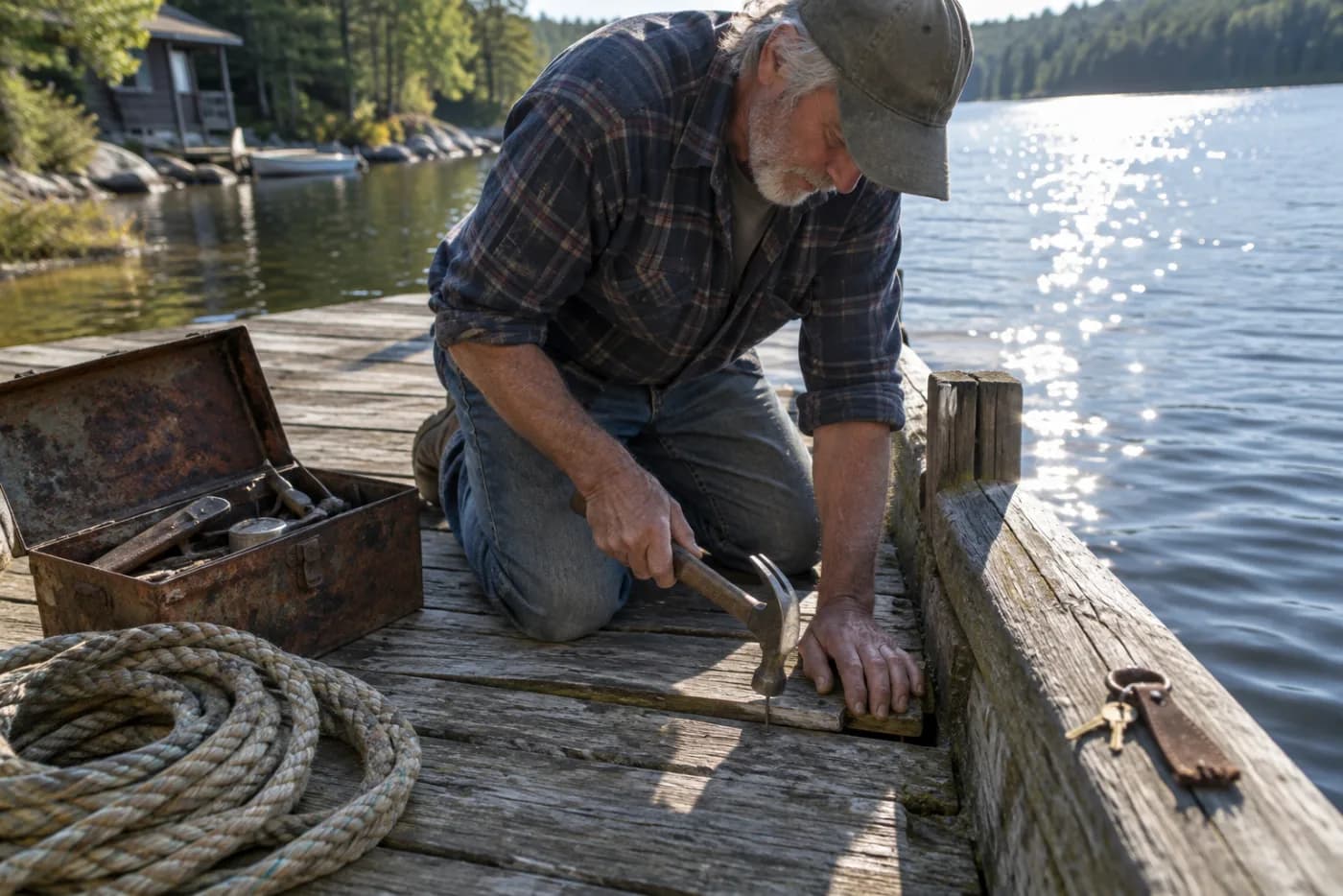
A deed with three names on it feels like fairness. In practice it is just three ways for a disagreement to start. Who pays for the new roof, who gets the good week in summer, and who decides when it finally gets sold.
None of that is answered by ownership alone. A cabin needs its own agreement, separate from the will, that spells out costs and calendars. Otherwise the sibling who lives closest ends up doing the work everyone else enjoys.
Write the agreement while everyone still likes each other. Cover maintenance costs, a booking system, and what happens if one sibling wants out and another wants to keep it. Revisit it every few years, because families change and cabins do not.
3Who Feeds the Dog When Mom Goes Into the Hospital
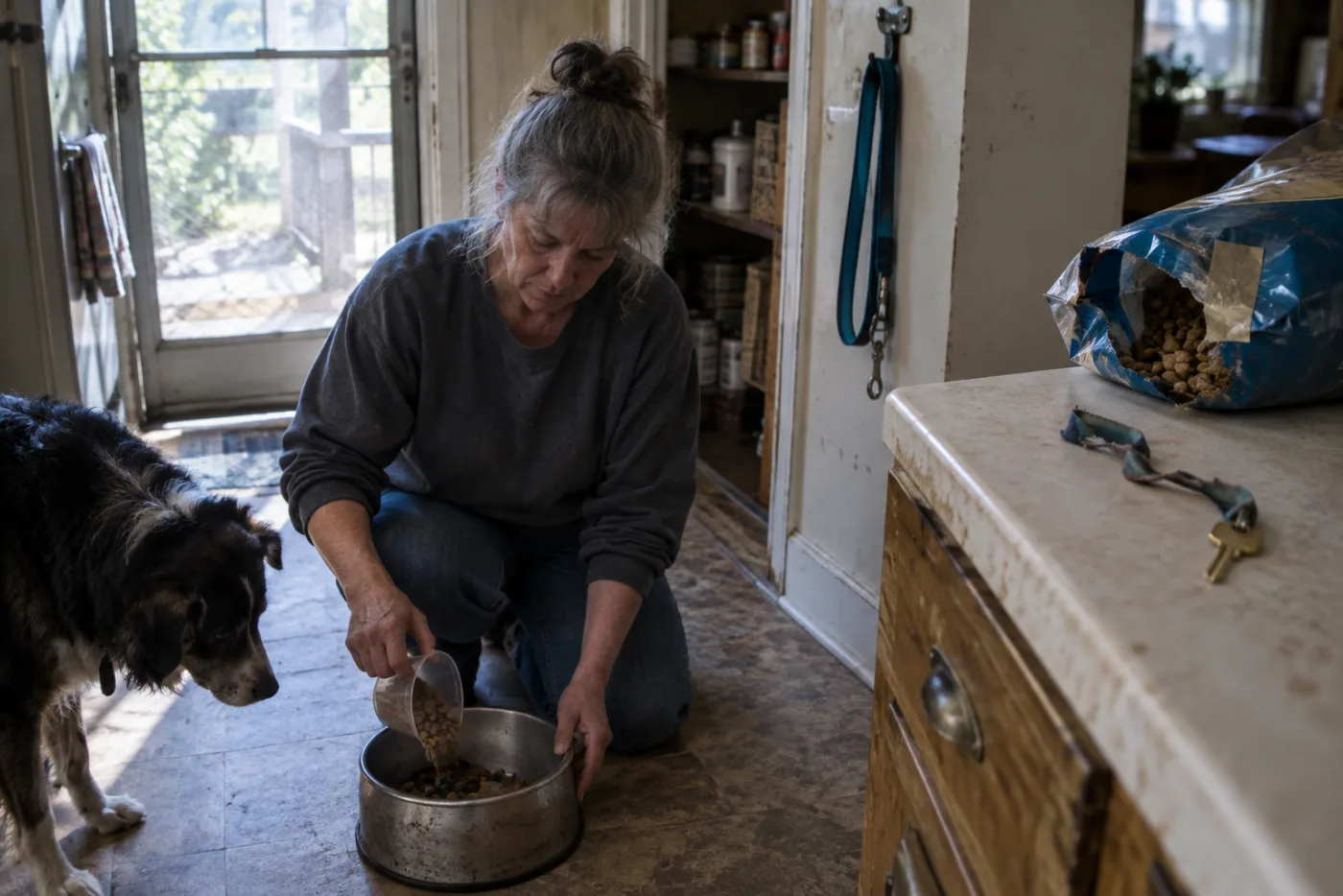
Pets fall through a specific crack. Human care gets organized fast because someone always steps up for a person. The dog waiting at home is the thing everyone assumes someone else is handling.
Name a backup caretaker before there is an emergency, not during one. Tell that person directly, not just in passing conversation, and make sure they have a key or know where one is kept. Write down feeding schedules and vet information somewhere obvious.
This takes an afternoon and prevents a genuinely awful scene. Nobody wants to be sorting out a parent's hospital transfer while also realizing nobody has walked the dog since morning. Settle it now, while it is boring.
4Where the Passwords Are Kept
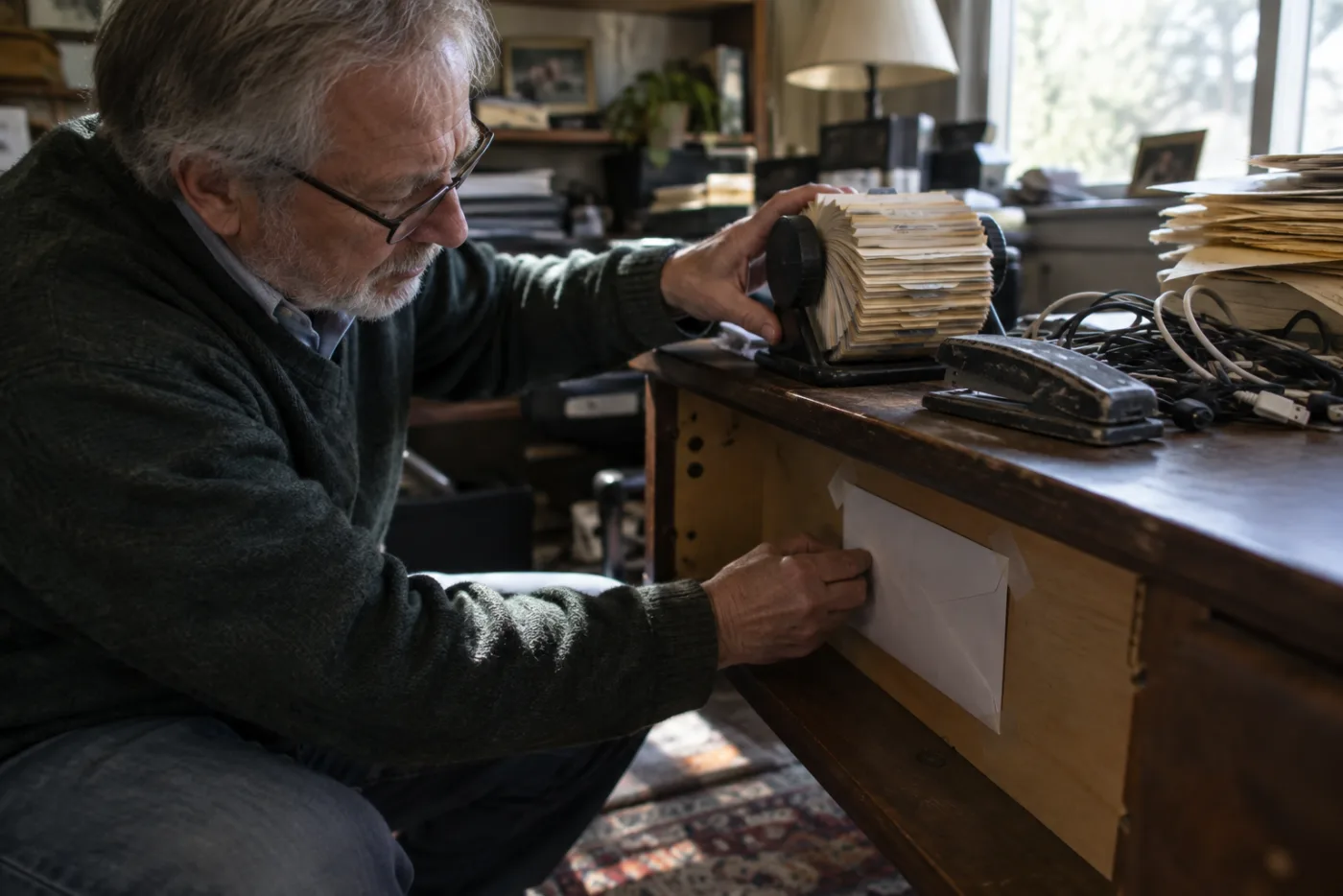
A person's whole financial life now lives behind a login screen. Banking, email, photos, bill pay, all locked behind a password only they remember. When something happens to them, that password does not politely hand itself over.
Families lose weeks fighting with companies that will not release account access without proof most people never think to prepare. Meanwhile bills go unpaid and accounts sit frozen in a kind of digital limbo. The information existed. Nobody could reach it.
Build one master list, kept somewhere secure but findable, and tell a trusted person where it lives. A password manager with a shared emergency contact works well. Update it when passwords change, or the list becomes useless fast.
5What Happens If Your Healthcare Proxy Disagrees With Your Spouse
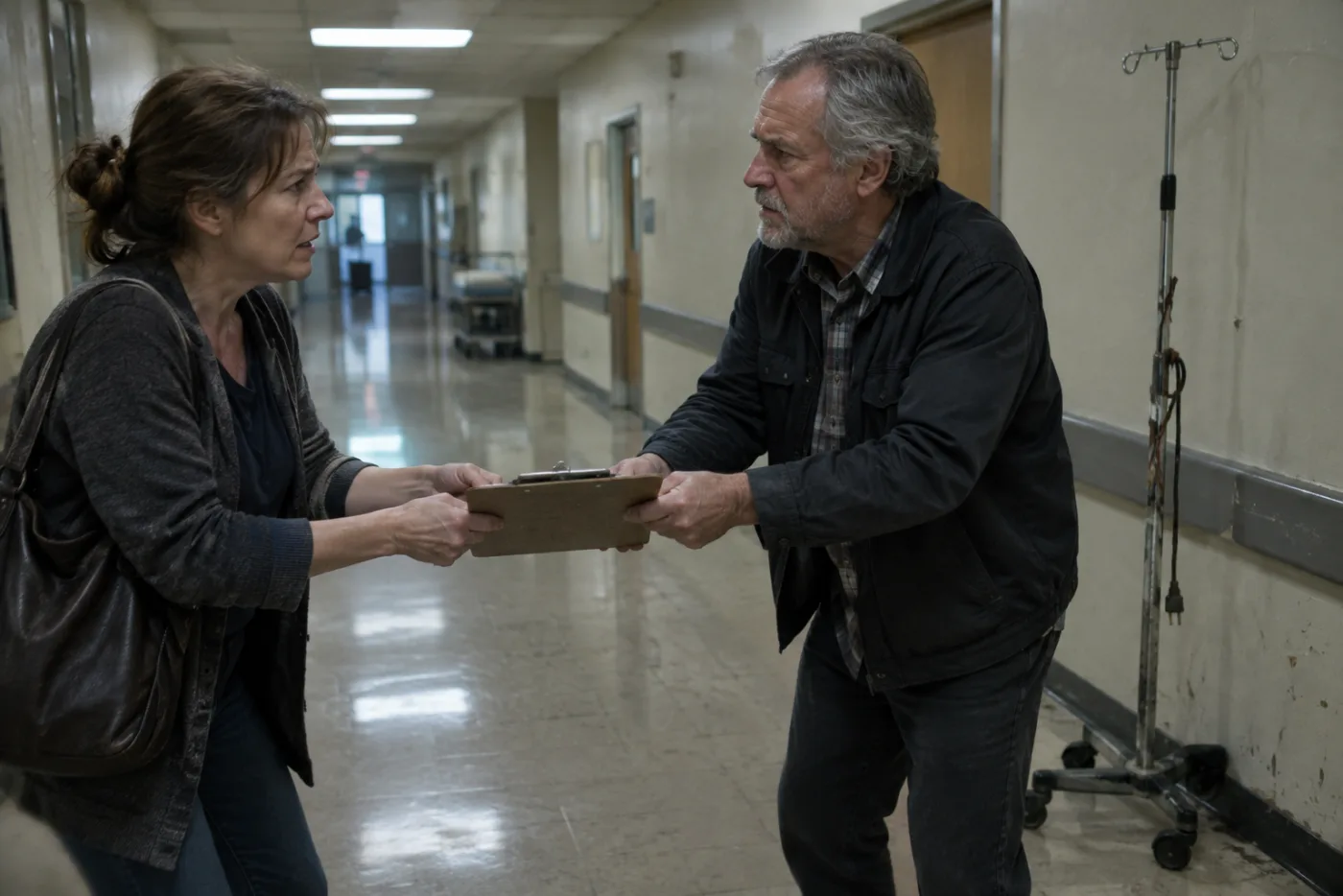
Most people assume their spouse automatically speaks for them in a hospital. Then a proxy document names someone else, or a doctor asks a grown child instead, and two people who both love the patient start disagreeing in a hallway.
This is not really about who loves the patient more. It is about who legally has the final word when two well-meaning people want different things. Hospitals need a clear answer fast, and confusion at that moment slows down care.
Decide the order now, while everyone is calm and nobody is frightened. Name a first decision-maker and a second, in writing, and tell both of them out loud. The goal is one clear voice in the room, not a vote.
6The Talk About Moving In With a Child
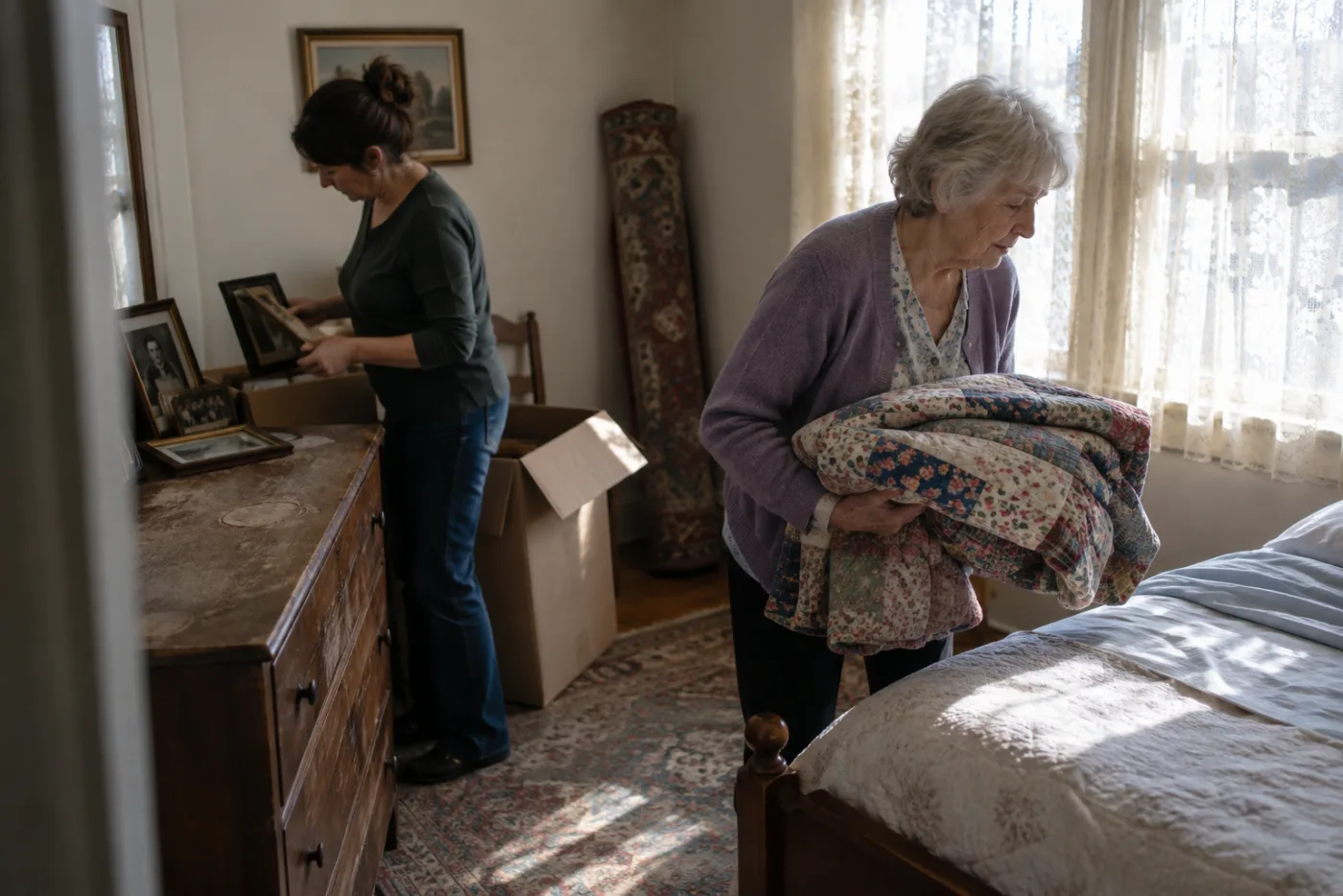
The offer usually comes from a good place. A parent needs help, a child has a spare room, and everyone assumes the details will sort themselves out once the boxes are unpacked. They rarely do.
Privacy gets negotiated in real time, which means badly. Who pays for groceries, whether the parent's furniture comes too, and what happens if the arrangement stops working for either side are all questions nobody enjoys raising early.
Raise them anyway, before the move, not after resentment has already set in. Set a rough plan for finances and personal space, and agree on a way to revisit the arrangement later. Treat it as a trial, not a life sentence.
7Who Pays for the Nursing Home
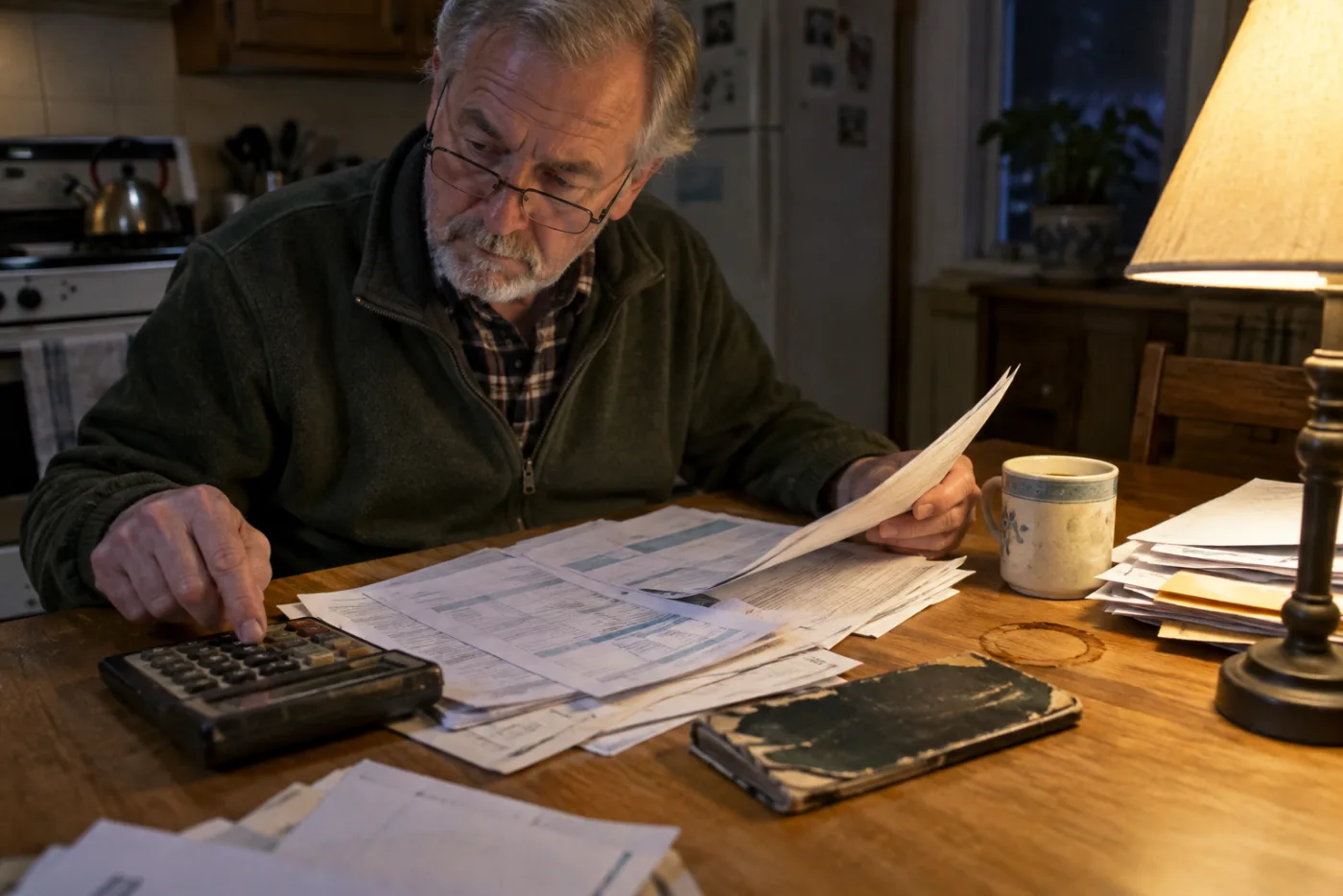
Families rarely discuss this until a placement is urgent and everyone is exhausted. By then, expectations have already formed silently, and silent expectations tend to be the ones that cause the worst fights later.
Some relatives assume the parent's own money covers everything. Others quietly expect siblings to chip in, and discover mid-crisis that nobody agrees on what fair contribution even looks like. That gap gets ugly fast under pressure.
Ask the direct question early, calmly, away from any emergency. Find out what the parent expects and what each sibling is actually willing and able to do. A clear answer now beats a resentful guess later.
8The Conversation About the Family Business After You're Gone
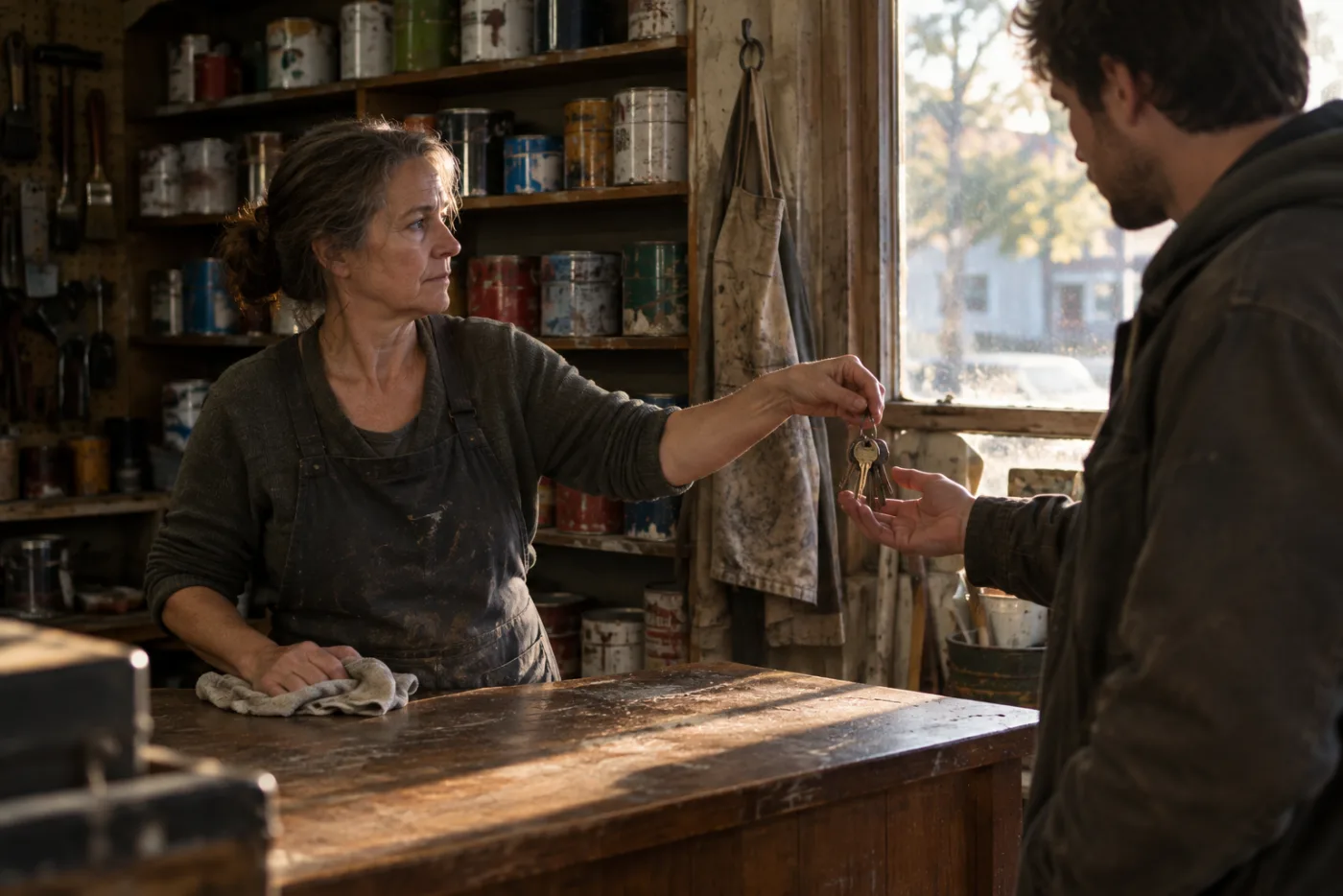
Running a business and owning one are not the same thing, and families blur this constantly. An heir who has worked the counter for years can end up reporting to a sibling who never showed up, simply because of how shares were split.
That arrangement rarely survives contact with reality. The working heir feels robbed of authority, the owning heir feels entitled to income, and the business itself becomes the battlefield for an argument that was never really about it.
Separate the two questions on purpose. Decide who runs daily operations and who holds ownership, and write both down clearly enough that nobody can later claim confusion. Do this while the founder can still explain the reasoning in person.
9What Happens to Frequent Flyer Miles and Points

People treat travel points like found money, banked for someday, forgotten in the meantime. Airlines and hotel programs see it differently, and their rules about what happens to a dormant account after the owner dies are rarely generous.
Many programs simply close the account and the balance disappears, regardless of how it was earned or how large it grew. Family members discover this while trying to redeem miles for a memorial trip, only to find nothing left to claim.
Check the actual policy for each program the person uses, and note whether points can be transferred or named to a beneficiary. Some allow it quietly if you ask the right department. Ask before it becomes urgent.
10Who Keeps the Family Recipes

A recipe card lists ingredients. It rarely explains the part that actually matters, which is technique. How long to knead, how the dough should feel, what substitution works when an ingredient is out of season.
That knowledge lives in hands and habits, not paper, and it vanishes the moment the person who holds it is no longer around to ask. Families discover this the first holiday they try to recreate a dish from memory.
Sit with that person while they cook, and write down what they actually do, not just what the card says. Ask about substitutions and timing out loud. Record it if you can, because tone and pace matter as much as measurements.
11The Talk About Driving Retirement
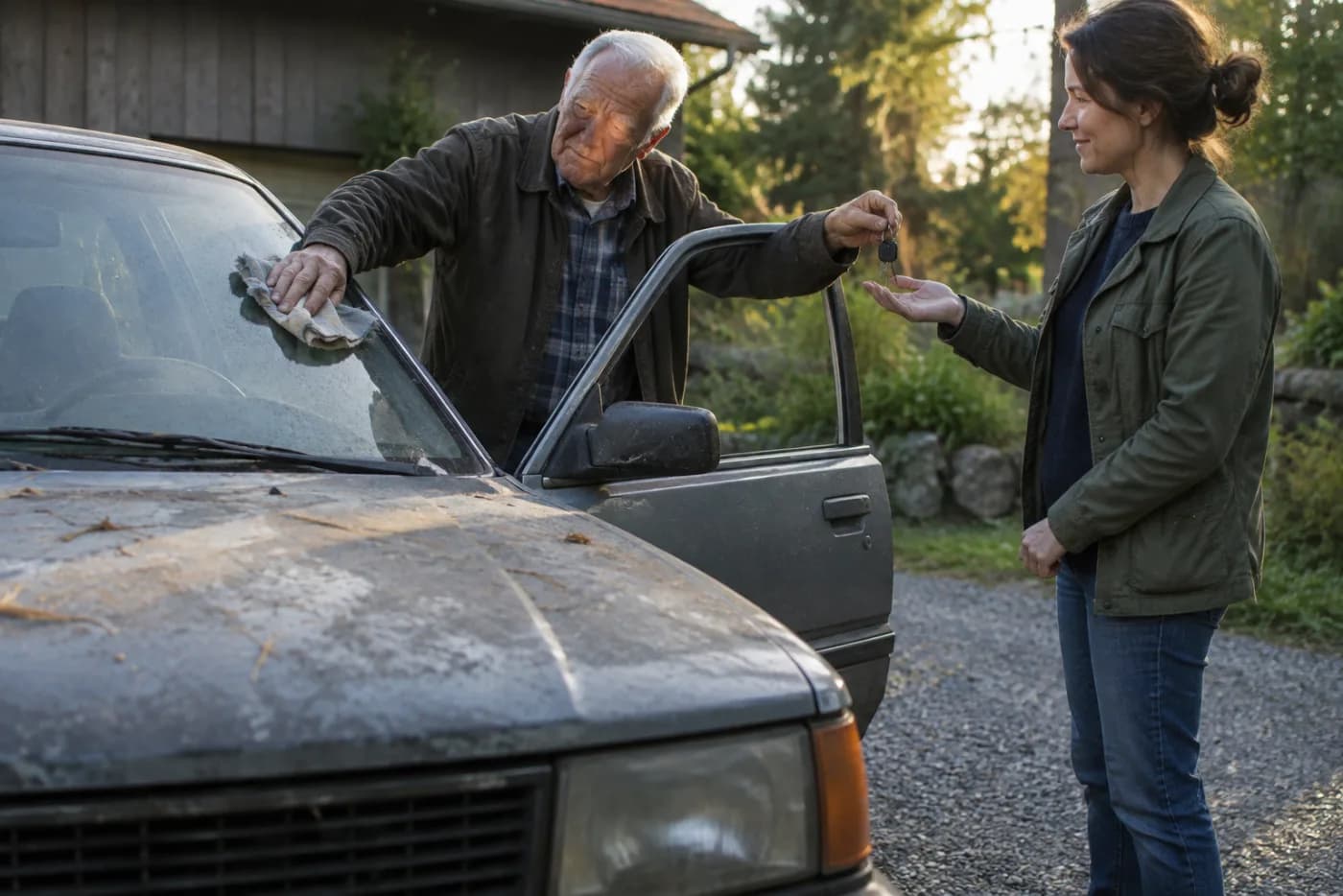
Nobody wants to be the one who tells a parent to stop driving. It feels like taking something enormous away, and most families avoid the topic until a scare forces it, which is the worst possible time to start.
Vague worry does not persuade anyone. A specific incident does. A scraped mirror, a missed turn, a near miss at an intersection everyone knows well gives the conversation something concrete to stand on instead of a feeling nobody can argue with.
Bring up the actual incident, not a general concern about age. Offer a specific alternative, like a standing ride arrangement, in the same conversation. Making it easier to say yes matters more than making the case airtight.
12What Happens to the Family Photos

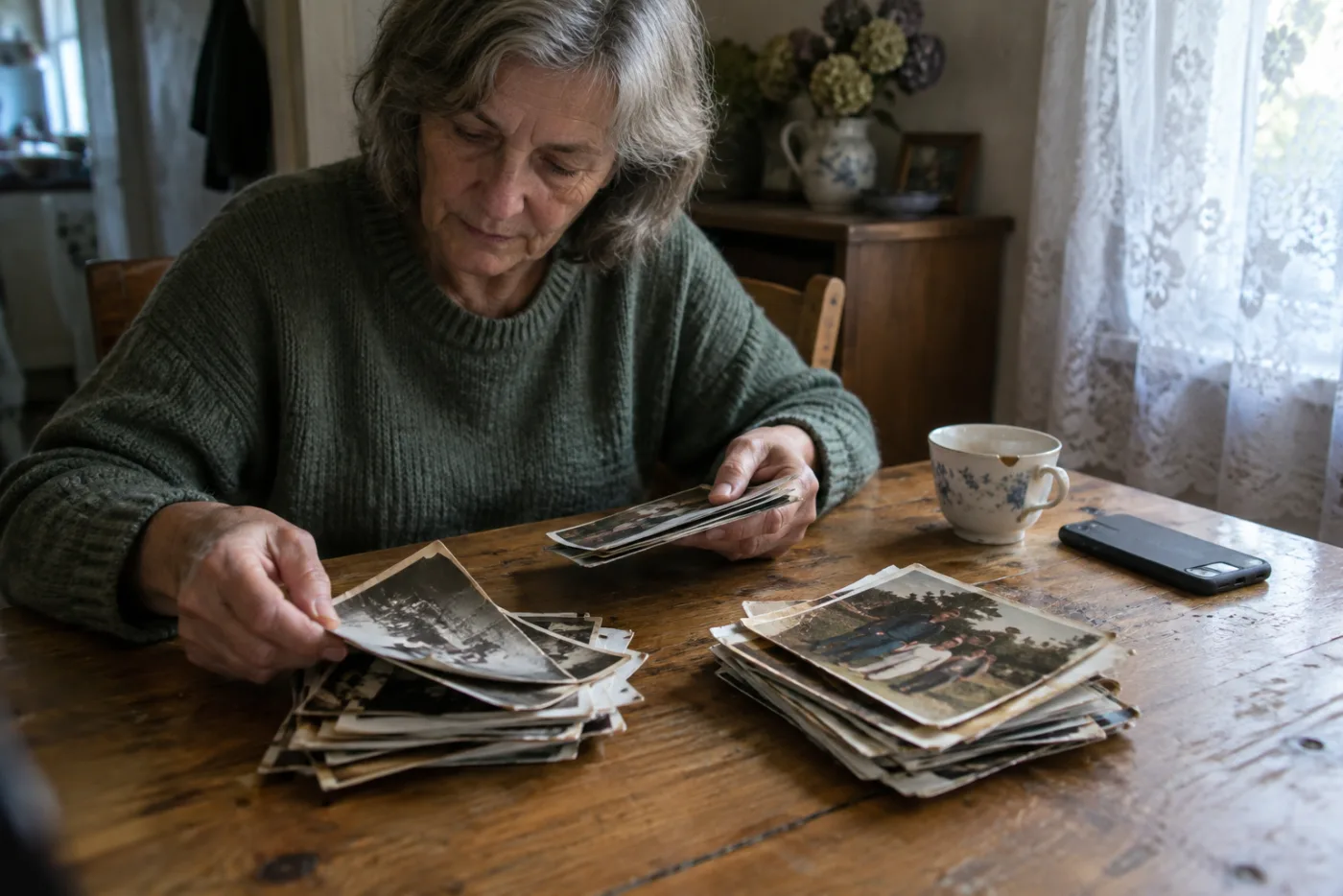
One shoebox, one hard drive, one phone. That is often where an entire family's visual history lives, and it usually sits with whichever sibling happened to be nearby when a parent started sorting through old boxes.
Everyone assumes those photos will eventually get shared around. They rarely do, because scanning and sorting takes real time, and the sibling holding the box has no particular reason to prioritize it over their own life.
Make digital copies while the original owner is still around to identify who is in each picture. Share the files with every sibling, not just the one storing the box. Do it in stages if the collection is large.
13Who Takes Care of a Sibling With Special Needs
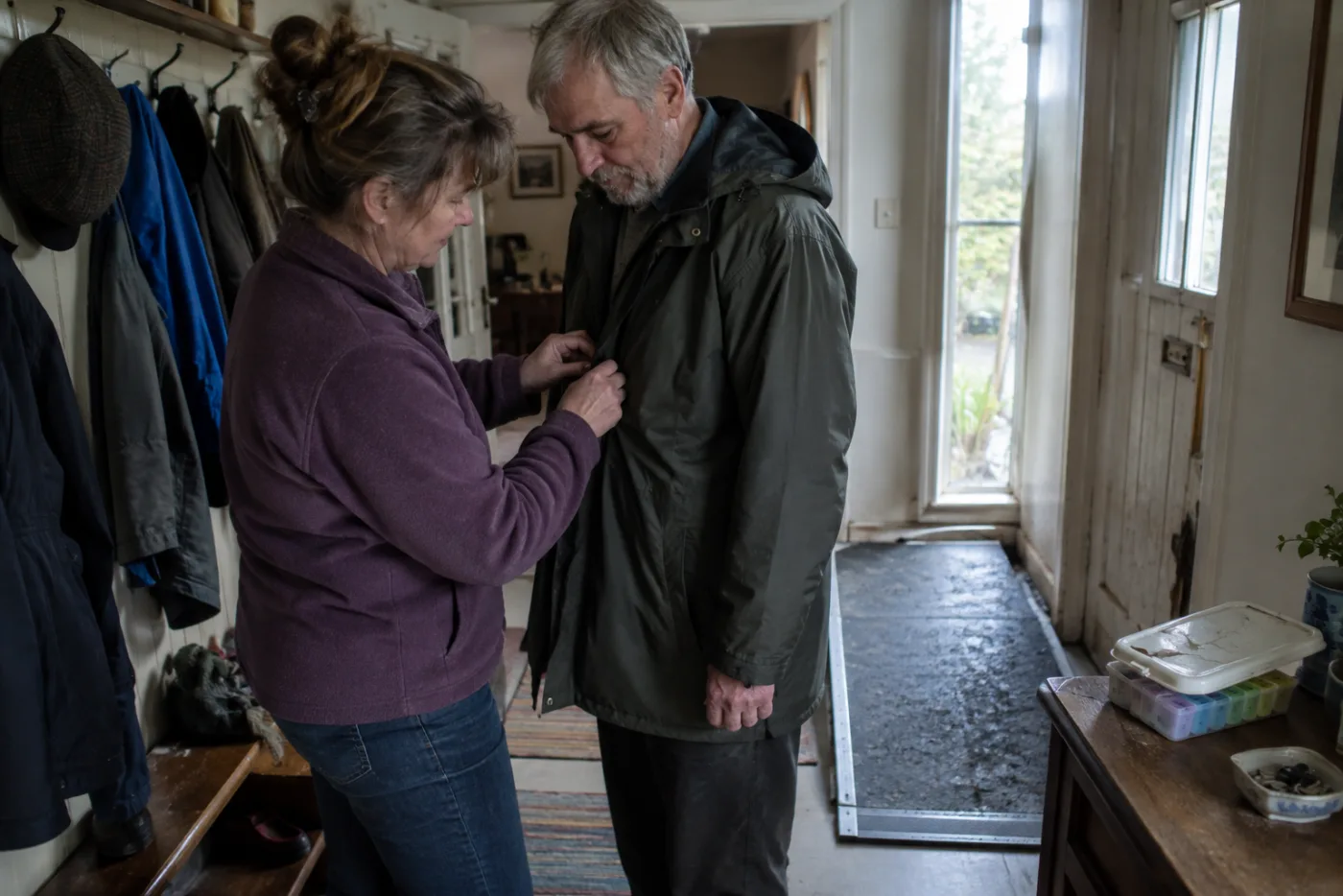
Parents of a child with lifelong needs often carry a private plan they have never said aloud. They assume another sibling will step in, without ever confirming that sibling agrees, is able, or even knows the expectation exists.
That assumption is a fragile place to leave something this important. A sibling who discovers the responsibility only after a parent is gone may feel ambushed, unprepared, or resentful of a role they never actually accepted.
Name a future caregiver directly and ask them, don't assume them. Set up a trust or formal plan with a lawyer while the parent can still guide the decisions. Revisit the plan as circumstances and abilities change over the years.
14The Conversation About Selling the House You Grew Up In

The house holds more than furniture. It holds a version of the family that does not exist anymore, which is exactly why selling it feels so much bigger than a real estate transaction to everyone involved.
Waiting until after a death to discuss this means grief and logistics collide at the same time. One sibling wants to sell immediately for practical reasons, another cannot imagine letting go yet, and both reactions are completely reasonable.
Talk about timing and attachment before that moment arrives. Ask the parent what they would want done with the house, and ask siblings how they genuinely feel about it. Nobody should be discovering these feelings for the first time at a funeral.
15Who Gets to Say Goodbye First

Hospital rooms have limited space and limited time, and families rarely discuss who should be there in the final hours until they are standing in the hallway arguing about it. That argument helps no one, especially not the person dying.
Old rivalries and old hurts tend to resurface exactly here, dressed up as concern about who deserves priority access. A sibling who felt sidelined for years can suddenly insist on being first, regardless of what the dying person actually wanted.
Ask the person directly, while they can still answer, who they want present and in what order. Write it down and tell the family calmly, ahead of time. A hospital room should not become a battleground over old scores.
16What Happens to Joint Bank Accounts When One Spouse Dies
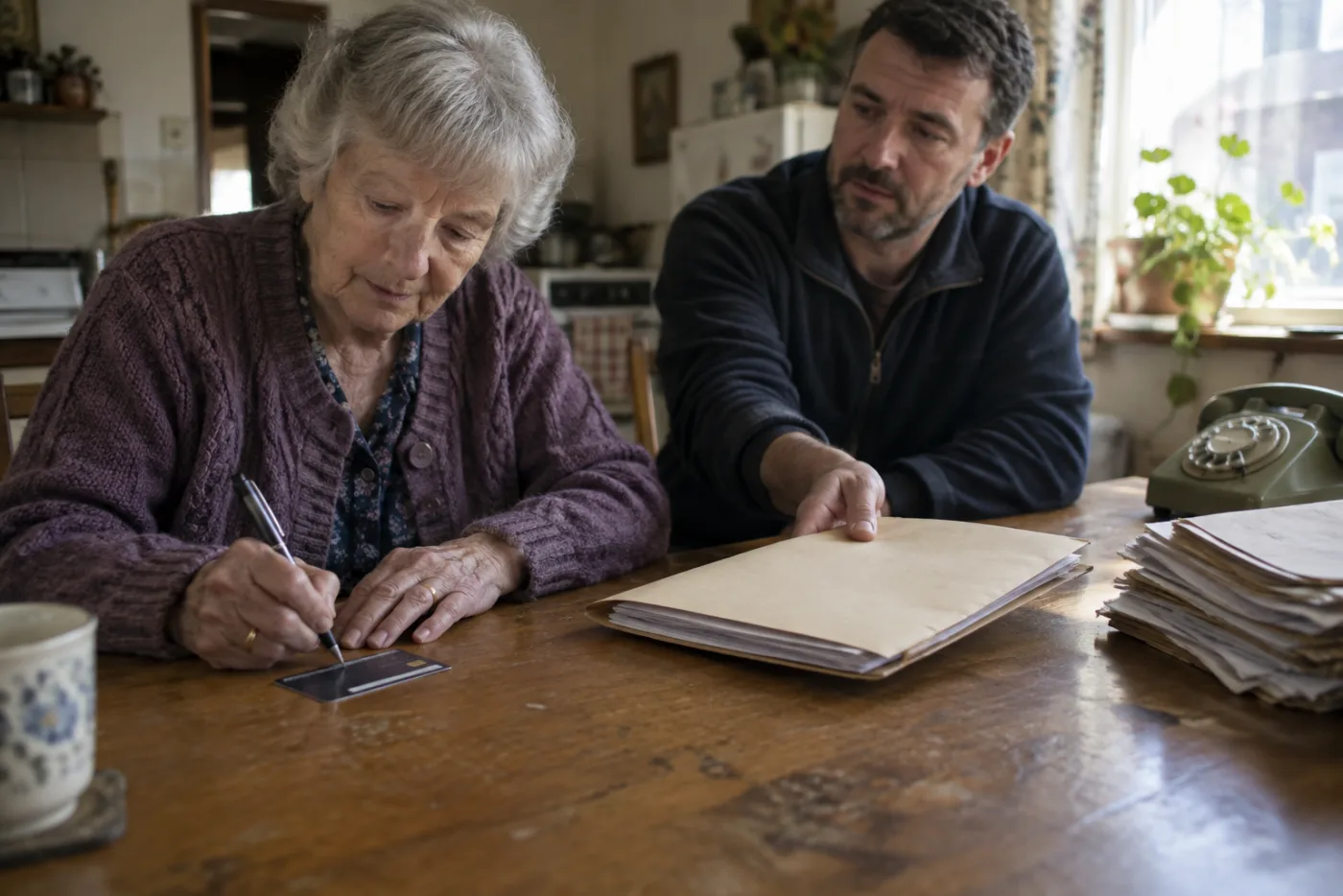
Couples assume a joint account belongs equally and automatically to whoever survives. Banks do not always move that fast, and an account can be frozen or flagged the moment the institution learns of a death, regardless of whose name is also on it.
That freeze often lands during the worst possible week, right when funeral costs and daily bills are both due. A surviving spouse can find themselves locked out of money that was, in every practical sense, already theirs.
Ask your bank directly what its actual policy is on joint accounts after a death. Keep a separate account with individual access as a backup cushion. A little redundancy here prevents a genuinely stressful gap in household cash flow.
17The Talk About Remarriage After Loss

A parent finding love again after losing a spouse is, for most families, a genuinely good thing. It is also the moment inheritance questions quietly get more complicated, whether anyone wants to admit that or not.
Children from the first marriage may worry about their inheritance shifting toward a new spouse or their family. Left unspoken, that worry curdles into suspicion of a person who may have done nothing wrong at all.
Raise the financial questions directly, ideally before the wedding, not after. Ask what happens to the estate, and whether existing plans need updating to reflect the new family shape. A clear answer early prevents a quiet grudge later.
18Who Inherits the Debt
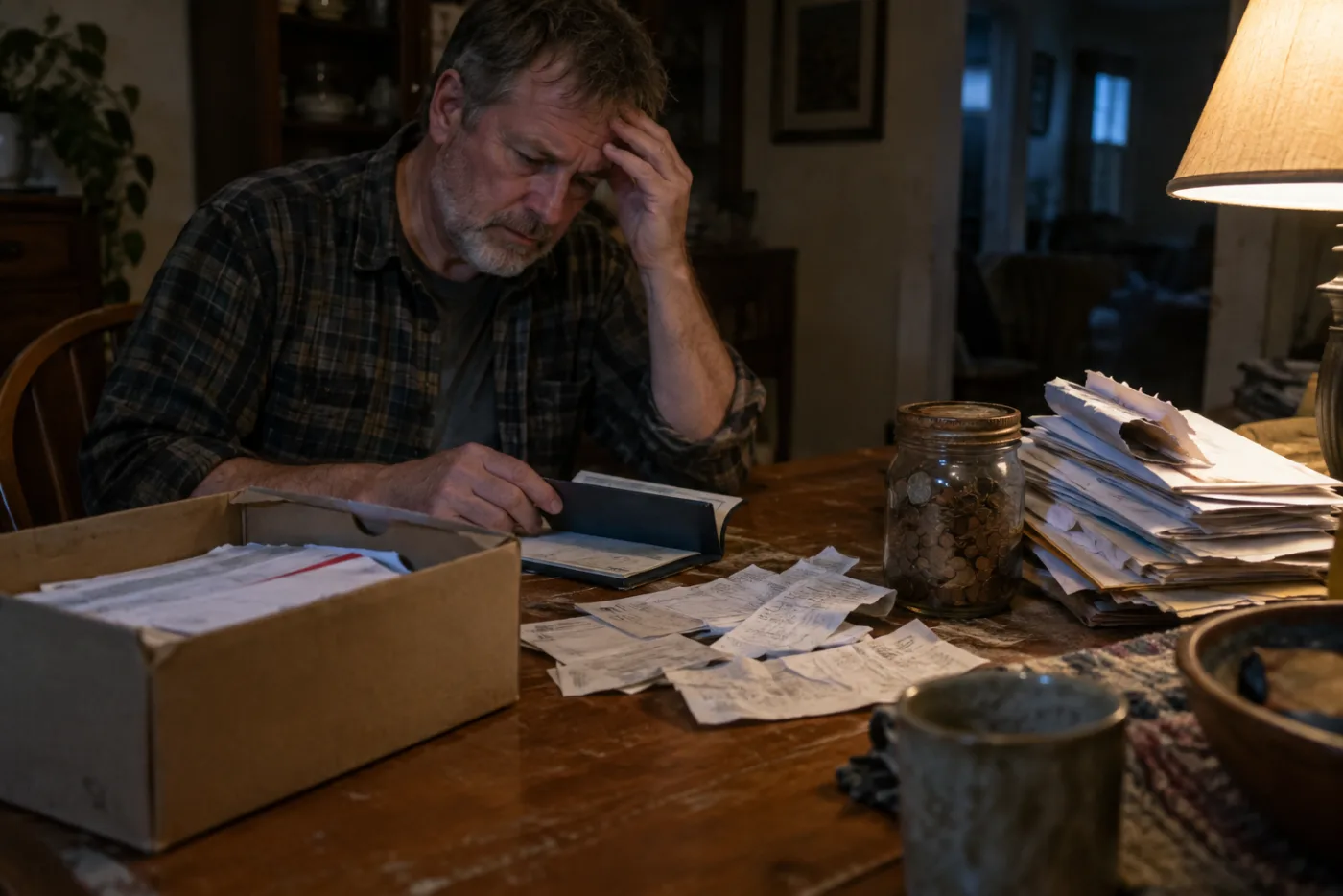
A rumor persists that children automatically inherit their parents' debt. Mostly this is not true, and believing it causes families to make frightened decisions based on a myth nobody bothered to check before acting on it.
What actually happens is that debts are typically settled from the estate itself before anything is distributed to heirs. Certain debts, like those with a co-signer, are the exception, and that distinction matters enormously to whoever is listed there.
Find out specifically which debts exist and whether anyone co-signed anything. Ask directly rather than guessing from family rumor or half-remembered advice from a friend. Clear facts prevent both needless panic and needless generosity toward debt collectors.
19What Happens to Subscriptions and Memberships
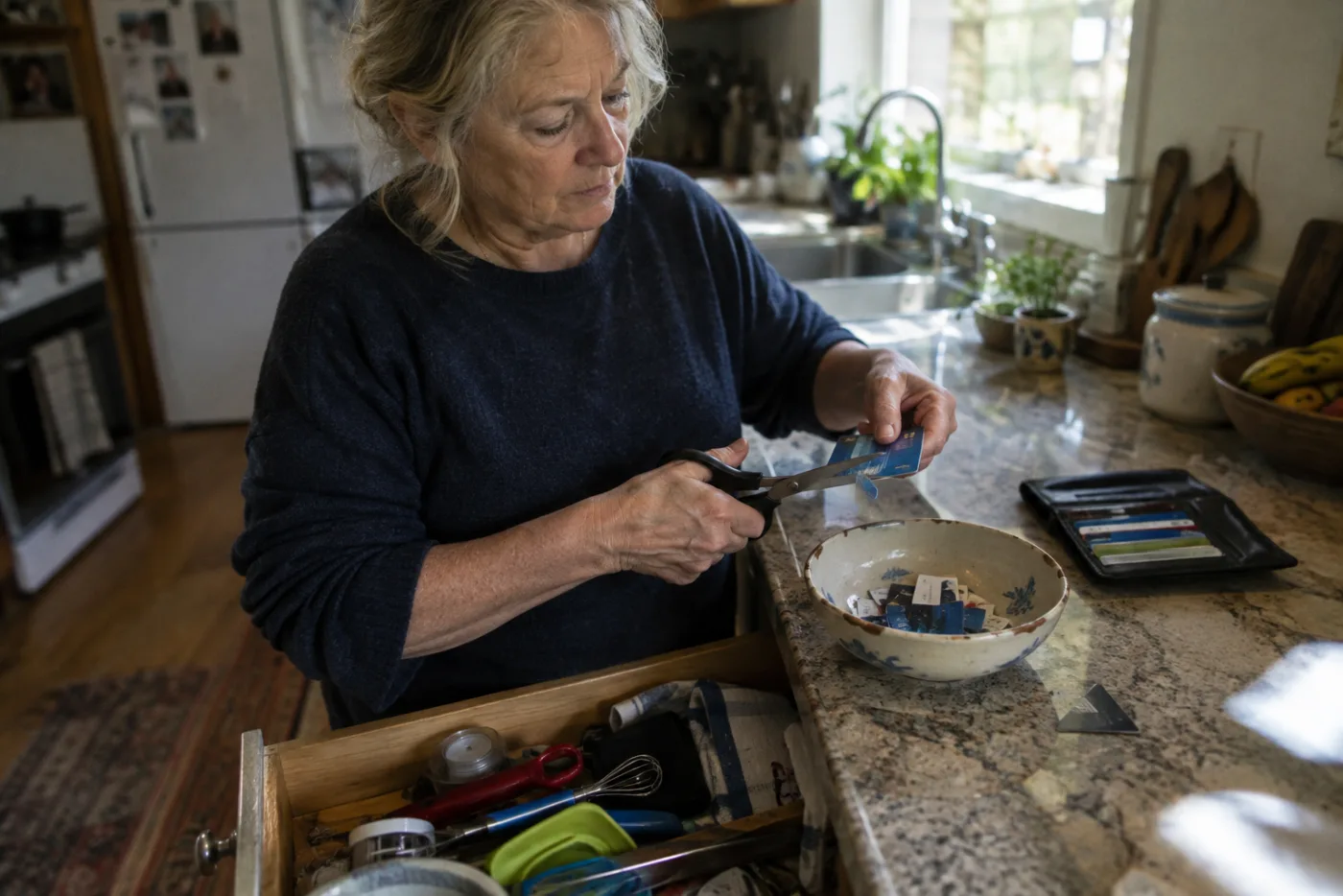
Streaming services, gym memberships, storage units, club dues. These small recurring charges rarely cross anyone's mind until a family is closing out a deceased relative's accounts and discovering charges nobody remembers approving in the first place.
Cards keep getting billed because nobody knew the subscription existed, let alone how to cancel it. Some services require a phone call from the account holder directly, which becomes an awkward impossibility once that person is gone.
Compile an actual list of recurring charges while the person is alive to help build it. Include login details and cancellation steps where you can find them. Review the list together once a year so it stays current.
20The Conversation About Who Officiates the Funeral
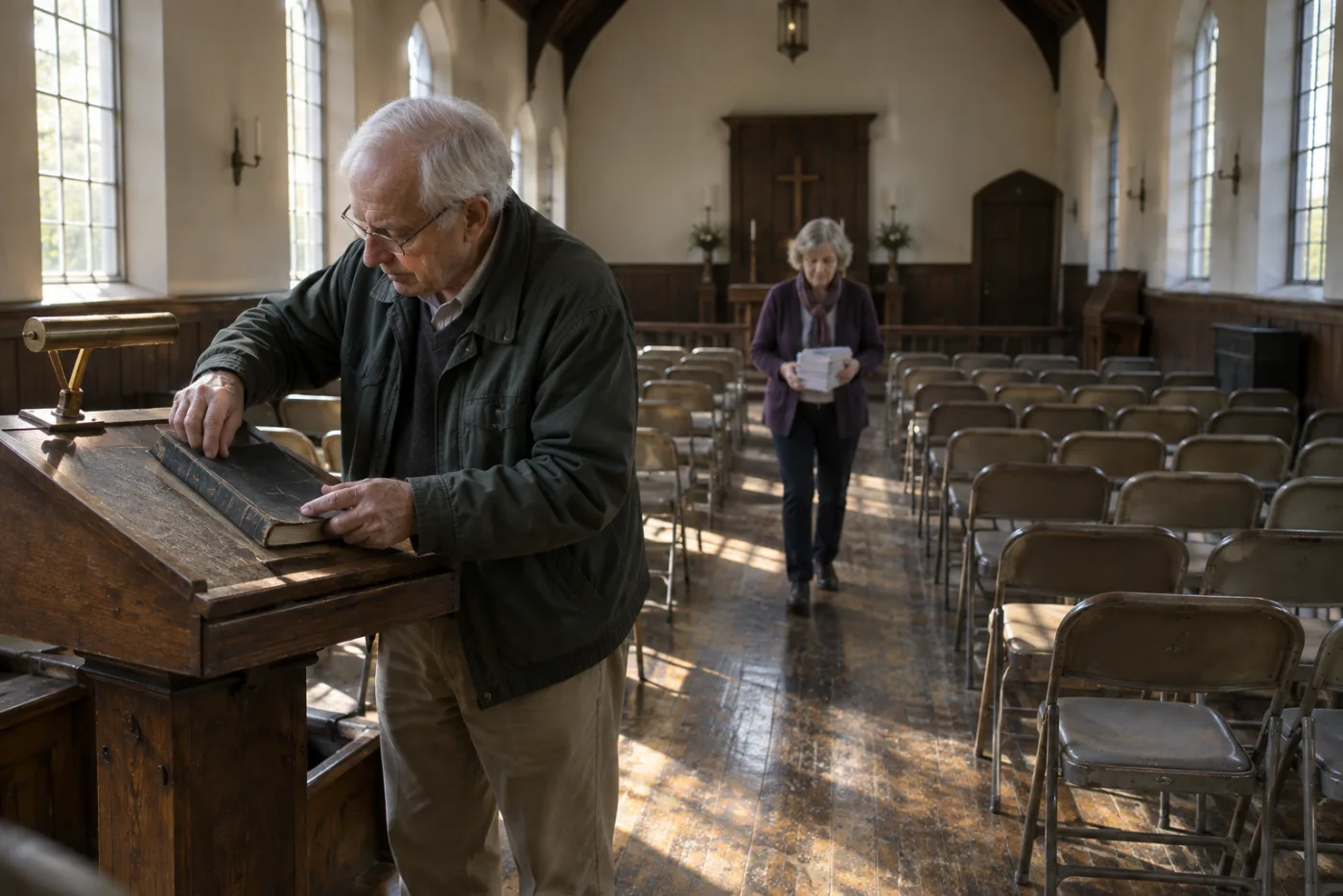
Families sometimes discover, standing in a funeral home, that they have no idea whether the person who died wanted a religious service, a secular one, or something in between entirely. Everyone guesses based on how that person lived, which is not the same as knowing.
Guessing wrong does not just create logistics problems. It creates a lingering sense that the send-off did not actually match the person, which sits badly with the family for a long time afterward.
Ask directly, in plain terms, what kind of service the person actually wants. Note a preferred officiant or tradition if there is one, and where to find that person's contact information. Settling this ahead removes one entire category of guessing from an already hard day.
21Who Decides When It's Time for Hospice
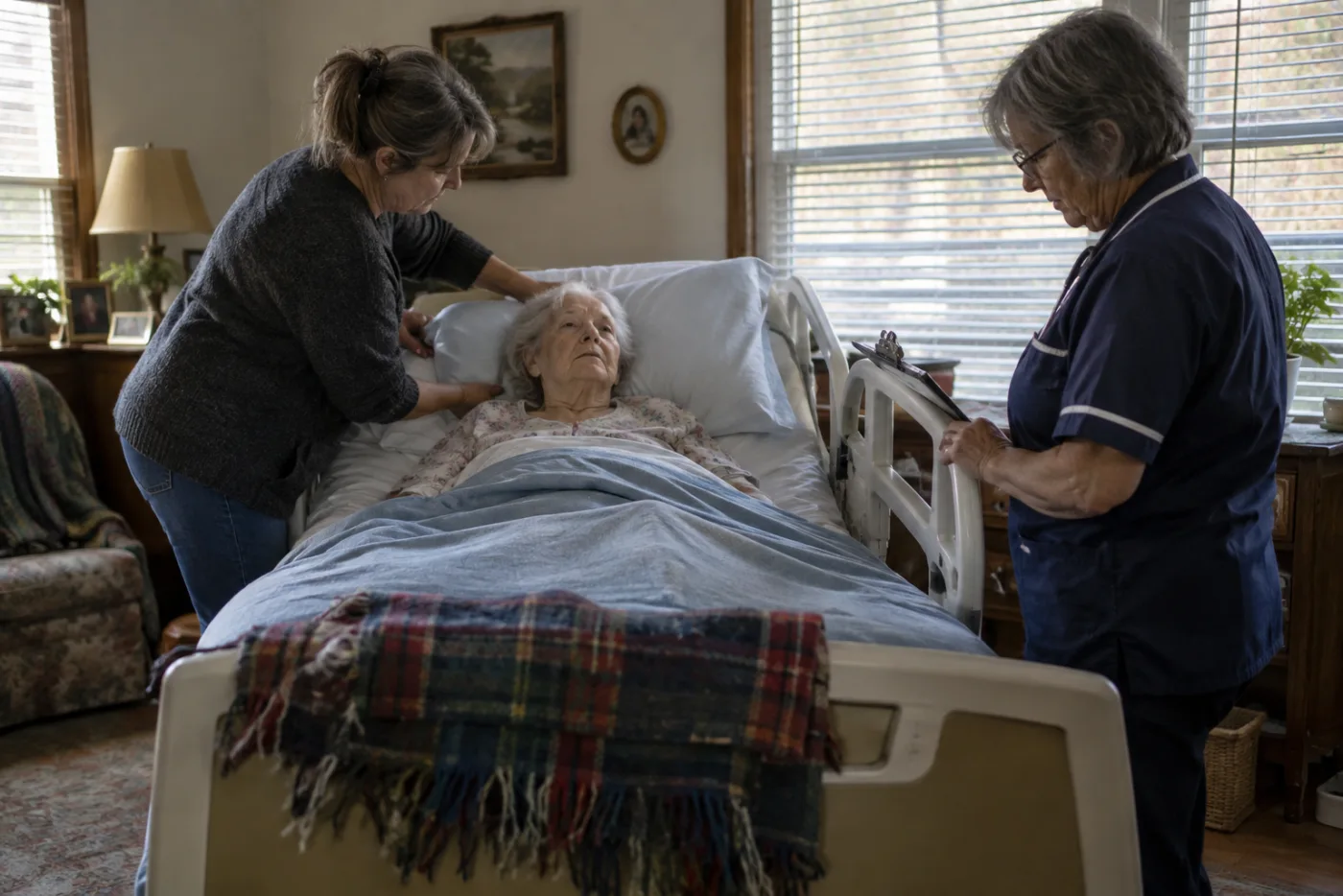
Families often picture hospice as a single dramatic decision made in a doctor's office. In practice it is usually a slow shift, and by the time a doctor raises it, relatives are frequently caught off guard and unprepared to answer.
Different family members may have very different thresholds for what counts as the right moment. One sibling wants every possible treatment tried, another wants comfort prioritized sooner, and neither position is unreasonable on its own.
Discuss the specific triggers and preferences well before a crisis forces the question. Ask the person what quality of life they consider acceptable, and at what point they would want to shift focus. Write the answer down so memory does not have to carry it alone.
22What Happens to the Safe Deposit Box
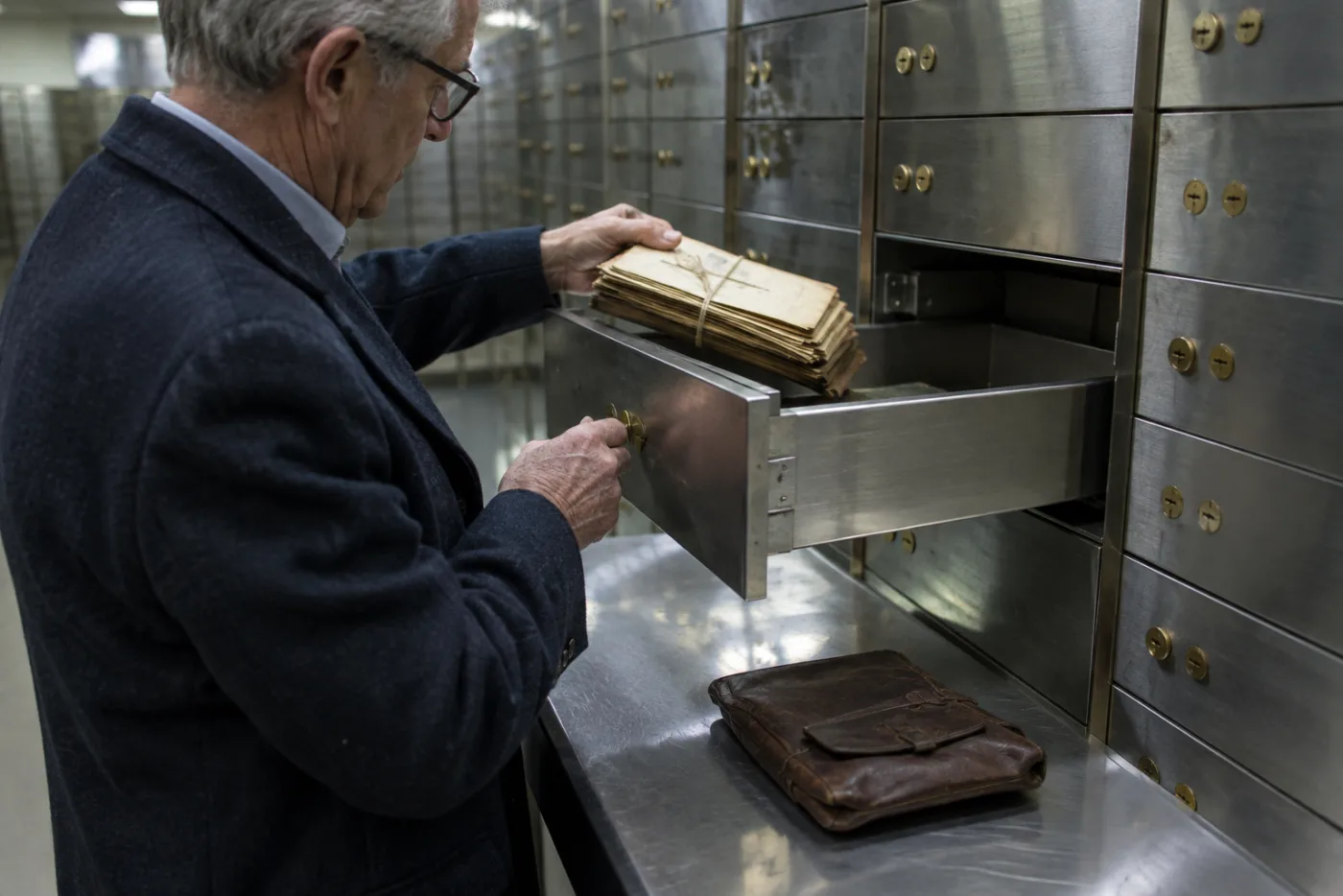
A safe deposit box feels secure right up until someone actually needs to open it. Banks have specific rules about who is legally allowed access, and a name on the family tree is not automatically a name on the paperwork.
Families sometimes learn this the hard way, discovering that the box holding a will or deed cannot be opened by the very people who need what is inside it. That delay can hold up other decisions that depend on those documents.
Find out now who is legally authorized to access the box, and add another name if the bank allows it. Share the box's location and key or code with that person directly. Do not let the contents become as inaccessible as the problem they were meant to solve.
23The Talk About Unequal Inheritance
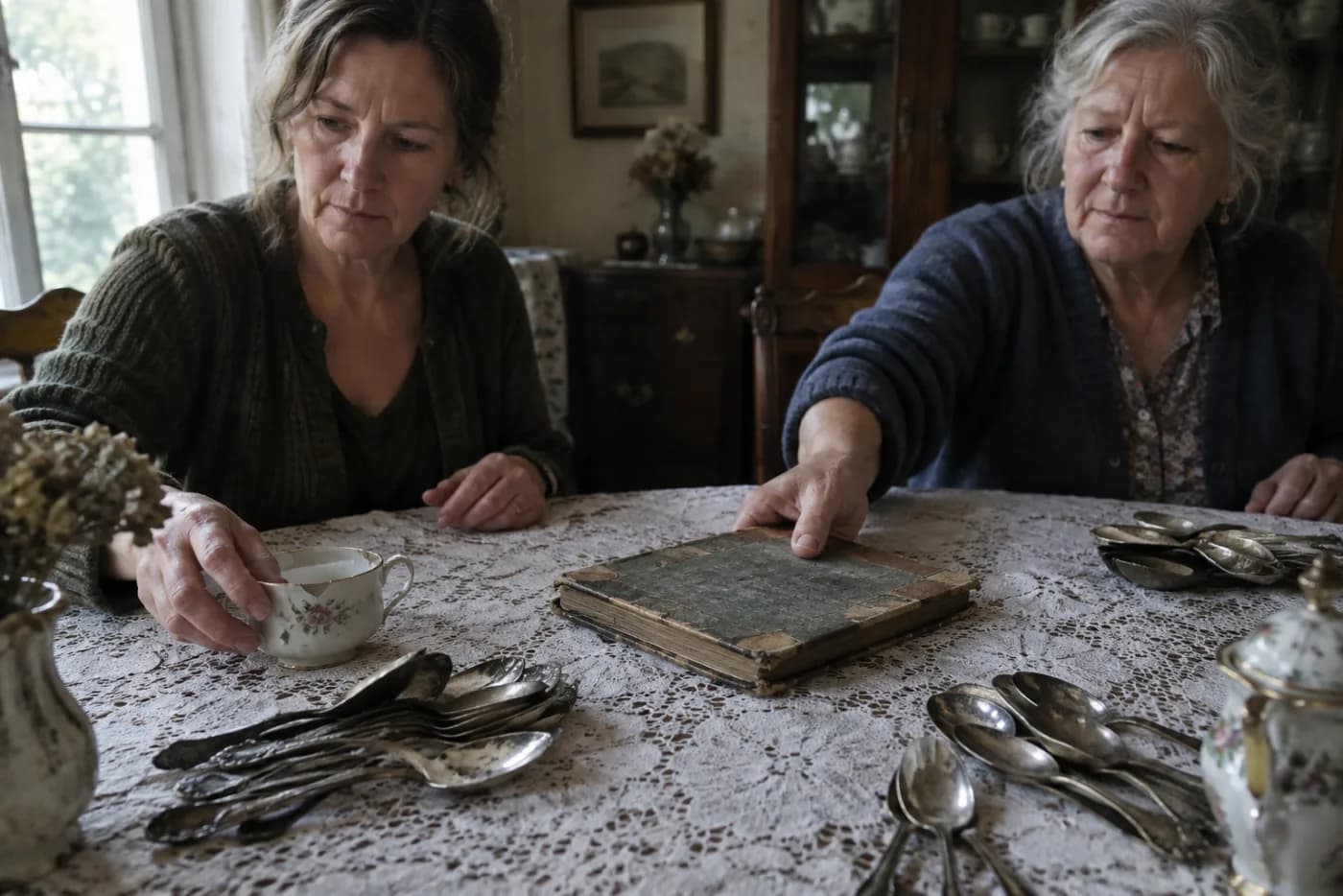
An uneven inheritance almost always has a reason behind it. One child provided years of caregiving, another received help earlier in life, or circumstances simply differ. The reasoning rarely gets explained to the people it affects most.
Left unexplained, an uneven split reads as favoritism, and that reading tends to stick permanently. Siblings who might have understood the logic instantly are instead left constructing their own explanation, and their version is usually harsher than the truth.
Say the reasoning out loud while the parent making the decision is still alive to say it. A short honest conversation prevents years of quiet resentment. Let the explanation come from the source, not from speculation after the fact.
24Who Gets Custody of the Grandchildren If Something Happens
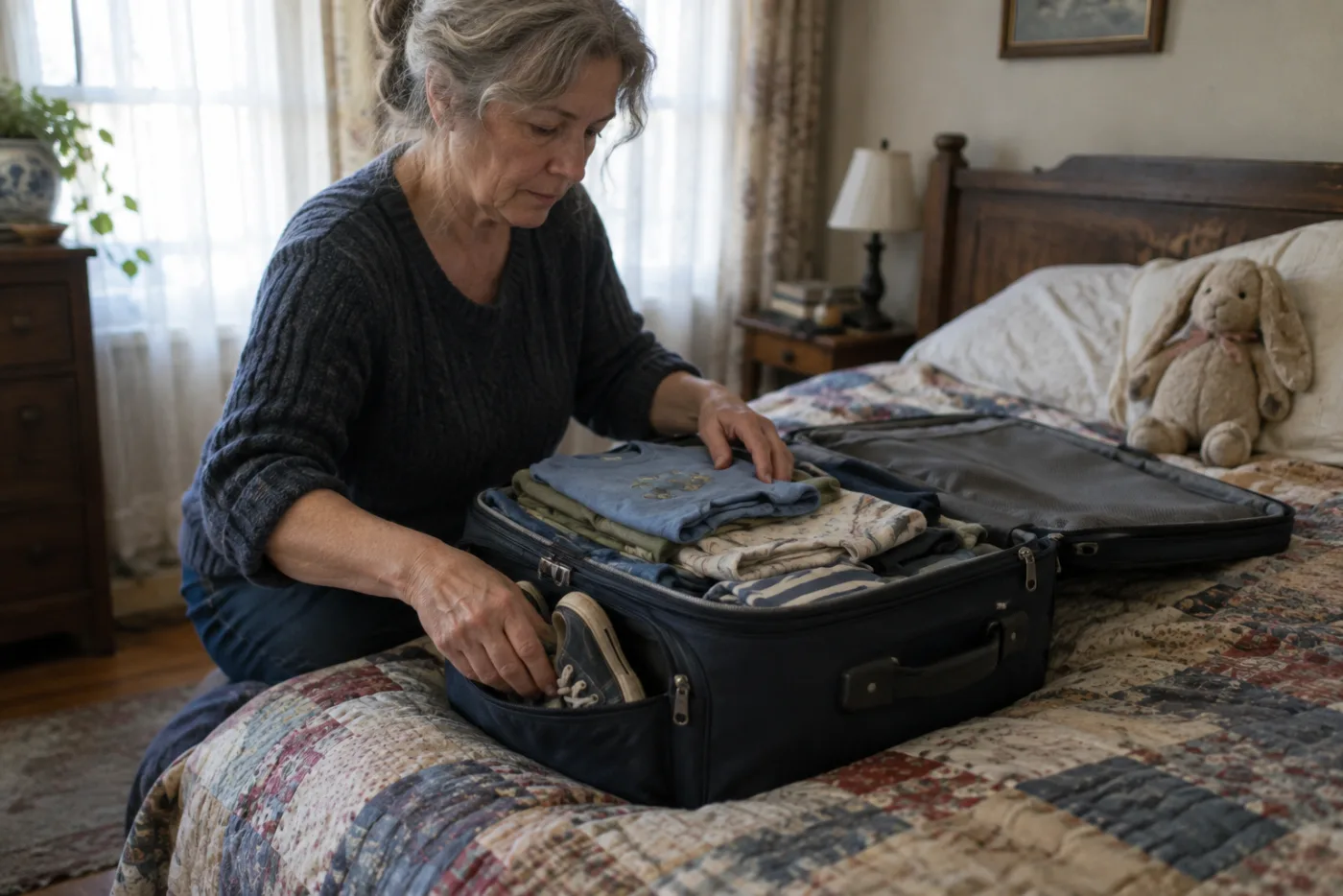
Grandparents sometimes assume that if anything ever happened to their adult child, custody arrangements would simply sort themselves out through obvious family logic. Courts do not work off assumptions, and obvious to one relative is not obvious to a judge.
Without documentation, deciding who raises grandchildren can become a drawn-out legal process at the exact moment a family can least handle one. Relatives who seemed like natural choices may have no actual standing to make that claim.
Document backup guardianship wishes now, even while the parents are healthy and clearly present. Discuss it openly with the people who might be named. A plan on paper protects children far better than a plan everyone simply assumed existed.
25What Happens to Social Media Accounts

An account left active after someone dies becomes a strange kind of ghost. Birthday reminders keep firing, old photos keep surfacing, and family members are left deciding whether to memorialize, delete, or simply leave it alone.
Most platforms have settings for exactly this situation, but almost nobody sets them up in advance. Without a chosen legacy contact, family members are often stuck proving their relationship to a company that has no reason to trust their word.
Look up the legacy contact or memorialization settings for accounts that matter, and choose someone directly. Record preferences about whether the account should stay up or come down. A small setting now saves a confusing decision made under grief later.
26The Conversation About Where You Want to Die
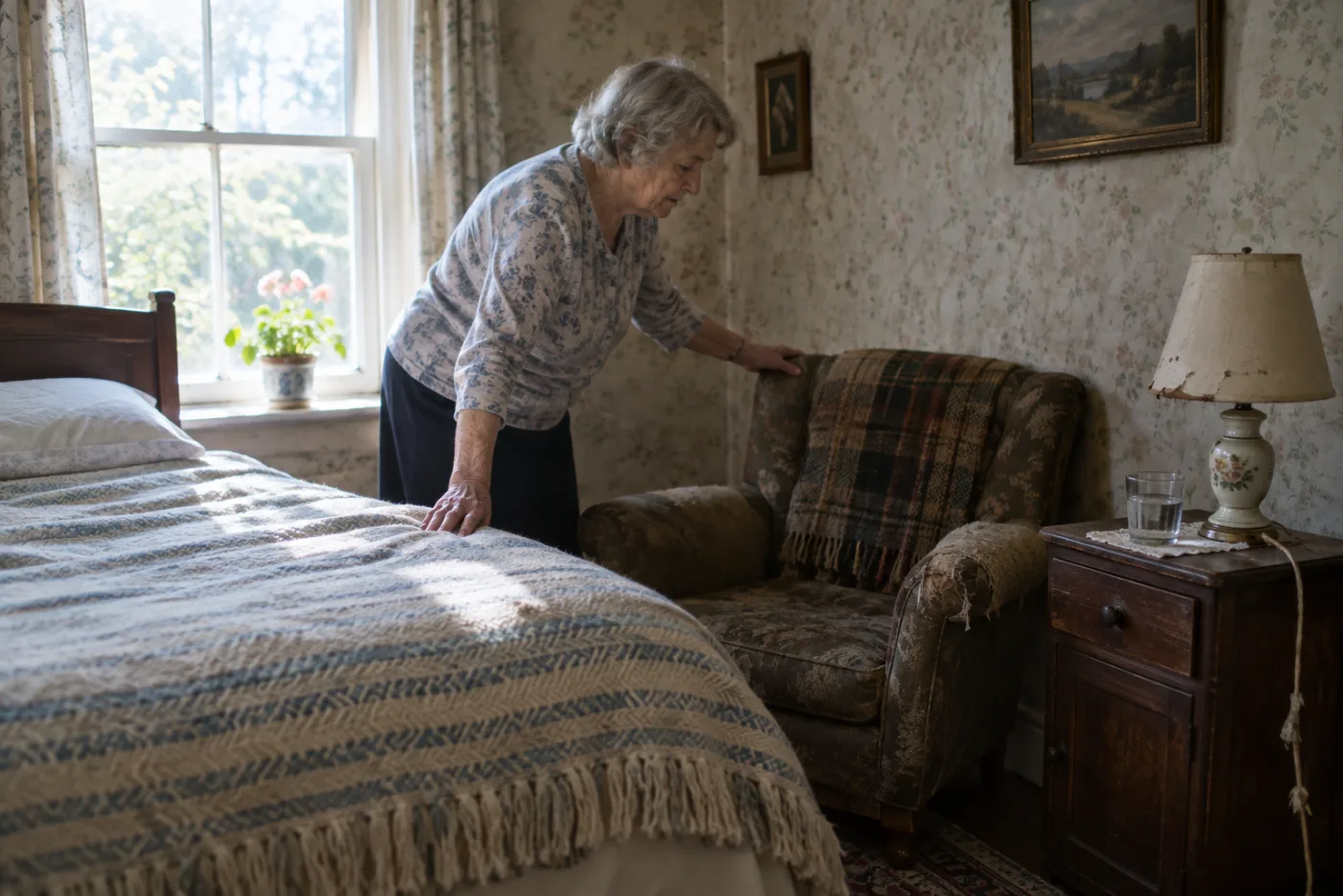
Most people have a clear preference between dying at home, in a hospital, or somewhere else entirely. Very few actually say this out loud, so families end up guessing under pressure at the worst possible moment to be guessing.
Doctors and hospitals default toward aggressive intervention unless told otherwise, which is not necessarily wrong, but it is not necessarily what the person would have chosen either. Silence gets treated as consent by default.
State the preference clearly, to more than one person, while there is no urgency attached to the conversation. Write it down alongside other care wishes so it survives beyond memory. Family should not be forced to guess something this personal.
The bottom line
None of these talks need a lawyer in the room or a special occasion to start them. They need someone willing to say "can we just talk about this" at an ordinary dinner. Start with the smallest one on this list. The rest gets easier.
Margaret Hale
Travel & Lifestyle Editor
Margaret has covered travel for 25 years and has ridden every long-distance train route in the U.S. at least once.
Most read
You might also like