What People Often Misunderstand About Aging In Place
Most planning for aging in place focuses on grab bars and ramps, missing the bigger mistakes that only become obvious once moving is no longer easy.
By David Ruiz, Tech & Home Writer
Updated · 16 min read
- Written by our tech & home writer
- How we review
The walk-in tub gets installed. The grab bars go up in the shower. Everyone feels better, and then a different problem shows up: the laundry is still in the basement, the only full bathroom is upstairs, and the driveway ices over every winter. The fixes were real, just aimed at the wrong list.
That gap between what people prepare for and what actually forces a move later is where most of the confusion lives. Aging in place gets treated like a bathroom project when it is really a whole-house question, and a neighborhood question, and sometimes a money question nobody wants to ask out loud. Here is what tends to get misjudged, and why.
1It Is Not A Single Project
People often picture aging in place as one big fix, a season of contractors and then it is done. That mindset sets up disappointment. The truth is closer to ongoing maintenance than a finished renovation.
What works for a body at one stage stops working a few years later, quietly and without announcement. A chair that was fine to rise from becomes harder. A step that never registered becomes a hazard. Nobody flags the exact moment it happened.
The better approach is to treat the home as something you revisit on purpose, not something you finish and forget. Build in a habit of checking, every so often, whether the house still fits how you move now. Treat the plan as living, not archived.
2It Is Not Only About The Bathroom
The bathroom gets all the attention because falls there feel dramatic and obvious. That focus leaves other rooms quietly neglected. Kitchens, entryways, bedrooms, and laundry areas carry just as much daily risk and daily friction.
Think about how many times a day you open a cabinet, cross a threshold, or carry something down a hallway. Those repeated small movements matter more than any single dramatic moment. A kitchen you cannot reach into safely is a problem every single day.
Widen the lens past the one room everyone mentions first. Walk through your entryway, your bedroom, your laundry space, and ask the same questions you would ask about a bathroom. The rooms that get ignored are often the ones causing the most quiet strain.
3A One-Story Home Is Not Automatically Safe
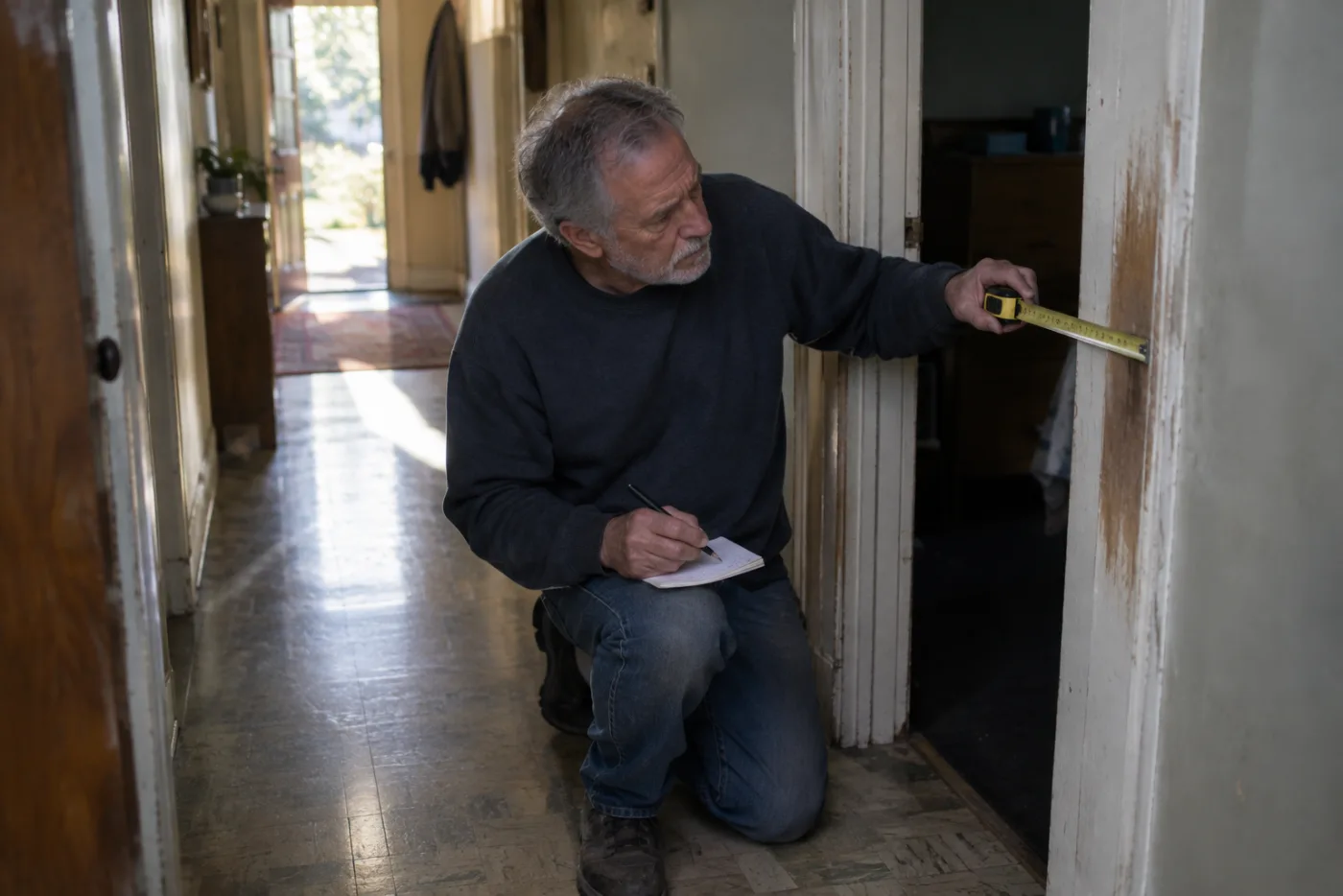
People assume a ranch-style house solves the aging in place problem simply by having no stairs. That assumption skips over everything else that can go wrong inside a single level. Narrow hallways and heavy doors do not care how many floors a house has.
A single-story house can still have thresholds high enough to catch a foot, hallways too narrow for a walker, and lighting so dim that a familiar room feels unfamiliar at night. None of that shows up in a real estate listing. It only shows up in daily use.
Do not let the absence of stairs stand in for a full evaluation. Walk the house the way you actually move through it, at the times of day you actually use it. A flat floor plan is a start, not a finish.
4The Front Entrance Matters More Than People Think
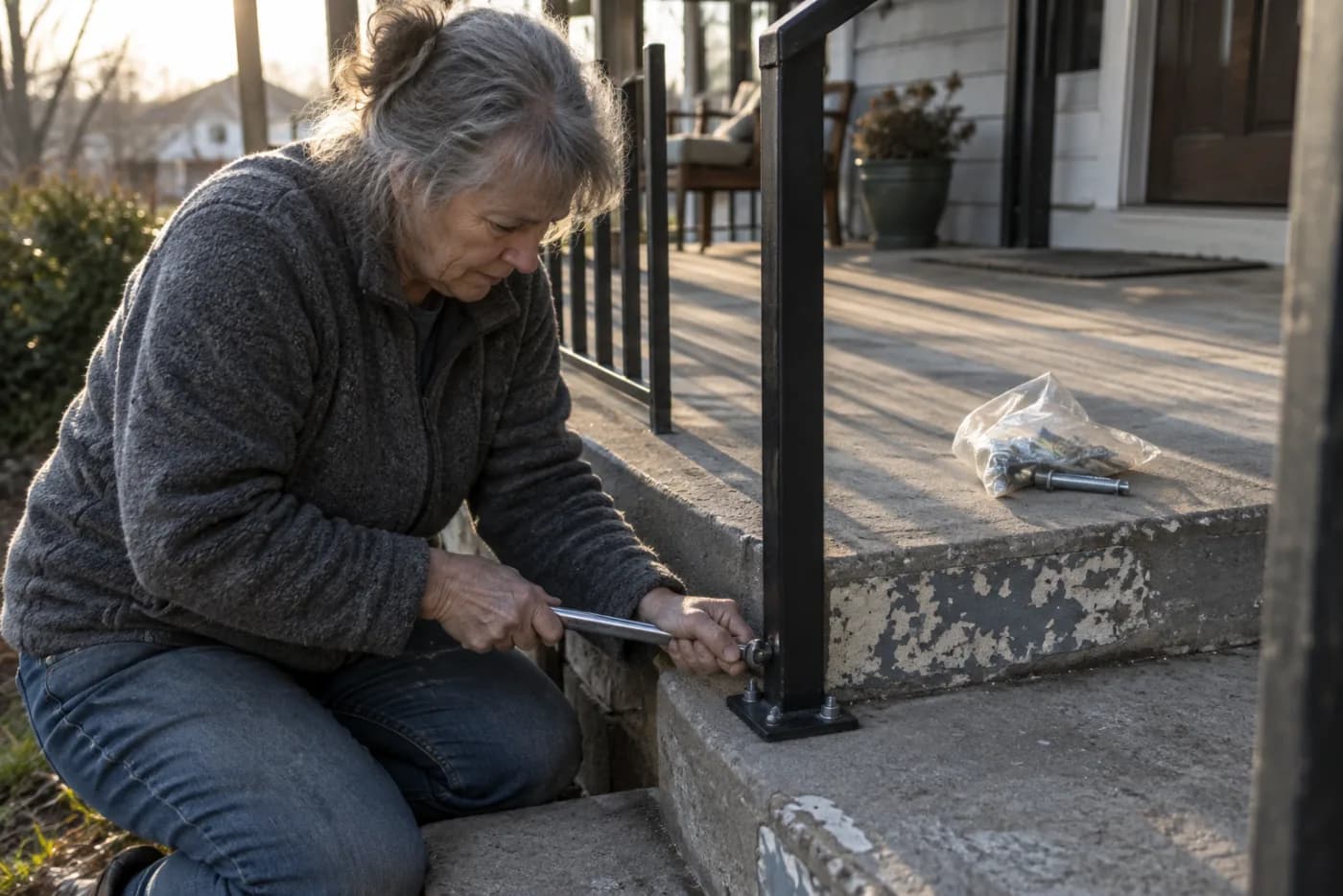
People plan for the inside of the house and forget that the first challenge of every outing happens at the front door. Steps, uneven walkways, and heavy doors greet you before anything indoors does. If that barrier is hard, everything past it becomes harder to reach.
A walkway that has shifted over the years, a step that was always a little too tall, a door that needs real force to open. These become the daily toll paid before you have even left for the car. Visitors notice it too, which changes who bothers to stop by.
Treat the entrance as its own project, separate from the rest of the house. Test the path from curb to door the way a tired person would, not the way a confident one would. The front of the house sets the tone for everything after it.
5Family Will Not Automatically Be The Caregivers

Plans often lean on an unspoken assumption that a son, daughter, or spouse will simply be there when help is needed. That assumption skips a conversation that should happen out loud. Distance, jobs, health, and plain capacity all shape whether that help is realistic.
A relative who lives close now might move. A spouse offering support might develop needs of their own at the same time. The people counted on for daily help are often already stretched thin by their own lives, whether or not that gets said directly.
Ask the actual people involved what they can offer, rather than deciding for them. Build in backup that does not depend on one person's availability. A plan resting on a single assumed helper is not really a plan.
6Staying Put And Staying Independent Are Not The Same Thing
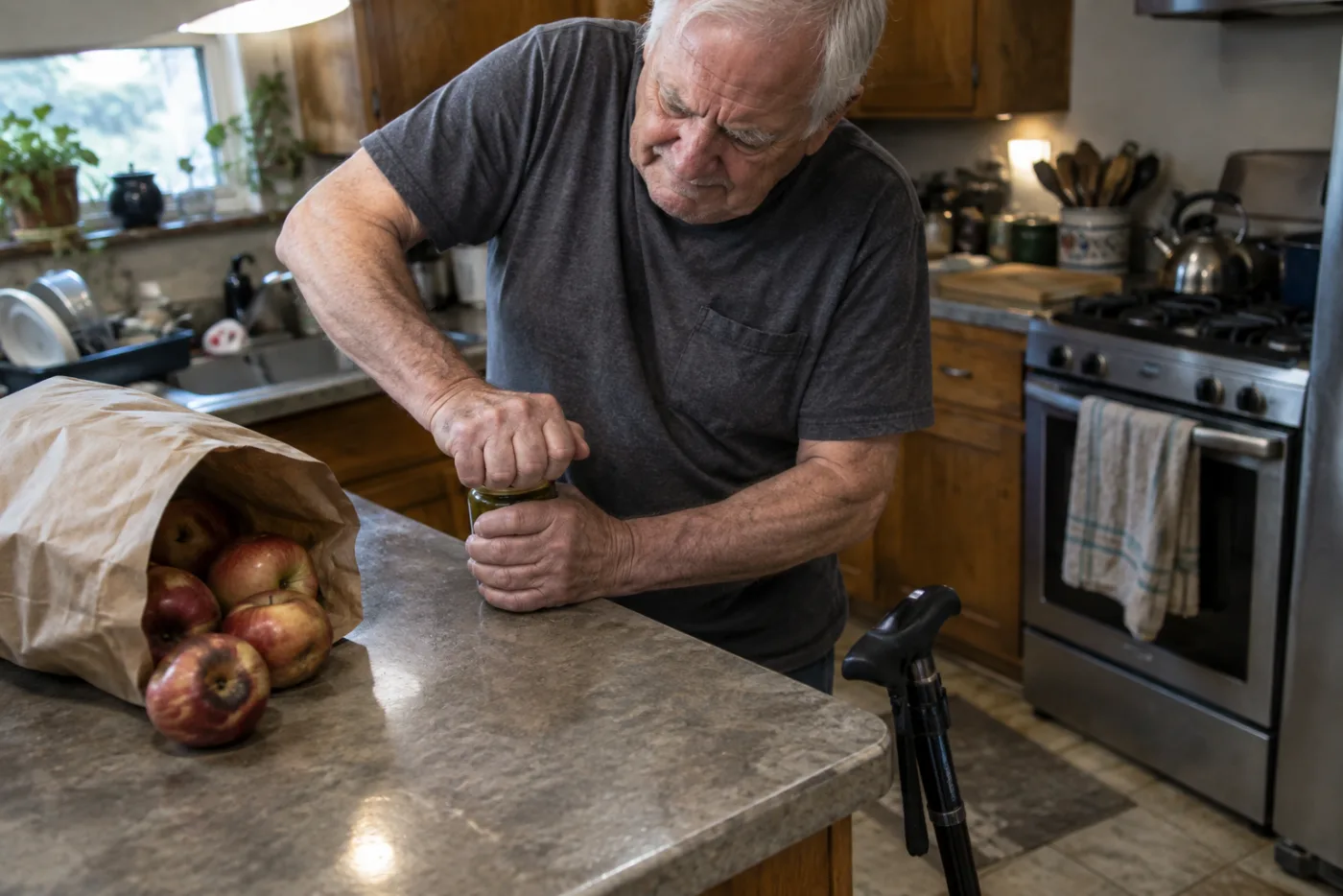
Remaining in the same house can feel like proof that everything is fine. That feeling can be misleading. A person can stay in a familiar home while quietly losing the mobility, connection, and independence that made the house worth staying in.
Someone can stop driving, stop visiting friends, stop cooking real meals, all while the address never changes. The house looks the same from the outside. Inside, the life being lived there has narrowed considerably without anyone marking the change.
Judge success by what a person can still do, not by whether they are still at the same address. Ask about meals, errands, and company, not just about the walls. A house is only part of what "in place" is supposed to mean.
7It Is Not Just A Physical Safety Issue

Most conversations about aging in place focus on falls and physical mobility. That framing misses how much changes because of vision, hearing, and memory. A house can be physically flawless and still stop working for someone whose senses have shifted.
Dim contrast between a countertop and a floor can be invisible to one person and disorienting to another. A doorbell or smoke alarm can go unheard. A familiar layout can suddenly feel confusing on a bad day, for reasons that have nothing to do with strength or balance.
Widen your definition of safe to include what a person can see, hear, and remember, not just what they can physically navigate. Lighting, contrast, and clear layout matter as much as sturdy floors. Safety is a sensory question, not only a structural one.
8Waiting For A Crisis Is A Common Mistake
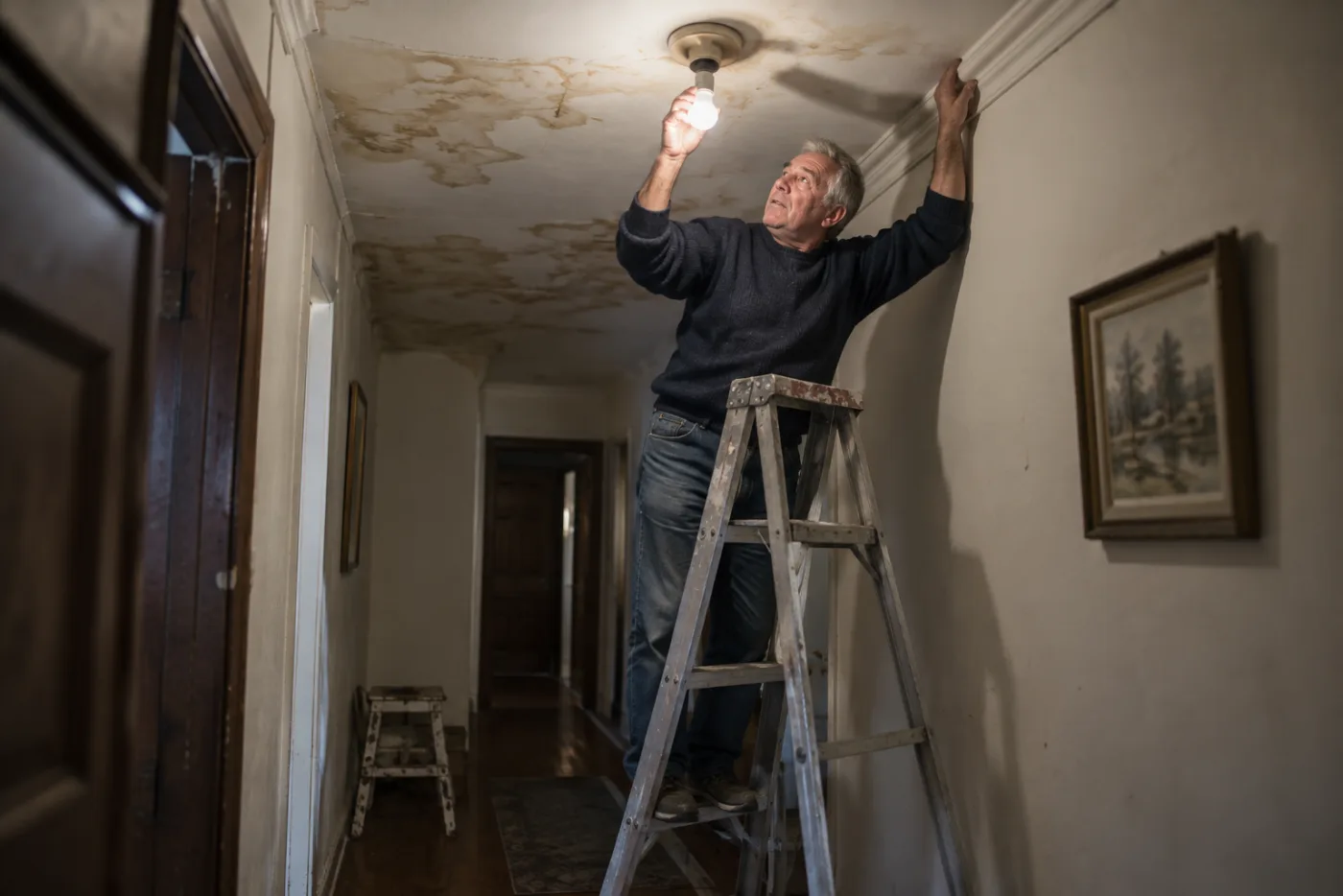
Many households wait until a fall, a hospital stay, or a hard diagnosis before making any real change to the house. That timing turns planning into scrambling. Decisions made in a crisis tend to be rushed, expensive, and harder to undo than ones made calmly.
A ramp installed the week before discharge is rarely the ramp you would have chosen with time to think. A move made under pressure often skips steps that would have mattered. Urgency narrows the options down to whatever is available right now.
Start the conversation before anything forces it. A calm decision made early is almost always cheaper and better fitted than an urgent one made later. Waiting for proof that change is needed usually means waiting too long.
9Modifications Do Not Have To Mean Construction
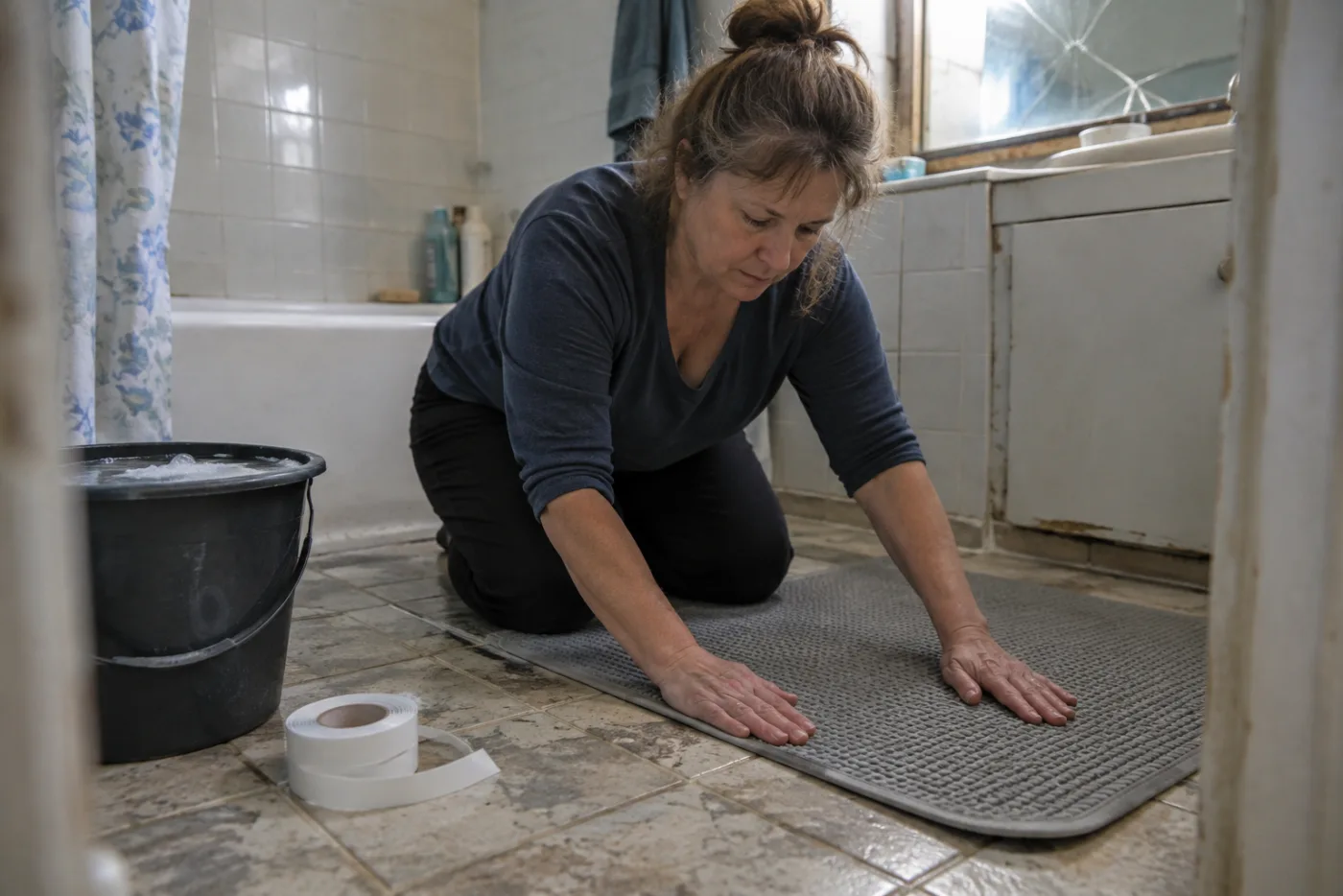
The word modification tends to summon images of contractors, permits, and weeks of disruption. Most of the changes that matter most are far smaller than that. Rearranging furniture, adjusting routines, and swapping a fixture can solve real problems without a single wall being touched.
Moving a frequently used chair closer to an outlet, relocating dishes to a lower shelf, changing which door gets used as the main entrance. These cost almost nothing and can happen the same afternoon they are noticed. Construction is sometimes necessary, but it is rarely the first useful step.
Look for the cheap, reversible fix before reaching for the expensive, permanent one. Ask what could change with an hour of rearranging rather than a contractor's schedule. Big problems sometimes have surprisingly small solutions.
10The Kitchen You've Always Used May Stop Working
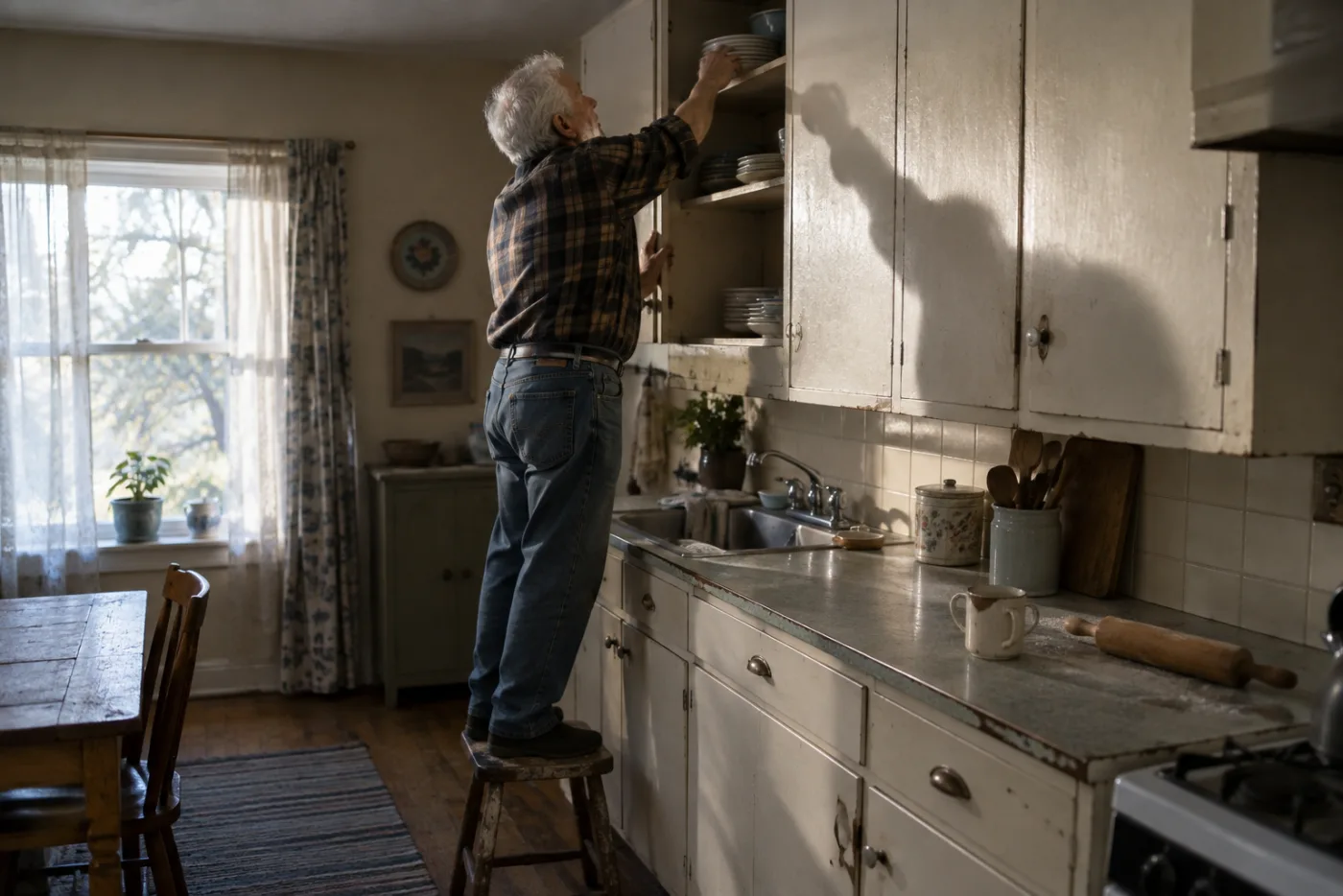
A kitchen used comfortably for decades can quietly become difficult without any single dramatic moment marking the shift. Storage that once required a quick reach becomes something to think twice about. Counters that once felt the right height start to feel like a stretch.
Nobody calls this a mobility problem at first. It just looks like avoiding a certain cabinet, or leaving a pot on the stove longer than planned because lifting it feels less appealing. Those small avoidances add up long before anyone names what is actually happening.
Pay attention to what you have quietly stopped doing in your own kitchen. Notice which shelves you avoid and which tasks you now put off. Those small patterns are more honest than any general sense that things still feel fine.
11Two People Aging Together Do Not Have Identical Needs
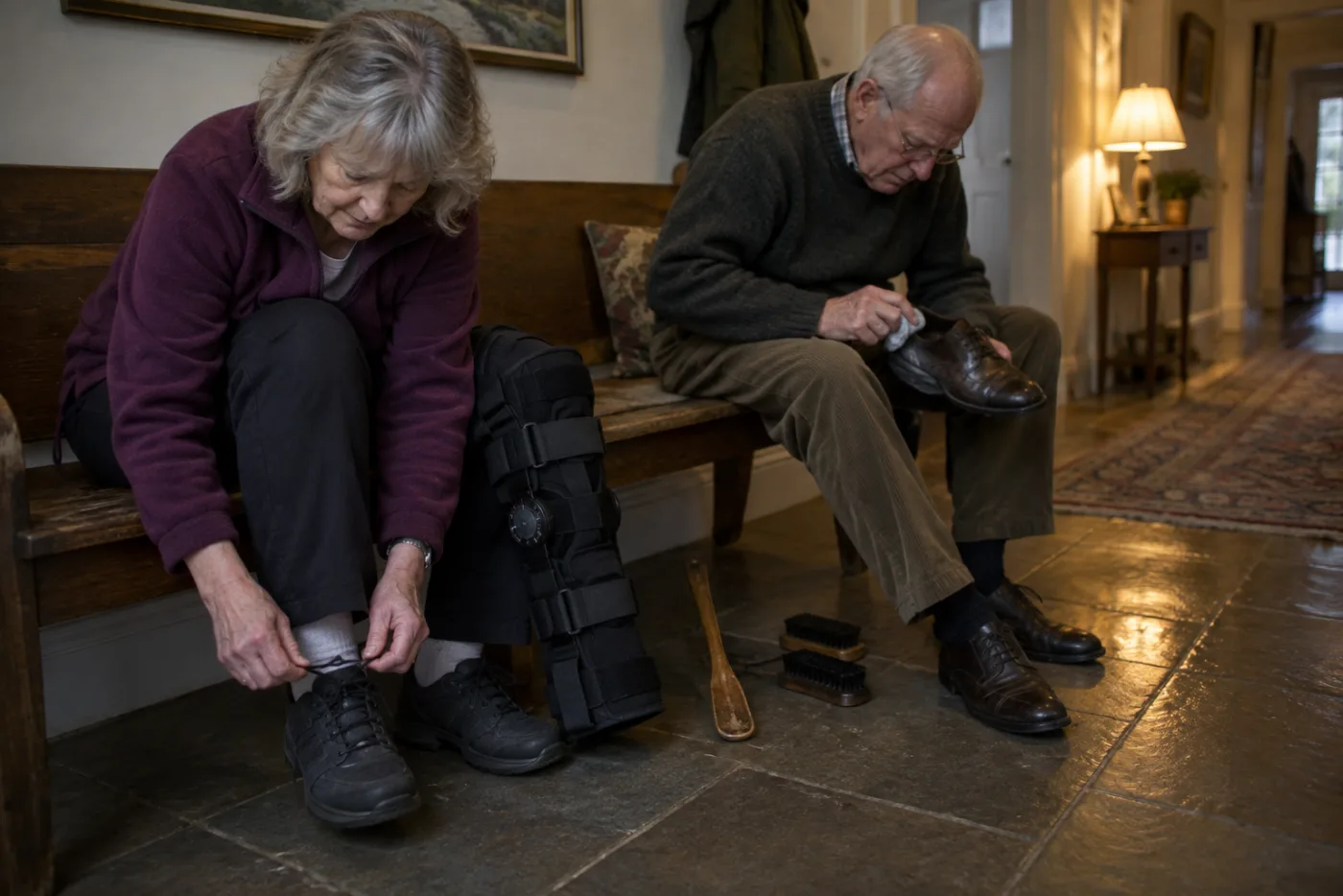
Couples often plan around one shared version of the future, as if both people will need the same things at the same time. That rarely holds true. A change that helps one partner's hips can create a new problem for the other partner's balance or reach.
Lowering a shelf helps someone with limited reach and creates awkward bending for someone with a stiff back. A grippy floor surface can help one person's footing and slow down someone using a walker on the same floor. Their needs can pull in different directions at once.
Plan for two separate sets of needs living under one roof, not one blended average. Ask each person separately what feels hard, rather than guessing on their behalf. A fix that helps one partner should be checked against what it does to the other.
12The Yard Is Part Of The Plan, Not Separate From It

Conversations about aging in place tend to stop at the front door, as if the yard belongs to a different category of problem. Lawn care, snow removal, and garden upkeep are still part of daily life. Ignoring them just moves the difficulty outside instead of solving it.
A yard that once felt like a source of pride can start to feel like a source of dread, especially after weather that used to be a minor inconvenience. Skipped mowing and unshoveled walks are not just appearance issues. They become safety issues the moment someone has to cross them.
Treat outdoor upkeep as part of the same plan as the inside of the house, not an afterthought. Decide early who handles it and how, before it becomes urgent. A beautifully adapted interior does not help much if the walkway to it is treacherous.
13The Neighborhood Matters As Much As The House

People obsess over the interior layout of a house and barely glance at what surrounds it. Proximity to stores, sidewalks, and transit can matter more than any single feature inside the walls. A perfectly adapted house in an isolating location still leaves someone stuck.
A house near a pharmacy, a grocery store, and a bus stop offers a kind of independence that no interior ramp can replicate. A house at the end of a long unlit road, however well designed inside, quietly limits how often someone leaves it. Location shapes daily freedom.
Evaluate the neighborhood with the same seriousness you give the house itself. Ask what is walkable, what is reachable without driving, and what happens if driving stops being an option. The surrounding streets are part of the plan, not scenery around it.
14It Does Not Mean Staying In The Exact Same House
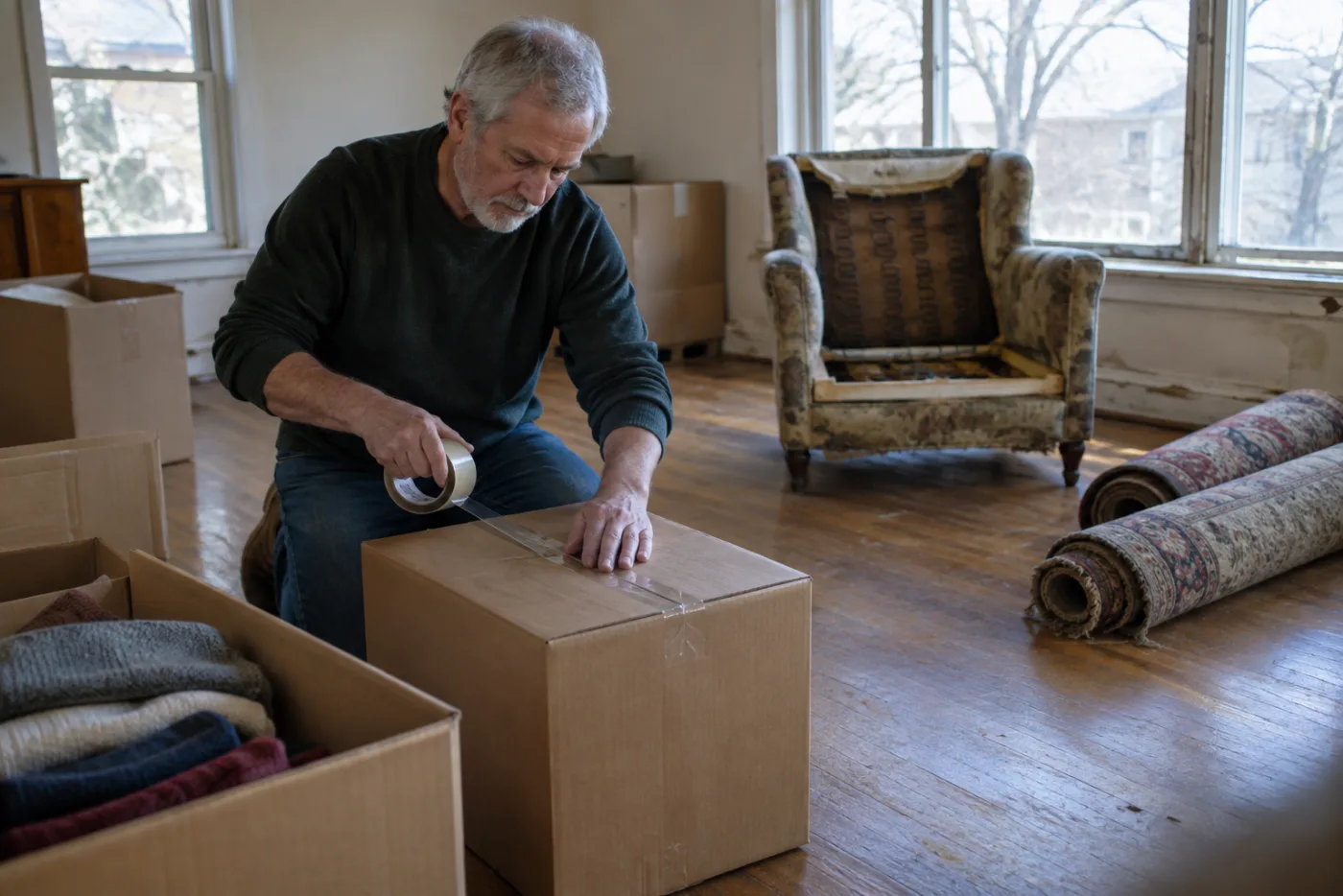
Aging in place gets treated as a promise to never move, as if changing addresses counts as failure. That is a narrow reading of the idea. Many people manage this well by relocating within a familiar area, not by staying inside one particular building forever.
Staying near the same friends, the same doctor, the same church or club, while moving to a home that actually fits daily life, still counts. The comfort people are really chasing is usually familiarity and community, not a specific set of walls. Those two things can be separated.
Ask what you actually value about staying put. Often it is the neighborhood, the routine, the people, not the exact square footage you currently occupy. A different house in the same familiar orbit can deliver the same sense of place.
15Technology Works Best When Added Early
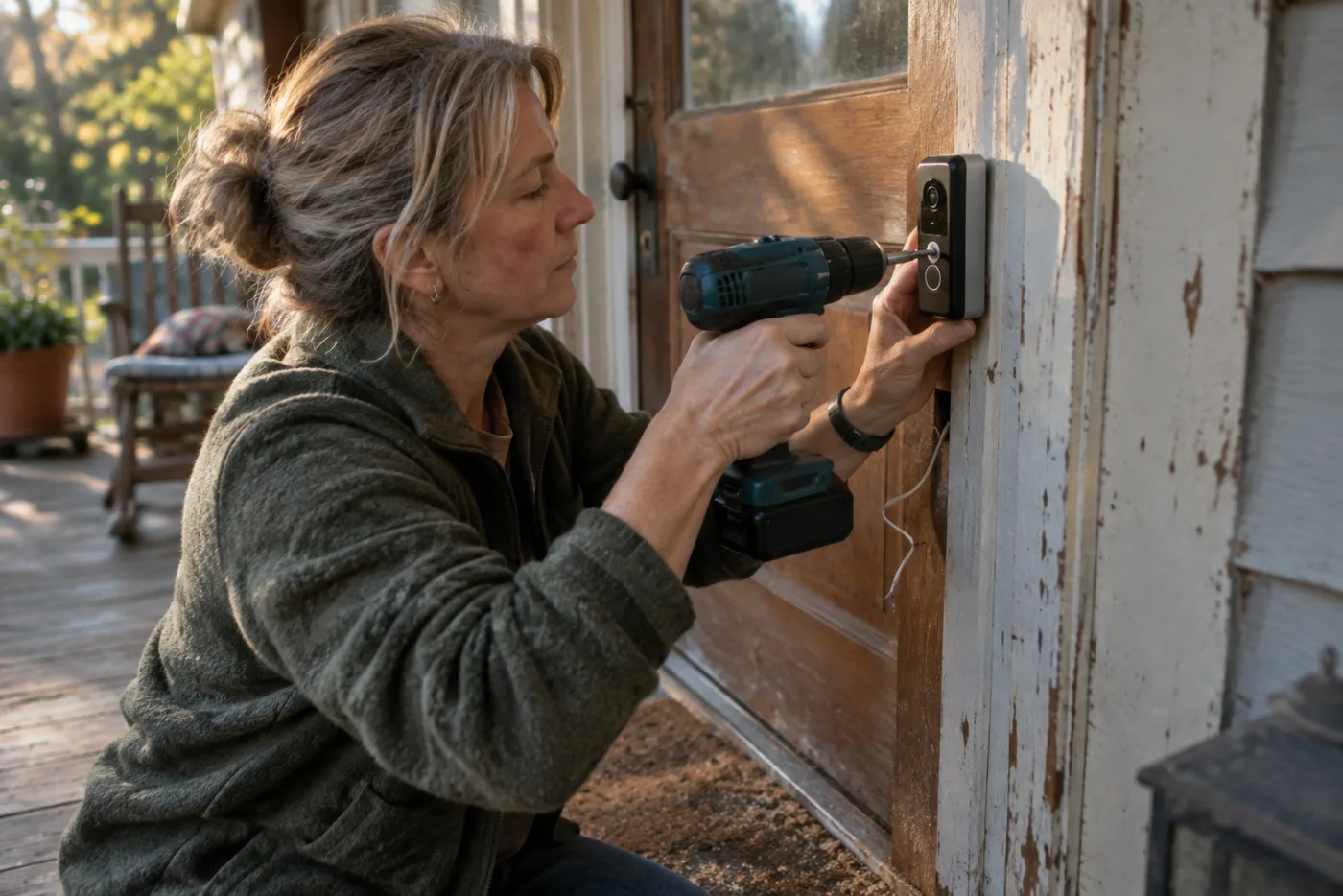
Monitoring devices, communication tools, and simple alert systems tend to get introduced only after something has already gone wrong. That timing sets people up to resent the very thing meant to help them. A new gadget adopted under pressure rarely gets used well.
Learning a new device takes patience, and patience is harder to find right after a scare than during an ordinary week. Something introduced calmly gets tested, adjusted, and trusted before it is actually needed. Something introduced in a panic gets tolerated at best.
Bring these tools in while things are still going fine, not as a reaction to a bad week. Let the learning curve happen without urgency attached to it. Comfort with a system built early pays off the day it actually matters.
16Flooring Choices Are Not Just Decorative
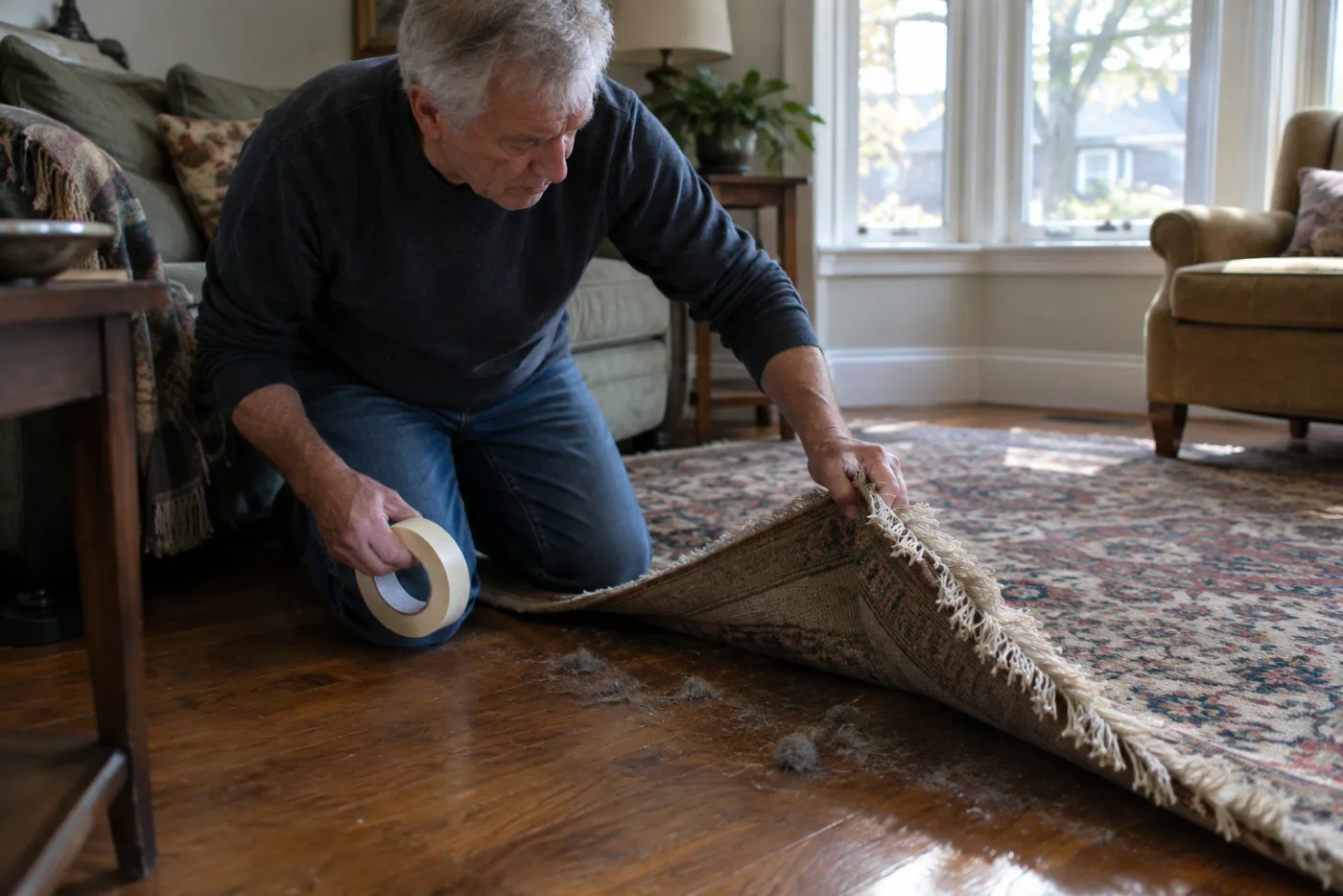
Flooring gets chosen for looks far more often than for how it behaves underfoot between rooms. That decision quietly shapes daily risk in ways most people never register. A change in floor height or surface type at a doorway becomes a hazard nobody notices until it catches someone.
The transition from carpet to tile, or a slightly raised threshold between rooms, can trip someone whose gait has changed even slightly. It looked like a design detail when it was installed. It behaves like an obstacle course years later.
Walk your own home paying attention only to your feet, not the decor. Notice every place the floor changes height, texture, or color. Those transition points deserve the same scrutiny usually reserved for stairs.
17A Finished Basement Can Become A Liability

A finished basement often represents the best room in the house, the one with the most space, the most light fixtures, the most personal touches. That same room can become effectively unreachable the moment stairs stop being manageable. A beautiful space behind a staircase is only as useful as the staircase.
People invest heavily in basement living rooms, offices, and guest suites without asking what happens if the stairs become the obstacle. The room does not lose its value in a fire or a storm. It loses its value the day someone simply cannot get down there anymore.
Ask honestly whether a below-grade room has a future beyond the next several years. Consider what that space becomes if the stairs are ever off the table. A finished basement is an asset today and a question mark later.
18Laundry Location Is An Overlooked Obstacle
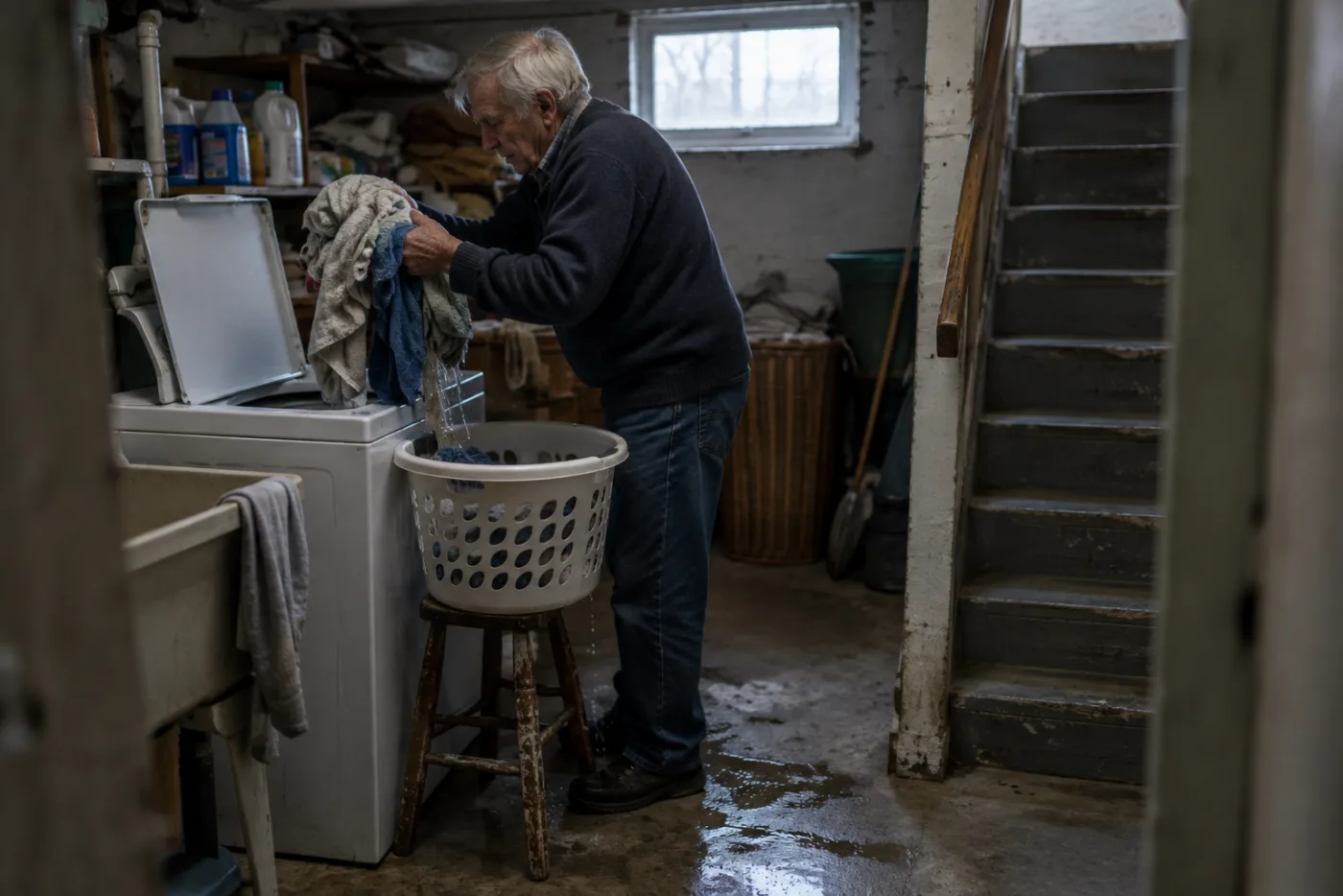
Laundry rooms tend to end up wherever plumbing made them cheapest to install, often a level away from where someone actually lives day to day. That placement rarely gets reconsidered once it exists. A basement or far-corner laundry setup can quietly force reliance on someone else.
Carrying baskets down a flight of stairs, or across a house, becomes a task easy to put off and hard to ask for help with. Clean clothes pile up not because anyone stopped caring, but because the physical path to washing them got harder. It becomes a small daily defeat.
Consider whether laundry needs to move closer to where you actually spend your time. A stacked unit near a bedroom can solve what an entire basement remodel never would. Distance to the washing machine matters more than most people admit.
19Insurance Does Not Automatically Cover Modifications

People assume that because a modification is medically sensible, some policy somewhere will help pay for it. That assumption often turns out to be wrong. Ramps, lifts, and structural changes frequently fall outside what a standard homeowner or health policy is willing to cover.
Coverage depends heavily on the specific policy, the specific modification, and the specific justification given for it, and none of that is guaranteed in advance. Assuming otherwise can mean discovering the gap only after the work is already done and the bill has arrived. That is the worst possible time to learn it.
Check what your actual policy covers before committing to any major modification. Ask the question directly rather than assuming a reasonable answer. A little research beforehand avoids an unpleasant surprise later.
20Reassessment Is Part Of The Plan, Not A Sign It Failed

A setup that worked well for years can stop working, and people sometimes read that as proof the original plan was wrong. It is not. Needs shift steadily over time, and a plan built for one stage was never meant to be permanent for every stage that followed.
The ramp that once felt unnecessary can become essential. The room arrangement that felt perfect can start to feel awkward. None of that means the earlier choices were mistakes. It means time passed and circumstances changed, which was always going to happen.
Build in a habit of checking back on old decisions without treating that check as an admission of failure. Revisit the plan the way you would revisit anything that ages. Adjustment is the plan working, not the plan breaking.
21Downsizing And Aging In Place Are Not Opposites

Downsizing sometimes gets treated as giving up, as though the only real version of aging in place happens inside the original family home. That framing is too narrow. Moving into a smaller, easier home can itself be a way of staying independent longer, not a retreat from it.
A smaller home with fewer stairs, simpler upkeep, and a more manageable layout can offer more real independence than a larger house that has become exhausting to maintain. The square footage was never the point. The ability to live comfortably and safely inside it was always the actual goal.
Judge a move by whether it supports the life you want, not by how it looks from the outside. A smaller, smarter home can be a form of staying in place, just in a different building. Size and success are not the same measurement.
22Temperature Control Is A Safety Issue, Not Just Comfort
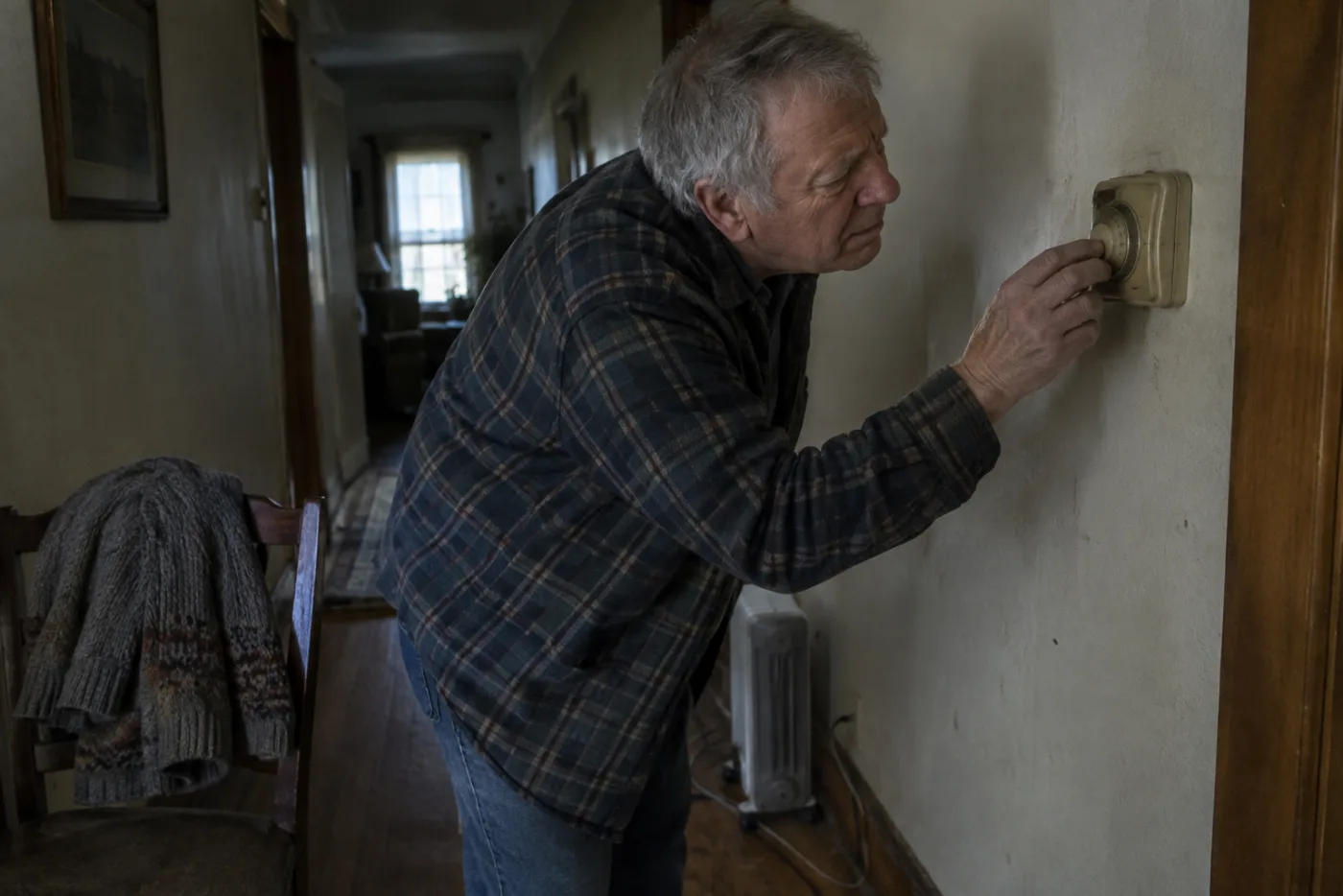
Heating and cooling problems tend to get filed under comfort, something to fix when convenient rather than something urgent. That filing is a mistake. A home that gets dangerously hot in summer or dangerously cold in winter creates a real health risk, not just an unpleasant afternoon.
An aging furnace or an air conditioner on its last stretch can fail during exactly the kind of weather that makes its failure most dangerous. Extreme temperatures affect the body more seriously as the years go on, in ways that are easy to underestimate from the outside.
Treat the condition of your heating and cooling system as part of core safety planning, not a side project. Address a failing system before a heat wave or cold snap forces the issue. Comfort and safety are the same conversation here, not two separate ones.
23The Garage Gets Left Out Of Planning
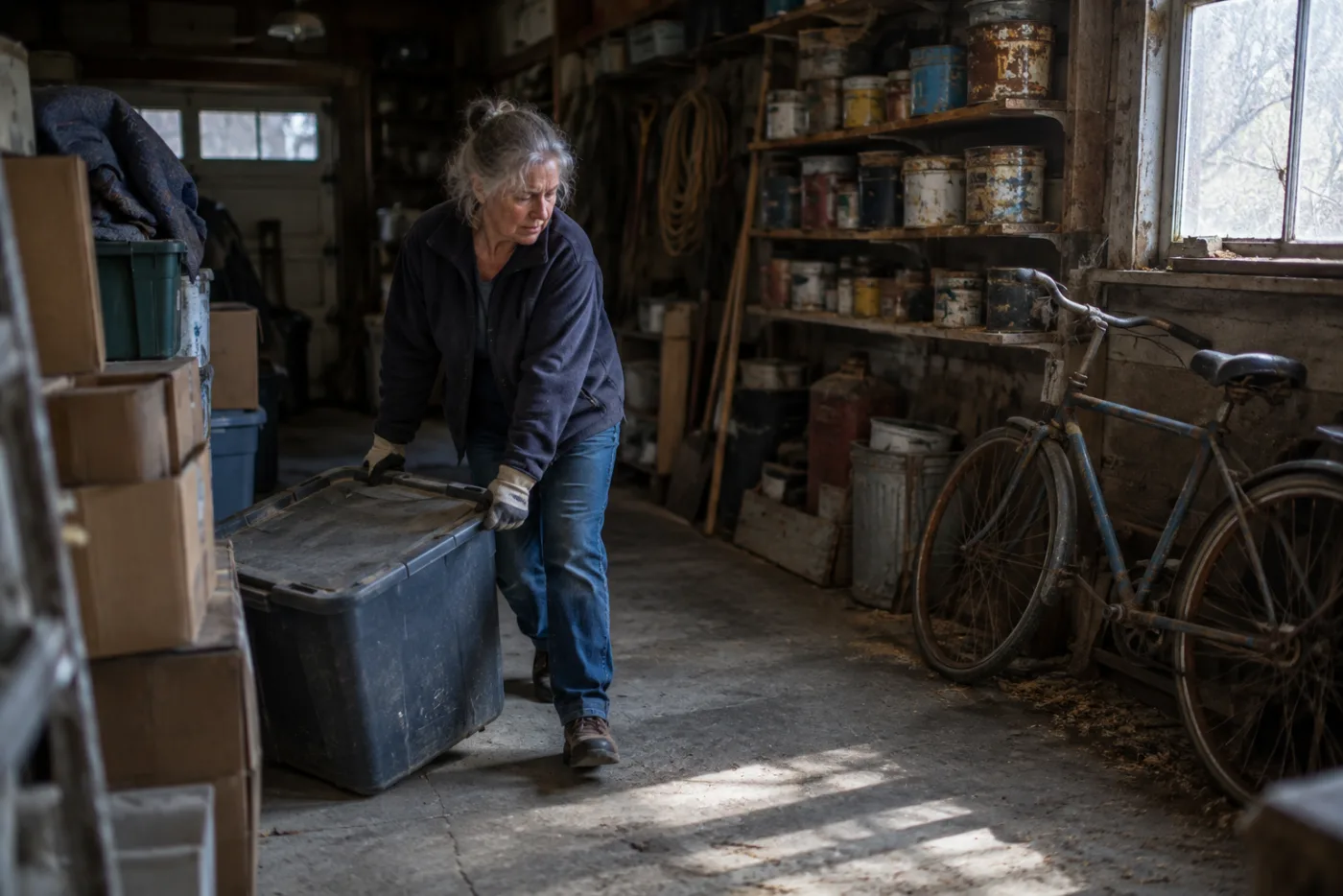
The garage rarely comes up in conversations about aging in place, even though it often contains some of the heaviest lifting and hardest reaching in the entire house. Tools, storage bins, and equipment tend to end up on high shelves or in awkward corners nobody planned carefully.
Reaching for a ladder stored overhead, or hauling a heavy bin down from a rafter, asks more of a body than most kitchen tasks ever will. Because the garage feels like a utility space rather than a living space, it gets far less scrutiny than it deserves.
Give the garage the same evaluation you would give any room people actually use. Move frequently needed items to heights and spots that do not require strain or a ladder. An overlooked room can still hold an outsized share of the risk.
24The Right Time To Plan Is Before You Think You Need To
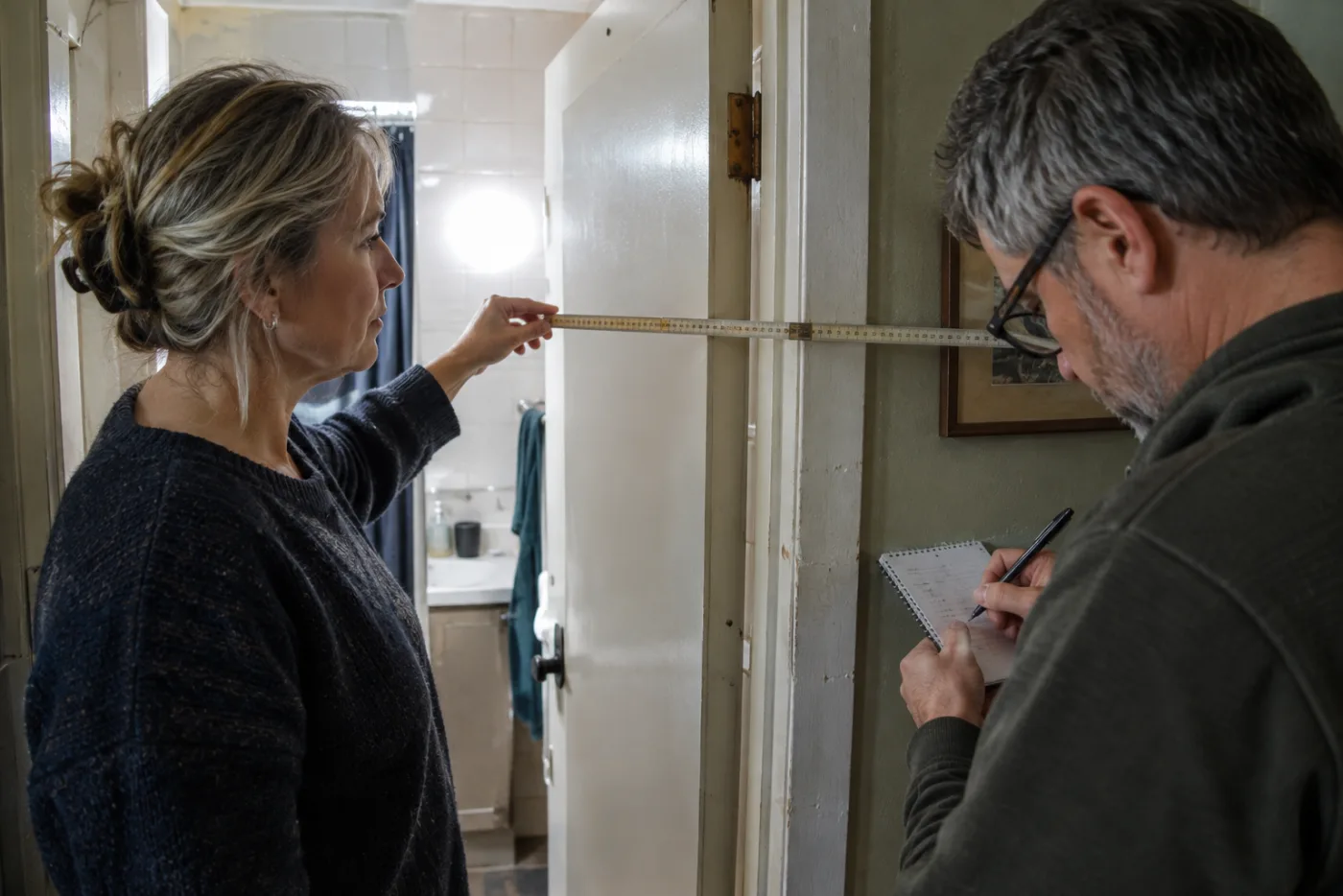
There is a strong temptation to postpone planning until some clearer signal arrives, a fall, a diagnosis, a hard conversation with a doctor. Waiting for that signal usually means waiting too long. The people who plan comfortably are almost always the ones who started before anything felt urgent.
Early planning allows for real choices: comparing options, testing ideas, changing your mind without cost. Planning done under pressure allows for almost none of that. The absence of an obvious problem right now is not evidence that planning can wait, only that it has not been forced yet.
Start the conversation while it still feels optional. Treat the lack of urgency as an opportunity rather than a reason to delay. The easiest plans are always the ones nobody was forced into.
25A Support Network Has To Be Built, Not Assumed

People often picture a support network as something that simply exists when needed, made up of neighbors, community groups, and paid help who appear on cue. Networks like that do not build themselves. They take deliberate effort, made well before any of it is actually required.
Knowing a neighbor's name is different from knowing whether they would notice an unusual silence next door. Being aware a community group exists is different from actually being connected to it. The gap between knowing about help and having it becomes obvious only once it is urgently needed.
Treat this network as a project with steps, not a background fact about your life. Introduce yourself, join something, ask a neighbor directly what they would be willing to do. A support system built ahead of time behaves very differently from one assumed into existence.
26Not Every Change Has To Be Permanent
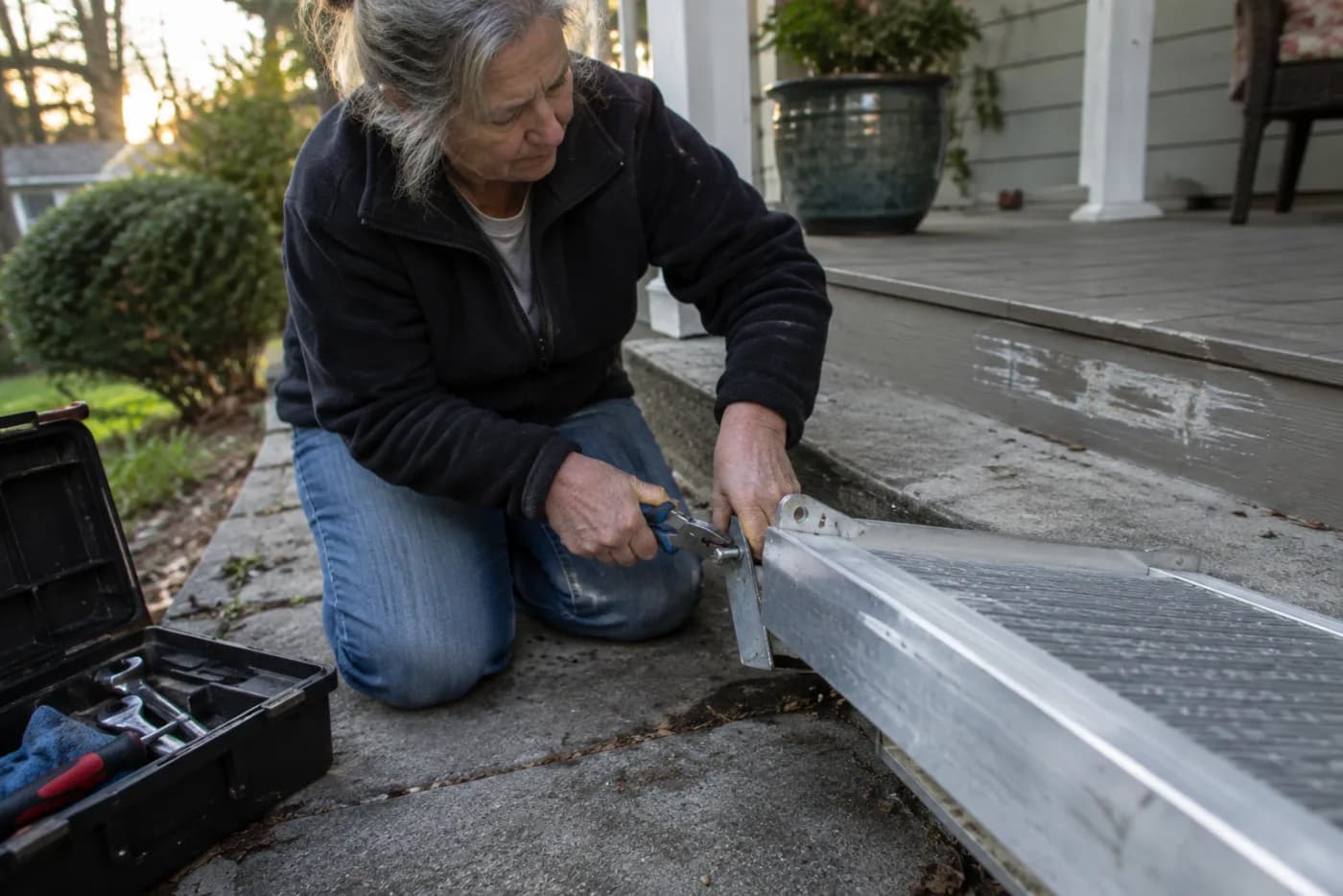
People sometimes freeze up over home modifications because every option feels like a lasting commitment. That pressure is not always real. Some adjustments can be tested, lived with for a while, and undone if they do not actually help, without any lasting cost.
Rented equipment, temporary furniture arrangements, and reversible fixtures all allow a household to try an idea before fully committing to it. Getting it wrong on the first attempt is not a disaster if the change was never meant to be permanent in the first place.
Look for the reversible version of a change before assuming you need the permanent one. Give yourself room to adjust a decision instead of demanding perfection from the first try. Flexibility removes most of the pressure that keeps people from starting at all.
The bottom line
None of this means the house is wrong or the plan was foolish. It means the plan was aimed at today's body instead of tomorrow's. The fix is rarely a bigger renovation. It's usually a clearer, earlier, more honest look at what the house will demand later.
David Ruiz
Tech & Home Writer
David tests gadgets with real readers in their 60s and 70s, because the best tech is the tech you'll actually use.
Most read
You might also like