26 Things Your Cruise Cabin Steward Notices Before You Even Unpack
Your steward already knows about the smuggled soda, the tip you skipped, and the surge protector, all before your suitcase even hits the cabin floor.
By Margaret Hale, Travel & Lifestyle Editor
Updated · 13 min read
- Written by our travel & lifestyle editor
- How we review
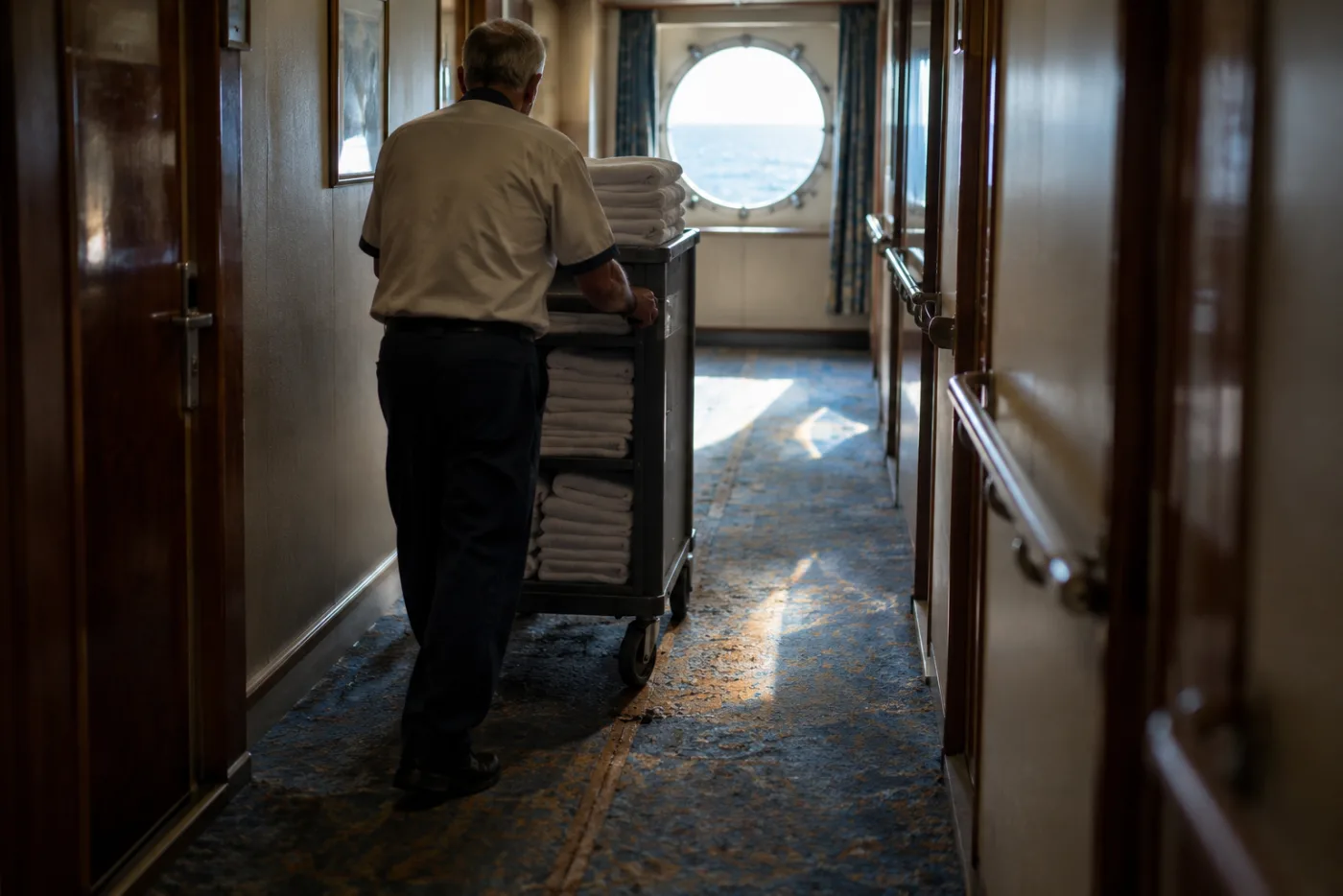
Seventeen dollars a day, per person. That's the standard gratuity on a Carnival cruise, and your steward can see on day one whether you prepaid it or plan to skip out. Long before you've hung up a single shirt, small choices in your cabin are already telling a story.
Some of it is harmless. Some of it breaks a rule you didn't know existed, like the ban on glass bottles or the 12-can carry-on limit. This list walks through 26 things your steward clocks fast, from the water in your bag to the power strip on your nightstand, so nothing about your week gets awkward.
1How Many Cabins They're Actually Responsible For
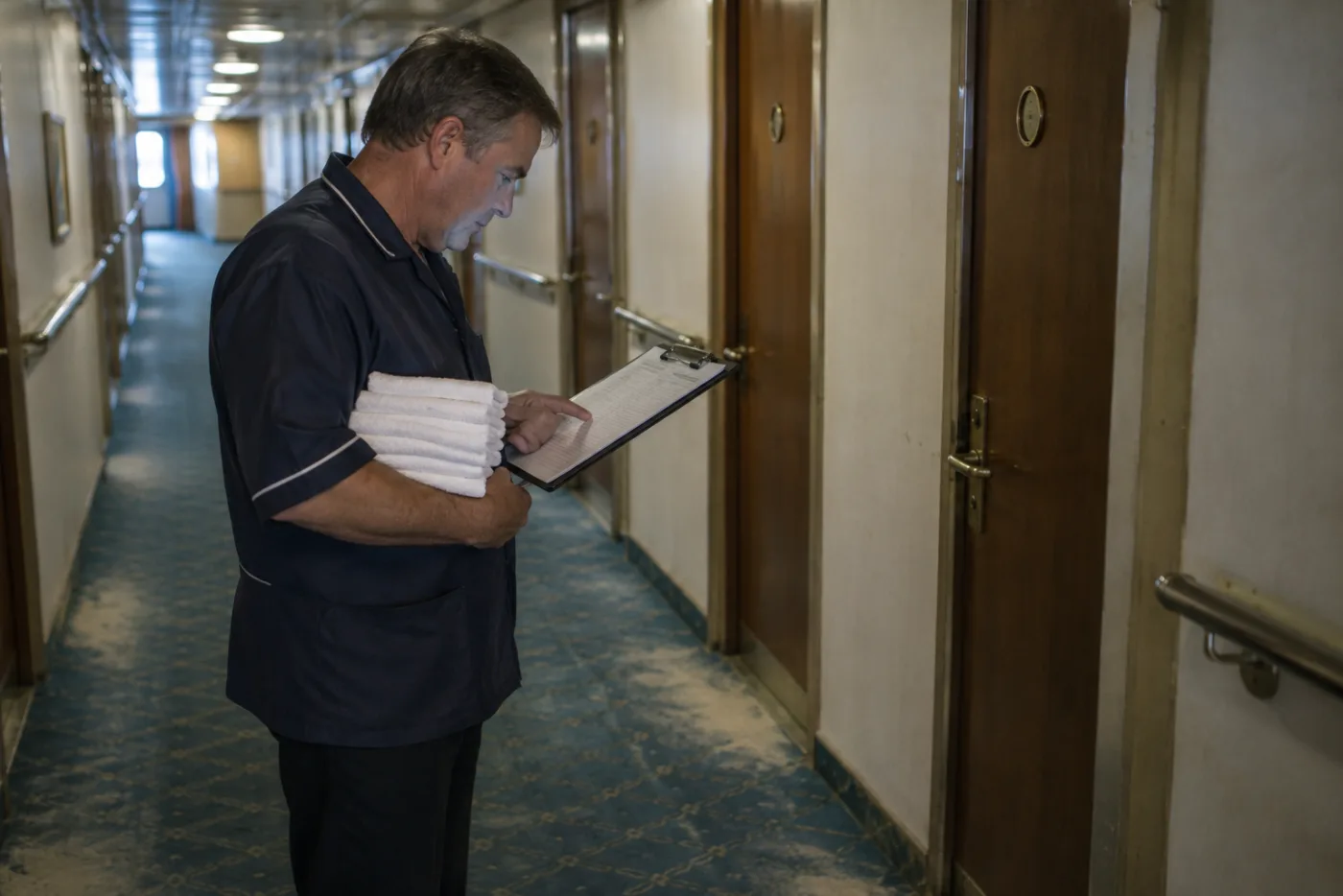
A single steward often manages a long row of rooms, not just yours. That number defines every minute of their shift, from folding towels to answering calls. Your cabin gets a slice of a much bigger workload.
Split across a full block of rooms, the math gets tight fast. Turnaround days compress the schedule even more, since every cabin needs a full reset within a few hours. There is no slow morning on a cruise ship.
Knowing this changes what "attentive service" really means. A steward who remembers your coffee order is stretching thin minutes across dozens of doors. Say thanks when you see them working, since the schedule rarely allows a second pass.
2The Color on Your Luggage Tag
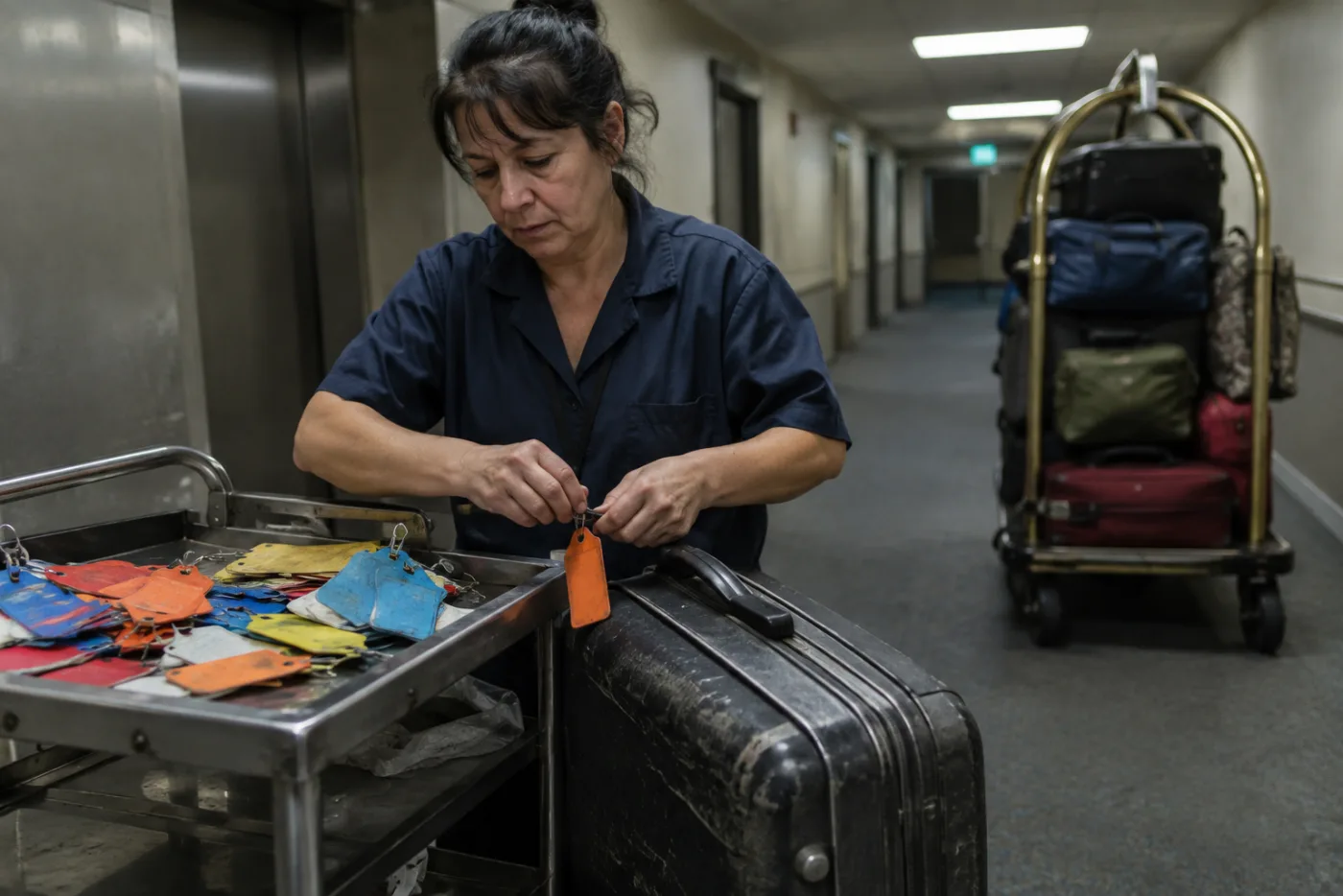
Your luggage tag is not just a shipping label. It's color-coded to your dining time and muster station, so crew members can sort you at a glance. Before you even step into the hallway, the crew already knows two things about your schedule.
This system exists because thousands of bags move through the terminal at once. Sorting by color is faster than reading names, especially during a chaotic boarding morning. Carnival and other major lines use versions of this same trick fleet-wide.
Check your tag before you toss it aside. If your dining time looks wrong, fix it at guest services early. The color already told the crew what you're supposed to be doing, and where.
3Whether You Removed the Automatic Gratuity
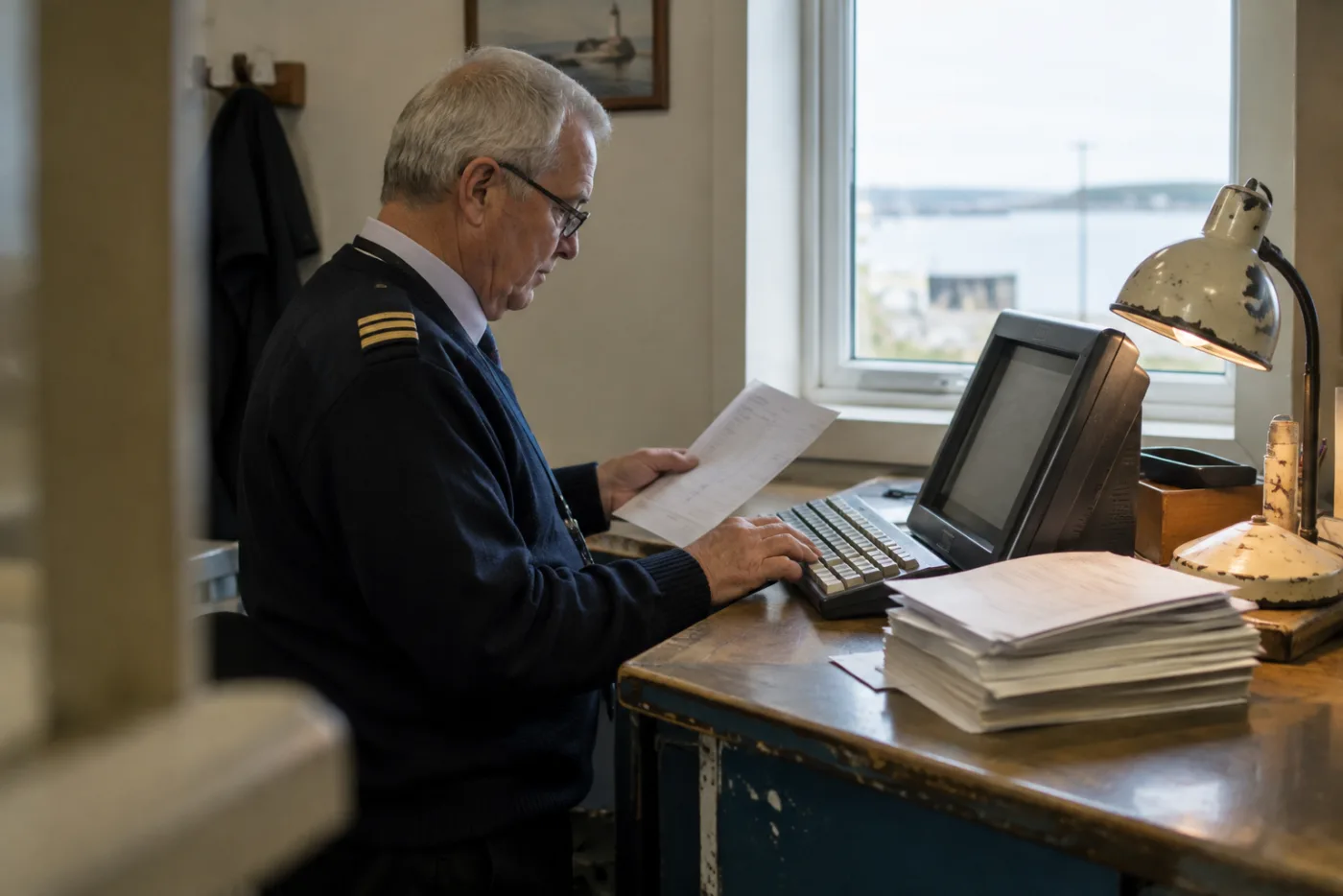
Adjusting the daily service charge does not stay quiet. Guest services logs any change to the automatic gratuity, and that flag travels down to the crew serving your cabin. Carnival's recommended charge is $17.00 USD per person, per day for standard staterooms.
Suite guests see a different number, set at $19.00 USD per person, per day. If gratuities were never prepaid, that recommended daily amount posts straight to the Sail & Sign account during the trip. Nothing about it happens invisibly.
If you plan to adjust the charge, do it early and in person. A quiet visit to guest services beats a surprise conversation at checkout. Your steward already knows the number tied to your room.
4The Room Service Tray Left in the Hallway
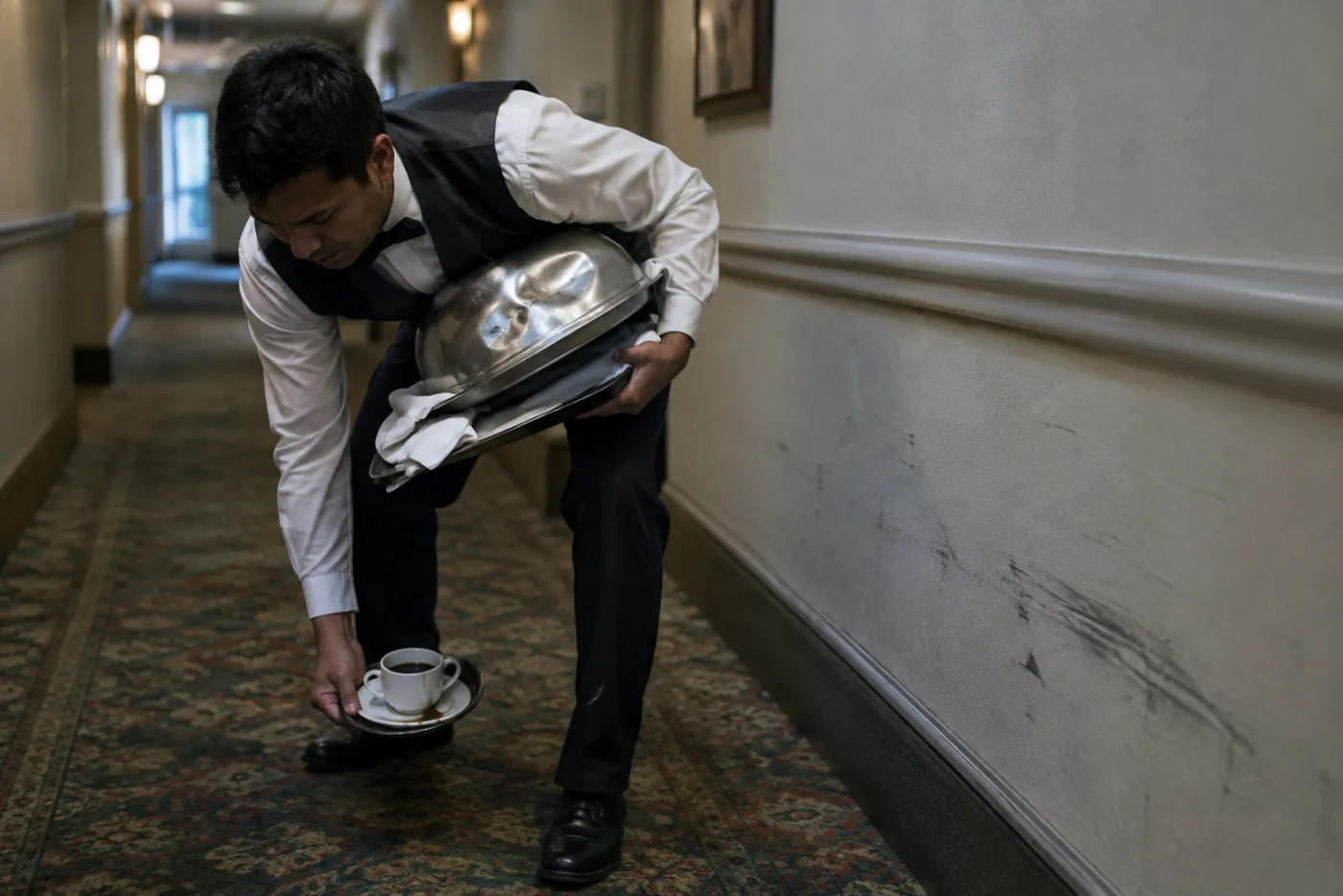
That tray sitting outside your door for hours is doing more than blocking foot traffic. Several lines have started charging a fee when trays go uncollected for too long. Stewards log which cabins repeatedly leave dishes sitting in the hall.
The pattern matters because hallway clutter slows down cleaning carts and creates a fire-corridor problem. A single stray tray is easy to miss. A weekly habit of it becomes a note in your cabin's file.
Call room service for pickup instead of setting the tray outside. It takes one phone call and avoids a fee. Your steward will notice the difference, even if you never hear about it directly.
5How Long Your Do Not Disturb Sign Stays Up
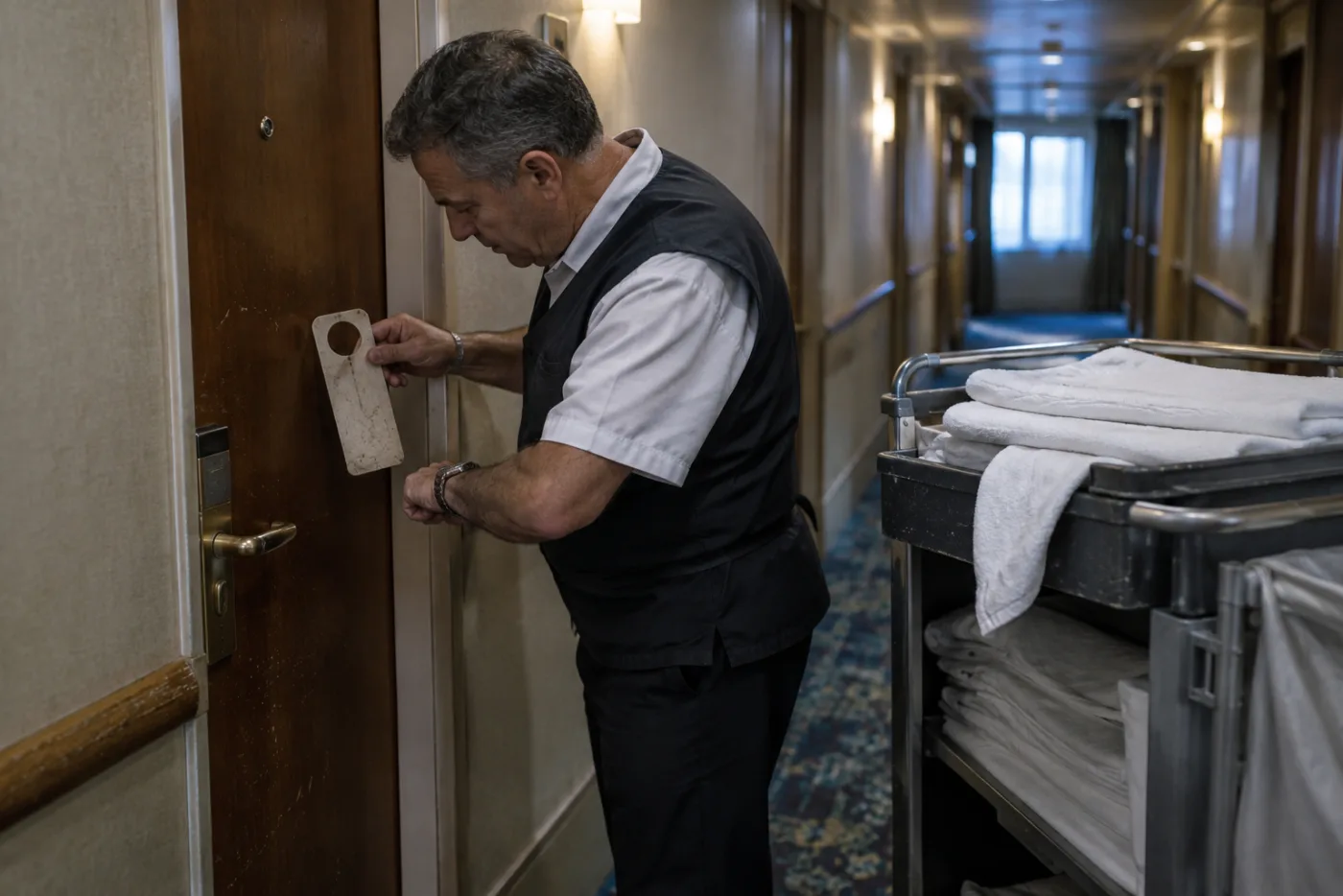
That little sign buys privacy, but not forever. Cruise lines require a wellness check after a set number of hours of continuous "do not disturb" status, meaning someone eventually has to knock anyway. It is a safety rule, not a suggestion.
The concern is simple. Ships are closed environments with limited ways to check on a missing or unwell guest. A sign hung for one long stretch triggers a logged follow-up, whether you meant it to or not.
If you just want quiet mornings, flip the sign off by afternoon. That resets the clock and avoids an awkward knock. Stewards would rather see the sign come down than have to use it.
6Whether You Actually Scanned In at the Muster Drill

The muster drill is not a formality you can skip by hiding in your cabin. International safety law requires every guest to be tracked at their assigned station, usually through a card scan or headcount. Missed scans get reported immediately.
That report does not stop at the drill deck. It travels up the chain to supervisors, and your steward often hears about it, since your cabin number is attached to the miss. Ships treat this as a legal requirement, not a courtesy reminder.
Scan in, every single time, even on a familiar ship. It takes two minutes and avoids a follow-up knock. Nobody wants a safety officer at their door mid-cruise.
7How Many Life Jackets Are Missing From the Cabin
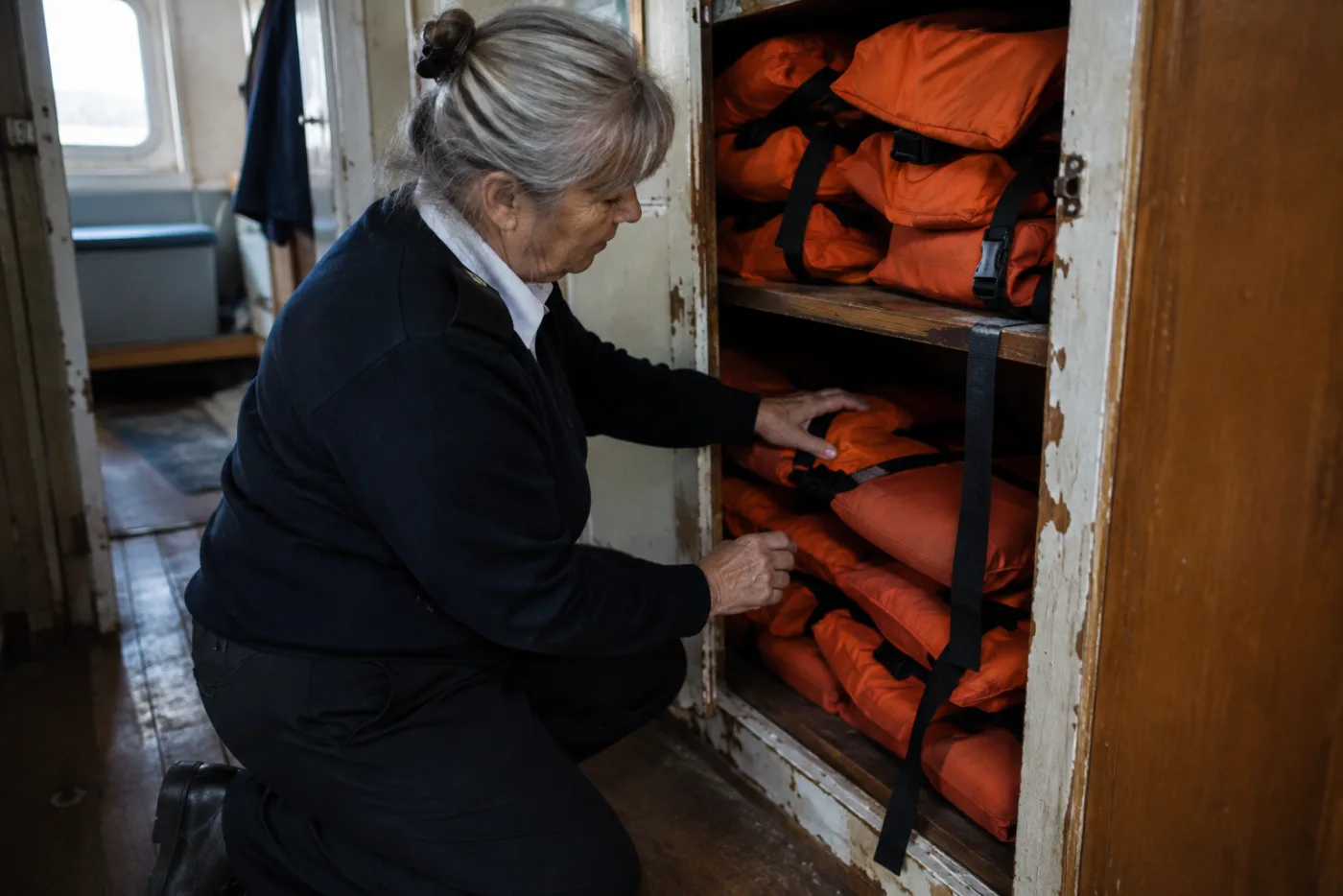
Every cabin ships with a set number of life jackets tied directly to its legal occupancy limit. When stewards do a count and one comes up missing, it is not treated as clutter. It is treated as a sign of an extra, unregistered guest.
Occupancy limits exist because lifeboats and safety equipment are sized for a specific headcount. A missing jacket breaks that math in a small but real way. Stewards are trained to notice, since the discrepancy reflects on their reporting.
If you brought a guest who is not on the manifest, register them properly at guest services. It is a quick fix. A missing life jacket is a fast way to get questions asked.
8Whether You Broke the Minibar Seal

Minibar items on many ships are billed automatically the moment a sensor or seal is disturbed. That charge lands on your account before the steward even restocks the cabin. Some lines rely on this exact system to track usage without a manual check.
Restocking follows the same log. Your steward pulls a report showing what was taken, then replaces items to match. There is no guessing involved, and no room to quietly put something back unnoticed.
If a seal breaks by accident, say so right away. A quick note at guest services can fix a billing mistake before it settles. The system trusts the sensor, so you have to speak up first.
9How Many Fresh Towels You Request
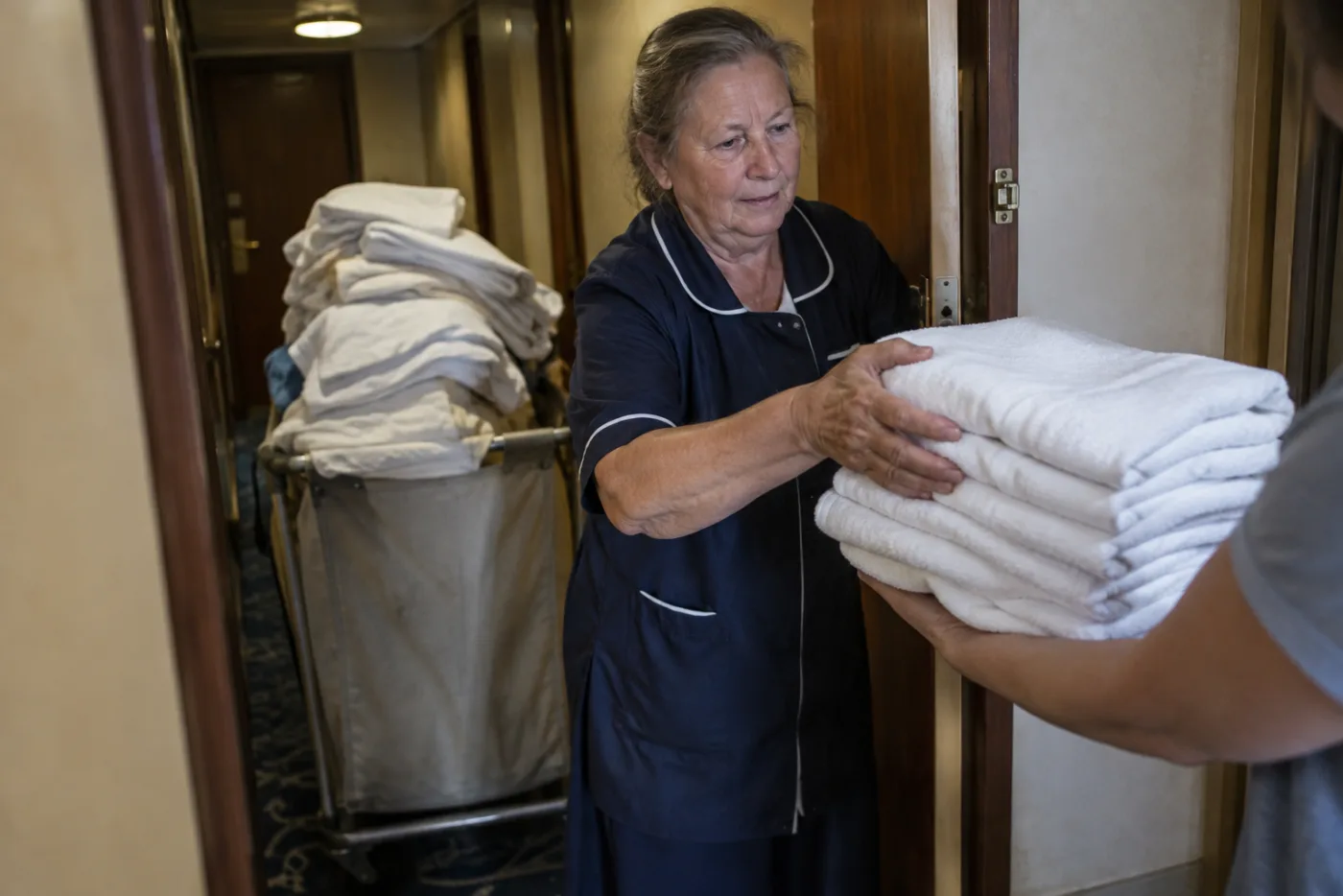
Most cruise lines run published conservation programs that track towel usage per cabin. A single extra request barely registers. A pattern of daily over-requesting shows up clearly in housekeeping reports, cabin by cabin.
This tracking exists partly for water and laundry costs, which add up fast across a ship carrying thousands of guests. Stewards are often measured on how closely their block follows the program's targets.
If you genuinely need extra towels, just ask, since one request is normal and expected. But reusing towels on the days you don't need fresh ones keeps your cabin off any unusual-use list.
10Whether You Smoked on the Balcony
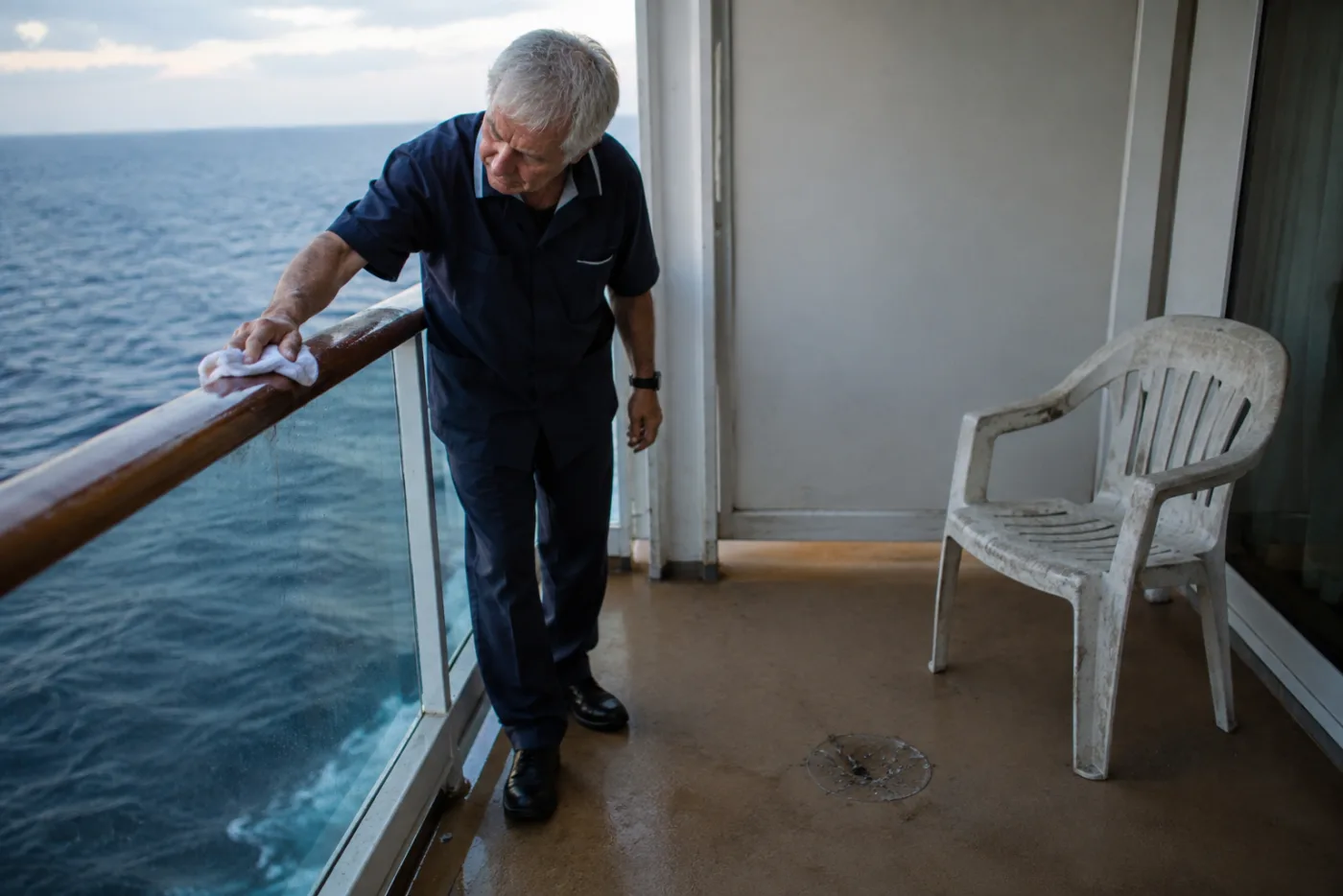
Balcony smoking carries a real, published fine on almost every major line, and it is banned fleet-wide for fire-safety reasons. Stewards are required to report any evidence they find, including lingering odor or cigarette butts left behind.
The rule exists because balconies sit close together and share ventilation paths. A single spark near outdoor furniture can spread fast on a ship built mostly from metal and fabric. That risk is why enforcement rarely gets quietly ignored.
If you smoke, use the designated outdoor areas instead. It avoids the fine and keeps your steward from having to file a report on your cabin. The rule applies the same way to every guest.
11An Extra Person Sleeping on the Pull-Out
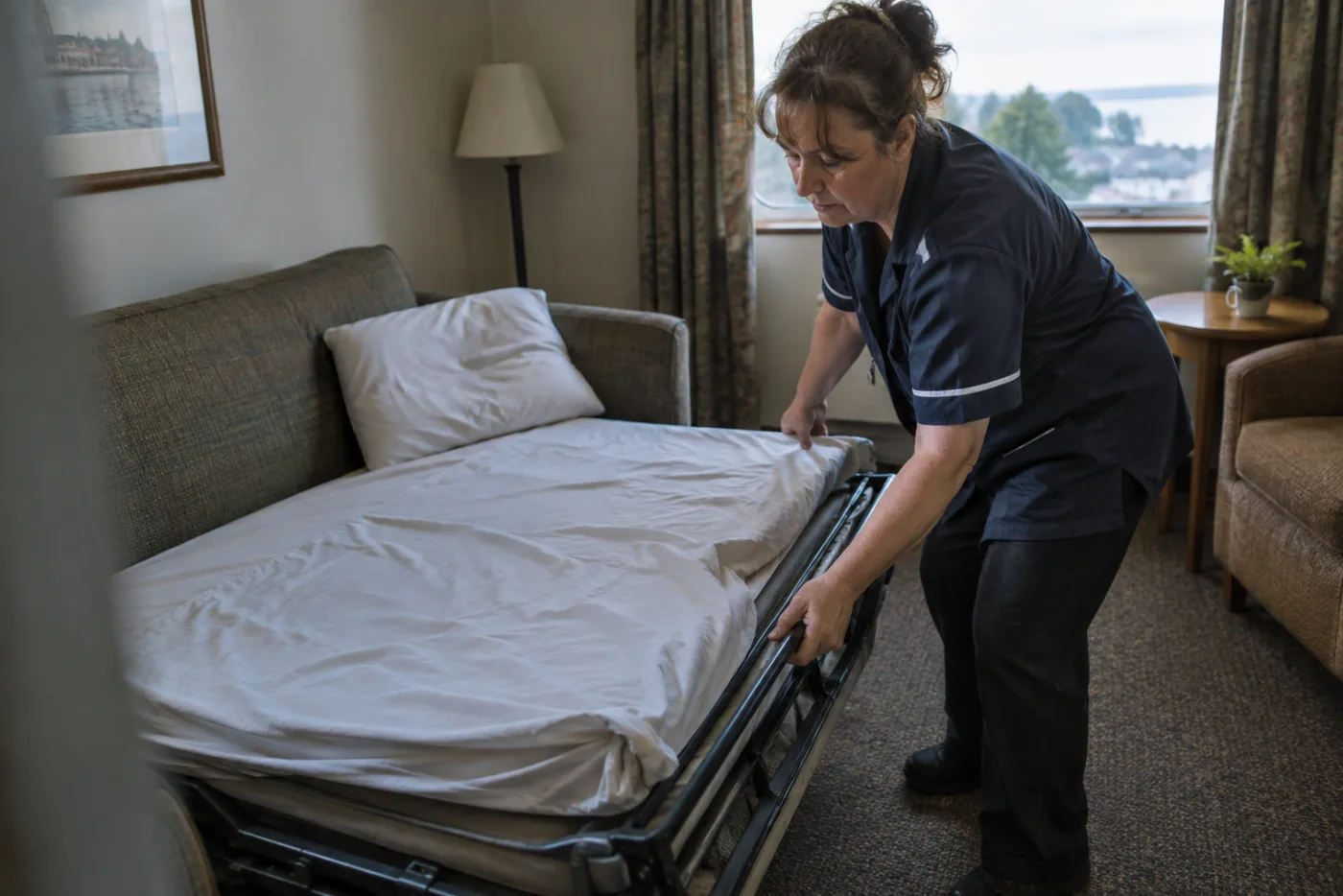
Cabin occupancy limits are not arbitrary. Fire-safety law sets a maximum headcount per room based on evacuation capacity, and that number is printed right on your cabin's safety documentation. An extra body on the pull-out breaks that count.
Stewards notice fast, since sofa beds get made up differently and extra linens disappear at a different rate. A discrepancy between booked guests and actual usage gets flagged during routine service, not just during emergencies.
If you're bringing a third or fourth guest, register them properly before boarding. It costs less trouble than a mid-cruise correction. The pull-out is meant for a documented guest, not a quiet extra.
12The Travel Iron or Candle You Packed

Both items sit on nearly every cruise line's banned list for the same reason: open flames and heating elements are serious fire risks in a cabin built from tight, shared spaces. Stewards are trained to spot and confiscate them during turnover cleaning.
This is not a random inconvenience. Fabric, carpet and close quarters mean small fire risks turn dangerous fast onboard. The rule gets enforced consistently, since a single missed item can affect an entire deck's safety rating.
Leave the candle and iron at home. Use the wrinkle-release spray or laundry service instead. If packed by mistake, expect it to be removed and held until disembarkation.
13Whether You Skipped Formal Night Dinner for Room Service
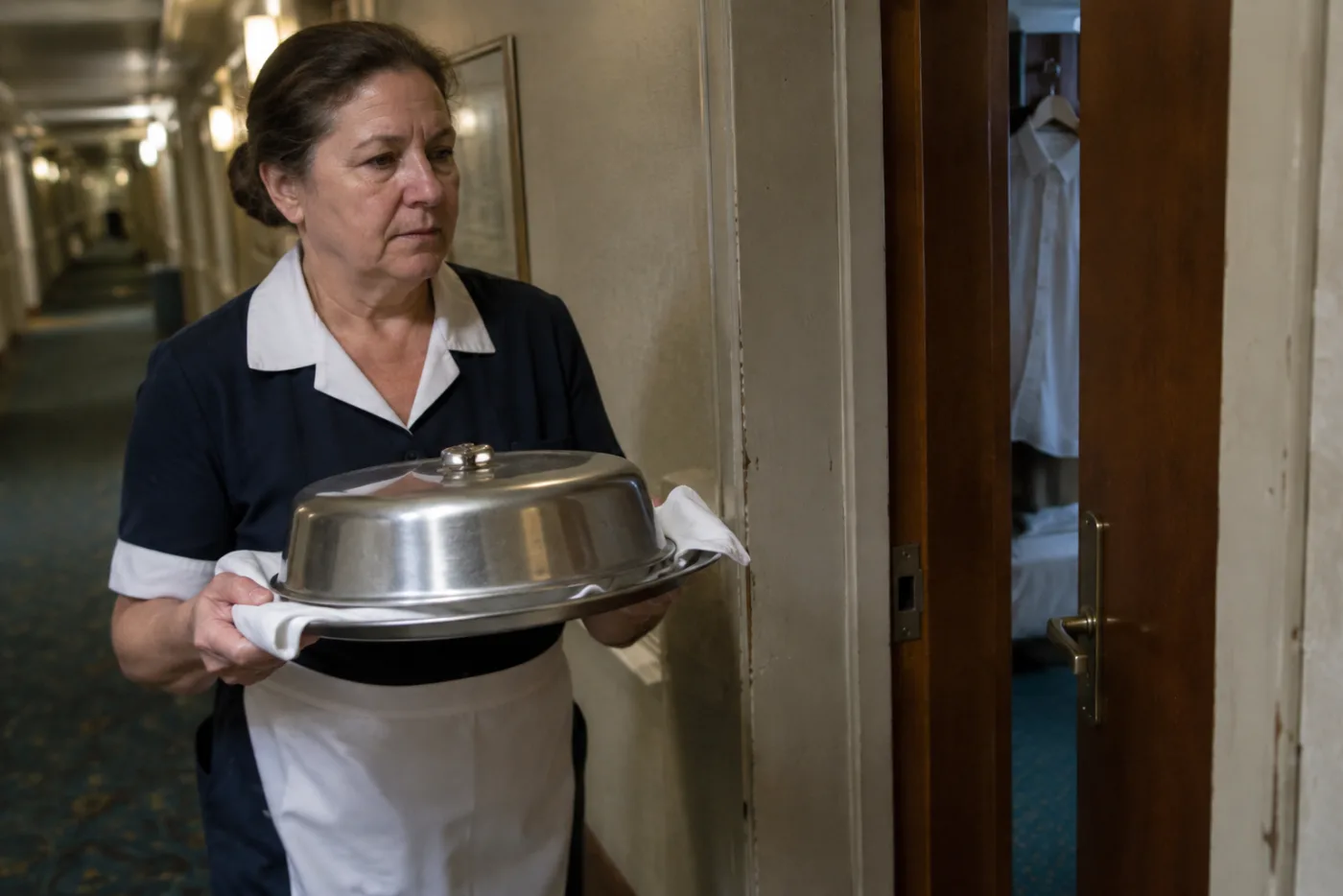
Formal night has a dining room headcount that some lines track closely, since kitchen staffing and seating plans depend on an accurate number. A steward's report on room service orders that night can factor into that count.
This matters more than a casual dinner choice might suggest. Consistent no-shows on formal night can shift how future seating charts and staffing levels get planned for that route. It is logistics, not judgment about your outfit.
If you'd rather skip the dining room, that's fine, but let the dining team know in advance if you can. It keeps the numbers accurate and avoids confusion at your usual table.
14Luggage Left Blocking the Hallway
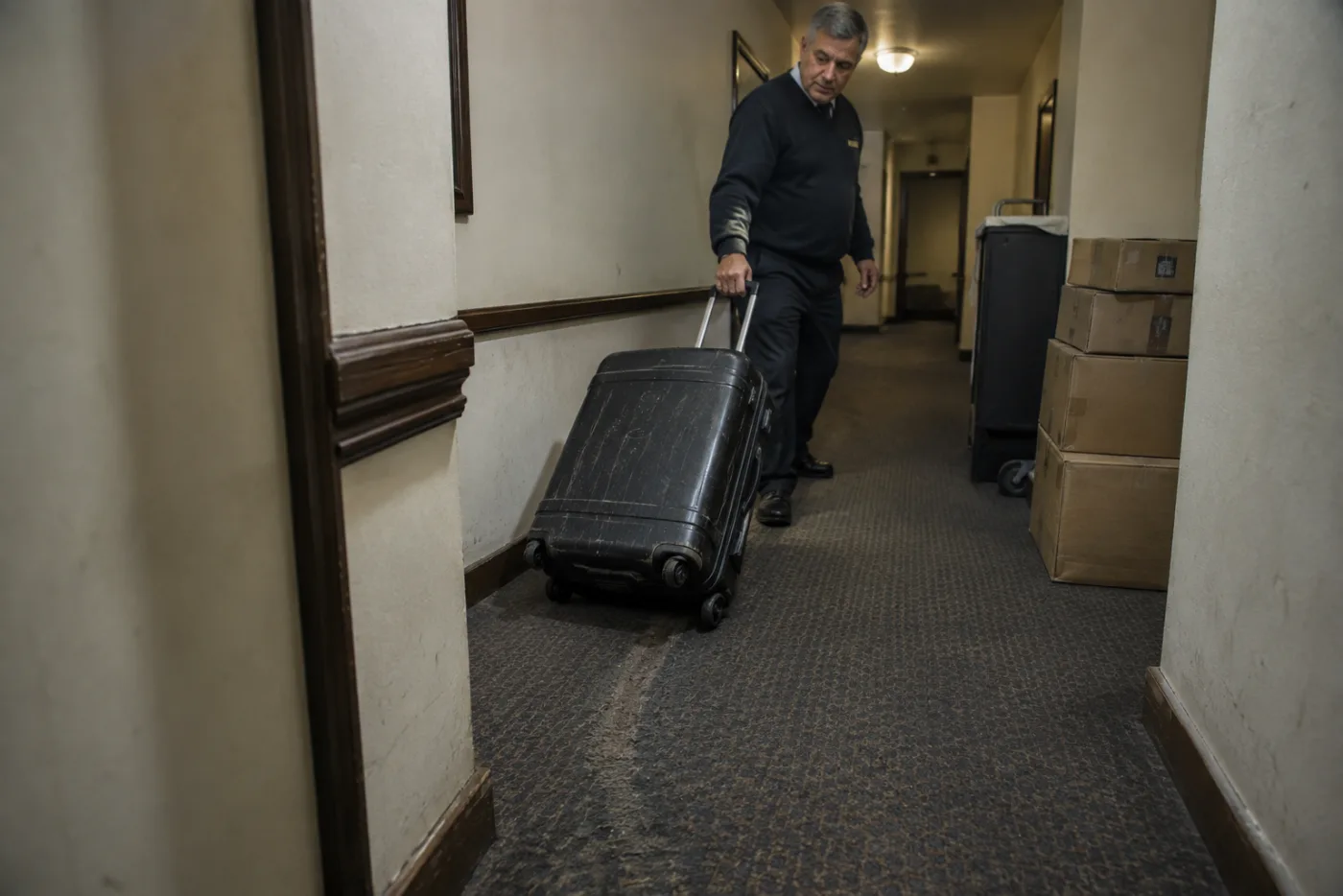
Fire-code rules set a minimum corridor width on every deck, and stray luggage sitting outside a cabin door violates that measurement directly. It is treated as a documented safety issue, not simple clutter waiting to be moved.
Crew members doing rounds have to note and photograph these violations in some cases, especially on decks with narrow layouts. A suitcase left overnight is far more likely to get flagged than one moved within the hour.
Pull bags fully inside your cabin as soon as you can, even if space feels tight. It keeps the hallway clear and keeps your cabin number out of any safety log.
15The Dietary Request Card on Your Door
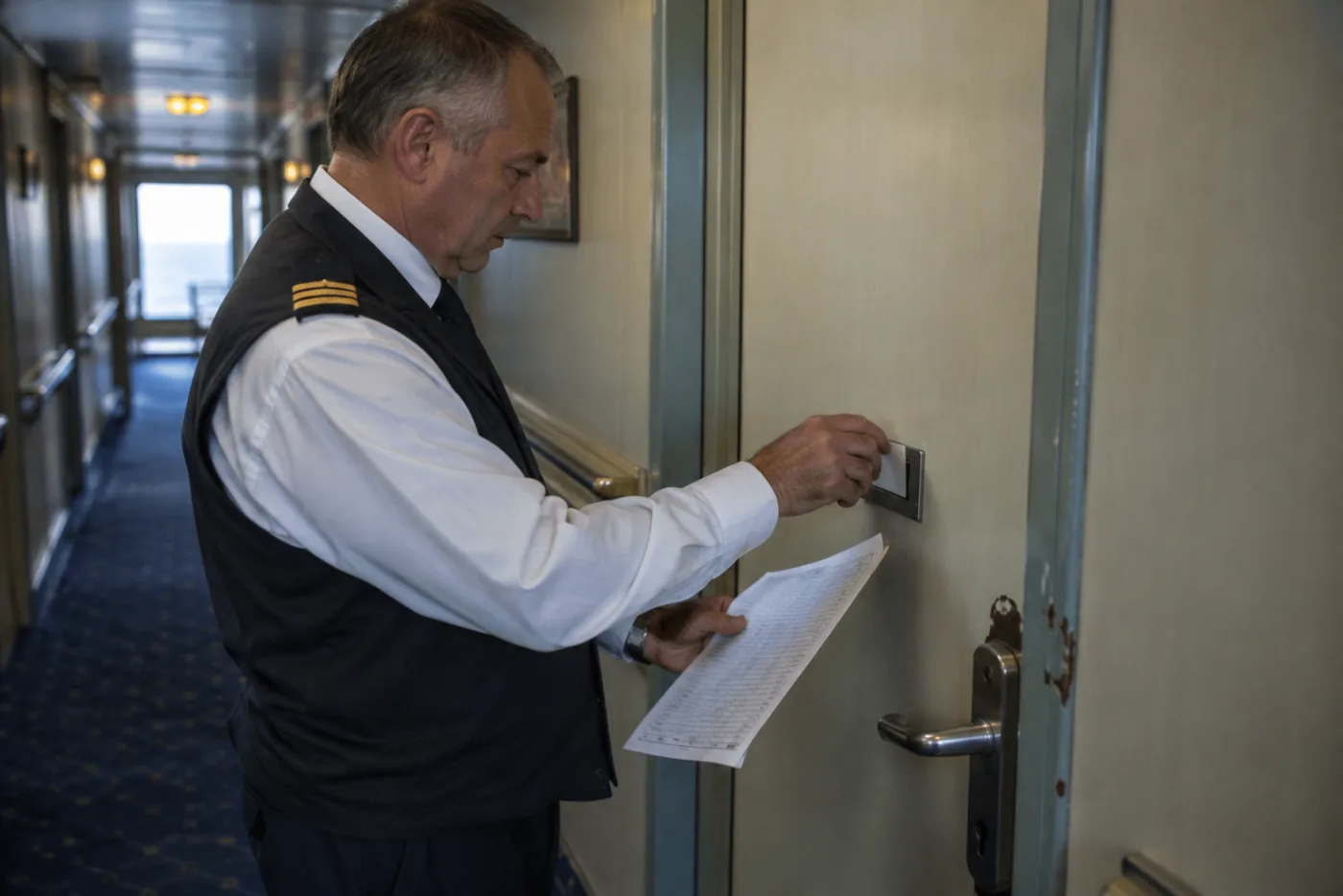
A dietary card is more than a note taped to your door. It triggers a formal notification that runs through the galley system, confirming allergies or restrictions with kitchen staff well before your first meal. Your steward often helps verify the card matches the booking.
This process exists because dietary mistakes onboard carry real risk, especially with severe allergies at sea, far from a familiar hospital. The card creates a paper trail the kitchen can act on quickly.
Fill the card out clearly and check that it's still posted after cabin cleaning. If it goes missing, tell your steward directly. The system only works if the information stays visible.
16The Item You Left Behind Last Cruise

Lost items do not vanish into a general bin. They get logged by cabin number in a formal tracking system, which means a forgotten charger or jacket creates a record tied to your name across multiple trips.
This matters more than it sounds. Repeat patterns, like frequently forgetting valuables or medication, sometimes get referenced by guest services when handling a related request later. The system remembers more than most guests expect.
Do a full drawer and safe check before disembarkation, every single time. It saves you a claim form later. And it keeps your travel record clean of avoidable entries.
17Whether Anything in the Cabin Got Damaged
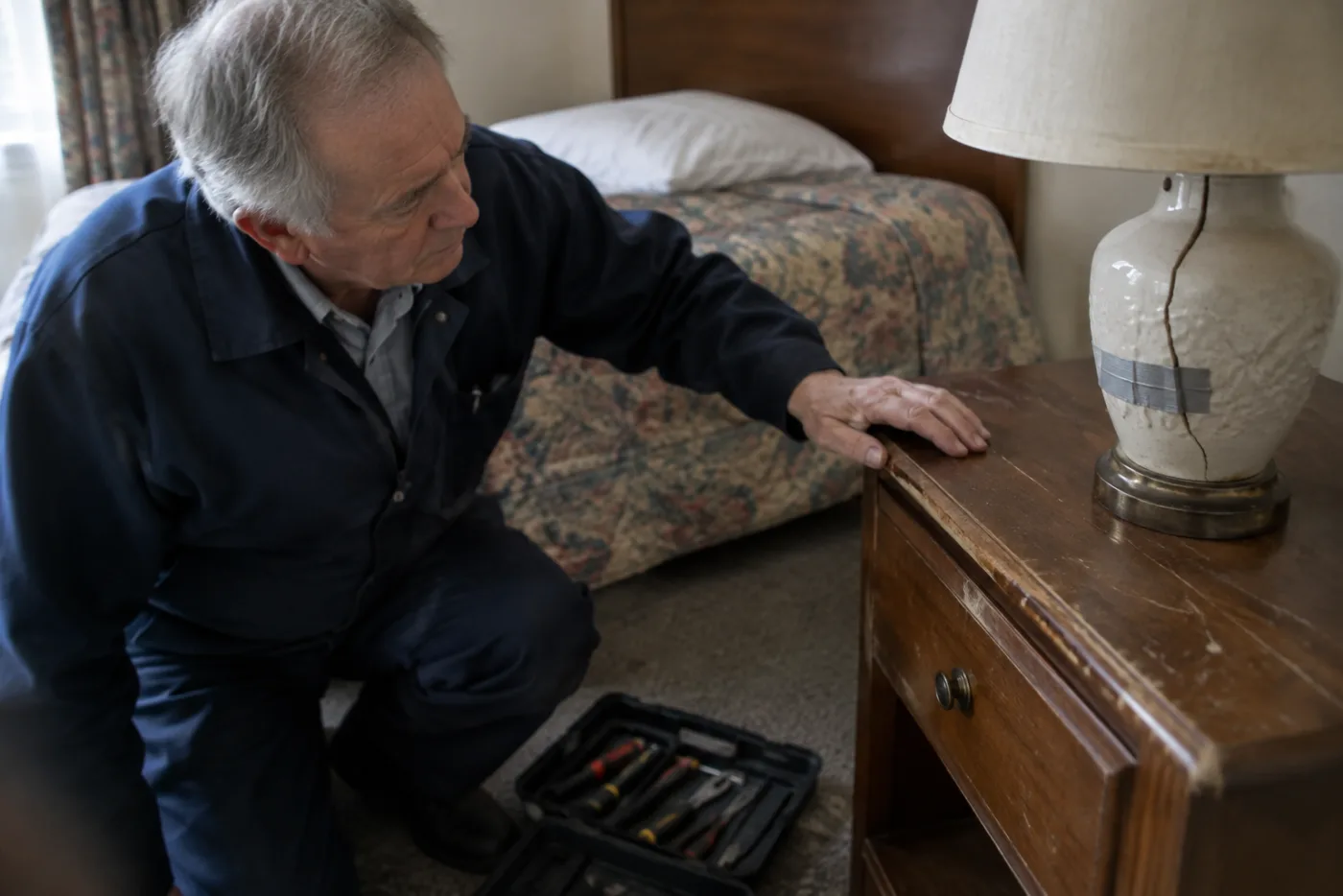
The final cabin walkthrough is not a casual glance before the next guest arrives. It follows a published damage fee schedule, meaning stains, burns, or broken fixtures get assessed against a specific price list, not a guess.
Stewards are the ones who catch it first, since they know the cabin's condition better than anyone by the end of a sailing. A cigarette burn on a comforter or a cracked mirror gets reported the same day.
If something breaks by accident, report it yourself before the walkthrough. Being upfront often smooths out how a charge gets handled. Silence just means the inspection finds it instead.
18How Fast Your Cabin Gets Flipped for the Next Guest

Turnaround day runs on a strict clock, and your "spotless" cabin might have been cleaned in a tight, timed window between the last guest leaving and you arriving. Every task, from linens to vacuuming, fits inside that same short block.
This is why some cabins feel rushed if you look closely at the corners. Stewards are managing dozens of rooms on the exact same clock, all needing to be ready before new guests start boarding that afternoon.
Give the room a little grace on embarkation day if something small looks missed. A quick call usually fixes it fast. The turnaround window rarely allows for a second pass.
19How Many Self-Service Laundry Bags You Use
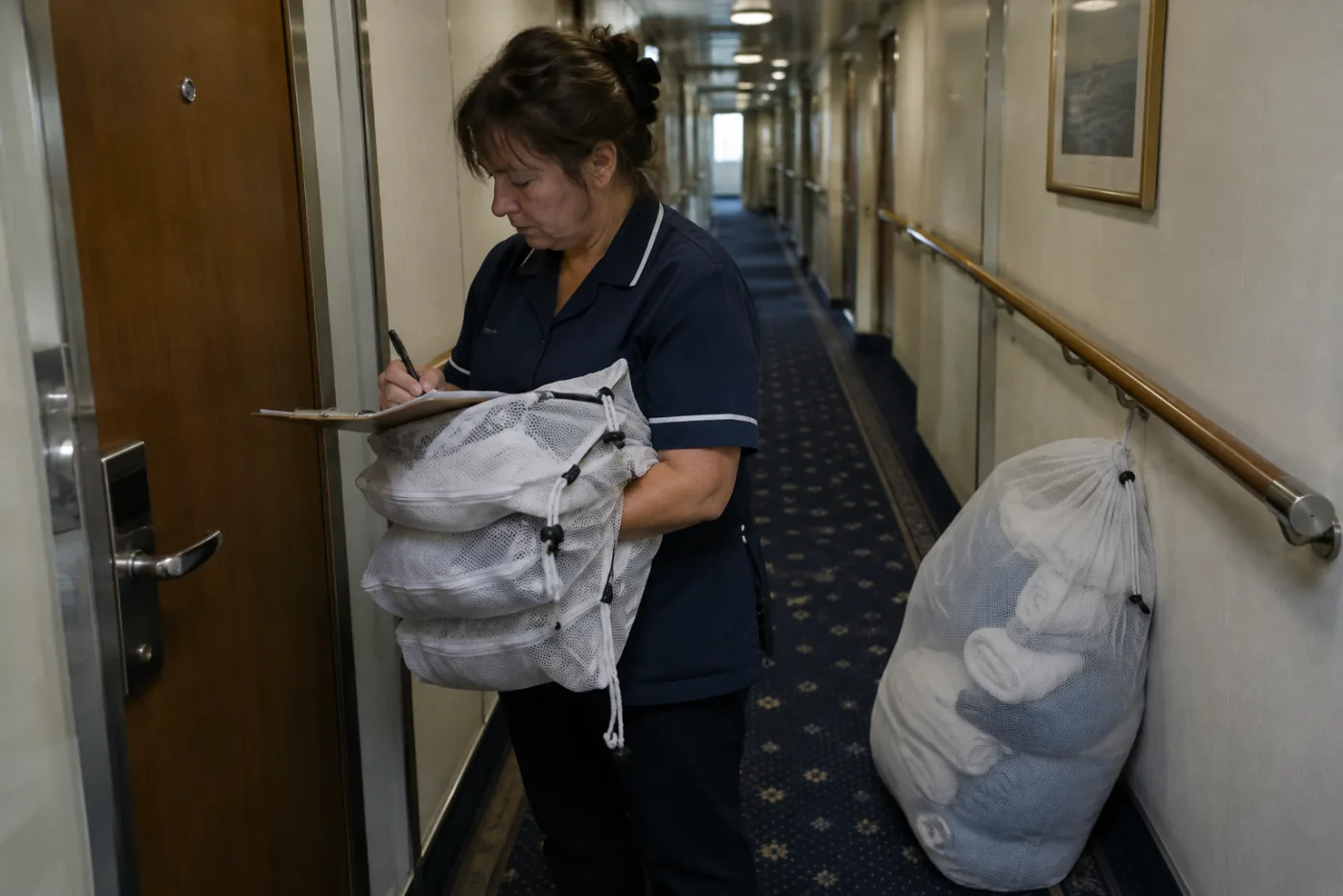
Self-service laundry bags come with a published per-bag price, and usage gets tracked through the same request system stewards use to manage pickups and returns. A pattern of heavy use is visible in that record.
This tracking exists partly to manage machine time and staffing on laundry decks, which run on a tight schedule across a full ship. Frequent requests are not a problem, but they do show up clearly in the system.
If laundry costs are a concern, check the published per-bag price before your first load. Packing lighter clothing that dries fast can cut down how often you need the service at all.
20Whether You're Paying the Solo Traveler Surcharge

Single-occupancy pricing is published clearly by every major line, and it shows up on the cabin manifest stewards can see for their block. That manifest often reveals who is sailing solo before a single conversation happens.
This detail matters more than it seems. Solo travelers sometimes get different service patterns, since a one-person cabin has different towel, linen, and minibar needs than a shared one. Stewards adjust their routine slightly based on that manifest entry.
If you're traveling solo, mention any specific preferences early. It helps the steward calibrate service correctly from day one, instead of guessing based on a two-person default.
21How Your Tip Gets Split With the Rest of the Crew
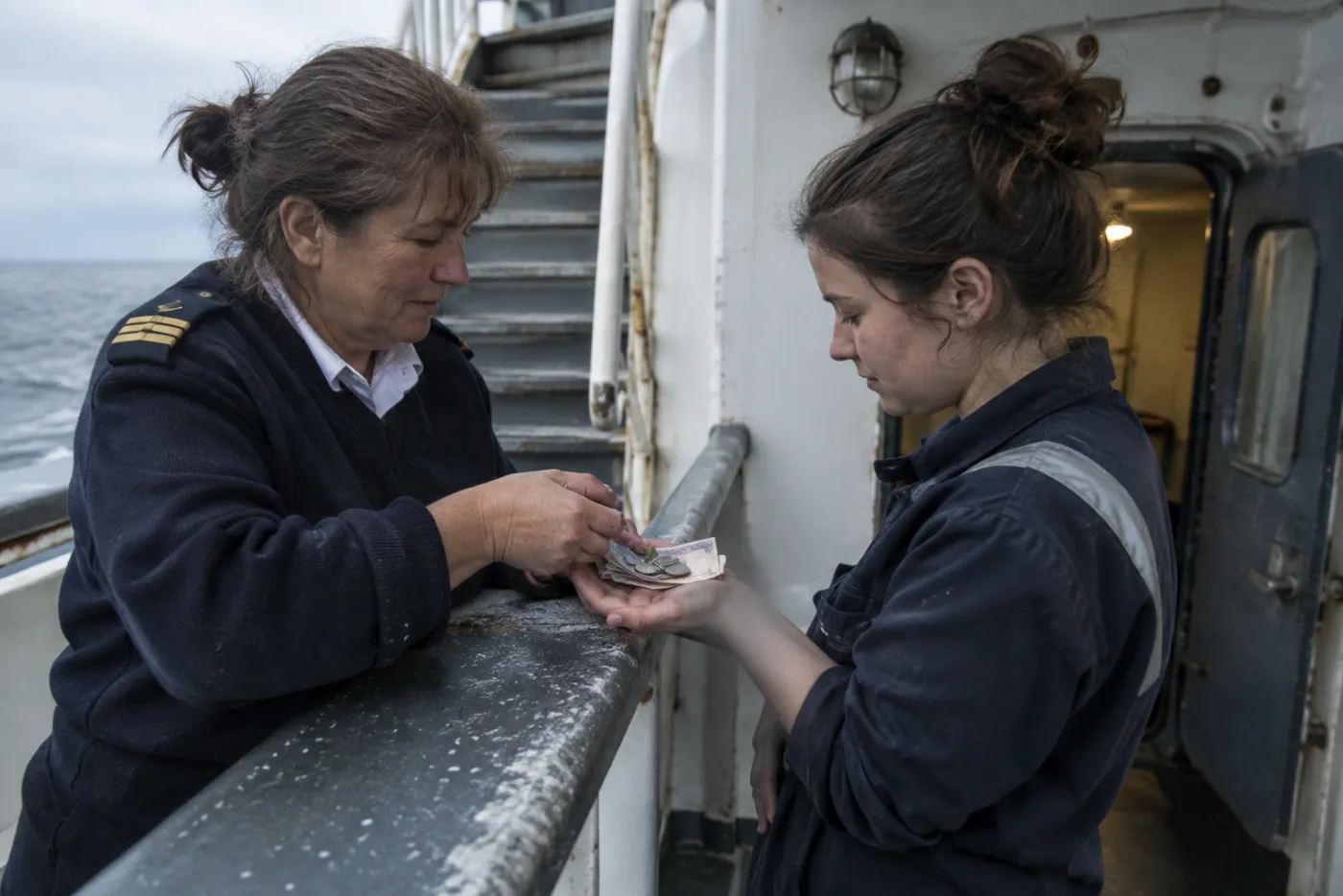
The tip you leave does not stay entirely with your steward. Published gratuity policies show the daily service charge gets pooled and divided among several crew roles, including dining staff and behind-the-scenes workers you may never meet.
This structure exists because a cruise runs on far more labor than the guest-facing crew alone. Kitchen staff, laundry workers, and cabin support all draw from the same pooled charge, split according to a fixed internal formula.
Knowing this doesn't change what you owe, but it explains why service across the ship tends to be consistently strong. The whole crew has a stake in that daily charge, not just one person.
22Every Time Your Key Card Opens the Door
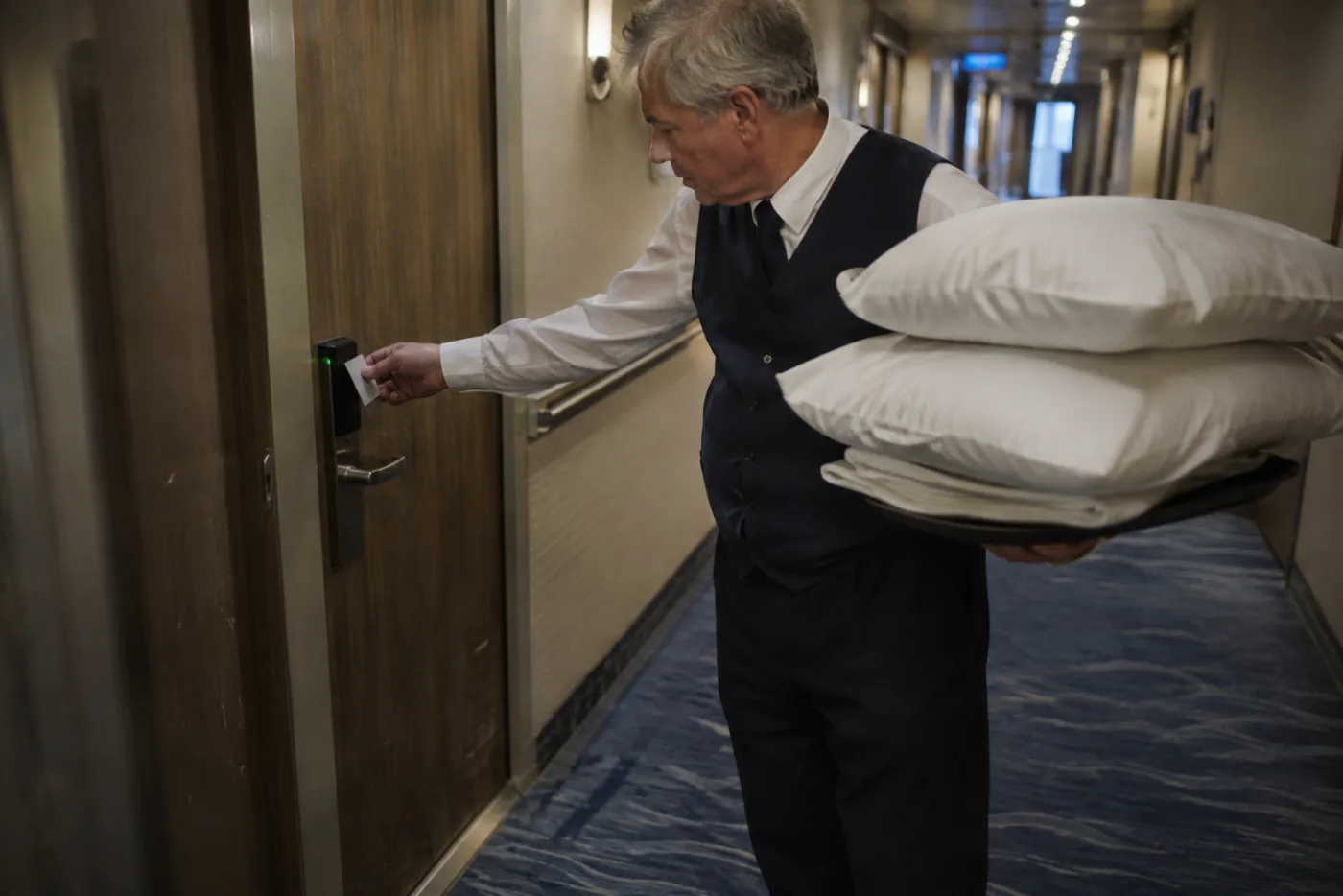
Your key card is also a security log. Every tap at your cabin door gets time-stamped in the ship's system, creating a record of when you came and went throughout the cruise, whether you think about it or not.
This exists for safety reasons more than curiosity. If a guest goes missing or a dispute arises, that log gives security a clear timeline to work from. Stewards can sometimes see basic entry patterns tied to their assigned cabins.
There's no real action needed here, since the system runs automatically. Just know that your comings and goings are quietly documented, the same way they are for every other cabin on the ship.
23The Bottle You Smuggled Aboard
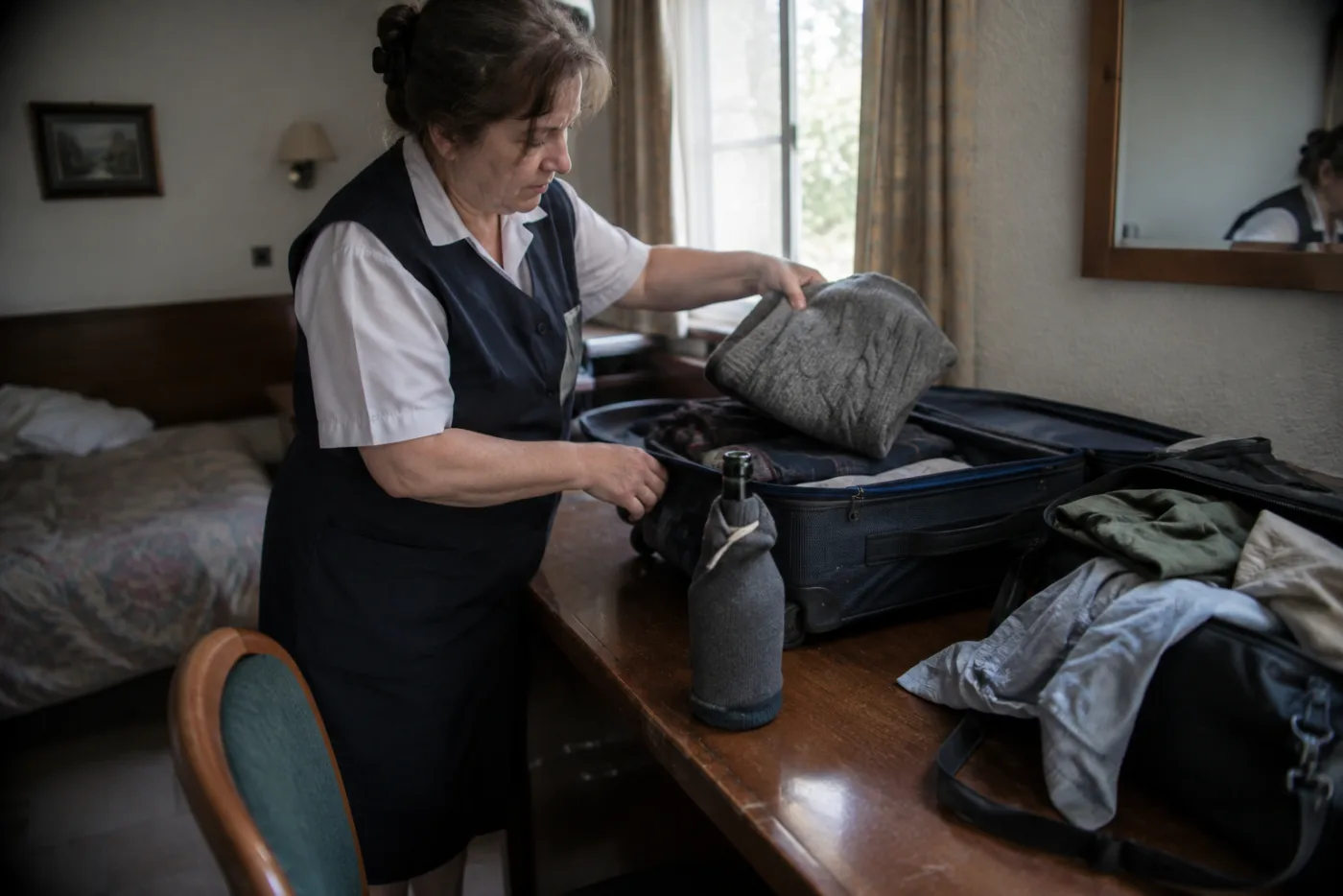
Outside alcohol allowances and corkage fees are published clearly by every major line, and undeclared bottles rarely stay hidden for long. Stewards notice extra bottles during routine cabin checks and are expected to report anything that was not declared at boarding.
This isn't about policing your vacation for fun. Lines track alcohol closely for liability reasons, especially with minors sometimes present in nearby cabins. A quiet bottle in a suitcase becomes a real issue if it's ever involved in an incident.
Declare bottles honestly at boarding and expect to pay the listed corkage fee if one applies. It avoids a confiscation and keeps your steward out of an awkward report.
24Whether You Requested a Child-Size Life Vest
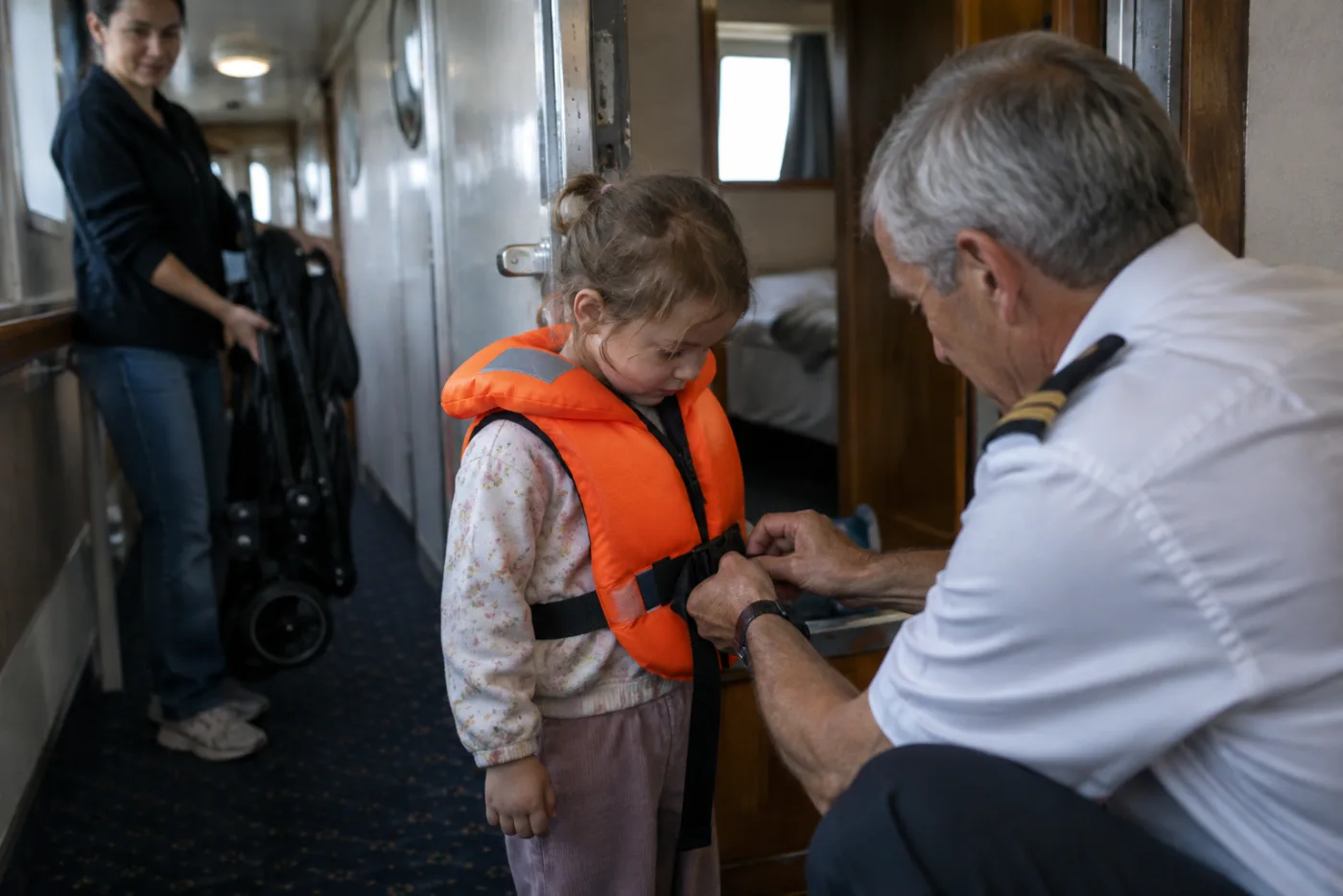
Life vest sizing follows strict rules tied to a passenger's age and weight, and a request for a child-size vest quietly confirms there's a young child staying in that cabin, even if no one mentioned it at check-in.
This detail matters for muster planning, since children are assigned different stations or grouped differently during drills in some cases. A single vest request updates that plan behind the scenes before the ship even leaves port.
If you're traveling with a child, request the correct vest size early rather than waiting. It ensures the right equipment is ready and keeps the muster station assignment accurate from day one.
25The Light Outside Your Door Signaling Do Not Disturb
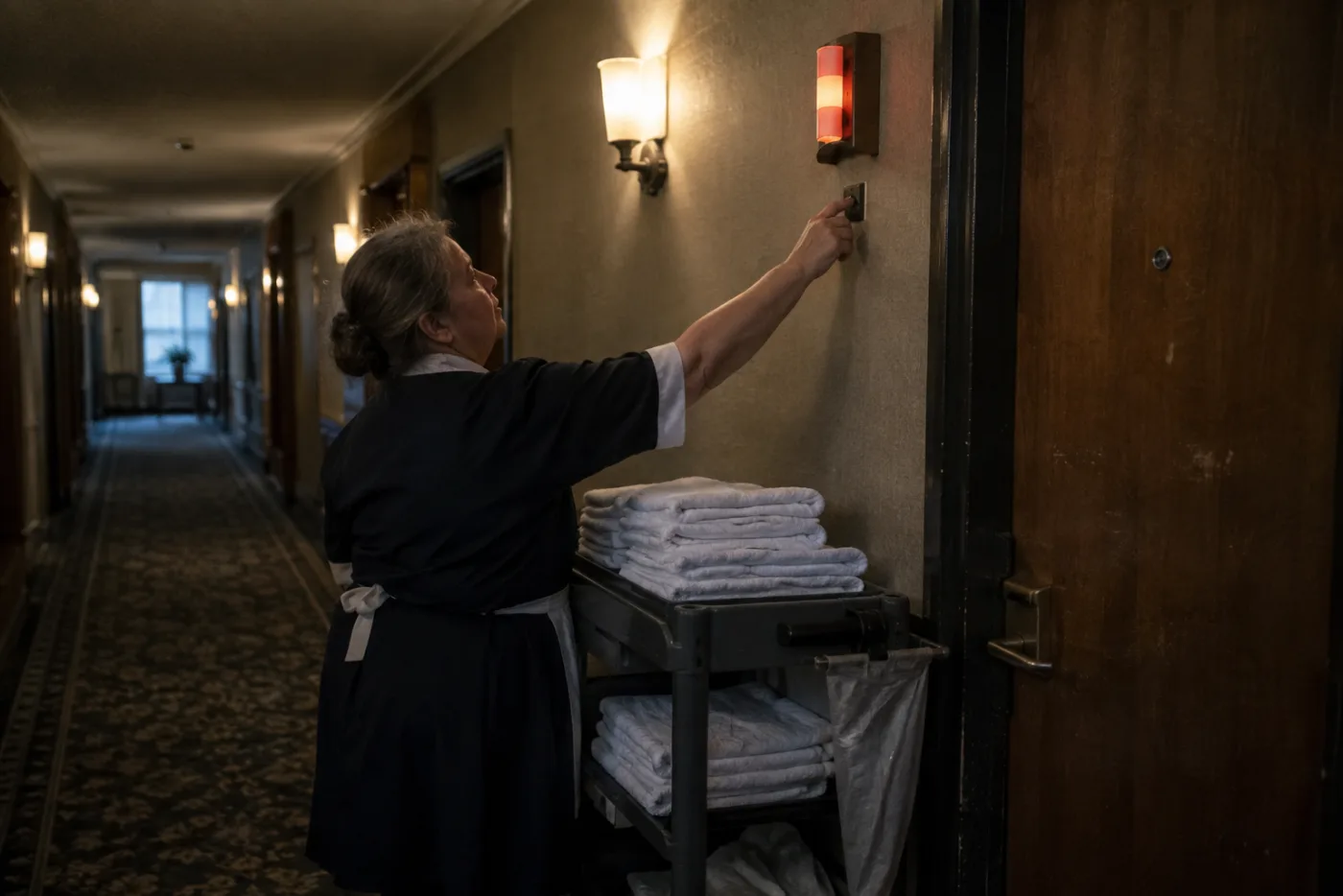
Newer ships have replaced the old paper door hanger with an electronic signal light, and that system logs the exact hours a cabin stayed marked off-limits. It is a quiet upgrade with a much longer memory than a cardboard sign ever had.
This matters because the electronic log ties directly into wellness-check timing, replacing guesswork with an actual timestamp. A steward checking the hallway can see at a glance how long a light has been on without needing to knock first.
Use the light the same way you'd use the old sign, but expect it to be more precisely tracked. A long stretch will eventually trigger the same kind of follow-up.
26How Your Cabin Scores on the Sanitation Checklist
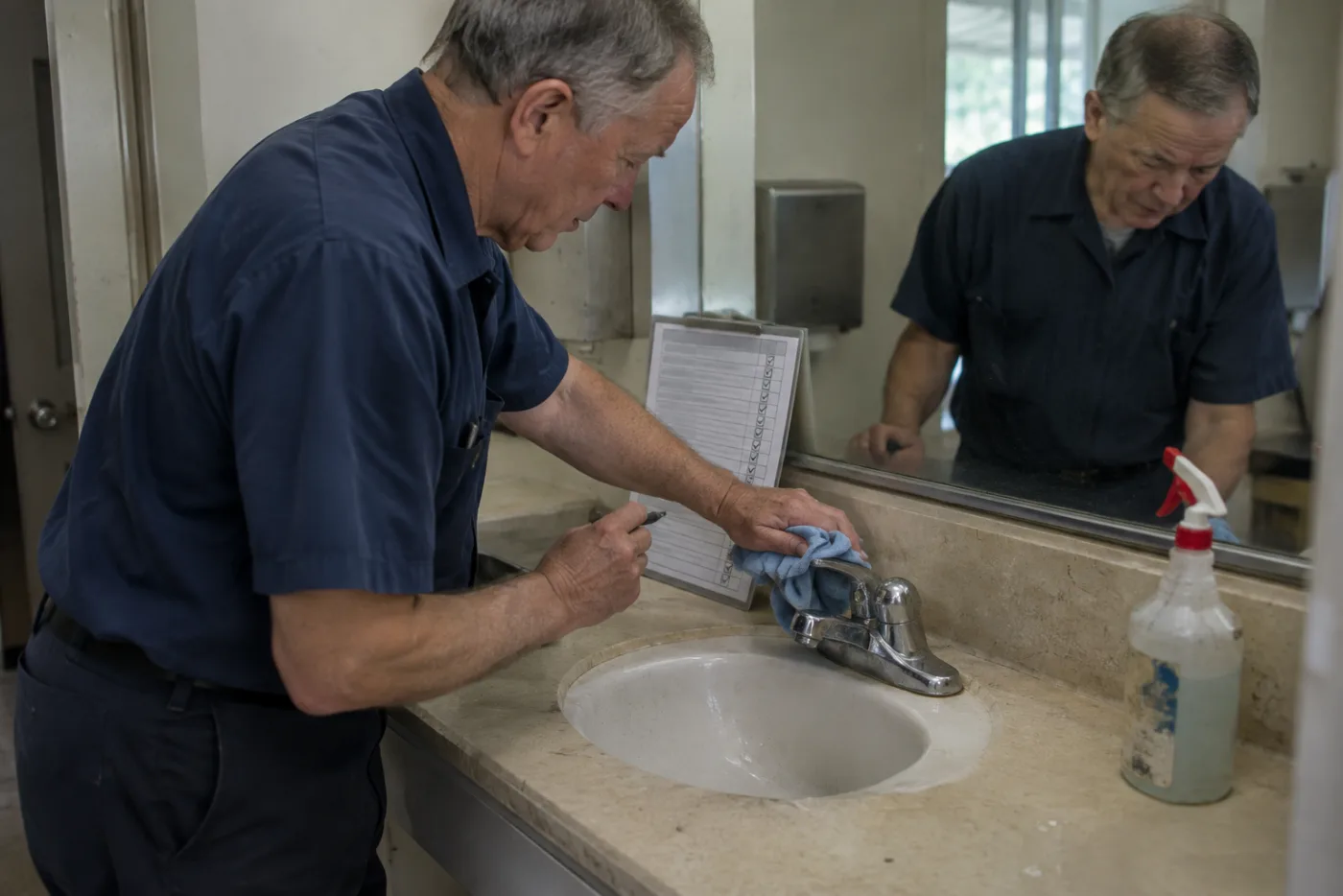
Federal sanitation inspections follow a published checklist covering everything from linen handling to surface cleaning, and stewards are trained to follow it item by item during every service pass through your cabin.
Repeat issues in a specific cabin, like recurring mold complaints or plumbing problems, get flagged in internal records tied to that room number. Inspectors reference these patterns during their periodic ship-wide reviews, which can affect a ship's public score.
If something in your cabin seems off, from a smell to a stain, report it right away. It gets fixed faster and keeps your cabin's record clean going into the next inspection cycle.
The bottom line
Your steward isn't grading you, but they are paying attention. Pack smart, tip what's recommended, skip the glass bottles, and the whole week runs smoother. Small habits, it turns out, say more about a guest than any suitcase ever could.
References
2 sources were checked for this article. Every figure above was verified against the pages below.
- Carnival www.carnival.com/help
- Norwegian Cruise Line www.ncl.com/faq
Margaret Hale
Travel & Lifestyle Editor
Margaret has covered travel for 25 years and has ridden every long-distance train route in the U.S. at least once.
Most read
You might also like